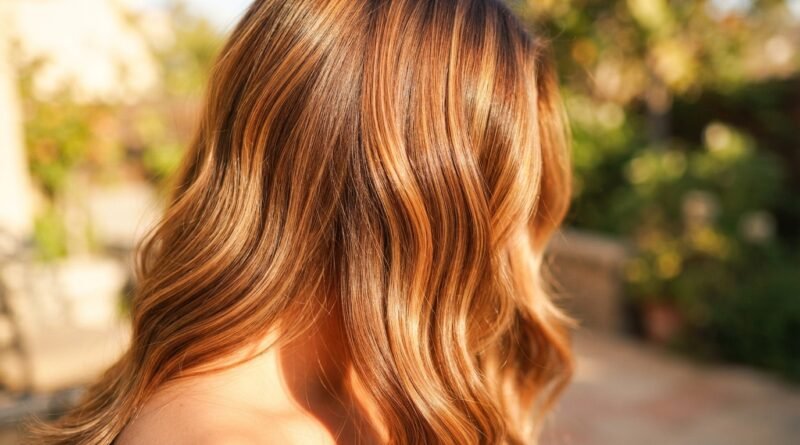
Why Rich Dimensional Color Costs More But Looks Expensive For Months After Your Appointment
You know that feeling when you leave the salon and your hair looks incredible, but then three weeks later it’s brassy, flat, and nothing like day one? That’s exactly why I started paying more for rich dimensional color. It costs more upfront, yes, but it literally looks expensive for months after your appointment. I’m going to break down why that happens, how the technique works, and which 2026 hairstyles make the most of it. By the end, you’ll know exactly what to ask for—and why it’s worth every penny.
Here’s the short version: dimensional color isn’t one flat shade. It uses multiple tones to create depth, movement, and that “old money hair” vibe. It fades way more gracefully, doesn’t leave harsh regrowth lines, and works beautifully with everything from a quiet luxury bob to romantic goth hairstyles. Let’s get into it.
What Is Rich Dimensional Color?
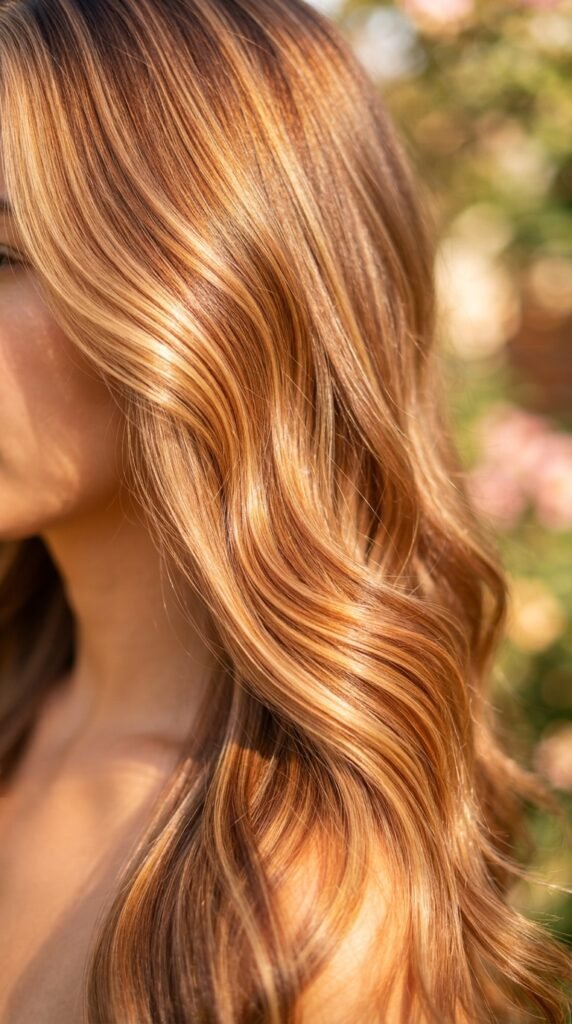
Rich dimensional color is the opposite of that single-bleach-and-tone look. It’s a mix of darker base tones, lighter mid-tones, and micro-fine highlights woven through your hair. Think of it like a diamond—lots of facets catching light instead of one flat mirror.
This is why you’ll see stylists talking about “color melting” or “babylights.” It’s all about creating subtle shifts in tone that move as you turn your head. For 2026, this technique is everywhere. It’s the backbone of the quiet luxury bob and the romantic goth hairstyles people are obsessed with.
Why Does It Cost More Than Basic Color?
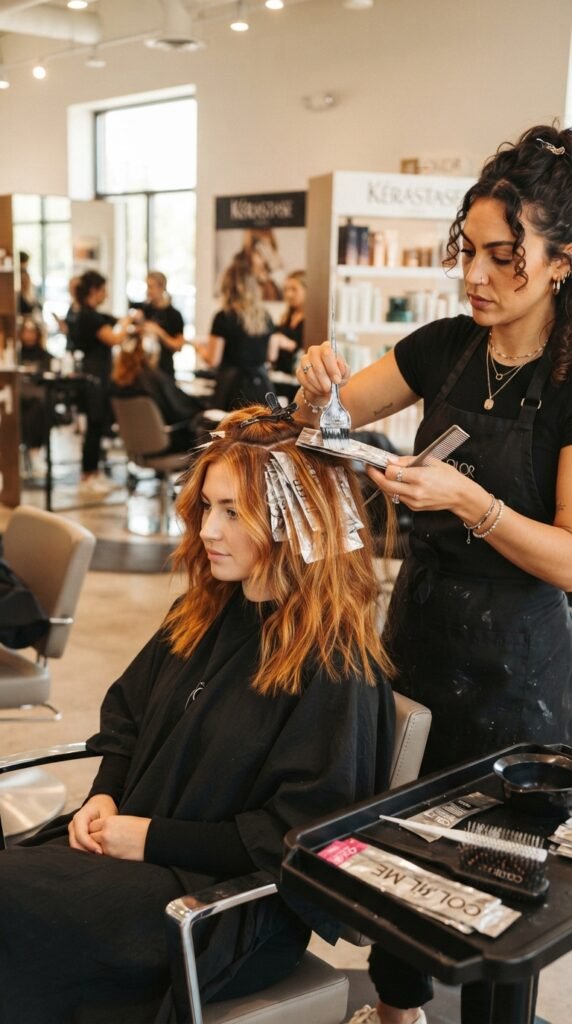
Because it takes time, product, and skill. A basic single-process color is one formula, applied quickly. Dimensional color uses multiple formulas, often painted by hand, with foils that have to be placed just right. That’s a lot more salon chair time.
You’re also paying for the colorist’s eye. They’re mixing custom shades to flatter your skin tone and move with your hair’s natural pattern. That creativity isn’t cheap, but it’s exactly what makes it look expensive for months. Think of it as an investment, not a service.
The Secret Is in the Technique
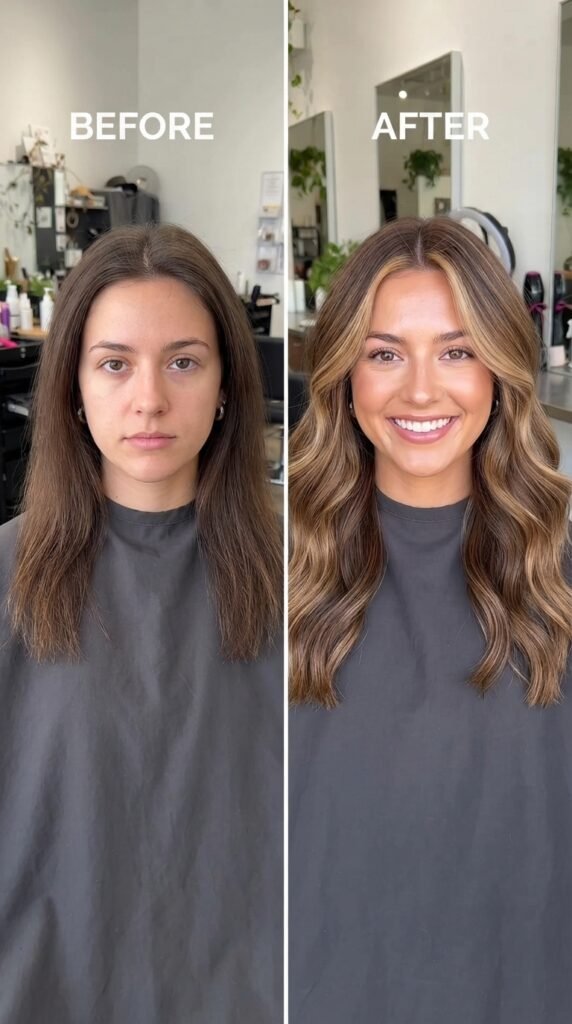
There’s a big difference between highlights and true dimensional color. Highlights are usually separate and striped. Dimensional color blends everything together with a seamless melt. The goal is no harsh lines, no obvious “foil stacks,” just soft, expensive-looking depth.
Your colorist might use balayage, foilyage, or a color melt. All of these techniques let the darker root area blend into lighter ends, so your hair grows out beautifully. That’s why you can stretch your appointment to every four or five months instead of every six weeks.
How It Fades (Gracefully) Over Time

Cheap color fades into a weird brassy orange or dull green. Dimensional color fades like it’s intentional. As the toners wash away, the lighter pieces just soften into a sun-sweetened version of the original. You get that “I woke up like this” vibe for months.
Because the darkest shades sit at your root, there’s zero harsh regrowth line. The color simply gently transitions into your natural hair. That means as it grows, you still look polished—not like you skipped your appointment. That’s the real magic.
The “Old Money” Effect
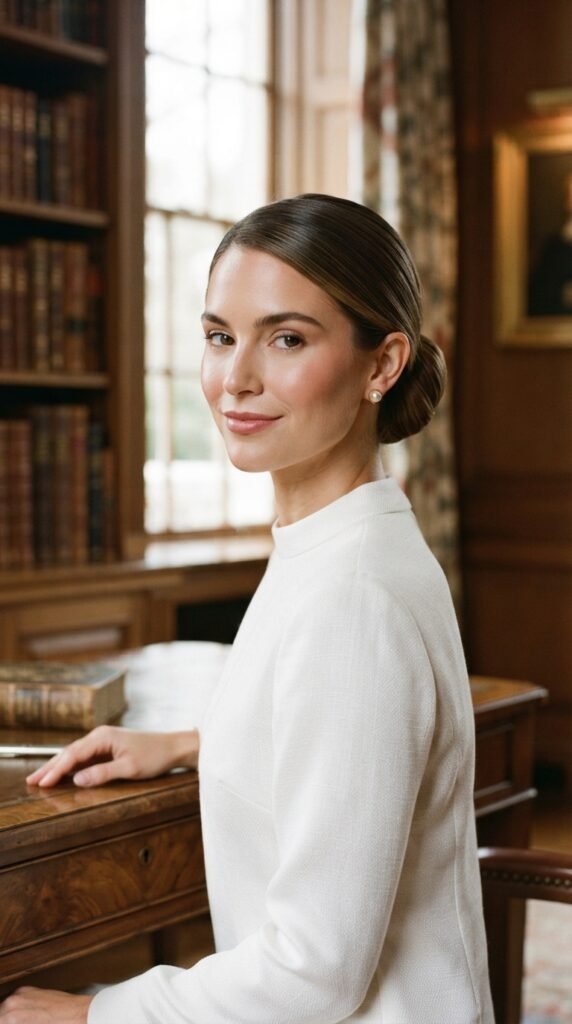
Old money hair is all about quiet polish, not loud color. That’s why dimensional color is the perfect match. The muted, natural-looking tones say “I have a good colorist” without shouting. It’s confident, understated, and looks expensive in every season.
If you’re into 2026 hairstyles, you’ve seen this on tons of Pinterest boards. Think glossy, healthy-moving hair with subtle dimension and zero brassy tones. That’s the old money effect. It makes everything—from a simple t-shirt to a silk blouse—look instantly more elevated.
Why It Looks Expensive for Months
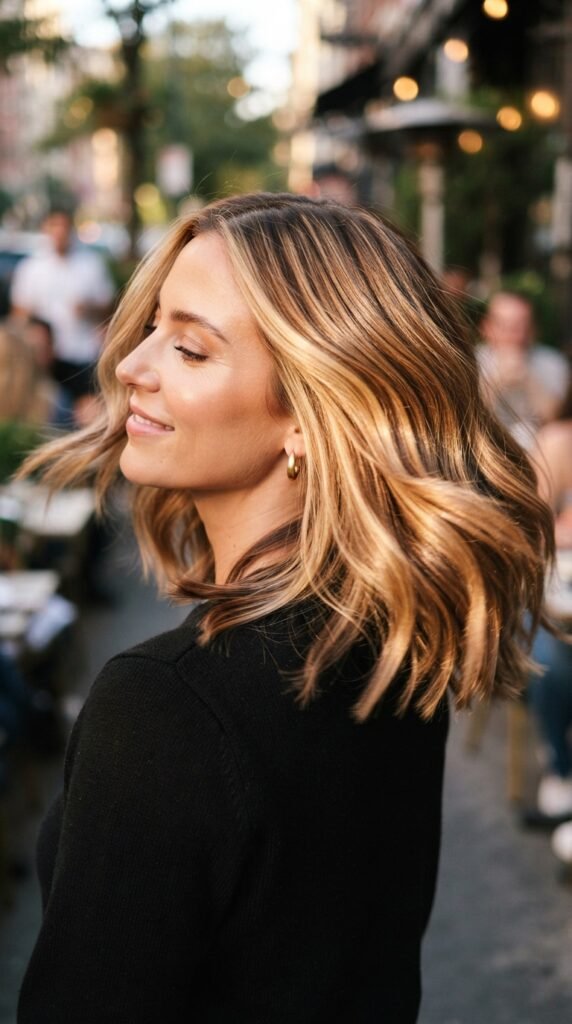
Three months after your appointment, your roots will be softened by the low-lights instead of a stark line. That’s the biggest reason it keeps looking pricey. The color grows into a beautiful shadow effect, not a stripe across your part.
Plus, the glossy topcoat product your colorist uses adds a shine layer that protects the color. That shine reflects light in a way that makes every tone pop. So even as the color fades, your hair still has that “fresh from the salon” gleam.
Low-Maintenance Roots = Longer Lifespan

Because the color starts a few inches from your scalp, you’re not obsessing over regrowth. I love that. My colorist leaves my base almost natural and adds dimension around it. When my hair grows out, it looks like I did it on purpose.
Most dimensional color lasts 12 to 16 weeks before you even need to think about a touch-up. Compare that to solid color where you’re booking every four weeks. That’s fewer salon visits, less money over time, and way less stress.
How It Works With 2026 Hairstyles
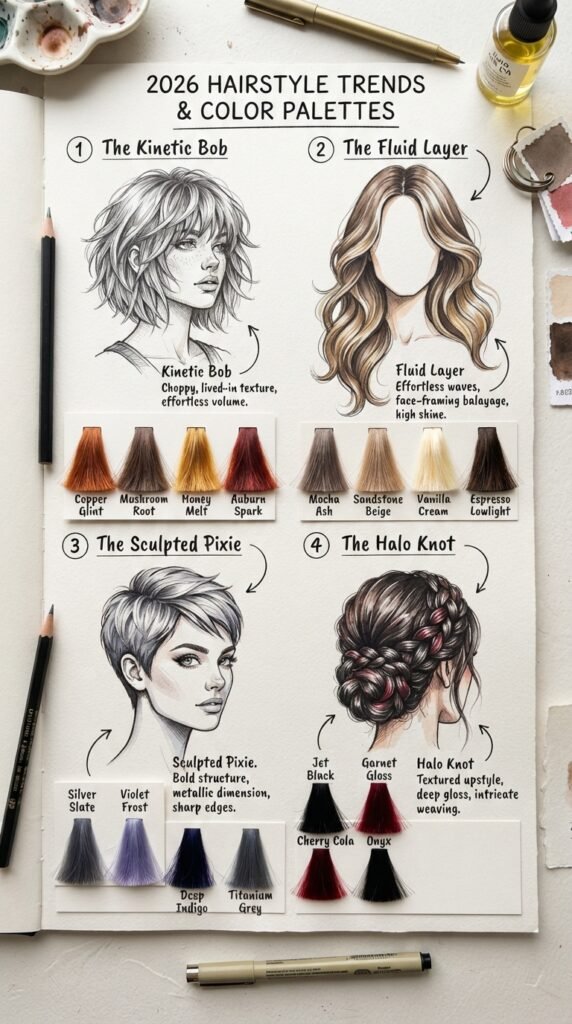
Dimensional color is basically the universal pairing for this year’s biggest cuts. It adds depth to blunt bobs, movement to layers, and edge to gothic styles. Whatever you choose, dimension makes the haircut look more expensive.
For 2026, we’re seeing a lot of bold shapes like the asymmetrical lob and vampire haircut. Those cuts need color that doesn’t compete. Dimensional tones let the silhouette shine while adding just enough richness to keep your eyes moving up and down the hair.
Pairing With the Quiet Luxury Bob

The quiet luxury bob is my absolute favorite example. It’s sharp, chin-length, and usually one length. If you put flat color in it, it can feel harsh. Add dimension, and suddenly it’s this soft, spendy, polished look.
You’ll want low-contrast dimension—just a shade or two lighter than your natural root. Think ribbon-like highlights around the face and a gloss over everything. Instant old money energy, and it stays looking amazing even when your bob grows into a long lob.
Romantic Goth Hairstyles and Dimensional Color
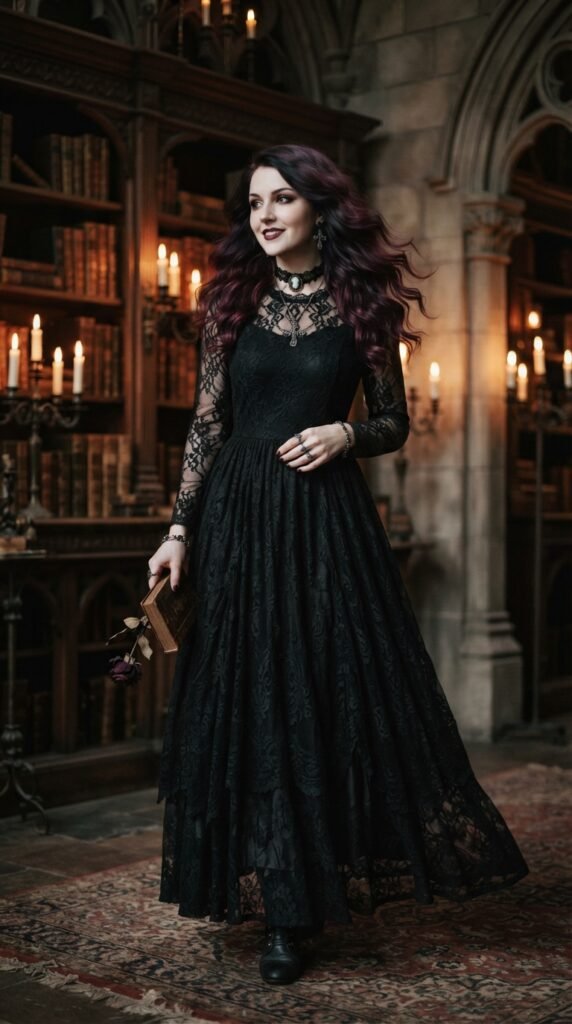
Romantic goth hairstyles are all about drama without going flat black. That’s where dimensional color shines. Instead of a solid black, your stylist can weave in deeper plum, espresso, or even a subtle burgundy. It’s goth, but luxurious.
The dimension prevents your hair from looking like a Halloween wig. It adds movement and softness that fits the romantic side of the trend. Plus, as it fades, you won’t get that ashiness that often happens with black dye. It just gets cooler and more mysterious.
Glitchy Glam Hair: A Trend That Needs Dimension
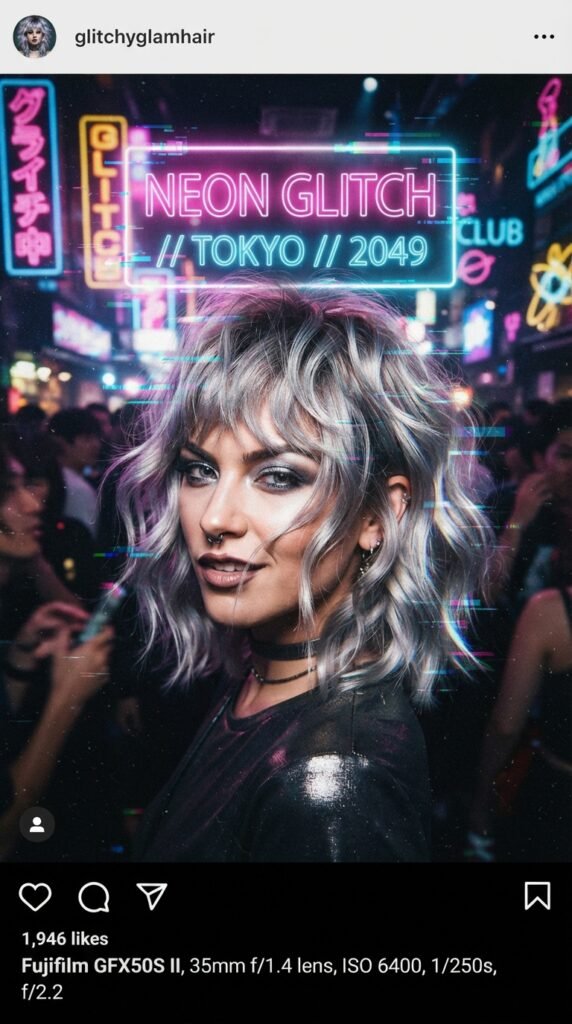
Okay, this trend is wild but I love it. Glitchy glam hair swaps traditional gradient fades for sharp, pixelated color placements. It sounds loud, but it only works if the background color has depth. Dimensional color gives that depth behind the glitch.
Imagine your natural base melted into subtle smoky tones, then a few metallic silver ribbons placed in geometric sections. The dimension makes the glitch effect stand out instead of looking messy. Definitely a statement, but it still has that expensive finish.
The Asymmetrical Lob and Color Placement
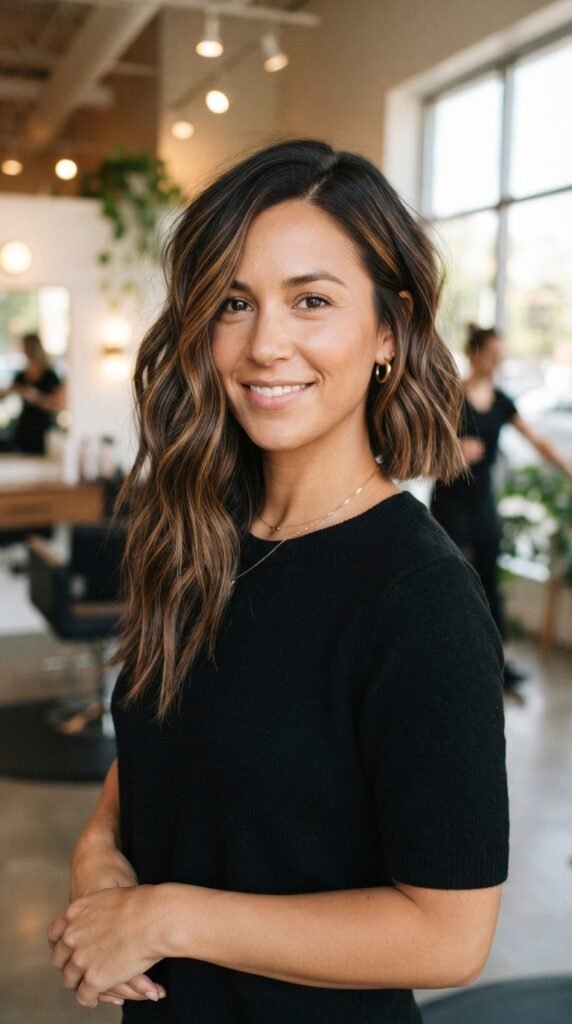
The asymmetrical lob is a favorite for 2026. Because the cut is so intentional, your color should be too. Dimensional placement can emphasize the longer side and soften the shorter side, making the whole cut feel balanced.
My colorist calls it “color that follows the cut.” You can ask for a few baby lights concentrated around the face and a slightly deeper tone underneath. That adds movement without distracting from the asymmetry. It looks editorial but totally wearable.
Vampire Haircut? Yes, It’s a Thing
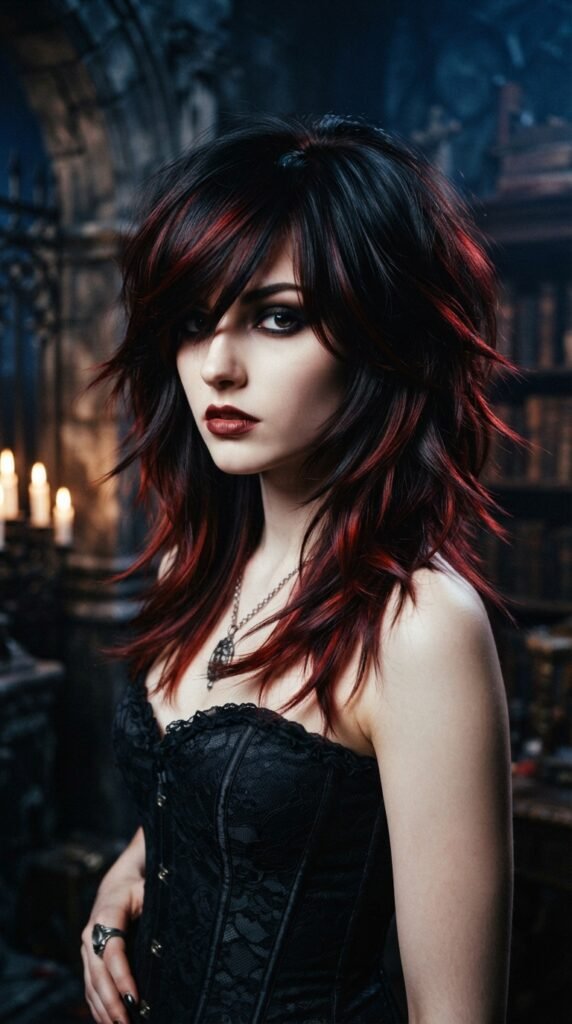
If you haven’t heard of the vampire haircut yet, you will. It’s a shaggy, point-cut style that’s both sharp and romantic. And it absolutely calls for dimensional color. The teeth-like ends look even cooler when each point catches a slightly different shade.
Think darkest root, then cool burgundy or deep cherry in the middle, with darker tones at the wispy ends. The dimension gives that “bitten but polished” feeling. Even after weeks, the pointed ends act like natural light-catchers for whatever color remains.
Hime Cut Meets Dimensional Color
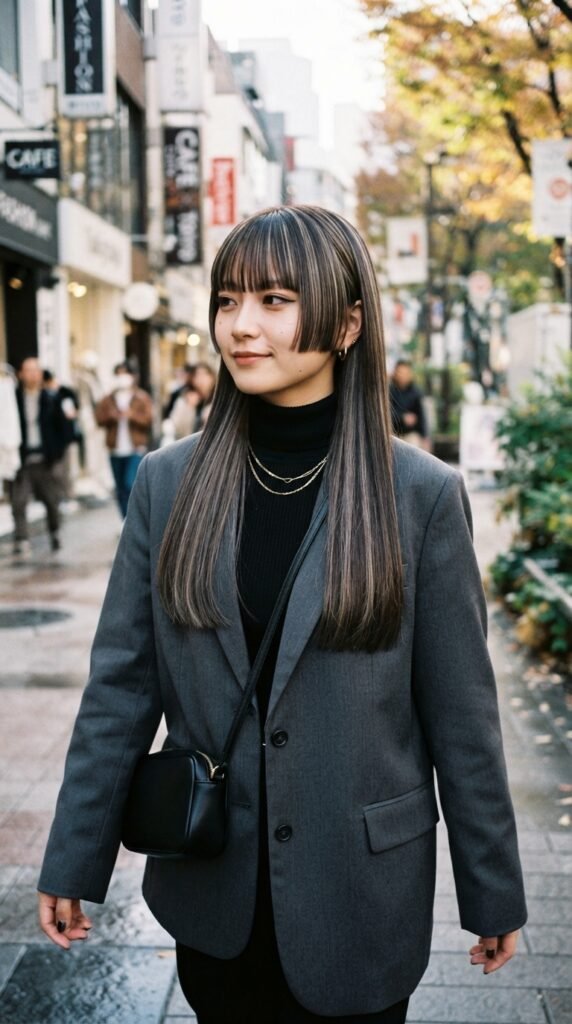
Hime cuts are back in a big way for 2026. The blunt cheek-length strands and long back layer are super bold. To keep it from looking severe, dimensional color is your best friend. I love a soft bronze or champagne shade woven through those front pieces.
That dimension softens the hard line of the cut and adds a little glow around your face. As the hime pieces grow, the color melt still looks balanced. You won’t get that “grown out” feeling nearly as fast as you would with solid dye.
What to Ask Your Colorist
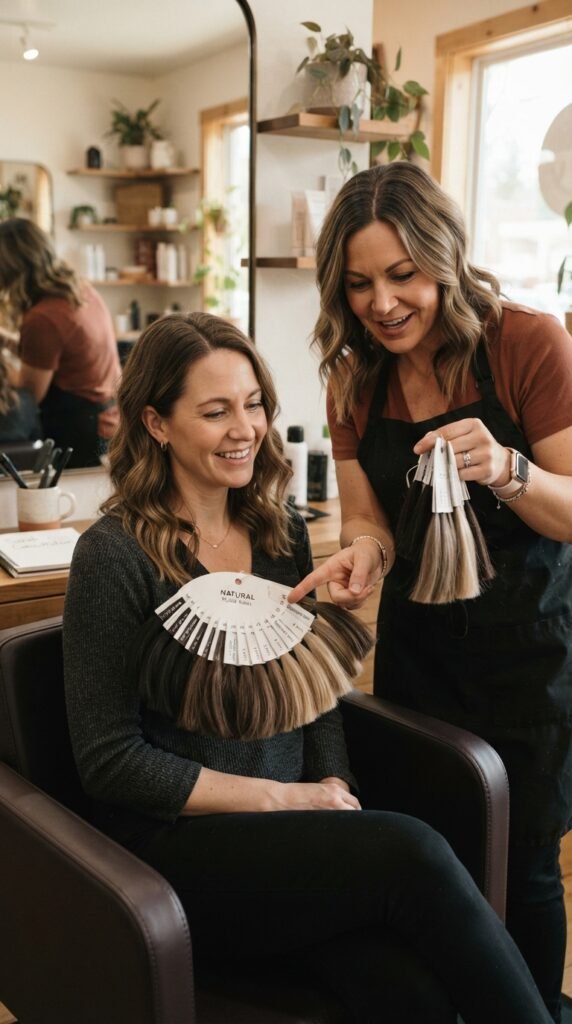
Don’t just say “give me dimension.” Be specific. Ask for a lived-in color melt with a soft root shadow and a few face-framing ribbons. Say you want it to grow out gracefully. That tells your colorist your priority is longevity, not drama.
Bring photos of the exact vibe you want, but let them adjust it for your skin tone and hair history. Ask how many foils they’ll use and what the upkeep looks like. A good colorist will be honest about how long it can really last.
How to Maintain the Investment at Home
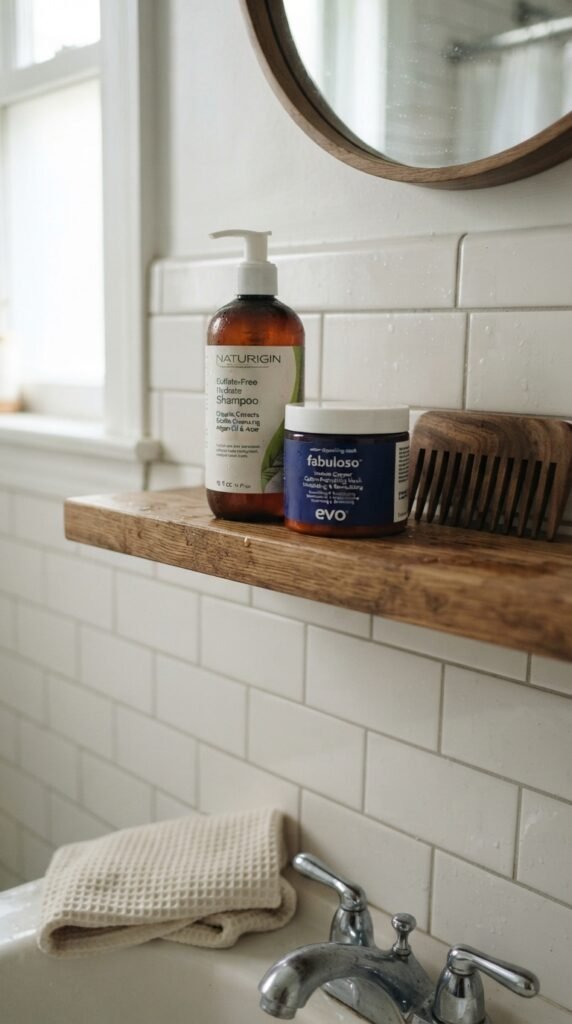
Your salon appointment is only half the story. To make it look expensive for months, you need to protect color. First, swap your regular shampoo for a sulfate-free option. Sulfates strip toner way too fast and kill that dimensional glow.
Also, wash your hair less. I know, I know—but even going every other day makes a huge difference. Use cool or lukewarm water for the final rinse. And once a week, use a color-depositing mask in the same tone family as your highlights. It refreshes the color at home.
The Best Products for Dimensional Color

You don’t need a million products. But there are a few that make dimension last longer. A weekly bond mask keeps the hair strong so color doesn’t slip off damaged strands. A leave-in UV spray fights fading from sun exposure.
And genuinely, a clear gloss treatment at home every few weeks brings back that glassy shine. That shine is what sells “expensive.” Find products with hyaluronic acid or peptide formulas—they plump the hair so the color sits flat and glossy.
How Often Should You Book Touch-Ups?
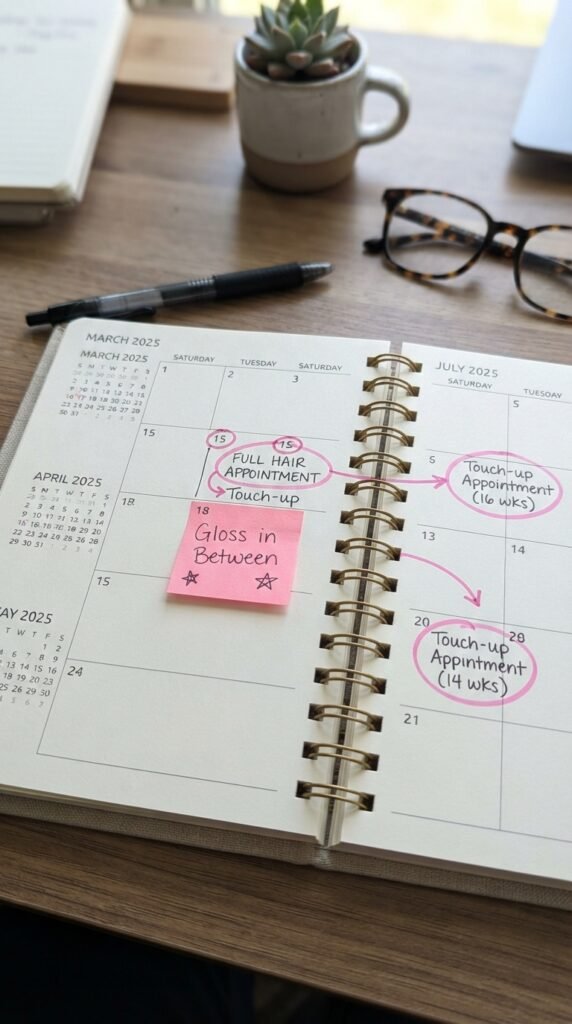
Here’s the best part. Dimensional color typically needs a touch-up every 14 to 16 weeks, not every six. Between visits, you can book a simple clear gloss to keep the shine going. That’s way easier on your budget and your calendar.
Those gloss visits take twenty minutes and cost way less than a full color. You keep the dimension alive without having to redo everything. It’s the most low-key way to look polished all year long.
Why Cheap Color Ends Up Costing More
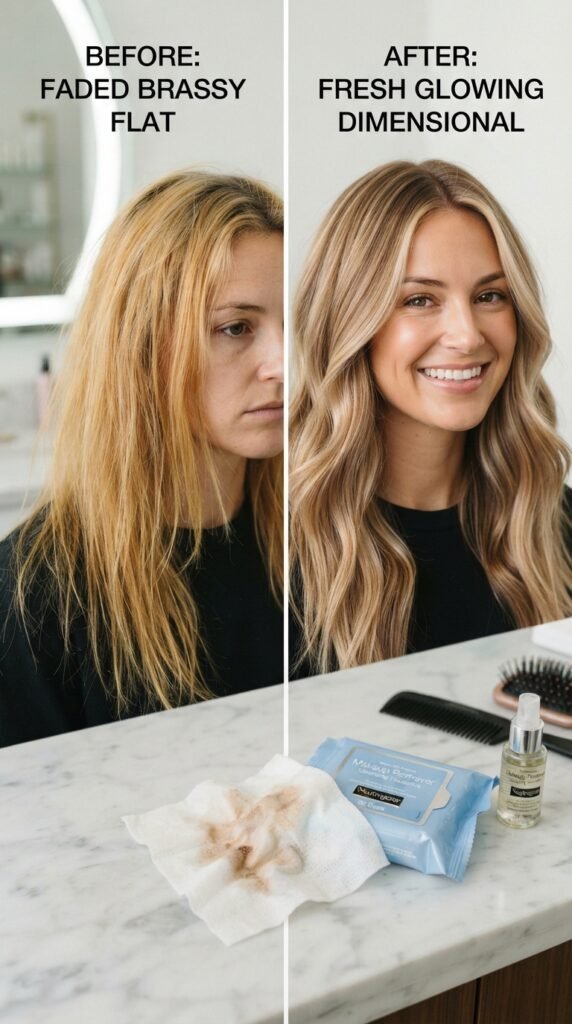
I get why people try to save upfront. But I’ve learned the hard way that cheap color means constant fixes. You’ll be back in the salon to cover a brass patch, dimension your roots, or fix an uneven melt. It never ends.
Flat color also makes every split end more obvious. Dimensional color hides hair’s imperfections because it reflects light in smaller patches. Over the long run, you’ll spend more on cheap color plus all the corrective work than you would on one good dimensional session.
Is It Worth the Splurge? (Spoiler: Yes)

If you love walking out of the salon feeling like a million bucks, and still look a month later without panic, then yes. It’s worth it. You’re paying for artistry, and artistry lasts far longer than a quick one-step dye.
Think about what your hair does for you every single day. It’s the frame for your face. Investing in rich dimensional color means you start your day with built-in polish. That confidence boost is worth more than the extra dollars, if you ask me.
Final Thoughts
Rich dimensional color really is the best beauty trick in the book. It costs more upfront, but it stretches your budget across months of gorgeous hair. Plus, it makes every 2026 hairstyle—from the quiet luxury bob to the vampire haircut—look elevated and intentional.
Now I want to hear from you. Have you ever tried dimensional color? Or are you planning to ask for it at your next appointment? Tell me in the comments below. And don’t forget to save this post to Pinterest so you have it ready when you show your colorist exactly what you mean.