
This Bond Building Treatment Repairs Years Of Damage In Just Eight Weeks Of Use
Raise your hand if your hair has been through it. Mine definitely had. Years of bleach, box color, curling irons, and one questionable at-home trim left my strands feeling like straw. I loved experimenting, but the damage was starting to show no matter what style I tried.
Then a friend convinced me to try a bond building treatment. I was skeptical. So many products promise a miracle and deliver nothing. But after eight weeks of consistent use, my hair felt like mine again. Stronger, smoother, and honestly a little bouncier.
This post is your quick, practical guide. I’ll explain what bond building does, how it fits into a busy routine, and why it makes all the 2026 hairstyles we’re about to see look even better. No complicated science, just real results.
If Your Hair Has Been Through It, This Is Your Sign

If you have ever looked at your hair and thought “what did I do to you?” this treatment is for you. I had spent years chasing trends: bleach, balayage, root smudges. Every color left my hair more fragile. My ends were split, my middle felt gummy when wet, and brushing was a little too intense.
This bond building treatment doesn’t just coat your strands. It goes inside the hair structure and helps rebuild broken bonds. It takes time, but eight weeks is enough to feel a massive difference. If your hair is tired, fragile, or just over it, this is a gentle but real reset.
What Exactly Is A Bond Building Treatment?
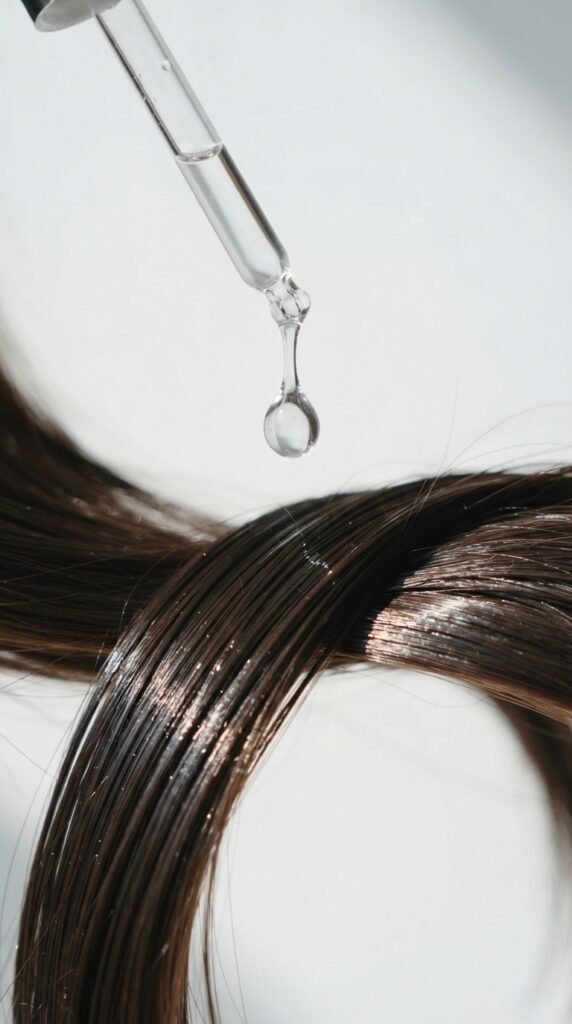
Think of your hair like a rope. When it gets damaged, the fibers inside start breaking and pulling apart. A bond building treatment works like a bridge. It helps reconnect those broken links inside each strand, so hair feels stronger from the inside out.
Here’s what it usually does:
- Repairs internal protein bonds
- Adds flexibility so strands snap less
- Helps hair hold moisture better
- Supports structure for color-treated hair
This isn’t a mask that sits on top. It gets into the cortex, where damage really happens. That’s why it feels different from your regular conditioner. More like a repair system than a quick fix.
How Does It Repair Years Of Damage In Eight Weeks?
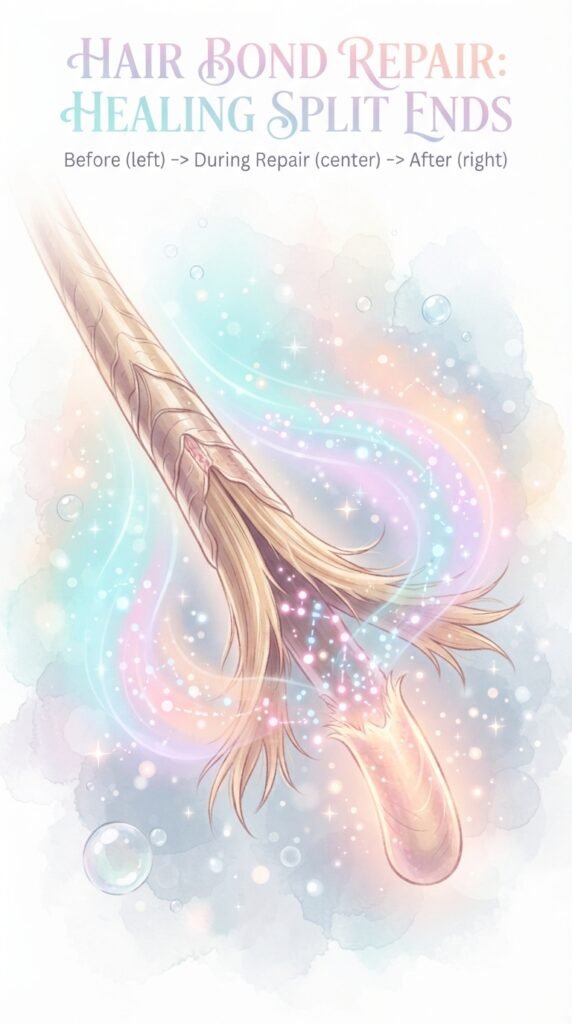
Repairing years of damage sounds impossible, but the process is actually simple. Each time you use the treatment, it deposits ingredients that look for broken disulfide bonds in your hair. Over time, those bonds reconnect and rebuild.
Here is why eight weeks is the sweet spot:
- Weeks 1–2: hair feels softer and easier to comb
- Weeks 3–4: less breakage when brushing
- Weeks 5–6: ends look fuller, strands feel stronger
- Weeks 7–8: overall bounce and shine improve dramatically
Consistency matters. You don’t need a huge routine, but you do need to stick with it. By week eight, the difference is obvious. My hair went from fragile and flat to bouncy and calm.
My Eight Week Timeline With The Treatment

I documented this because I needed to see if it actually worked. Week one was subtle. My hair felt softer after wash day, but I wasn’t completely sold. Week two, I noticed fewer tangles. Week three, my brush had less hair in it.
By week four, my color looked brighter and my strands felt more solid. Week six is where I really started to see the difference. My ends weren’t splitting as fast, and my hair held a curl better.
This timeline is exactly why I tell people to give it a full eight weeks. Changes don’t happen overnight. But they do happen.
Why I Trusted This Treatment With My Over Processed Hair
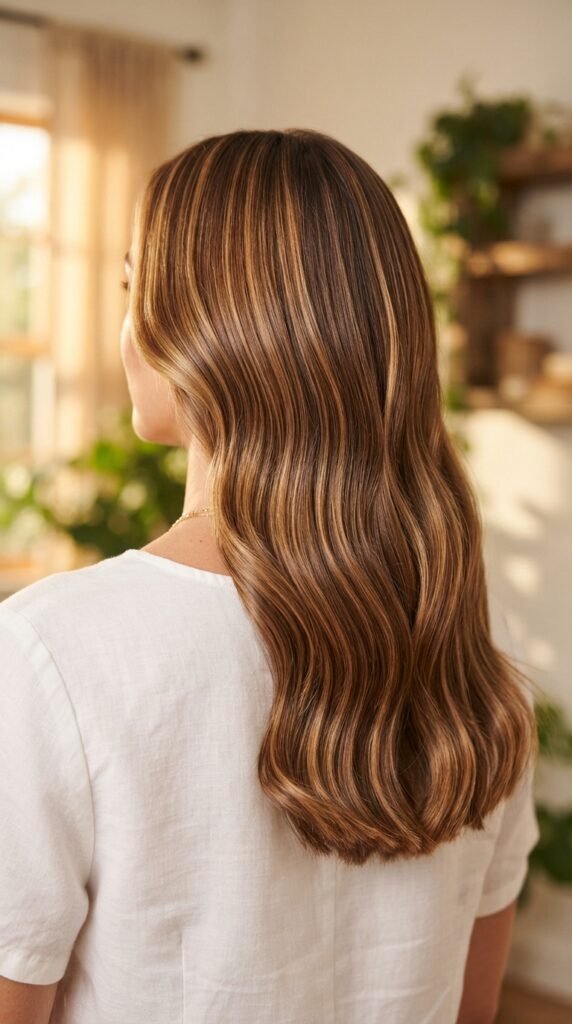
I was nervous to try another product. My hair had already been through so much, and I didn’t want to overload it with more gunk. But this treatment is different. It’s lightweight and works with your hair’s natural structure.
I also trusted it because the results were realistic. It didn’t promise instant perfection. It promised gradual repair over two months. That honesty made me feel comfortable.
If you have over-processed hair, you know how scary new products can be. This one felt gentle from the very first wash. No burning, no heaviness, no weird residue. Just softness that built up week by week.
How To Add Bond Building Into Your Wash Days

Adding this to your routine is easier than you think. You don’t need to change your whole hair routine. Just swap it in a few times a week.
Here’s what worked for me:
- Shampoo your hair as usual
- Squeeze out extra water
- Apply the treatment from mid-length to ends
- Leave it on for the time on the label
- Rinse and follow with a light conditioner if needed
I used it about twice a week for the first month, then once a week after that. It fit easily into my normal wash days. Honestly, the hardest part was remembering to time it. Everything else felt simple.
The Dos And Don’ts During The Eight Weeks
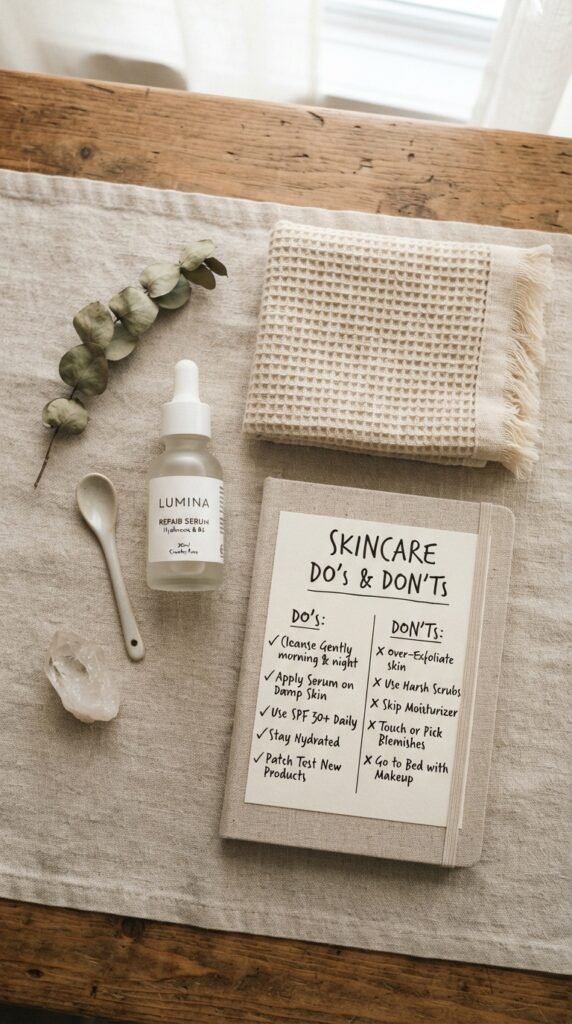
A few simple habits can make your eight weeks even more successful. Do be patient with the process. Don’t skip treatment days unless you absolutely have to. Do protect your hair from heat while it repairs. Don’t go overboard with bleaching during this time.
Here are a few more things that helped me:
- Do use a gentle heat protectant before styling
- Don’t pull wet hair into tight ponytails
- Do sleep on a silk or satin pillowcase
- Don’t expect a miracle after one use
These little things helped me see results faster. Your hair is working hard to rebuild itself, so give it a little backup. Trust the process, and your strands will repay you.
Who Should Try This Treatment (And Who Can Skip It)

This treatment is great for almost everyone, but it’s especially helpful if you:
- Color or bleach your hair
- Use heat tools regularly
- Have fine or fragile strands
- Notice split ends or breakage
- Want to grow out damage without chopping everything off
If your hair is naturally very healthy and you never style it, you might not need a bond building routine. But honestly, most of us fall into the damage category. Even if you’re just starting to think about damage, this is a gentle first step.
I also think this works well before big hair changes. It gives you a strong base so you can experiment with new styles without wrecking your hair. That alone made it worth trying for me.
How This Treatment Feels Different From Regular Conditioner
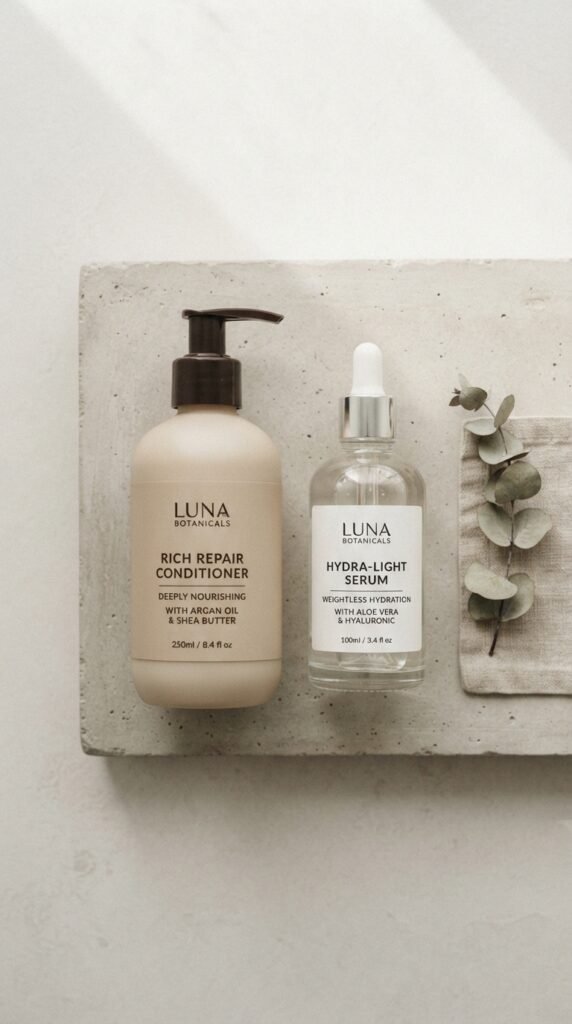
I love a good conditioner, but it can only do so much. Conditioner smooths the surface. Bond builders work deeper, helping the structure inside each strand. It’s like the difference between painting over a crack and actually fixing it.
Think about it like skincare:
- A moisturizer keeps your skin soft on top
- A serum targets deeper concerns
- Your hair needs both layers too
Using the treatment didn’t make my hair feel greasy or weighed down. It felt clean, bouncy, and light. That’s exactly what you want when you’re repairing damage and still want your natural movement. So if your regular conditioner isn’t cutting it, this is the extra step your hair has probably been begging for.
What The Results Looked Like: Before And After
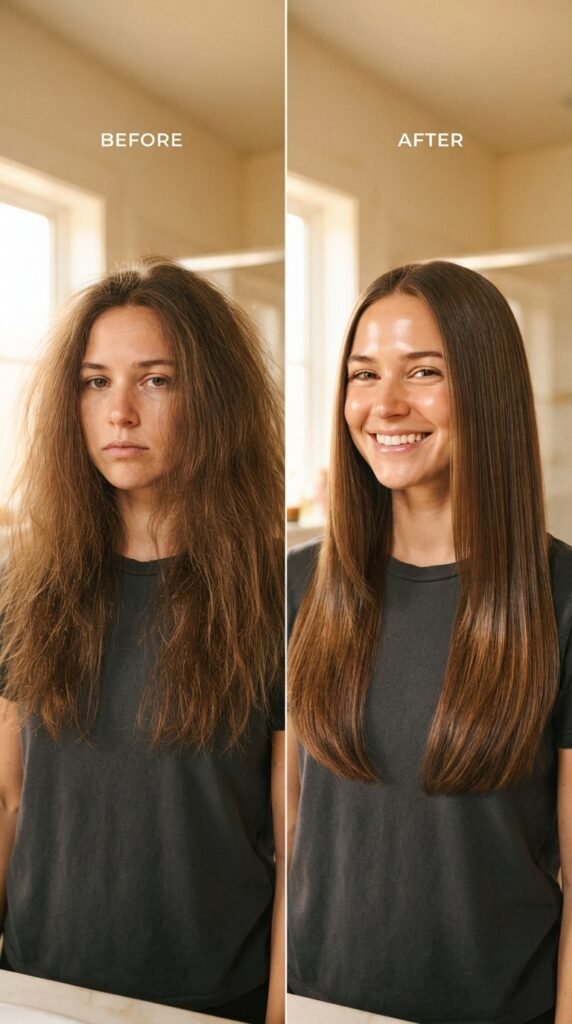
I wish I could show you my before and after side by side in person. The difference wasn’t just in how my hair looked. It was how it felt when I touched it.
- Before: dry, rough, and tangly
- After: smooth, soft, and bouncy
I also saw less hair around the bathroom floor. My ponytail felt thicker, and my face-framing pieces didn’t break off as much. The color even looked richer because the cuticle was laying flatter.
Eight weeks of consistent use genuinely changed my hair. It didn’t happen overnight, but the slow progress was worth it.
How Bonded Hair Makes 2026 Hairstyles Look Ten Times Better
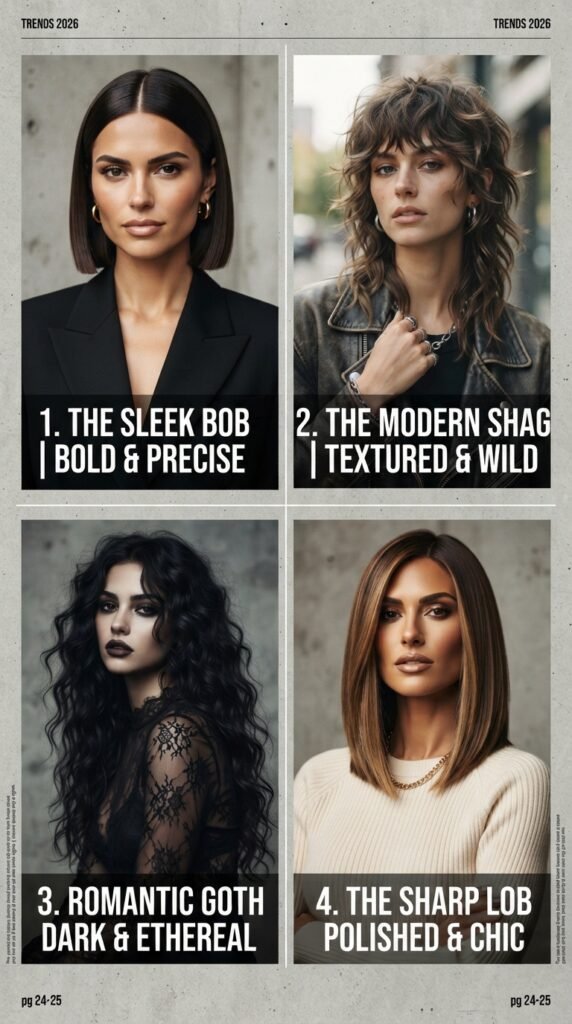
The best part? Once my bonds were repaired, styling became so much fun again. Healthy hair makes every haircut look better. 2026 hairstyles are all about lived-in texture, movement, and effortless shine. Damaged hair can ruin that vibe no matter how good the cut is.
With stronger strands, I could finally try looks that used to fall flat:
- Soft layers with movement
- Chic blunt bobs
- Sleek middle parts
- Loose curls that actually hold
If you want to feel confident trying a new style this year, this treatment is the foundation. A great cut on healthy hair? Absolutely unbeatable.
Old Money Hair Needs Strong Bonds

Old money hair is one of the biggest trends for 2026, and it’s all about looking polished without trying too hard. Think healthy, shiny, expensive-looking strands. But you can’t fake that level of shine if your hair is damaged.
This treatment helped me get the smooth base that old money hair needs. My strands laid flatter, my frizz calmed down, and my natural shine finally came through.
The vibe is simple: hair that looks like it’s never been through a harsh chemical. Bond building is the closest thing I’ve found to making that a reality.
The Quiet Luxury Bob Looks Better With Healthy Ends

If you are thinking about a bob for 2026, the quiet luxury bob is everywhere. It’s clean, minimal, and a little bit serious. But this style depends on straight, healthy ends. Any split ends or frizz will completely change the look.
After eight weeks, my bob-shaped layers finally sat the way they should. The ends were blunt and smooth, not wispy. I didn’t need 20 products to keep it sleek.
If you want that quiet luxury feel, start with strong bonds. It makes the cut look intentional instead of messy.
Romantic Goth Hairstyles Need Smooth, Flexible Strands

Romantic goth hairstyles are having a moment in 2026. They mix dark, moody vibes with soft feminine details like braids, ribbons, and tousled waves.
These styles are beautiful, but they need flexible hair that can twist and braid without snapping. Damaged hair gets rough and fights against these details. Bond building helped my strands bend and hold shape without feeling brittle.
I was able to create braided crown styles and loose dark waves that looked romantic, not damaged. Honestly, it made me fall in love with my hair again.
Glitchy Glam Hair Needs A Healthy Base

Glitchy glam hair is one of the most fun 2026 trends. Think metallic accessories, glossy slicks, and sharp lines. But here’s the thing: this style is all about precision. It needs clean, smooth hair that reflects light.
I tried a glitchy glam look with silver clips and a sleek low ponytail. The treatment made my hair flat and smooth enough to pull it off. Before, my flyaways would have ruined the effect.
Strong bonds give you the confidence to try futuristic, fashion-forward styles. You’ll look cool, not crunchy.
An Asymmetrical Lob Demands Body And Shine

The asymmetrical lob is a great choice if you want something edgy but wearable. It’s chin-grazing, modern, and looks amazing with a bit of movement.
But because the lines are so intentional, your hair needs body and shine. Damaged strands can look flat and dull. After my eight weeks, my lob bounced and caught the light the way it should.
This style also benefits from stronger hair because the longer side can be a weak point if your ends are fragile. Bond building gave my lob the support it needed.
The Vampire Haircut Looks Sharp, Not Stringy

The vampire haircut is one of the bolder trends in 2026. It features long layers, face-framing pieces, and a bit of drama. It’s stunning, but it can easily look stringy if your hair is damaged.
Those long layers need to move and swing. If your strands are breaking, the cut gets uneven fast. Bond building helped my layers stay full and defined.
I want every pointed layer to look sharp and intentional. This treatment gave me that without making my hair heavy.
The Hime Cut Needs Sleek, Smooth Sections

The hime cut is all about those blunt, straight sections around your face. It looks beautiful when it’s glossy and clean. But any frizz or split ends will make those sections look dull.
This style is a perfect reason to invest in bond repair. Before my treatment, my side pieces were dry and wispy. After eight weeks, they laid flat and looked heavy in the best way possible.
If you want a hime cut for 2026, prepare your hair first. Trust me, the results will look ten times better.
Styling Tips For Newly Repaired Hair
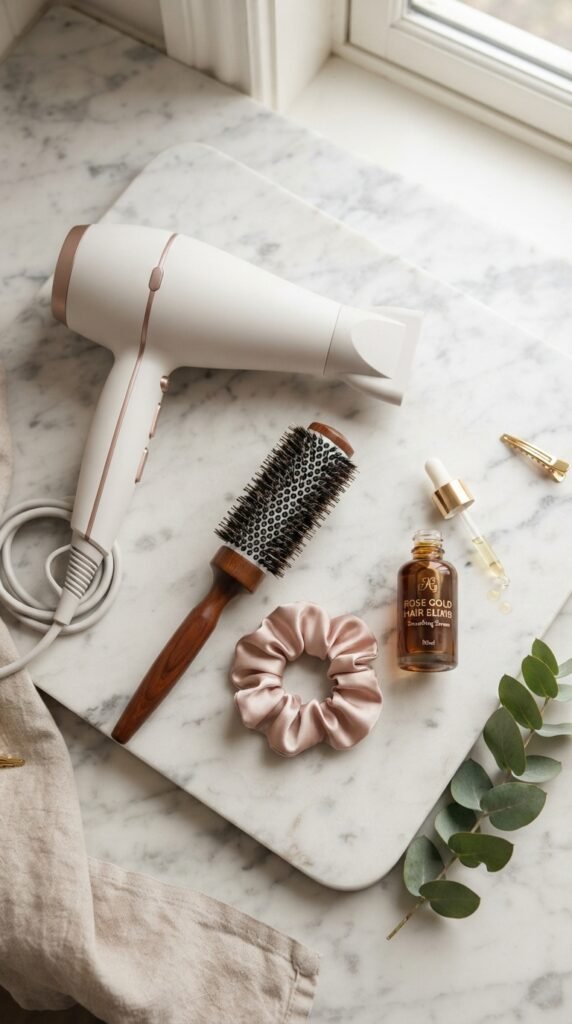
Once your hair feels stronger, you should still treat it gently. Bond building repairs damage, but that doesn’t mean you should go wild with heat every day.
My favorite styling tips after repairing my bonds:
- Always use a heat protectant
- Let hair air dry when you can
- Use a soft scrunchie instead of tight elastics
- Get regular trims to keep ends fresh
- Add a little oil only on lengths and ends
These habits help keep the bond building results going. It’s not about being perfect. It’s about being a little kinder to your hair. After eight weeks, I felt like I finally had a fresh start, and these tips made me feel more in control.
Can I Use This Treatment With My Regular Hair Products?
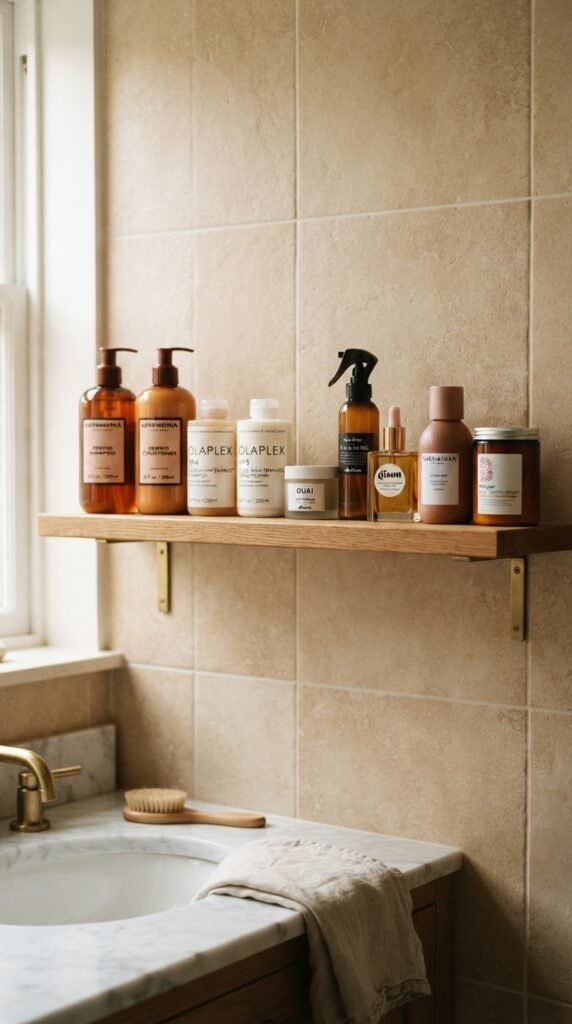
Yes, and that’s what I love about it. The bond building treatment fits into your normal routine without forcing you to throw everything out. It doesn’t foam up or interfere with your shampoo. It simply adds repair to the mix.
Here’s the order that worked for me:
- Shampoo
- Bond treatment
- Rinse
- Light conditioner
- Leave-in or styling products
I still used my favorite mousse, hairspray, and finishing oil. The treatment just worked underneath all of it. It actually made my other styling products work better because my strands were smoother and more even. So no, you don’t need to go on a spending spree. Just add this one step.
A Little Note From Me
Eight weeks with a bond building treatment gave me my confidence back. I stopped hiding my hair in a messy bun. I started letting it down, trying new styles, and actually enjoying getting ready. If your hair feels damaged, please don’t ignore it. Small consistent repair makes a real difference.
And if you’re already dreaming about 2026 hairstyles, this is the best place to start. Strong hair makes every trend look effortless. You don’t need perfect hair to be beautiful, but healthy hair is a lovely feeling.
Thank you so much for reading this. If this post felt like a warm reminder to take better care of your hair, save this post to Pinterest so you can find it later. And tell me below: what hairstyle do you want to try once your hair feels healthier? I would love to know.