Why Warm Tones Are More Forgiving As Your Hair Grows Out Than Cool Shades
Starting right in, because we both know you didn’t click this to read a novel. We clicked because we have a secret: we love what we have, but we are so tired of the upkeep. Let’s have an honest chat about why switching to the warmer side of the color wheel is the easiest way to make your hair look expensive, even when you’re three months past your salon visit. I promise, by the end of this, you’ll be ready to call your colorist with a whole new plan.
Why the “Mushroom Brown” Hype Almost Broke Us
Last year, everyone wanted that cool, ashy, mushroom brown. It looks incredible in the chair, but it is a lying, cheating shade when it comes to growing out. That smoky pigment grabs onto the blonde or lightened areas, leaving you with a harsh, grayish stripe within weeks.
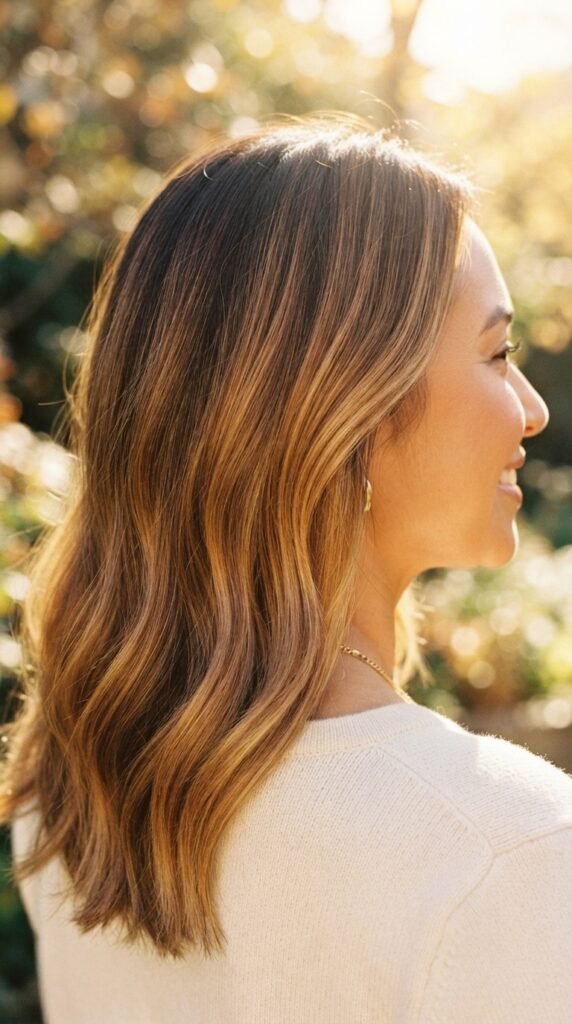
Warm tones, like caramel or honey, actually melt into your natural roots. When your hair grows, it looks like a deliberate, sunkissed blend rather than a science experiment gone wrong. It’s basically the low-maintenance cheat code for 2026 hairstyles.
The Science of “Forgiving” (Without the Science Lingo)
Cool tones are usually translucent. They sit on the hair shaft and reflect blue or violet light. When the color fades, it fades unevenly, leaving patches of brassiness mixed with ash—which is the worst kind of chaos.
Warm tones, conversely, are usually more opaque and “stain” the hair. They fade slower, and when they do fade, they just look a little lighter and glossier. It’s like the difference between a sharpie and a highlighter on paper; one blends out, the other leaves marks.
- Cool tones: High contrast, high upkeep.
- Warm tones: Low contrast, high forgiveness.
That “Old Money” Hair Secret We All Want
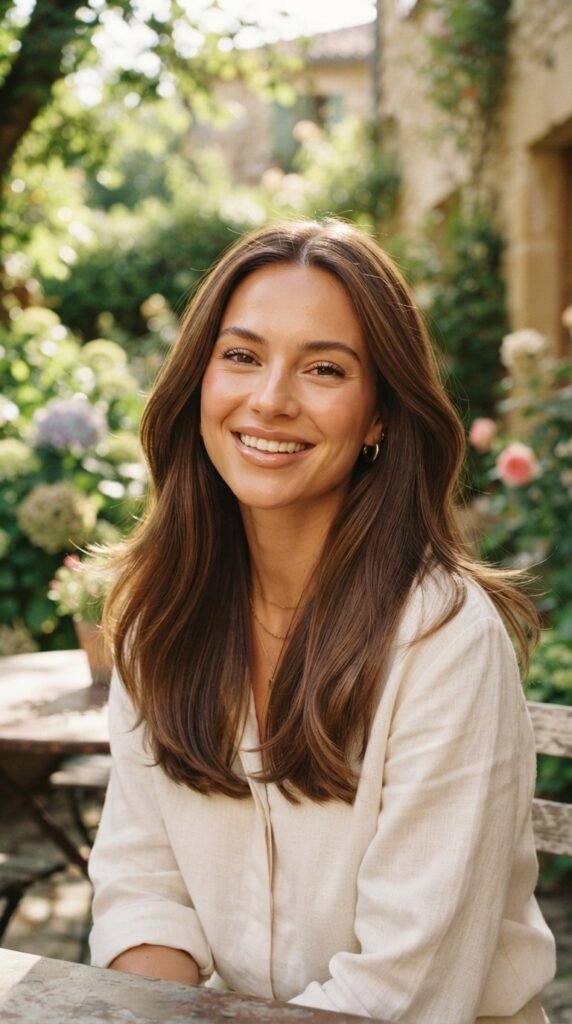
Have you seen the “old money hair” trend? It screams elegance and “I woke up like this” wealth. Newsflash: old money isn’t about the cut; it’s about the color dimension looking effortlessly lived-in. You simply cannot achieve that vibe with dark, slate-gray roots against a platinum mid-length.
Warm, honeyed hues and rich mahogany bronde shades scream *quiet luxury* because they look healthy. They catch the light and make your hair look expensive and shiny, hiding the fact that you’re overdue for a trim. If you want that rich aesthetic, you need warmth.
Rocking the “Quiet Luxury Bob” Without Anxiety
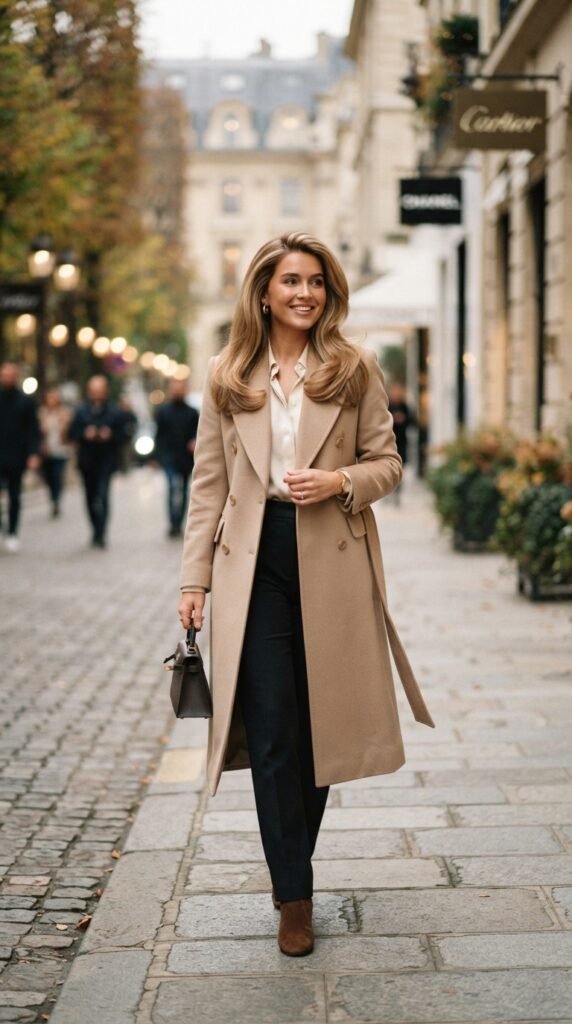
The quiet luxury bob is the It-girl haircut for 2026. But here is the reality: a bob requires precision. If your color is cool and dark, the growth is jarring, making the bob look choppy and unintentional in a bad way.
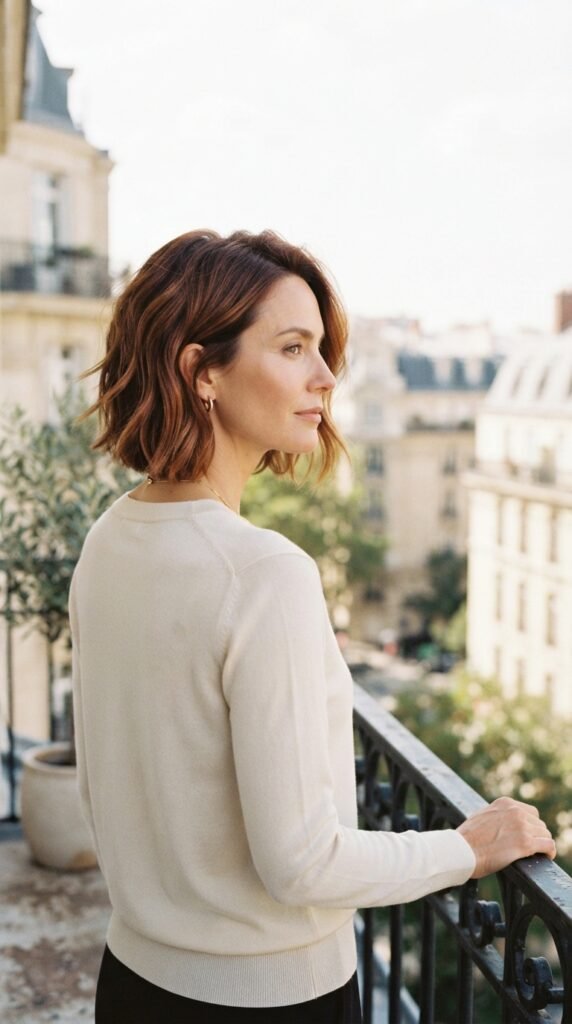
When you opt for a warm, warming chestnut or a soft copper, your bob gets better with age. The roots blend into the shape, and the overall silhouette looks soft and textured. You can actually skip a haircut and still look polished because the color distracts the eye from the lines.
The Brutal Reality of “Romantic Goth” Roots
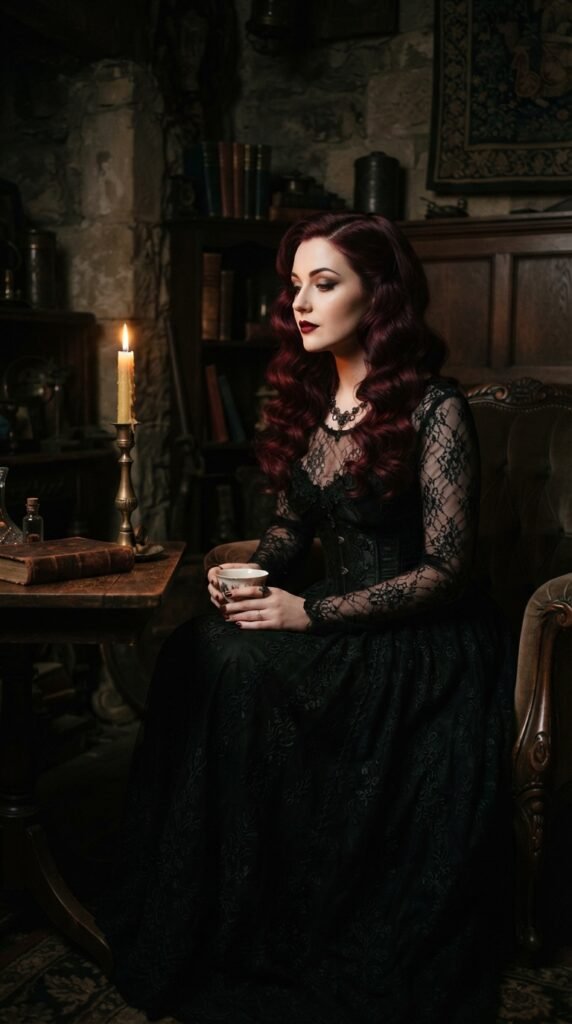
I see you eyeing the romantic goth hairstyles—the jet blacks, the icy violets. They are gorgeous, moody, and dramatic. But they are also the absolute worst offenders for grow-out lines. Black against regrowth is a stark, unforgiving contrast that can look like a bad wig.
If you love the goth aesthetic but hate the salon chair? Go for a warm espresso or a deep burgundy. It gives you that dark, romantic vibe but with a tint of red that blends with your natural scalp tone. It’s moody without the “ouch” of the maintenance.
What About the “Glitchy Glam” Trends?
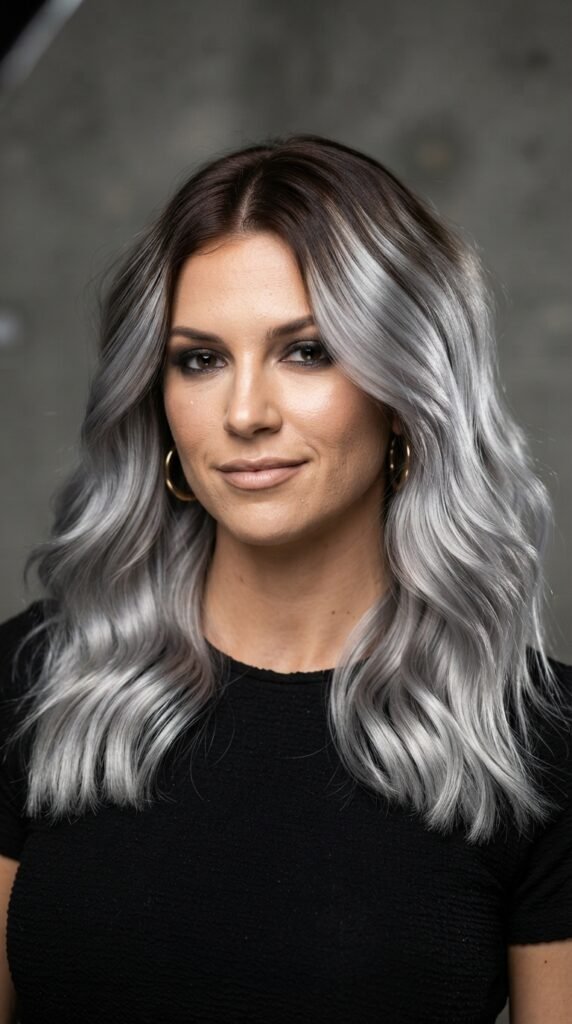
Now, I know we are talking about warm tones, but I have to mention the glitchy glam hair trend—those dimensional, almost metallic-looking colors. They are cool at the ends, but the base *must* be warm to make the blend work when growing out.
If you try to do a cool silver glitch on a natural base, you’ll look like you have a grey shadow. But if you start with a warm, melted root that transitions into the glitchy coolness, you get a high-fashion look with a low-fashion maintenance schedule. It’s a trick, but it works.
The “Asymmetrical Lob” Needs a Friend (Warmth)
An asymmetrical lob is all about forward movement and sharp angles. When your hair is freshly colored in a cool platinum, it looks sharp. When it starts growing out, the asymmetry highlights the root disparity even more, making it look unbalanced.
Adding a warm, golden beige to your lob softens the edges. It allows the hair to flow smoothly without the eye catching on a line of demarcation. Trust me, your lob will look slicken and more intentional with warm dimension weaved through it.

Let’s Talk About the “Vampire” Phase
I call it the “Vampire” phase when your roots are dark but the lengths are light. It can look pale and pasty if you are cool-toned. But if you have warm copper or auburn, you just look like a glowing, radiant creature of the night—in a good way.
The “vampire haircut” is big right now, with all those sharp layers and fang-like face-framing. Warm tones give this cut a healthy shine that adds blood flow to your face. It keeps you looking alive, even if you’re channeling that undead vibe.
Mastering the “Hime Cut” Without the Harsh Lines
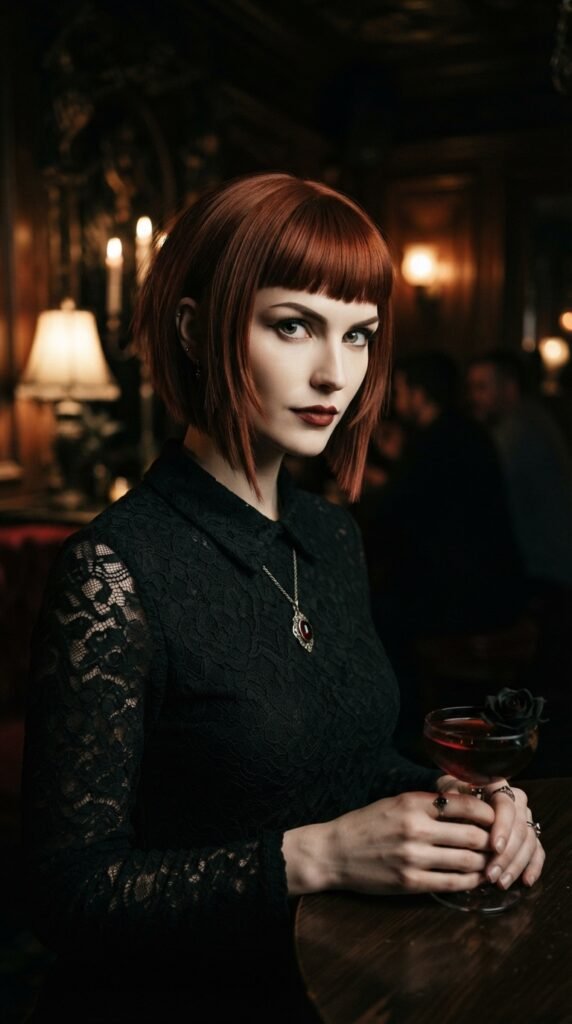
The hime cut is iconic for its blunt bangs and clear cheekbone lines. Typically, this is a Japanese street style that loves dark, cool colors. But when you grow it out, those precise lines become a map of your root growth.
To wear the hime cut in a more modern, forgiving way, ask your stylist for a soft, translucent warm tone. Like a light mocha. It softens the bluntness, making the grow-out phase look like a stylish bob transition instead of a “whoops, I missed the salon” moment.

Hair Loss and Color: The Warm Recession
Okay, let’s get a little serious for a second. Cool colors often require heavy lifting (bleach). And heavy bleach can lead to breakage, especially around the hairline. You don’t need that stress. Warm colors—like a level 6 caramel—don’t require as much window-breaking to achieve.
You can often do a “color gloss” or a single-step color service to get warmth, which is so much better for your hair health. It adds a film of shine and strength, whereas cool colors usually need to strip the hair. Healthier hair grows out better, period.
- Warm = Deposit only.
- Cool = Lift and deposit (more damage).
The “I Haven’t Washed My Hair in 3 Days” Vibe
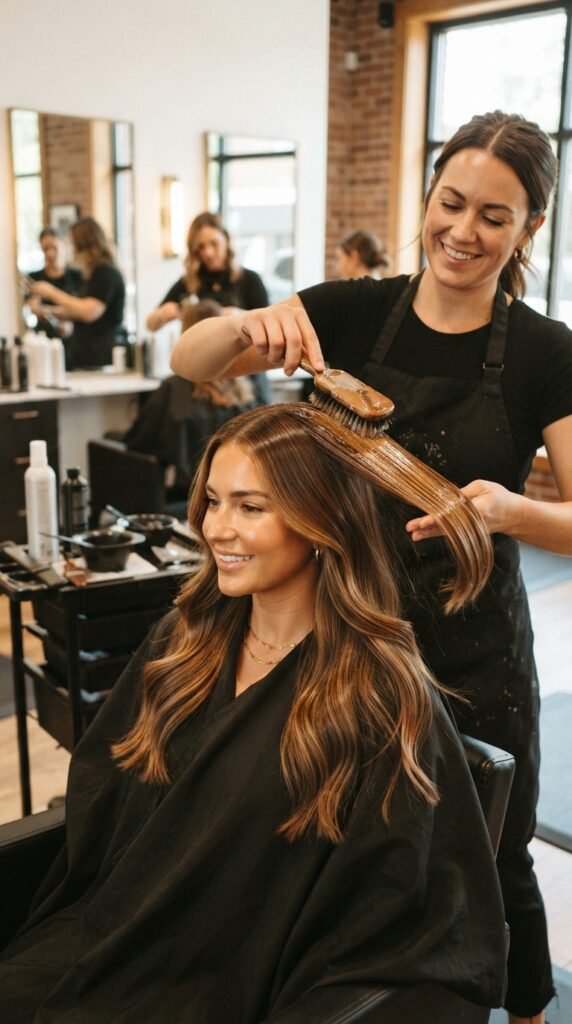
Warm toner fads away slower. Have you ever noticed how your cool toner vanishes after two washes? You pay $200 for a “pearl” effect, and it turns yellow (the exact thing you were trying to avoid). It feels like a scam.
With warm tones, even if you use a purple shampoo, it just refreshes the glaze. You can go a week without washing and your caramel waves will still look like a beachy, curated mess. Cool tones tend to look dirty, warm tones look lived-in. There is a huge difference.

Budgeting for 2026? Warm Tones Save Cash
Let’s be real: salons are expensive. If you are rocking a cool blonde, you are looking at a full highlight or a root-smudge every 6-8 weeks. That is your rent money. Warm, lived-in color? You can stretch that to 12-14 weeks without looking raggedy.
It’s simple math. If you visit the salon half as often, you save hundreds. Plus, with the inflation on everything, we can all use a little extra cash for a nice dinner or a new top to go with our expensive-looking hair. It’s just smart shopping.

Letting Your Grey Hair “Sparkle” (The Warm Way)
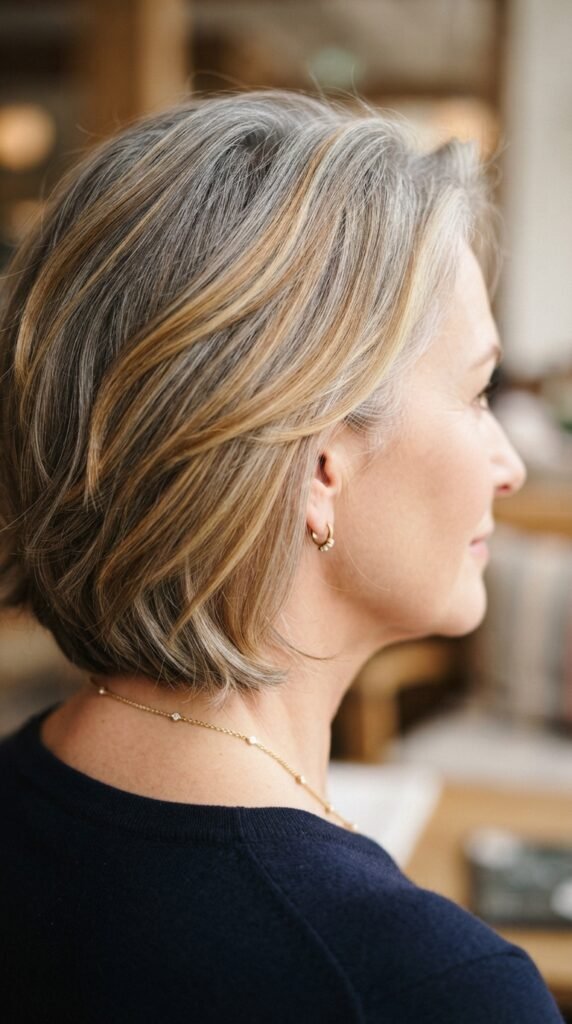
Are you growing out your grey? This is a huge trend. However, if you try to blend grey with cool, ashy dyed hair, it becomes a muddy mess. Grey has a silver undertone, which clashes with blue-based colors.
Instead, introduce a warm, golden blonde or a soft copper *between* the grey. This blends the transition beautifully. It makes the grey look intentional, like handicraft art, rather than a missing appointment. It turns “skunk stripe” into “Champagne highlights”—much better, right?
The “Sun Kissed” Effect is Always Warm
Look at nature. The sun doesn’t leave blue shadows in your hair; it leaves golden highlights. Therefore, our eyes naturally associate warmth with health and time outdoors. Cool shades look beautiful, but they don’t mimic the natural hair lightening process.
Choosing a warm tone is basically manufacturing summer in a bottle. Even in the dead of winter, your hair will look like you just returned from a tropical vacation. It brings a warmth to your skin tone, making you look youthful and vibrant without even wearing makeup.

Dealing With the “Dandruff” Illusion
This is a niche trick, but after color services, cool tones can leave a powdery residue on the scalp if you have dry skin. This makes you look like you have flakes, which is so embarrassing.
Warm dyes and glosses tend to have a thicker, creamier consistency. They coat the hair and scalp more gently, reducing that dry, whitish film. It keeps your actual scalp looking clean and happy, which is always a great thing for your overall confidence.
Red Carpet Ready 2026 Hairstyles
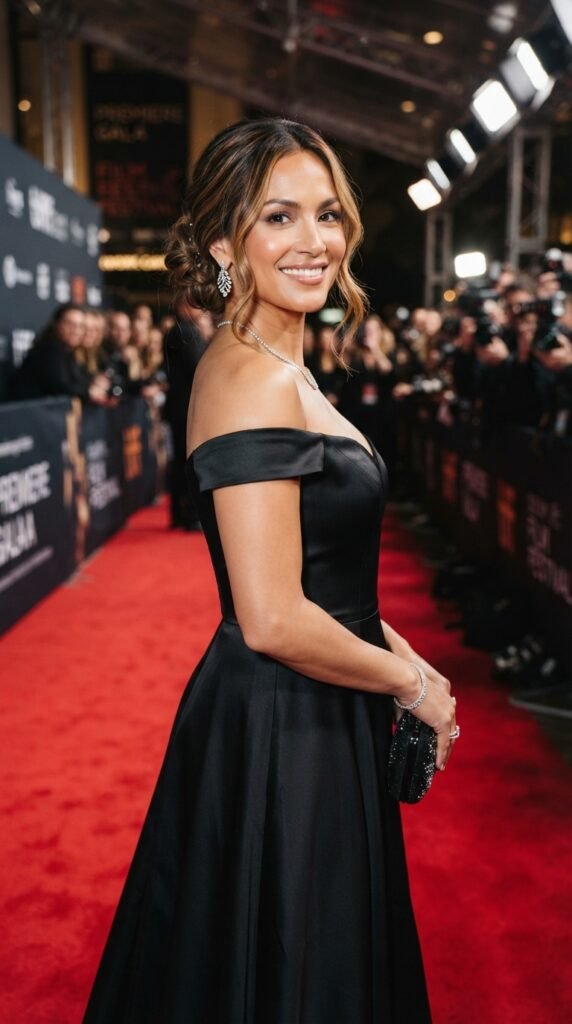
The forecast for 2026 hairstyles is all about “expensive minimalism.” We are seeing lots of sleek updos, low buns, and polished finishes. But those styles look stark if your color is stark. A warm, glossy brunette elevates a simple bun to Old Hollywood level.
Think about it: a bright, yellow-gold dress looks good on a red carpet, but a muted champagne looks *expensive*. The same goes for hair. A warm, tonal shift makes even a simple ponytail look like you have a personal glam squad with you at all times.
Color Fading: The Long Game
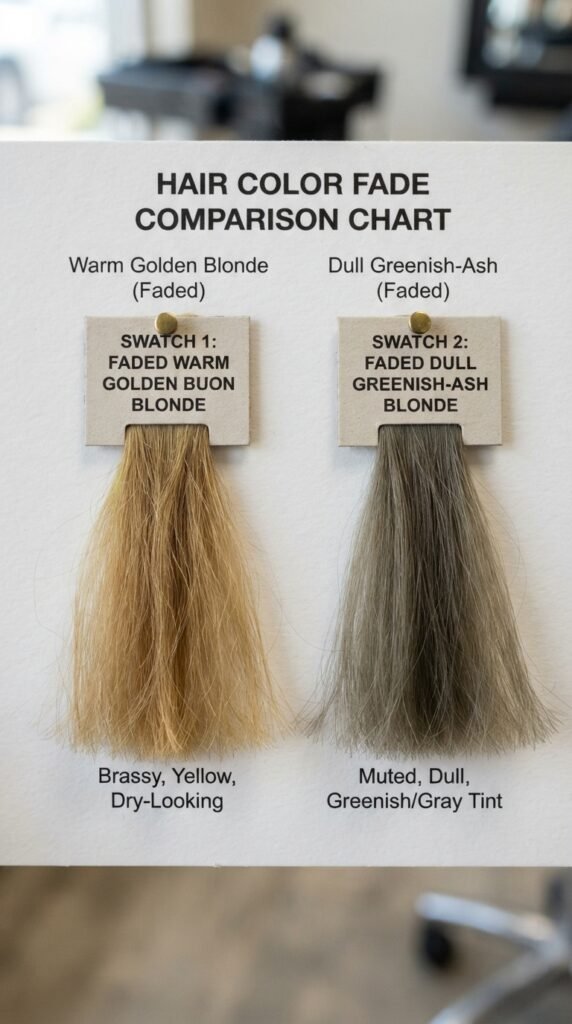
I want you to think about the *end* of your color cycle. When your cool color fades, it goes to a muddy, greenish-grey. When your warm color fades, it goes to a soft, buttery blonde. Which one do you want at day 40?
It’s not even a contest. The fade color is what you live with most of the time. You want that fade to be just as pretty as the initial service. Warm tones are the gift that keeps on giving, even when they are leaving.
- Start: Beautiful.
- Middle: Gorgeous.
- End: Still Shiny.
What Your Colorist *Actually* Wants You To Do
Listen, your colorist loves you, but they hate the dreaded “banding” call. When you have a cool color that grows out, it creates visible “bands” of color. They have to do intricate shadowing to fix it, which costs more money and takes more time.
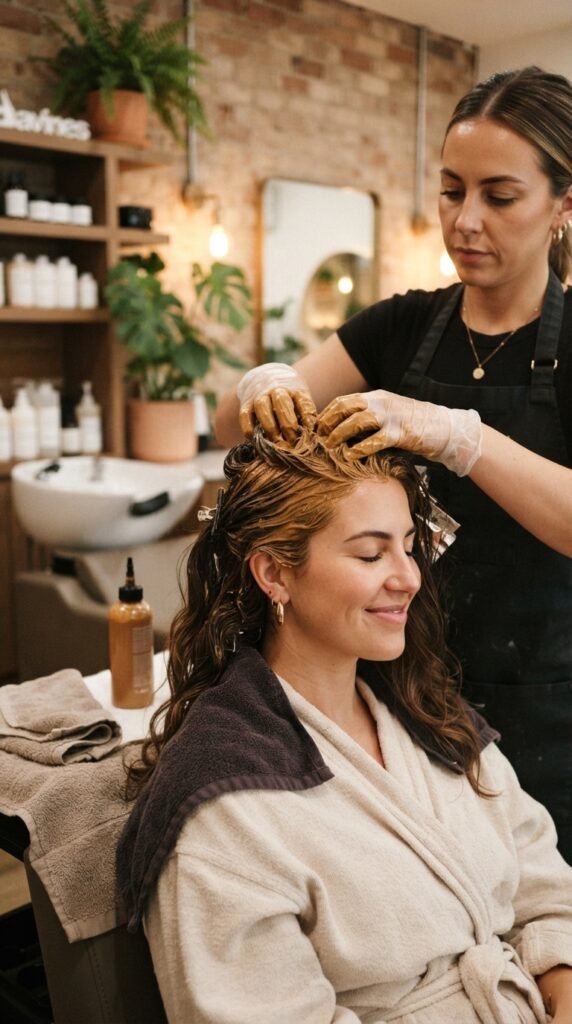
With warm tones, they can just do a simple “melt” at your roots that looks flawless immediately. They will literally thank you for choosing warmth. You’ll be their favorite client, and you’ll get easier appointments because you aren’t asking for the impossible.
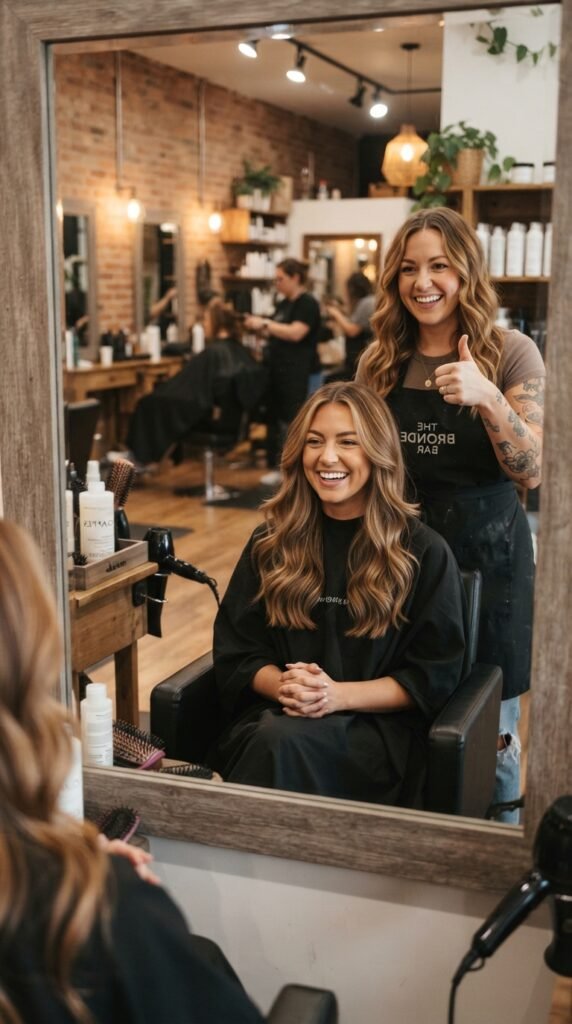
Don’t Be Afraid of the “Golden” Era
I know some of you have trauma from the brassy 2000s. You think “warm” means yellow. That is not what I mean. I mean rich amber, copper, and toffee. Tones that are saturated but deep, not bright and neon.
You can still have a “cool” looking face, but the hair around it provides a halo of glow. It’s like lighting a candle in a dark room. It doesn’t change the walls, but it changes the mood completely. Let’s step into the golden era of hair.

My Final “Heart to Heart” on Shine
Have you ever noticed that stained glass windows are beautiful, but usually cold? But a wooden cabin with a fire is warm and inviting. Your hair is the home for your face. Do you want to live in a cathedral, or a cabin?
I know I want to look like a cabin—inviting, warm, and comfortable. When you run your fingers through your hair, it should feel like silk and look like honey. Choose warmth to look healthy, and you will *feel* healthy. It’s the easiest transformation you’ll ever make.

Let’s Wrap This Up Like a Cozy Blanket
We’ve been through a lot together in this post. The bottom line is this: our hair looks best when it looks like an enhanced version of ourselves, not a mask we put on. Warm tones bridge the gap between your natural and your goal.
They offer flexibility, longevity, and that “old money” shine we all crave. You don’t have to sacrifice your style—you just have to choose a more forgiving color to walk the path of your dream hair in 2026.
Ready to Ditch the Brassy Fear?
Let’s take the leap together. Next time you’re in the chair, ask for a “warm gloss” or a “honey base” and see how it feels. I bet you’ll love the girl looking back in the mirror—softer, sunnier, and with a lot less stress.
**Save this post to Pinterest** so you have this exact reassurance before your next salon visit. And seriously, drop a comment below: What is your current hair color, and are you ready to switch sides?