I Got Balayage And Then Switched To Color Melting And Will Never Go Back
Hey friend. You know that moment when you think your hair is finally perfect? That was me with balayage. I loved the sun-kissed effect. But then comes the grow-out. The harsh line. The endless toning. I felt like I was fighting my hair every six weeks. Then my stylist suggested color melting. Game changer. I switched, and honestly, I’ll never look back. In this post, I’m sharing exactly why. You’ll learn what color melting is, how it differs from balayage, and why it’s the secret behind the most stunning 2026 hairstyles. If you’ve been curious about a softer finish or less upkeep, stick with me. This one simple change saved my hair and my schedule.
What Exactly Is Color Melting?
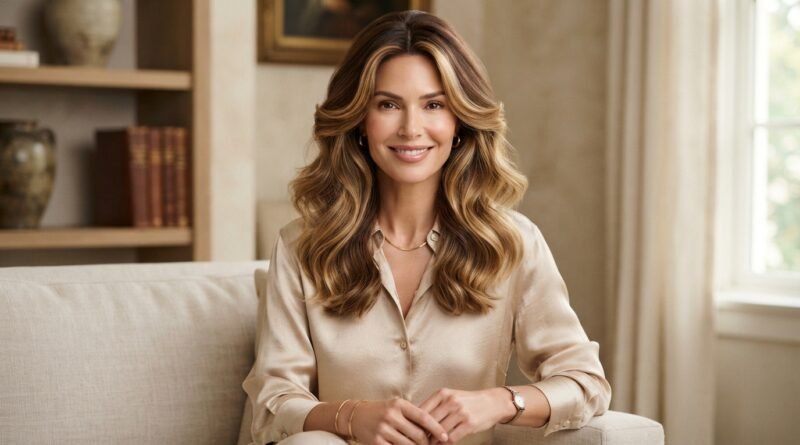
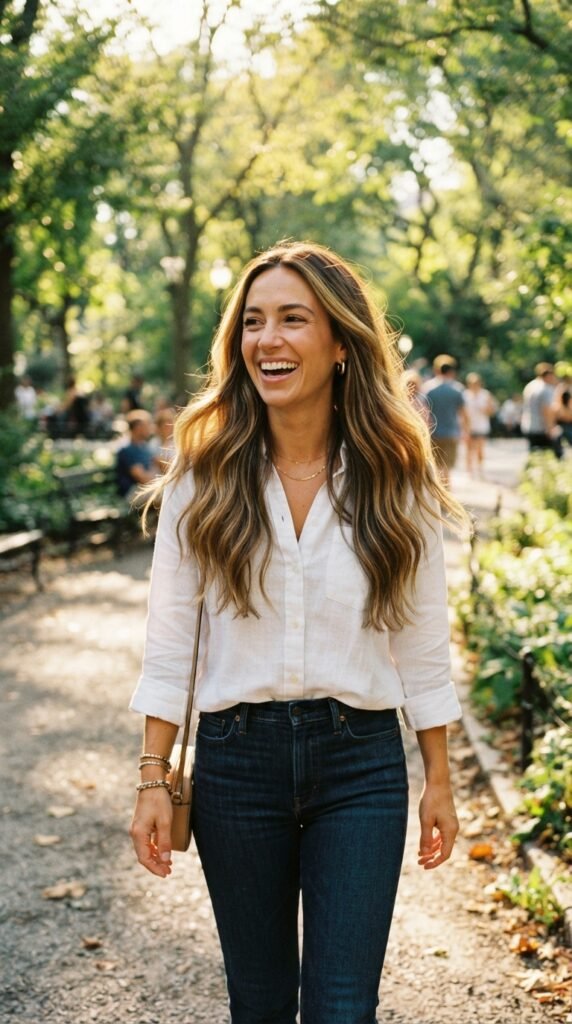
Color melting is a technique where your colorist blends two or more shades directly at the root. No harsh line. No obvious band of color. It just melts into one seamless gradient. Think of it like the grown-out version of your dream color, but intentional.
Balayage is painted on the surface. Color melting goes deeper. It focuses on the base and mid-lengths too. The result is so much softer. It feels like your hair naturally does this. For 2026 hairstyles, that softness is everything. Here’s why I love it:
- No visible regrowth
- More dimension
- Customized to your skin tone
- Looks great growing out
Why I Originally Chose Balayage
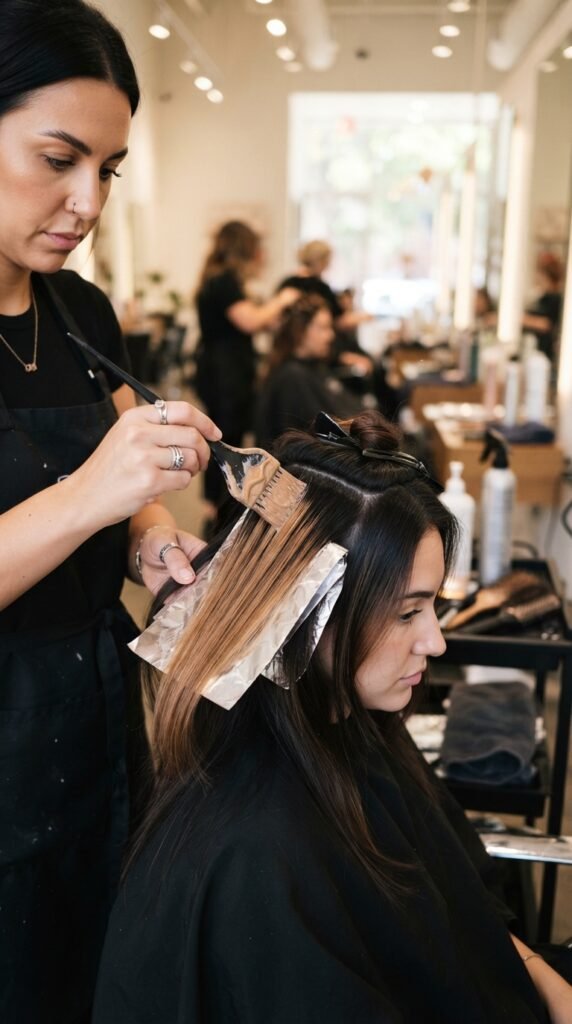
I remember sitting in the salon chair three years ago. My stylist held up two photos. One was bold highlights. The other was balayage. I picked balayage because I wanted a natural look. No stripes. No harsh line. The first few months were amazing. I felt like a beachy goddess. My colorist painted the ends just right. I got compliments everywhere. But as my hair grew, things changed. The top got darker while the bottom stayed light. That contrast got stronger and stronger. I found myself booking touch-ups sooner than I planned. The look started to feel flat. And that’s when I started researching something new. Color melting sounded like the upgrade I needed.
The Problem With Balayage After A Few Months

Let’s be real. Balayage grows out. At first, that’s okay. But after six to eight weeks, the line between my natural roots and the painted ends became obvious. My stylist used the word “stripe.” Then I noticed the toner fading. My highlights started turning a weird brassy yellow. No amount of purple shampoo fixed it. I was back in the salon every month. It felt like a part-time job.
- Root touch-up needed constantly
- Toner fades differently
- Strands looked dry from over-processing
The freedom I felt early on disappeared. I knew there had to be a better way. There had to be a technique designed to grow out gracefully. That’s exactly what color melting promises.
How I First Heard About Color Melting
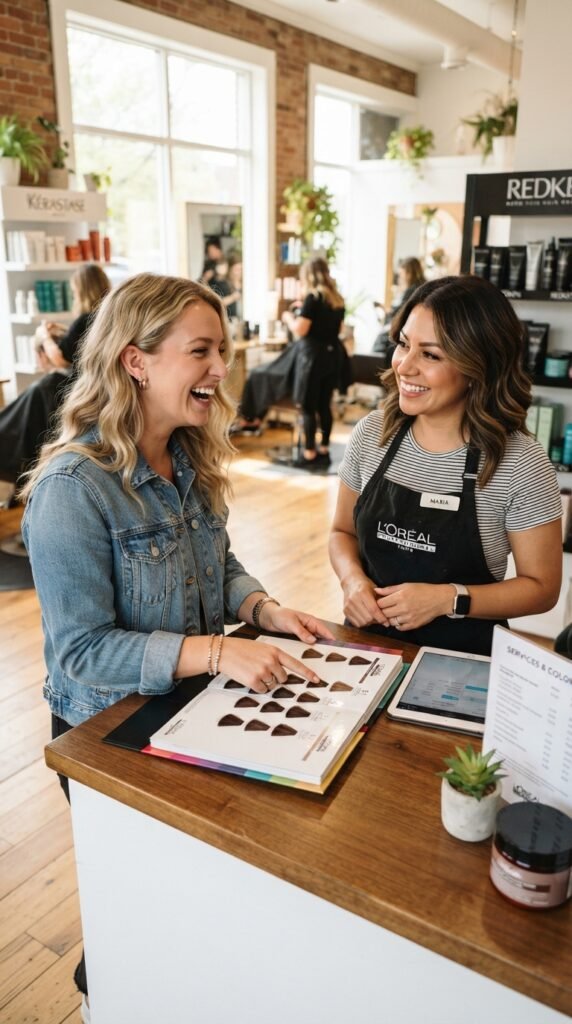
It happened at my sister’s wedding. Her hair stylist used the words “color melting” while fixing my sister’s updo. I asked a million questions. She explained it like this: instead of painting color on top, you melt it into every strand. The root stays soft. The mid-lengths carry color. The ends get a kiss of light. I was skeptical. It sounded too good to be true. But she showed me photos from her portfolio. Every single one looked expensive. The colors swirled together like satin. I booked an appointment that same week. My stylist was excited. She said it works with any shade. From old money hair to romantic goth hairstyles. I knew I was in good hands.
The Appointment That Changed My Hair
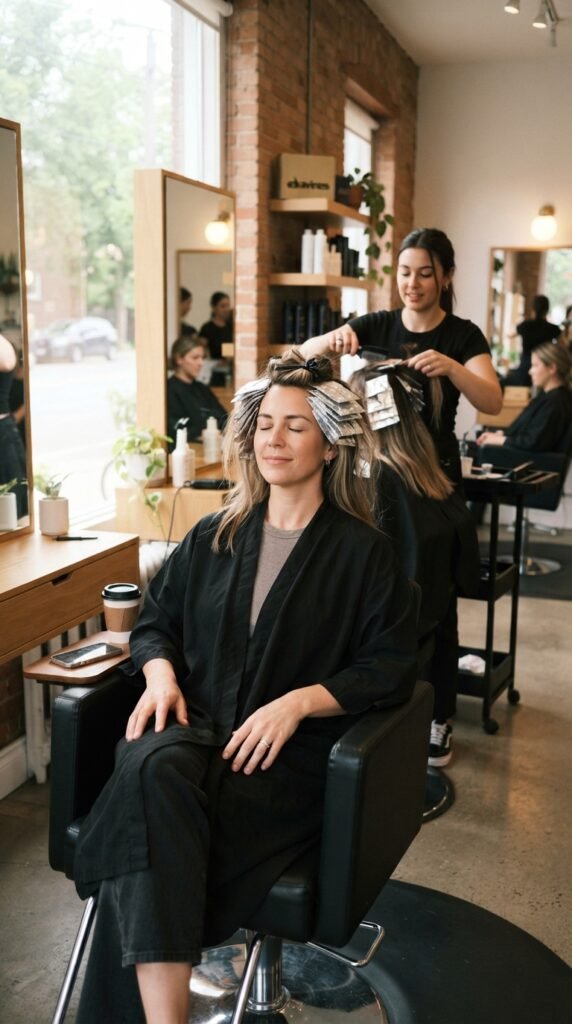
The day came. I sat in the chair and told my stylist everything. She listened and then mapped out my hair. She picked a palette that felt like me. Deep espresso at the base. Warm toffee through the middle. Buttery blonde at the ends. The process felt different from balayage. She worked the color closer to the roots. No harsh sectioning. No foil everywhere. It was calm and precise. After rinsing, I looked in the mirror and gasped. My hair looked like silk. The color moved with me. It didn’t stop at one line. It simply melted. I knew right then I was never going back to balayage. This was the look I had been chasing for years.
Color Melting vs Balayage: The Big Differences
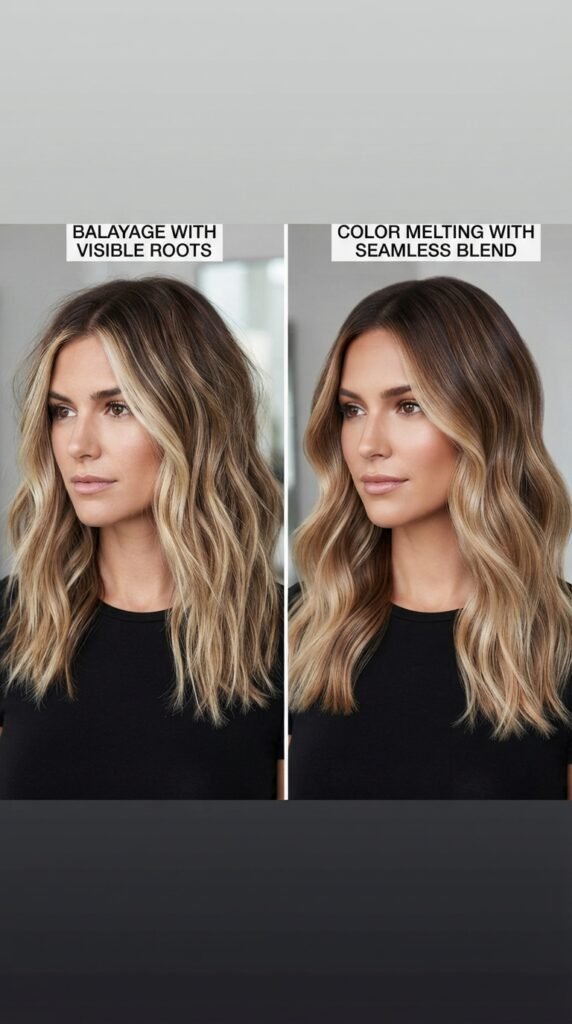
Here’s a simple breakdown. Balayage is a technique. Color melting is a finish. They’re not the same thing. Balayage paints light onto the outside of the hair. It leaves the under layers darker. Color melting takes the color through the entire strand. The result is a full, dimensional color. No obvious bands. Let me show you the biggest differences:
- Root line: Balayage has a clear regrowth. Melting has a soft gradient.
- Dimension: Balayage is mostly surface. Melting adds depth everywhere.
- Upkeep: Balayage needs frequent toning. Melting fades evenly.
- Overall vibe: Balayage is sun-kissed. Melting is expensive and effortless.
I love my hair so much more now.
How Color Melting Makes Your Hair Look Healthier
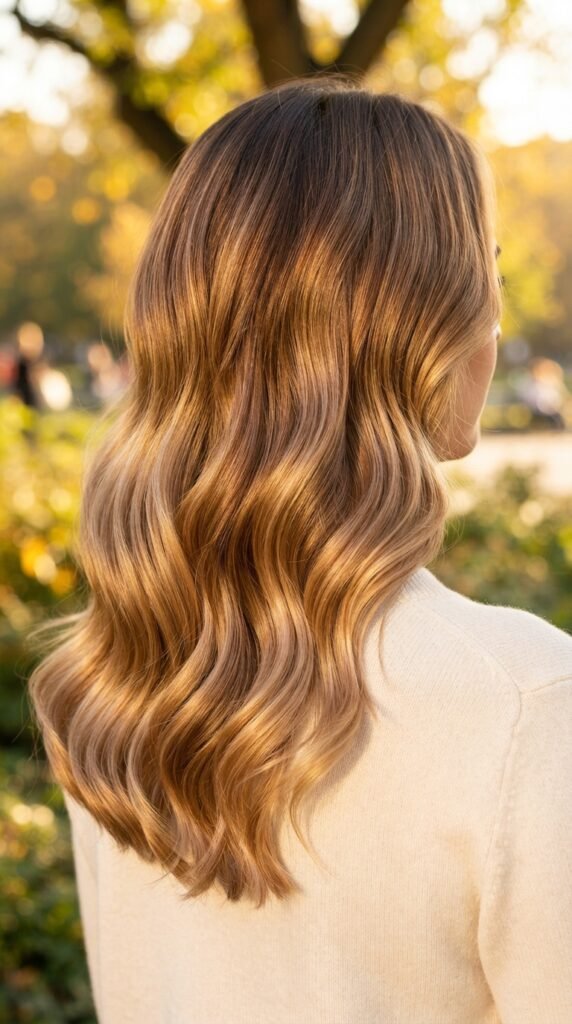
Honestly, color melting changed how my hair looks before it even grows. Because the color transitions are so smooth, my strands look fuller. The dimension reflects light in a flattering way. My stylist says the soft root means less contrast, so breakage is less visible. I notice my hair feels softer too. This technique doesn’t saturate the whole strand. It keeps more of your natural base. That means less damage overall. If you’re thinking about trying any of the 2026 hairstyles, healthy-looking color is key. The melted effect gives that expensive shine without the harsh upkeep. My conditioner actually works better now. It can penetrate because the cuticle isn’t fried. I wish I switched years ago.
Why My Hair Color Lasts So Much Longer Now
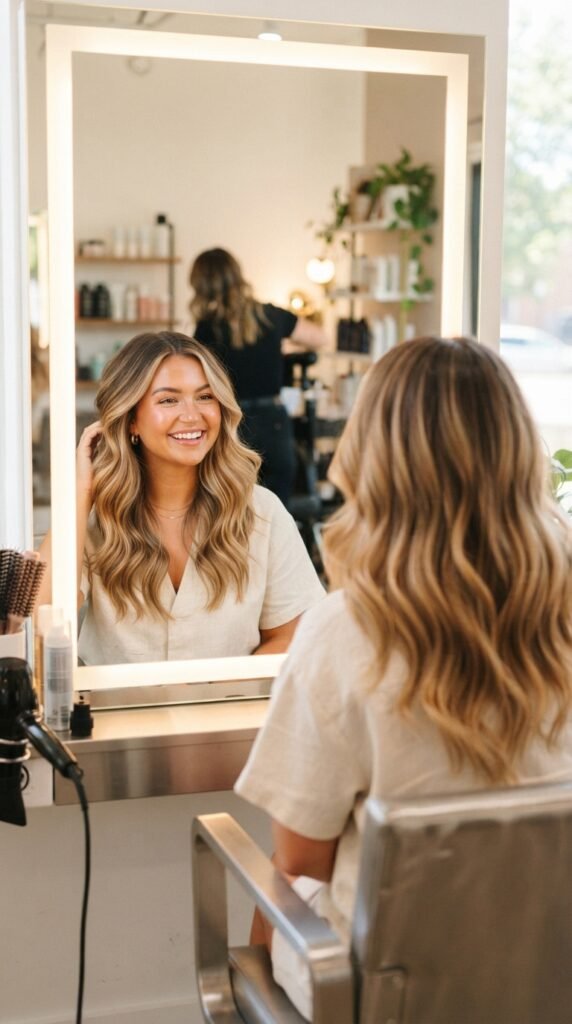
Before, I booked a toner appointment every four weeks. After color melting, I go three months. Easily. The reason is simple. The color doesn’t sit on the surface as much. It’s woven into the hair’s base. So when the wash-out happens, it happens everywhere. Not just in one spot. No strange orange patches. No obvious dark roots. The fade is invisible. It just looks lighter and softer. My stylist says this is by design. Color melting plans for the grow-out from day one. That means the color is already blended with my natural shade. As my roots appear, they match the base of the melted color. Genius. I never worry about line-ups anymore.
The 2026 Hair Color Trends I’m Loving Right Now
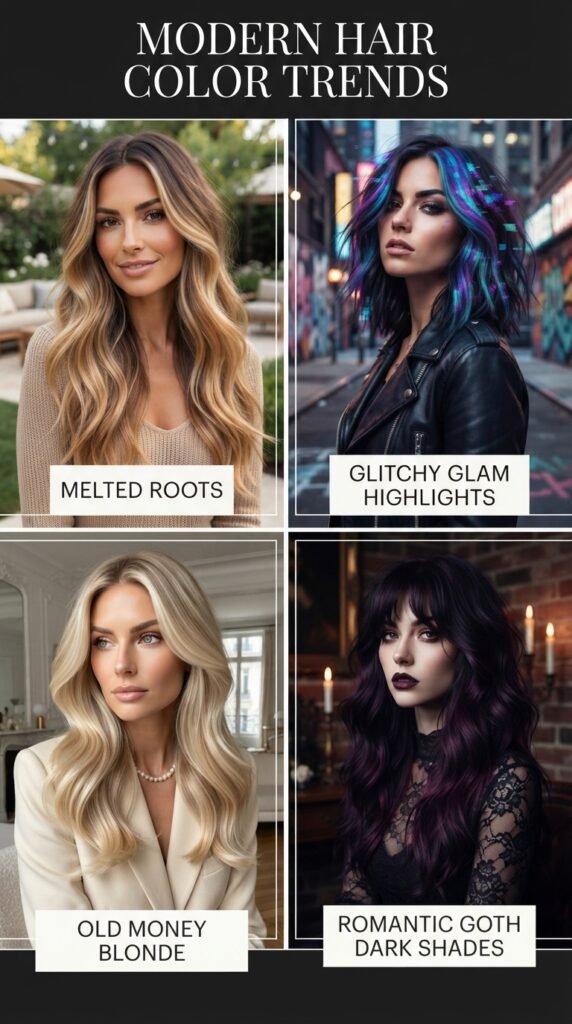
Since I’ve made the switch, I pay more attention to trends. And honestly, color melting pairs with everything. For 2026 hairstyles, the focus is on depth and dimension. Here are my favorites:
- Old money hair: That rich, blended brunette. Color melting makes it look like you woke up that way.
- Quiet luxury bob: Soft, rounded, with melted color that adds subtle movement.
- Romantic goth hairstyles: Deep black to burgundy melt. Perfect for moody vibes.
- Glitchy glam hair: Bright metallics melted into darker bases for a futuristic twist.
Every one of these works because the blend looks intentional. No harsh lines. No patchy fade. Just pure hair goals.
How Color Melting Works With Old Money Hair
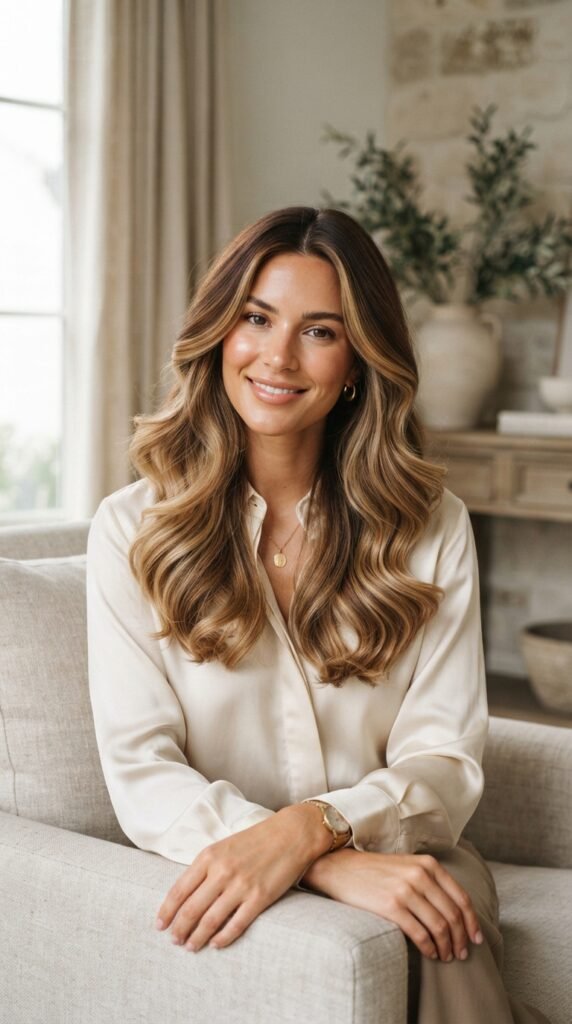
Old money hair is all about understated luxury. Think clean, glossy, and natural. Color melting is a match made in heaven. It gives that lived-in richness without looking done. My roots keep their deep natural tone. Then the color melts into toffee and caramel. The result is a classic shade with modern movement. It doesn’t scream for attention. It just whispers expensive. For 2026 hairstyles, this is a must-try. My stylist says it’s her most requested look. The best part? You can customize the melt to your skin tone. Fair skin gets champagne tones. Deeper skin gets rich mahogany. It always looks like you were born with it.
The Perfect Match: Color Melting and the Quiet Luxury Bob

I’m obsessed with the quiet luxury bob. It’s chin-length, polished, and full of confidence. And when you pair it with color melting, the whole look elevates. The bob’s blunt shape needs a color story that feels soft. Melted color adds depth without chopping the silhouette. My friend just got this exact combo. She’s in her thirties and works in finance. The bob looks sharp. The melted color keeps it approachable. It’s the perfect balance. The grow-out is even easier because the bob is short. So the color moves fast. I’ve seen it on 2026 hairstyles previews and it’s everywhere. If you want a low-maintenance but high-impact cut, this is it. Trust me.
Giving Romantic Goth Hairstyles A Soft Dimension
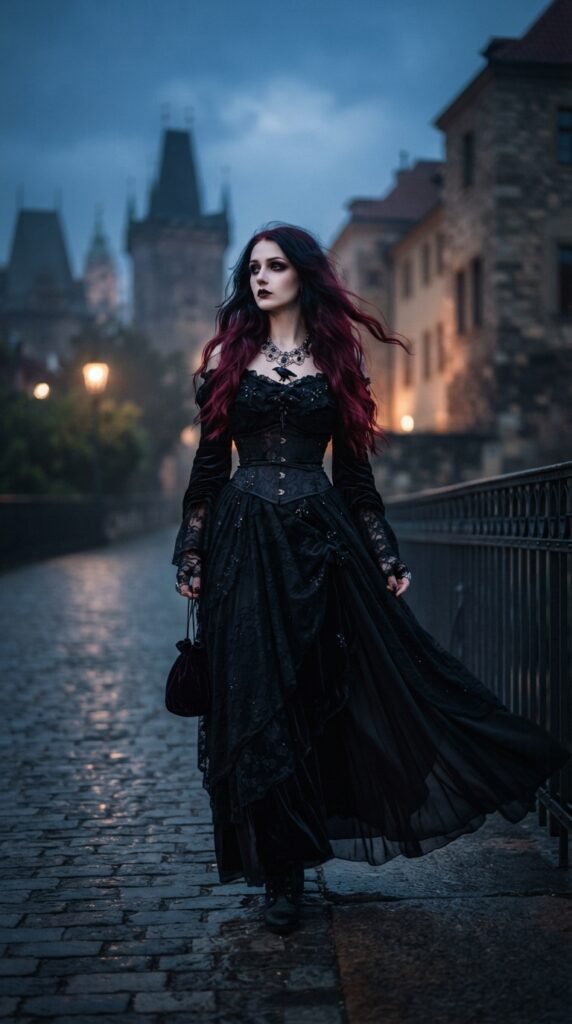
Romantic goth hairstyles are having a huge moment. Think dark, mysterious, a little moody. Coloring melting fits perfectly here. Instead of flat black or purple tips, you get a seamless fade. My hair is dark at the roots and melts into a deep plum. It’s subtle but so pretty. The technique works for:
- Long waves with dark iced ends
- Braided styles with hidden color
- Messy buns that show off the melt
Because the transition is smooth, it never looks costume-like. It just looks like your hair owns an aura. For 2026 hairstyles, romantic goth is all about soft drama. Color melting gives you that without hard lines. Even if you go full black, a hint of warm brown at the base adds life. I love it.
A Little Bit About Glitchy Glam Hair
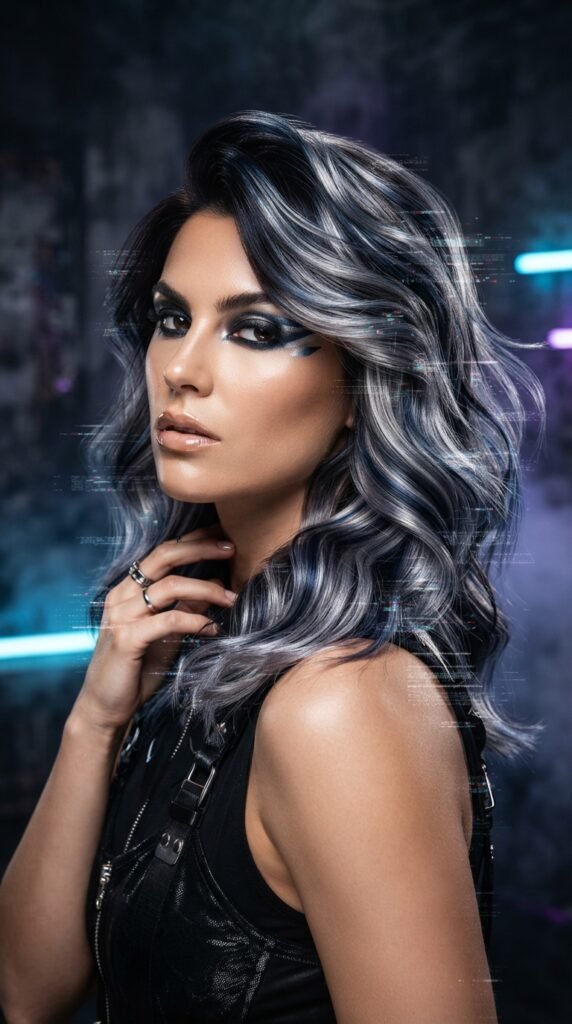
Now let’s talk fun. Glitchy glam hair is wild. It includes shimmering metallics, chrome streaks, and iridescent effects. Color melting makes these looks wearable. Instead of harsh painted lines, colors blend together like pixel art. That’s why it’s called glitchy. My stylist experimented with a tiny section on me. She melted dark navy into silver gray. It looked like a glitch on a screen. But in a very cool way. For everyday life, you can do this with subtle ribbons of color. If you’re bold, go full glitch. The key is that the melt keeps everything cohesive. It never looks like a mistake. For 2026 hairstyles, this is for the adventurous. I’m not brave enough yet, but I love watching the technique.
Color Melting On An Asymmetrical Lob

The asymmetrical lob is another favorite of mine. One side is longer, the other barely skims the cheek. The uneven shape gives it an artistic feel. Color melting pairs great because it adds movement. Without a strong color story, an asym lob can look choppy. Melted color ties everything together. My friend has this cut with a dark to champagne melt. When she moves, the color shifts. It makes the lob look even cooler. The short back means color grows out fast. So a melt is ideal. It fades gracefully while the shape changes. For 2026 hairstyles, this combo feels fresh and editorial. If you’re nervous about committing to such a bold cut, let the color be the softer element. It works.
My Take On The Vampire Haircut With Melted Color
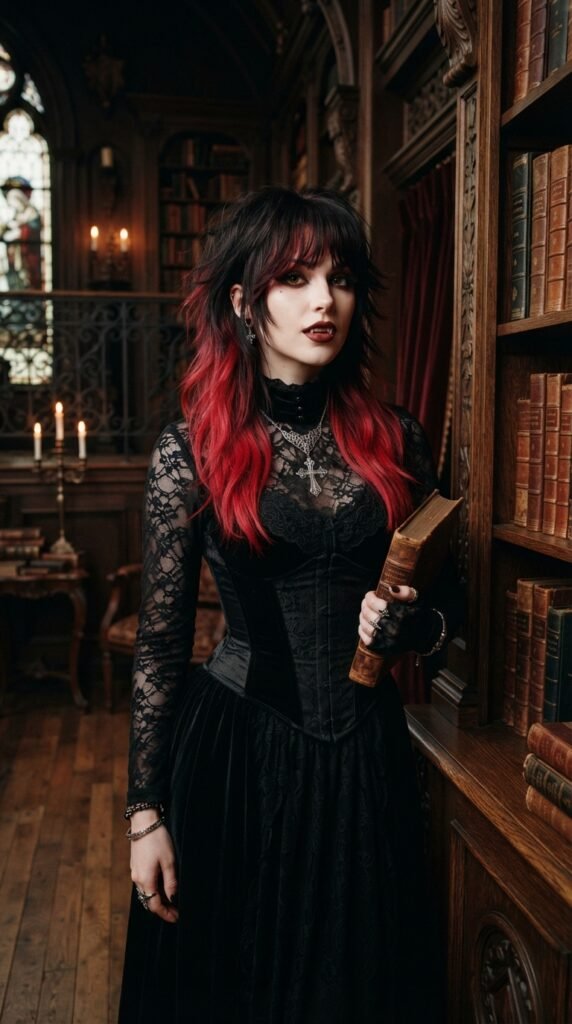
Okay, the vampire haircut. That’s the viral one with sharp layers and long curtain bangs. It gives major gothic heroine energy. I was terrified to try it. But my stylist said to add melted color to soften it. She cut the layers so they frame my face. Then she melted a deep cherry red into the ends. The result is a look that’s dark but not harsh. It’s like a vampire who gets regular hair appointments. I love how the color catches the light in different layers. For anyone wanting a dramatic change, this is it. The melt ensures the sharp layers don’t look too severe. And it works with 2026 hairstyles because everyone is craving that dark romance. I say go for it.
Can You Do Color Melting With A Hime Cut?
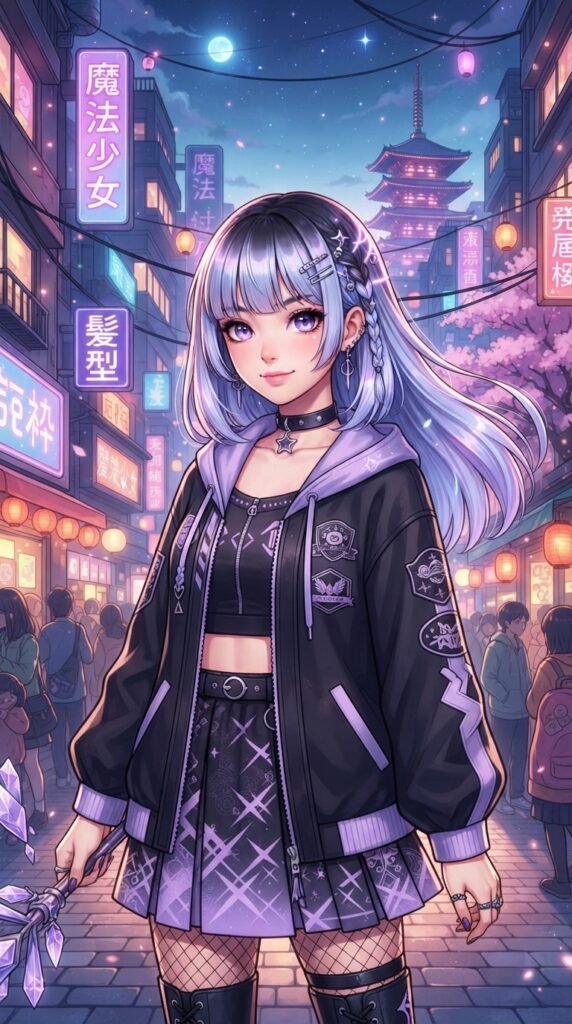
Hime cut. The Japanese princess cut with straight bangs and blunt cheek pieces. I wasn’t sure color melting could work. But it does. The key is keeping the color contrast low. If your hime cut has a harsh black base, melted pastel ends look dreamy. My stylist recommends a soft gradient. That way, the blunt lines remain the focus. The melt adds a modern twist. For 2026 hairstyles, we’re seeing more hime cuts with color melts. It’s a combination of tradition and innovation. If you have a hime cut, ask for a melt that starts near your ears. That keeps the top uniform. Then it melts into your chosen fantasy shade. It’s subtle but very striking.
How To Explain Color Melting To Your Stylist
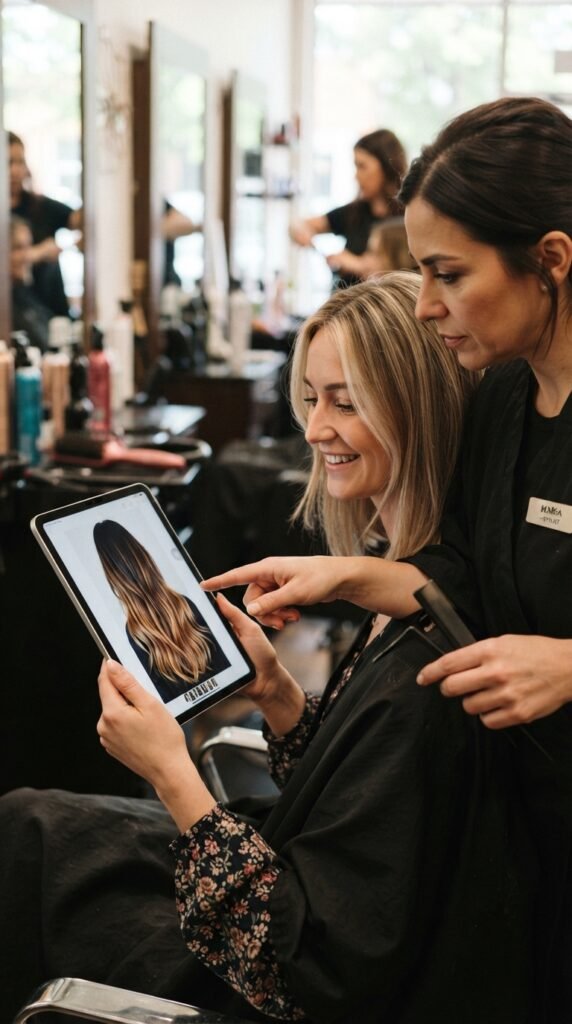
When you book your appointment, don’t just say “melted.” That can mean different things. Here’s exactly what I say:
“I want the color to transition through every strand, not just painted on top. I’m looking for a soft, seamless gradient. My natural root should blend directly into the next shade. No visible line. I want a dimensional finish that grows out nicely.”
That description always works. Also, bring pictures. Show a few versions. Ask if they use a ballayage or foilyage technique. My stylist says the choice depends on your texture. The more you communicate, the better. And don’t be afraid to ask about maintenance. A good color melt means you can wait longer between visits. That’s the whole point. For 2026 hairstyles, this kind of collaboration is key.
The Maintenance Routine That Keeps My Melt Fresh
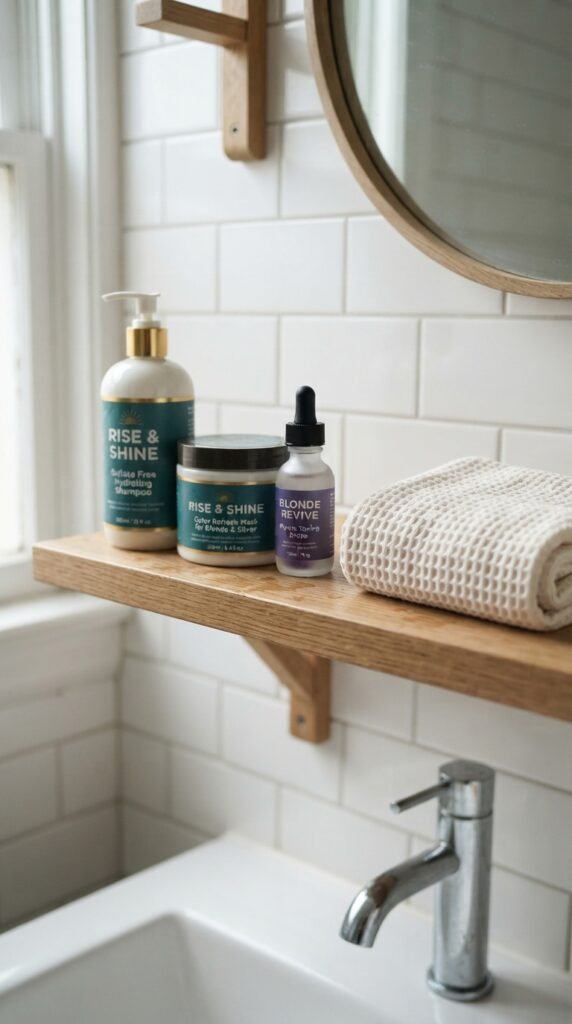
You don’t need to do much. That’s the beauty of it. But there are a few things that help. I wash my hair only twice a week. Sometimes once. That sounds gross to some people, but it keeps color vibrant. I always use cold water. It seals the cuticle. I also rotate between two products. A sulfate-free shampoo and a color-depositing mask. Every other week, I use toning drops in my conditioner. That keeps the ends from turning brassy. My stylist also recommends a heat protectant if you style. But because the color is so smooth, I rarely need heat. My hair dries naturally and looks done. This routine is minimal and affordable.
Products I Swear By For Color Melted Hair
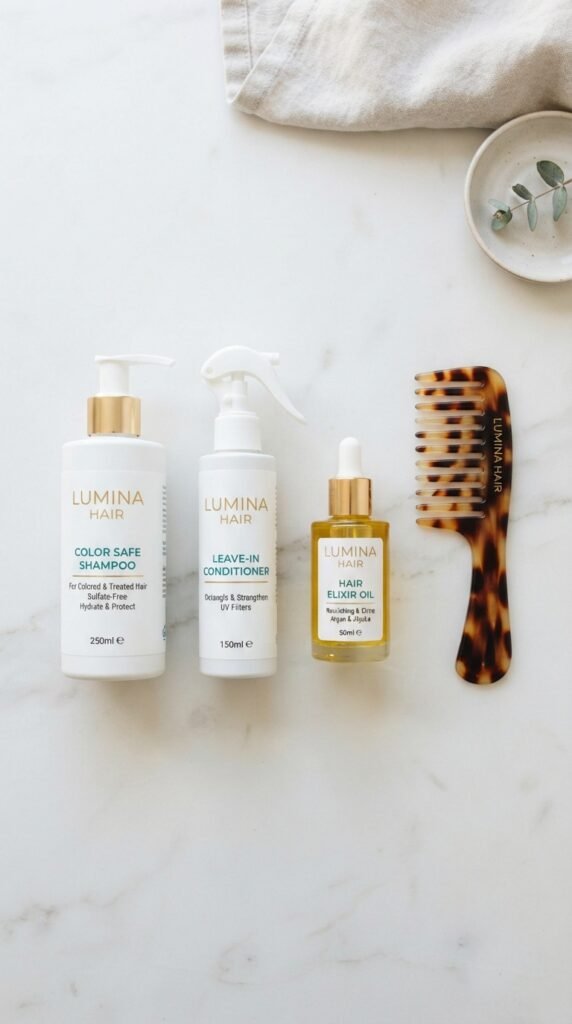
These products have changed my hair game. No sponsors, just honest love.
- Sulfate-free shampoo: keeps the melt from washing away too fast.
- A weekly hydrating mask: because melted color can still stress hair.
- Leave-in conditioner: makes the gradient look smooth and shiny.
- A lightweight hair oil: focuses on the ends, which are the lightest.
- A wide-tooth comb: prevents breakage when hair is wet.
I use a specific mask that deposits a little warm toner. That way, every wash keeps my color from feeling muddy. The oil is my favorite. I add three drops to my ends after drying. It makes the melt look buttery. Good products make all the difference. You don’t need to spend a fortune. Drugstore options work fine.
The Cost Of Color Melting (Is It Worth It?)
Let’s talk money. Color melting isn’t cheap. But it’s not crazy either. In my city, a full melt costs about the same as a high-end balayage. Some places charge by the product and time. I usually pay around $220 to $280. That includes a gloss. Some salons charge more for long hair. But here’s the thing. I used to spend that on balayage plus monthly toners. Now I go every ten to twelve weeks. So the total cost is actually lower. Plus, I save hours. Think of it as an investment in your dry time. For 2026 hairstyles, you want a look that lasts. Color melting delivers that. It’s worth every penny.
What About At-Home Color Melting?
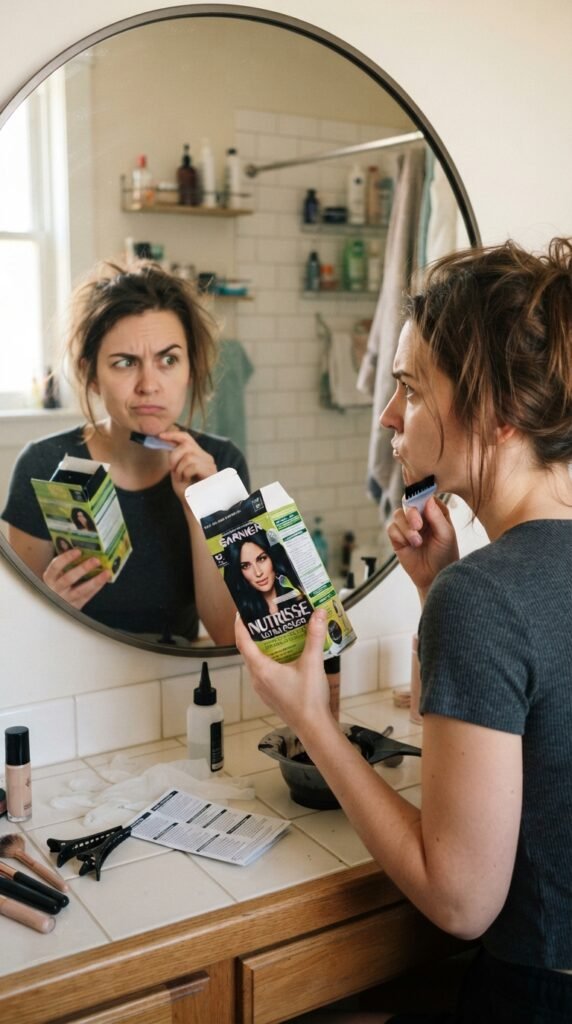
I have to be honest. Don’t do color melting at home. I say this after trying to fix a friend’s old balayage. It went poorly. The technique requires a trained eye to know where to start and how much to blend. A boxed dye will just cover everything. That creates a harsh line. Even if you follow a tutorial, it’s risky. The back of your head is impossible to see. Small errors turn into big regrets. If you can’t afford a salon, try a different look. Keep your balayage and use a root shadow spray. But save the melting for a pro. It’s too beautiful to rush. My stylist said she learned through years of practice. Let them do what they do best.
My Final Thoughts On Making The Switch
If you’ve been thinking about changing your color, let this be your sign. I switched from balayage to color melting and found my forever technique. It’s softer, lower maintenance, and looks so much more expensive. I feel confident at the roots. I don’t panic at month six. The color just keeps living. For 2026 hairstyles, this is the base for so many trends. Whether you go old money or goth, a melted finish elevates it. I’m never going back to harsh lines. I hope you give it a chance. Your hair deserves that smooth blend.
So here’s the truth. Balayage gave me a starting point. Color melting gave me the finish I always wanted. My hair looks better, grows out better, and feels lighter. I’ve tried a lot of different styles over the years. This is the first time I feel zero regret three months after a color service. If you’re on the fence, just ask your stylist for a consultation. Bring this post as a reference. You won’t be disappointed.
If you found this helpful, save this post to Pinterest so you can find it later. And let me know in the comments: have you tried color melting? What’s your favorite color technique right now? I’d love to hear your story.