How to Choose Layers That Flatter Your Natural Hair Texture
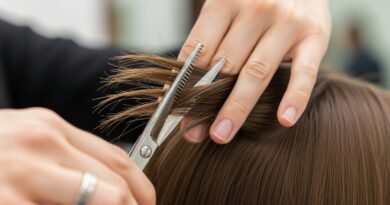
Hey friend, grab a coffee (or tea, no judgment) and let’s talk hair. If you’ve ever left a salon feeling like your “just a few layers” request completely backfired, this one’s for you. Layers are magical when they match your natural texture. But when they don’t? They fall flat, poof up, or hide your face in annoying ways. We’re here to change that. I’m going to walk you through the easiest ways to choose flattering layers for your natural hair, with zero hype and no confusing salon talk. Expect real tips, fun 2026 trends, and the confidence to tell your stylist exactly what you need. Let’s find your perfect layered look together. By the end, you’ll know exactly what to ask for and what to skip.
Why Texture Should Drive Your Layer Choice

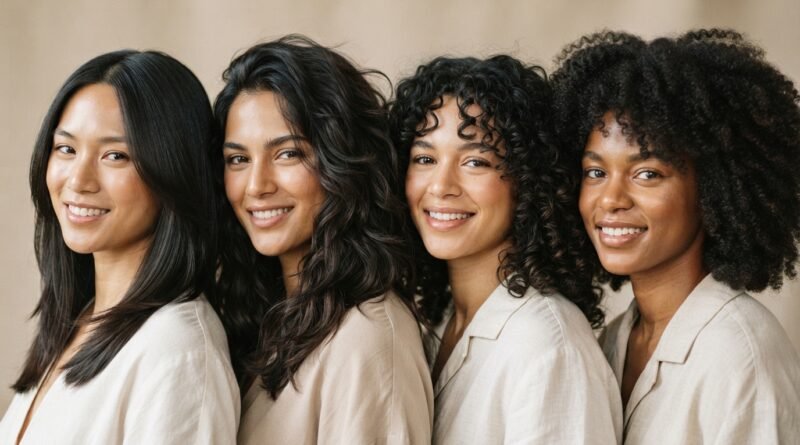
Your hair texture is your built-in road map. It decides how heavy your hair falls, how much volume you get, and how layers move when you turn your head.
Think about it: a sharp, blunt layer that looks amazing on fine straight hair can turn into a pyramid on thick curls. That’s not because layers are bad. It’s because the shape didn’t match your texture.
Before you choose a cut, ask yourself:
- Is my hair fine, medium, or thick?
- Is it straight, wavy, curly, or coily?
- Do I want more volume, less bulk, or easier styling?
Once you answer those, you’re already halfway to the perfect layer formula for your hair.
Straight Texture: Keep It Sleek and Subtle
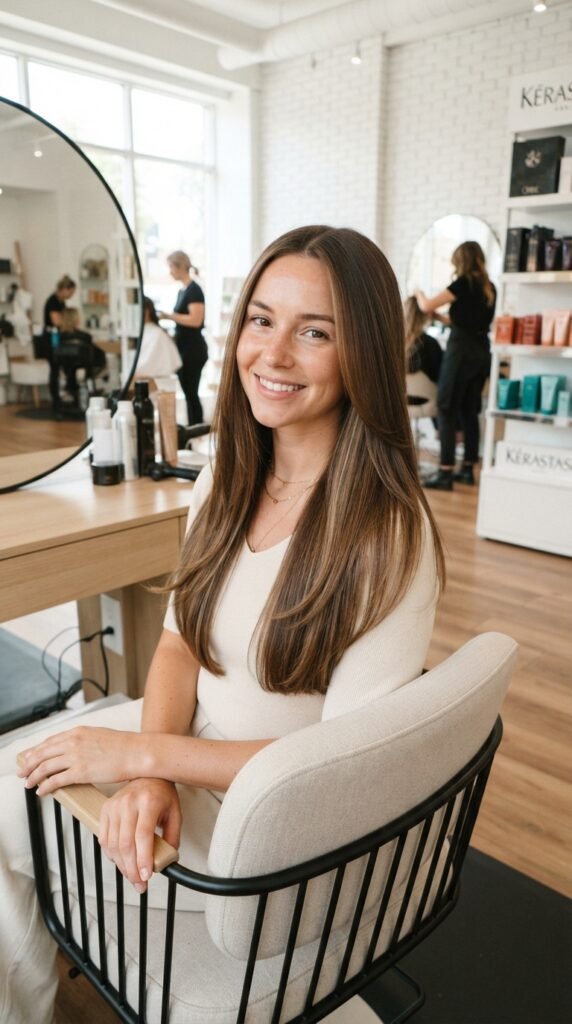
Straight hair can make layers look ultra-polished, but too many choppy pieces can make it look stringy. The goal here is soft movement, not sharp angles.
Ask your stylist for long, blended layers that start around your chin, or even closer to your collarbone. These add gentle swing without removing the sleekness you love.
If you have pin-straight hair, avoid heavy short layers on top. They can separate and poke out at weird angles. Instead, let the layers melt into each other.
For a quick trick:
- Lightweight texturizing spray gives straight layers extra life.
- Round-brushing just the ends creates a soft flip.
Honestly, straight hair with subtle layers screams old money hair when it’s done well.
Wavy Texture: Play Up the Movement

Wavy hair is the lucky middle child. It looks great with almost any layer style, especially when you want that “I woke up like this” energy.
The best layers for wavy textures are those that hit right between your chin and collarbone. That’s where your waves naturally create bend, so the layers fall into place without extra styling.
Love the quiet luxury bob trend? It works beautifully on wavy hair if you keep the layers soft and hidden inside the cut.
For even more movement, try:
- Long, face-framing layers that start near the cheekbone.
- Light interior layers to remove weight without changing your overall shape.
Your waves stay visible, but they get a little extra bounce.
Curly Texture: Go Triangle-Free

Curly hair is beautiful, but layers can either make you look amazing or accidentally create a Christmas-tree silhouette. The fix? Layers that work with your curl pattern, not against it.
If your curls are heavy and thick, long layers on the inside will remove bulk so your shape stays round and soft. Too-short outer layers can cause shrinkage and make your hair look shorter than it is.
A great curly cut uses layering to distribute volume evenly. Whether you want a vampire haircut with dramatic dark drama or a bouncy romantic look, the shape needs to honor your natural curl direction.
A quick tip:
- Ask your stylist to cut your curls dry or in their natural coiled state.
- This helps them see exactly how each layer will land.
Coily Texture: Stack for Shape and Bounce
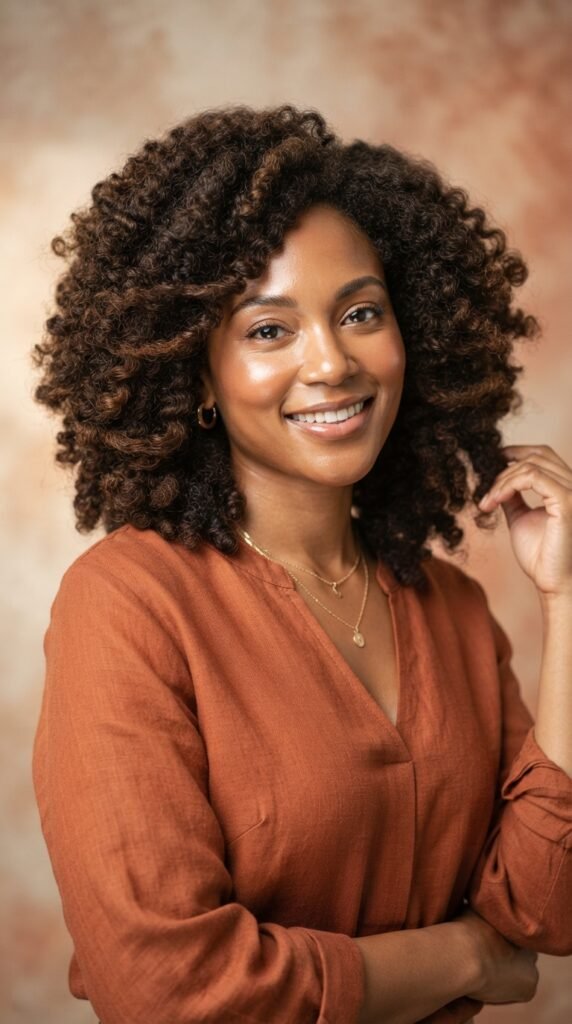
Coily hair thrives on layers that create shape, lift, and tangibility. When layers are too uniform, you get a heavy block. When they’re placed strategically, your coils get a beautiful rounded frame.
Choose shorter layers around the crown to encourage volume. Then keep the lower layers slightly longer so you don’t lose length. This stacked effect is often called a curly or coily “shape-up cut” and it’s genius.
Locating your density matters too. Fine coily hair should have lighter layers. Dense coily hair can handle more aggressive interior layering to reduce bulk.
Look for stylists who specialize in textured cuts. They’ll know how to let your curls spring up while still giving you the silhouette you want.
Fine Hair? Choose Wisely, and Here’s How

I know the fear of losing all your hair when you ask for layers. But fine hair can actually love layers when you do it right.
The trick is to keep layers subtle and strategically placed. Soft, face-framing layers plus a few interior layers create the illusion of fuller volume. Choppy, heavy layers just make the ends look see-through.
A great choice for fine hair is the asymmetrical lob. Off-center shapes and long layers add dimension without sacrificing density.
Here’s a simple rule:
- Stay away from very short, disconnected layers.
- Ask for layers that start at your jawline or lower.
- Texturizing powders and mousses become your new best friends.
You get movement, but you keep that precious visual weight.
Thick Hair: The Right Kind of Interior Layers
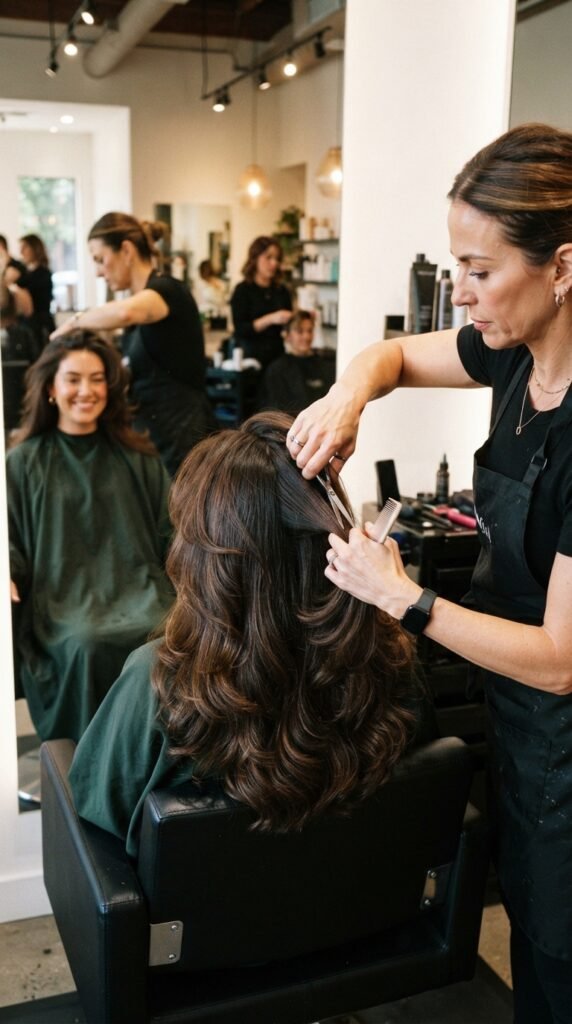
Thick hair often feels heavy and hard to style, but layers can be the answer. The key is interior layers—layers hidden underneath the top section that remove bulk while keeping your outer look smooth.
If you have thick hair, you don’t need lots of visible choppy pieces. Instead, ask for “point-cutting” or “slide cutting” inside the layers to lighten the load. This helps your hair sit flatter, shape nicely, and still look full.
The glitchy glam hair trend is a fun option here. It plays with subtle, angular pieces that catch the light, but you can control how much drama you want.
Remember:
- Interior layers keep length.
- Surface layers add style.
- Too many short layers create unnecessary poof.
What’s Trending in 2026 Layered Hair?
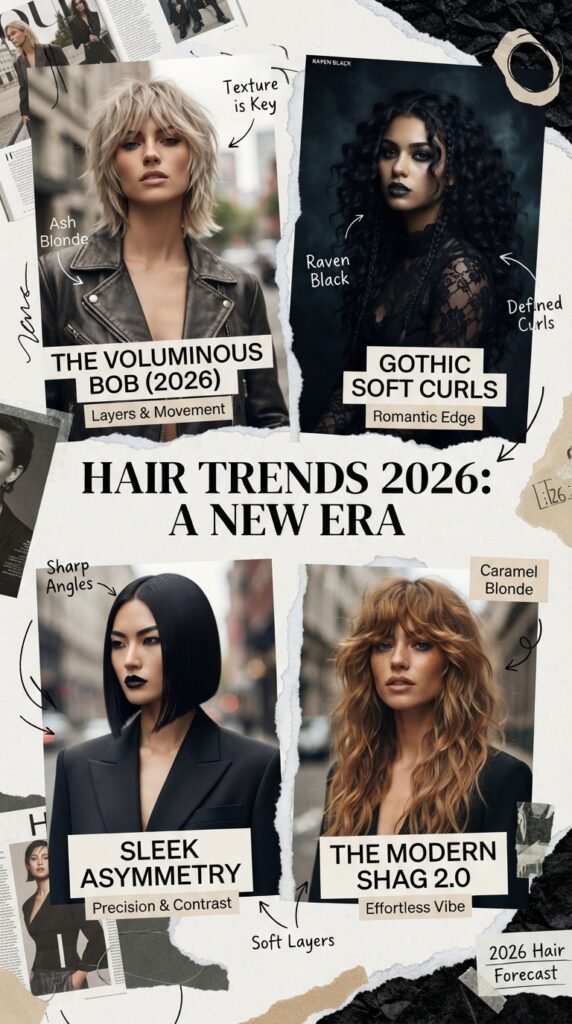
Let’s talk 2026 hairstyles because there are so many fun ways to play with layers. The best part? Every major trend this year works with your natural texture instead of fighting it.
Old money hair is still everywhere. It’s glossy, simple, and packed with hidden layers that make you look polished without trying too hard. The quiet luxury bob is another big one—minimal, feminine, and all about clean, blended edges.
Then you have your edgier vibe: romantic goth hairstyles, vampire haircut inspiration, and glitchy glam hair. These styles use dramatic face-framing layers and texture to create moody, one-of-a-kind looks. And don’t forget the hime cut if you love bold, straight-across fringe with soft side layers.
2026 is basically your permission slip to try layers that truly fit your personality.
Old Money Hair Is the Quiet Rich-Girl Layer You’ll Love
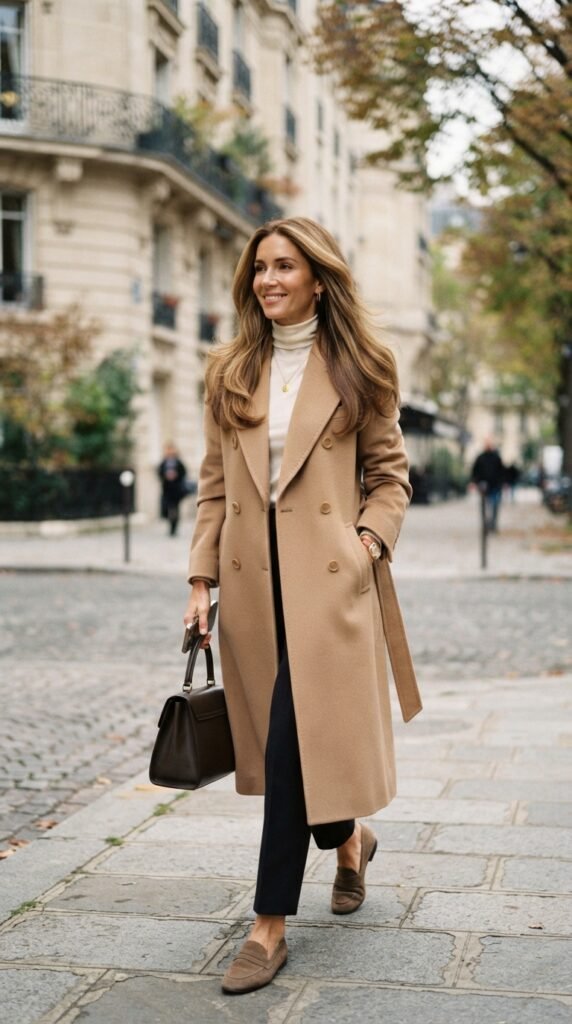
Old money hair is all about understated elegance. Think less “I just styled my hair” and more “my hair naturally looks expensive.” Layers fit perfectly into this trend.
What makes old money layered hair special? It’s not harsh or choppy. Layers are long, subtle, and blended into the ends. They frame your face gently and create that effortless, expensive movement.
This look works best on straight or wavy textures. Ask your stylist for a “soft u-shape” with face-framing layers that graze your cheekbones. No dramatic steps, just smooth transitions.
A few tips:
- Keep ends healthy with regular trims.
- Use high-shine finishing oil to amplify the luxurious feel.
It’s classic, chic, and easy to live in.
Quiet Luxury Bob: A Slice of Sleek Perfection
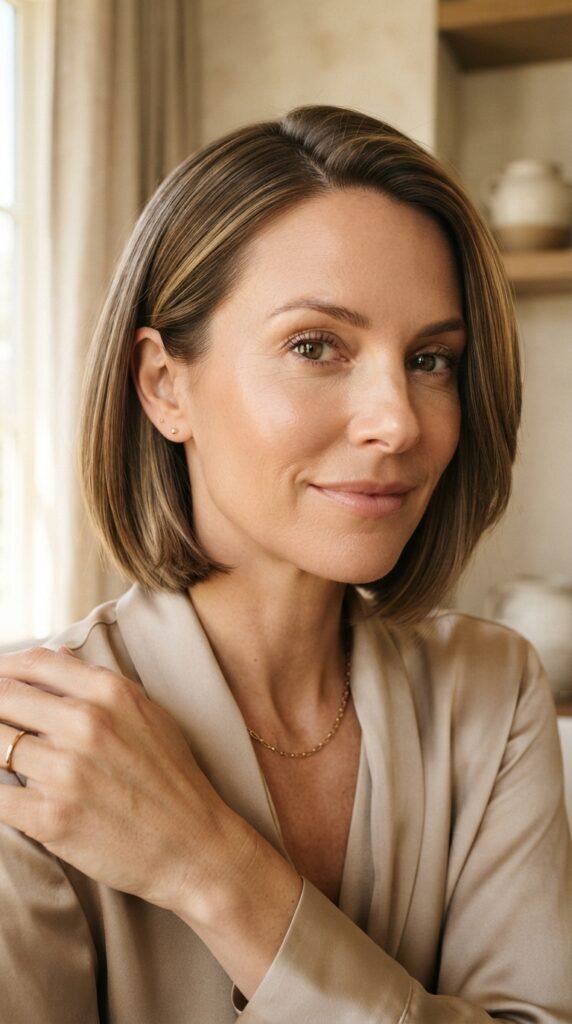
The quiet luxury bob is a masterpiece for fine to medium straight hair. It feels tailored but not stiff. Layers are the secret reason this cut looks so polished.
Ask for a bob that lands between your jaw and chin, with very soft layers barely moving through the ends. This creates a gentle inward curve while keeping the shape solid and strong.
If you have naturally straight hair, this cut practically styles itself. A quick flat iron around the front is all you need.
But what if your texture is wavy or slightly curly? You can still rock a quiet luxury bob—just skip heavy layering and ask for point-cutting to remove just a bit of weight.
The result is a sleek, expensive-looking lob or bob that works hard for you every single day.
Romantic Goth Hairstyles: Moody Layers with Softness
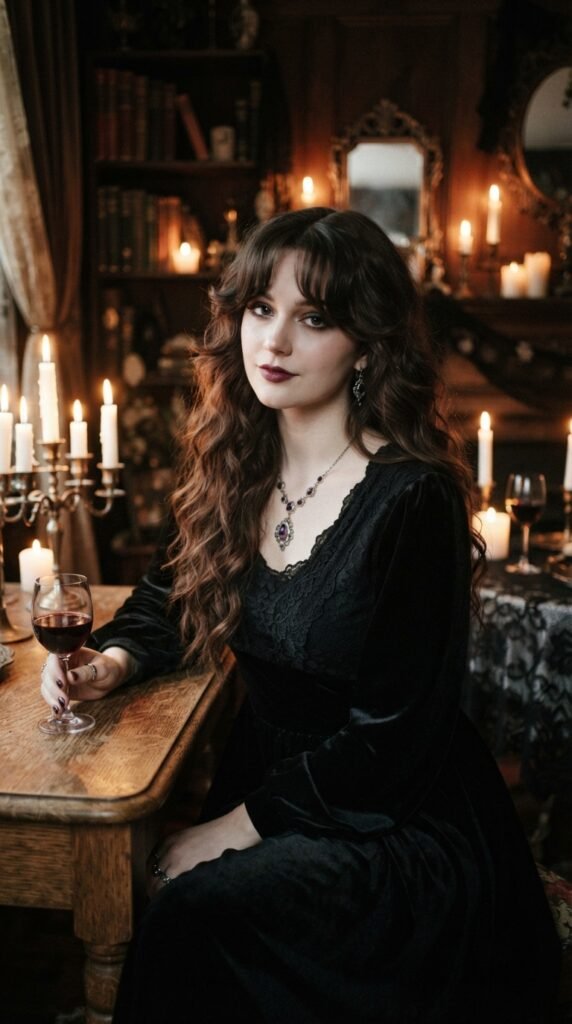
Romantic goth hairstyles are not your typical dark, razor-sharp cuts. They mix dark, moody vibes with soft, feminine layers that move like poetry.
Think long, flowing layers with gentle curl at the ends, or Victorian-inspired framing around the face. These layers soften the whole look and make the style feel wearable for daytime too.
For this trend, keep your layers quite long. Short layers can ruin the romantic mood.
Start the layering around your cheekbones and let it fall into a V-shape down your back. Then add:
- Feminine curtain bangs
- Soft-defined waves
- Deep side part for drama
It’s a beautiful, mysterious texture-friendly option that feels like you in a movie.
Glitchy Glam Hair: Playful Layers With an Edge

Glitchy glam hair sounds like technology meets the runway, and that’s exactly why it’s trending in 2026. It includes contrasting lengths, surprising angles, and cool textures.
For natural texture lovers, glitchy glam is not as intimidating as it sounds. You can incorporate a few sharper, disconnected layers into your curly, wavy, or straight hair. This creates a “glitch” in your overall shape without making you look messy.
Think of an asymmetrical lob with an unexpected piece near the front, or a curly cut with one side slightly shorter. The play on asymmetry is the point.
Keep in mind:
- If you have fine hair, choose subtle glitchy layers.
- If you have thick or curly hair, try more dramatic slivers.
It’s bold, fun, and truly unique.
Asymmetrical Lob: Modern Layers That Swing

The asymmetrical lob is my love language for natural hair texture. It works on straight, wavy, and curly textures because the asymmetry does all the heavy lifting.
One side is cut a little shorter than the other, and layers blend the two lengths together. This gives you a modern look that moves beautifully when you walk.
If your hair is fine, stick to longer layers to keep volume. If you have thick curls, an asymmetrical lob with interior layers helps control weight and gives you a trendy shape without constant styling.
The best part? This cut grows out gracefully. You don’t need to rush back to the salon every six weeks.
Just add in a sea-salt spray or curl cream and let your natural texture do the rest.
Vampire Haircut: Dark Influence, Face-Framing Magic
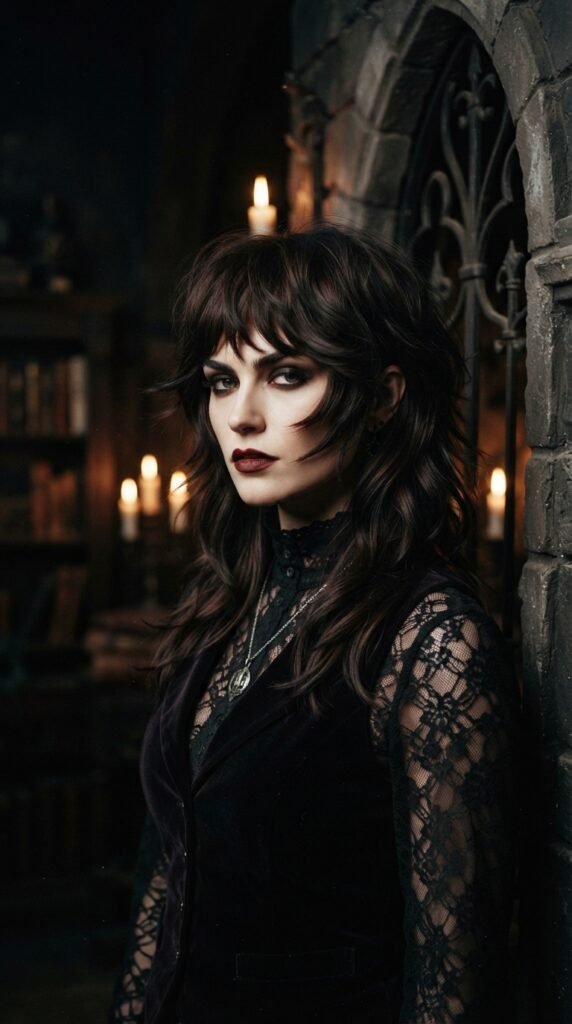
The vampire haircut has taken the internet by storm, and I’m thrilled because it’s all about layers. It uses heavy curtain bangs and dramatic face-framing lengths that almost mimic bite marks. Okay, that sounds wild, but visually it’s stunning.
This cut works especially well on wavy and curly textures because the layered pieces naturally frame your face with attitude. Straight hair looks great too if you want sharpness.
The layers are cut at an angle, starting shorter at the front and cascading longer down the back. It creates widow’s peak-ish framing that feels gothic but modern.
To maintain the vibe:
- Keep the front layers around your cheekbones or chin.
- Ask for a razor finish to soften edges.
It’s dark, feminine, and honestly so cool.
Hime Cut: Bold Layers for the Brave

The hime cut is iconic. It features straight, blunt bangs and sharp cheekbone-length side pieces, while the back stays long. For natural texture, this is not the easiest style to pull off, but when it works, it works hard.
If your hair is straight or only slightly wavy, the hime cut gives you a polished doll-like silhouette. You can keep the sharp layers at the front, then ask for subtle internal layering in the back to prevent a super heavy feel.
If your hair is curly or coily, you can absolutely do a textured version. The bangs and face-framing pieces are cut in their natural texture, giving a softer but still bold look.
This is a statement cut, so be ready for compliments and maybe a few stares. Love it.
How Short Should Your Shortest Layer Be?
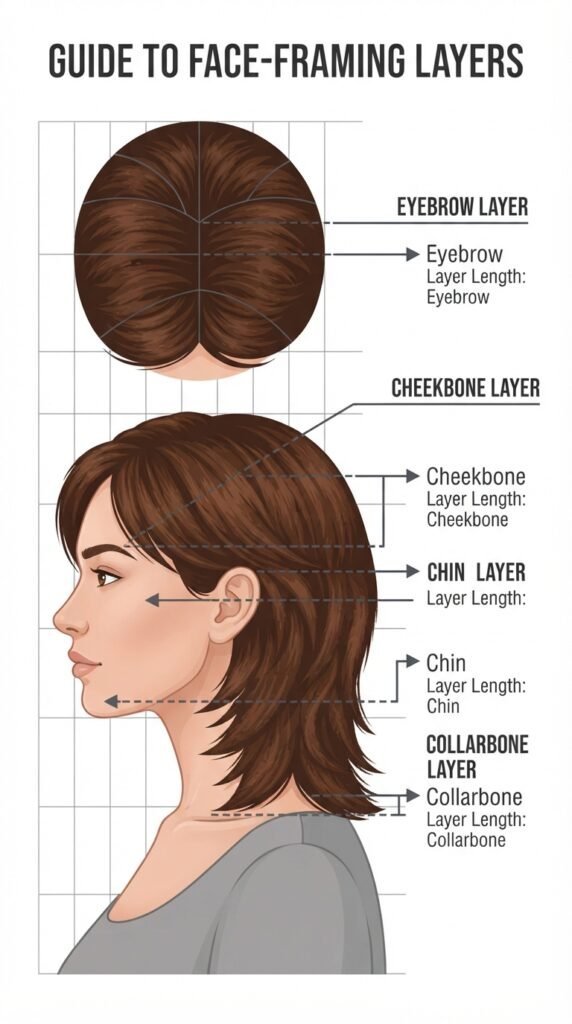
There’s no universal answer, but there are three main zones to keep in mind: cheekbone, chin, and collarbone.
Cheekbone layers add sharpness and dominate the face. This works for romantic goth or hime-style cuts, and also for those who want a bold look.
Chin-length layers are the flexible sweet spot. They add movement and volume without shifting your overall shape too much.
Collarbone layers are the most soft and realistic for long low-maintenance hair. They’re perfect for old money hair and quiet luxury bobs.
Your texture matters: curly and coily hair often shrinks, so if you want it to hit your chin when dry, it might need to be a little longer when cut.
Ask your stylist to show you the layers on a dry section before committing.
Face Shape and Layers: Your Simple Hard-and-Fast Rules
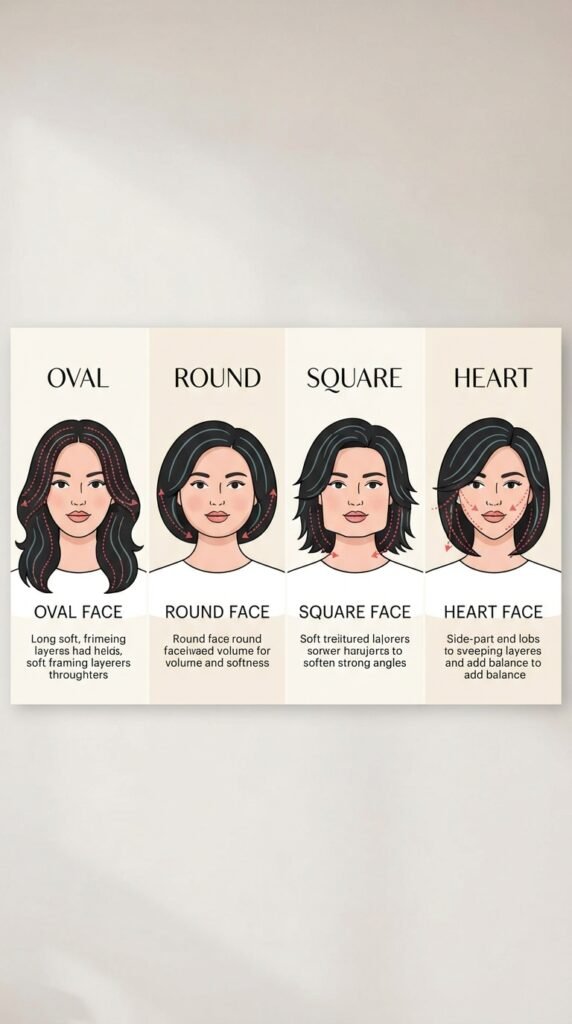
Your face shape is the second piece of the puzzle after texture. But don’t overthink it. Just remember these quick guidelines.
Oval faces can wear almost any layer. Lucky them. Try chin-layered cuts or an asymmetrical lob.
Round faces want longer layers that start below the chin to avoid adding extra width. The quiet luxury bob with soft front pieces is incredible here.
Square faces benefit from wispy, face-framing layers that soften the jawline. The vampire haircut’s curtain bangs are perfect for this.
Heart-shaped faces look best with layers that hit around cheekbones to balance a wider forehead. The hime cut can be lovely if softened slightly.
Your stylist can help blend these ideas with your hair’s natural behavior.
Salon Talk: Exactly How to Ask For Texture-Friendly Layers
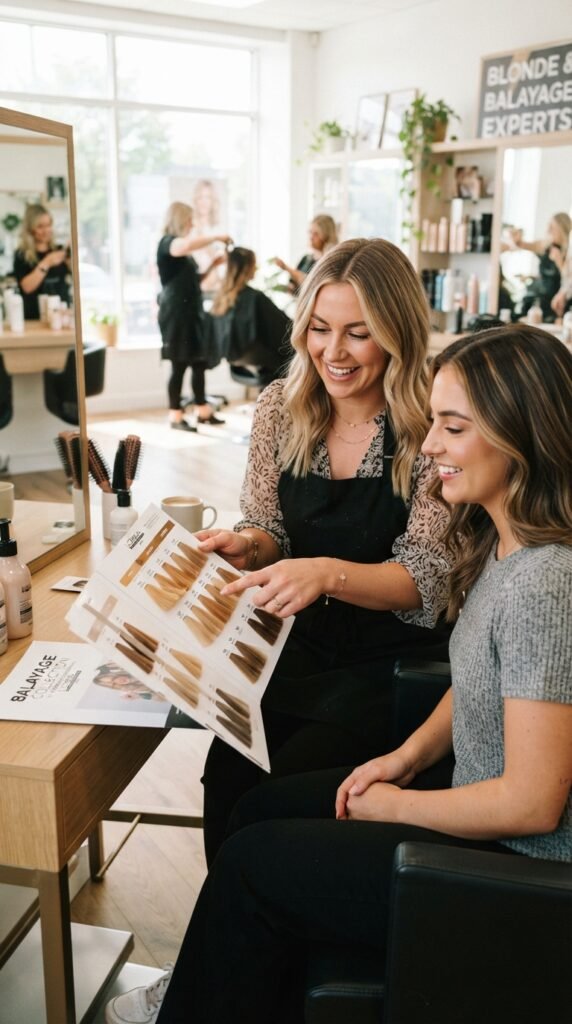
Okay, let’s practice your salon script. Communication is everything because you and your stylist might not speak the same hair language.
Say this:
“I want layers that respect my natural texture. For my hair, I’d love some interior layers to remove volume if needed, and I want the outer frame to stay smooth. Can you show me how my curl/wave pattern will fall before you cut?”
Then mention any trend names if you like one: “I’m inspired by old money hair, but with my texture, what would you do?”
Also clarify:
- How much length will you remove?
- How short will the shortest layer be?
- Do you recommend dry or wet cutting for my texture?
This way, you leave the chair with a cut that feels custom-made.
Styling Layered Hair at Home (Without Heat Stress)
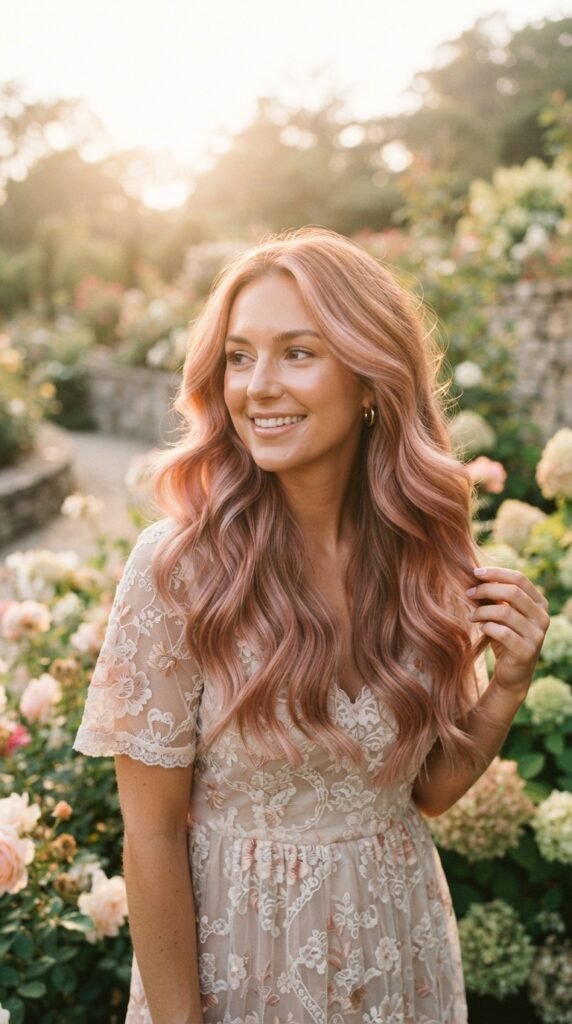
Layers can be low-maintenance, but styling techniques still matter. The easiest way to keep your texture happy is to use products that match your goal.
For curly or coily hair, apply a leave-in conditioner and style with your head flipped upside down for volume. Air dry or use a diffuser on low heat.
Fine straight or wavy hair benefits from mousse at the roots to create lift at your layers. Use a wide-tooth comb only when wet, and then let it be.
Once dry, add a tiny amount of hair oil just to the ends. This prevents frayed-looking pieces and keeps your layers looking intentional.
Try not to over-touch your hair throughout the day. The more you let your natural texture do it, the better.
Avoiding Layers? Here’s the Best Alternative for Your Texture

Sometimes layers aren’t the right answer, and that’s okay. If you have very fine hair, a heavily layered look can make you look sparse. If you have very curly or coily hair, super-short layers can cause unwanted frizz or triangle shapes.
In those cases, go for a blunt cut or a one-length trim. A sharper line across the ends creates the illusion of thicker hair and gives you a clean, modern shape.
Another alternative is soft “invisible layers,” where the stylist works underneath the top layer of hair. You get some internal shape, but your outer hair remains smooth and continuous.
If you love trends, you can try a hime cut-inspired piecey fringe or a subtle asymmetrical lob without committing to full layering.
Always choose the cut that makes you feel good in your daily routine.
How Often Should You Refresh Your Layers?
Layers lose their shape over time, especially with natural texture. Curly and coily hair can grow faster in volume, while straight hair lets split ends be more visible.
As a general rule:
- Fine hair: every 6–8 weeks to maintain shape and prevent stringiness.
- Medium wavy/straight: every 8–10 weeks.
- Curly/coily: every 10–12 weeks depending on how quickly your hair grows. More time between trims is okay.
If you’re between cuts, you can stretch your layers by refreshing with some lightweight styling cream. But don’t wait so long that your beautiful shape starts disappearing.
Book a trim when the layers feel uneven or thick at the bottom.
A quick upkeep routine means your natural texture always looks intentional.
Alright, friend, we’ve talked about so many fun ways to make layers work with your natural hair. I hope you’re feeling excited instead of overwhelmed. The most important thing is to choose a cut that fits your texture and your daily life. You don’t have to follow a trend unless it feels right for you.
If you loved this guide, save this post to Pinterest so you can pull it up when you’re in the salon chair. And hey, tell me below: What’s your natural hair texture, and what’s one layer look you’re dreaming of? I honestly love reading your comments, and I’ll be right here to answer any questions.