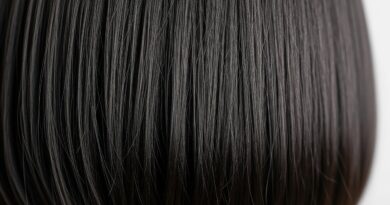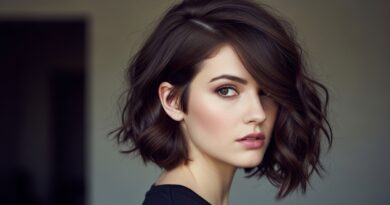
How Fine Hair Can Fake Fullness With the Right Cut
If you have fine hair, you already know the struggle. You spend twenty minutes styling, step outside, and by lunch it’s flat against your head like nothing ever happened. I’ve been there, and I’ve tested basically everything.
Here’s the good news: volume doesn’t start with products. It starts with your cut. The right shape can make fine hair look twice as full without a single extension or thickening spray.
In this post, I’m sharing the exact cuts that fake fullness, plus the 2026 hairstyles worth asking for, from the quiet luxury bob to the vampire haircut. It’s quick, it’s practical, and it’ll save you from another disappointing salon visit.
Why Fine Hair Falls Flat (It’s Not Your Fault)

Fine hair simply has fewer strands per square inch, and each strand is thinner. That means less natural structure to hold a style up. It’s genetics, not a styling failure.
The real problem? Most haircuts are designed for medium to thick hair. They rely on density you don’t have, so they collapse.
- Heavy layers remove what little bulk you have
- Long, one-length hair drags the roots down
- Thinning shears are basically the enemy
Once you understand this, choosing a cut gets so much easier.
The Golden Rule: Blunt Lines Are Your Best Friend
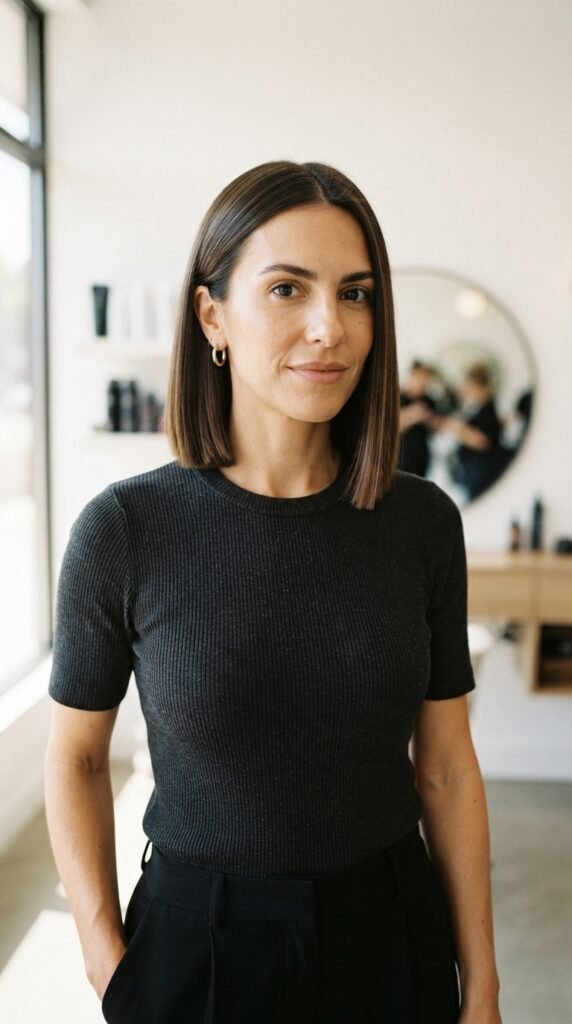
Blunt ends create the illusion of density because all the hair ends at the same point. That solid line reads as “thick” to the eye, even when it isn’t.
Soft, feathered ends do the opposite. They taper into nothing, which makes fine hair look wispy and sparse.
- Ask for a blunt or softly blunt perimeter
- Keep layers minimal and invisible
- Skip razored edges entirely
This one rule changes everything, no matter which length you choose.
The Collarbone Blunt Cut: Everyone’s Safe Zone
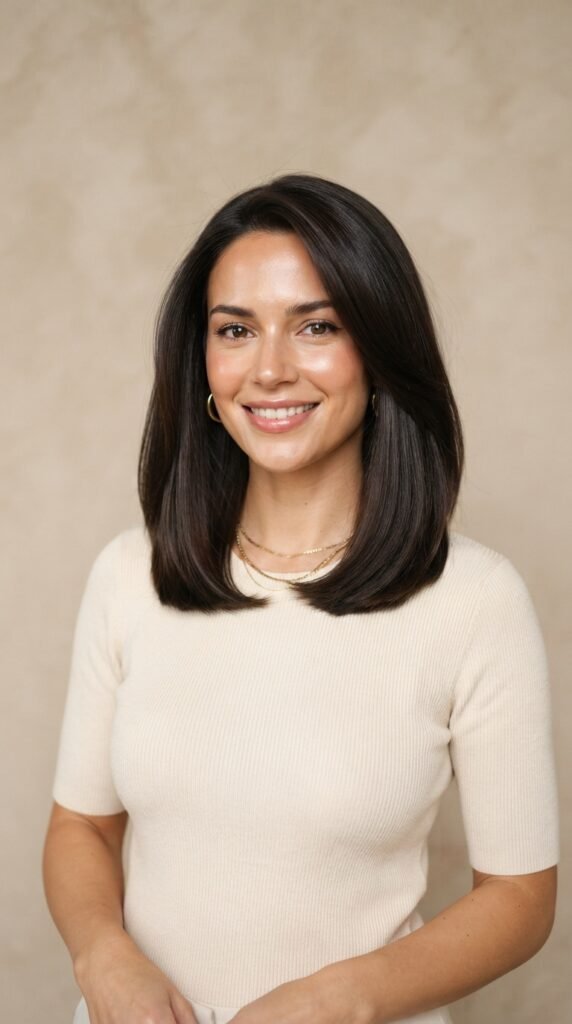
If you’re nervous about going short, this is your starting point. Collarbone length is long enough to feel safe but short enough to keep weight off your roots.
It pairs perfectly with 2026 hairstyles that lean clean and polished. Think less choppy, more intentional.
- One length, blunt ends, zero thinning
- A middle or slight side part for lift
- Air dry with a round brush for bounce
It grows out beautifully too, so you’re not stuck in the salon every month.
Invisible Layers: Volume Without the Frizz
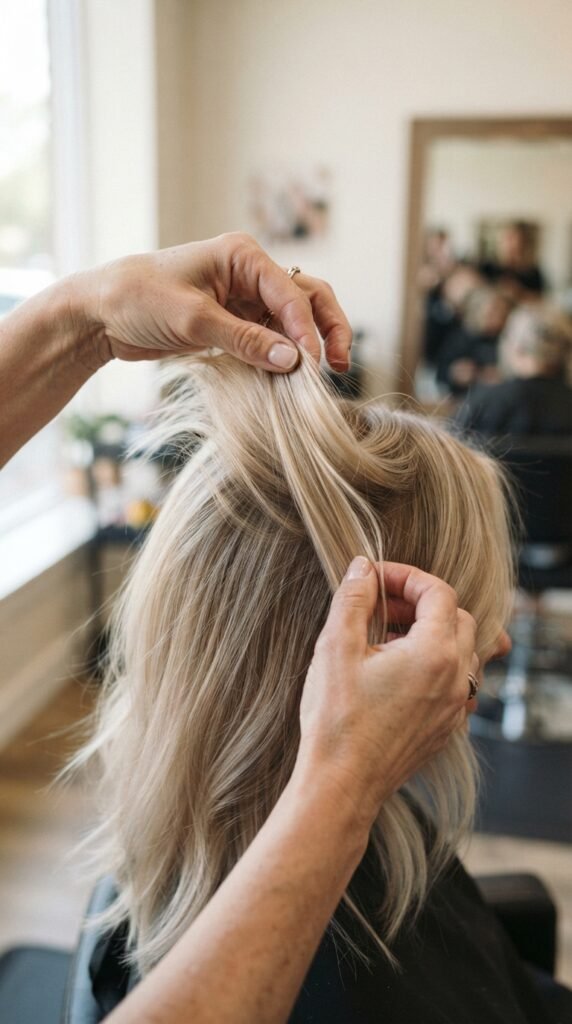
Invisible layers are cut inside the hair so the surface stays smooth while the inside gets movement. Fine hair gets lift without that stringy, choppy look.
Ask your stylist for “internal layers” or “ghost layers.” Not everyone knows the term, so explain you want movement without visible steps.
- Keeps the perimeter blunt and full
- Adds bounce around the crown
- Works on any length, short or long
This is the secret behind most “how is her hair so full” moments.
The Quiet Luxury Bob: Old Money Hair Energy

The quiet luxury bob is everywhere right now, and it’s honestly made for fine hair. It’s sleek, blunt, and polished, with zero fussy texture.
This is old money hair at its best: expensive-looking, simple, and effortlessly neat. Fine hair naturally lies smooth, so you’re working with your texture instead of against it.
- Chin to jaw length, one length, blunt ends
- Parted in the middle or slightly off-center
- Tucked behind one ear for that classic finish
Pair it with a silk scarf and you’re basically a walking mood board.
The Asymmetrical Lob: Instant Visual Interest
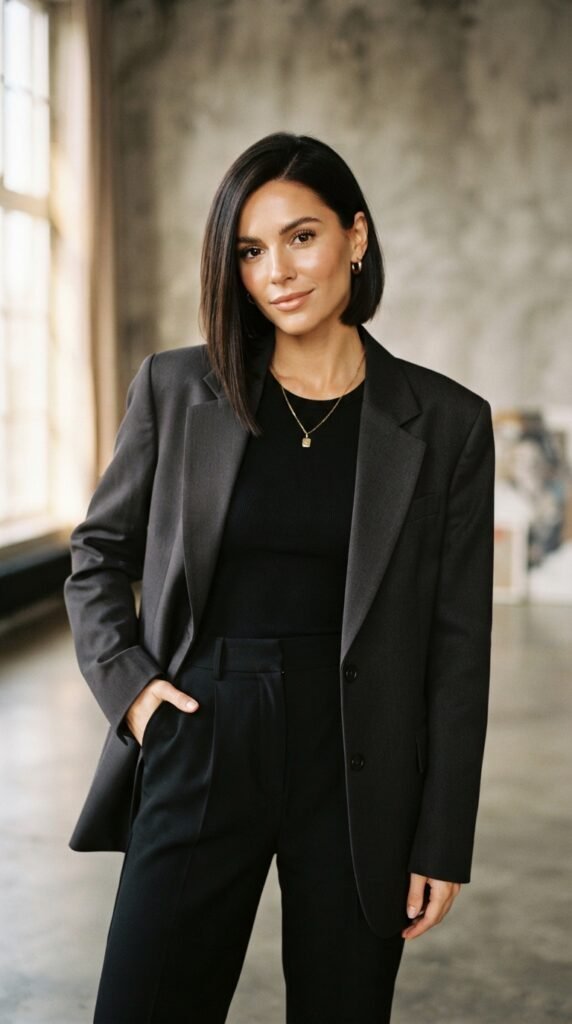
An asymmetrical lob uses uneven angles to trick the eye. Because the lines don’t match up, nobody can tell where your hair thins out.
It’s one of the best cuts for fine hair because it creates depth and movement without removing any weight.
- Ask for a subtle angle, not a dramatic slant
- Keep the longer side in front for a slimming effect
- Style with a one-inch curling iron for soft bends
Even air-dried, it looks intentional. That’s the magic of a good angle.
Soft Curtain Bangs: Framing Without the Bulk

Fine hair and heavy bangs usually don’t mix. But curtain bangs are different. They’re split in the middle and sweep outward, so they never sit flat against your forehead.
They frame your face, add softness, and blend into the rest of your hair instead of creating a separate heavy block.
- Ask for a longer, face-framing curtain bang
- Keep the center short and the sides blended
- Style with a velcro roller for two minutes
It’s the romantic touch that reads effortless, not high maintenance.
Micro Bangs: Bold, but Worth It

Micro bangs are short, straight, and sit well above the brows. They’re a statement, and yes, they work on fine hair.
Why? Because they’re cut blunt and thick-looking by design. They add a pop of density right where people look first, your face.
- Keep them blunt, never thinned out
- Avoid them if your hair is very oily at the roots
- Pair with a sleek bob or a longer lob
They grow out fast, so consider them a fun two-month experiment.
The Shag: Modern Texture for Fine Hair

Yes, a shag can work on fine hair, as long as it’s a soft shag and not a choppy one. The key is keeping the layers long and the ends blunt-ish.
This cut gives you that lived-in, cool-girl texture that makes fine hair look like it has way more body than it does.
- Ask for long, invisible layers with soft face framing
- Skip heavy thinning at the crown
- Use texturizing spray on dry hair, not wet
It’s one of the best 2026 hairstyles for anyone craving movement.
The Vampire Haircut: Dark Romance, Full Effect

The vampire haircut is all about drama: a blunt, medium-length cut with soft, face-skimming pieces and a slightly moody finish. Think romantic goth hairstyles, but wearable.
For fine hair, the blunt length is the hero. It keeps density at the ends while the face-framing pieces add that haunting, elegant shape.
- Keep the perimeter blunt and full
- Add micro face-framing pieces at the cheekbone
- Style smooth, or add a few loose bends
It’s dark, romantic, and surprisingly flattering on thin strands.
Romantic Goth Hairstyles: Softness Meets Drama

Romantic goth hairstyles lean on softness, not spikiness. Think long, gentle waves, deep tones, and delicate accessories like ribbons or small clips.
Fine hair actually shines here because soft waves hold that ethereal quality better than thick, heavy hair does.
- Longer lengths with blunt ends for fullness
- Soft bends instead of tight curls
- Root lift powder for an ethereal crown
It’s moody, it’s pretty, and it photographs beautifully in low light.
The Hime Cut: Straight, Blunt, and Built for Fine Hair
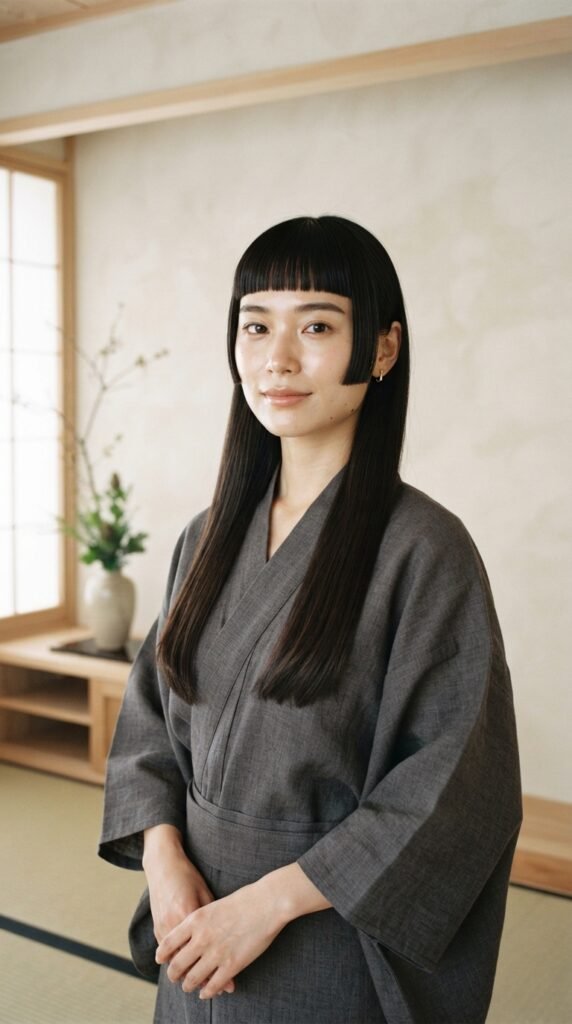
The hime cut features blunt side sections at cheek or jaw level with the rest of the hair long and straight. It’s striking, and it’s genuinely great for fine hair.
Those blunt side pieces add instant visual thickness. And because the rest stays long and smooth, fine strands look sleek instead of sparse.
- Keep side pieces blunt, never tapered
- Trim them every six weeks to stay sharp
- Flat iron on low heat for a glass-like finish
It’s a bold look, but fine hair wears it beautifully.
Glitchy Glam Hair: Playful, Edgy, and Full of Life

Glitchy glam hair is all about contrast: sharp angles mixed with soft texture, unexpected partings, maybe a bold color flash. It’s fun and very 2026.
On fine hair, the trick is using asymmetry and texture to create the illusion of volume. The “glitch” hides thin spots because the eye has too much to look at.
- Asymmetrical lob or bob as your base
- Add clip-in color flashes instead of bleach
- Texturizing spray for piecey definition
It’s playful, modern, and impossible to look flat.
Lob vs. Bob: Which One Fakes Fullness Better?
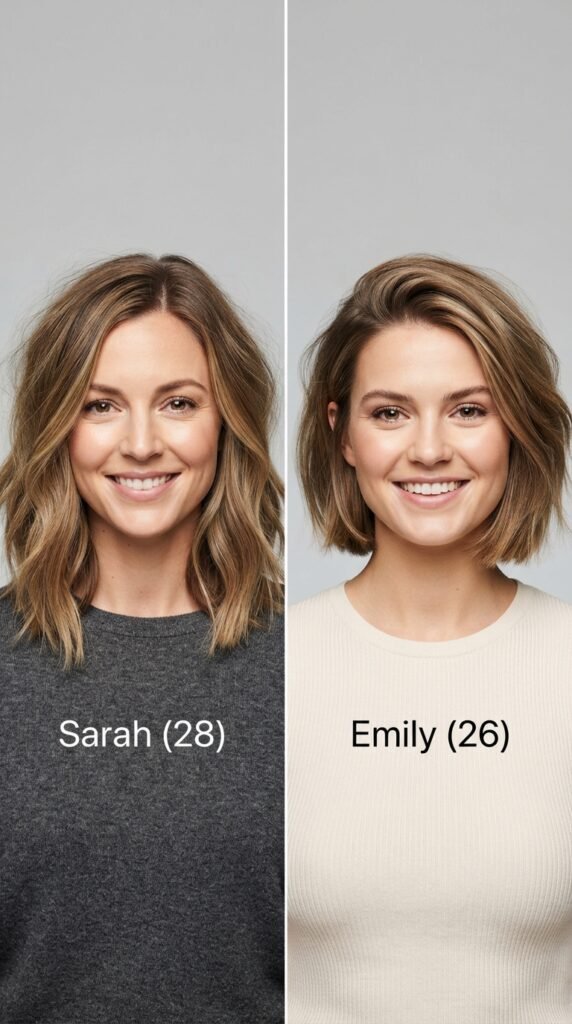
Both work, but they serve different goals. A lob hits between the collarbone and shoulders. A bob stops at the jaw or chin.
The bob gives you more instant volume because there’s less weight pulling it down. The lob gives you more styling freedom and grows out more gracefully.
- Choose a bob for maximum lift and bounce
- Choose a lob if you love pulling your hair back
- Either way, keep the ends blunt
Honestly, you can’t go wrong with either. It comes down to your routine.
The Buzz Cut Question: Brave, but Not for Everyone
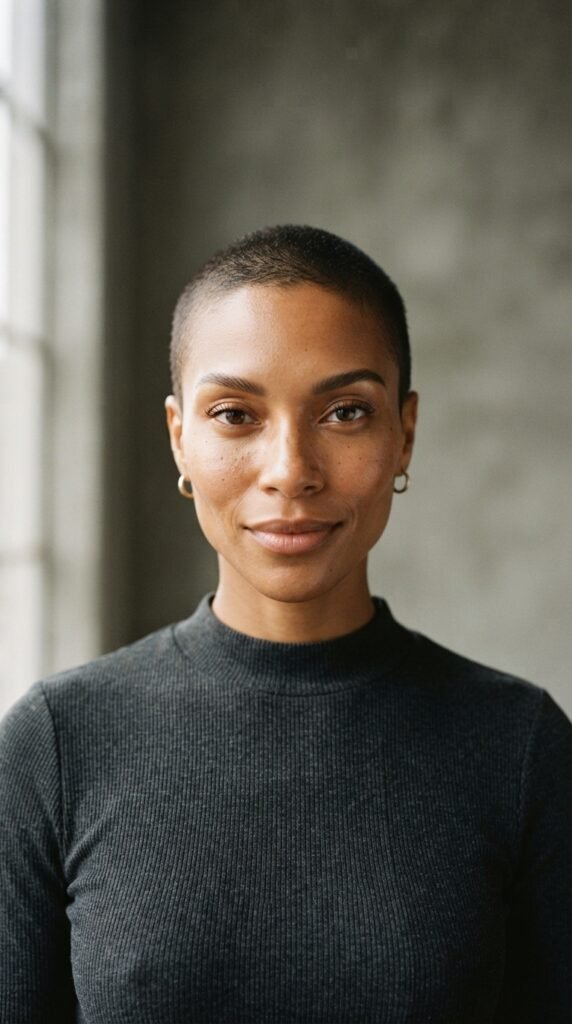
I get this question a lot: does shaving it all off help fine hair grow back thicker? Short answer, no. Growth happens at the root, not the ends.
That said, a buzz cut can look incredible on fine hair because it removes the flatness problem entirely. It’s a confidence move, not a volume hack.
- It won’t change your actual hair density
- It can look stunning with strong features
- Growing it out takes patience and trims
If you want it, do it for the look, not the myth.
Ask for These Words at Your Next Appointment

Stylists speak a specific language, and using the right words saves you from a cut you’ll regret. Here’s your cheat sheet.
- “Blunt perimeter” for a solid, full-looking hemline
- “Invisible layers” or “internal layers” for hidden movement
- “No thinning shears” so no one removes your density
- “Face framing starting below the cheekbone” for flattering shape
Bring two or three photos of fine-haired people, not thick-haired models. That detail alone changes the whole consultation.
Skip These Cuts If Your Hair Is Fine

Some cuts sound amazing until you realize they need density you don’t have. Save yourself the heartbreak.
- Heavy choppy layers that thin out the ends
- Extreme graduated bobs with stacked back sections
- Long, one-length hair past your mid-back (it drags roots down)
- Aggressive razor cuts that taper the perimeter
If a stylist recommends thinning shears to “add movement,” that’s your cue to speak up. Movement comes from shape, not from removing hair.
Styling Tricks That Make Any Cut Look Fuller
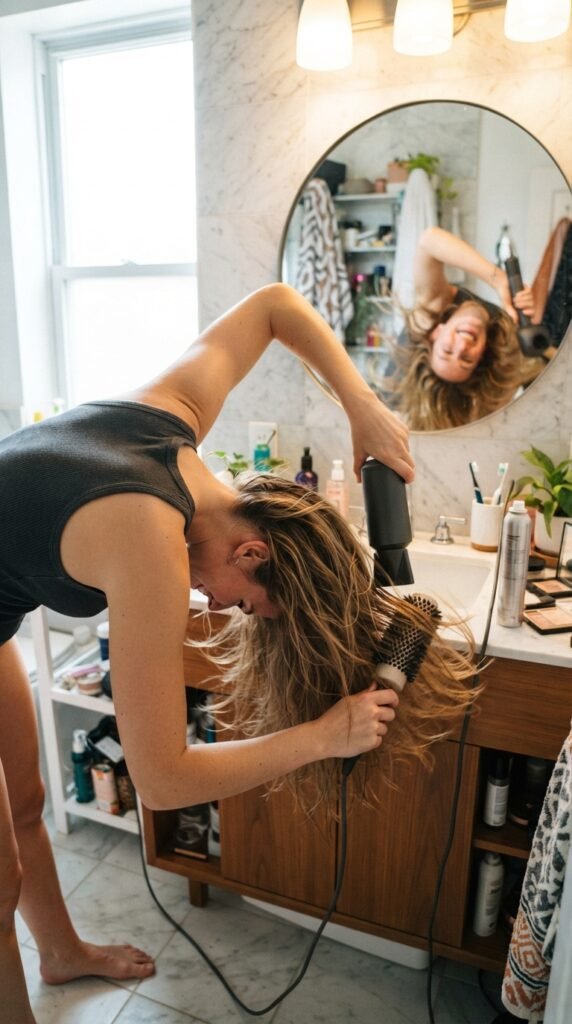
Even the perfect cut needs a little help. These tricks take under five minutes and make a huge difference.
- Blow-dry upside down for root lift
- Use a round brush on the top section only
- Hit the roots with cool air to set the lift
- Spray texturizer at the mid-lengths, not the roots
Skip heavy oils and creams near your scalp. They weigh fine hair down instantly. Light mousse and dry shampoo are your real best friends.
How Often Should You Trim Fine Hair?
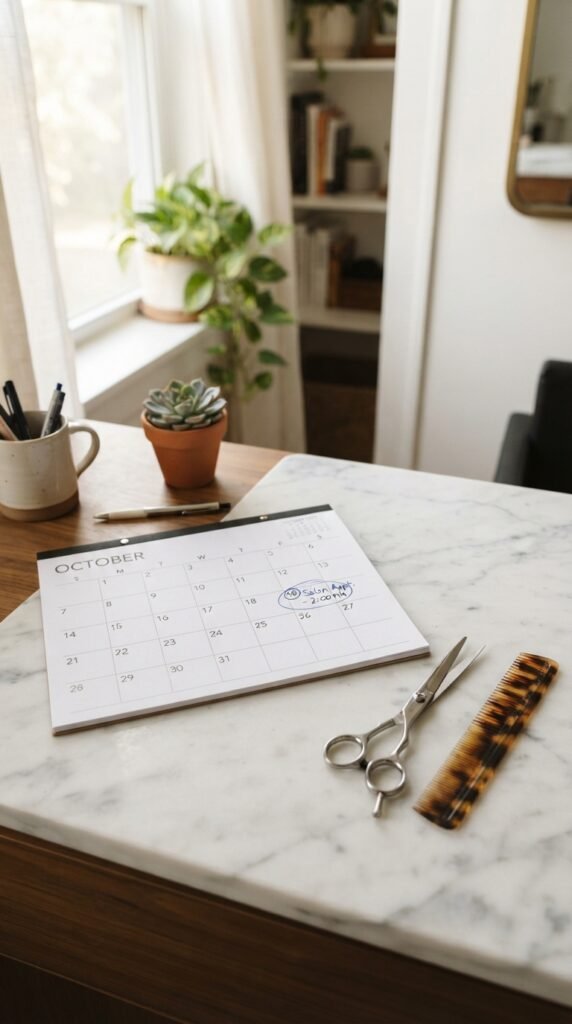
Fine hair shows damage faster than thick hair, and split ends make it look even thinner. Regular trims keep that blunt line sharp.
Every six to eight weeks is the sweet spot for short cuts. If you’re growing it out, every ten to twelve weeks still works.
- Blunt cuts need trims to stay blunt
- Split ends travel up and thin your ends
- Dusting trims count, they don’t have to be big chops
Book your next appointment before you leave the salon. Future you will be grateful.
Choosing Your Cut Based on Face Shape
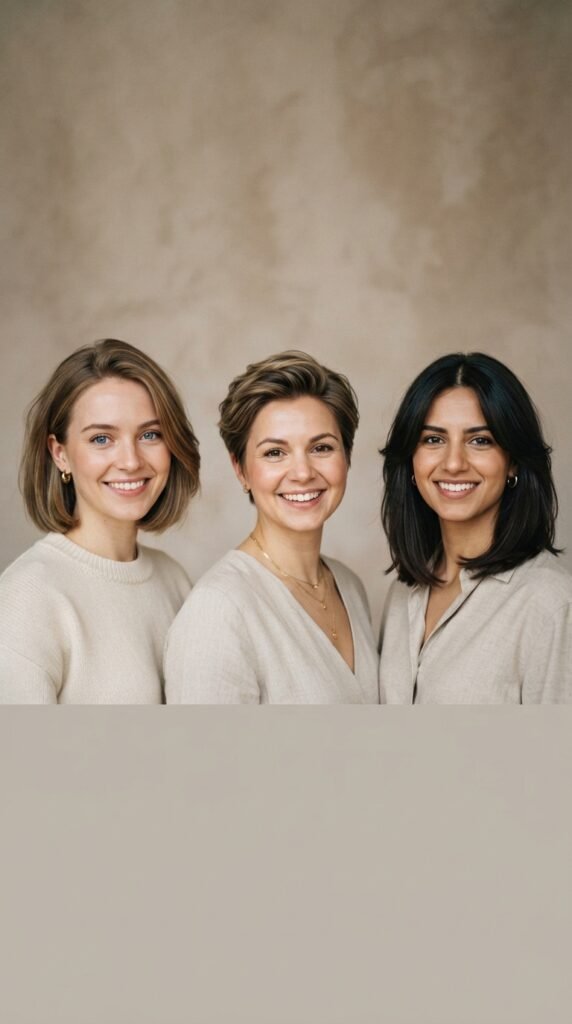
The best cut for fine hair is also the best cut for your face. Here’s a quick guide.
- Round face: try a collarbone lob with face framing starting at the jaw
- Oval face: almost anything works, especially the quiet luxury bob
- Square face: soft curtain bangs and a longer lob soften angles
- Heart face: chin-length blunt bob balances a wider forehead
When in doubt, ask for a cut that adds width at the jaw or collarbone and keeps the ends full. That combo flatters almost everyone.
Color Tricks That Add the Look of Volume

Color can fake fullness just as well as a cut. Lighter pieces near the face and softer dimension throughout make hair read as thicker.
Avoid single-process dark dye all over, which can make fine hair look flat and one-dimensional.
- Ask for subtle balayage or babylights
- Keep contrast gentle, not chunky
- Gloss treatments add shine and look denser
Pair dimensional color with a blunt cut and you’ve basically hacked the fullness game.
Your Fine Hair Game Plan for 2026

Fine hair isn’t a limitation. It’s just a different set of rules. Blunt lines, invisible layers, and a little root lift go further than any expensive product.
Pick one cut from this list that fits your face and lifestyle, then commit to it for a few months. Give it a real chance before you decide.
- Blunt ends for density
- Invisible layers for movement
- Regular trims for shape
- Light products for lift
You’ve got this, and your hair is going to look so good.
Before You Go, Friend
Fine hair can absolutely look full, bouncy, and expensive. It just needs the right shape, not more products. The cut does the heavy lifting, and the styling is just the cherry on top.
Take this list to your next salon visit, speak up about what you want, and don’t let anyone near your ends with thinning shears. You deserve hair that works with you.
Save this post to Pinterest so you have these cuts ready the next time you book an appointment. And tell me in the comments: which cut are you trying first? I read every single one.