AITAH for Telling My Friend I’m No Longer Interested in Being Their “Therapist” Every Day?
Friendship is often about supporting each other during hard times, but what happens when you start feeling like your role is more counselor than friend? Recently on r/AITAH, someone shared their story about stepping back from a draining dynamic—and sparked an intense debate over loyalty, boundaries, and self-preservation.
In this post, we’ll dive into the situation, why emotional labor in friendships is so misunderstood, and how you can set healthier limits without abandoning the people you care about.
The original poster (OP) described how, for over a year, their friend had relied on them daily to vent about relationship problems, family drama, and mental health struggles. At first, OP was glad to help, but eventually, it became overwhelming.
Every evening after work, the friend would call for hours, ignoring OP’s hints about needing a break. When OP finally said they couldn’t keep acting as an unpaid therapist, the friend accused them of being selfish and unsupportive.
Friends in their circle were divided—some thought OP had every right to step back, while others felt it was cruel to stop answering calls when the friend was clearly struggling.
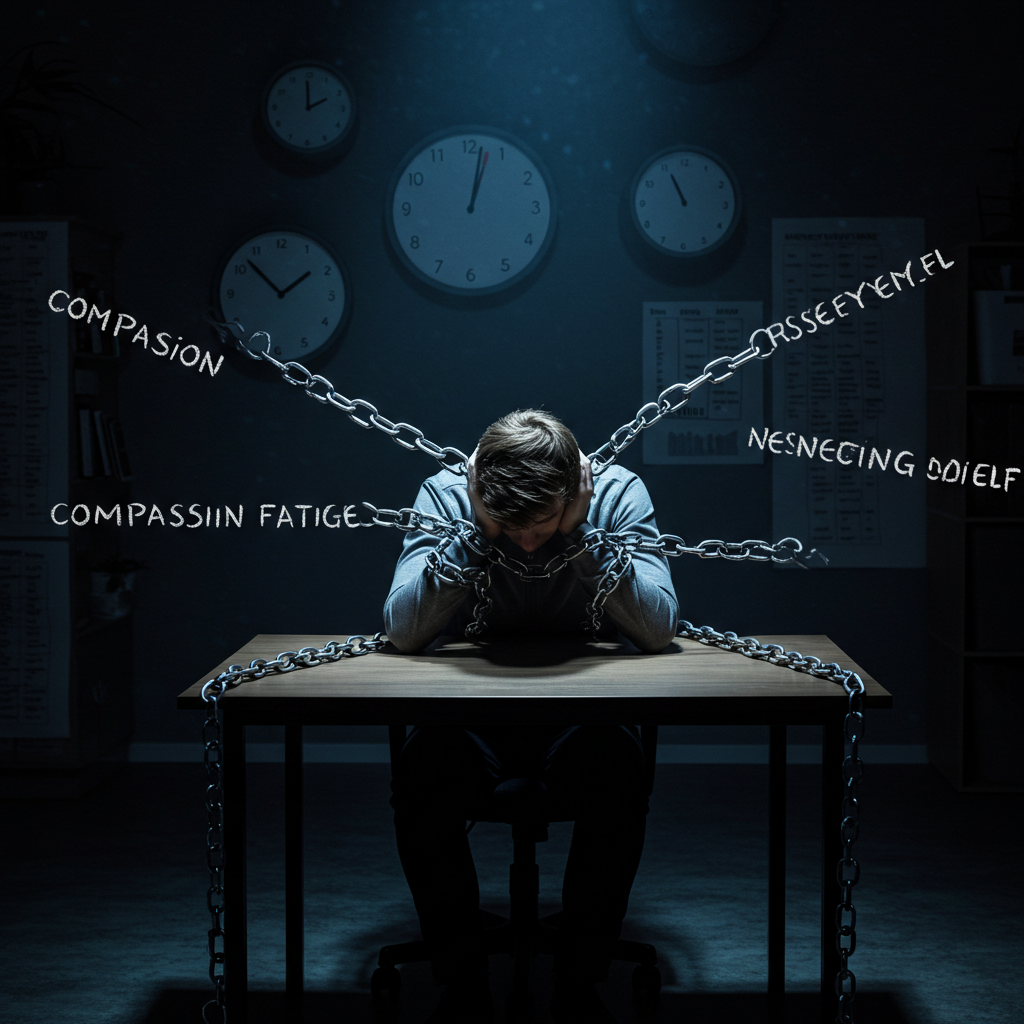
Why Emotional Labor Is a Real (and Often Invisible) Burden
It’s common to feel guilty for stepping back. But supporting a friend shouldn’t mean losing yourself in their crisis. Here’s what healthy support can look like:
Offering empathy without becoming the sole outlet: “I’m here for you, but I can’t always be available.”
Encouraging professional help: “It sounds like this is too big for just friends to handle—have you considered talking to a therapist?”
Creating specific times for check-ins: “Let’s catch up every Friday evening so we both have space.”
Boundaries help sustain relationships because they prevent burnout and resentment.
Why Your Friend Might React Badly—and How to Respond
In the original AITAH thread, the vast majority agreed OP was not in the wrong. Commenters pointed out that friendship shouldn’t feel like unpaid therapy, and no one can be emotionally available 24 hours a day.
A few people, though, empathized with the friend’s sense of abandonment, especially if they had no other support system. Still, most agreed that OP handled the situation fairly by communicating honestly instead of ghosting.
Final Thoughts: When Self-Care Comes Before Self-Sacrifice
Supporting friends through tough times is part of being a good person—but so is recognizing your own limits. You deserve friendships built on mutual care, not one-way emotional labor.
If you’re feeling overwhelmed by a friend who leans on you too heavily, remember:
Your needs matter, too.
Boundaries are not betrayals.
True friendships can survive—and often improve—when everyone has space to breathe.