AITAH for Not Letting My Brother’s New Wife Have My Deceased Mom’s Jewelry?
Losing a parent is never easy, and the things they leave behind often carry deep emotional significance. But what happens when a family member claims a sentimental item that doesn’t belong to them? That was the situation one Reddit user faced when their brother’s new wife requested to wear their late mother’s jewelry for her wedding.
In this post, we’ll explore this real-life AITAH scenario involving grief, family expectations, personal boundaries, and emotional inheritance. Was the refusal selfish, or was it a necessary act of protection?
The Scenario: A Wedding, a Widow’s Keepsakes, and a Big Ask
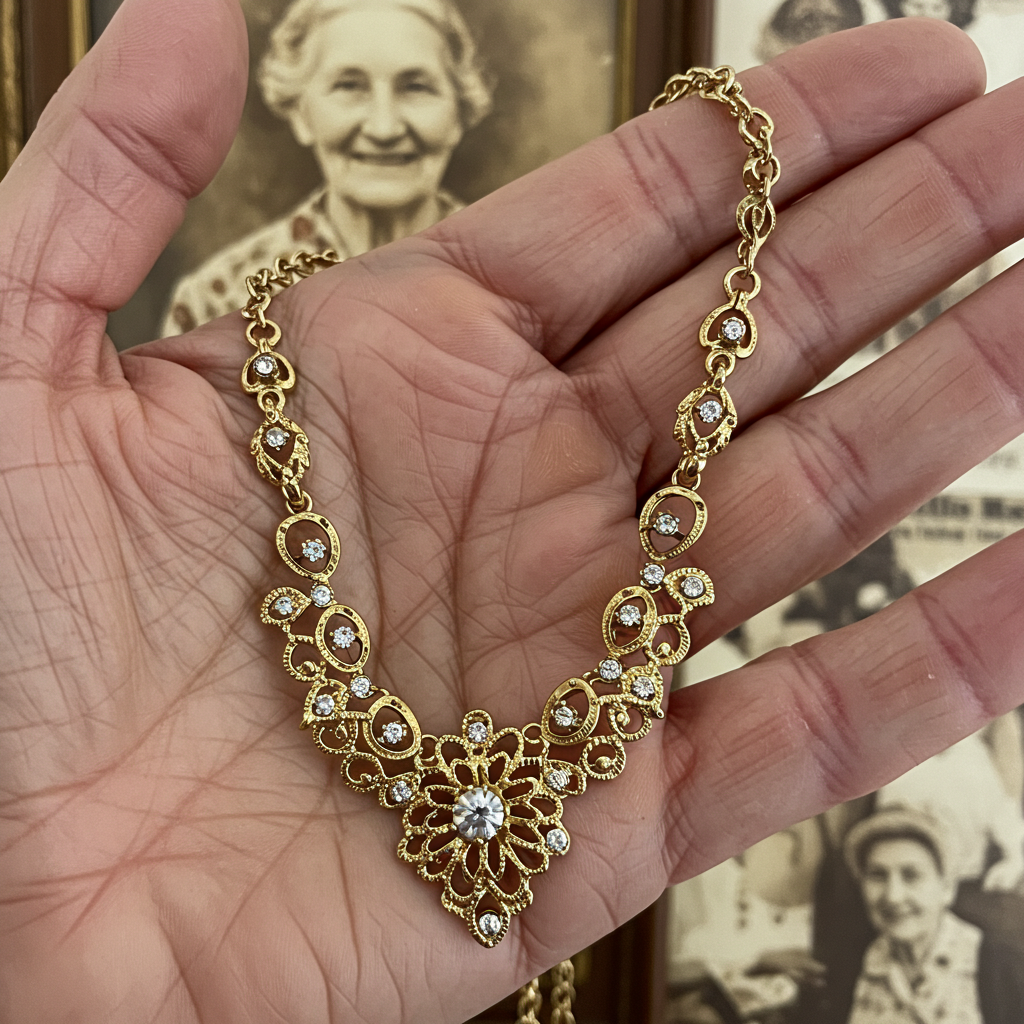
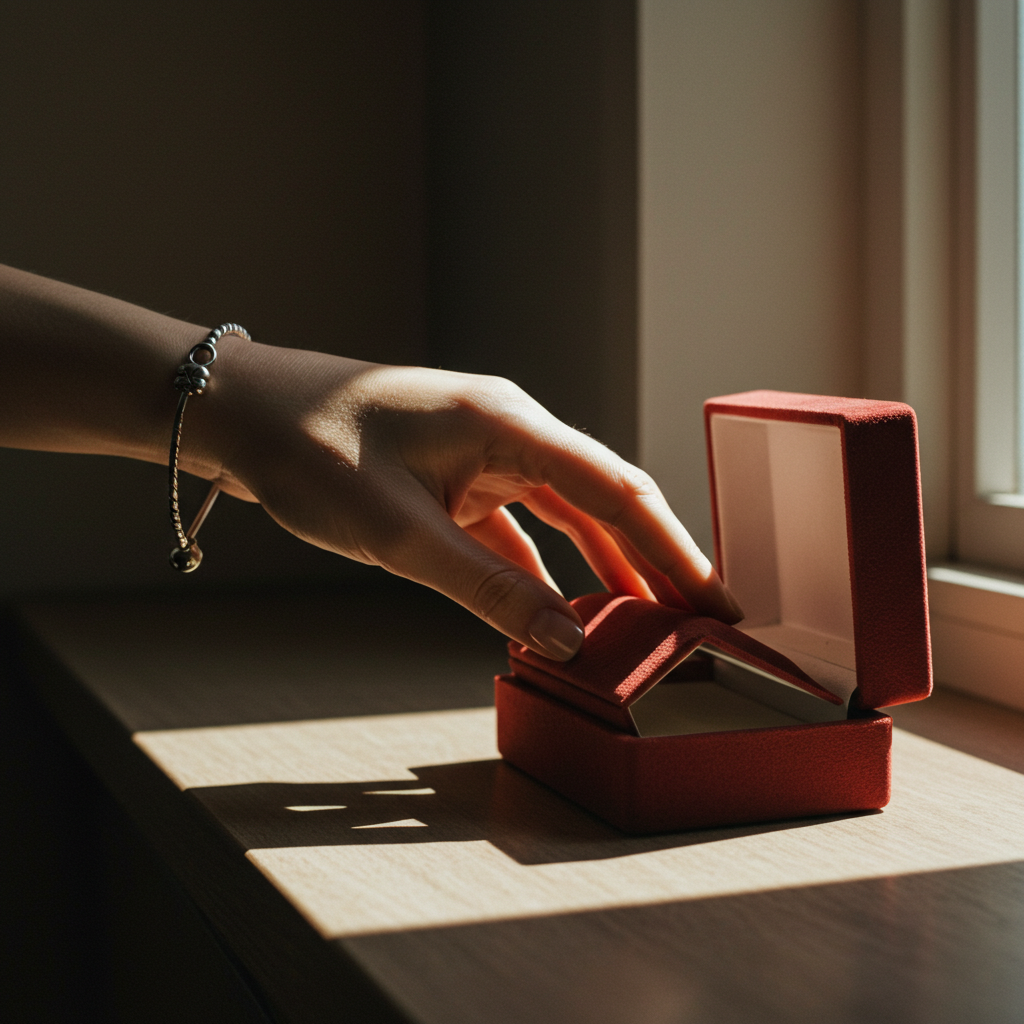
The original poster (OP) shared that after their mother passed, they inherited a collection of her personal jewelry. Among the items were heirloom pieces—a necklace, rings, and earrings—that held enormous sentimental value.
OP’s brother was getting married, and his fiancée asked to wear one of their mother’s necklaces “as a tribute” during the ceremony. OP declined, explaining that they weren’t comfortable lending it out. The fiancée was offended and called OP selfish, while the brother accused OP of creating unnecessary drama during “a happy time.”
Feeling guilt-tripped and painted as the villain, OP turned to r/AITAH to ask: Were they in the wrong for protecting something so personal?
Understanding Sentimental Value: It’s Not Just About the Object
People often misunderstand the emotional weight behind inherited items. It’s not just jewelry—it’s a connection to someone who’s gone. Here’s why OP’s reaction is valid:
Grief is personal: What brings comfort to one person might feel invasive to another.
Heirlooms carry memory: The jewelry isn’t just decorative—it symbolizes a bond, a history, and a loss.
Trust plays a role: Lending something irreplaceable to someone you don’t know well is a big ask.
This wasn’t about being unkind—it was about protecting something sacred.
In emotionally charged situations—like weddings and memorials—it’s easy for expectations to clash. But just because something would be “nice” doesn’t mean it’s appropriate. Boundaries, especially around grief, deserve respect.
Refusing to lend your mother’s jewelry for someone else’s big day doesn’t make you selfish—it means you’re honoring your connection and your comfort. In a time when everyone wants a piece of something, sometimes the kindest thing you can do for yourself is say “no.”