AITAH for Blocking My Friend After They Used My Trauma for Clout?
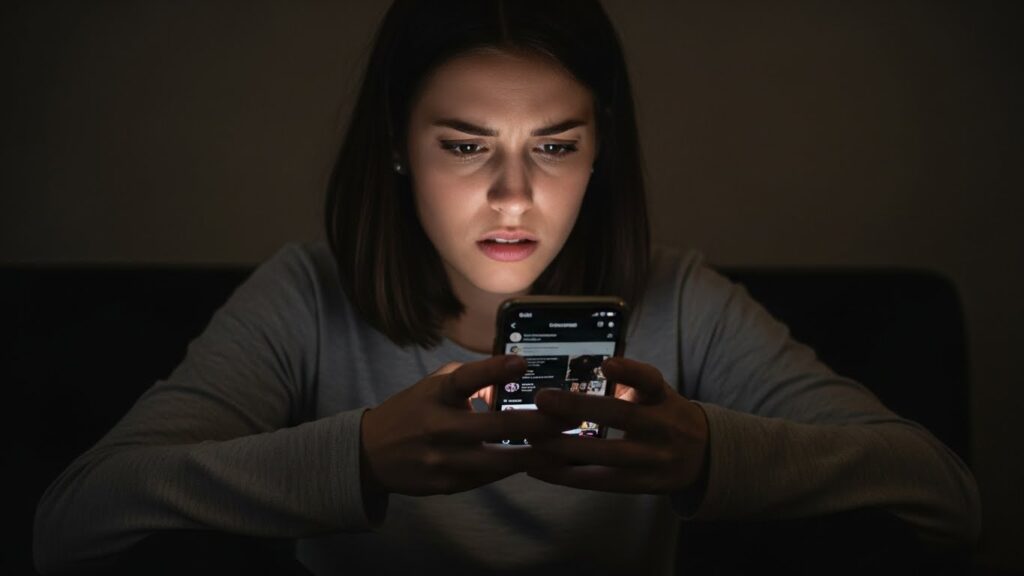
I never thought I’d be writing this, but here we are. A friendship I valued deeply ended because someone I trusted decided my pain was their ticket to social media fame. Now I’m left wondering: Was I wrong to block them? If you’ve ever had your vulnerability weaponized, you’ll understand why I’m second-guessing myself.
The Friendship Foundation
Sarah* and I had been close since college. We’d been through breakups, family drama, and even shared an apartment for two years. When I was sexually assaulted at a party junior year, she was the first person I called. She held me while I sobbed, drove me to the hospital, and swore she’d never tell a soul without my permission.
That’s why what happened last month cut so deep. We’d remained tight even after graduation, texting daily and meeting up whenever possible. Or so I thought.
The Viral Betrayal
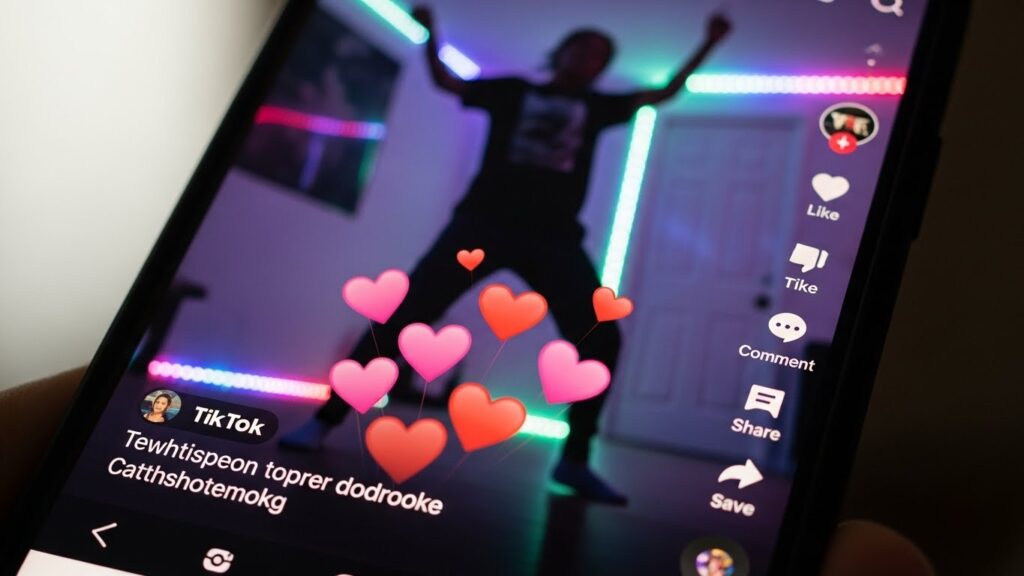
It started when a mutual friend sent me a TikTok with the caption “Um…is this about you?” My stomach dropped. There was Sarah, perfectly lit, dramatically recounting “her friend’s” assault story – my story – complete with exaggerated details I’d never shared. The caption read: “Being a survivor’s ally is HARD WORK. Drop a ❤️ if you’ve ever had to emotionally support someone through trauma!”
The video had 82K likes. Comments praised her “compassion” and “strength.” My hands shook so badly I dropped my phone. She’d turned the worst night of my life into content without even changing my identifiable details.
The Confrontation Fallout
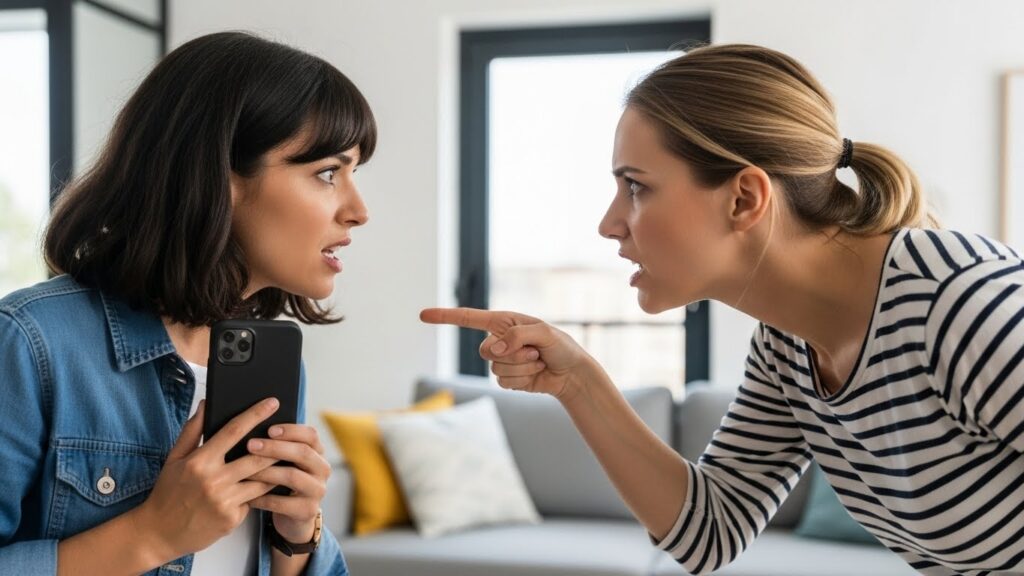
When I called Sarah, she seemed annoyed I’d “found it.” Her defense? “I never used your name!” She argued she was “raising awareness” and that I should be grateful because “your story helped people.” When I said it wasn’t hers to tell, she scoffed: “You’re overreacting. This is how activism works now.”
The kicker? She’d monetized the video. Brand deals flooded her profile – mental health apps, therapy services, even a podcast interview about “supporting survivors.” All while I had panic attacks reading comments from strangers dissecting my trauma.
The Block Heard Round
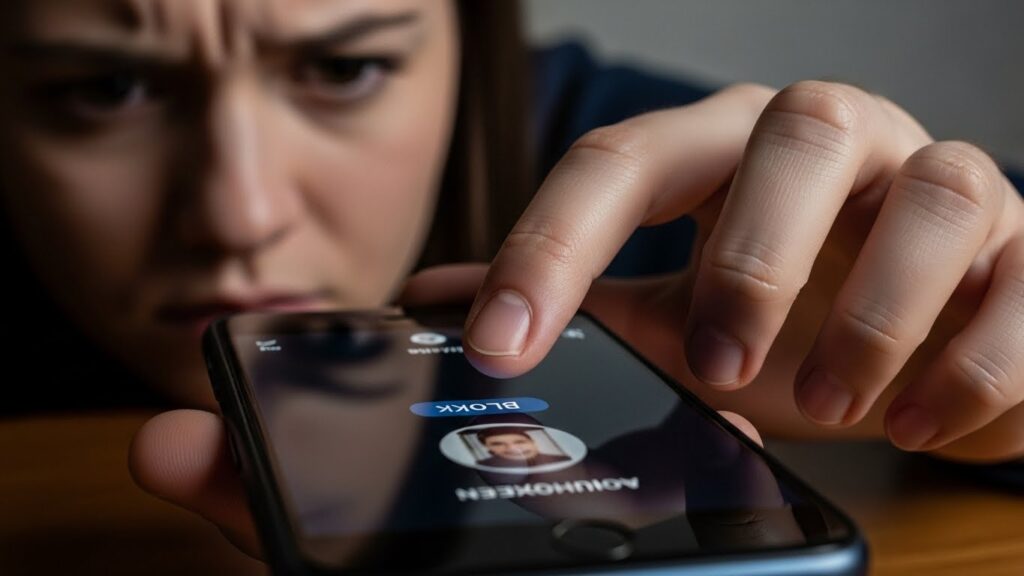
After three sleepless nights, I blocked her everywhere. No dramatic speech – just gone. Mutual friends were divided. Some called me “petty” and said “she meant well.” Others shared that Sarah had done similar things with their struggles. One revealed she’d been taking screenshots of our private chats about my assault “for content ideas.”
That’s when I realized: This wasn’t about awareness. It was about clout-chasing disguised as activism. My pain was marketable to her. Our friendship? Just a source of material.
The Aftermath Waves
Weeks later, I’m still angry. Sarah’s follower count keeps growing. She’s now “a mental health advocate” with zero qualifications. Meanwhile, I’m back in therapy, retraumatized by having my story plastered online. The worst part? I feel guilty for cutting her off. Was I too harsh? Should I have given her a chance to apologize?
But here’s what my therapist said that stuck with me: “Real allies don’t need applause for supporting you. They certainly don’t profit from your pain.” That helped…but I still need outside perspectives.
The Core Question
So I’m asking you, internet strangers: AITAH for blocking my friend after she used my trauma for clout? Was permanently cutting her off an overreaction, or was it self-preservation? Have you ever had someone exploit your vulnerability for their gain? How did you handle it?
Drop your thoughts below – but please, don’t turn my experience into your own content. (Yes, I’ve learned to say that explicitly now.) If this resonated with you, share it with someone who needs to hear that their boundaries matter more than someone else’s follower count.