AITAH For Leaving My Friend’s House Early Because They Were Late

We’ve all been there—sitting awkwardly in someone’s living room, checking the time, wondering if they’ve forgotten about you. But what happens when waiting turns into outright disrespect? I recently faced this dilemma and made a choice that’s left me questioning: Was I the AH for leaving early? Here’s what happened.
The Plan Fell Apart
My friend, let’s call them Sam, invited me over for a movie night. We agreed on 7:00 PM sharp—or so I thought. I arrived right on time, excited for a chill evening. But when I knocked, no answer. I texted: “Hey, I’m here!” Five minutes passed. Then ten. At 7:20 PM, I got a reply: “Sorry, running late! Be there in 15.”
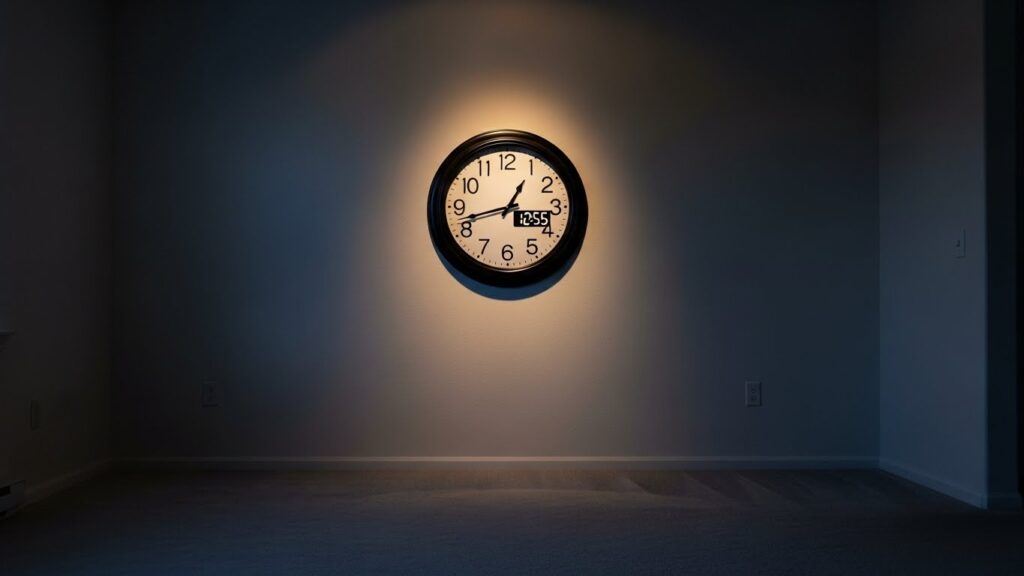
I sighed but waited. By 7:45 PM, still no Sam. Another text: “Traffic is bad. 10 more mins!” At this point, I was annoyed but didn’t want to overreact. Finally, at 8:15 PM, Sam strolled in—no apology, just a casual “Hey, you made it!” as if I hadn’t been stranded in their hallway for over an hour.
I Hit My Limit
Sam tossed their bag on the couch and disappeared into the kitchen, leaving me alone again. No explanation, no “Thanks for waiting.” I heard them rummaging for snacks, humming like this was totally normal. Meanwhile, my patience had evaporated. I’d already wasted an hour of my night—was I supposed to pretend this was okay?
When Sam finally returned, I stood up. “I’m heading out,” I said. Their face dropped. “What? Why?” I didn’t yell, but I didn’t sugarcoat it either: “You were over an hour late. I don’t appreciate being treated like an afterthought.” Sam scoffed and called me dramatic, but I left anyway.

The Blowup Afterward
The texts started as soon as I got home. “You really just left? Over being a little late?” Then came the guilt trip: “I had a rough day, but I guess your time is more important.” I didn’t engage, but mutual friends soon chimed in. Some said I was justified; others called me petty. One even said, “Friendship isn’t transactional—you should’ve stayed.”
But here’s the thing: Time is valuable. If Sam had communicated earlier or apologized sincerely, maybe I’d have stayed. But their attitude made it clear my time didn’t matter to them. Was I supposed to reward that?

Was I Too Harsh?
I’ve replayed this in my head a dozen times. Sure, leaving felt good in the moment, but was it an overreaction? Sam and I have been friends for years—was one bad night worth burning bridges? On the other hand, shouldn’t friendships include basic respect? If roles were reversed, I’d have apologized profusely, maybe even rescheduled.
Some argue that “life happens” and I should’ve been more understanding. But where’s the line between understanding and being a doormat? An hour late with no accountability feels like the latter.

The Bigger Pattern
This wasn’t the first time Sam flaked. Last month, they no-showed for lunch and blamed their phone battery. Before that, they were 45 minutes late to a group hike. Each time, the excuse was “Oops, my bad!”—never a real apology or effort to change. I’d shrugged it off before, but this time, something snapped.
Maybe leaving wasn’t just about the wait—it was about finally saying, “I deserve better.” Chronic lateness isn’t just inconvenient; it sends a message: Your time is less important than mine. And that’s not a message I’m willing to accept anymore.
Where Do We Go From Here?
Sam hasn’t reached out since the argument, and honestly, I’m okay with that. If they do, I’ll hear them out—but only if they acknowledge how their actions affected me. Otherwise, maybe this friendship has run its course.
To anyone facing a similar situation: You’re allowed to set boundaries. Being a good friend doesn’t mean tolerating disrespect. And if leaving early makes me the AH in someone’s eyes, so be it.

Your Turn: AITAH?
Now I’m tossing this to you—was I the AH for leaving? Should I have sucked it up for the sake of friendship, or was my reaction fair? Drop your thoughts in the comments, and if you’ve been in this spot, share how you handled it. Let’s get real about respect, lateness, and when enough is enough.