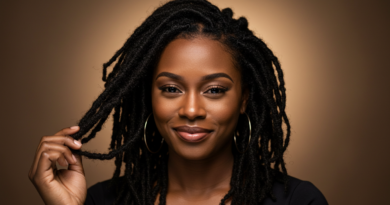
Ignite 30 2026 Razor Shaver Designs Edgy for Textural
Okay, let’s talk about something that’s been buzzing in my salon DMs and all over my inspo boards: texture. But not just any texture. We’re moving past the perfectly undone beach wave into something way more intentional, edgy, and honestly, cool. The key tool for this? The razor shaver.
If the thought of a razor near your hair makes you nervous, I get it. But trust me, the new techniques and designs for 2026 are all about creating movement, softness, and that lived-in, expensive look we all crave. It’s less about chopping and more about sculpting.
This isn’t about one specific cut. It’s a textural revolution that touches every trend, from the quiet luxury bob to romantic goth hairstyles. So, whether you’re a haircut veteran or just texture-curious, I’m breaking down everything. Let’s find your perfect, edgy match.
Why Razor Cutting is the 2026 Texture Secret
Scissors create a blunt, clean line. Razors, on the other hand, slice the hair strand on an angle, thinning it out and creating feathered, piece-y ends. This is the magic for modern texture. It removes weight without removing length, which means more natural volume and movement from root to tip.
For the 2026 hairstyles we’re seeing, it’s all about that “glitchy” feel—hair that looks effortlessly cool, like it just fell into place. A razor helps achieve that soft disintegration and artistic separation you can’t get with shears. It’s the ultimate tool for a custom, lived-in finish.
Tool Talk: The New Razor Shaver Designs
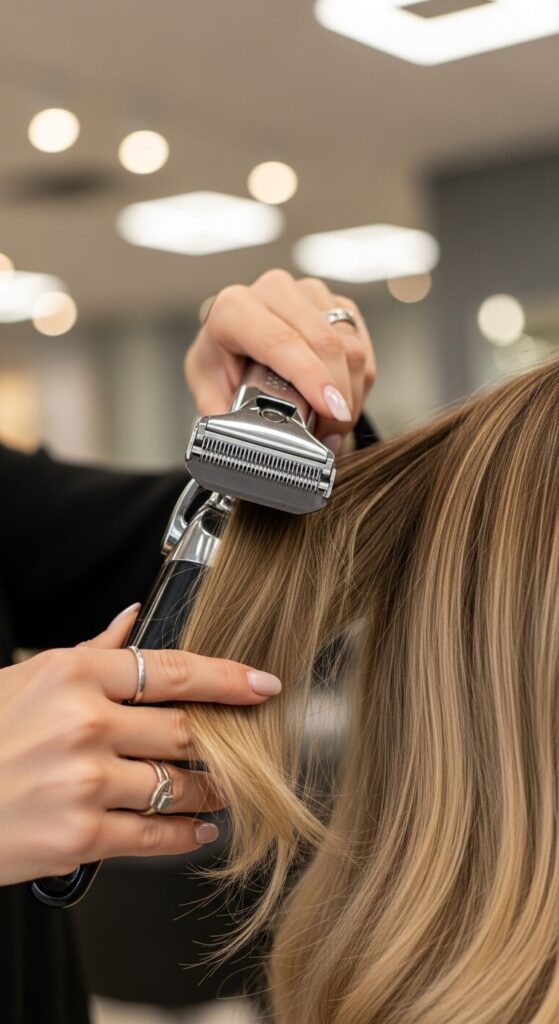
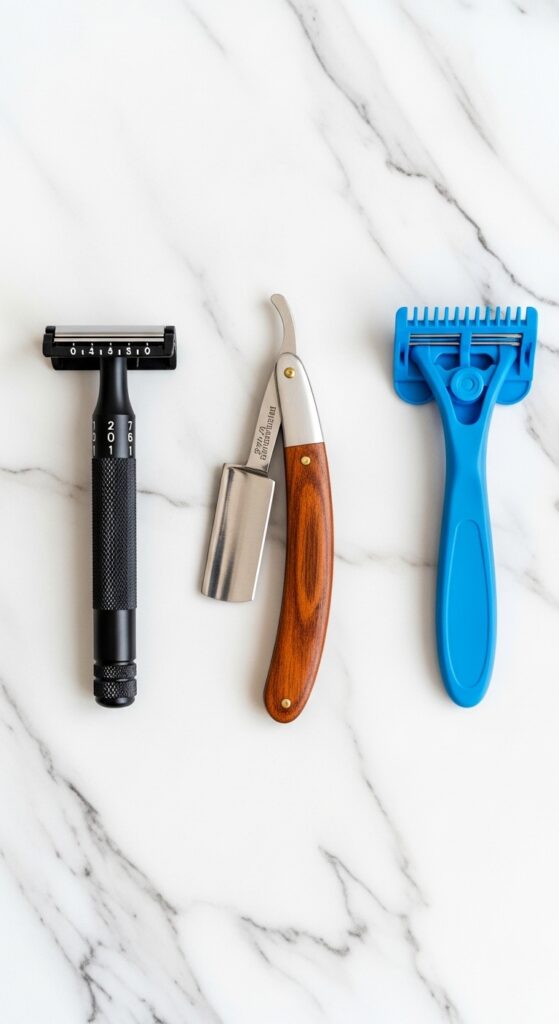
Forget the scary straight razors of old. The new guards and adjustable razors are game-changers. Look for designs with safety combs and adjustable depth settings. These let your stylist control exactly how much hair is removed, from just whispering away bulk to creating bold, chunky texture.
Some of the coolest new tools are almost like texturizing shears but with a razor blade. They allow for incredible precision. This means we can target specific areas—like around the face or at the ends—to build a shape that’s perfectly balanced and uniquely yours.
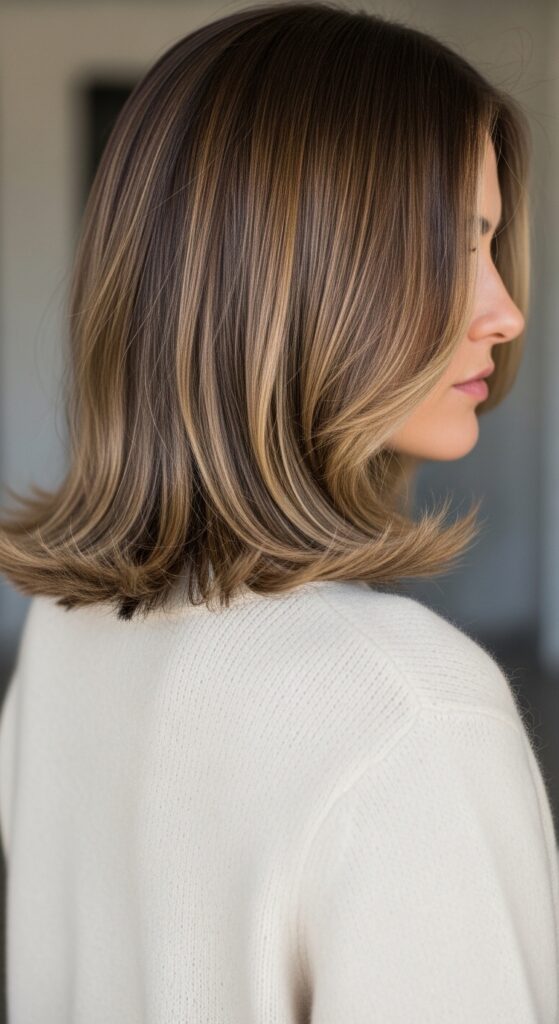
The Effortless “Old Money Hair” Texture
Old money hair looks expensive because it looks healthy, touchable, and like you didn’t try. A razor cut is the secret. By removing bulk and creating soft, seamless layers, the hair moves with a beautiful, weightless swing. It never looks stiff or “done.”
Ask your stylist for a razor-cut long bob or collarbone-length cut with face-framing pieces. The goal is softness. The razor will create those whisper-thin ends that catch the light and look inherently polished, yet you can still air-dry it. It’s the ultimate low-maintenance luxury.
Elevating the Quiet Luxury Bob
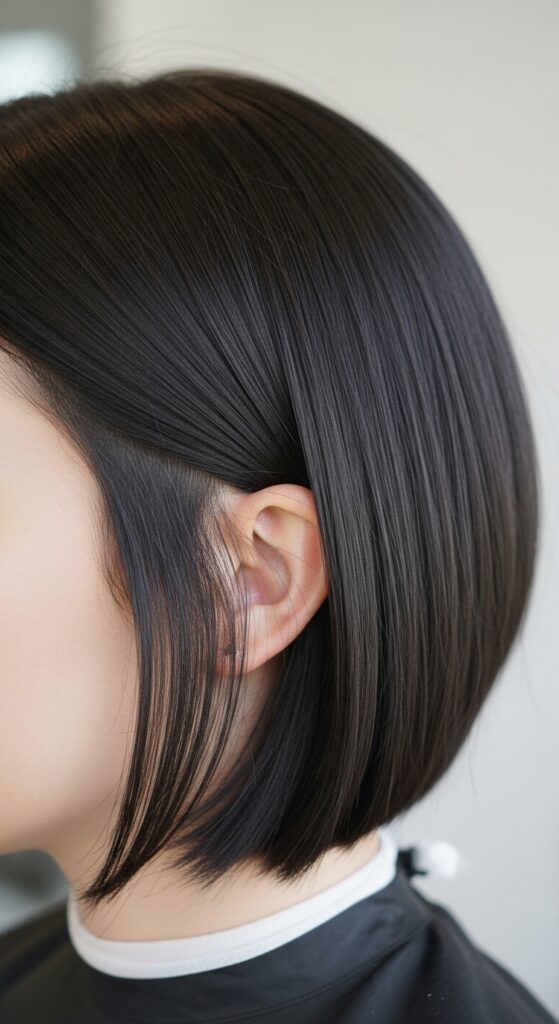
The quiet luxury bob is a masterclass in subtlety. It’s a simple shape executed perfectly. Razor cutting takes this classic to the next level. Instead of a heavy, helmet-like line, the razor creates a perimeter that’s blurred and soft, almost like a watercolor painting.
This technique prevents the dreaded “shelf” at the ends. The hair appears fuller at the roots and tapers gently, with ends that blend seamlessly into your neck and shoulders. It feels modern, expensive, and incredibly chic without shouting for attention.
Romantic Goth Hairstyles Get a Soft Update
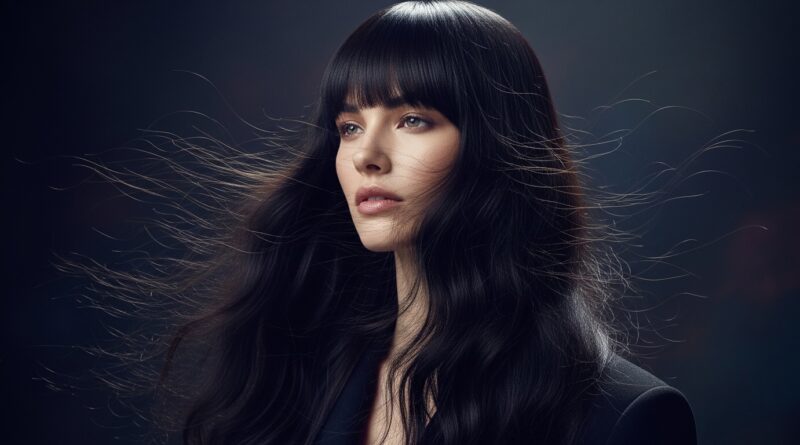
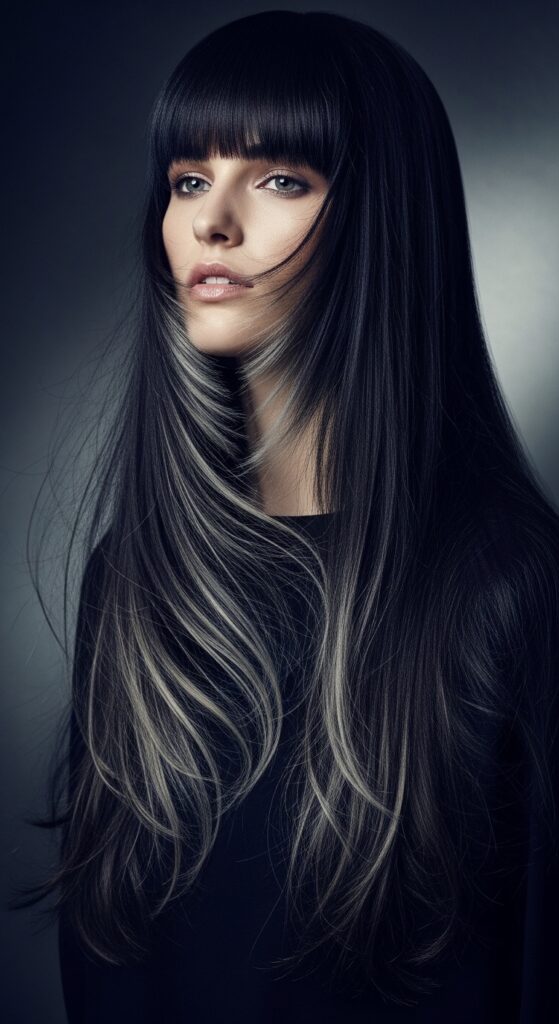
Romantic goth hairstyles are all about contrast: dark and light, hard and soft. Razor cutting introduces the perfect softness. Imagine deep, dark hair with layers that look misty and fragmented, like wisps of smoke around the face.
This technique is perfect for adding a worn-in, poetic feel to blunt black bangs or long layers. It helps create that “just-woke-up-in-a-Victorian-manor” texture—undone, a bit mysterious, and deeply romantic. It’s edgy, but in the most elegant way.
Creating “Glitchy Glam Hair” Movement
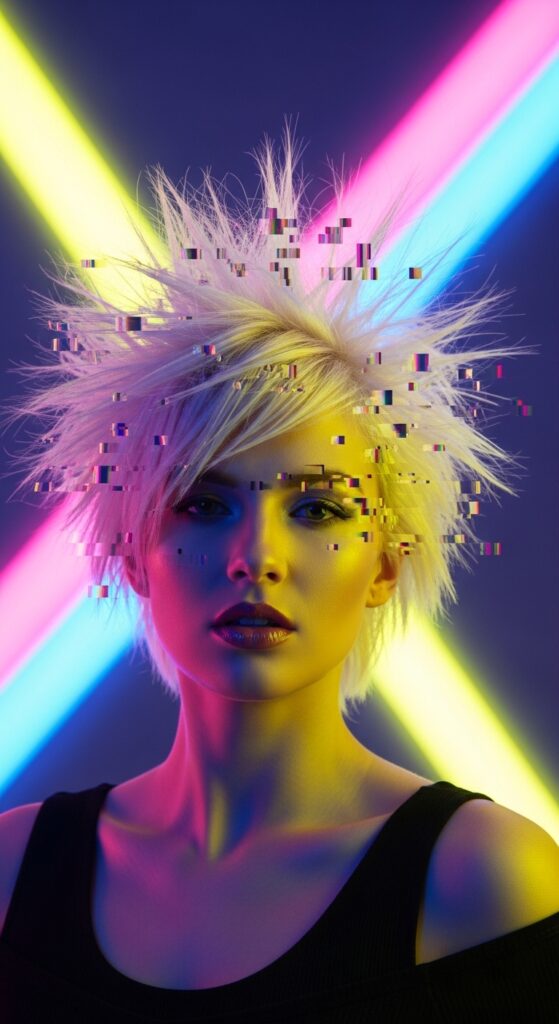
Glitchy glam hair is my favorite trend descriptor. It’s that perfectly imperfect, digitally-disrupted vibe. Hair looks piece-y, textured, and full of unexpected movement. Razor cutting is the IRL filter to achieve this.
By strategically razoring different sections at different lengths, stylists can create intentional “breaks” in the hair. This leads to pieces that stick out in the coolest way, catching light independently. It’s a textured, modern shag feel, but often on smoother, straighter hair.
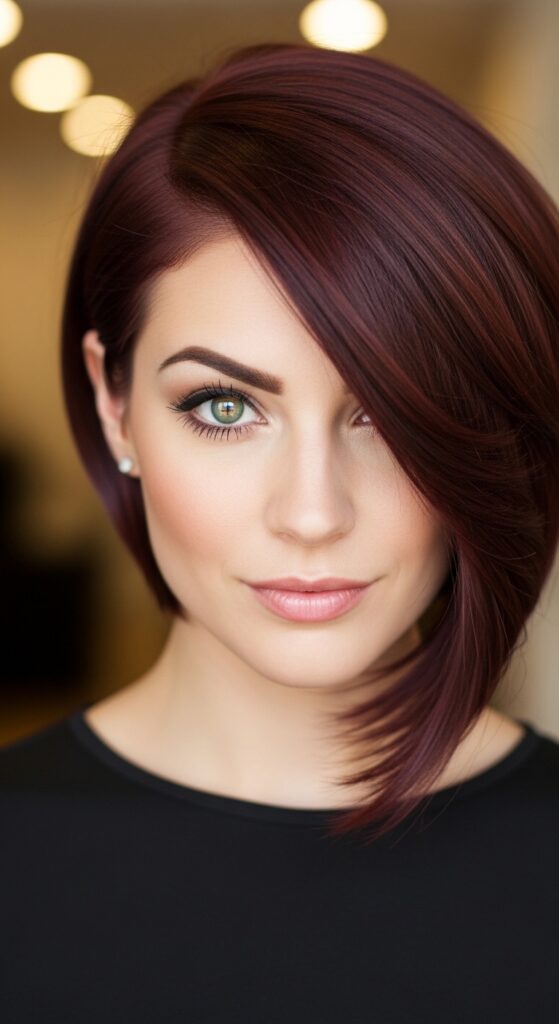
The Asymmetrical Lob with Razor-Sharp Style
The asymmetrical lob is a forever edgy favorite. Using a razor on this cut amplifies the drama. The longer side can be sliced for fluid, curtain-like movement, while the shorter side can be textured to stand away from the face for a bold statement.
The razor ensures the transition between the two lengths isn’t jarring. It creates a graduated, blended effect that feels organic and cool, not like a geometric puzzle. It adds an artistic, editorial edge to an already standout cut.
Mastering the Modern Vampire Haircut
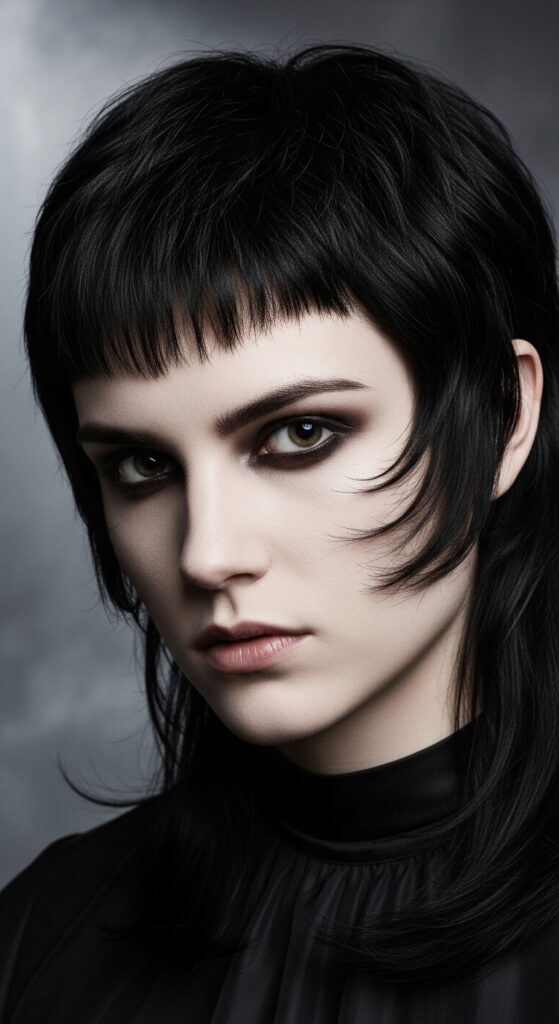
The vampire haircut is essentially a textured, often jaw-length mullet. The razor is its best friend. It’s crucial for creating the shaggy, piece-y layers in the back and the wispy, face-framing layers in the front that define this look.
Without razor work, this cut can look bulky. With it, you get that iconic, lived-in, “I-have-a-cool-band” texture. It’s choppy, it’s attitude-filled, and it’s all about using the razor to carve out shape and remove weight from the crown and nape.
The Hime Cut Goes from Severe to Soft
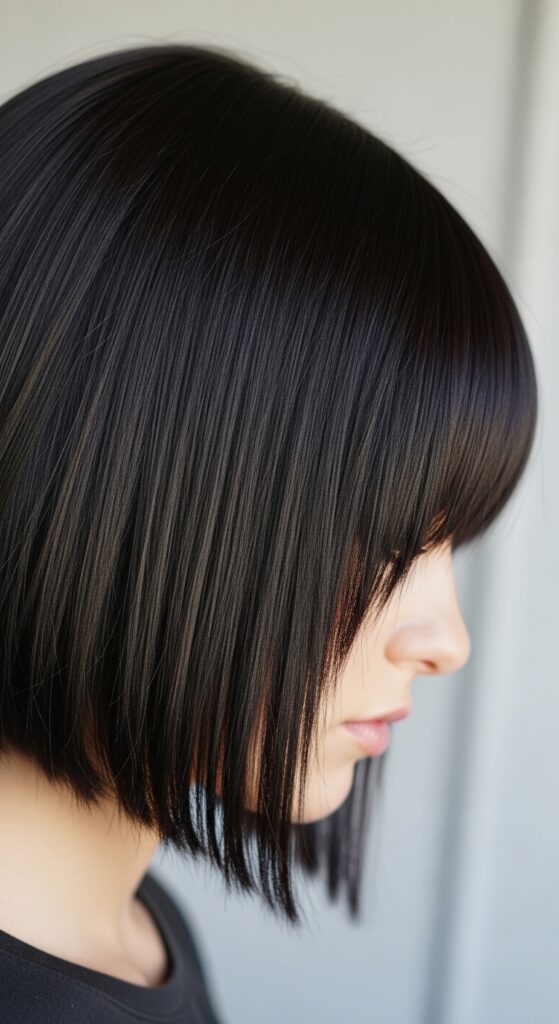
The traditional hime cut is known for its severe, straight-across bangs and sharp, straight long hair. The 2026 update? Razor texture. By lightly razoring the ends of the long sections and the interior of the blunt bangs, the whole look softens.
It becomes wearable and modern. The bangs get a feathery, less dense feel, and the long lengths gain movement. It keeps the dramatic, iconic shape but makes it feel less costumey and more like a real, touchable hairstyle.
Razor Cutting for Fine Hair: Volume Magic
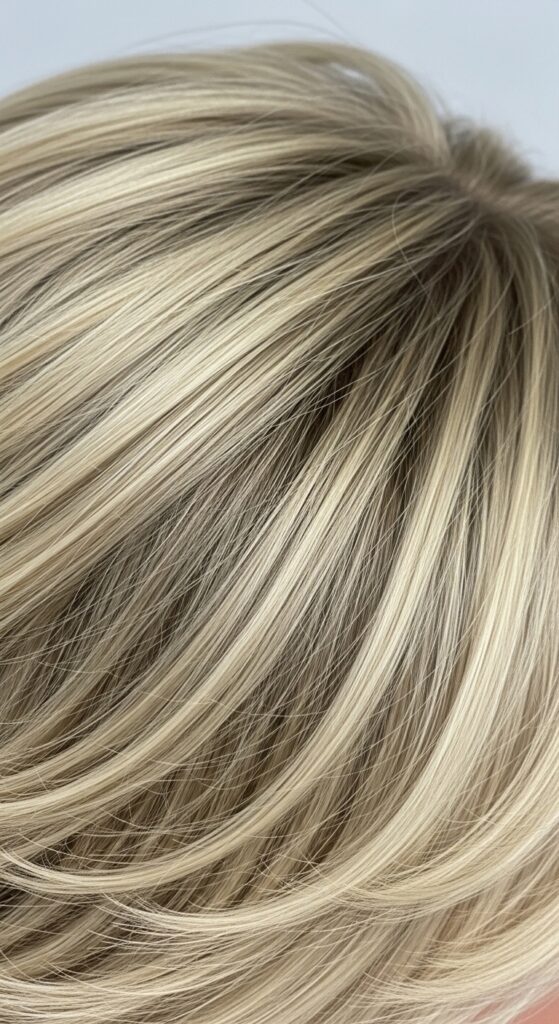
If you have fine hair, you might think razors are a no-go. Actually, they’re a secret weapon. The key is ultra-light, surface-level texturizing. Removing just a tiny bit of bulk at the ends can make fine hair look fuller and more buoyant.
It prevents that “triangle” shape and allows layers to stack beautifully. The result is hair that appears to have more body and movement, without sacrificing the length you love. Always go to a stylist who is expert with fine hair and razors.
Razor Cutting for Thick Hair: Taming the Bulk
For thick hair, razors are the ultimate de-bulking tool. They can remove mass from the inside of the hair shape without changing the exterior silhouette. This means you keep your length and shape but lose the weight that pulls your hair down.
It makes styling so much faster and gives you natural, effortless volume because the hair isn’t being dragged down by its own density. You get shape, movement, and a much more manageable head of hair.
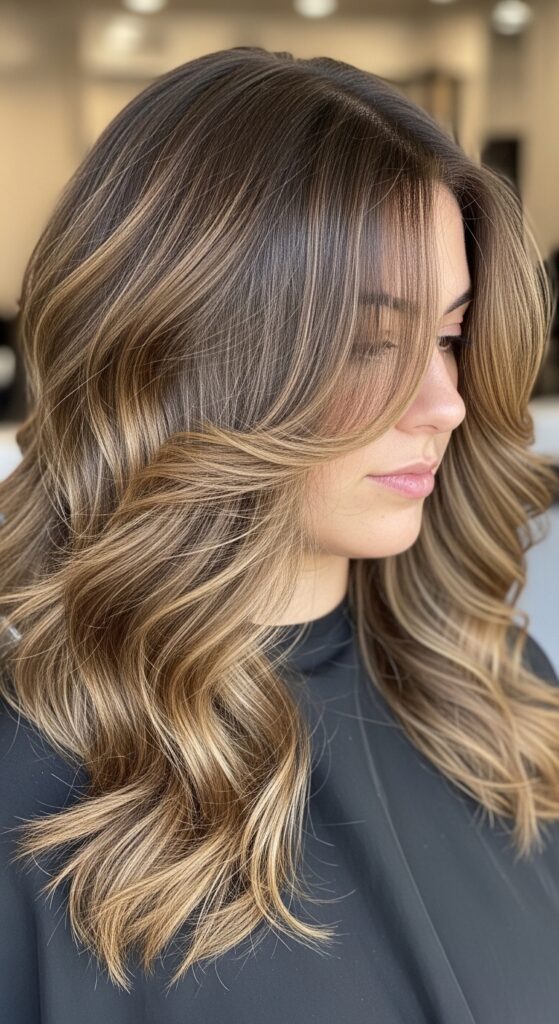
Curly & Wavy Hair: Enhancing Your Natural Pattern
On curly and wavy hair, razor cutting must be done by a true specialist. When done correctly, it’s incredible. The razor can follow the natural curl pattern, slicing into curls to separate them and reduce bulk, which allows the curls to spring up with more definition.
It creates a halo of volume and removes the “poof” without creating frizz. The result is lighter, bouncier, more separated curls. This is not a DIY technique—find a curl expert who uses razors.
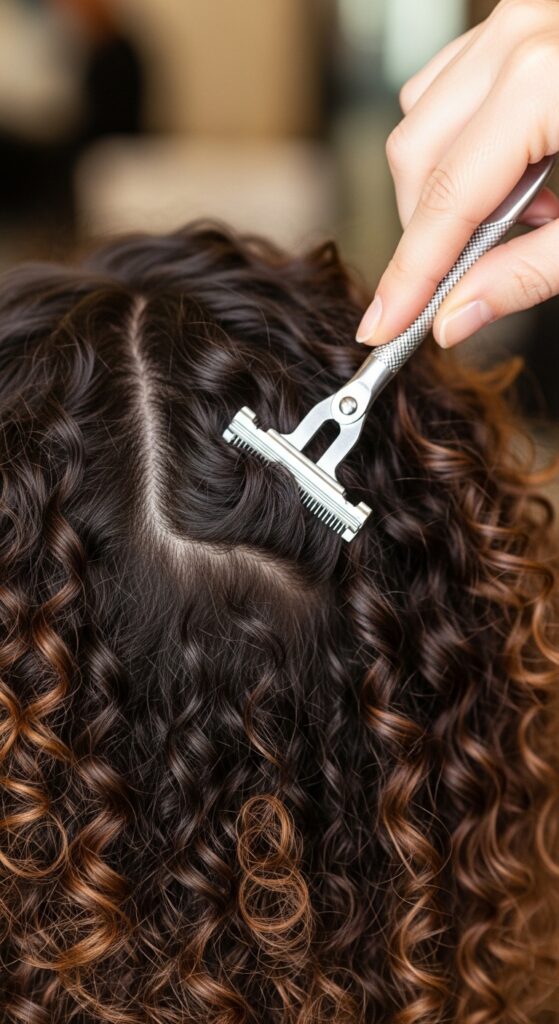
The Face-Framing Razor Technique
This is the easiest way to dip your toes into razor texture. Instead of a full cut, ask your stylist to just razor the face-framing pieces. This creates soft, wispy tendrils that blend seamlessly into the rest of your hair.
These pieces brighten up your face, add a touch of effortless style, and grow out beautifully. It’s a low-commitment update that makes a huge difference in how your hairstyle interacts with your features.
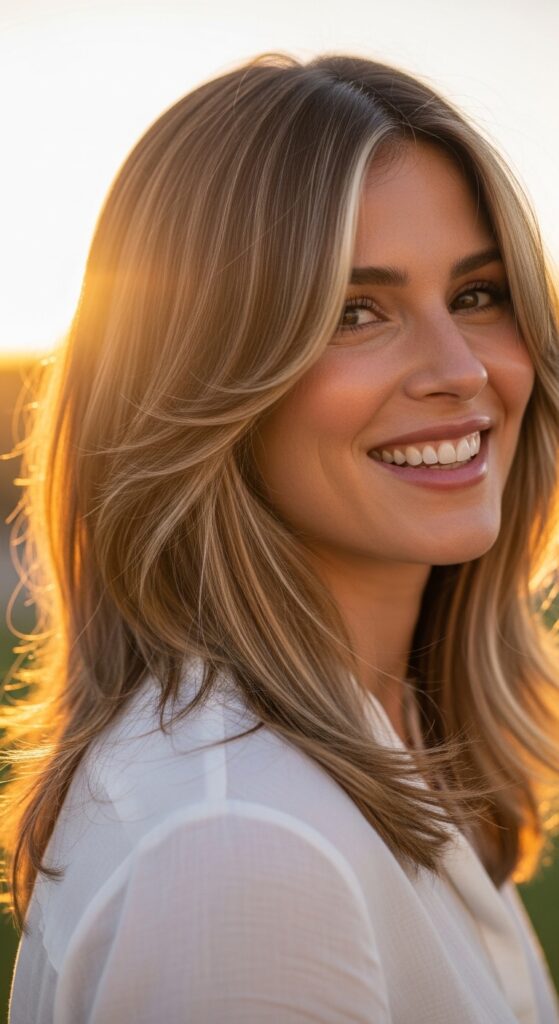
How to Ask Your Stylist for a Razor Cut
Communication is key! Don’t just say “use a razor.” Bring photos that show the texture you like. Use words like “piece-y,” “feathered,” “soft ends,” “lived-in,” or “de-bulked.” Specify if you want texture all over or just in certain areas.
A good question to ask is: “Do you think my hair type and desired style would benefit from some razor texturizing?” This opens a collaborative conversation and lets the stylist assess your hair’s needs.
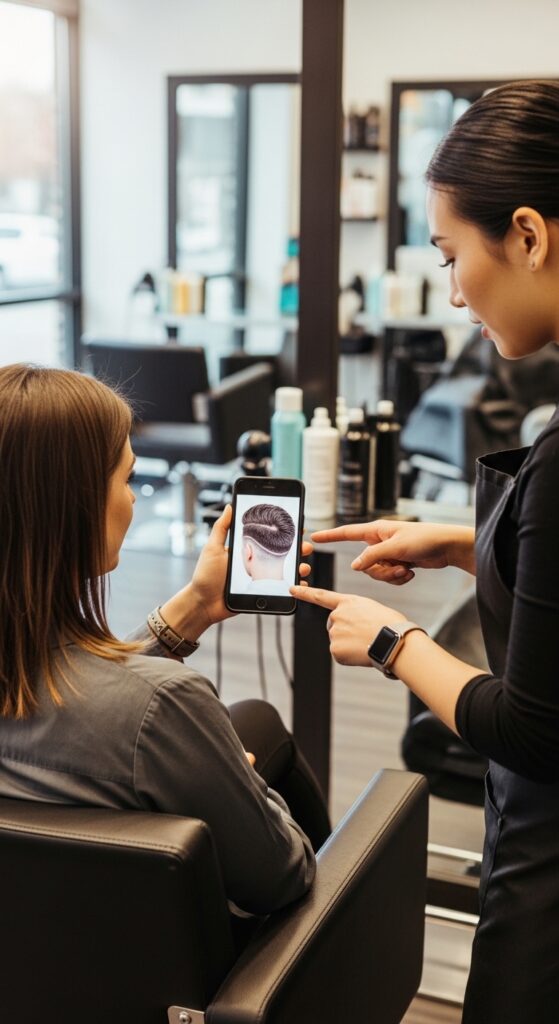
Styling Your New Razor Cut: The Easy Routine
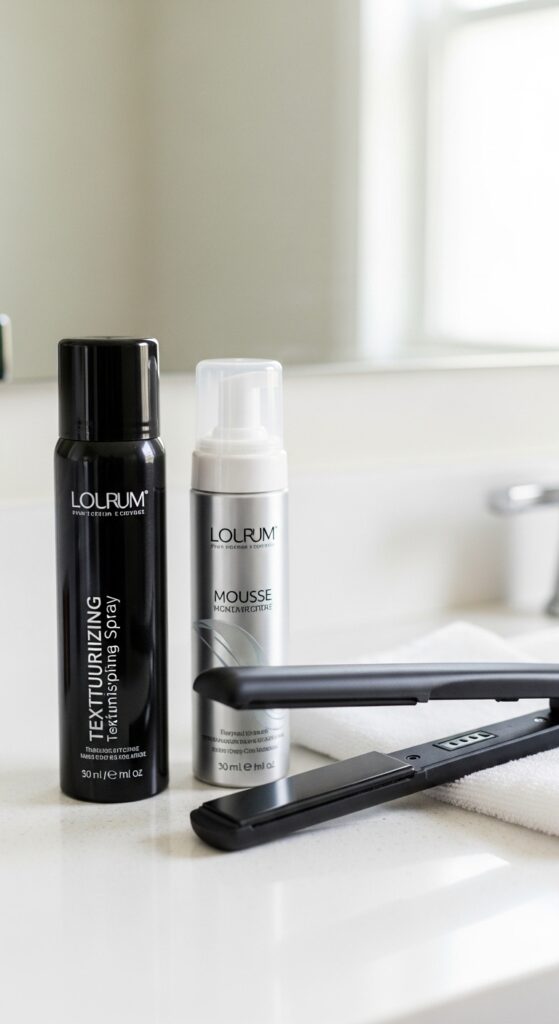
The best part? Razor cuts are made for easy styling. Embrace air-drying! Use a texturizing spray or mousse on damp hair, scrunch, and let it dry. The razor-cut texture will do the rest, creating natural separation and movement.
For a sleeker look, a quick pass with a flat iron on the mid-lengths to ends will make those razored pieces shine and swing. Avoid heavy oils or creams at the roots to maintain the volume.
- Apply mousse to damp hair.
- Scrunch and air-dry or diffuse.
- Use a flat iron for piece-y definition.
Maintaining Your Razor Cut: Trims Are Key
Because the ends are feathered, razor cuts can need trims a bit more frequently than blunt scissor cuts to keep the shape looking fresh and prevent splits from traveling up the hair shaft. Plan for a trim every 8-10 weeks.
At home, use a good leave-in conditioner and a heat protectant. Regular trims will maintain that expensive, healthy-looking texture and prevent the ends from looking frayed or messy.

Common Razor Cut Myths Debunked
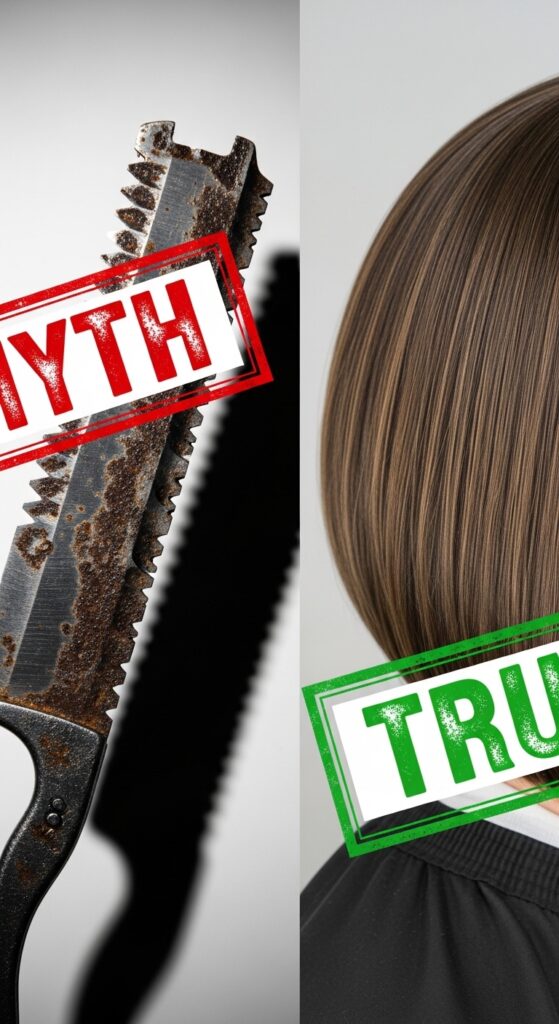
Let’s clear things up. Myth 1: Razors cause split ends. Truth: Any cutting method can, but a sharp razor in a skilled hand creates a clean slice. Myth 2: It’s only for edgy cuts. Truth: It’s used for the softest quiet luxury bob you’ve ever seen.
Myth 3: It damages your hair. Truth: It’s a cutting technique, not a chemical process. When done correctly, it’s healthy and can make hair look and feel better by removing excess weight.
My Favorite Products for Textured Razor Cuts
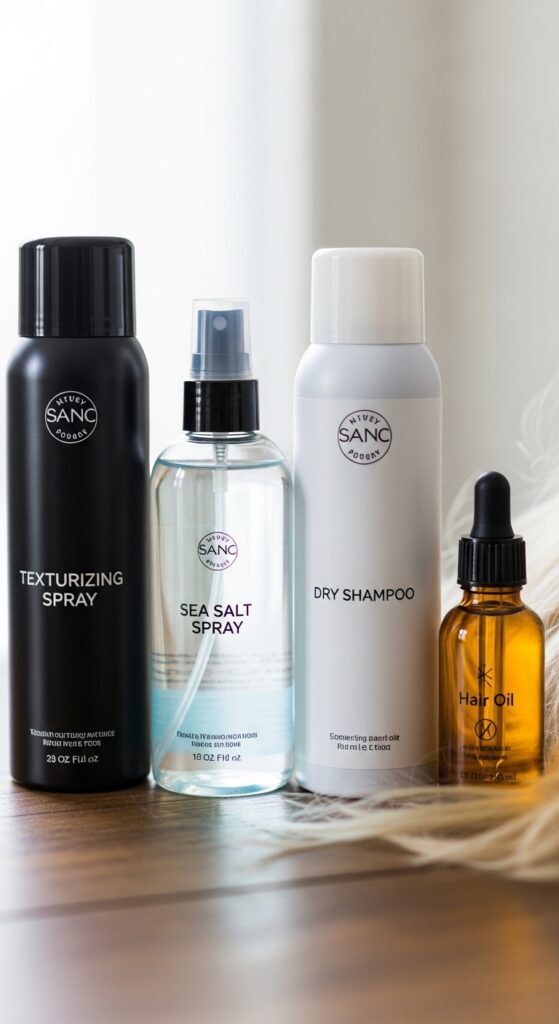
To maximize that piece-y effect, you need the right products. A light texturizing spray is non-negotiable. I also love a sea salt spray for a lived-in feel and a dry shampoo for added grit and volume at the roots.
For shine without weight, a micro-droplet hair oil applied just to the mid-lengths and ends makes those razored pieces gleam. Keep it light and layered for the best results.
- Lightweight Texturizing Spray
- Sea Salt Spray
- Volumizing Dry Shampoo
- Micro-Fine Hair Oil
Real Talk: When to Avoid a Razor Cut
Razor cutting isn’t for everyone or every goal. If you want a super blunt, graphic, solid line (like a true bob), shears are better. If your hair is already very damaged or chemically treated, consult with your stylist first.
Also, if you strongly prefer uniform curls or tight coils, a razor might disrupt your pattern. Always have a thorough consultation with an expert stylist who can assess your hair’s health and your style goals.
Bringing a Photo vs. Describing the Feel
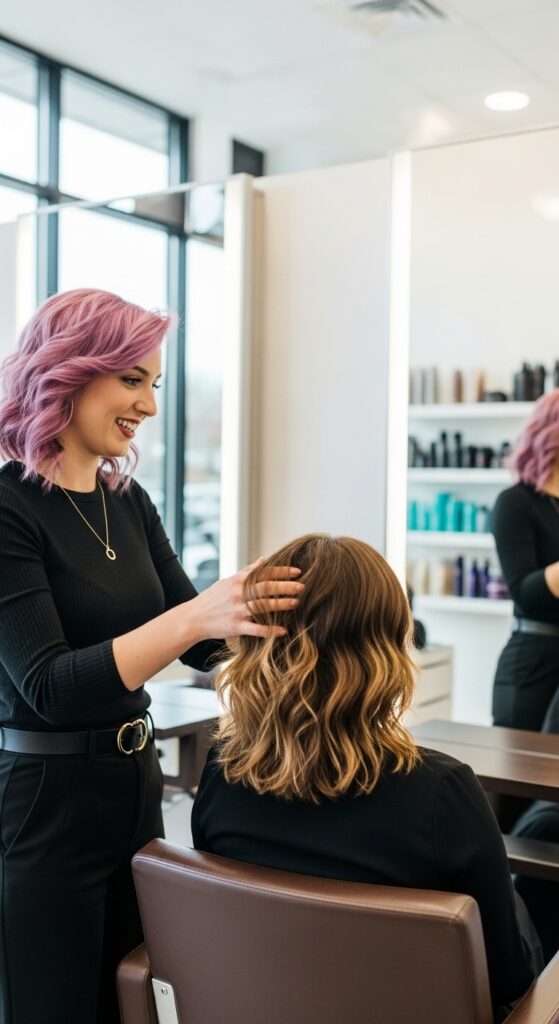
I always say do both. A photo shows the visual goal—the length, the shape, the texture. But also describe the *feel*. Do you want “touchable,” “airy,” “piece-y,” “grungy,” or “polished but soft”?
This combination gives your stylist the full picture. They can then use their expertise—whether with a razor, shears, or both—to translate that inspiration into a cut that works for your hair and life.
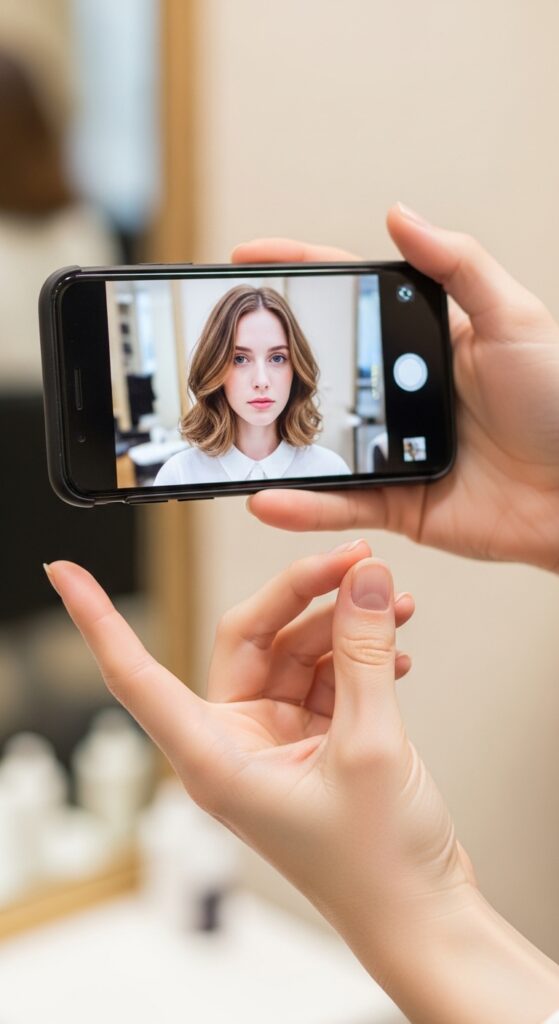
Your Next Step: Book That Consultation
Feeling inspired? The best next step is to find a stylist in your area whose portfolio you love. Look for photos that show the textured, piece-y finishes we’ve talked about. Save a few favorites, including from this post!
Book a consultation first. It’s usually a quick, often free, chat to discuss possibilities. Go in with an open mind and trust the process. Your perfect, textured, edgy-but-soft 2026 cut is waiting.
And there you have it—your complete guide to navigating the world of razor-sharp texture for 2026. It’s truly about finding that sweet spot between artistic edge and wearable, everyday cool. This technique is shaping (literally!) everything from the most minimalist styles to the boldest trend cuts.
My biggest hope is that you feel empowered to have a great conversation with your stylist. Hair is supposed to be fun, a way to express where you’re at and who you are. A little texture can be the most liberating update.
If this sparked some ideas for your next salon visit, do me a favor? Save this post to Pinterest to keep all this inspo handy! And I’d love to know—which textured look are you most drawn to? Drop a comment below and let’s chat!