AITAH for Refusing to Lend My Car to My Brother After He Totaled His Last One?
When it comes to helping family, where do you draw the line between generosity and protecting yourself? In this AITAH scenario, one sibling’s refusal to hand over the keys has sparked a family feud that’s dividing opinions online.
Let’s break down the story, the reactions, and whether standing your ground makes you the villain.
The original poster—let’s call him Mark—shared on Reddit’s r/AITAH that his younger brother, Chris, has a long history of irresponsible driving. Over the past decade, Chris has racked up multiple speeding tickets and even a DUI. Most recently, Chris totaled his own car after running a red light while texting.
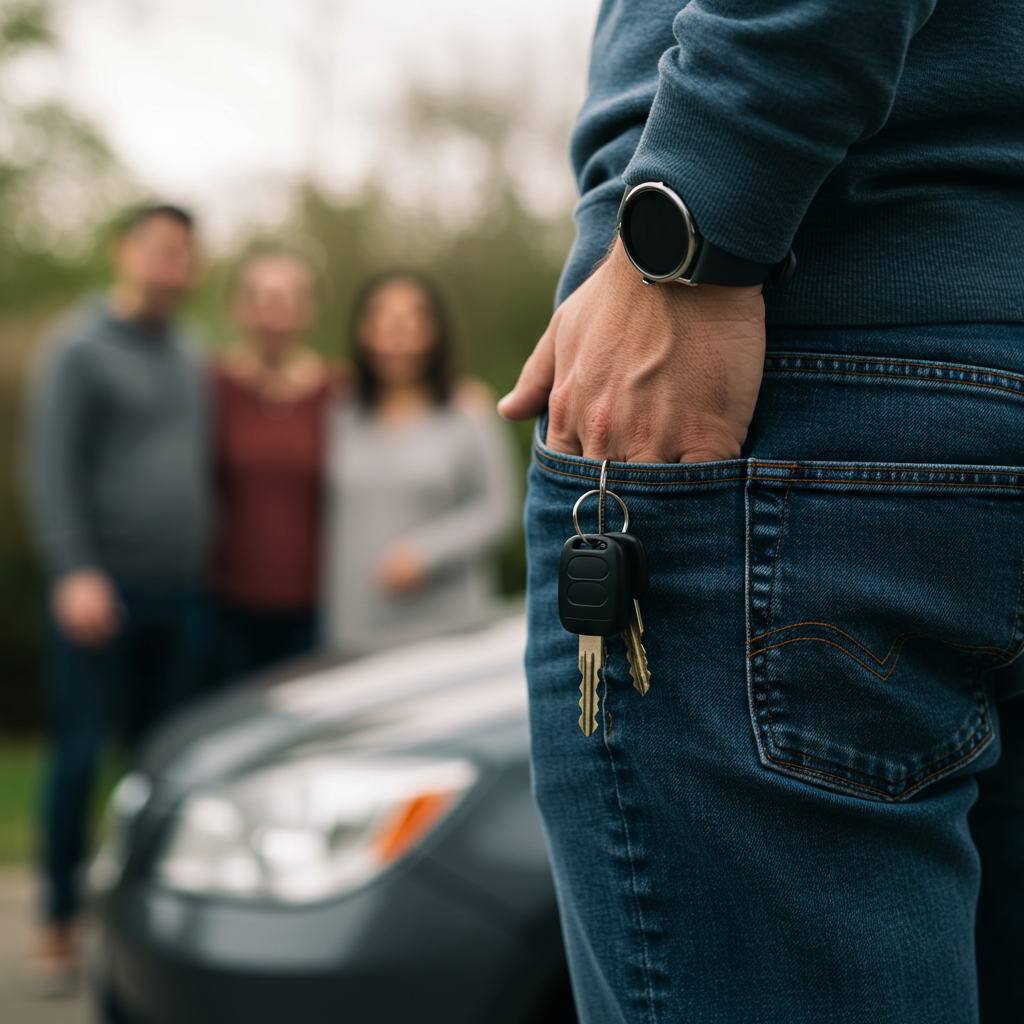
After the accident, Chris’s license was suspended for six months. When he got it back, he didn’t have the money to replace his car. That’s when he called Mark with a request: could he borrow Mark’s car for work and errands until he could afford a new one?
Chris was furious. He called Mark selfish and accused him of not caring about his own brother’s livelihood. Chris’s argument was that without a car, he’d lose his job. Their parents sided with Chris, saying that “family helps family,” and that Mark should trust that Chris had learned his lesson.
Mark, however, was firm. He explained that his insurance premiums were already high and that he didn’t want to risk losing his only reliable vehicle. He also pointed out that Chris hadn’t shown any evidence of changing his driving habits.
Despite these reasons, the rest of the family kept pressuring Mark, calling him heartless for refusing to help.
Feeling conflicted, Mark turned to Reddit to ask: AITAH for not lending my car to my brother?
Past Behavior Predicts Future Behavior Chris has proven he’s a reckless driver. Lending a car to someone with a record of DUIs and accidents is risky, both financially and legally.
Personal Liability If Chris wrecked Mark’s car or hurt someone, Mark’s insurance—and possibly Mark himself—would be on the hook.
Setting Boundaries Doesn’t Equal Betrayal You can care about someone without enabling their poor decisions.
Reddit’s top comments overwhelmingly sided with Mark. One user wrote:
“Your brother’s inability to drive responsibly is not your problem. You’re protecting yourself, and that doesn’t make you selfish.”
Why Some Think Mark Could Have Been More Compassionate
Temporary Help Chris claimed this would be short-term until he saved enough to buy a cheap car.
Family Pressure In some families, refusing help—especially transportation—is viewed as turning your back on kin.
Potential Compromise Mark could have offered rides or helped Chris look into public transportation or carpooling instead of outright refusing.
This situation goes beyond one set of car keys. It’s about accountability.
Mark wasn’t punishing Chris—he was protecting his own financial stability and safety. Many people have learned the hard way that loaning cars (or money) to irresponsible relatives often leads to resentment and bigger problems.
When you say yes to something you’re uncomfortable with, you’re telling people you’re okay with the risk. In this case, the stakes are high: lawsuits, debt, injury, or worse.
Saying no doesn’t automatically make you the villain. It makes you someone who values your well-being.
Helping family shouldn’t come at the expense of your peace of mind or financial safety. If someone has repeatedly shown they can’t be trusted with your resources, it’s okay to say, “I’m sorry, but no.”