AITAH for Saying No to Being a Reference for a Friend I Don’t Trust?
We’ve all been there—caught between loyalty and honesty when a friend asks for a favor that doesn’t sit right with us. Recently, I faced this exact dilemma when an old friend asked me to be a professional reference for a job application. The problem? I don’t trust their work ethic or integrity. Saying no felt harsh, but saying yes felt dishonest. So, AITAH for refusing to be a reference? Let’s break it down.

The Awkward Request
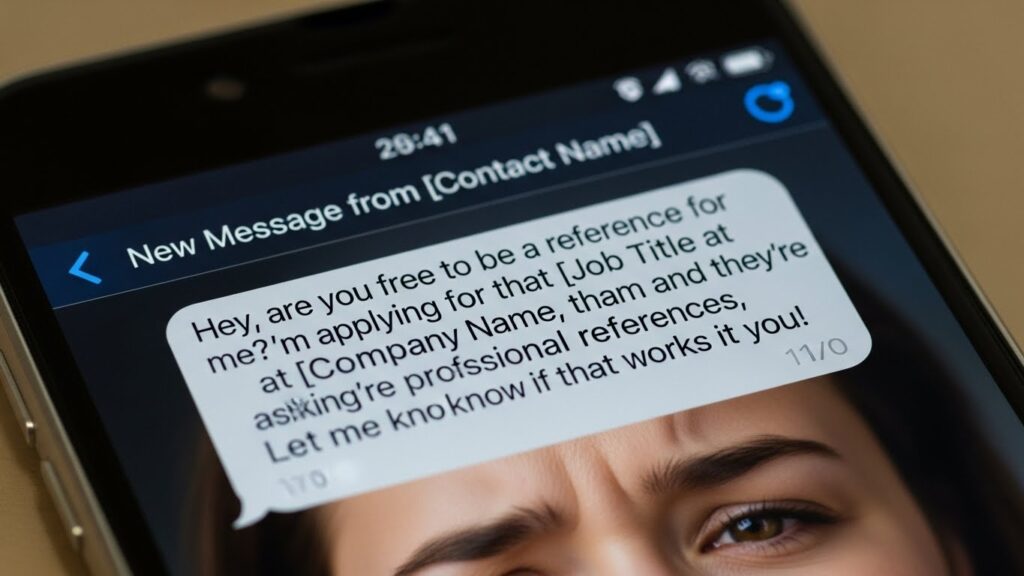
It started with a casual text: “Hey! I’m applying for a new job and need a reference. Can I list you?” My stomach dropped. This friend—let’s call them Sam—has a history of cutting corners, missing deadlines, and even lying to past employers. I’ve witnessed it firsthand. While we’ve had good times socially, professionally, Sam is unreliable.
I hesitated. On one hand, I wanted to be supportive. On the other, putting my name behind someone I wouldn’t recommend felt unethical. Would a potential employer blame me if Sam dropped the ball again? Worse, could it damage my own reputation?
Why I Said No
After a sleepless night, I replied: “I’m sorry, but I don’t feel comfortable being a reference for you.” I didn’t elaborate, but Sam pressed for reasons. I kept it vague: “I don’t think I can represent your work accurately.” The response? Anger. Sam accused me of betrayal and hung up.
Was I too harsh? Maybe. But here’s why I stood my ground:
- Professional integrity: References imply endorsement. I couldn’t fake that.
- Personal boundaries: My reputation matters too.
- Honesty over harmony: Sugarcoating helps no one in the long run.

The Backlash Begins
Word spread fast in our friend group. Some called me disloyal; others whispered I’d “overreacted.” One mutual friend said, “It’s just a reference—not a blood oath!” But is it really that simple?
References hold weight. Employers use them to gauge trustworthiness. If I’d lied and Sam got the job, only to repeat past mistakes, it could hurt their team—and my credibility. Yet, explaining this to friends felt like defending a crime I didn’t commit.

When Loyalty Clashes With Ethics
This situation highlights a tough truth: friendship doesn’t obligate us to compromise our values. Blind loyalty helps no one—especially if it enables bad habits. Sam’s reaction showed they expected support despite their track record, not because of it.
Think about it: Would you vouch for a friend who’s:
- Been fired for misconduct?
- Shirked responsibilities repeatedly?
- Lied on their resume?
If the answer is no, you’re not alone. Trust is earned, not assumed.

Handling the Fallout
The friendship is strained, but I don’t regret my choice. Here’s how I’m navigating the aftermath:
- Staying calm: I won’t engage in heated arguments. My stance is clear.
- Offering alternatives: I suggested Sam ask colleagues who’ve worked with them more recently.
- Reassessing the friendship: If Sam can’t respect my boundaries, was this a balanced relationship?
Sometimes, doing the right thing costs us comfort. That doesn’t make it wrong.

Was I the Asshole?
Let’s be real: Saying no to a friend feels like being the asshole. But feelings aren’t facts. Reflect on these questions:
- Would you want someone to lie for you?
- Does friendship require unconditional professional support?
- Where’s the line between kindness and dishonesty?
In my case, the answer was clear. Protecting my integrity wasn’t selfish—it was necessary. If that makes me the asshole in Sam’s eyes, so be it.

Your Thoughts Matter
Now, I’m turning it over to you. Have you faced a similar dilemma? How did you handle it? Drop a comment below—let’s discuss where the line should be drawn. And if you’ve ever been on the other side (the Sam in this scenario), I’d love to hear your perspective too.
Remember: True friends respect your boundaries, even when they disagree. Don’t let guilt bully you into bad decisions.