Carved Texture: Intentional Surface Patterns
In a world increasingly dominated by flat screens and smooth, minimalist surfaces, there is a profound human longing for depth, story, and touch. This is where carved texture makes its powerful entrance. More than just a decorative afterthought, carved texture is the deliberate and skillful creation of surface patterns that tell a story, catch the light, and invite interaction. It is the whisper of the craftsman’s tool, the record of a process, and a fundamental element that bridges the gap between an object and an experience. This exploration delves into the purpose, history, and modern applications of intentional carved patterns, revealing why this ancient art form remains utterly relevant in contemporary design.
Beyond Decoration: The Purpose of Carved Texture
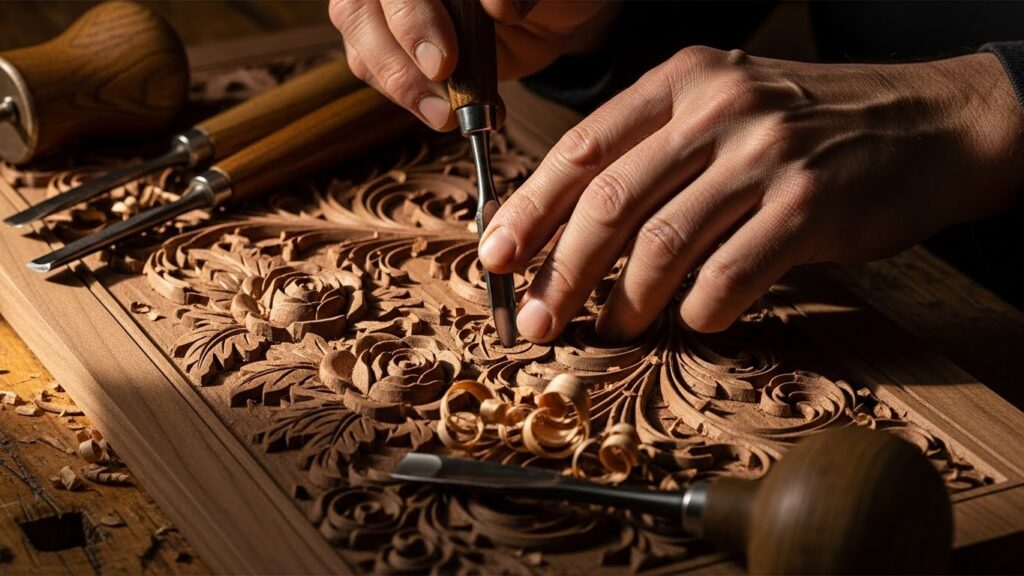
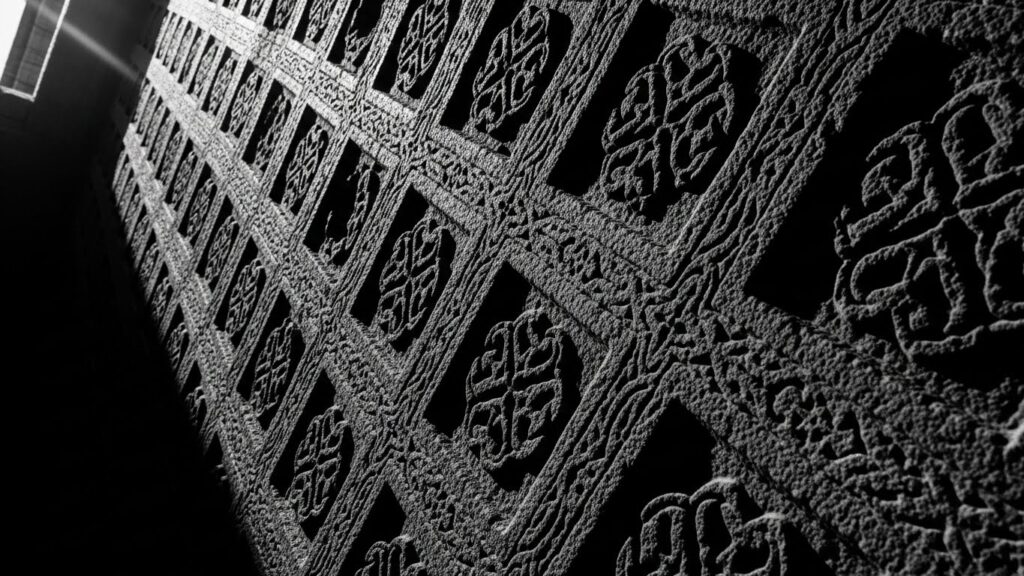
At first glance, carving might seem purely aesthetic. However, its functions run much deeper. Primarily, carved texture manipulates light and shadow. A smooth surface reflects light uniformly, but a carved one breaks it apart. Each cut, groove, and peak creates a micro-shadow, giving the material a dynamic visual weight and a sense of volume that changes with the time of day or the viewer’s perspective. This play of light and dark is what gives carved surfaces their captivating, almost living quality.
Secondly, it provides tactile engagement. Our sense of touch is a powerful conduit for memory and emotion. A carved door handle, a textured ceramic mug, or a fluted glass invites our hands to explore. This physical connection fosters a deeper relationship with the object, transforming it from something merely seen to something felt and remembered. Furthermore, carved textures can serve practical purposes: they can provide grip on a tool, diffuse light from a fixture, or even enhance the structural perception of a material, making stone look lighter or wood more robust.
A Brief History: From Survival to Symbolism
The human impulse to carve is as old as humanity itself. Early examples, like prehistoric petroglyphs carved into cave walls, served as communication and record-keeping. As civilizations advanced, so did the sophistication of carved textures. In ancient Egypt, hieroglyphs and bas-reliefs told stories of gods and pharaohs on temple walls. The Greeks and Romans perfected floral motifs, scrolls, and figurative reliefs in marble, using carving to express ideals of beauty, power, and narrative.
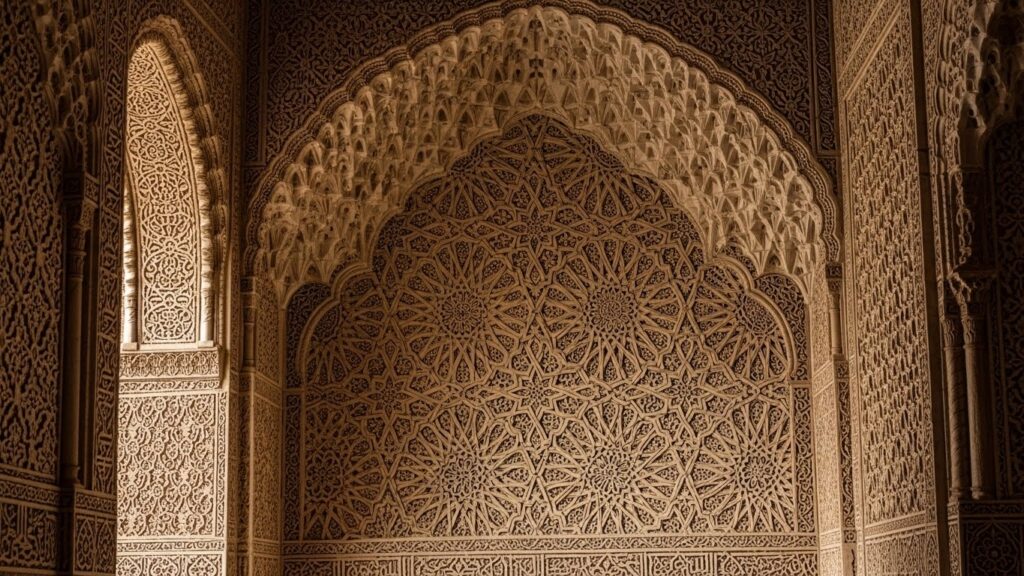
Throughout the Middle Ages and into the Renaissance, carving became a sacred language in cathedrals, with stone masons and woodworkers creating intricate biblical scenes, gargoyles, and foliage that educated and inspired illiterate congregations. In the East, traditions like Chinese jade carving and Islamic geometric patterning in wood and plaster reached breathtaking levels of precision, often embodying spiritual principles and cosmic harmony. In every era, carved texture was never just ornament; it was a carrier of culture, belief, and identity.
Carved Texture in Modern and Contemporary Design
With the advent of industrialization and modernist movements that championed “form follows function,” overt ornamentation and hand-carving fell out of favor. However, the principle of intentional texture never disappeared; it evolved. Modern designers began to explore texture through materiality itself—the grain of concrete, the weave of fabric, the pattern of brickwork.
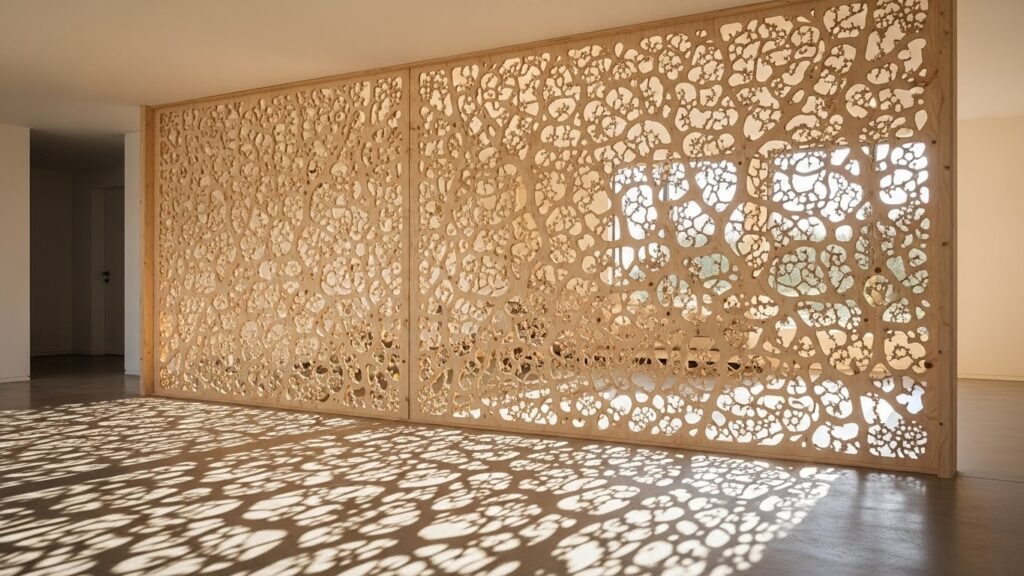
Today, we are witnessing a magnificent renaissance of carved texture, often facilitated by new technology. CNC routers, laser cutters, and 3D printers allow for precision and repetition unthinkable to the ancient craftsman, enabling complex, large-scale textured surfaces in wood, metal, acrylic, and more. Contemporary architects use vast carved metal panels or textured concrete façades to create ever-changing building skins. Interior designers employ carved wooden screens, textured plaster walls, and fluted glass to zone spaces and create sensory interest. The human desire for pattern and depth is being met with digital tools, resulting in a fresh, innovative language of surface design.
Materials and Methods: The Carver’s Palette
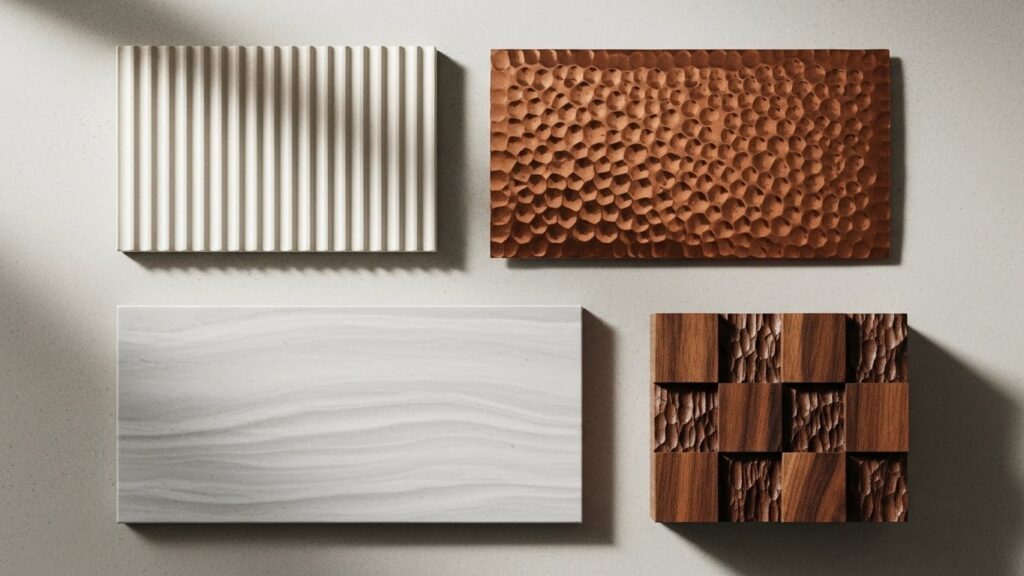
The expression of carved texture is intimately tied to its material. Each substance offers unique possibilities and challenges. Wood, warm and forgiving, allows for deep, soft reliefs and sharp details, from chip carving to sculptural forms. Stone and concrete speak a language of permanence and weight, suitable for bold, geometric patterns or smooth, flowing curves. Metal can be etched, hammered, or milled to create textures ranging from delicate lines to aggressive, industrial patterns.
Clay and plaster are uniquely malleable, perfect for impressing, incising, and building up textures by hand. Even glass can be carved, through sandblasting or diamond etching, to create frosted patterns that play with transparency and light. The method—whether by hand with a gouge, by machine with a router bit, or by code with a digital file—also leaves its own signature on the final texture, a meta-pattern that speaks of its own creation.
Integrating Carved Texture into Your Space
You don’t need to be a master sculptor to incorporate the power of carved texture into your environment. The key is intentionality and contrast. Start by introducing a single, statement textural element against a smoother backdrop. A fluted wooden headboard behind a simple linen bed, a heavily textured ceramic vase on a sleek marble tabletop, or a carved wooden bowl holding smooth, round fruit—these contrasts make both elements sing.
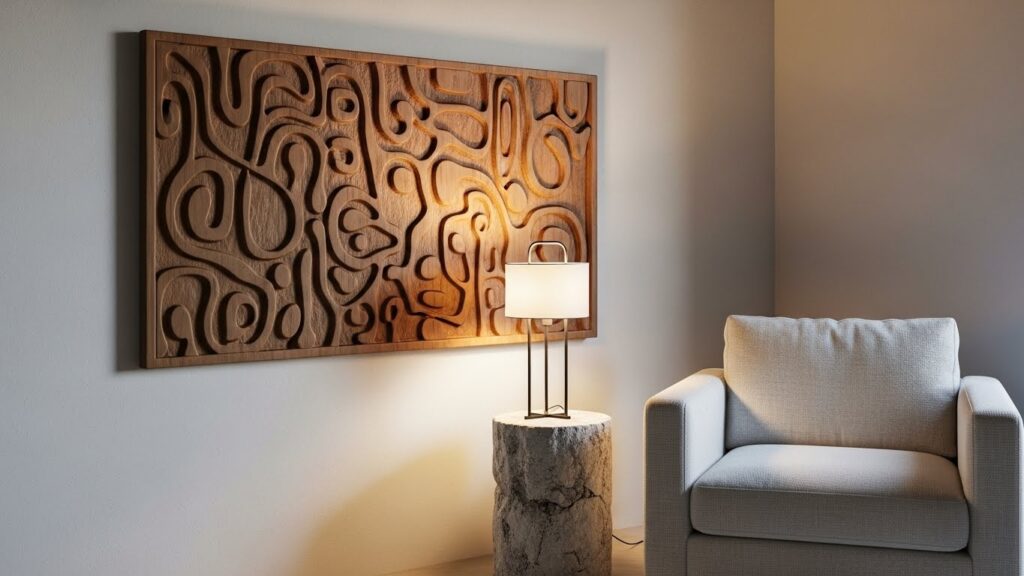
Consider scale and touchpoints. Use finer, more detailed carvings for objects you view closely, like drawer pulls or picture frames. Employ larger, bolder textures on big surfaces like feature walls or cabinet doors. Never forget the tactile opportunity: choose carved textures for items you interact with daily—a front door handle, a staircase railing, the base of a lamp. Finally, play with light. Position a textured object or wall where sunlight or a directed lamp can graze across it, maximizing the dramatic interplay of shadow and form that is the very soul of carved texture.
The Enduring Resonance of the Mark
In our digital age, the value of the physical, the tactile, and the deliberately imperfect only grows. Carved texture stands as a powerful antidote to the sterile and the virtual. It is a testament to the human hand (or the human mind guiding a machine) and its desire to leave a meaningful mark. It adds layers of time, skill, and narrative to the objects and spaces that surround us. Whether it’s the time-worn carving on an antique chair or the digitally-fabricated pattern on a new building’s façade, intentional surface patterns connect us to a fundamental truth: depth, in every sense of the word, makes experience richer. By seeking out and incorporating these textures, we don’t just decorate our world—we give it a story we can see and a soul we can feel.