Chocolate Highlights: Rich Dark Brown Brightness
Close your eyes and imagine the perfect piece of dark chocolate. Now, open them. What you see is far from a flat, muddy brown. A high-quality bar captures light, offering a visual symphony of rich dark brown brightness—a glossy, almost luminous surface that promises depth and complexity before it even touches your tongue. This sheen is not an accident; it is the first secret whispered by the chocolate, a hint of the craftsmanship, quality, and science within. In this exploration, we will unravel the mystery behind chocolate’s visual appeal, understanding why that radiant highlight is a beacon for flavor, texture, and artistry.
The Science of the Shine: Tempering and Crystal Structure
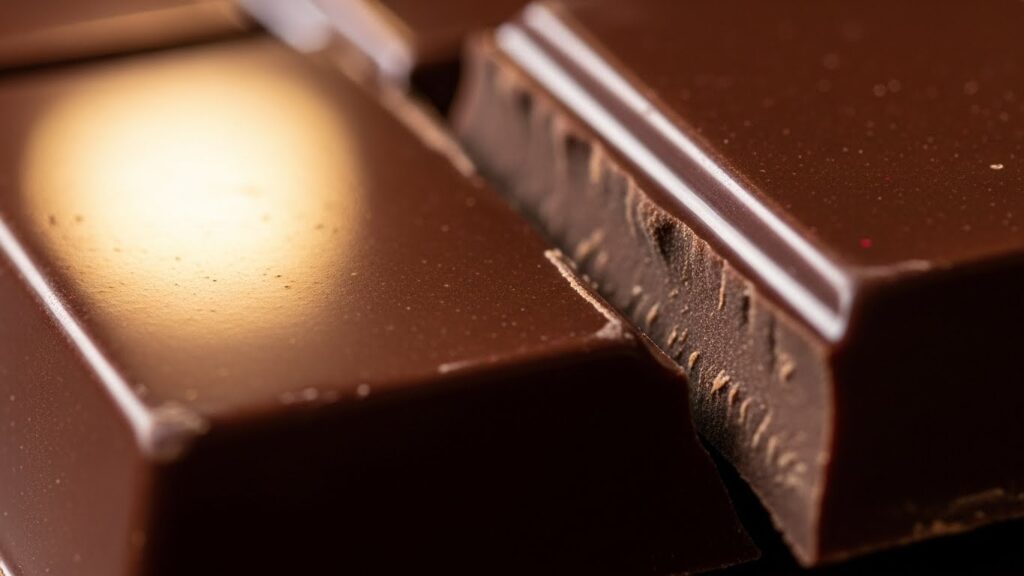
That captivating gloss, often called the “chocolate highlight,” is the direct result of perfect tempering. Tempering is the controlled process of melting and cooling chocolate to stabilize its cocoa butter content. Cocoa butter is a polymorphic fat, meaning it can form six different types of crystals (labeled I through VI) as it solidifies. Only Form V, or beta crystals, are desirable. They are stable, dense, and reflect light evenly, creating that signature snap and glossy finish.
When chocolate is improperly tempered, the wrong crystals form (like Form IV or VI). This results in a dull, matte, or streaky surface—a condition known as “bloom.” While safe to eat, bloom indicates unstable fat crystals and often a grainy or soft texture. The rich dark brown brightness you admire is therefore a visual guarantee of precise temperature control. It tells you that the cocoa butter molecules are aligned in a tight, uniform structure, promising the satisfying snap and velvety melt that defines exquisite chocolate.
From Bean to Bar: How Origin Influences Hue and Light
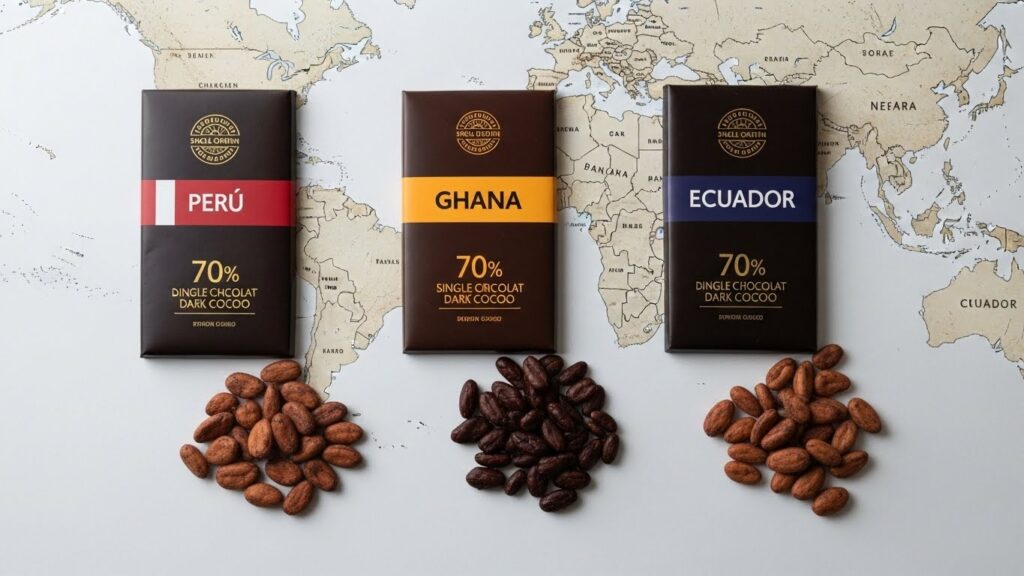
The potential for that luminous brown is born in the terroir of the cacao pod. The variety of cacao bean (Criollo, Forastero, Trinitario), the soil composition, rainfall, and fermentation process all influence the final color of the chocolate. Beans from Madagascar might yield bars with reddish highlights, while Venezuelan beans could produce deeper, almost black-brown tones with a subtle ruby glint.
Artisan chocolate makers, or bean-to-bar creators, often minimally process their chocolate to preserve these inherent qualities. They use less cocoa butter and avoid excess lecithin, allowing the natural color of the roasted cocoa solids to shine through. The roasting level is another critical factor: a light roast preserves more of the bean’s original acidity and fruitiness, often resulting in a lighter brown, while a deep roast develops darker, more robust flavors and a darker hue. The brightness in the bar, therefore, is not just sheen, but a luminosity from within—a depth of color that speaks to its origin story.
The Art of the Break: Snap, Sound, and Visual Clarity
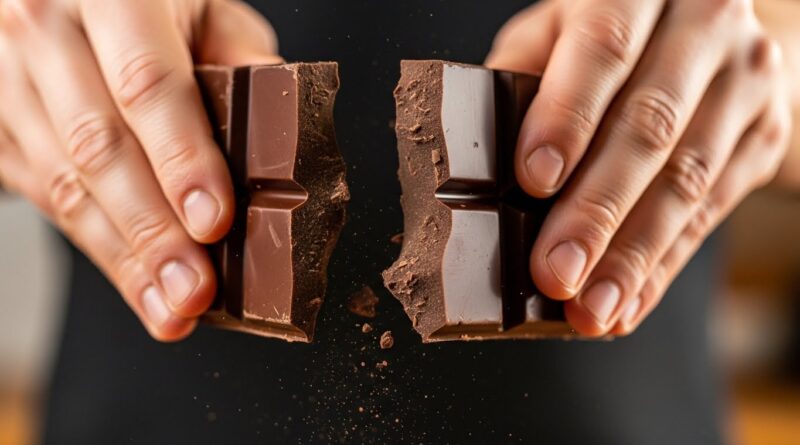
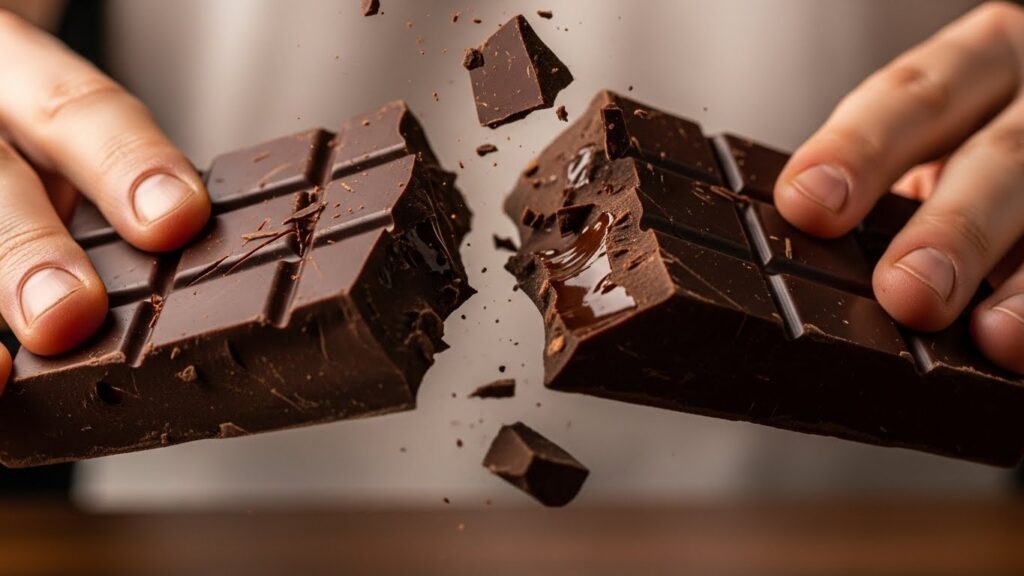
The moment of truth for any dark chocolate lover is the break. A well-tempered bar with a high cocoa solid content will break with a clean, sharp snap. This action is a direct extension of its visual highlight. As you break it, the interior surface should be just as smooth and glossy as the exterior, not crumbly or jagged. This reveals the uniformity of the crystal structure throughout.
Observe the broken edge under light. You should see a consistent color and a clean, sharp edge that catches the light. This clarity and structural integrity are what allow the rich dark brown to maintain its visual intensity. It’s a textural promise fulfilled: what looks smooth and solid will feel smooth and solid, melting evenly on the palate without grittiness.
Beyond Milk and Dark: Appreciating the Spectrum of Brown
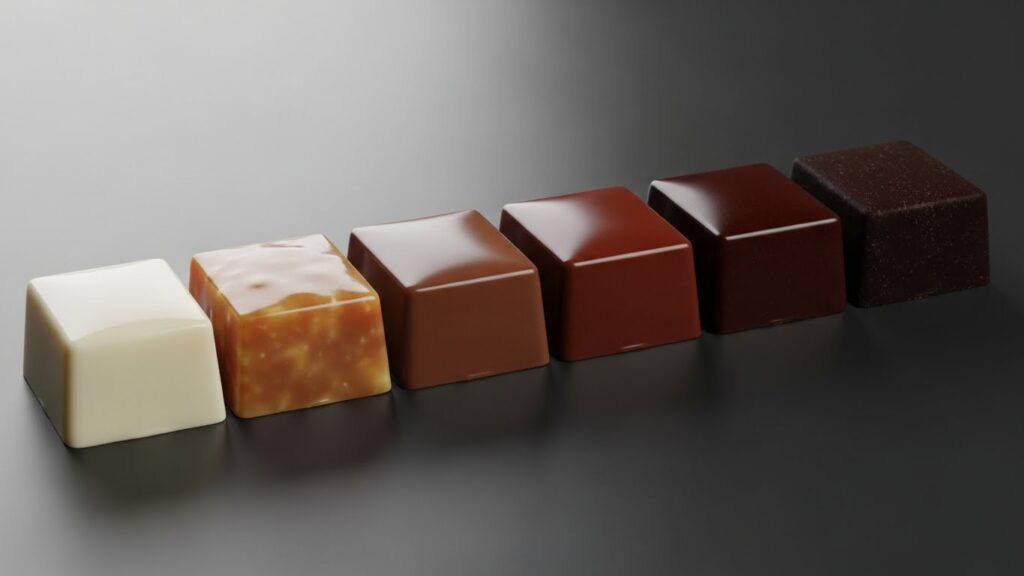
While milk chocolate has its creamy appeal, its highlight is often softer and more satiny due to the milk solids diffusing the light. White chocolate, lacking cocoa solids, showcases the brightness of cocoa butter alone. But it is in the realm of dark chocolate that the color truly becomes a canvas for light. From a 60% cocoa bar that might have warmer, caramel-like highlights to an intense 90% bar that absorbs most light but still offers a profound, glassy depth, each percentage tells a different story.
Learning to see these variations is part of the connoisseur’s journey. A chocolate with fruit-forward notes might have a slightly lighter, more translucent brown quality, while one with earthy, nutty notes may appear denser and darker. Training your eye to appreciate this spectrum enhances the tasting experience, setting visual expectations for the flavor journey to come.
How to Choose Chocolate by Its Light
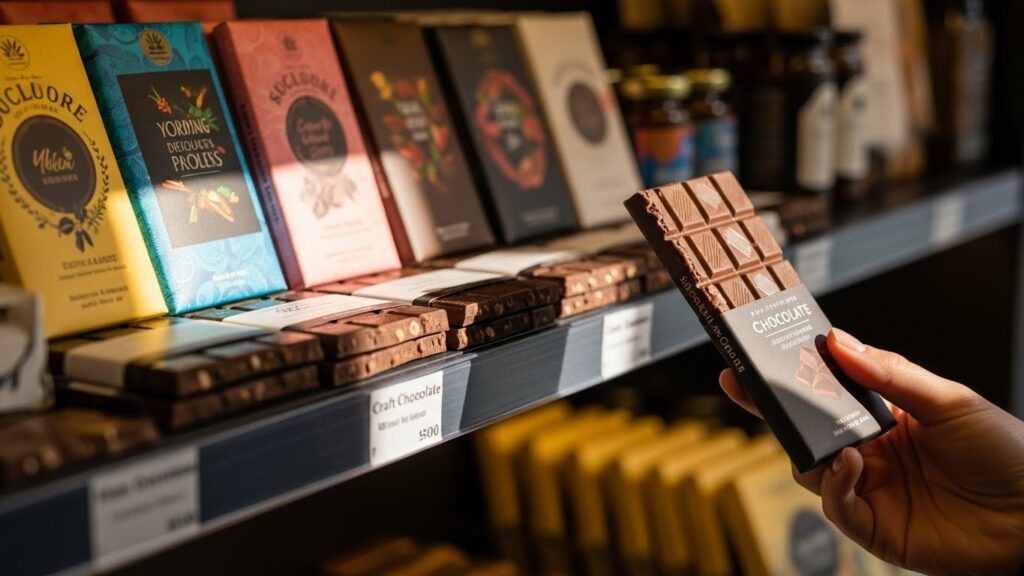
You can become an expert at selecting chocolate based on its visual cues. First, look for a uniform, glossy surface free of white streaks, spots, or a grayish haze. Hold it under a gentle light source; it should reflect light smoothly, not in a waxy or cloudy way. The color should be inviting and deep, not dull or lifeless.
Next, consider the packaging. Chocolate that has been stored in fluctuating temperatures (like near a store window) is more likely to have bloomed. Finally, trust artisan brands that prioritize bean quality and tempering. Their rich dark brown brightness is a badge of honor, a direct reflection of their skill and dedication to the craft. Remember, the light it reflects is a promise of the experience it holds.
A Feast for the Senses: Connecting Sight to Taste
The visual elegance of chocolate is the opening note in a multisensory experience. That initial brightness primes our brain for quality, influencing our perception of flavor. Studies in gastronomy show that we taste first with our eyes. The glossy sheen sets an expectation of purity and precision, which makes the first bite feel more significant.
When you place that glossy piece on your tongue, the visual promise unfolds. The tight crystal structure ensured by perfect tempering allows it to melt at body temperature, releasing flavors in a gradual, layered sequence. The deep brown color, derived from carefully roasted beans, translates into the complex notes of roasted nuts, ripe fruit, spicy warmth, or floral hints. The sight, the snap, the melt, and the taste are all interconnected—a holistic experience that begins with that captivating, rich, dark brown brightness.
In the world of fine chocolate, beauty is far from skin deep. The rich dark brown brightness that catches your eye is a testament to a journey of scientific precision, agricultural artistry, and passionate craftsmanship. It is a visual language telling a story of stable crystals, pristine beans, and meticulous care. So, the next time you select a bar, let your eyes linger on its highlights. Appreciate the gloss, the depth of color, and the promise it holds. Then, break it, listen, and savor. For in that simple piece of chocolate, light, flavor, and texture unite in a perfect, delicious harmony.