Classic Hair Shapes With Modern Texture
In the ever-evolving world of hair fashion, a fascinating trend is taking root. It’s not about chasing the next viral cut or fleeting color craze. Instead, it’s a sophisticated return to the architectural foundations of hairstyling—the classic shapes that have defined beauty for decades—but with a crucial, contemporary twist: modern texture. This approach is the secret to achieving hair that feels both timeless and utterly of-the-moment, offering unparalleled versatility and wearability.
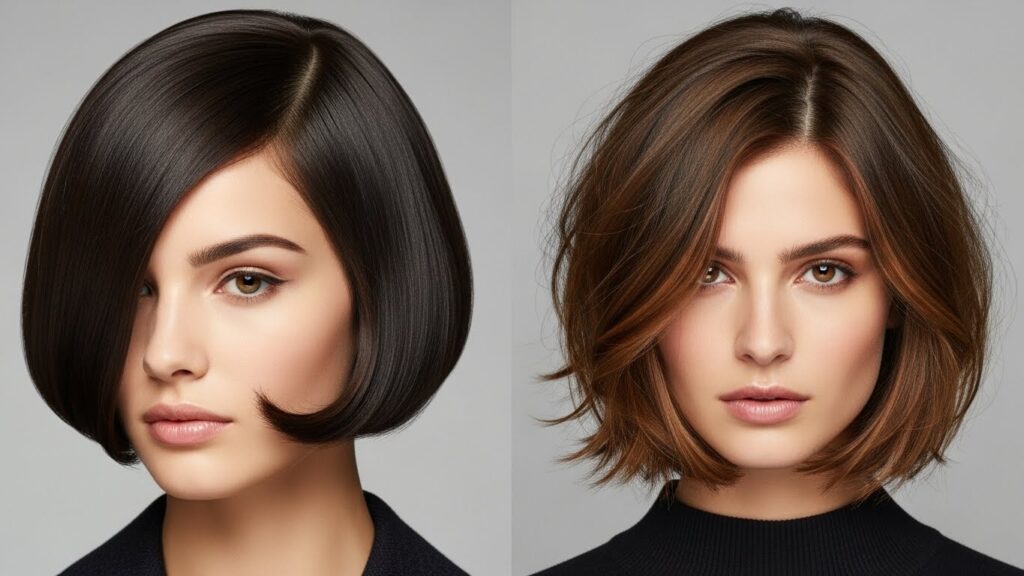
The Philosophy: Why Shape and Texture Belong Together
For years, many classic haircuts were synonymous with sleek, polished finishes. The pageboy, the chin-length bob, and the graduated cut often demanded smooth, unbroken lines. Today’s approach liberates these shapes from perfection. By introducing strategic texture—through cutting techniques and styling products—we add dimension, movement, and a sense of ease.
This isn’t about making hair messy. It’s about intentional imperfection. It reduces styling time for many, as the look is designed to embrace natural wave or volume. It also allows for multiple styling options: the same cut can be blown smooth for a formal event or scrunched with product for a casual day. The modern texture injects soul into the precise geometry, making the classic shape feel accessible and effortlessly cool.
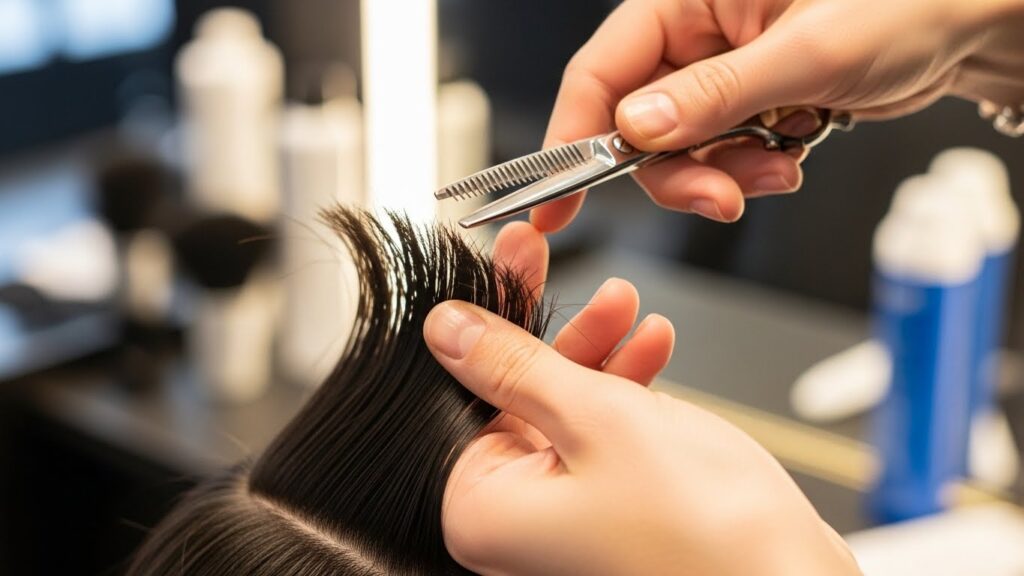
Reinventing the Iconic Bob with Texture
The bob is perhaps the most iconic canvas for this concept. The classic, one-length bob is a powerful statement, but its textured evolution is a wardrobe staple.
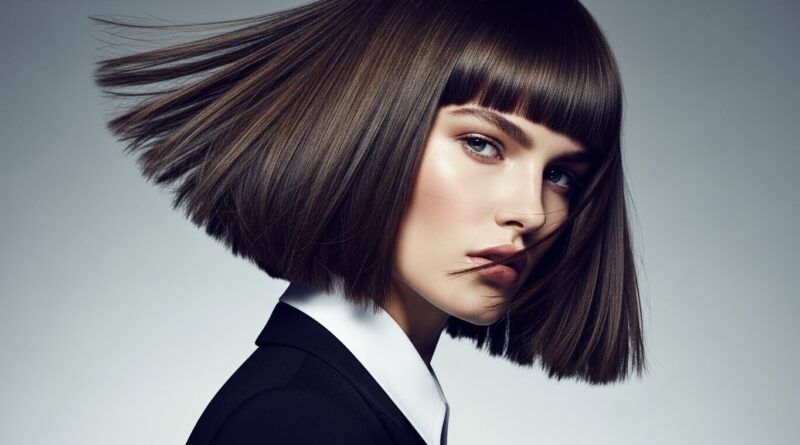
The Blunt Textured Bob: Maintains a strong, clean line at the perimeter but incorporates internal layers and texturized ends. This prevents the “helmet” effect, allowing hair to collapse naturally around the face. The result is weighty yet moving, solid but never stiff.
The Shaggy Bob (The “Shob”): This hybrid takes the bob’s structure and infuses it with the shag’s layered spirit. Layers are cut around the crown and face to create volume and fringe-like movement, often paired with curtain bangs. It’s a rock-and-roll take on a conservative cut, perfect for adding volume to fine hair.
Styling Tip: Use a flat iron to create bends rather than curls. Wrap small sections, turning the iron alternately towards and away from your face for a piece-y, irregular finish. A light texturizing spray on the ends seals the deal.
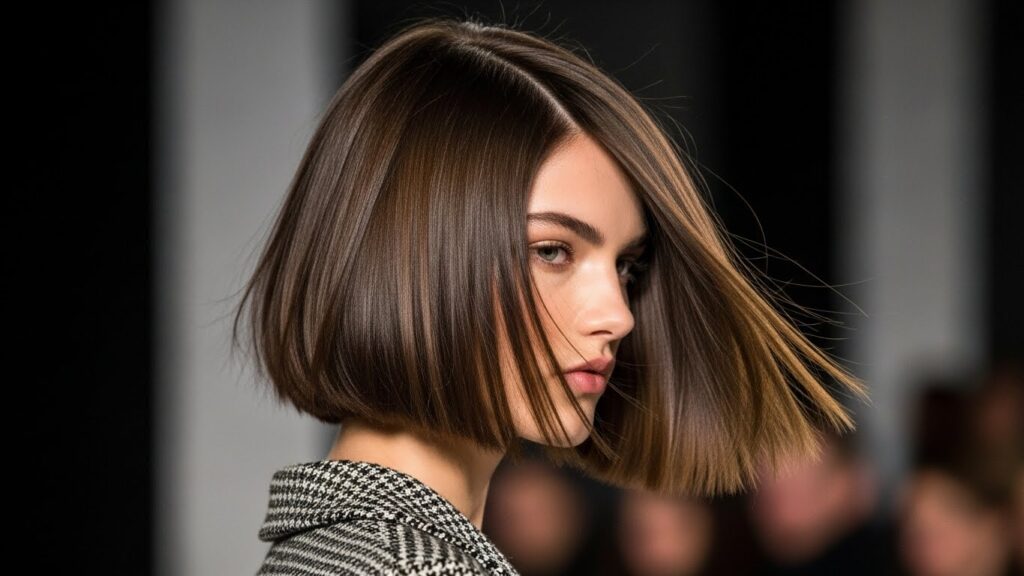
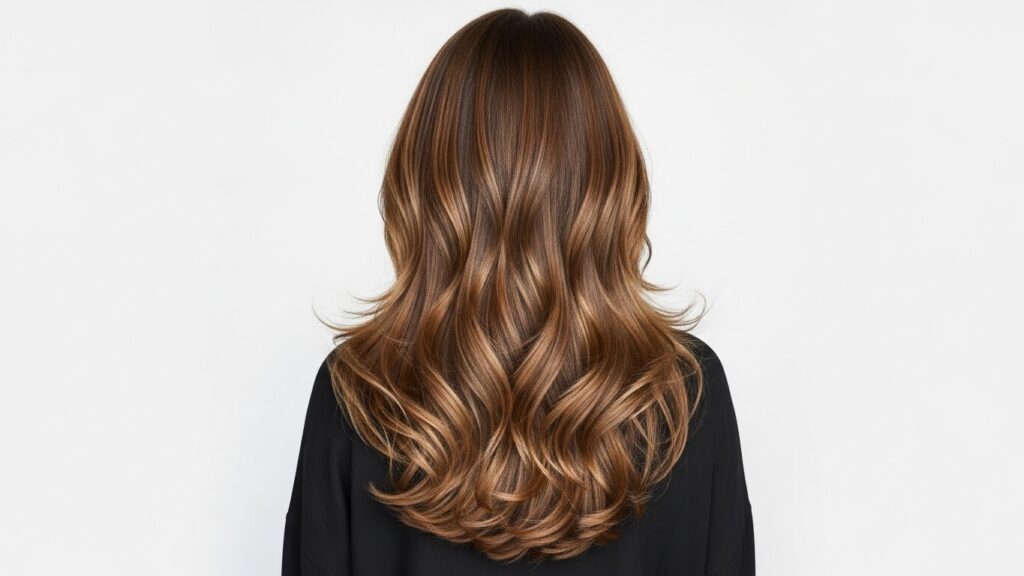
Elevating the Long Layers with Modern Movement
Long hair often falls into the trap of monotony. The classic long-layered cut gets a modern update by focusing on how the layers interact with texture.
Instead of uniform, concentric layers, modern techniques like slide cutting and point cutting are used to create seamless, interconnected layers that blend organically. The goal is to remove bulk without creating obvious “steps.” This creates a silhouette that sways with body and has a feathered, soft outline when seen from behind.
The texture here is often achieved through styling. Beach waves are the perfect partner, but the modern take is subtler—a lived-in wave achieved with a large-barrel curling wand, then thoroughly broken up with fingers and a nourishing oil or cream to tame frizz and enhance separation.
The Textured Shag: The Ultimate Retro-Modern Fusion
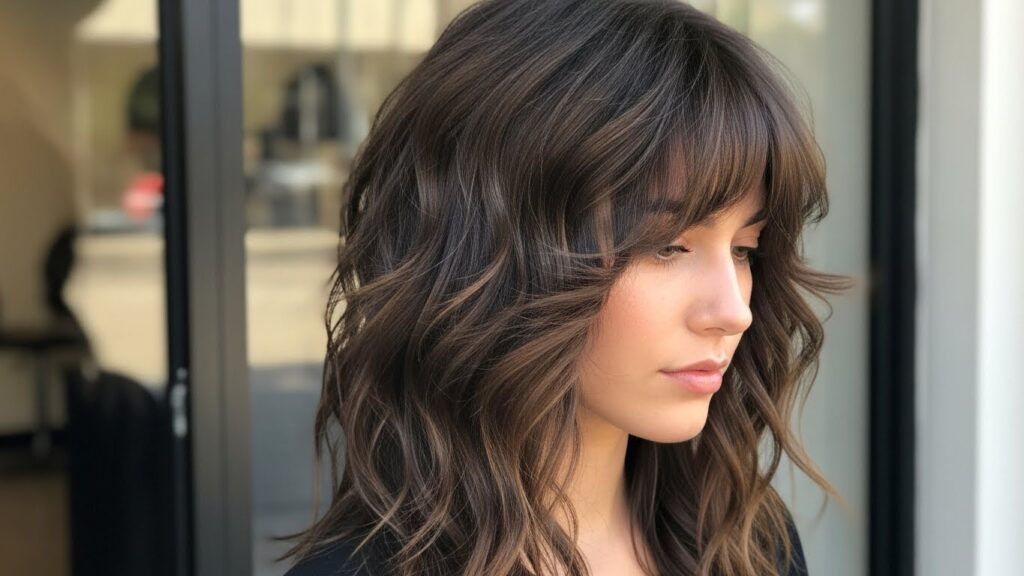
The shag is a classic shape built on texture. Its modern revival (think 1970s inspiration) respects the original’s layered framework but softens the approach.
The Difference: Vintage shags could be quite uniform in their texture. The modern version uses more nuanced layering and often a softer, more blended fringe. It’s less about wild rebellion and more about artful, face-framing volume. The layers are cut to support the hair’s natural pattern, whether it’s pin-straight or wildly curly, making it a universally adaptable shape.
This cut is all about personalization. The texture can be dialed up or down. For a bold look, enhance every wave with mousse and diffusing. For a more subdued, everyday style, use a texture spray at the roots and mid-lengths for grip and body without defined curl.
The Pixie Cut: Architectural Shape Meets Tactile Feel
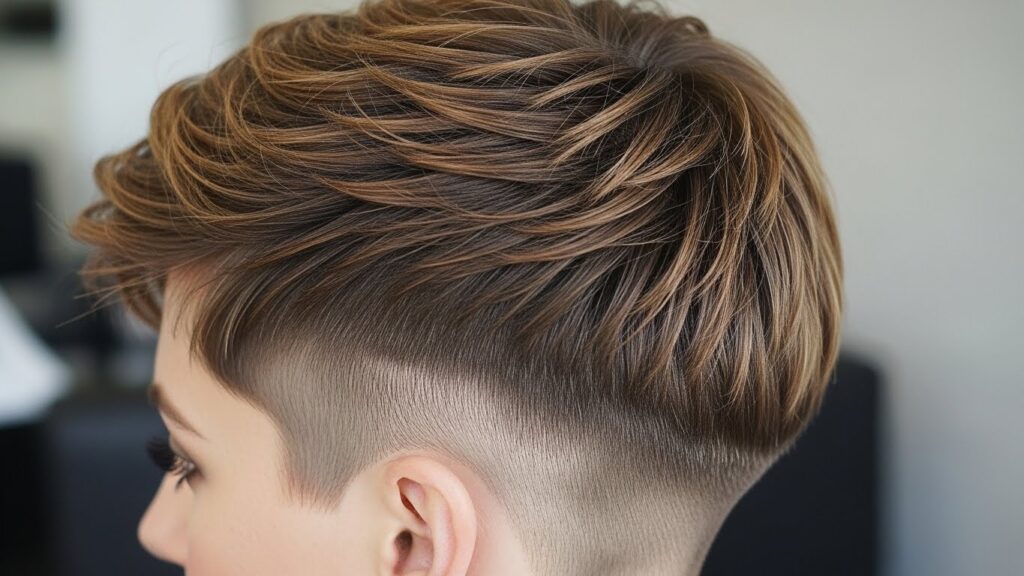
The pixie is the ultimate test of shape. Its modern texture transformation is a masterclass in contrast.
Imagine the structured, side-swept pixie of the 1960s. Now, imagine it with a disconnected, textured top where the hair is piece-y, spiky, or softly messy. This juxtaposition is key. The sides and back may be closely tapered (the clean shape), while the crown is left longer and texturized to be styled with paste or wax for a touchable, expressive finish.
Even the short crop gets this treatment. Instead of a uniform, gelled look, the modern textured pixie might be cut with varying lengths on top to encourage natural separation and movement, requiring only a dab of product to define, not control.
Tools and Techniques for Creating Modern Texture
This look starts in the salon chair with a stylist who understands both geometry and decomposition.
Cutting Techniques:
Point Cutting: Cutting into the ends of the hair at an angle to soften a line.
Razor Cutting: Using a razor to slice into hair strands, thinning them and creating feathered, soft edges.
Notching: Removing small, strategic sections within a layer to create internal space and movement.
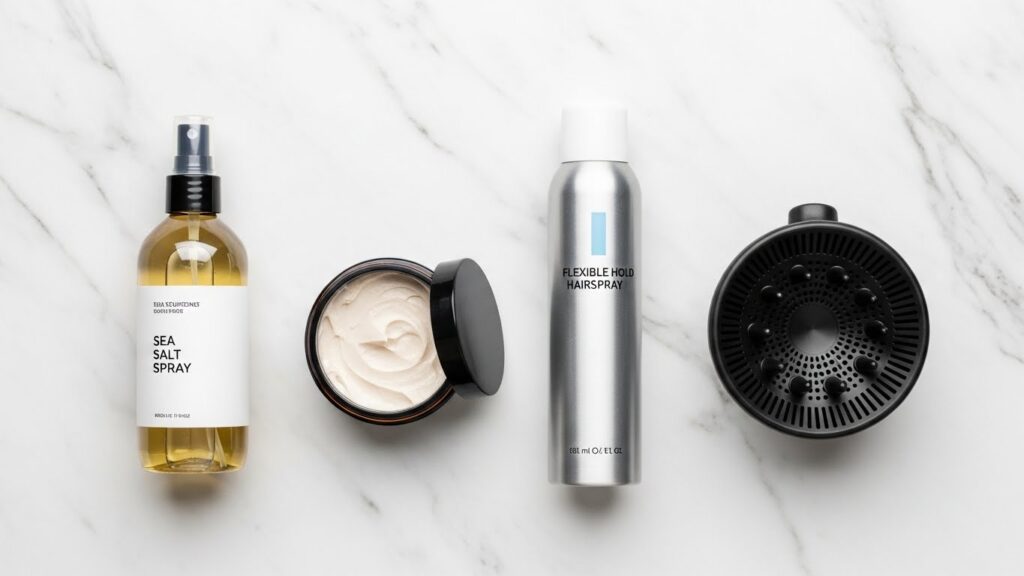
Styling Products are Non-Negotiable:
Sea Salt Spray: For that lived-in, beachy wave and grit.
Texturizing Spray/Powder: Adds volume at the root and a matte, grippy finish for separation.
Flexible Hold Paste or Wax: Defines pieces without crunch, perfect for shorter styles or ends.
Diffuser: The essential tool for enhancing natural curl or wave without blowing it smooth, preserving the texture built into the cut.
How to Ask Your Stylist for a Modern Textured Shape
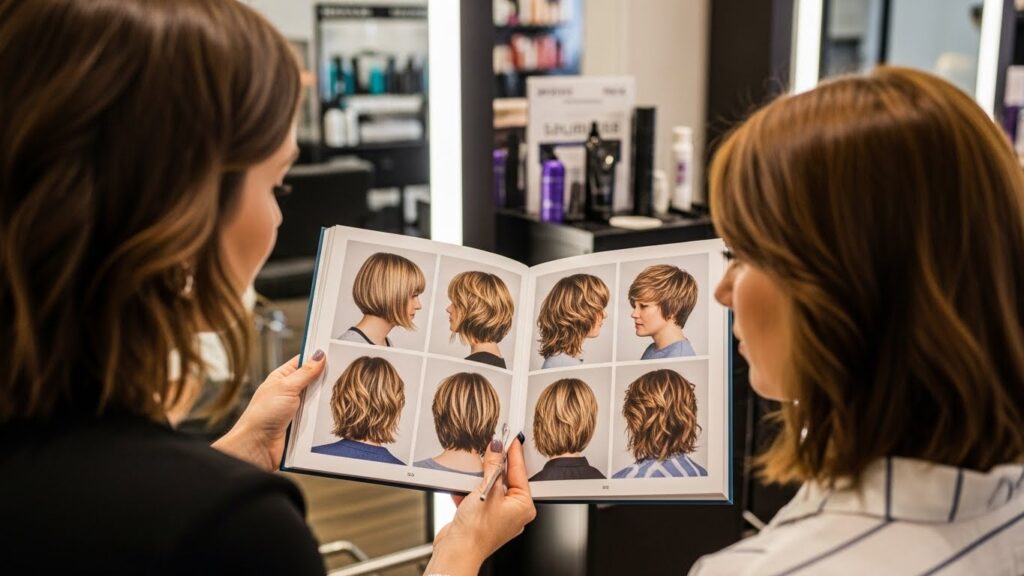
Communication is key. Don’t just say “I want texture.” Bring visual references and use descriptive language.
Say This: “I love the shape of a classic bob, but I want it to feel lived-in and piece-y, not too blunt or heavy.” Or, “I want long layers, but I don’t want visible, chunky layers. Can we use texturizing techniques to add movement without losing length?”
Discuss: Your daily styling routine. A good stylist will tailor the level of texture to how much time you realistically spend on your hair. They can also recommend the right products to maintain the look at home.
Conclusion: The Perfect Marriage of Past and Present
Embracing classic hair shapes with modern texture is more than a trend; it’s a smart, sustainable approach to personal style. It allows you to invest in a great cut that will stand the test of time, while the texture ensures it never feels dated or boring. This philosophy celebrates the artistry of hairdressing—respecting the foundational rules of shape while creatively breaking the rules of finish.
Whether you’re drawn to the powerful bob, the free-spirited shag, or the architectural pixie, remember that the final, defining ingredient is that intentional touch of texture. It’s what transforms a beautiful cut into hair with a story, character, and effortless modern flair. So, look to the classics for inspiration, but demand a contemporary feel. Your hair—and your style—will thank you for it.