Detangle 14 Wide-Tooth Comb Routines Preventing Breakage During Styling
Okay, let’s be real for a second. How many times have you been ready to try a gorgeous new style—maybe that soft quiet luxury bob or a dramatic vampire haircut—only to get stopped cold by a nest of tangles? I’ve been there. You reach for the brush, hear that awful *snap*, and watch weeks of growth just… break off.
It’s the worst. And it makes styling feel like a battle instead of the fun, creative part of your day it should be.
But what if I told you the secret isn’t a magic potion? It’s your comb and your routine. Seriously. Mastering the detangle is the invisible foundation for every single hairstyle, from 2026 hairstyles we’re dreaming of to the classics.
Stick with me. I’m breaking down 14 wide-tooth comb routines that are total game-changers. This is your first, non-negotiable step to healthier, stronger hair that can handle any style you throw at it.
1. The Pre-Shower Dry Detangle (For All Hair Types)

Never, ever jump in the shower with major tangles. Water swells the hair shaft, making knots tighter and more prone to snapping. Always start dry.
Here’s my go-to method:
- Spritz a lightweight detangling spray or even a bit of hair oil on your mid-lengths and ends.
- Use your fingers first to gently separate the biggest clumps of tangles.
- Then, and only then, take your wide-tooth comb. Start from the very tips, working upward in small sections.
This removes the bulk of the snarls gently, setting you up for a stress-free wash. It’s essential for preserving length, whether you’re growing out a hime cut or maintaining an asymmetrical lob.
2. The Conditioner-Soaked Comb-Through
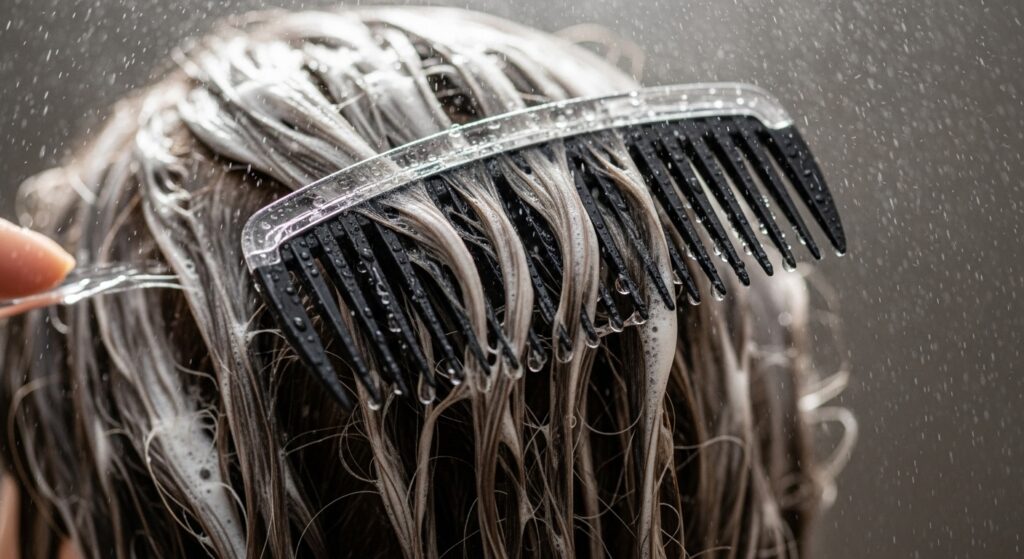
This is your main event. After shampooing, apply a generous amount of conditioner from ears down. Don’t rinse it out yet! Let it sit for a minute to soften the hair cuticle.
Now, with hair dripping and slick, use your wide-tooth comb. The slip from the conditioner is your best friend. Start at the ends and slowly, patiently, comb downward.
If you hit a stubborn knot, don’t force it. Hold the hair above the tangle to prevent pulling on your roots, and gently work the comb through. This protects every single strand during its most vulnerable state.
3. The “Upside Down” Volume-Boosting Detangle
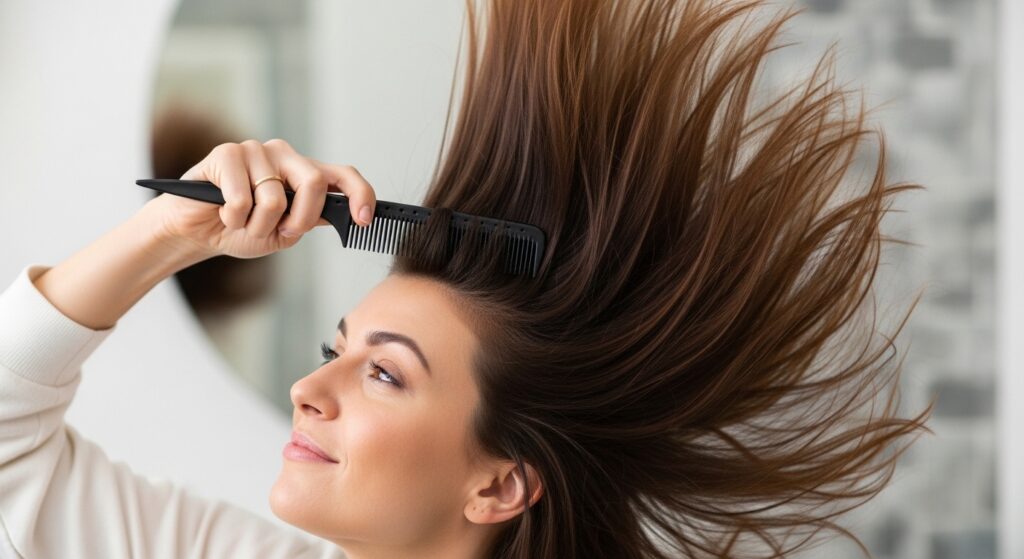
Want instant root lift and body? This technique is a pro secret for styles that need volume, like a glitchy glam hair look or a bouncy blowout.
While your conditioner is in, flip your head upside down. Gently comb your hair away from your scalp, starting at the nape of your neck and moving forward.
- Keep the comb’s teeth parallel to your scalp to gently lift the roots.
- This method detangles while encouraging natural volume from the get-go.
- It also helps distribute conditioner evenly through your under-layers.
Just be gentle—no yanking! Rinse while still flipped for maximum effect.
4. The Post-Shower “Squeeze, Don’t Rub” Pat-Dry

You’ve just done the hard work. Don’t ruin it by roughly towel-drying! Aggressive rubbing creates frizz and re-tangles the hair cuticle.
Instead, use a soft microfiber towel or an old cotton t-shirt. Gently squeeze sections of your hair from the top down to absorb water. You can even loosely wrap it up for a few minutes.
The goal is to get your hair from sopping wet to damp without disturbing the smooth, detangled state you just created. This is crucial for any sleek style, especially that polished old money hair aesthetic.
5. The Leave-In Detangler & Comb Seal
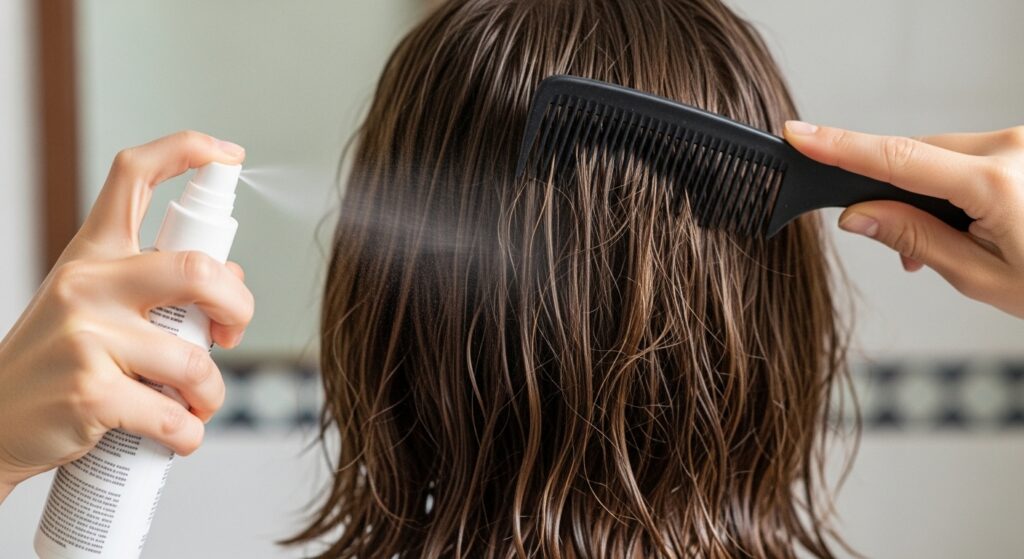
On damp hair, before any other product, apply a leave-in conditioner or detangling spray. This adds a final layer of slip and protection before styling.
Use your wide-tooth comb one more time to evenly distribute the product from roots to ends. This ensures every strand is coated and protected from heat and environmental stress.
This step is non-negotiable for textured or curly hair, but it benefits everyone. It’s the seal on the envelope, locking in moisture and making the next steps—like blow-drying or air-drying—much smoother.
6. The Sectioned Detangle For Thick or Long Hair
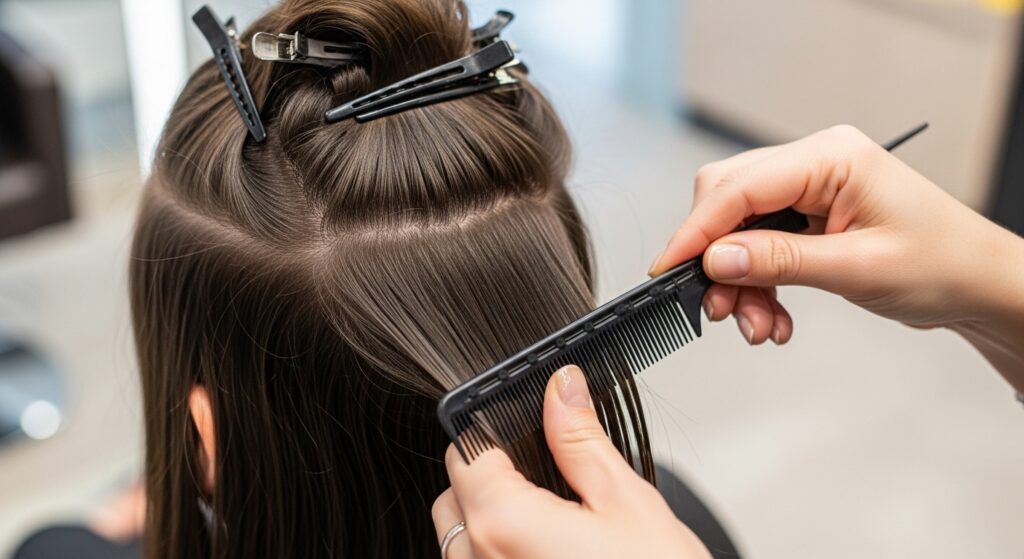
If you have dense or very long hair, trying to detangle it all at once is a recipe for missed knots and breakage. You have to work in manageable sections.
After your shower, loosely part your hair down the middle. Then create two sections in the front and two in the back, clipping the top ones up.
- Start with a bottom section. Apply your leave-in product just to that section.
- Comb through thoroughly from ends to scalp.
- Unclip the next section, overlap a bit with the already-detangled hair, and repeat.
This methodical approach saves time and ensures no knot is left behind.
7. The Nighttime Braid & Protect Routine

Protect your detangling work while you sleep! Sleeping with loose hair causes friction against your pillowcase, leading to morning tangles and breakage.
On detangled, product-treated hair, create one or two loose braids. Loose is key—tight braids can cause stress and indentations. Use a soft silk or satin scrunchie.
This simple habit prevents nightly damage, so you wake up with hair that’s already halfway styled. It’s perfect for enhancing waves or keeping a sleek romantic goth hairstyles base smooth.
8. The Silk Pillowcase Upgrade
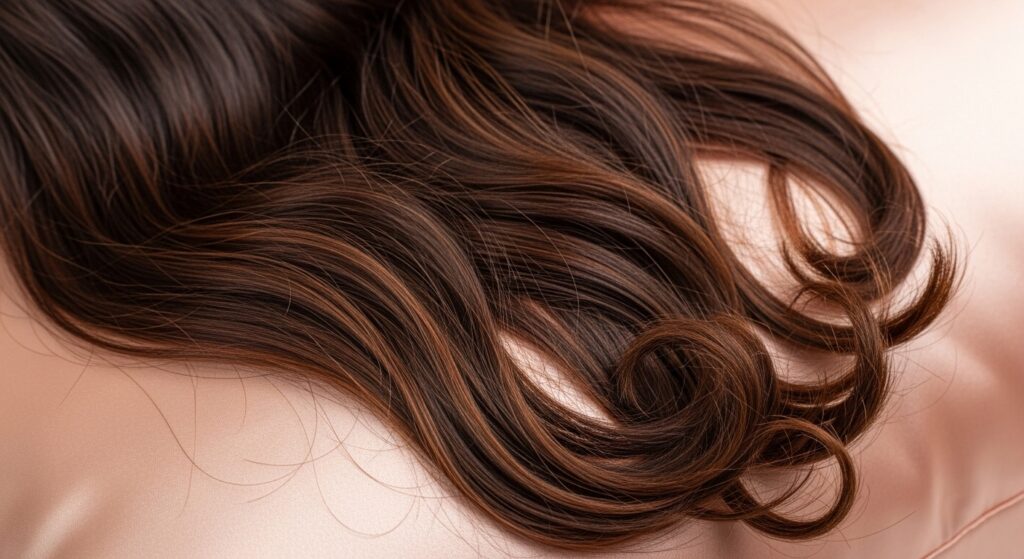
Speaking of sleep, let’s talk about your pillow. Cotton pillowcases create friction that roughens the hair cuticle. Switching to silk or satin is a total game-changer.
The smooth surface allows your hair to glide as you move, reducing tangles, frizz, and breakage dramatically. It also helps maintain your natural hair oils.
Think of it as 8 hours of passive hair care. It’s the ultimate quiet luxury investment for your hair health, supporting all your daytime detangling efforts.
9. The “Refresh, Don’t Re-Wash” Morning Comb
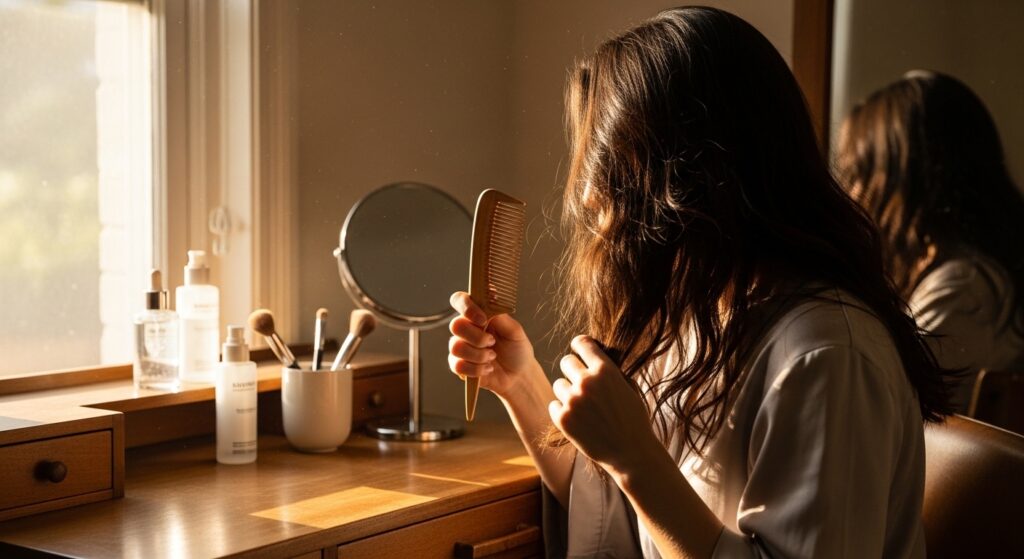
You don’t need to fully wet your hair every day. For second or third-day hair, a dry refresh is key. Start by lightly misting your hair with a water-and-conditioner mix or a dedicated refresh spray.
Let it sit for a minute to reactivate your products. Then, using your wide-tooth comb, gently smooth from the underside. Focus on the canopy and any slept-on tangles.
This revives your style, adds moisture, and prevents the breakage that comes from combing completely dry, product-burdened hair. It’s essential for extending blowouts and protective styles.
10. The Pre-Heat Styling Protection Comb
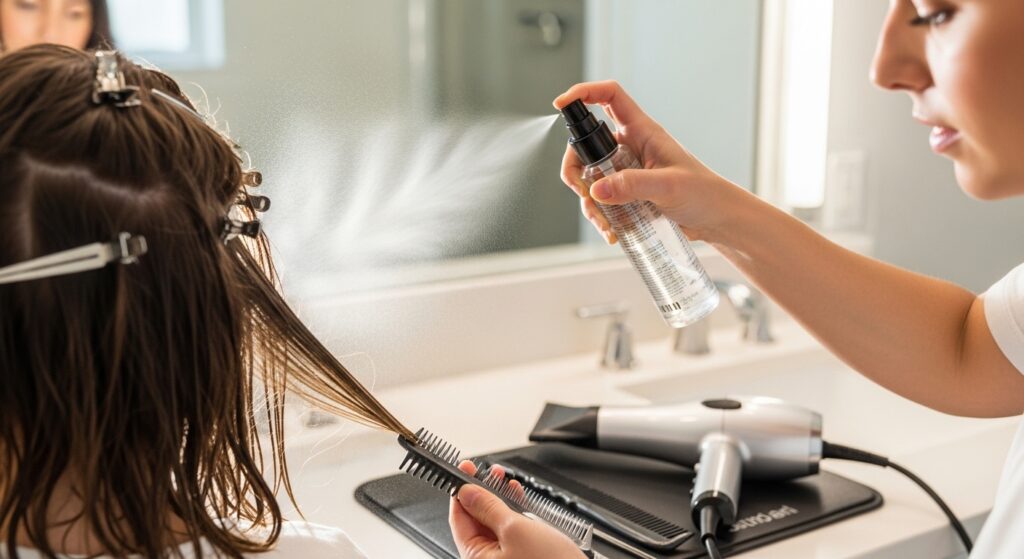
Before you touch any hot tool—blow dryer, flat iron, curling wand—you must apply a heat protectant. And you must comb it through.
After applying the protectant spray or cream to a section, use your wide-tooth comb to distribute it perfectly evenly. This ensures there are no unprotected spots that will fry under the heat.
Combing also lays the hair cuticle flat, which leads to a shinier, smoother finish when the heat is applied. This is how you achieve that salon-smooth blowout at home.
11. The Cool Shot Seal Comb-Through
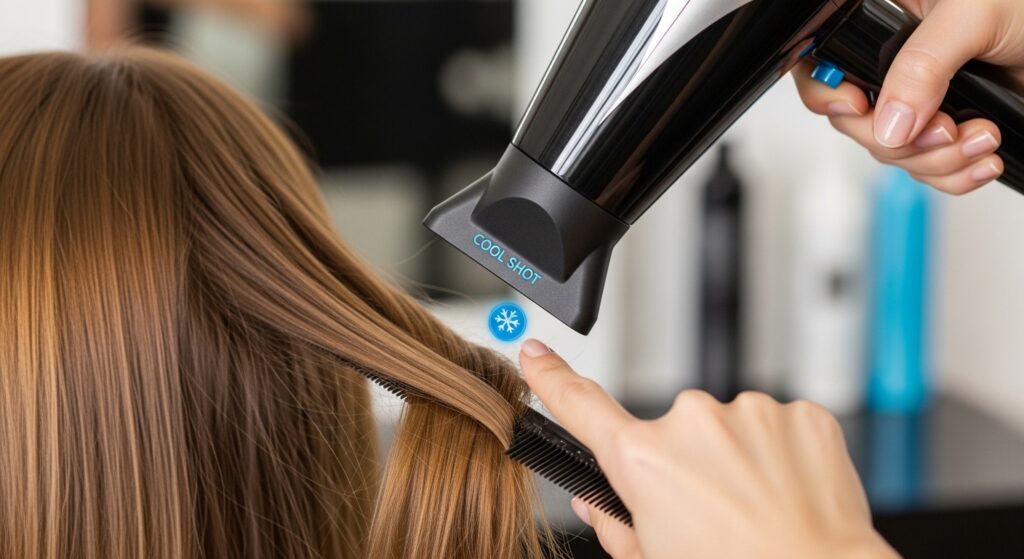
When blow-drying, the final cool shot is not optional. It’s what “sets” the style by closing the hair cuticle you opened with heat.
As you dry a section, use your comb to tension the hair. Once it’s 100% dry, hit the cool shot button. Keep combing the section under the stream of cool air for a few seconds.
This seals the cuticle, locks in shine, and drastically reduces frizz and flyaways. It makes your style last longer and look exponentially more polished, nailing that old money hair perfection.
12. The Pre-Curl Defining Comb
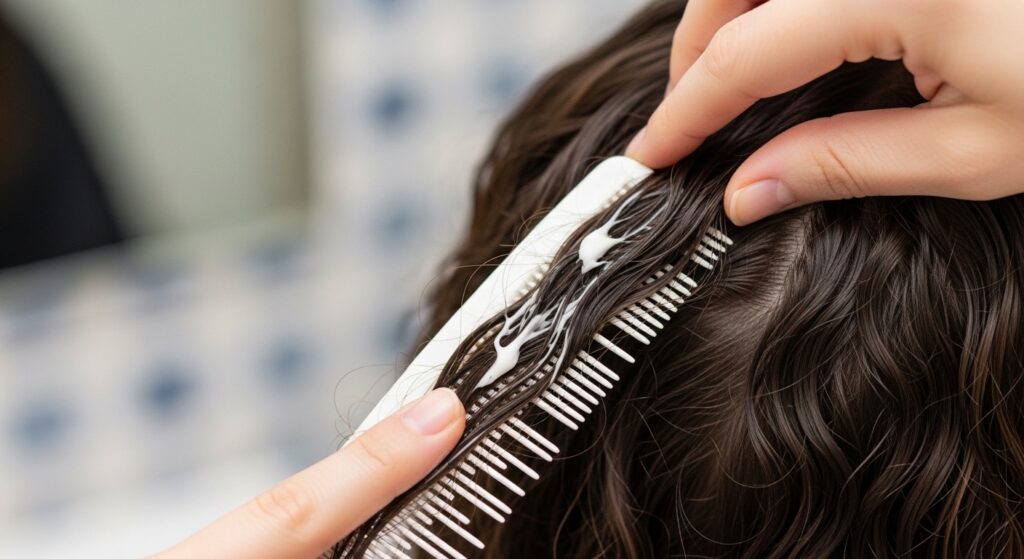
For my curly and wavy friends, defining curls isn’t about brushing. But a wide-tooth comb is your best friend for “shaping” your clumps.
After applying your curl cream or gel to sopping wet hair, use the comb to gently separate and lift your hair away from the scalp. Don’t “comb it out.” Instead, use it to guide sections into their natural clumps.
Then, scrunch. This helps eliminate any remaining tangles within the clump itself, leading to more defined, less frizzy curls from root to tip.
13. The “Undo The Bun” Gentle Detangle
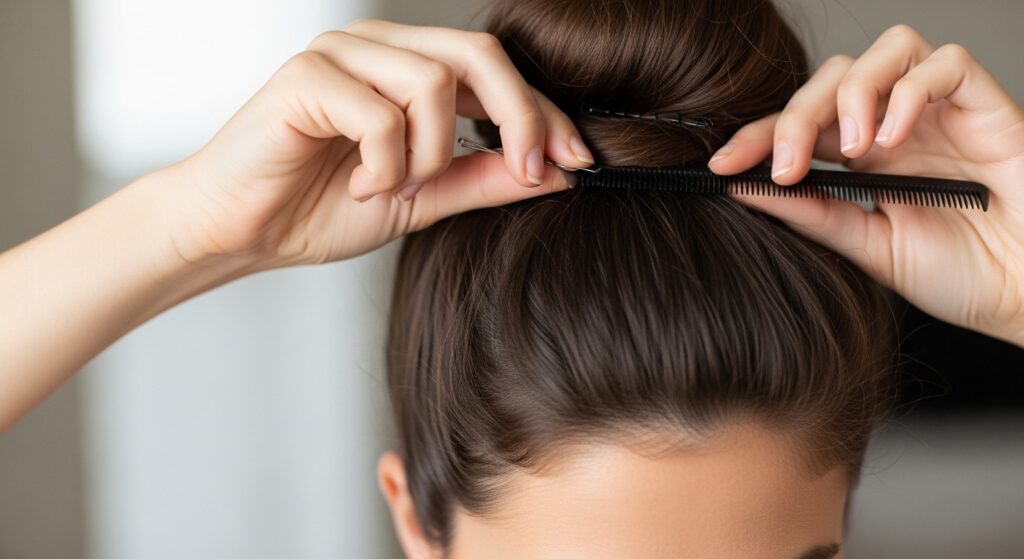
We all throw our hair up in a bun. But yanking a hair tie out and attacking the resulting kink with a brush is a breakage disaster.
First, carefully remove the tie. Then, use your fingers to gently massage and loosen the hair at the base where it’s most tangled. Apply a tiny bit of oil or detangler to that area.
Only after finger-detangling should you use your wide-tooth comb, starting from the very ends of the kinked section and slowly working up. Patience here prevents a massive hair fall.
14. The Weekly Deep Condition & Detangle Session

Once a week, upgrade your conditioner step to a deep conditioning mask or treatment. This is your hair’s weekly reset and recovery.
Apply the treatment to clean, towel-dried hair. Use your wide-tooth comb to distribute it perfectly evenly—this is a key step many skip! Then, leave it on, often with heat (a warm towel or shower cap), for the directed time.
The comb ensures the treatment penetrates every strand, repairing damage from the week and reinforcing your hair against future breakage. It’s the ultimate act of care.
Choosing Your Perfect Wide-Tooth Comb
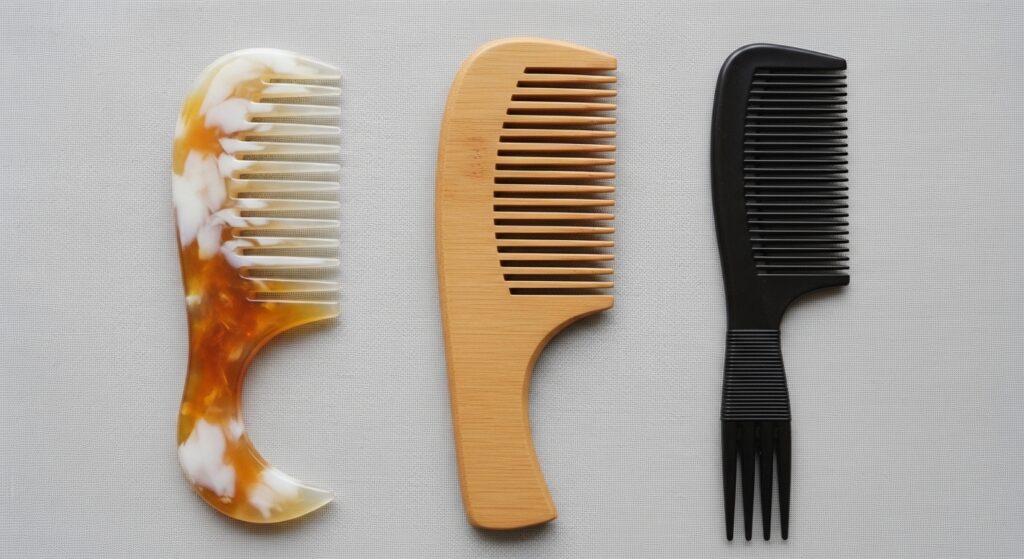
Not all combs are created equal. The wrong one can cause snagging and micro-tears. Look for these features:
- Seamless, Rounded Teeth: Molded combs with no seams are gentlest. Rounded tips won’t scratch your scalp.
- Material Matters: Wood or bamboo combs reduce static. Flexible rubber combs are great for wet hair.
- Comfortable Handle: You need a good grip, especially when your hands are slippery in the shower.
Invest in one good comb. It’s your most-used tool, more important than any fancy brush for the health of your hair.
Why Brushes Can Wait (The Wet Hair Rule)
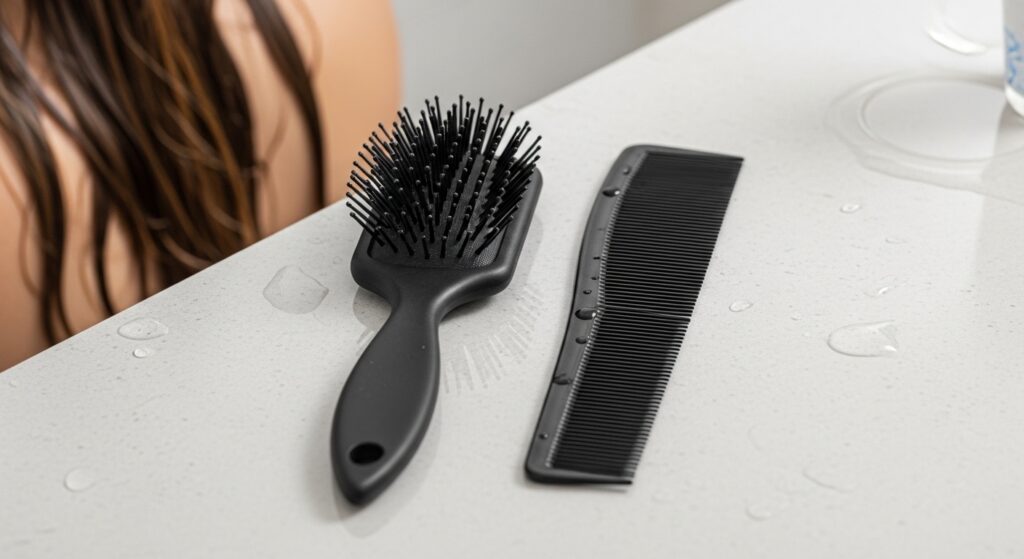
I love a good brush—but not on wet hair. Wet hair is in its most elastic and vulnerable state. Brushes, even wet brushes, can grab too many strands at once, stretching them to the breaking point.
Your wide-tooth comb is the only tool you should use from the shower until your hair is about 80% dry. It separates strands with less resistance and allows you to work in smaller, more controlled sections.
Once your hair is mostly dry and protected with product, then you can switch to a brush for smoothing and styling. Remember: Comb wet, brush dry(ish).
Detangling For Short Hair & Bangs
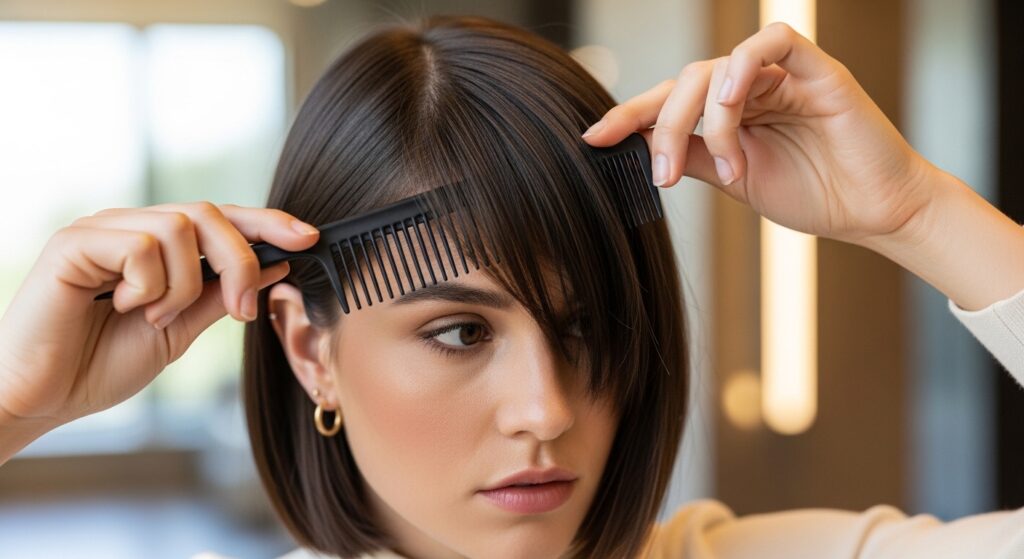
Short hair isn’t immune! In fact, styles with lots of texture like a vampire haircut or a piecey asymmetrical lob need careful detangling to keep their shape.
Use a smaller wide-tooth comb or even the tail of a comb for precision. Pay special attention to the hair around your crown and your bangs, which can get matted from product and sleep.
For bangs, comb them forward first, then gently guide them into their styled direction while damp. This prevents awkward cowlicks and keeps your short style looking sharp, not squashed.
The Product Cocktail For Ultimate Slip
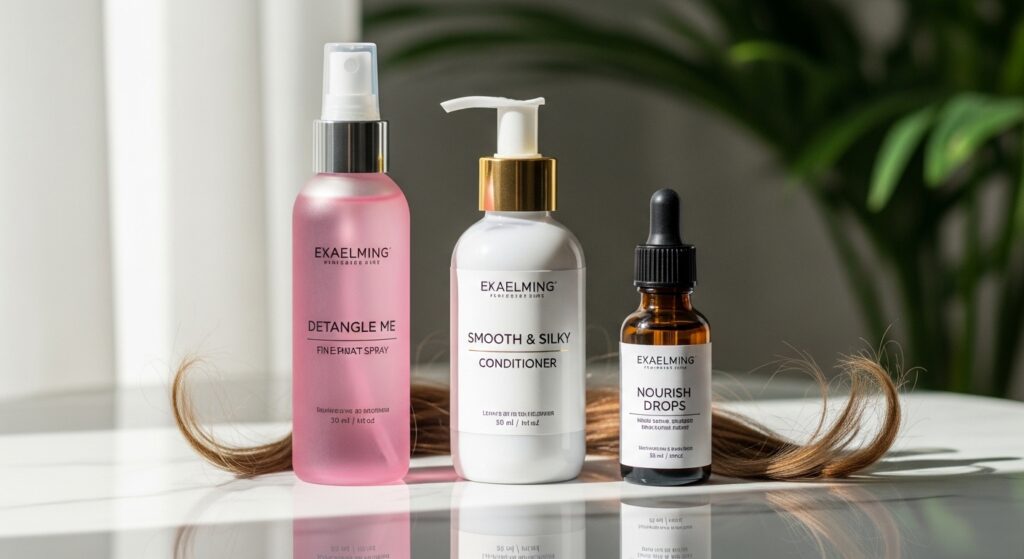
Sometimes you need extra help. Don’t be afraid to layer products for maximum slip and protection during detangling. Here’s a powerful combo:
- In-Shower: A moisturizing conditioner or mask.
- On Damp Hair: A leave-in conditioner spray.
- On Mid-Lengths & Ends: A few drops of hair oil or serum.
Comb through after each layer to distribute. This cocktail fights dryness, the main cause of tangles, and makes your comb glide. It’s perfect for high-manipulation 2026 hairstyles or color-treated hair.
Listening To Your Hair: When To Detangle Less
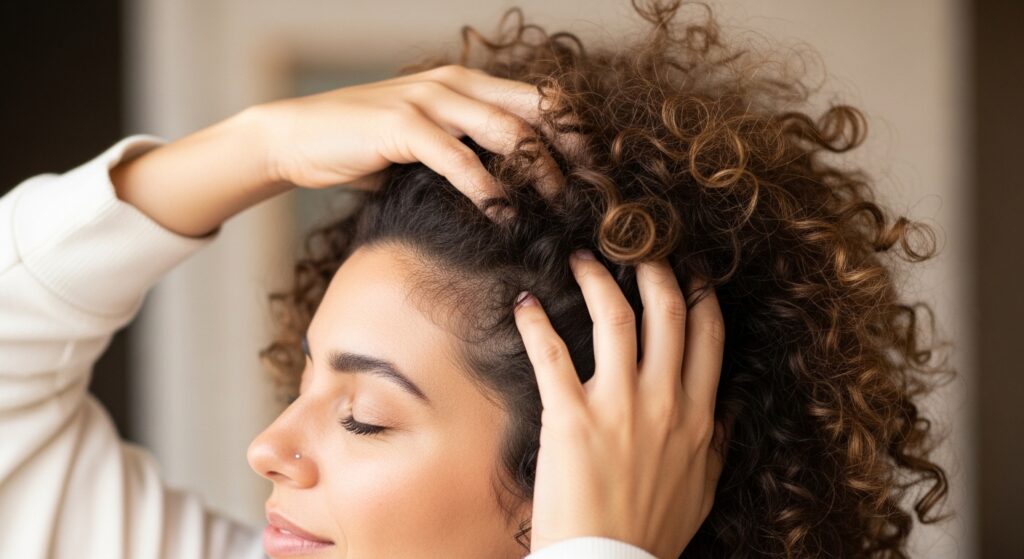
More detangling isn’t always better. Over-manipulation can cause breakage, especially for fragile or highly textured hair types.
If your hair is in a protective style, very dry, or you’re simply having a low-manipulation day, it’s okay to just finger-detangle. Gently separate knots with your fingers coated in a little oil.
The goal is health, not perfection. Listen to your hair. If it feels fragile, skip the comb and be extra gentle. Your hair’s needs change day-to-day.
Detangling As A Form Of Self-Care
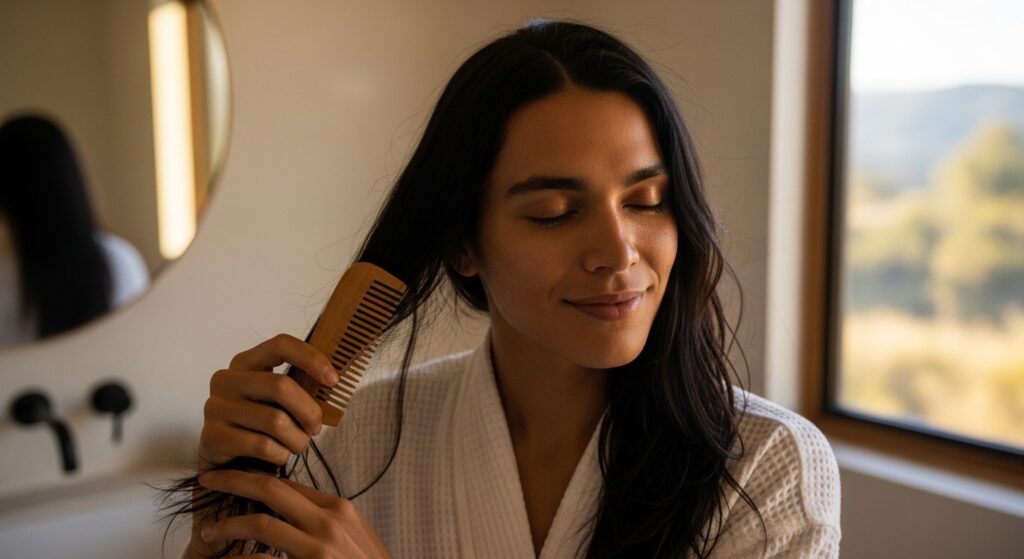
This isn’t just a chore. Turn your detangling routine into a mindful moment. Put on a podcast or some music. Focus on the gentle sensation.
Slow, deliberate combing stimulates blood flow to your scalp, which can promote healthier growth. It’s a few minutes where you are actively caring for yourself.
This shift in mindset turns a frustrating task into a peaceful ritual. You’re not just removing knots; you’re building the foundation for hair that feels and looks amazing, ready for any style from hime cut to glitchy glam.
Your Quick-Start Detangling Cheat Sheet
Let’s simplify. If you remember nothing else, live by these five rules:
- Always start detangling dry hair before you shower.
- Only use a wide-tooth comb on sopping wet, conditioned hair.
- Always start at the ends and work up to the roots, in sections.
- Protect your detangled hair with a leave-in and a silk pillowcase.
- Never, ever brush soaking wet hair.
Stick to this cheat sheet, and you’ll see a reduction in