
Detangle Matted Natural Hair Painlessly with Expert Tips
Hey friend. Let’s be real for a second. Finding a giant, stubborn mat in your natural hair can feel like a total disaster. Your heart sinks, you think of the pain, and you might even panic about having to cut it out. I’ve been there, staring in the mirror, totally defeated.
But take a deep breath. I promise you, you can get through this without the tears and without losing your precious length. It’s all about patience and the right process.
This guide is your step-by-step rescue plan. We’re going to detangle matted hair painlessly, save your strands, and get you back to dreaming about your next style, whether that’s an asymmetrical lob or some glitchy glam hair for a night out. You’ve got this.
First, Pause. Don’t Just Yank It!
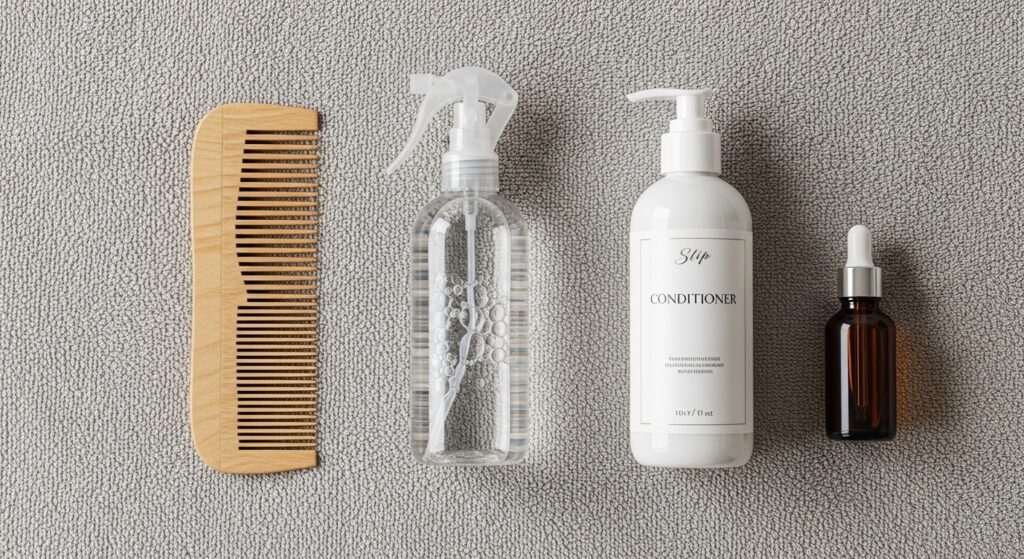
When you find a mat, your first instinct might be to attack it with a comb right away. Please don’t! Dry detangling a mat is the fastest way to cause breakage and serious pain. You’ll just tighten the knot and make everything worse.
Instead, put the comb down. Your goal right now is not to solve it, but to stop the panic. We’re going to work on this section slowly, with lots of slip and care. Rushing is the enemy here.
Gather Your Gentle Detangling Toolkit
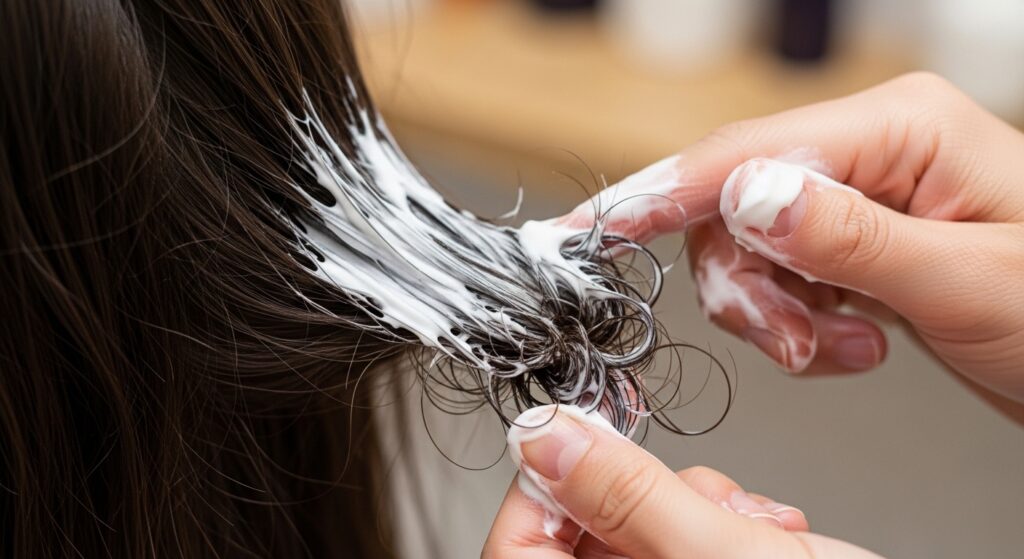
You don’t need fancy tools, just the right ones. Here’s what to grab:
- A wide-tooth comb or your fingers (for the initial work).
- A spray bottle filled with water.
- A deep conditioner or detangling spray with lots of slip.
- A light oil (like argan or jojoba) to seal moisture after.
- Some clips to section your hair.
Start with a Pre-Treatment Soak
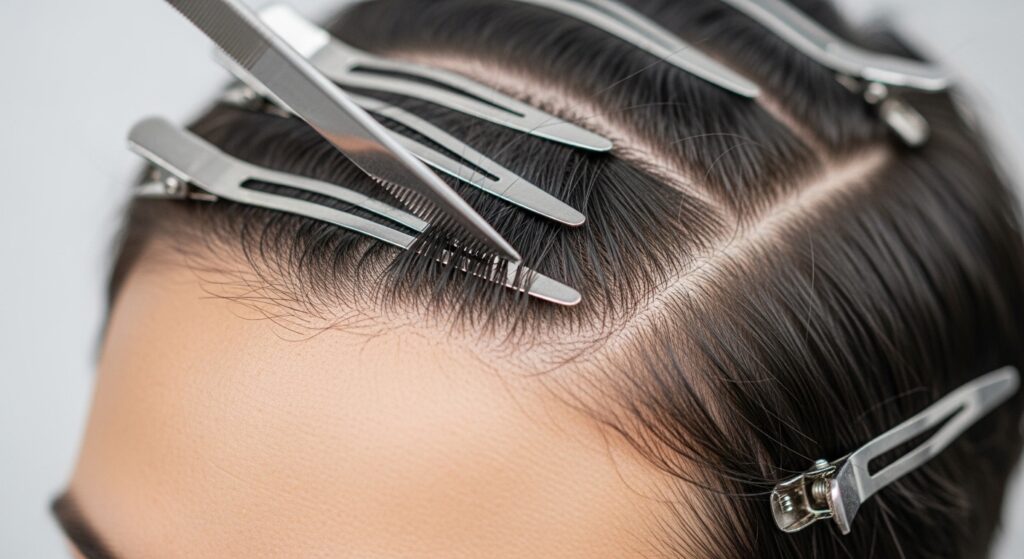
Before you even think about water, apply a generous amount of your slippiest conditioner or a dedicated pre-poo oil directly to the matted area. Coat it completely. This starts to soften and lubricate the strands from the outside.
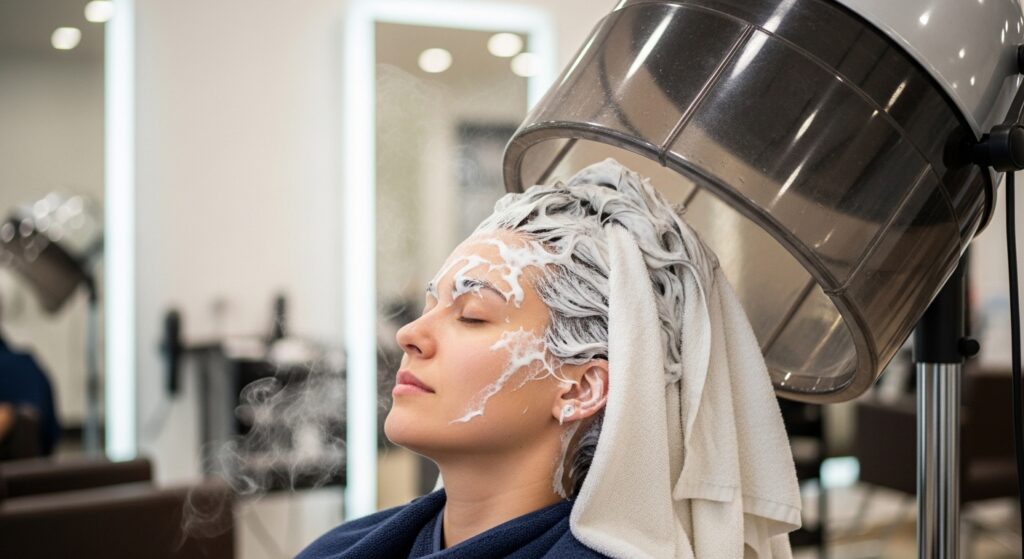
Let it sit for at least 15-20 minutes. For really bad mats, cover it with a plastic cap and use a little heat from a warm towel or a hooded dryer. This helps the product penetrate.
Work in Small, Managed Sections
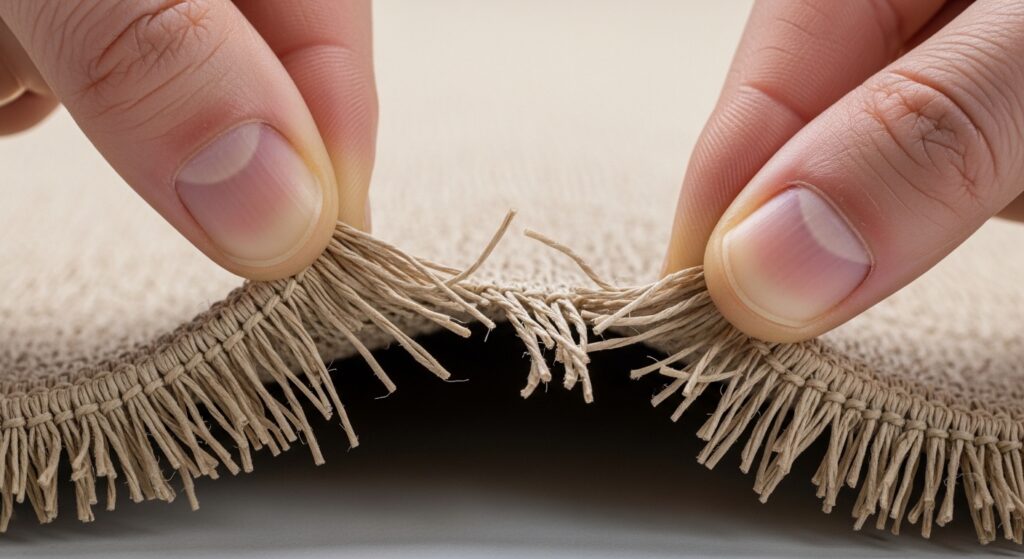
Never try to tackle all your hair or even a whole mat at once. Use your clips to isolate the area around the mat. Then, from that area, take a very small subsection to start with.
Working on a tiny piece gives you control and makes the process less overwhelming. It allows you to carefully find the edges of the mat and work your way in, which is our next step.
Finger Detangling is Your Best Friend

Before any tool touches your hair, use your fingers. Apply more conditioner or water to the small section. Gently feel for the outer edges of the mat and try to pull a few strands loose.
Use a gentle rubbing motion with your fingertips to help loosen the knot from the outside in. Your fingers are more sensitive than a comb and can feel where the tension is, preventing snaps.
Spray, Don’t Pour, for Moisture
As you work, you’ll need to keep the area damp and slippery. Use your spray bottle to mist the section lightly. You want it wet, but not dripping soaking wet.
A fine mist helps add moisture without washing away your slippery conditioner. It reactivates the product and makes the hair more pliable. Think of it as a moisture refresher during the process.
The “Start from the Bottom” Rule
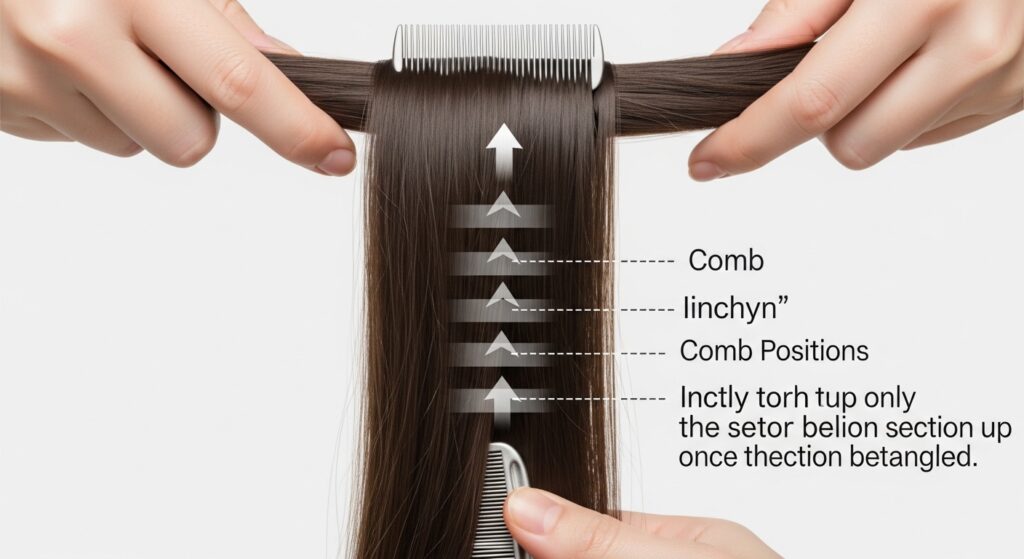
Once you’ve finger-detangled the very edges and your section is super slippery, you can introduce your wide-tooth comb. Always start at the very bottom tips of the hair, an inch or two up from the ends.
Gently comb through that bottom bit. Once it’s clear, move up an inch and comb from that point down to the ends. This gradual method prevents you from pushing all the tangles into one big, impossible knot at the bottom.
Use a Holding Pattern for Tension
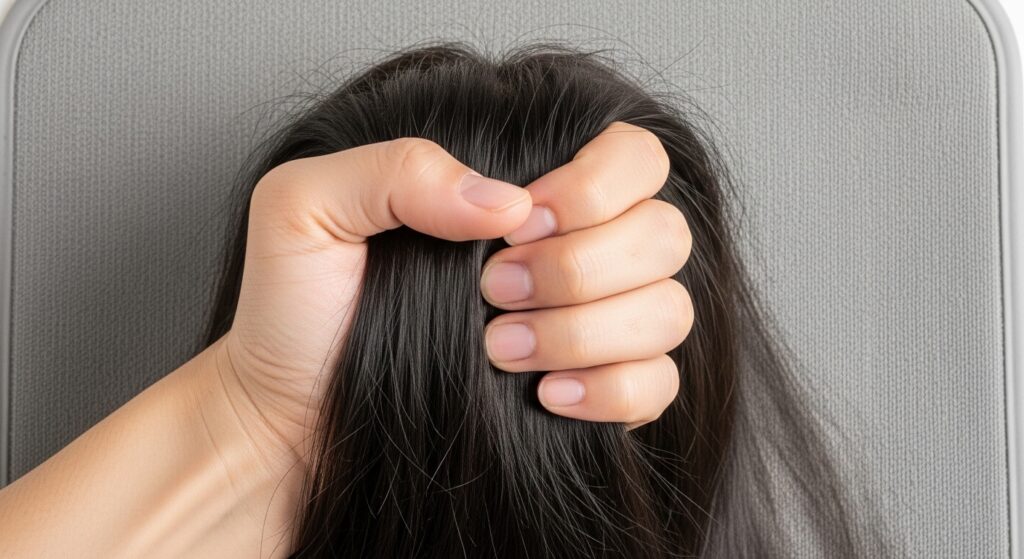
To prevent painful pulling on your scalp, always hold the hair shaft firmly above the point where you are combing. This absorbs the tension.
If you feel the comb catch, stop. Don’t force it. Apply more conditioner or water to that specific spot, use your fingers to gently pry it apart, and then continue with the comb. Your scalp will thank you.
When to Take a Break
Detangling a severe mat is a marathon, not a sprint. If you feel your arms getting tired or your frustration rising, it’s time to stop. You can re-clip the section, cover it with a plastic cap, and walk away for 30 minutes or even overnight.
Let the conditioner continue to work. Coming back with fresh energy and patience makes all the difference. Forcing it leads to mistakes.
After the Mat is Out: Deep Condition
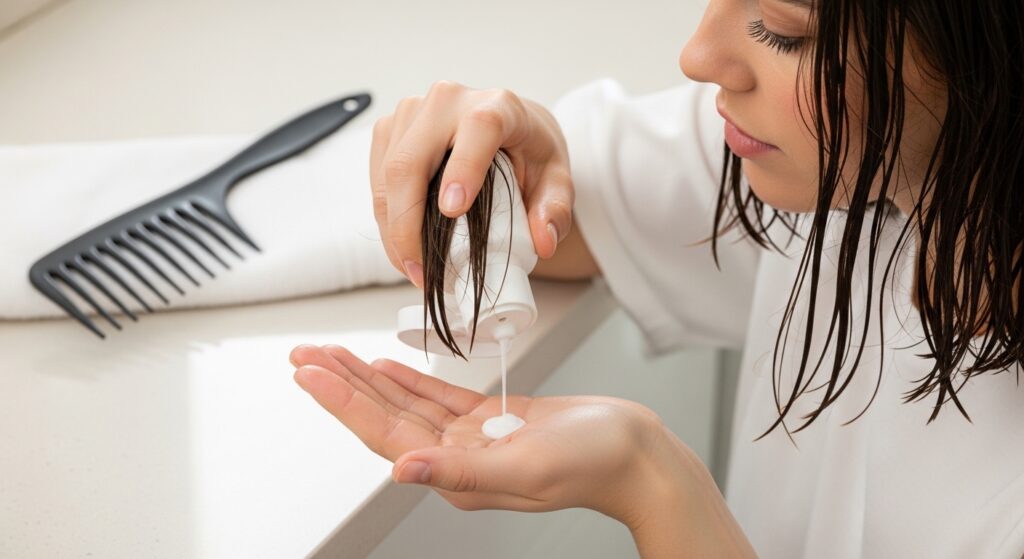
Once the mat is completely gone, your hair has been through stress. It needs love. Apply a rich, moisturizing deep conditioner to the entire strand, focusing on the area that was matted.
Use heat for 15-30 minutes to help it penetrate. This will restore moisture, strength, and elasticity to the strands that were stretched and manipulated.
Be Extra Gentle During Drying
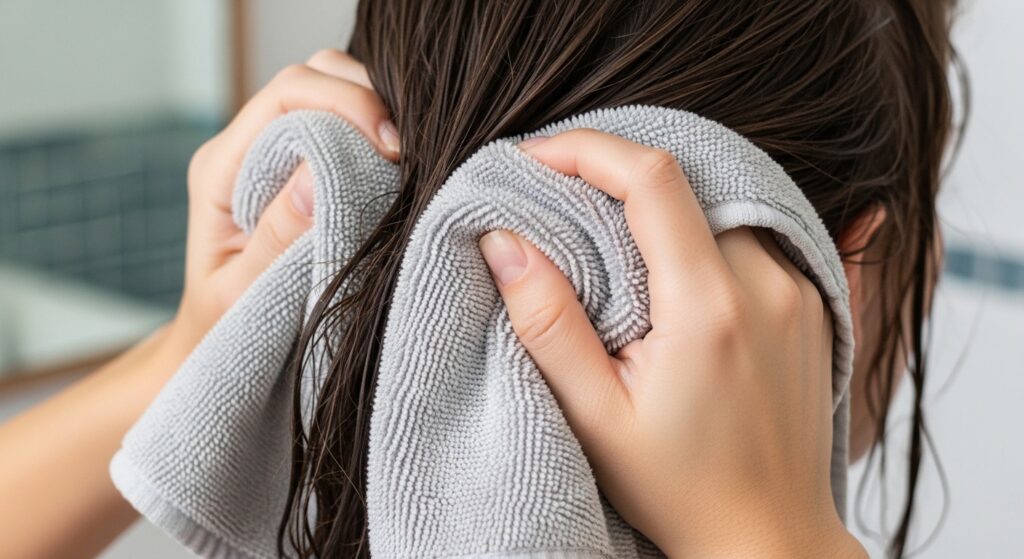
After rinsing the conditioner, treat your hair like fine silk. Never rub it roughly with a towel. Instead, use a soft microfiber towel or an old cotton t-shirt to gently squeeze out the excess water.
Rough drying creates frizz and new tiny tangles. Patience here sets you up for a smoother style, whether you’re air-drying for a defined look or prepping for a sleek quiet luxury bob.
Detangle Again on Damp, Conditioned Hair
Your final detangling should happen on hair that’s damp and coated with a leave-in conditioner or detangler. This is when you can do a full, gentle pass from ends to roots with your wide-tooth comb or a detangling brush.
Because you’ve already done the hard work, this should be smooth and easy. It ensures your hair is perfectly tangle-free before you style or dry it completely.
Protective Styling for Recovery
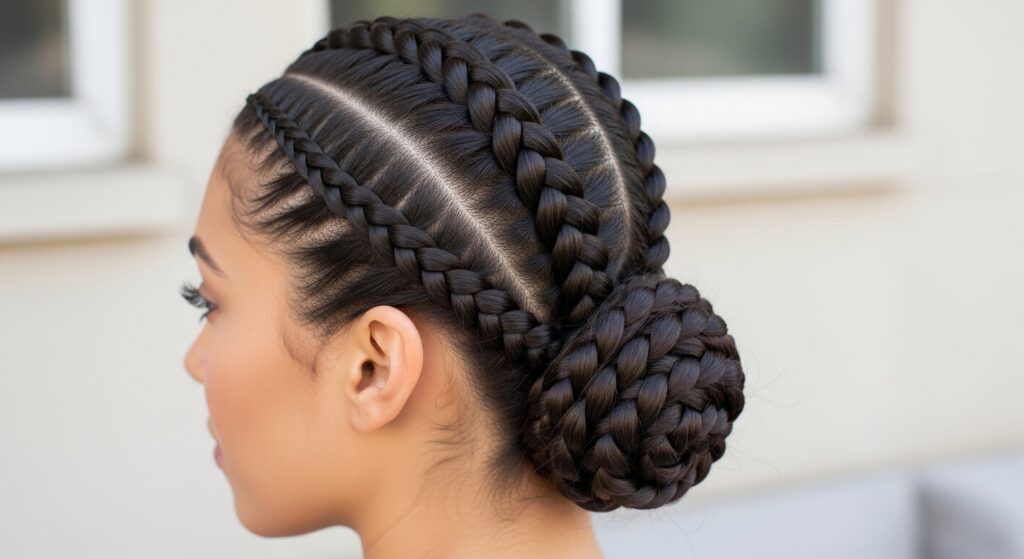
After all that work, give your hair (and yourself) a rest. A low-manipulation or protective style is perfect. Think a simple braid, a loose bun, or twists.
This minimizes handling and prevents new tangles from forming as your hair recovers. It’s the perfect time to plan your next big chop for 2026 hairstyles or grow out your hime cut without daily stress.
Regular Maintenance is Prevention

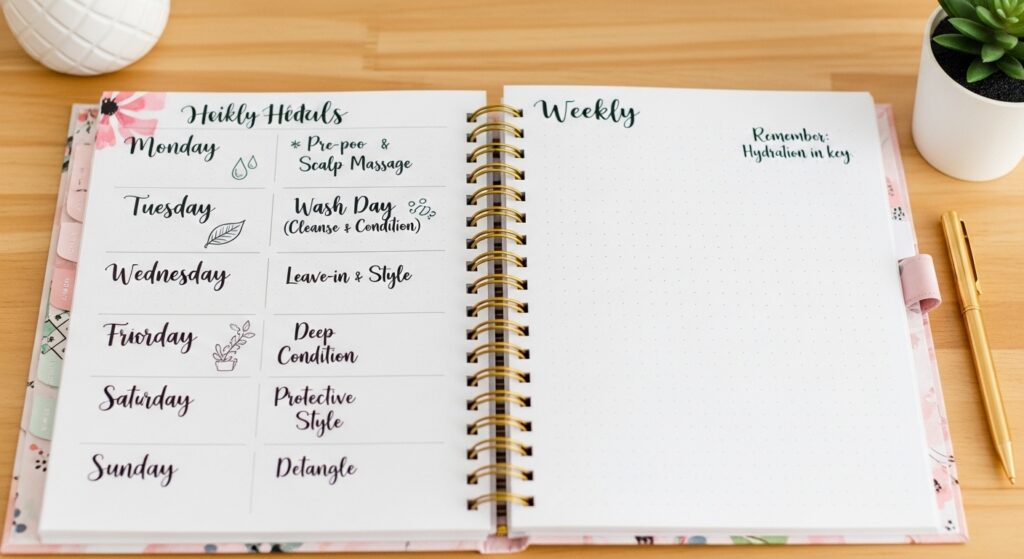
Mats often happen from neglect or friction. Set a simple schedule. A weekly deep conditioning session and a gentle mid-week detangling can prevent mats from ever forming.
Even if you’re rocking low-maintenance old money hair vibes, the upkeep underneath matters. Consistent care is always easier than crisis management.
Sleep on Silk or Satin
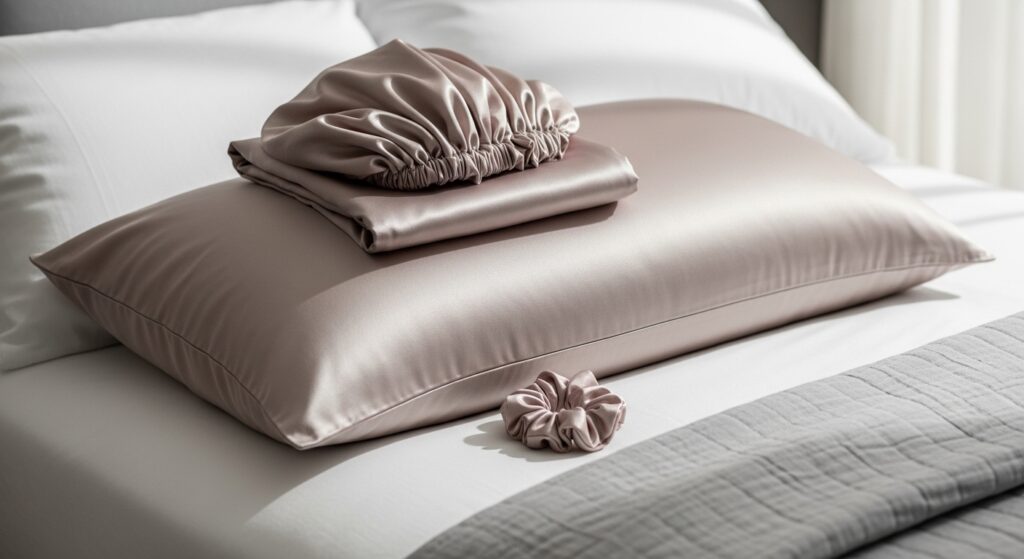
Cotton pillowcases create friction that tangles and dries out hair. Switch to a silk or satin pillowcase, or wear a silk bonnet or scarf to bed.
This one change reduces nighttime tangles and moisture loss dramatically. It protects all hairstyles, from your everyday look to intricate romantic goth hairstyles you want to preserve for a second day.
Know When to Seek Professional Help
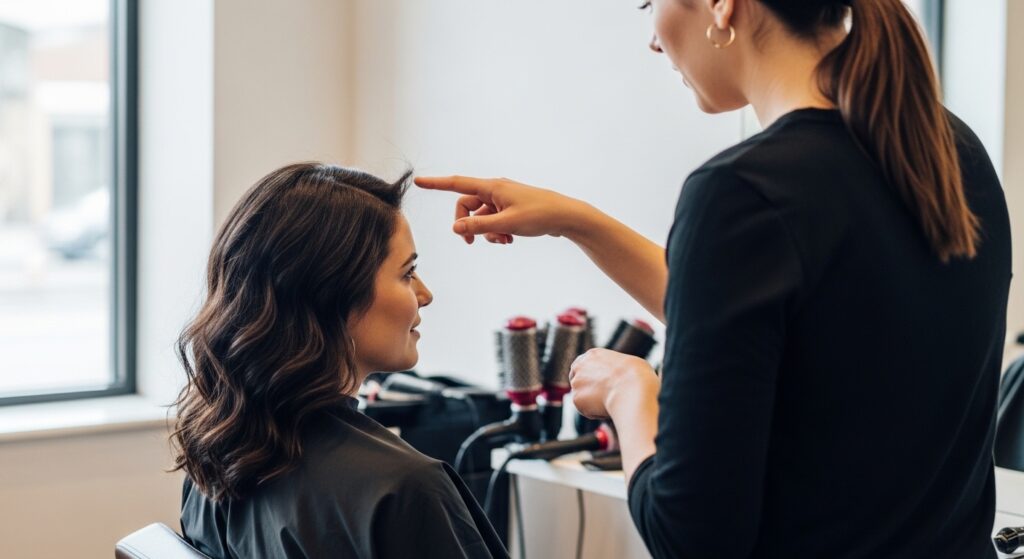
If a mat is very close to the scalp, covers a large area, or is just not budging, it’s okay to call a professional. A skilled stylist can often save more hair than you think.
Be honest with them about what happened. It’s their job to help, not judge. They can get it out safely and might even give you a fresh vampire haircut or asymmetrical lob if you need a change after.
Trim with Care, Not Panic
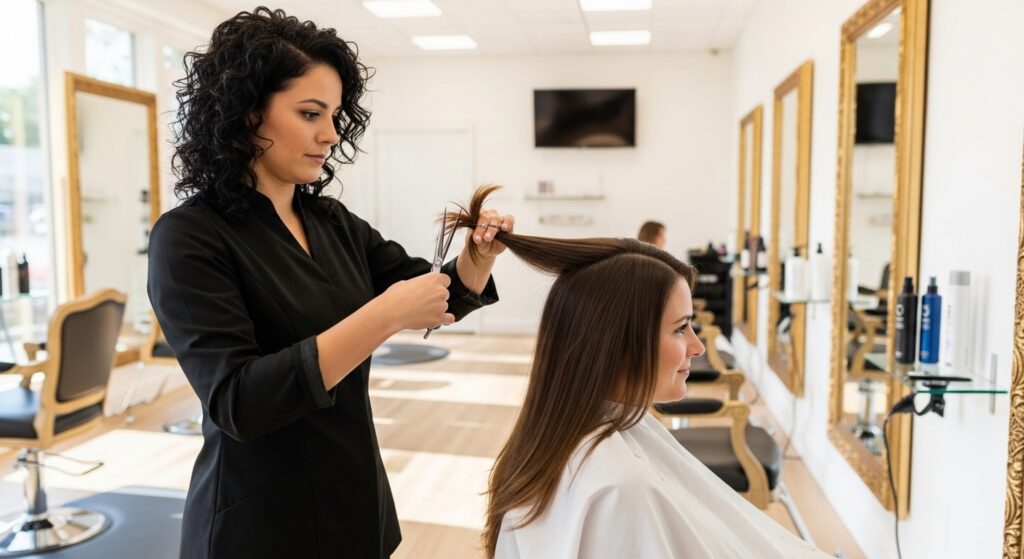
Sometimes, the very center of a severe mat may need to be trimmed. If so, a professional can do a selective trim, cutting only the most damaged bits while preserving the surrounding length.
This isn’t a failure. It’s a strategic move for the health of your hair. Healthy ends are better than long, damaged ones.
Learn Your Hair’s Tanggle Points

Pay attention to where your hair mats most often. Is it the nape of your neck? Behind your ears? These are common friction points.
Knowing this lets you be proactive. You can apply extra conditioner there, detangle those sections first, or protect them more during sleep and wear.
Choose the Right Products for Your Hair
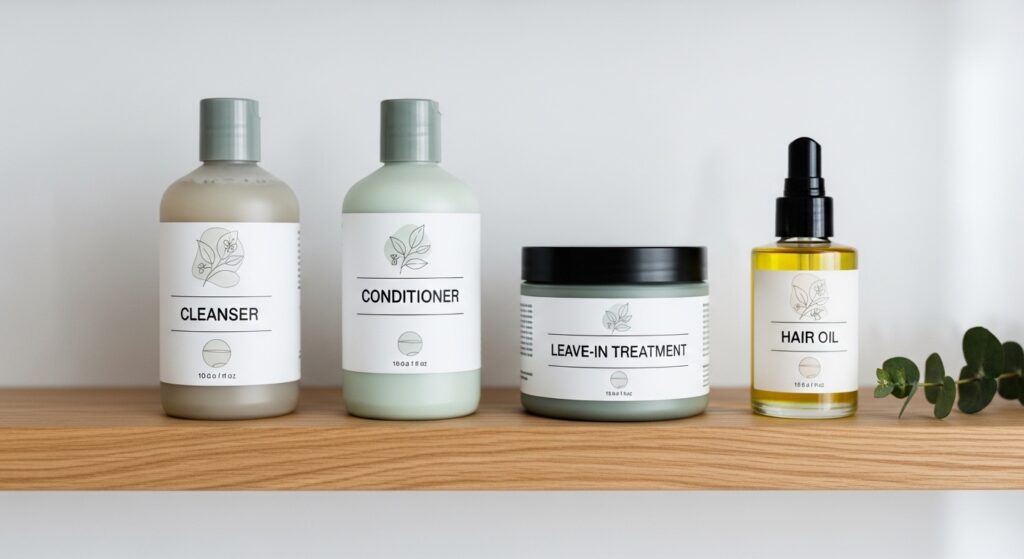
Not all products work for all hair. Focus on finding a moisturizing conditioner and a leave-in that give your hair great “slip.” This means they make your hair feel slick and easy to comb when wet.
You don’t need a shelf full. You need a few that really work. This is more important than any trend, from glitchy glam hair to the simplest wash-and-go.
Patience is Your Most Important Tool

I’ll say it again: you cannot rush this. Settle in, put on a podcast or some music, and accept that it will take the time it takes. Getting frustrated only makes you more likely to cause damage.
Celebrate small victories, like freeing one tiny section. This mindful approach saves your hair and your peace of mind.
You Saved Your Hair! Now Celebrate
You did it! Take a moment to appreciate your patience and the health of your hair. Show it some love with a light oil to seal in all that moisture and give it a beautiful shine.
Now that it’s saved, you can think about fun stuff again. Maybe it’s time to try those face-framing layers or finally get that chic cut you’ve been eyeing. Your healthy hair is ready for anything.
So, friend, we made it to the other side. I hope this step-by-step walkthrough takes the fear out of finding a mat. Remember, it’s just a temporary setback, not a disaster. With the right gentle approach, you can always work through it.
Your hair is resilient, and so are you. Keep this guide bookmarked for a rainy day, and stick with that gentle, consistent care. It makes all the difference between hair that struggles and hair that thrives, no matter what style you rock.
Save this post to Pinterest so you always have your detangling rescue plan handy! And tell me in the comments—what’s the first thing you do when you find a tangle? Your tips might help someone else!