Elegant Braided Bun for Ballet Recitals and Formal Piano Recitals
Recital season is here, and if you are anything like me, you want a hairstyle that looks polished, survives nerves and bouquets, and does not take over your whole morning. This elegant braided bun is exactly that hairstyle.
It works for ballet recitals, formal piano performances, and honestly any event where grandma is taking too many photos. It looks intricate from the audience, but it is secretly simple. You do not need a stylist or an extra pair of hands. Just ten minutes, a few bobby pins, and a little patience.
I have tested this on myself, on my niece, and on friends who swear they cannot do hair. It never fails. So grab your brush. We are building a bun that will make any recital program proud.
Why This Bun Works for Every Recital
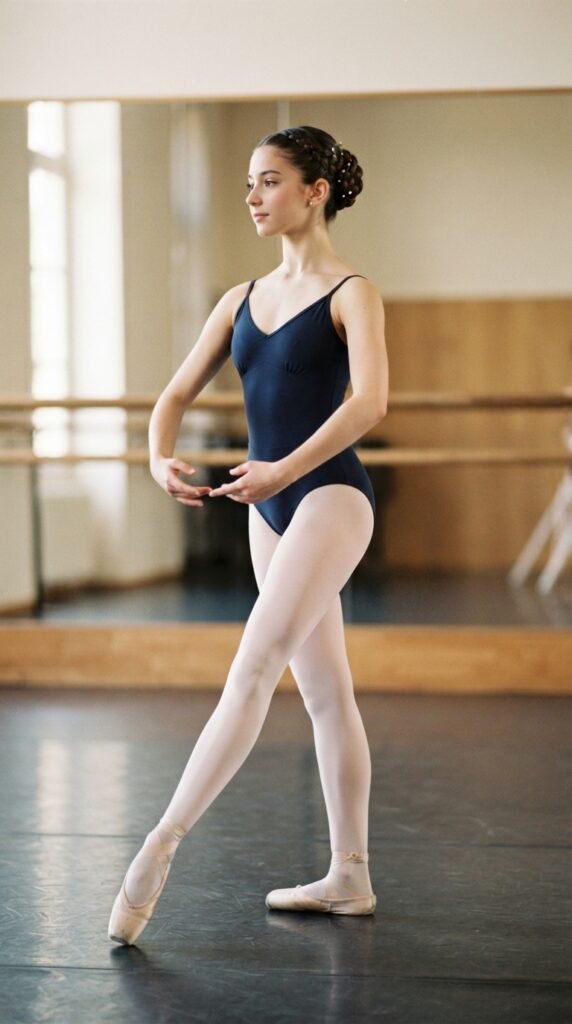
For ballet, you want something sleek that shows off your neck and posture. For piano, you want something polished that stays out of your face. This braided bun checks both boxes easily.
It reads fuss-free and graceful, even though it looks like you spent an hour on it. That is the trick. The braid adds soft, pretty texture while the bun keeps everything neat and secure.
Even in 2026 hairstyles roundups, this bun keeps showing up because it simply works for everyone. Old money hair or romantic goth hairstyles, this style fits right in.
What You Need Before You Start
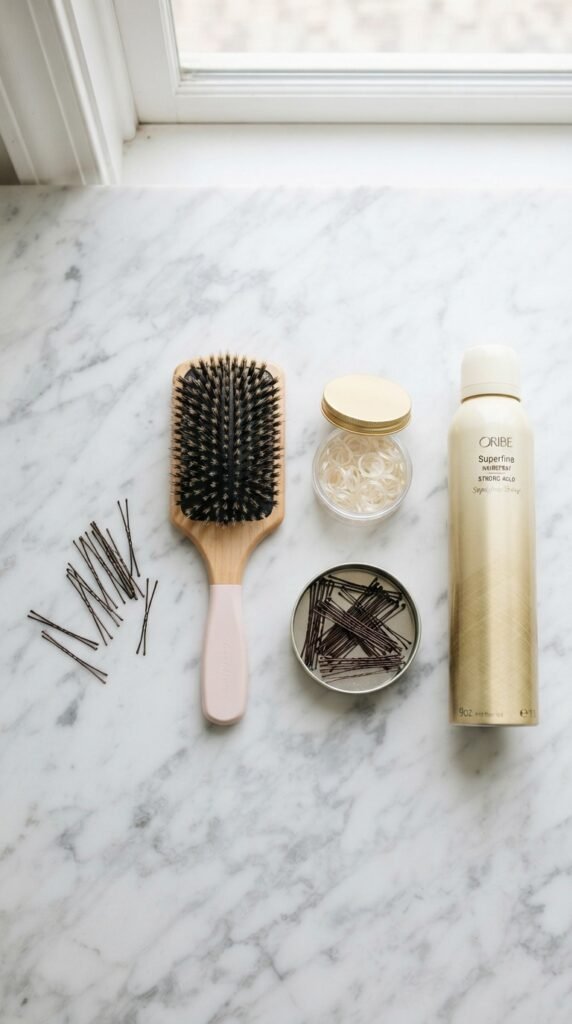
Stop scrolling and gather these first:
- Brush and fine-tooth comb
- Clear elastic bands, two or three
- Bobby pins that match your hair
- Hairspray or strong-hold gel
- Optional: ribbon or small pearl pins
That is seriously it. No fancy tools, no expensive gadgets. Most of it is probably sitting in your bathroom drawer right now. If your hair is slippery, add a little texture spray. If it is curly, a dab of leave-in conditioner keeps everything smooth and easy to handle.
Start with Clean, Dry Hair
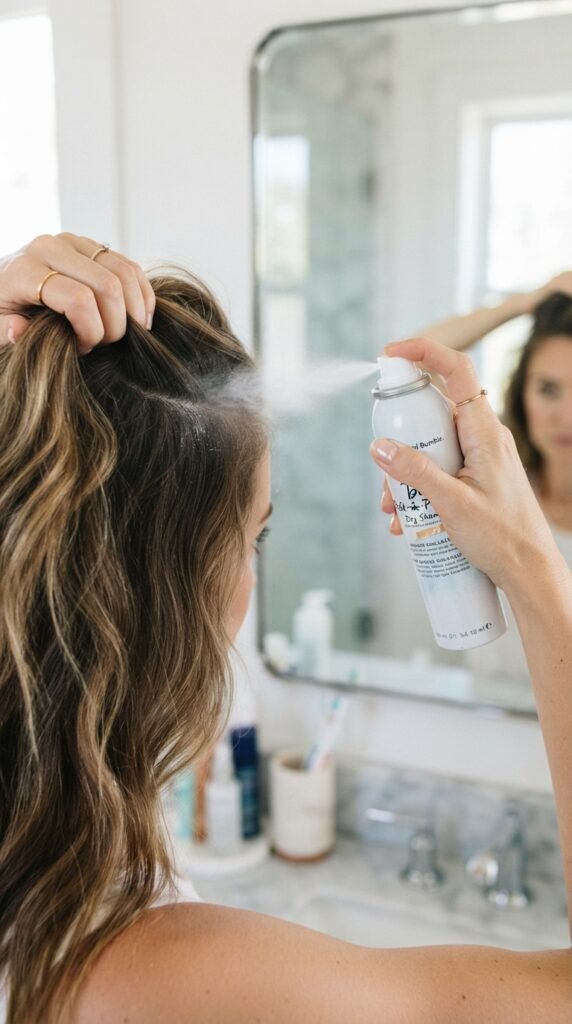
Freshly washed hair is not always your friend. It slips out of buns faster than you would think. If you washed your hair this morning, add a little dry shampoo or texture powder at the roots.
Dry hair grips better, and braids hold their shape much longer. So no, you do not need to rewash. Day-old hair is honestly the MVP of this style.
If your hair is freshly washed, just work a small pump of mousse or styling cream through it before you brush.
Find Your Part
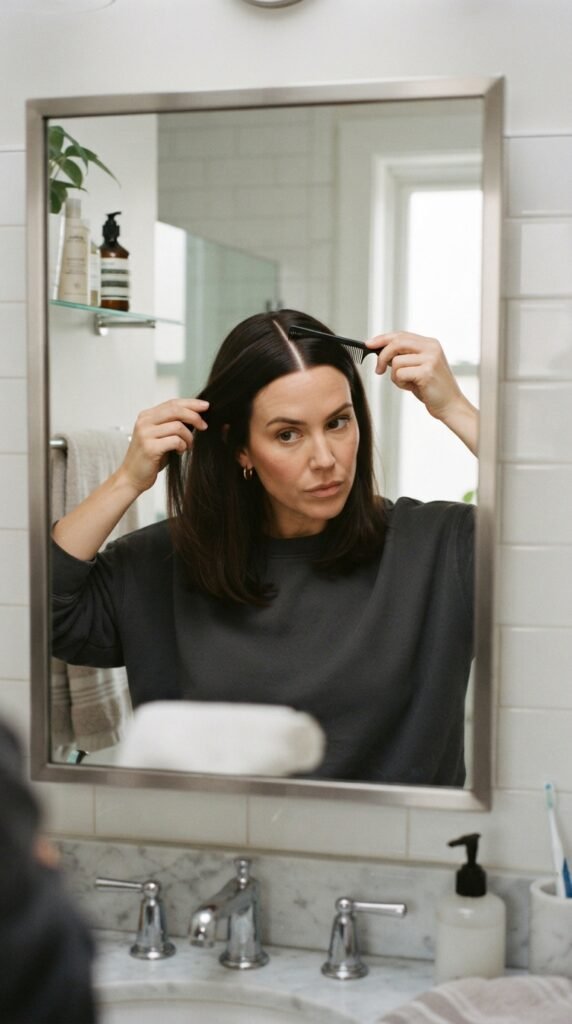
This is where you can play a little. A center part reads very old money hair, all quiet and symmetrical. A deep side part feels softer and a little more youthful.
Use the end of a comb to draw a clean line. For ballet, a center part is traditional. For piano, either one works beautifully.
If you have a hime cut with face-framing pieces, a side part lets those strands land where you want. For a modern touch, make your part slightly zigzag. It hides scalp shine and adds that fresh 2026 hairstyles energy without being loud.
Brush It All Back Smoothly
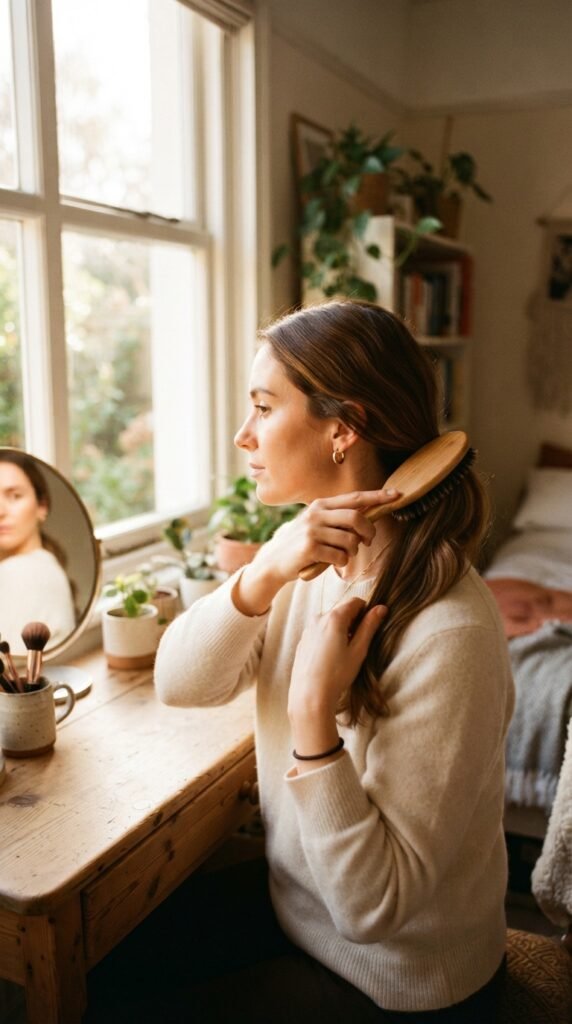
Smoothness matters here. Brush your hair back with soft, even strokes. Use a boar-bristle brush if you have one. It spreads natural oils and leaves a glossy finish.
Do not pull too tight at the front. You want it neat, not painful. And keep the bun base low, at the nape or just below the crown.
That lower placement looks more formal and less cheerleader. It also keeps little ones comfortable during a long recital. A small detail that makes a big difference.
Create a Low Ponytail
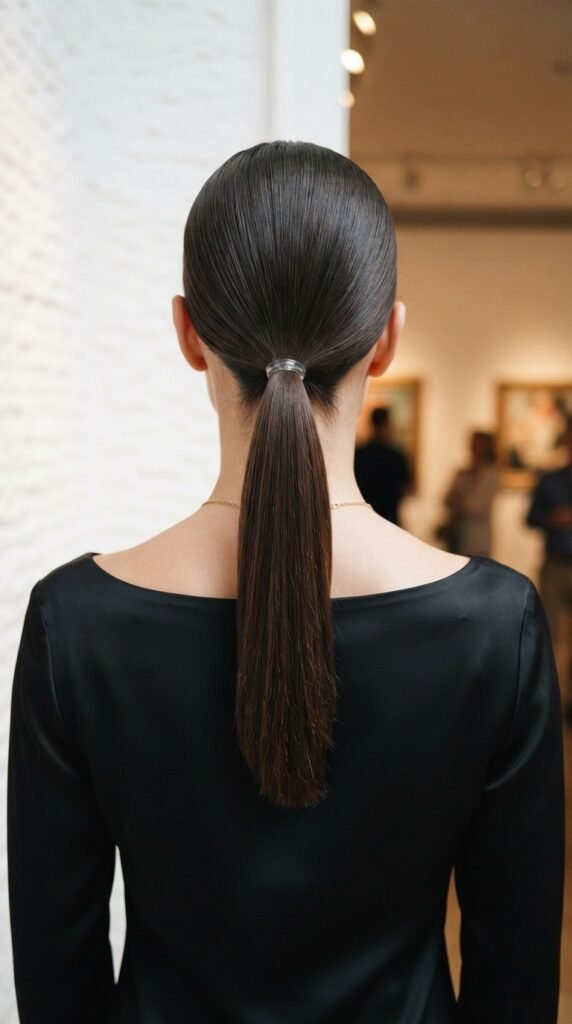
Gather your hair into a low ponytail at the spot where your head meets your neck. Secure it with a clear elastic. Not too tight, not too loose.
Run your fingers around the base to check for bumps. Smooth them out before moving on. This step is what separates a decent bun from an elegant one.
For an extra polished finish, wrap a thin strand of hair around the elastic and pin it underneath. It gives a salon look in about five seconds.
Braid the Ponytail
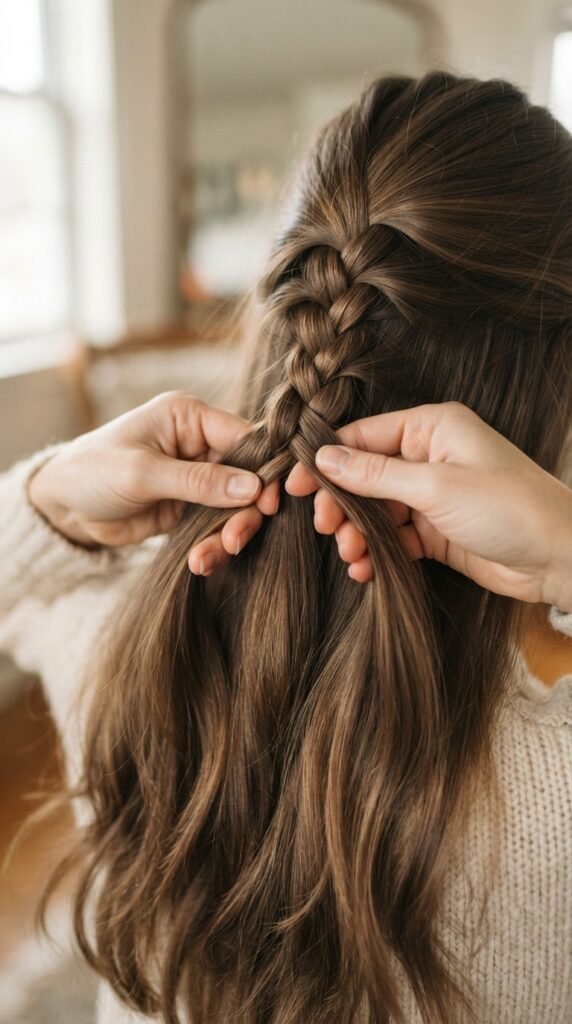
Split the ponytail into three even sections. Start a classic three-strand braid. Keep the tension firm but comfortable. You want it neat, not crunchy.
Braid all the way to the ends, then secure with another clear elastic. If a few layers escape, do not stress. A slightly undone braid has actual charm.
If you want something fancier, do a French braid or a Dutch braid. The rest of the steps stay the same. For romantic goth hairstyles, gently loosen the braid for that soft, moody finish.
Wrap the Braid into a Bun
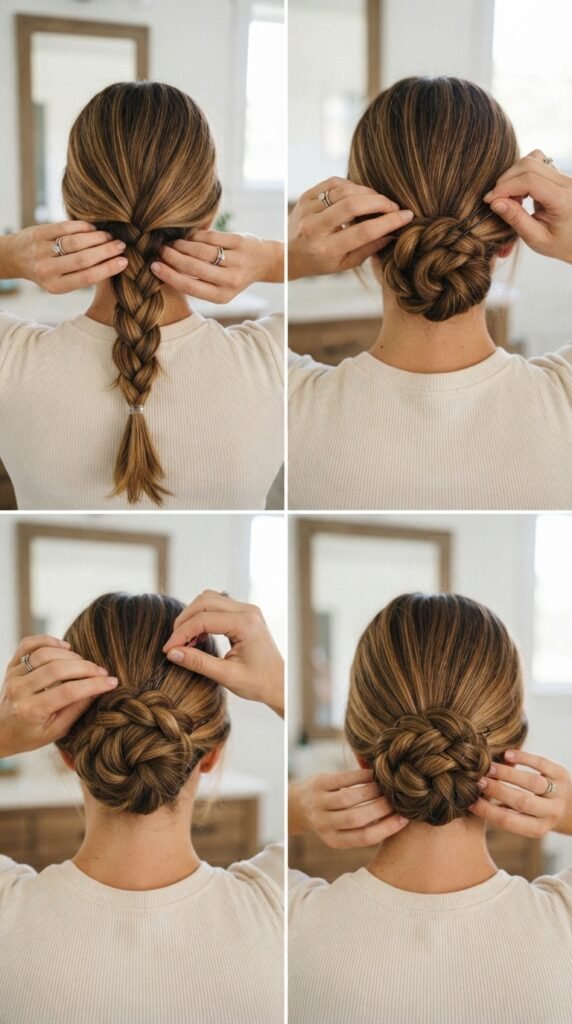
Now the fun part. Wrap the braid around its own base like a cinnamon roll. Keep it flat against your head so it does not look bulky.
Tuck the tail end underneath when you finish. Then pin around the outside edge with bobby pins. Slide each pin inward so no metal shows.
Do not rush this. One or two pins will not survive a performance. Use six to eight. Think of them as your backstage crew.
Pin Like You Mean It
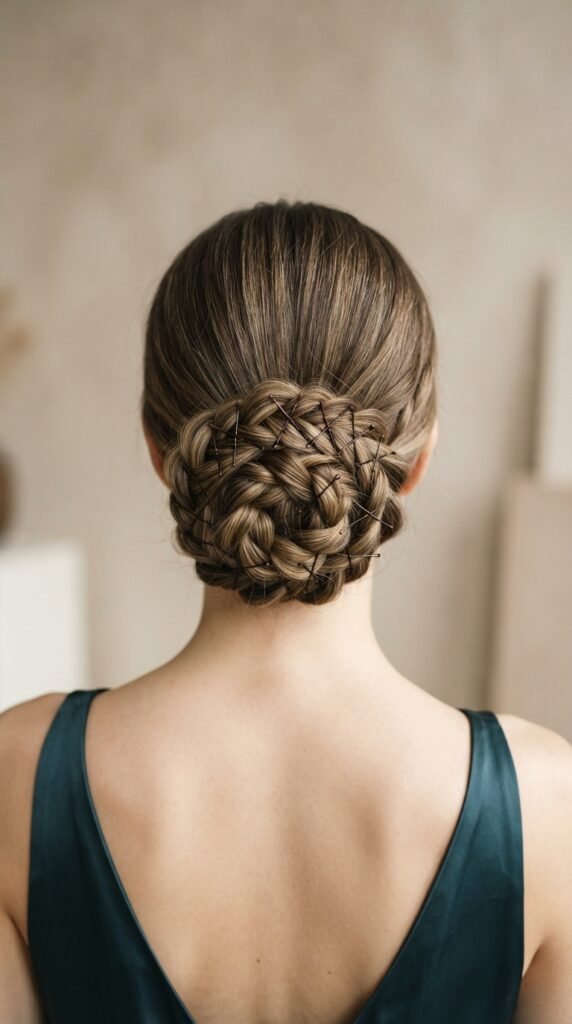
Let us talk bobby pins for a second. Slide them in at an angle, crisscrossing the edges of the bun. Keep them flat against your head so they actually grip.
Test it by shaking your head gently. If the bun moves, add more pins. If it stays, you are golden.
Pro tip: put a little hairspray on your fingertips and pat the bun before pinning. That adds grip without soaking your hair. This combo holds through encores and curtain calls.
Smooth Down the Top
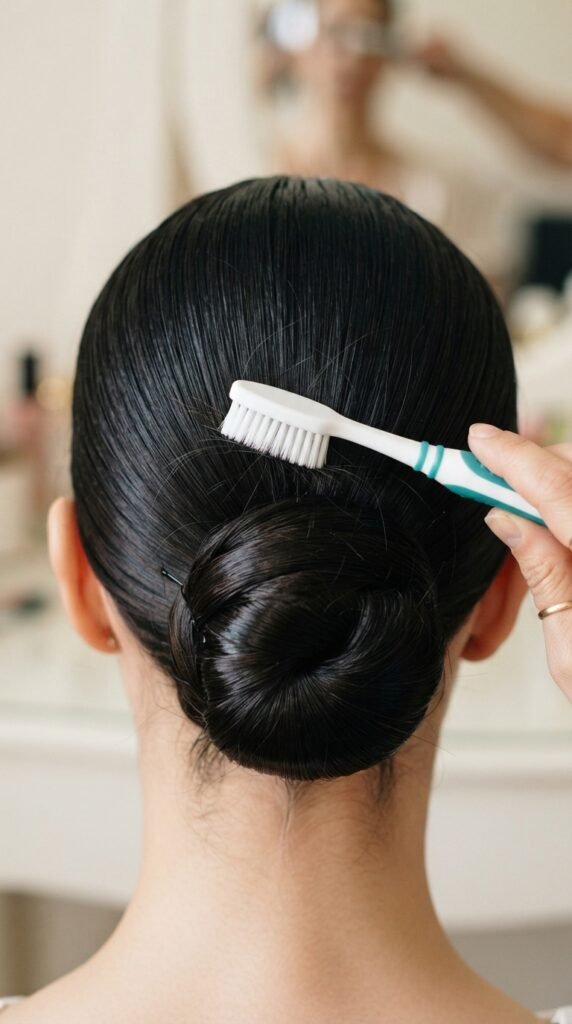
Take a soft toothbrush or a clean mascara wand. Spray it lightly with hairspray and brush your baby hairs down. This gives you that sleek old money hair finish.
If you prefer a softer look, leave a couple of wisps around your face. That is lovely too. Just make sure they do not fall into your eyes when you bow.
For formal piano recitals, sweep those wisps back and tuck them under the bun for a spotless silhouette.
Make It Last All Day
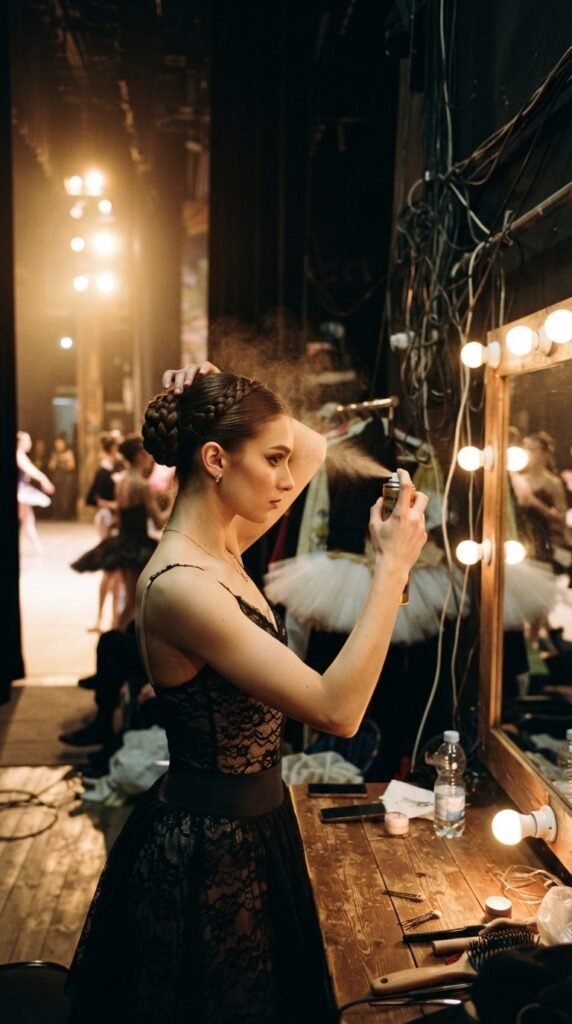
Recitals run long. Between dress rehearsal, backstage waiting, and the actual show, your bun needs to survive hours of excitement.
Use strong-hold hairspray in short bursts around the entire bun. Avoid one heavy soak. Then, if you can, sit under a cool dryer for thirty seconds to set everything.
For kids, choose a gentle spray that will not make their scalp itch. Pack extra pins in your bag. Your bun will look just as good at the final bow as it did at the opening note.
The Kid-Friendly Version That Holds
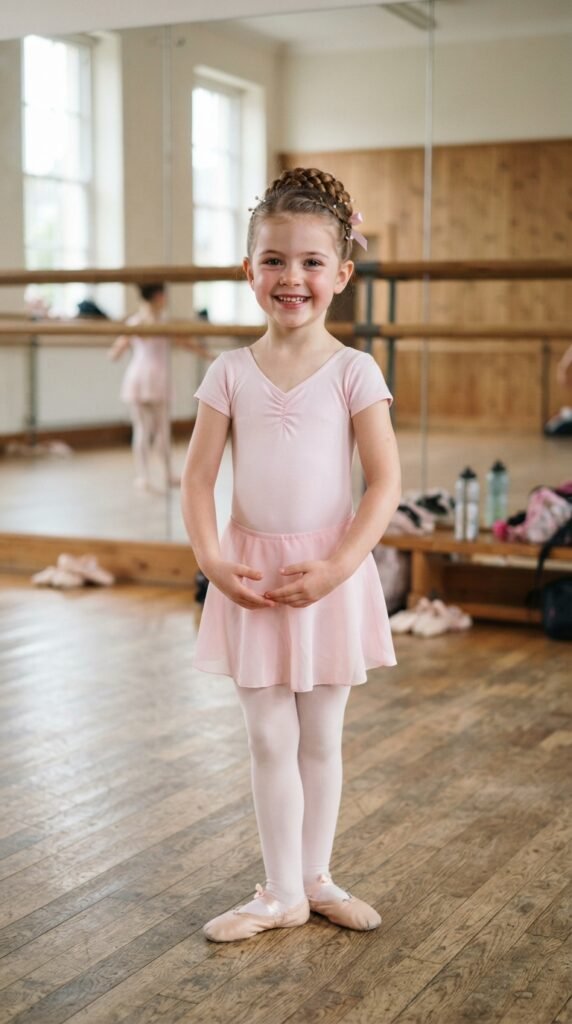
Little dancers tend to have wispy, fine hair that escapes everything. So here is the kid version. Add a bit of gel to a toothbrush and smooth every strand before pulling the hair back.
Follow the same braided bun steps. Use smaller pins and cross them tightly. For ballet, add an extra clear elastic at the base of the ponytail before braiding so the bun has more structure.
Practice this at home a few nights before the recital. When kids know what to expect, the whole morning goes much more smoothly.
For Thick or Heavy Hair
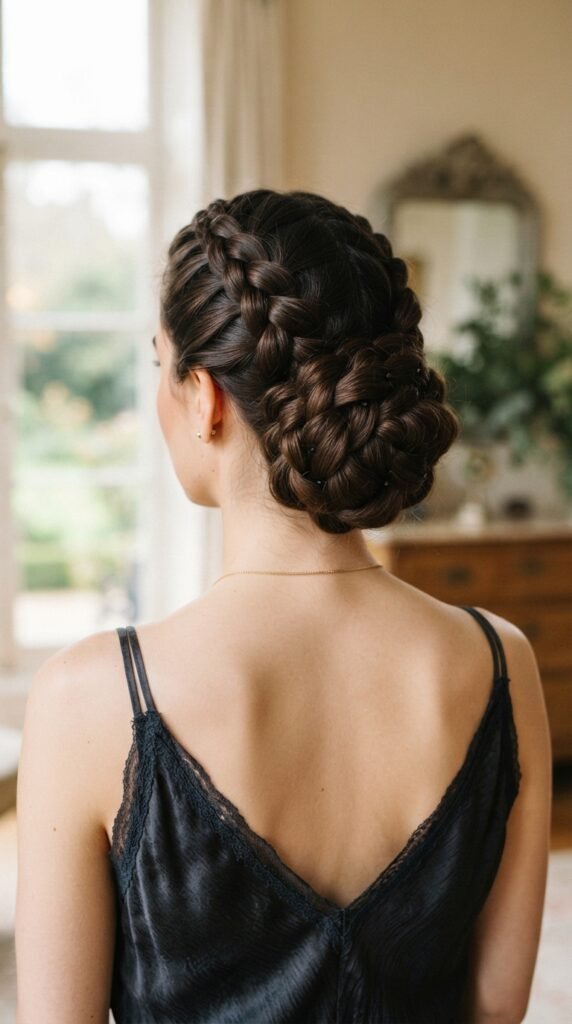
Thick hair is beautiful, but it can pull a bun down over time. If your braid feels heavy, split it into two braids instead of one. Wrap both braids around each other in a double twist bun.
That distributes the weight evenly and keeps the silhouette flatter against your head. Pin both braids well. Choose matte, strong pins if you have them.
A neat, contained shape is always more flattering under stage lights. This is one of those simple tricks that makes thick hair look polished instead of overpowering.
For Fine or Thin Hair
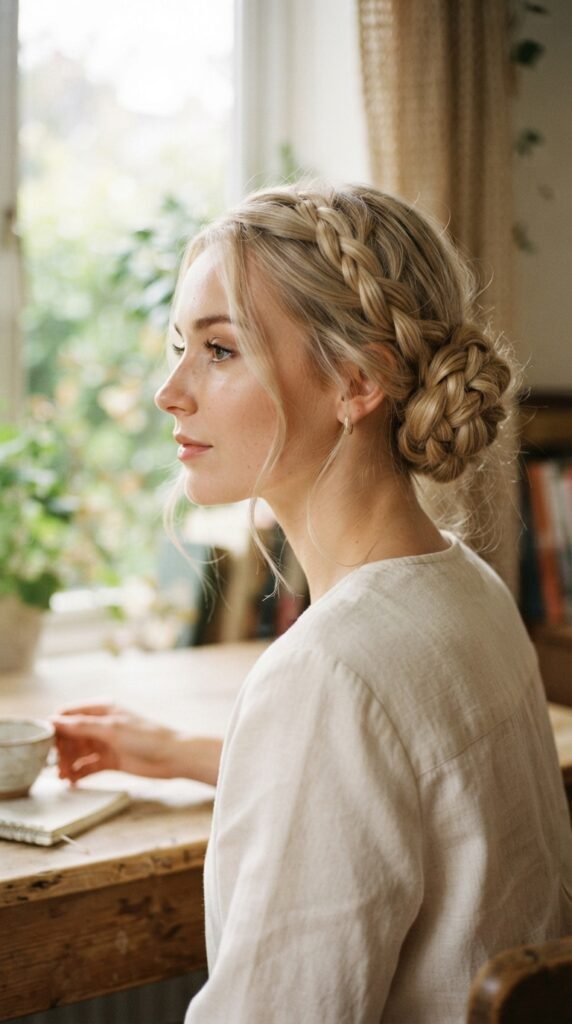
Fine hair needs a little extra help to look full. Spray in a texturizing spray or dry shampoo before you begin. It creates volume and gives your braid something to hold onto.
Another trick is to braid slightly looser, then gently pull the edges of the braid outward. That doubles the visual size of the braid in seconds.
If flyaways creep in, smooth them down with a tiny bit of gel on your fingers. This bun works fine with thinner hair. It will sit closer to your head, which honestly looks very chic.
Add Pearl Pins for Formal Nights
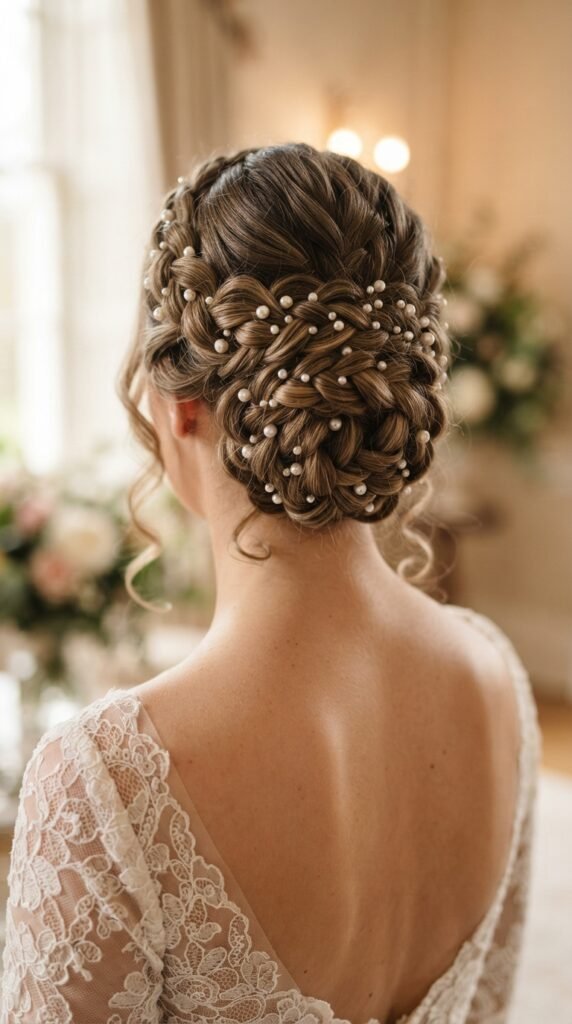
Want to take this bun from pretty to unforgettable? Add pearl pins. Insert them around the braid in a gentle half-circle or scattered pattern.
Pearl pins catch the stage lights beautifully. They work for ballet and piano alike, and they photograph well. They are also lightweight, so they will not weigh your bun down.
For a more modern look, try gold bar pins or a thin ribbon woven through. If your style leans romantic goth hairstyles, choose silver pins or tiny crystal charms. Same bun, completely new mood.
The Old Money Finish
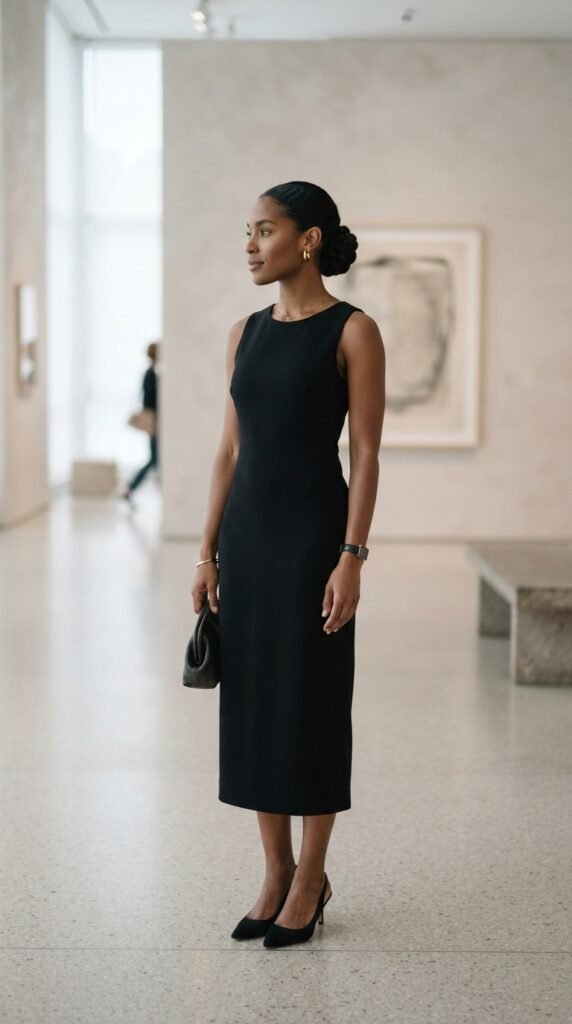
This hairstyle already carries old money hair energy because it looks clean, understated, and put together. To lean into that, skip the decorations. Let the smooth braid and the neat bun do the talking.
Pair it with simple makeup and a timeless dress. The entire look should feel quiet and effortless. No glitter, no loud extras. Just polish.
For the most traditional impression, place the bun low at the nape and keep your part perfectly centered. It is classic in a way that never fades.
Freshen It Up with 2026 Hairstyles
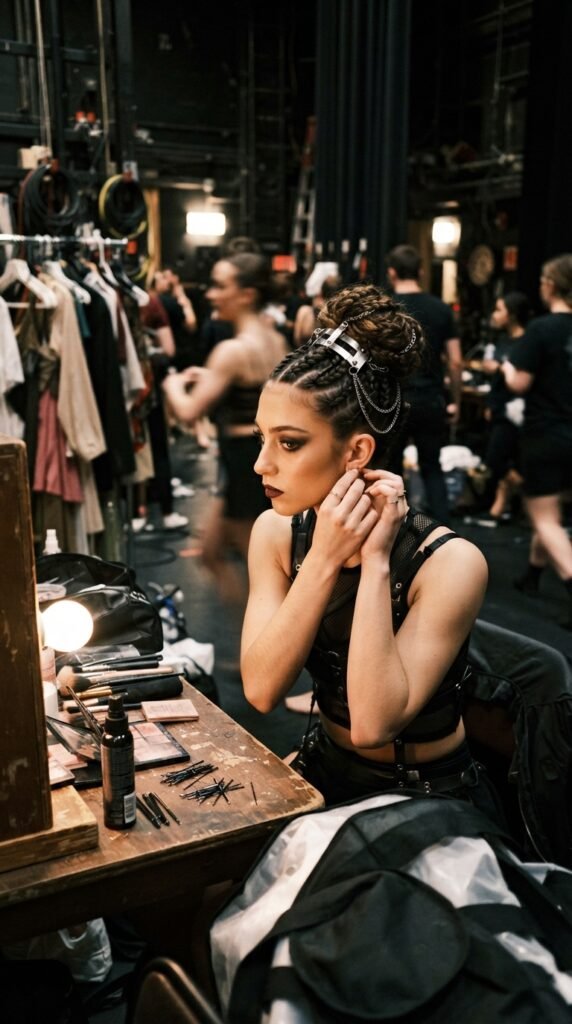
The braided bun is a classic, but it can absolutely play with the trends. A single glossy strand wrapped around the base feels fresh and modern.
You can also borrow a little vampire haircut magic by leaving two sharp face-framing strands out at the front. Smooth them with gel and let them sit sleek against your cheeks.
That is the beauty of 2026 hairstyles. You can take an old favorite and give it a tiny, current update. You stay polished and stylish without ever looking like you tried too hard.
Short Hair? Try the Quiet Luxury Bob Inspo
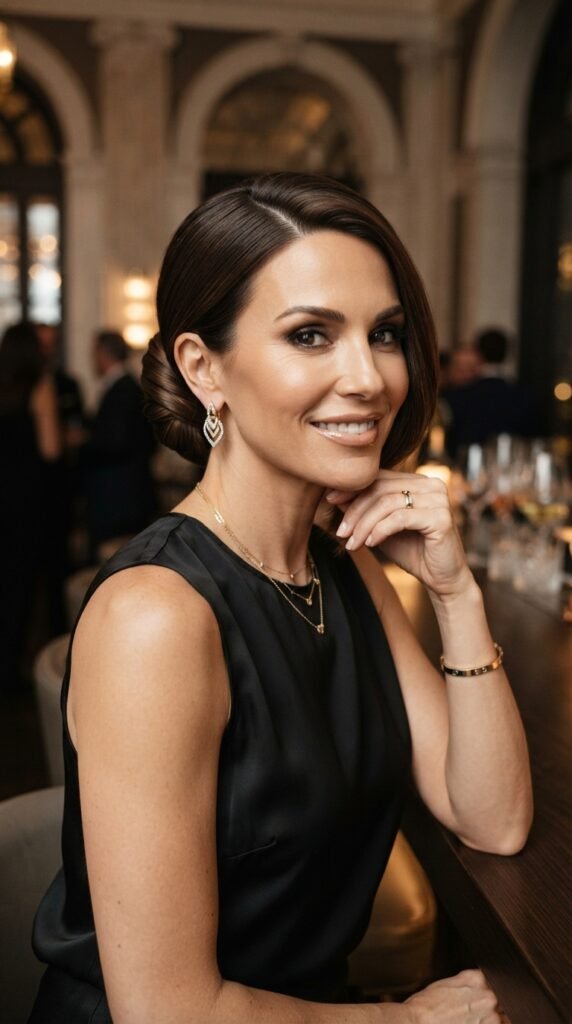
Do you have a bob or an asymmetrical lob? You can still borrow this style. Gather your hair into a low twisted knot if it is too short for a full braided bun.
Or braid two thin front strands and pin them at the nape. You get that braided elegance without needing a long length.
It is the same quiet luxury bob energy you see on runways: neat, refined, and just a little bit expensive-looking. Perfect with a dark velvet recital dress.
A Romantic Goth Hairstyles Version

If your personal style leans romantic goth hairstyles, this bun still fits. Braid your hair a bit looser for that soft, lived-in texture. Pull a few pieces free at the temples.
Swap pearl pins for dark or silver accessories. Or wrap a black velvet ribbon around the base of the bun. It adds drama without stealing focus from your performance.
The contrast of a soft bun with a moody aesthetic is lovely. It feels intentional, artistic, and entirely you. This hairstyle truly fits every personality.
The Glitchy Glam Detail Everyone Will Ask About
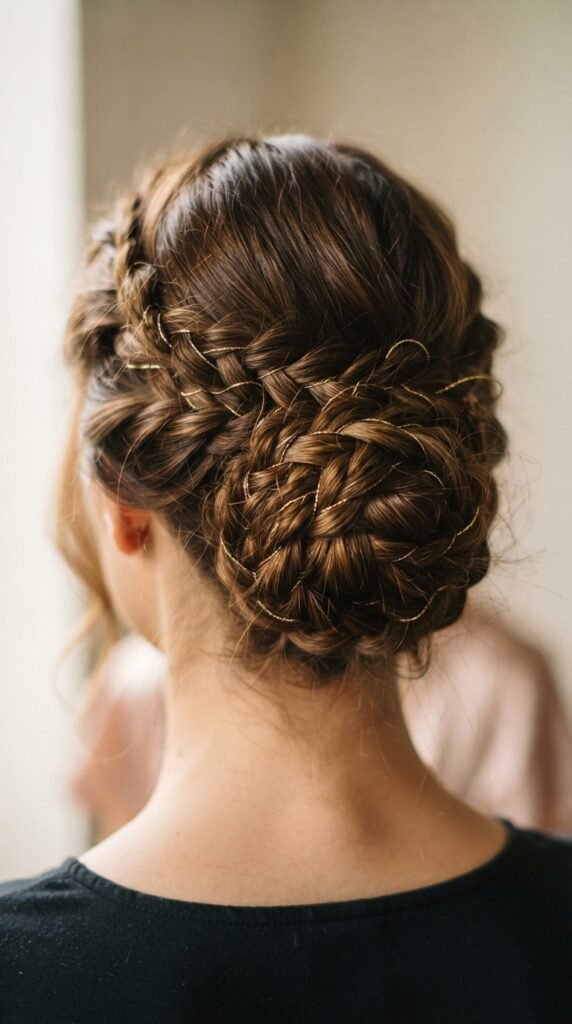
Glitchy glam hair is all about small, deliberate surprises. Think a metallic thread woven through your braid, or a couple of strands pulled out just enough to break the perfect line.
For a recital, keep it subtle. Use a silver or gold thread that matches your jewelry. Weave it through the braid and let the ends peek out.
That tiny unusual detail makes people lean in. It is the kind of thing that takes a bun from standard to genuinely memorable.
The Vampire Haircut Connection
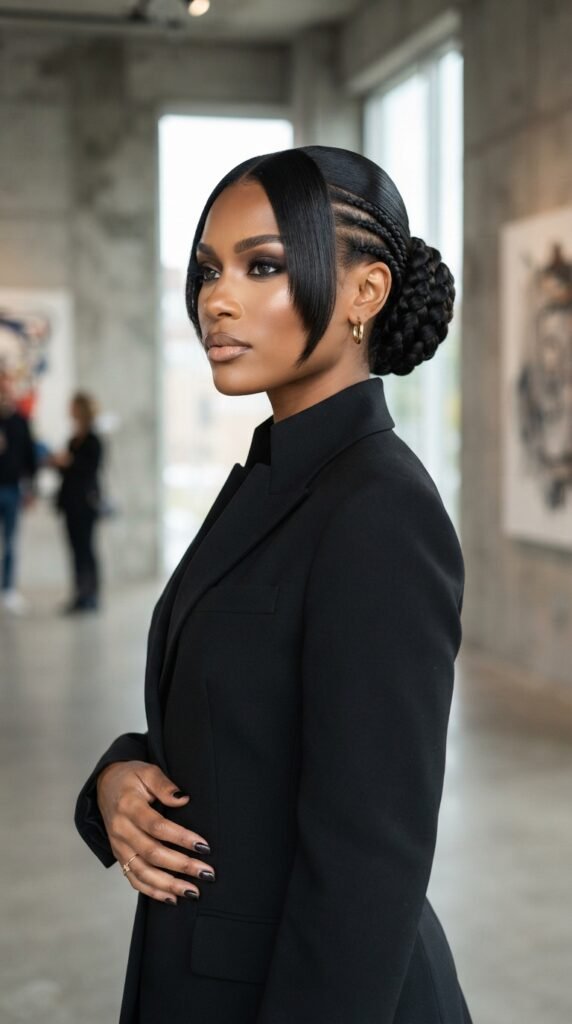
The vampire haircut trend is known for sharp, dramatic front layers. Is that too edgy for a recital hall? Not at all. It looks striking on stage and in photos.
If you have a vampire haircut, those front layers might resist a slicked-back bun. Work with them. Smooth them with gel and tuck them behind your ears for an intentional look.
A center part keeps everything symmetrical, and your front layers frame your face beautifully. The bun still holds, and the overall look is polished with a hint of edge.
Practice Makes Perfect
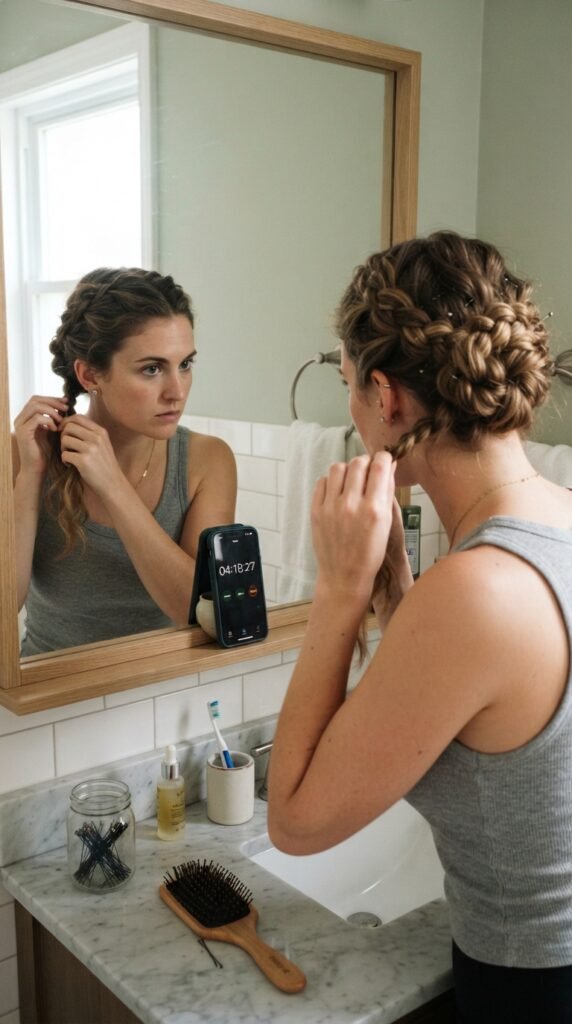
Please try this bun at least once before recital morning. Practice helps you figure out exactly how many pins you need. It also helps you decide which part flatters your face best.
While you practice, remember that the front styling gets the most attention. The bun is just the ending. Play with how much you pull back.
By recital day, you will be able to do this in about ten minutes. Confidence shows up when your hair feels secure. That is one less thing to worry about.
My Favorite Products for This Look
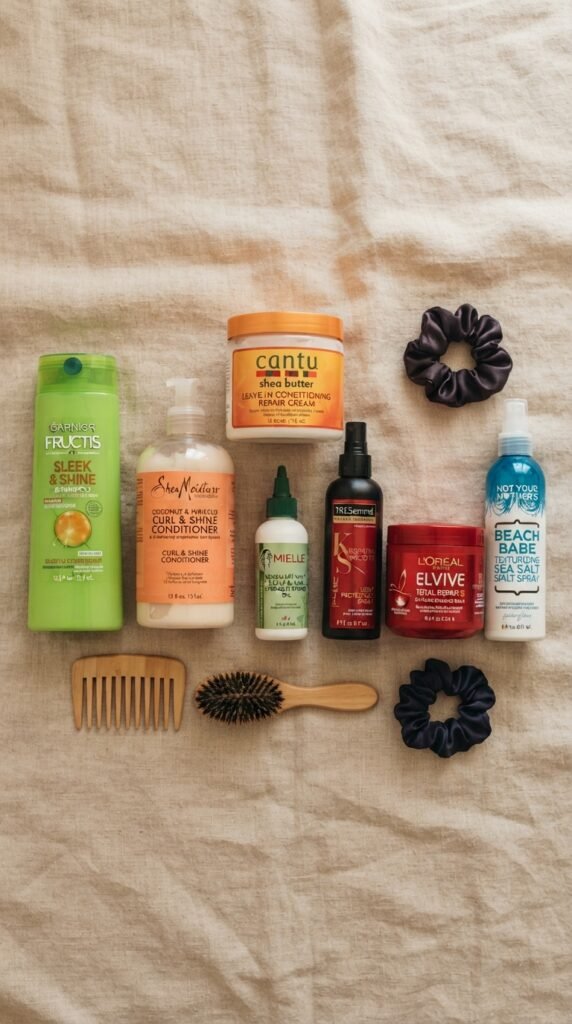
You do not need luxury hair products to make this bun work. A drugstore gel, a reliable hairspray, and good pins are enough.
- Strong-hold gel for the hairline
- Flexible hairspray for the finish
- Matte bobby pins that grip well
- A boar-bristle brush for shine
For a glossy final touch, rub a drop of serum between your palms and pat the outside of the bun. It will look stunning under stage lights. Take it from me, the cheap stuff works.
What to Avoid on Recital Morning
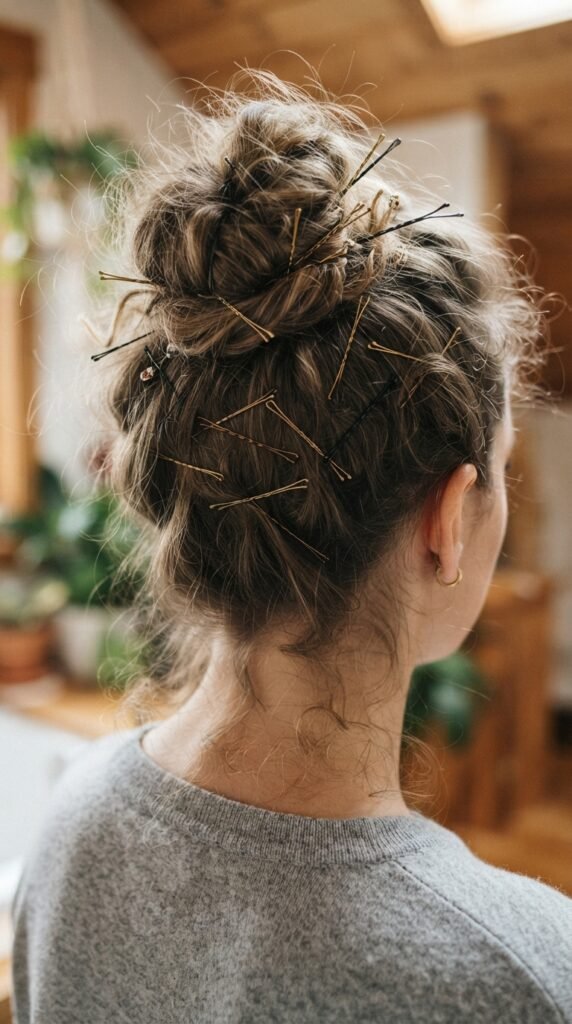
Do not start with damp hair. It can shrink and frizz as it dries. Do not use heavy serums at the roots. They make hair slide right out of pins.
Do not wait until the last minute. Recital mornings can be chaotic. Give yourself fifteen extra minutes to fix any little mishaps with calm hands.
Avoid overloading the bun with decorations, especially for ballet. You want all eyes on your movement, not a chandelier on your head.
Your Recital Day Checklist
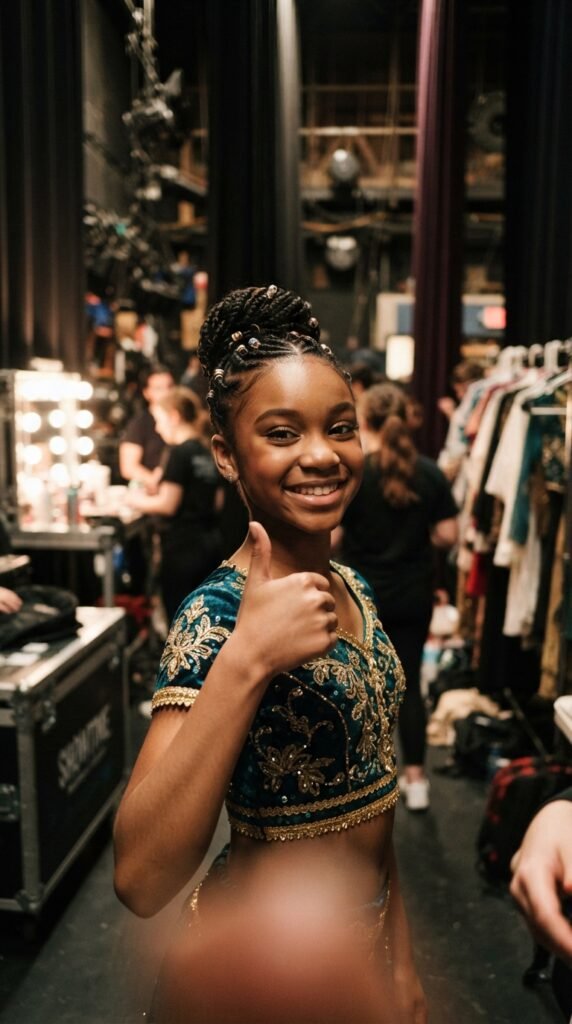
Here is the whole routine at a glance.
- Start with dry, textured hair.
- Part your hair where it feels most like you.
- Brush into a smooth low ponytail.
- Braid to the ends and secure with an elastic.
- Wrap the braid into a neat spiral bun.
- Pin it well, six to eight pins.
- Smooth the front hair with a toothbrush and gel.
- Add a pearl pin or ribbon if you like.
- Finish with a light layer of hairspray.
Print this list, screenshot it, or pin it for later. Future you will be so grateful.
A Special Touch for Formal Piano Recitals
For piano, place the bun slightly lower, right at the nape of your neck. This keeps your head level when you sit at the keys and feels much more comfortable.
Your neck and ears stay visible, which is perfect for small earrings. A delicate pearl or tiny diamond stud looks beautiful as your hands move across the piano.
At the end of the piece, when you stand to bow, nothing swings forward. The bun stays perfectly in place. That quiet security is the most professional feeling in the world.
Whew, we covered a lot, friend. You now have a complete plan for an elegant braided bun that will look gorgeous in every recital photo and stay put through every nervous bow. I hope you feel ready, because you absolutely are.
Save this post to Pinterest so you can find it again on the big morning. And then tell me below: is your recital for ballet or piano? I would love to cheer you and your little star on.
You are going to look beautiful out there. Now go shine.