Espresso Highlights: Deep Dark Brown Tones
There is a moment of pure anticipation between the grind and the sip—a visual prelude where the eyes feast before the palate. It’s in that rich, flowing stream of espresso, crowned with a velvety crema, where a story begins. Not just any story, but one told in shades of brown. We often celebrate the taste of coffee, but what about its color? The deep, dark brown tones of a perfectly pulled shot, with their subtle highlights of amber, chestnut, and mahogany, are more than just aesthetics. They are a direct window into the bean’s soul, revealing secrets about its roast, its preparation, and the symphony of flavors about to unfold. This is a journey into the heart of espresso’s most signature trait: its captivating, complex color.
The Language of Color: What Your Espresso is Telling You
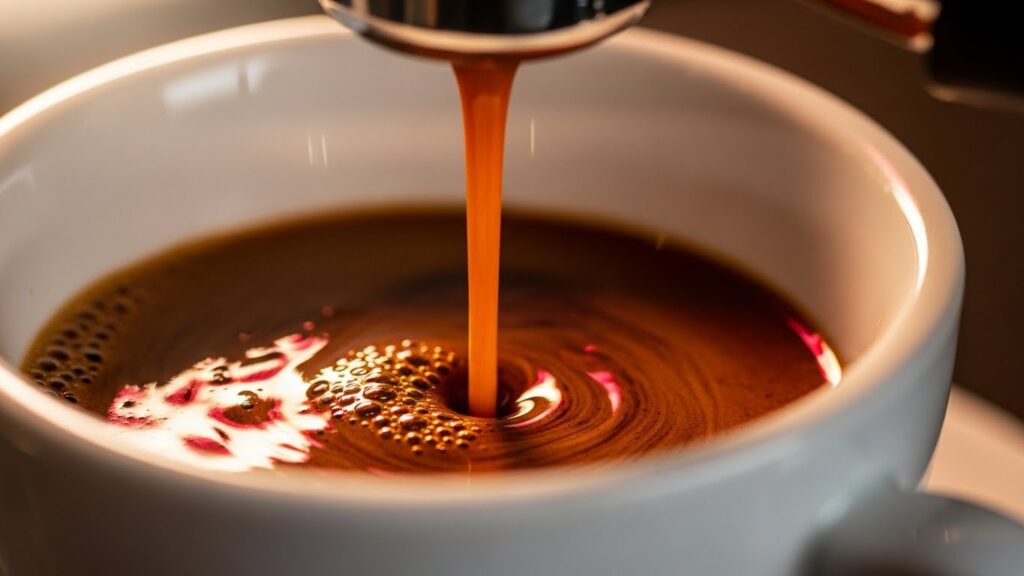
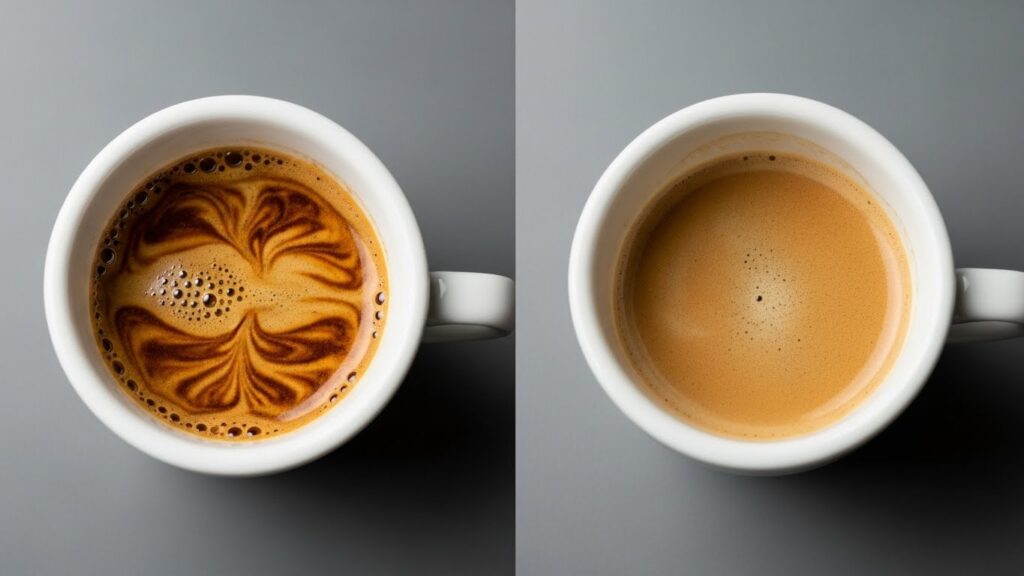
Forget clear cups; the true canvas of espresso is in a classic white demitasse. Against that simple backdrop, the color speaks volumes. A deep, dark brown base is the hallmark of proper extraction. This isn’t the black of over-roasted beans or ash; it’s a luminous, saturated brown that suggests density and depth. Within that darkness, look for the highlights. A touch of reddish-chestnut shimmering within the crema indicates a balanced roast, often bringing out natural sugars and acidity. Persistent, very dark brown tones with little variation might point to a darker roast profile or a longer extraction, promising bolder, more bitter-chocolate notes.
Conversely, a pale, thin, or yellowish crema over a watery brown liquid is the espresso’s cry for help—a sign of under-extraction, stale beans, or incorrect grind size. The ideal is a harmonious contrast: a base so dark it’s almost opaque, supporting a crema that is tiger-striped with those precious deep brown and fleeting reddish highlights. This visual balance is your first clue that the chemical balance—the dissolution of sugars, oils, and aromatic compounds—is likely just right.
From Bean to Brown: The Roast’s Defining Role
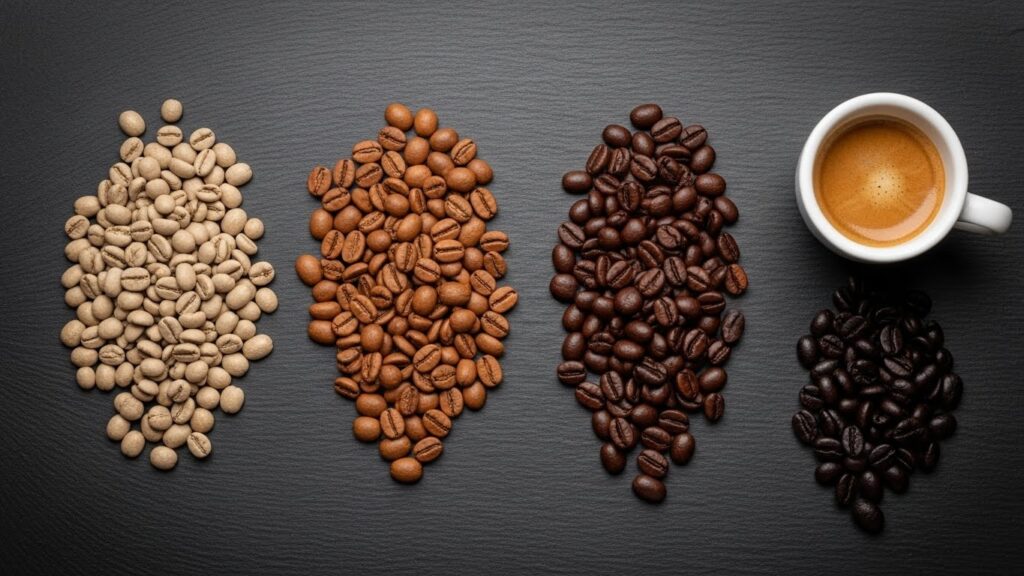
The journey to those alluring dark brown tones begins long before the portafilter is engaged. It starts with the roast. Green coffee beans undergo a dramatic transformation in the roaster, and the development of color is a direct map of that chemical process. During roasting, beans experience the Maillard reaction and caramelization—complex processes where sugars and amino acids interact, creating hundreds of new flavor compounds and, crucially, turning the beans brown.
A light roast will yield a cinnamon or milk chocolate brown bean, and its espresso will tend towards brighter, acidic flavors with lighter, more amber highlights. As the roast progresses to medium-dark, the beans take on a richer, oilier sheen and a deeper brown color. This is the sweet spot for many espresso blends, aiming for a balance of sweetness, body, and complexity. The espresso from these beans will showcase that classic deep dark brown with reddish highlights. A dark roast pushes the beans to a very dark brown, nearly black, with visible oils. The resulting espresso will have a darker, more uniform brown color, with highlights leaning towards dark chocolate, and offer bolder, smokier, and more bitter-sweet flavors.
The Art of the Pull: Extraction’s Impact on Hue
Even the most perfectly roasted bean can be misrepresented by poor technique. The extraction process—the “pull”—is the final artist’s stroke that defines the espresso’s color. Water temperature, pressure, grind size, and time are the pigments on this palette. A correct extraction (typically 25-30 seconds for a double shot) allows for the proper dissolution of compounds. The oils, which carry immense flavor and texture, are emulsified into the brew, contributing to the body and that deep, opaque brown color with a silky texture.
Under-extraction (too fast, too coarse a grind, too little coffee) results in a shot that is sour, thin, and pale. The water hasn’t had enough contact to pull out the deeper coloring agents and oils, leaving you with a weak, yellowish-brown liquid. Over-extraction (too slow, too fine a grind, too much coffee) over-dissolves the beans, pulling out too many bitter compounds. The color can become a flat, opaque, and monotonous very dark brown without liveliness or highlights, often accompanied by a burnt taste. The barista’s goal is to navigate between these extremes to achieve a shot where the color is not just dark, but luminous and multi-dimensional.
Beyond the Cup: The Aesthetic of Deep Brown Tones
The appeal of espresso’s color transcends taste; it taps into a deep aesthetic and sensory pleasure. Deep dark brown is a color of comfort, richness, and sophistication. In design, it’s associated with earth, wood, and resilience. In our espresso cup, it becomes a promise of warmth and energy. The visual weight of the color sets an expectation for the body and depth of the drink. The creamy texture of the crema, holding those subtle highlights, adds a tactile dimension to the visual experience. This is why the ritual is so important—watching the dark stream flow, observing the crema settle, noting the “legs” or “tiger stripes” on the cup’s side—it’s a multisensory prelude that heightens the entire tasting experience.

Chasing the Perfect Brown: Tips for the Home Barista
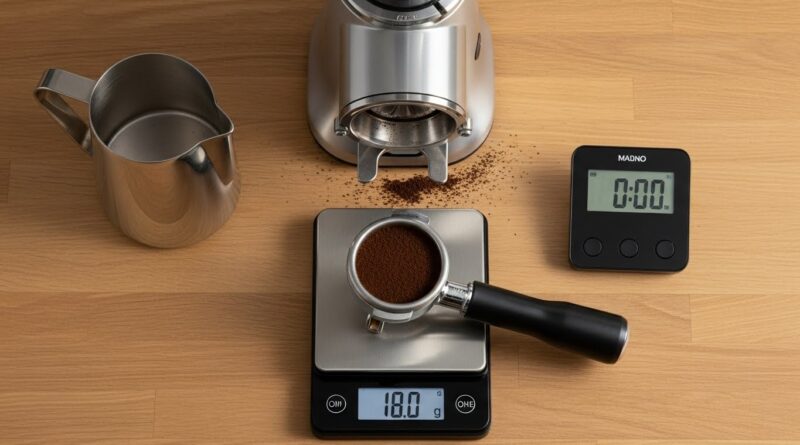
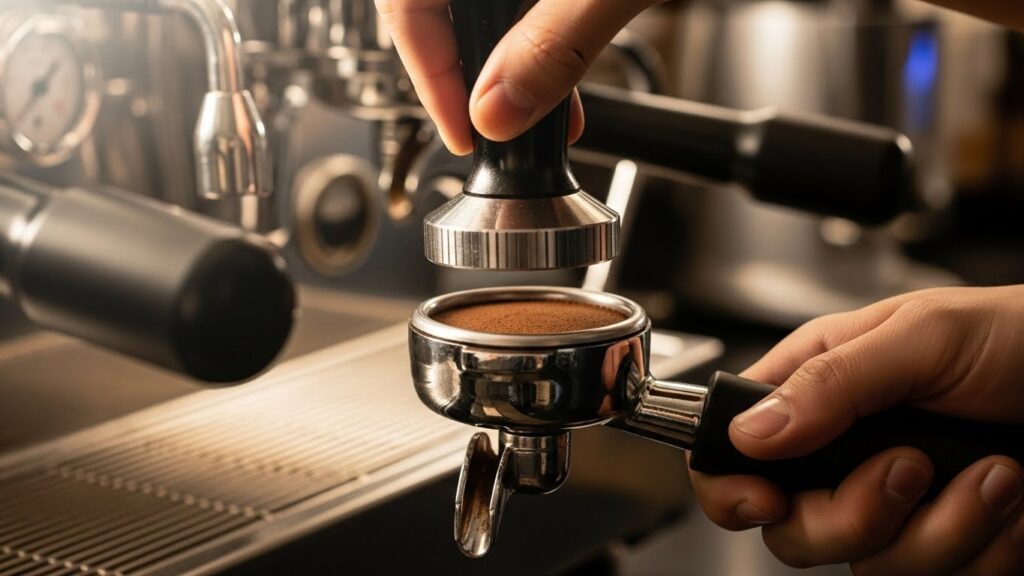
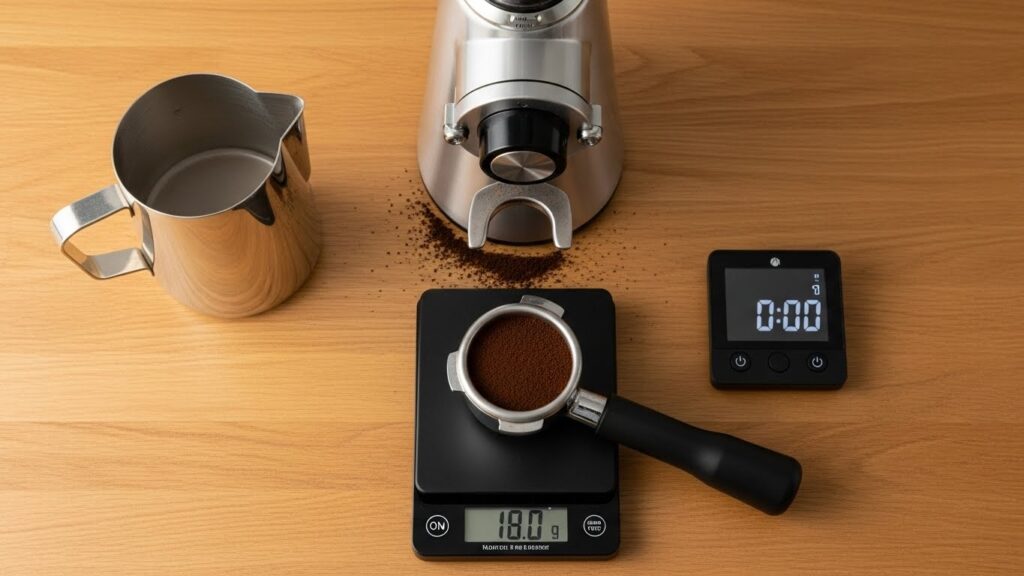
Inspired to craft an espresso with those perfect deep dark brown tones at home? It’s an achievable art. Start with fresh, quality beans roasted specifically for espresso, ideally within 3-4 weeks of the roast date. Invest in a good burr grinder—consistency is key. Your grind should be fine, like table salt, but not powdery. Dose correctly (usually 18-20 grams for a double) and tamp with even, firm pressure to create a uniform “coffee puck.”
Pay attention to your yield and time. Aim for a 1:2 ratio (e.g., 18g in, 36g of liquid espresso out) in about 25-30 seconds. Most importantly, watch the shot. The first drops should be dark, almost syrupy, quickly blending into a steady, moussey stream the color of dark honey. The crema should be thick and persistent, showing those prized brown highlights. If it’s pale and fast, adjust finer; if it’s a slow, dark trickle, adjust coarser. Your eyes are your first and most reliable tool.
A Toast to Darkness
In a world that often equates lightness with purity, espresso stands as a glorious celebration of depth. Its deep dark brown tones are not a sign of absence, but of profound presence—of concentrated flavor, rich history, and crafted care. The next time you stand before a coffee machine or order at your favorite café, take that extra second to truly see your espresso. Appreciate the gradient, the cream, the way light plays on its surface. Those highlights are more than just a color; they are the first note in a complex flavor symphony, a visual whisper of the warmth, energy, and comfort about to follow. Here’s to the beautiful, deep, dark brown heart of coffee.