Face Framing Layers That Can Completely Change How Your Hair Falls
You know that moment when your hair just won’t cooperate? It falls flat, it feels heavy, or it covers up your favorite features. I’ve totally been there. The fix might be simpler than you think: face-framing layers.
Face-framing layers are strategically cut pieces that soften and shape your face. They make your hair move, bounce, and frame your best angles. And in 2026, they’re showing up everywhere—from old money hair to romantic goth hairstyles.
In this post, I’m sharing everything I’ve learned about face-framing layers. You’ll find the trendiest cuts, the easiest styling tricks, and the exact words to say to your stylist. Let’s get your hair falling exactly how you want.
What Exactly Are Face-Framing Layers?
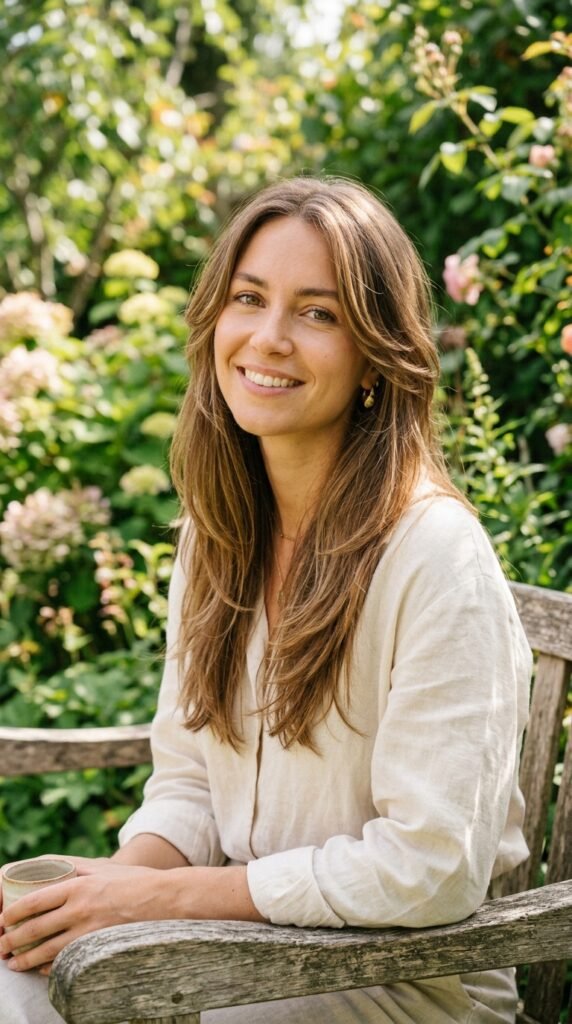
Face-framing layers are shorter sections of hair that start around your chin, cheekbones, or collarbone. They’re cut to blend into the rest of your length, but their main job is to highlight your face.
These layers can be:
- Soft and wispy for a gentle look
- Blunt and bold for a statement
- Razor-cut for an edgier feel
They completely change how your hair falls because they remove weight where you need it most. Your hair suddenly has movement, shape, and life.
Why Face-Framing Layers Are the Biggest 2026 Hair Trend
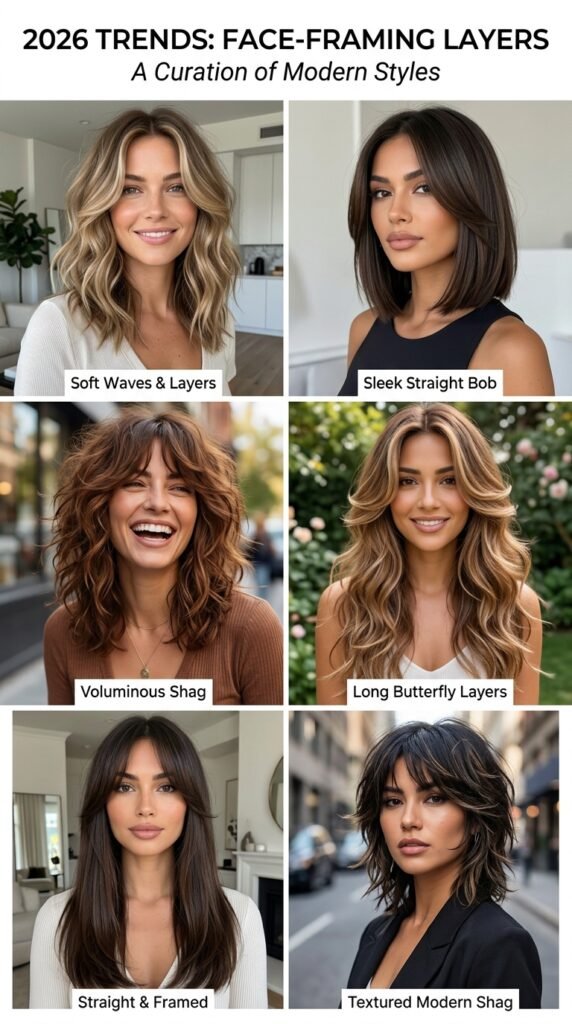
When I look at 2026 hairstyles, one thing stands out: face-framing layers are everywhere. From the red carpet to everyday street style, everyone is asking for a little extra shape around the face.
Why now? Because layers give you:
- Instant volume without teasing
- A fresh feel without a drastic cut
- Easy styling that works for busy mornings
They also blend perfectly with other trends like old money hair and romantic goth hairstyles. It’s the one thing that makes any cut feel intentional and polished.
The Old Money Hair Connection
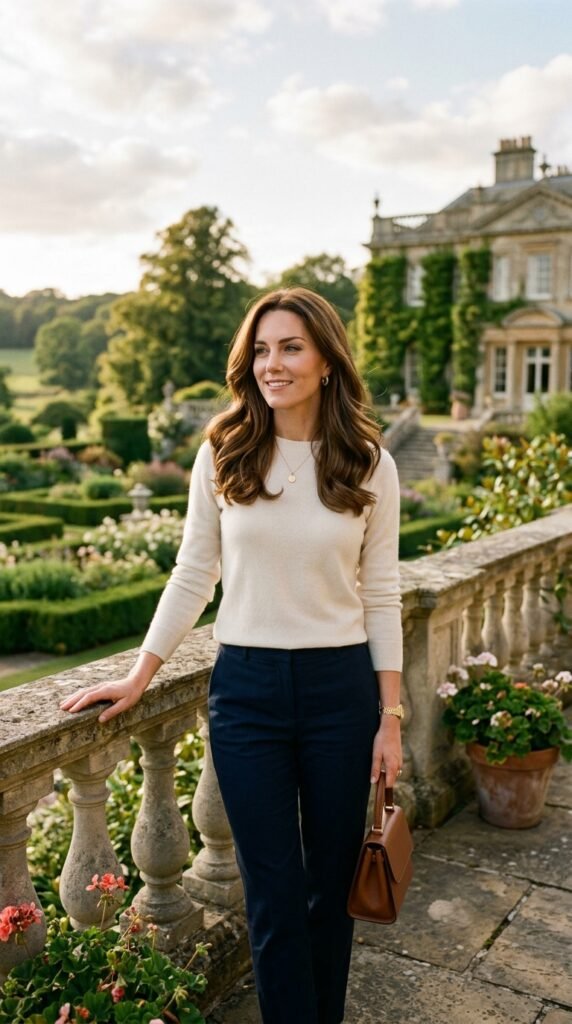
Old money hair is all about looking effortlessly rich and put together. It’s not fussy. It’s not overdone. It’s the kind of hair that says, “I woke up like this, but I also have a skilled stylist.”
Face-framing layers are the short-cut to that vibe. They create natural movement that looks expensive and low-key at the same time.
To get the look, ask for long, soft layers that start near your cheekbones. Keep them subtle. The goal is elegance, not drama.
This style works especially well when paired with a quiet luxury bob or sleek low ponytail.
Quiet Luxury Bob: The Understated Stunner
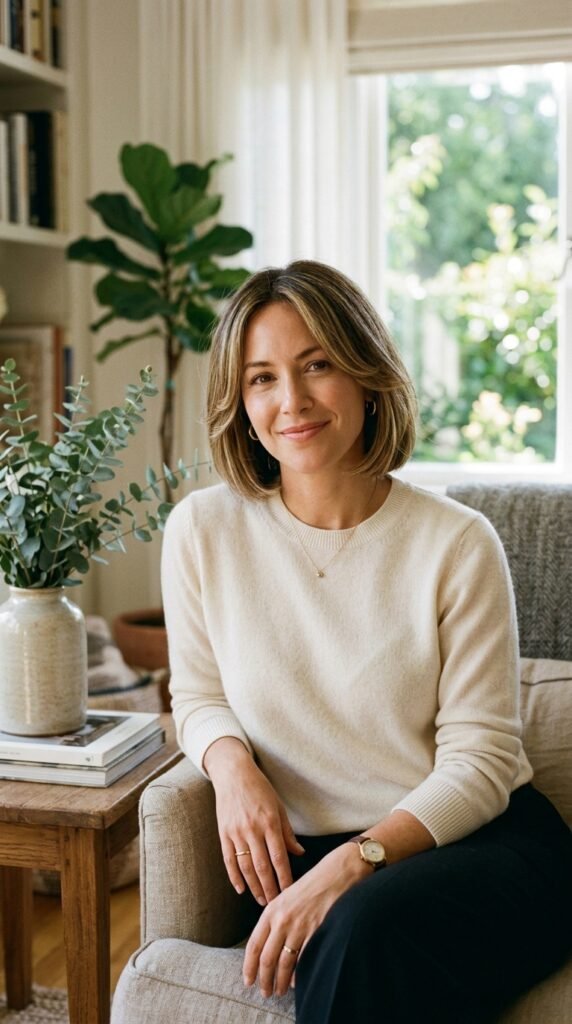
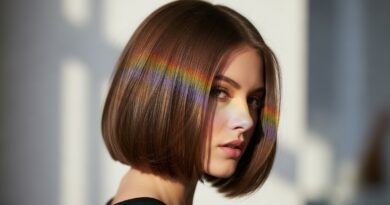
The quiet luxury bob is the perfect example of how face-framing layers can completely change a cut. Without layers, a bob can feel heavy and severe. With them, it feels soft, modern, and very chic.
On this cut, face-framing layers typically start at the ears or cheekbones. They fall forward gently, giving the bob that “expensive” curve.
Pro tip: Keep the ends slightly textured to avoid a sharp, blunt line. This adds to the quiet luxury feel.
Honestly, this is the cut I recommend if you want something low-maintenance but still very stylish.
Romantic Goth Hairstyles: Face-Framing with a Dark Twist
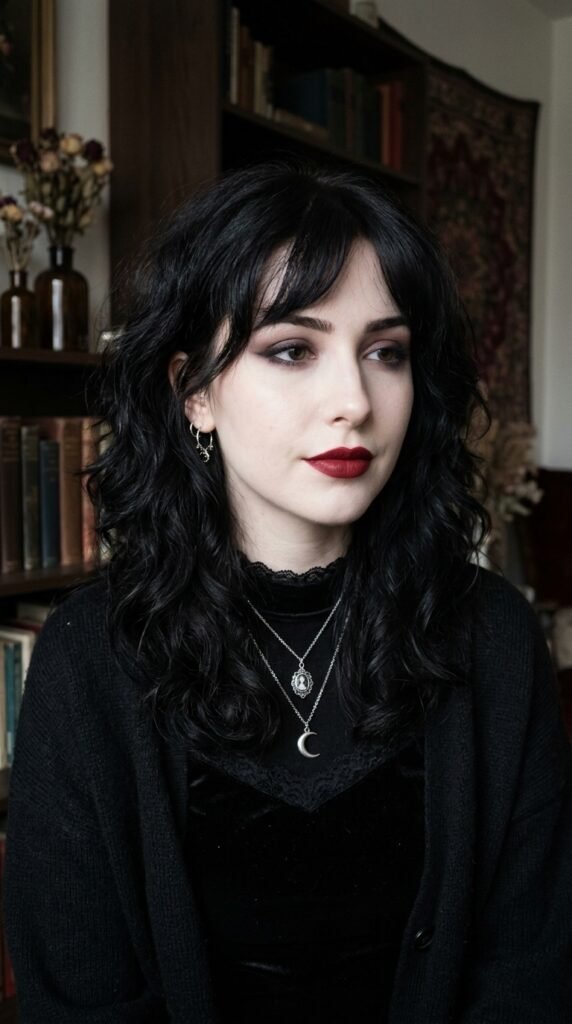
If you’re into romantic goth hairstyles, face-framing layers are your best friend. These styles often feature dark gloss, deep waves, and a touch of drama. Layers add the movement that makes everything feel a bit more moody and magical.
Go for layers that start around your cheekbones and sweep outward. You can style them with a curling iron to create a soft, romantic curve.
Add some texturizing spray to keep that slightly messy, gothic vibe. It’s honestly the perfect balance of elegant and edgy.
Glitchy Glam Hair: The Boldest Face-Framing Trend
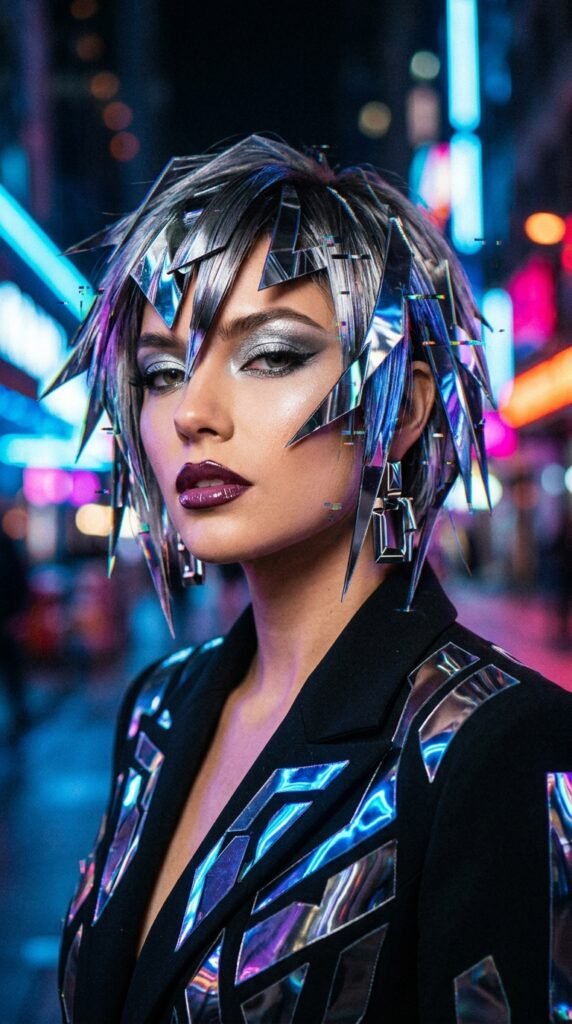
Glitchy glam hair is all about irregular, almost mismatched layers that create a cool, digital-era distortion. Face-framing layers take this to the next level by turning your facial area into the focal point.
Think short, choppy sections near your temples that blend into longer pieces. It’s bold, but super fun.
If you love experimental style, ask your stylist for face-framing layers that are cut with a razor. The uneven texture gives that glitch effect.
This is not a shy haircut, and I love it for that.
Asymmetrical Lob: Slanted Layers for Instant Edge
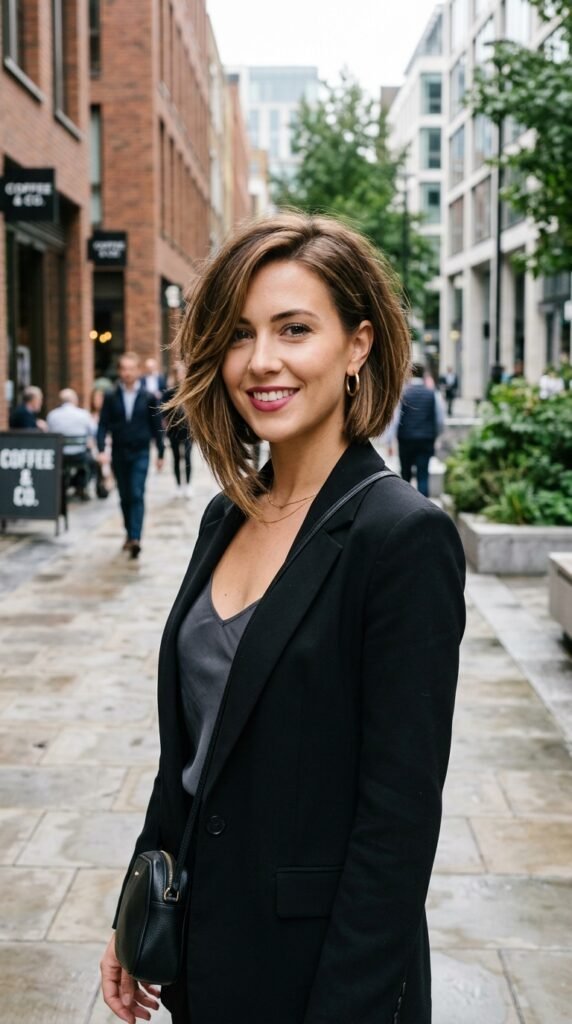
The asymmetrical lob is a classic for a reason. One side is longer than the other, which already gives your face an interesting frame. Add face-framing layers, and you get an extra dose of movement and attitude.
These layers usually sit longer on the heavier side and shorter on the lighter side. This makes your hair fall in a way that draws the eye diagonally across your face.
It’s perfect for anyone who wants a low-key cut with a little more personality. Plus, it styles beautifully with a simple straightening pass.
Vampire Haircut: Deep Layers That Bite
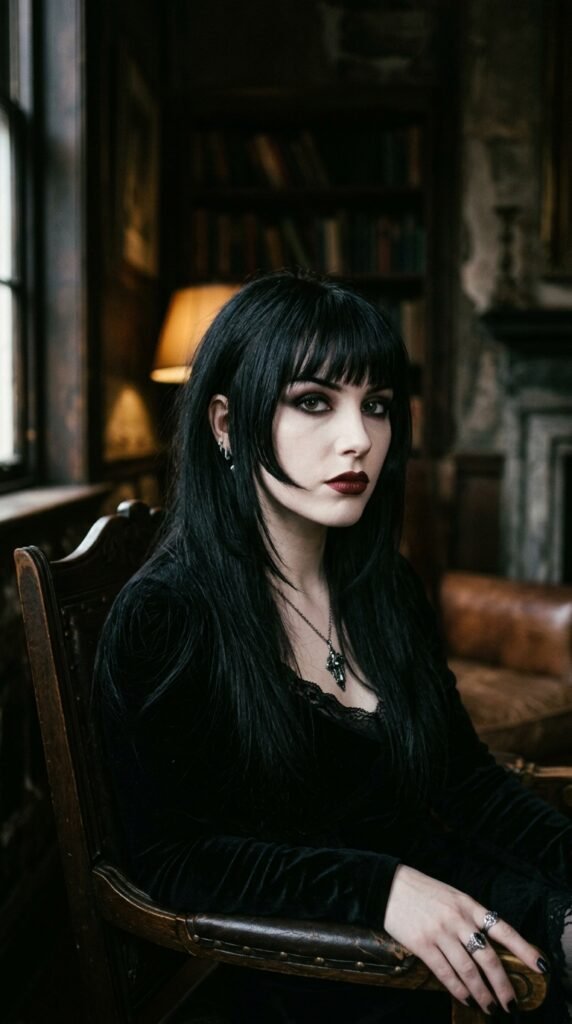
The vampire haircut has taken over the internet, and face-framing layers are the heart of it. This look features deep, often razor-sharp layers that start right near your jaw.
The effect is dramatic and sleek. It gives you that “I just turned after staring into a beautiful void” energy. In the best way.
To style, keep the ends shiny and smooth. The contrast between the sharp layers and your skin makes the whole look feel rich and mysterious.
If you love romantic goth hairstyles, this is the ultimate upgrade.
Hime Cut: The Straight-Talk Classic
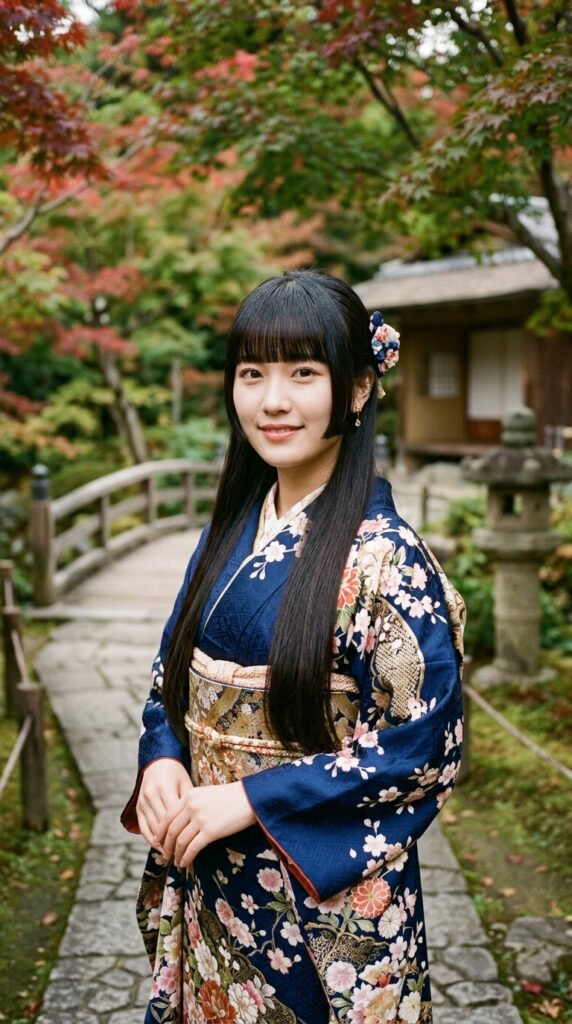
The hime cut features distinct, blunt layers that frame the face, often paired with straight bangs. It’s a traditional Japanese style that’s making a huge comeback in 2026 hairstyles.
These face-framing pieces are intentionally thick and straight, falling right below the cheekbone. They give the hair a very graphic, almost doll-like look.
This cut works best on naturally straight hair. It’s not about movement—it’s about sharp, deliberate shape.
If you want a bold change, the hime cut is a stunning option.
Curtain Bangs vs. Face-Framing Layers: Real Talk
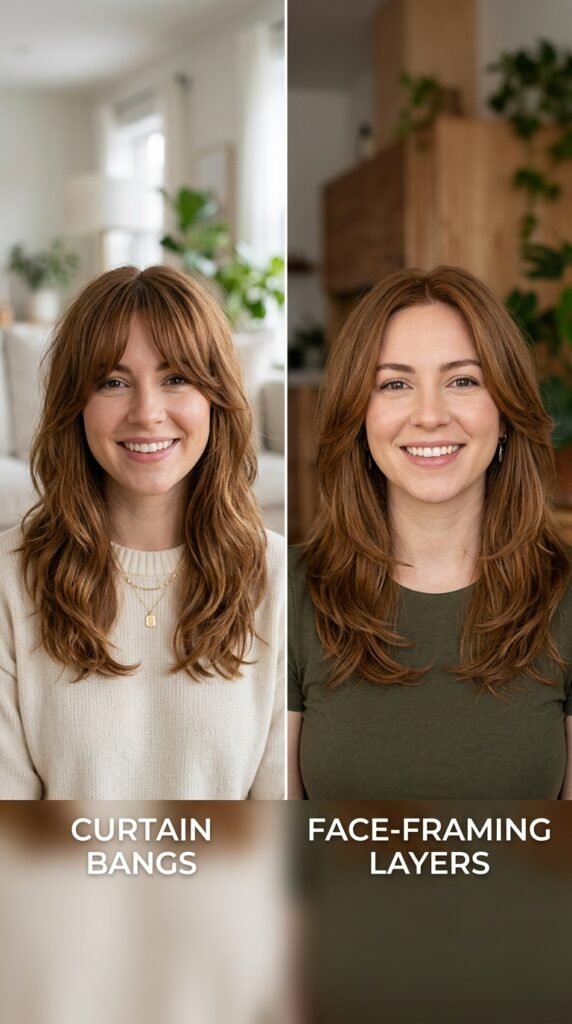
Curtain bangs and face-framing layers are often confused, but they’re actually different. Curtain bangs are short, feathered pieces that frame the forehead and sit around your eyebrows.
Face-framing layers are longer—they usually start at the cheekbones or chin. They frame the outer part of your face, not your forehead.
Which one is better? It depends on your vibe. Curtain bangs are more dramatic and playful. Face-framing layers are subtler and more versatile.
Many people get both. And honestly? That combo is chef’s kiss.
How Face-Framing Layers Work With Your Natural Hair Part
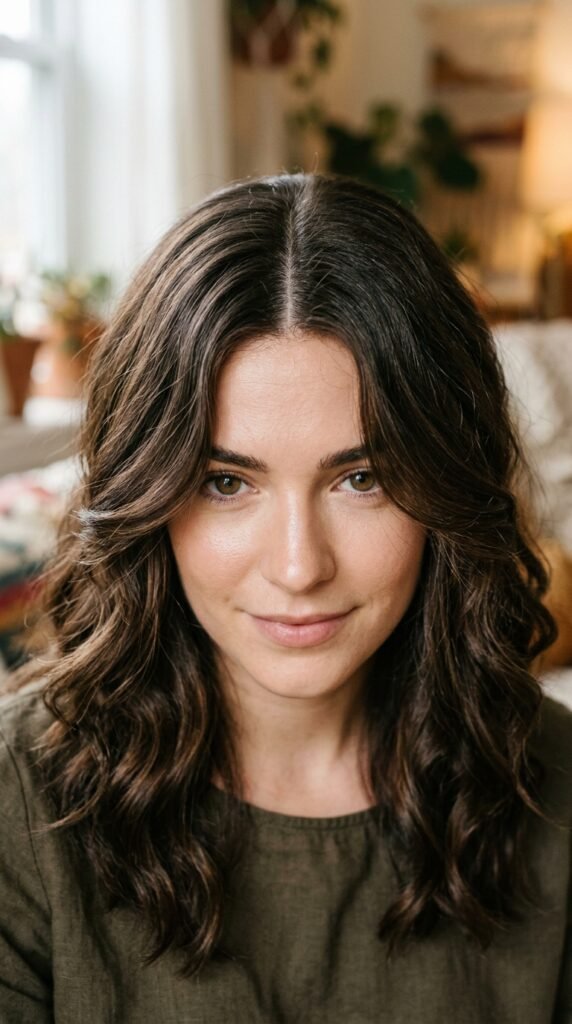
Your hair part plays a huge role in how face-framing layers fall. A middle part lets the layers frame both sides of your face symmetrically. That’s classic and balanced.
A deep side part creates an asymmetry that makes layers feel more dramatic. The hair on the heavier side falls longer, while the lighter side shows more of your face.
Wondering which part is best? Check your layers after a few days of switching. Your natural part will show you what feels right.
Also, you can ask your stylist to cut based on your usual part. That’s the pro move.
Face-Framing Layers for Round Faces: The Most Flattering Spots
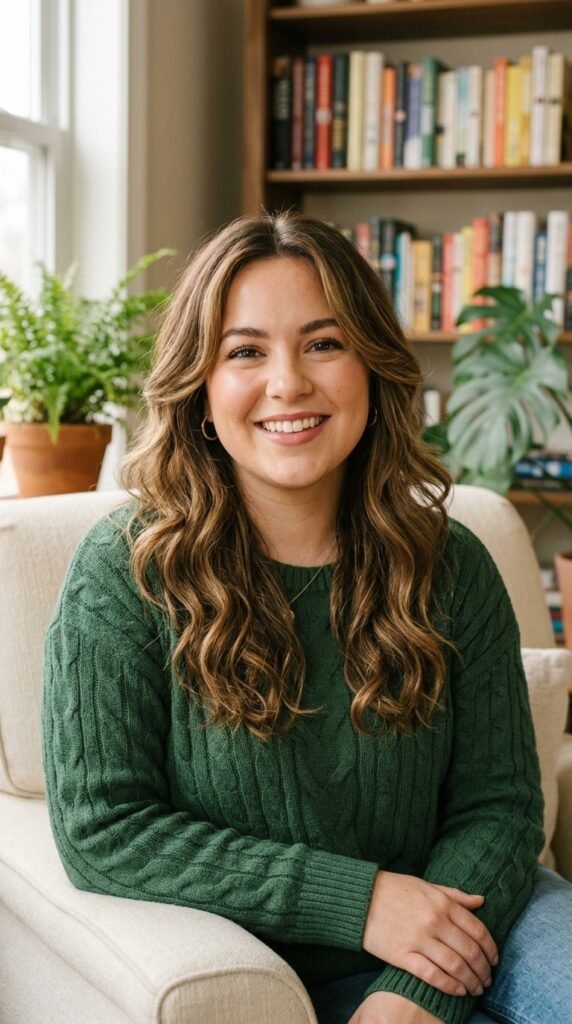
Round faces are gorgeous, and face-framing layers can help elongate them. Ask for layers that start a little below your cheekbones, around the jawline. This draws the eye down and adds vertical line.
Avoid layers that are too short and fluffy—they can make the face look wider. Instead, go for longer, sleeker pieces.
For extra drama, pair them with an asymmetrical lob. The uneven lengths create more definition.
Remember, the goal is to shape and slim, not hide.
Face-Framing Layers for Square Faces: Softening Sharp Angles
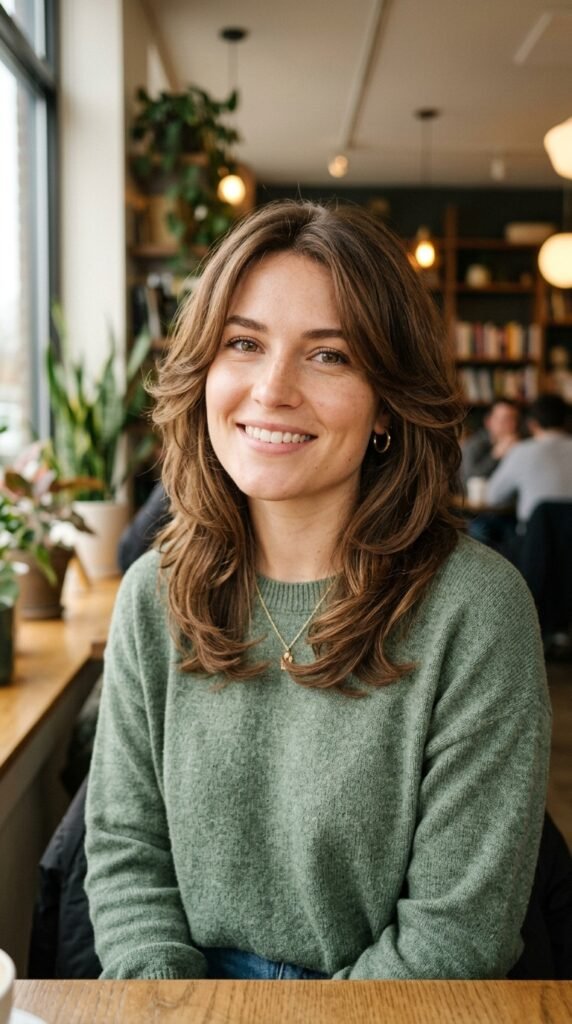
Square faces have beautiful, strong jawlines. Face-framing layers can soften that edge while still letting your bone structure shine.
Ask for wispy layers that start around the chin and curve inward. This creates a soft halo effect that balances the angles.
Avoid heavy, blunt layers that end exactly at the jaw. That can make the jaw look even wider. Instead, let the layers move past it a bit.
If you’re into old money hair, this is a great combo for your face shape.
Face-Framing Layers for Oval Faces: Your Best-Friend Cut
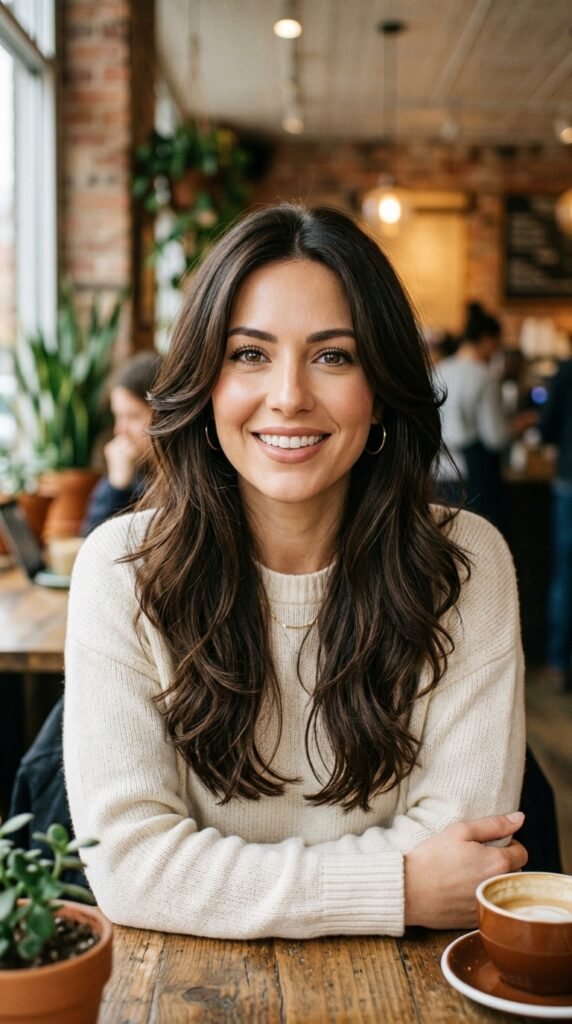
Oval faces get to pull off almost any face-framing layer style, and I’m honestly a little jealous. Your face shape is super balanced, so you can play with short, long, soft, or bold.
My favorite for oval faces is a middle-parted, curtain-style layer. It adds movement without overcomplicating things.
Or go for the quiet luxury bob with face-framing layers. It enhances your natural symmetry and looks so expensive.
Just tell your stylist to keep the layers around your cheekbones. That’s the sweet spot.
Short Layers vs. Long Layers: What’s the Real Difference?

Short face-framing layers start around your chin or higher. They create serious lift and volume, especially for fine hair. They’re also great for showing off your collarbone area.
Long face-framing layers start further down, around shoulder or collarbone level. They add movement without making a huge change.
The biggest difference is drama. Short layers = more noticeable. Long layers = more subtle.
Still stuck? Think about how much styling time you want. Short layers can be a bit workier. Long layers are basically wash-and-go.
5 Steps to Style Face-Framing Layers Like a Pro (At Home)
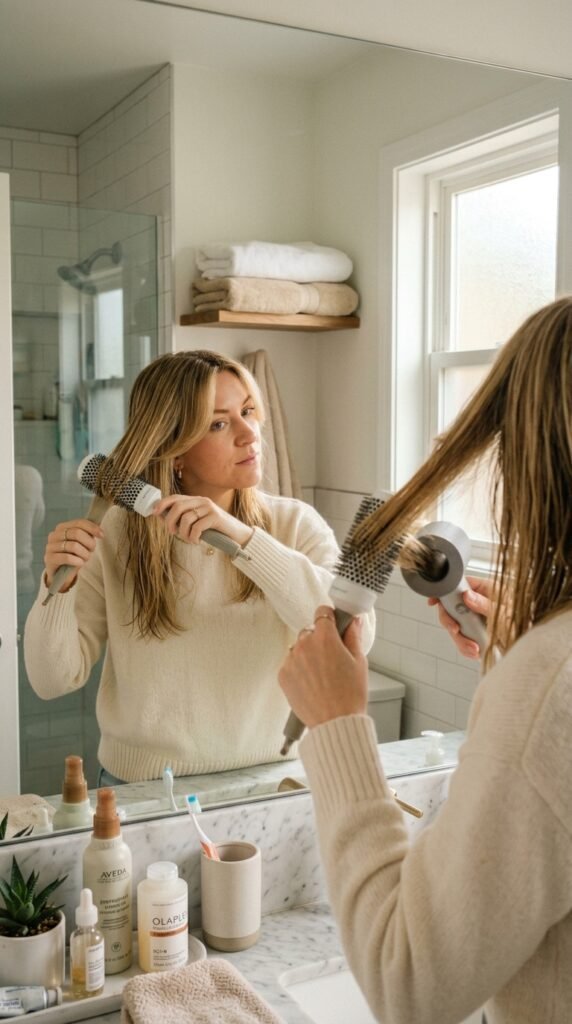
Let’s make your face-framing layers look amazing without a salon visit. Here’s my exact routine:
- Start with slightly damp hair and apply a heat protectant.
- Blow-dry the face-framing pieces toward your face using a round brush.
- Use a flat iron or curling wand to create a soft bend away from your face.
- Finish with a tiny bit of texturizing spray for grit.
- Comb through with your fingers for an effortless finish.
That’s it. Five steps to bouncy, face-flattering layers.
This works on everything from a quiet luxury bob to longer cuts.
Must-Have Products for Bouncy, Defined Layers
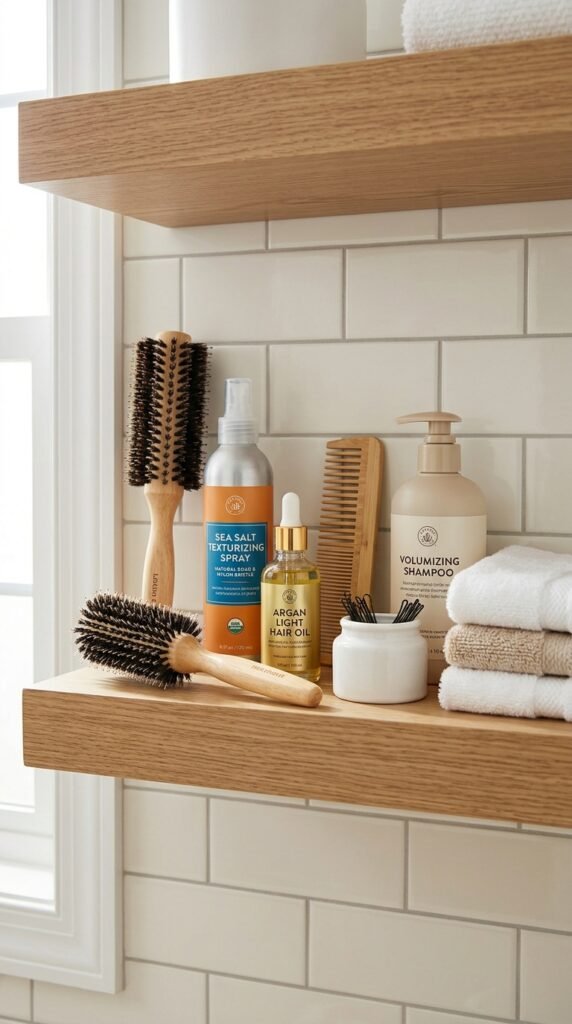
Face-framing layers love a few specific products. I keep my routine as simple as possible:
- Heat protectant – non-negotiable
- Lightweight mousse – for flexible volume
- Texturizing spray – to stop layers from falling flat
- Hair oil – just a drop on the ends
These five products give you that salon-blowout feel at home. Use them sparingly. Too much product can weigh down your layers.
Try to avoid heavy gels or creams. They’re the enemy of movement.
How to Talk to Your Stylist (Without Confusing Anyone)
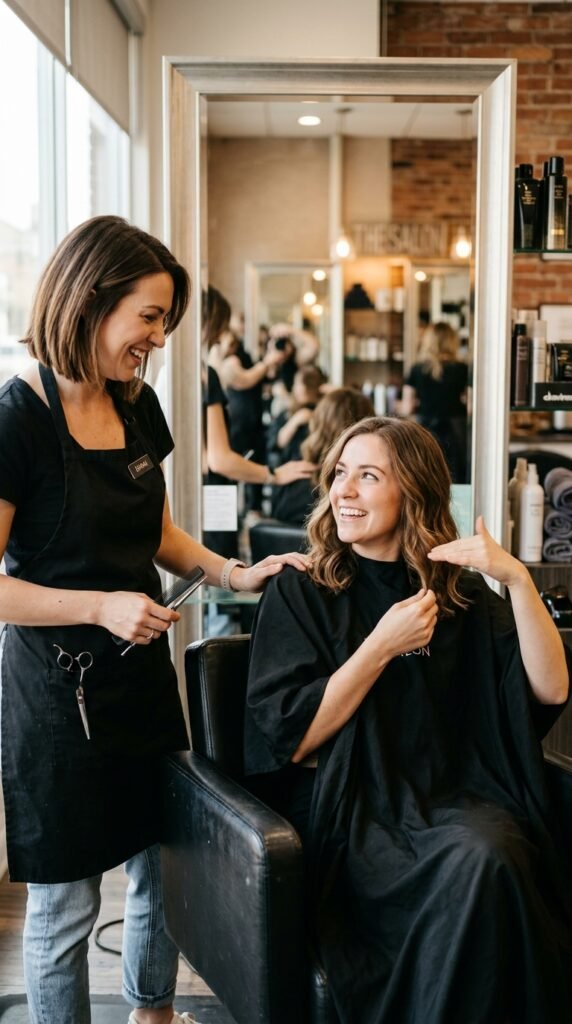
You know what you want, but sometimes it’s hard to say it. Here are the magic phrases I use for face-framing layers:
- “I want layers that start at my cheekbones.”
- “Can you keep them soft and blended?”
- “I want more movement around my face.”
Avoid saying just “face-framing layers” because that can mean different things. Give them a starting point.
Bring a photo if you can. A picture is worth a thousand words, even at the salon.
Face-Framing Layers for Thin vs. Thick Hair: The Game-Changing Tips
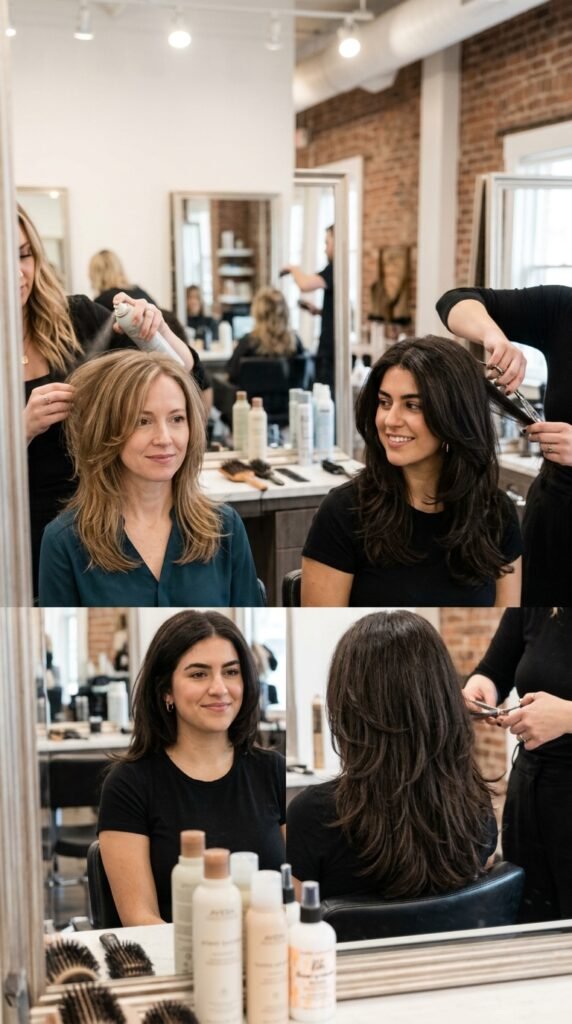
Thin hair and thick hair need different types of face-framing layers. For thin hair, ask for shorter layers near the crown. They give the illusion of volume and fullness.
For thick hair, request longer, heavier layers that start lower. This removes weight without making your hair look stringy.
Your stylist can also add internal layers to help reduce bulk while keeping the outer frame intact.
The right layers can genuinely transform how your hair falls, no matter what texture you have.
My Favorite 2026 Hairstyle Combos Featuring Face-Framing Layers
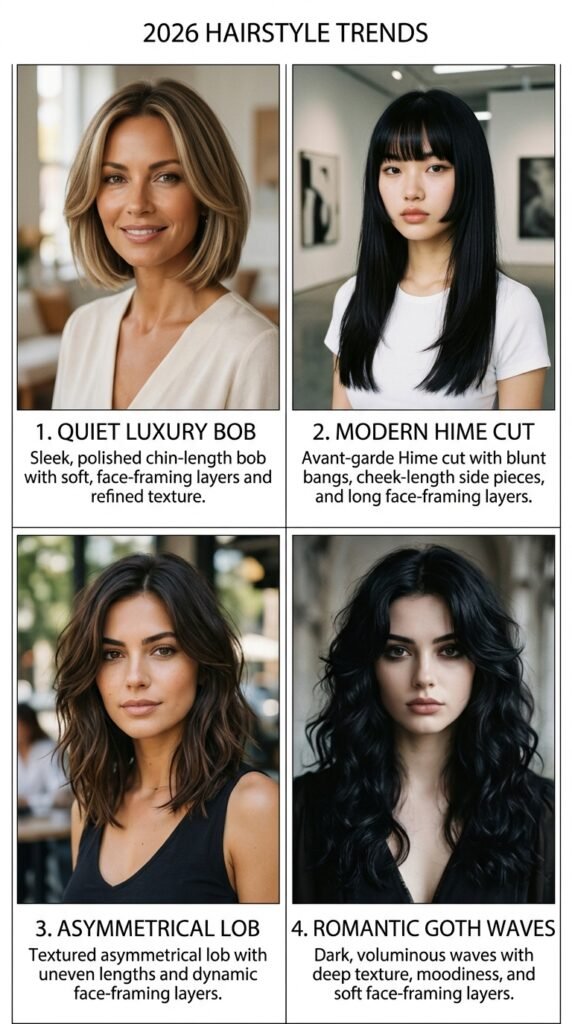
I’ve gathered the best 2026 hairstyles to try with face-framing layers. Save this list for your next appointment:
- Old money hair + long, soft face-framing layers
- Quiet luxury bob + subtle cheekbone layers
- Romantic goth hairstyles + deep side-swept layers
- Glitchy glam hair + razor-cut face-framing pieces
- Asymmetrical lob + uneven face-framing layers
- Vampire haircut + sharp jaw-length layers
- Hime cut + straight thick face-framing pieces
Mixing these trends gives you a look that’s current, personal, and totally unique.
Let’s Wrap It Up
Face-framing layers are honestly the simplest way to hit refresh on your whole look. They work for every hair texture, face shape, and style mood. Whether you’re going for old money hair or a sleek hime cut, the right layers will make you feel like you just left the best salon in town.
Don’t overthink it. Show your stylist a photo, use the phrases I gave you, and take care of those layers with the right products. You’ll see a huge difference in how your hair falls and how confident you feel.
Save this post to Pinterest so you can bring these ideas to your next appointment. And tell me in the comments: which face-framing look are you trying first? I’d love to know!