From Damaged Ends To Healthy Hair By Finally Learning To Trim On A Schedule
It’s funny how we’ll spend hours on styling tools and serums, but completely neglect the one thing that makes hair look truly alive: a regular trim. I used to hold onto dead ends like they were keeping me alive, convinced that cutting meant losing all my length. Turns out, I was just losing all my confidence in the mirror.
Here is the raw truth I learned the hard way: split ends don’t heal. That expensive mask you love? It’s just filling in the cracks. The only real fix is a fresh snip, and doing it on a schedule is the secret to the healthy hair aura we all want. We are going to make this so simple. No more anxiety, just a plan that keeps your ends looking like silk.
Think of this as your permission slip to actually let go of the old. I’m sharing exactly how to build your own trim schedule, what to ask for, and how to keep that “quiet luxury” look without ever visiting the salon more than necessary.
Why “Waiting Forever” Ruins Your Length
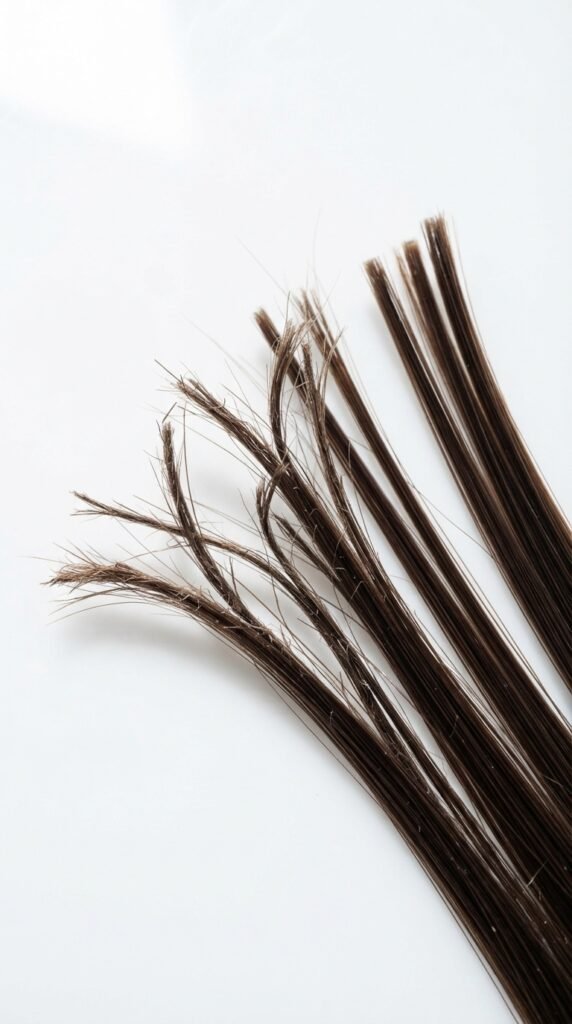
When you skip trims, you might think you’re preserving length. In reality, you’re inviting the breakage to travel up the hair shaft. That snip of just a quarter inch becomes a massive chop later because the damage suddenly decided to party from the mid-lengths down.
It is the ultimate irony. The longer you wait, the shorter your hair gets in the long run because the ends get so thin and wispy. They catch on everything and snap off. I promise you, a tiny dusting every few months keeps your hair looking thicker than growing out a raggedy tail ever will.
Trimming is just maintenance, like oil changes for a car. It is not a downgrade; it is an investment in keeping your best asset looking expensive.
The Real Truth About “Split Ends”
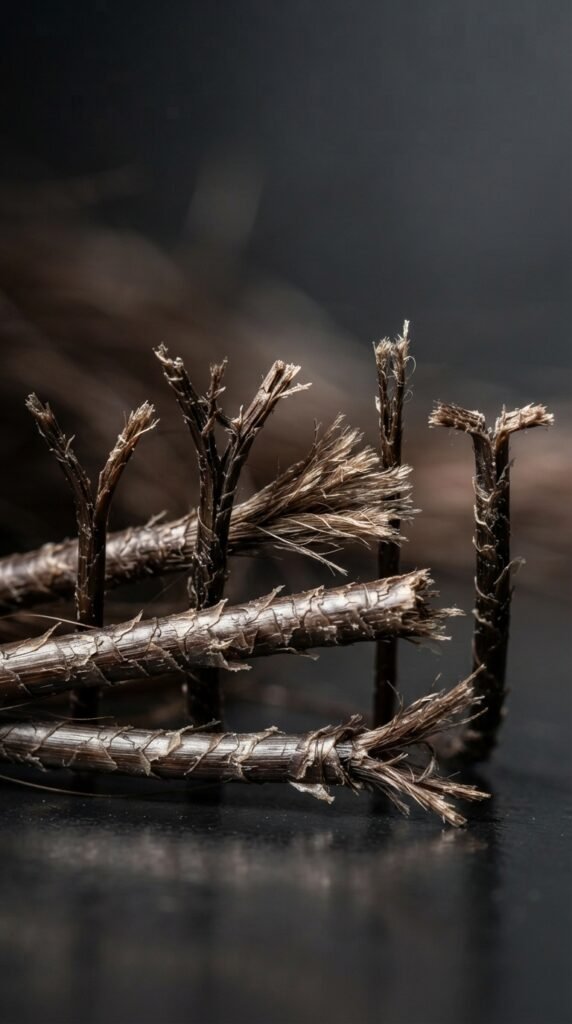
Let’s zoom in on the science for one second. Hair is made of overlapping cuticles, like shingles on a roof. When those shingles lift and break, that is a split end. No product can glue those shingles back together seamlessly. Once that raveling starts, it just splits further up if you ignore it.
You might be tempted to twist the hair and trim a few loose pieces you see. That’s a rescue mission, not a strategy. You want to cut the hair *before* it splits to maintain the integrity of the cuticle, keeping it smooth and flat.
A scheduled trim keeps the “roof” intact. This means less frizz, more shine, and looking like you have that expensive “old money hair” even if your budget is strictly drugstore.
How Often Should You Actually Cut It?

The golden rule is simple: if you have short hair, you need more frequent trims to keep the shape. If you have long hair, you can stretch it a little longer since the ends aren’t holding a specific form.
– **Short Pixie or Bob:** Every 4 to 6 weeks. The silhouette is everything.
– **Shoulder-Length:** Every 8 to 10 weeks for shape.
– **Long Layers:** Every 10 to 12 weeks to keep ends thick.
This is not a strict rule, but a baseline. You should always listen to your hair. If your brush starts to snag on the ends, it’s time to book the appointment. Don’t wait for the straw-like feeling to take over.
The “Dusting” Trick for Length Retention
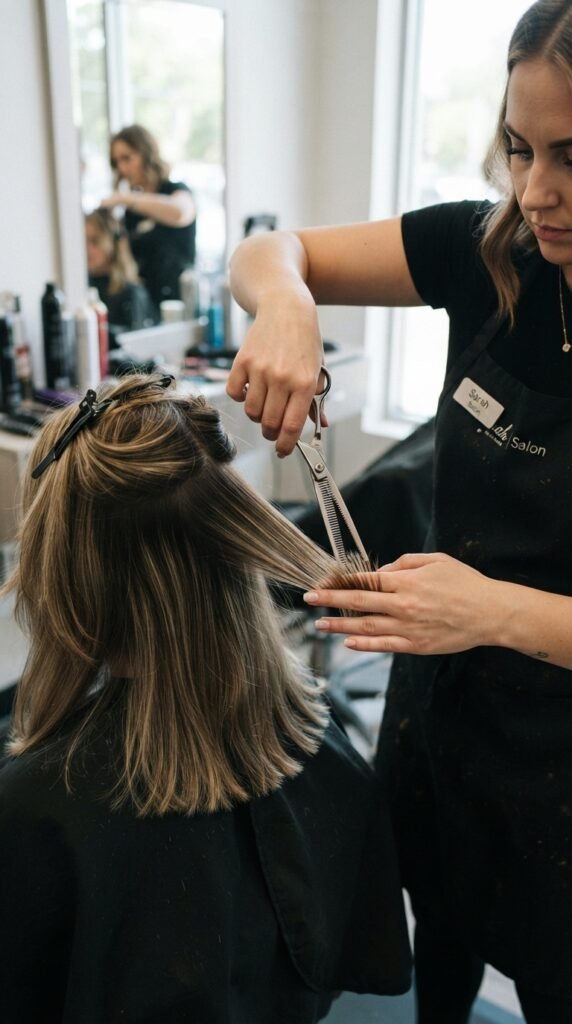
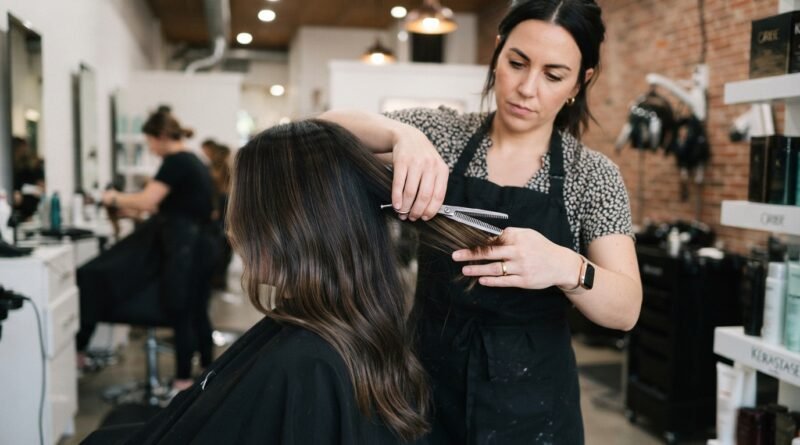
If the idea of losing length gives you anxiety, ask for a “dusting.” This is the process of trimming only the very tips of the hair—literally the split ends—without changing the overall shape or length. It is a clean-up, not a haircut.
Most stylists love clients who understand this. It shows you care about your hair health, not just having long stringy hair. It gets rid of the damage while keeping the silhouette and length you’ve worked so hard to grow.
This method is particularly great if you’re chasing the “2026 hairstyles” trend of long, flowing locks. You get to keep all that beautiful length while removing the weakness that makes it look dull at the bottom.
Tools You Need for Home Trims
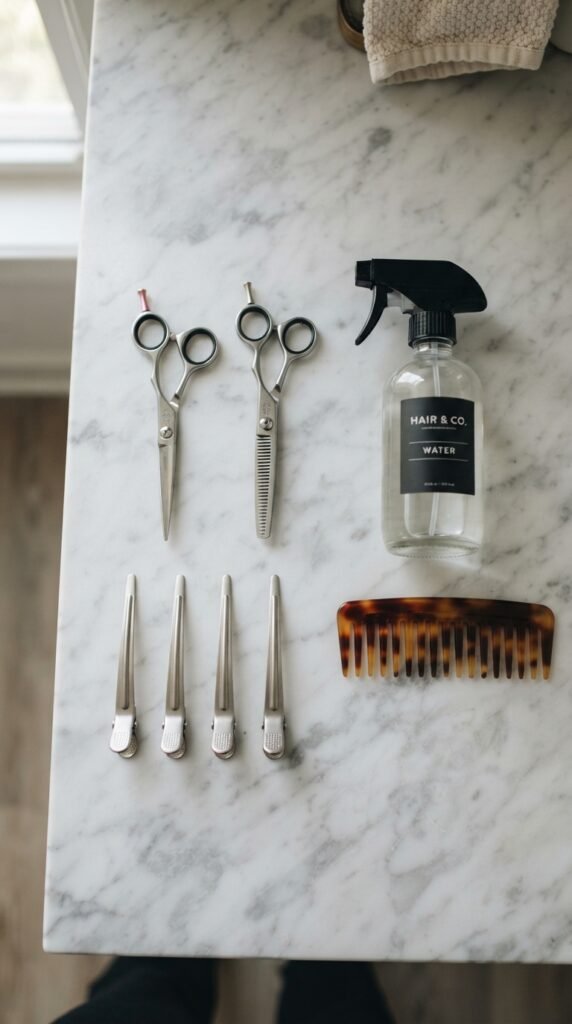
Leave the kitchen scissors in the drawer. Those blunt blades will crush the hair cuticle, creating more split ends than they remove. You need sharp, dedicated hair shears. You don’t need to pay $100, but get decent ones.
– **Sharp Shears:** Must be sharp enough to cut paper.
– **Fine-tooth Comb:** To measure the trim precisely.
– **Sectioning Clips:** To keep hair separated and controlled.
– **Spray Bottle:** Damp hair is easier to cut evenly.
Having the right tools gives you confidence. You are a pro now, not just someone winging it in the bathroom mirror. This also saves you cash between professional visits.
Step-By-Step: How to Trim the Ends

Okay, let’s do a quick DIY session for the in-between touch-ups. This is perfect for a “micro-trim” only, not a dramatic restyle. Always start with freshly washed and damp hair.
– **Catch the pony:** Pull your hair into a low, tight ponytail at the nape of your neck.
– **Secure it:** Add a second elastic band where you want to cut.
– **Trim below the band:** Snip straight across, *under* the elastic, going slow.
– **Check it:** Let the hair down and check the fall.
This is a foolproof method for a straight-across cut. If you have layers, I would still leave that to the pros. But for dead ends, the ponytail method is a lifesaver to stretch out those 12 weeks.
What NOT to Do With Scissors

We all have those horror stories. The “trim” that turns into a bob right before a wedding. The classic mistake is pulling the hair down straight and cutting a solid line when your head is looking down. The hair is actually shorter than intended.
Never cut hair while it’s wet if you want to check the length.
Also, don’t point-cut straight across with the scissors in a vertical position—this can create weird, choppy gaps. The goal is a blunt line to keep the ends looking thick. If you are only touching up the very ends, keep the scissors horizontal.
Why Your Stylist Needs the 8-Week Rule

If you are rocking a “quiet luxury bob” or an “asymmetrical lob,” your shape is crucial. The beauty of these styles is the precision. If those lines grow out, they start to lose the sleek, tailored vibe that makes them look expensive.
This is why the 8-week rule is non-negotiable for these cuts. You are paying for the shape, so you need to protect your investment. The ends need to hit exactly that sweet spot to frame the jawline beautifully.
Book your next appointment before you leave the current one. That is the secret to consistency. This way, the schedule is locked in before your hair even has a chance to look bad.
Signs That You’re Overdue for A Trim
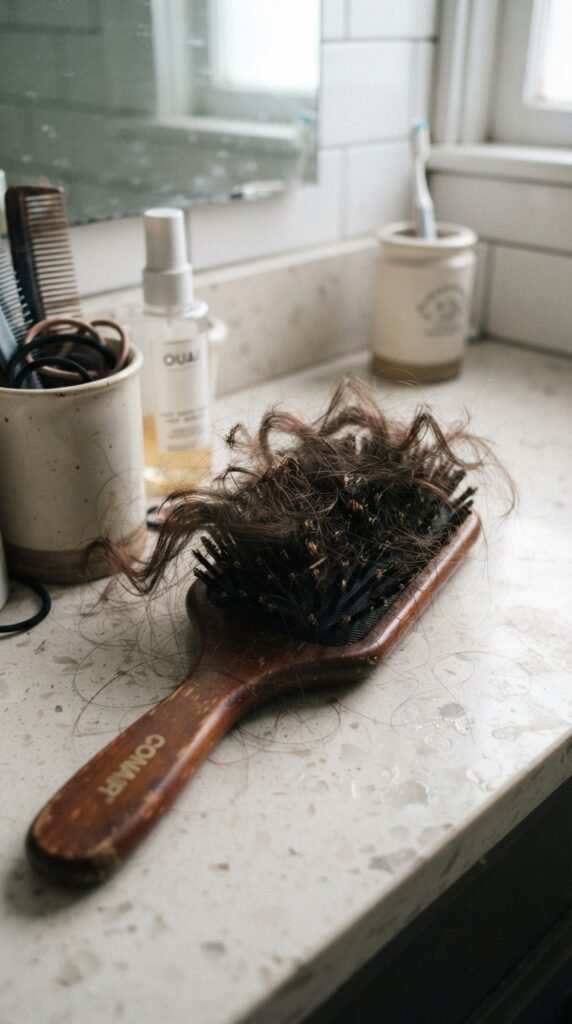
How do you know if you missed your window? It starts subtly. Your hair suddenly seems to take forever to dry or feels rough to the touch. When you run your fingers through it, you feel tiny snags.
Another major sign is when your style falls flat.
– **Increased tangles:** You went from a quick brush to fighting matting.
– **Bumpy ends:** The ends turn up or flip in unsightly directions.
– **Visible split ends:** You hold a strand up and see white dots.
If you hit any of these, you are weeks overdue. It is time to swap those dead ends for a fresh bounce.
The Link Between Trims and Hair Growth
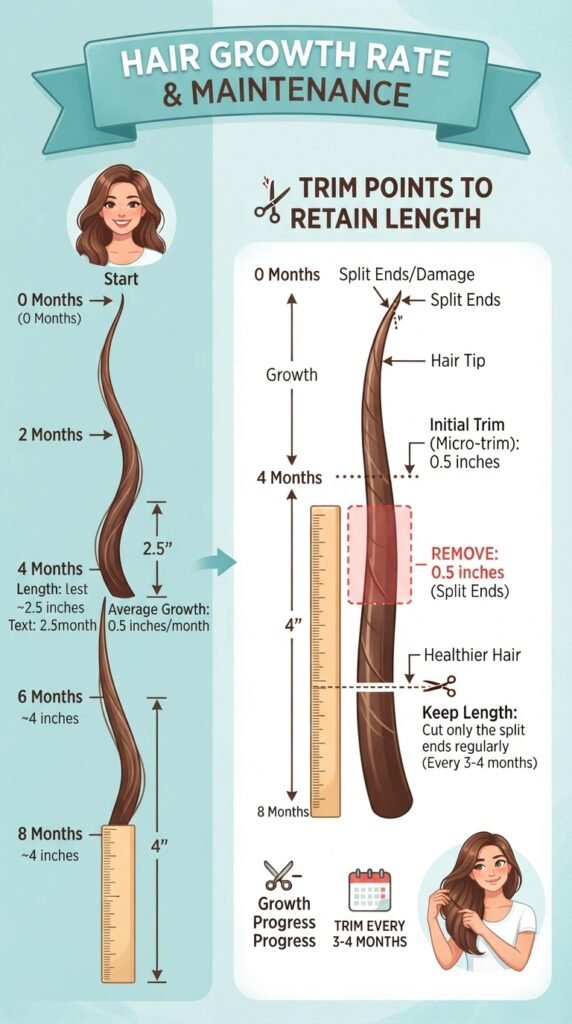
There is a persistent myth that cutting hair makes it grow faster. It doesn’t! Growth happens at the root, not the ends. However, trimming stops breakage, which is the real enemy of growth.
Think of it this way: you are growing a garden. You don’t pull the whole plant out to get rid of dead leaves; you prune them. Pruning allows the plant to focus its energy on healthy growth rather than trying to save the dying parts.
By trimming your ends, you prevent the breakage from reducing your length. Your hair length stays because you are not losing the growth you worked so hard to achieve.
Why “2026 Hairstyles” Need Healthy Ends

Let’s look towards next year. The trends for 2026 are all about grit, texture, and high contrast. Whether you are into the “romantic goth hairstyles” or “glitchy glam hair,” these looks suffer when the ends are fried.
Those sleek, glossy styles rely on a clean cut to look expensive.
– **Blunt Bobs:** Need a solid, unbroken line.
– **Soft Waves:** Need bounce, not stringiness.
– **Sleek Low Buns:** Need the flyaways tucked neatly.
Healthy ends are the base canvas for any trendy style. You cannot rock a $300 blowout on $3 hair health. It just won’t work.
The “Vampire Haircut” Needs a Clean Neckline

Have you heard of the “vampire haircut”? It’s all about the dramatic, blunt shape—often with barely-there layers that have a razor-sharp finish. The entire look hinges on an impeccably clean line at the neck and the ends. Amateur cuts ruin this aesthetic.
This style is one of the biggest “2026 hairstyles” predictions because it leans into the moody, edgy romanticism. The contrast is everything: sharp edge, healthy surface.
If you are committed to this look, your trim schedule is your best friend. You cannot let the neckline get fuzzy or grow into a mullet. Book those six-week appointments to keep the shape slicing clean.
Cutting Damage: Are You Guilty of This?

Trimming often isn’t the problem; your daily habits are creating the damage that makes trims necessary. Are you heat styling without a protectant? Sleeping on rough cotton? Towel drying aggressively?
– **Stop the rough towel:** Use a microfiber cloth or old t-shirt to squeeze out water.
– **Prep for heat:** Always use a heat protectant spray.
– **Sleep smart:** Use a silk or satin pillowcase.
If you reduce the daily damage, your ends will stay fresher for longer. This means you may be able to stretch your trim schedule even further. It’s a win-win for your health and your wallet.
Benefits of the “Search and Destroy” Method
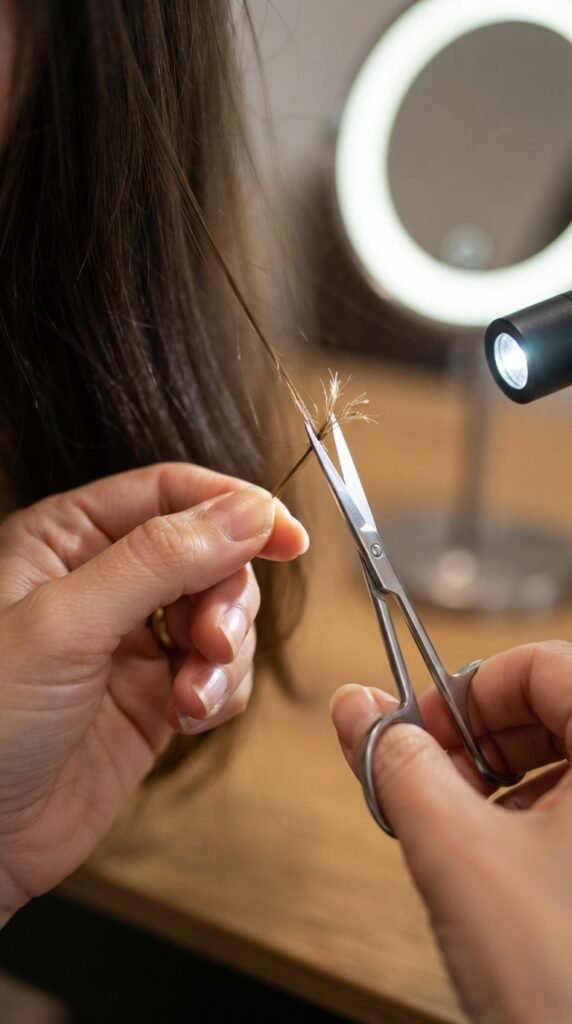
Beyond your scheduled trims, there is a genius technique. It’s called “Search and Destroy.” When you have a spare moment, take a small section of hair and hold it up to the light.
Look for the white dots on the ends and snip them off individually with sharp shears.
– **Do this:** On dry hair, *before* washing.
– **Why:** Wet hair stretches and hides the true split.
– **Caution:** Keep track of time so you don’t get obsessive.
This targeted approach is a brilliant way to extend the life of a cut. You are removing the splits that have popped up since the last appointment, keeping the rest of the hair flawless.
Building a Trim Schedule for Bleached Bombshells
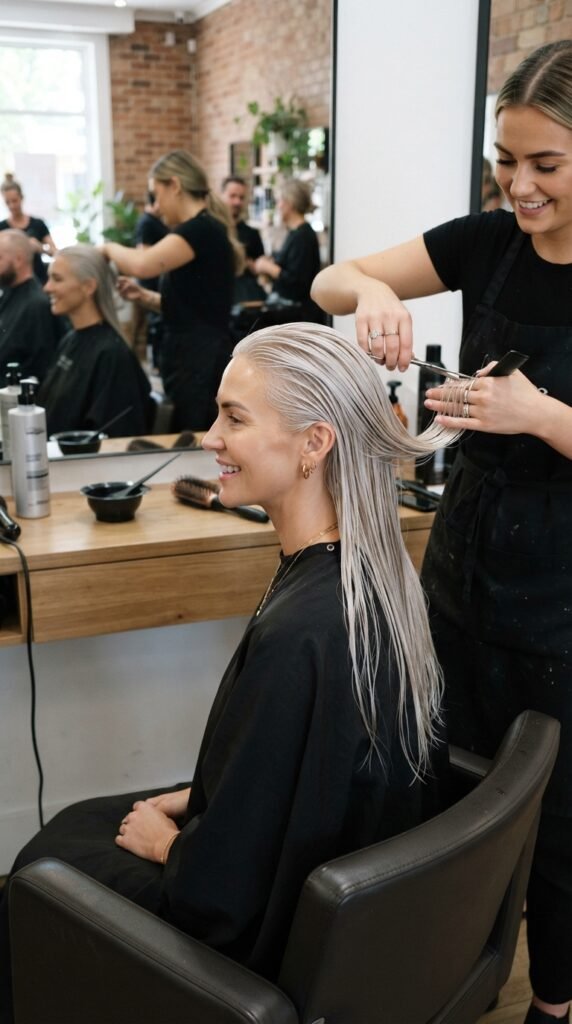
If you love your balayage or blonde, listen up. Bleached hair is more vulnerable. The chemical processing weakens the bonds, making the ends brittle and prone to snapping. Consistency is key here.
I recommend trimming every 6 to 8 weeks for heavily processed hair. This keeps the breakage at bay before it travels up to ruin your root grow-out. Your color will also look 100% better.
A “hime cut” with those blunt face-framing pieces also requires frequent TLC if you color it. The short, sharp lines highlight the texture of the ends. If you let it go, you will see the brassiness and damage more.
Salon Talk: How to Communicate What You Want

The phrase “just a trim” is terrifying to stylists because it’s so vague. “A little bit off” could mean an inch to you and a half-inch to them. Be specific. This communication saves your length.
Instead of gestures, say, **”I want to remove exactly one inch.”**
– **Bring a photo:** Visuals are perfect.
– **Clarify the goal:** “I want to keep the length, not take off the shape.”
– **Check the weight:** Ask if removing some weight would help.
A good stylist will appreciate your clarity. You are less likely to leave in tears, and you build a relationship of trust. They will understand you want preservation, not a free-spirited change.
Scheduling Trims Around Your Hair Goals
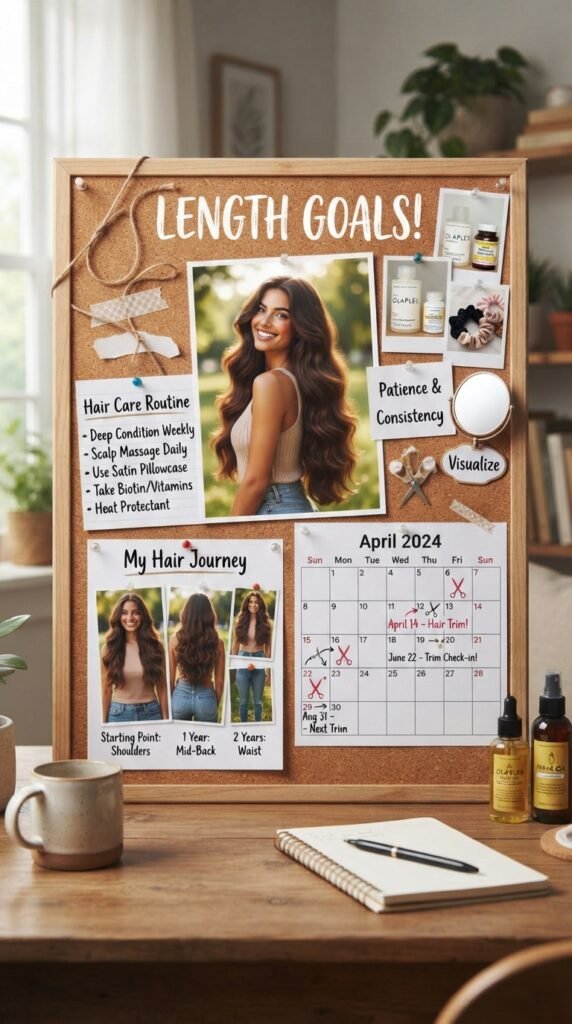
Are you trying to grow your hair to your waist? Or are you trying to maintain a chic shoulder-length? Your trim schedule changes depending on your answer.
If you are in the **growing phase**, trim a little bit ( like a quarter inch ) every 10-12 weeks. This cleans up the edges without robbing you of your progress. You only need to remove enough to keep the ends blunt and healthy.
If you want to **maintain your current length**, trim a full inch at those same intervals. This keeps the ends fresh and thick. You will lose what you gain, but you keep the shape looking sharp.
The “Invisible” Dusting for You

This is my favorite secret. Ask your stylist for a “dusting” specifically to remove split ends that are barely there. It’s like a shadow of a trim. The hair looks exactly the same, just better.
This is often done with the hair in sections and using shears to shave only the tiniest bit off the very tip. It takes much longer for the stylist, but it significantly extends the life of your style.
It allows you to keep the length you want while stepping into the slow luxury movement. The goal isn’t constant change; it’s constant perfection and health.
How to Make Your Trim Last Longer

Getting a fresh cut is amazing. Let’s keep that “just left the salon” feeling alive for weeks. It’s all about your routine once you step out of the chair.
– **Run a comb, not a brush:** Brushes pull on the ends and cause fraying.
– **Add a drop of oil:** Use on the ends only to lock in moisture.
– **Low tension styles:** Avoid tight ponytails that stress the nape.
Your ends are the oldest part of your hair. They need the most love, not the most heat. Treating them gently is how you protect the salon’s work.
Old Money Hair: The “Less is More” Approach

The “old money hair” trend is basically a masterclass in healthy ends. It’s about looking rich, polished, and put-together. Nothing ruins that illusion faster than fried, see-through ends.
This aesthetic focuses on heavy, blunt trims. There is no wispiness. It looks naturally glamorous, but it is heavily manicured. The hair mirrors the cleanliness of a tailored blazer.
So, when you think about skipping your trim, remember this. The most expensive-looking accessory you own is a blunt-cut, shiny mane. Go protect it.
Mental Reset: The Joy of Letting Go

There is something deeply therapeutic about getting your hair cut. It feels like shedding an old skin. You walk in with the weight of a thousand bad hair days and walk out lighter.
Don’t treat your trim as a chore. Treat it as an act of self-care. You are prioritizing yourself and your hair health in a chaotic world.
Letting go of those dead ends is a reminder that you can release what doesn’t serve you. It is a simple, physical way to feel more put together before any big event.
My Final Answer About Trim Schedules
We’ve come a long way from being afraid of the scissors. A trim is not the enemy—your neglect is. Ignoring the ends is basically ignoring the health of the whole head. So, put the calendar reminder in your phone right now.
Whether you go for a salon visit or do a safe little DIY, commit to the maintenance. Book that appointment, ask for the dusting, and keep the 2026 trends on your radar. Your future self will thank you for being consistent.
Healthy hair isn’t about luck. It’s about showing up for the small, boring appointments that make the good days look easy. Let’s do this together—we are one snip away from looking like we just stepped out of a hair ad.
## Final Thoughts (And a Little Pep Talk)
Let’s be honest: no one ever regretted a good haircut. The anxiety is always worse than the reality. The moment you see those healthy, bouncy ends reflect the light, you are going to wonder why you didn’t do this sooner. It is a guaranteed confidence boost that costs way less than a new dress.
Don’t let the fear of losing length hold you back from having the best hair of your life. Start small, keep the routine, and watch your hair transform into the glossy, healthy style you are dreaming about. You have officially got a plan now, so trust it.
**Save this post to Pinterest** so you have this exact guide ready for your next salon visit. Then, tell me below—when was the last time you actually got a trim? Did you hold out too long? I’d love to hear your story.