From Stringy To Voluminous Using The Right Products For Your Actual Hair Density
Hey friend, if you’re tired of hair that looks stringy by lunchtime, I get it completely. It’s frustrating to style in the morning and watch it fall flat two hours later. But here’s the secret: it’s probably not your hair. It’s the products you’re choosing for your actual hair density.
We all grab the same “volumizing” shampoo without checking if our strands need light weight or heavy moisture. That mismatch is why you end up flat, greasy, or both. The fix starts with knowing your density, not guessing.
In this post, I’m breaking down exactly how to test your hair density at home and choose products that give real volume. I’ll also show you how to rock trending styles like old money hair and the quiet luxury bob without the flatness.
No complicated routines here. Just small swaps that get big results. Let’s dive in!
Let’s Be Real: Stringy Hair Isn’t Your Fault

I remember looking in the mirror after spending 20 minutes styling and thinking, “why does my hair still look lifeless?” The answer wasn’t effort. It was that I was using products designed for a different hair density.
Density means how many strands you have on your head, not how thick each strand is. It’s the number that decides everything. When you use a heavy cream on fine, low-density hair, it will always fall stringy. That’s not a character flaw, it’s a chemistry mismatch.
Once I figured that out, everything changed. My hair finally looked the way I wanted. You can do the same in the next few minutes.
Hair Density vs. Hair Thickness: What’s the Difference?

People confuse these all the time. Density is how many strands you have per square inch of scalp. Thickness is the width of each individual strand. Your hair can be low density but have thick strands, or high density with super fine strands.
This matters because products often target only thickness. A volumizing shampoo might work for fine strands but do nothing for low density. Meanwhile, a heavy oil could make fine strands look like spaghetti even if you have tons of them.
Take a second to figure out both. It’s the first step to picking the right formula.
The Quick Density Test You Can Do in 10 Seconds

Before we dive into products, let’s find your starting point. Here’s the easiest trick. Look at your scalp directly in a mirror under good light. If you see a lot of scalp through your part, you likely have low density. If you see very little scalp, your density is high. Medium density shows a little scalp but not much.
Another way: tie your hair in a low ponytail and measure the circumference around the elastic. This gives you a clear number to work with. Take a clear hair clip and slide it through your part; if the clip stays without fitting tightly, that’s low density.
- Less than 2 inches: low density
- 2–3 inches: medium density
- More than 3 inches: high density
That’s it. Now you know exactly which products will help you get volume.
Fine Density? Here’s What Your Hair Craves

If your density is low, you need products that add physical volume without heavy oils or butters. Look for words like “weightless,” “airy,” or “volumizing.” Avoid anything with shea butter or coconut oil as the first ingredient.
Your best friends are:
- Volumizing mousse (a golf-ball size is enough)
- Root boosters applied directly to the scalp
- Dry texture sprays for the mid-lengths
These give grip and lift without making your hair feel sticky. Also, a light mist of mousse before blow-drying works wonders for volume that lasts.
Medium Density: Your Goldilocks Zone

Lucky you. Medium density means you can try almost anything without a hugely bad reaction. You still need to be careful with ultra-heavy creams, but you have more flexibility. No extreme dryness, no excess oil—just balanced.
For volume, combine a light shampoo with a mid-weight conditioner. Then use a heat protectant spray and a small amount of mousse at the roots. This gives you the perfect base for styles like old money hair or a quiet luxury bob.
A tip: don’t overdo cleansing. Medium density hair can get oily if you wash too often. Stick to every 2–3 days.
Thick Density: Don’t Let Products Weigh You Down

If you have high density, your issue isn’t lack of hair—it’s too much weight. Products can make everything loop flat. You need hydration that doesn’t coat your strands heavily. A little moisture goes a long way.
Choose water-based creams and gels. Steer clear of heavy waxes or thick butters. They might look great in the jar but will pull your hair down by lunch.
Also, consider a layered haircut. It removes bulk and lets your volume show. Styles like the vampire haircut or an asymmetrical lob are perfect for this.
Why “One-Size” Volume Products Always Fail
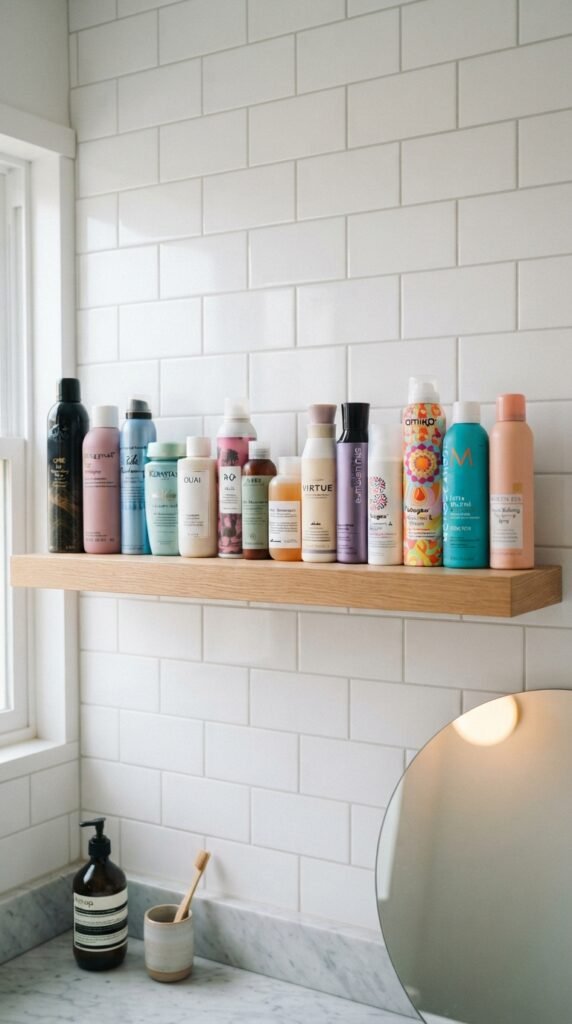
Here’s the truth. That famous volumizing shampoo everyone talks about? It might be perfect for your bestie and a total disaster for you. Because volume needs differ based on density.
Low-density hair needs support to create instant lift. High-density hair needs to be lightened up, not coated. A product that does one thing well usually fails at the other.
That’s why “one-size-fits-all” doesn’t exist in hair care. Once you choose for your density, you’ll finally get the look you want.
The Best Shampoo for Your Density (and the One to Skip)
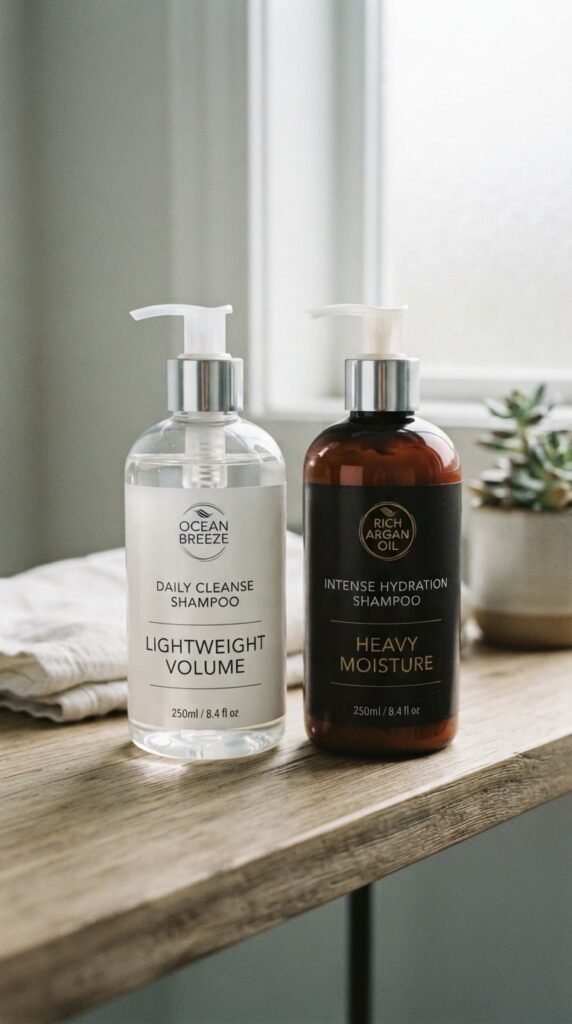
For fine density, go for a sulfate-free clarifying shampoo. It cleans without adding weight. Look for words like “bounce” or “volumizing.” This will keep your roots lifted and your lengths light.
For thick density, choose a smoothing shampoo that tames the hair without stripping it. Avoid anything labeled “extra moisture” if you already have enough oil. You want clean, not coated.
Medium density? You can alternate between the two. The key is to avoid heavy silicone shampoos. They create build-up and make any hair look stringy.
Conditioner Hacks That Add Volume, Not Flatness

Conditioner is essential but can be your biggest enemy if you put it on the roots. For volume, always apply conditioner only to the bottom half of your strands. This keeps your roots free to lift.
Also, rinse with cooler water. Warm water opens up the cuticle and can flatten fine hair. Cold water seals it and adds subtle lift.
Try swapping your heavy cream rinse for a light detangling spray in the summer. Your density will feel better, and so will your volume.
Leave-In Conditioner: The Invisible Support You Need
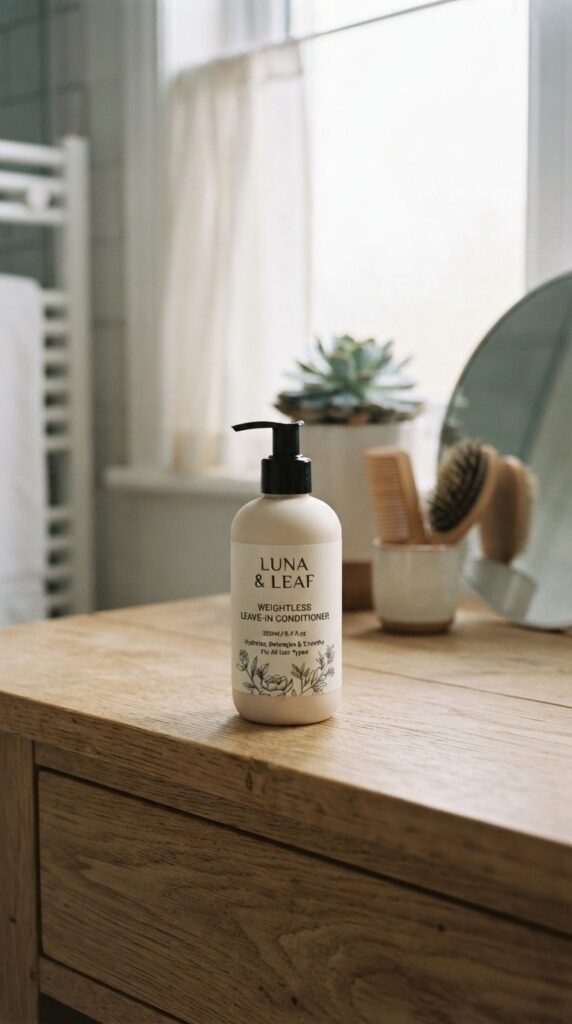
A good leave-in can add unbelievably softness without weight. The trick is to pick one formulated for your density. Fine hair? Go for a mist. Thick hair? A creamy spray works.
Apply on damp hair after towel drying. Use a tiny amount first—you can always add more. Focus on the middle to ends, and scrunch gently.
Don’t rub it in. That can break up the clumps and encourage stringiness. Let your hair air dry or diffuse for extra body.
Root Booster vs. Texturizing Spray: Which Wins?
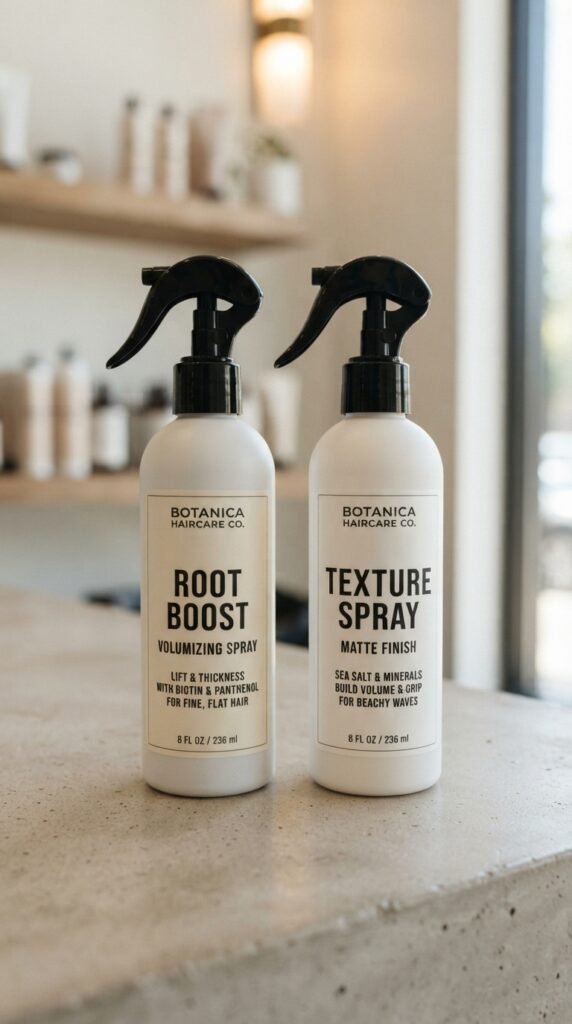
You don’t need both, but knowing which one to buy changes everything. Root boosters are designed to give lift at the very root. Texturizing sprays add grip throughout the hair.
If your density is low and you’re looking for quick lift, go for a root booster. Spray it on your part, wait 30 seconds, then blow-dry upward. Easy and effective.
If your hair is medium or thick, a texturizing spray will give you that bouncy, lived-in look. Use it as a final step and scrunch from below.
Mousse: The Old-School Hero for Volume
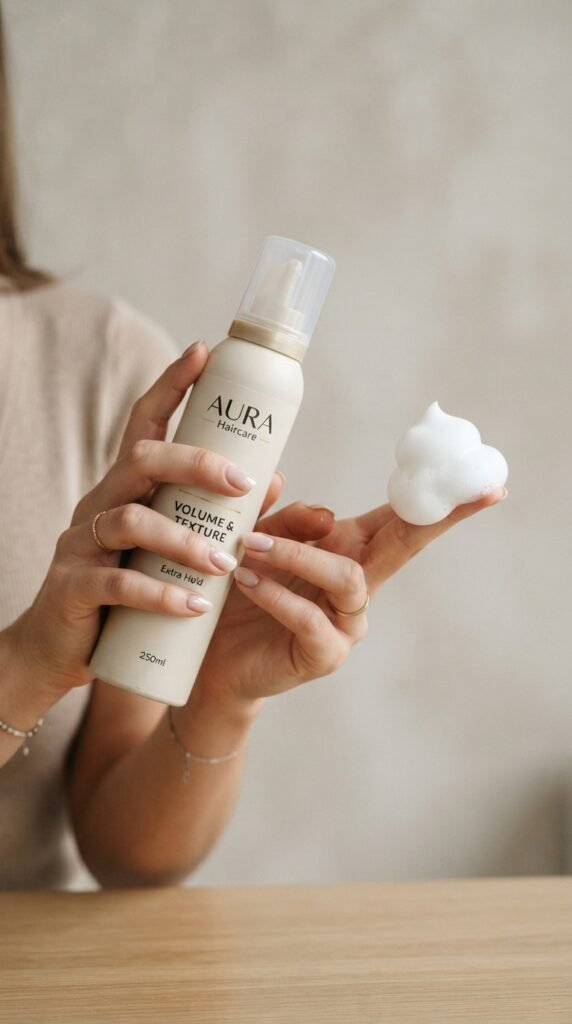
Your grandma was onto something. Mousse is basically liquid volume in a can. It’s incredible for fine or low-density hair because it coats each strand itself and gives it memory.
Use a small amount on slightly damp hair. Flip your head upside down and scrunch it in from roots to ends. Then blow-dry with a diffuser.
Mousse also holds for ages. You’ll skip the midday touch-up and keep your style looking fresh. Perfect for glitchy glam hair.
Why a Good Blow-Dryer Is Worth Every Penny
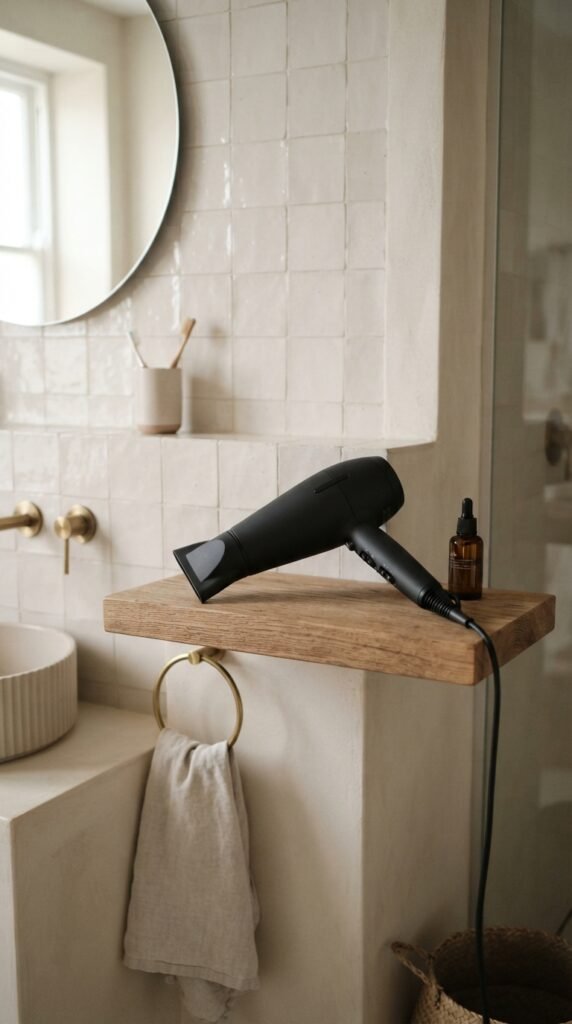
Even the best products won’t work with a weak dryer. A powerful blow-dryer with adjustable heat gives you control. And control equals volume.
Look for ionic technology. It reduces frizz and drying time. A nozzle attachment focuses the air right where you need it.
Remember to use medium heat. High heat can damage strands over time and make your hair flatter. Your density deserves better.
The Right Brushing Technique for Lift at the Roots
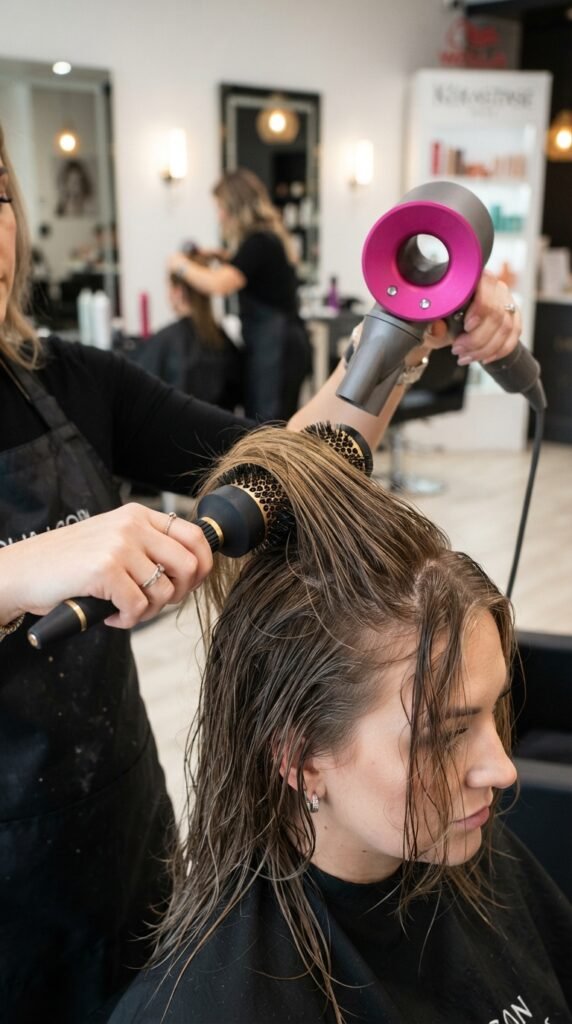
Your brush is a tool, not just a detangler. To get volume, you need to lift each section at the root while blow-drying. Start with a round brush in your dominant hand.
Place it under the root area and roll it slightly upward. Point the dryer at the base for a few seconds, then let it cool. This sets the lift.
Repeat in 2-inch sections. It takes an extra minute but gives you that professional body that lasts all day.
Blow-Dry Like a Pro: Steps for Real Volume

Follow these steps for guaranteed volume. Step 1: apply your mousse on damp hair. Step 2: flip your head upside down and rough-dry until 80% dry.
Step 3: flip back up and use a round brush on individual sections. Step 4: finish with a cool blast of air to lock everything in.
Do this once and you’ll see why so many people think I sleep with my hair looking perfect. No, it’s just the right technique.
Old Money Hair: How to Get It With Thin Strands

Old money hair is all about looking polished without trying hard. For thin strands, you need to create the illusion of body. A soft bend near the chin adds that touch of class.
Use a light root volumizer before drying. Then use a 1-inch curling iron to create loose, undone waves. Don’t worry about perfection—the trend loves imperfection.
Finish with a tiny bit of hairspray mist, and you have that “trust fund” look everyone’s loving in 2026.
Quiet Luxury Bob and Asymmetrical Lob: Volume Tips

These two cuts are everywhere right now. A quiet luxury bob looks amazing on fine hair because the blunt ends create fullness. An asymmetrical lob adds visual interest with its longer front pieces.
For a bob, blow dry the roots away from your face to get gentle lift. For a lob, use a texture spray on the ends to separate and add movement.
Both are perfect for showing off your natural density. Just keep the styling light so the cut stays the star.
Romantic Goth Hairstyles and Vampire Haircut: They Need Density Too

Yes, these dramatic trends are coming hard in 2026. But they can go flat quickly if you ignore your density. The vampire haircut has sharp layers that need some texture to show off.
For fine density, use a texturizing powder to bulk up the ends. For thick density, use a smoothing shiner to keep the silhouette clean.
Romantic goth hairstyles are all about voluminous, dark waves. A generous mist of sea salt spray before curling gives you that dark, dreamy glow.
Hime Cut and Glitchy Glam Hair: Making Them Work for You

The hime cut is a bold, straight-across look with bangs. It can look amazing on any density if you keep the ends sharp. For fine hair, use a tiny bit of gel on the sections to give them a defined edge.
Glitchy glam hair is all about mirror shine and weird angles. This style actually works better with thicker density. If you have fine hair, add clip-in pieces for that futuristic impact.
Both styles are a statement, so let your personality lead.
2026 Hairstyles That Actually Flatter Your Density
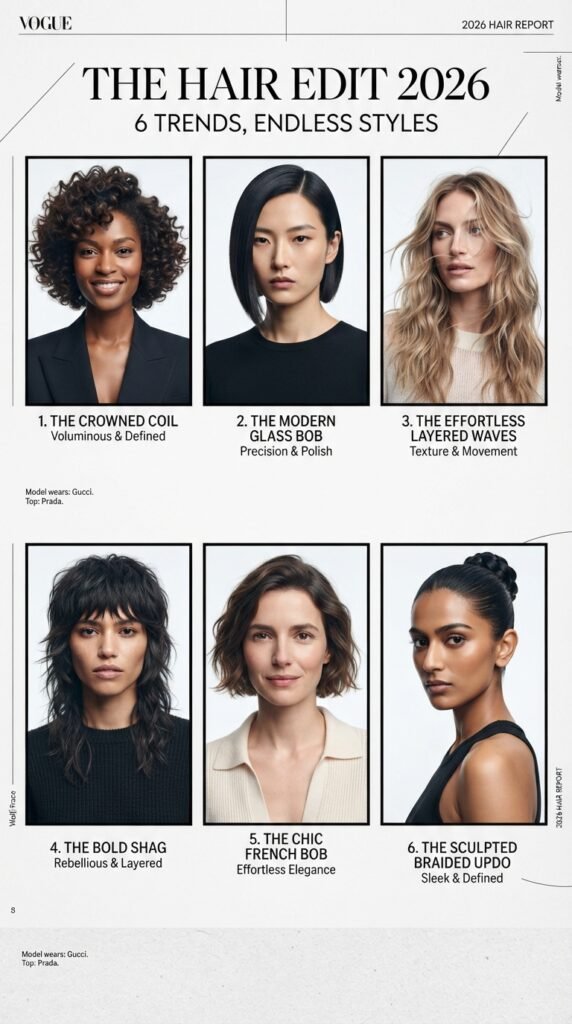
Let’s talk trends for the year. Some styles are designed to work with your density, not against it. Here are my favorites:
- Old money hair: works for medium and fine density
- Quiet luxury bob: great for fine to medium
- Asymmetrical lob: flatters all densities
- Romantic goth: best for medium to thick
- Hime cut: stunning on fine, straight hair
- Glitchy glam: try it if you have thick hair
Keep this list in mind next time you sit in the stylist’s chair.
The One Product I Swear By for Each Density
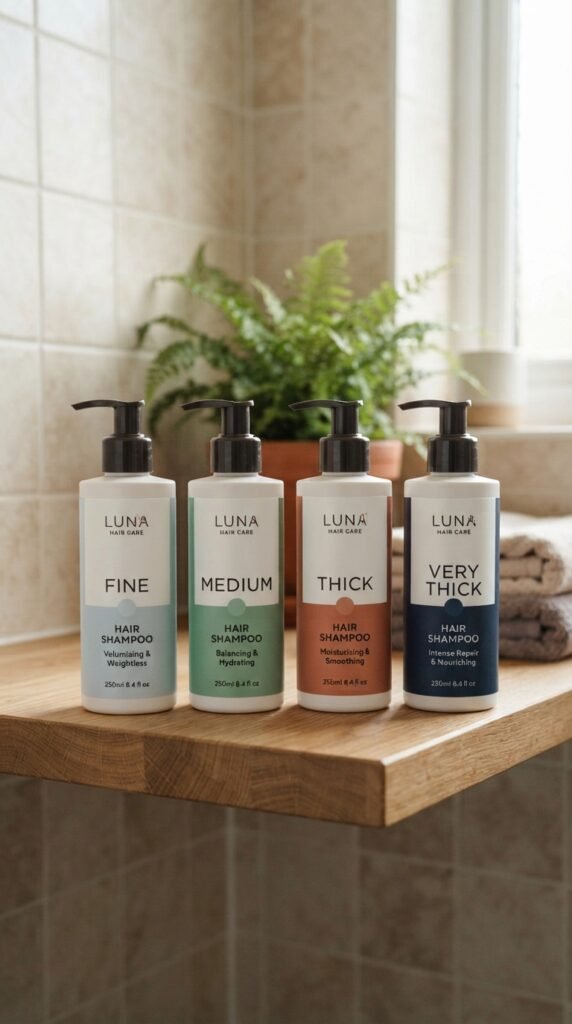
If you ask my friends, they’ll tell you I own way too many hair products. But if you want to know the one product that changed everything for me, it’s a root-lifting spray.
For fine density, get a texture powder. For medium density, a sea salt spray. For thick density, a lightweight leave-in conditioner. Those are non-negotiable for volume.
Try one for a week and you’ll see a visible difference in lift and bounce.
5 Mistakes That Make Hair Look Stringy
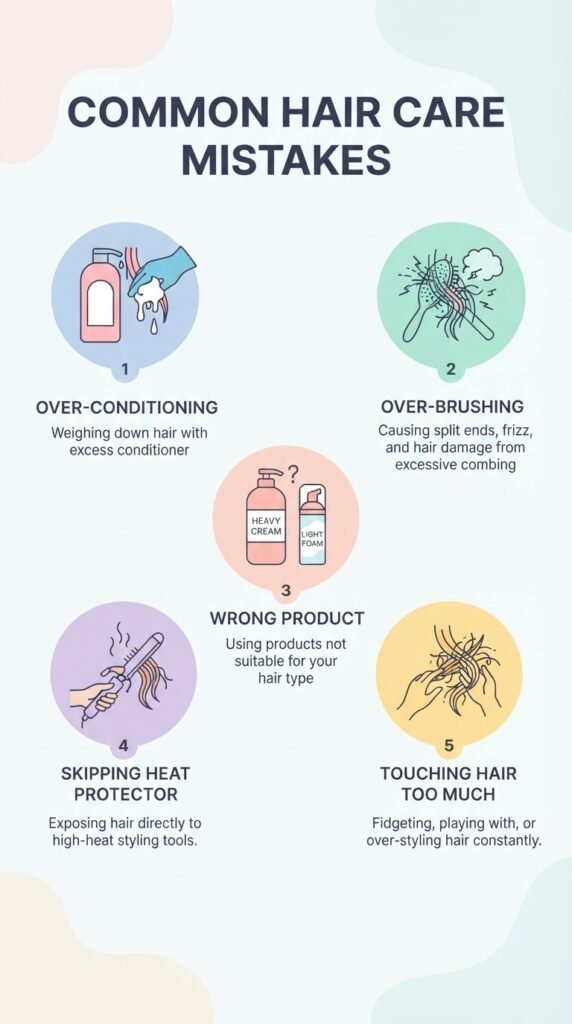
Sometimes you’re doing too much. Avoid these common mistakes:
- Putting conditioner on your roots
- Using heavy oils on fine strands
- Brushing your hair after it takes long
- Going to sleep without washing the product out
- Using the same shampoo year-round
Fix even one of these and you’ll see a difference. Your hair will thank you with more body.
Scalp Care: The Base of All Volume

Stringy hair often starts at the root. If your scalp is greasy, then your hair will clump together no matter what you do. Take two minutes to massage your scalp in the shower.
This loosens dead skin and gets blood flowing to the follicles. Healthier scalp means better volume. Use your fingertips, not nails.
Also, use a clarifying shampoo once a week. This removes product buildup that makes hair look stringy and flat.
How Often Should You Wash? Density Decides

This is a big one. Fine density tends to get oilier faster, so washing every 1–2 days might be needed. Thick density can go 3–4 days without looking oily.
Medium density sits nicely in between. If your hair feels stringy on day 2, try a dry shampoo before it looks greasy. Spray it on the roots and wait a minute before brushing.
Don’t strip your natural oils completely. Balance is key for volume.
A Simple Morning Routine for Long-Lasting Volume
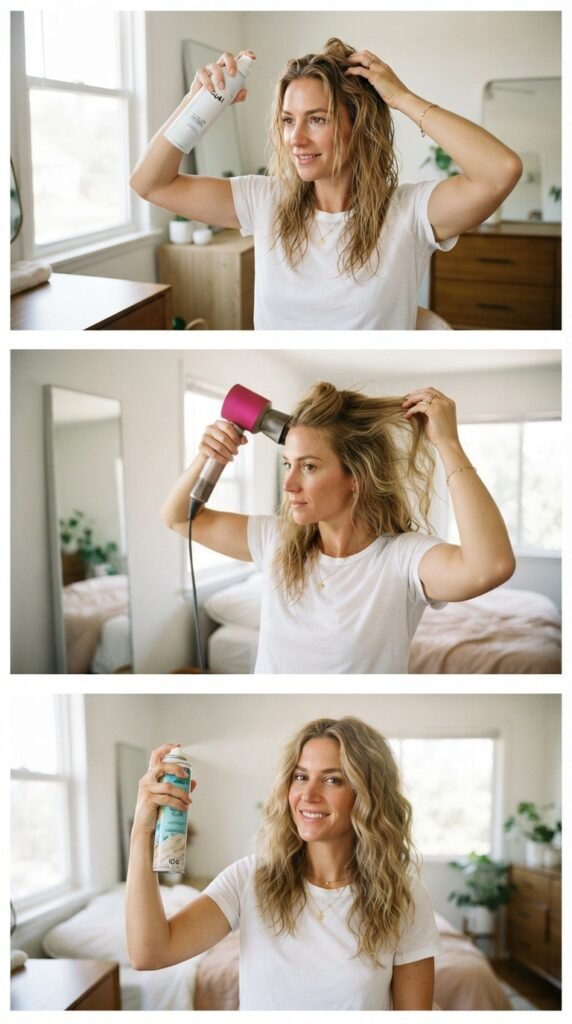
Here’s a routine that takes less than 10 minutes. Step 1: mist your hair with water until damp, then apply a pea-sized amount of mousse. Step 2: flip your hair over and blow-dry the roots on medium heat until 80%. Step 3: flip back and use a small round brush on your crown area for extra lift.
Finish with a blast of cool air and a touch of texture spray. That’s it. You’ll walk out with volume that honestly lasts until dinner.
Final Thoughts
Thanks for hanging out with me today. I hope you’re leaving with a little more understanding of your hair and a lot less stress about your products. Remember, volume starts with knowing your density.
Your hair is unique and beautiful. Being kind to it through the right choices makes a huge difference. I see you, and I know you’ll get that voluminous hair you really want.
Save this post to Pinterest so you don’t lose it. And then tell me in the comments: what’s your hair density? I’d love to hear your volume story.