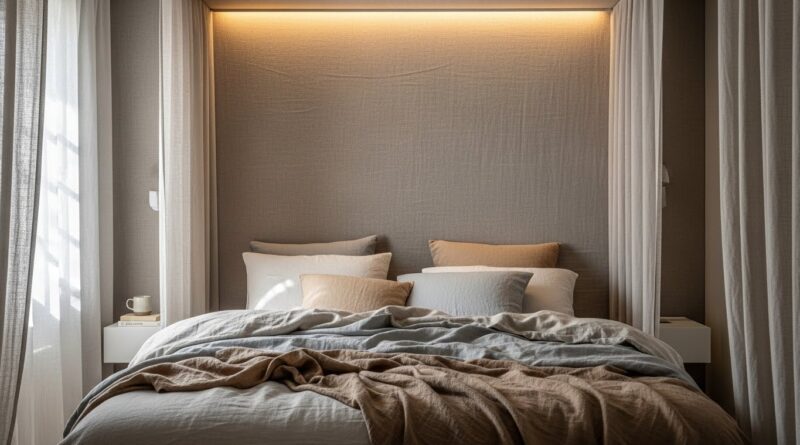
Graduated Edge: Building Texture at Perimeter
In the world of interior and architectural design, we often focus on the central features: the statement sofa, the dramatic light fixture, the bold artwork. But what if the secret to a truly captivating and dynamic space lies not at its heart, but at its edges? Enter the concept of the Graduated Edge—a sophisticated technique for building visual and tactile texture at the perimeter of a room. This approach moves beyond flat walls and sharp corners, creating a layered, immersive experience that guides the eye and enriches the entire environment. It’s about designing the transition between surfaces with intention, creating a sense of depth and discovery that flat planes simply cannot achieve.
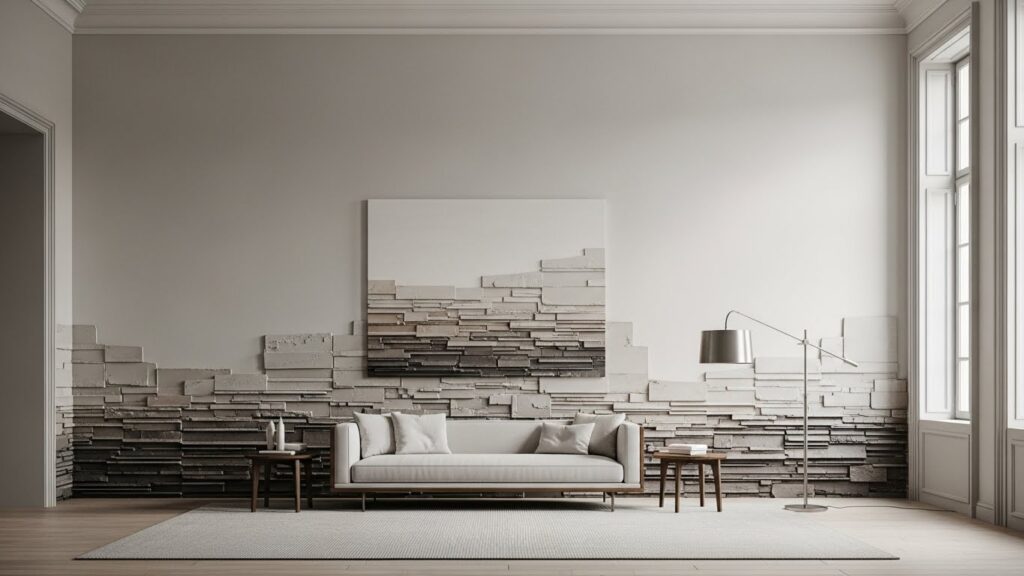
What is a Graduated Edge in Design?
At its core, a Graduated Edge is a boundary that transitions through a progression of texture, density, color, or material. Instead of a hard stop—like where a smooth wall meets a floor—a graduated edge introduces a zone of variation. Think of it as a visual gradient, but for tactile and architectural elements. This progression can be vertical, such as a wall treatment that becomes more textured as it reaches the floor, or horizontal, like a ceiling detail that intensifies toward a central light source.
The power of this technique lies in its ability to create movement and rhythm without clutter. It directs attention subtly, often leading the eye toward a focal point or along a desired path through a room. A graduated edge can make a ceiling feel higher, a room feel wider, or a corner feel softer. It challenges the conventional “five-box” room model and introduces an element of the unexpected, turning the periphery from an afterthought into the main event.
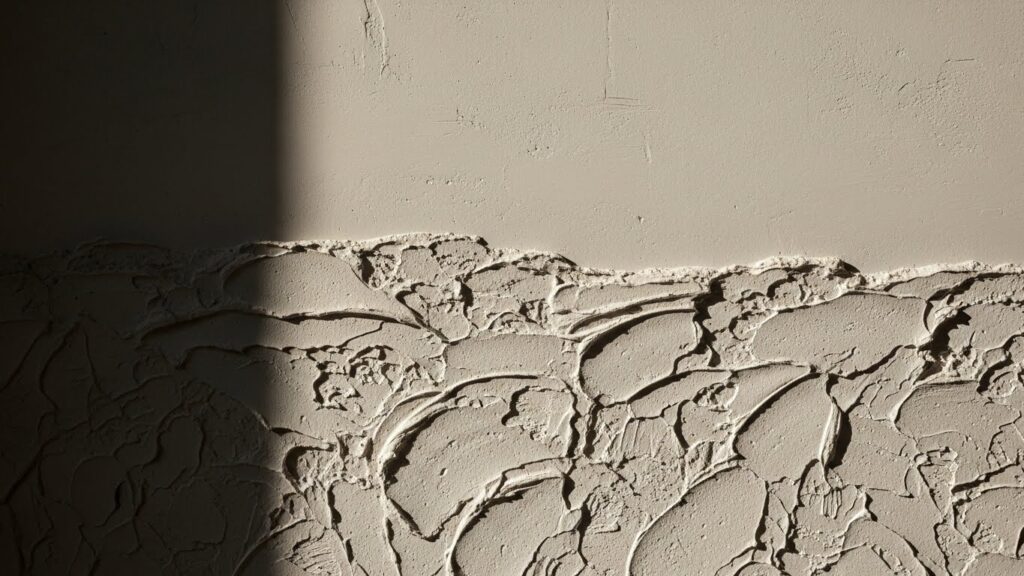
The Psychological Impact of Perimeter Texture
Why does this focus on the edges resonate so deeply? Human psychology is inherently drawn to patterns, progression, and detail. A flat, uniform perimeter can feel static and unengaging, potentially even imposing. In contrast, a textured, graduated edge invites curiosity and exploration. It provides visual landmarks, making a space feel more navigable and intimate.
Textured perimeters also have a grounding effect. By strengthening the base of a wall or the outline of a room, they create a sense of stability and security. This is why many designers use darker, heavier, or more textured materials at the lower portions of a space—it literally and visually anchors the design. Furthermore, this layering absorbs sound, reducing echo and creating a quieter, more serene atmosphere that feels inherently more luxurious and considered than a bare, reverberant box.
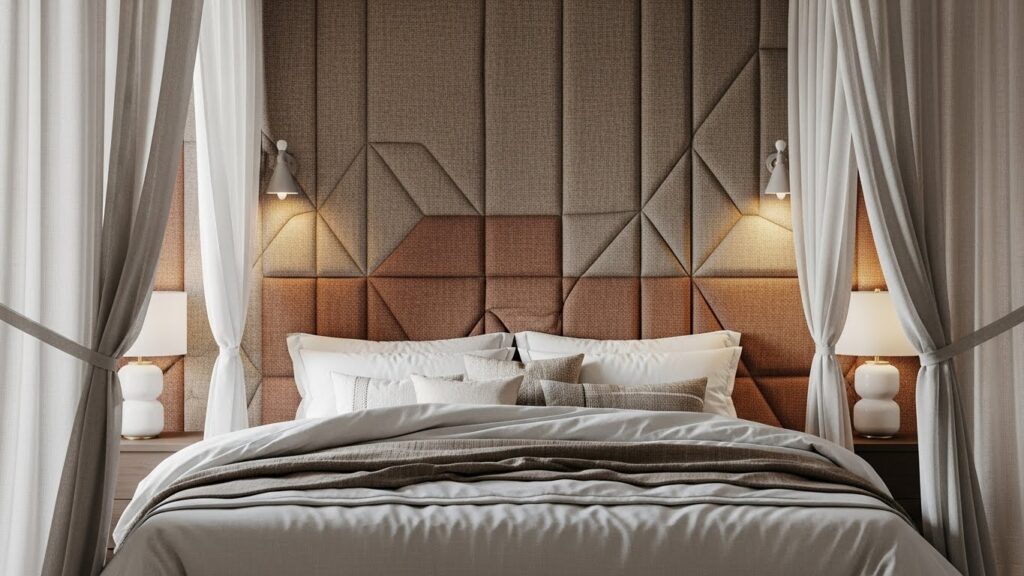
Key Techniques for Building Texture at the Perimeter
Implementing the graduated edge philosophy requires a blend of material knowledge and compositional skill. Here are several potent techniques to build texture at your room’s perimeter.
Layered Material Applications: This involves applying materials in bands or gradients. Examples include stacked stone or tile that becomes more rugged near the floor, wooden slat walls with varying densities, or plaster applied with different techniques from ceiling to floor. The key is a deliberate, visible progression.
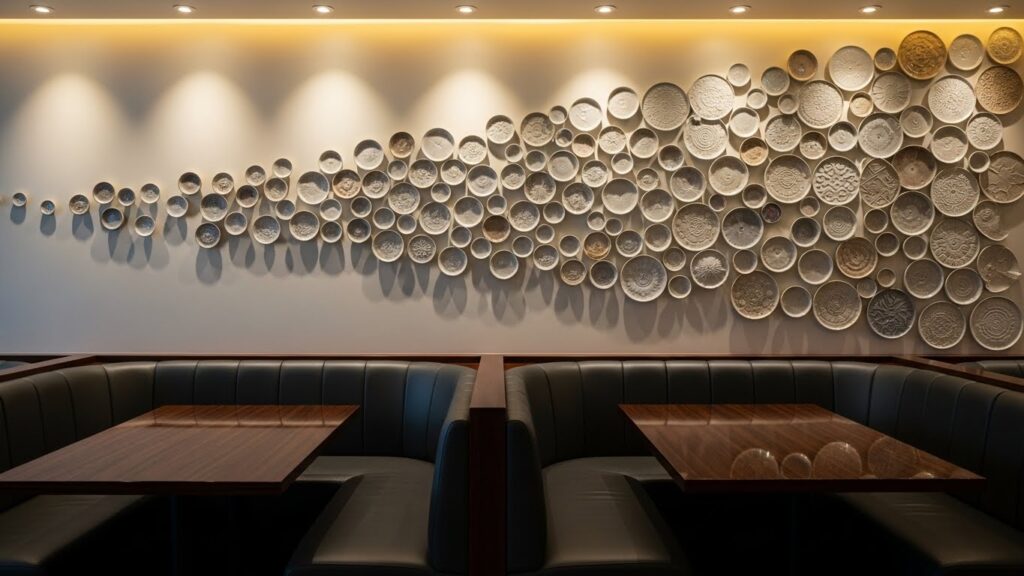
Shadow and Reveal Through Lighting: Architectural lighting is a powerful tool for creating graduated texture. Installing LED strips or recessed lights in coves, niches, or behind floating panels casts grazing light across a surface. This light exaggerates every imperfection and groove in the material, creating a stunning play of light and shadow that changes throughout the day, building a dynamic, textured effect purely through illumination.
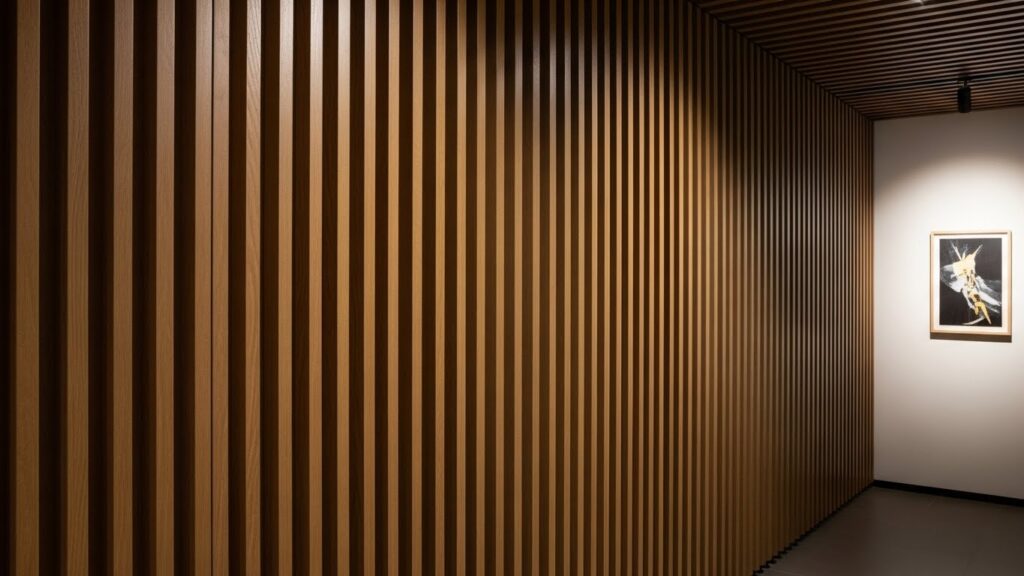
Architectural Millwork and Paneling: Custom millwork like fluted, reeded, or 3D panels can be installed with a graduated pattern. Imagine vertical battens that are spaced widely at one end of a wall and become progressively closer together at the other, creating a striking rhythmic texture that guides the eye. Wainscoting with a deep, textured cap is a classic form of perimeter texture.
Textile and Soft Furnishing Layers: Don’t underestimate the power of fabric. Floor-to-ceiling drapery with varying opacities, layered rugs that extend and define a seating area’s edge, or textured tapestries on walls can create a soft, graduated boundary that feels warm and inviting.
Practical Applications in Modern Interiors
How does this theory translate into real-world spaces? The graduated edge strategy is remarkably versatile.
In residential living rooms, consider a fireplace wall with stacked stone that begins as thin, precise veneer at the mantel and evolves into chunky, irregular stone at the hearth and surrounding floor. This draws focus to the fire while grounding the space. For a modern bedroom, a headboard wall wrapped in linen or grasscloth, with texture intensified behind the bed, creates an instant, cocooning focal point.
Commercial spaces benefit immensely. In restaurants, graduated texture along banquettes or bar fronts can define intimate zones and absorb noise. In offices, textured acoustic panels arranged in a gradient on a central wall can enhance focus and brand aesthetic simultaneously. Even in small spaces like bathrooms, a tile feature wall with a gradient of gloss to matte finish, or small to large scale, can add tremendous depth without sacrificing an inch of floor space.
Avoiding Common Pitfalls
While powerful, the graduated edge technique requires restraint and purpose. The most common mistake is overcomplication. Adding too many competing textures or creating a progression that feels random rather than intentional leads to visual chaos. The graduation should feel logical and harmonious.
Another pitfall is neglecting the room’s overall balance. A heavily textured perimeter needs to be balanced with moments of calm, typically in the center of the room or on opposing surfaces. Furthermore, scale is critical. A dramatic, large-scale graduated texture will overwhelm a small powder room but might be perfect for a double-height foyer. Always consider the proportions of the space and the sight lines from key entry points.
Conclusion: Redefining the Boundary as a Beginning
The Graduated Edge is more than a design trick; it’s a mindset that redefines the perimeter from a mere boundary to the beginning of a story. By intentionally building texture at the edges, we create spaces that are not just seen but felt. We guide movement, influence mood, and craft environments that are deeply engaging and memorably unique.
This approach invites us to look at our walls, ceilings, and floors not as limits but as the most expansive canvases in the room. Whether you’re planning a full renovation or simply looking to refresh a space, consider how you can graduate the edges. Start with a single wall. Experiment with light. Layer a material. In doing so, you’ll build not just texture, but character, depth, and a profound sense of place.