Graduated Ends: Building Length and Volume
Have you ever admired a hairstyle that seems to defy gravity, with ends that look full, bouncy, and impossibly healthy? Or perhaps you’ve grown your hair out only to find it falls flat, lacking the shape and dynamism you crave. The secret weapon behind many of these envy-inducing looks isn’t a magical product—it’s a foundational cutting technique known as graduated ends. Far from just a trim, this method is a strategic approach to sculpting hair from the inside out, creating an internal architecture that builds length and volume where you need it most.
What Are Graduated Ends, Really?
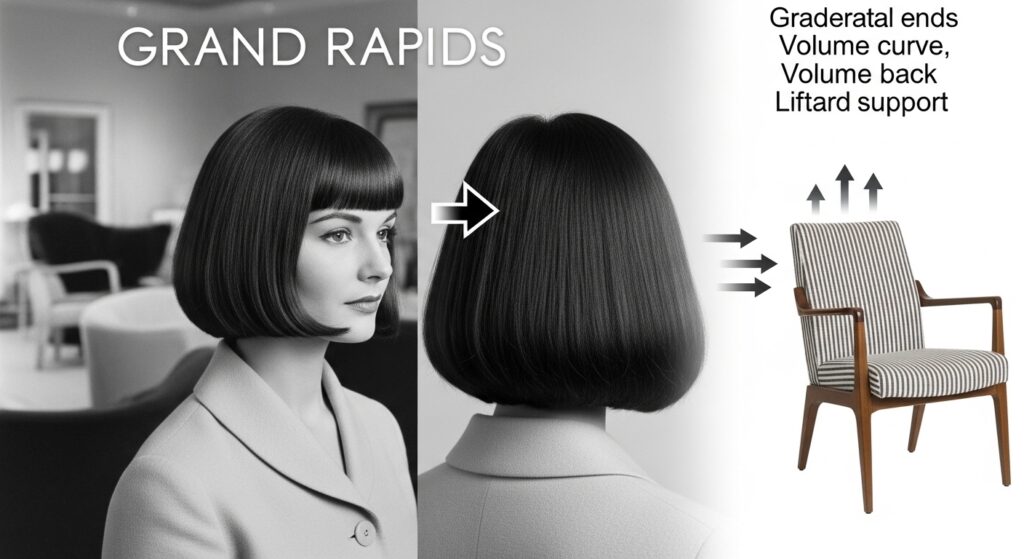
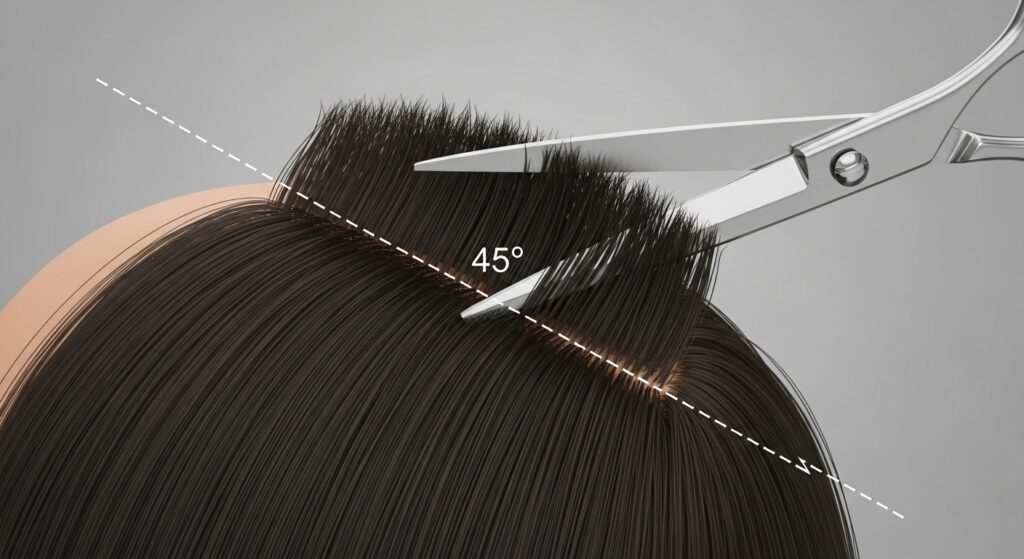
At its core, graduation is a haircutting technique where the hair is cut at an angle other than 90 degrees from its natural fall. This creates a progressive build-up of weight—a “graduation” of length. Imagine a staircase: each step supports the one above it. In a graduated cut, shorter interior layers act as those steps, providing lift and structure to the longer exterior layers.
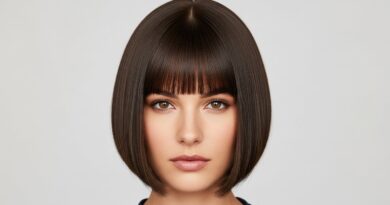
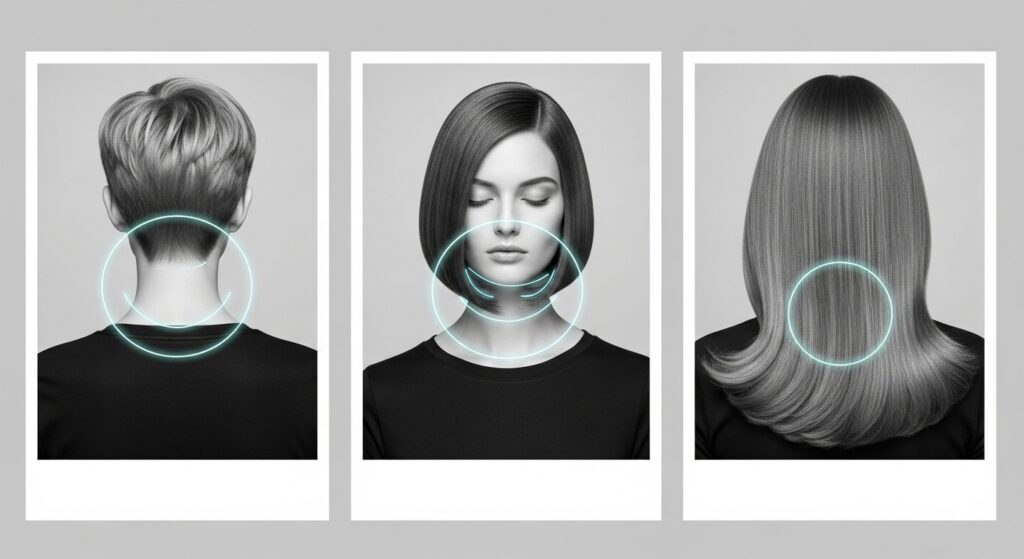
The most classic example is the graduated bob, where the back is cut shorter and gradually lengthens toward the front. This isn’t just a shorter back; it’s a carefully calculated removal of weight from the nape area, which allows the perimeter line to curve inward and then flip out. This internal curve is the engine of the volume. The ends are no longer dragged down by a heavy, horizontal line; they are released and able to move.
The Science of Support: How Graduation Builds Volume
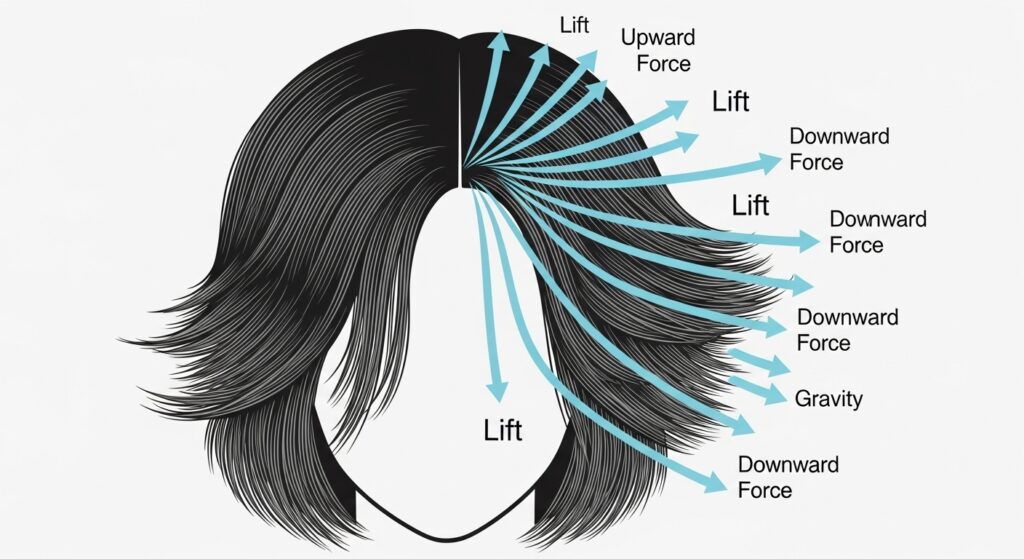
To understand why graduated ends are so effective, think of your hair as a fabric. A single-length cut is like a piece of felt—dense, heavy, and lying flat against the head. Graduation, however, is like tailoring tulle. By removing strategic threads (or hairs), you create air pockets, texture, and a shape that stands away from the body.
This technique directly combats the two main culprits of flat hair: weight and tension. Heavy, one-length hair pulls directly downward from its roots, offering no resistance or lift. Graduation removes bulk from specific areas (typically the interior and nape), redistributing the remaining weight to act as a supportive foundation. This reduces the downward pull, allowing the roots to breathe and the mid-lengths to expand. The result is volume that is built into the shape of the hair, not just styled onto the surface.
Graduation for Every Length: Beyond the Bob
While the bob is its most famous canvas, graduated ends are a versatile tool for any hair length. The goals simply shift.
For medium to long hair, graduation is often used more subtly. Instead of a dramatic stacked back, a stylist might focus on removing weight from the area around the shoulders and up to the occipital bone (the back of the skull). This prevents the dreaded “triangle head” shape—where hair is wide at the bottom and flat on top. By graduating the interior layers, you create a rounded, oval silhouette that carries volume upward. The ends retain their length but feel lighter, bouncier, and more manageable.
For short hair, graduation can create incredible texture and pieciness. Think of a pixie cut with spiky, textured tops supported by shorter, tapered sides and back. That texture and separation are achieved through graduation, allowing sections to stand up and move independently.
Consultation is Key: What to Ask Your Stylist
Walking into a salon and asking for “graduated ends” is a great start, but a detailed consultation will ensure you get the right type of graduation for your hair and lifestyle. Here are essential points to discuss:
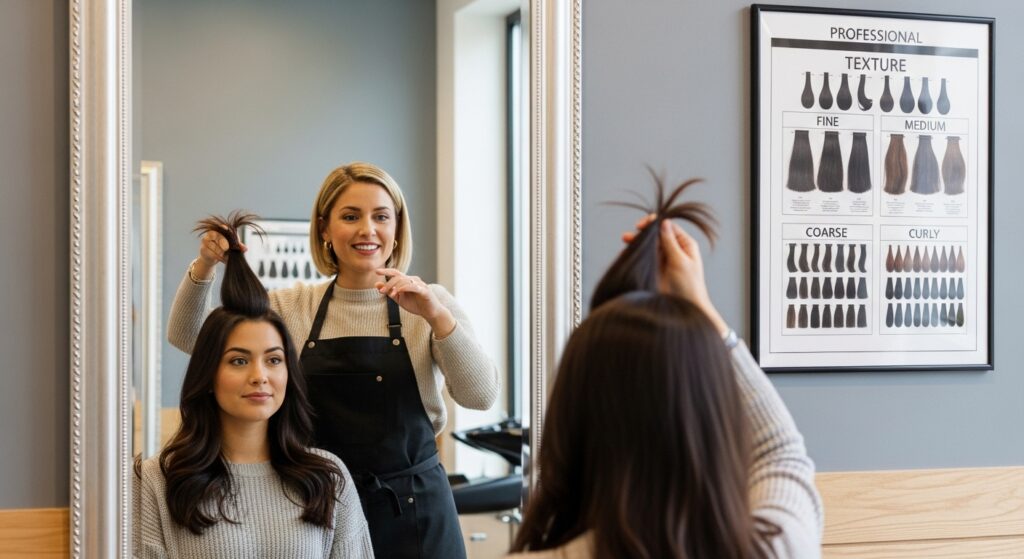
Hair Texture & Density: Fine hair often benefits from light graduation to avoid over-thinning. Thick, dense hair can handle—and often needs—more aggressive graduation to remove bulk and create shape. Curly hair requires a specialist’s approach, as graduation can either enhance spring or cause unwanted layering.
Desired Maintenance: A heavily graduated cut, like a dramatic stacked bob, often requires more frequent trims (every 6-8 weeks) to maintain its sharp shape. A long, subtly graduated cut can go longer between appointments.
Styling Preferences: Do you love a blow-dried, smooth look, or prefer air-dried, natural texture? The degree of graduation can be adjusted to suit. More graduation typically makes hair easier to style with volume, but can be trickier to sleek down perfectly if that’s your everyday goal.
Styling Your Graduated Cut for Maximum Impact
A graduated cut provides the blueprint for volume, but the right styling brings it to life. Your goal is to enhance the built-in structure.
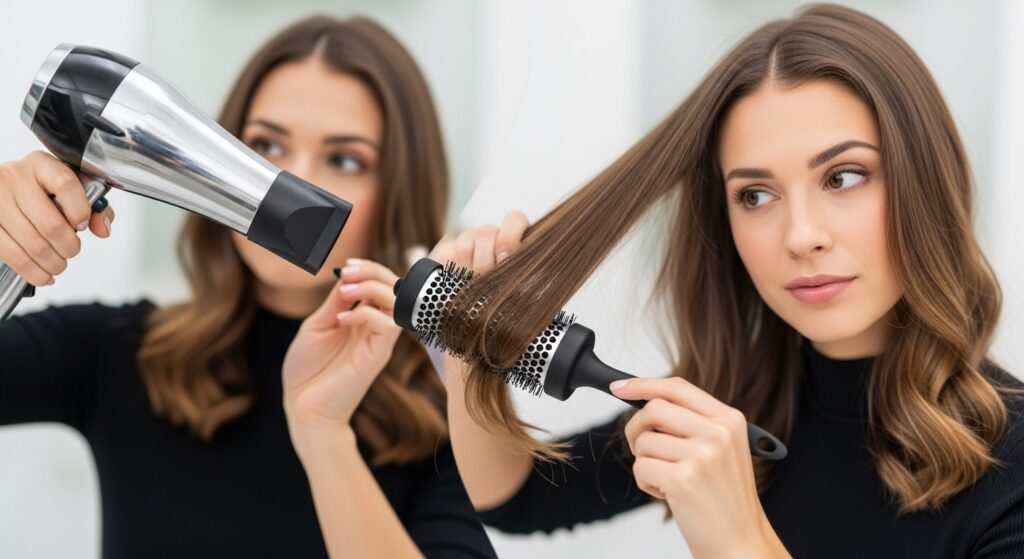
Start with a volumizing product at the roots, like a mousse or root-lift spray. When blow-drying, focus on directing the roots upward and away from the head, especially in the graduated interior sections. Use a round brush to curl the ends under (for an inverted bob) or outward to emphasize the graduation’s swing. For longer hair, a large-barrel curling iron or velcro rollers used vertically can amplify the body created by the internal layers.
Pro Tip: Avoid heavy, oil-based serums or creams on the roots or interior layers. These can weigh down the precise structure you’ve created. Instead, apply them only to the very ends of your hair to combat dryness without sacrificing lift.
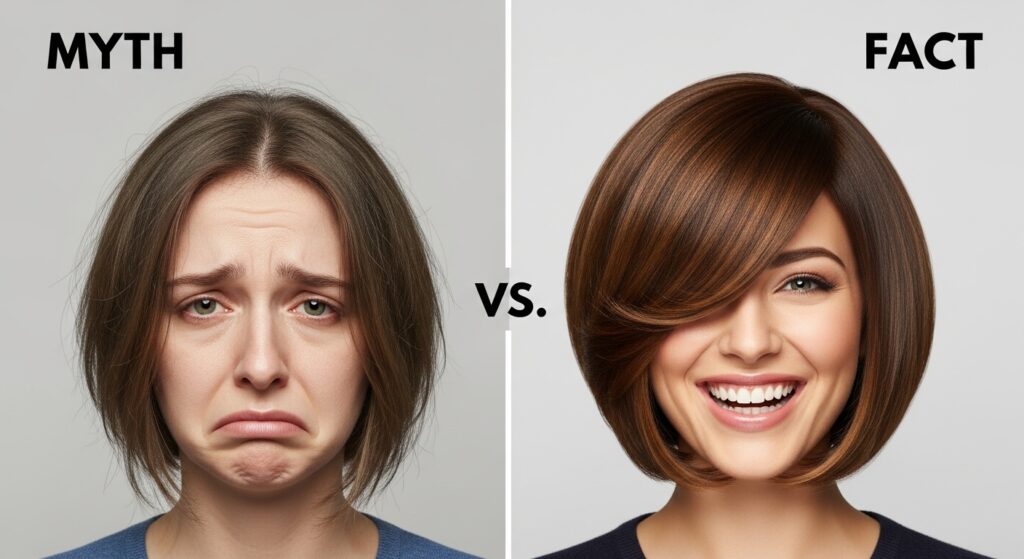
Common Myths About Graduated Ends Debunked
Myth 1: “Graduation is just lots of layers.” Not quite. While both involve varying lengths, all-over layers often remove weight from the entire head, which can thin out the ends. Graduation is a targeted, often concentrated removal of weight from specific areas to build a shape, typically leaving the perimeter stronger.
Myth 2: “It will make my hair look thinner.” When done correctly for your hair type, the opposite is true. By removing excess bulk that pulls hair down, graduation creates the illusion of fuller, more abundant hair because it occupies more space and reflects more light.
Myth 3: “It’s too high-maintenance.” The maintenance level is a choice. A subtle graduation for length retention can be very low-fuss and actually make hair easier</em to style day-to-day, as it has more natural body.
Is a Graduated Cut Right for You?
Consider graduated ends if you: crave more volume and body, especially at the crown; have hair that feels heavy or “lifeless”; want shape and movement without sacrificing too much length; love a haircut with a defined, architectural shape; or are growing out a shorter style and need a strategic shape to transition through awkward phases.
You might want to consider other options if: you desire a perfectly blunt, razor-sharp perimeter; your hair is very thin/fine and prone to looking wispy (though a skilled stylist can navigate this); or you strongly prefer a wash-and-go, zero-styling routine with absolutely no definition at the ends.
Ultimately, graduated ends are a testament to the power of a great haircut. They are a foundational technique that uses the hair’s own weight and structure to create beauty, movement, and resilience. It’s not just a cut; it’s a blueprint for better hair days, offering built-in body and a shape that endures long after you leave the salon chair. By understanding this artful technique, you can confidently collaborate with your stylist to build the length, volume, and style you’ve always envisioned.