Hair Care Mistakes: 12 Things You’re Doing Wrong That Cause Breakage
You spend a small fortune on shampoos, conditioners, and hair masks. You dedicate hours to styling, hoping for that perfect, glossy mane. Yet, despite your best efforts, you find yourself battling with split ends, frizz, and an alarming amount of hair breakage. If this sounds familiar, you’re not alone. The culprit might not be your hair’s natural disposition, but rather a series of common hair care mistakes that are secretly sabotaging your progress.
1. Over-Washing and Using Harsh Sulfates
Washing your hair feels cleansing, but doing it too often can strip your scalp and strands of their natural, protective oils. These oils, known as sebum, are essential for keeping your hair hydrated, flexible, and strong. When you wash them away daily with a harsh, sulfate-laden shampoo, you leave your hair dry, brittle, and prone to snapping.
The Fix: Try to extend the time between your washes. If you have oily hair, dry shampoo can be a lifesaver. When you do shampoo, opt for a sulfate-free formula. These are gentler cleansers that effectively clean your hair without completely stripping its natural moisture barrier.

2. Rough Towel Drying
Your hair is at its most vulnerable when it’s wet. The hair shaft swells with water, making it more elastic and susceptible to damage. Rubbing your wet hair aggressively with a rough, terry cloth towel creates an immense amount of friction, causing the hair cuticles to lift and snap. This rough treatment is a primary cause of frizz and breakage.
The Fix: Ditch the rough towel! Instead, gently squeeze excess water from your hair with your hands. Then, use a soft, microfiber towel or an old cotton t-shirt to blot and wrap your hair. These materials are much smoother and create significantly less friction, helping to keep your hair cuticles flat and intact.

3. Skipping the Heat Protectant
This is arguably one of the biggest sins in hair care. Blow dryers, flat irons, and curling wands expose your hair to extremely high temperatures. Applying this direct heat without a protective barrier is like frying your hair. It literally boils the water inside the hair shaft, leading to bubbles and weak spots that eventually break.
The Fix: Never, ever use hot tools without a heat protectant spray or cream. This product creates a protective shield around each hair strand, deflecting the heat and minimizing damage. Make sure to distribute it evenly through damp or dry hair before you begin styling.

4. Using the Wrong Hairbrush
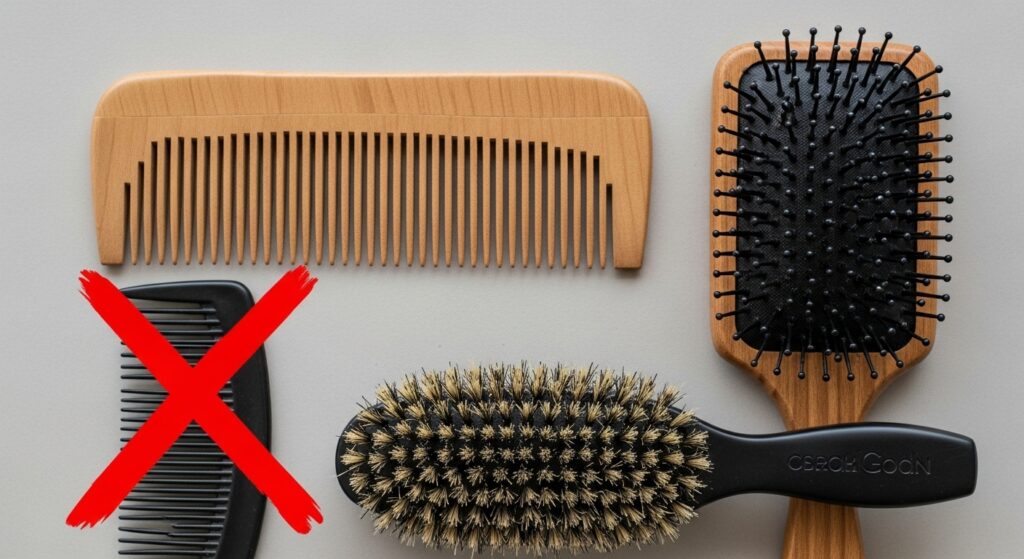
Not all hairbrushes are created equal. Using a fine-toothed comb or a cheap plastic brush on wet, tangled hair is a recipe for disaster. It forces you to pull and rip through knots, causing massive mechanical breakage.
The Fix: Start by using a wide-tooth comb in the shower while your hair is saturated with conditioner. This glides through tangles with ease. For dry hair, invest in a high-quality brush. A paddle brush is great for detangling long hair, a vent brush for blow-drying, and a boar bristle brush for distributing natural oils from root to tip.
5. Tight Hairstyles and Damaging Hair Accessories
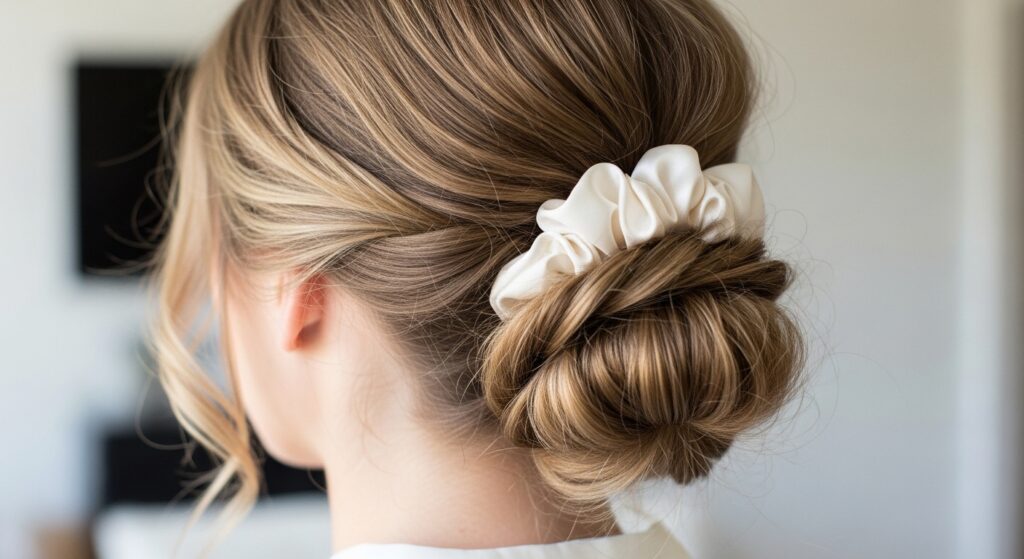
While a sleek high ponytail or a tight bun might be your go-to style, the constant tension can traumatize your hair follicles. This is known as traction alopecia. Furthermore, hair ties with metal clasps or rough elastic can physically saw through your hair strands, causing them to break.
The Fix: Opt for looser hairstyles and vary your look daily. When you do tie your hair up, use gentle, coil-less hair ties (like spiral elastics) or soft scrunchies made from silk or satin. These materials have a smooth surface that minimizes friction and pulling.
6. Neglecting Regular Trims
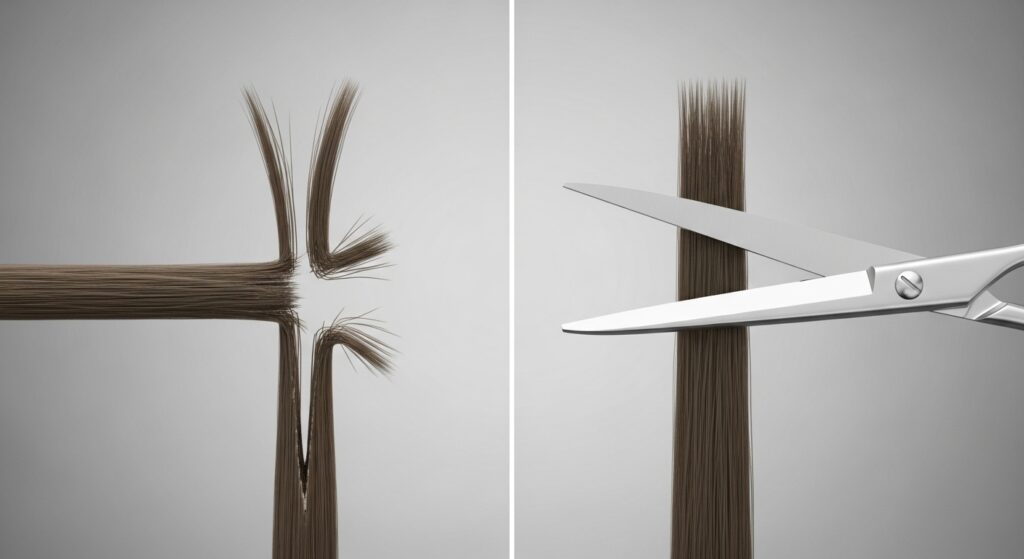
You might think skipping a trim helps your hair grow longer, but it actually has the opposite effect. Split ends don’t just stop at the tip; they can travel up the hair shaft, causing the strand to split further and eventually break off. This means you’re losing length from the bottom up.
The Fix: Get a trim every 8-12 weeks. This isn’t about taking off inches; it’s about preventing damage. By snipping off those dead, split ends, you stop the breakage in its tracks, allowing your hair to retain its length and remain healthy.
7. Sleeping on Cotton Pillowcases
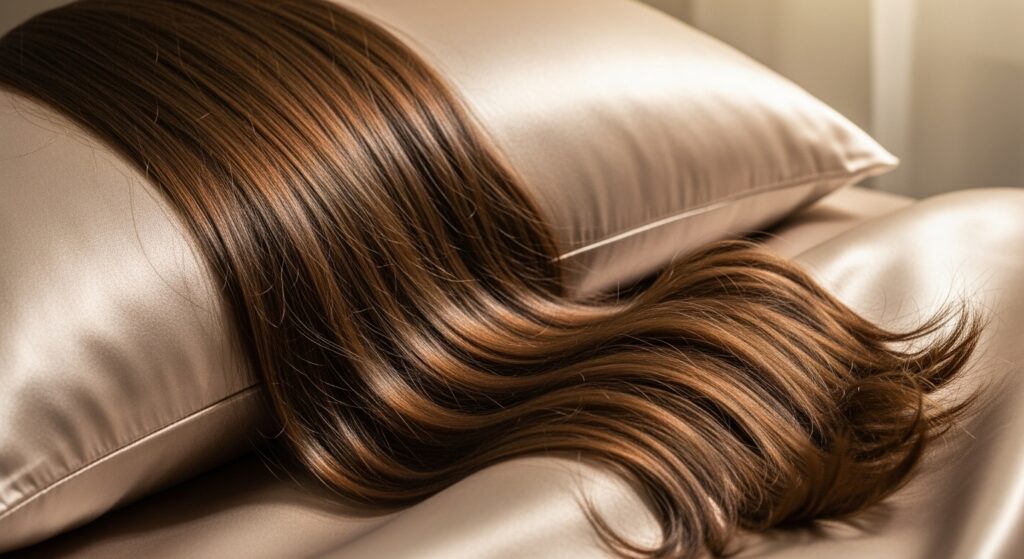
You toss and turn an average of 20-30 times a night. If you’re sleeping on a cotton pillowcase, this creates constant friction against your hair, leading to breakage, tangles, and frustrating bedhead. Cotton is also absorbent, wicking moisture away from your hair as you sleep.
The Fix: Switch to a silk or satin pillowcase. These fabrics have a much smoother surface, allowing your hair to glide over the pillow as you move. This drastically reduces friction, prevents tangles, and helps your hair retain its natural moisture.
8. Chemical Over-Processing
Frequent coloring, bleaching, perming, and relaxing put tremendous stress on your hair. These chemical processes break down the hair’s internal bonds to alter its structure or color. Over time, this weakens the entire hair shaft, leaving it porous, fragile, and highly susceptible to breakage.
The Fix: Space out your chemical treatments as much as possible. Always go to a reputable stylist who understands hair health. In between appointments, use deep conditioning treatments and protein masks specifically formulated for chemically treated hair to help rebuild strength.

9. Brushing From the Roots Down
If you start brushing your hair from the top of your head and drag the brush down, you’re pushing all the small tangles into one giant, impossible knot. Forcing a brush through this knot is a guaranteed way to rip and break your hair.
The Fix: Always brush from the ends first. Start by gently detangling the very tips of your hair. Once those are smooth, move a few inches up and brush through that section, working your way up to the roots gradually. This methodical approach is painless and prevents breakage.

10. Using Too Much Tension When Styling
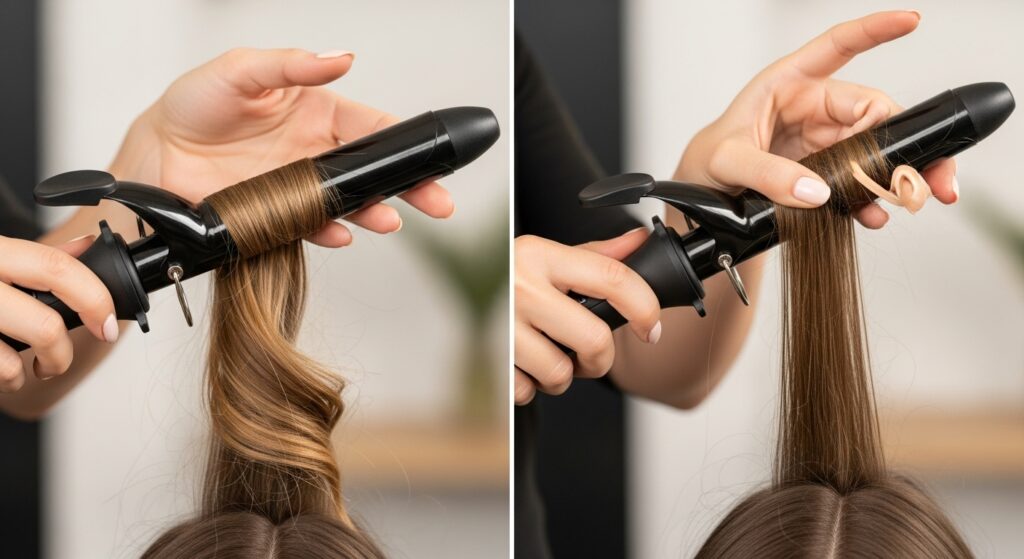
Whether you’re blow-drying, braiding, or using hot tools, applying too much tension is a silent hair killer. Pulling your hair taut with a brush while blow-drying or wrapping it too tightly around a curling iron stretches the hair shaft beyond its elastic limit, causing it to weaken and snap.
The Fix: Be mindful of the pressure you apply. When blow-drying, let the brush guide the hair, don’t force it. When using hot tools, hold the hair gently. The goal is to style with care, not to wrestle your hair into submission.
11. Ignoring Your Hair’s Need for Protein
Hair is primarily made of a protein called keratin. Just like your body, your hair needs a balance of moisture and protein to stay strong and flexible. When hair is chemically treated or damaged, it loses protein, becoming weak, gummy when wet, and prone to breakage—a condition known as hygral fatigue.
The Fix: Incorporate a protein treatment into your routine once a month or as needed. Look for ingredients like hydrolyzed wheat protein, keratin, or amino acids. These fill in the gaps in the hair shaft, temporarily reinforcing its structure and restoring strength.
12. Not Protecting Hair From the Environment
We protect our skin from the sun, but often forget about our hair. UV rays can degrade the protein structure of your hair, making it weak and brittle. Similarly, chlorine from pools and hard water minerals can build up on the hair, causing dryness and breakage.
The Fix: Wear a hat or use a hair product with UV filters when you’re in the sun for extended periods. Before swimming, wet your hair with fresh water and apply a leave-in conditioner to create a barrier. Consider using a clarifying shampoo once a month to remove hard water and product buildup.

Conclusion: Your Path to Breakage-Free Hair Starts Now
Overcoming hair breakage is not about finding one magical product; it’s about cultivating a consistent, gentle hair care routine. By recognizing and correcting these 12 common mistakes, you are taking a powerful step toward stronger, longer, and healthier hair. It’s a journey of replacing harsh habits with nurturing ones.
Start small. Pick one or two of these mistakes to focus on this week—perhaps switching to a silk pillowcase or finally buying that heat protectant. As you build these better habits, you’ll begin to see a remarkable difference. Your hair has the potential to be its healthiest self; you just need to give it the right kind of care. Listen to your hair, treat it with kindness, and watch it thrive.