How to Style Naturally Wavy Hair Without Heat
Naturally wavy hair is a beautiful gift, but styling it without heat can sometimes feel like a challenge. Whether you’re avoiding heat damage or simply embracing a more natural look, there are plenty of ways to enhance your waves without reaching for a curling iron or blow dryer. In this guide, we’ll explore the best techniques, products, and routines to help you achieve stunning, defined waves—all while keeping your hair healthy and heat-free.
Understanding Your Wavy Hair Type
1 The Spectrum of Wavy Hair
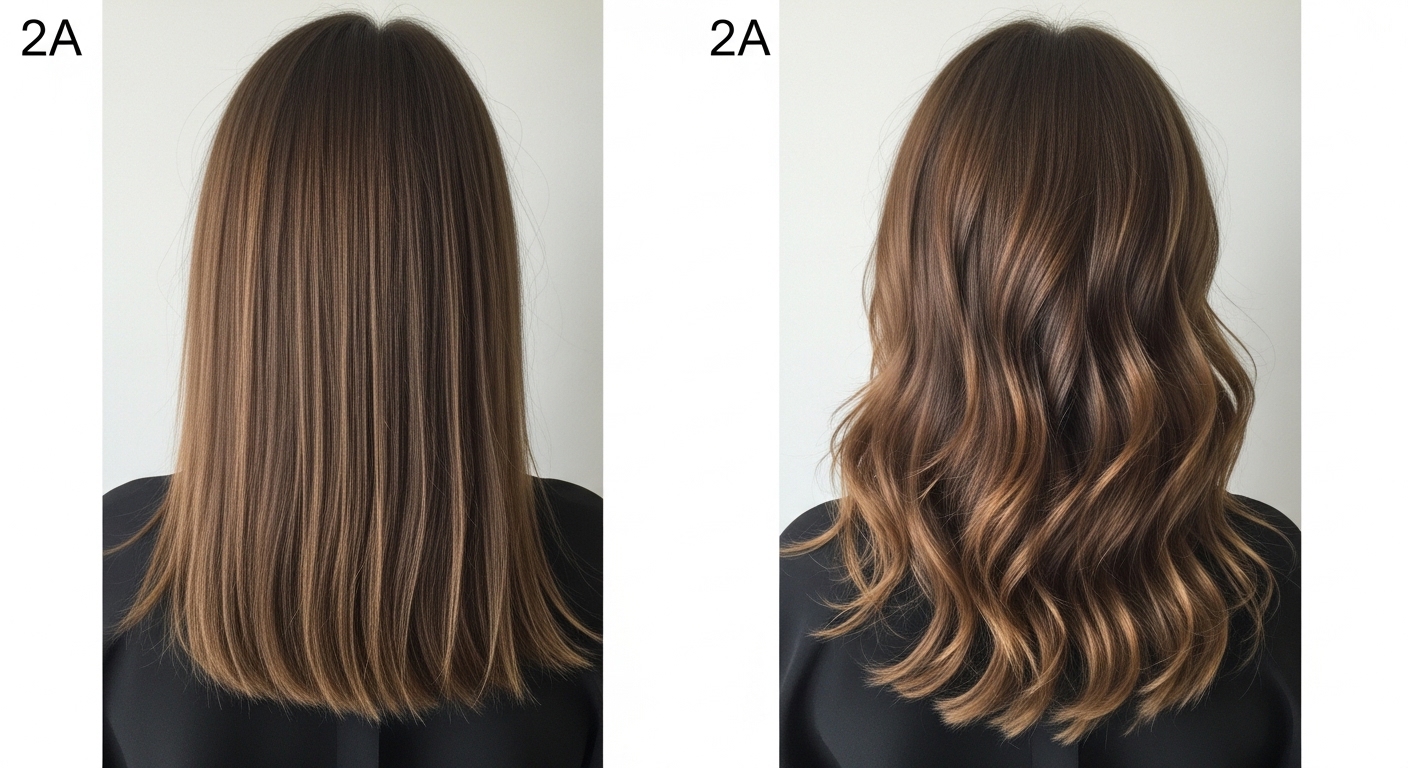
Before diving into styling techniques, it’s essential to understand your wavy hair type. Wavy hair typically falls between straight and curly, with an “S” shape pattern. It can range from loose, beachy waves (2A) to more defined, voluminous waves (2C). Knowing your specific wave pattern will help you choose the right products and methods that work with your hair’s natural tendencies rather than against them.
- Type 2A (Loose waves): Fine, barely-there waves that are prone to going straight—use lightweight products to avoid weighing them down.
- Type 2B (Defined waves): More pronounced S-shape with some frizz potential—benefits from curl enhancers and gentle hold.
- Type 2C (Bold waves): Thicker, coarser waves that verge on curly—needs moisturizing products and frizz control.
2 Key Characteristics of Wavy Hair
Wavy hair has unique traits that set it apart from straight or curly textures. Understanding these characteristics helps you anticipate challenges and play to your hair’s strengths. The porosity, density, and elasticity of your waves all influence how they respond to products and styling techniques.
- Prone to frizz: The cuticle layer lifts easily in humidity—anti-frizz ingredients and careful handling are essential.
- Can lose definition: Waves may fall flat without proper support—techniques like scrunching and plopping help maintain shape.
- Benefits from lightweight products: Heavy creams and oils can flatten waves—opt for mousses and gels with flexible hold.
Prepping Your Hair for Heat-Free Styling
3 The Right Wash Routine
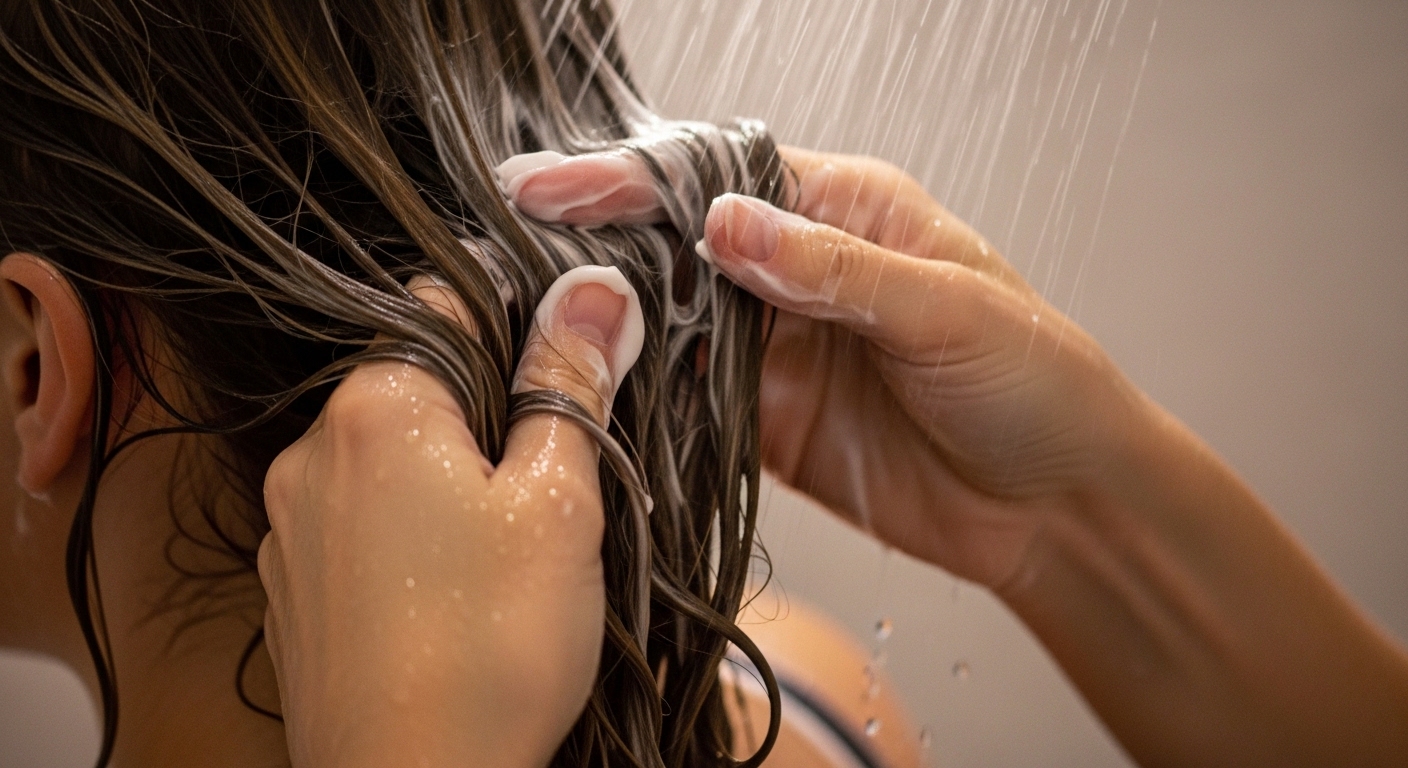
Proper preparation is the foundation of great wavy hair. Start with a gentle, sulfate-free shampoo and a hydrating conditioner to maintain moisture balance. Avoid over-washing, as wavy hair tends to be drier than straight hair—washing 2-3 times a week is often ideal. The way you wash and condition sets the stage for everything that follows.
- Sulfate-free shampoo: Cleanses without stripping natural oils, preserving moisture and wave integrity.
- Hydrating conditioner: Use from mid-lengths to ends, avoiding roots to prevent greasiness.
- Cool water rinse: Seals the cuticle for added shine and reduced frizz.
4 Detangling with Care
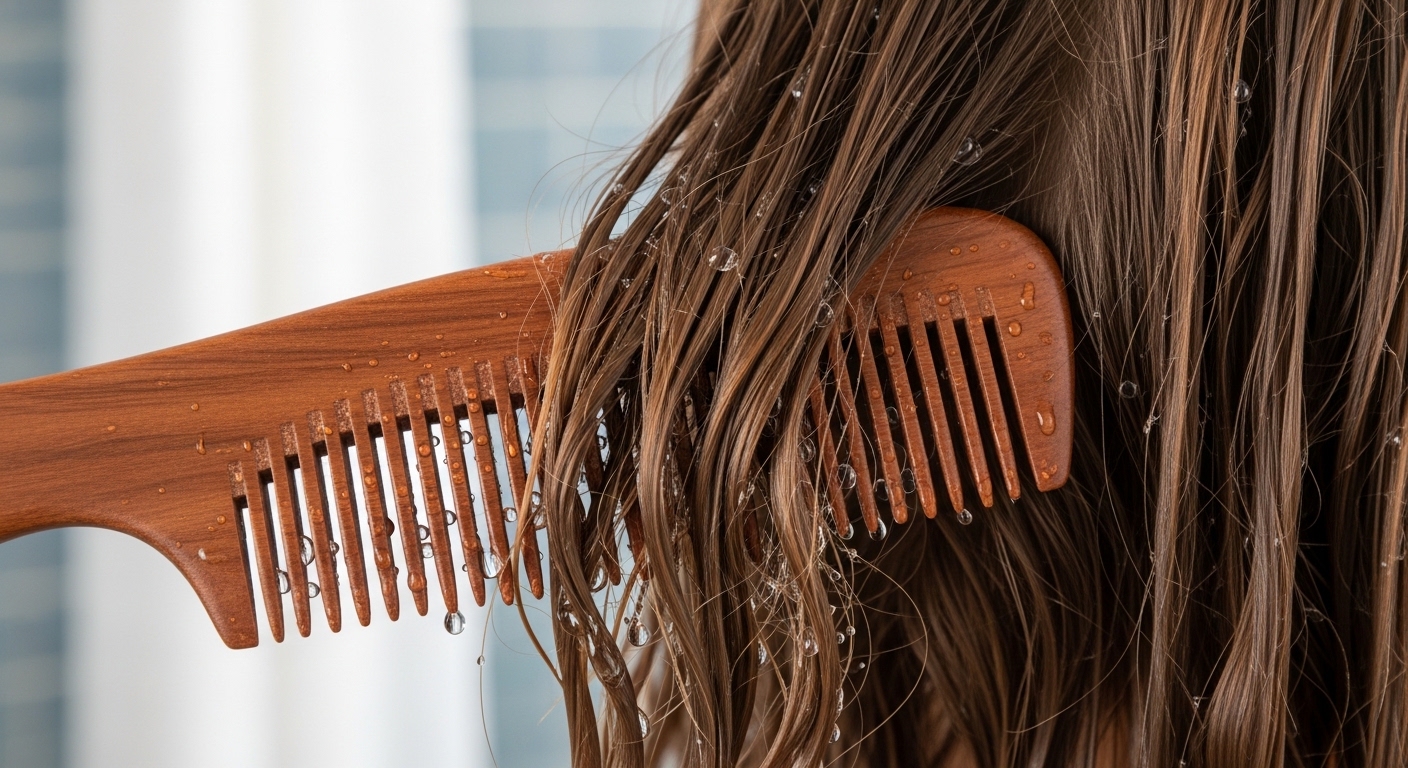
How you detangle makes a huge difference in wave formation. Wavy hair is most vulnerable when wet, so gentle handling prevents breakage and preserves your natural pattern. The goal is to remove knots without disrupting the wave clumps that form when hair is wet.
- Use a wide-tooth comb: Start from the ends and work upward to minimize tension and breakage.
- Detangle while conditioner is in: The slip from conditioner makes combing smoother and safer.
- Finger combing alternative: For minimal disruption, use fingers to gently separate strands.
5 Pre-Styling Products
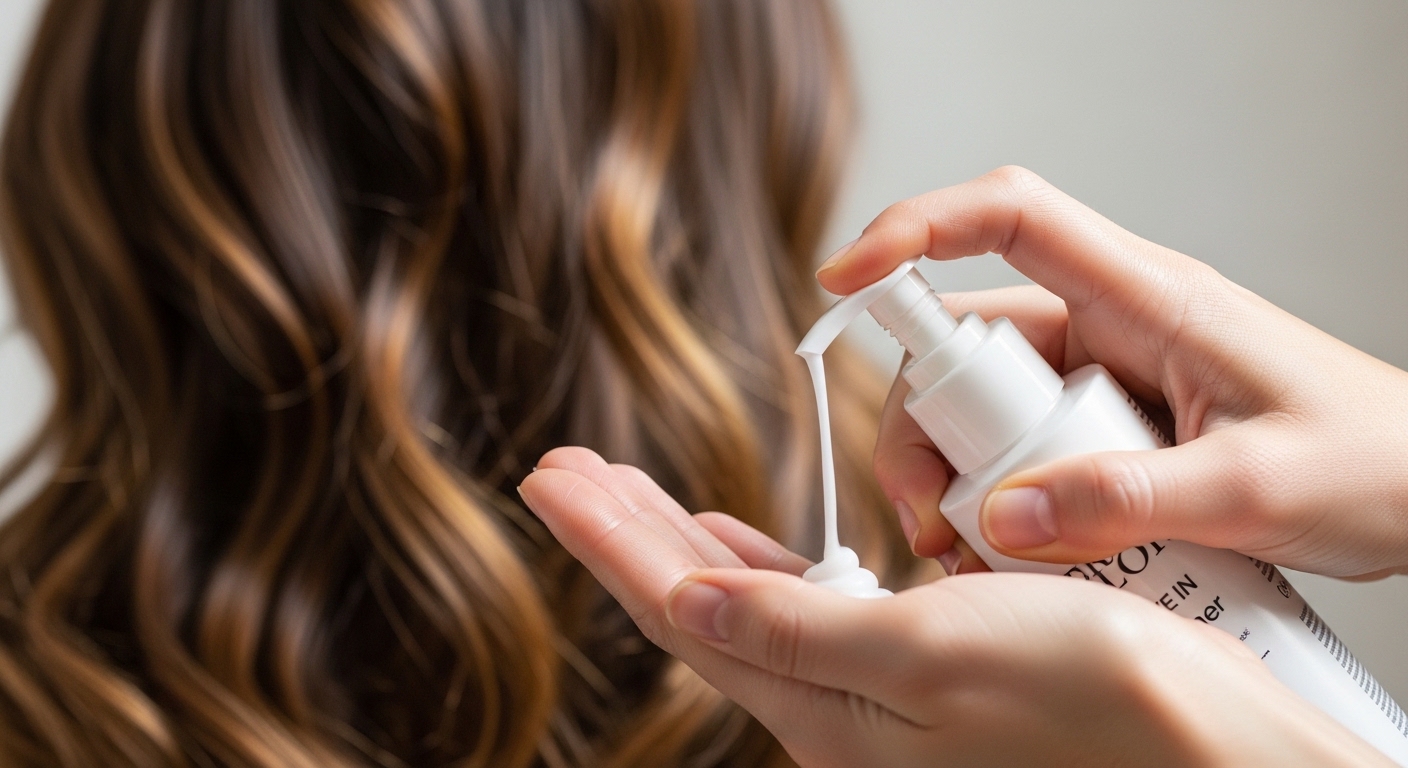
Applying the right products on damp hair sets the stage for defined, long-lasting waves. The key is to layer lightweight formulas that enhance texture without weighing hair down. Think of this as building a foundation—each product serves a specific purpose in the wave-forming process.
- Leave-in conditioner: Provides moisture and slip, applied evenly from mid-lengths to ends.
- Curl-enhancing cream: Helps define the S-pattern and reduce frizz—use a small amount.
- Heat protectant spray (for occasional diffusing): Even when air-drying, it adds a layer of protection.
Best Heat-Free Styling Techniques
6 The Plopping Method
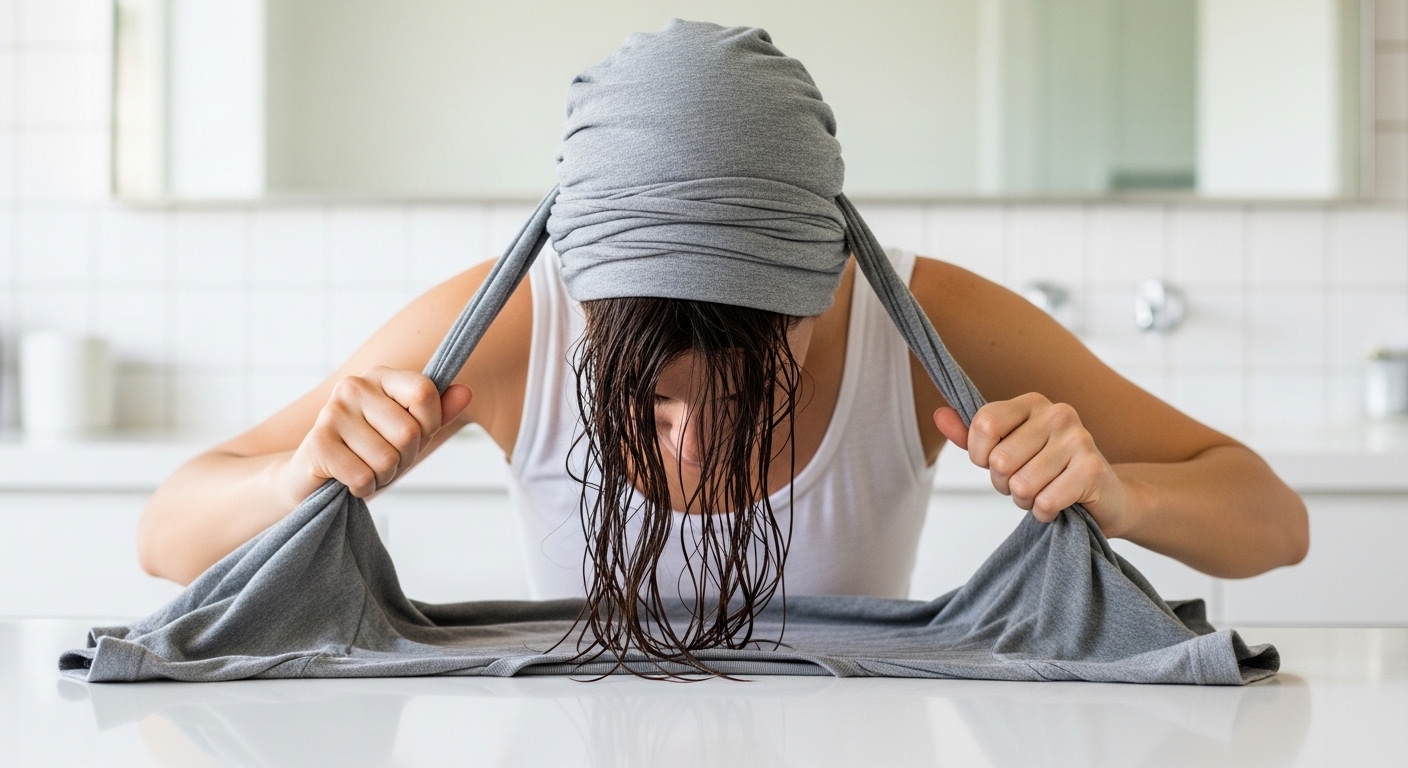
Plopping is a popular technique for defining waves while reducing drying time and frizz. After applying your styling products, flip your hair forward and wrap it in a microfiber towel or cotton T-shirt. This encourages waves to form in their natural pattern while absorbing excess moisture without the rough friction of regular towels.
- Use a cotton T-shirt or microfiber towel: These materials reduce frizz compared to terry cloth towels.
- Leave for 20-30 minutes: This allows initial setting while you go about your routine.
- Unwrap gently: Release hair carefully to avoid disrupting the formed waves.
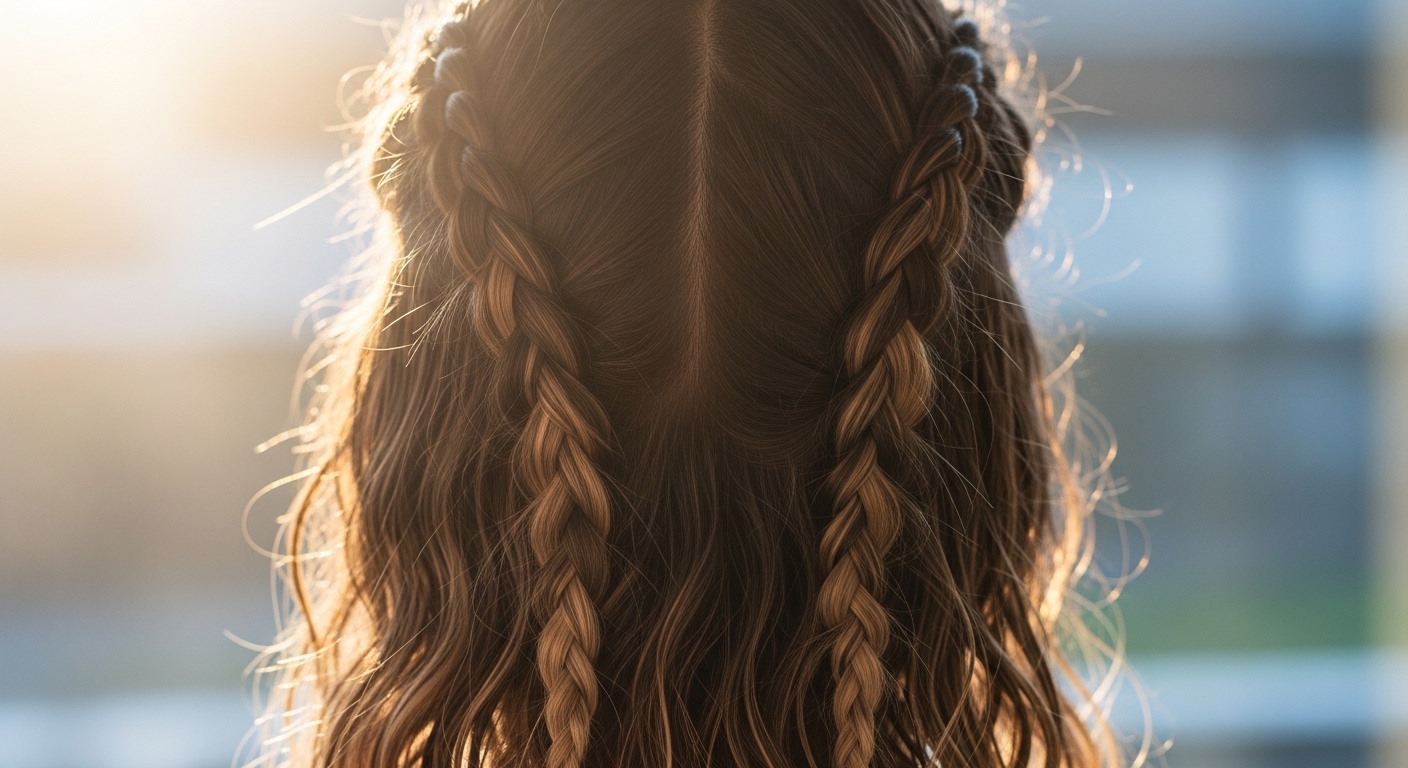
7 Braid Waves
Braiding damp hair before bed is one of the easiest and most effective heat-free wave techniques. The size and tightness of your braids determine the wave pattern—loose braids create soft, beachy waves, while tighter braids yield more defined crimps. By morning, you’ll wake up to effortless texture without any heat damage.
- Loose braids for soft waves: Braid loosely and leave ends unbraided for a relaxed look.
- Tighter braids for definition: Create multiple smaller braids for more pronounced waves.
- Unravel and separate gently: Use fingers to break apart waves, never a brush.
8 Twist-Outs
Twist-outs work similarly to braids but create a looser, more spiral-like wave pattern. Divide damp hair into sections, twist each one from root to tip, and secure with a small clip or hair tie. Allow to dry completely—overnight works best—before unraveling for bouncy, natural-looking waves with beautiful definition.
- Section hair evenly: Uniform sections create consistent wave patterns throughout.
- Twist away from face: Creates a flattering, face-framing effect when unraveled.
- Dry completely before unraveling: Any dampness will cause frizz and loss of definition.
9 Pineapple Upside-Down
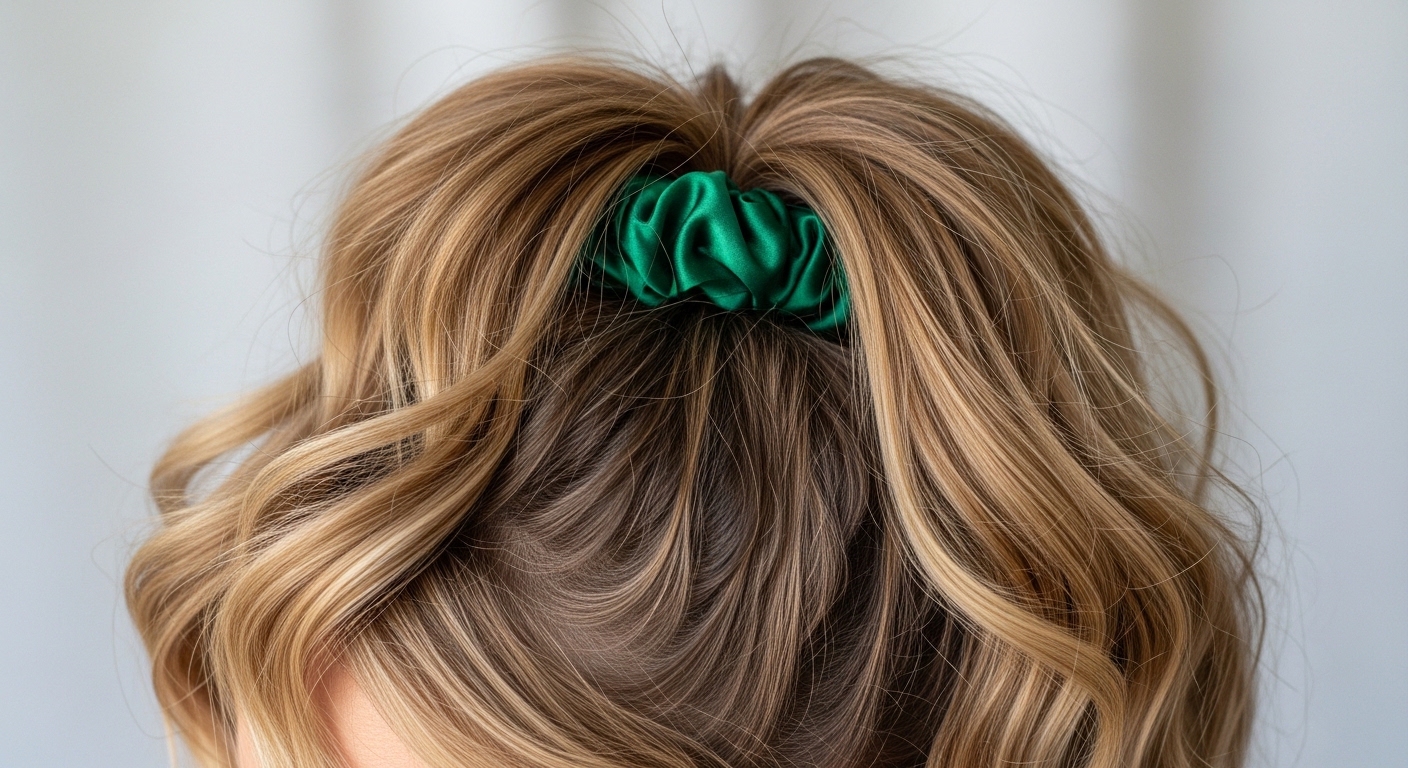
The pineapple technique isn’t just for sleeping—it can also create volume and wave enhancement. Gather your hair at the very top of your head in a loose ponytail using a satin scrunchie. This lifts the roots and allows waves to form with gravity working in your favor. It’s especially effective for refreshing second-day waves.
- Use a satin scrunchie: Prevents creases and breakage while holding securely.
- Keep it loose: Too much tension can flatten waves and cause headaches.
- Spritz with water: Lightly mist before pineappling to reactivate products.
10 Finger Coiling
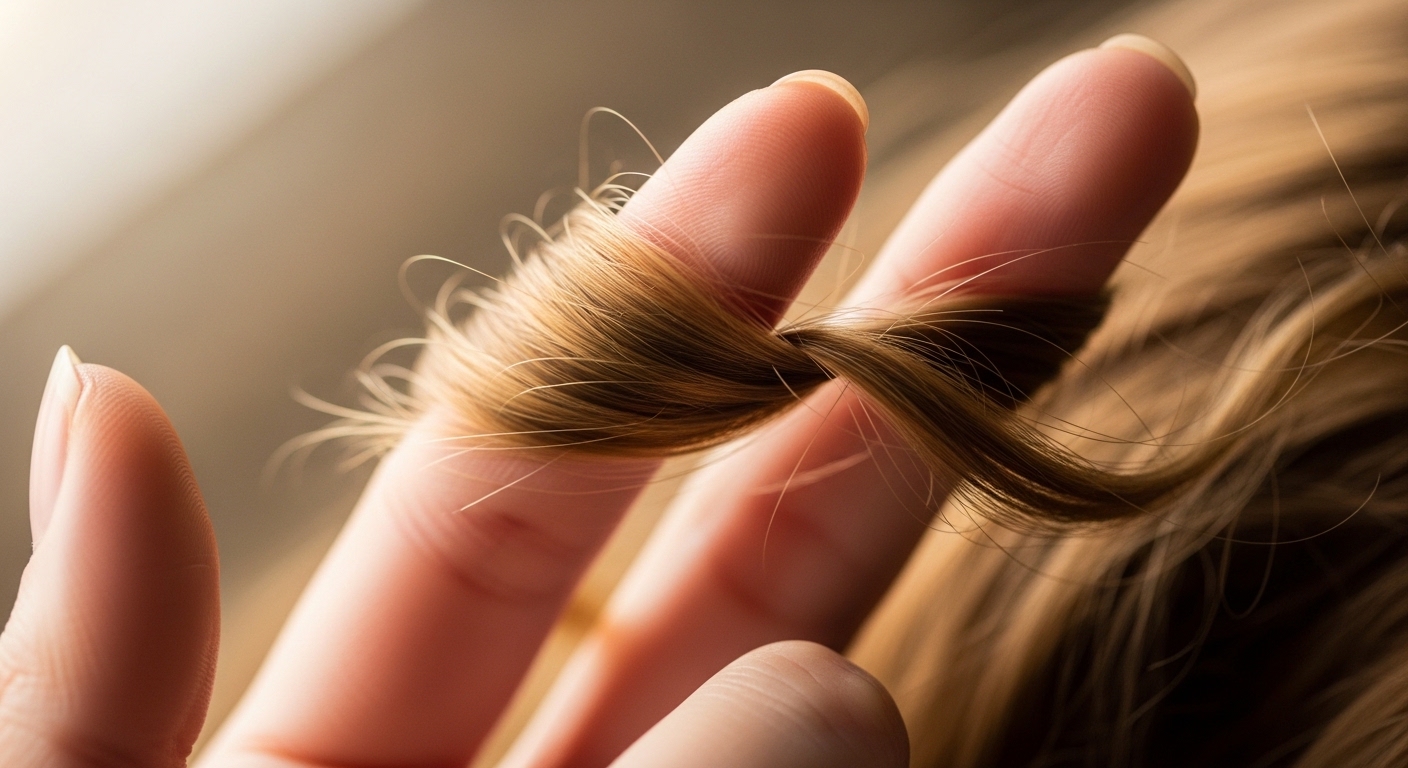
For those seeking more defined, uniform waves, finger coiling is a meticulous but rewarding technique. Take small sections of damp, product-coated hair and wrap them around your finger to create individual coils. This method gives you maximum control over the final shape and is perfect for special occasions when you want every wave in place.
- Work in small sections: Smaller sections create tighter, more defined coils.
- Use a holding product: A gel or mousse helps the coils maintain their shape as they dry.
- Allow to set completely: Don’t touch until fully dry to avoid disrupting the pattern.
11 The Scrunching Method
Scrunching is the foundation of most heat-free wavy hair routines. With hair damp and product applied, cup sections of hair in your palm and gently squeeze upward toward your scalp. This encourages the natural wave pattern and helps distribute product evenly. It’s simple, quick, and effective for everyday waves.
- Scrunch while wet: Waves form best when hair is still damp from product application.
- Use a microfiber towel to scrunch: Removes excess water while encouraging wave clumping.
- Avoid touching while drying: Let waves set undisturbed for best results.
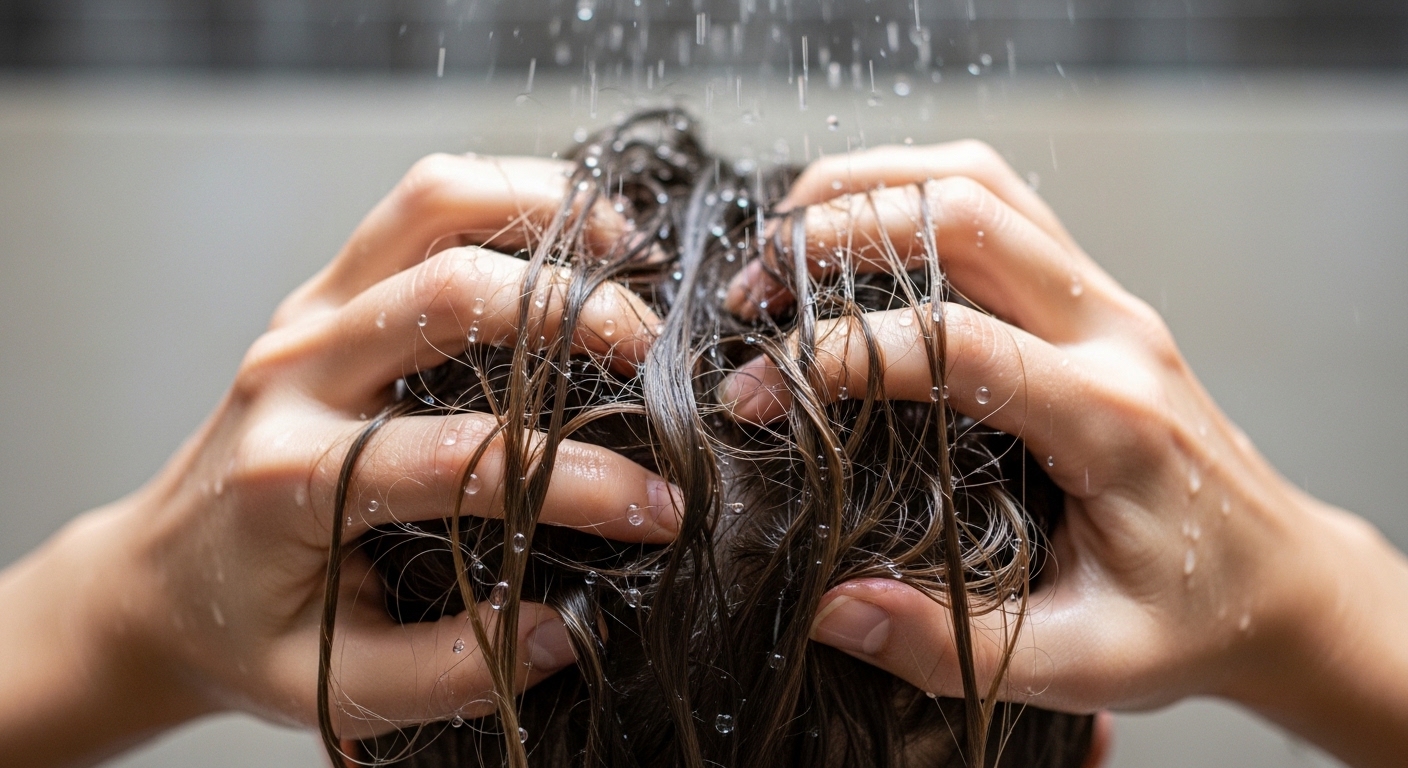
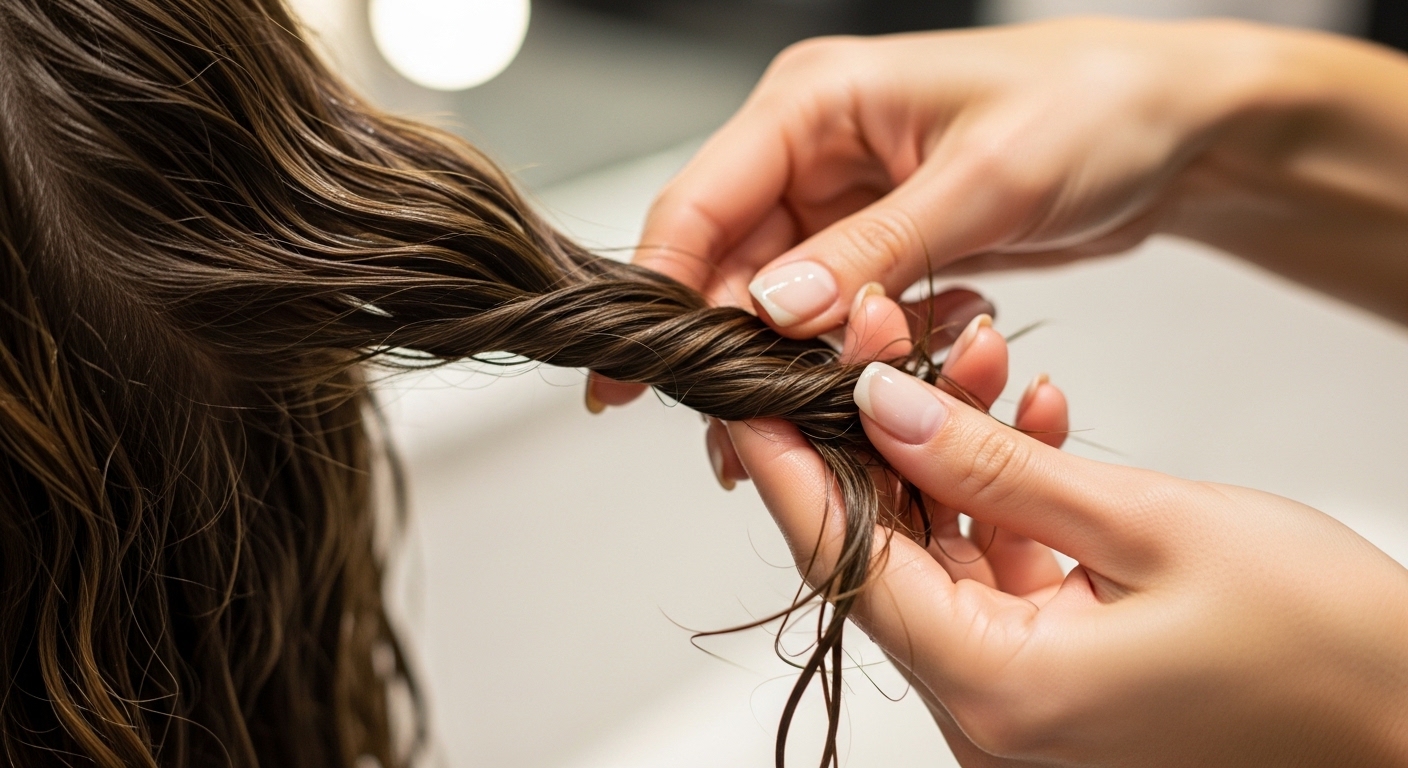
12 Roping Technique
Roping is a lesser-known but highly effective method for reducing frizz and encouraging wave formation. Take a section of damp hair and twist it gently between your palms as if you’re forming a rope. This helps smooth the cuticle and encourages hair to clump together in defined waves rather than separating into frizz.
- Apply product first: Roping works best when hair is already coated with stylers.
- Twist gently: Don’t over-twist—just enough to encourage clumping.
- Release and let spring back: The hair should naturally form wave clumps.
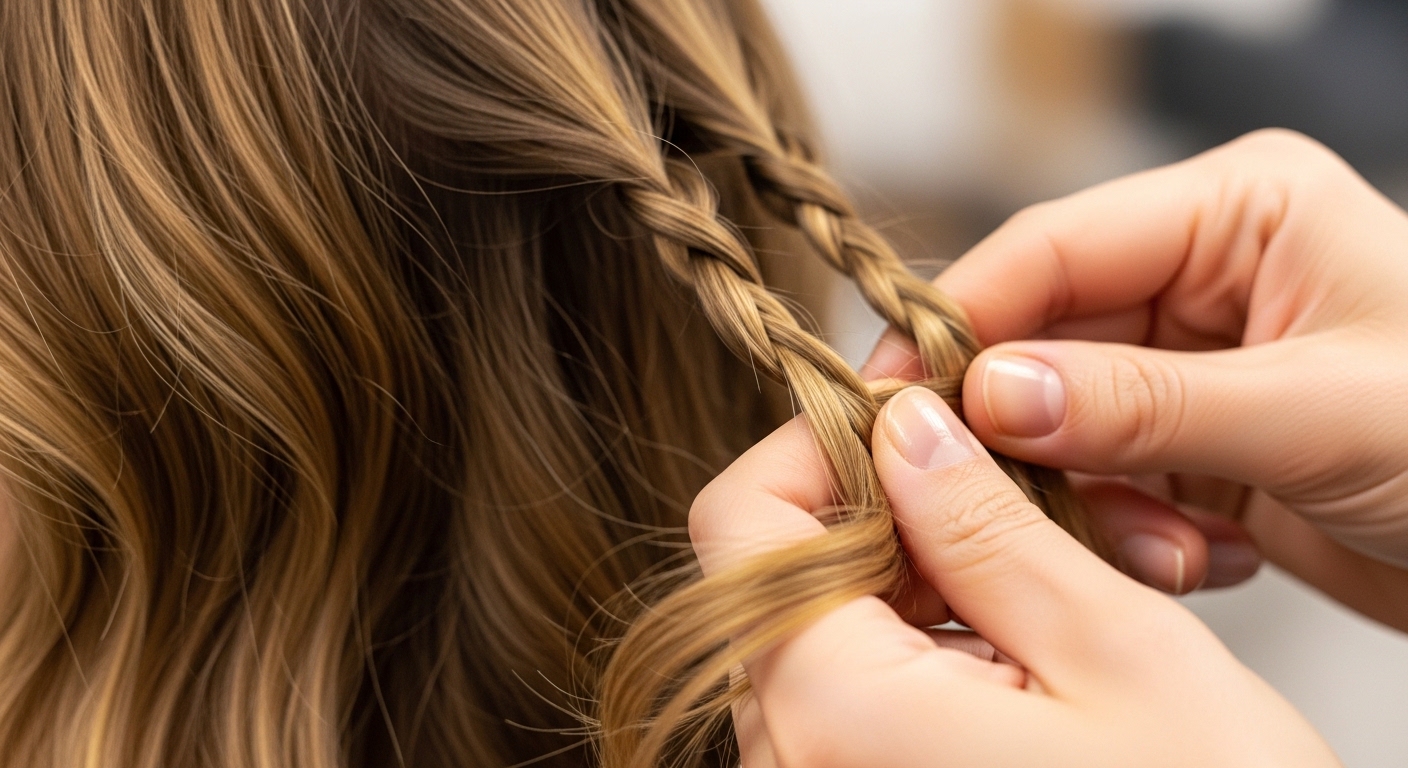
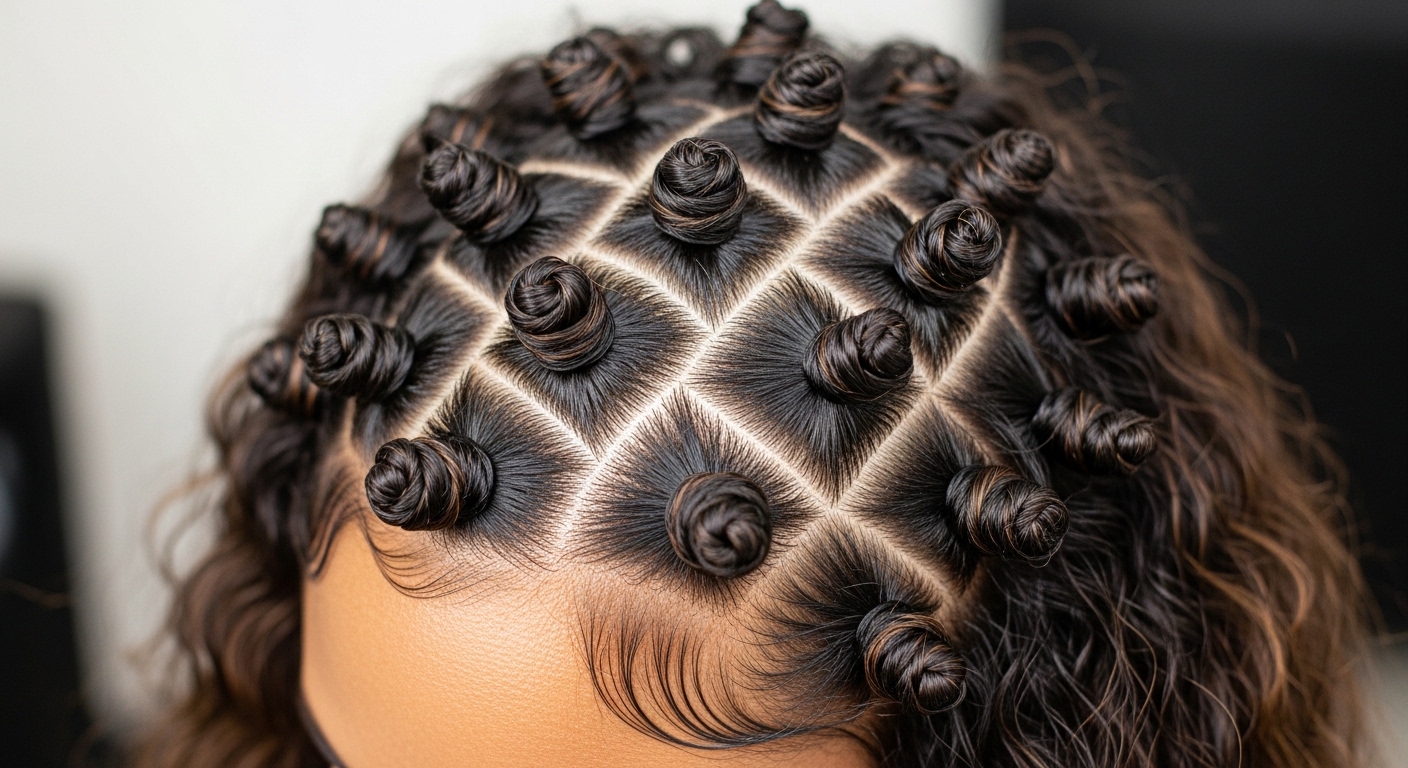
13 Bantu Knots
Bantu knots are a protective style that creates beautiful, defined waves when unraveled. Section damp, product-coated hair and twist each section into a small knot against your scalp. Allow to dry completely—overnight is ideal—then gently unravel to reveal voluminous, springy waves with incredible definition and texture.
- Section evenly: Uniform sections create consistent wave patterns throughout.
- Secure with pins: Use bobby pins to keep knots flat against the head.
- Unravel carefully: Gently separate with fingers, never a brush.
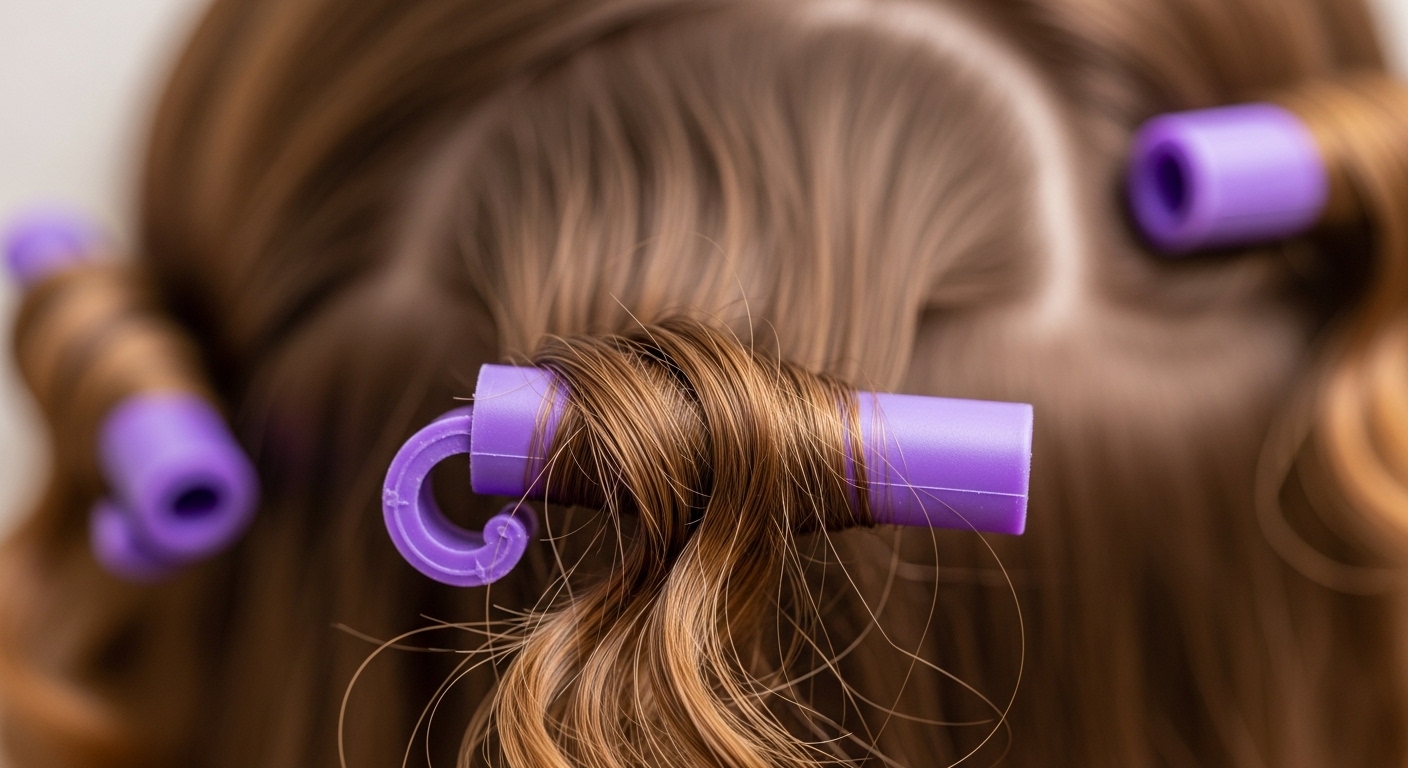
14 Flexi Rods
Flexi rods are foam rollers that can create gorgeous heat-free waves without any damage. On damp, product-coated hair, wrap small sections around the rods and bend the ends to secure. Leave in until hair is completely dry—several hours or overnight—then remove to reveal soft, bouncy waves with consistent definition from root to tip.
- Choose rod size wisely: Larger rods create looser waves; smaller rods yield tighter curls.
- Wrap away from face: Creates a flattering, face-framing effect.
- Dry completely: Any moisture left will cause waves to fall flat.
Must-Have Products for Wavy Hair
15 Styling Essentials
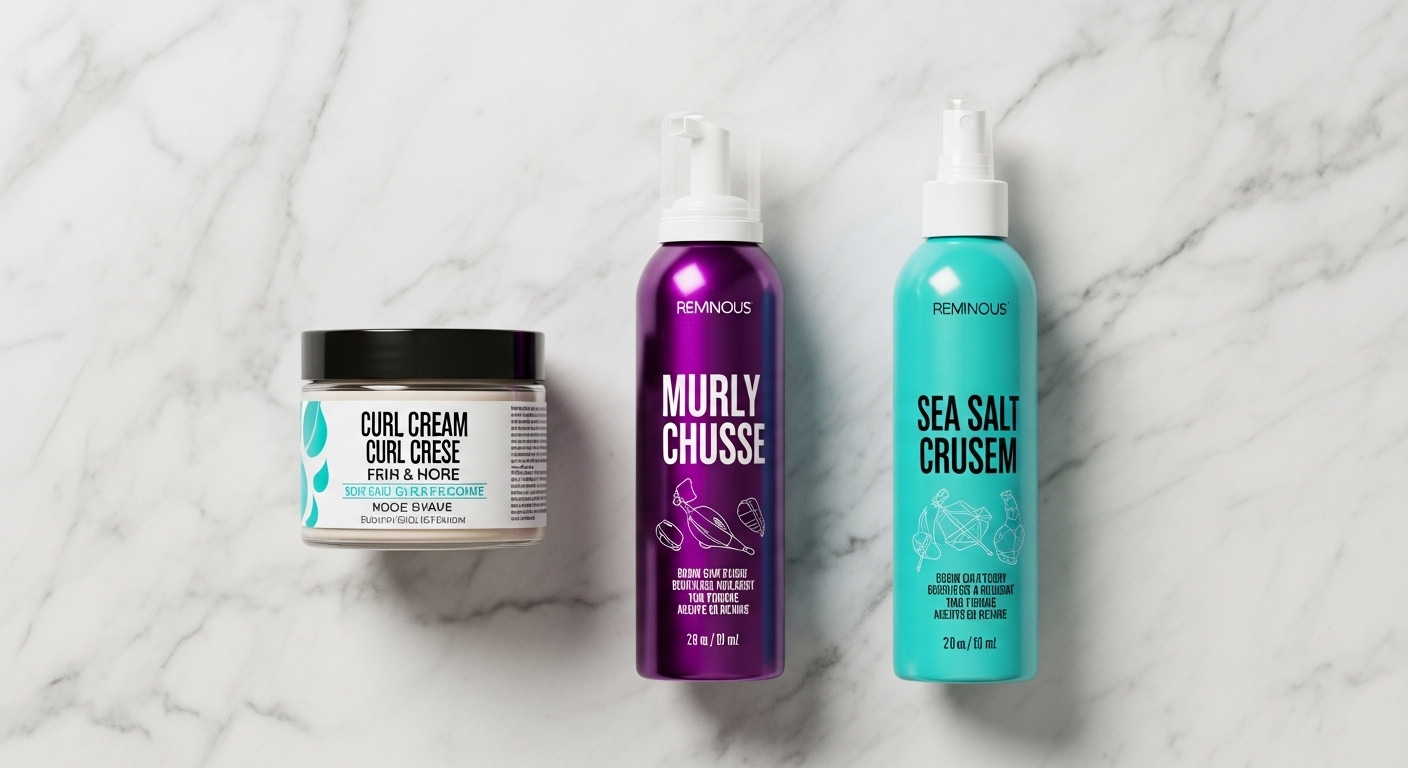
The right products can make all the difference in enhancing your waves without heat. Wavy hair needs lightweight formulas that provide hold, definition, and moisture without weighing it down. Building a curated collection of products tailored to your specific wave type will set you up for success every time you style.
- Curl-defining cream: Adds moisture and enhances wave pattern—use a pea-sized amount.
- Lightweight mousse: Provides hold without crunchiness, perfect for volume.
- Sea salt spray: Creates beachy texture and grip for effortless waves.
16 Tools & Accessories
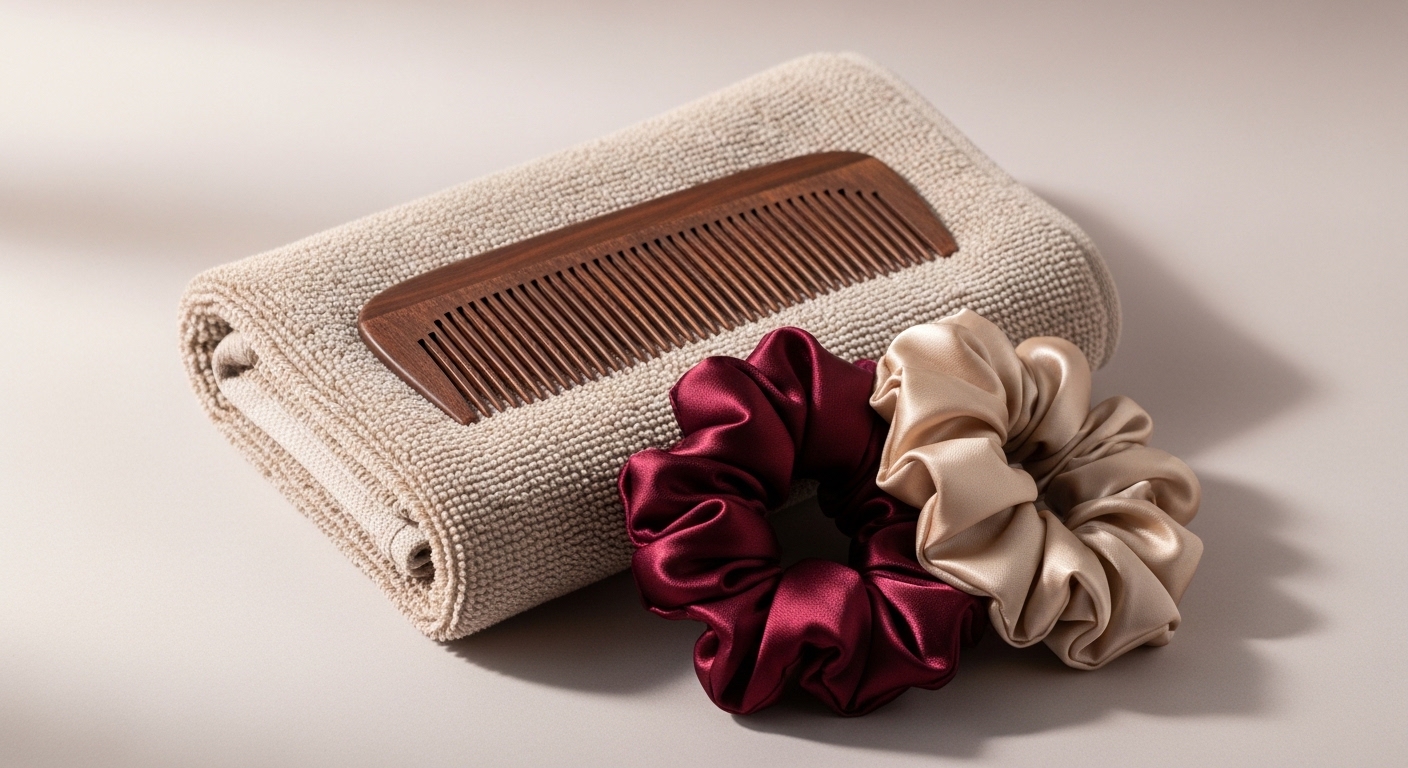
Beyond products, the right tools help you achieve better results with less effort. From how you dry your hair to how you sleep, these accessories protect your waves and enhance your styling routine. Investing in quality tools pays off in healthier, more defined waves.
- Microfiber towel: Reduces frizz and speeds up drying compared to regular towels.
- Wide-tooth comb: Essential for gentle detangling without disrupting wave patterns.
- Satin scrunchies: Prevent creases and breakage during sleep and styling.
Nighttime Routine for Better Waves
17 Protecting Waves While You Sleep
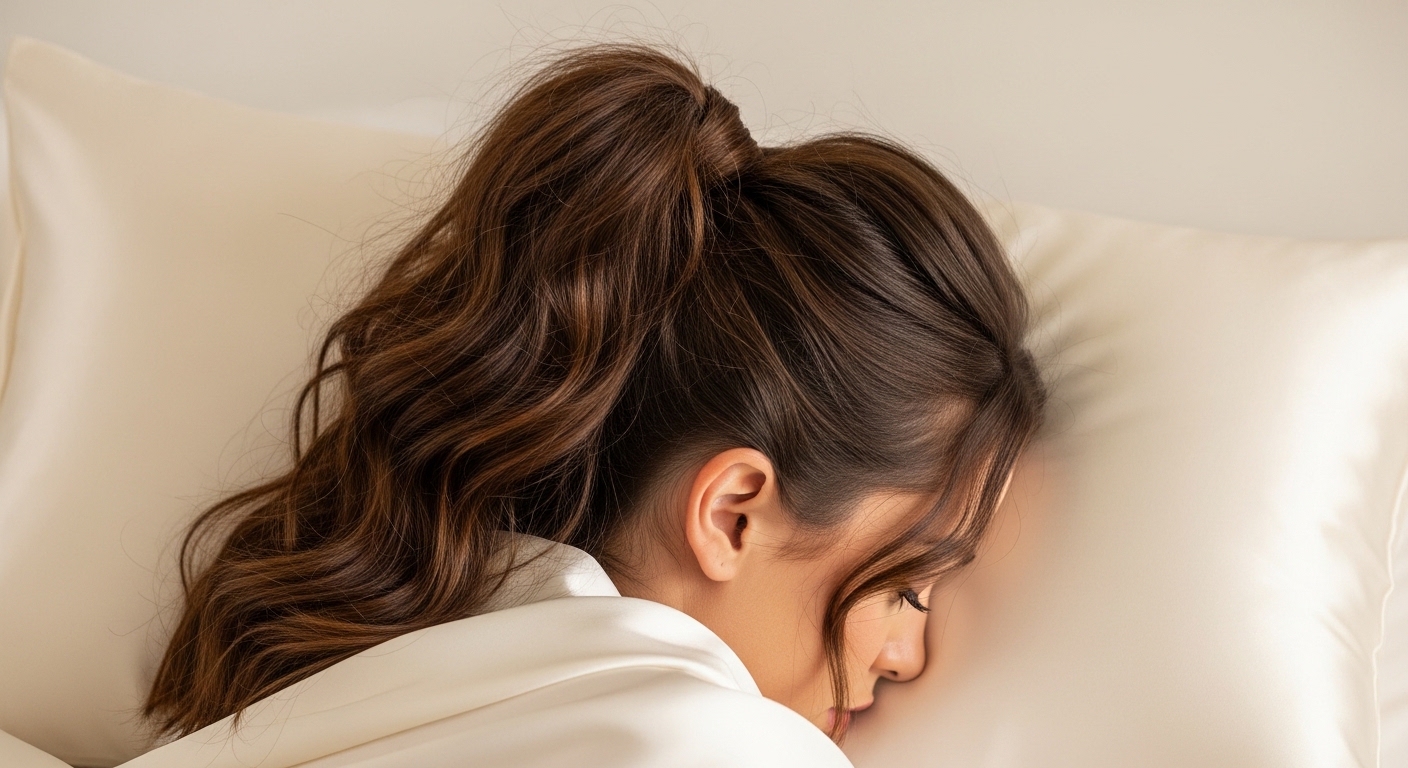
Protecting your waves while you sleep is crucial for maintaining your style and reducing morning refresh time. The friction from regular cotton pillowcases can cause frizz, tangles, and flattened waves. A few simple adjustments can make a dramatic difference in how your waves look when you wake up.
- Silk or satin pillowcase: Reduces friction, prevents frizz, and helps retain moisture.
- Loose pineapple ponytail: Gather hair at the very top of your head to preserve waves.
- Refresh spray: Mix water with leave-in conditioner to revive waves in the morning.
18 Morning Refresh Techniques
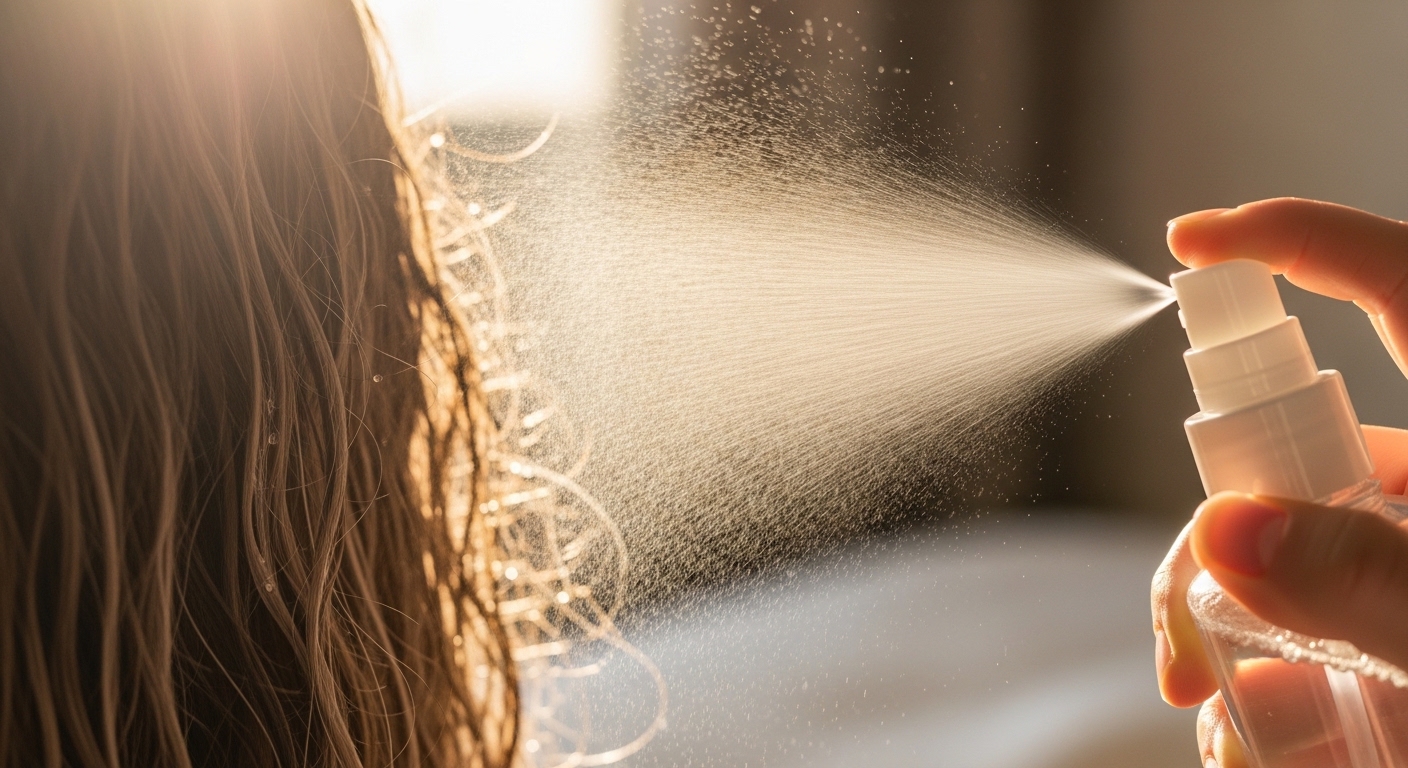
Even with the best protection, waves often need a little revival in the morning. The goal is to reactivate your products and reshape your waves without starting from scratch. A gentle refresh routine can extend your style for multiple days, saving time and reducing manipulation.
- Water mist with leave-in: Lightly spray to reactivate products and add moisture.
- Scrunch gently: Use palms to encourage waves back into shape.
- Air dry or diffuse briefly: Let waves set for a few minutes before heading out.
Common Wavy Hair Mistakes to Avoid
19 Habits That Sabotage Your Waves
Even with the best intentions, some habits can undermine your wavy hair goals. Identifying and correcting these common mistakes can transform your results. Often, it’s not about doing more—it’s about doing less or adjusting your approach to work with your hair’s natural tendencies.
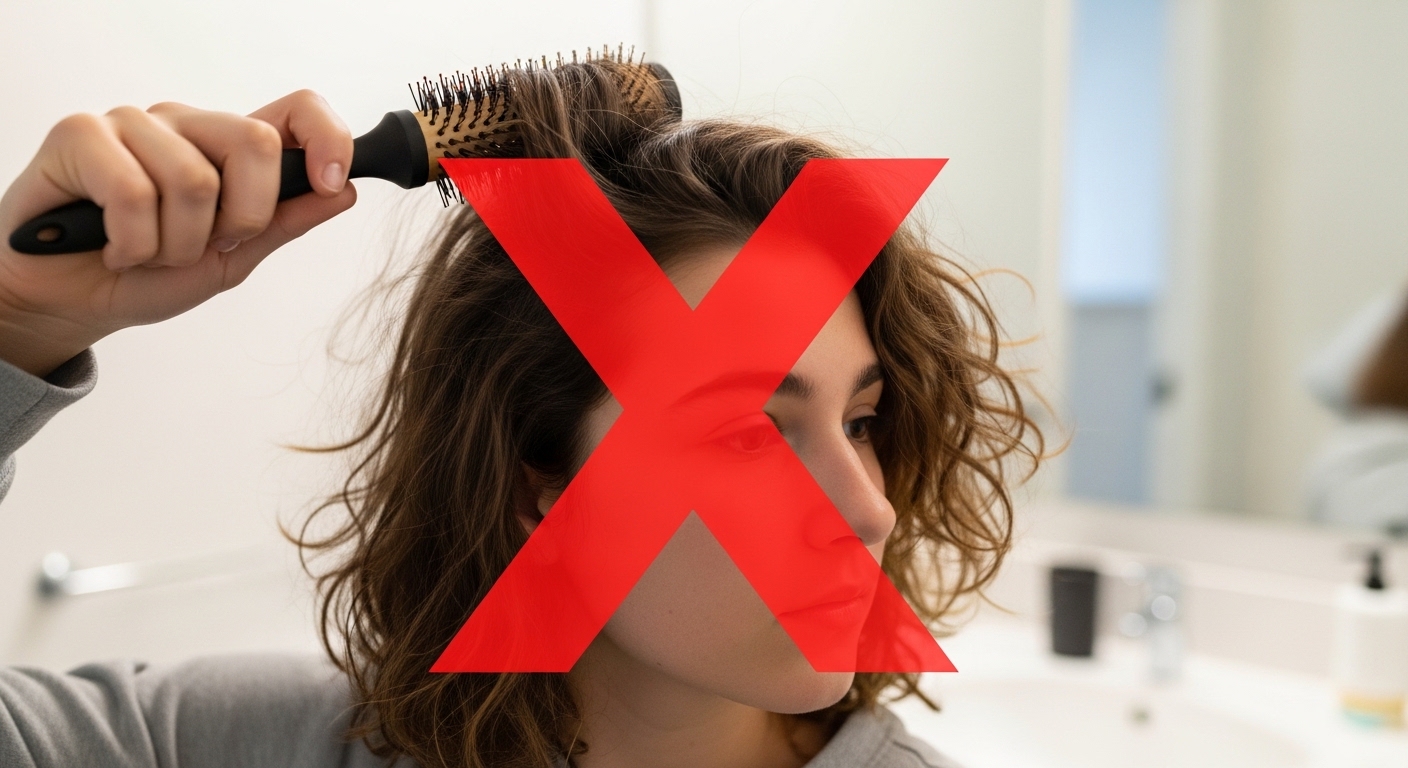
- Over-brushing: This disrupts wave clumps and causes frizz—finger comb or use a wide-tooth comb sparingly.
- Using heavy products: Butters and oils can flatten waves—stick to lightweight formulas.
- Touching hair too much: Constant manipulation while drying leads to frizz and loss of definition.
20 Product Application Errors
How you apply products is just as important as which products you choose. Common application mistakes can leave your waves looking greasy, crunchy, or undefined. Mastering the technique of product distribution ensures you get the full benefit of every formula in your routine.
- Applying to dry hair: Products work best on damp or wet hair where they can distribute evenly.
- Using too much: Start with a small amount and add more if needed—you can always add, but can’t remove.
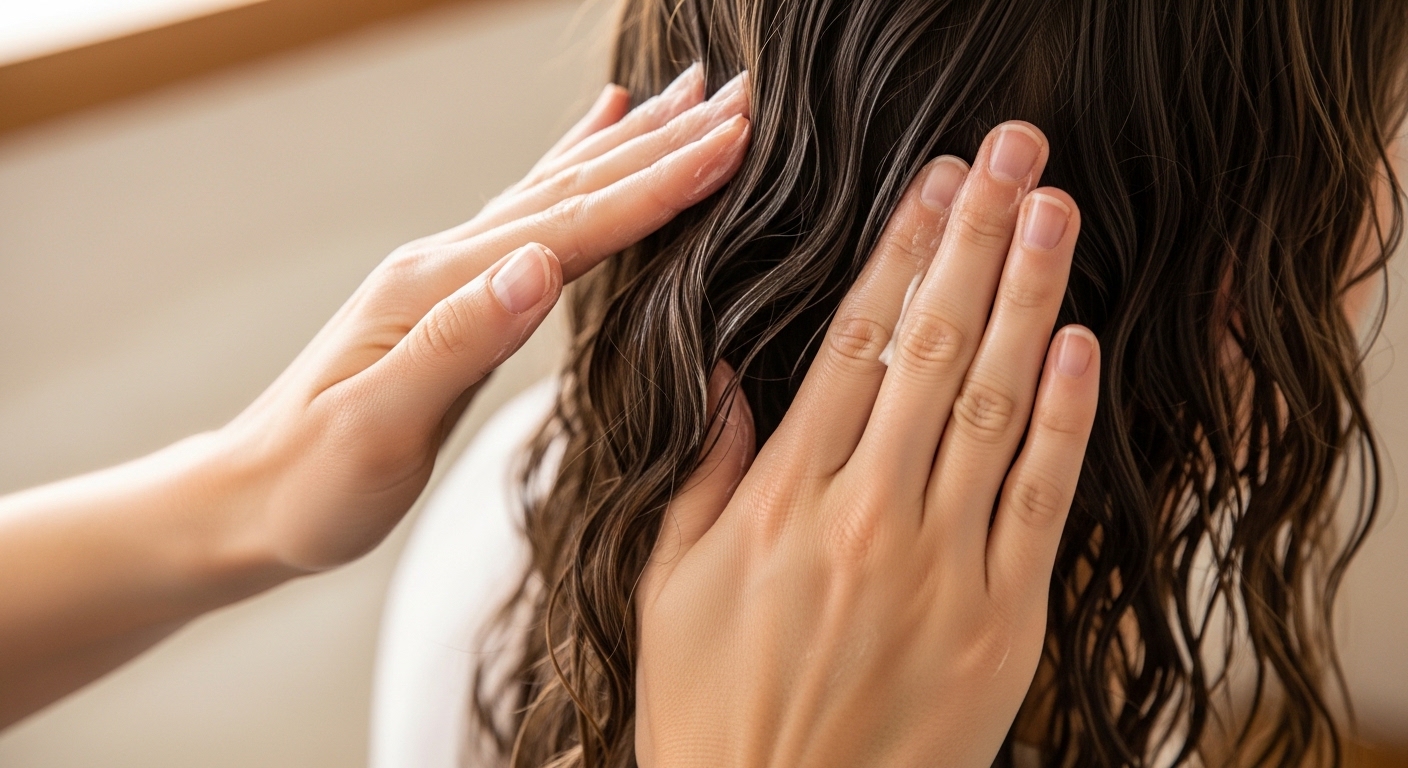
- Skipping even distribution: Use praying hands or roping to ensure every strand is coated.
Final Thoughts
21 Embracing Your Natural Texture
Styling naturally wavy hair without heat is not only possible but can actually help your hair look its best. By understanding your hair type, using the right techniques and products, and establishing a solid routine, you can enhance your natural waves while keeping your hair healthy. The journey to great waves is about working with your texture, not against it.
- Patience is key: It may take time to find the perfect routine—experiment and adjust.
- Consistency matters: Regular care and protection lead to healthier, more cooperative waves.
- Enjoy the process: Heat-free styling is a form of self-care—embrace the ritual.
🌸 The Bottom Line
Heat-free wavy hair styling is an art and a science. With over 20 techniques and tips at your disposal, you have everything you need to create beautiful, defined waves without ever picking up a hot tool. Remember that every head of wavy hair is unique—what works for someone else may need adjustment for you. Be patient, experiment freely, and celebrate your natural texture. Your healthiest, most beautiful waves are waiting to emerge.
Have you tried any of these heat-free styling methods? Share your favorite wavy hair tips in the comments below!