Middle Part vs Side Part: The Ultimate Hair Parting Guide to Finding What Truly Suits You
Why Hair Parting Matters More Than You Think
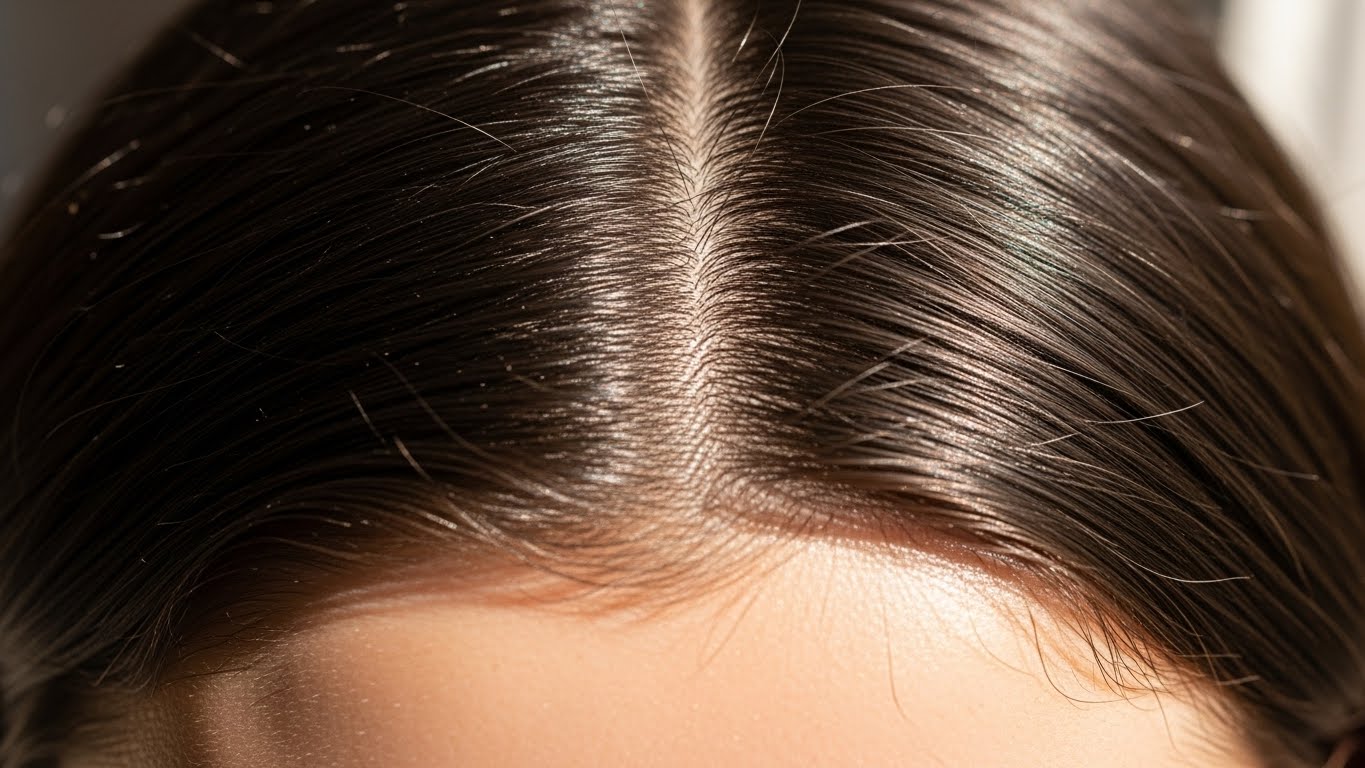
Your hair part directs attention across your face and controls where volume sits. It influences balance, symmetry, and even how thick your hair appears. The right part can enhance your best features without changing your haircut at all.
The Middle Part: Sleek, Symmetrical, and Modern

The middle part has made a major comeback in recent years, championed by celebrities and influencers for its clean, balanced look. This style involves parting your hair directly down the center, creating symmetry on both sides of your face.
Why choose a middle part?
- Elongates round faces: The vertical line draws attention upward, making round faces appear slimmer.
- Highlights facial symmetry: If you have balanced features, a middle part enhances them.
- Works with straight and wavy hair: Ideal for sleek ponytails, bobs, and beachy waves.
- Trendy and low-maintenance: Perfect for effortless, modern styling.
However, middle parts aren’t for everyone. If your hair is very fine or your face is naturally asymmetrical, this style might emphasize those traits.
Why the Middle Part Became So Popular Again
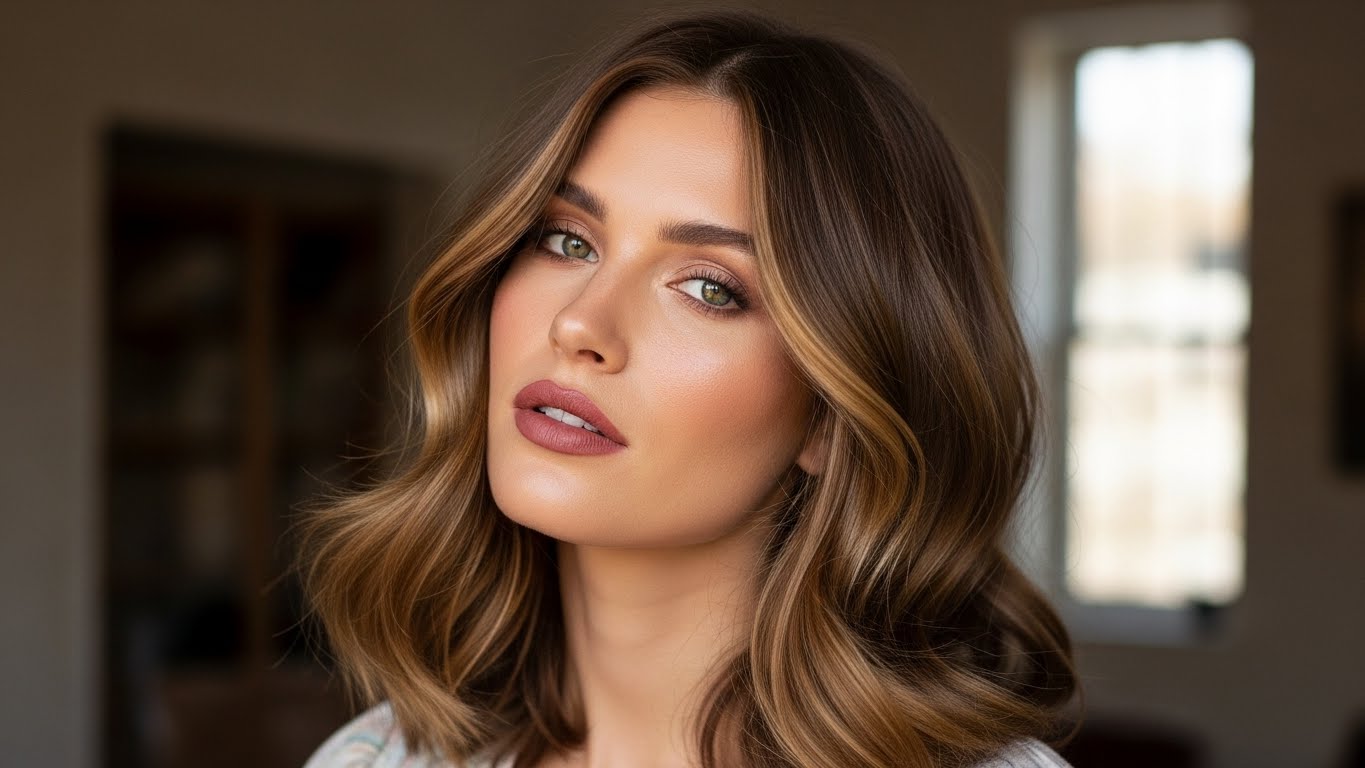
Middle parts surged back thanks to social media and celebrity influence. They photograph beautifully, feel effortless, and pair well with sleek buns, ponytails, and loose waves. The look signals confidence and simplicity at the same time.
Who the Middle Part Flatters Most
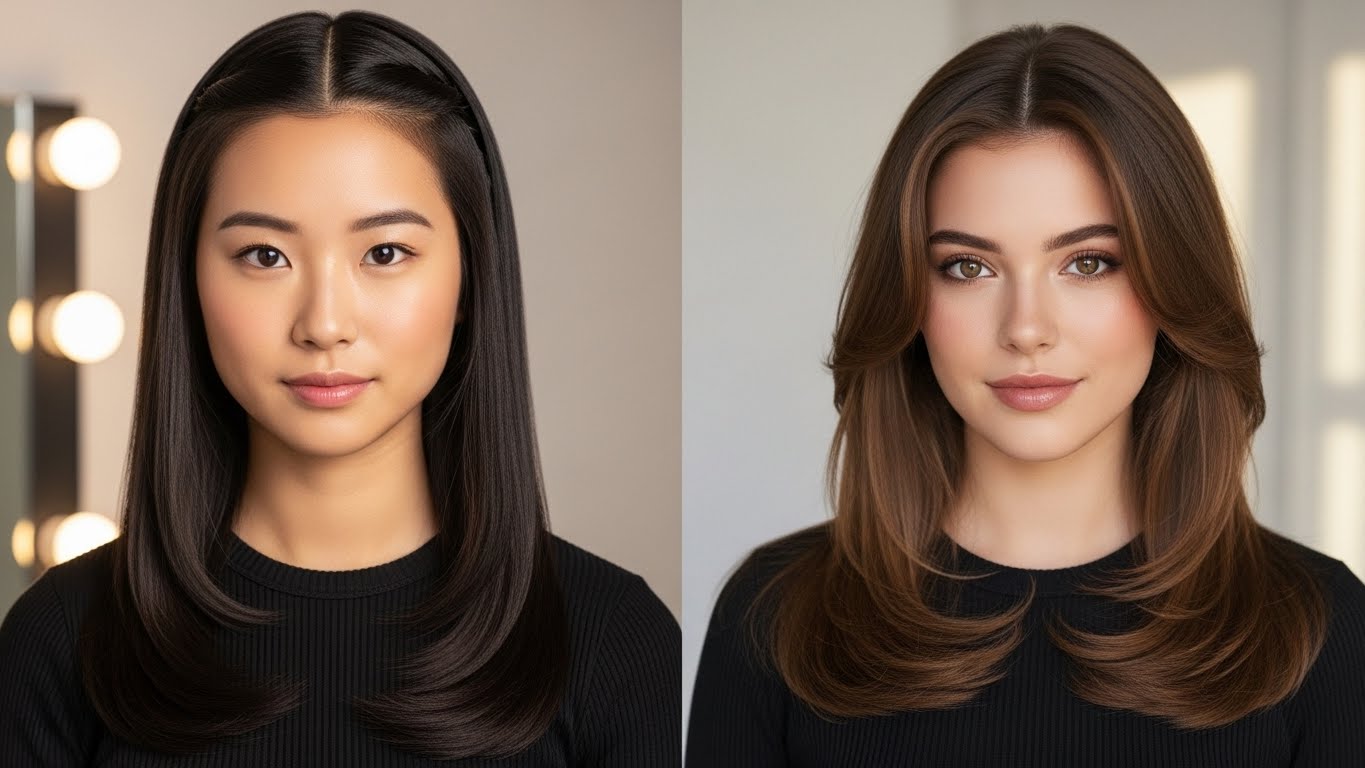
Middle parts work best on faces with balanced proportions. Oval and round faces benefit from the vertical line, which visually elongates the face and adds structure without extra styling tricks.
When a Middle Part Might Not Be Ideal
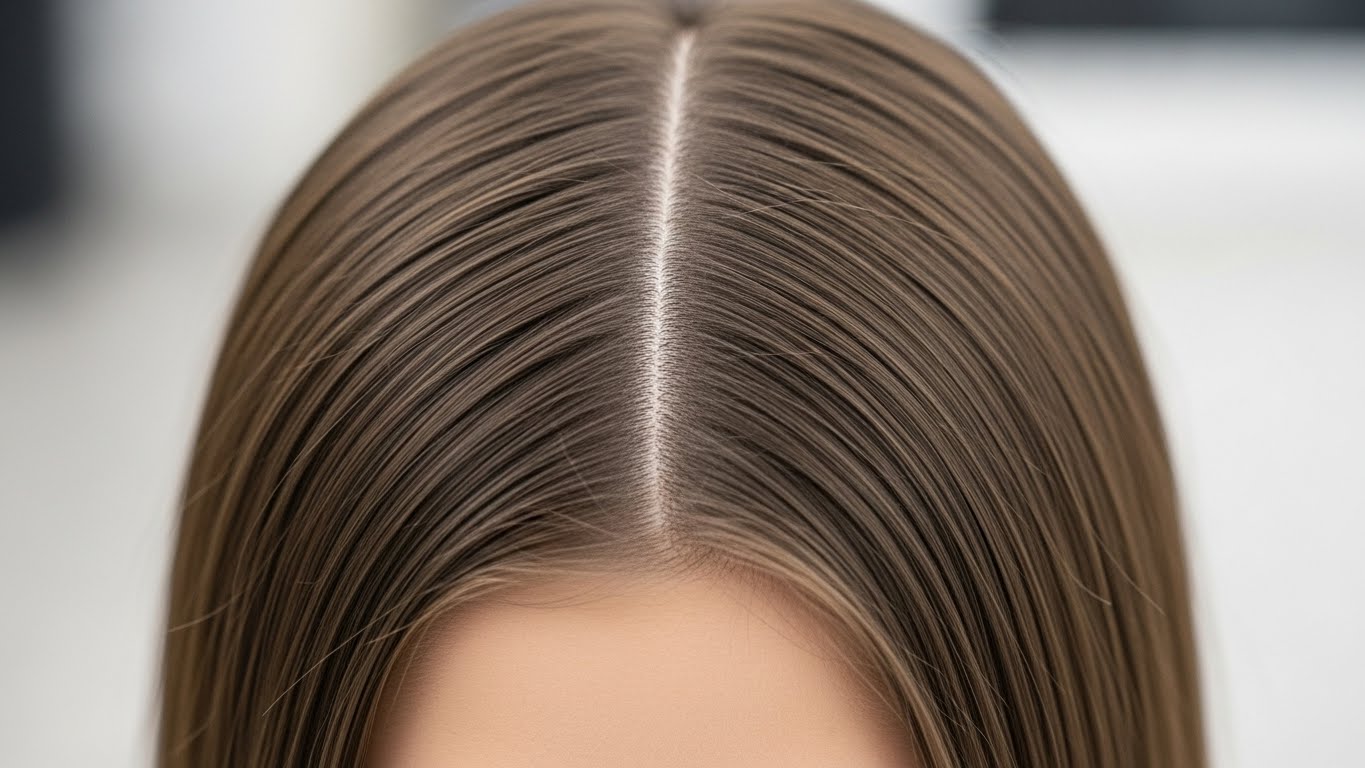
If your hair is very fine or lacks volume at the roots, a middle part can emphasize flatness. It can also highlight facial asymmetry more than other parting styles, making features appear uneven.
How Hair Texture Affects a Middle Part
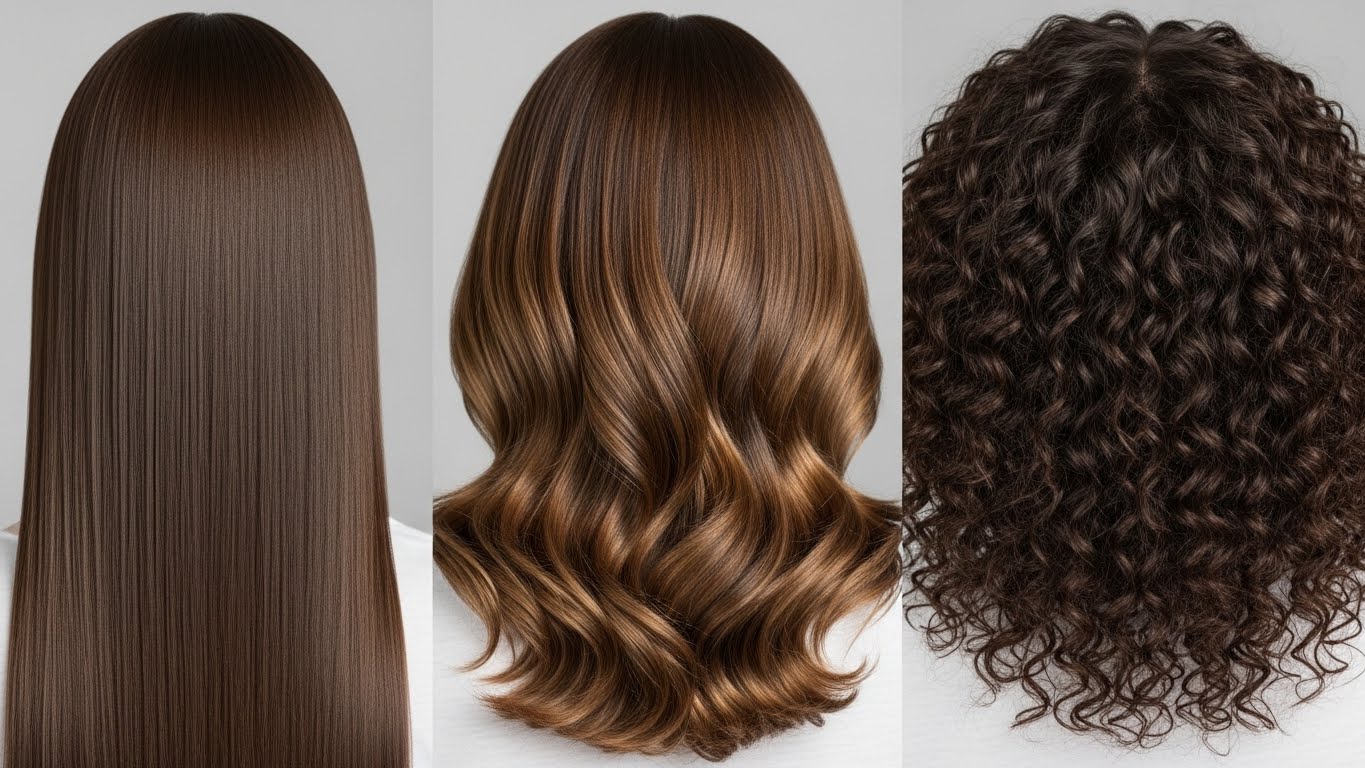
Straight and softly wavy hair tend to hold middle parts best. Curly or coily textures can still wear it beautifully, but may need more shaping and moisture to avoid separation at the scalp.
Styling Tips for a Flattering Middle Part
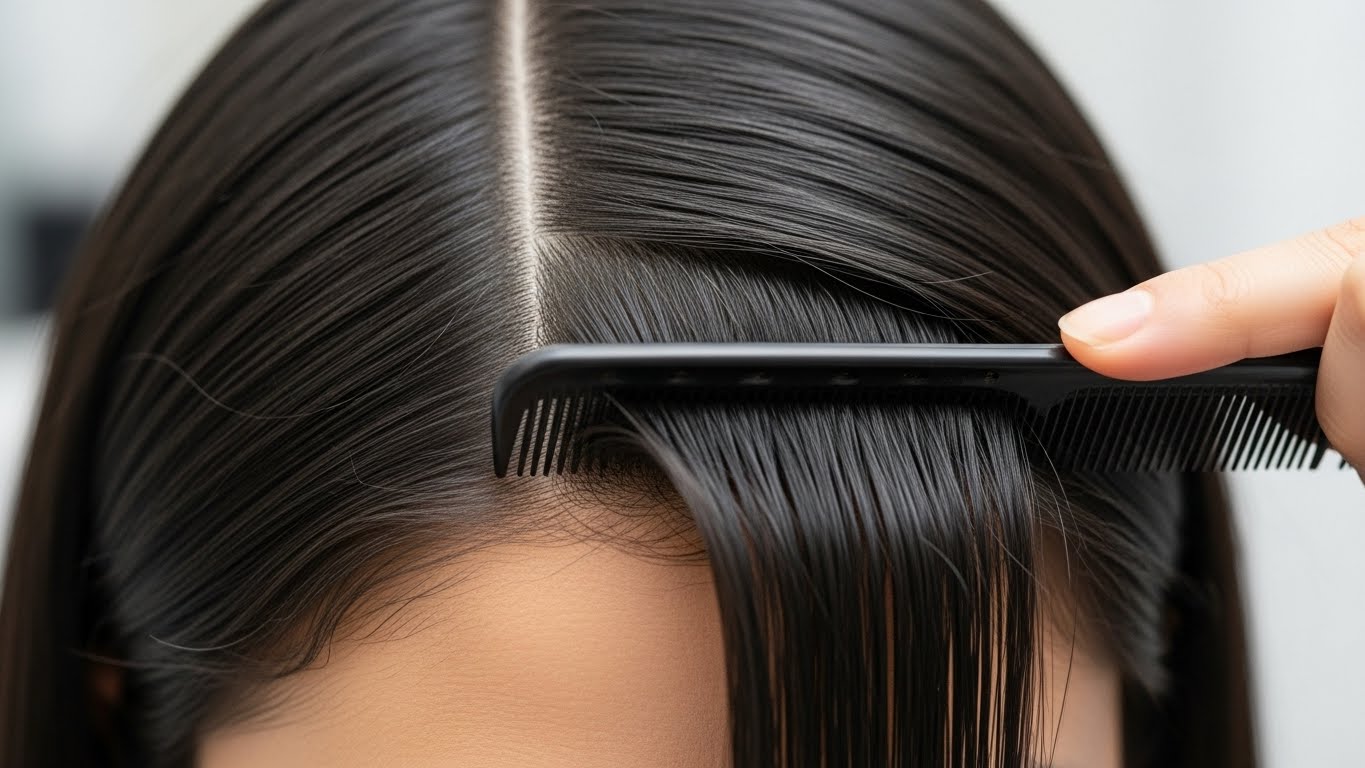
Precision is key with a middle part. A clean line instantly elevates the look, while subtle waves or texture prevent it from feeling flat or severe.
The Side Part: Voluminous, Soft, and Classic

A side part adds volume, dimension, and a touch of vintage glamour to any hairstyle. Whether deep or subtle, this parting creates movement and softens angular features.
Why choose a side part?
- Adds volume: Lifts hair at the roots, making thin hair appear fuller.
- Balances asymmetry: Can help even out uneven hairlines or facial features.
- Flatters square and heart-shaped faces: Softens strong jawlines and broad foreheads.
- Versatile for updos: Great for vintage waves, side-swept bangs, and elegant buns.
The side part is a timeless choice, but it may require more styling effort to maintain volume throughout the day.
Why Side Parts Add Instant Volume
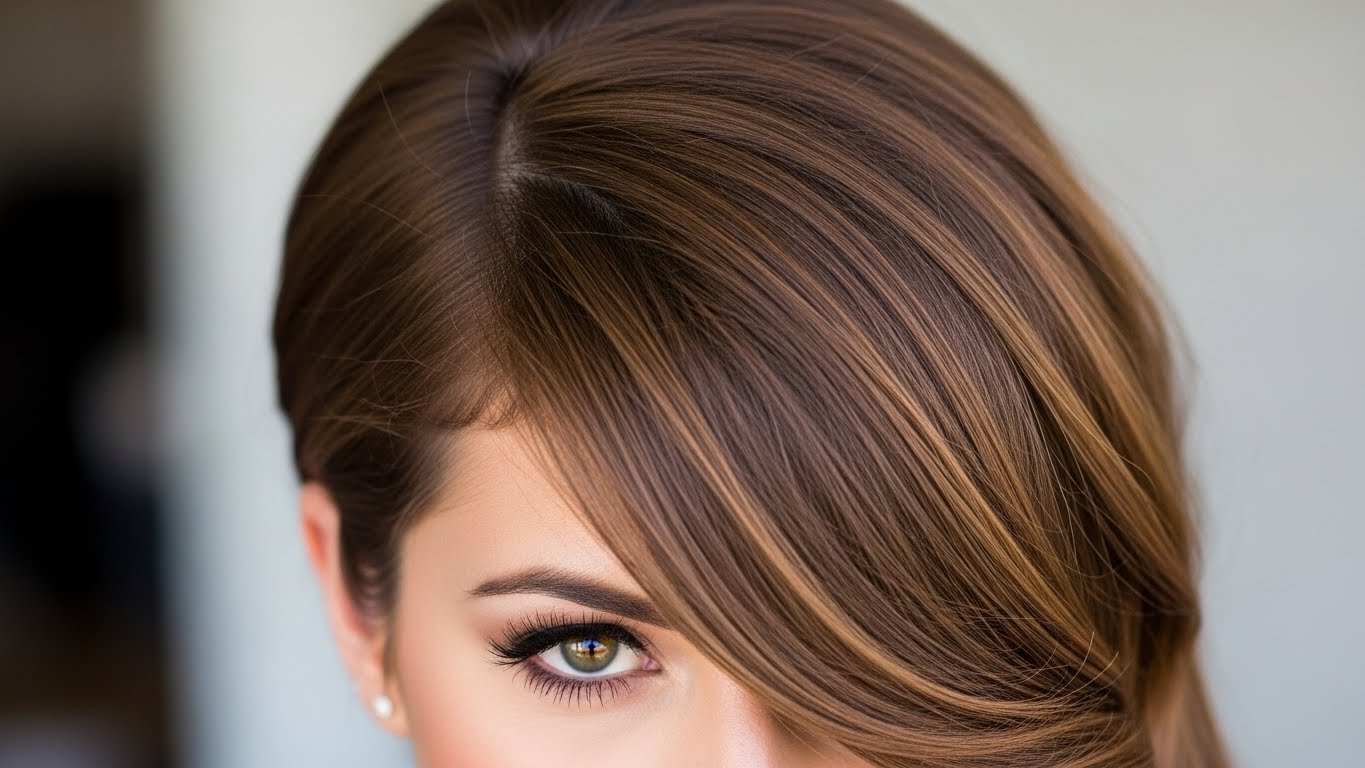
By lifting hair away from its natural fall, side parts naturally boost root volume. This makes them especially appealing for fine or thinning hair that needs visual fullness.
Who the Side Part Works Best For
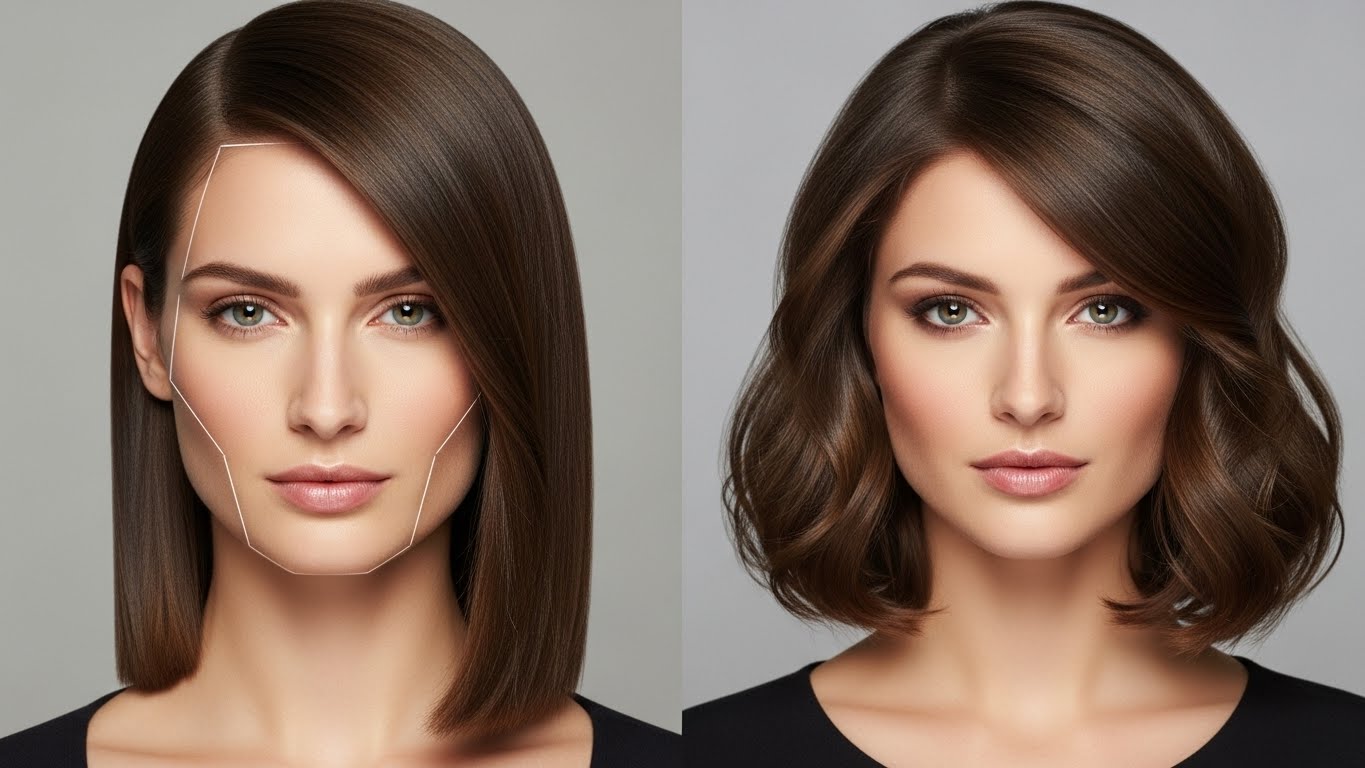
Side parts soften strong angles and balance wider foreheads. They’re particularly flattering for square, heart-shaped, and long faces that benefit from added width and asymmetry.
Shallow vs Deep Side Parts
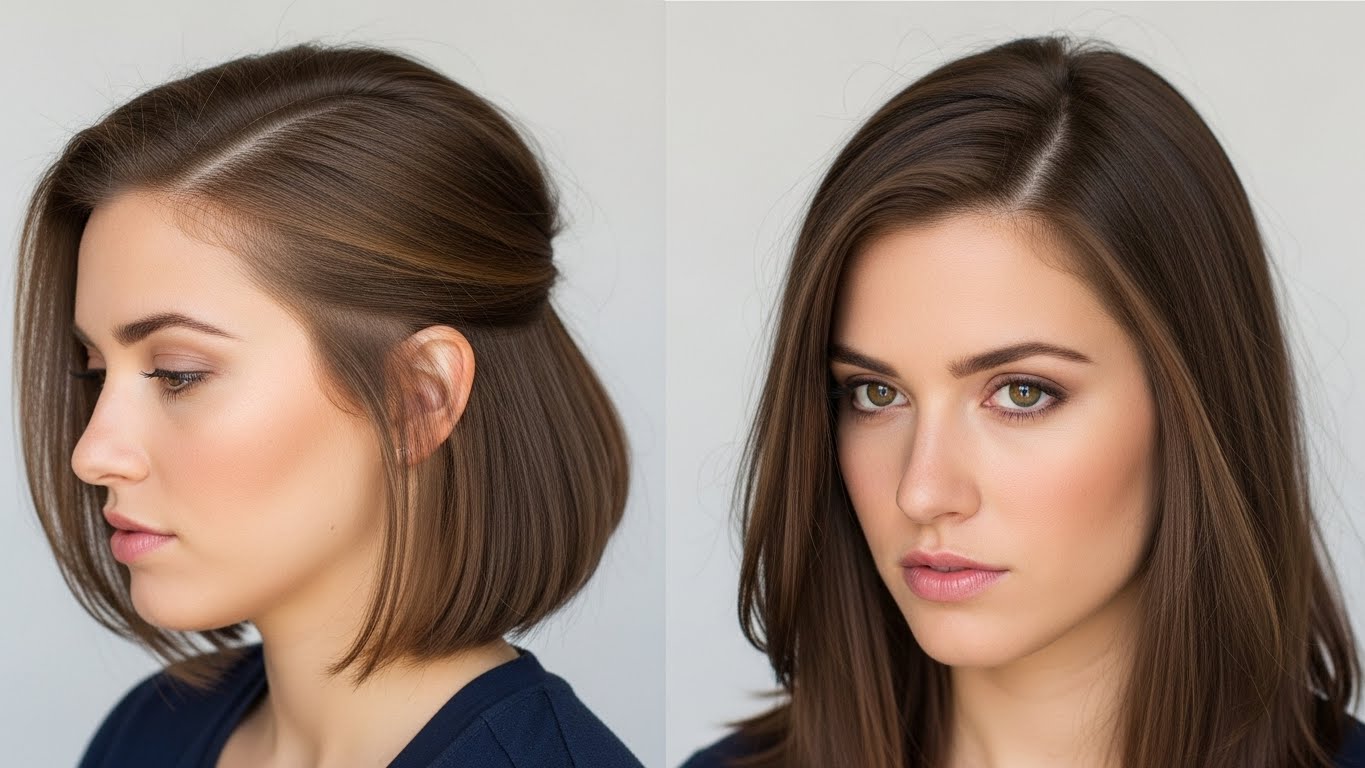
A shallow side part looks subtle and natural, while a deep side part creates drama and lift. The deeper the part, the more volume and personality it adds to your style.
How Hair Texture Responds to a Side Part
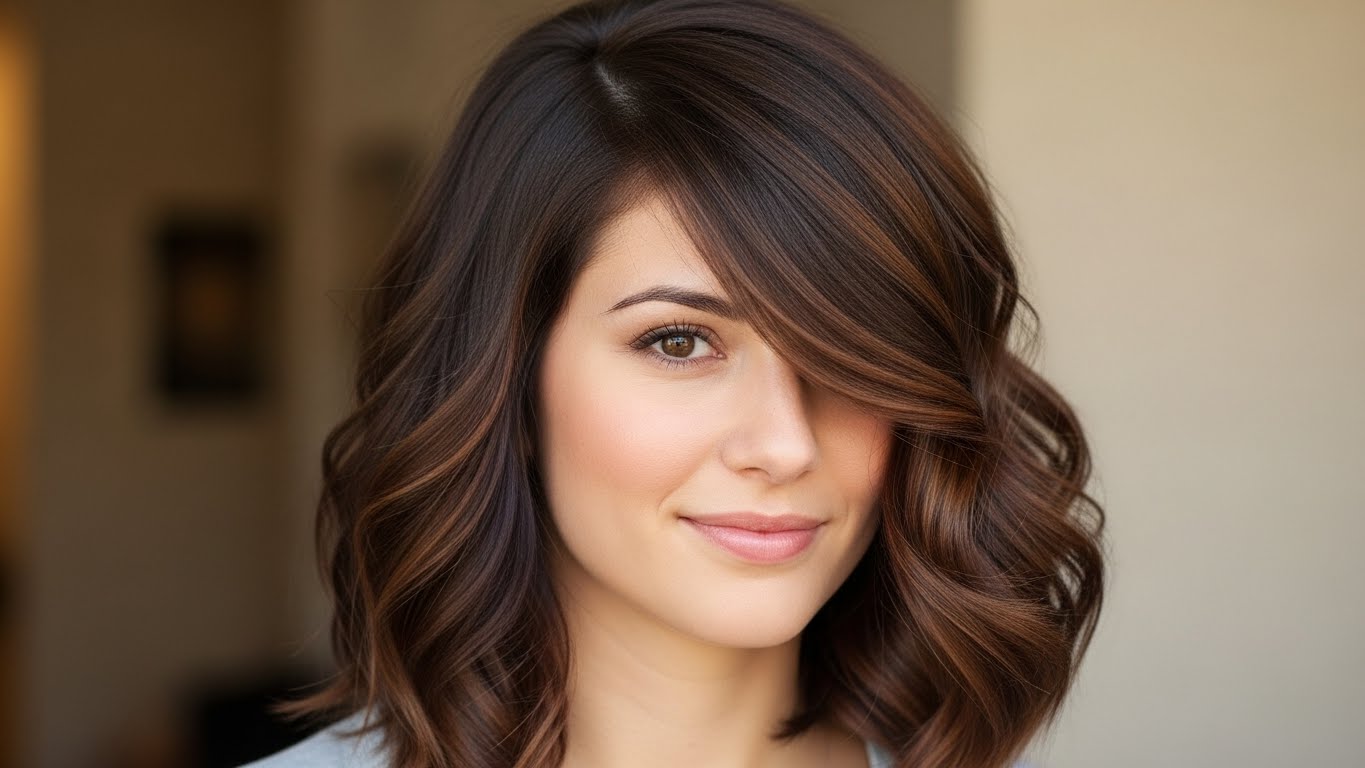
Side parts work across almost all textures. Fine hair gains lift, thick hair gains shape, and wavy hair gains definition with very little effort.
Styling Tips for a Long-Lasting Side Part
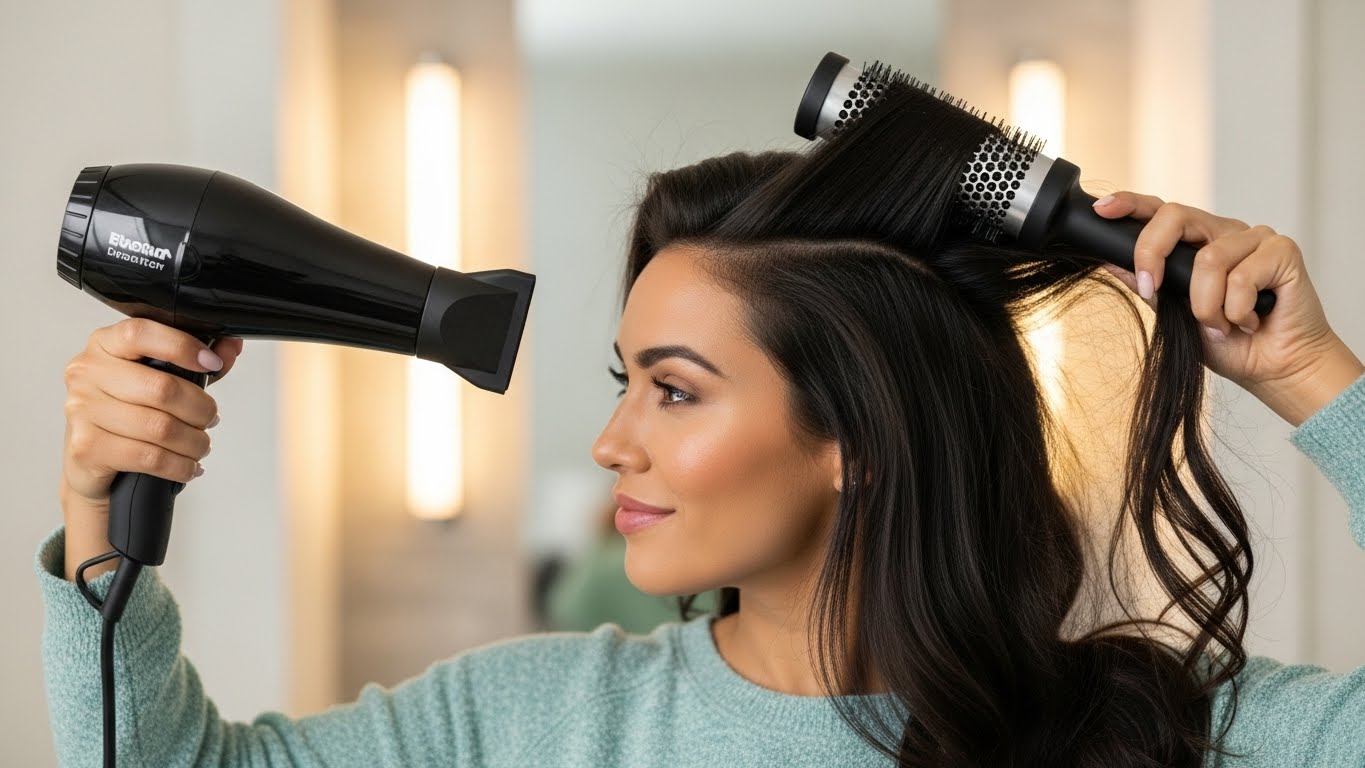
Drying your hair in the opposite direction before setting the part helps train it. This technique creates lasting lift and prevents the hair from falling flat during the day.
Middle vs Side Part for Round Faces
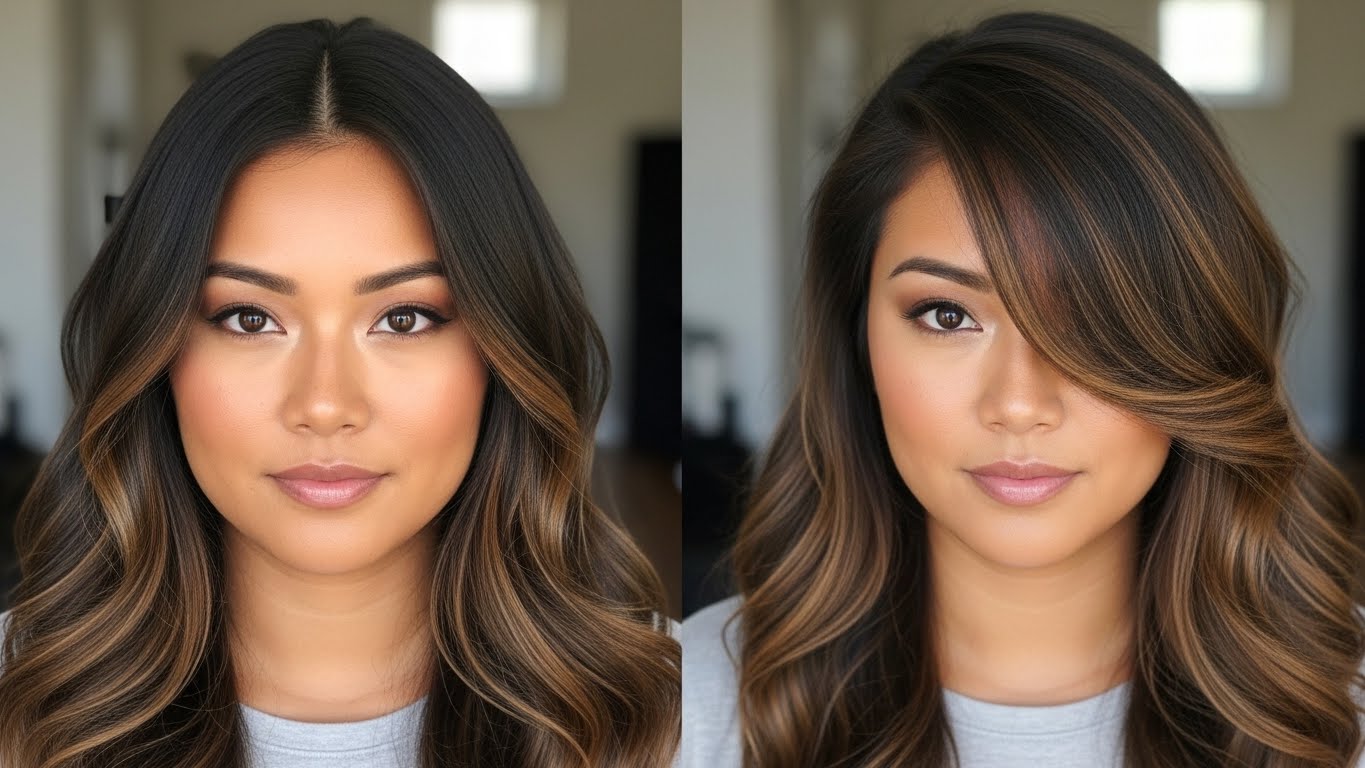
Middle parts elongate round faces, while deep side parts add angles. Both can work—it depends on whether you want a sleek or voluminous effect.
Middle vs Side Part for Oval Faces
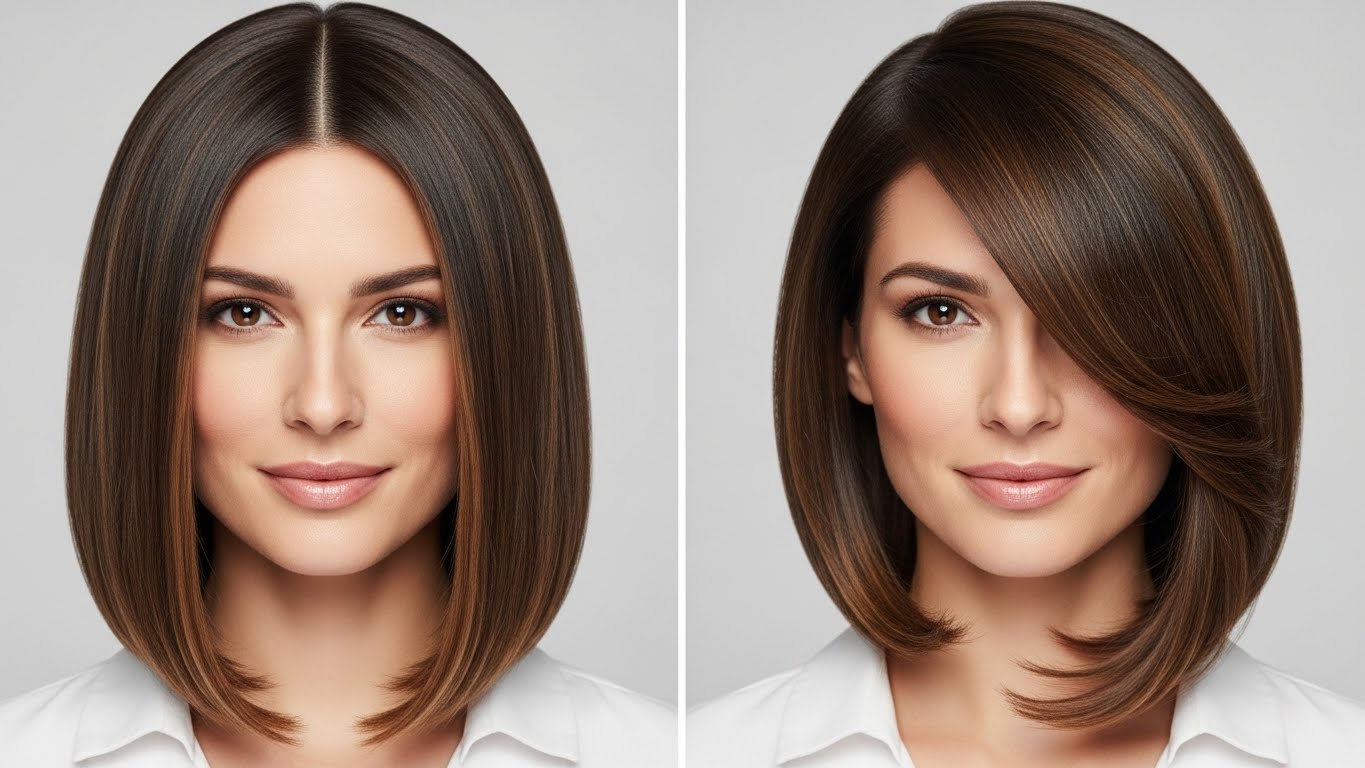
Oval faces are the most versatile. Both parting styles complement balanced proportions, making personal style the deciding factor rather than face shape.
Middle vs Side Part for Square Faces
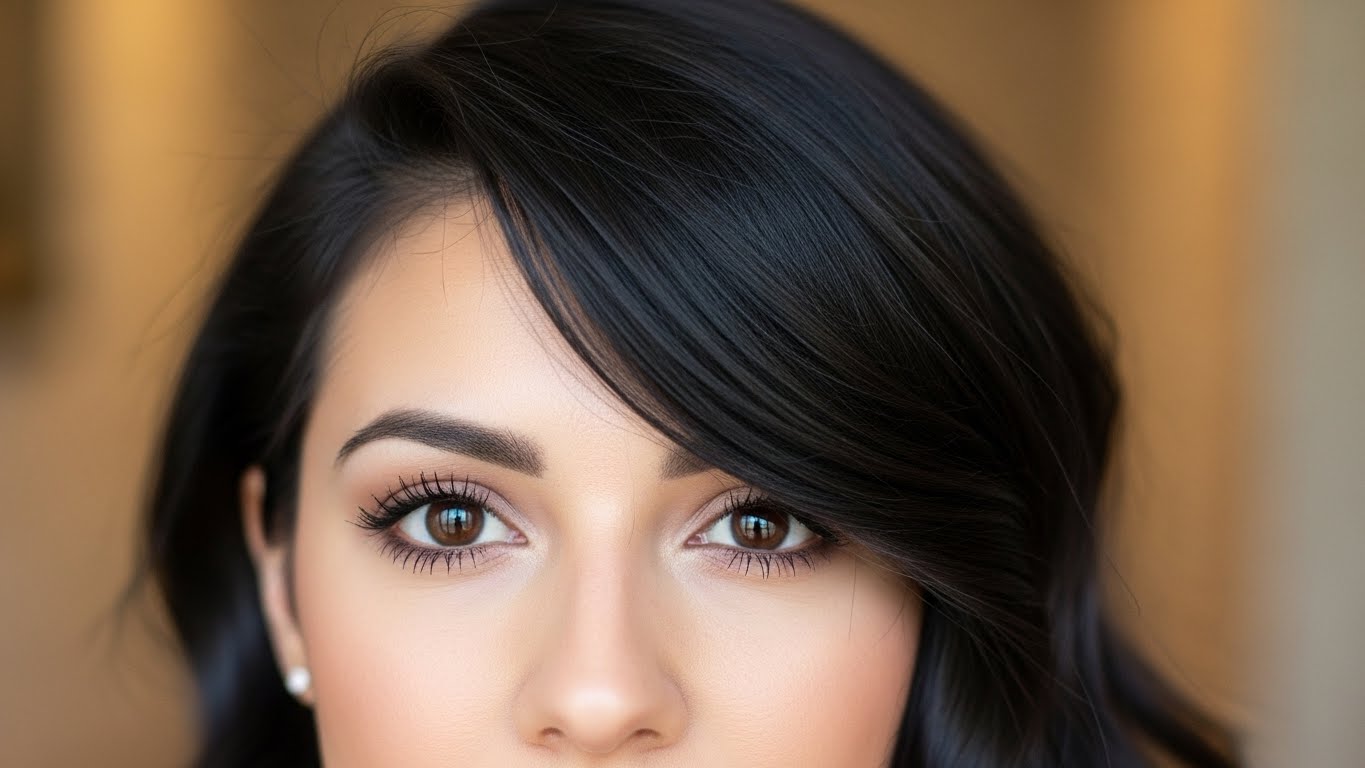
Side parts soften strong jawlines and reduce sharp angles. Middle parts can work, but usually look best with waves or layers for balance.
Middle vs Side Part for Heart-Shaped Faces
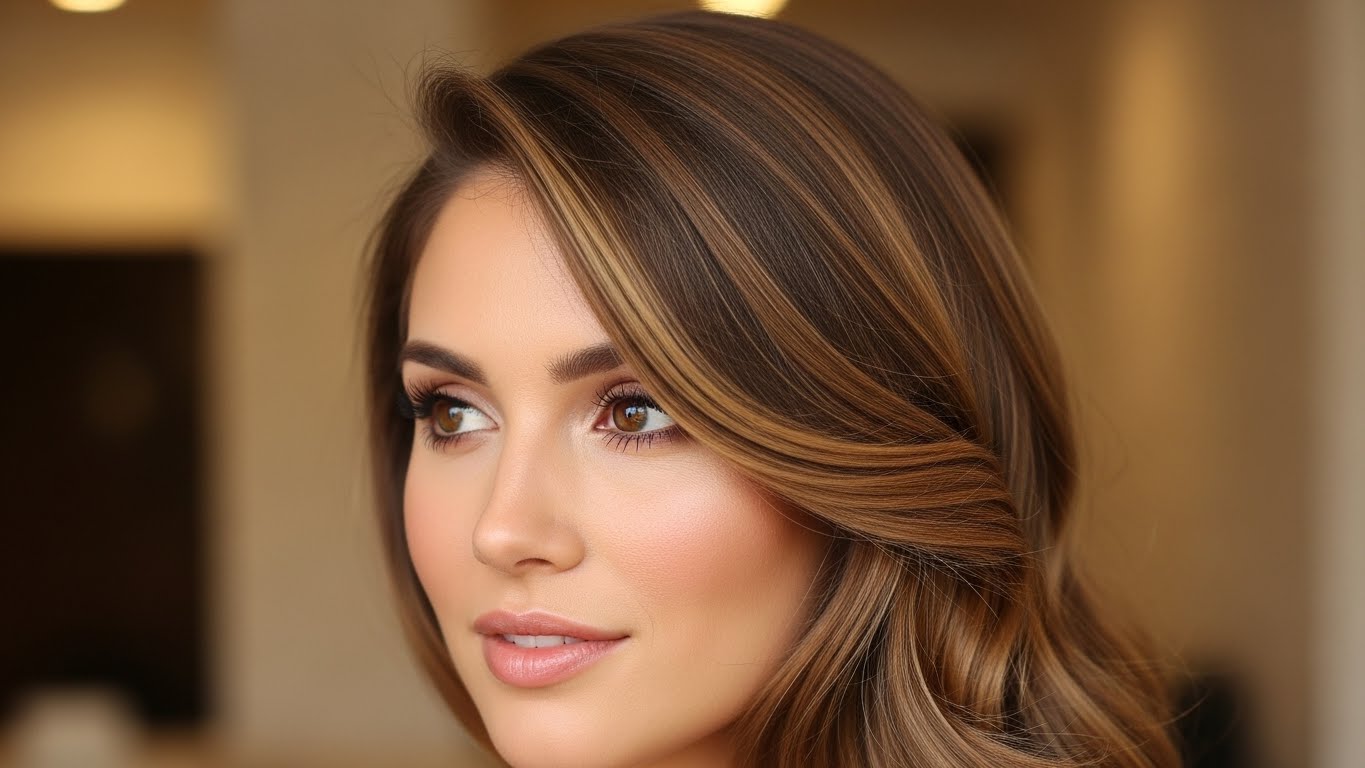
Side parts help offset a wider forehead and draw attention downward. They create a more harmonious balance between the upper and lower face.
Middle vs Side Part for Long Faces
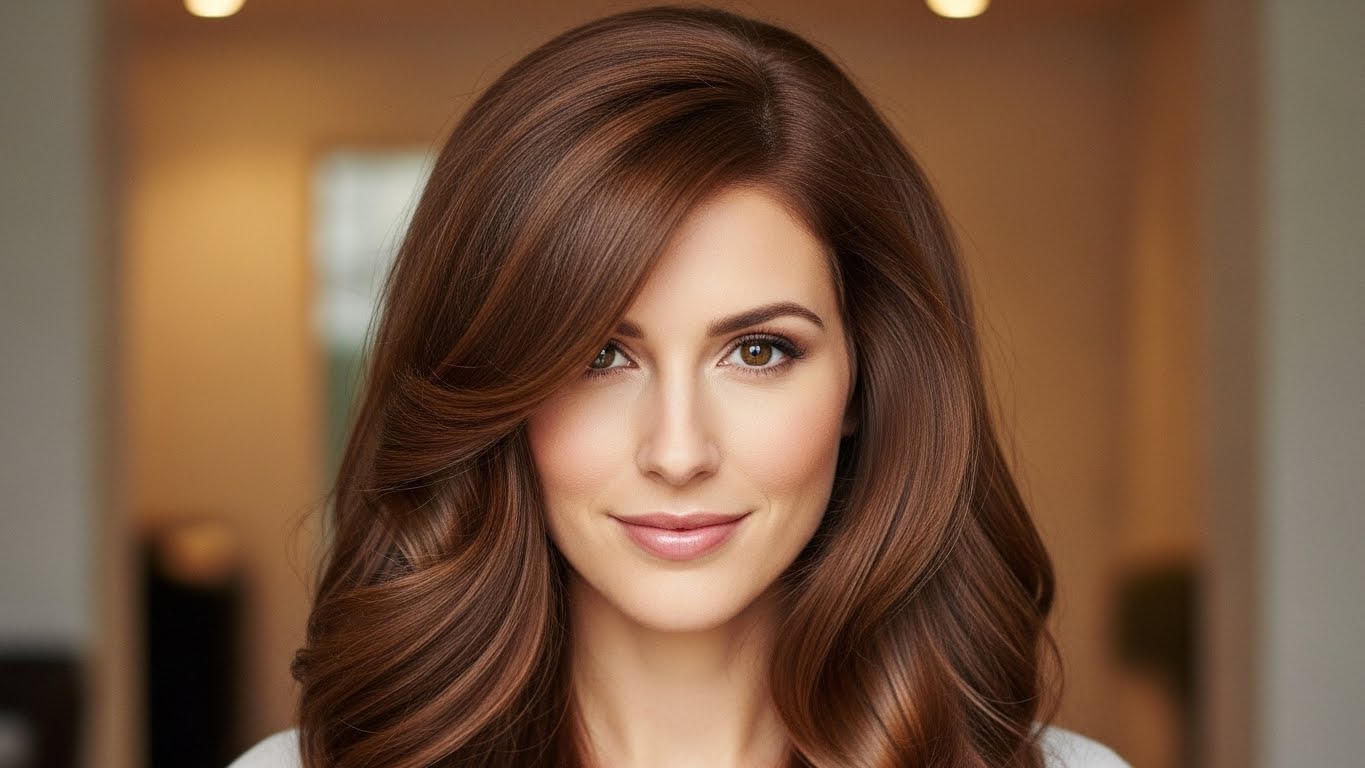
Side parts add width and break up vertical length. Middle parts can make long faces appear even longer unless styled with volume and waves.
Can You Switch Between Both Partings?
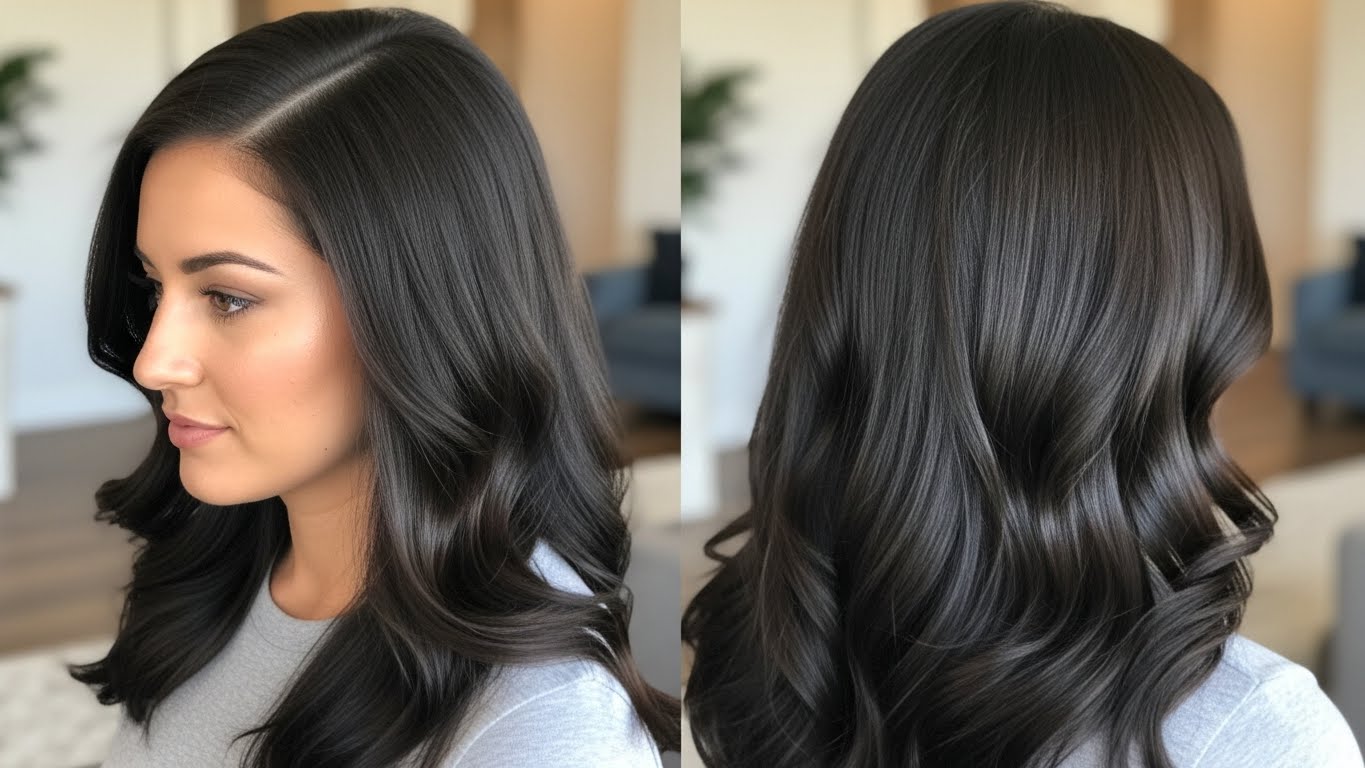
Switching your part occasionally prevents stress on one area of the scalp. It also keeps your hairstyle feeling fresh and adaptable to different looks.
How to Train Your Hair to Change Parts
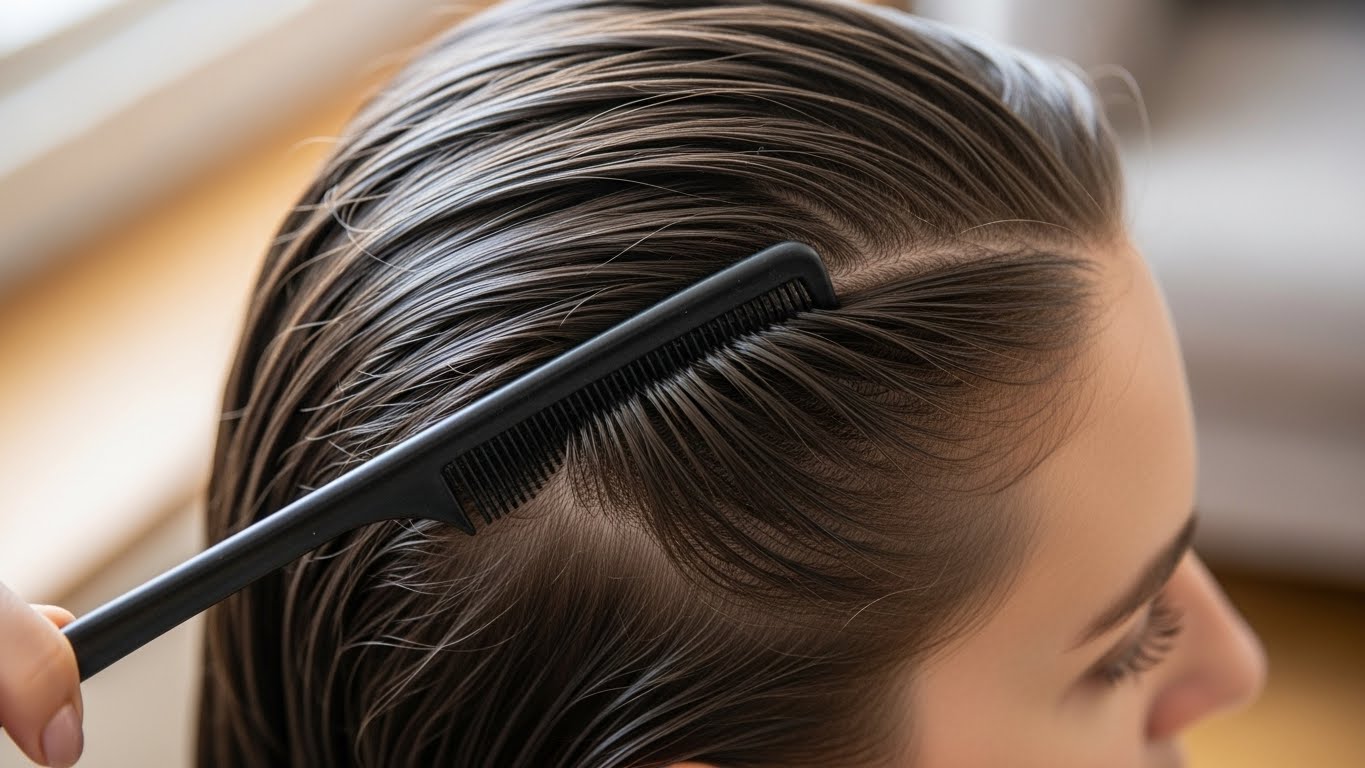
Hair needs time and consistency to adjust. Training your part while damp and reinforcing it during blow-drying helps it stay in place.
Common Mistakes When Changing Your Part
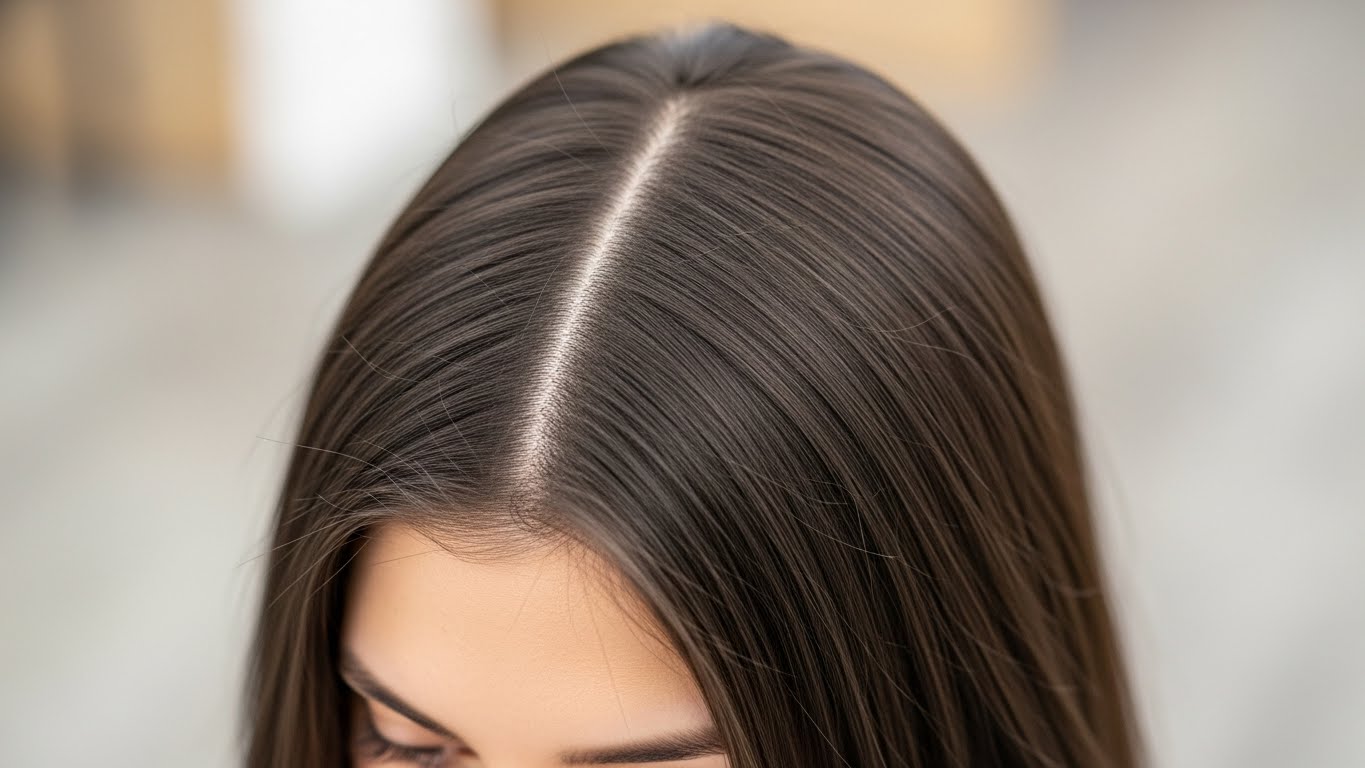
Skipping root volume products or setting techniques can cause a new part to fail. Support the change with proper styling, especially during the first few tries.
Which Parting Suits Your Face Shape?

Your face shape plays a crucial role in determining whether a middle or side part will be most flattering.
Round Face: A middle part elongates, while a deep side part adds angles.
Oval Face: Lucky you! Both parts work well.
Square Face: A soft side part softens a strong jawline.
Heart-Shaped Face: A side part balances a wider forehead.
Long Face: Avoid middle parts—opt for a side part to add width.
Styling Tips for Middle & Side Parts

Now that you’ve chosen your part, here’s how to style it like a pro.
For Middle Parts:
- Use a fine-tooth comb for a precise, clean line.
- Try a zigzag part for a playful twist.
- Add texture with light waves to avoid a flat look.
For Side Parts:
- Blow-dry hair in the opposite direction first for extra lift.
- Experiment with depth—a deeper part adds drama.
- Secure with bobby pins if hair won’t stay in place.
Can You Switch Between Both?

Absolutely! Changing your part occasionally prevents hair thinning in one area and keeps your style fresh. If you’ve worn a side part for years, try transitioning to a middle part gradually by shifting the part slightly closer to the center over time.
Pro Tip: If your hair resists a new part, wet it, apply a lightweight styling product, and use a comb to train it into place.
Final Verdict: Middle or Side Part?
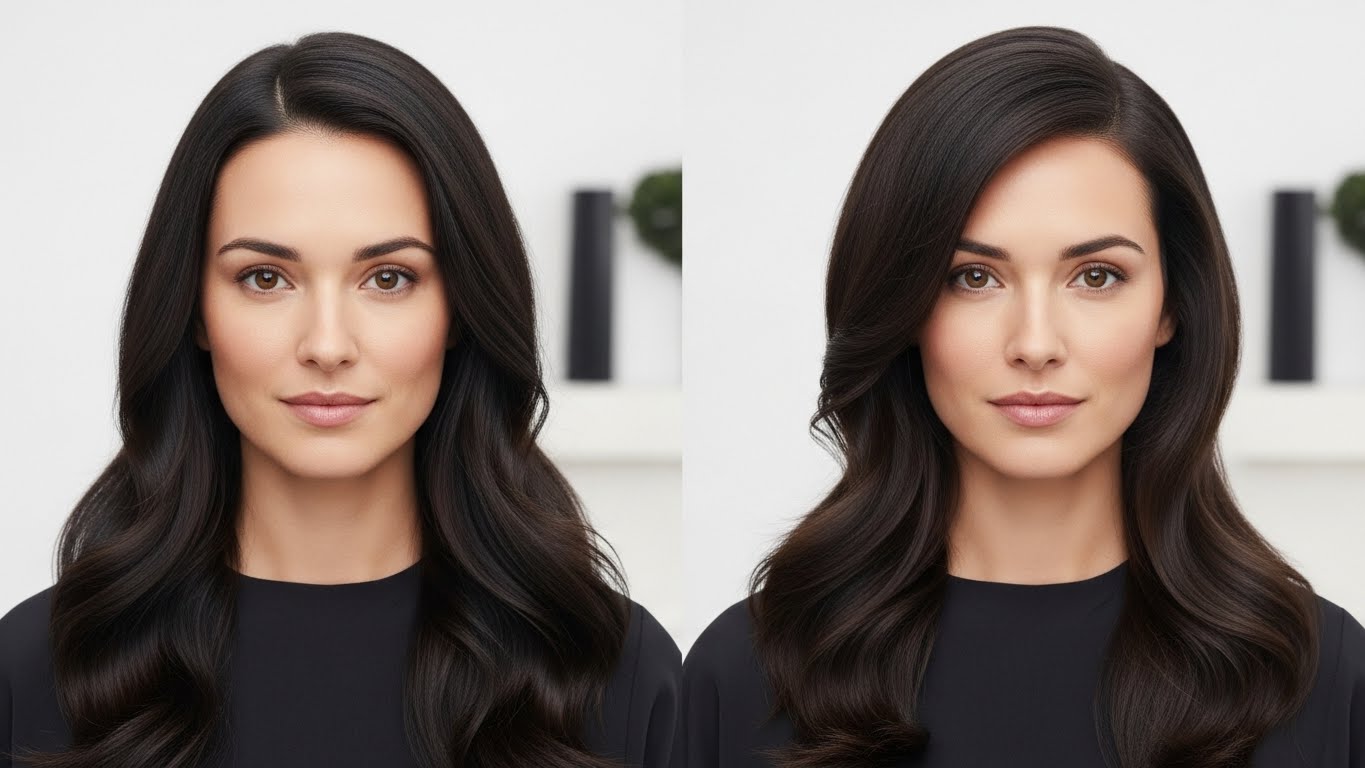
There’s no one-size-fits-all answer—it depends on your face shape, hair type, and personal style. Here’s a quick cheat sheet:
Choose a Middle Part If: You have an oval or round face, straight hair, or love a sleek, modern aesthetic.
Choose a Side Part If: You want more volume, have a square or heart-shaped face, or prefer a classic, voluminous look.
Ultimately, the best parting is the one that makes you feel confident. Why not experiment with both?
Which part do you prefer—middle or side? Share your favorite look in the comments!