Haircuts That Look Good Without Heavy Products
Let’s be honest: the dream of waking up, shaking out your hair, and looking perfectly put-together is a powerful one. For many of us, the reality involves a cabinet full of serums, mousses, gels, and sprays, all enlisted to force our hair into submission. But what if your haircut did most of the work for you? What if you could achieve a chic, intentional look by embracing your hair’s natural texture and movement, without the heavy product cocktail?
The Philosophy of the Low-Product Haircut
Before we dive into specific styles, it’s important to understand the core principles behind a haircut that thrives without heavy products. These cuts aren’t about being unkempt; they’re about precision and intention. A skilled stylist considers your hair’s natural growth patterns, weight distribution, and texture. The goal is to remove bulk where it drags hair down and add shape where it can spring to life.
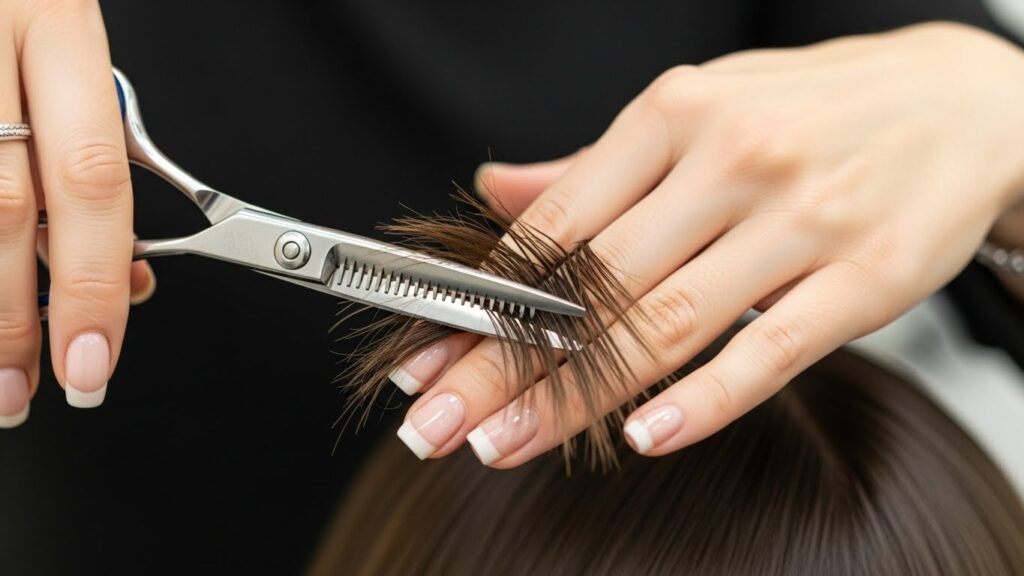
Key techniques include layering to create movement and remove weight, texturizing with shears or a razor to break up hard lines and encourage piecey-ness, and strategic length placement to frame the face beautifully. The result is a cut that has “memory”—it falls back into place naturally as it dries. This approach not only saves you time and money on products but also promotes healthier hair by minimizing heat styling and product buildup.
For Straight to Wavy Hair: The Effortless Classics
If your hair is on the straighter side, the challenge is often adding volume and movement where hair naturally wants to lie flat. The right cut introduces body and shape that lasts all day.
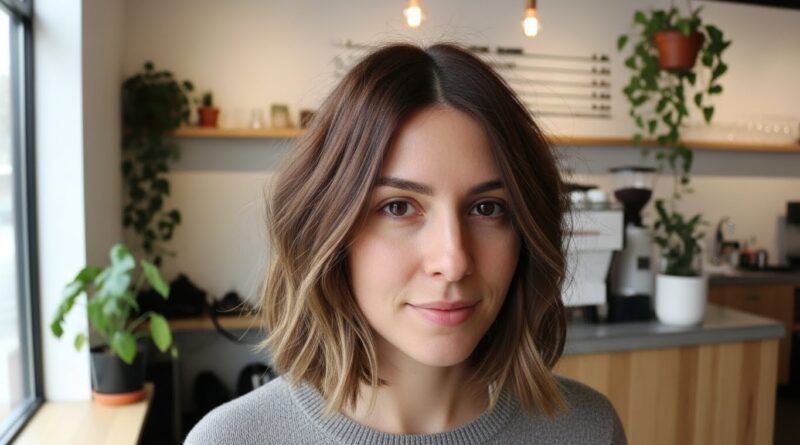
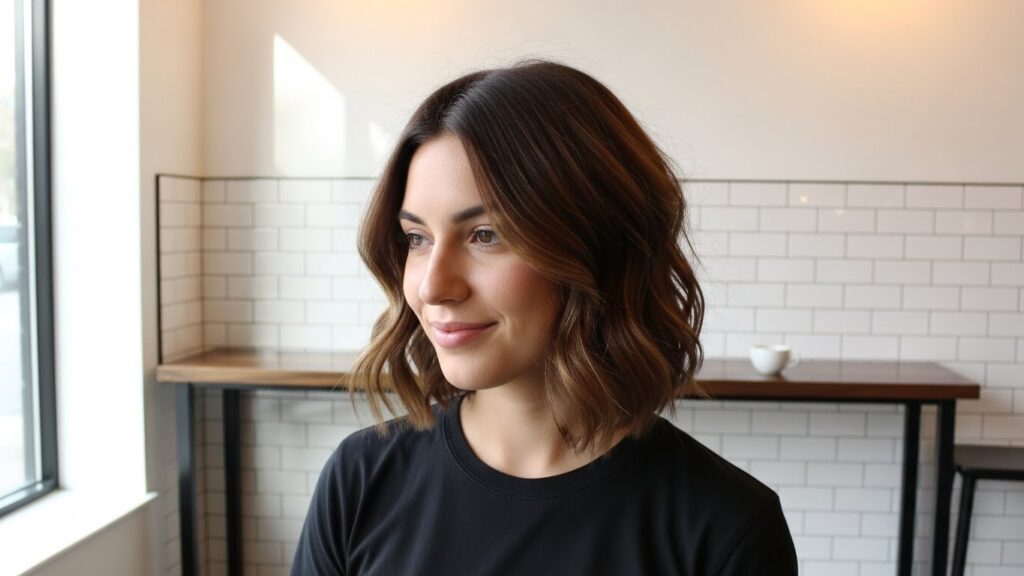
The Blunt Bob with Subtle Texture: A classic blunt bob is stunning, but for a no-product version, ask for imperfections. A few soft, internal layers around the crown or subtly razored ends prevent the hair from forming a solid, helmet-like block. This allows it to move and creates a lived-in, modern feel as it air-dries.
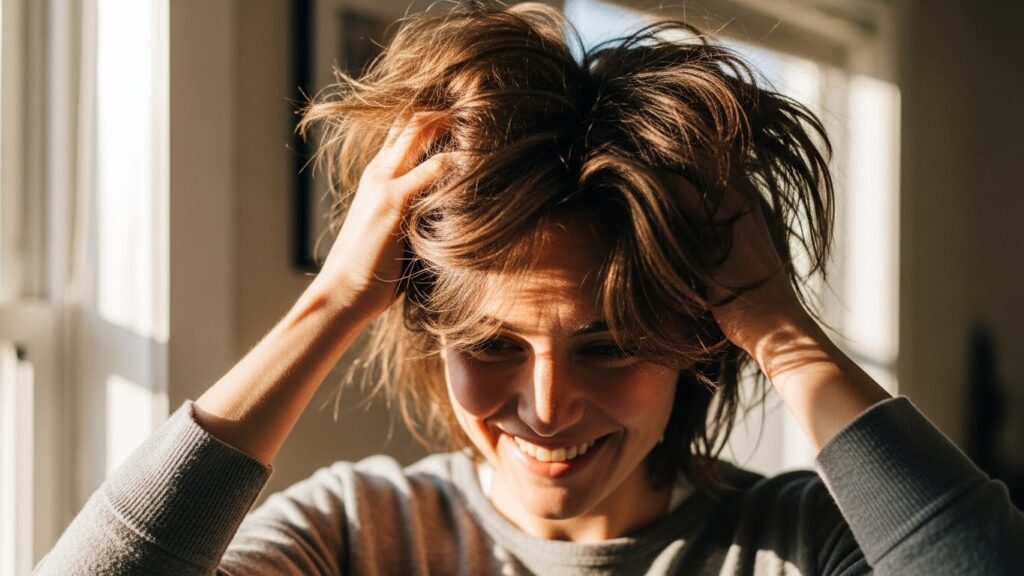
The Shag or Modern Mullet: Don’t let the names scare you. Today’s shag is all about artfully disheveled layers that create incredible volume and texture. With lots of layers around the crown and face-framing pieces, this cut catches the light and looks better the more you mess it up. It’s designed to look piecey and dynamic without paste or pomade.
The Long Layered Cut: The key here is long, seamless layers starting from the chin or below. This removes weight from the mid-lengths and ends, allowing your natural wave (however slight) to appear. The layers create a cascading effect that looks polished and full of body, even on second-day hair.
For Curly & Coily Hair: Celebrating Natural Volume
Curly and coily hair has a magnificent, built-in volume that the right cut can sculpt and define. The goal is to shape the curl pattern, not fight it.
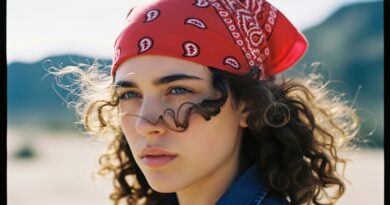
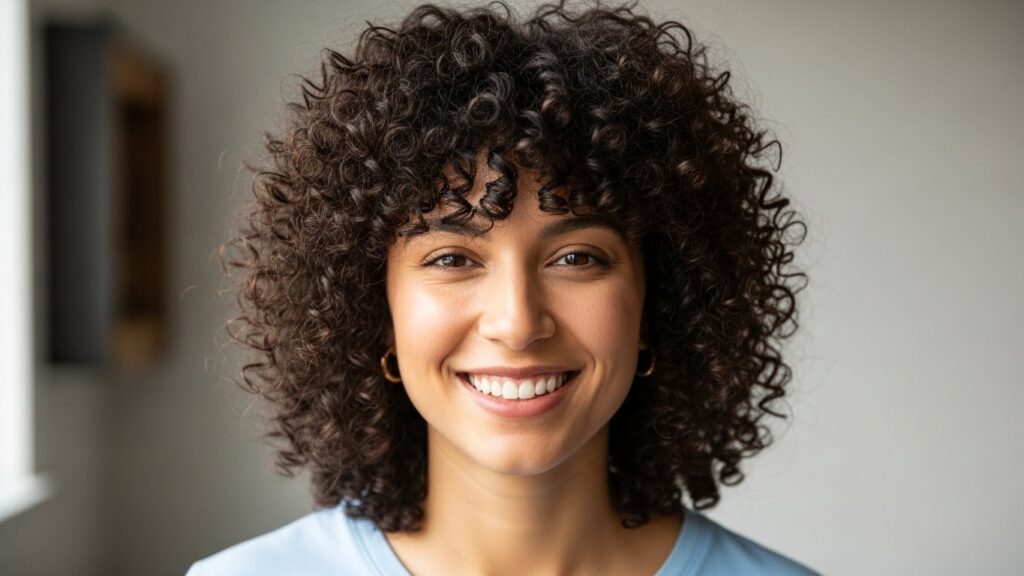
The Curly Shag or “Curly Mullet”: This is a game-changer for curls. By cutting in lots of layers throughout, you allow the curls to spring up at different lengths, creating a beautiful, rounded shape and eliminating the dreaded triangle effect. This cut maximizes volume at the crown and lets curls clump together naturally, often needing just a leave-in conditioner or light gel to define, not heavy creams.
The Shape-Centric Round Cut: Often performed dry, curl-by-curl, this technique shapes the entire head of hair into a harmonious silhouette—like a globe or oval. It balances the weight so that curls bounce uniformly. A well-executed shape cut allows you to wash, apply a minimal product, diffuse or air-dry, and be done.
Short & Sweet: The Tapered Cut or Curly Pixie: Short cuts for curly hair are incredibly low-maintenance. A tapered cut keeps weight off the neck and lets the curls on top shine. A curly pixie, with its textured top, can be scrunched and left to dry into a perfect, voluminous shape with minimal intervention.
For Fine Hair: Creating Illusion of Thickness
Fine hair can easily be weighed down by heavy products. The secret is a cut that builds body and lift from the inside out.
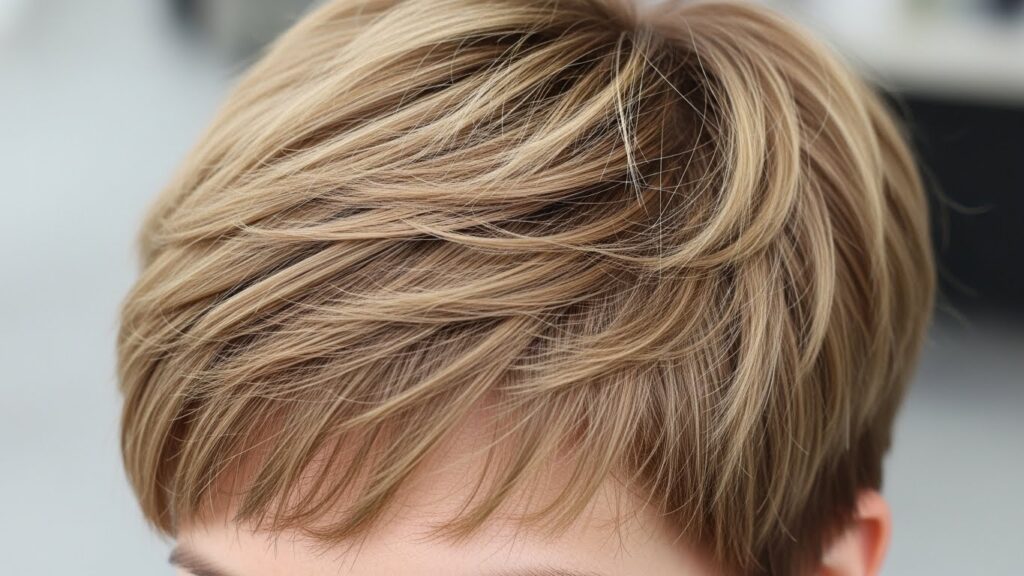
The Pixie Cut with Lots of Texture: A pixie is the ultimate low-product style for fine hair. Ask for a cut with choppy, uneven texture all over. This creates the illusion of thickness and allows you to style with just a dab of light wax or even some sea salt spray for piecey definition. A bit of messiness is the goal.
The Lob with Face-Framing Layers: A long bob (lob) that hits at the collarbone is perfect. Adding light, face-framing layers starting at the chin brings movement and volume to the front, drawing the eye. The shorter length also gives fine hair a bit more “oomph” at the roots than very long hair can manage.
The Wispy Fringe (Bangs): Incorporating a light, wispy fringe can be a fantastic trick. It adds instant style and volume at the front of your face, making the entire hairstyle look more intentional and full, even if the rest of your hair is simply tucked behind your ears.
Universal Winners: Cuts That Work for (Almost) Everyone
Some haircut concepts are so versatile and reliant on good structure that they transcend specific texture categories.
The Wolf Cut: A hybrid of the shag and the mullet, the wolf cut is all about dramatic, cascading layers. It’s designed to be wild and textured. Whether your hair is wavy, curly, or straight, the layers create so much inherent movement and separation that heavy products would actually work against its effortless vibe.
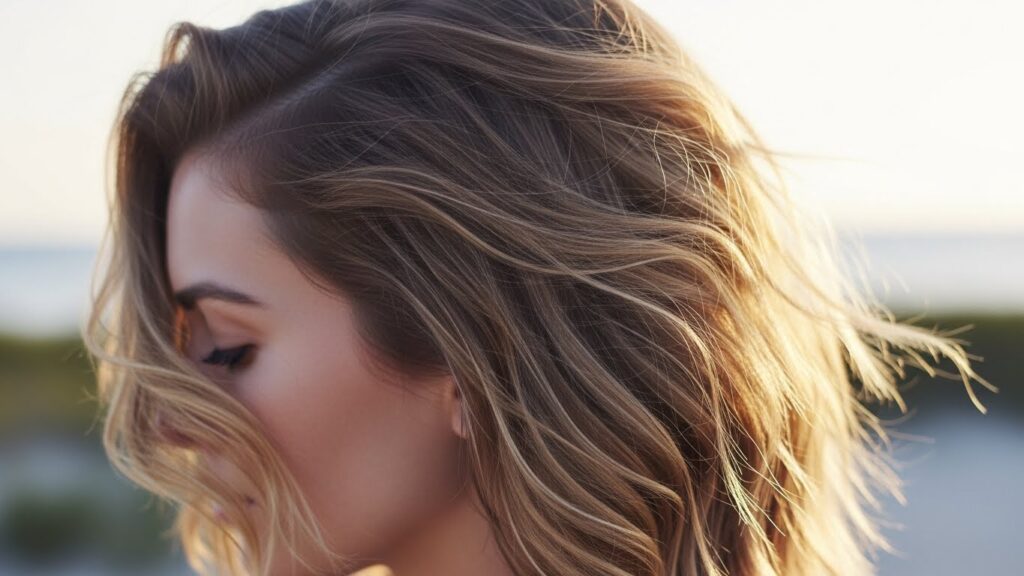
The Textured Lob (Long Bob): As mentioned, the lob is a hero length. When combined with overall texturization—not just layers, but point-cutting or razor work on the ends—it becomes a universally flattering, wash-and-go style. It’s long enough to pull back but short enough to have natural body.
How to Talk to Your Stylist for the Perfect Cut
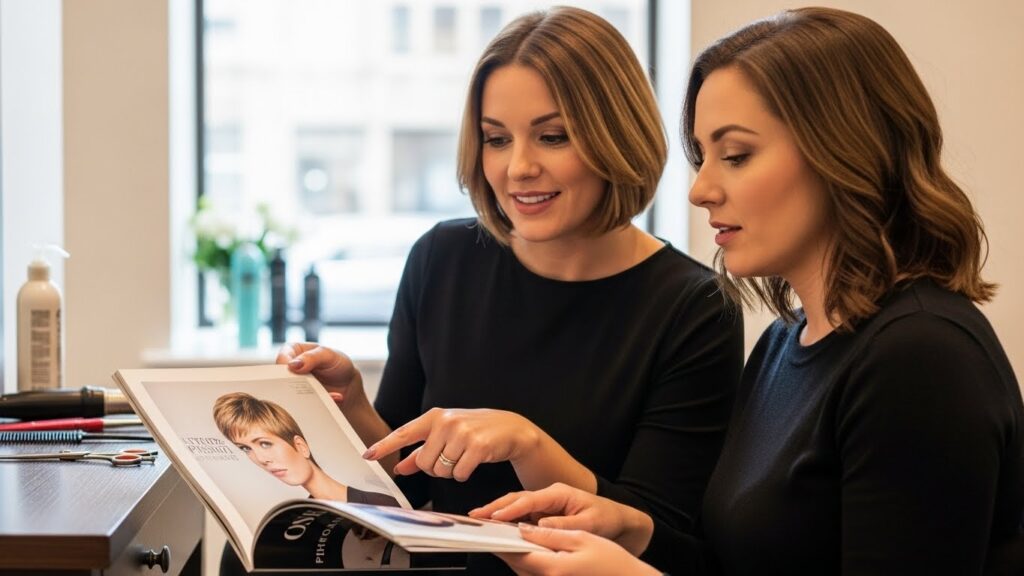
Communication is key to walking out with the low-maintenance cut of your dreams. Be specific about your desired lifestyle, not just a photo.
Say things like: “I want a cut that air-dries well.” “I don’t like using heavy gels or creams.” “My goal is to reduce my styling time to under 10 minutes.” “Please focus on enhancing my natural wave/curl.” Bring pictures, but emphasize that you love the cut’s texture and shape, not just its length. A good stylist will then tailor the technique—be it layering, texturizing, or thinning—to your specific hair type to achieve that effortless result.
Embracing Your Natural Hair Journey
Transitioning to a low-product haircut is as much a mindset shift as it is a style change. It’s about trusting that your hair, when given the right shape, is beautiful on its own. You might find that with the right cut, you only need a light leave-in conditioner, a dab of oil for shine, or a spritz of texturizing spray—far from the heavy-hold products of the past.
The ultimate luxury in today’s fast-paced world is simplicity. A great haircut that looks good with minimal effort gives you time, confidence, and showcases the unique character of your hair. It’s not about abandoning styling altogether; it’s about starting with a fantastic foundation that makes styling optional, not mandatory. So, take the plunge, find a stylist who understands the vision, and get ready to enjoy hair that feels as good as it looks—naturally.