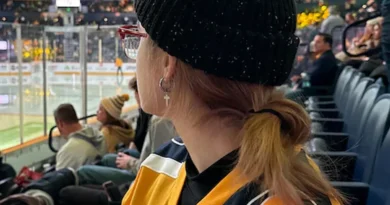
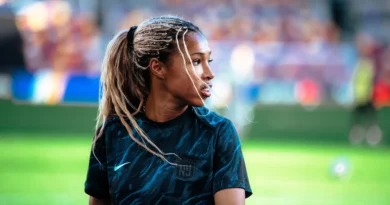
From First Pitch to the Seventh-Inning Stretch: 33 Hairstyles for a Baseball Game That Survive Sun, Wind and Nine Innings
There is nothing quite like a day at the ballpark. The sun is high over the bleachers, the breeze carries the smell of peanuts and fresh-cut grass, the crowd rises for every big swing, and nine innings stretch out ahead of you. It is the perfect day out — unless your hair has other plans. The best hairstyles for a baseball game are built for exactly this: sun on your part line, wind tugging at loose strands, a cap sitting on your head for hours, and cheering that has you on your feet every other inning.
A ballpark style has to do more than look good in the first-inning selfie. It has to stay out of your eyes when the wind picks up in the seventh, sit comfortably under a cap without going flat, and still look decent by the time the fireworks go off. Braids, low buns and ponytails threaded through a cap do this best, because they anchor the hair at several points and leave nothing loose for the breeze to grab.
This guide starts with the ballpark basics — how to style around a cap, how sun and wind change the rules, which products survive sweat and humidity, and what works for every hair length — and then gives you 33 styles to choose from, for short, medium and long hair, straight, wavy and curly textures, and every kind of ballpark day, from a sunny afternoon in the cheap seats to a night game under the lights. Pick one, practise it once at home, and enjoy all nine innings without touching your hair.
Why Ballpark Hair Is Different
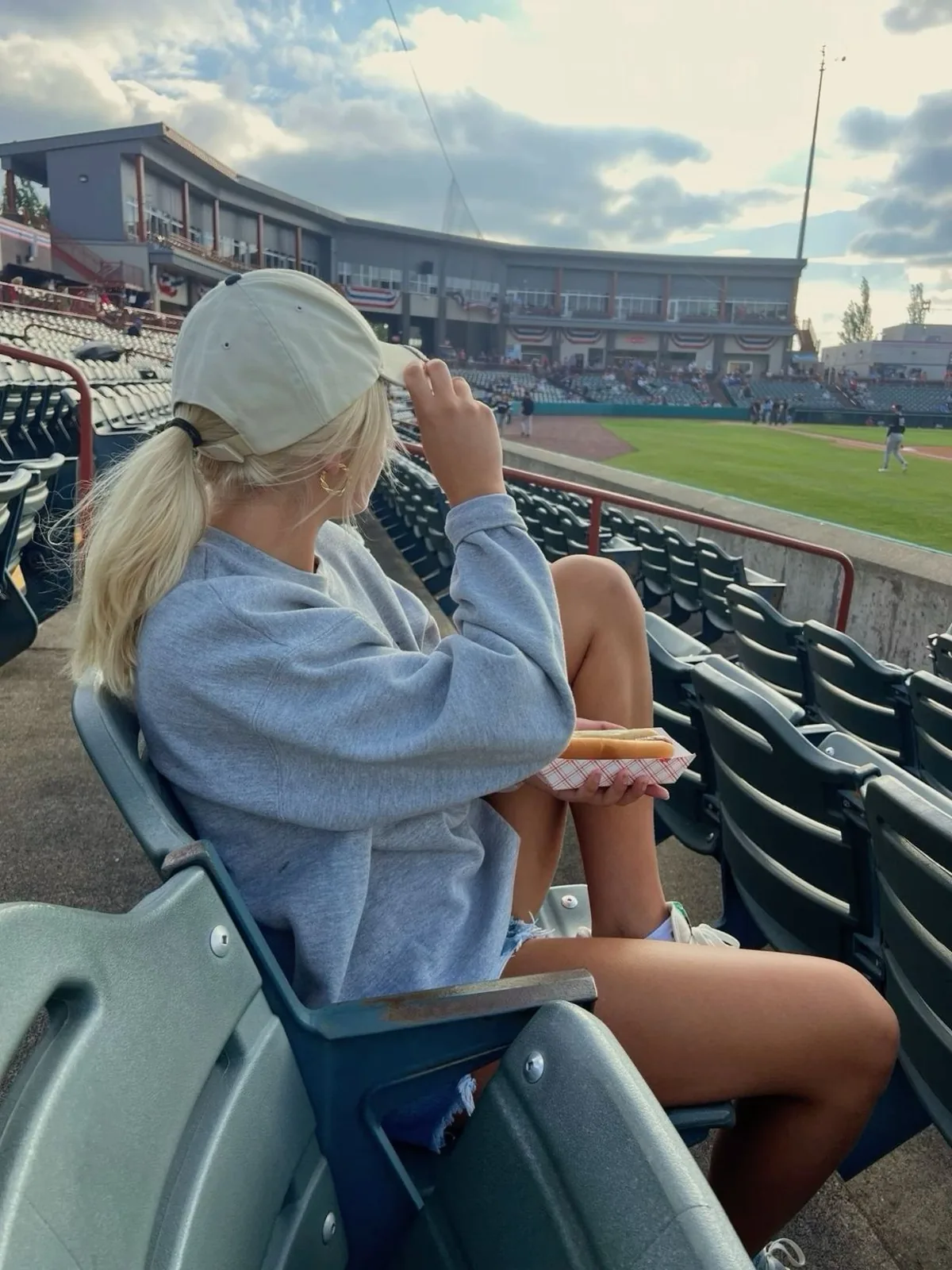
A baseball game is long, outdoors and exposed in a way most other outings are not. You will sit in direct sun for three hours or more, the wind funnels through an open stadium, and you will stand, sit, cheer and reach for snacks a dozen times. Hair that behaves perfectly in an air-conditioned room can turn into a tangled, sweaty mess by the fifth inning.
The cap is the other big difference. Most ballpark days start with a team cap, and a cap changes everything about a hairstyle: high buns press against the crown, volume at the roots gets crushed, and ponytails have to find the opening at the back. A style that ignores the cap will fight it all day.
Then there is the cheering. You will jump up for home runs, lean forward for close plays and turn to talk to the people around you. A style held by a single elastic or a couple of pins will not survive that. Ballpark hair needs anchors — braids, wrapped bases, pinned sections — so it stays put through the whole game.
Ballpark tip: do the wind test at home. Stand in front of a fan on full blast for thirty seconds. If your style holds, it will hold at the ballpark. If strands fly everywhere, braid them in.
Cap-Friendly Styling Basics
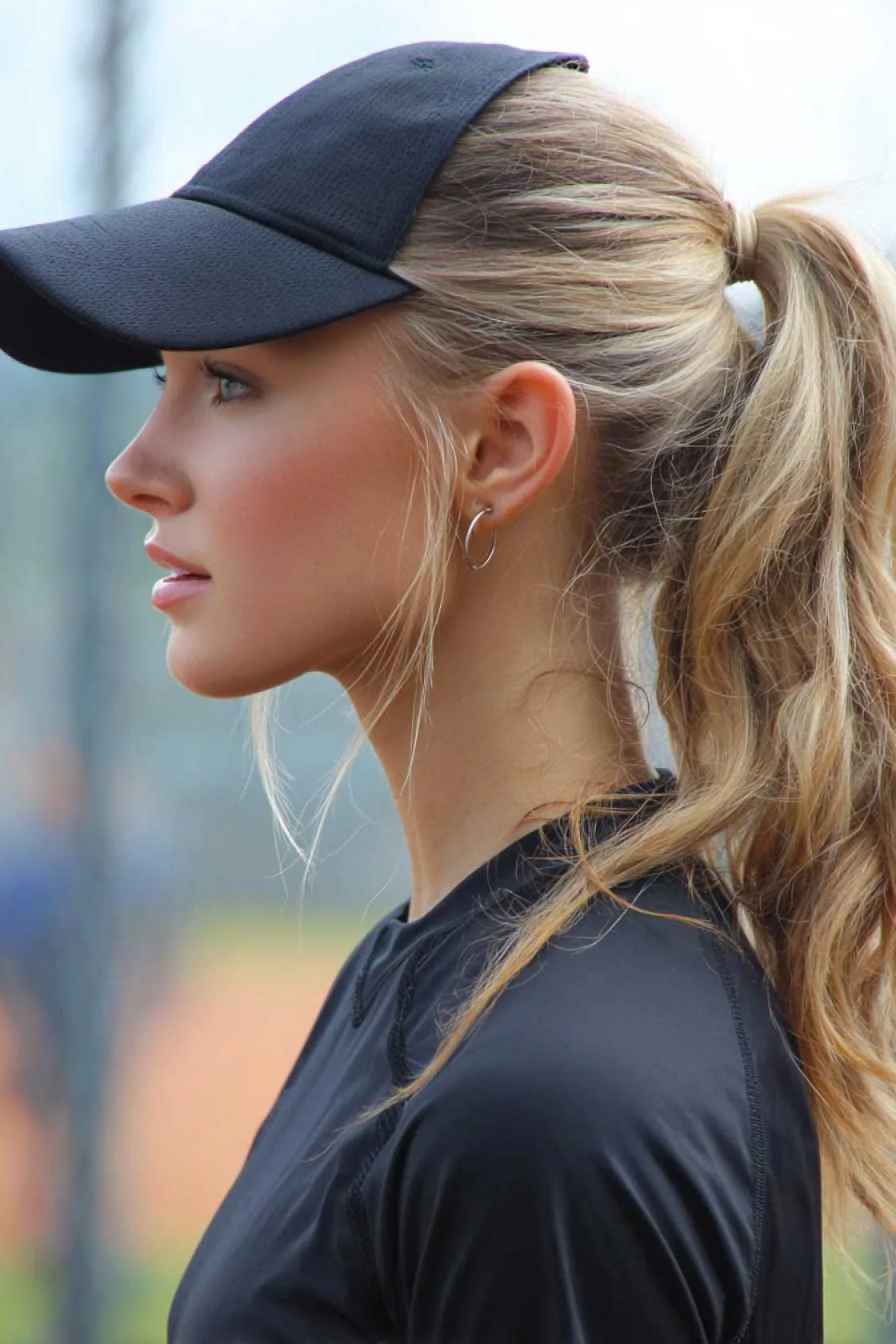
The golden rule of cap-friendly hair is simple: keep everything low or braided flat. A cap sits on the crown of your head, so anything bulky there — a high bun, a top knot, a big pile of volume — will press, hurt and flatten within an hour. Low ponytails, low buns and braids that lie flat against the head are the styles that live happily under a cap.
The ponytail-through-the-cap trick is the classic for a reason. Thread a low or mid ponytail through the adjustable opening at the back of the cap, and the cap itself holds the style in place. Set the ponytail a little lower than you think, because the cap pushes it down, and use a strong elastic so the weight of the cap does not drag it loose.
Fit matters as much as style. A cap that is too tight will give you a headache and crush your roots flat; one that is too loose will slide and pull at your hairline. Loosen the strap one notch when you first put it on, settle your hair underneath, then tighten it just enough to stay put in the wind.
Ballpark tip: put the cap on first, then arrange the hair around it. Styling first and forcing a cap on top is how buns get squashed and parts get ruined.
Sun, Wind and Bleacher Weather
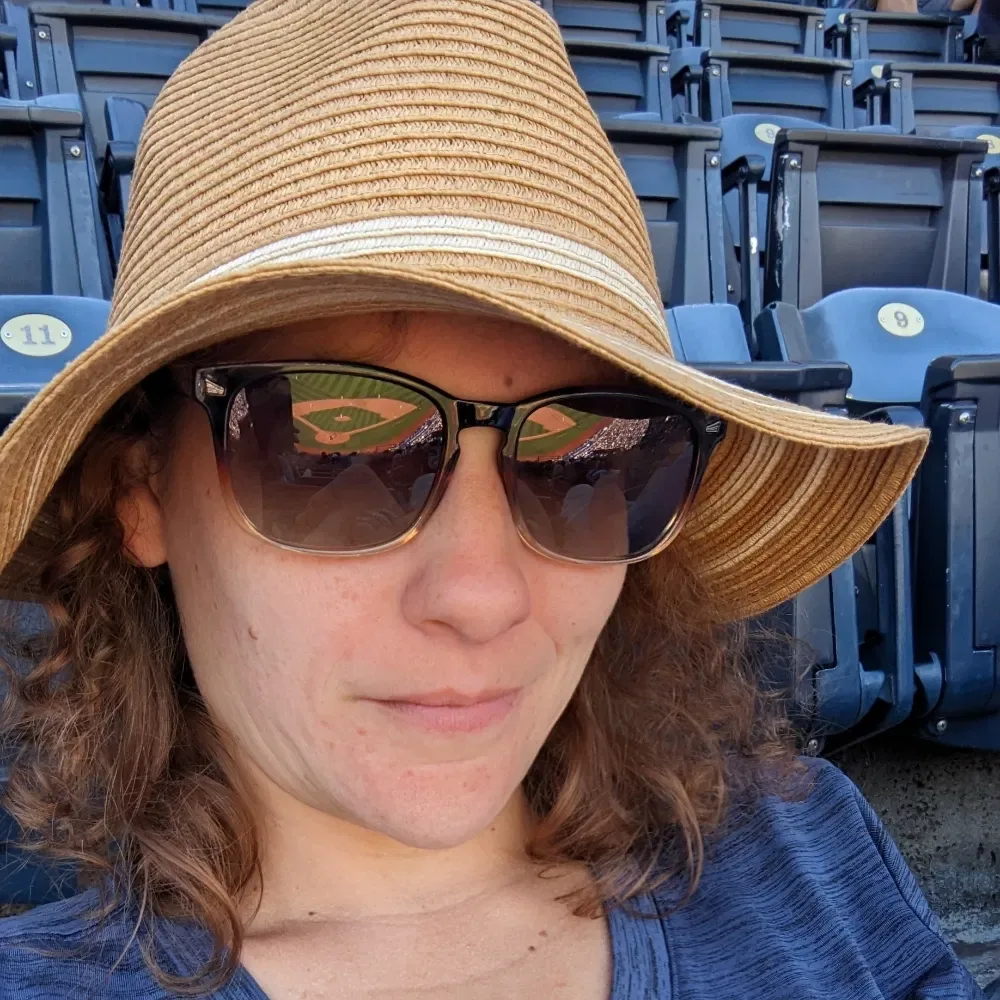
Sun is the quiet enemy of ballpark hair. Hours of direct sun dry out the lengths, fade colour and, most painfully, burn the scalp along your part line. A cap covers most of it, but the part line and the nape are still exposed. A dab of sunscreen along the part before you leave home is a small step that saves a sore scalp the next day.
Wind is the loud enemy. Open stadiums funnel gusts across the seating bowl, and loose hair whips into your face, your lip gloss and your neighbour’s shoulder. Braids are the best answer to wind, because there is almost nothing loose to blow around. A low bun is the next best thing, and a ponytail needs a second elastic or a braid along its length to stop it whipping.
Humidity decides the finish. On a muggy day, sleek styles frizz at the hairline within an hour, so gel and edge control are worth their weight. On a dry, hot day, hair goes limp and flat, so a texturising spray at the roots before styling gives the style something to hold onto.
Ballpark tip: check the forecast for wind, not just rain. A windy day calls for braids; a calm, sunny day is the one day a soft ponytail or loose waves will actually survive.
Sweat-Proof Products That Hold
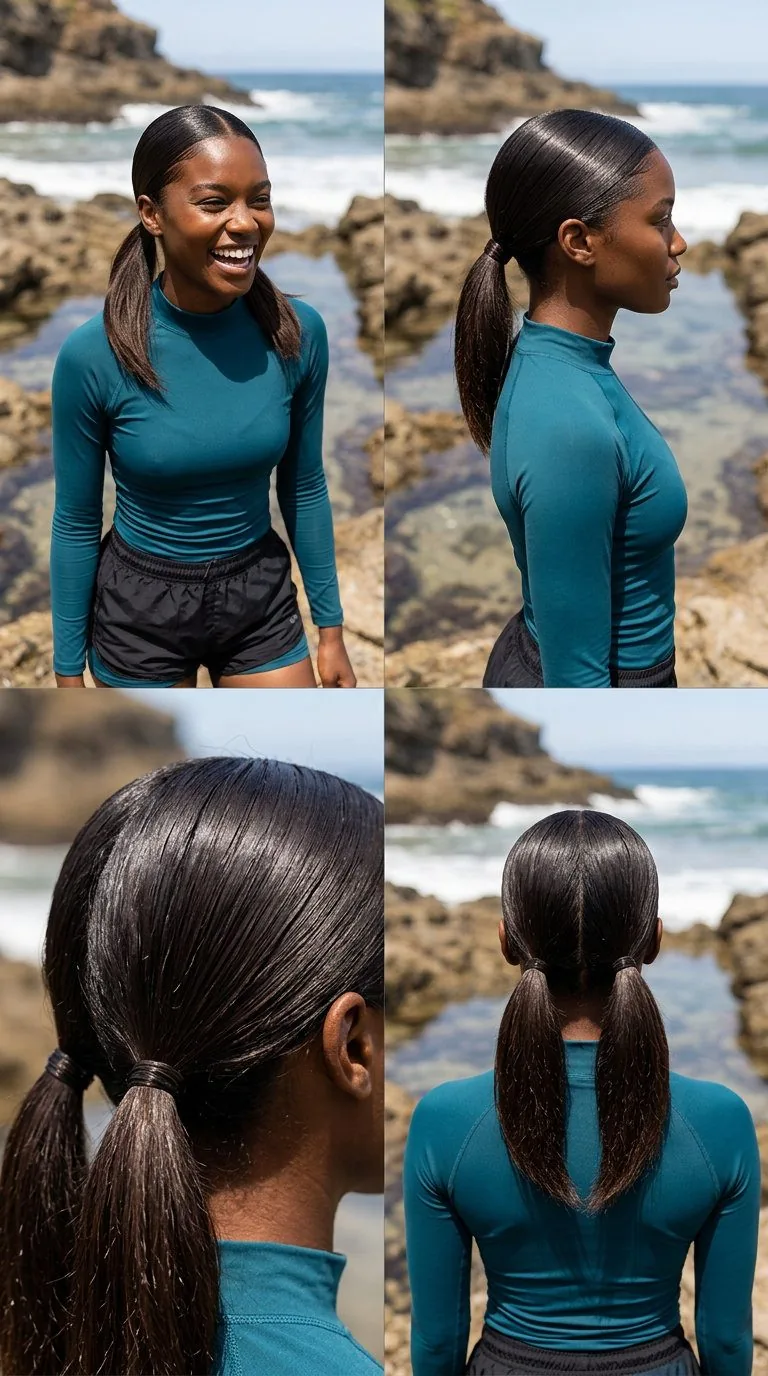
Sweat is unavoidable at a ballpark in the sun, and the products that work are the ones built for it. A strong-hold gel or edge control smoothed over the hairline before you braid or tie up keeps baby hairs and flyaways flat for nine innings, while a light mist of hairspray over the finished style locks the surface without making it crunchy.
Start with dry hair and a pea-sized amount of gel worked through the roots and hairline, not the lengths. Too much product on the lengths makes the hair heavy and slippery, which is the opposite of what you want. A texturising spray or dry shampoo at the roots before styling gives fine hair grip, so elastics and pins actually hold instead of sliding out by the third inning.
Skip heavy oils, leave-in creams and shine serums on game day. They make the hair too slick for braids to grip, and once sweat mixes in, the style slides apart. Save the oils for the post-game wash, when your hair actually needs the moisture back.
Ballpark tip: gel at the hairline, dry shampoo at the roots, light hairspray to finish. Three products, applied in that order, and your style will still be intact when the last out is called.
Hair by Length at the Ballpark
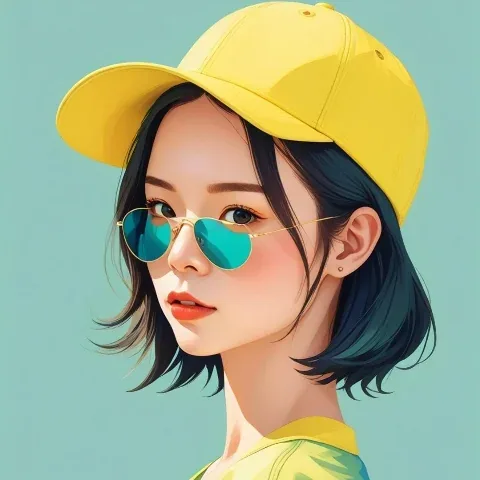
Short, medium and long hair need completely different ballpark styles, and copying a style built for a different length is the fastest way to lose it by the fifth inning. Short hair cannot be braided or bunned, so it needs gel, a cap and pins to control the front layers. Medium hair suits a low bun, a single braid or a half-up style. Long hair needs a braid or a braided ponytail, because a plain ponytail swings, whips and pulls with every cheer.
For short hair, slick the front layers back with gel, settle the cap on top, and pin any escaping pieces flat against the head. The cap does most of the work, so keep the styling simple and the pins hidden under the brim. For medium hair, a French braid or a low bun keeps the ends tucked away, which matters when the wind picks up.
For long hair, double braids or a braided ponytail distribute the weight so the style does not bounce and pull at the roots. A single heavy ponytail will ache by the seventh inning, but the same hair split into two braids feels light all day.
Ballpark tip: short hair goes slicked and pinned, medium hair goes braided or bunned, long hair goes double-braided or braided into a ponytail. Match the style to your length and it will hold.
Braids vs Buns vs Ponytails at the Ballpark
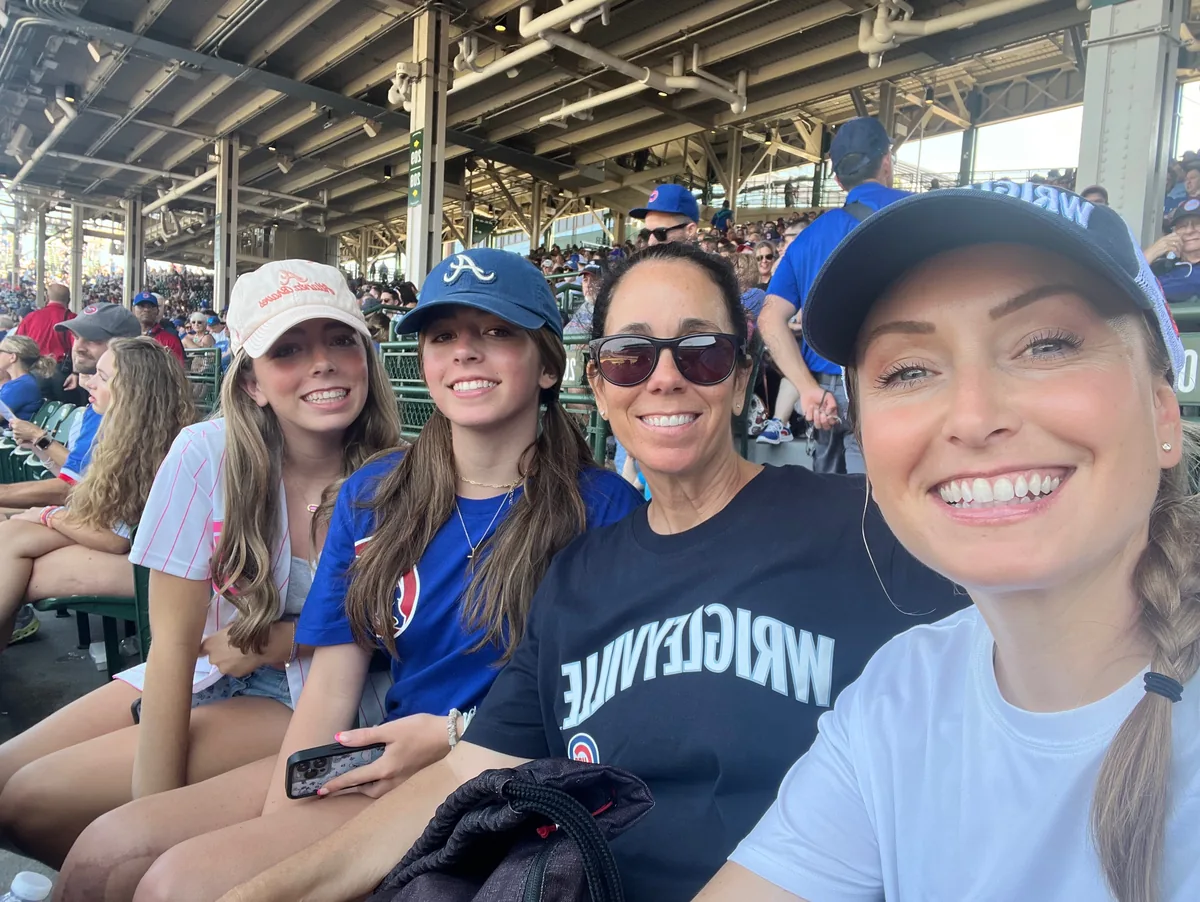
Braids, buns and ponytails each win at something different at the ballpark, and knowing the trade-off helps you pick the right one for your day. Braids are the most secure — they lock the hair along its whole length, so nothing comes loose even after nine innings of wind, sun and cheering. Buns are the most out of the way — every strand is tucked up and off the neck, which keeps you cooler. Ponytails are the quickest — thirty seconds and you are out the door, but they swing and pull with every jump.
For a full day game in the sun, braids win. Double Dutch braids or a single French braid stay put through wind, sweat and the seventh-inning stretch, and they still look good in the post-game photos. For a hot afternoon, a low bun wins on comfort, because nothing touches your neck at all. For a quick evening game, a ponytail through the cap is fine, especially with a braid along its length to stop it whipping.
The hybrid styles are often the best answer. A braid into a ponytail gives you the security of a braid with the speed of a ponytail. A braided bun gives you the coolness of a bun with the lockdown of a braid. If you can only learn one hybrid, learn the French braid into a low bun — it is the most versatile style in this guide.
Ballpark tip: braids for security, buns for coolness, ponytails for speed. When in doubt, combine two of them and you get the best of both.
Quick Fixes at the Seventh-Inning Stretch
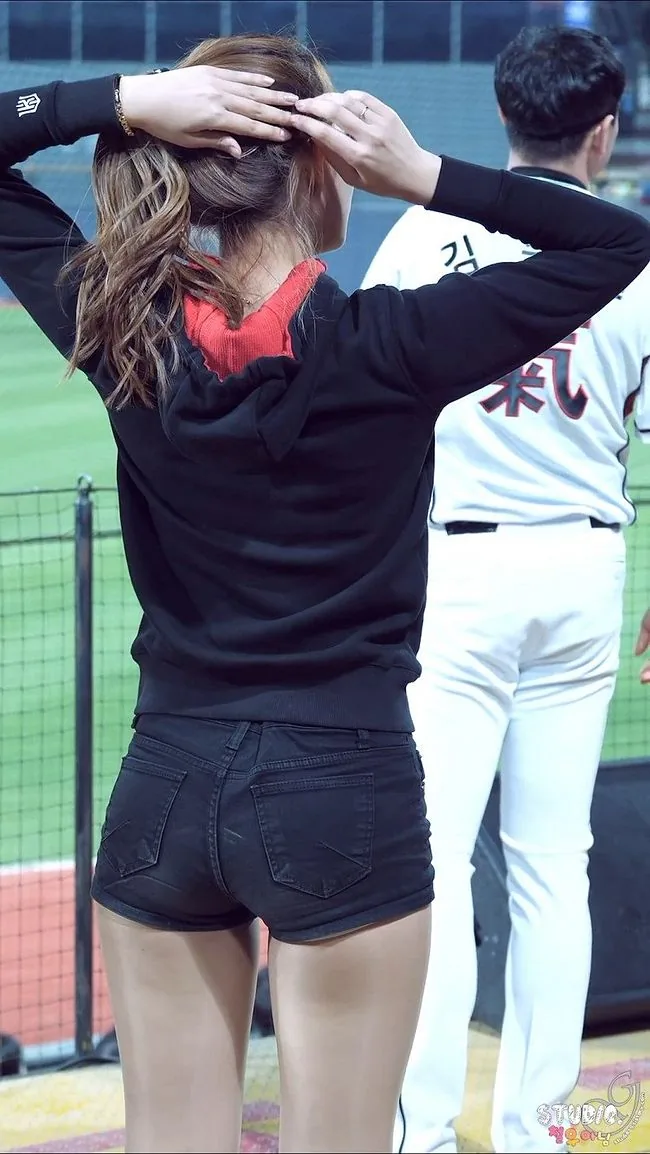
Even the best ballpark hairstyle can loosen after six innings of sun, wind and cheering, and the seventh-inning stretch is your chance to fix it in sixty seconds. Stand up, stretch, and run through a quick check: hairline first, base second, ends last. That order matters, because the hairline is what everyone sees and what the wind attacks first.
Keep a tiny kit in your bag: two extra elastics, four bobby pins and a travel-size dry shampoo. Smooth any loose baby hairs back with a dab of water or gel, then re-pin anything that has slipped. If the base of your ponytail or bun has dropped, take it down and redo it tighter rather than trying to tighten it in place, which never works. A fresh elastic holds far better than a stretched one.
For braids, tuck any escaping strands back into the braid with a bobby pin and smooth the surface with your palms. For curly hair, a quick scrunch with a damp hand revives the shape without redoing the whole style. Never take a full style down mid-game unless you have to — a partial fix is faster and holds better than a rushed rebuild.
Ballpark tip: fix the hairline first, the base second, and the ends last. Sixty seconds, four tools, and your hair is ready for the final innings.
The Ballpark Bag Kit and Post-Game Refresh
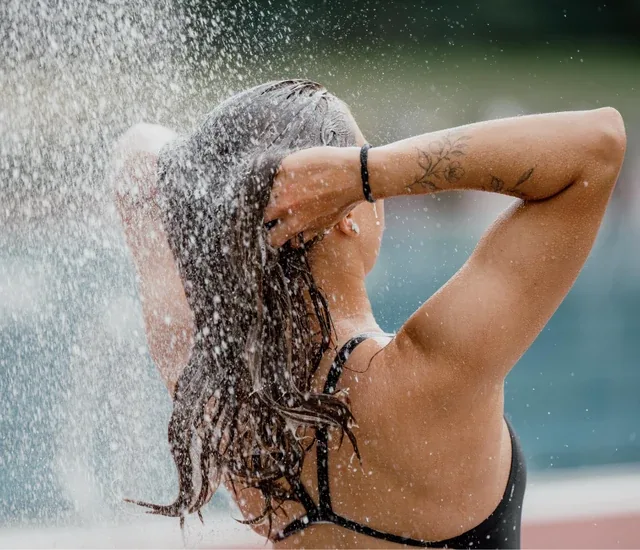
A little preparation makes the whole ballpark day easier. Pack a small kit before you leave: two strong elastics, four bobby pins, a mini brush, a travel dry shampoo, a small tube of gel, sunscreen for your part line, and a spare cap or headband. It all fits in a jacket pocket or a small crossbody bag, and it covers every hair emergency the day can throw at you.
After the game, your hair has been through sun, wind, sweat and hours under a cap, and it needs a proper reset. Take the style down gently — never rip out elastics, which snap hair, and slide bobby pins out instead of pulling them through. A wide-tooth comb through the lengths removes tangles before you wash, which saves breakage later.
Wash with a gentle shampoo to get the sweat, sunscreen and gel out, then condition the lengths only, never the roots. If you braid tightly, give your hairline a rest day between tight styles — alternating a braid with a looser bun protects the hairline over a long season of games.
Ballpark tip: if you are heading straight out after the game, dry shampoo at the roots, a quick brush-out and a loose braid or low ponytail will take you from the bleachers to dinner without a full wash.
The High Ponytail Under a Cap
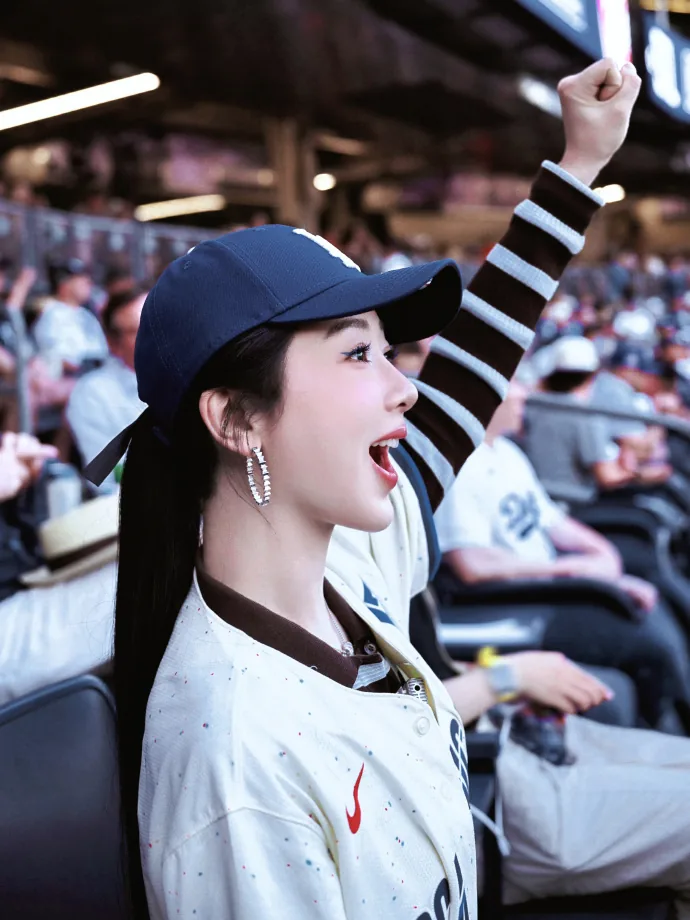
The high ponytail under a cap is the classic ballpark look: sporty, simple and ready in thirty seconds. It gets every strand off your neck, works perfectly with a team cap, and keeps the hair high enough that it clears your collar when you jump up to cheer.
Pros: Fast to do, works with any cap, and keeps hair completely off the neck on a hot day. The height also gives the style a sporty energy that suits the ballpark perfectly.
Cons: It can bounce and pull at the roots when you cheer, and a very high ponytail can press against the back of the cap. Fine hair may slip loose by the late innings without a second elastic.
Who it suits: Fans with medium to long hair who want a quick, sporty style, and anyone wearing a cap all day who still wants their hair up and visible.
How to style: Brush the hair up to the crown, smooth the hairline with gel, and secure with a thick elastic, then add a second elastic an inch below for extra hold. Settle the cap on top and thread the ponytail through the back opening if your cap has one.
The Low Ponytail Through the Cap
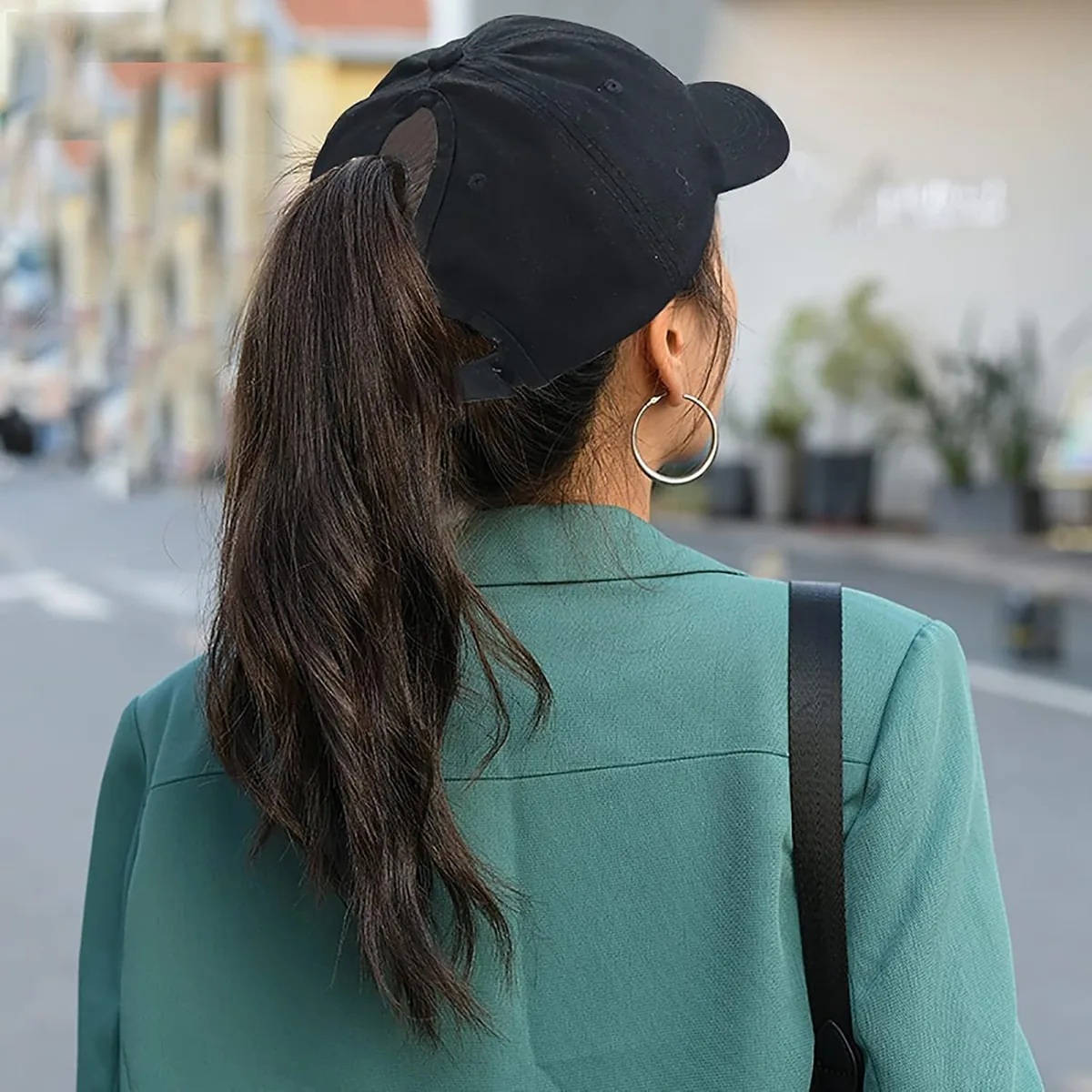
Threading a low ponytail through the back of your cap is the most comfortable ballpark style there is. The cap holds the ponytail in place, the weight sits low so nothing pulls, and the whole look stays neat from the first pitch to the last out.
Pros: Extremely comfortable for nine innings, the cap itself anchors the style, and there is almost no pulling at the roots. It also keeps the hair from whipping in the wind.
Cons: It is a quiet, simple look, so it does not make a statement, and very thick hair can feel bulky bunched through a small cap opening.
Who it suits: Everyone, but especially long-haired fans, parents chasing kids around the concourse, and anyone who wants to forget about their hair for the whole game.
How to style: Gather the hair low at the nape, secure it with a strong elastic, and thread it through the cap’s back opening before tightening the strap. Wrap a small strand around the base and pin it underneath to hide the elastic.
Double Dutch Braids for Nine Innings
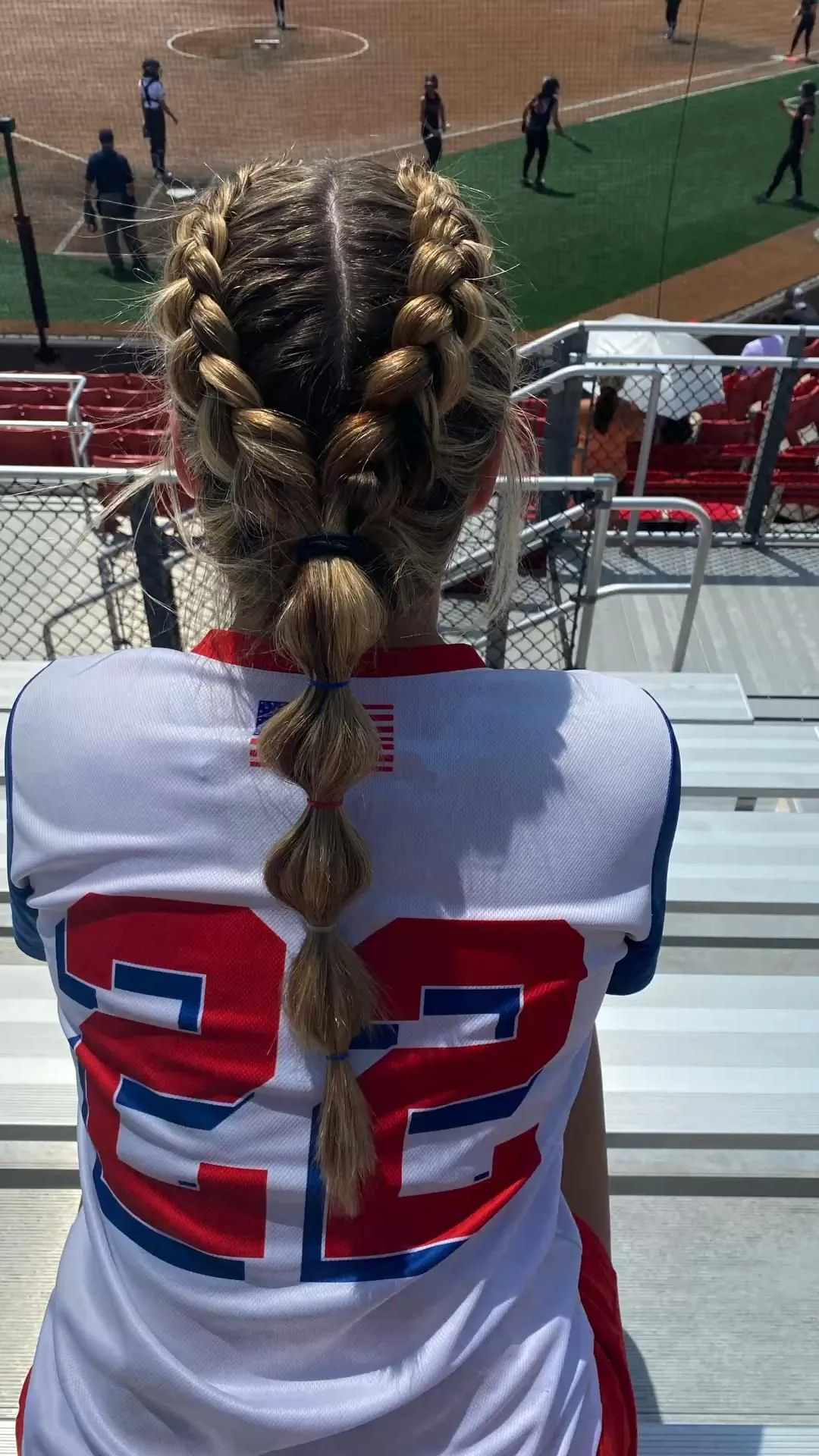
Double Dutch braids are the most secure hairstyle you can wear to a baseball game. The braids lock the hair flat against the head from the hairline to the ends, so nothing moves when the wind picks up, you jump up to cheer, or the sun beats down for three hours.
Pros: The most wind-proof and sweat-proof style in this guide, comfortable under a cap, and it still looks sharp in post-game photos. It also keeps the hair completely off the neck.
Cons: It takes time and practice to do well, and tight braids can feel snug on the scalp if you are not used to them. Short hair may not have enough length to finish both braids.
Who it suits: Fans with medium to long hair, windy day games, and anyone who wants a style that survives all nine innings without a single touch-up.
How to style: Part the hair down the middle, Dutch-braid each side from the hairline to the nape, then continue as a regular three-strand braid and secure with small elastics. Tuck the ends under and pin them, or leave them loose if they sit above your shoulders.
The Single French Braid
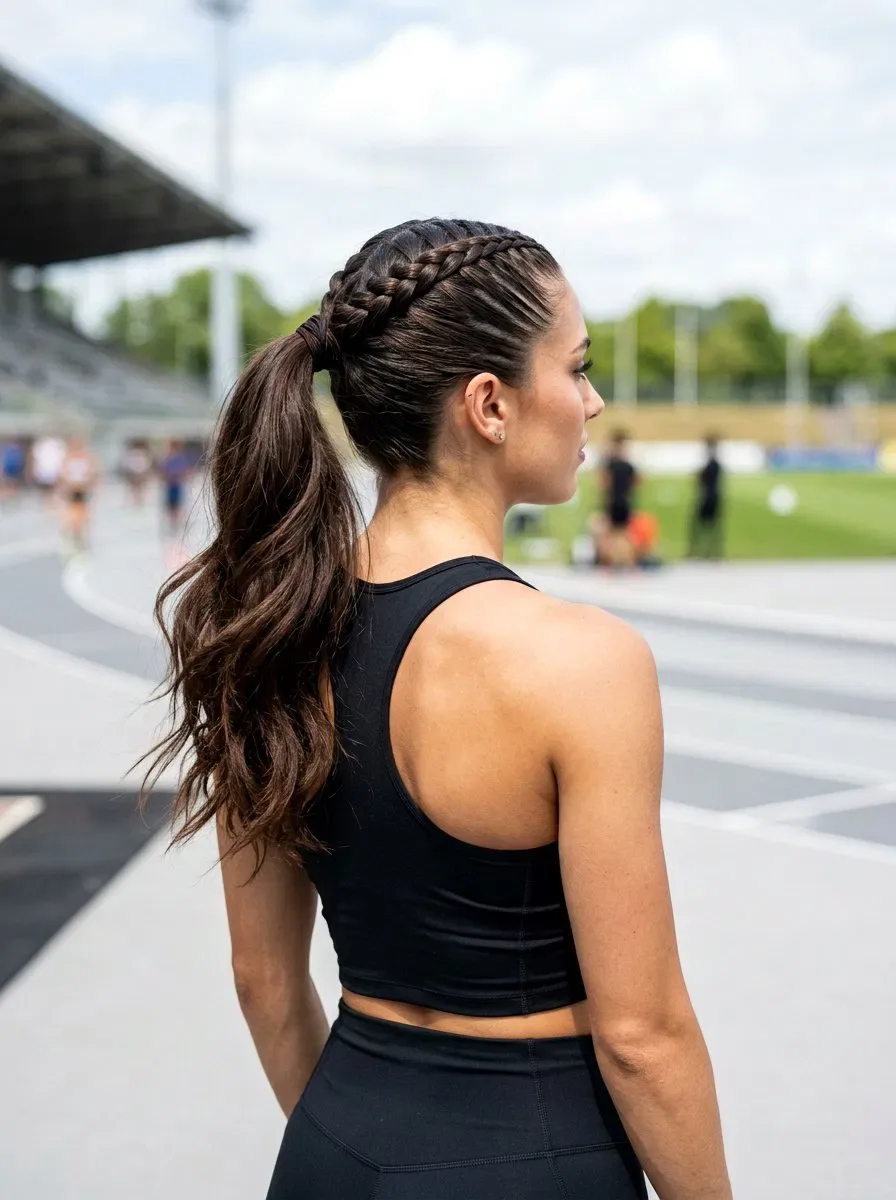
One French braid down the back is the simplest braid in this guide and one of the most reliable. It gathers every layer into a single neat plait, keeps the front smooth, and sits flat enough to work with a cap, a sun hat or nothing at all.
Pros: Quick to learn, very secure, and comfortable under any hat. It suits almost every hair type and keeps the neck cool on a hot afternoon.
Cons: A single braid can swing when you move, and the ends can frizz in humidity without a little hairspray. It is also less forgiving of uneven layers than double braids.
Who it suits: Medium to long hair, first-time braiders, and fans who want a classic, low-effort style that still looks polished in the bleachers.
How to style: Start at the crown, French-braid down the centre of the head, feeding in hair as you go, and secure the end with a small elastic. Smooth the hairline with gel and mist the braid lightly with hairspray.
The Bubble Braid Ponytail
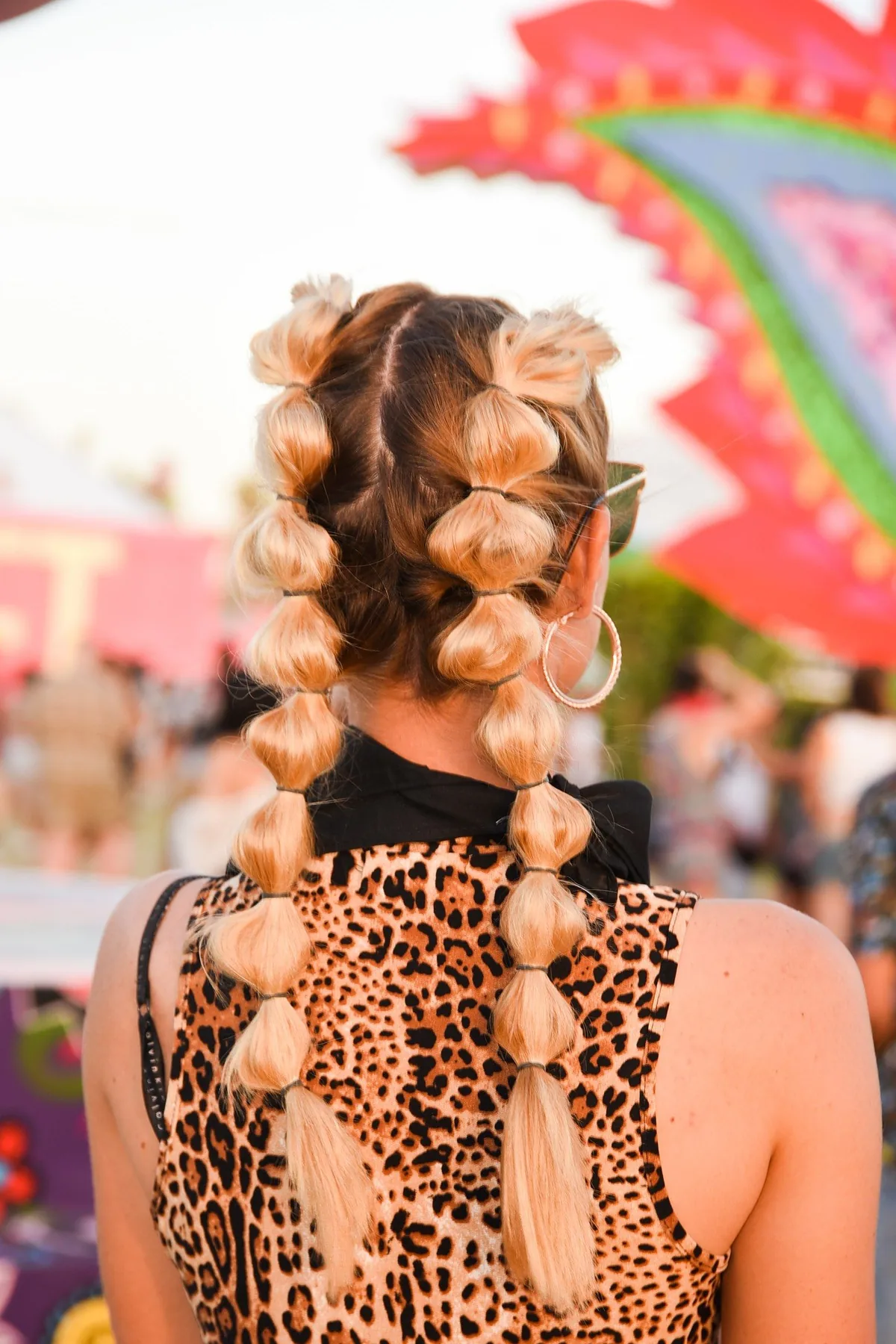
The bubble braid ponytail is the fun one — a high ponytail divided into puffs with elastics, giving you a sporty, statement look that still holds up outdoors. The elastics along the length stop the ponytail swinging and whipping the way a plain ponytail does, so it is far more practical than it looks.
Pros: Eye-catching and playful, the elastics anchor the ponytail at several points, and it photographs beautifully in the stands. Team-coloured elastics make it feel made for game day.
Cons: It takes a few minutes longer than a plain ponytail, and the bubbles can flatten in strong wind or after hours under a cap. Very fine hair may need texturising spray to hold the bubbles.
Who it suits: Fans who want a bold game-day look, long hair, and anyone heading to a day game where photos matter as much as the score.
How to style: Tie a high ponytail, then add elastics every two inches down the length, gently pulling each section out into a bubble. Use clear or team-coloured elastics, and finish with hairspray so the bubbles keep their shape.
The Low Sleek Bun
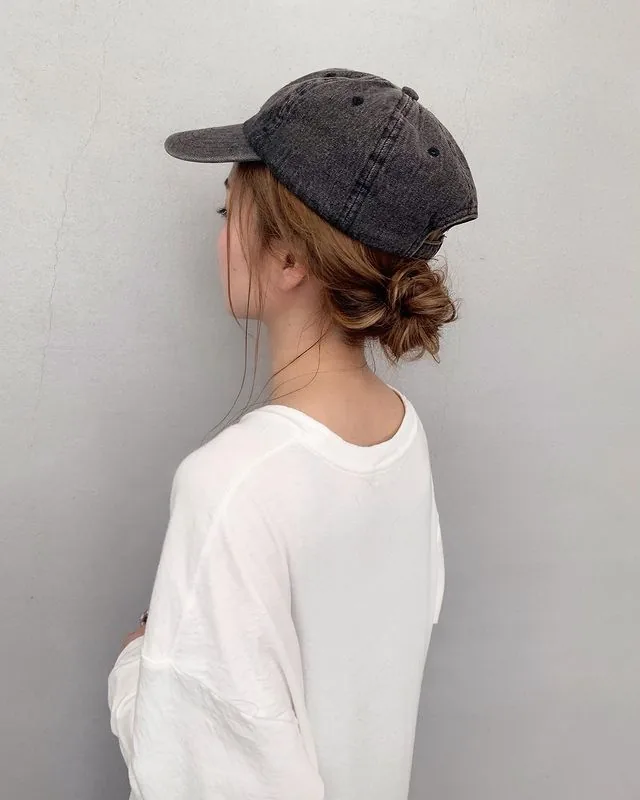
The low sleek bun is the cleanest look in ballpark hair. Gel smooths every strand back from the face, the bun sits low at the nape, and nothing moves — no flyaways, no fringe in the eyes, no swinging ends. It is the style for fans who want to look sharp and stay comfortable.
Pros: Completely wind-proof, sits perfectly under a cap, and looks polished in photos. Nothing touches the neck, so it is cool on a hot day.
Cons: It can feel severe if pulled too tight, and it shows every bump, so it needs a smooth brush-out first. It also flattens under a cap if the bun is too bulky.
Who it suits: Medium to long hair, fans who want a neat, camera-ready look, and anyone sitting in the sun who wants nothing on their neck.
How to style: Brush the hair back into a low ponytail at the nape, twist it into a bun, and pin it flat with bobby pins. Smooth the hairline with gel and finish with a light mist of hairspray so flyaways stay down for nine innings.
The Messy Bun Under a Cap
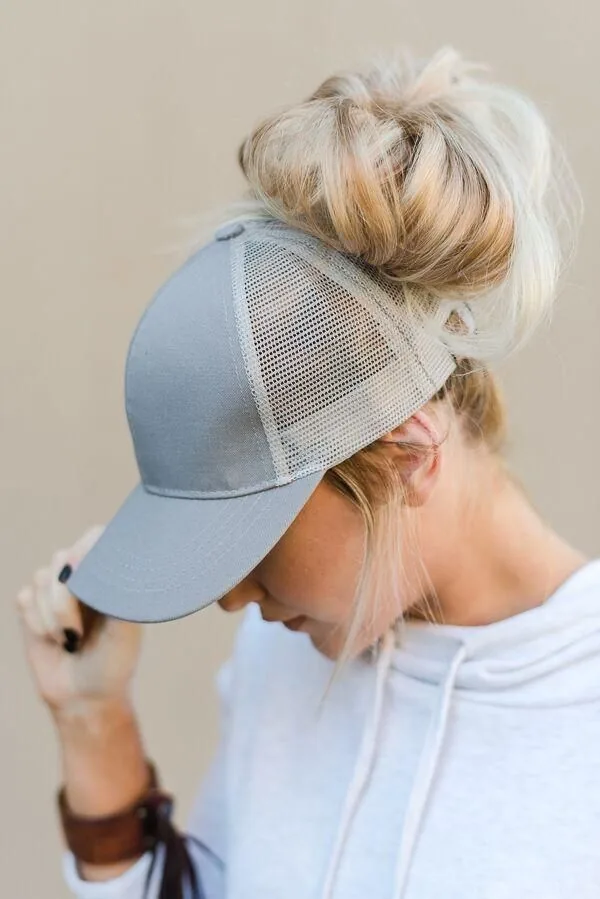
The messy bun under a cap is the relaxed, lived-in ballpark style. It takes thirty seconds, it is supposed to look a little undone, and the cap hides any imperfection. It is the style for fans who want to look effortlessly put together without trying very hard.
Pros: The fastest updo in this guide, forgiving of frizz and flyaways, and the cap covers any messy bits. It is comfortable for hours and easy to redo mid-game.
Cons: It can loosen and droop by the late innings, and very long or thick hair may feel heavy in a single bun. It is not the most secure style in strong wind.
Who it suits: Medium to long hair, casual day games, and anyone who likes a relaxed look and does not mind a quick re-twist at the seventh-inning stretch.
How to style: Gather the hair into a low or mid ponytail, twist it loosely into a bun, and pin it with two or three bobby pins, leaving a few face-framing strands out. Settle the cap on top and let it hold the shape.
Space Buns for the Bleachers
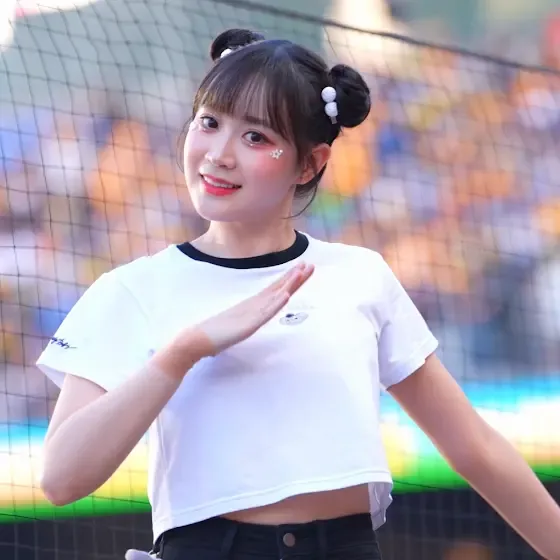
Space buns are the most playful style in this guide — two buns sitting high on either side of the head, full of energy and perfect for the bleachers. They keep the hair completely up and out of the way, they work brilliantly under a cap worn backwards, and they photograph like a dream.
Pros: Fun and full of personality, they keep all the hair off the neck, and they stay put through cheering and jumping. They also suit braided space buns for extra hold.
Cons: They take a little longer to make even, and they can press uncomfortably under a forward-facing cap. They are a bold look, so they are not for fans who prefer to blend in.
Who it suits: Younger fans, group outings, and anyone with medium to long hair who wants a statement style for a sunny day game.
How to style: Part the hair down the middle, gather each side into a high ponytail, twist each into a bun and pin securely. Smooth the centre part with gel, and add a ribbon or team-coloured scrunchie for a finishing touch.
Braided Pigtails
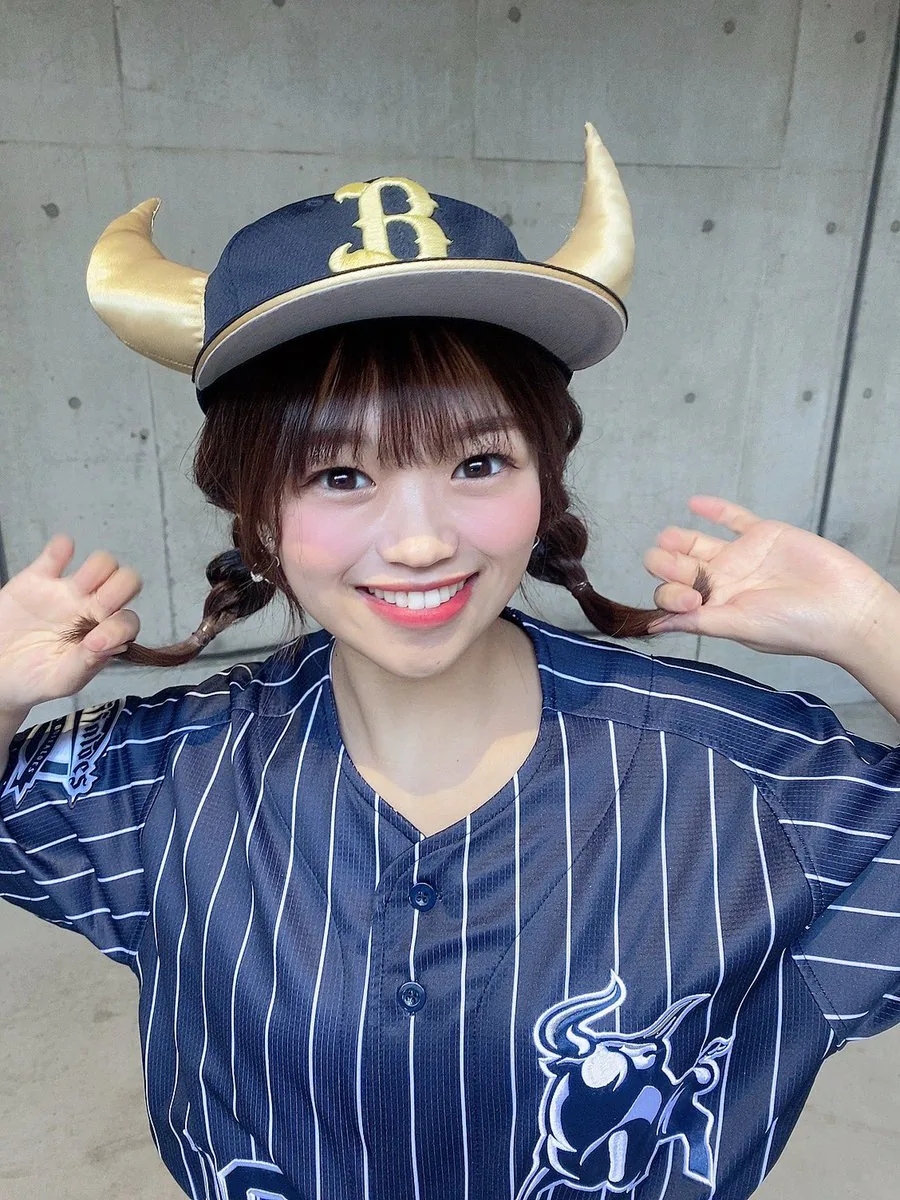
Braided pigtails are the double-braid answer to a hot, windy ballpark day. Two braids, one on each side, keep the hair flat, balanced and completely controlled, and they sit low enough to work with a cap without any bulk at the crown.
Pros: Very secure in wind, balanced weight so nothing pulls, and easy to redo one side mid-game if it loosens. They also look youthful and sporty.
Cons: They can read young, so they are not the most polished choice for a date-night game, and very short layers may escape near the face without gel.
Who it suits: Medium to long hair, windy day games, and fans who want maximum hold with a fun, sporty feel.
How to style: Part the hair down the middle, braid each side from behind the ear down to the ends, and secure with small elastics. Smooth the hairline with gel and tuck any escaping layers back with bobby pins.
The Fishtail Braid
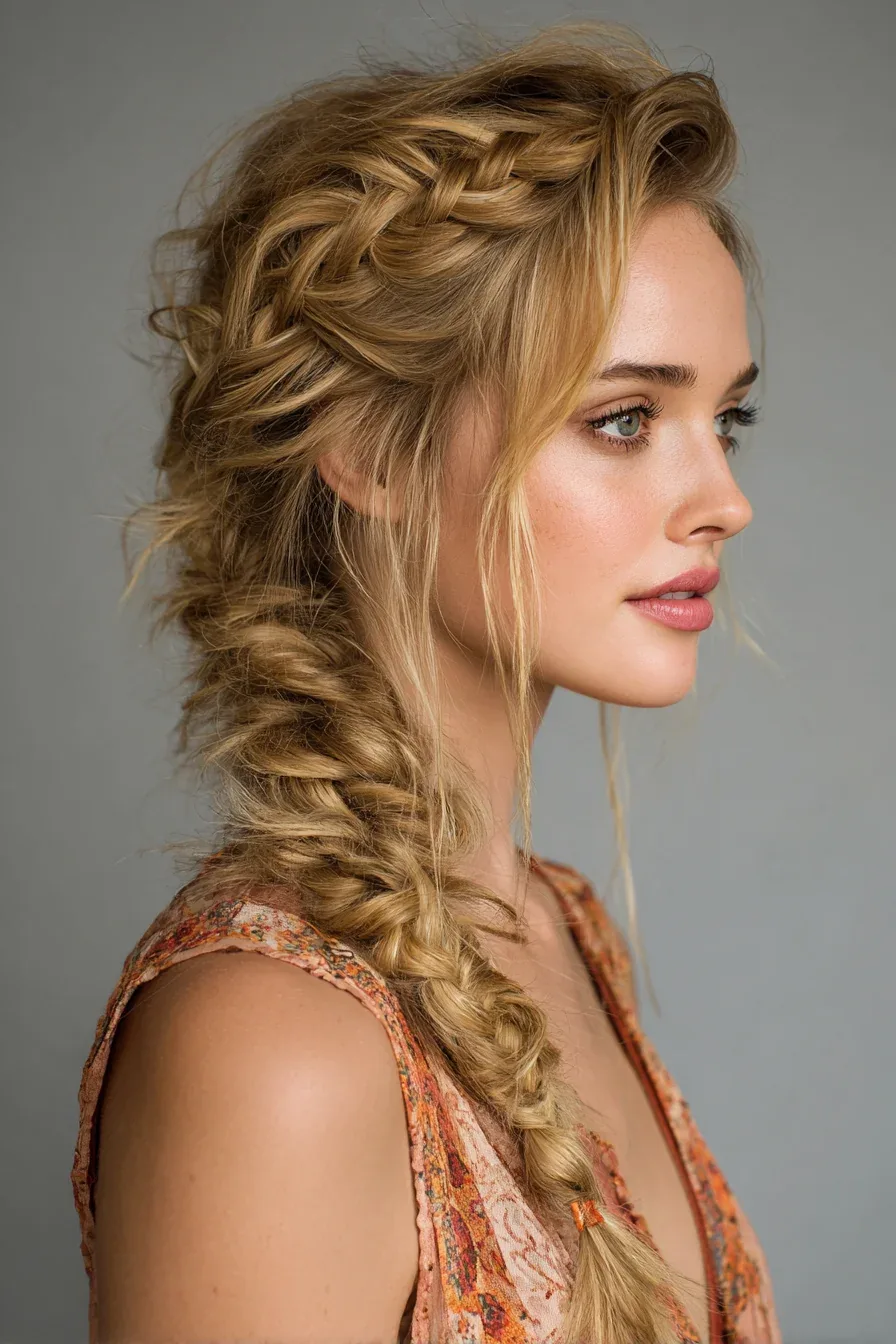
The fishtail braid looks intricate but is surprisingly simple, and it is one of the prettiest styles you can wear to the ballpark. Two small sections crossed over and over make a flat, detailed plait that lies close to the head and holds up well in the breeze.
Pros: Beautiful and detailed, it lies flat so it works under a cap, and it holds its shape for hours. It also looks even better slightly loosened, so it is forgiving.
Cons: It takes longer than a regular braid, and it can loosen at the ends if not secured well. Very short hair will not have enough length to fishtail neatly.
Who it suits: Long hair, fans who want an elegant braided look, and evening games where the style can shine without a cap crushing it.
How to style: Divide the hair into two sections and cross small pieces from the outside of each section to the inside of the other, working down to the ends. Secure with a small elastic, then gently pull the braid wider for a fuller look.
The Side Braid
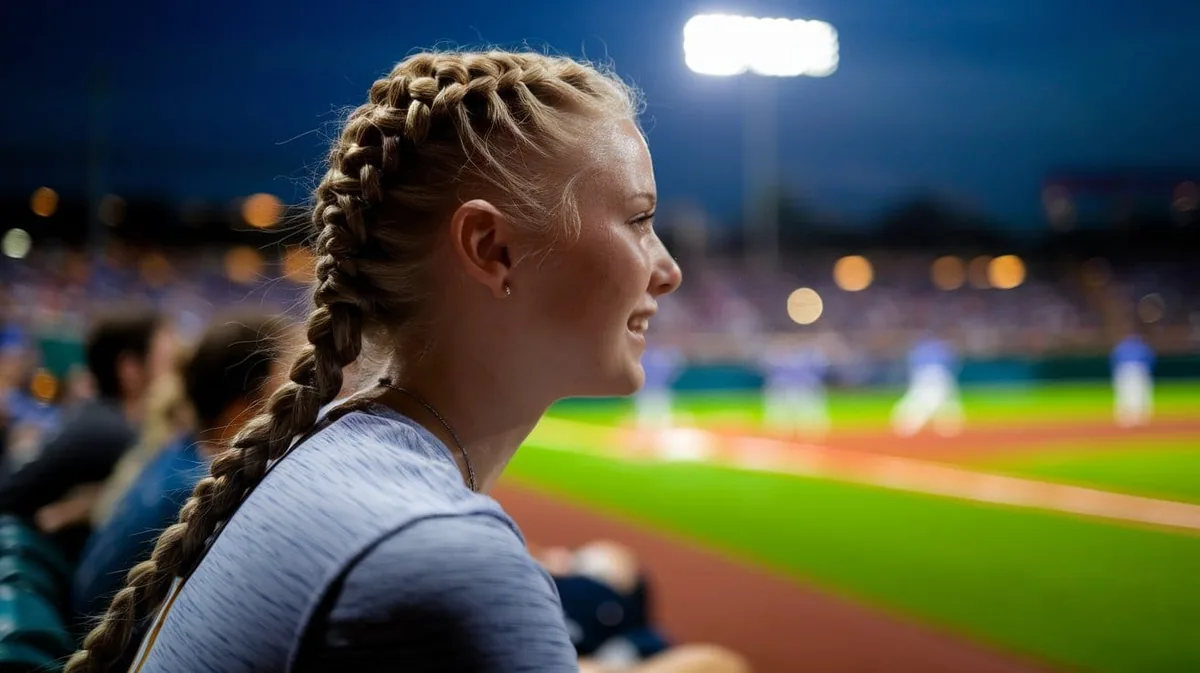
The side braid sweeps all the hair over one shoulder in a single relaxed plait, keeping it out of your face while still showing off the length. It is the ballpark style for fans who want their hair visible but controlled, and it sits comfortably with a cap because nothing bulky sits at the crown.
Pros: Soft and flattering, it keeps hair off the face and neck, and it is easy to redo over one shoulder mid-game. It also works beautifully on wavy and curly hair.
Cons: It can slip forward and get in the way when you lean over, and it is less secure than braids that start at the hairline. Wind can loosen the top if it is not anchored.
Who it suits: Medium to long hair, fans who want a relaxed, pretty style, and anyone who likes their hair over one shoulder in photos.
How to style: Sweep all the hair to one side, braid loosely from behind the ear down over the shoulder, and secure with a small elastic. Pull a few strands loose at the front for softness, and anchor the top with a bobby pin.
The Rope Braid Ponytail
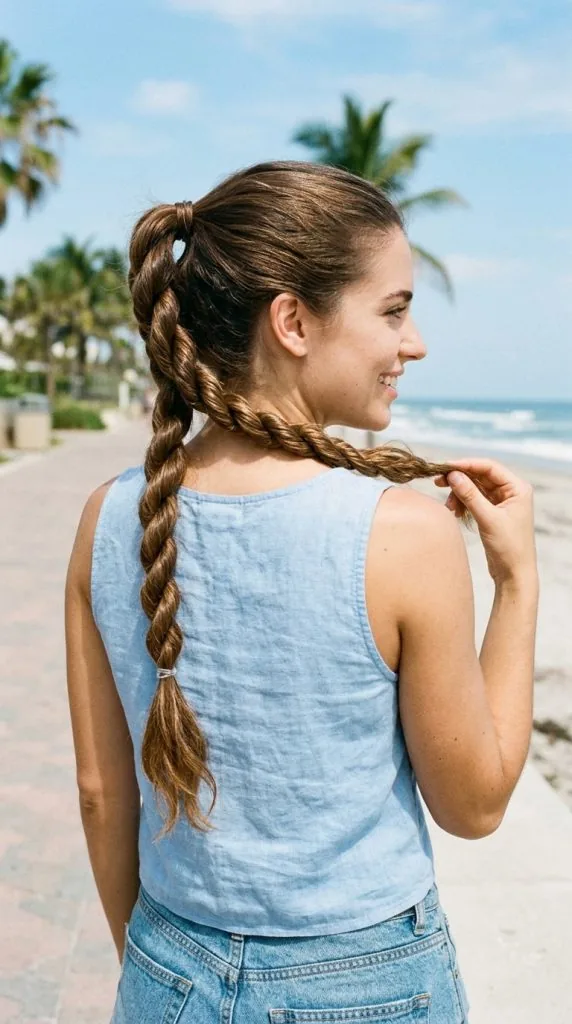
The rope braid ponytail twists two sections of hair around each other into a rope, then gathers them into a ponytail. It is quicker than a three-strand braid, it holds its shape in the wind, and the twist stops the ponytail from whipping around when you cheer.
Pros: Fast to do, very secure, and the twist gives the ponytail structure so it swings less. It also looks more polished than a plain ponytail.
Cons: It can unravel at the ends if not secured tightly, and very fine hair may need texturising spray for grip. The twist can also tighten and shorten the ponytail.
Who it suits: Medium to long hair, fans in a hurry, and anyone who wants a ponytail with extra hold for a windy day game.
How to style: Gather the hair into a ponytail, split it into two sections, twist each section the same way, then twist the two sections around each other in the opposite direction. Secure the end with a small elastic.
The Half-Up Top Knot
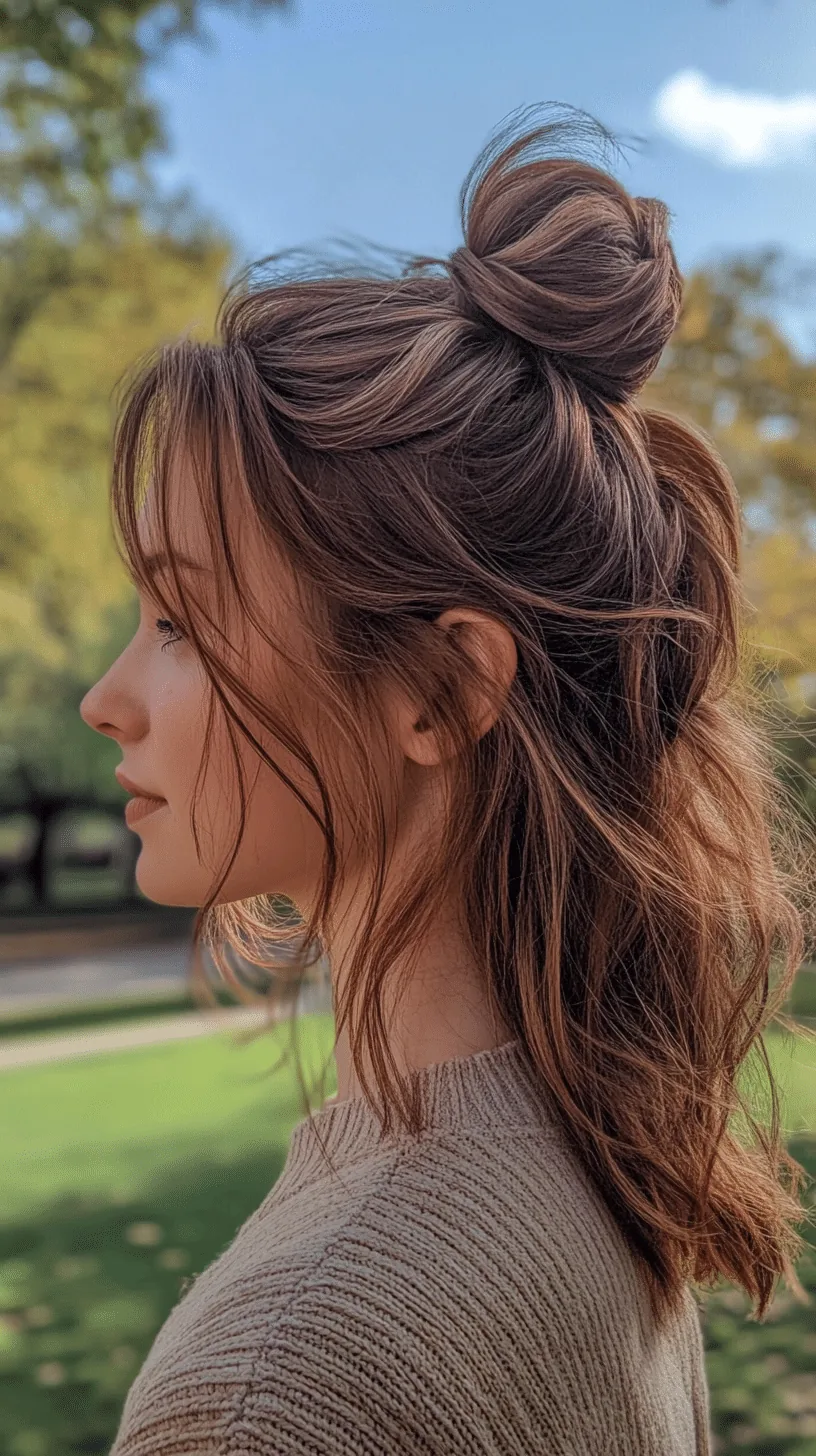
The half-up top knot takes the top half of your hair up and out of your face while leaving the rest down, which makes it the perfect compromise for fans — sporty at the front, relaxed at the back. It works best on calm, sunny days when the wind is not fighting you.
Pros: Keeps the front layers out of your eyes while showing off the lengths, and it is quick and easy to do. It also works well with a cap worn over the top.
Cons: The loose lengths can blow around in the wind and get tangled, so it is not the best choice for a gusty day. It can also feel heavy on very thick hair.
Who it suits: Fans on calm days, medium to long hair, and anyone who wants a half-up look that still feels like a ballpark style.
How to style: Gather the top section from temple to temple, twist it into a small bun at the crown and pin it. Leave the rest down, smooth the hairline with gel, and add a cap if the sun is strong.
The Half-Up Braided Ponytail
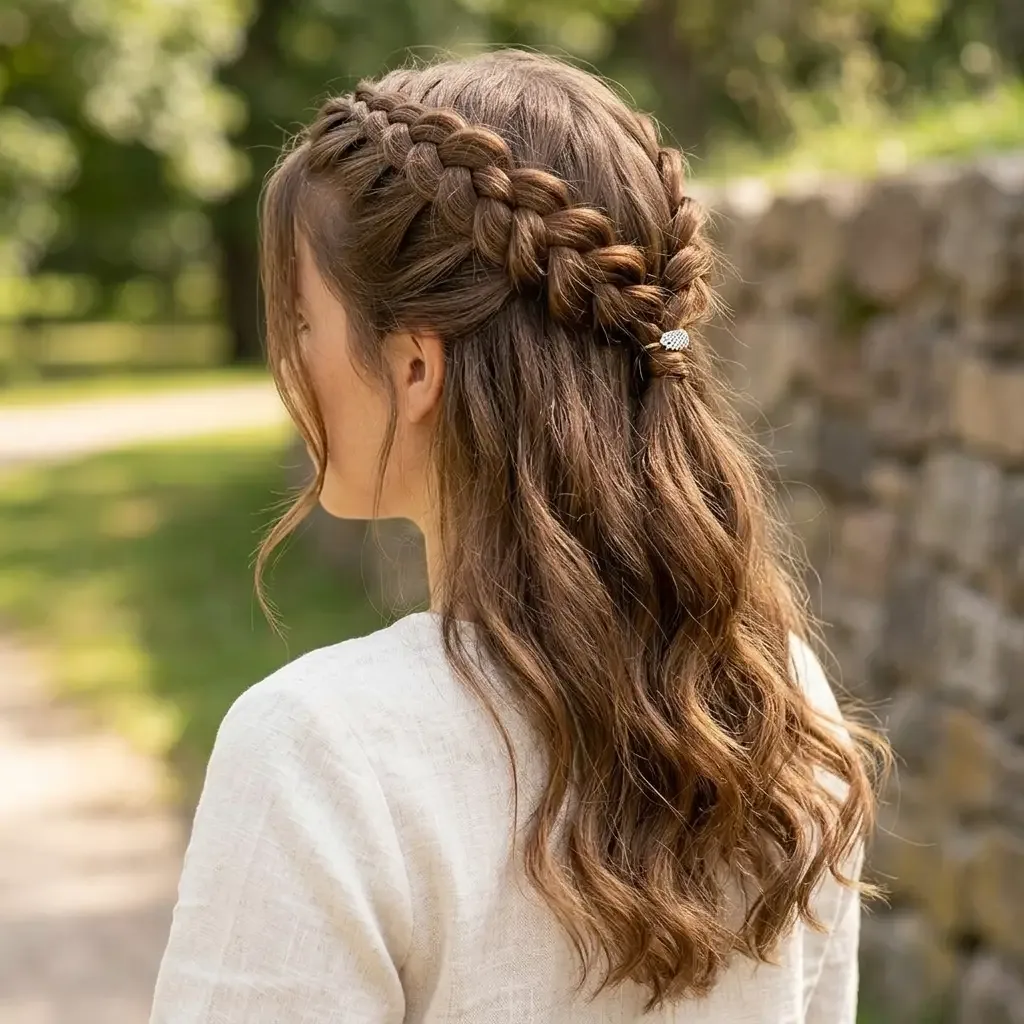
The half-up braided ponytail braids the top section of the hair and gathers it into a ponytail, leaving the rest down. It keeps the front layers out of your eyes while showing off the lengths, and the braid gives the style an anchor that a plain half-up style does not have.
Pros: The braid locks the front in place, the lengths still flow, and it looks polished in photos. It is also easy to refresh mid-game by re-braiding just the top.
Cons: The loose lengths can still blow in the wind, and it is not secure enough for a very gusty day. It suits medium to long hair best.
Who it suits: Fans who want a pretty half-up look, medium to long hair, and calm evening games where the breeze is gentle.
How to style: Braid the top section from the hairline to the crown, gather it into a small ponytail, and leave the rest of the hair down. Smooth the hairline with gel and mist the braid lightly with hairspray.
The Curly High Puff
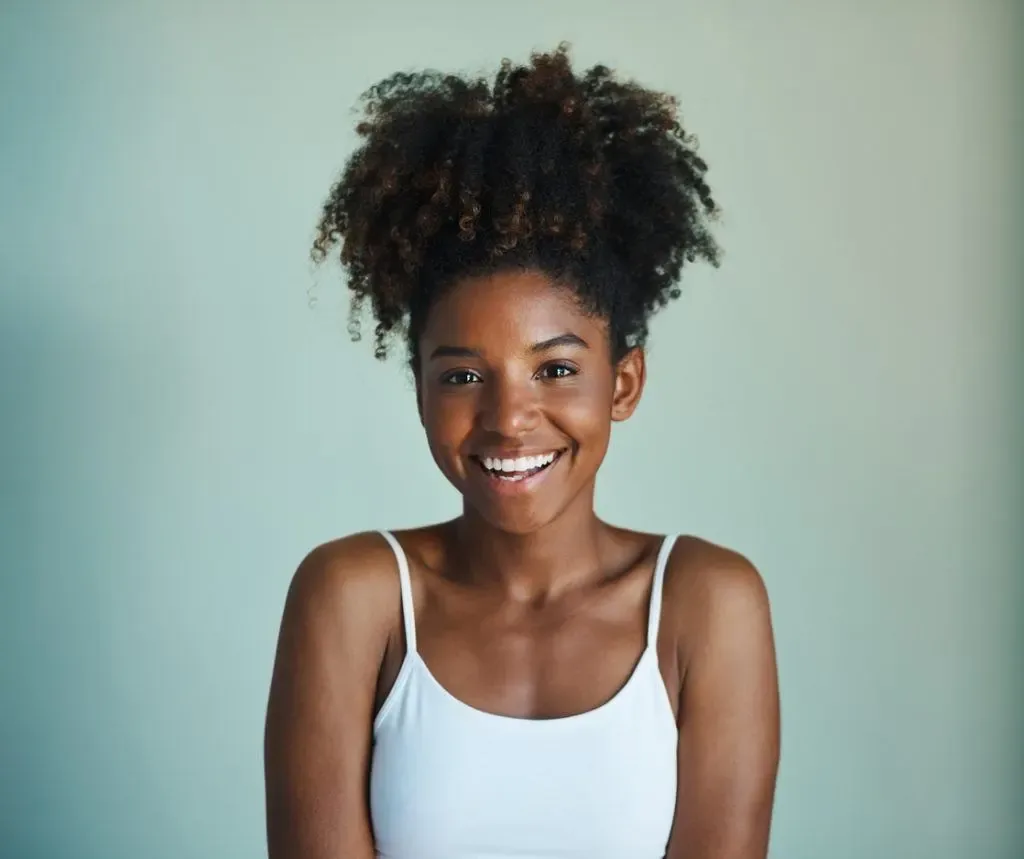
The curly high puff gathers natural curls up into a full, rounded puff at the crown, keeping the curls defined and completely off the neck. It is joyful, bold and made for the ballpark, where the volume and shape look fantastic in the stands.
Pros: Shows off natural curl beautifully, keeps the neck cool, and is quick to do with a wide band or silk scrunchie. It also holds its shape well in humidity.
Cons: It can catch the wind and needs a strong band to stay put, and a cap can flatten the puff if worn forward. Tight elastics can dent the curls.
Who it suits: Curly and coily hair of medium to long length, fans who want a statement style, and hot, humid day games.
How to style: Gather the curls high with a wide band or silk scrunchie, shape the puff with your hands, and smooth the hairline with gel or edge control. Mist lightly with water to refresh the curls if they dry out in the sun.
The Curly Pineapple Updo
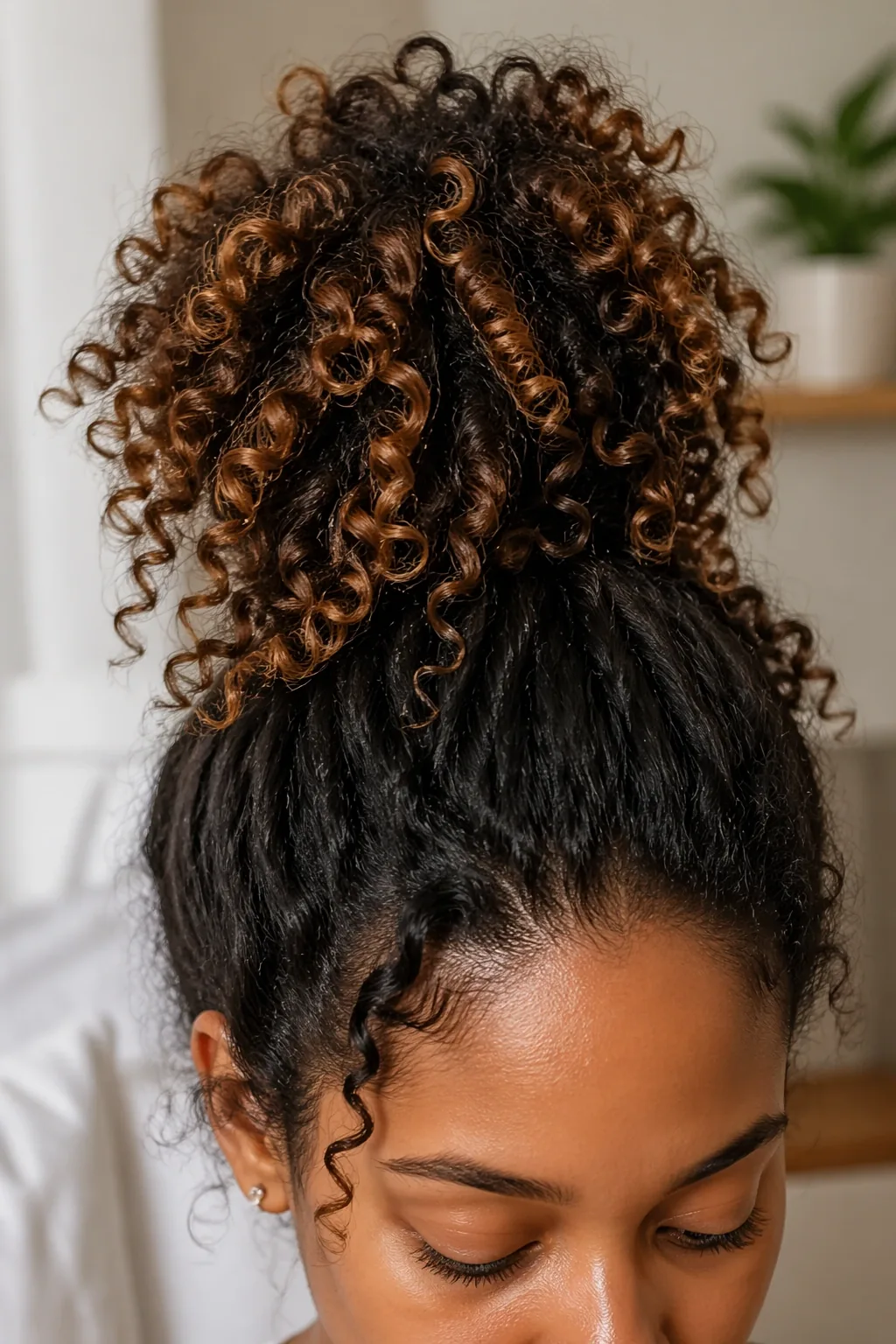
The pineapple updo piles the curls high on top of the head in a loose, high ponytail, protecting the curl pattern while keeping everything off the neck. It is the easiest curly style in this guide, and it keeps the curls bouncy from the first pitch to the last.
Pros: Protects the curl pattern, keeps the hair off the neck, and takes less than a minute. It also looks great with a cap worn loosely over the back.
Cons: It can feel top-heavy on very long hair, and a tight elastic can dent the curls. Strong wind can pull loose curls free around the face.
Who it suits: Curly hair of any length, fans who want a fast, protective style, and anyone whose curls frizz in the ballpark humidity.
How to style: Flip the head forward, gather the curls loosely at the very top, and secure with a silk scrunchie. Let the curls fall naturally forward, smooth the hairline with gel, and avoid pulling the band too tight.
Cornrows for a Long Ballgame
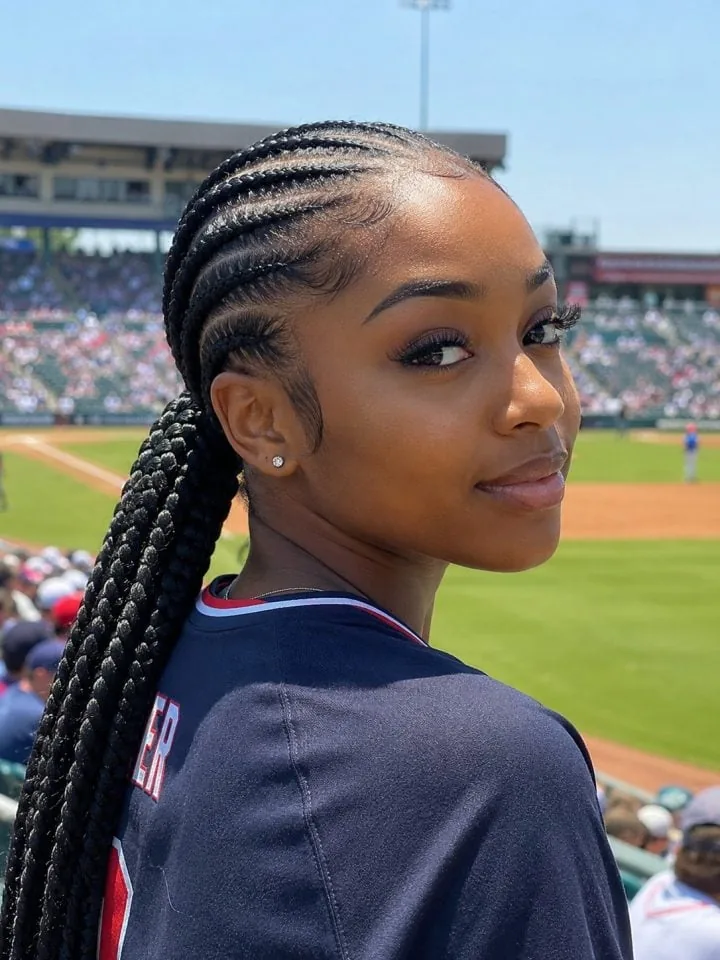
Cornrows are the ultimate lockdown style for a long day at the ballpark. Braided tight to the scalp in neat rows, they cannot come loose, cannot be pulled, and cannot fall into your eyes — no matter how hard the wind blows or how long the game runs into extra innings.
Pros: The most secure style in this guide, completely wind-proof, and it lasts for days, so one session covers a whole weekend of games. It also sits perfectly flat under a cap.
Cons: It needs a braider or real skill to do well, and rows that are too tight can feel uncomfortable over a long day. It is a commitment, not a five-minute style.
Who it suits: Players and fans who want a style that lasts several games, anyone with thick or textured hair, and multi-day ballpark weekends.
How to style: Part the hair into even rows and braid each row tight to the scalp, feeding in hair as you go. Gather the ends into a low ponytail or a small bun at the nape, and smooth the edges with edge control.
Two-Strand Twists
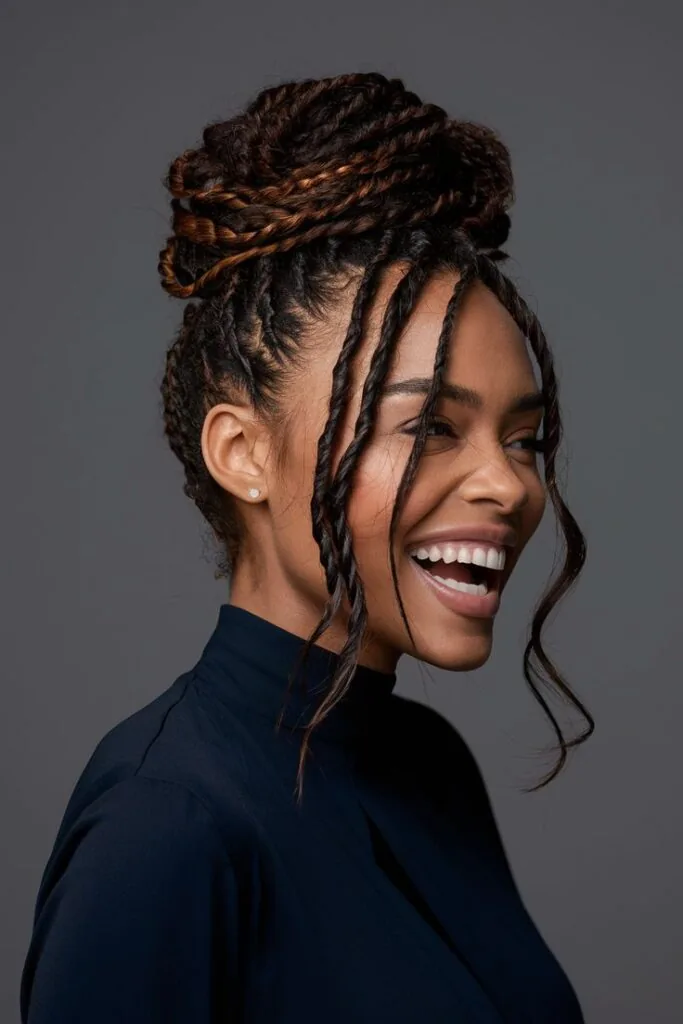
Two-strand twists are a gentle, protective style that works beautifully at the ballpark. Each section of hair is twisted around its partner, creating a soft, rope-like texture that holds its shape in the wind and keeps the hair completely controlled without tight braiding.
Pros: Gentle on the scalp, protective for natural hair, and it holds well in wind and humidity. The twists also unravel into a gorgeous twist-out afterwards.
Cons: It takes time to twist a full head, and the twists can loosen at the ends without small elastics. Very short hair may not have enough length to twist neatly.
Who it suits: Natural and textured hair, fans who want a protective style, and anyone planning a ballpark weekend where the style needs to last.
How to style: Part the hair into small sections, divide each section in two, and twist the strands around each other down to the ends. Secure with a tiny elastic, and smooth the hairline with edge control.
The Slicked-Back Low Ponytail
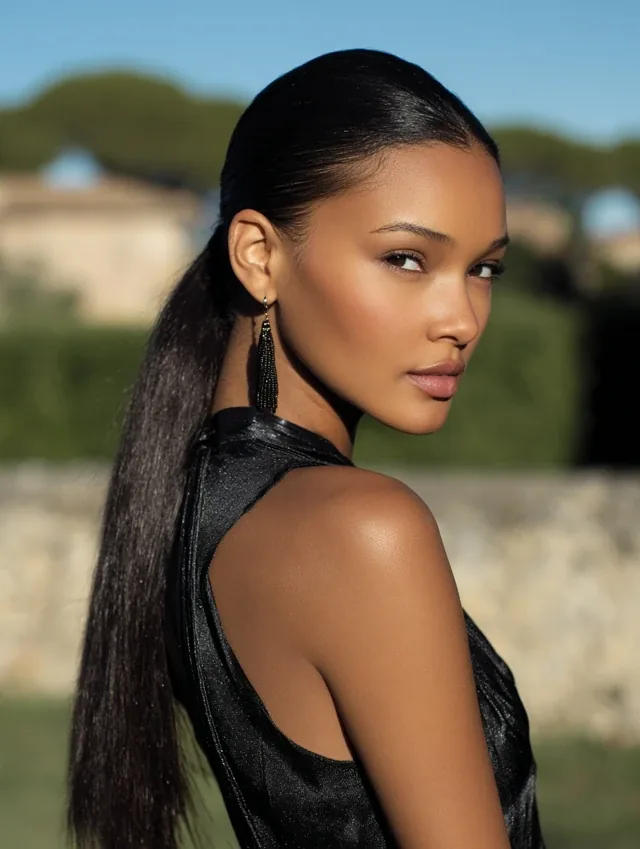
The slicked-back low ponytail is the cleanest look in ballpark hair. Gel smooths every strand back from the face, the ponytail sits low at the nape, and nothing moves — no flyaways, no fringe in the eyes, no swinging ends. It is the style for fans who want to look sharp and stay sharp.
Pros: Glass-smooth and polished, it works perfectly with a cap, and it photographs beautifully in the sun. It also survives sweat and humidity better than most styles.
Cons: It can feel severe if pulled too tight, and it needs gel and a good brush to get truly smooth. It also shows every bump, so the brush-out matters.
Who it suits: Medium to long hair, fans who want a sleek, camera-ready look, and anyone sitting in the sun who wants nothing in their face.
How to style: Apply gel to the roots and hairline, brush the hair straight back, and secure a low ponytail at the nape with a strong elastic. Wrap a strand around the base, pin it, and mist with hairspray for a smooth finish.
The Wrapped Low Ponytail
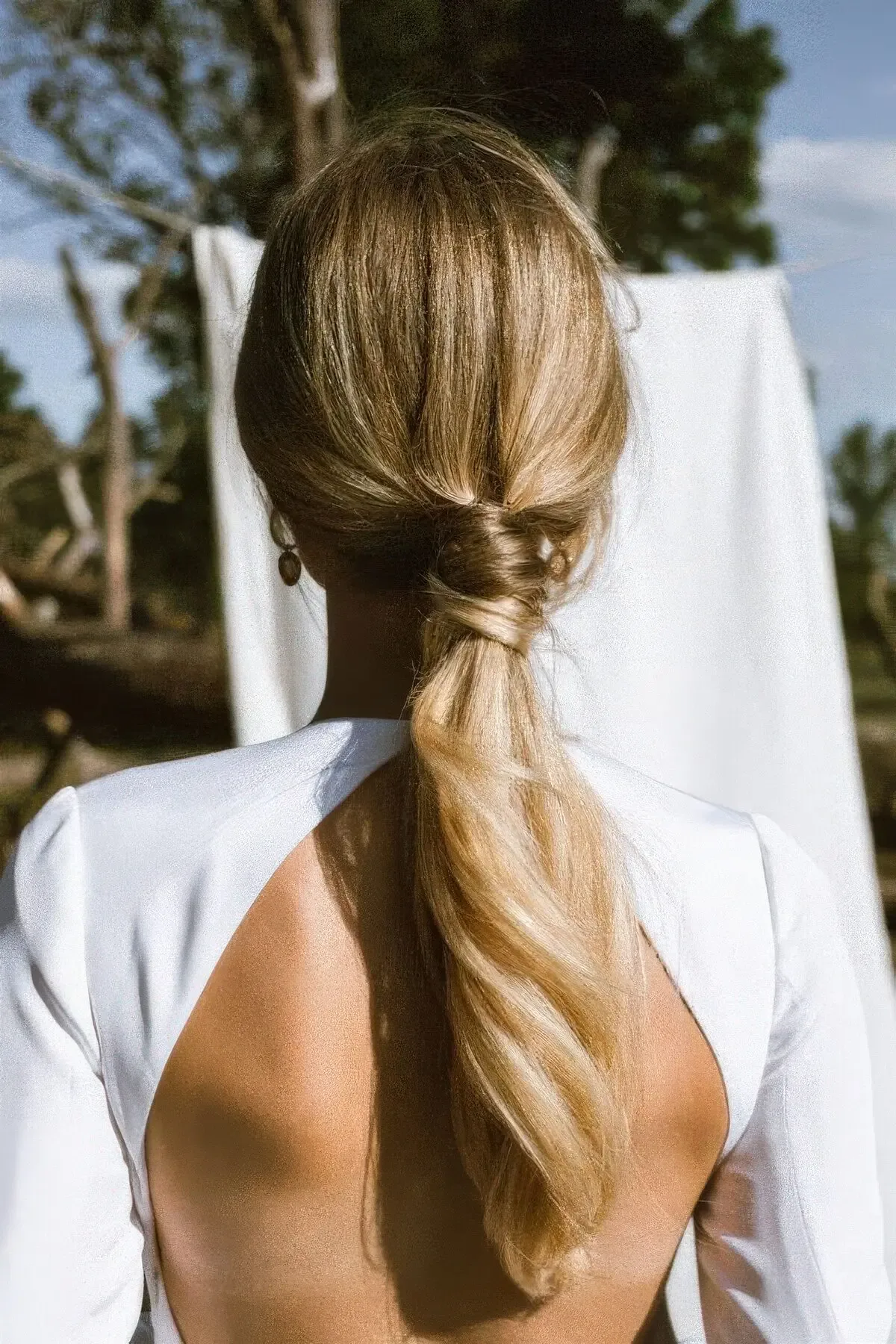
The wrapped low ponytail takes a simple low ponytail and finishes it with a strand of hair wrapped around the base, hiding the elastic. It is a small detail that makes the whole style look intentional and polished, and the wrap adds grip that helps the ponytail stay put.
Pros: Elegant and polished, the wrap hides the elastic and adds hold, and it works beautifully under a cap. It suits almost every occasion after the game too.
Cons: It is a little more fiddly than a plain ponytail, and the wrap can slip loose if not pinned well. Very short hair may not have a long enough strand to wrap.
Who it suits: Medium to long hair, fans who want a simple style with a polished finish, and evening games that flow into dinner afterwards.
How to style: Tie a low ponytail at the nape, take a small strand from underneath, wrap it around the base to hide the elastic, and pin it securely underneath. Smooth the hairline with gel for a clean finish.
The Braided Low Bun
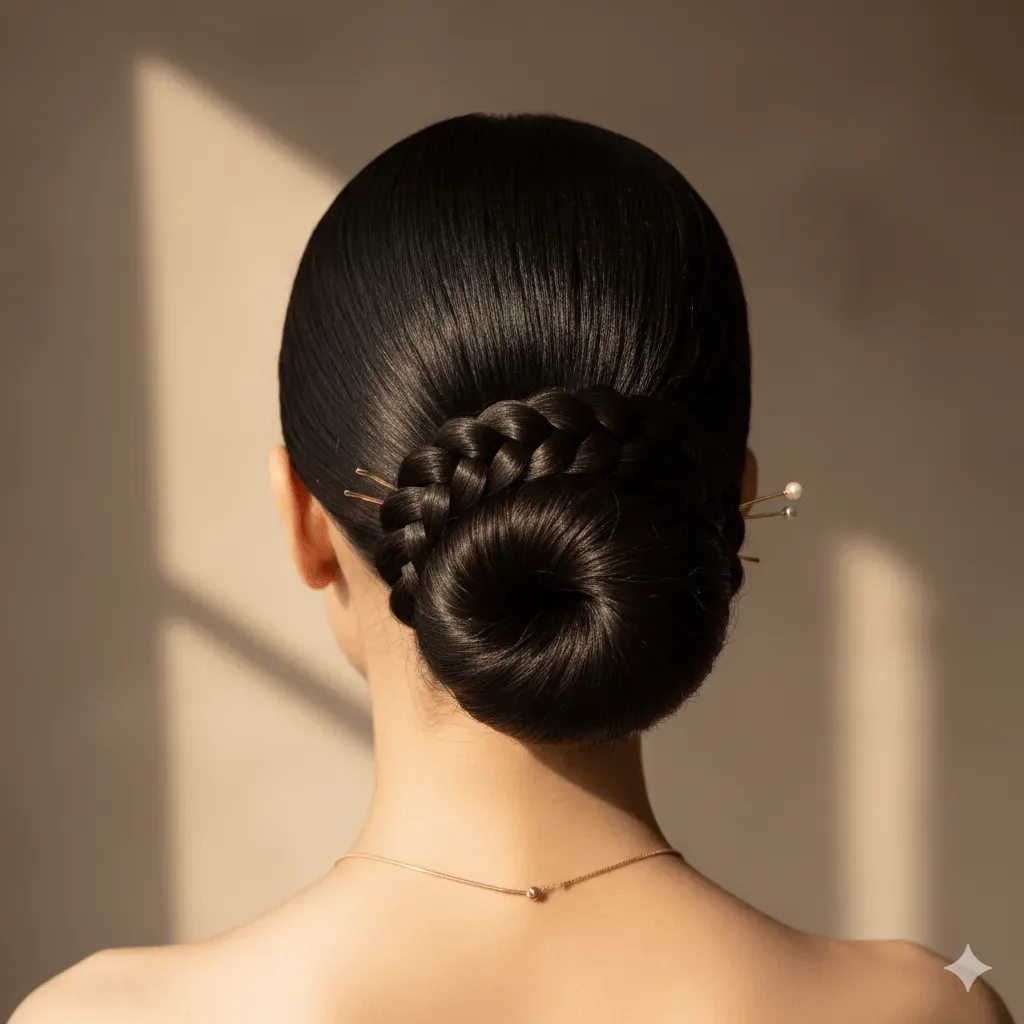
The braided low bun braids the hair first, then wraps it into a bun — double security in one style. The braid stops the hair slipping inside the bun, the bun keeps the ends tucked away, and the whole thing sits flat at the nape, comfortable under a cap or a hoodie.
Pros: Double security, completely wind-proof, and it sits flat so it is comfortable against a seat back. It also looks elegant enough for an evening game.
Cons: It takes longer than a plain bun, and it needs enough length to braid and wrap. It can feel heavy if the bun is wrapped too tightly.
Who it suits: Long hair, full day games, and fans who find plain buns come undone by the late innings.
How to style: Braid the hair loosely from the nape, wrap the braid around itself into a bun, and pin it flat with bobby pins. Smooth the hairline with gel and finish with hairspray.
The Twisted Low Bun
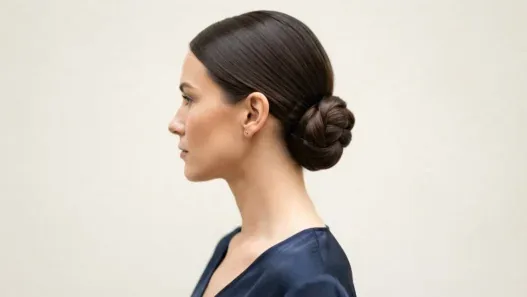
The twisted low bun is the soft, romantic cousin of the sleek bun. The hair is twisted rather than braided, then coiled into a low bun at the nape, giving a softer, more textured finish that still holds through a whole ballpark day.
Pros: Soft and elegant, it holds well with pins, and it is kinder to the hair than a tightly pulled bun. It also looks beautiful with a few loose strands at the front.
Cons: It can loosen in strong wind without enough pins, and it needs a little practice to twist evenly. Very fine hair may need texturising spray for grip.
Who it suits: Medium to long hair, fans who want a softer, more romantic look, and evening games where the style can shine.
How to style: Divide the hair into two sections, twist each one, then twist the two together and coil them into a low bun at the nape. Pin at three points and leave a few soft strands loose at the front.
The High Top Knot
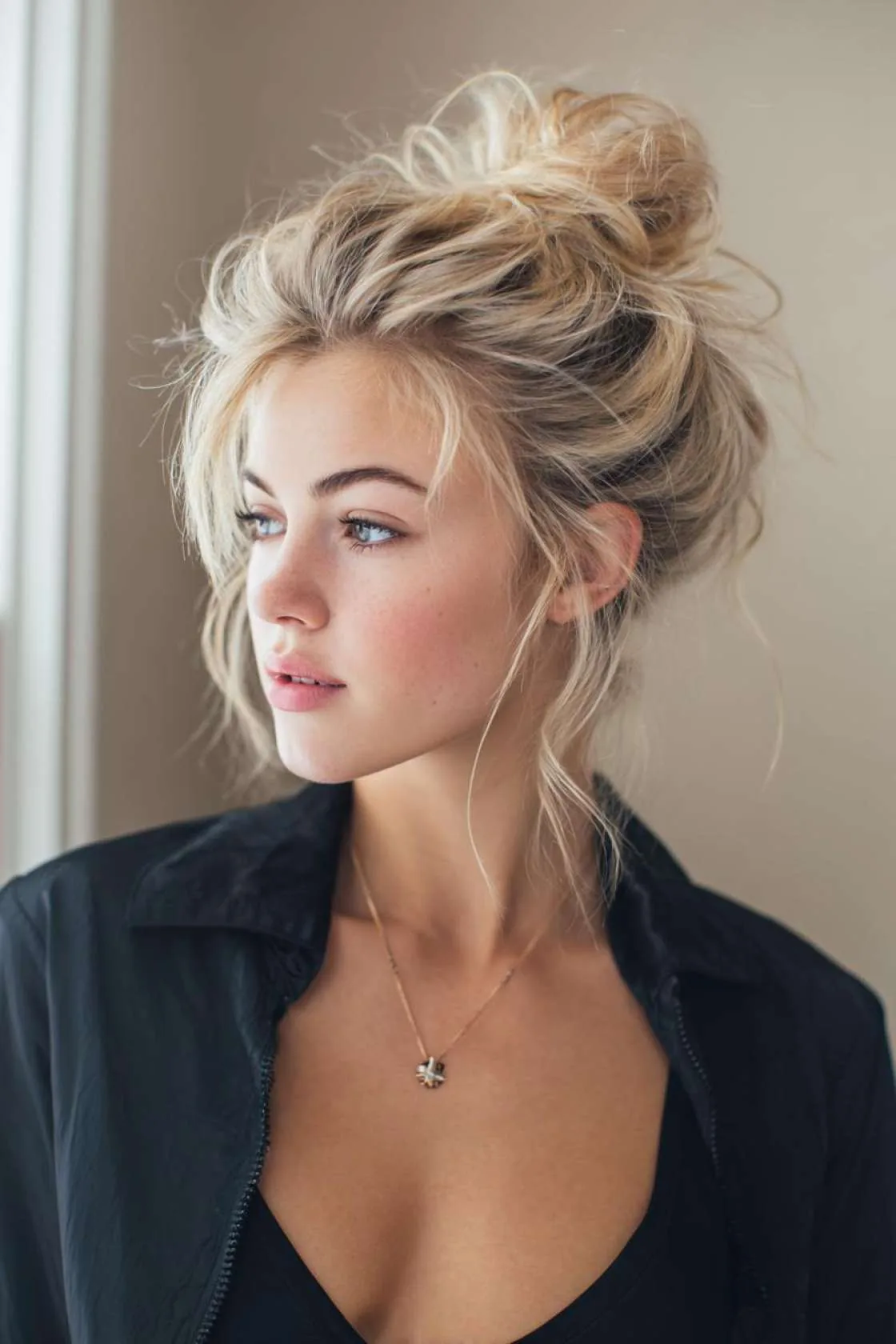
The high top knot piles all the hair into a single bun at the very top of the head, keeping everything off the neck and out of the way. It is cool, clean and confident, and it is the style for fans who want their hair completely handled on a hot day.
Pros: Keeps every strand off the neck, looks polished, and is quick to do once you know the twist. It also survives cheering and jumping without shifting.
Cons: It sits high, so it can press against the crown of a forward-facing cap. It can also feel heavy on very thick hair and pull at the hairline if tied too tight.
Who it suits: Medium to long hair, hot day games, and fans who want a bold, clean look without a cap, or with a cap worn backwards.
How to style: Gather the hair high at the crown, twist it into a bun, and pin it securely. Smooth the hairline with gel and finish with hairspray so flyaways stay down.
Double French Braids Into Low Buns
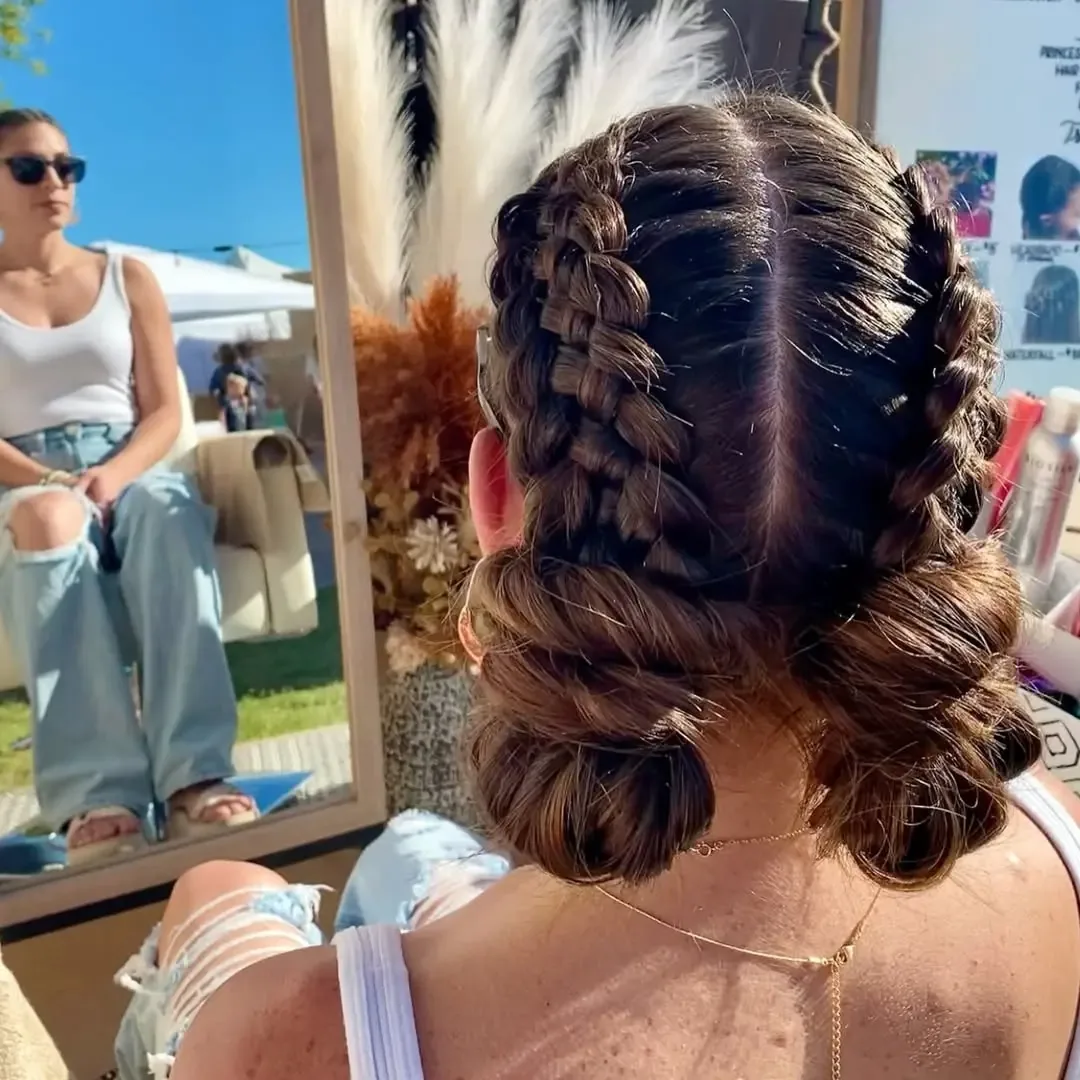
Double French braids into low buns combine the two most secure ideas in this guide: braids that lock the front flat, and buns that tuck the ends away. The result is a style that cannot come loose, cannot blow around, and still looks pretty from every angle.
Pros: Extremely secure, balanced weight, and comfortable under a cap. It also looks neat and symmetrical in photos.
Cons: It takes the longest of any style in this guide, and it needs practice to make both sides even. Short hair may not have enough length for both the braid and the bun.
Who it suits: Long hair, windy day games, and fans who want the most secure style possible for a full day at the ballpark.
How to style: Part the hair down the middle, French-braid each side from the hairline to the nape, then twist each braid into a small low bun and pin it flat. Smooth the centre part with gel.
The Braided Headband and Low Ponytail
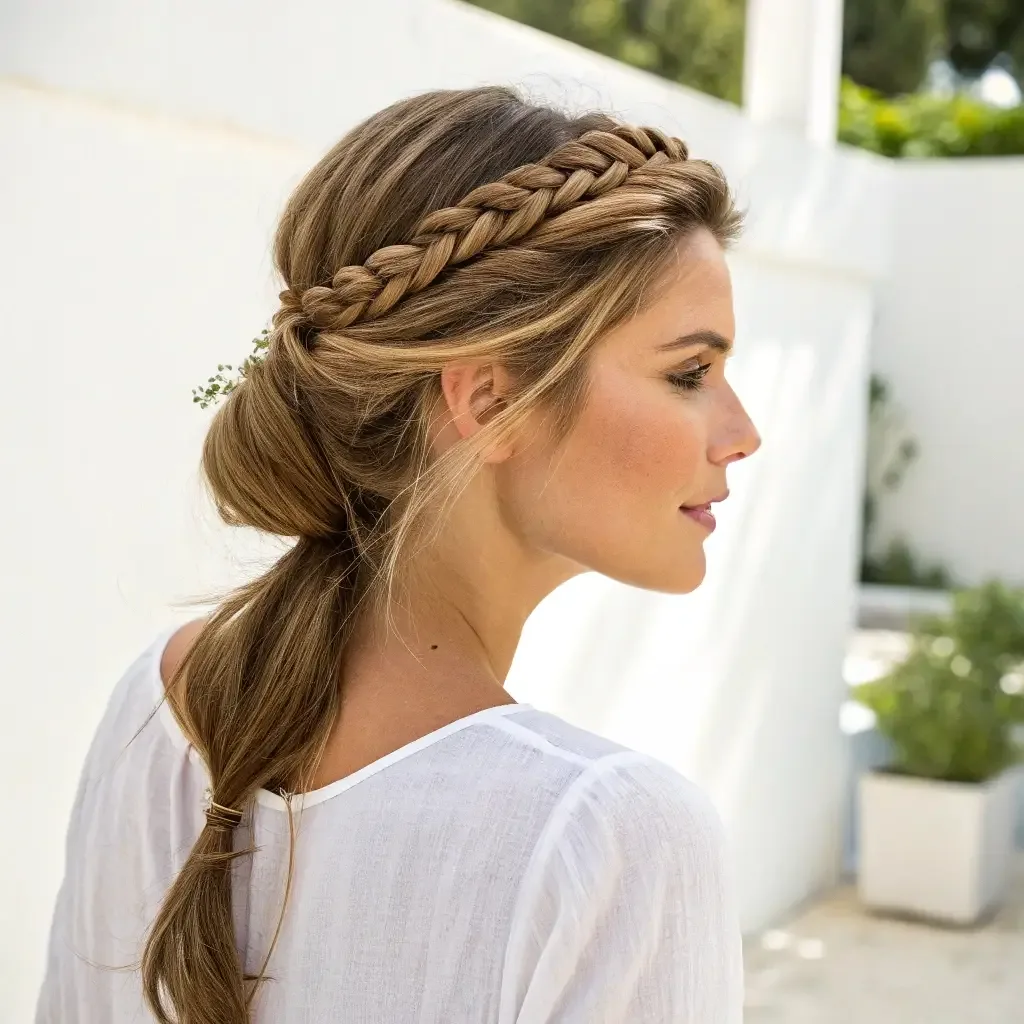
A thin braid worn across the front like a headband, with the rest of the hair in a low ponytail, is one of the prettiest ballpark styles. The braid keeps the front layers out of your eyes, the ponytail keeps the lengths controlled, and the whole look feels soft and romantic.
Pros: The braid acts as a natural headband, the ponytail is comfortable for hours, and the style works beautifully with or without a cap. It also suits wavy hair especially well.
Cons: The headband braid can loosen in wind without pins, and it takes a little skill to braid neatly across the front. Very short front layers may escape.
Who it suits: Medium to long hair, fans who want a soft, pretty style, and calm day games where a little romance suits the occasion.
How to style: Braid a thin section from one side of the hairline across to the other, pin it behind the ear, then gather the rest into a low ponytail. Smooth the hairline with gel and mist lightly with hairspray.
Short Hair With a Headband

Short hair with a headband is the simplest ballpark style of all, and it works brilliantly. A wide, non-slip headband does the work a braid would do on longer hair, keeping the fringe out of your eyes and the sweat out of your face, while the cap covers the rest.
Pros: Fast, comfortable and very effective. The headband controls the front layers, the cap shades the rest, and there is almost nothing to come loose.
Cons: It depends on the headband staying put, so a cheap or slippery band will slide within an hour. It also offers less sun protection on the neck than longer styles.
Who it suits: Short hair, pixie cuts and bobs, and fans who want a two-minute style that actually holds for nine innings.
How to style: Slick the front layers back with gel, add a wide non-slip headband about an inch behind the hairline, and pin it with two crossed bobby pins on each side. Settle the cap on top.
The Short Crop Under a Cap
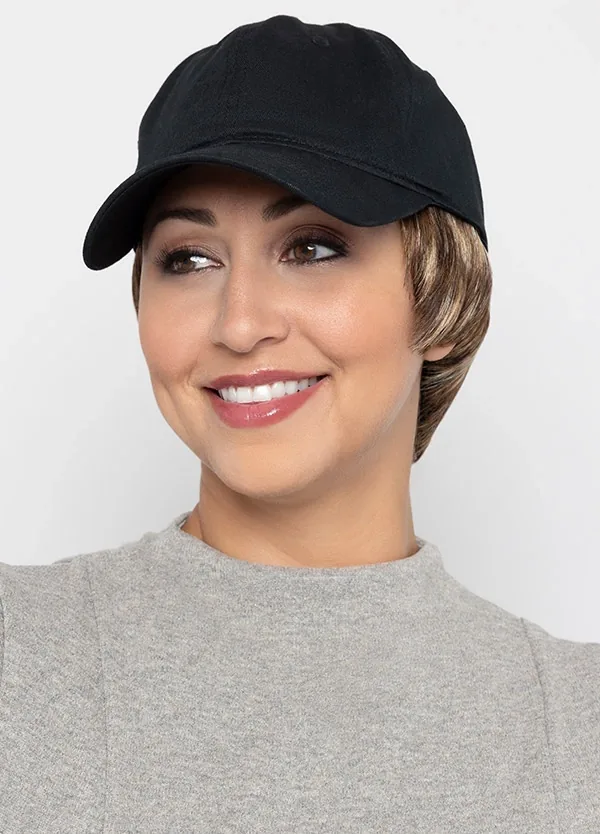
A short crop under a cap is the lowest-maintenance ballpark style there is. The cap does the shading, the crop does the rest, and there is nothing to braid, pin or redo. It is the style for fans who want to arrive, put on a cap, and think about baseball instead of hair.
Pros: Zero effort, completely wind-proof, and the cap covers any bedhead. It is also the coolest style on a hot day, with nothing on the neck at all.
Cons: It offers no styling variety, and the cap can flatten the crop or leave a line across the forehead. Sunburn on the neck is a risk without sunscreen.
Who it suits: Short crops and pixie cuts, hot day games, and anyone who wants the simplest possible ballpark morning.
How to style: Run a little texturising cream through the crop for shape, settle the cap on top, and tuck any longer pieces behind the ears. Add sunscreen to the back of the neck before you leave.
The Claw Clip Twist
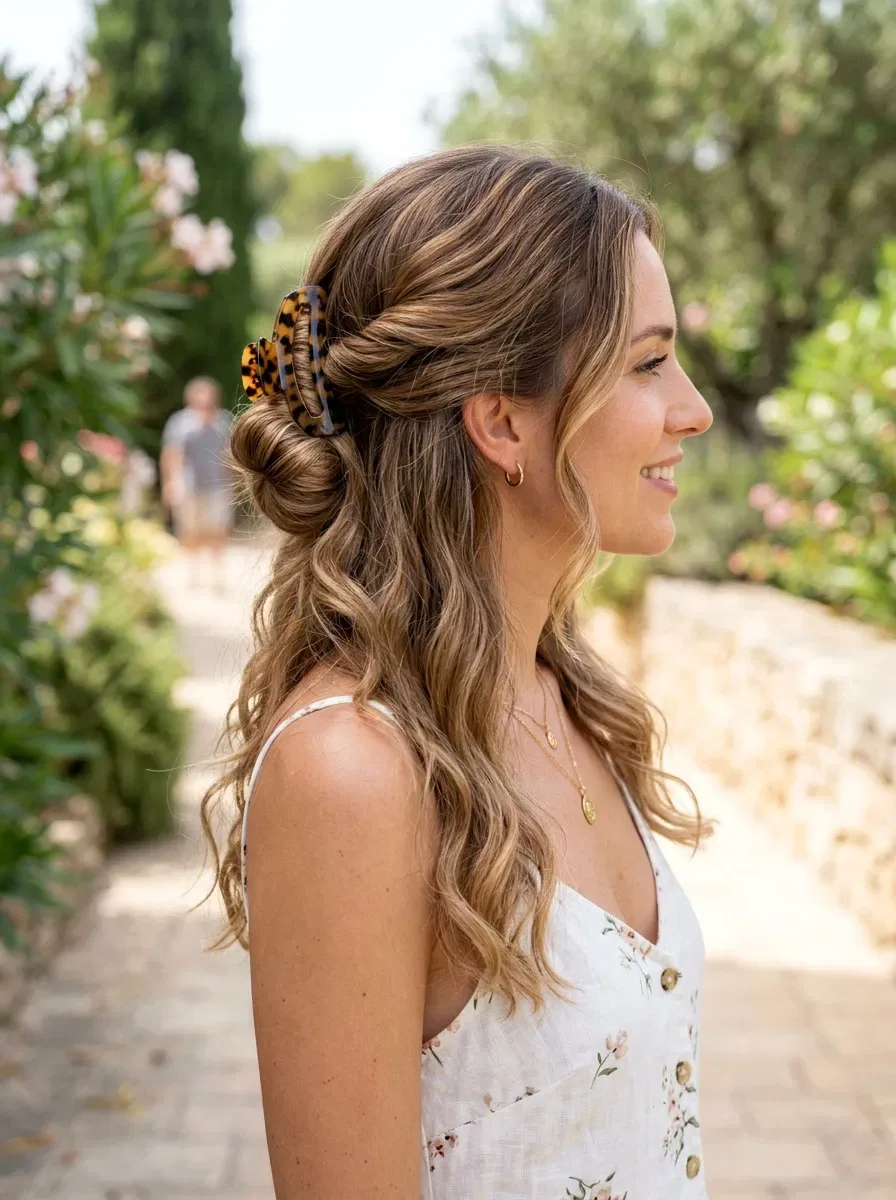
The claw clip twist gathers the hair up, twists it, and clips it in place — a thirty-second style that looks effortless and holds surprisingly well. It is the ballpark rescue style: the one you do in the car park when you realise you forgot to style your hair at all.
Pros: The fastest updo in this guide, gentle on the hair, and easy to redo in seconds. It also works on almost every hair length past the shoulders.
Cons: A single clip can slip in strong wind or when you cheer, so carry a spare. Very thick or heavy hair may need a large, strong clip to hold.
Who it suits: Medium to long hair, last-minute ballpark trips, and fans who love a relaxed, effortless look.
How to style: Gather the hair at the back, twist it up, fold the ends over, and clip it in place with a large claw clip. Leave a few strands loose at the front for softness, and carry a spare clip in your bag.
The Low Twisted Ponytail
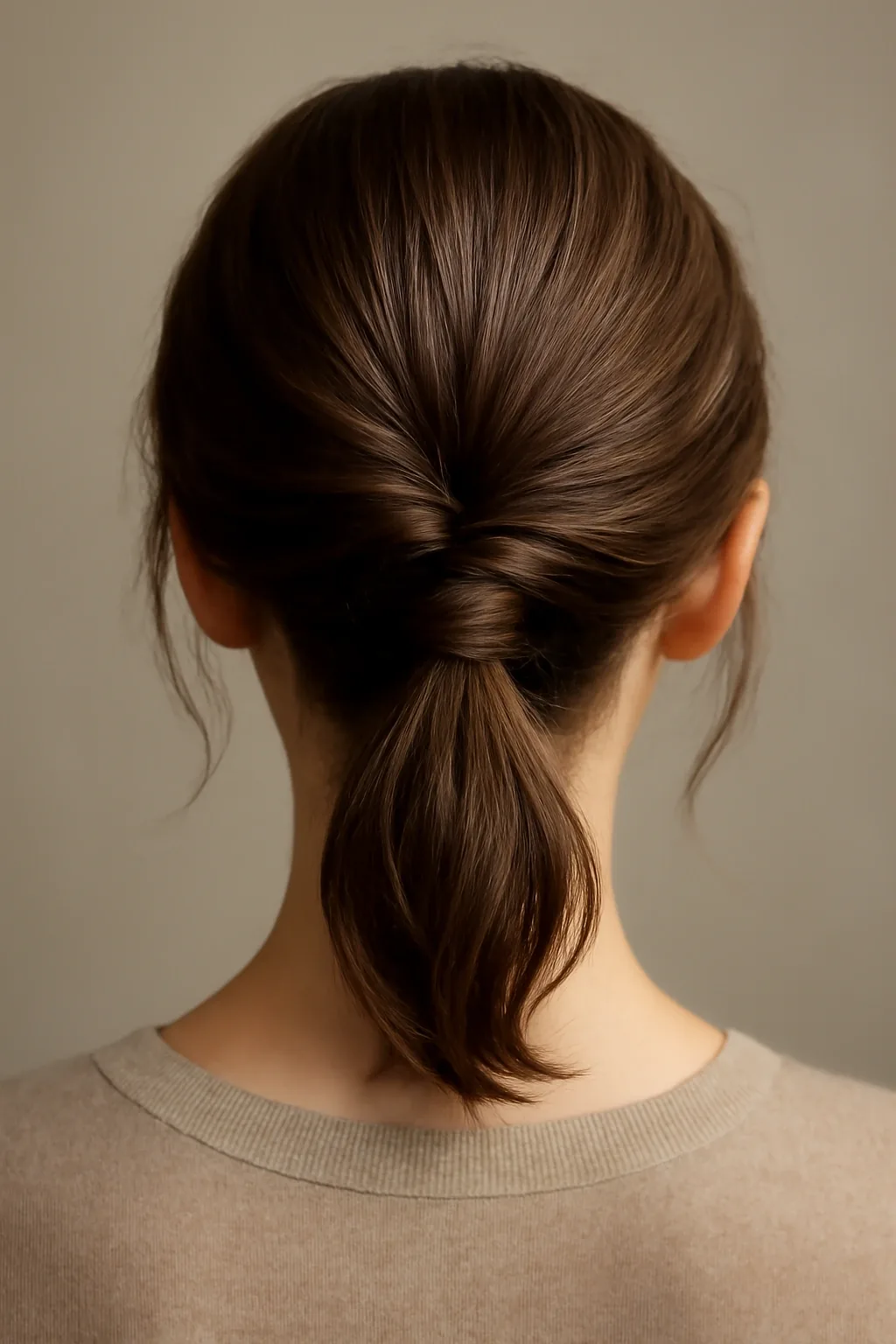
The low twisted ponytail twists the hair before tying it, giving a plain ponytail texture, grip and staying power. The twist stops the ponytail swinging wildly, and the style sits low enough to work perfectly with a cap.
Pros: More secure than a plain ponytail, it has a soft, textured look, and it is quick to do. The twist also stops the ponytail from whipping in the wind.
Cons: It can unravel at the ends without a good elastic, and very fine hair may need texturising spray to hold the twist. It is less secure than a braid.
Who it suits: Medium to long hair, fans who want a ponytail with a little more polish, and breezy day games.
How to style: Divide the hair into two sections, twist each one, then twist them together and secure low at the nape with a strong elastic. Smooth the hairline with gel and wrap a strand around the base.
The Chunky Single Braid
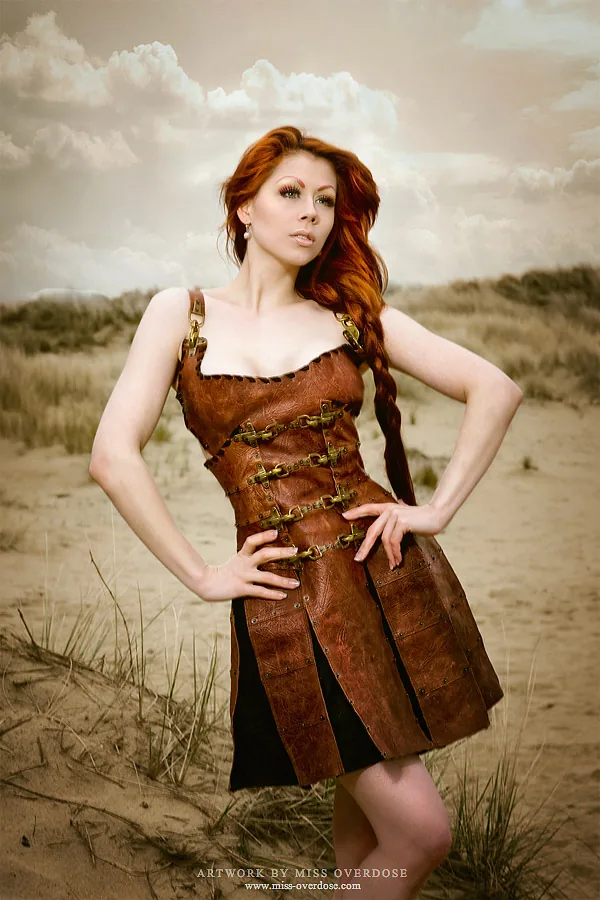
One thick braid down the back is the simplest, most reliable ballpark style for long hair. It gathers everything into a single plait, keeps the weight balanced, and survives wind, sun and cheering without a single touch-up.
Pros: Very secure, quick to do, and comfortable under a cap. It also keeps the hair completely off the face and neck.
Cons: A single heavy braid can swing when you move, and the ends can frizz in humidity. It is a simple look, so it does not make a statement.
Who it suits: Long and thick hair, fans who want a no-fuss style, and windy day games where security matters more than anything.
How to style: Brush the hair smooth, gather it low at the nape, and braid it in a loose three-strand plait down to the ends. Secure with a small elastic and mist lightly with hairspray.
The Dutch Braid Into a Ponytail
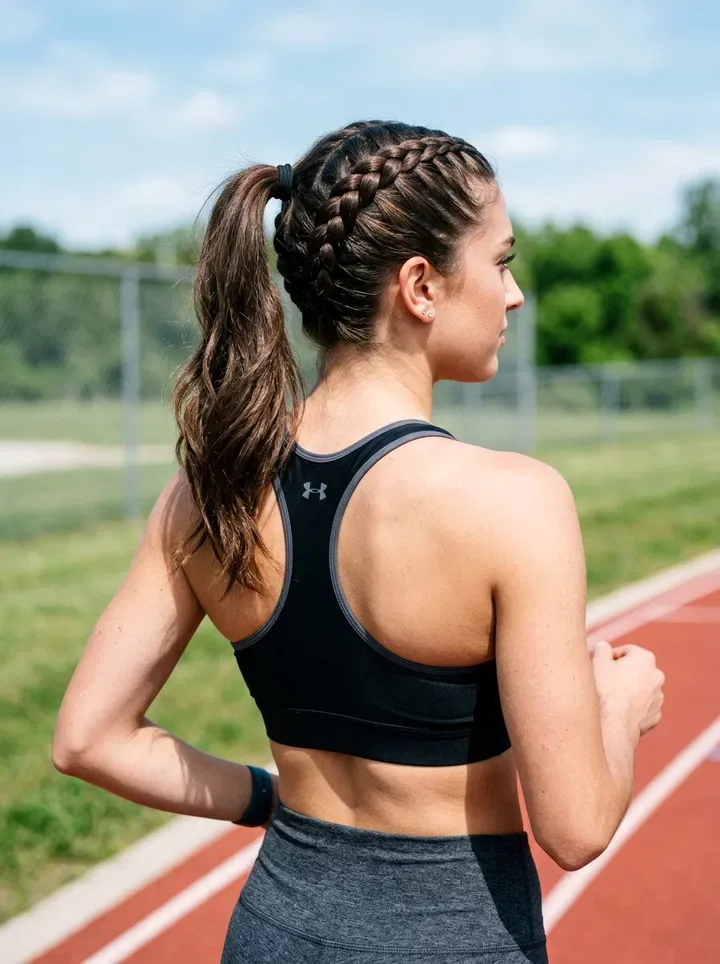
A Dutch braid from the hairline into a ponytail is the hybrid every ballpark fan should learn. The braid locks the front flat, the ponytail keeps the lengths free, and the whole style survives wind, cheering and nine innings without loosening.
Pros: The braid anchors the front, the ponytail is comfortable, and the style works beautifully with a cap. It also looks sporty and polished at the same time.
Cons: It needs a little braiding skill, and the ponytail can still swing if it is very long. It takes a few minutes longer than a plain ponytail.
Who it suits: Medium to long hair, fans who want the security of a braid with the ease of a ponytail, and day games in the sun.
How to style: Dutch-braid from the hairline to the crown, gather the remaining hair into a ponytail, and secure with a strong elastic. Smooth the hairline with gel and wrap a strand around the base.
The Braided Crown
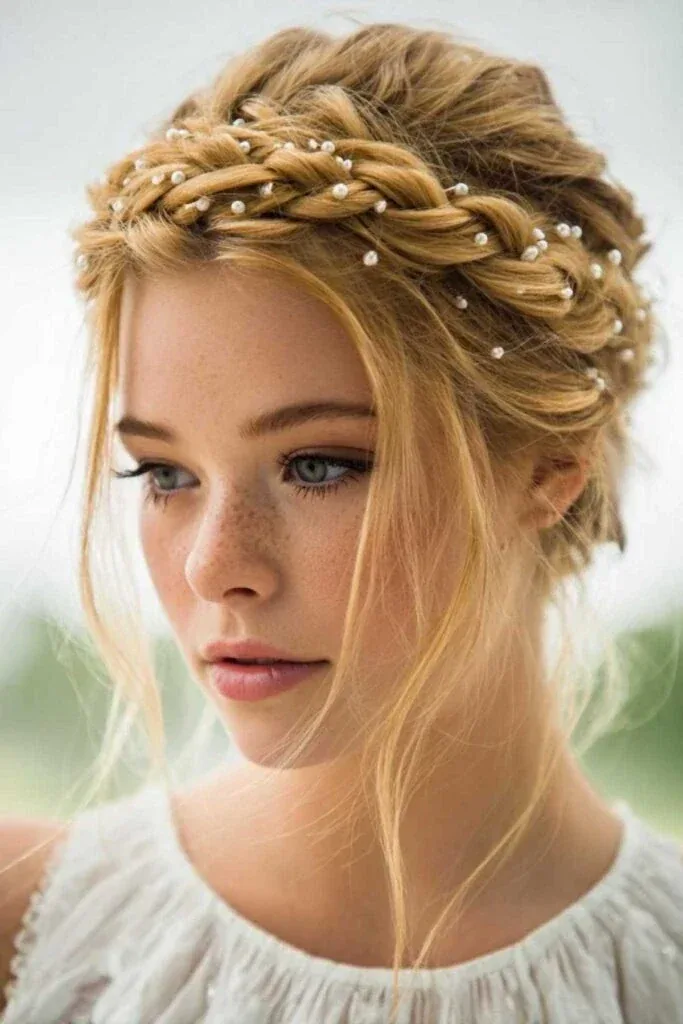
The braided crown wraps a braid around the head like a halo, keeping every strand up and away from the face and neck. It is the most elegant style in this guide, and it holds beautifully in the wind because there is nothing loose anywhere.
Pros: Completely secure, very elegant, and it keeps the hair off the neck on a hot day. It also photographs beautifully from every angle.
Cons: It takes time and practice, and it needs enough length to wrap around the head. It can feel tight if braided too snugly.
Who it suits: Medium to long hair, fans who want an elegant braided look, and evening games where the style can shine without a cap.
How to style: Braid the hair from one side of the head around to the other, pinning as you go, and secure the end underneath the start of the braid. Smooth the hairline with gel and pin any loose strands.
Soft Waves Under a Cap
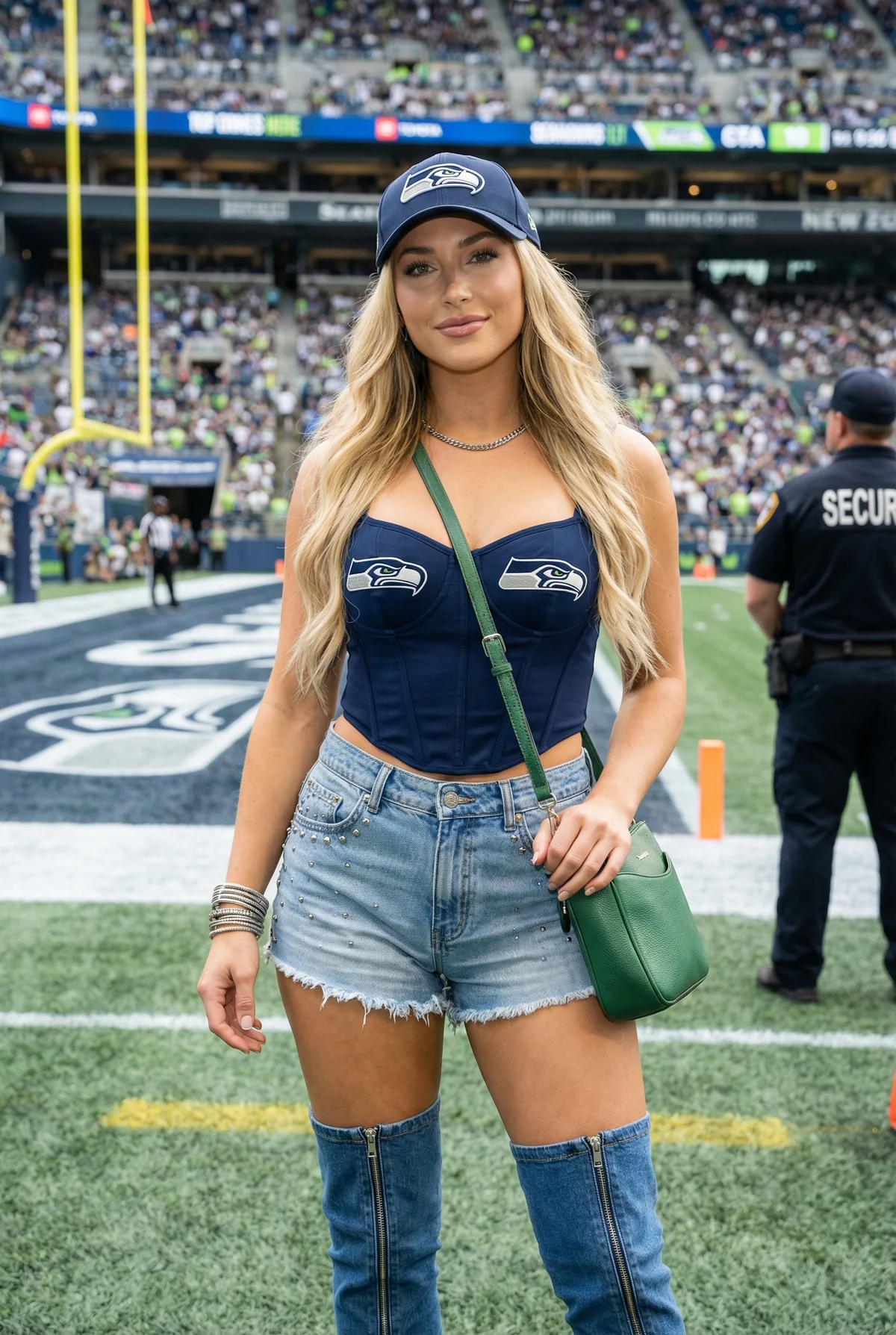
Soft waves under a cap are the most relaxed style in this guide — natural, flowing hair with a team cap on top. It is a fan look, not a lockdown look, and it works best on calm, sunny days when the breeze is gentle and the waves can move a little.
Pros: Effortless and natural, it shows off the hair’s texture, and the cap adds the sporty finish. It is also the quickest style here: wash, wave, cap, done.
Cons: The least secure style in this guide — wind will tangle the waves, and the cap can flatten the roots. It is not a good choice for a gusty day.
Who it suits: Wavy and curly hair, calm day games, and fans who prefer their hair down and natural with a cap for sun protection.
How to style: Add a little sea-salt spray or texturising spray to damp hair, scrunch the waves, and let it dry naturally. Settle the cap loosely on top so it shades without crushing the roots.
What is the best hairstyle for a baseball game?
Double Dutch braids are the best hairstyle for a baseball game, because they lock the hair flat against the head and cannot come loose in wind, sun or cheering. A low ponytail threaded through a cap or a low sleek bun is the next best option if you do not have time to braid.
Can I wear a baseball cap with long hair?
Yes, you can wear a baseball cap with long hair — thread a low ponytail through the opening at the back of the cap, or wear a low bun or braids that sit flat underneath it. Keep the style low and flat, because anything bulky at the crown will press and hurt after an hour.
How do I keep my hair from frizzing in ballpark wind?
Braid your hair to keep it from frizzing in ballpark wind, because braids leave almost nothing loose to blow around. Smooth gel over the hairline before you style, finish with a light mist of hairspray, and carry bobby pins to tuck back any strands that escape.
What hairstyle works best under a baseball cap?
Low ponytails, low buns and flat braids work best under a baseball cap, because they sit below the crown where the cap rests. A low ponytail threaded through the cap’s back opening is the most comfortable option, and double Dutch braids are the most secure.
How do I keep sweat from ruining my hair at a baseball game?
Use gel at the hairline, dry shampoo at the roots before styling, and a light mist of hairspray over the finished style. Skip heavy oils and leave-in creams on game day, because they make the hair slippery and the style slides apart once sweat mixes in.
Can I wear my hair down to a baseball game?
You can wear your hair down to a baseball game if you are spectating on a calm day, but braids or a half-up style are safer. Loose hair blows into your face in the wind, tangles by the fifth inning, and traps sweat on your neck in the sun.
What hairstyle works best for short hair at a baseball game?
Short hair works best slicked back with gel and a wide, non-slip headband, with any escaping pieces pinned flat. A cap on top does the rest of the work, keeping the sun off and the style in place for the whole game.
What should I do with curly hair for a baseball game?
Gather curly hair into a high puff, a pineapple updo or a curly high ponytail with a headband. Use a wide band or a silk scrunchie so the curls keep their shape, smooth the hairline with gel, and avoid tight elastics that dent the curls or strain the roots.
How can I fix my hair during the seventh-inning stretch?
Keep two elastics, four bobby pins and a mini dry shampoo in your bag. Smooth the hairline first, then check the base of your ponytail or bun — if it has dropped, redo it tighter with a fresh elastic rather than trying to tighten it in place. Tuck escaping strands back into braids with a bobby pin.
What hairstyle looks good for watching a baseball game as a fan?
A high ponytail under a cap, double Dutch braids, space buns or a low sleek bun all look great for watching a baseball game as a fan. They are comfortable for nine innings in the stands, they survive cheering and jumping up for big plays, and they photograph well in the sun.
Conclusion
Whether you are in the cheap seats or right behind home plate, the right hairstyle makes the whole ballpark day better. Braids lock everything down against the wind, low buns keep you cool, ponytails threaded through a cap get you out the door in thirty seconds, and a good cap ties it all together. The best hairstyles for a baseball game are the ones you forget about once the first pitch is thrown — because your hair is handled, your vision is clear, and all you have to think about is the game.
Pick one style from this guide, practise it once before game day, and pack your ballpark kit: two elastics, four bobby pins, a spare headband and sunscreen for your part line. Then go enjoy the game — from first pitch to the seventh-inning stretch and beyond, your hair will be the last thing on your mind, exactly as it should be.