31 Hairstyles for a Horse Race: Hats, Heels and Winning Hair for a Day at the Races
A day at the races is one of the few occasions where hair matters almost as much as the outfit. You will be photographed in the paddock, cheering from the stands, sipping something cold in the sunshine, and quite possibly caught on camera at the exact moment your horse crosses the line. That is why choosing the right hairstyles for a horse race is worth a little planning, not a last-minute scramble with a straightener at 8 in the morning. Race-day hair has to do three jobs at once: look polished next to a fascinator or a wide-brim hat, survive hours of sun, breeze and walking, and still look good in the evening photographs.
This guide brings together 31 styles built for exactly that day, from a classic low chignon that sits beautifully under a fascinator to soft Hollywood waves that frame a wide-brim hat, braids that will not budge in the wind, and updos that stay put from the first race to the last. Whether your hair is long, short, curly or fine, and whether you are headed to the members’ enclosure or a relaxed country meeting, you will find a style that suits your outfit, your hat and the weather. Each idea comes with practical race-day notes, so you can enjoy the horses instead of worrying about your hair.
Hair Under a Fascinator vs a Wide-Brim Hat
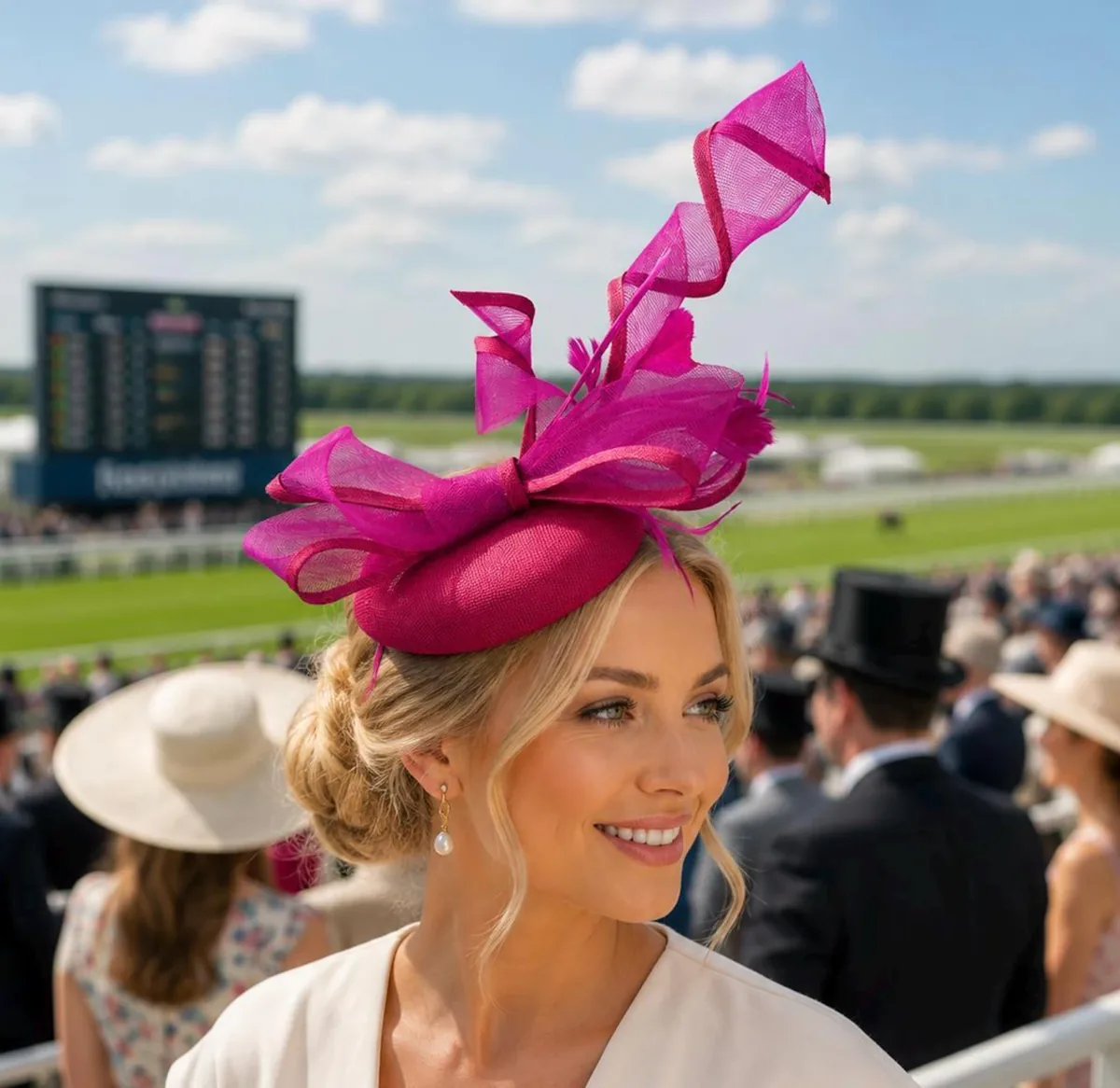
The first decision on race day is not the hairstyle, it is the headpiece, because a fascinator and a wide-brim hat ask for completely different hair. A fascinator sits on one side of the head and needs something to grip, so it loves a low bun, a chignon or a smooth side part with a little volume at the crown. The comb or clip on the fascinator slides into the hair just above the ear, and a sleek base gives it a firm anchor that will not slide as you walk between races.
A wide-brim hat is the opposite problem: it covers the crown and presses the top of the hair flat, so anything tall or piled high will be squashed. Low styles work best, a low ponytail, a soft chignon at the nape, or loose waves that fall below the brim. Whichever you choose, try the hair and the headpiece together at home, not on the morning of the race. Put the hat on, take it off, walk around the house, and check that the style still looks right once the hat comes off for photographs.
Wind-Proofing Your Hair at the Track
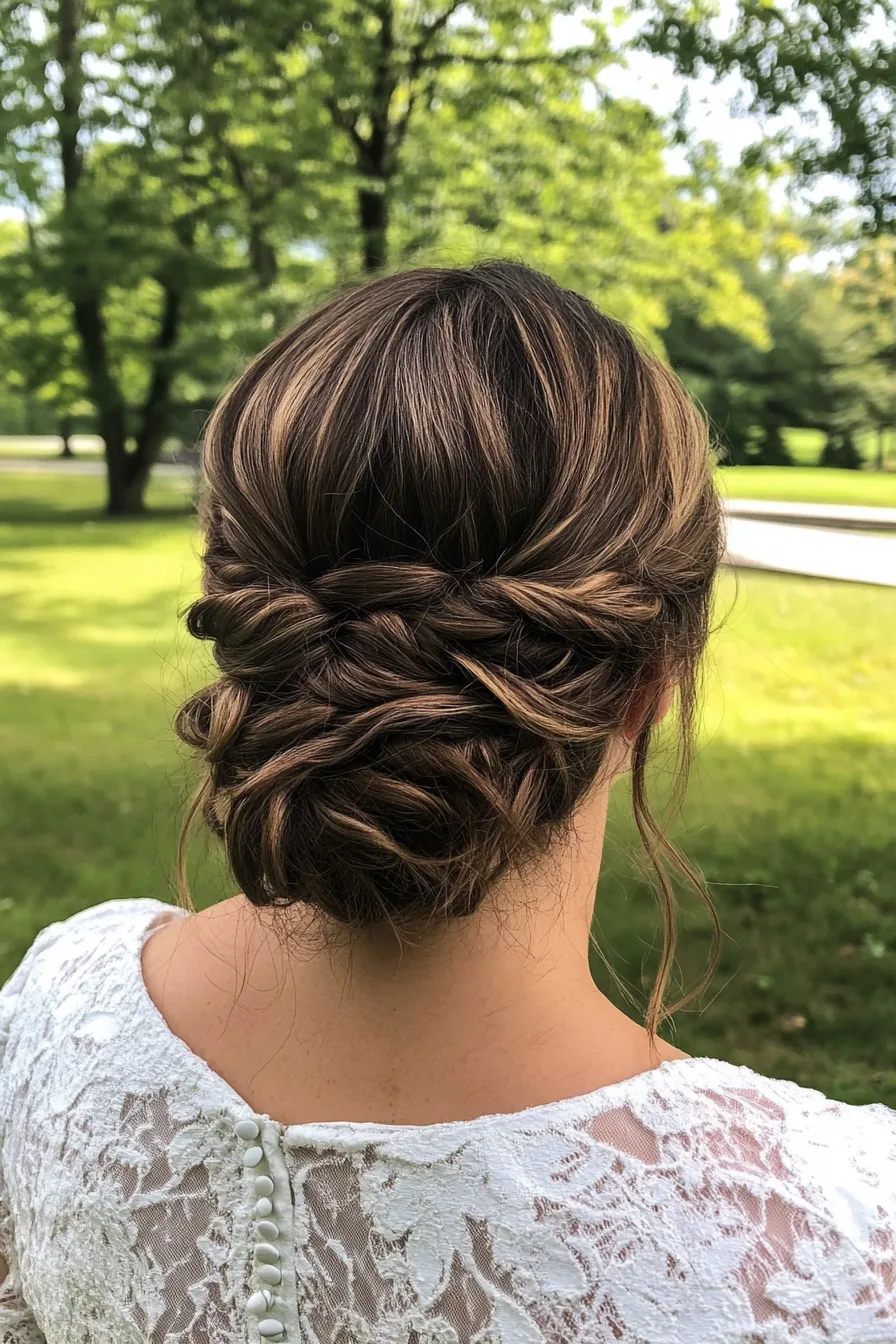
Racecourses are open, breezy places, and even a gentle wind can undo an hour of styling in minutes. The trick is to build the style from the inside out: a strong base, pinned in layers, rather than a single elastic holding everything. Start with a little texture spray or mousse on damp hair before you blow-dry, because hair with grip holds a style far better than silky, freshly washed hair. If you can, wash your hair the night before rather than on race morning.
Choose styles that work with the wind instead of fighting it. Braids, twists and buns are naturally wind-proof, while loose curls need pinning at the sides so they cannot blow across your face. A light mist of flexible-hold hairspray finishes the job without making the hair stiff, and a few extra bobby pins tucked into the base of the style are invisible insurance. Keep two pins and a small comb in your bag: a ten-second fix between races is far easier than rebuilding a whole style in a crowded ladies’ room.
Paddock vs Stands: Dressing Your Hair for Where You Will Be
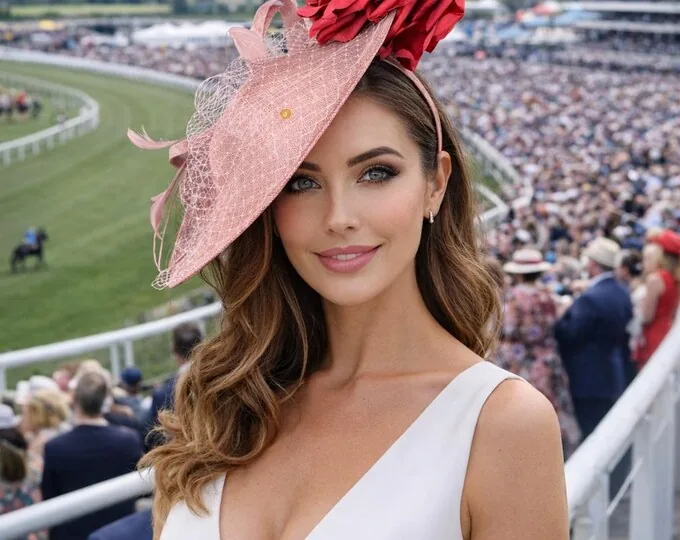
Where you spend the day changes what your hair needs to do. In the paddock you are up close to the horses, walking on grass, and photographed constantly, so your style needs to look good from every angle and survive a lot of walking. A polished updo or a neat braid photographs beautifully here, and it will not fall in your face when you lean over the rails to watch the horses parade.
In the stands you are sitting for long stretches, leaning forward to watch the finish, and often in direct sun. Styles that sit low and flat are more comfortable against a seat back than a high bun, and anything too tall will be flattened by a hat anyway. If you are moving between the two all day, pick a style that works in both places: a low chignon, a sleek ponytail or soft waves pinned on one side. The best race-day hair is the kind you forget about, so you can watch the racing instead of patting your head.
Matching Your Hair to Race-Day Outfits
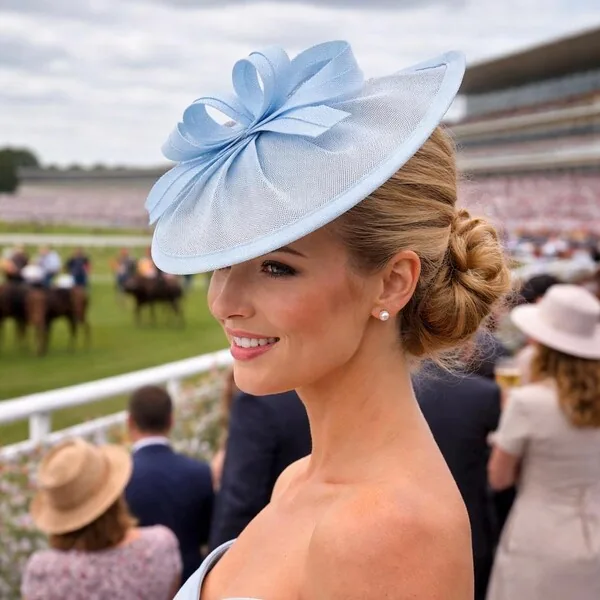
Race-day dressing is a balancing act: the outfit, the hat and the hair all have to work together, and the hair is what ties them into one look. A structured dress with a strong shoulder line suits a sleek, controlled style, a low bun or a smooth blowout, while a floaty floral dress looks better with soft waves or a loose, romantic updo. If your dress has a high neckline or a detailed collar, wear your hair up so the neckline can be seen; a bare-shouldered or strapless dress can carry hair worn down.
Colour matters too. A bold hat or a bright dress is the star of the outfit, so keep the hair simple and let it frame rather than compete. A neutral outfit, on the other hand, is the perfect excuse for a more dramatic style: a vintage wave, a braided crown or a glamorous updo. Whatever you wear, do a full dress rehearsal a few days before the race, hat and shoes included, and photograph yourself from the front, the side and the back. The camera will show you what the mirror misses.
All-Day Hold in Sun and Breeze
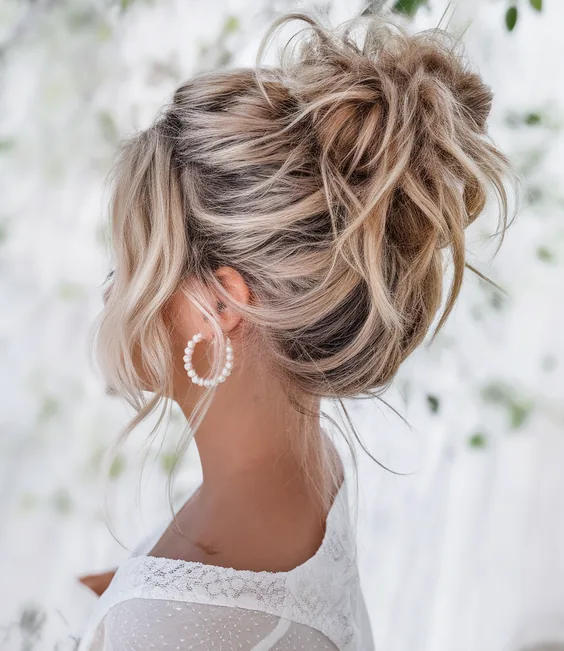
A race meeting is a long day, often six hours or more in the sun, and a style that looked perfect at 11 in the morning can be a different story by the last race. The secret to all-day hold is preparation, not more hairspray. Start with a blow-dry that builds volume at the roots, because flat roots are the first thing to collapse in the heat. A little dry shampoo at the crown, even on clean hair, absorbs moisture and keeps the style lifted through the afternoon.
Sun is the other enemy: it fades colour, dries out the ends and makes hair feel brittle by evening. A light leave-in conditioner with UV protection, applied before styling, helps a lot, and a hat is the best sun protection of all. Avoid heavy oils or serums on race day, since they weigh the hair down and make it look greasy in the heat. If your style starts to droop, do not add more spray, which only makes it crunchy. Instead, lift the roots with your fingers, add one pin at the base, and let the style settle into a softer version of itself.
Quick Fixes Between Races
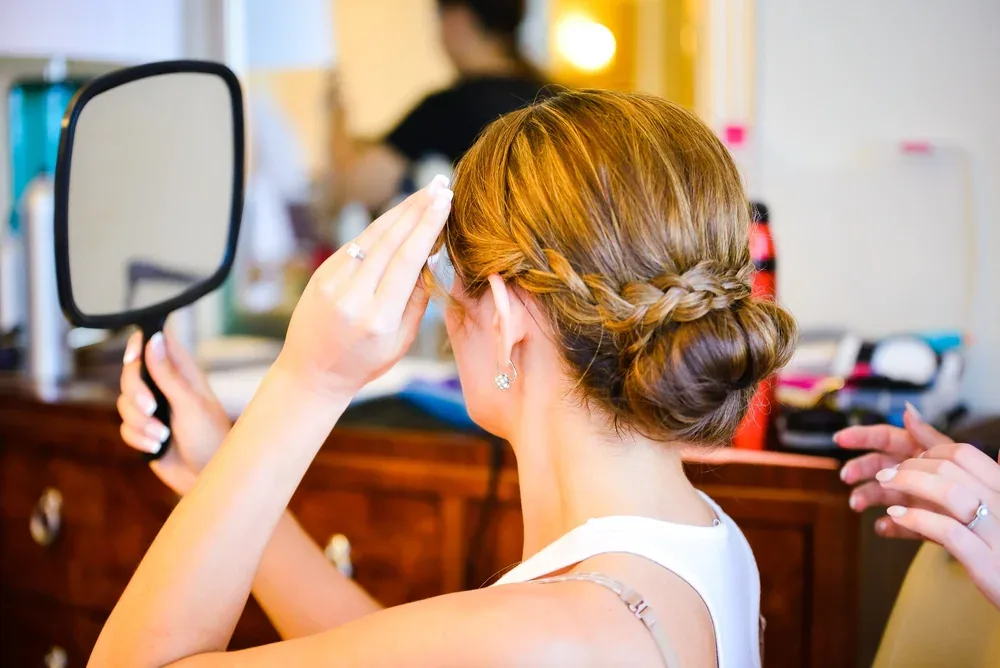
Between races there are usually twenty to thirty minutes, which is plenty of time for a quick hair rescue if you know what to do. The most useful thing you can carry is a tiny race-day hair kit: two bobby pins, one spare elastic, a mini comb and a travel-size hairspray. It fits in the smallest clutch, and it will save your style at least once during the day. Fix your hair before the next race, not during it, so you are not juggling pins while the horses are running.
The most common problems are easy to solve. A bun that has started to sag needs one more pin pushed through the centre, not a full rebuild. A wave that has dropped on one side can be re-curled with your fingers and pinned behind the ear. Flyaways around the hairline smooth down with a tiny amount of hand cream or a spritz of hairspray on a toothbrush, which is far more precise than spraying the whole head. And if the wind has truly won, a low ponytail is always there as a graceful plan B.
Race-Day Hair by Length
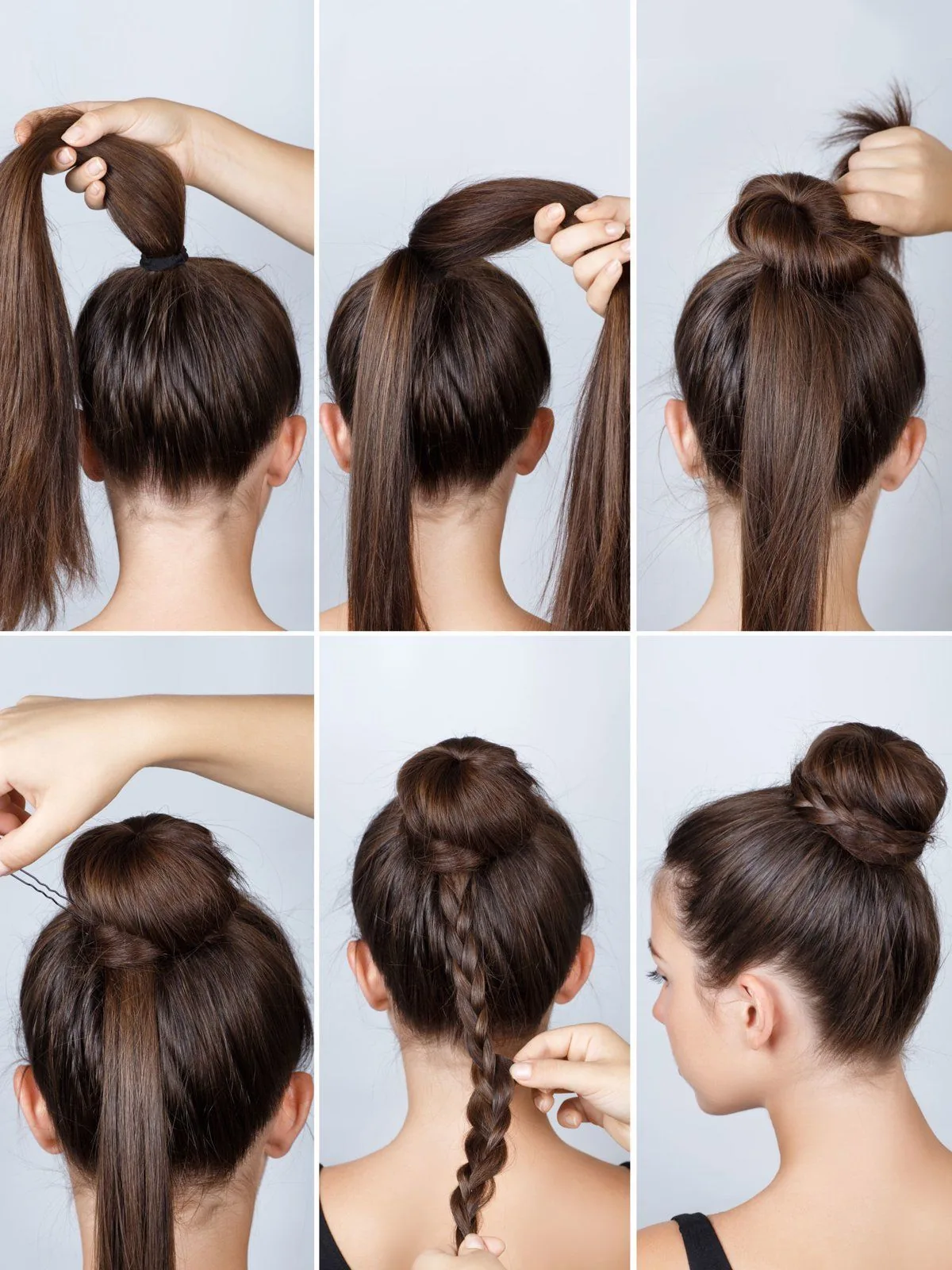
Long hair has the most options on race day, and the most to manage. A long braid, a low bun or a braided bun keeps the length under control and out of the wind, while loose long hair looks beautiful but needs pinning on at least one side so it does not blow across your face. If your hair reaches your waist, braid it first and then coil it into a bun: two layers of security, and the weight sits low where it will not pull on your neck during a long day.
Medium hair is the easiest length for race day, since it suits almost every style here, from a sleek lob to a half-up twist. Short hair has its own advantage: a pixie or a bob barely moves in the wind, and it pairs beautifully with a fascinator, which can sit right on top of the style. Whatever your length, the test is the same as it is for any outdoor event: put the style in, put the hat on, shake your head gently, and check that nothing moves. If it holds through that, it will hold through the races.
From Day Races to Evening Celebrations
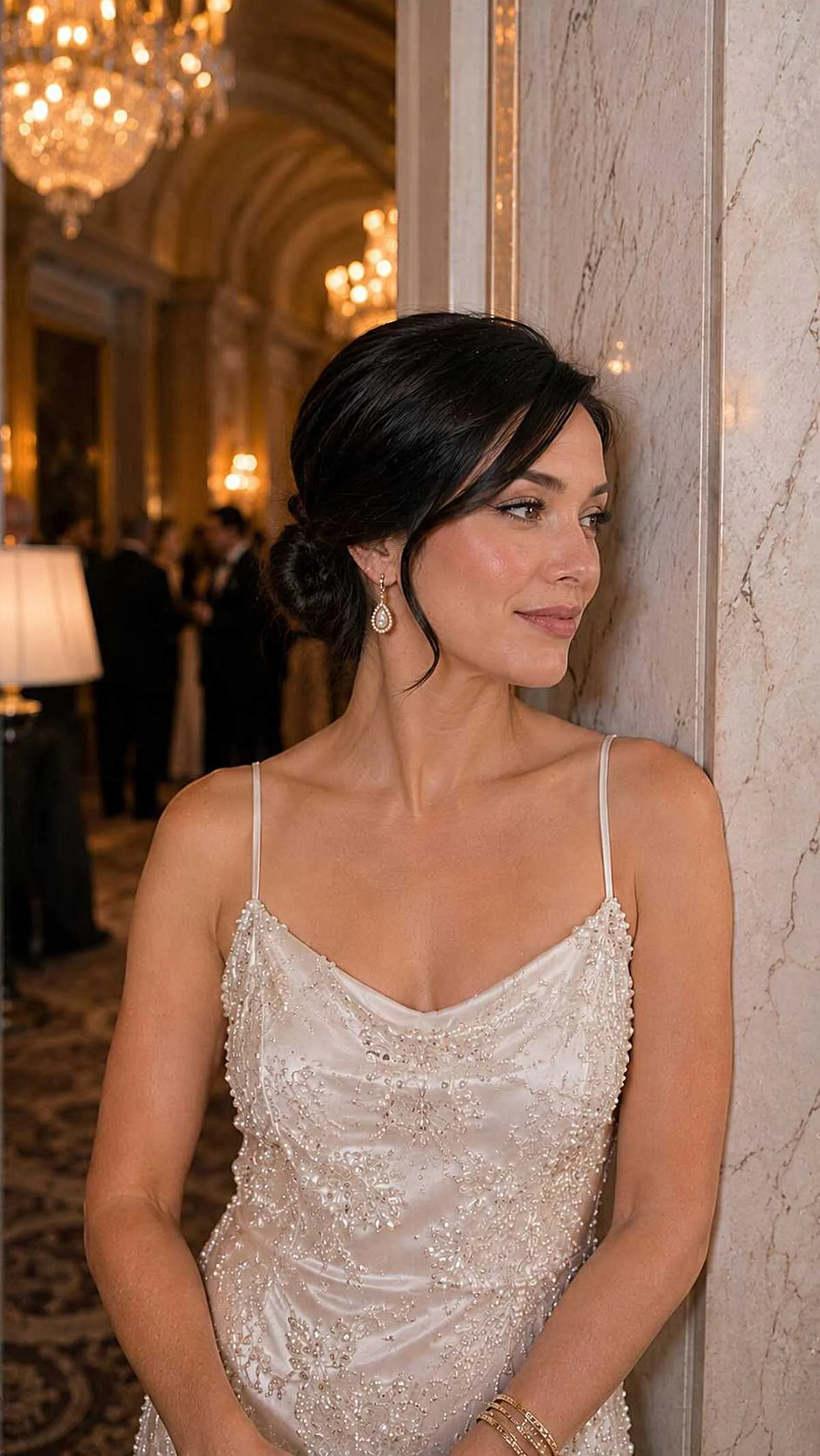
Many race days do not end at the last race. There is often a dinner, a party or drinks afterwards, and your hair needs to make the jump from daytime elegant to evening glamorous without a full restyle. The smartest move is to choose a daytime style that has an evening version built in. A low chignon can be loosened and re-pinned into a softer, messier bun; a half-up style can be gathered into a full updo; loose waves can be swept to one side and pinned for a vintage evening look.
Carry the few things that make the change: a statement hairpin or a sparkly clip, a small bottle of shine spray, and a lipstick that matches the evening mood. Take the hat off, shake the hair out gently, add the clip, and you have a new look in five minutes. If your hair has gone flat by evening, a quick blast of dry shampoo at the roots and a gentle backcomb at the crown will bring the volume back. The goal is not a second full hairstyle, just a fresher, slightly more dramatic version of the one that carried you through the day.
The Classic Low Chignon
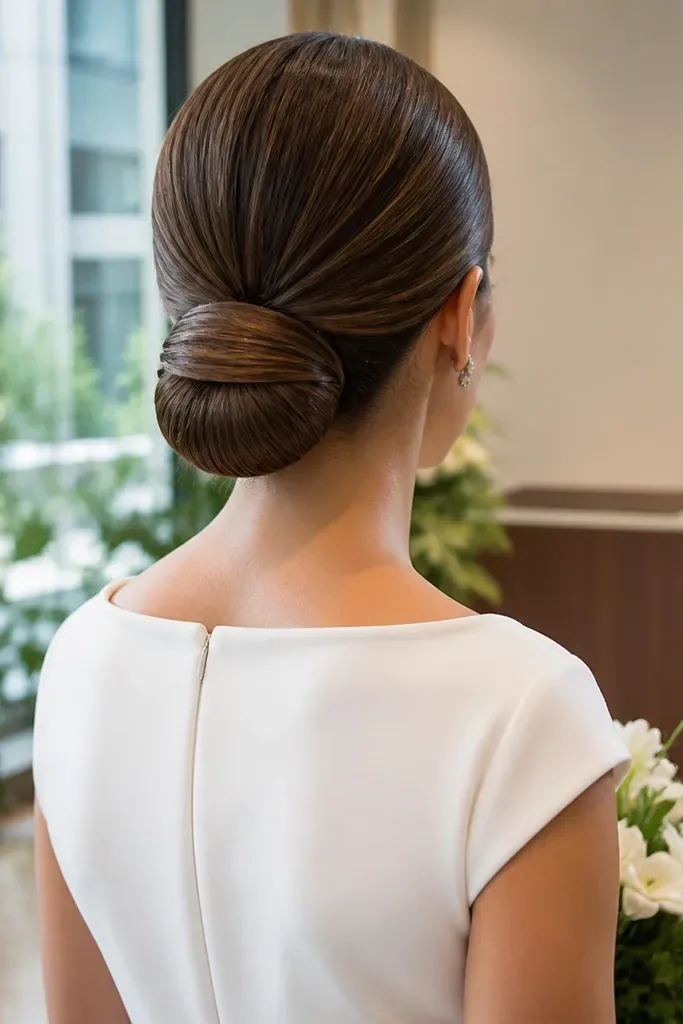
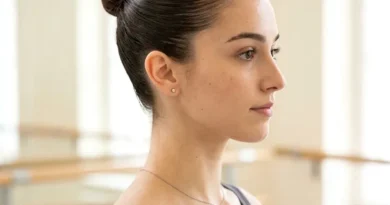
Best for: almost any race day, and the safest first choice if you are wearing a fascinator. A low chignon sits at the nape, below the hat line, so nothing presses on it or pushes it out of shape. It keeps every strand behind your shoulders, survives hours of walking between the paddock and the stands, and still looks neat in the photographs at the end of the day.
How to style: smooth the hair back with a little serum, gather it low at the nape and twist it into a soft roll. Pin the roll flat with U-shaped pins, crossing them for grip, and finish with a flexible-hold spray. Quick verdict: the race-day default for a reason, simple, secure and flattering on every face shape, and it lets a fascinator sit exactly where it should.
Soft Hollywood Waves
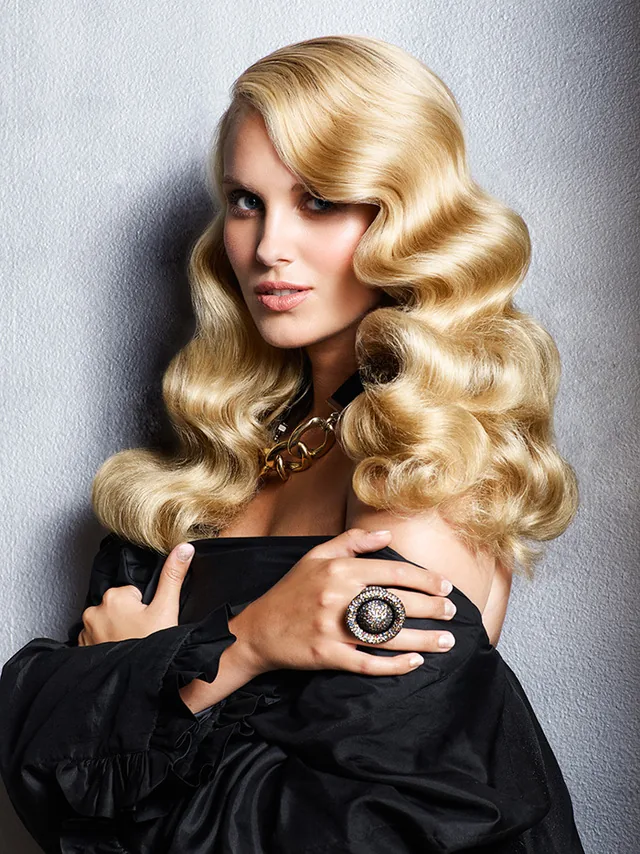
Soft Hollywood waves are the most glamorous way to wear your hair down at the races, and they photograph beautifully. The waves are brushed out into one smooth, glossy sheet of movement, with a deep side part that gives the whole look a vintage, red-carpet feel. They suit a wide-brim hat especially well, since the waves fall below the brim and frame the face.
Pros and cons: the look is stunning and suits almost everyone, but waves are the most wind-sensitive style in this guide. Pin the hair back on one side with a decorative clip so it cannot blow across your face, and ask your stylist for a strong-hold mousse before curling. Who should avoid it: anyone expecting a very windy day, unless they are happy to pin one side back. On a calm, sunny day, nothing beats it.
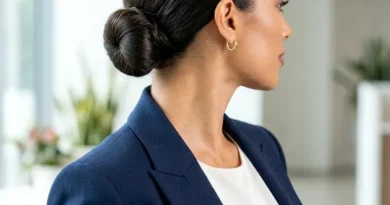
The Sleek Low Bun
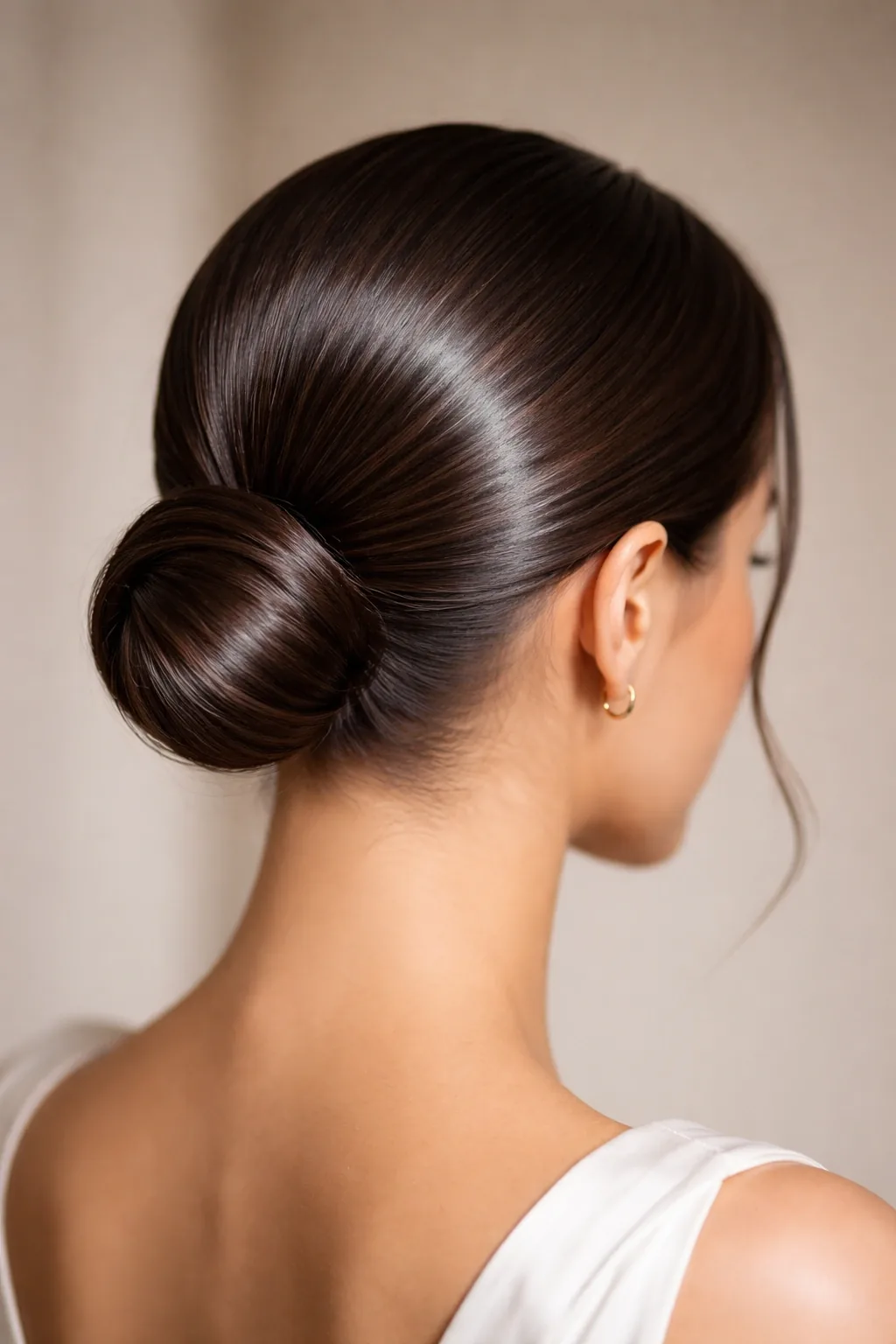
A sleek low bun is the polished, modern cousin of the chignon, and it is one of the most reliable race-day styles there is. The hair is smoothed back without a single flyaway, gathered low, and pinned into a neat, compact bun. It works with a fascinator, a headband or a small hat, and it keeps the focus on your outfit and your face rather than on the hair itself.
Common mistake: making the bun too tight, which pulls at the hairline and hurts after a few hours in the sun. Smooth the hair back firmly but comfortably, and use a soft elastic rather than a snagging one. Maintenance: a sleek bun rarely needs attention during the day, but carry a small comb for the hairline. If a flyaway escapes, smooth it with a little hairspray on a toothbrush rather than re-spraying the whole style.
A French Twist with a Fascinator
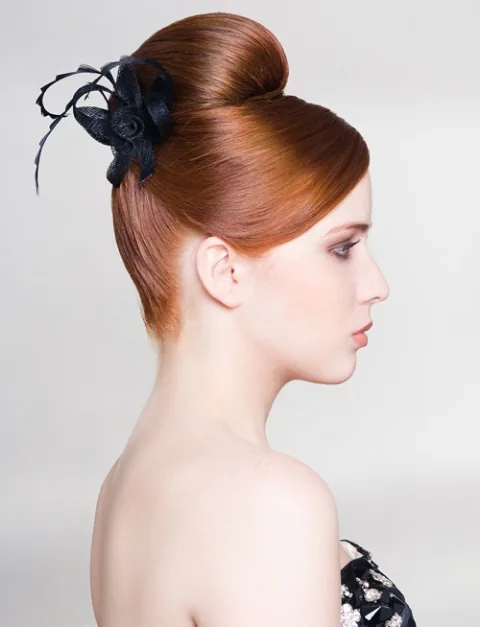
The French twist is the classic updo for a reason: it is elegant, it is secure, and it was practically made for a fascinator. The whole length of the hair is folded up and pinned vertically, leaving a smooth, sculpted shape that a fascinator can sit against perfectly. It suits the members’ enclosure, a formal race day, or any occasion where you want to look polished from every angle.
Best for: medium to long hair, and anyone who finds buns uncomfortable. What to ask your stylist: ask for the twist to be pinned with U-shaped pins rather than flat bobby pins, pushed in from opposite directions so they lock against each other. If the twist loosens during the day, a single extra pin at the base will usually rescue it, no rebuild needed.
The Polished High Ponytail
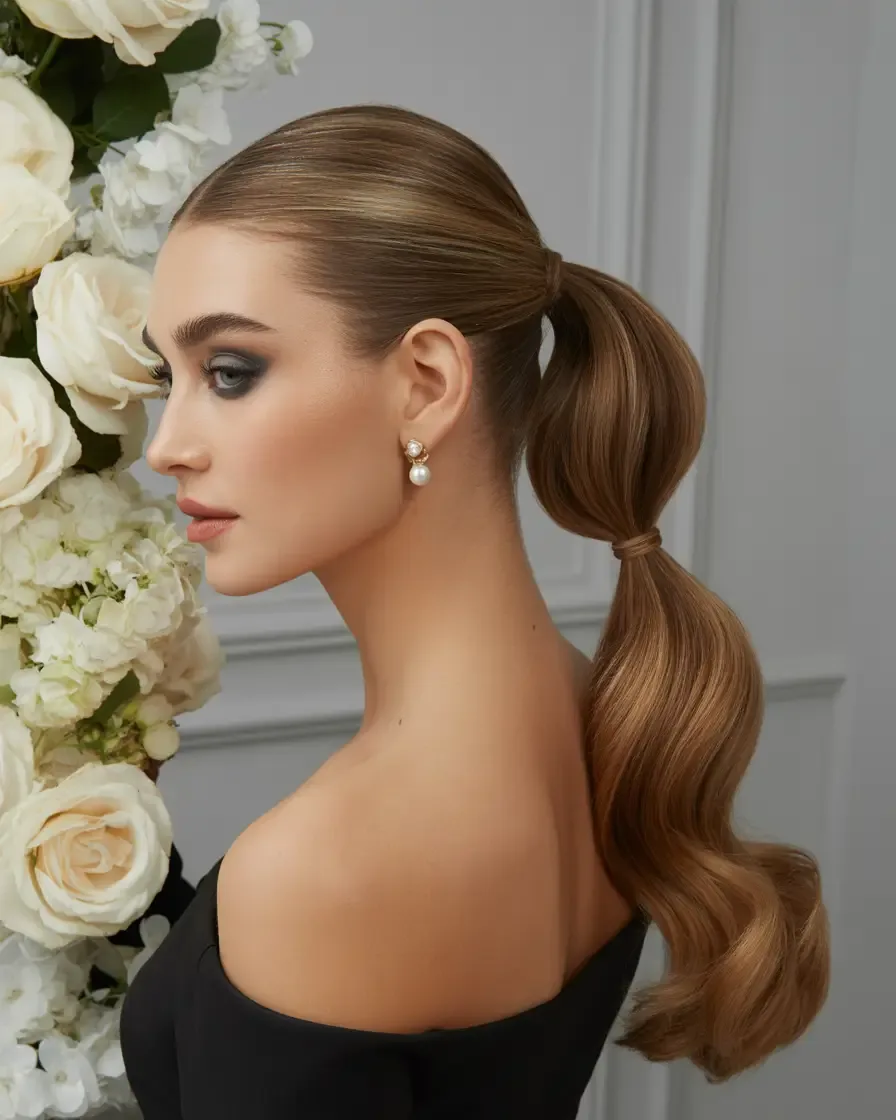
A high ponytail feels fresh and energetic, and with the right finish it is far dressier than it sounds. The key is the polish: smooth roots, a wrapped base, and a tail that swings in one glossy sheet rather than a frizzy cloud. It keeps the neck cool on a hot race day, it shows off earrings beautifully, and it pairs well with a small fascinator worn to one side.
Pros and cons: it is quick, it keeps you cool, and it suits most hair types. The downside is movement: a long tail will swing and can blow across your face in the wind. Quick verdict: a great choice for a relaxed country meeting or a sunny day at the track, especially if you braid the tail loosely once it is up, which stops the swinging completely.
Romantic Loose Curls
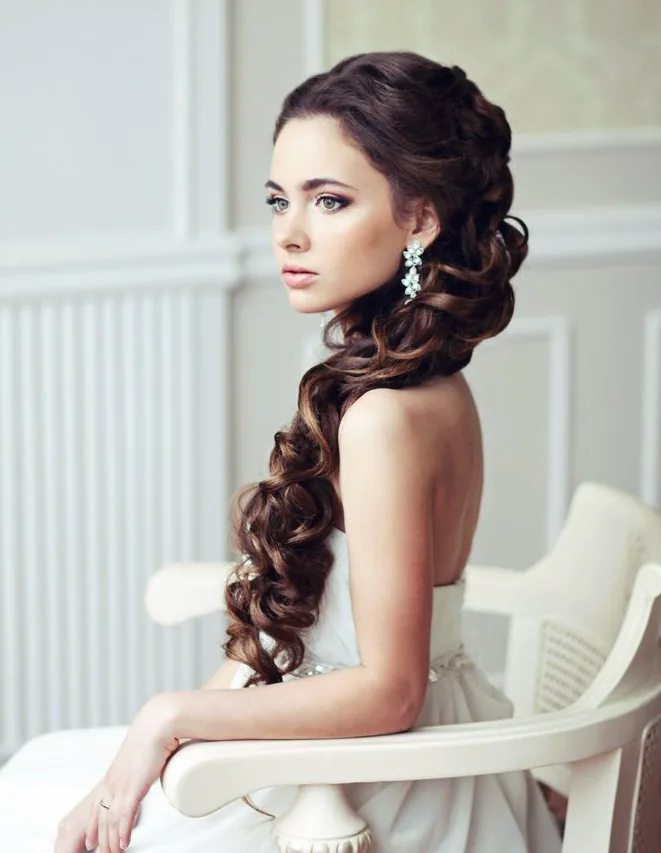
Romantic loose curls are the softest, most feminine way to wear long hair to the races, and they suit a floaty dress and a wide-brim hat perfectly. The curls are large and loose, brushed out so they move like waves rather than tight ringlets, and they frame the face without hiding it. It is a lovely choice for a first race day, when you want to look special without feeling overdone.
How to style: curl the hair in large sections away from the face, let the curls cool completely, then brush them out gently with a wide-tooth comb. Common mistake: curling the hair too tightly, which turns romantic waves into ringlets by the second race. Use a large barrel, keep the ends out of the iron for the last inch, and finish with a light shine spray rather than a heavy hairspray.
The Braided Low Bun
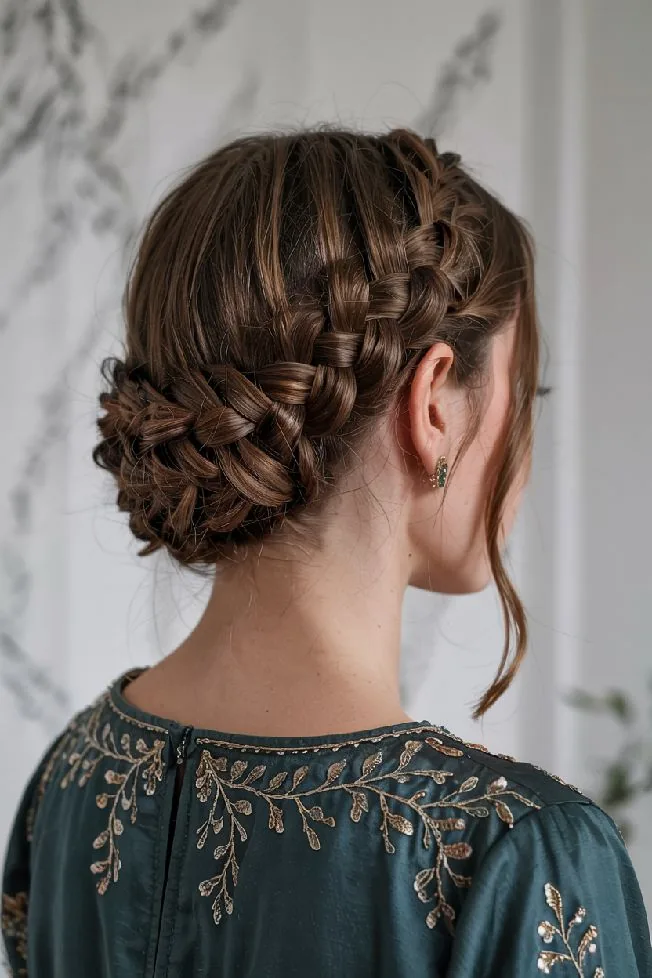
This style combines the two most reliable race-day techniques, a braid and a bun, into one. You braid the hair first, then coil the braid into a low bun, so the hair is locked twice over. It is the style to choose for a long race meeting, a windy day, or any day when you will not get a proper chance to fix your hair until the evening.
Best for: long or thick hair that escapes from ordinary buns. The braid stops the bun from unravelling, and the bun stops the braid from swinging. Maintenance: almost none, which is the point. Coil the braid flat against the head and pin through the braid itself, not just around it, and it will sit neatly from the first race to the last.
A Half-Up Twist
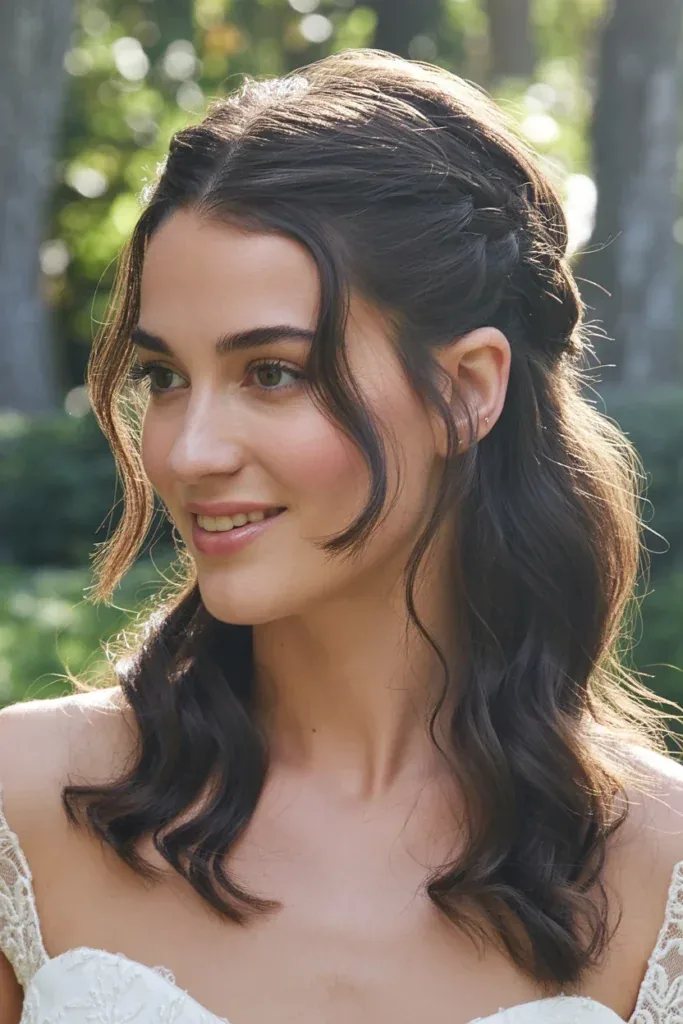
The half-up twist is the compromise style: the top half of your hair is secured out of your face, while the bottom half stays loose and looks relaxed. It works beautifully with a fascinator, which can be clipped into the twisted section, and it keeps the front pieces from blowing across your face while the rest of the hair moves softly in the breeze.
Pros and cons: it keeps the front out of your eyes and looks effortlessly stylish. The catch is the loose bottom half, which can tangle in the wind on a blustery day. Who should avoid it: anyone expecting strong wind, unless they pin the loose hair to one side. On a calm day, it is one of the prettiest styles in this guide.
The Elegant Top Knot
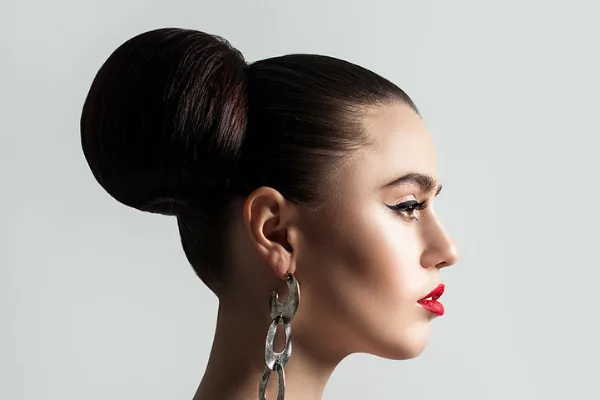
An elegant top knot is the most polished version of the classic bun: high, smooth and sculpted, with not a strand out of place. It lifts the face, shows off the neckline of your dress, and gives a fascinator a clean, uncluttered base to sit against. It is a favourite for formal race days, when the dress code is strict and the photographs are guaranteed.
Cost and time: about ten minutes with a hair doughnut for perfect shape, and no expensive tools. What to ask for: if you are having your hair done professionally, ask for the knot to sit at the crown rather than the very top of the head, so a fascinator can be placed just in front of it. A top knot that is too high will fight with your headpiece all day.
Side-Swept Vintage Waves
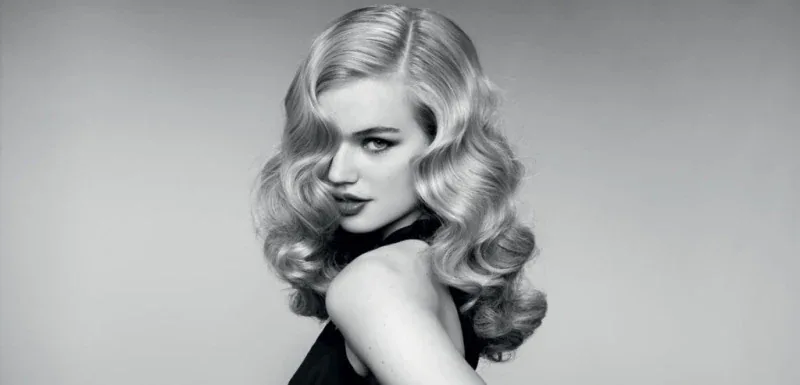
Side-swept vintage waves bring old Hollywood glamour to the racecourse, and they are made for a wide-brim hat. The hair is parted deeply on one side and waved into smooth, sculpted curves that sweep across the forehead and fall over one shoulder. It is dramatic, romantic, and one of the most photographed looks at any race meeting.
How to style: set the waves with a curling iron, pin each curl to cool, then brush them out into one smooth wave and pin the top section flat on the swept side. Common mistake: leaving the waves too loose, so they drop into ordinary curls by the second race. A strong-hold setting spray before curling, and patience while the curls cool, is what makes the vintage shape last all day.
The Dutch Braid Crown
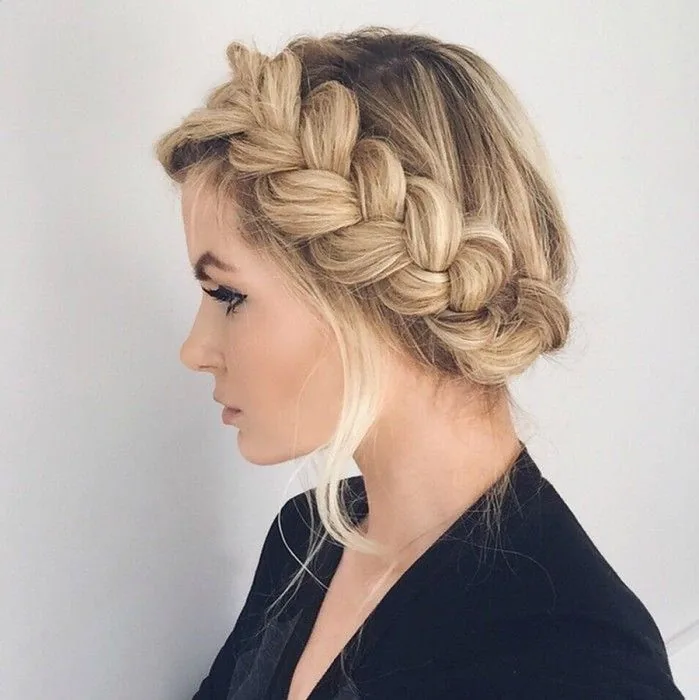
A Dutch braid crown looks like you spent an hour on your hair, when really it is one of the most secure styles you can wear to the races. The braid runs around the head like a headband, so there is no tail at all to blow in the wind, and the raised braid catches the light beautifully in photographs. It is a favourite for outdoor race meetings and garden parties at the track.
Best for: medium to long hair, and anyone who hates ponytails. The crown suits round and oval faces especially well, since it adds height at the top. Maintenance: pin the end of the braid under the start with two crossed bobby pins, and mist with hairspray before you leave the house. If a piece escapes during the day, tuck it back and add one pin rather than redoing the whole crown.
A Low Ponytail with a Silk Ribbon
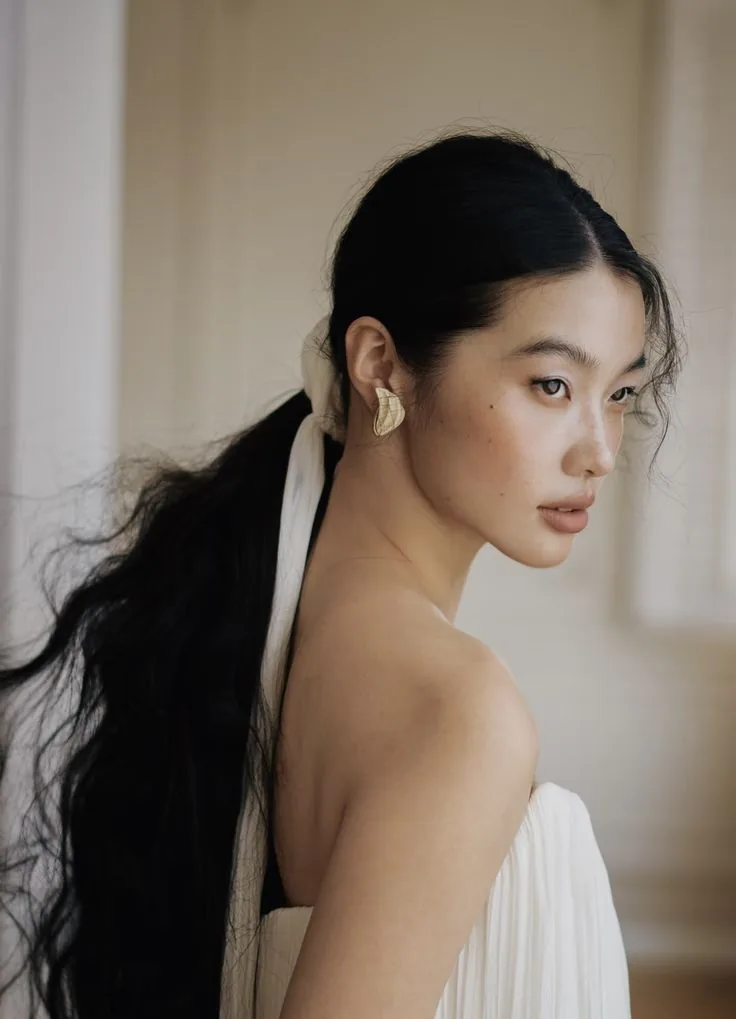
A low ponytail tied with a silk ribbon is the quiet, elegant cousin of the high ponytail, and at the races it is the better choice. It sits below the hat line, it does not swing, and it does not pull on the crown during a long day. The ribbon makes it look intentional rather than thrown together, and you can match the ribbon to your dress, your hat, or even your horse’s colours.
Pros and cons: it is comfortable for hours, gentle on fine hair, and easy to redo in seconds. The trade-off is that it is less secure than a bun for very long hair, so braid the tail if your hair passes your shoulders. Quick verdict: the best low-effort style in this guide for a first race day, and one that looks lovely in photographs.
The Textured Lob
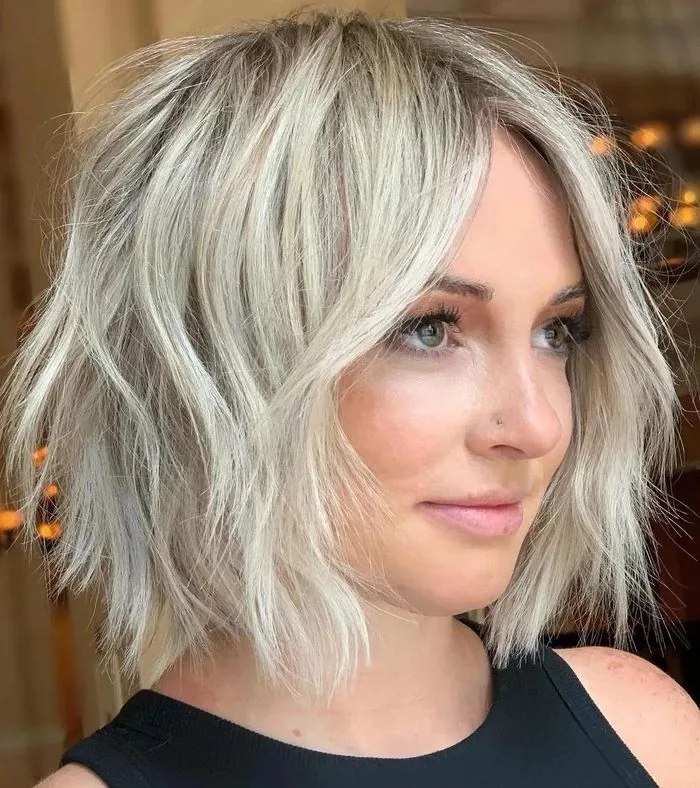
A textured lob is one of the best haircuts for a regular racegoer, because it is short enough to behave in the wind on its own. Worn with a little texture and a side part, it frames the face, stays clear of the hat brim, and needs almost no styling at all. It is the lowest-maintenance style in this guide, and it looks good even after six hours in the sun.
Pros and cons: no pins, no elastics, no mid-day fixes, and it dries quickly if you get caught in a shower. The only catch is the front pieces, which can blow across your face when you lean forward to watch the finish. Two small clips at the temples solve that in seconds. Quick verdict: if you are thinking of cutting your hair shorter before race season, this is the cut to ask for.
A Fishtail Braid Over One Shoulder
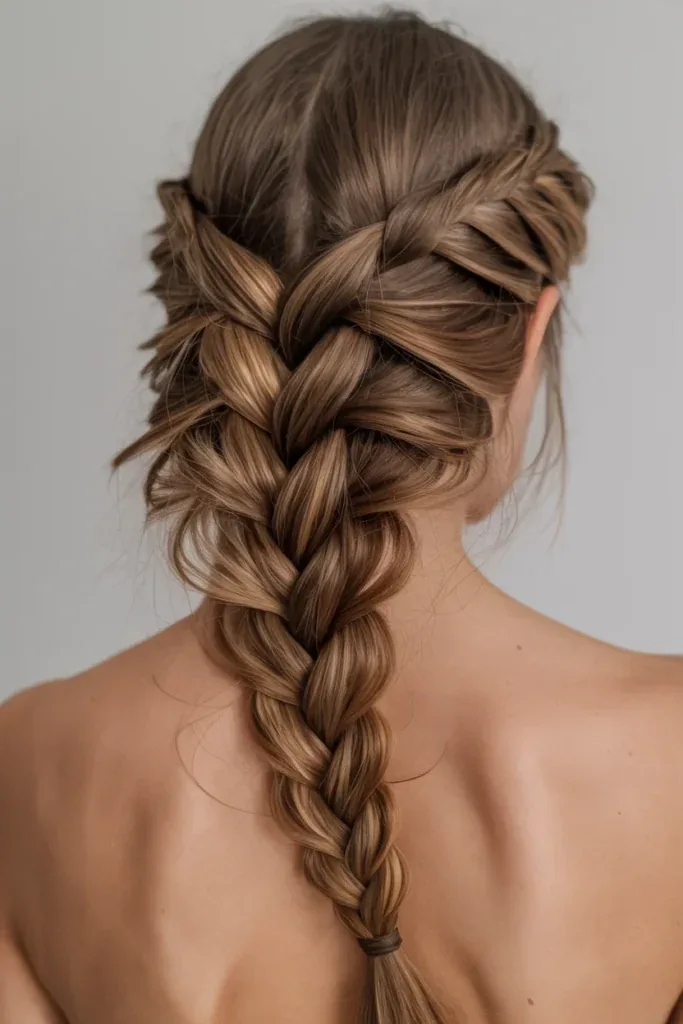
A fishtail braid worn over one shoulder keeps the hair visible in front-facing photographs while still keeping it under control, as long as you pin the braid to your shoulder or dress strap. The fine, woven texture of a fishtail holds together better than a regular three-strand braid, so it survives hours of walking, sitting and cheering without unravelling.
Best for: long, thick hair, where the fishtail pattern really shows. Common mistake: letting the braid hang free in a strong wind. A free braid swings across your face exactly when you lean forward to watch the finish. One small clip attaching the braid to your dress strap solves it completely, and nobody at the races will even notice it is there.
The Messy-Chic Low Bun
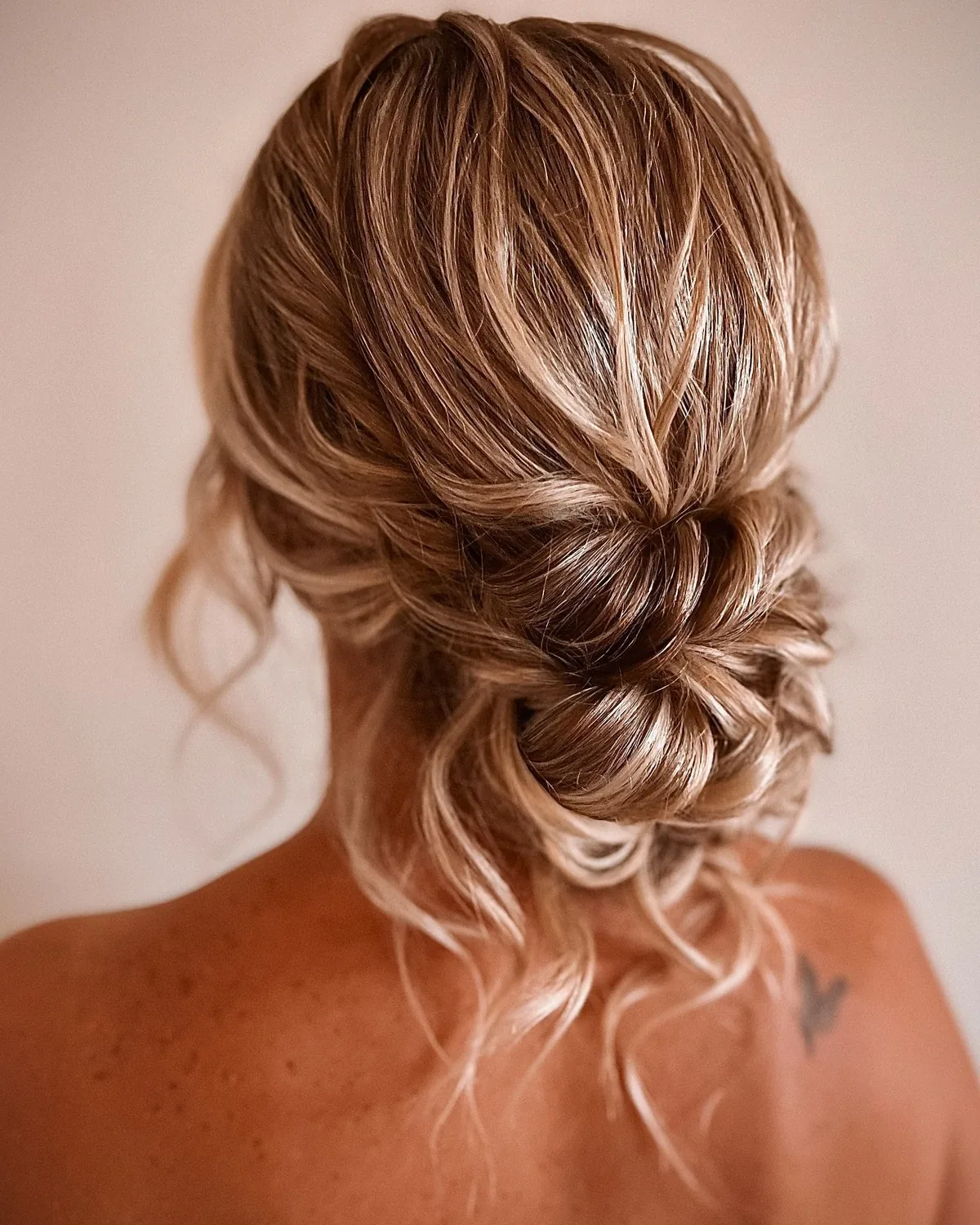
The messy-chic low bun is for the racegoer who wants to look like she tried, without actually trying very hard. A loose, soft bun keeps the hair up and out of the wind, while a few face-framing pieces left out keep it looking relaxed and romantic rather than severe. It suits a floaty dress, a garden-party atmosphere, and a day when you want comfort as much as polish.
How to style: gather the hair into a low, loose bun and pin it softly so it keeps its relaxed shape, then pull out two thin pieces at the front. Common mistake: making the bun too loose, so it collapses by the third race. The trick is a firm base with a soft finish: secure the bun tightly at the nape, then gently pull at the edges to loosen the surface.
A Sleek Middle-Part Blowout
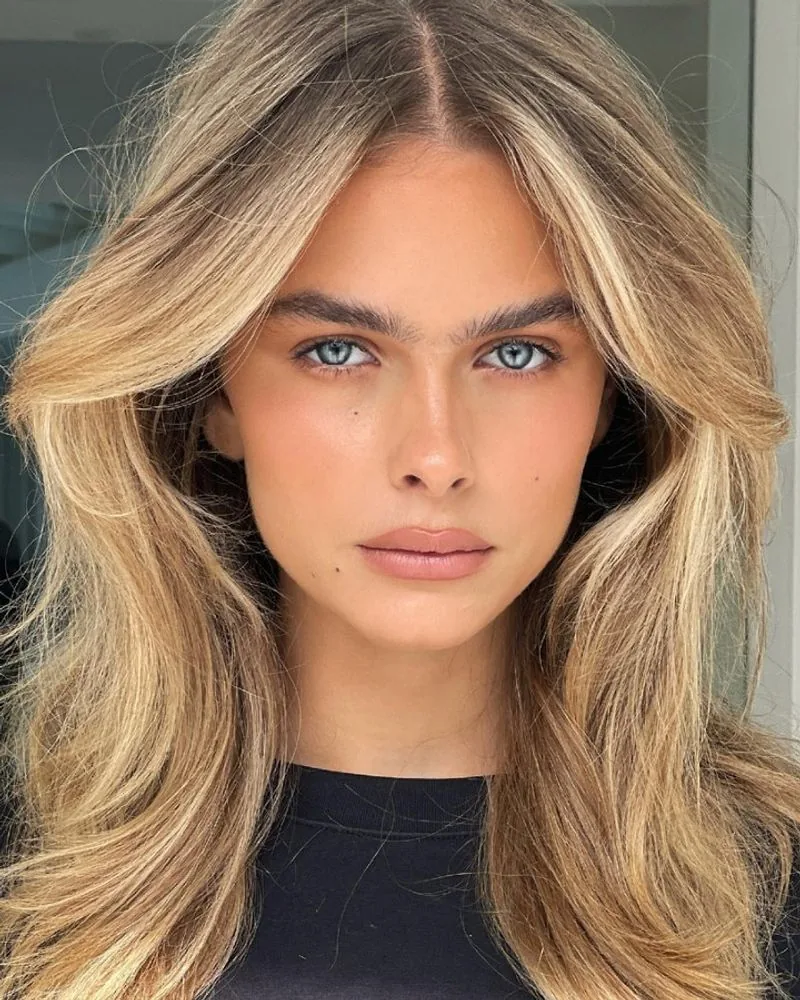
A sleek middle-part blowout is the modern, minimalist race-day look: smooth, glossy hair with a centre part, blow-dried straight with a slight bend at the ends. It is understated, expensive-looking, and it lets a statement hat or a bold dress do all the talking. It also works beautifully under a wide-brim hat, since the smooth crown is exactly what a hat wants to sit on.
Best for: straight and fine hair, where the sleek finish really shows. What to ask your stylist: ask for a blowout with a round brush and a cool shot at the end, which seals the cuticle and adds shine. Quick verdict: the lowest-fuss style in this guide for straight hair, and one that looks just as good in the last race photograph as in the first.
The Bubble Braid
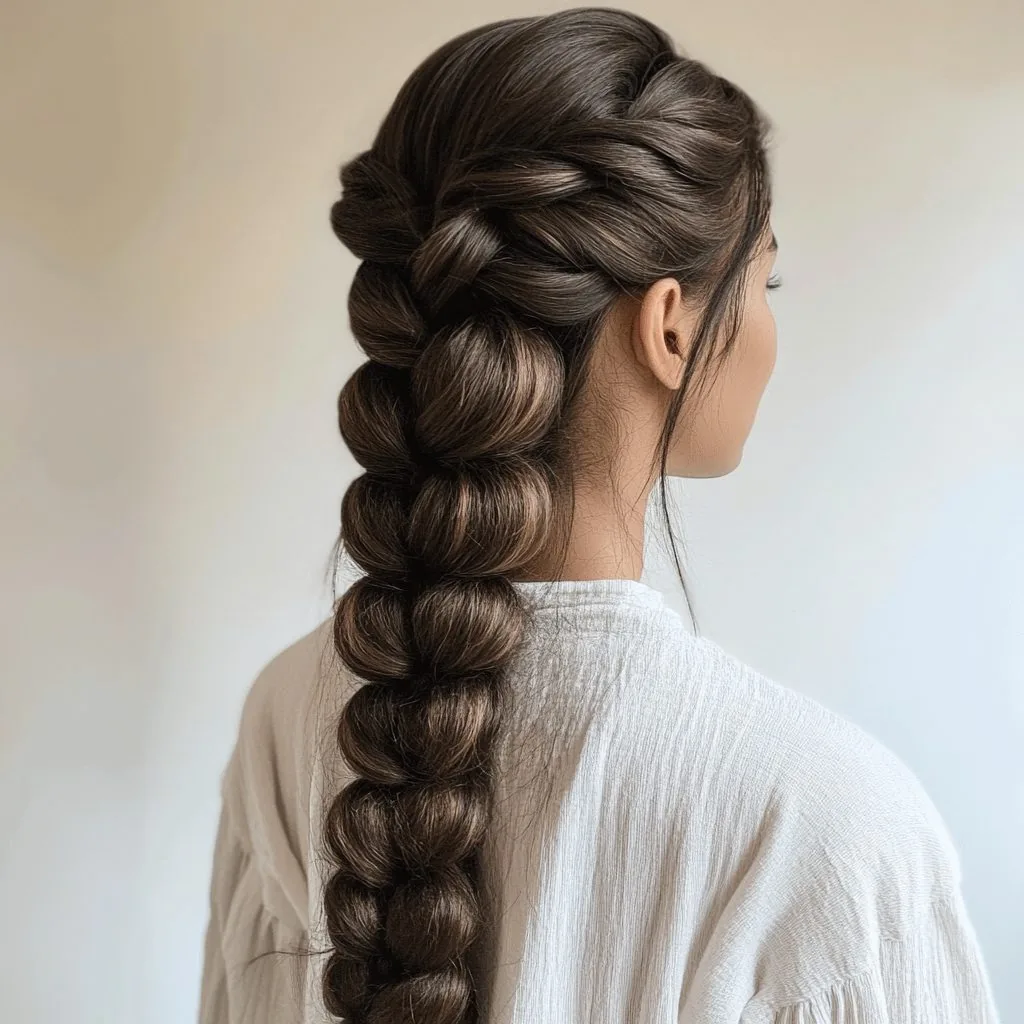
The bubble braid is pure fun, and it is surprisingly race-day friendly. Because the hair is divided into sections by elastics all the way down, nothing hangs loose, and each bubble is anchored, so the style does not blow around when the wind picks up. It also photographs wonderfully, which matters at a race meeting where the camera is always out.
How to style: make a high or low ponytail, then add elastics every few inches down the tail and gently pull each section wider to form the bubbles. Who should avoid it: anyone with very fine hair, since the bubbles can look thin and the elastics can snag. Use fabric-covered elastics and a little texturising spray first, and the bubbles will hold their shape all day.
A Curly Half-Up Style
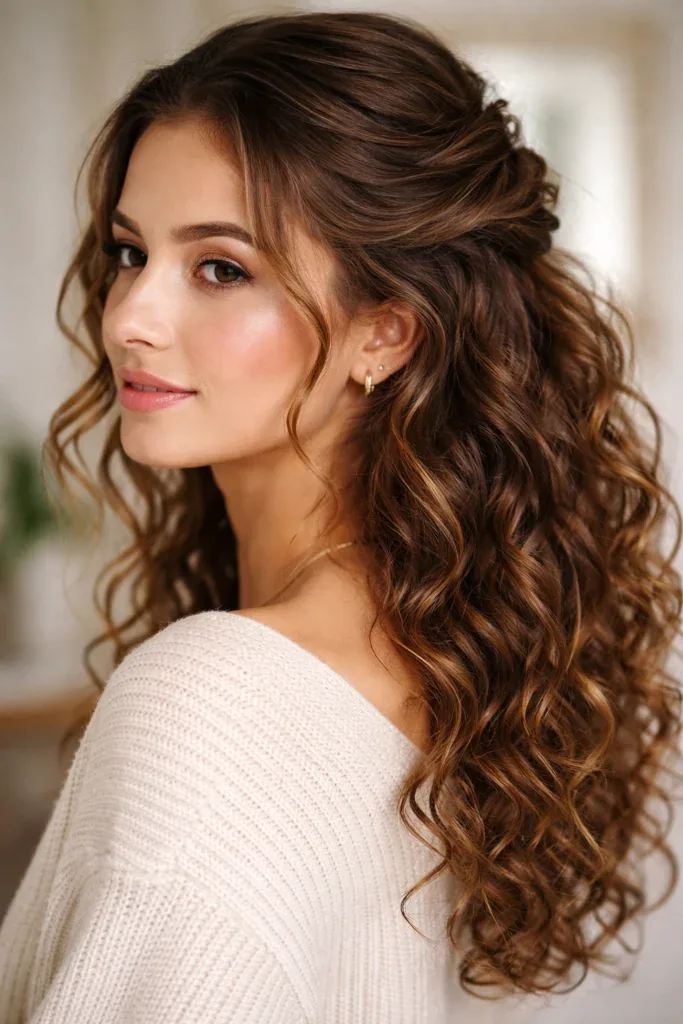
Curly hair has a mind of its own at the races, and a half-up style is one of the kindest ways to manage it. The top section is gathered up and out of your face, while the curls underneath keep their shape and bounce. The style protects the curl pattern, since the hair is not being pulled flat, and it keeps the front pieces from blowing across your face in the wind.
How to style: gather the top half of the curls, twist them once and pin them with a decorative clip or a small claw clip. Maintenance: after the races, refresh the curls with water and a little leave-in conditioner rather than brushing them out. Common mistake: using a clip that is too small, which pops open halfway through the day. Choose a clip that spans the full width of the gathered section.
The Classic French Braid
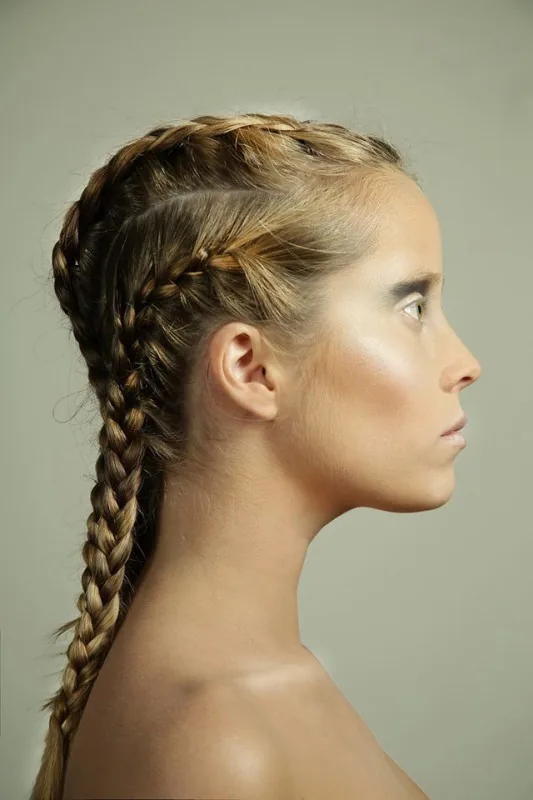
A French braid is the hardest-working braid at the races because it locks the hair to the scalp from the crown down. Nothing hangs loose, nothing blows across your face when the wind picks up, and the braid itself gets more secure the longer you wear it. It also handles sun and breeze well, since the hair is packed tightly and very little surface is exposed.
Common mistake: braiding too loosely at the top, which lets the crown puff out and catch the wind. Start tight at the hairline and ease off only near the ends. Maintenance: if the braid loosens by the last race, you can re-braid just the last few inches without undoing the whole thing. Tie the end with a snag-free elastic and tuck the tail under your jacket or dress strap.
A Voluminous Blowout
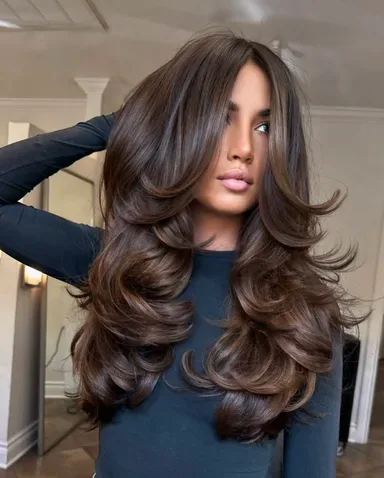
A voluminous blowout is the big, bouncy, feel-good race-day style: full of movement, shine and body, with the ends flicked out or curled under. It looks fantastic in the paddock photographs, it suits a wide-brim hat worn further back on the head, and it makes even a simple dress look like an occasion outfit.
Pros and cons: the volume and movement are unbeatable, but a blowout is the first style to suffer in humidity or wind. How to make it last: ask your stylist for a strong-hold mousse at the roots and a cool shot to set each section, and carry a travel-size dry shampoo for the crown. If the wind wins, pin one side back behind the ear and let the blowout become a soft side-swept style instead.
The Side Chignon
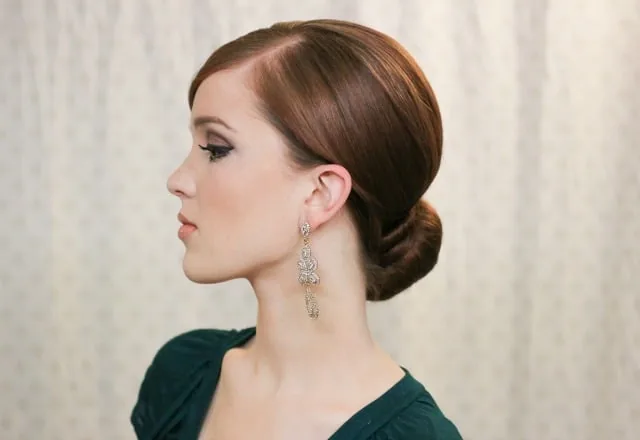
A side chignon moves the classic low bun to one side, and the small change makes a big difference. It is softer and more romantic than a centred bun, it shows beautifully in side-on photographs, and it leaves one side of the neckline free, which suits an asymmetric dress or a one-shouldered outfit. It also gives a fascinator a clear, uncluttered spot on the opposite side.
Best for: medium to long hair, and anyone wearing a dress with a detailed neckline on one side. How to style: part the hair deeply to one side, sweep it all to the opposite side, and pin it into a soft roll just behind the ear. Quick verdict: elegant without being stiff, and one of the easiest updos to do yourself on race morning.
A Braided Headband Style
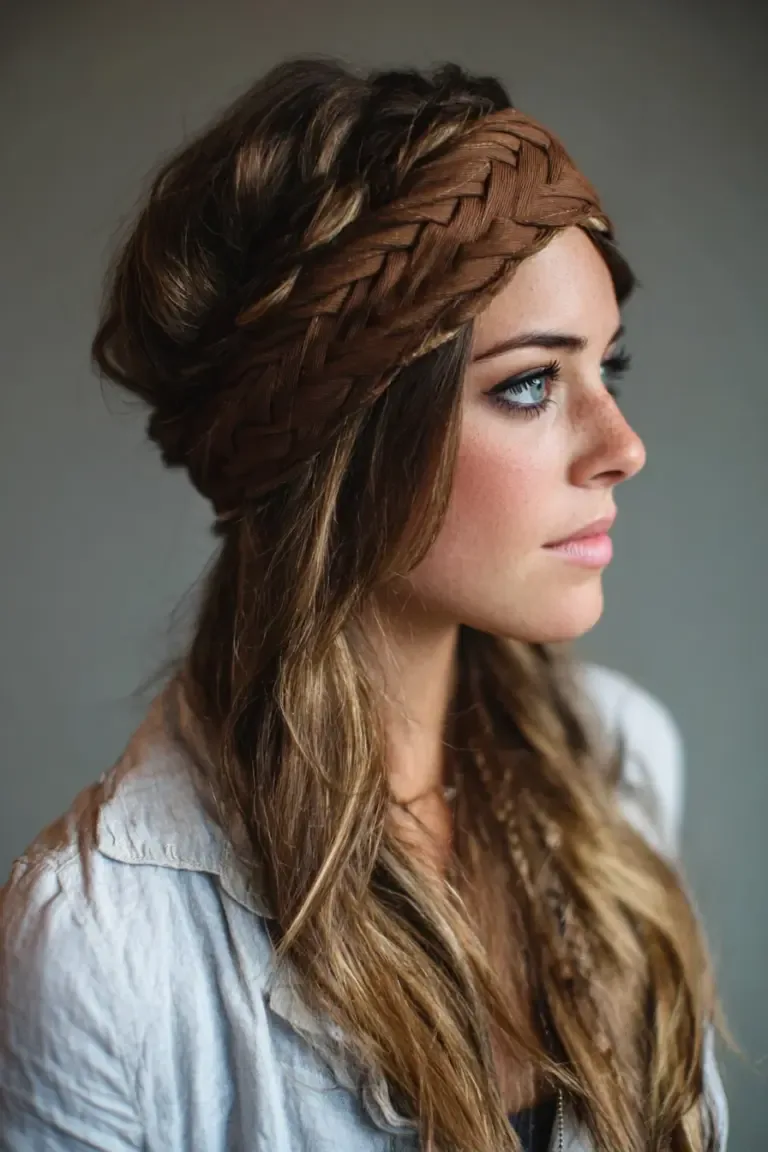
A braided headband is a small braid worn across the front of the hair like a hairband, and it solves the most common race-day hair problem: the front pieces blowing into your eyes. It works with the rest of the hair worn up or down, so it pairs with almost every other style in this guide, and it looks lovely in its own right.
How to style: take a section of hair from behind one ear, braid it, and bring it across the front of your head, pinning it behind the other ear. Pros and cons: it holds the front back all day with no elastic and no headband to slip. The catch is that it takes a little practice to braid neatly across the front, so try it at home once before race day.
The Low Twisted Bun
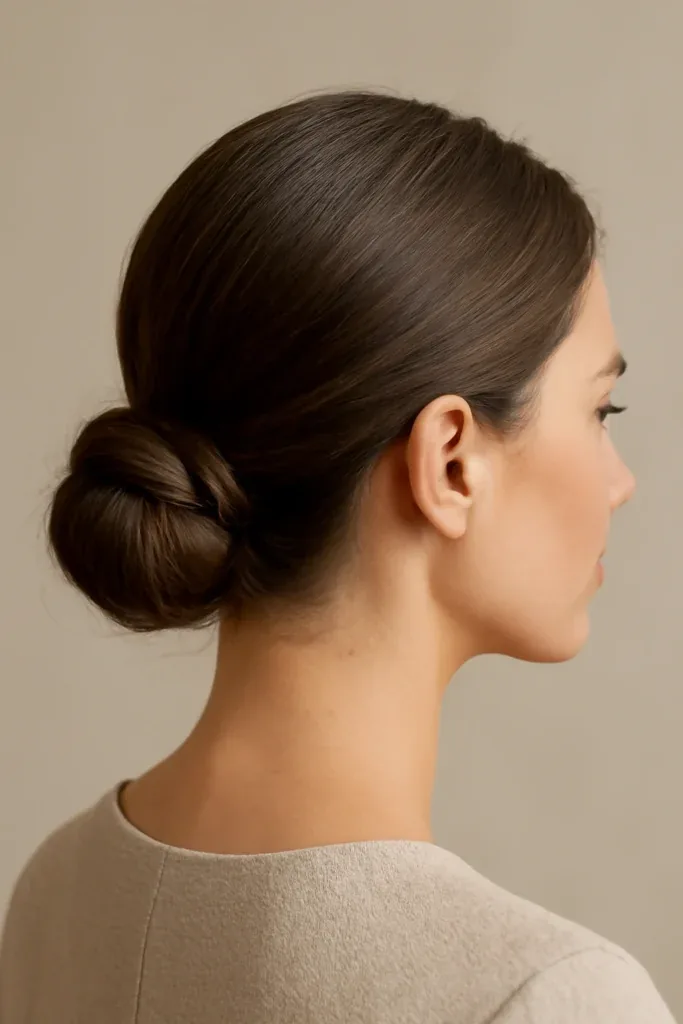
A low twisted bun is the softer sister of the classic low bun. Instead of coiling the hair, you twist two sections around each other and pin the twist low at the nape. It has a lovely, rope-like texture that looks more interesting than a plain bun, and the twist itself grips the hair, so it holds even on smooth, fine hair that usually slips out of pins.
How to style: part the hair, twist each side towards the back, cross the twists over each other and pin the ends underneath. Common mistake: twisting too loosely at the nape, which lets the bun sag by the afternoon. Keep the first twist firm, and the rest will follow. A single U-shaped pin through the centre of the twist is worth more than five pins around the edge.
A Pixie with a Headpiece

A pixie cut is the ultimate race-day haircut: nothing blows around, nothing needs pinning, and a fascinator has a neat, compact base to sit on. Add a headpiece and you have the front pieces handled too, plus a pop of colour that makes the whole look feel finished. It is the style for racegoers who want to think about their hair as little as possible.
Pros and cons: zero mid-day maintenance, fast to style in the morning, and it always looks neat. The trade-off is styling range: you cannot braid or bun a pixie, so the headpiece and a little texture paste are your main tools. Who should avoid it: nobody for practical reasons, but if you love long hair, this is a big commitment. Try a faux-pixie pin-up first to see if you like the feeling.
The Rope Braid Ponytail
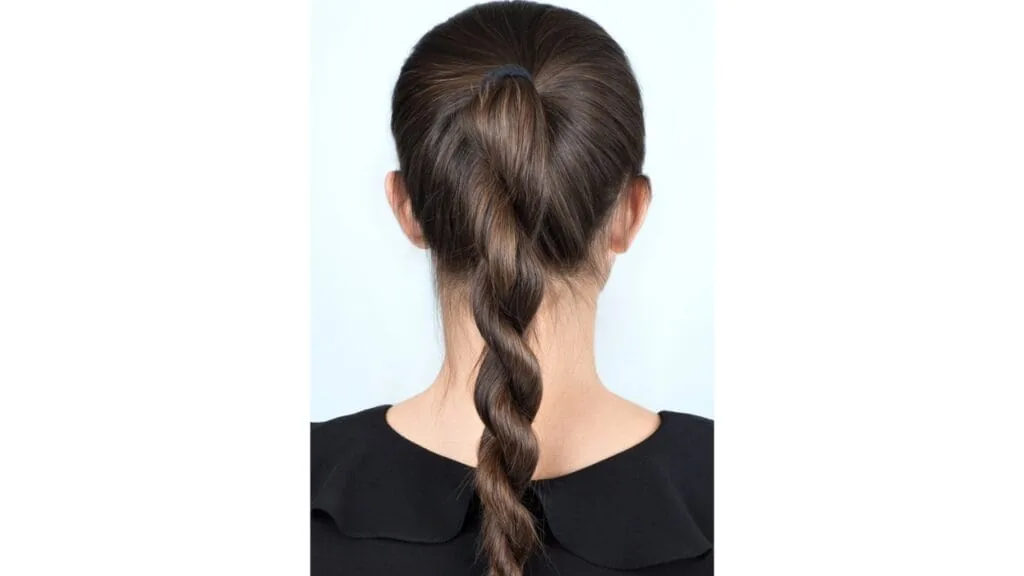
A rope braid is made by twisting two sections of hair around each other, and it is one of the fastest braids to learn. As a ponytail, it keeps the tail compact and controlled, so it does not swing or shed flyaways the way a loose ponytail does in the wind. It looks neat, a little bit nautical, and it holds up beautifully through a long day at the track.
Best for: straight or slightly wavy hair, where the rope texture shows clearly. How to style: gather the hair into a ponytail, split it in two, twist each section the same way, then twist them around each other in the opposite direction and secure the end. Quick verdict: quicker than a French braid, more secure than a plain ponytail, and a great first braid to learn before race day.
Soft Waves with a Headband
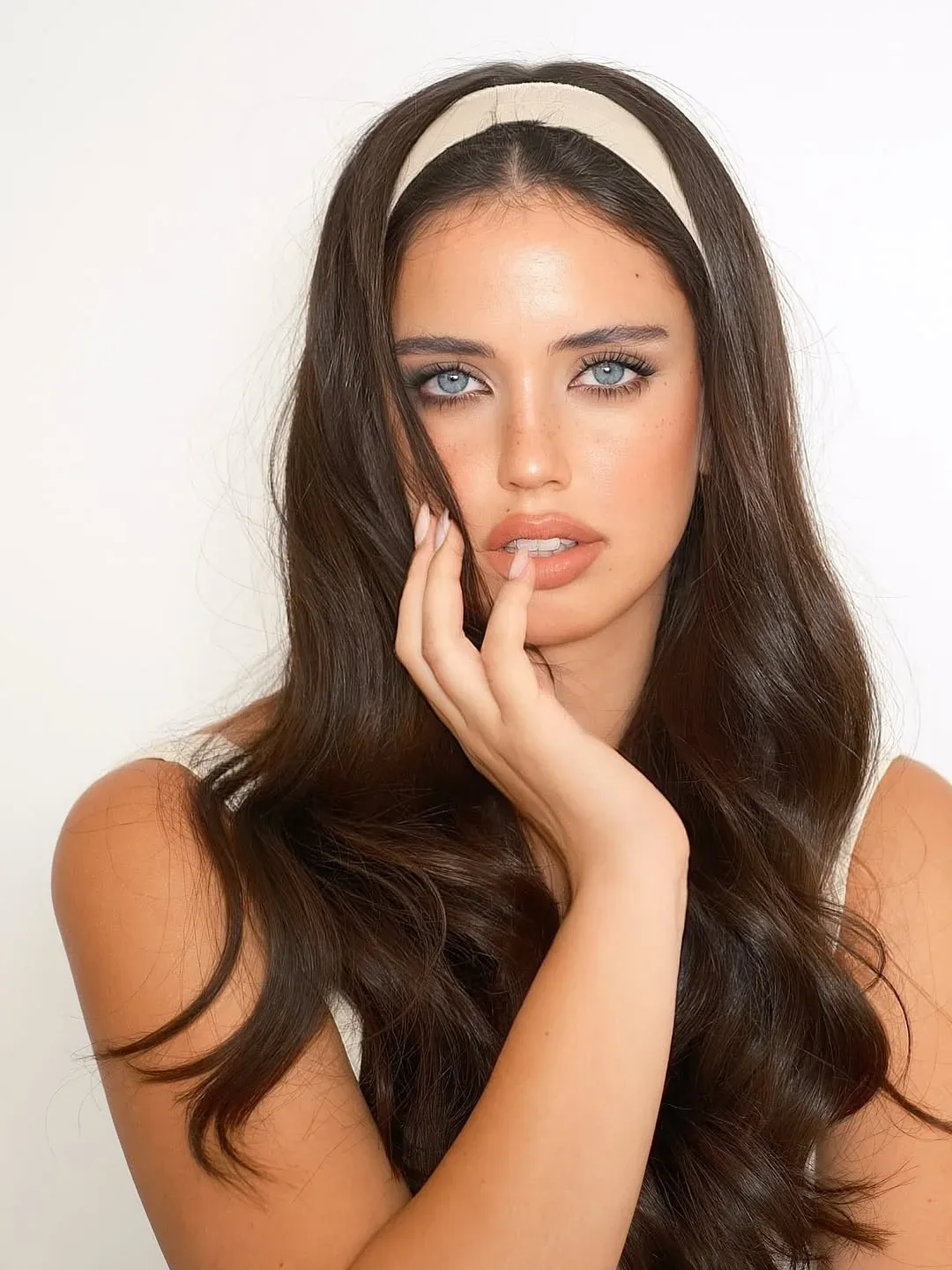
Soft waves with a headband are the easy, pretty race-day look: the waves give movement and romance, while the headband holds the front back and adds a polished finish. It works with a fascinator clipped just behind the headband, or on its own for a more relaxed meeting, and it suits almost every face shape.
Maintenance: almost none, which is the joy of it. Cost and time: a headband costs very little, and the style itself takes under fifteen minutes with a curling iron. Choose a fabric headband rather than a thin metal one, since fabric grips better in the breeze and does not slide once the sun warms it up.
The High Bun Under a Hat
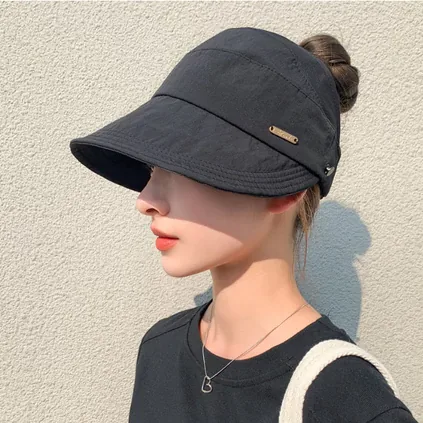
A high bun under a wide-brim hat sounds like a contradiction, but it works if the bun is placed right. The trick is to wear the bun low enough to clear the hat crown, or to choose a hat with a tall crown that has room for it. Done well, it is one of the most striking race-day looks: the hat frames the face, the bun adds height, and the whole silhouette looks intentional and dramatic.
Common mistake: building a tall bun and then forcing a low-crowned hat over it, which flattens the bun and pushes the hat up at a strange angle. How to get it right: try the bun and the hat together at home, and if they fight, lower the bun to the crown or choose a different hat. A smooth, compact bun always fits better than a loose, tall one.
A Romantic Milkmaid Braid
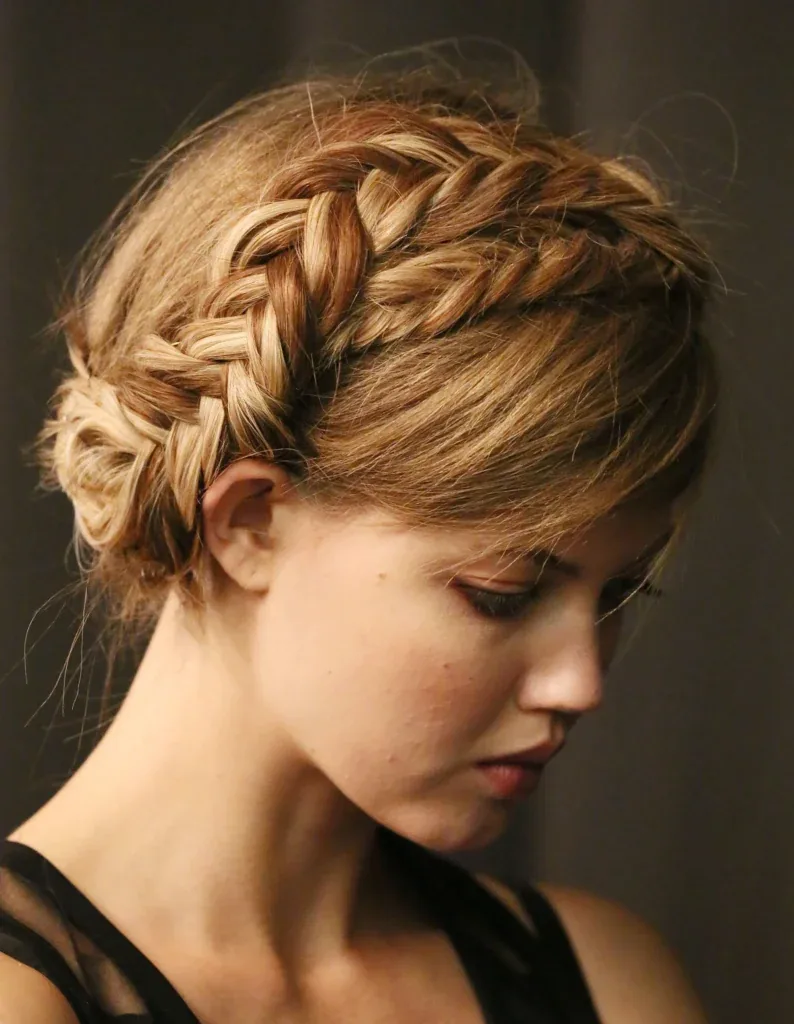
A milkmaid braid wraps two braids across the top of the head like a crown, and it is one of the most romantic styles you can wear to the races. There is no tail, no swing and nothing to blow in the wind, and the braided crown frames a fascinator beautifully. It suits a floral dress, a garden-party atmosphere, and a day when you want your hair to be part of the outfit.
Best for: long hair, and anyone who wants a style that will not move all day. How to style: braid the hair into two plaits, bring each one up and across the head in opposite directions, and pin them in place. Maintenance: pin the join at the back with two crossed pins, and mist with hairspray before you leave. If a piece escapes, tuck it back and add one pin rather than redoing the whole crown.
The Sleek Straight Look
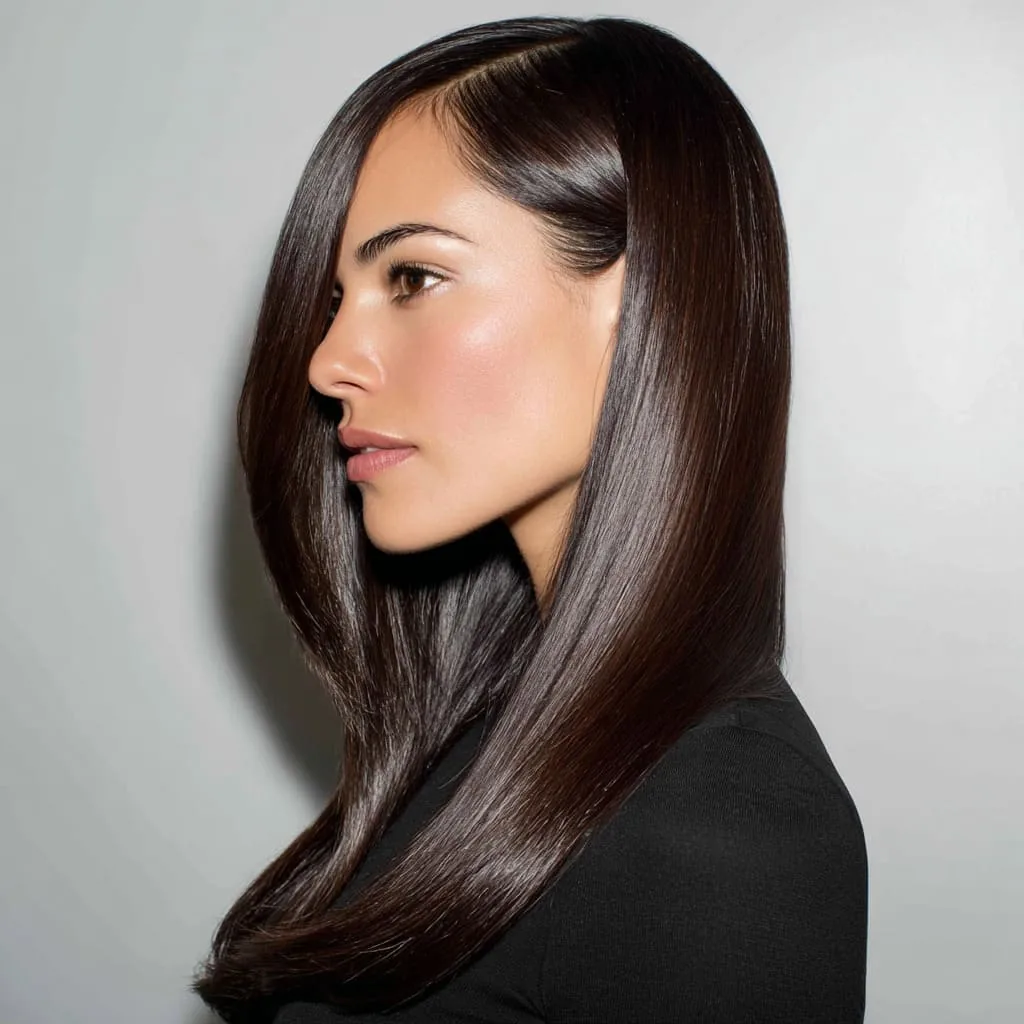
Straight hair slips out of pins more easily than any other hair type, which is why a sleek straight look is such a good race-day choice for it. The hair is blow-dried smooth and straight, with a centre or side part, and left to fall in one glossy sheet. It is simple, it is chic, and it stays put, especially under a wide-brim hat, which presses the crown smooth anyway.
Best for: straight and fine hair, where braids and twists tend to slide out. What to ask your stylist: ask for a cut with slightly blunt ends, which sit more neatly than heavily layered ends. Quick verdict: the lowest-fuss style in this guide for straight hair, and one that looks just as good in the last photograph as in the first.
A Vintage Victory Roll Style
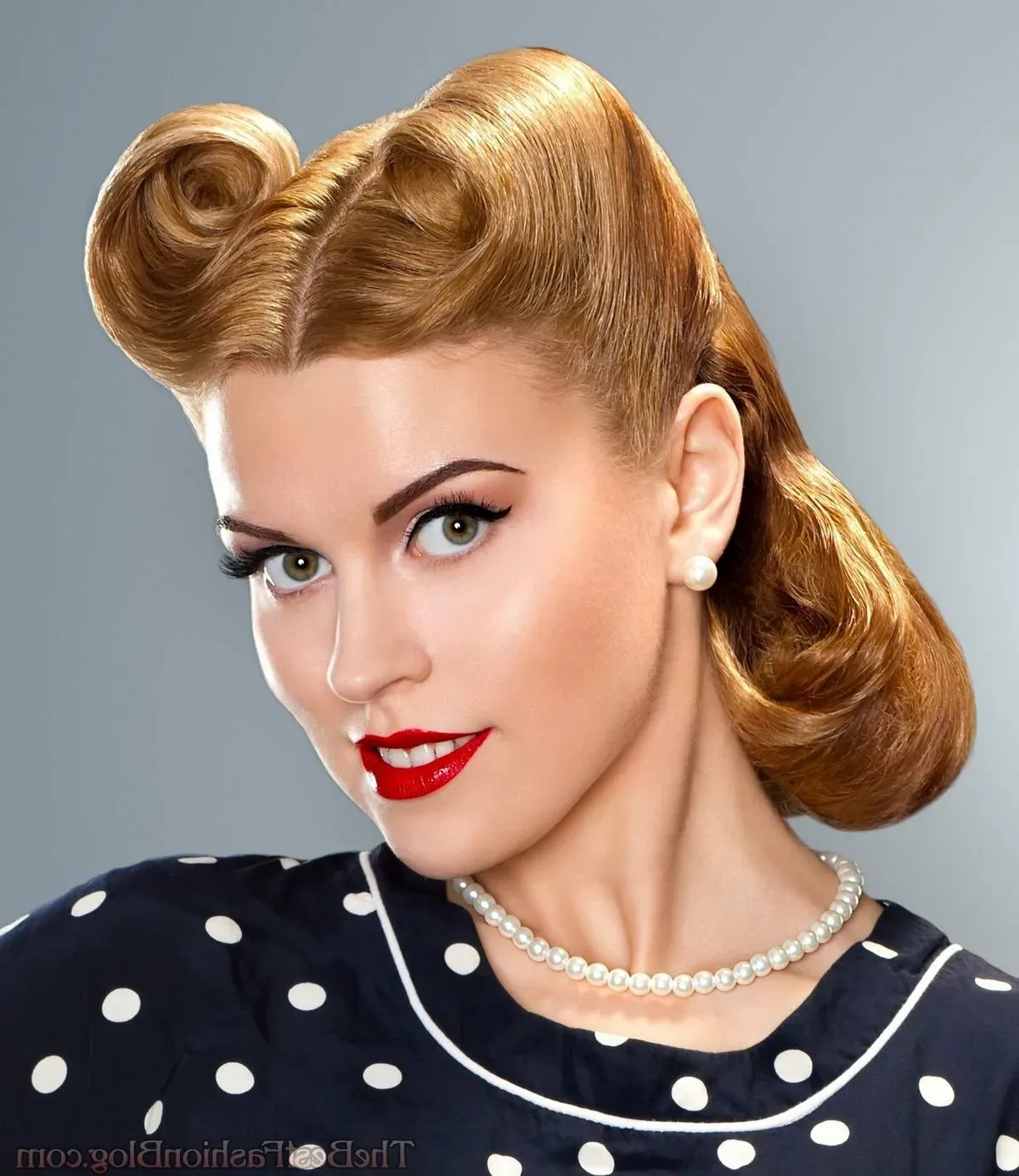
Victory rolls are the most dramatic vintage style in this guide, and they were made for race day. Two sculpted rolls frame the face, the rest of the hair is pinned up neatly behind them, and the whole look is pure 1940s glamour. It pairs beautifully with a small hat or a fascinator worn to one side, and it is one of the most photographed looks at any vintage-themed race meeting.
How to style: roll sections of hair at the front around your fingers, pin the rolls in place, and smooth the back into a low bun. Common mistake: making the rolls too big, so they overwhelm the face and fight with the hat. Keep them in proportion to your face, set them with strong-hold spray, and let them cool completely before you take the pins out.
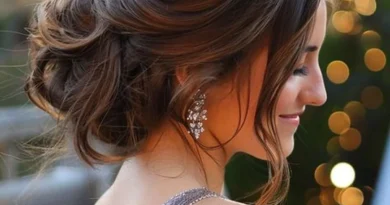
The Glamorous Hollywood Updo
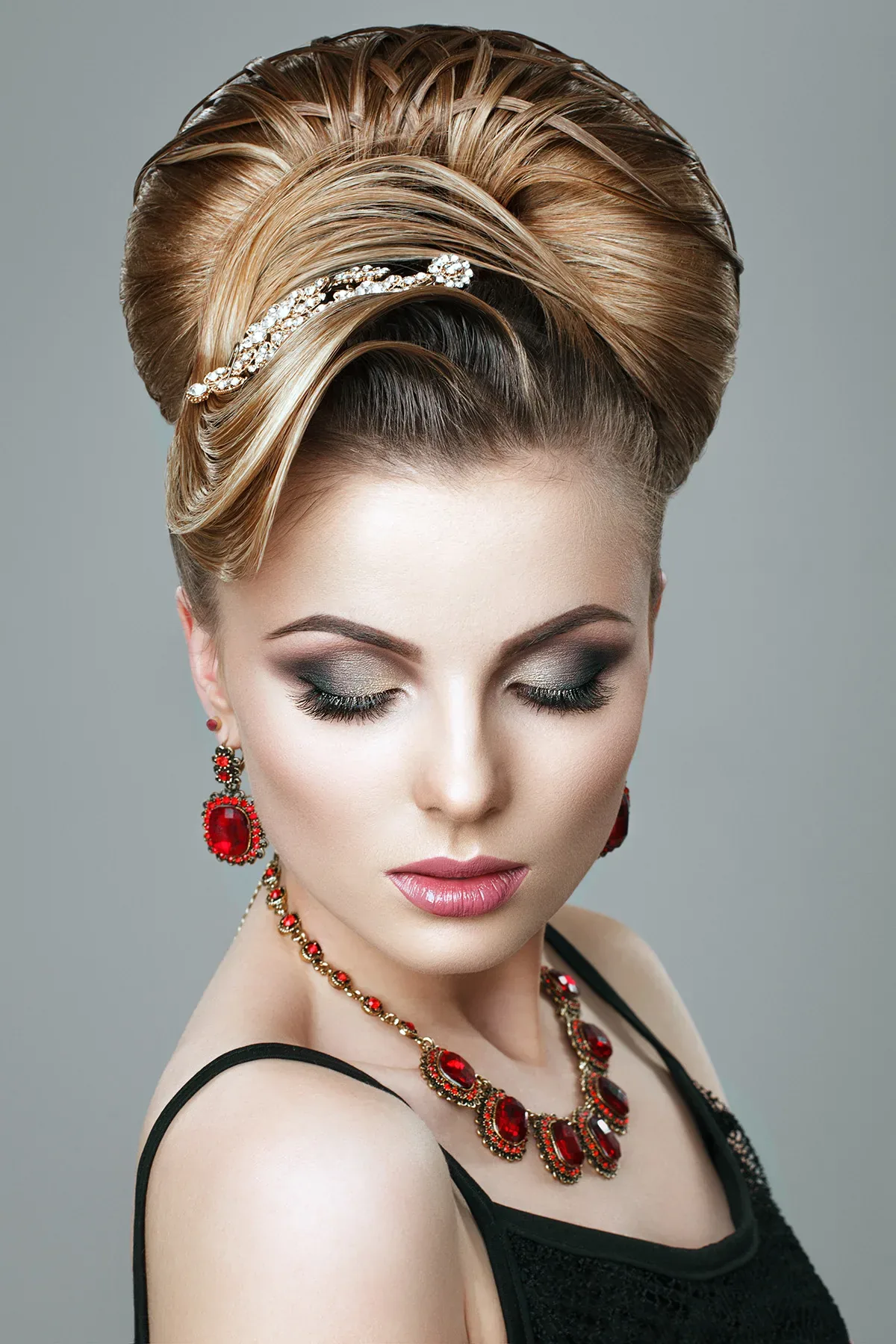
The glamorous Hollywood updo is the showstopper of this guide: a sculpted, swept-up style with soft volume at the crown, a smooth finish, and a few face-framing waves left loose at the front. It is the style for the biggest race day of the year, the one with the strictest dress code and the most cameras, and it looks as good from the back as it does from the front.
Best for: a formal race day, a members’ enclosure, or an evening celebration after the races. Cost and time: this is a professional-stylist style, so book ahead and bring your fascinator to the appointment. Quick verdict: if you only go to the races once a year and you want to feel like a film star, this is the style to choose.
What is the best hairstyle to wear under a fascinator?
A low chignon, a sleek low bun or a French twist. All three give a fascinator a smooth, firm base to grip, and none of them sits where the fascinator needs to go. Avoid high buns and tall volume at the crown, which push the fascinator out of place.
How do I stop my hair blowing around at the races?
Choose a style that is pinned in layers, like a braid, a bun or a twisted updo, and start with texture spray on damp hair so the style has grip. Pin the front pieces back, finish with flexible-hold hairspray, and carry two spare bobby pins for a quick fix between races.
Can I wear my hair down to a horse race?
Yes, you can, and soft waves or loose curls look beautiful at the races. The trick is to pin the hair back on at least one side so it cannot blow across your face, and to choose a calm day for it. On a windy day, an updo or a braid will be far more comfortable.
What hairstyle works best with a wide-brim hat?
Low styles work best: a low ponytail, a soft chignon at the nape, or loose waves that fall below the brim. Avoid anything tall or piled high, since the hat will squash it. Try the hair and the hat together at home before race day.
How do I make my hairstyle last all day at the races?
Start with texture spray or mousse on damp hair, blow-dry volume into the roots, and pin the style in layers rather than relying on one elastic. A little dry shampoo at the crown absorbs moisture through the afternoon, and a light mist of hairspray finishes the job without making the hair stiff.
What is the best race-day hairstyle for short hair?
A textured lob or a pixie cut is ideal, since short hair barely moves in the wind. Add a headband or two flat clips to keep the front pieces back, and a fascinator sits beautifully on top of a short style. A short bob with soft waves is another lovely option.
What should I do with curly hair at the races?
Gather the curls into a half-up style, a pineapple updo or a low bun with a satin scrunchie, and add a silk scarf or a headband for wind protection. Avoid tight ponytails, which stretch the curl pattern, and refresh the curls after the races with water and leave-in conditioner instead of brushing them out.
Should I wear my hair up or down to the races?
Either works, and it depends on the weather and your hat. Hair up is safer in wind and under a fascinator, and it keeps you cool on a hot day. Hair down looks softer and more romantic, especially with a wide-brim hat, but it needs pinning on one side. If you cannot decide, a half-up style gives you the best of both.
How can I fix my hair between races?
Carry a tiny hair kit: two bobby pins, a spare elastic, a mini comb and a travel-size hairspray. A sagging bun needs one more pin through the centre, a dropped wave can be re-curled with your fingers and pinned behind the ear, and flyaways smooth down with a little hairspray on a toothbrush.
What if it rains on race day?
Switch to a style that rain cannot ruin: a low bun, a braid or a sleek ponytail. Avoid blowouts and loose waves, which drop flat in damp air. Carry a small umbrella, keep a spare elastic in your bag, and remember that a hat is the best rain protection your hair can have.
Your Winning Look, From the First Race to the Last
Race day is at its best when you forget everything except the horses, and the right hairstyle is what lets you do that. Whether you choose the classic low chignon, soft Hollywood waves, a Dutch braid crown or a glamorous Hollywood updo, the test is always the same: put the hat on, shake your head gently, and check that nothing moves. If it holds through that, it will hold through the paddock, the stands, the sunshine and the breeze, and you can spend the whole day watching the racing instead of worrying about your hair.
So before your next race meeting, pick one style from this guide, try it on with your hat and your outfit, and pack your tiny race-day hair kit: two pins, a spare elastic and a mini comb in your bag. Your future self, standing at the rails as the horses thunder past, will be glad you did. These hairstyles for a horse race are not about looking perfect in the grandstand. They are about giving yourself one less thing to worry about, so you can enjoy the hats, the heels, the horses and the winning feeling, one beautiful, wind-proof style at a time.