Boots, Braids and Barrel Racing: Hairstyles for a Rodeo That Hold From Dawn Till the Last Dance
A rodeo is the hardest day your hair will ever work. It starts before dawn, runs through dust, wind and hot sun, and ends hours later on a dance floor — all while a cowboy hat sits on your head. The best hairstyles for a rodeo are built for that whole day: they hold under a hat, keep dust and stray strands out of your face during barrel racing, and still look good when the hat comes off for the last dance.
This guide starts with the hat, dust and wind basics every rodeo-goer should know, then works through 41 styles that actually survive the arena. Some are five-minute braids, some are simple ponytails with a smarter placement, and a few are cuts that make rodeo season easier every single weekend. Pick the one that fits your hair length, your hat and the kind of rodeo day you have planned.
Cowboy Hat First: How Hair Should Sit Under a Hat
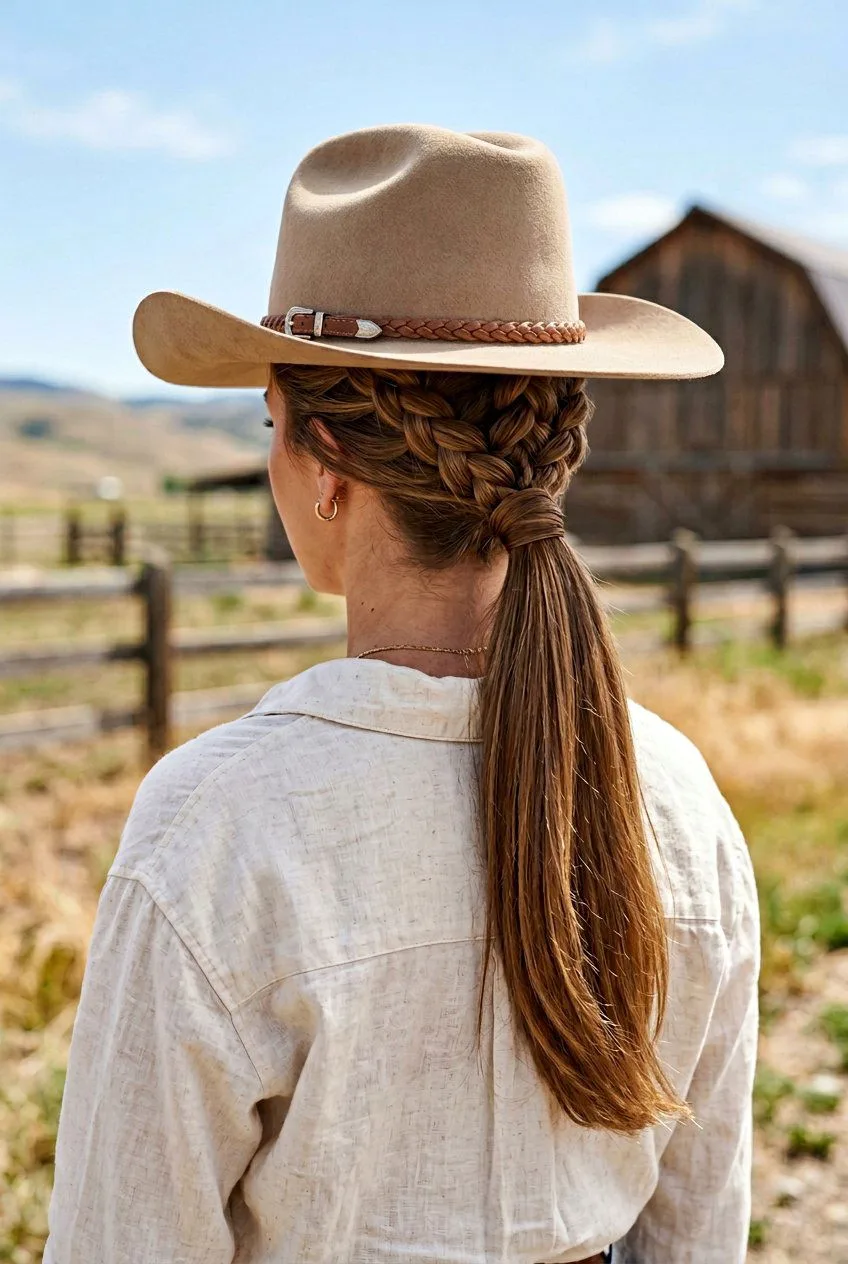
What it is: A hat-first approach means choosing the style around the cowboy hat, not the other way round. Hair should lie flat where the hat sits, with no bun or knot pressing against the crown and no bulky tie sitting under the brim.
Pros and cons: The payoff is comfort and a hat that stays put: it sits level, does not wobble when you walk the arena, and nothing shifts when you look up at the chute. The trade-off is that high buns and top knots are mostly out, and you may need to relearn a style you have worn for years.
Common mistakes: The classic error is putting a ponytail at the exact height of the hat’s inner band, so the hat rocks every time you move. Another is leaving loose strands at the nape, where they tangle in the hat’s sweatband. Test the fit at home: put the hat on, shake your head, and look up and down before you trust a style at the rodeo.
Maintenance and quick verdict: Keep a spare tie and a couple of pins in your pocket or purse, and re-check the hat fit after the first event, when sweat has loosened things. Verdict: if a style and a hat fight each other, the hat wins — change the style.
Dust, Wind and Sun: What a Rodeo Day Does to Your Hair
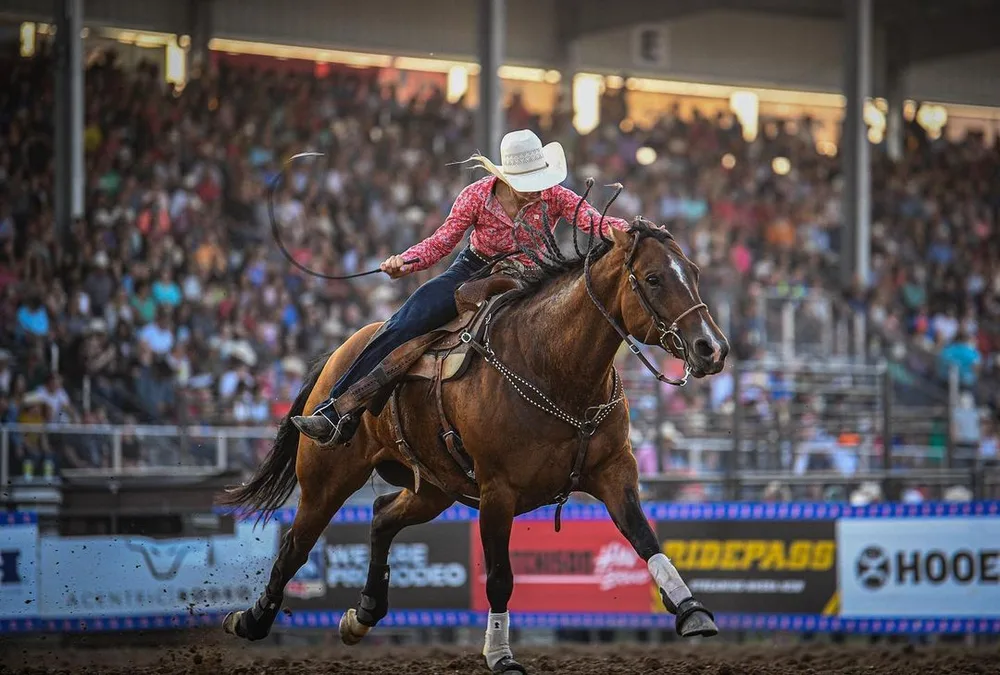
What it is: A rodeo is hard on hair in a very specific way. Arena dust coats the strands, wind whips loose hair across your face, and hours of sun dry out the ends while sweat wets the roots — all under a hat that traps the heat.
Pros and cons: The upside is that dust and sweat are both washable, and a contained style limits the damage to the ends rather than the roots. The downside is that a full day of dust without proper washing leaves hair dull, tangled and prone to breakage, especially at the ends and around the hairline.
Common mistakes: Brushing dry, dusty hair straight after the rodeo is the worst offender — it drags the dust through the strands and snaps them. Skipping a wash for days after a big rodeo weekend is a close second. Rinse first, detangle gently with conditioner in, and only then shampoo.
Maintenance and quick verdict: A light leave-in conditioner before the rodeo helps dust slide off, and a proper wash after sorts out the rest. Verdict: treat rodeo hair like sports hair — contain it, rinse it, then wash it properly.
The Three Rules of a Rodeo-Proof Style
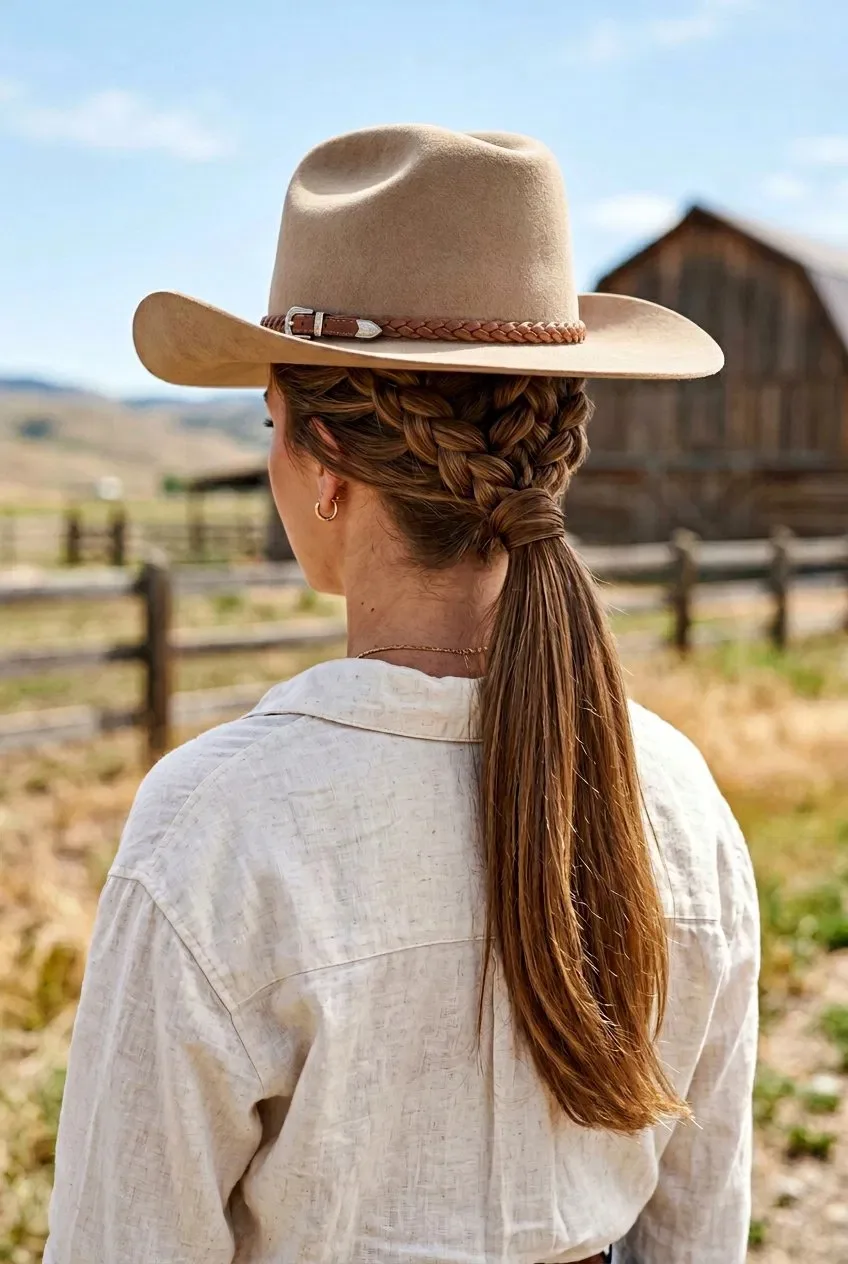
What it is: Every style in this post passes three tests. It stays put without constant fixing, it keeps hair out of your face and away from your hat, and it works with a cowboy hat rather than against it.
Pros and cons: A style that passes all three lets you forget your hair completely and enjoy the rodeo. The cost is a little more prep time in the morning and a few more pins or ties than a lazy at-home style — a fair trade for not having to re-do your hair between events.
Common mistakes: Rodeo-goers usually break one rule: they choose a pretty style that falls apart, a secure style that sits under the hat crown, or a hat-friendly style that leaves face-framing strands loose. If any one rule fails on a test wear, the style fails, however good it looks in the mirror.
Maintenance and quick verdict: Do a five-minute shake test before you leave the house — jump, look up, look down, and tug the style. Verdict: secure, clear of your face, hat-friendly. Miss one, pick another style.
Braids at the Rodeo: Why Plaited Hair Wins
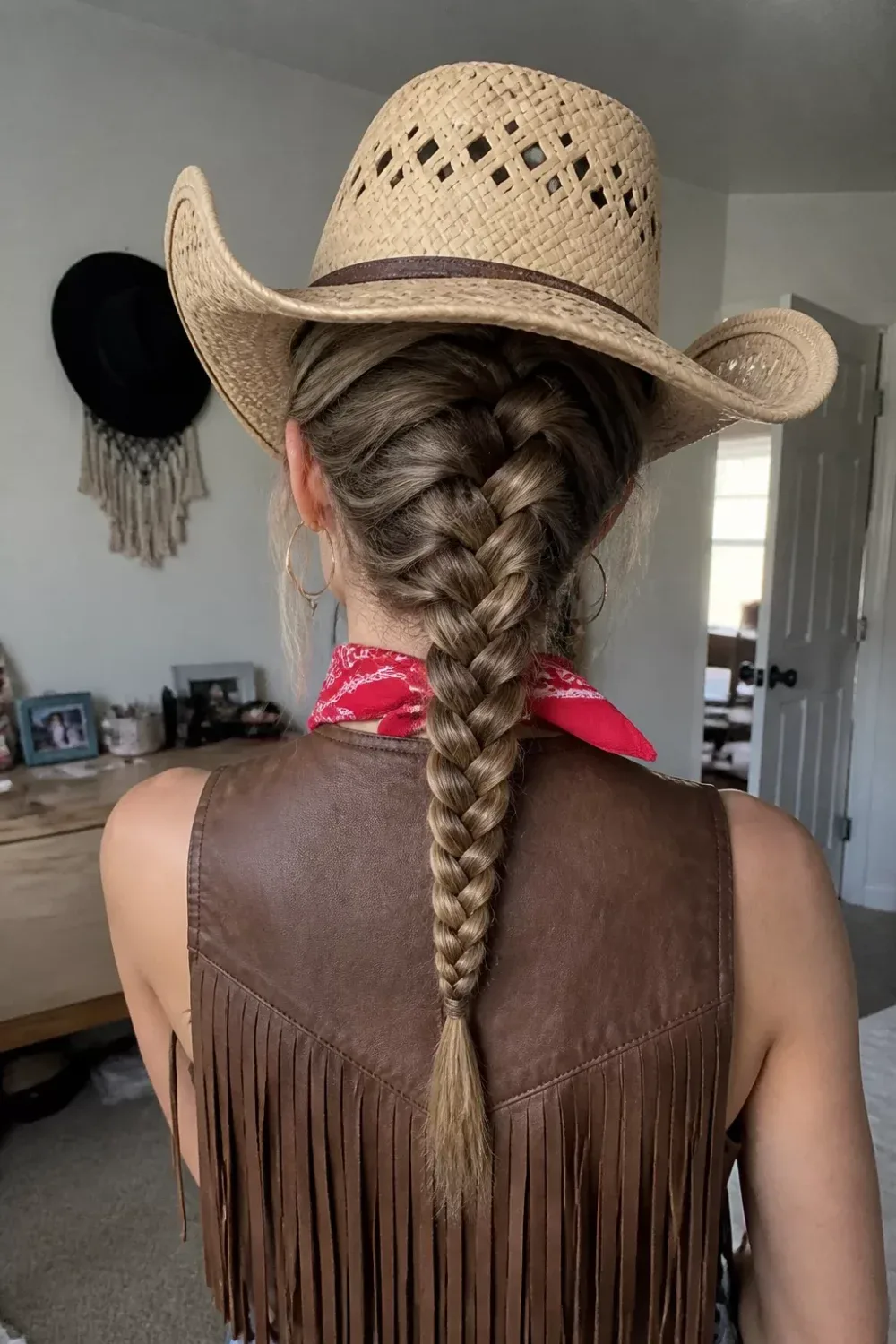
What it is: Braids are the rodeo default for a reason. A plait locks the length into one contained unit, so there is nothing loose to blow across your face, catch in the wind, or tangle under a hat.
Pros and cons: Braids survive sweat, dust, wind and hours under a hat better than almost anything else, and they double as a protective style for the hair itself. The downside is time: a neat braid takes longer than a ponytail, and a loose braid unravels just as fast as a loose ponytail falls out.
Common mistakes: Starting a braid too high makes it poke the hat crown, and finishing with a weak elastic lets the tail whip around in the arena wind. Braid firmly but not painfully, keep the tail short or tucked, and use a snag-free tie. A braid that is too tight at the hairline will ache by the second event.
Maintenance and quick verdict: Undo braids gently after the rodeo, finger-detangle before brushing, and re-braid rather than sleeping in a dusty one. Verdict: if you can braid, braid — it is the most reliable rodeo style there is.
Short Hair at the Rodeo: Less to Manage, Still a Plan

What it is: Short hair is the lowest-maintenance option at the rodeo, but it still needs a plan. A pixie or short bob will not snag on anything, yet the fringe and the nape can still fall into your eyes or under the hat band.
Pros and cons: Short hair dries fast, washes fast, and never needs a heavy tie. The downside is that you cannot tie back the bits that do fall forward, so a headband, clips or a bandana matter more, not less.
Common mistakes: Assuming short hair needs nothing is the usual error. A fringe that is fine at the cafe becomes a curtain when you look up at the arena, and product that holds at home can turn greasy under a hat in the heat.
Maintenance and quick verdict: Keep two flat clips and a thin headband in your purse, and use a light matte product rather than a heavy wax. Verdict: short hair is easy, not automatic — bring the clips.
Long Hair at the Rodeo: Taming Length Without a Snag

What it is: Long hair needs containing, not just tying. A single ponytail leaves a long tail that swings, catches wind and can drop into the dust or brush your shoulders all day, so length should be braided, folded or coiled.
Pros and cons: Long hair gives you the most styling options, from braids to buns to wrapped ponytails. The risk is the tail itself: loose length is the one thing most likely to tangle, blow across your face or distract you mid-event.
Common mistakes: Tying long hair high and leaving the tail free is the classic mistake, closely followed by a bun placed where the hat crown sits. Fold the tail up, braid it, or coil it low, and always check the back of your head against the hat before you leave.
Maintenance and quick verdict: Trim split ends regularly, since dust and friction punish damaged ends first, and carry a spare tie for the drive home. Verdict: long hair rides beautifully — braided, folded or coiled, never loose.
Curly Hair at the Rodeo: Riding Without the Frizz Fight
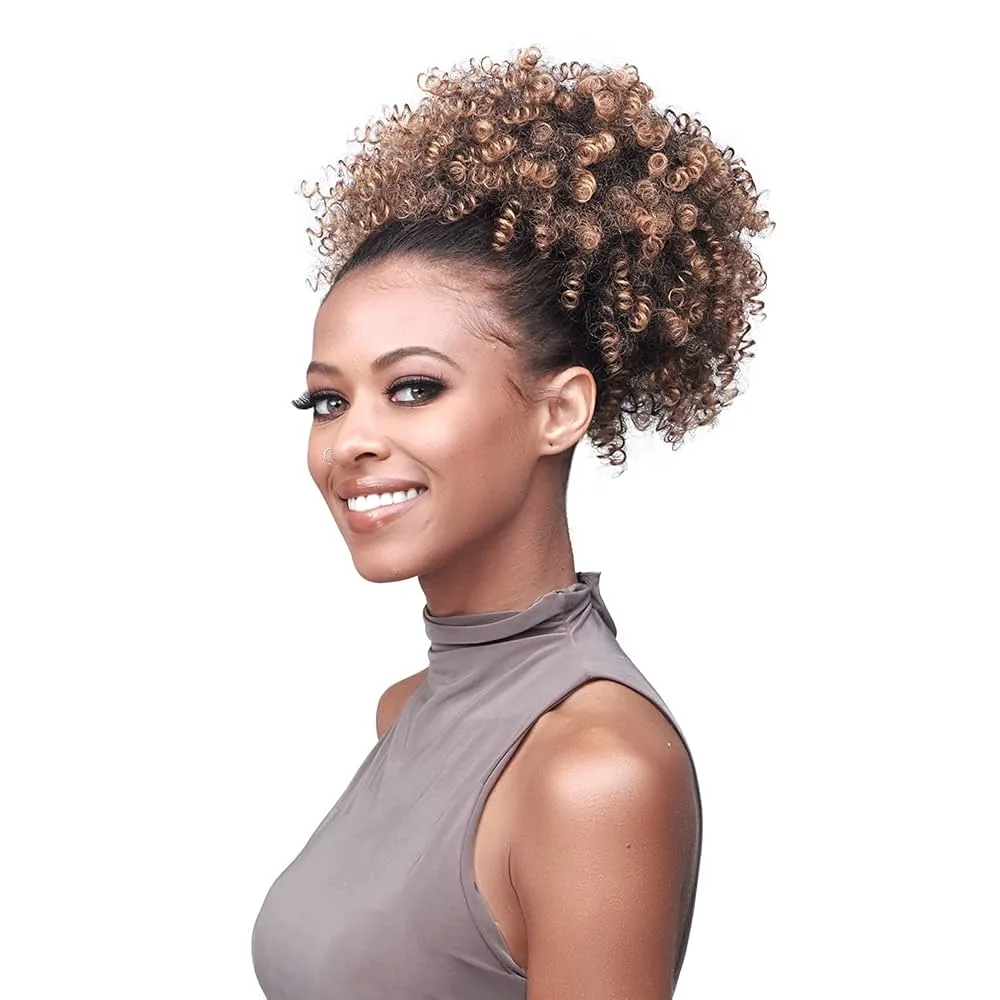
What it is: Curly hair has natural volume and spring, which is lovely off the arena and a tangle risk on it. The goal is to contain the curl pattern without crushing it flat or pulling it painfully tight under a hat.
Pros and cons: Curls hold braids and twists well, and a contained curl style often survives a whole rodeo day better than straight hair does. The downside is that sweat and hat friction can turn a neat style into a frizz halo within an hour, and dust is harder to wash out of dense curls.
Common mistakes: Brushing curls dry before the rodeo breaks the pattern and creates frizz before you even arrive. Pulling curls into a tight, slick ponytail can also ache at the roots. Work with damp, conditioned hair, braid or twist loosely, and save the detangling for wash day.
Maintenance and quick verdict: A satin-lined hat band or a light leave-in under the hat reduces friction, and a gentle co-wash after the rodeo removes dust without stripping curls. Verdict: contain, do not fight, your curl pattern.
From Arena to Dance Floor: The Evening Refresh
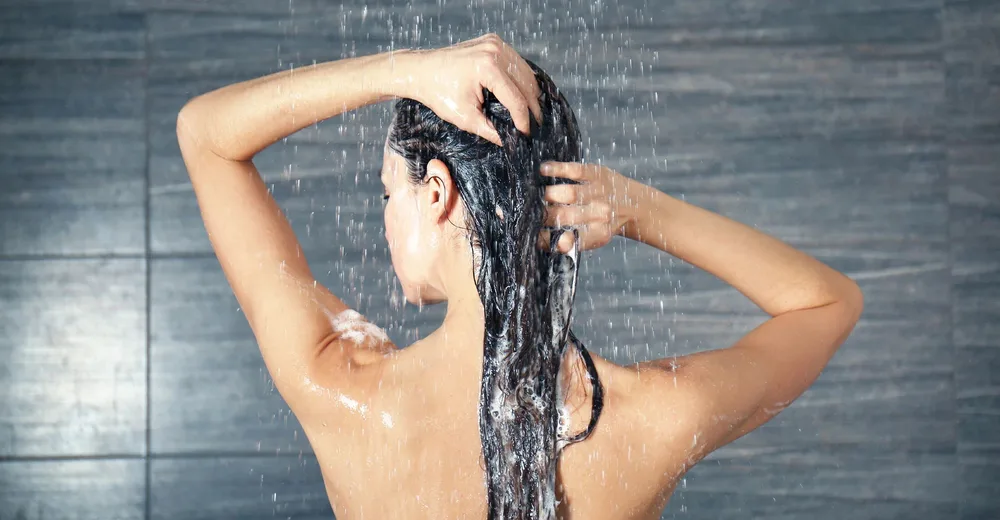
What it is: The evening refresh is the ten-minute reset between the last event and the line dance. The job is to shake out the dust, revive the style, and make the hair look dance-ready without a full wash or a complete re-do.
Pros and cons: A good refresh means one style can carry you from dawn to the last dance, and it takes only a brush, a little dry shampoo and a fresh tie. The only downside is that it cannot rescue a style that has completely fallen apart — that one needs a full re-do.
Common mistakes: Brushing dusty hair hard to smooth it just moves the dust around and creates frizz. Spraying too much dry shampoo at the roots leaves a white cast in photos. Shake the dust out first, use dry shampoo sparingly, and re-braid or re-tie rather than forcing a tired style to behave.
Maintenance and quick verdict: Keep a small refresh kit in the car: a brush, dry shampoo, spare ties and pins, and a scarf or bandana for a quick cover-up. Verdict: refresh, do not rebuild — unless the style has truly given up.
The Classic Low Ponytail
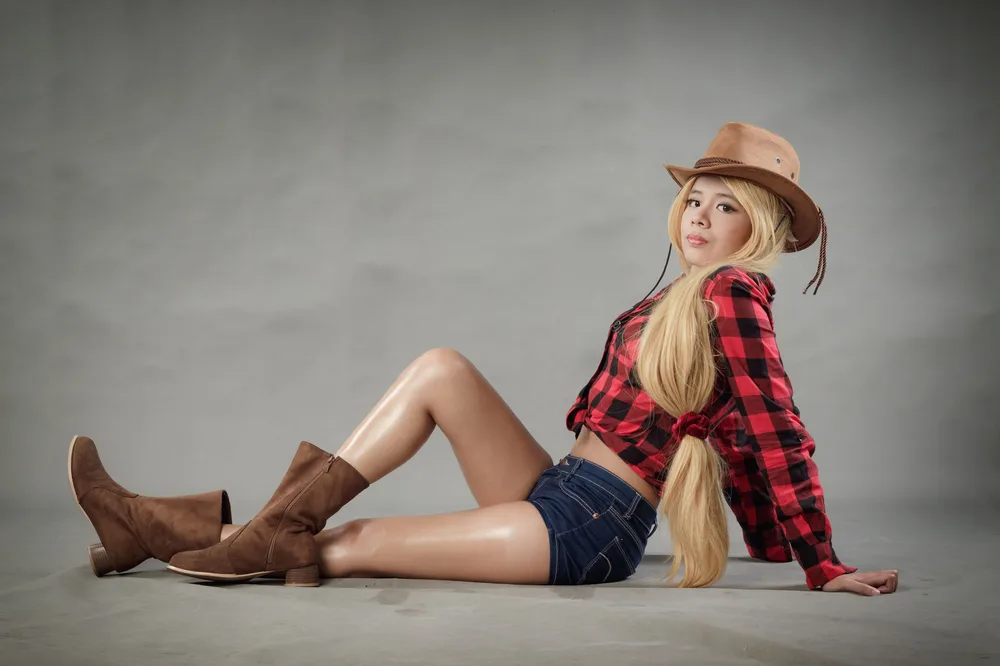
Best for: Every hair type and every rodeo role, from watching the stands to working the chute. The low ponytail sits at the nape, below the hat line, and is the most hat-friendly ponytail of all.
How to style: Brush the hair smooth, gather it low at the nape and secure it with a snag-free tie. Smooth the nape with a little cream, and add a second tie halfway down a long tail so it cannot swing into the dust.
Time and cost: Two minutes, one tie, nothing to buy. A fabric-covered tie grips better and dents the hair less than a thin elastic.
Quick verdict: The safest ponytail for a hat day. Simple, comfortable and reliable — just manage the tail.
The High Ponytail for Barrel Racing
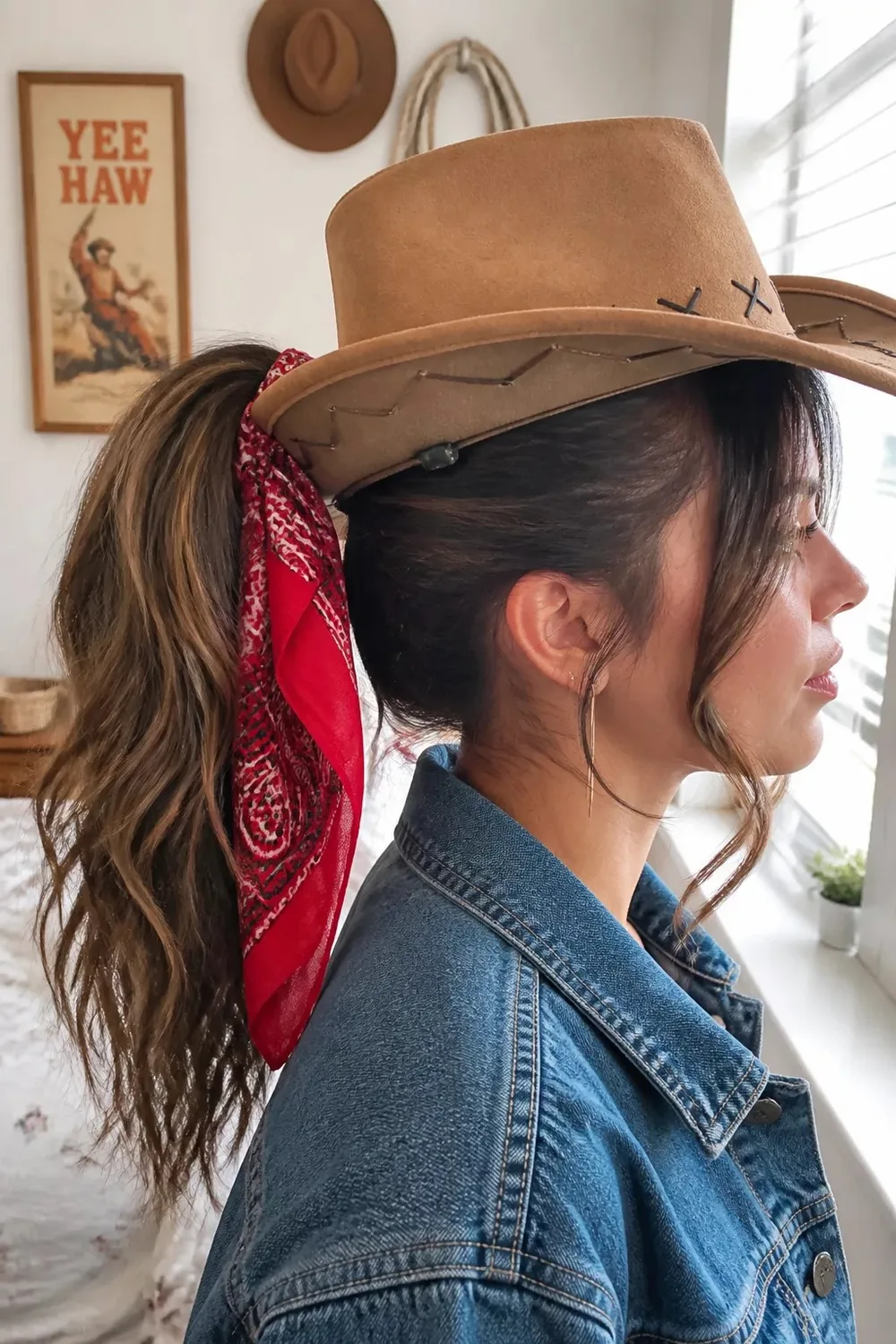
Best for: Barrel racers and anyone who wants hair completely off the neck in the heat. A high ponytail keeps the hair in one swinging unit that stays clear of the reins and the saddle.
How to style: Gather the hair at the crown, tie it firmly and wrap a small section of hair around the tie to hide it. If you wear a hat, drop the placement an inch or two so the hat band does not push the ponytail forward.
Time and cost: Three minutes and one strong elastic. A wrap-around strand and a pin make it look finished for the evening dance too.
Quick verdict: Great for riding and hot days. Test the hat fit first, or braid the tail for extra security.
The French Braid
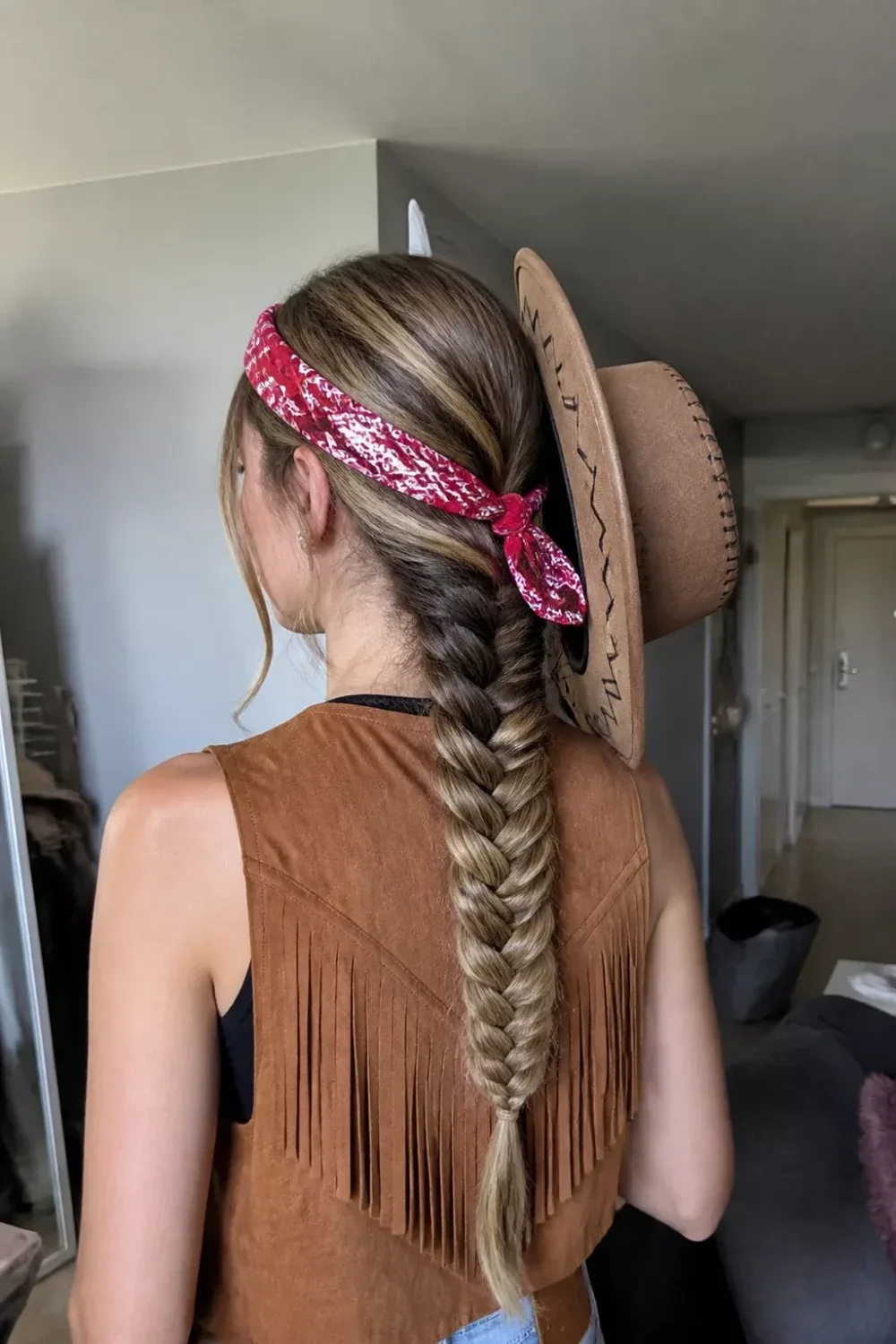
Best for: Long rodeo days, barrel racing and anyone who wants a style that survives dust, wind and a hat without a single touch-up.
How to style: Start at the crown and pick up hair as you travel down, keeping the tension even. Braid to the very end, finish with a strong elastic, and tuck the tail under or pin it flat so it cannot whip in the wind.
Time and cost: Five to ten minutes, one elastic. Braiding on slightly damp hair gives extra grip that lasts all day.
Quick verdict: The gold standard for rodeo hair. Learn it once and it will carry you through every rodeo season.
The Dutch Braid
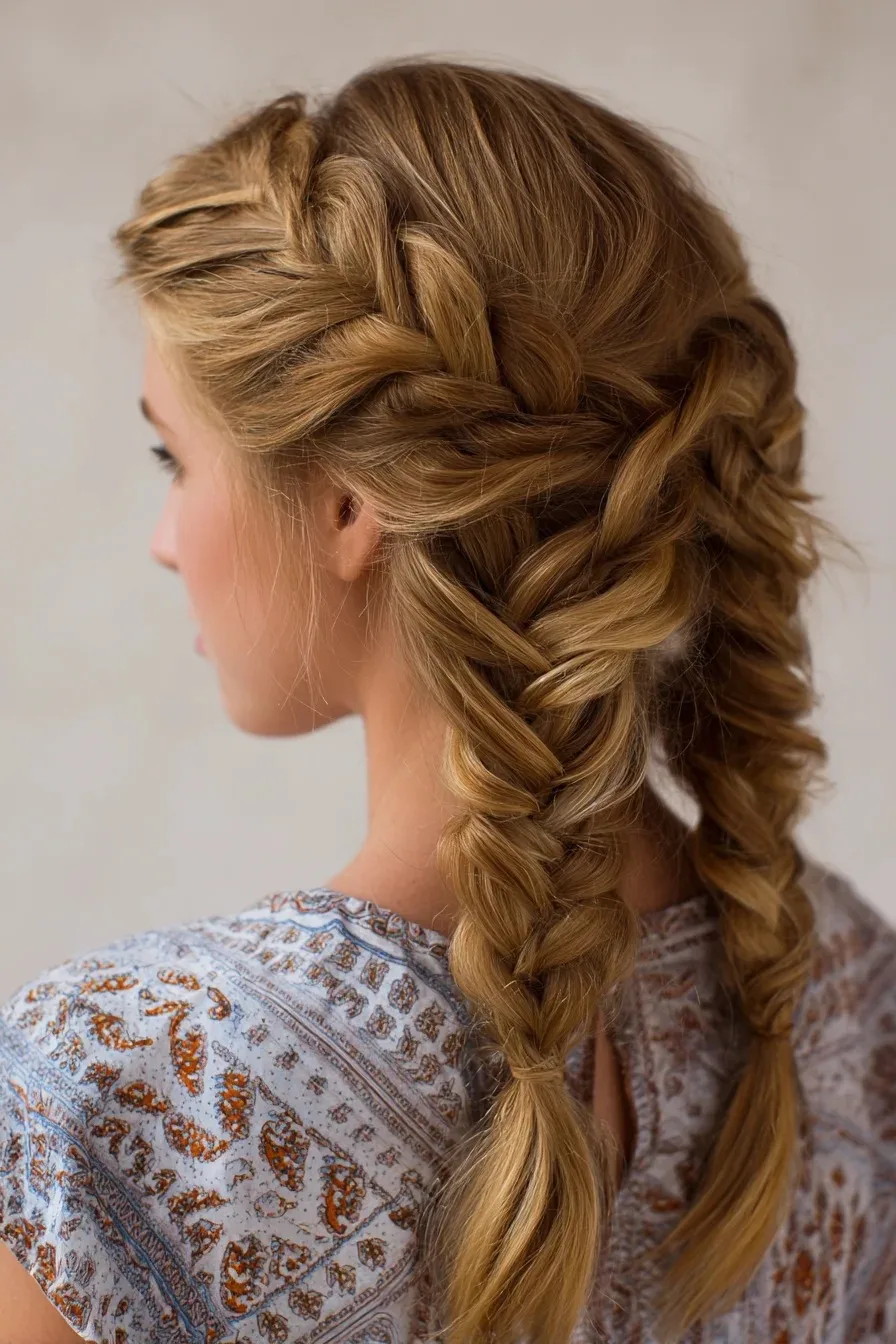
Best for: Fine or slippery hair that will not hold a French braid, and anyone who wants a bolder plait that still lies flat under a hat.
How to style: Cross the strands under instead of over, so the plait sits raised on the hair. Angle the braid slightly to one side or start it low, so it never runs straight over the crown where the hat sits.
Time and cost: Five to ten minutes, one elastic. A little texture spray at the roots helps fine hair grip.
Quick verdict: Excellent grip and a striking look. Best when the braid runs low or to the side, clear of the hat crown.
Double Dutch Braids
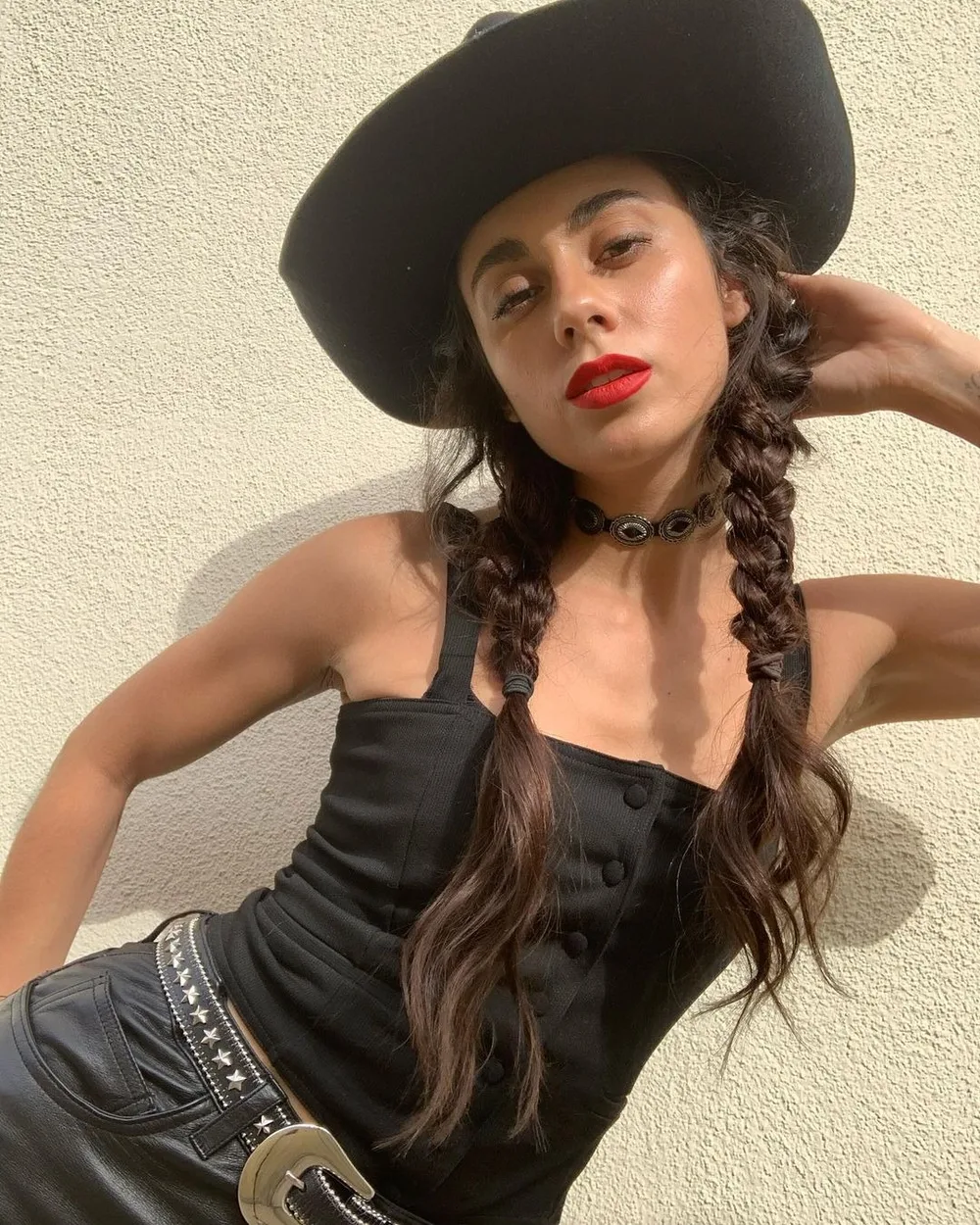
Best for: All-day rodeo wear, riding, and anyone who wants the most secure braids in this post. Two braids spread the weight evenly and keep both sides contained.
How to style: Part the hair straight down the middle, then Dutch-braid each side from the hairline to the nape. Match the tension on both sides and tie both tails at the same length.
Time and cost: Ten to fifteen minutes, two elastics. The waves left behind make a good rest-day style on their own.
Quick verdict: One of the most reliable rodeo styles ever made. Worth the extra five minutes, every time.
The Fishtail Braid
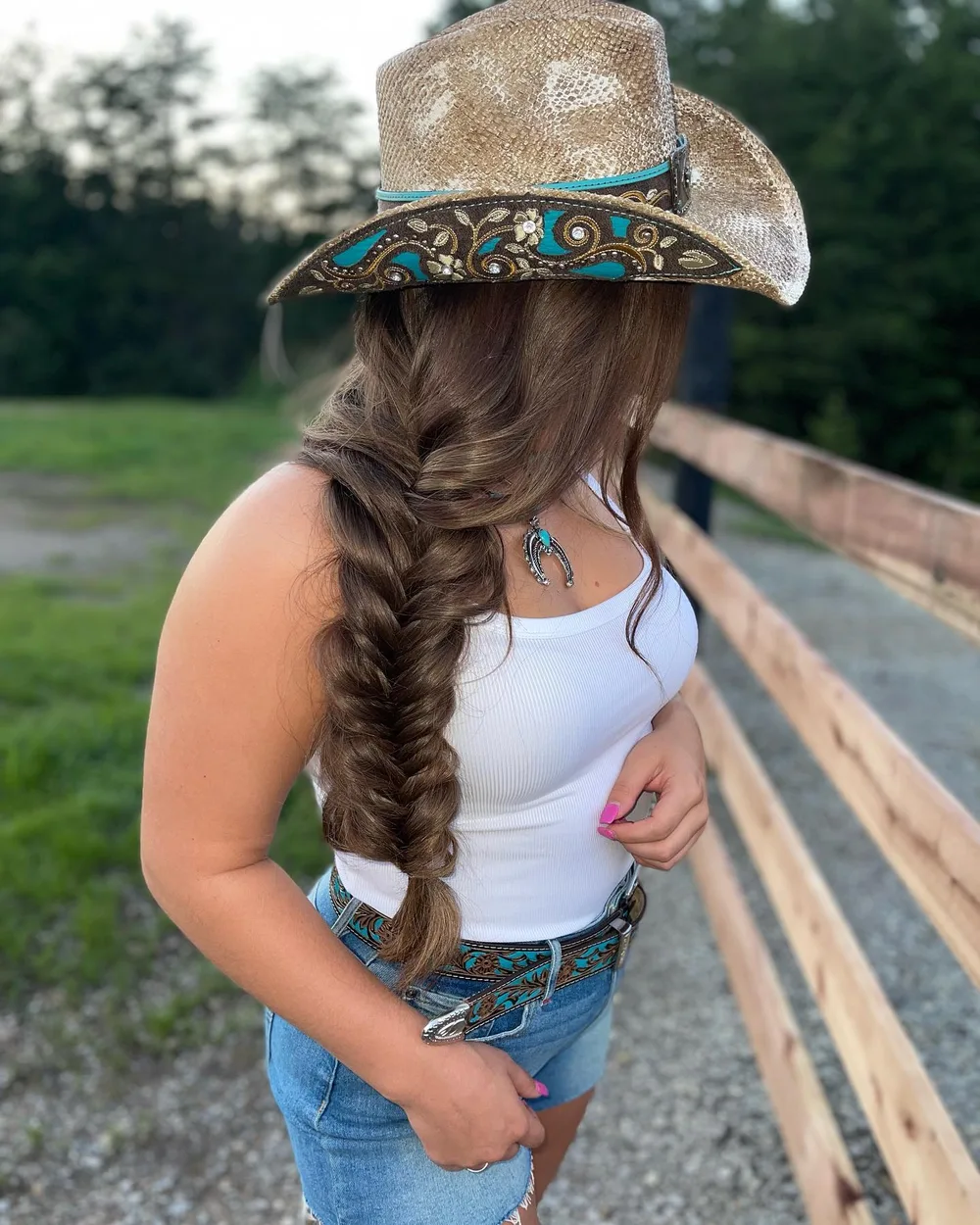
Best for: Medium to long hair on rodeo evenings, photos and the dance floor, when you want something prettier than a work braid.
How to style: Weave two sections into a fine herringbone plait, keeping the pieces small and even. Start low, pull the braid gently at the end to even it out, and finish with a strong elastic.
Time and cost: Ten to fifteen minutes, one elastic. It holds best on hair with a little grip — second-day hair or a touch of texture spray.
Quick verdict: Beautiful and secure on long hair, best for shorter sessions or as a second style after the hard riding is done.
The Bubble Braid
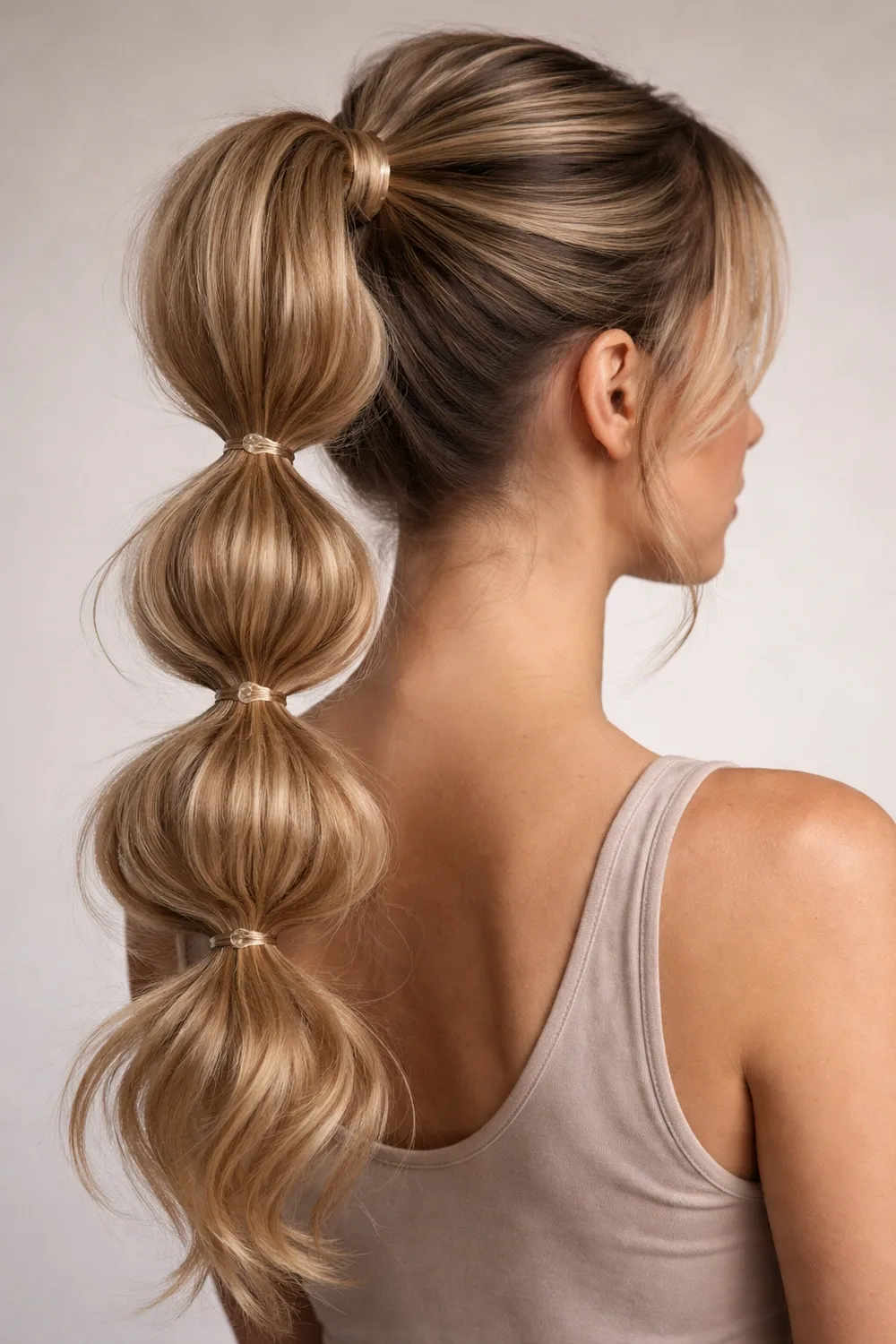
Best for: Long hair, younger rodeo fans and anyone who wants a playful style that still contains every strand.
How to style: Tie a ponytail, then add elastics spaced down its length and puff each section gently into a bubble. Keep the bubbles modest rather than huge, so they do not catch the arena wind.
Time and cost: Five minutes and a handful of snag-free elastics. Use strong ties — cheap ones snap mid-event.
Quick verdict: Fun, secure and easy. A great choice for long hair on rodeo days and the evening dance.
The Rope Braid
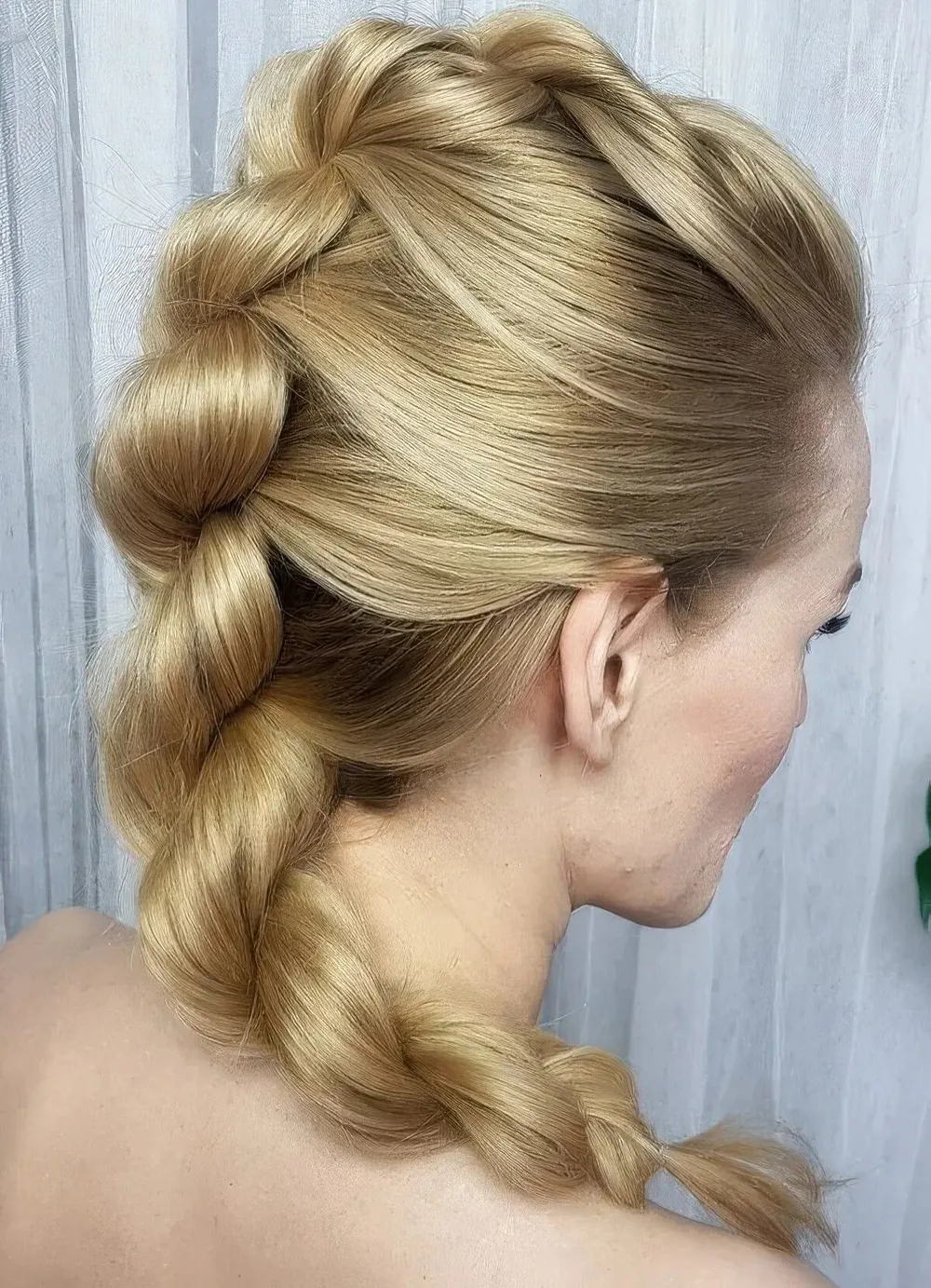
Best for: Thick hair that resists other braids, and mornings when you need a secure style in under two minutes.
How to style: Split the hair into two sections, twist both the same way, then wrap them around each other and tie firmly. Twist in the wrong direction and the whole braid unwinds, so keep both sections turning the same way.
Time and cost: One to two minutes, one strong elastic. A little pomade on the ends keeps flyaways down in the wind.
Quick verdict: The fastest secure braid for thick hair. Quick to make, quick to redo, and very rodeo-friendly.
The Crown Braid
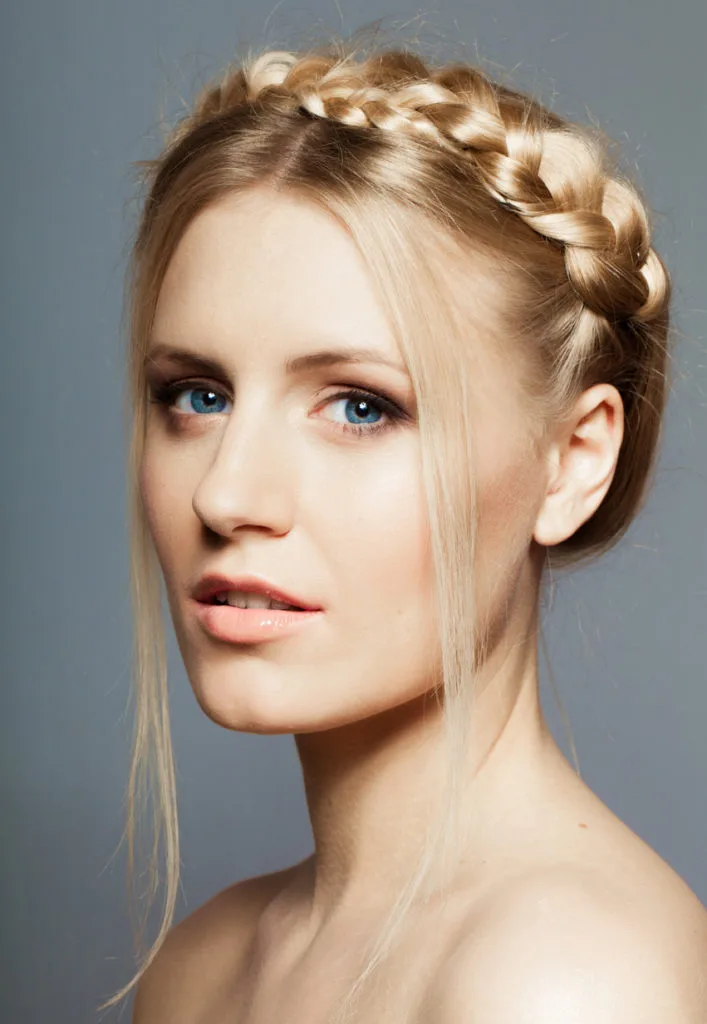
Best for: Containing short layers and flyaways, and anyone who wants every strand off the face and neck for the whole day.
How to style: Braid around the head like a halo, picking up hair as you go, and pin the whole style in place. Pin every few inches with flat, snag-free pins and check the back in a mirror before you leave.
Time and cost: Ten minutes and several pins. A light hairspray at the hairline helps on windy arena days.
Quick verdict: Elegant and extremely secure once pinned properly. Best for rodeo-goers who already braid confidently.
Boxer Braids
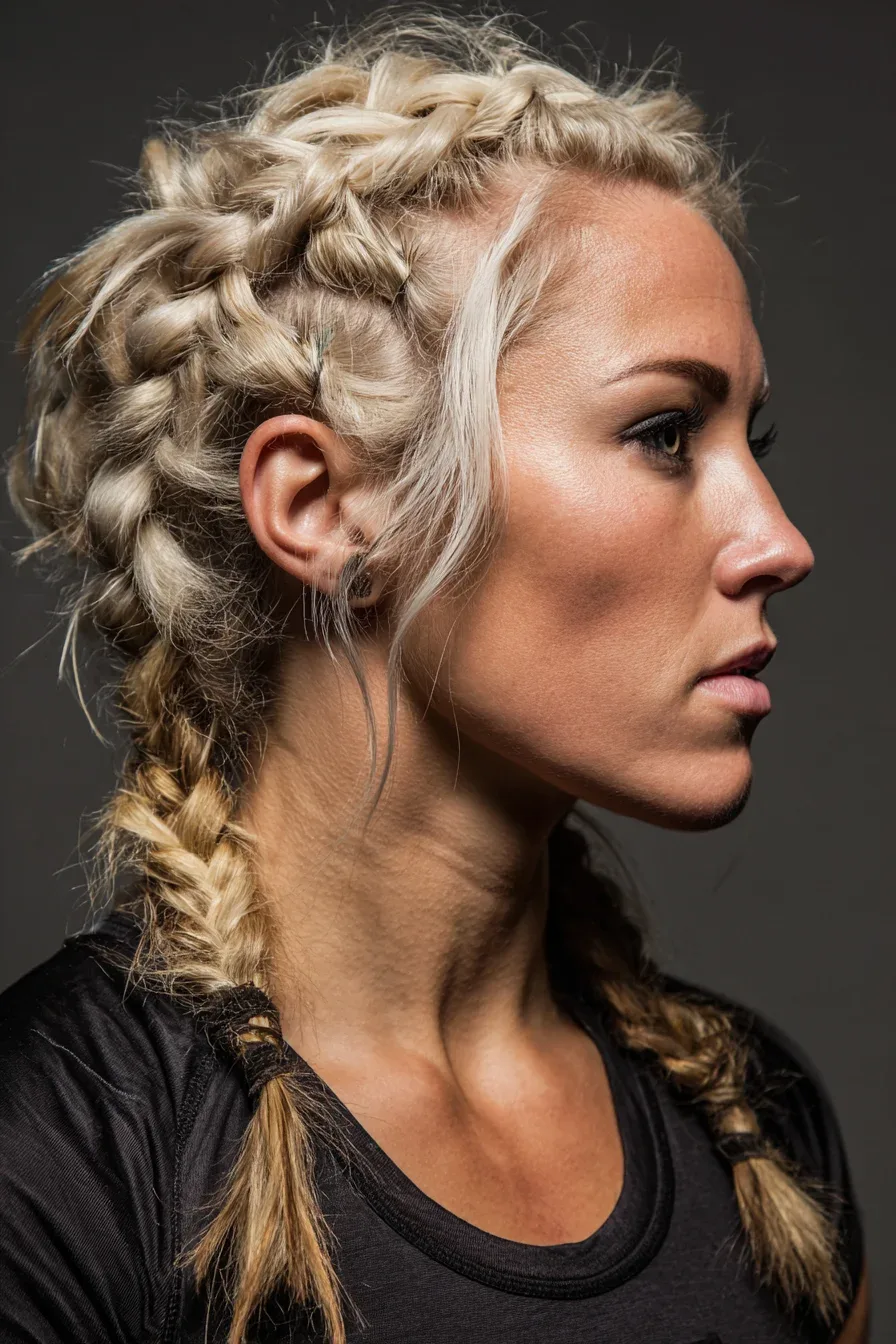
Best for: Long, sweaty, all-day rodeo weekends and riding, when the hair must not move at all.
How to style: Make a straight centre part and Dutch-braid each side tightly against the scalp, from the hairline to the nape. Keep the tension firm but comfortable, and ease off slightly at the temples.
Time and cost: Ten to fifteen minutes, two elastics. They can last a couple of days if you protect them at night — but do not sleep in a dusty pair.
Quick verdict: The toughest braid in the book. Ideal for a full rodeo day — just do not braid them painfully tight.
The Messy Bun
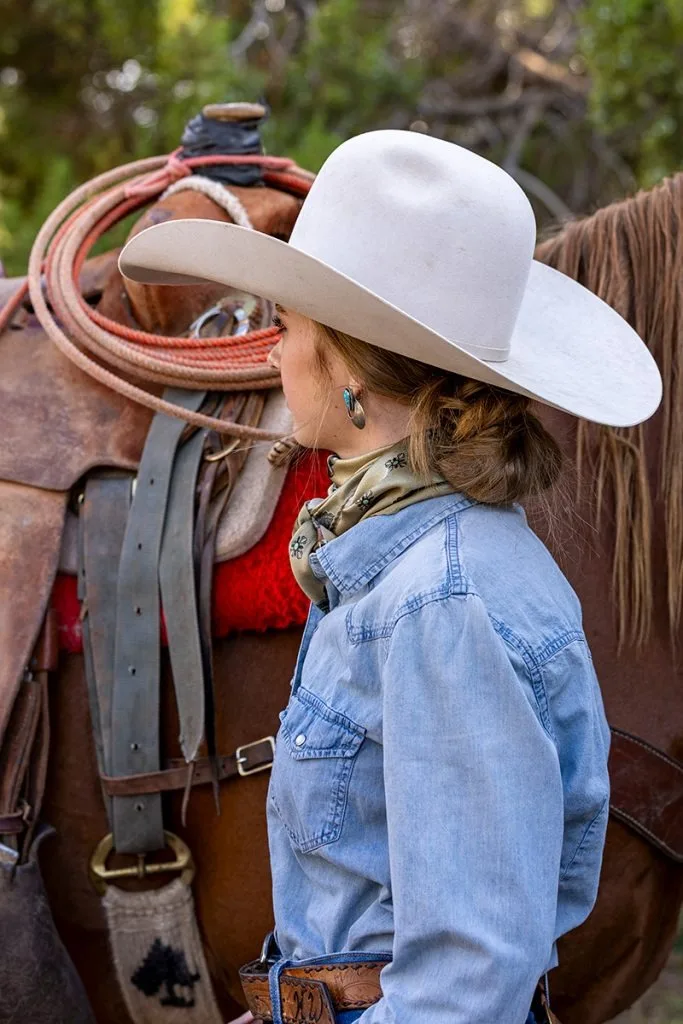
Best for: Watching from the stands, the rodeo evening and anyone who wants a fast, cool updo between events.
How to style: Twist the hair into a loose coil and pin it low at the nape, never high under the hat. Use at least three pins and tuck the ends in so nothing dangles in the wind.
Time and cost: Two minutes, one tie and three pins. Re-pin between events and keep a spare tie handy.
Quick verdict: Fine for the stands and the dance floor if worn low and pinned well. Not the pick for a long day in the saddle.
The Low Bun
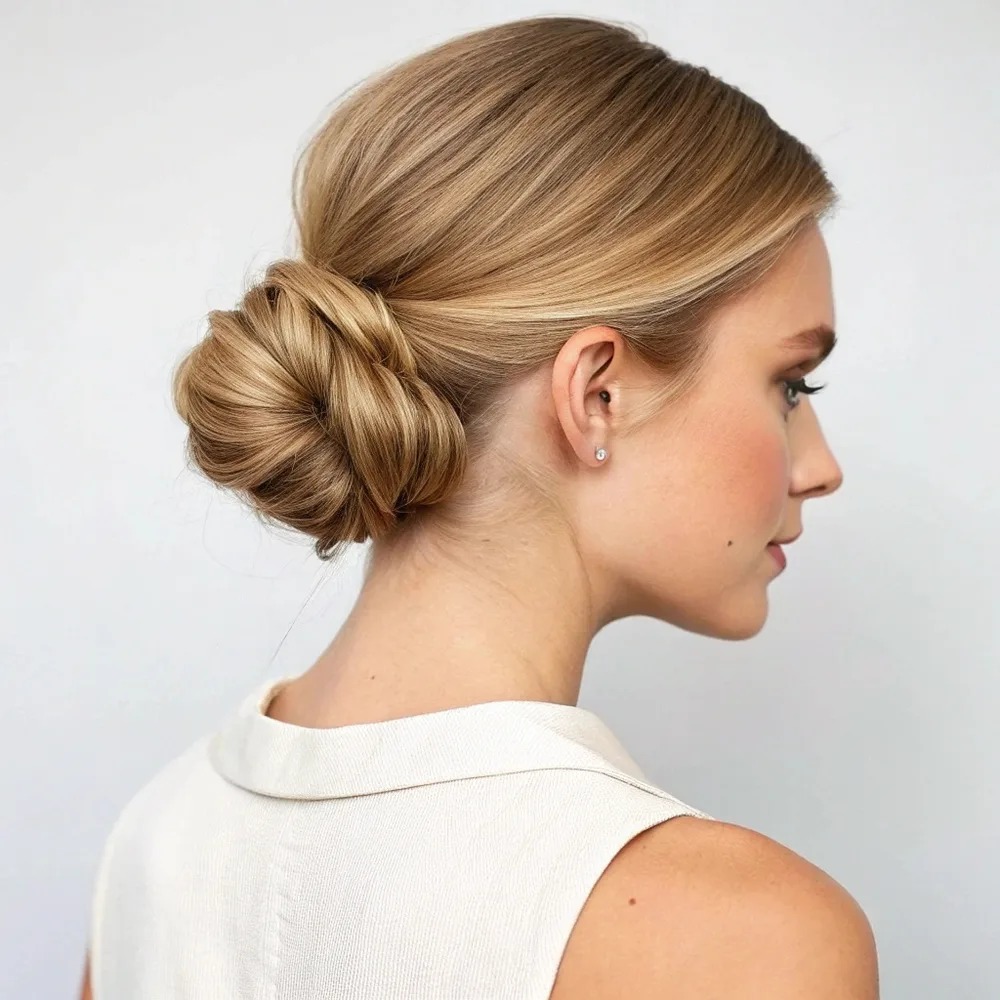
Best for: Hat days, riding and anyone who wants a tidy bun that actually works with a cowboy hat.
How to style: Coil the hair into a neat knot at the nape, below the hat line. Use a strong tie, coil evenly and anchor with pins in at least three places so a heavy bun cannot sag.
Time and cost: Five minutes, one tie and a few pins. It holds best on hair with a little grip, so second-day hair is ideal.
Quick verdict: The best bun for hat days. Neat, comfortable and dependable — the bun to choose at a rodeo.
The Top Knot
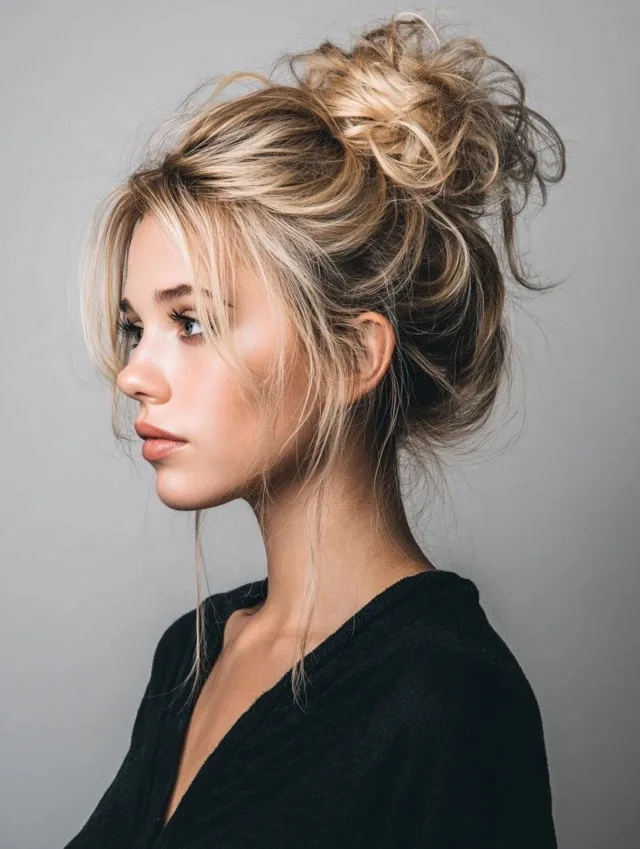
Best for: The rodeo evening and the dance floor, after the hat comes off for good.
How to style: Pile the hair into a tight bun at the very crown and pin it firmly, keeping the knot compact. Wear it only once the hat is off — a top knot under a hat is uncomfortable and pushes the hat forward.
Time and cost: Three minutes, one tie and two pins. A few face-framing strands softens it for the dance.
Quick verdict: Great style, wrong tool for hat hours. Save it for the evening, not the arena.
Space Buns
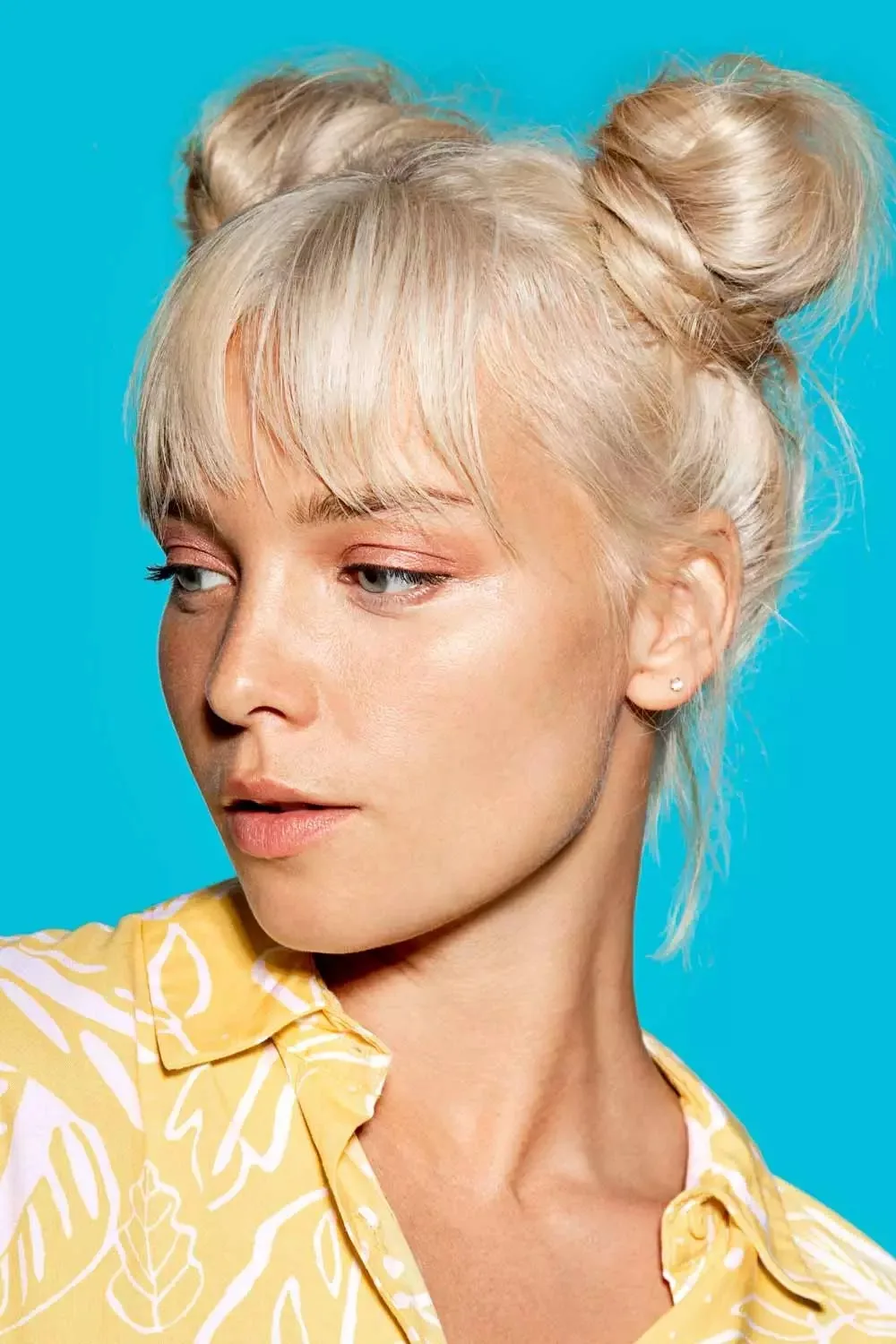
Best for: Younger rodeo fans, festival-style rodeo evenings and anyone who wants a fun, balanced updo.
How to style: Part the hair straight and make two small buns, one on each side, worn at ear level or lower — never high under a hat. Use two ties and two pins per bun so neither one sags.
Time and cost: Five minutes, two ties and four pins. The waves they leave behind are a bonus next-day style.
Quick verdict: Wear them low for a rodeo and they work well. Wear them high and the hat will tell you it was a mistake.
The Half-Up Ponytail
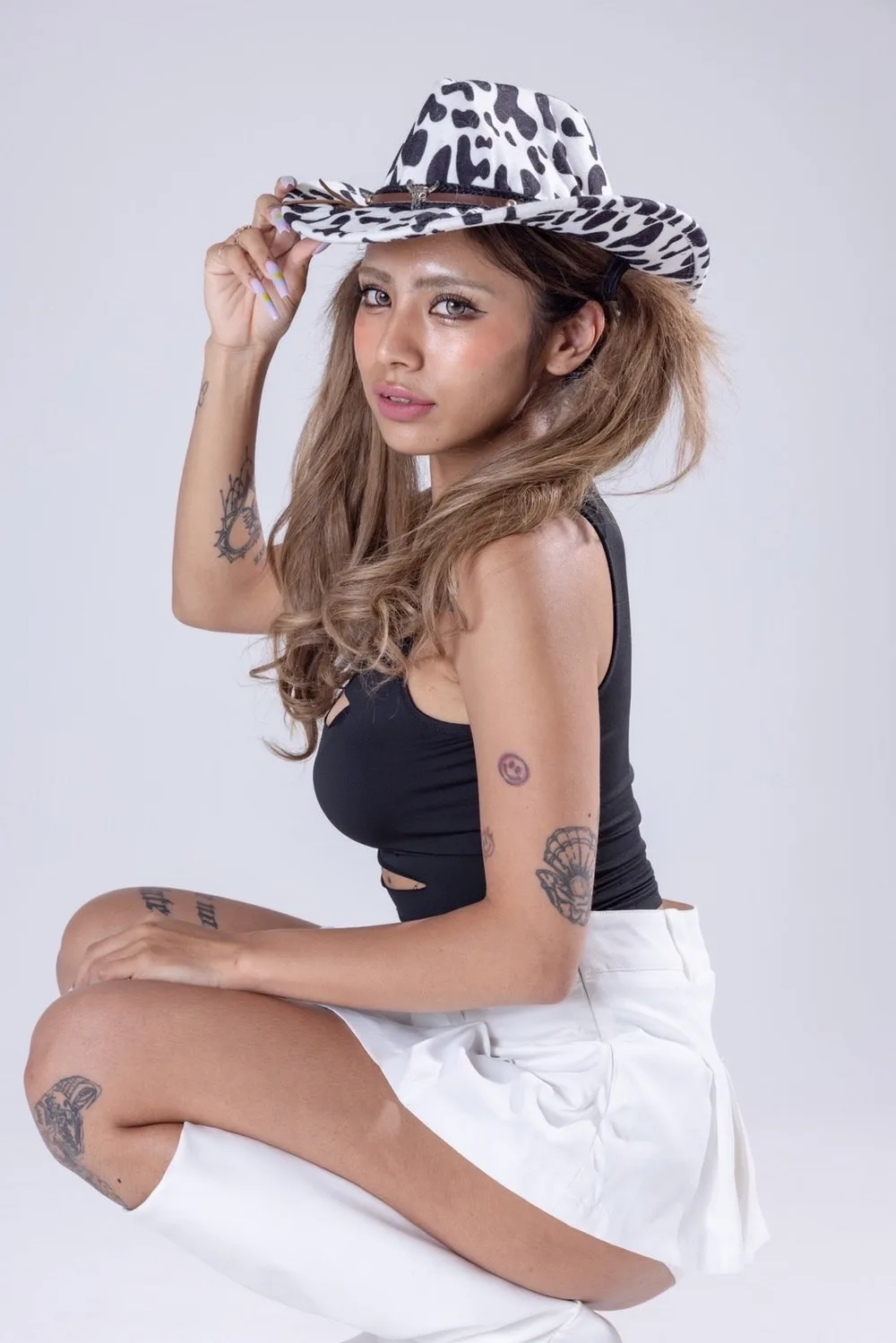
Best for: Easy rodeo days in the stands, when you want the face clear but the length free.
How to style: Tie back only the top section of hair and leave the rest down. Tie the top section firmly, pin back any loose layers, and carry a tie so you can gather the rest up if the wind picks up.
Time and cost: Two minutes and one tie. A little smoothing cream tames the flyaways without stiffness.
Quick verdict: Lovely for easy days and the walk around the fairgrounds. For riding, gather the rest of the hair up too.
The Half-Up Braid
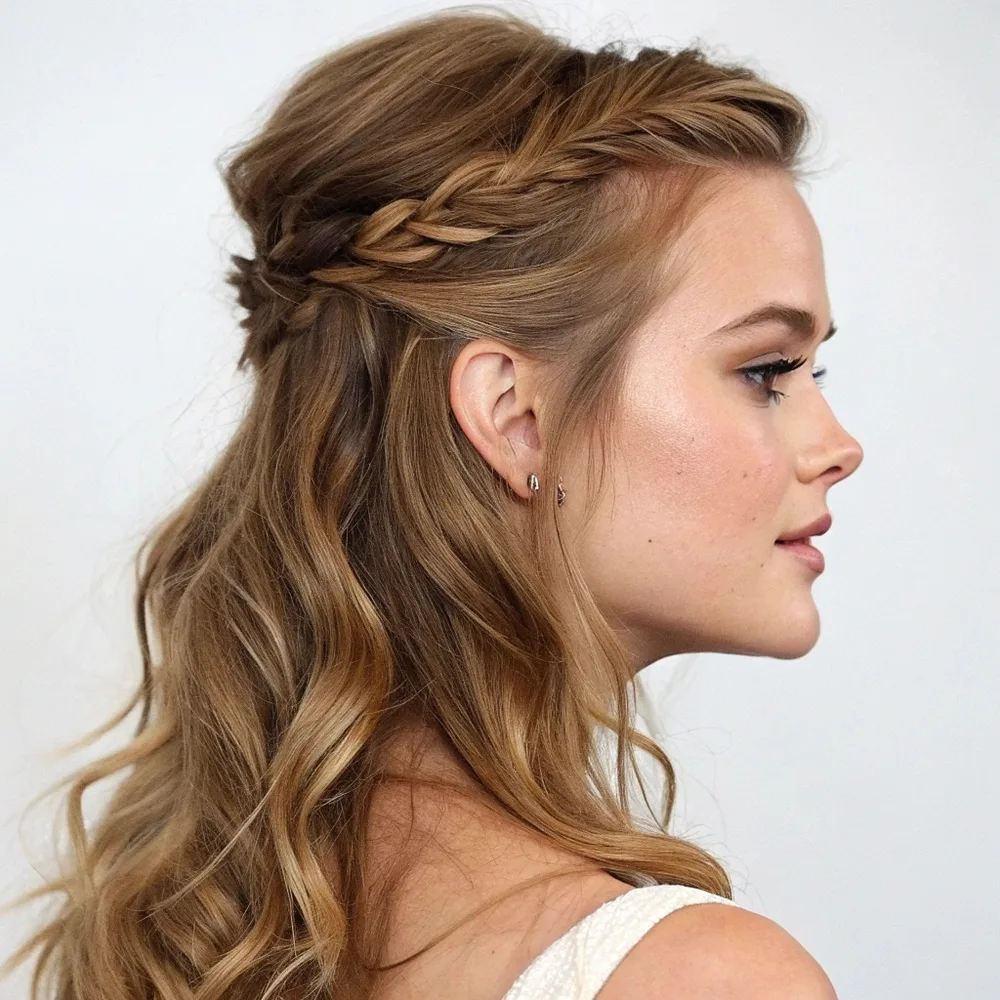
Best for: Rodeo photos and the evening, when you want a polished front with loose length behind.
How to style: Plait the top section into a short braid and tie it firmly, leaving the rest of the hair down. Pin the braid’s tail flat and keep a spare tie ready for a full ponytail if the wind rises.
Time and cost: Five minutes, one elastic and two pins. It holds best on slightly damp hair.
Quick verdict: A good warm-up and stands style. For a long day in the saddle, braid the whole head instead.
The Claw Clip Twist
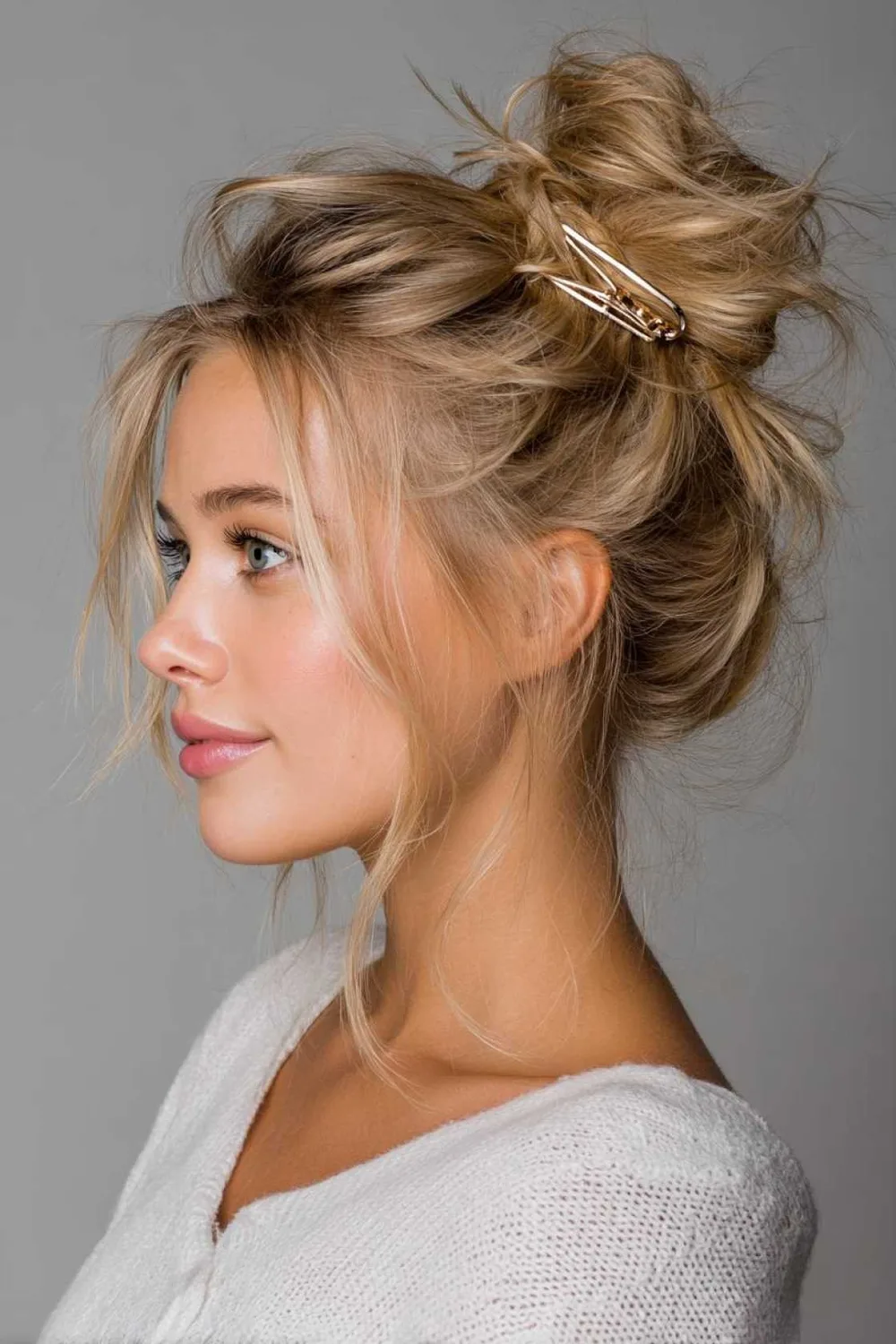
Best for: The stands, the fairgrounds and quick fixes between events — the fastest updo there is.
How to style: Gather the hair, twist it up and hold it with a large claw clip, worn low so it never meets the hat crown. Choose a strong, flat clip and test it with a shake before you head out.
Time and cost: One minute and one good clip. Carry a spare clip and a tie as backup, since a broken clip ends the style instantly.
Quick verdict: Handy for the stands and the evening, less reliable for hard riding. Keep a tie in your pocket as plan B.
The Scrunchie Ponytail
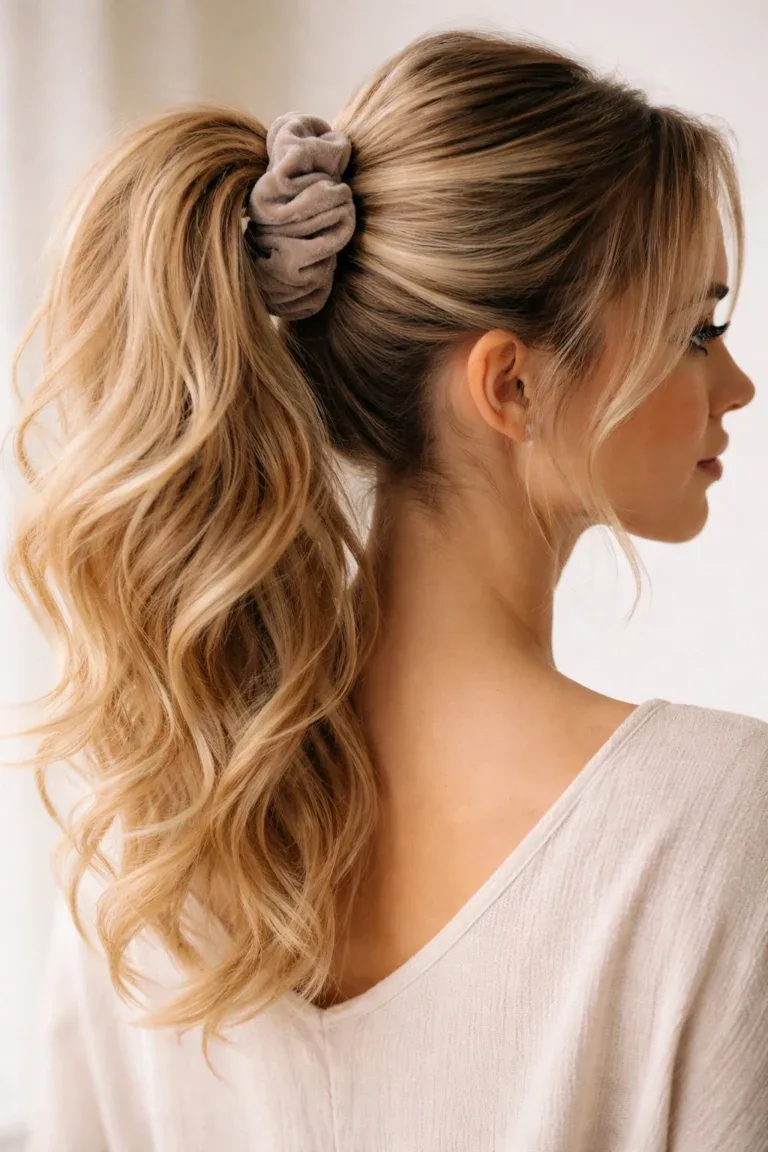
Best for: Long rodeo days, when a thin elastic would dent the hair and ache by evening.
How to style: Tie a regular ponytail with a soft fabric scrunchie instead of a thin elastic. Choose a medium scrunchie, wrap it twice, and place the ponytail low or to the side of the hat band.
Time and cost: Two minutes and one scrunchie. Wash scrunchies regularly — they absorb sweat and dust.
Quick verdict: A kinder, comfortable ponytail. Great for long days, as long as the scrunchie is not too bulky for your hat.
The Braided Ponytail
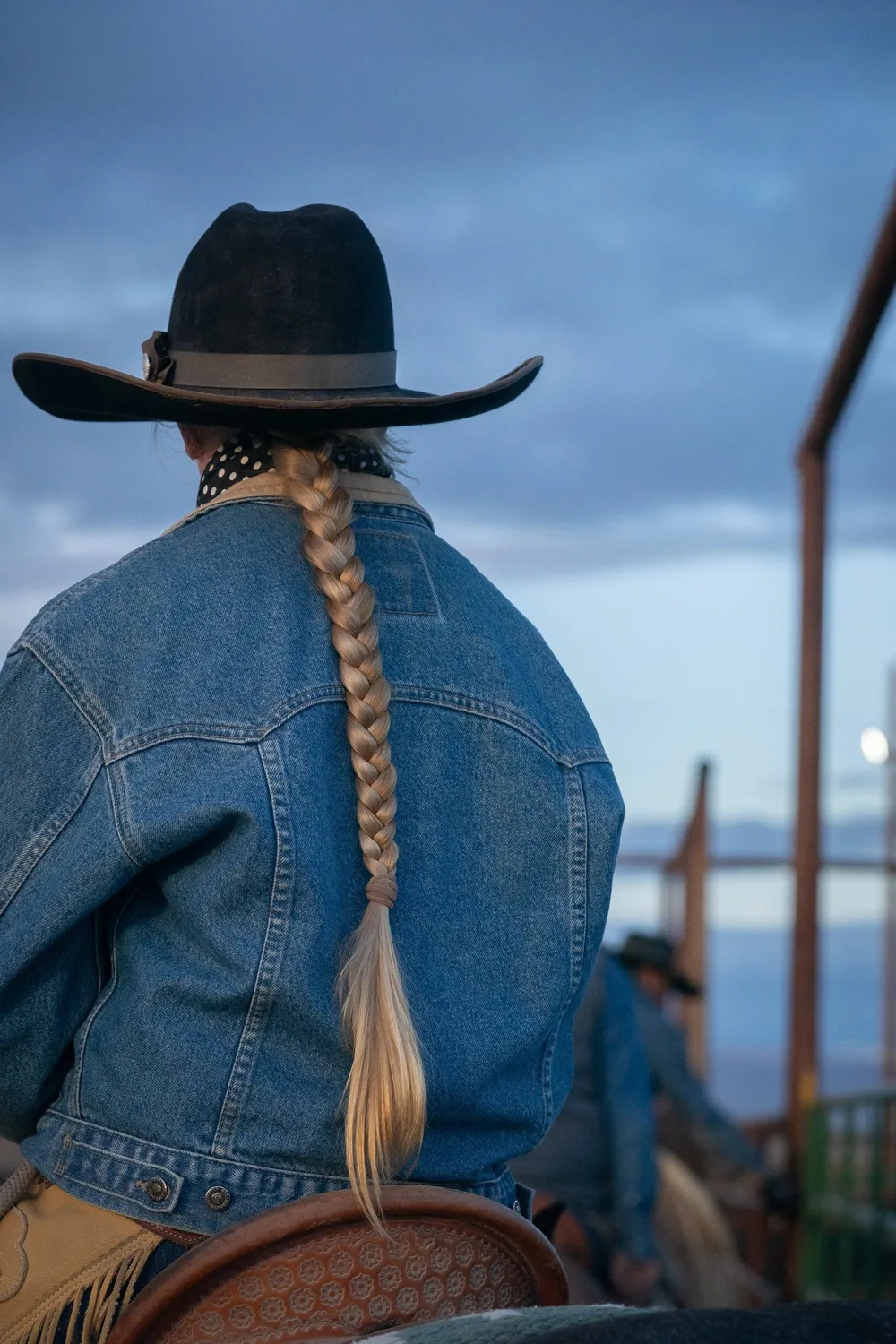
Best for: Riding and windy arena days, when a plain ponytail tail would whip around and tangle.
How to style: Tie the hair up first, then braid the tail to the end. Tie the base firmly, braid to the very end and finish with a strong tie — a loosely braided tail defeats the whole purpose.
Time and cost: Five minutes and two elastics. It is easy to redo between events, and the braid protects the tail from tangling.
Quick verdict: One of the best compromises in this post. Fast, secure and hat-friendly when worn low.
The Side Braid
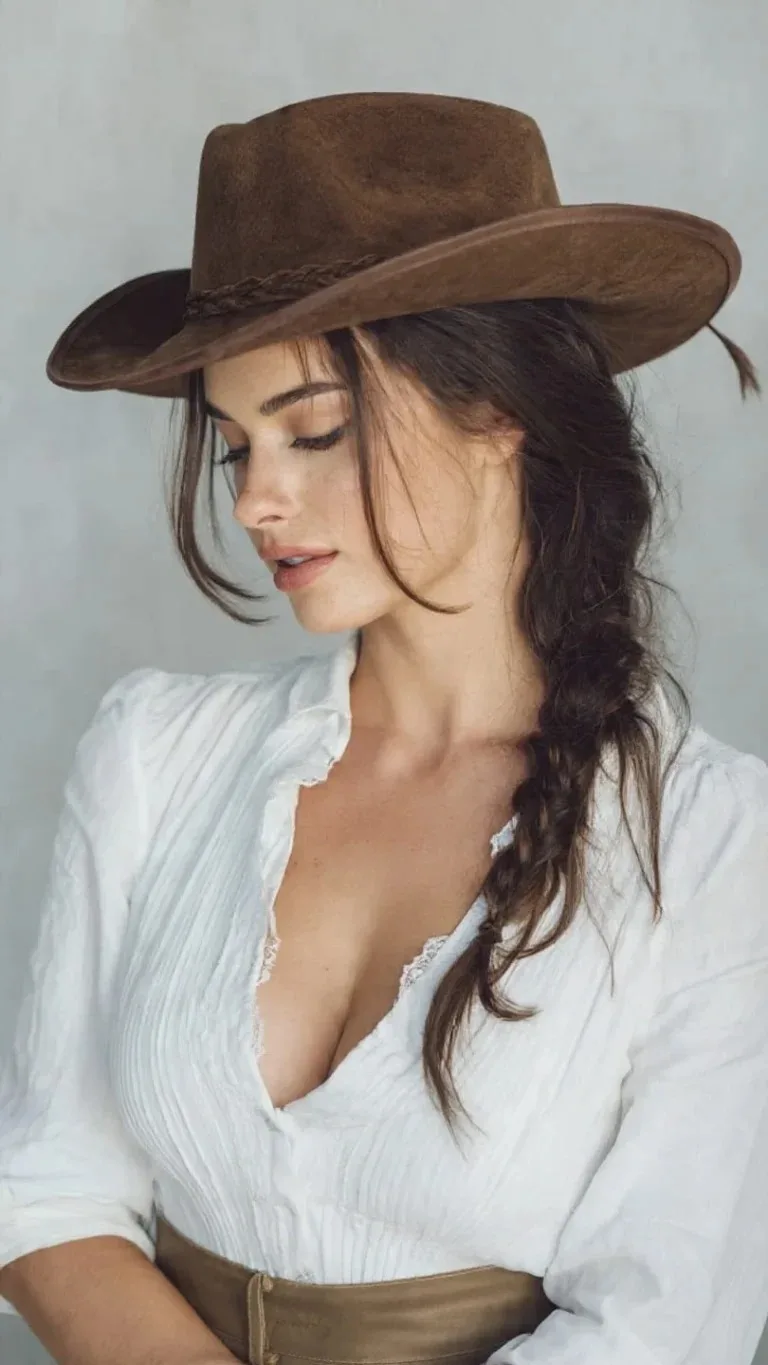
Best for: The stands, the fairgrounds and easy riding, when you want the braid where you can see it.
How to style: Sweep the hair over one shoulder and plait it down the side, starting at the nape and braiding firmly. Tuck the tail into your top or clip it back if it starts to swing.
Time and cost: Five minutes and one elastic. A side braid is easy to check and redo, since it sits in front of you.
Quick verdict: Great for watching and easy days. For steep or fast riding, pin the tail back or switch to a braid down the back.
Milkmaid Braids
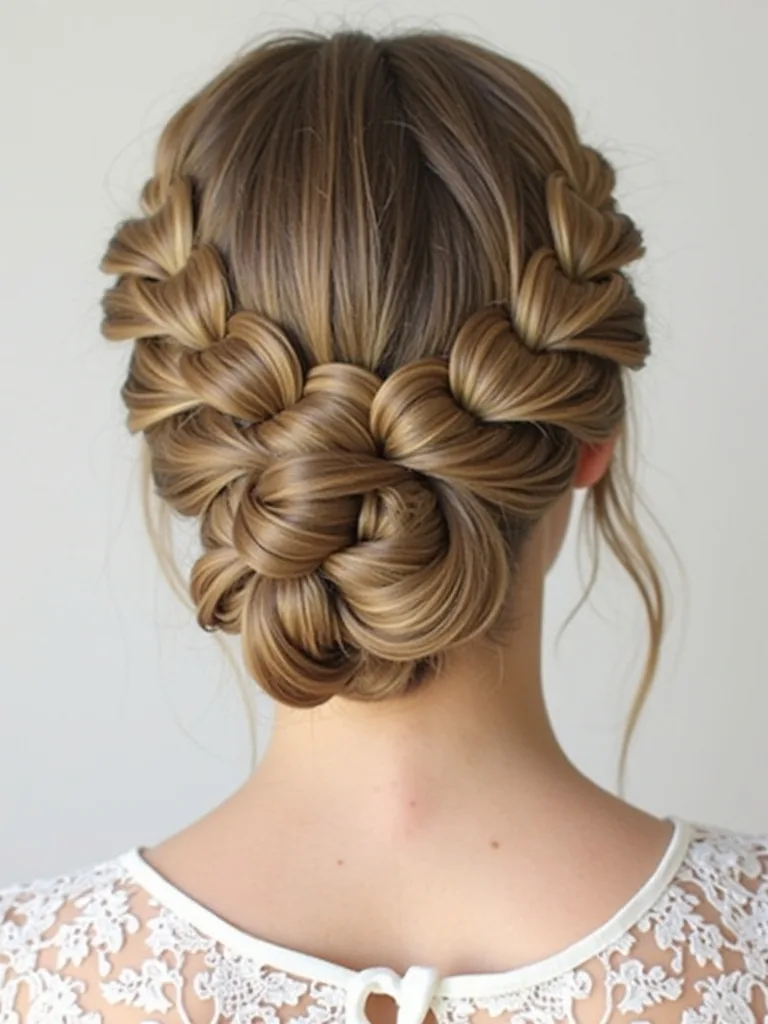
Best for: Long hair at a full-day rodeo, when every strand must be contained and you want a vintage western look.
How to style: Make two braids, wrap them up and pin them across the top of the head like a crown. Pin at several points along each braid and check the back before you put the hat on.
Time and cost: Fifteen minutes and several pins. It holds best on hair with some grip, so braid on second-day hair or use a little texture spray.
Quick verdict: Secure, hat-friendly and beautiful. Worth learning if you go to rodeos with long hair regularly.
Cornrows
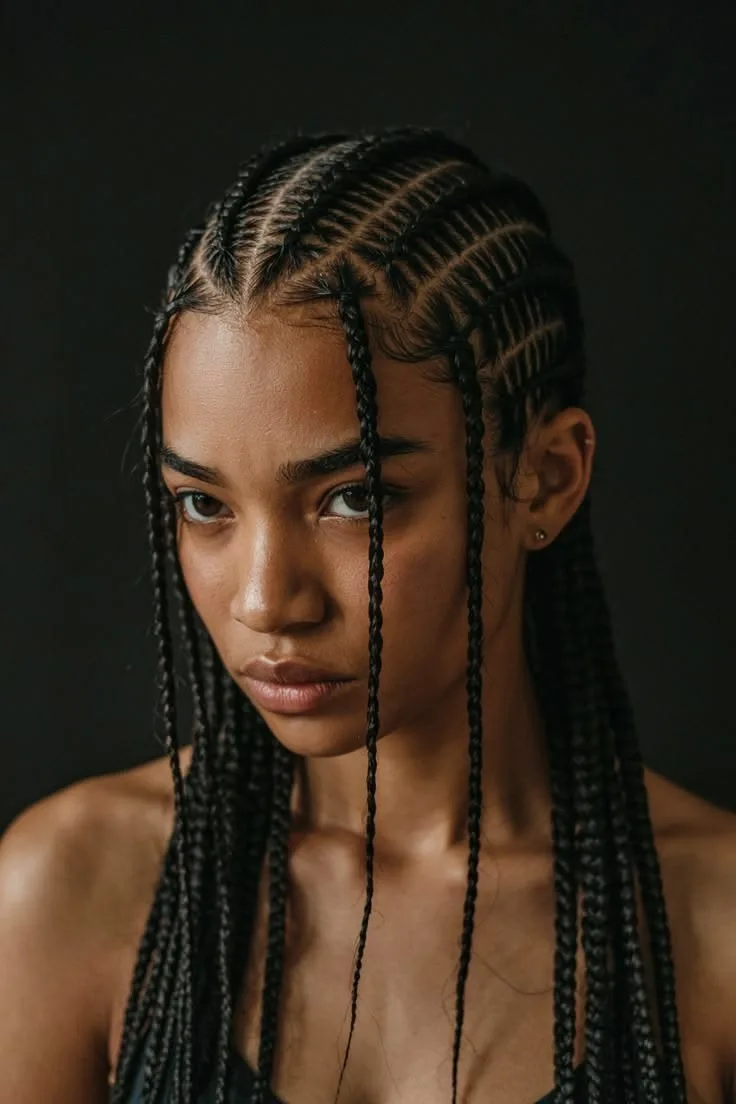
Best for: Coily and curly hair across a whole rodeo weekend, with no daily restyling at all.
How to style: Braid tight rows flat against the scalp, from the hairline to the nape. Keep the tension comfortable — rows that are too tight ache and stress the hairline — and wash the scalp gently after dusty days.
Time and cost: One to two hours with a skilled braider, then days of wear. Oil the scalp lightly and cover the rows at night with a satin scarf.
Quick verdict: One of the very best rodeo styles for coily and curly hair. Flat, secure and long-lasting — get the tension right.
Flat Twists
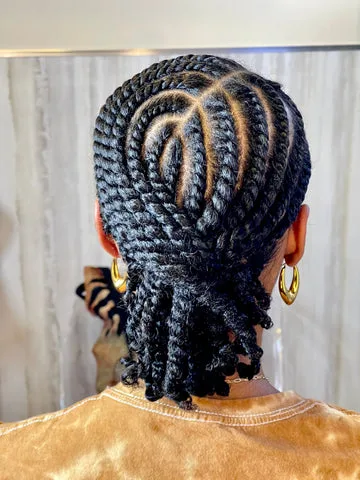
Best for: Curly and coily hair that wants the flat, contained finish of cornrows with a softer feel.
How to style: Work two-strand twists flat against the scalp, like cornrows but twisted instead of braided. Twist firmly, secure the ends well, and pin any row that starts to lift.
Time and cost: Forty-five minutes to an hour, plus pins. They last best when the hair is moisturised before twisting.
Quick verdict: A softer alternative to cornrows with the same hat-friendly shape. Excellent for curly and coily hair.
The Twisted Low Ponytail
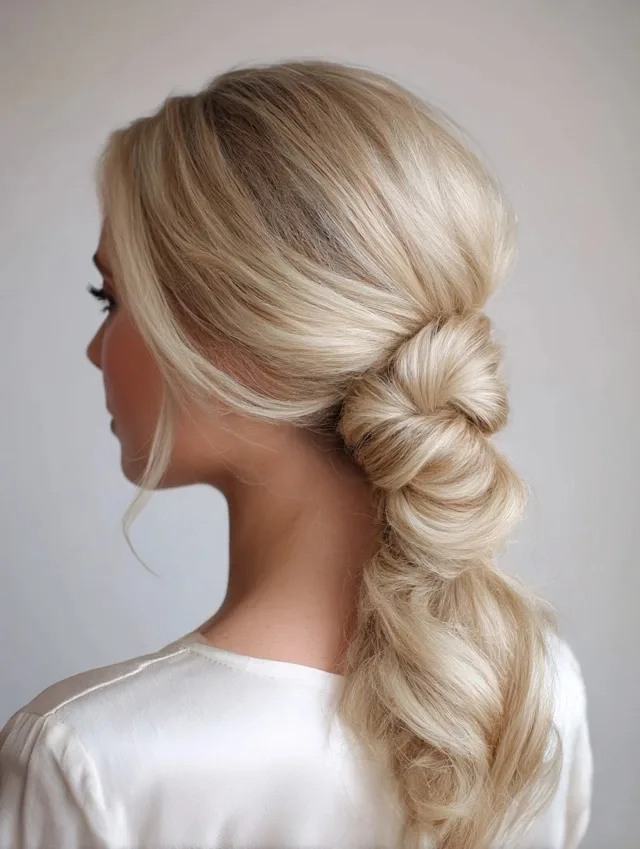
Best for: Anyone who wants a plain low ponytail with a little more grip, for a small amount of extra effort.
How to style: Split the hair into two sections, twist each one the same way, cross them firmly and tie them together low at the nape. Anchor with a strong tie so the twist cannot sag.
Time and cost: Three minutes and one elastic. A touch of dry shampoo at the roots helps smooth hair hold the twist.
Quick verdict: A simple upgrade on the plain low ponytail. A little more grip for almost no extra effort.
The Slicked-Back Ponytail
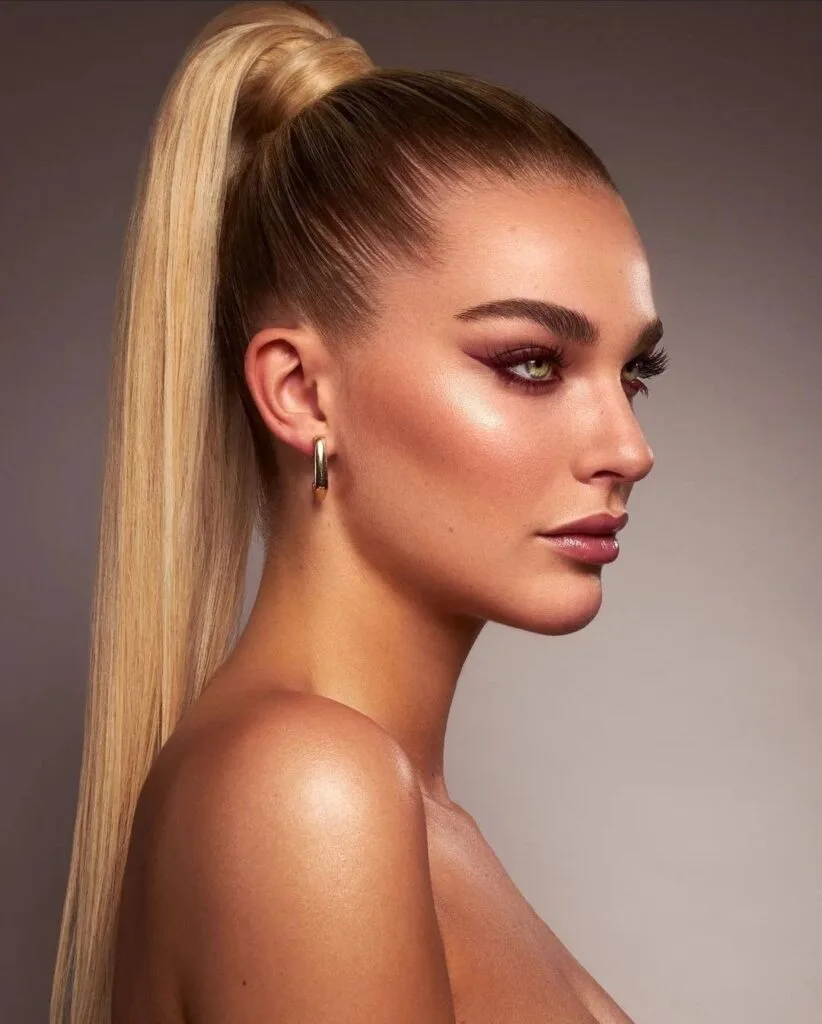
Best for: Hot, windy rodeo days when not a single strand may fall into your eyes.
How to style: Brush all the hair smoothly back from the face and tie it low or mid-height, with no loose layers at all. Use a light gel or smoothing cream — too much product under a hat turns greasy in the heat.
Time and cost: Five minutes, one elastic and a little product. Wash the product out properly after the rodeo, since gel plus dust is a stubborn combination.
Quick verdict: The tidiest ponytail for a rodeo. Use light product, keep it comfortable, and it will stay out of your way all day.
The Braided Bun
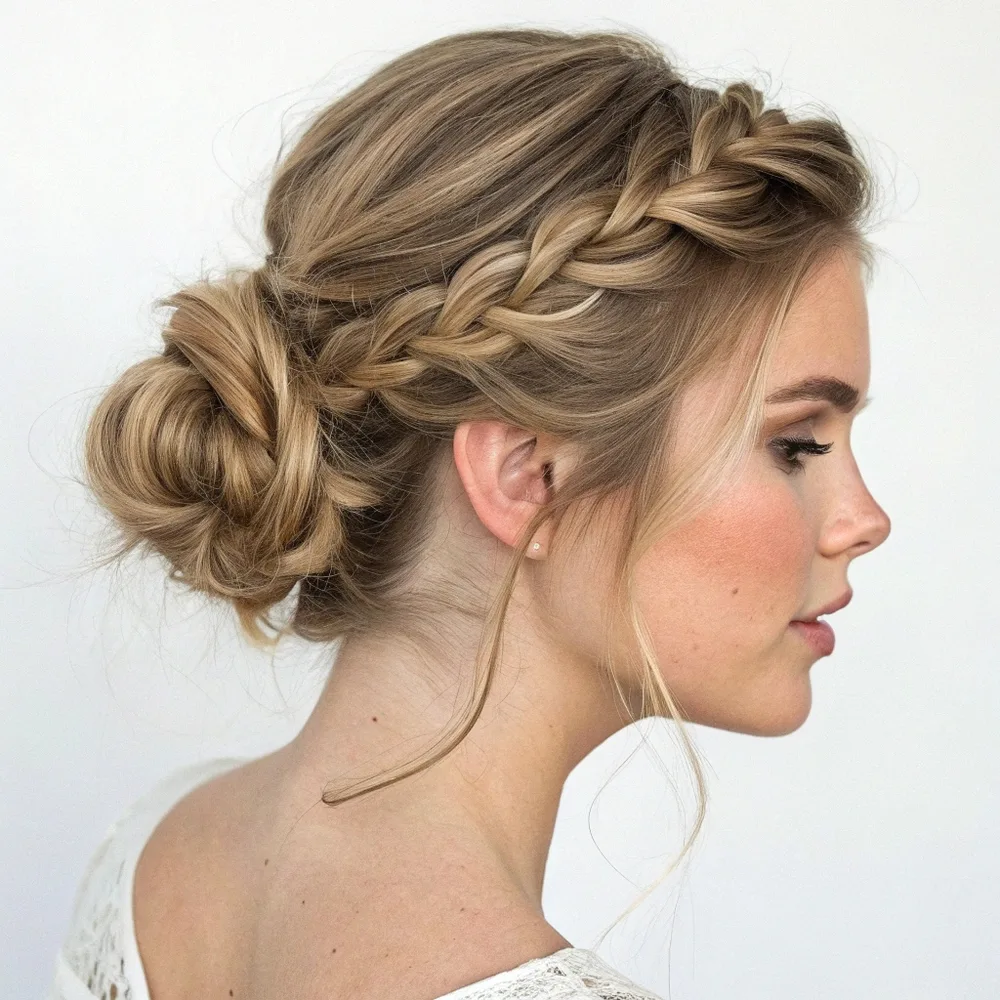
Best for: Long rodeo days in the saddle, when a plain bun would sag or come undone by evening.
How to style: Braid the hair first, then coil the braid into a bun at the nape. Coil it low, pin in several places, and tuck the tail of the braid inside the coil.
Time and cost: Ten minutes, one elastic and several pins. The braid gives the bun structure, so it holds far better than a bun made from loose hair.
Quick verdict: The most secure bun in this post. Ideal for long days when a plain bun would not survive.
Pigtail Braids
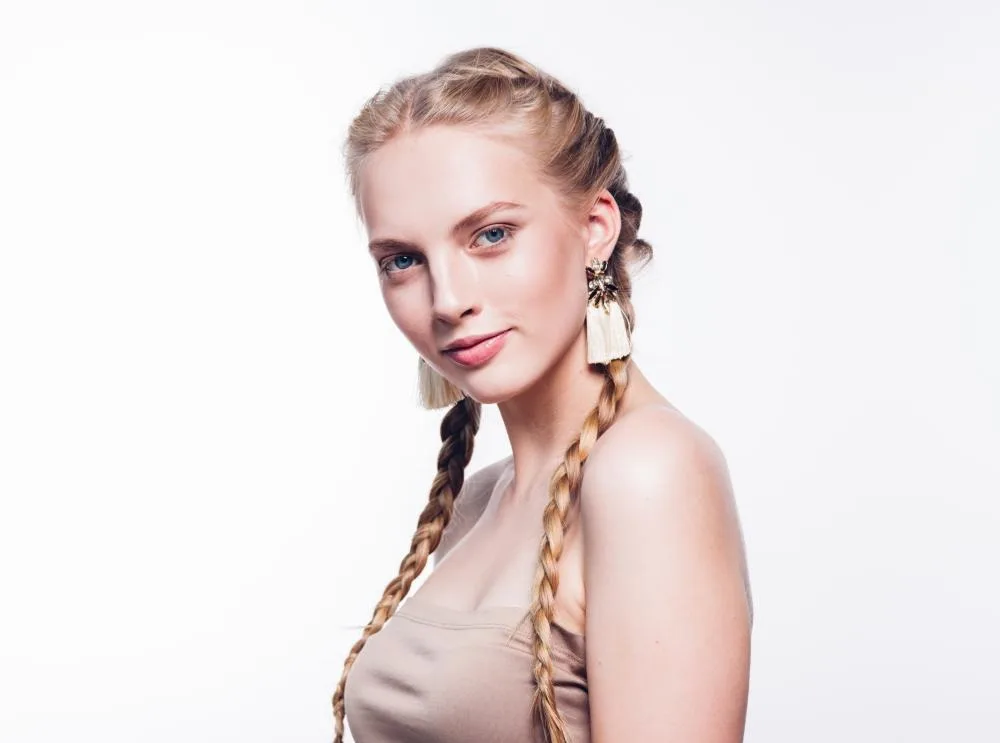
Best for: Younger rodeo fans and anyone who likes their braids balanced and where they can see them.
How to style: Part the hair straight and braid two low plaits, one on each side. Keep the part straight, braid firmly, and tie the tails short or tuck them in so they cannot swing.
Time and cost: Ten minutes and two matching elastics. The waves they leave behind are a bonus rest-day style.
Quick verdict: Fun, balanced and reliable. A good choice for the stands and for rodeo evenings.
The Headband Braid
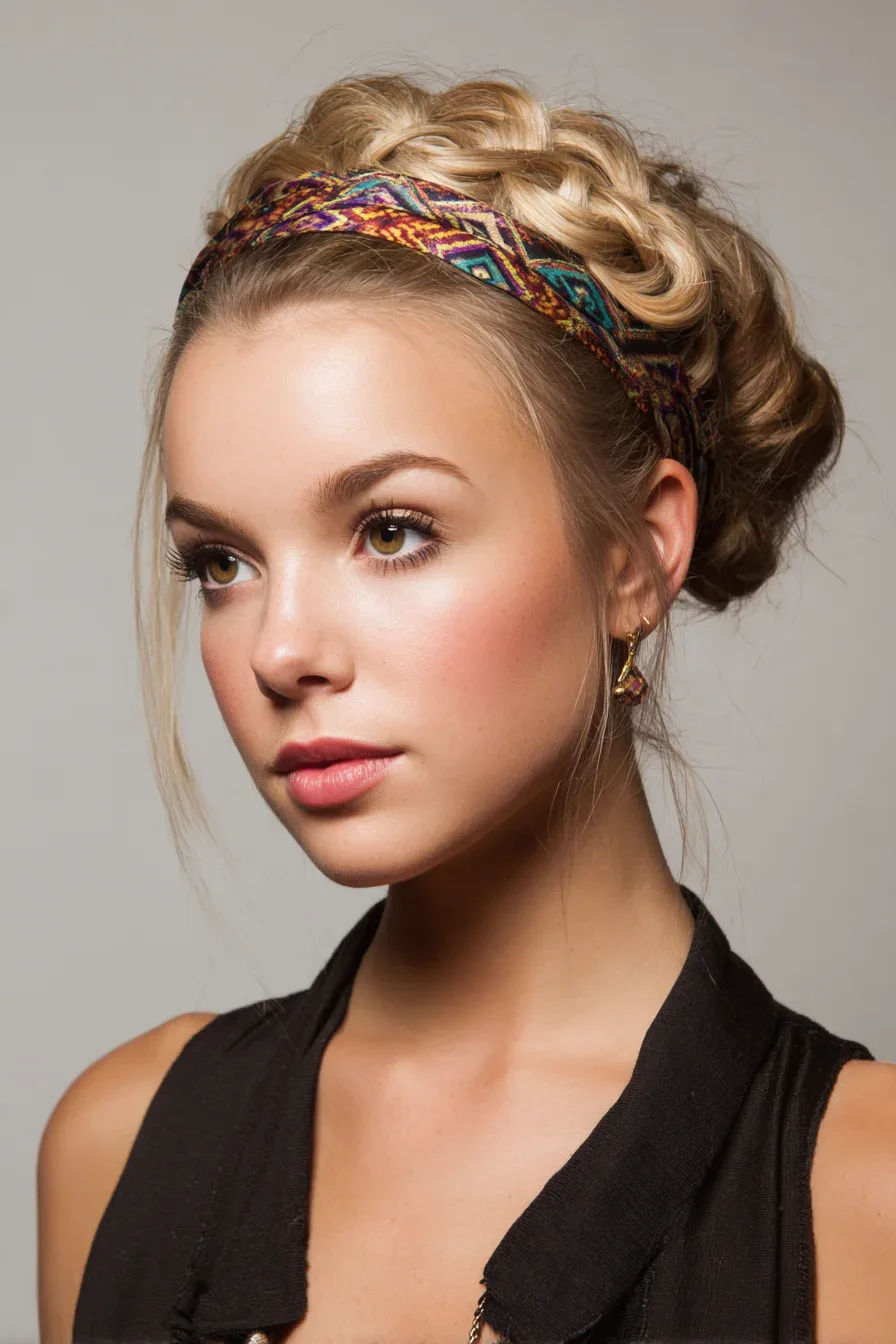
Best for: A fringe that will not stay back, paired with almost any other style underneath.
How to style: Work a small plait along the hairline, from one side to the other, acting like a braided headband. Braid firmly and pin both ends flat behind the ears.
Time and cost: Five minutes and two flat pins. It holds best on slightly damp hair.
Quick verdict: A brilliant add-on rather than a full style. Pair it with a ponytail or braid and your fringe problem is solved.
The Waterfall Braid
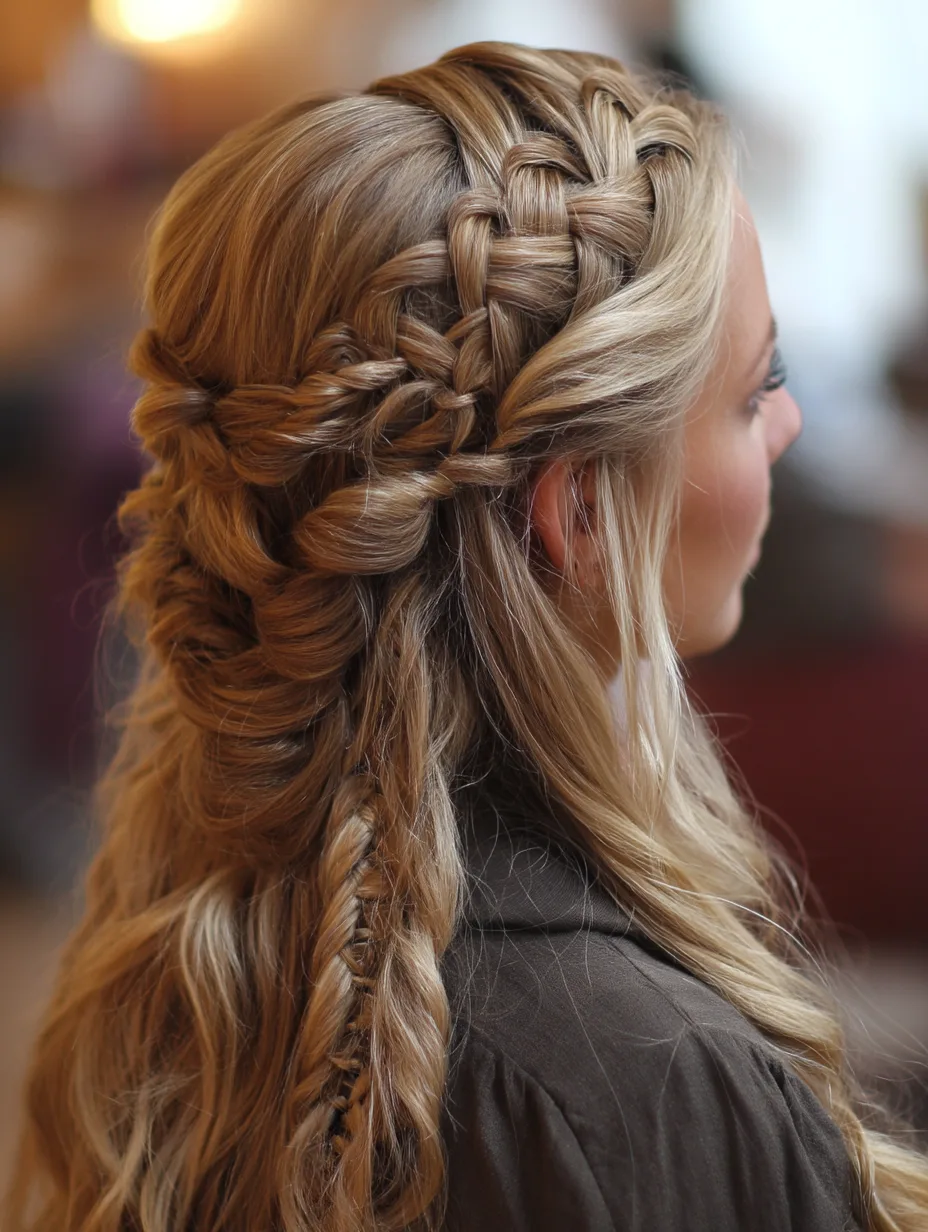
Best for: Rodeo photos, the evening dance and rest days — not for riding or windy arena hours.
How to style: Braid across the head, letting strands drop through the plait to create a cascading effect. Pin the dropped strands back if you wear it outside, and keep a tie handy to gather everything up.
Time and cost: Ten minutes and one elastic. It is beautiful, and it is also the loosest braid in this post.
Quick verdict: Gorgeous, but not a riding style. Keep it for after the rodeo — your hat and your fringe will thank you.
The French Twist
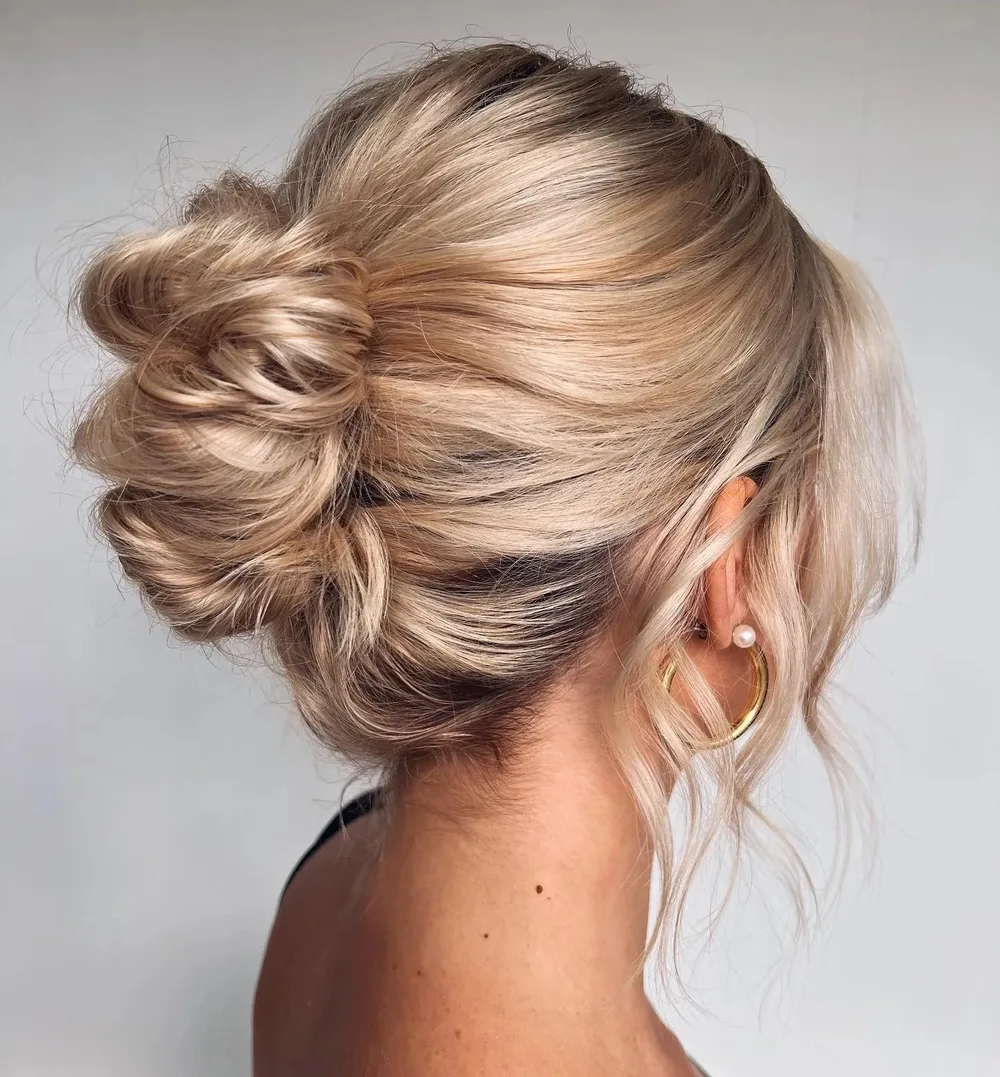
Best for: Rodeo evenings and dressier rodeo events, when you want an elegant, completely contained updo.
How to style: Sweep the hair up and roll it into a vertical twist pinned along the back of the head. Roll it low, pin along the whole length, and check the back before you go.
Time and cost: Ten minutes and plenty of pins. It holds best on hair with some length and grip.
Quick verdict: Elegant and secure when worn low and pinned well. A surprisingly practical choice for a rodeo evening.
The Chignon
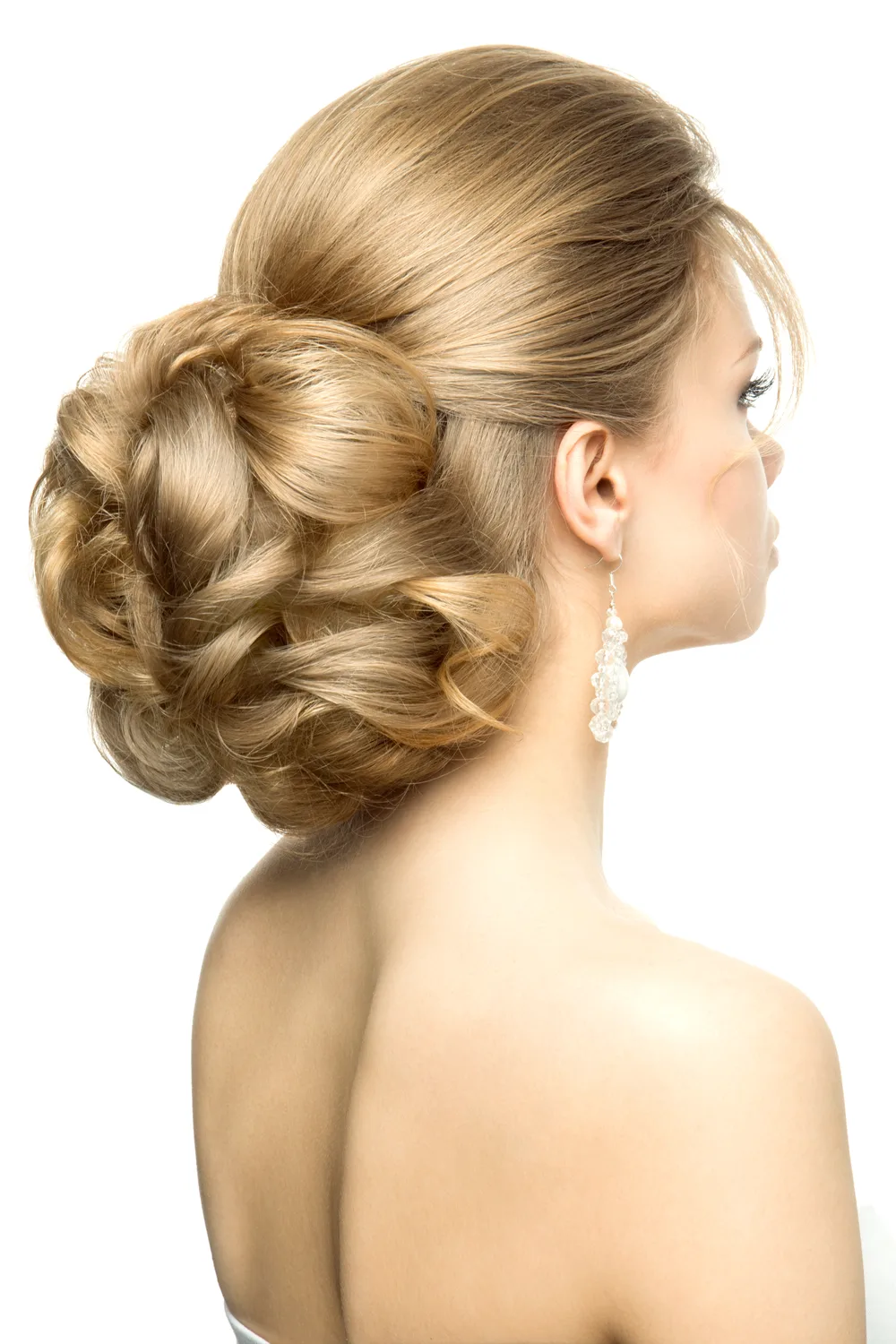
Best for: Dressier rodeo events and the evening dance, when you want a graceful low updo.
How to style: Roll the hair into a low, soft bun at the nape. Roll it firmly, pin in several places, and use a tie as the base so the pins are not doing all the work.
Time and cost: Five minutes, one tie and a few pins. A little texture spray helps fine hair hold it.
Quick verdict: A graceful, hat-friendly updo. Best for shorter sessions or for rodeo-goers who do not mind re-pinning.
Bantu Knots
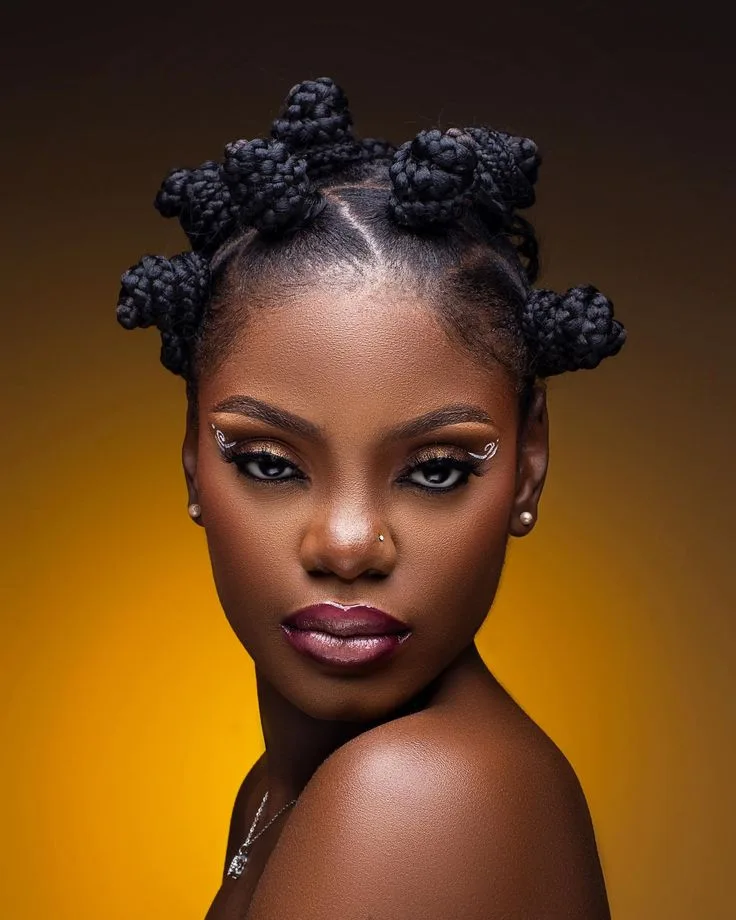
Best for: Coily hair across a rodeo weekend, with the hair completely contained and protected from dust.
How to style: Twist small sections of hair and coil them into tight knots across the head. Keep the tension comfortable, moisturise the scalp, and take them out gently.
Time and cost: One to two hours, then days of wear. Cover the knots at night with a satin scarf and rinse out dust after the rodeo.
Quick verdict: Flat, secure and protective. An excellent rodeo style for coily hair, as long as the tension stays comfortable.
The Halo Braid
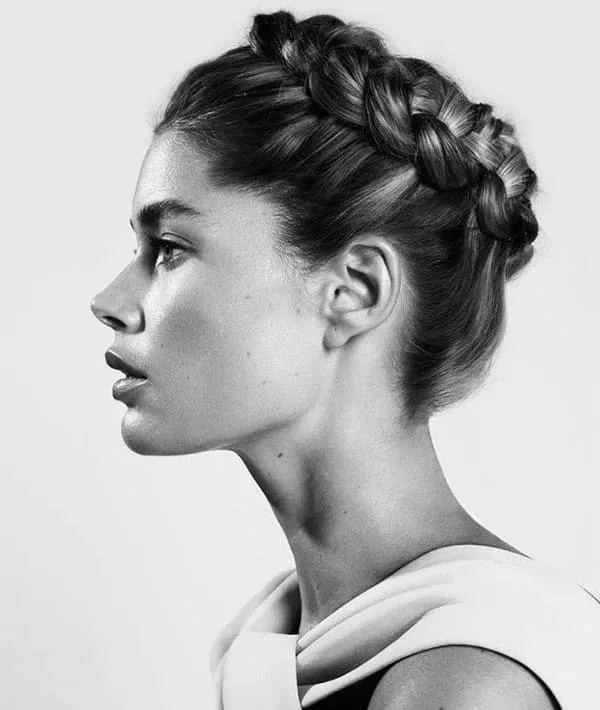
Best for: Long hair on a full rodeo day, when you want the most secure style in this post.
How to style: Wrap a single braid all the way around the head and pin it in place like a crown. Pin along the whole circle, a few inches apart, and check the back in a mirror.
Time and cost: Fifteen minutes and plenty of pins. You need fairly long hair to wrap the whole head.
Quick verdict: One of the most secure styles here, if you have the length and the patience to pin it properly.
The Side-Swept Low Bun
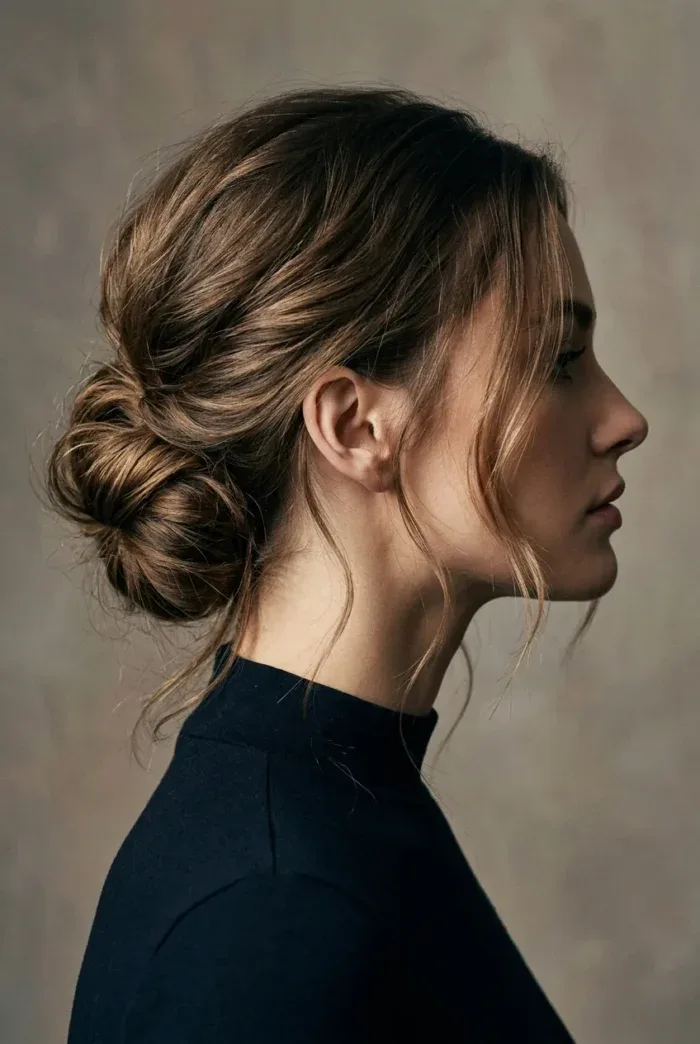
Best for: Rodeo evenings, when you want a bun with a softer, more romantic front.
How to style: Sweep the hair to one side and coil it into a low bun at the nape. Pin the swept front section back firmly with two flat pins and keep the bun low.
Time and cost: Five minutes, one tie and two pins. A little smoothing cream keeps the sweep in place without stiffness.
Quick verdict: A pretty, hat-friendly bun. Pin the sweep and it rides as well as it looks.
The Pixie Cut
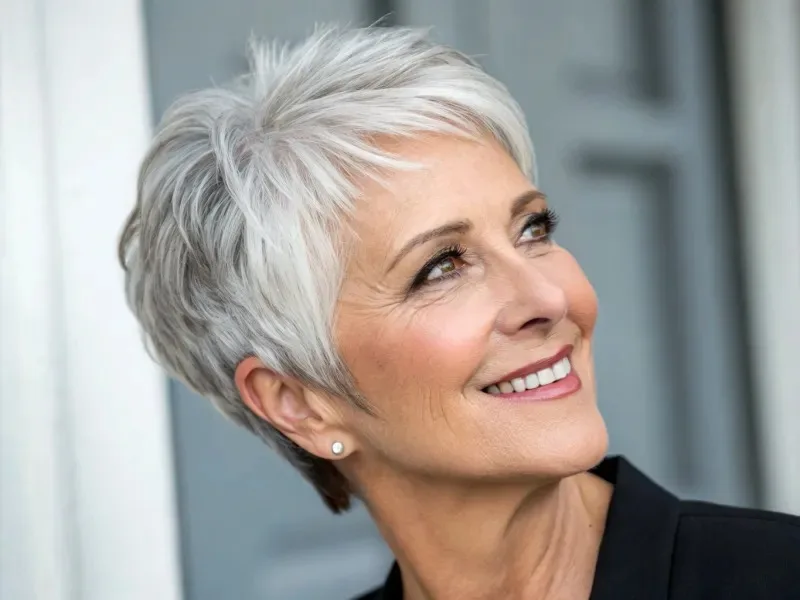
Best for: Anyone who wants the easiest rodeo haircut there is — nothing to tie, nothing to snag, nothing to come undone.
How to style: Wear it as cut, with a light matte product for shape. Keep two flat clips or a thin headband in your purse, because a fringe that is fine at ground level becomes a curtain when you look up at the arena.
Time and cost: One minute of styling, plus a trim every four to six weeks. Wash out dust and sweat the same day.
Quick verdict: The easiest rodeo haircut there is. Bring two clips for the fringe and you are done.
The Shoulder-Length Layered Bob
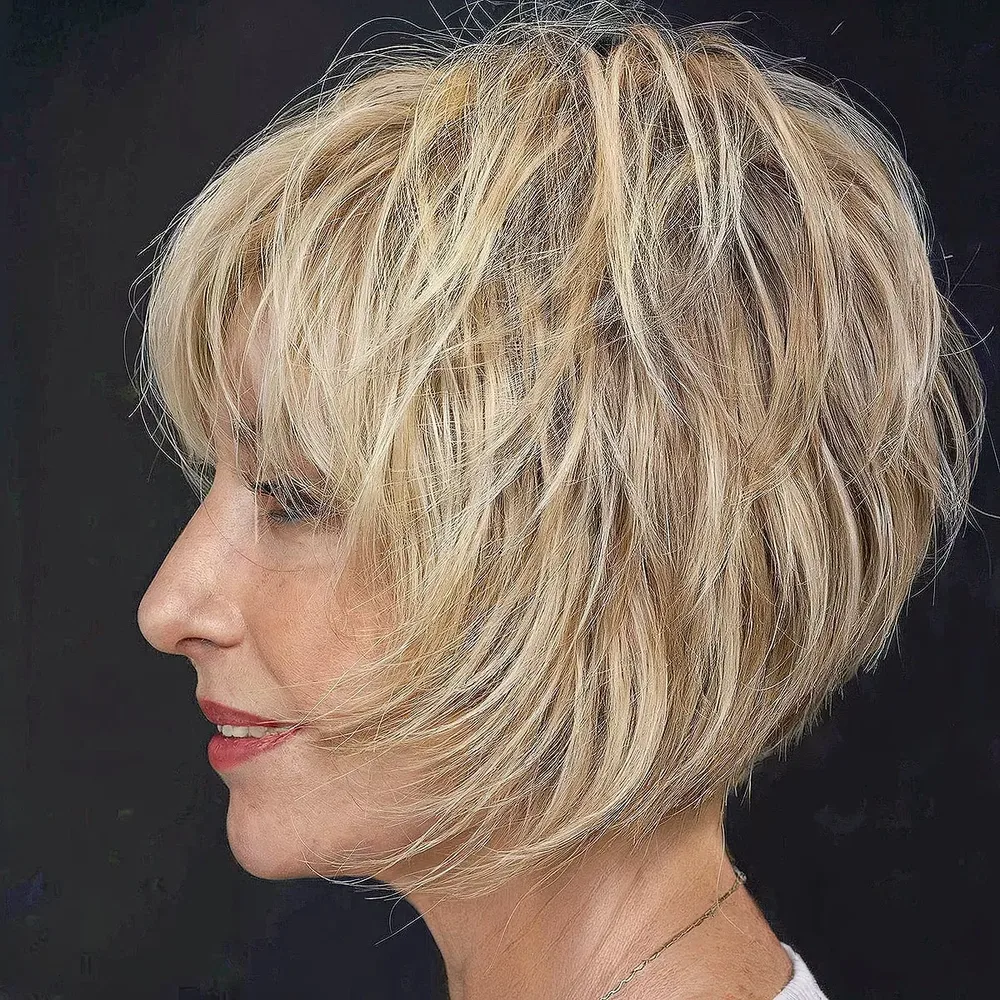
Best for: Rodeo-goers who want a cut that works down on easy days and tied back on riding days.
How to style: Wear it down in the stands, or tie it back in a low ponytail or a half-up braid for riding. Pin the escaping layers and keep a headband handy for the wind.
Time and cost: Five minutes to tie back, plus a trim every six to eight weeks. A leave-in conditioner keeps the layers smooth and the dust easy to wash out.
Quick verdict: A flexible, practical cut for a rodeo. Tie it back, pin the layers, and it will serve you well all day.
Loose Rodeo Waves
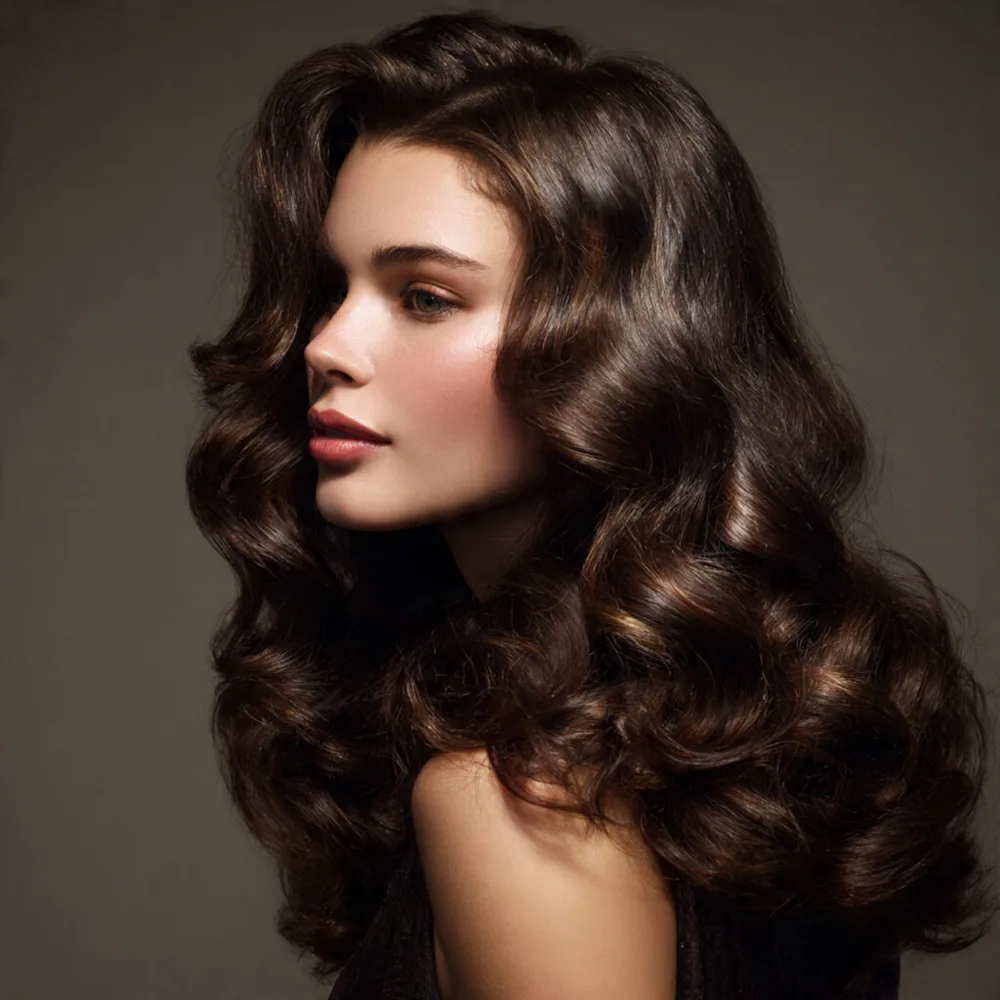
Best for: The rodeo evening and the line dance, when the hat comes off and the hair can finally be free.
How to style: Curl the hair in large sections with a curling iron or braid it damp and undo it, then brush the waves out loosely. A little texturising spray keeps the waves from falling flat in the evening air.
Time and cost: Fifteen to twenty minutes and a curling iron or overnight braids. Touch up the front waves before the dance.
Quick verdict: The classic rodeo-evening look. Save the loose hair for after the arena, not during it.
The Bandana Ponytail
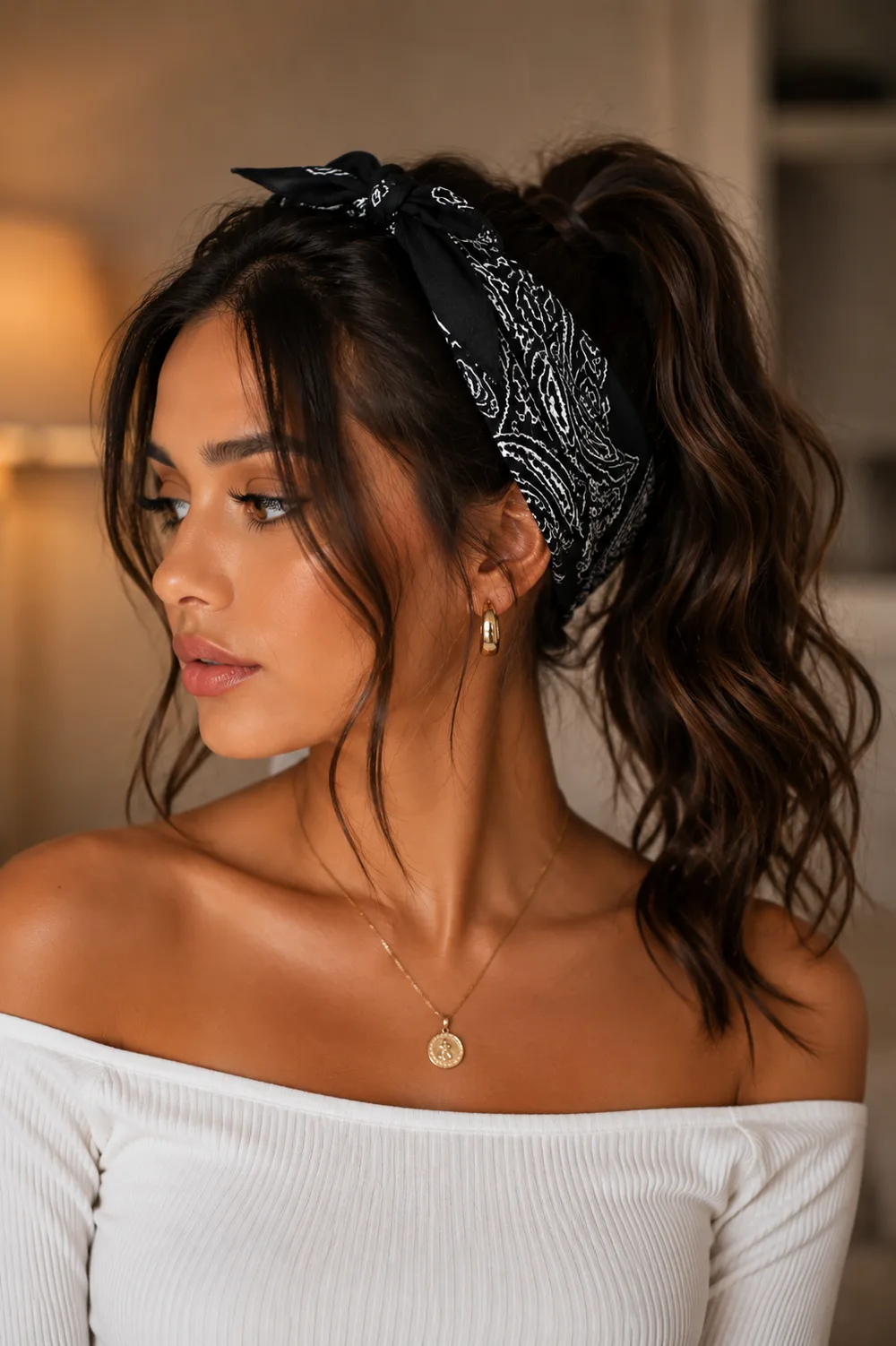
Best for: Dusty arena days, when you want a ponytail with a western finish and a little extra dust protection.
How to style: Tie a low ponytail, then fold a bandana into a triangle and wrap it around the base or over the crown, knotting it underneath. Keep the knot flat so the hat still sits comfortably.
Time and cost: Three minutes, one tie and one bandana. A bandana also doubles as a dust mask on the walk back to the car.
Quick verdict: Practical and unmistakably western. A ponytail with a bandana is rodeo-ready in every way.
The Scarf-Wrapped Low Bun
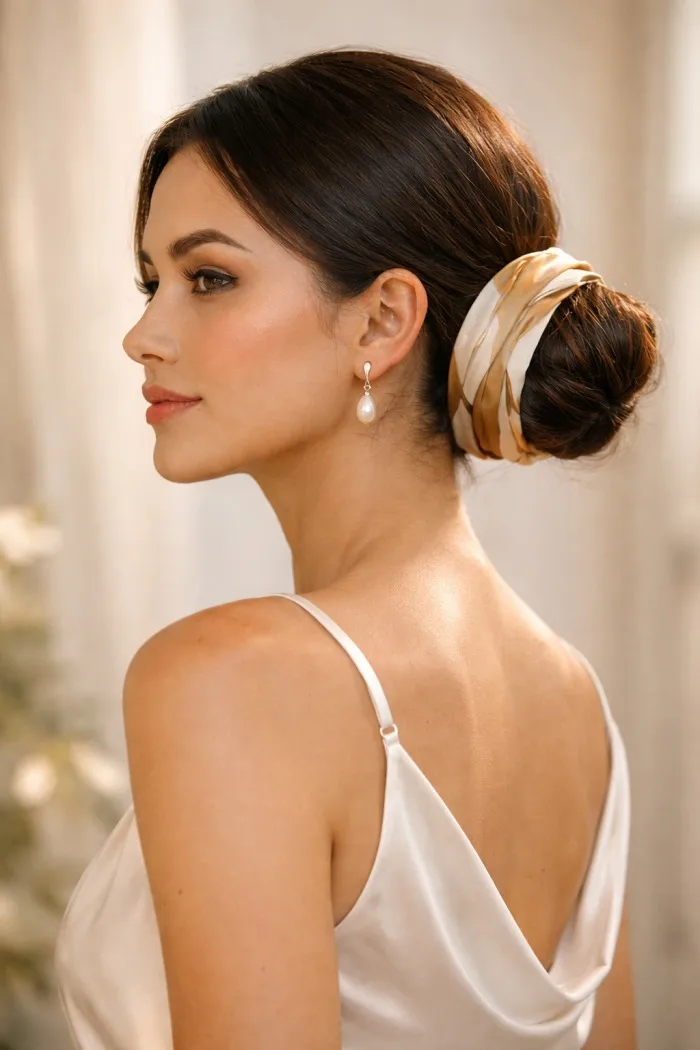
Best for: Dressier rodeo days and the evening, when a plain bun needs a western finishing touch.
How to style: Make a low bun, then wrap a silk scarf around its base and knot it neatly, letting the ends fall. Keep the scarf tight enough that it cannot work loose in the wind.
Time and cost: Five minutes, one tie, a few pins and one scarf. A scarf in a rodeo colour — red, turquoise or black — ties the whole outfit together.
Quick verdict: A small detail that makes a simple bun look finished. Easy, cheap and very rodeo.
Double Braided Pigtails
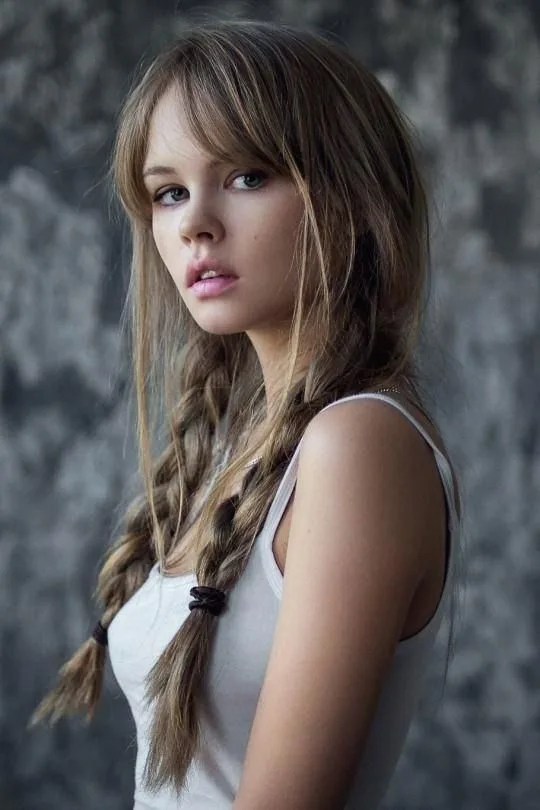
Best for: Young riders, rodeo queens-in-training and anyone who wants two neat braids that stay put all day.
How to style: Part the hair down the middle and braid each side into a pigtail, tying both at the same length. Add a ribbon at each tie for a classic rodeo look, and tuck the tails in if they start to swing.
Time and cost: Ten minutes and two elastics, plus ribbon if you want it. Braid firmly so the pigtails survive a whole day of events.
Quick verdict: Sweet, secure and very rodeo. Two braids, twice the hold, and a ribbon makes it a look.
Voluminous Curls Under a Cowboy Hat
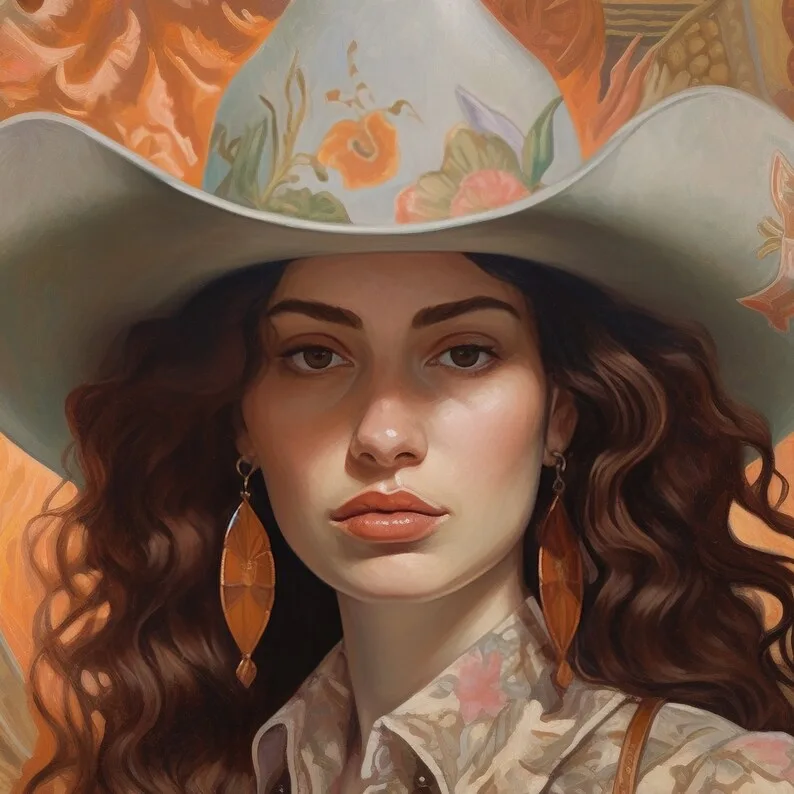
Best for: Naturally curly or permed hair, and rodeo evenings when volume is the whole point.
How to style: Diffuse the curls for volume, then gather the top section loosely so the hat can sit without crushing the curls. Let the curls fall free around the shoulders once the hat comes off.
Time and cost: Fifteen minutes with a diffuser, plus a little curl cream. A wide-tooth comb, never a brush, keeps the curls defined.
Quick verdict: Big curls and a cowboy hat are a classic rodeo pairing. Protect the volume under the hat and let it out for the dance.
Can I wear a cowboy hat with a ponytail?
Yes, if you place the ponytail low. A low ponytail sits below the hat band and the crown, so the hat stays level and comfortable. A high ponytail can push the hat forward, so drop the placement to the nape for a full rodeo day.
What is the best hairstyle for barrel racing?
A French braid or double Dutch braids are hard to beat for barrel racing. They hold through fast turns, keep hair out of your face, and survive dust, sweat and a hat. A low braided ponytail works well too if you prefer something faster.
How do I keep my hair out of my face at a rodeo?
Braid the front layers back, use a headband braid or a thin headband, and pin any escaping pieces flat with snag-free pins. A slicked-back ponytail or a French braid solves the problem at the source, rather than fighting loose strands in the arena wind.
Can I wear a bun with a cowboy hat?
Yes, if the bun sits low at the nape. A low bun or a braided bun fits below the hat line and stays comfortable all day. A high bun or a top knot presses against the hat crown and should be saved for the evening, after the hat comes off.
How do I stop braids coming loose at a rodeo?
Braid on slightly damp hair with a little grip, keep the tension even, and finish with a strong snag-free elastic. Tuck the tail under or braid to the very end, and re-braid rather than trying to patch a braid that has gone slack.
What should I do about dust in my hair after a rodeo?
Rinse the hair with lukewarm water first, then work conditioner through the lengths before you shampoo. Do not brush dry, dusty hair, as that drags the dust through the strands and causes breakage. A leave-in conditioner before the rodeo helps dust wash out more easily.
Is it better to go to a rodeo with wet or dry hair?
Slightly damp hair is best for braiding, because it grips better and holds longer. Soaking wet hair is heavy, stretches the style, and takes longer to dry under a hat. Dry hair works fine for ponytails and buns, especially with a little texture spray for grip.
How do I protect curly hair at a rodeo?
Contain the curls in braids, twists or a low bun, rather than pulling them into a tight slick ponytail. Work with damp, conditioned hair, use a satin-lined hat band or a light leave-in under the hat, and detangle gently with conditioner after the rodeo.
What hair ties are best for a rodeo?
Snag-free fabric ties and strong elastics without metal joins are best, because they grip without tearing the hair. A scrunchie is gentler for long days, while a thick elastic holds a heavy braid. Carry a spare in your pocket or purse.
Can I wear a bandana under my cowboy hat?
Yes, a thin bandana under the hat can keep dust and loose strands out of your eyes, and it adds a western touch to the outfit. Keep it thin and flat so it does not change the hat fit, and never loosen the hat to make room for it.
Conclusion
The right style for you is the one that passes the three tests: it stays put, it keeps your hair out of your face and away from your hat, and it works with your cowboy hat. For most rodeo days, that means a French braid, double Dutch braids or a low braided ponytail — and for the evening, a low bun, loose waves or voluminous curls once the hat comes off. The best hairstyles for a rodeo are not the prettiest ones in the mirror; they are the ones you forget about completely from the first event to the last dance.
Try two or three styles from this guide on easy rodeo days first, do the shake test at home, and keep a spare tie, a few pins and a bandana in your bag. Once you find the style that holds through dust, wind, sweat and a long day under a hat, stick with it — and let your hair be the last thing you think about when the music starts.