Roller Coasters, Rides and Ready Hair: 44 Hairstyles for a Theme Park That Survive Every Twist and Turn
There is a particular kind of hair disaster that only a theme park can cause. You arrive in the morning with your hair looking perfect, you ride one roller coaster, and by the time you get off, your hair is a tangled, windswept, sweat-dampened mess that no longer resembles the style you started with. Add a log flume, a full day of sun, and twelve hours on your feet, and most hairstyles simply give up. That is why hairstyles for a theme park need to be chosen differently from everyday hairstyles — they need to survive wind, speed, water and sweat, and still look good in the ride photo.
This guide gives you 44 hairstyles for a theme park that actually hold up, for every hair length and texture, from a three-minute high ponytail to cornrows that last the whole trip. Every style has been picked because it does three things: it keeps hair out of your face on a coaster, it stays secure through drops and inversions, and it still looks good in photos at the end of the day. Alongside the styles, you will find eight short guides on the things that matter just as much as the style itself: wind-proofing, sun and sweat, water rides, hats and headbands, hair by length, ride photos, packing a hair kit, and quick fixes between rides.
Pick a style the night before, pack your hair kit, and test the style with the shake test — if nothing moves when you shake your head hard, it will survive the coaster. Your hair should be the last thing you think about in the park, not the first.
Wind and Roller-Coaster-Proofing Your Hair
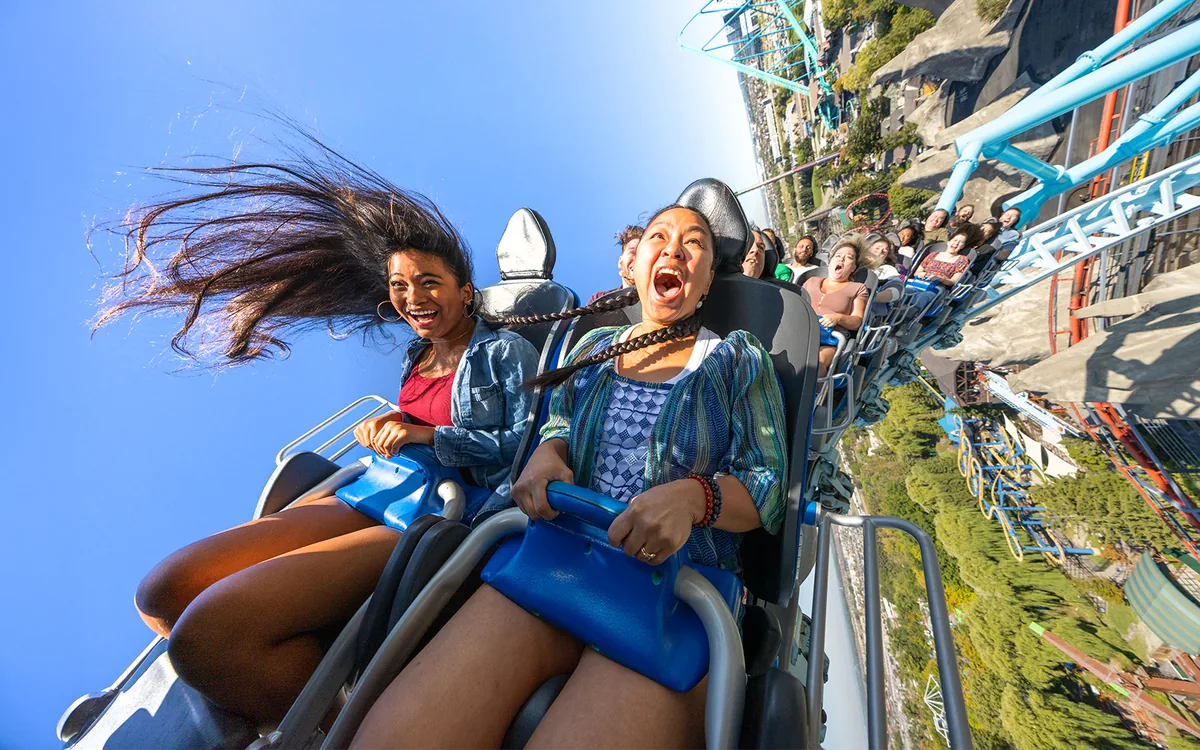
Wind is the first thing a theme park does to your hair, and a roller coaster multiplies it. At sixty miles an hour, loose hair becomes a whip, a tangle and a blindfold all at once. The styles that survive are the ones with no loose ends: braids, buns and ponytails tied in two places. If your hair is loose when you board, it will not be neat when you get off — so the proofing happens before you join the queue, not after the ride.
The single most useful habit is the two-point anchor: every style should be secured in at least two places, whether that is two ties, a tie plus pins, or a braid plus an elastic. A style held at one point will pivot and loosen under G-force; a style held at two points stays where you put it. Test it before you leave the hotel: shake your head hard from side to side. If nothing moves, the style is coaster-ready.
For the biggest coasters, tuck the tail of a ponytail or braid inside your top or under a light jacket so it cannot whip across your face or a stranger’s. Avoid loose scarves, long ribbons and dangling accessories on fast rides — they can fly off or catch.
Sun and Sweat: Keeping Hair Comfortable All Day
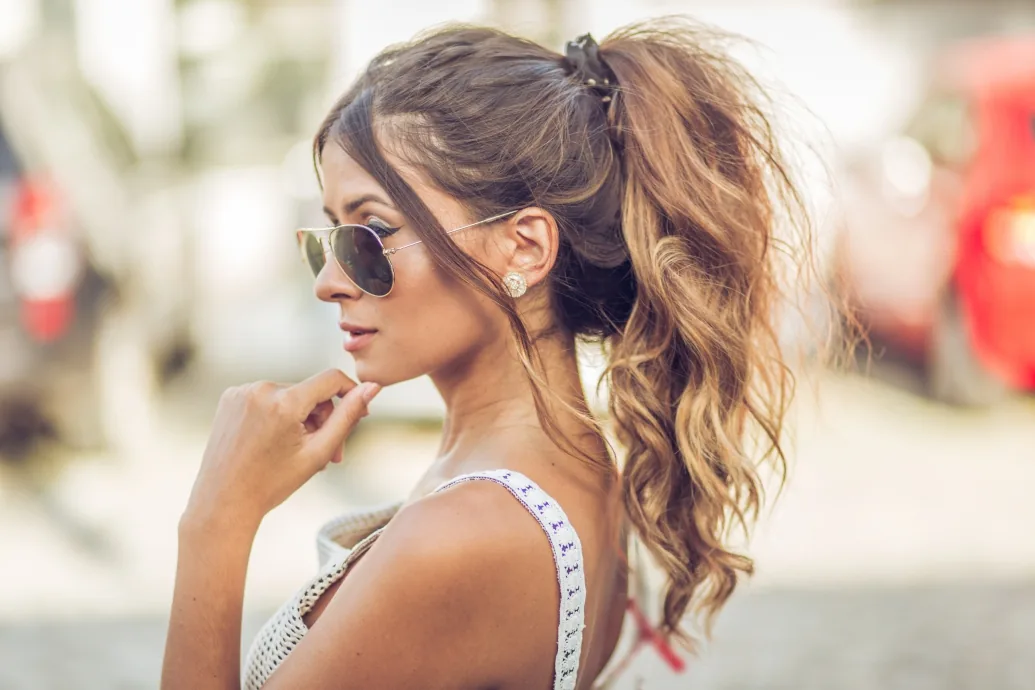
A theme park day is a long day outdoors, and your hair takes the same sun and sweat your skin does. Sweat loosens styles from the roots, makes smooth hair go frizzy, and turns a neat ponytail into a damp, sliding one by mid-afternoon. The fix is not more product — it is the right base. Start with dry hair, add a little texture spray or dry shampoo at the roots for grip, and choose styles that lift hair off the neck, where sweat pools first.
Sun matters too. Hours of direct sun dry hair out, fade colour and make the scalp burn along the parting — the one place most people forget to protect. A hat or a headscarf helps, but if you will not wear one, use a UV-protective spray in the morning and reapply sunscreen along your parting and the tops of your ears. Coloured hair fades fastest, so a leave-in with UV protection is worth packing.
The other half of sweat management is what you carry. A small towel or a few blotting papers for your neck, a spare hair tie, and a travel-size dry shampoo will rescue your style at lunchtime. Dab sweat away rather than rubbing it into your hair, and re-tighten your style after the hottest part of the day.
Water Rides: Hair That Survives the Splash
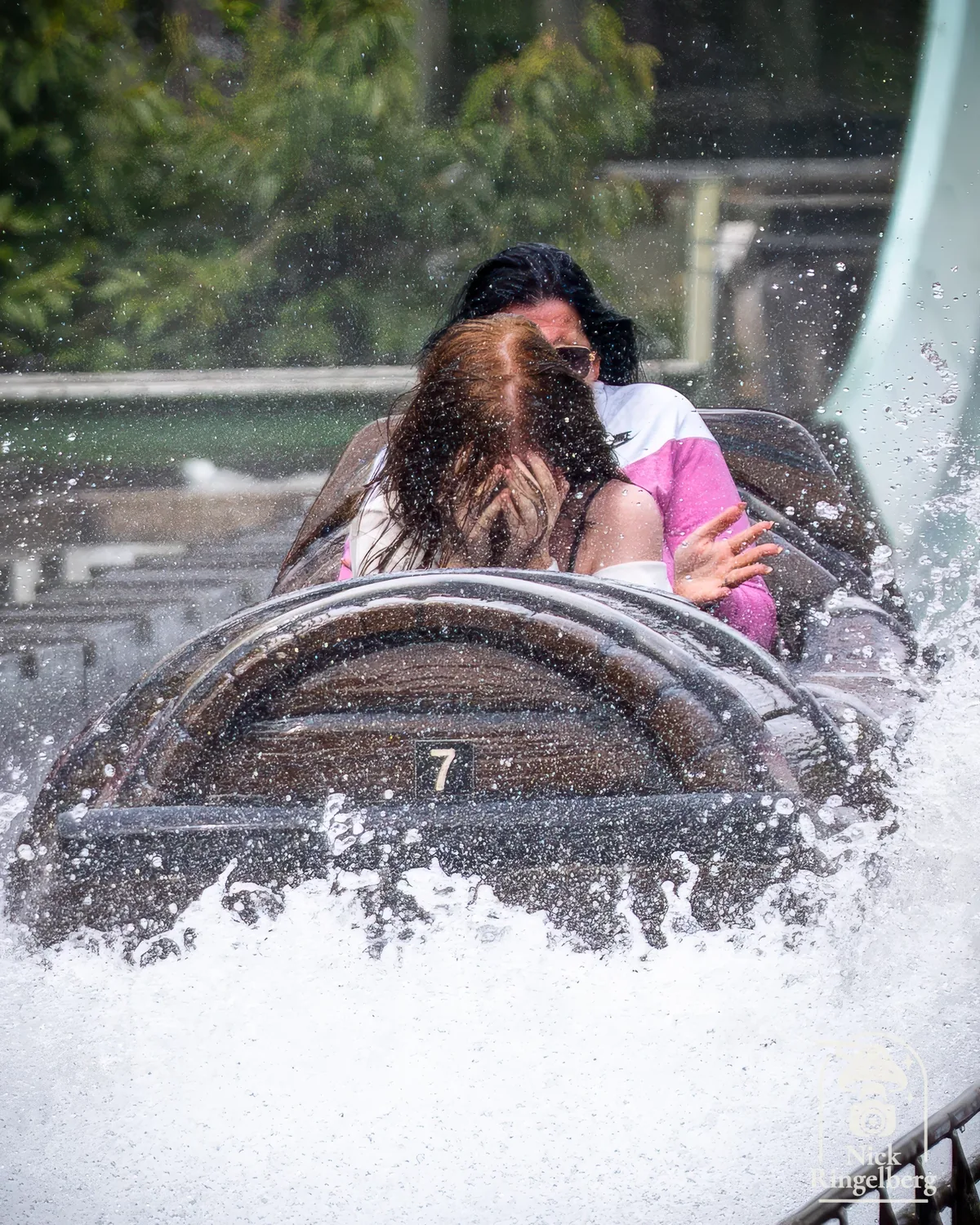
Water rides are the great leveller of theme park hair: a log flume or a rapids ride will soak whatever you are wearing, and no amount of hairspray survives a full drenching. The trick is to choose a style that looks good wet. Braids, buns and slicked-back ponytails all dry in their shape, so you come off the ride looking intentional. Loose hair, on the other hand, comes off the ride plastered to your face and tangled beyond a quick fix.
Before a water ride, the best move is a quick switch: if you have been wearing your hair loose, braid it or twist it into a bun first. It takes a minute, and it saves twenty minutes of detangling later. If you know a water ride is coming, a waterproof bag for your phone and a small towel in your day bag are worth more than any styling product.
After the ride, do not brush wet hair — it stretches and snaps. Squeeze the water out with a towel, finger-comb the ends, and let the style air-dry in its shape. A braid will dry into soft waves; a bun will dry into a neat coil; a ponytail will just need a re-tighten. If your hair is curly, scrunch it gently with your hands and it will reform as it dries.
Hats and Headbands on Rides
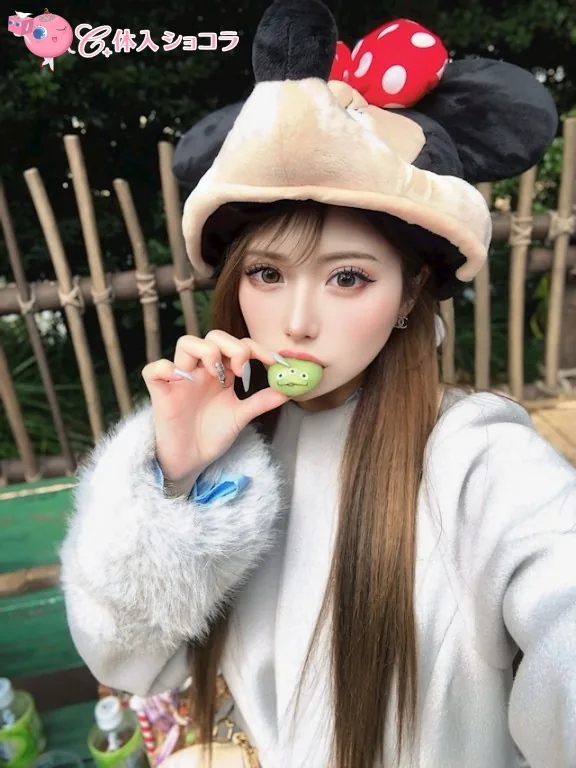
Hats and headbands are the most useful accessories at a theme park — and the easiest to lose. A hat keeps the sun off your face and your scalp, and a headband keeps sweat and baby hairs out of your eyes. But on a roller coaster, a loose hat becomes a projectile, and a smooth headband slides straight off. The rule is simple: if it is not secured, it does not go on the ride.
For hats, choose one with a chin strap, a drawstring, or a snug fit, and take it off and hold it — or store it — before the biggest coasters. A baseball cap worn backwards is safer than a wide-brimmed hat, which catches the wind. For headbands, the ones that work are wide fabric bands with a silicone grip strip inside, or a textured weave that holds on its own. Thin elastic bands look neat but roll and slide once they get damp with sweat.
Mouse ears and themed headbands deserve a special note: they are part of the fun, but they are also the most commonly lost item on a coaster. Wear them for photos and parades, and take them off — or hold them — on fast rides.
Hair by Length: Short, Medium, Long and Curly
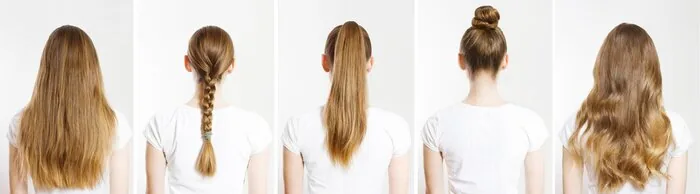
Theme park hair is not one-size-fits-all, because length changes everything. Short hair is the easiest: it cannot tangle, it dries in minutes after a water ride, and a little product is all it needs. The challenge is keeping it out of your eyes, which a headband, a few clips or a slicked-back finish will do. If your hair is a pixie or a short bob, you are already ahead — spend your energy on sunscreen, not styling.
Medium hair is the most versatile length for a park day. It is long enough to braid, bun and ponytail, and short enough that none of those styles gets heavy. A French braid, a low bun or a bubble ponytail all work beautifully at this length. The main risk is the ends: medium layers can poke out of a braid, so a slightly tighter braid or a bun will hold them better.
Long hair needs the most planning, because it has the most to tangle and the most weight to pull. Braids are your best friend — they contain the length, stop the whipping, and dry in their shape after water rides. A high ponytail works too, but tie it in two stages so it does not sag.
Photos on Rides and Around the Park
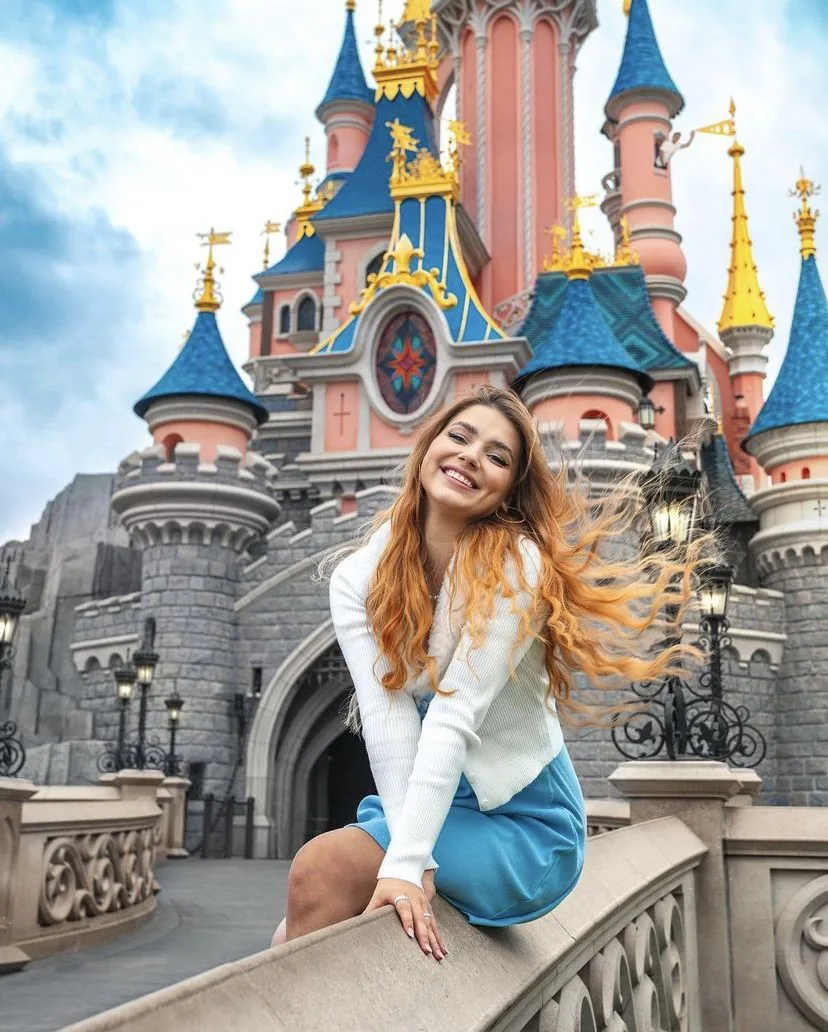
Theme park photos are half the fun, and your hair is in every one of them — the on-ride camera, the castle selfie, the group shot at the gates. The styles that photograph best are the ones with shape and structure: a braid, a bun or a bubble ponytail reads clearly even in a blurry ride photo, while loose hair in wind reads as a blur. If you want to recognise yourself in the ride photo, wear your hair up.
For the on-ride camera, remember it catches you at the fastest, windiest moment of the ride. A style that is secure will look joyful; a style that is coming apart will look like a bad hair day frozen in time. Braids and buns are the safest bet, and a headband keeps your fringe out of your eyes so your face is visible. If you are buying the photo package, check your hair in the preview — a quick fix before the next ride is worth it.
Around the park, the best photos come from a quick check before you pose: smooth the front with your palms, re-seat your headband, and make sure your parting is where you want it. Golden hour — the last hour before sunset — is the most flattering light in the park, and it is also when your hair is at its most tired, so a five-minute reset before the evening photos will pay off.
Packing a Park Hair Kit
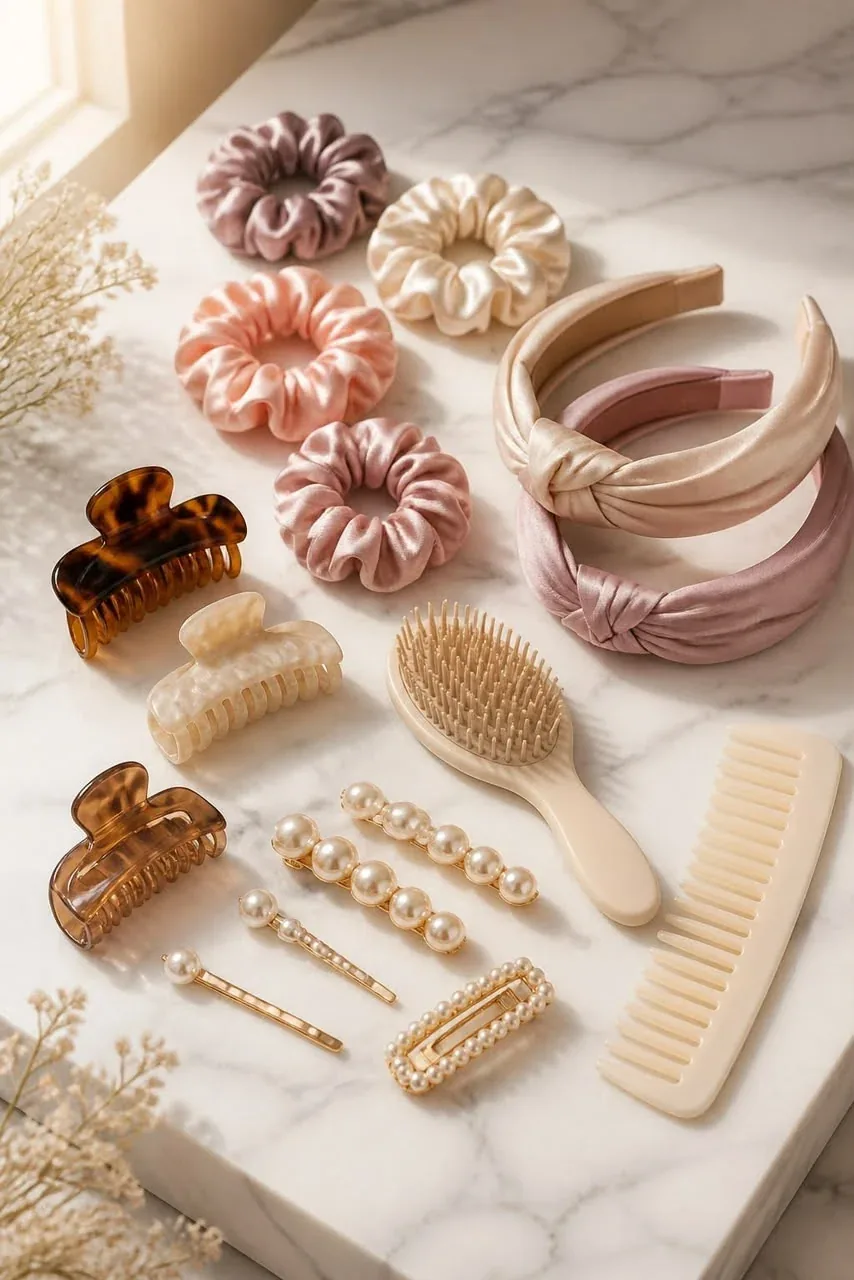
A theme park hair kit is small, cheap and worth its weight in gold. It fits in a sandwich bag at the bottom of your day bag, and it will save your style at least twice during the day. The essentials are: two spare hair ties, four bobby pins, two small elastics, a wide fabric headband, a travel-size dry shampoo, a small tube of styling cream or gel, a pocket comb, and a few blotting papers or a small towel for sweat.
Add a few extras if you have the space: a silk scrunchie for curly hair, a couple of claw clips for a quick switch, a small bottle of leave-in conditioner for after water rides, and a spare ribbon or scarf if you like accessories. Everything should be small and light — you will be carrying it for twelve hours, and a heavy bag ruins a park day faster than bad hair.
Pack the kit the night before, and keep it in the same pocket of your bag every time so you can find it without thinking. The most common mistake is packing the kit and then leaving it in the hotel, so put it in the bag you actually carry into the park.
Quick Fixes Between Rides
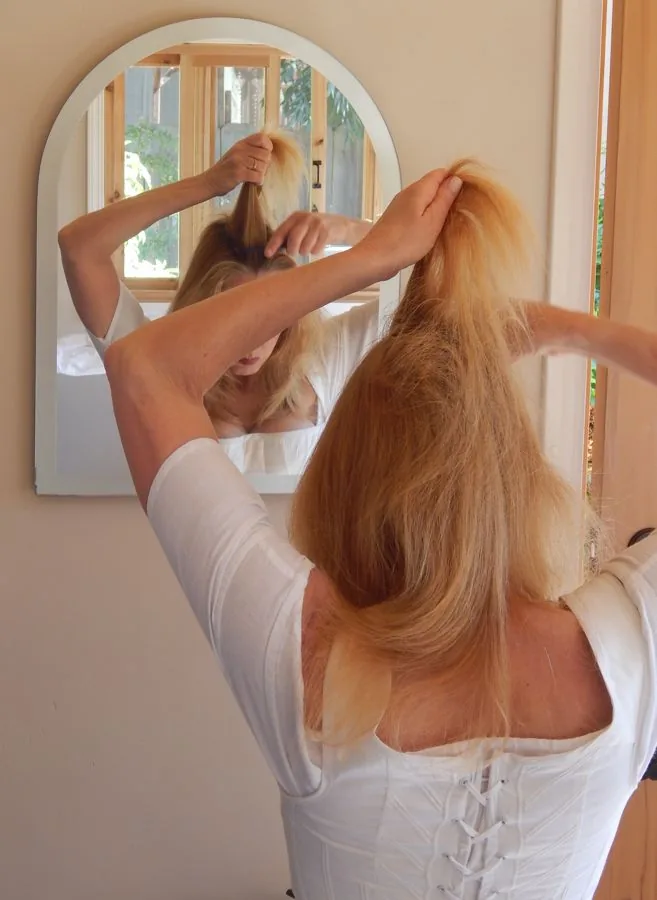
No theme park hairstyle survives twelve hours without a little help, and the difference between good hair at closing time and a disaster is a few thirty-second fixes between rides. The best time to fix your hair is in the queue: you are standing still, you have a few minutes, and nobody is watching. Learn these four fixes and you will never need a mirror.
First, the ponytail re-tighten: split the tail in two, pull the halves apart, and the tie will tighten itself. Second, the braid rescue: if a braid has loosened, re-braid only the bottom few inches and secure it — the top will still be holding. Third, the bun twist: if a bun has sagged, twist it tighter and add a pin. Fourth, the fringe fix: smooth flyaways with a dab of styling cream, or pin them back with a bobby pin crossed over another one for grip.
The other quick fix is knowing when to switch styles. If your morning style has given up by lunch, do not fight it — change it. A loose half-up style becomes a full braid, a ponytail becomes a bun, and a bun becomes a braid. A style change at lunch is a fresh start, and it takes less time than trying to rescue a style that has already lost.
1. The High Secure Ponytail
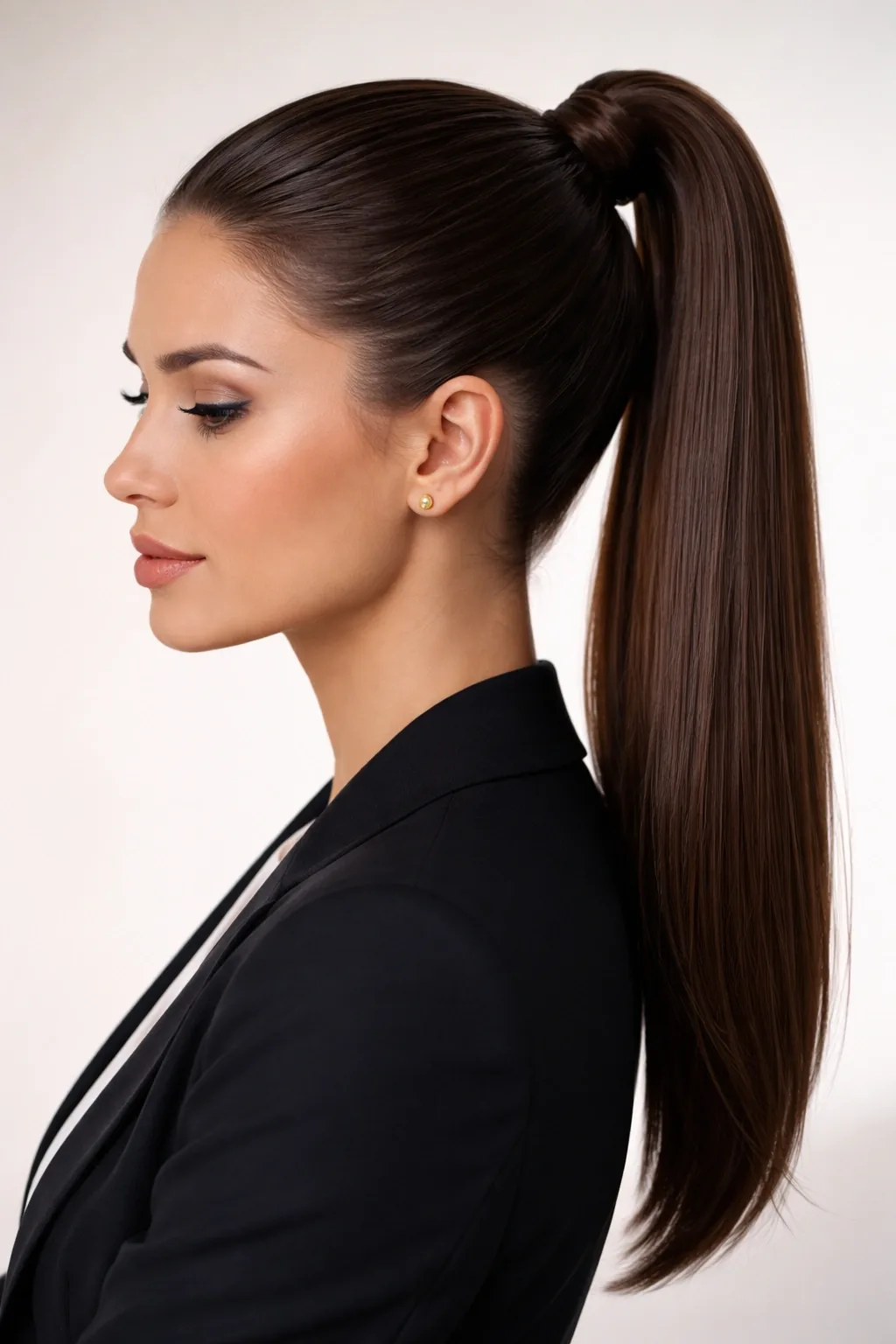
The high ponytail is the theme park classic for a reason: it lifts every strand off your neck, keeps hair out of your face on a roller coaster, and takes about three minutes to do in the car park. Gather your hair high at the crown, smooth the front with your palms, and secure it with a thick no-slip tie.
Pros: fast, keeps all hair off the neck, suits every length past the shoulders, and looks good in ride photos. Cons: can sag as the day goes on if tied only once, and a very tight ponytail can ache after twelve hours.
Maintenance — how it holds up on rides: tie it in two stages for a full park day. Gather the top half first and secure it, then gather the rest and join it to the first tie. This double anchor stops the ponytail from dropping during drops and inversions.
Who should avoid it: anyone with a very tender scalp or fine hair that snaps easily should skip the ultra-tight version.
2. The Braided High Ponytail
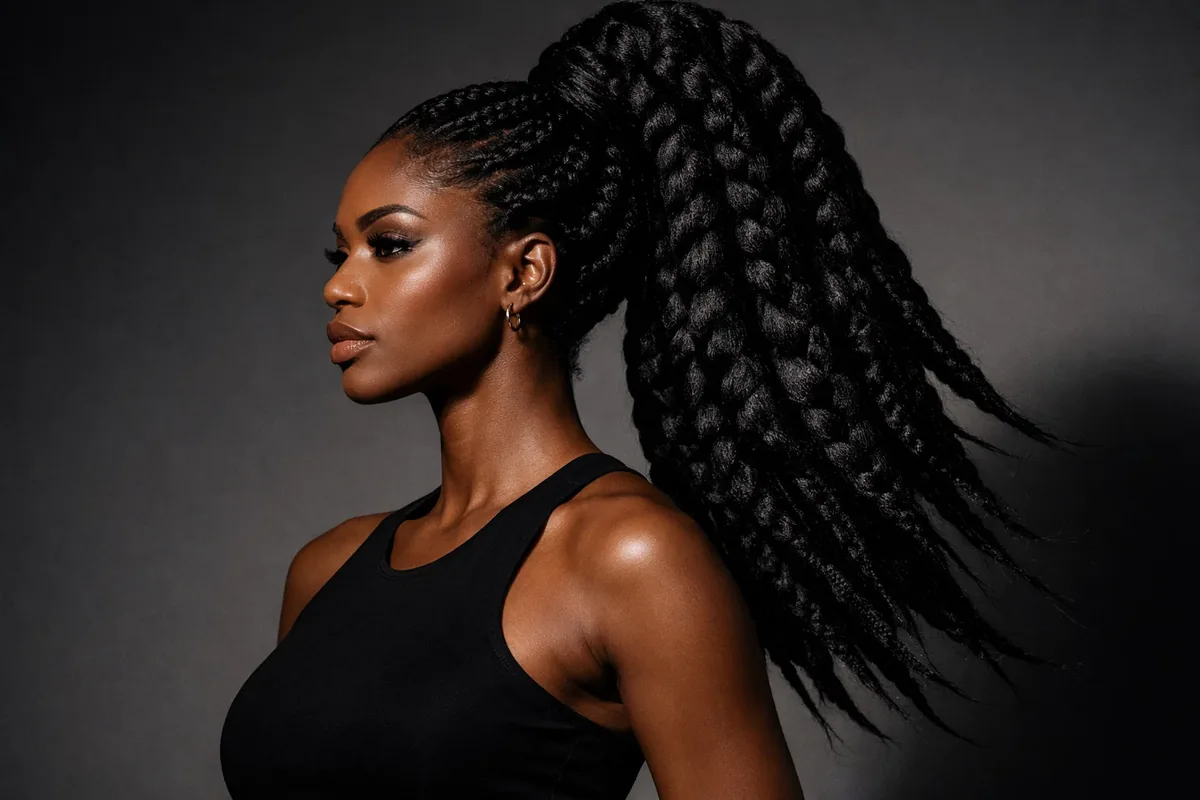
A braided high ponytail takes the classic ponytail and locks it down for the rides. Tie your hair high, then braid the tail itself — a simple three-strand braid is enough — and secure the end with a small elastic.
Pros: the tail cannot tangle or whip, it photographs beautifully, and it survives water rides without falling apart. Cons: it takes a few minutes longer than a plain ponytail, and unbraiding it at the end of the day takes patience.
Maintenance — how it holds up on rides: the braid is its own maintenance. Check the end elastic after water rides and re-braid only the last few inches if they have loosened.
Who should avoid it: if your hair is very short or heavily layered, the braid may fall apart at the ends.
3. Double Dutch Braids
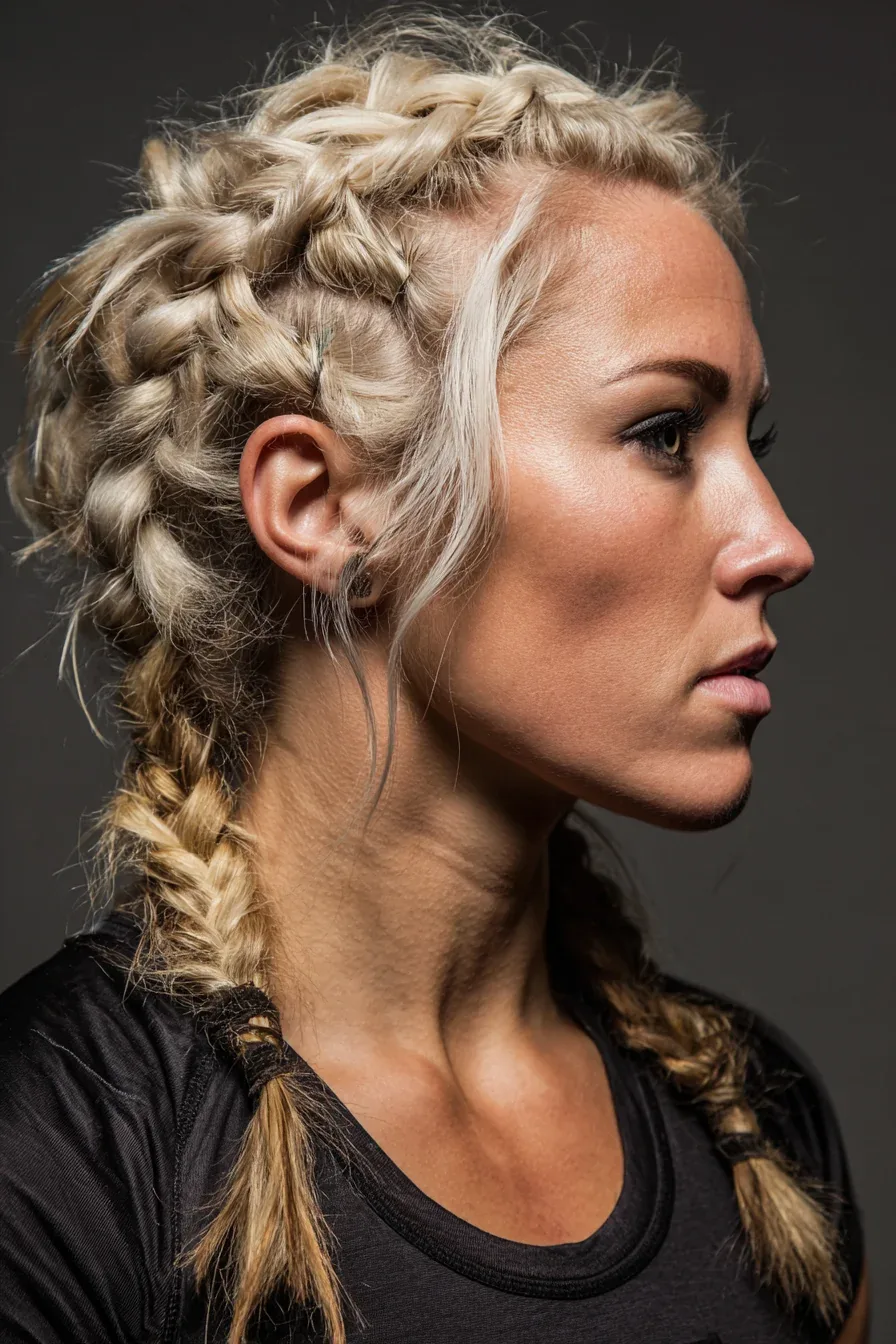
Double Dutch braids — boxer braids — are the most ride-proof style in this whole guide. Two tight braids run from the hairline to the nape, locking every strand flat against the head, so wind, loops and log flumes have nothing to grab. They also look deliberately sporty and fun, which suits a theme park day far better than a formal updo.
Pros: nothing moves, not even on the fastest coaster; they last all day and into the next; they keep hair completely out of your face. Cons: they take ten to fifteen minutes to do well, and sleeping in them can leave kinks.
Maintenance — how it holds up on rides: almost none is needed. That is the point. Tuck the ends under with small elastics, and if a few baby hairs escape at the hairline, smooth them with a dab of styling cream between rides.
Who should avoid it: anyone who dislikes a tight, pulled-back feeling should skip these, and very short hair will not reach the nape.
4. The Classic French Braid
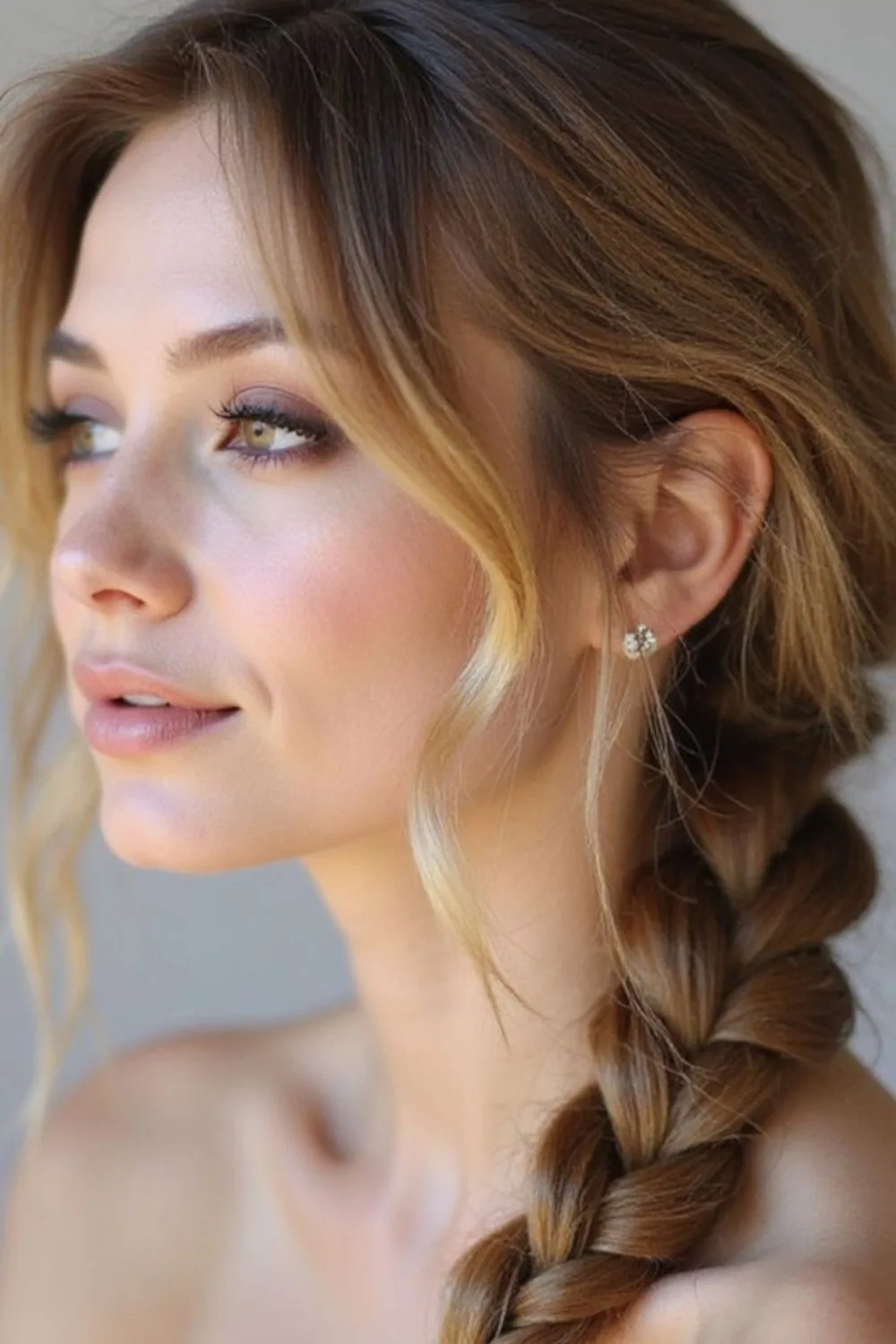
The French braid is the quiet workhorse of theme park hair. One braid down the back of the head keeps everything contained, and because the hair is woven in as you go, there are no loose sections for the wind to catch.
Pros: one braid, total control, no accessories needed beyond a single elastic, and it ages well through the day. Cons: it can loosen at the nape on a very long day, and a self-braid is hard to keep perfectly even.
Maintenance — how it holds up on rides: start the braid high and keep it snug for the first few crosses, because that is where it loosens first. A second elastic halfway down acts as insurance on big coasters.
Who should avoid it: very layered hair will poke out along the braid, and very thick hair can make the braid heavy.
5. The Fishtail Braid
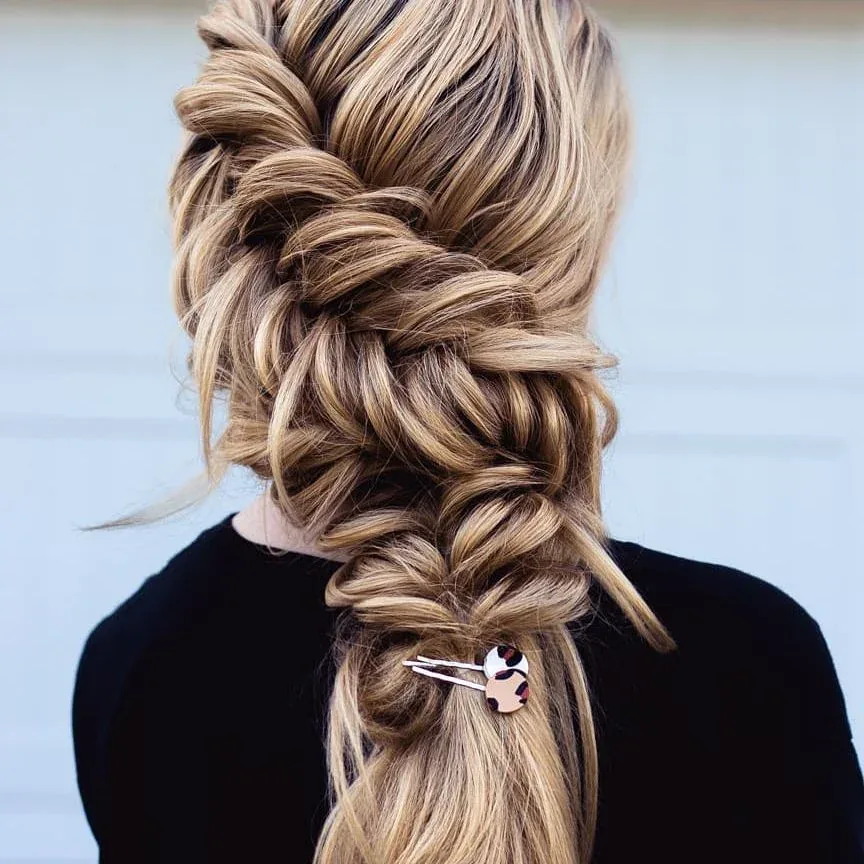
A fishtail braid looks intricate but it is only two sections of hair crossed over each other, and it is one of the prettiest ways to keep long hair under control at a theme park. It lies flatter than a three-strand braid, so it sits comfortably against a ride headrest, and it looks better slightly messy — which is exactly how it will look after three coasters.
Pros: beautiful, flat against the head, and forgiving when it loosens. Cons: it takes longer than a normal braid, and it can unravel at the ends if the elastic is weak.
Maintenance — how it holds up on rides: use a strong, small elastic and wrap a strand of hair around it to hide it. The fishtail holds up well on rides because the weaving is tight, but check the tail after a water ride and re-secure the end if it has slipped.
Who should avoid it: if you need a style done in under two minutes, this is not it.
6. The Low Braided Bun
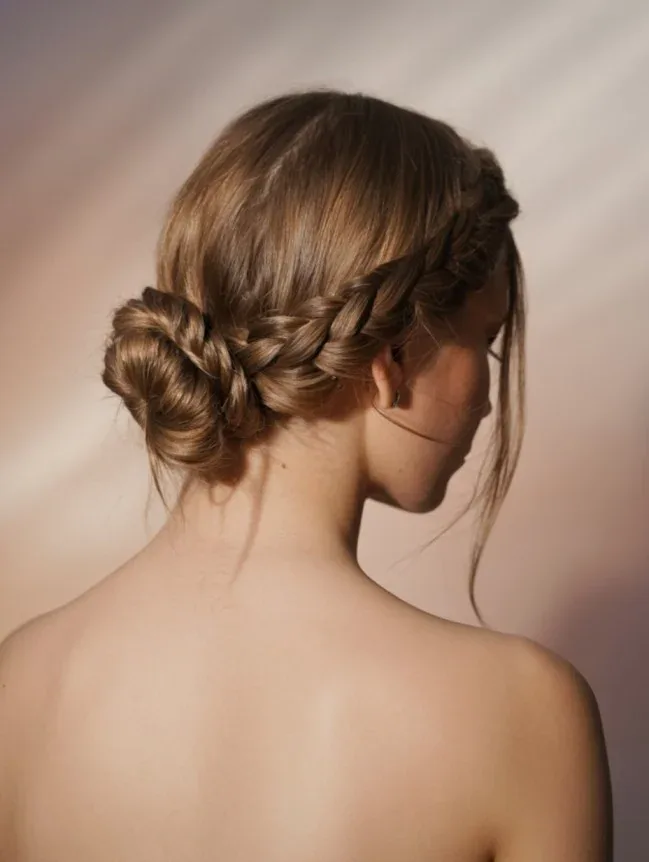
A low braided bun is the grown-up answer to theme park hair: braid your hair first, then coil the braid into a bun at the nape and pin it. The braid stops the bun from unravelling, the low position sits comfortably against every ride headrest, and the whole thing looks polished in photos even after a full day.
Pros: elegant, headrest-friendly, and very secure because the braid anchors the bun. Cons: it needs several pins and a few minutes, and a heavy bun can feel weighty by evening.
Maintenance — how it holds up on rides: pin the bun at four points, not two, and use U-shaped pins rather than flat ones — they grip far better through inversions. After a water ride, press the bun with a towel and add a pin if it has shifted.
Who should avoid it: very fine hair may not fill a bun nicely without a donut or padding, and anyone who dislikes the feeling of pins should choose a tied bun instead.
7. The High Ballerina Bun
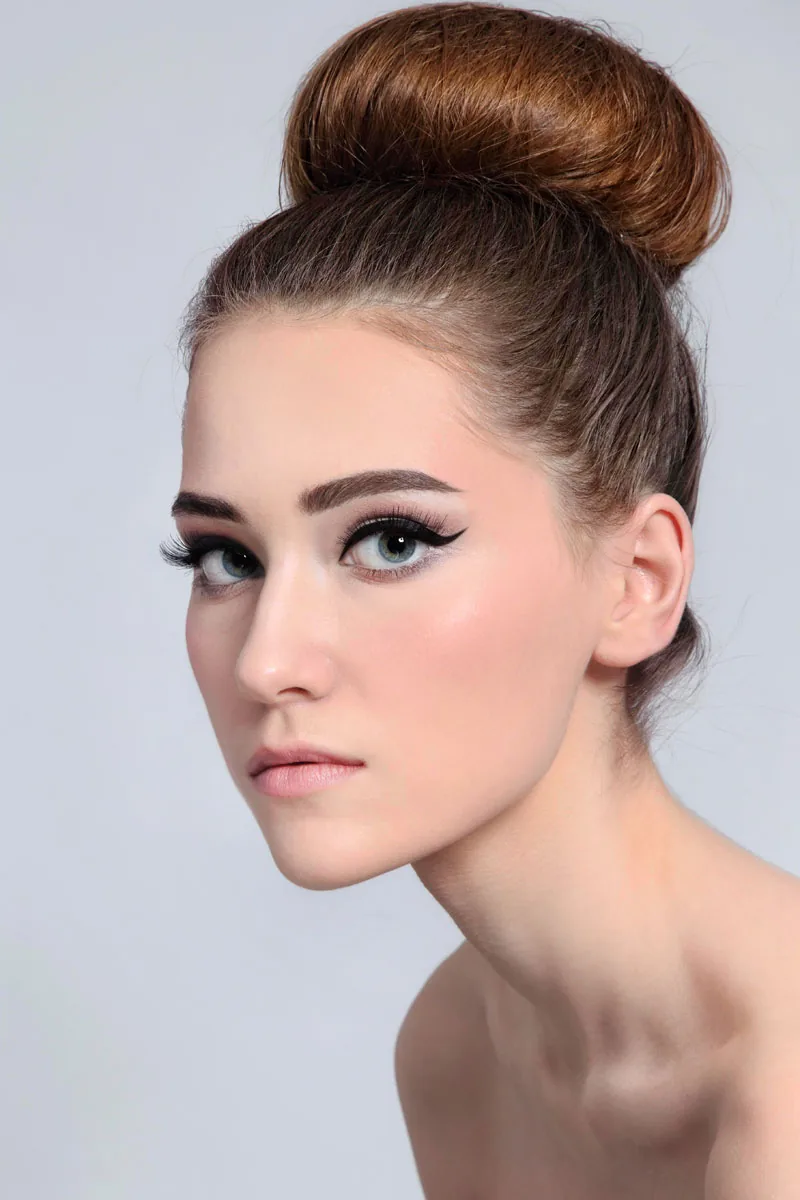
The high ballerina bun is the tidiest style you can wear to a theme park. All your hair is twisted up into a neat knot at the crown, far from your neck, far from the wind, and far from the splash zone of a water ride.
Pros: nothing touches your neck, nothing blows into your face, and it stays neat all day. Cons: a tight topknot can cause a headache on a long day, and it needs a few pins to survive a coaster.
Maintenance — how it holds up on rides: secure the bun with a strong tie plus at least three pins placed like a triangle, and it will not budge. If it starts to sag after lunch, twist it tighter and re-pin — a thirty-second fix.
Who should avoid it: if you get tension headaches, keep the bun looser or move it lower.
8. The Secured Messy Top Knot
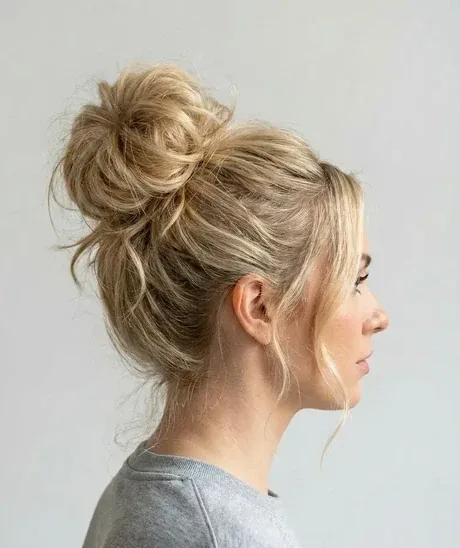
A messy top knot looks effortless, but at a theme park the word that matters is secured. The trick is to build the knot on a proper base: a tight ponytail first, then twist and pin the knot, leaving a few face-framing strands deliberately loose. You get the relaxed look without the knot falling apart on the first drop.
Pros: five minutes, looks intentionally relaxed, and keeps hair off the neck. Cons: a truly messy knot can unravel if it is only held by one tie, so the pins are not optional.
Maintenance — how it holds up on rides: use two pins crossed through the base of the knot, and carry two spares. After a big coaster, give the knot a quick twist back into shape.
Who should avoid it: anyone who wants a style that looks identical in the last photo of the day should pick a braid instead.
9. The Bubble Ponytail
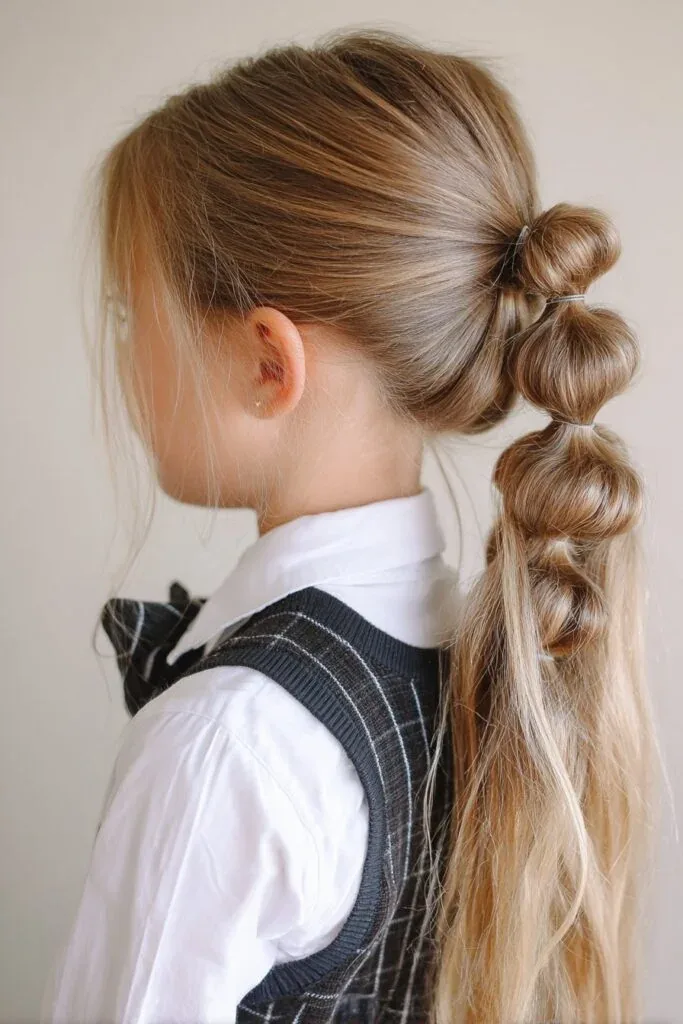
The bubble ponytail is made for theme parks: a high ponytail divided into puffy sections with small elastics, it looks playful and themed-park-ready, and each elastic acts as an anchor that stops the whole tail from whipping around. It is also one of the most photographed styles in this guide — it reads clearly in ride photos and selfies, even at speed.
Pros: fun, very photogenic, and the multiple elastics make it unusually secure. Cons: it uses a lot of small elastics, and the bubbles can flatten if your hair is very fine.
Maintenance — how it holds up on rides: puff each bubble gently after tying, and the style will hold its shape through coasters because every section is anchored separately. After a water ride, squeeze the bubbles with a towel and re-puff the top one.
Who should avoid it: very short hair cannot make more than one bubble, and very thick hair makes heavy bubbles that pull.
10. The Low Ponytail with a Wrapped Base
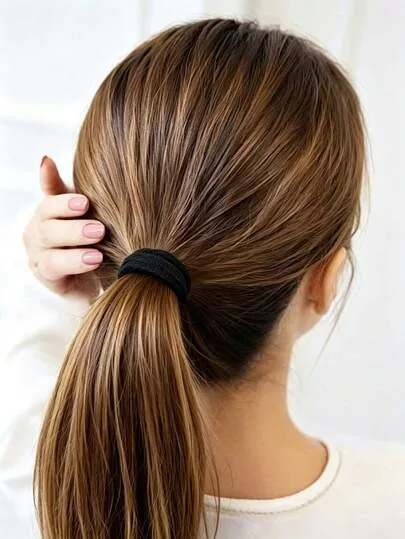
A low ponytail with a wrapped base is the polished version of the simplest style there is. Tie your hair low at the nape, then wrap a small strand around the elastic and pin it underneath. The wrap hides the tie, stops it from sliding, and makes the whole style look finished in photos.
Pros: elegant, comfortable against headrests, and quick to do. Cons: a low ponytail can swing forward onto your shoulder on a drop, and it does less to keep hair off a sweaty neck than a high style.
Maintenance — how it holds up on rides: the wrap is functional, not just decorative — it grips the tie and stops it slipping. Re-tighten after the first big coaster, and if the ends start to tangle, run your fingers through them or re-braid the tail loosely for the rest of the day.
Who should avoid it: if you run hot and hate hair on your neck, a high ponytail or bun will suit you better.
11. The Half-Up Top Knot
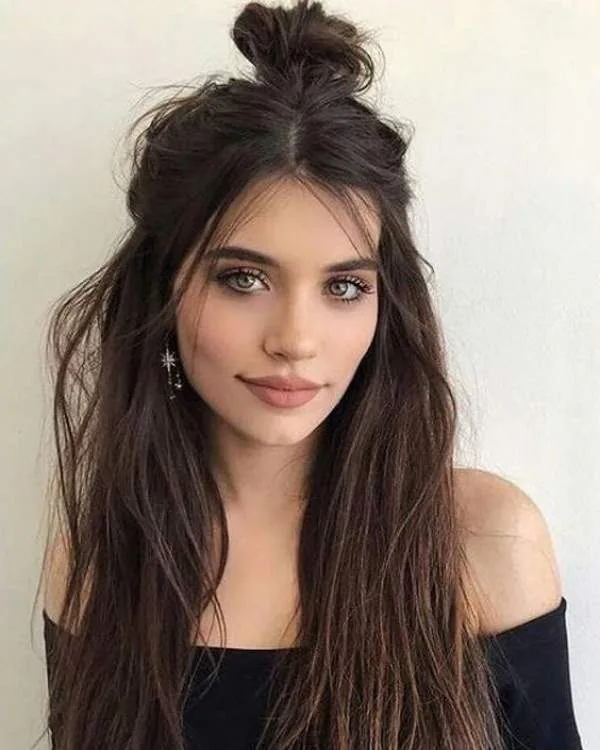
The half-up top knot gives you the best of both worlds at a theme park: the front of your hair is lifted away from your face and pinned up, while the rest falls loose for photos. It is quick, it looks good on almost everyone, and it keeps your fringe and baby hairs out of your eyes on a coaster.
Pros: fast, flattering, and keeps the front section secure. Cons: the loose half tangles in wind and gets wet on water rides.
Maintenance — how it holds up on rides: secure the knot with a tie and two pins, and braid the loose half before a big coaster — you can undo it after. Carry a small brush or comb for the loose section, because by mid-afternoon it will need a quick detangle.
Who should avoid it: anyone riding the biggest coasters all day should pick a fully contained style instead.
12. Cornrows
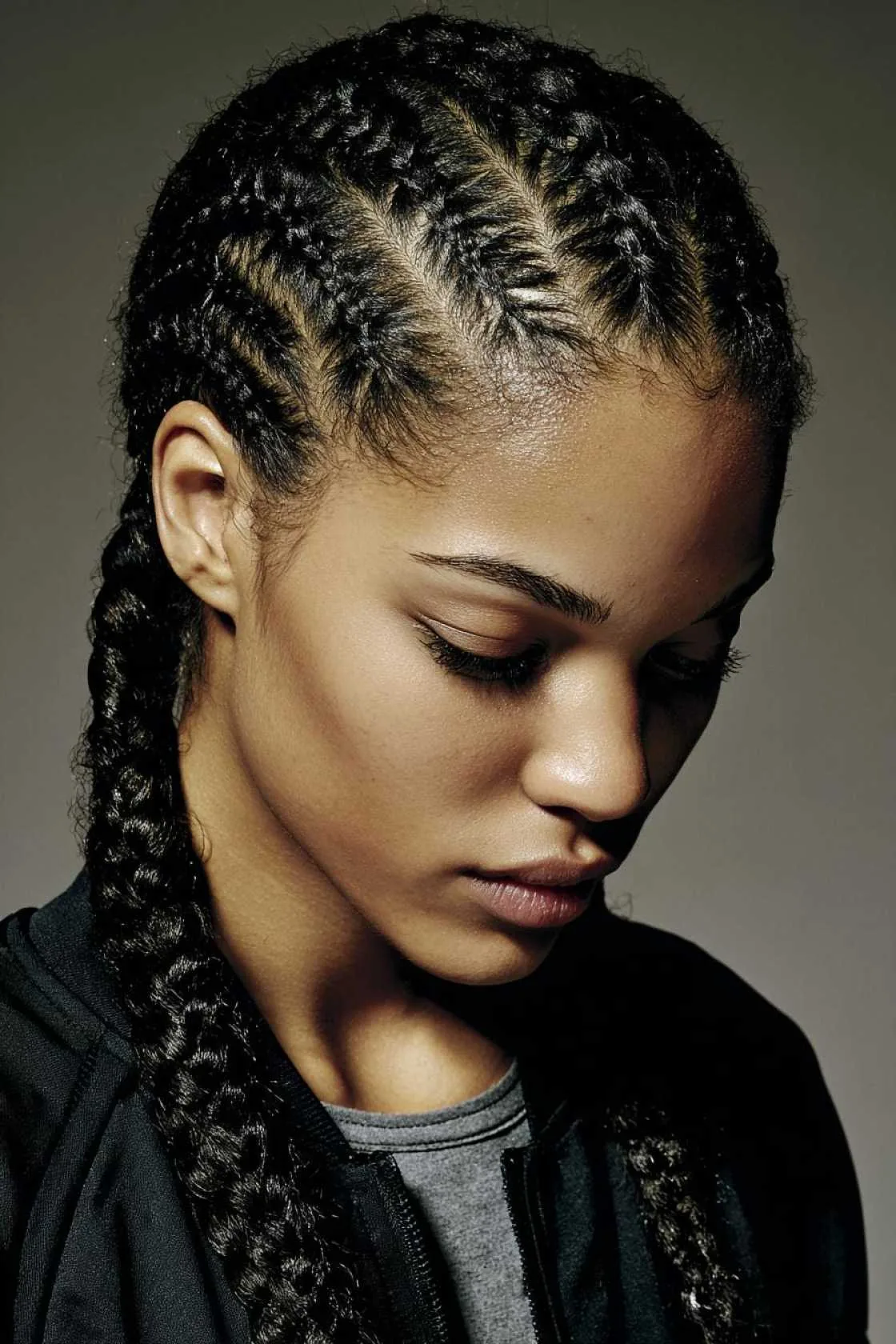
Cornrows are the ultimate set-and-forget theme park style. Braided flat against the scalp in neat rows, they cannot blow anywhere, cannot tangle, and cannot fall apart on a coaster or a water ride. They last for days, so you can have them done before your trip and forget about hair entirely while you ride.
Pros: zero maintenance during the day, ride-proof, water-proof, and they last for days. Cons: they need a skilled braider and a couple of hours to install, and they are a commitment, not a morning-of choice.
Maintenance — how it holds up on rides: none during the day, which is the whole point. If your scalp gets sweaty, dab it with a cloth rather than scratching.
Who should avoid it: anyone with a sensitive scalp should be careful about braids that are too tight, and if you want to change your style daily, cornrows will not let you.
13. The Sleek Low Bun
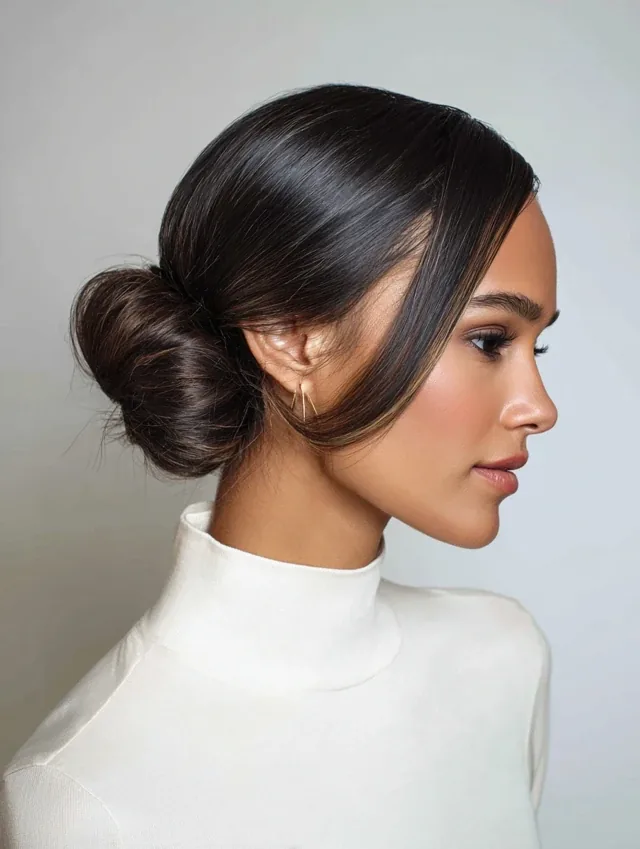
The sleek low bun is the most elegant ride-proof style in this guide. Hair is smoothed back with a little gel or cream, gathered low at the nape, and twisted into a neat bun. Nothing sticks out, nothing blows around, and the style looks the same in the first photo of the day as in the last.
Pros: completely contained, very elegant, and comfortable against headrests. Cons: it needs gel or cream to stay sleek, and flyaways appear as the product wears off.
Maintenance — how it holds up on rides: use a strong tie and at least four pins, and carry a tiny tube of styling cream for touch-ups. After a water ride, smooth the front with your palms and re-pin any loose section.
Who should avoid it: if you dislike the feeling of gel or a scraped-back look, this is not your style.
14. Space Buns
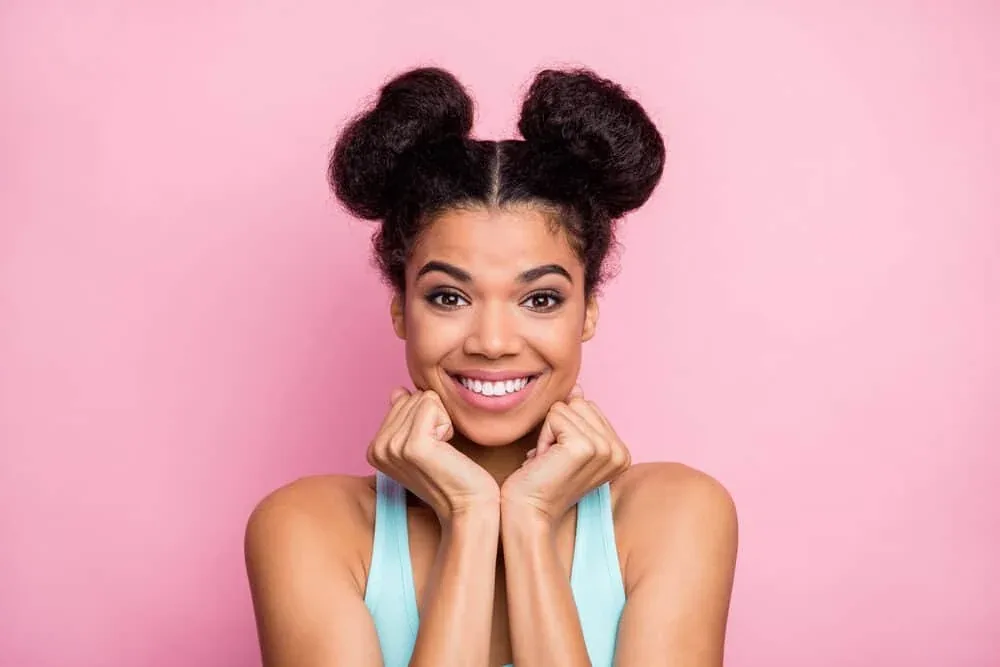
Space buns are the most fun you can have with theme park hair. Two buns, one on each side of the crown, keep every strand off your neck and out of your face, and they look joyful in photos — exactly the energy a theme park day calls for.
Pros: playful, balanced, very secure, and great for photos. Cons: they take a little practice to make even, and they are a bold look if you prefer something subtle.
Maintenance — how it holds up on rides: tie each side into its own ponytail first, then twist into a bun and pin it. Two anchors per bun will survive any coaster.
Who should avoid it: anyone who wants to blend in should pick a single bun instead.
15. The Twisted Low Bun
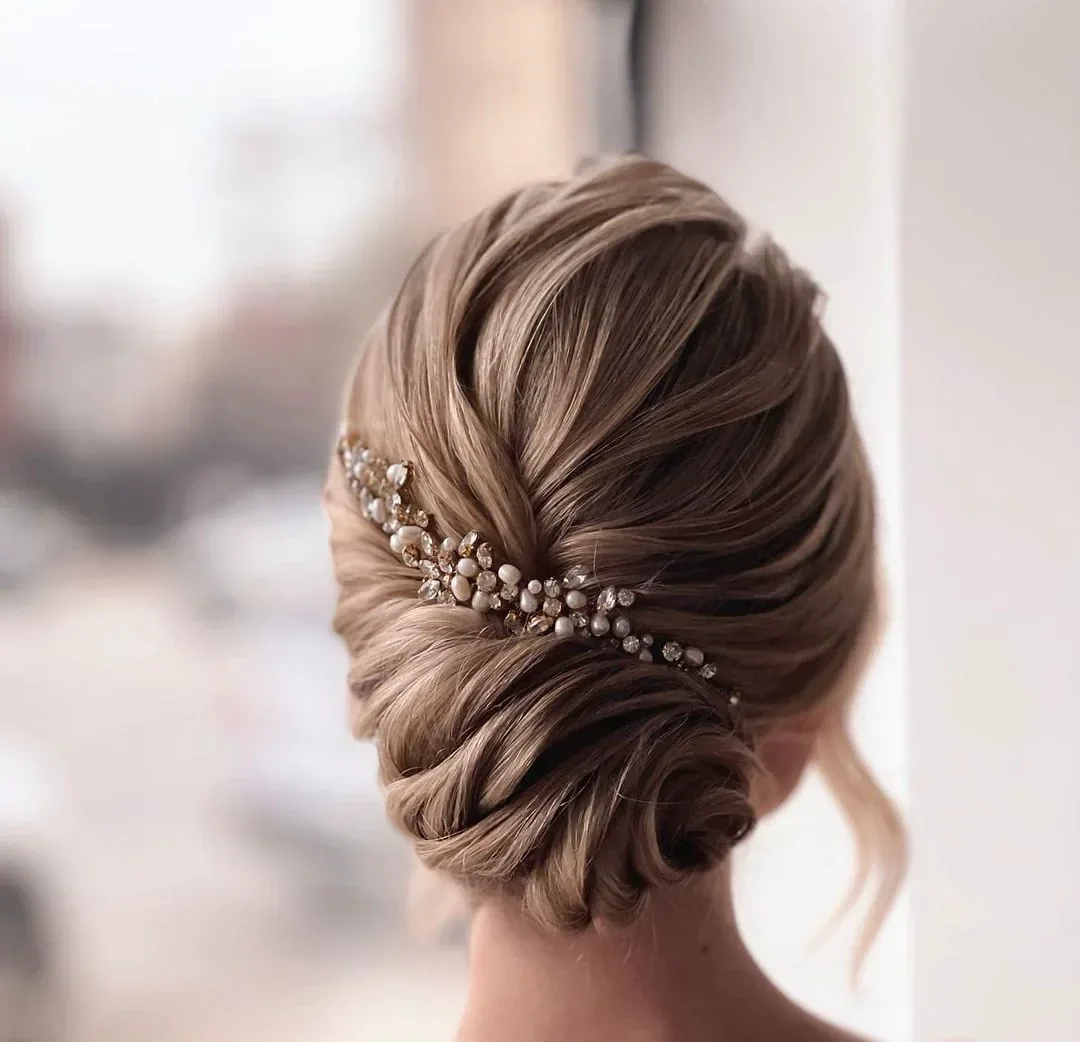
A twisted low bun is a soft, romantic alternative to the sleek bun, and it is just as ride-proof. Instead of braiding, you divide the hair into two sections, twist them around each other, and coil the twist into a low bun.
Pros: soft and pretty, needs few pins, and hides loosening well. Cons: it can unravel at the ends if the twist is loose, and it takes a couple of tries to learn.
Maintenance — how it holds up on rides: twist firmly and pin the coil at three points. If the ends poke out after a coaster, tuck them back in and add a pin.
Who should avoid it: very fine hair can slip out of a twist, so add texture spray first.
16. The Side Braid
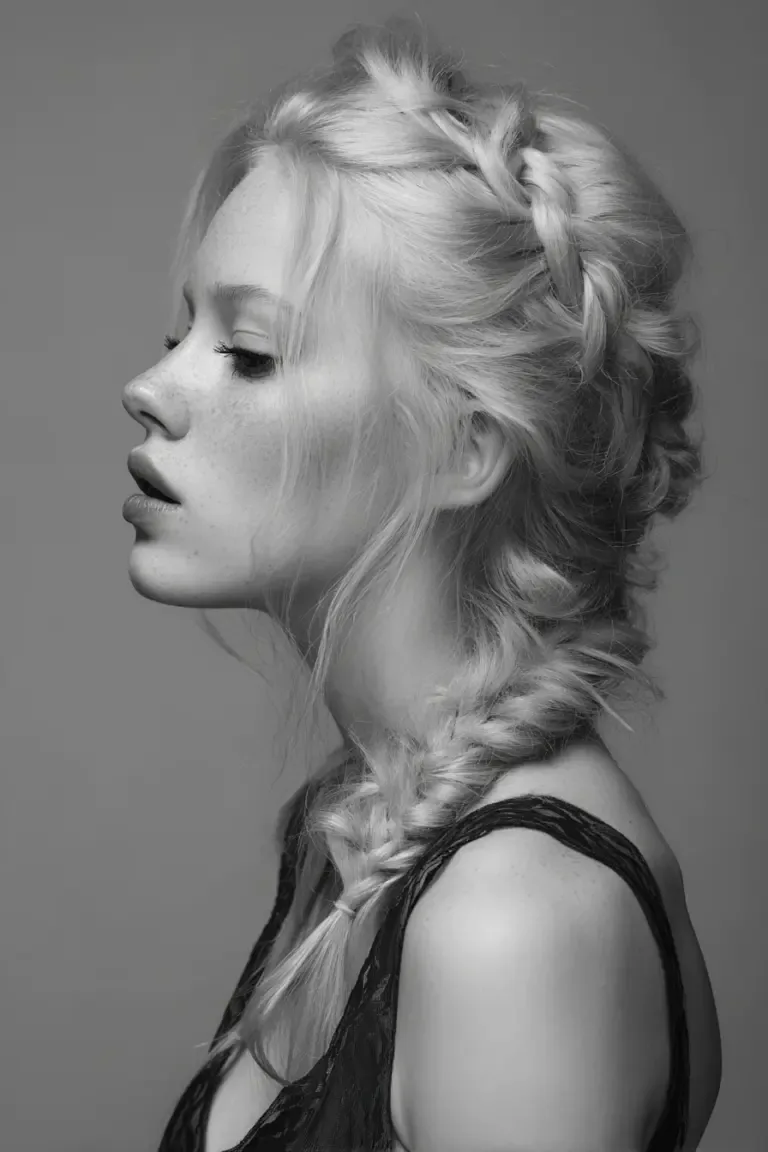
A side braid is a theme park favourite because it keeps your hair in front of you, where you can see it, control it, and keep it off your neck. Sweep all your hair over one shoulder and braid it loosely down the front. On a coaster it rests against your chest instead of whipping behind you, and in photos it frames your face beautifully.
Pros: easy to check and fix, comfortable, and photogenic. Cons: it can swing forward onto your face on a steep drop, and it leaves the back of your neck exposed to the sun.
Maintenance — how it holds up on rides: braid it a little tighter than you think you need, because wind loosens it. Use a strong elastic at the end and carry a spare.
Who should avoid it: if you ride a lot of backwards or spinning coasters, a braid down your back is safer.
17. Pigtail Braids
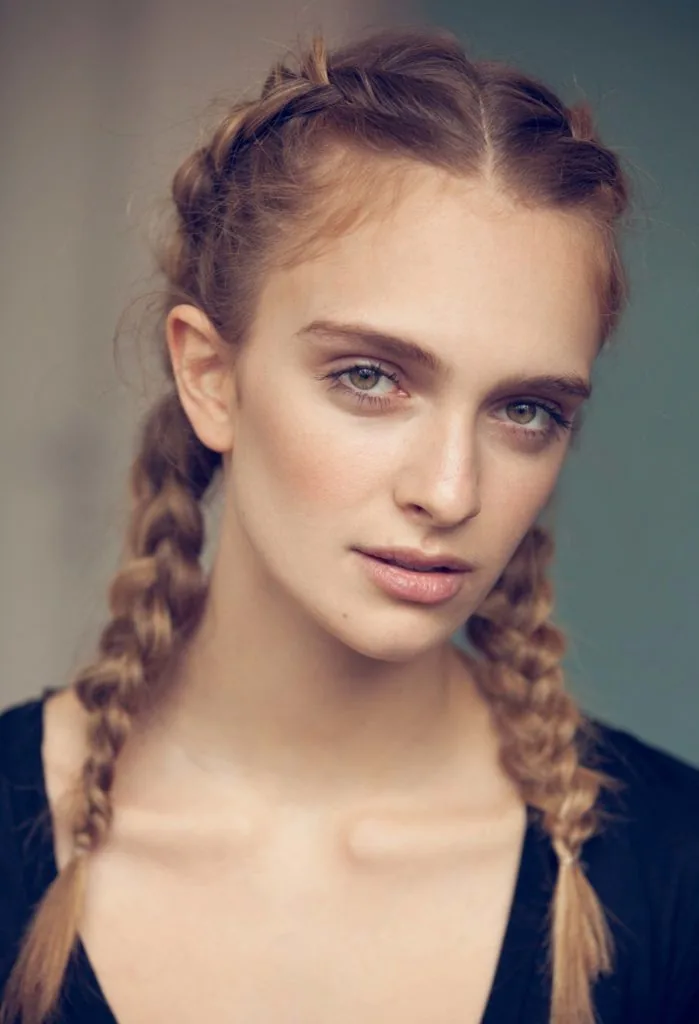
Pigtail braids are playful, practical and surprisingly secure. Two braids, one on each side, divide the weight of your hair so nothing pulls, and they keep every strand contained. They suit younger riders and anyone who wants a fun, youthful look for a park day, and they photograph brilliantly with ears, hats or a themed headband.
Pros: balanced, secure, and very cute in photos. Cons: they can feel young for some tastes, and making both sides even takes practice.
Maintenance — how it holds up on rides: braid each side snugly from behind the ear, and secure the ends with strong elastics. Pigtails hold up well on rides because the weight is split, but check the ends after water rides and re-tie if they have slipped.
Who should avoid it: if you prefer a grown-up look, a single braid or a low bun may suit you better.
18. The Braided Headband Ponytail
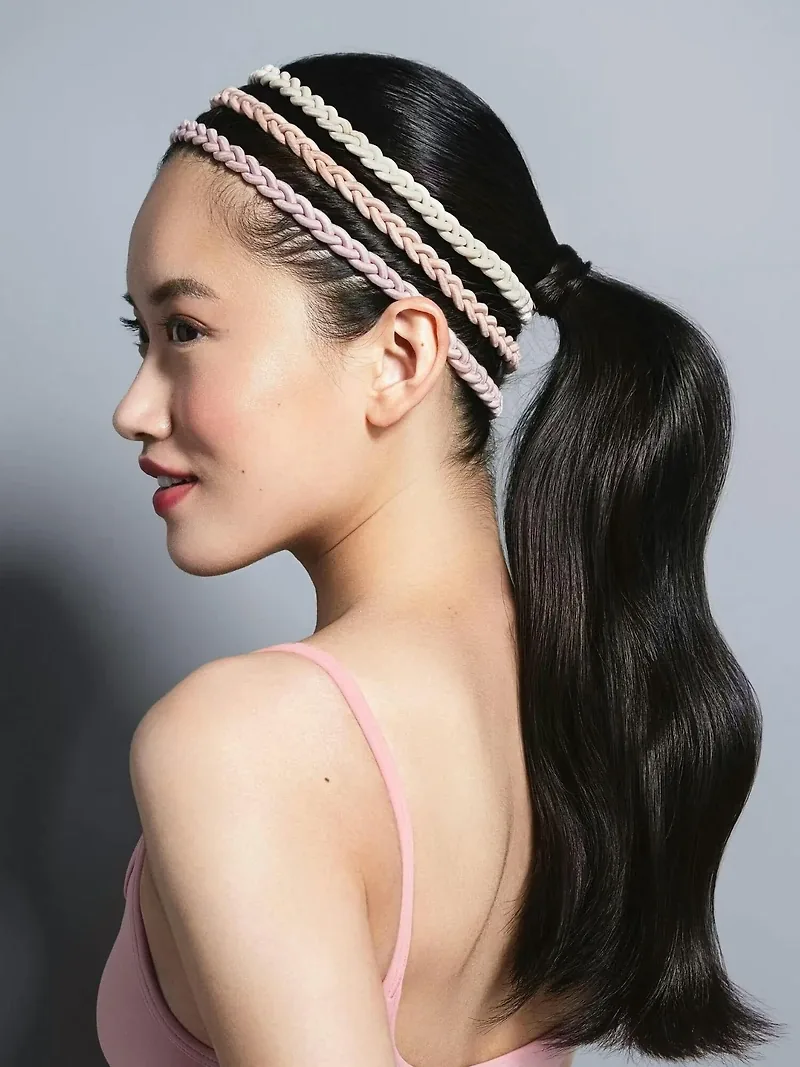
A braided headband ponytail solves the theme park fringe problem: a thin braid across the hairline acts as a headband, holding back your fringe and baby hairs, while the rest of the hair goes into a ponytail. No headband to lose on a coaster, nothing to slide off, and the front of your hair stays put all day.
Pros: the front stays put with no accessories, and it looks polished. Cons: the headband braid takes practice, and it can loosen at the temples first.
Maintenance — how it holds up on rides: braid the headband section tightly and pin the end behind your ear, hidden under the ponytail. If it loosens, a single bobby pin fixes it.
Who should avoid it: if your fringe is very short, there may not be enough hair to braid across.
19. The Slicked-Back Wet-Look Ponytail
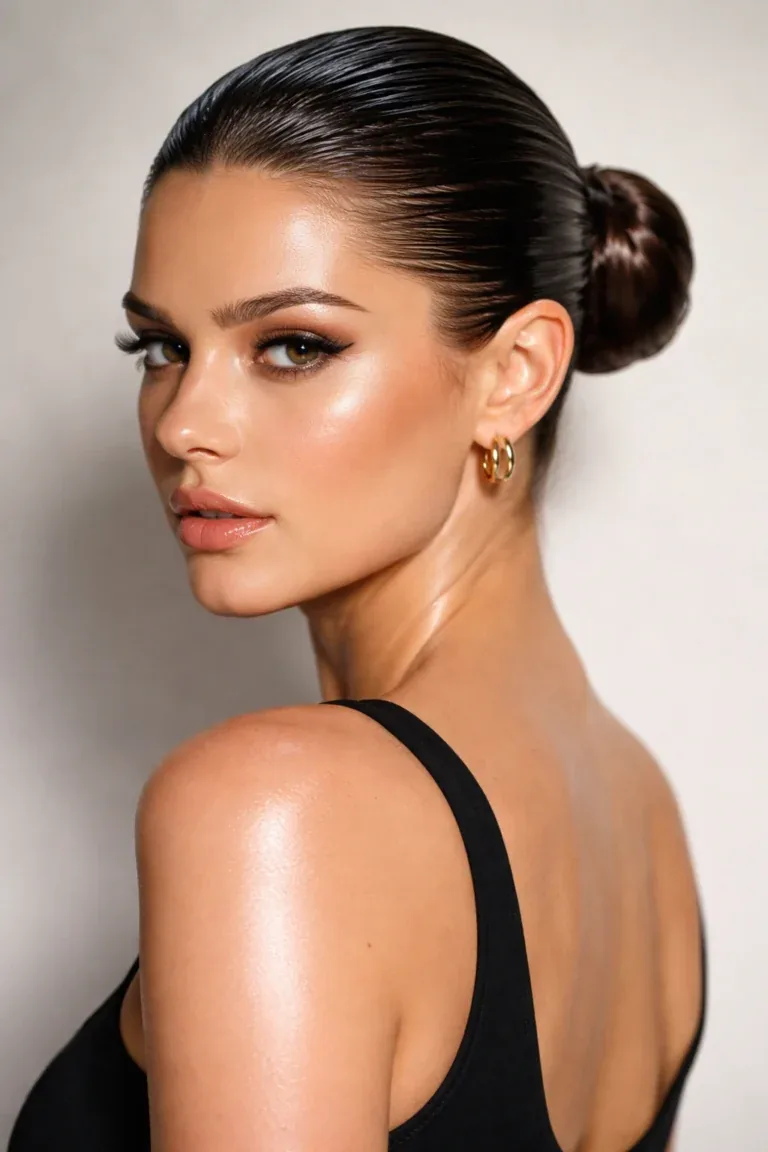
The wet-look ponytail is a theme park secret weapon: it looks deliberate when it gets wet, so water rides cannot ruin it. Smooth your hair back with gel, tie it into a ponytail, and let the shine do the work.
Pros: looks better wet, totally wind-proof, and very photogenic. Cons: it needs a good amount of gel, and the slicked-back feel is not for everyone.
Maintenance — how it holds up on rides: use a strong-hold gel and a boar-bristle brush to smooth the front before tying. After a water ride, the style will look almost the same — just smooth the front with your palms and add a dab of gel if needed.
Who should avoid it: if you hate the feeling of product in your hair, skip this one.
20. The Curly High Puff
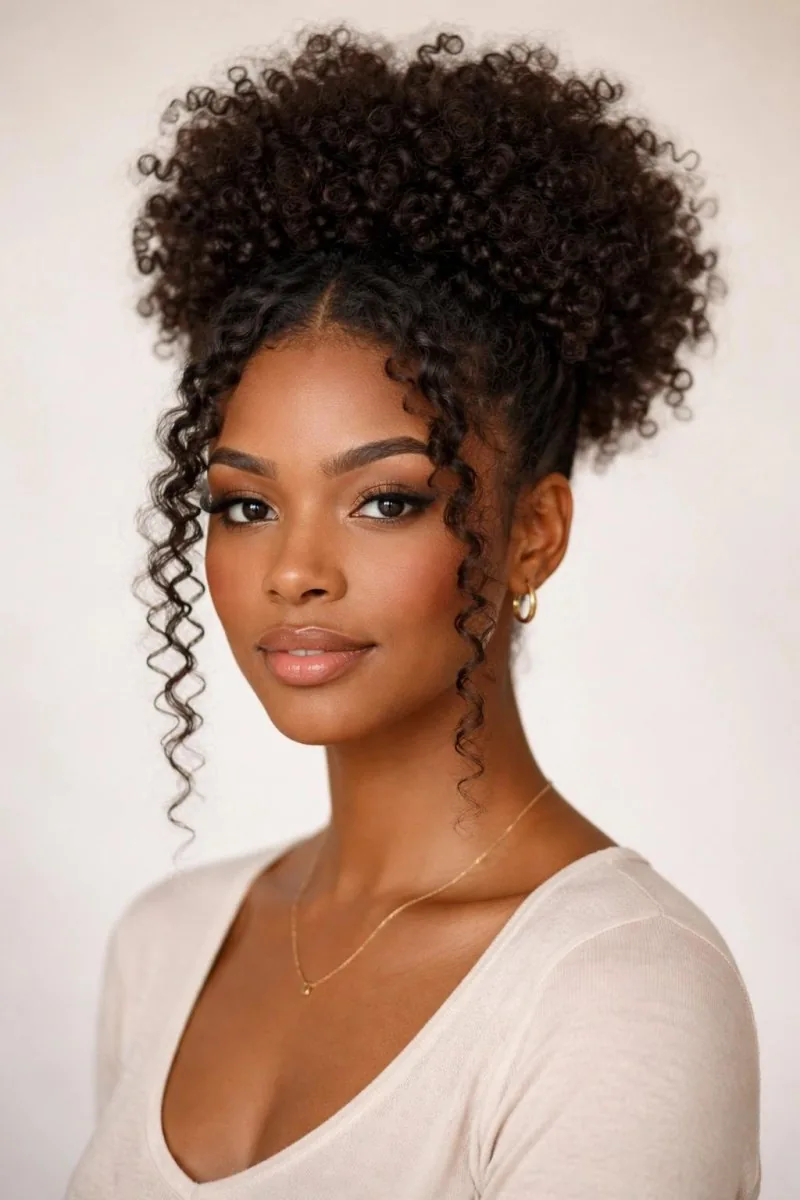
The curly high puff — the pineapple — is the best theme park style for curly hair. Gather your curls high on the crown and secure them loosely with a scrunchie or a thick tie, letting the curls fall forward like a fountain. It keeps curls off your neck, stops them tangling in the wind, and looks joyful in photos.
Pros: protects curls, keeps hair off the neck, and takes two minutes. Cons: a loose tie can slip on a big coaster, and the puff can flatten against a headrest.
Maintenance — how it holds up on rides: use a satin scrunchie or a thick fabric tie, and double-loop it for security without crushing the curls. After a coaster, shake the puff gently back into shape.
Who should avoid it: if your curls are very short, the puff may be too small to gather. A low puff or a headband will work better.
21. The Low Puff with a Headband
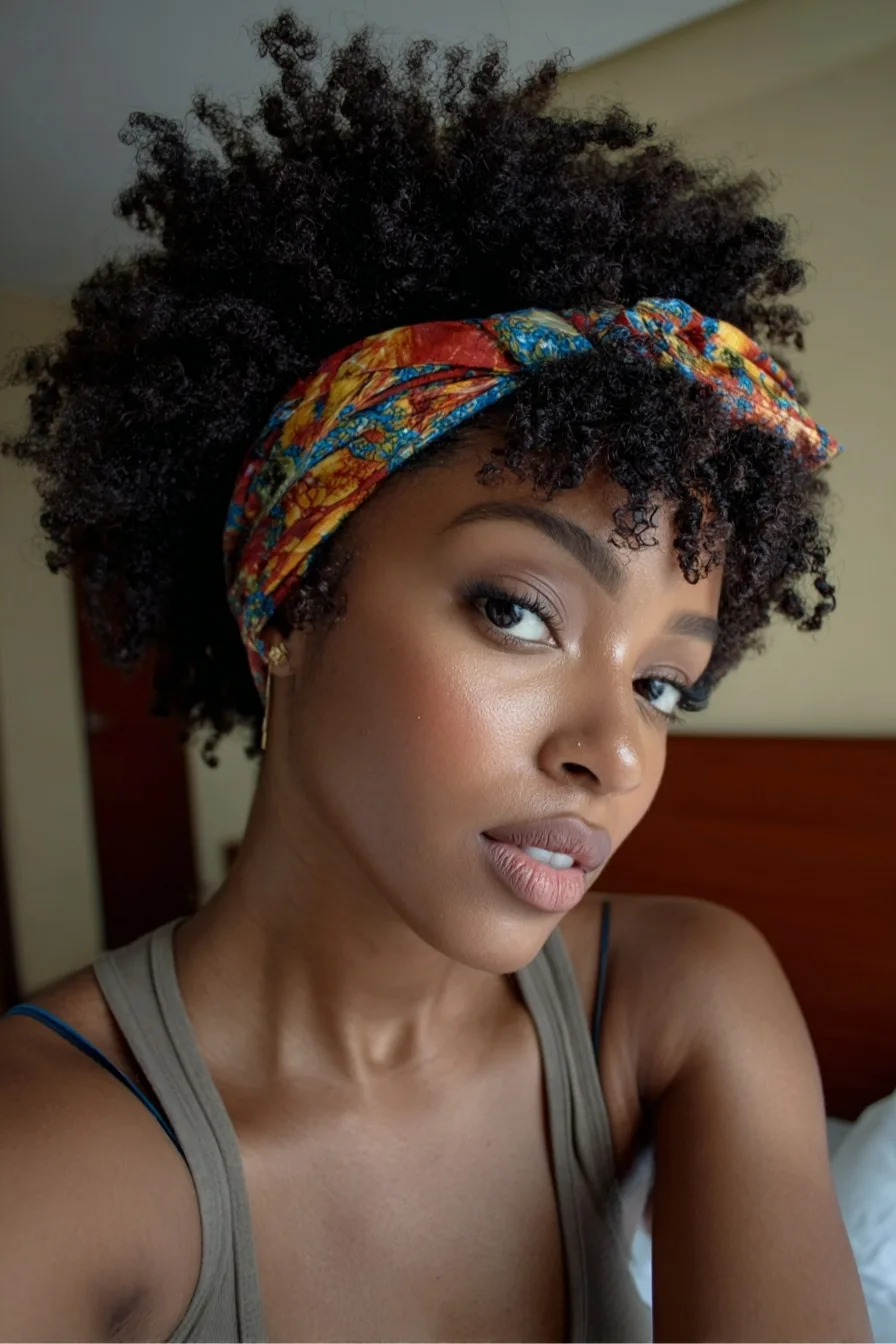
A low puff with a headband is a gentle, comfortable theme park style for curly and coily hair. The hair is gathered low at the nape, the headband keeps the front neat, and nothing pulls at the crown. It sits below the headrest, so it is comfortable on every ride, and it keeps curls contained without crushing them.
Pros: comfortable, low-tension, and headrest-friendly. Cons: the headband can slide if it is the wrong kind, and the puff can get damp and heavy on water rides.
Maintenance — how it holds up on rides: choose a wide fabric headband with a grip strip, and secure the puff with a thick tie. After a water ride, squeeze the puff with a towel and let it dry naturally.
Who should avoid it: if headbands give you a headache, skip the band and use two small braids at the front instead.
22. Short Hair Slicked Back
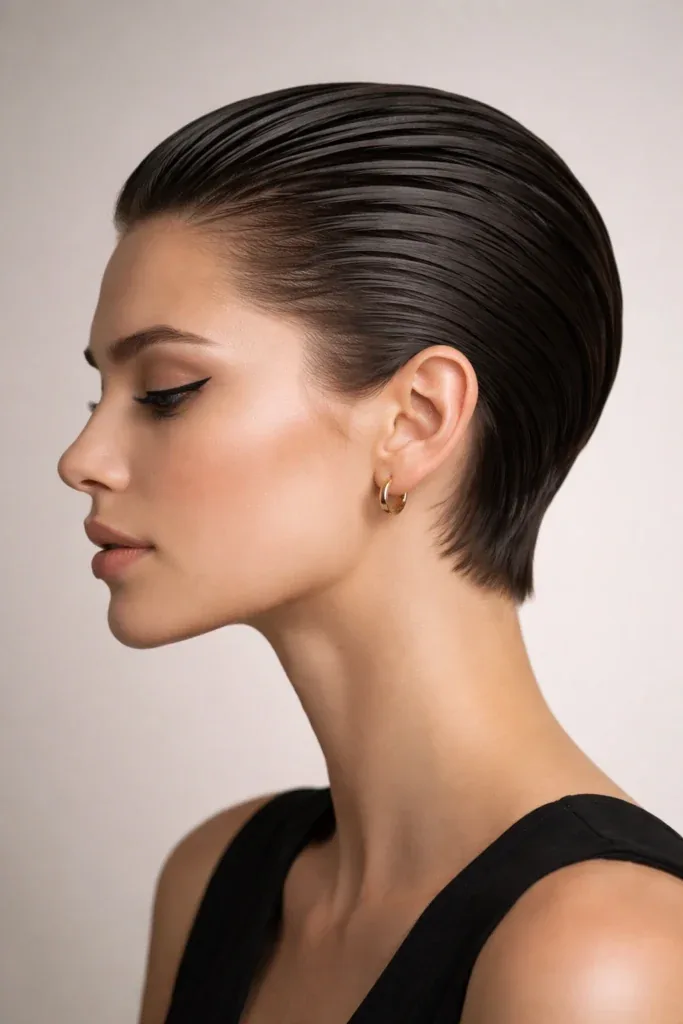
Short hair is already the easiest theme park hair, and slicking it back makes it completely ride-proof. A little pomade or styling cream, combed back from the forehead, keeps every strand out of your eyes on a coaster and out of your face in the wind.
Pros: the fastest style in this guide, and nothing can fall apart. Cons: it needs product, and it can look severe if it is pulled too flat.
Maintenance — how it holds up on rides: use a matte pomade for hold without shine, or a light cream for a softer finish. After a water ride, comb it back with your fingers and add a pea-sized amount of product.
Who should avoid it: if you like volume at the front, slicking it all back may feel too severe.
23. The Pixie with a Sweatband
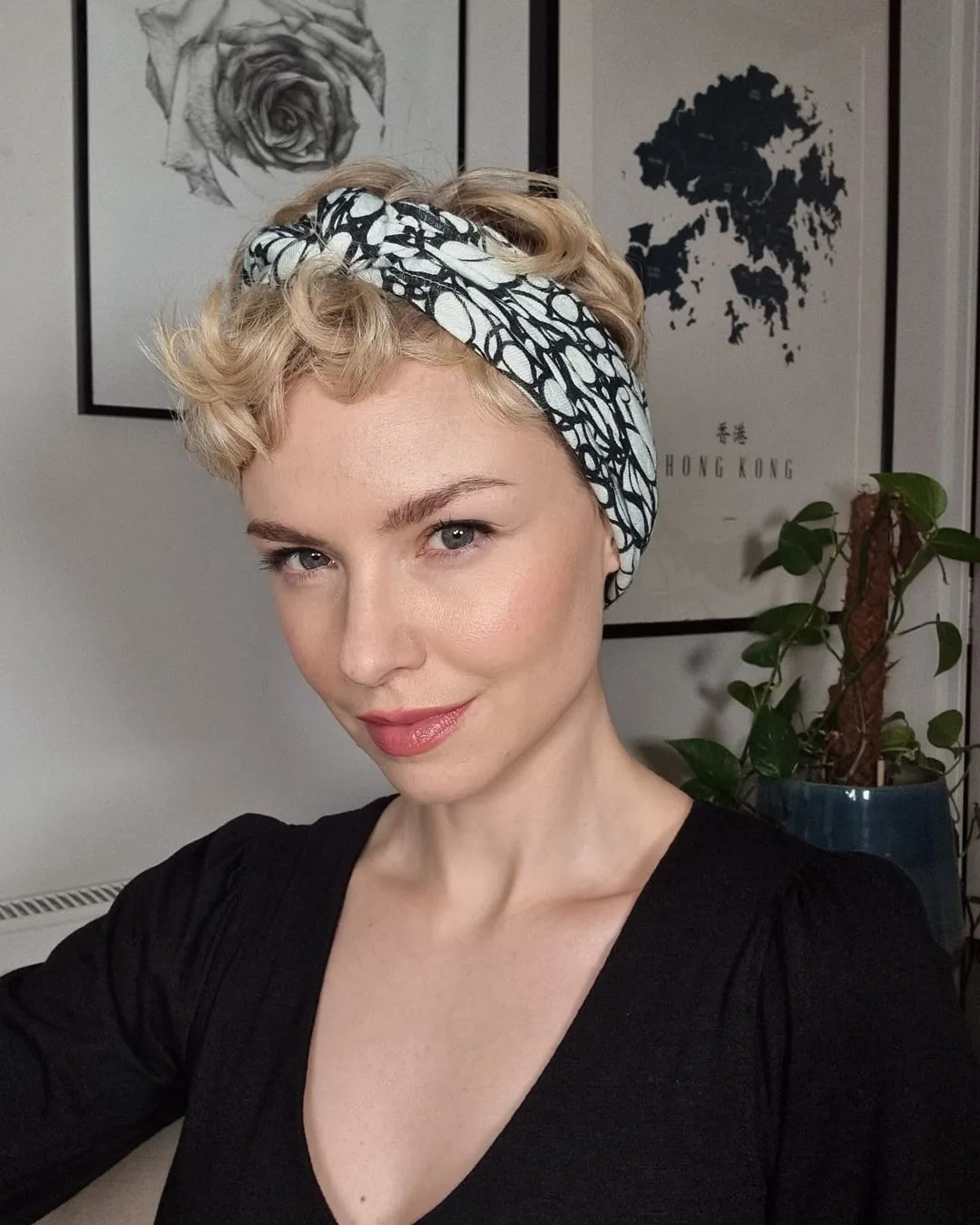
A pixie cut is already theme park-proof, and a sweatband makes it perfect. The cut itself cannot tangle or blow into your face, and a wide fabric sweatband catches sweat before it reaches your eyes and keeps the style neat.
Pros: zero tangling, very cool on hot days, and the sweatband is practical. Cons: the sweatband is a visible accessory, and without it a pixie can go flat with sweat.
Maintenance — how it holds up on rides: pick a sweatband with a silicone grip strip so it does not slide on a coaster. After a water ride, wring the band out and put it back on — it will dry quickly.
Who should avoid it: if you dislike headbands, a pixie still works on its own — just carry a small towel for sweat.
24. The Bob with a Headband
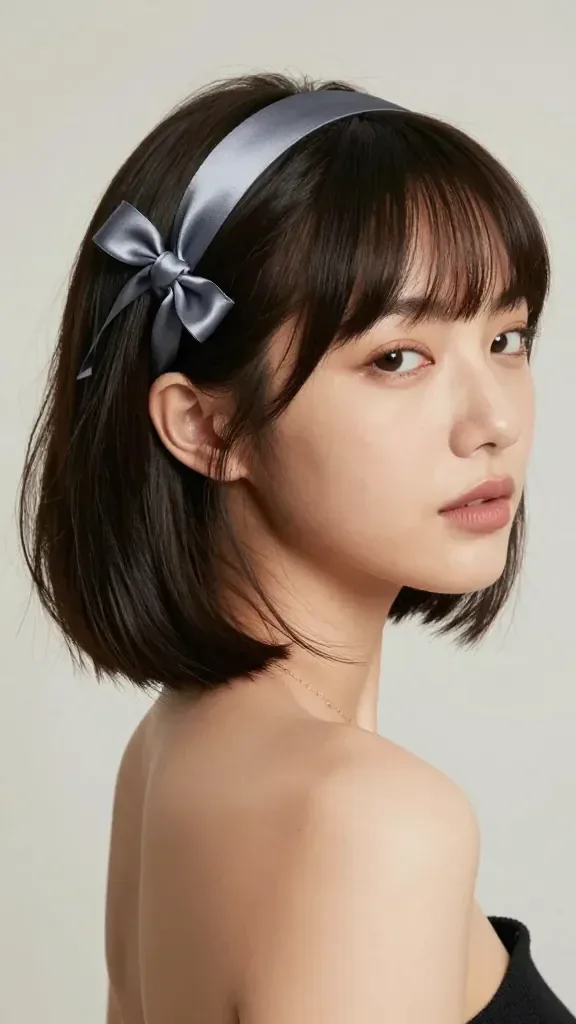
A bob with a headband is a classic theme park look: the headband holds the front back, the bob itself is short enough that the wind cannot tangle it badly, and the whole style looks neat in photos. Choose a wide fabric headband in a colour that matches your outfit, and you have a style that is both practical and part of the day’s look.
Pros: quick, pretty, and the headband does real work. Cons: a smooth headband slides, and a bob can still frizz in humidity.
Maintenance — how it holds up on rides: use a headband with grip, and position it behind the ears so a headrest does not push it off. After a water ride, squeeze the bob dry with a towel and re-seat the band.
Who should avoid it: if headbands slip off your head shape, try two small braids at the front instead.
25. The French Twist Ponytail
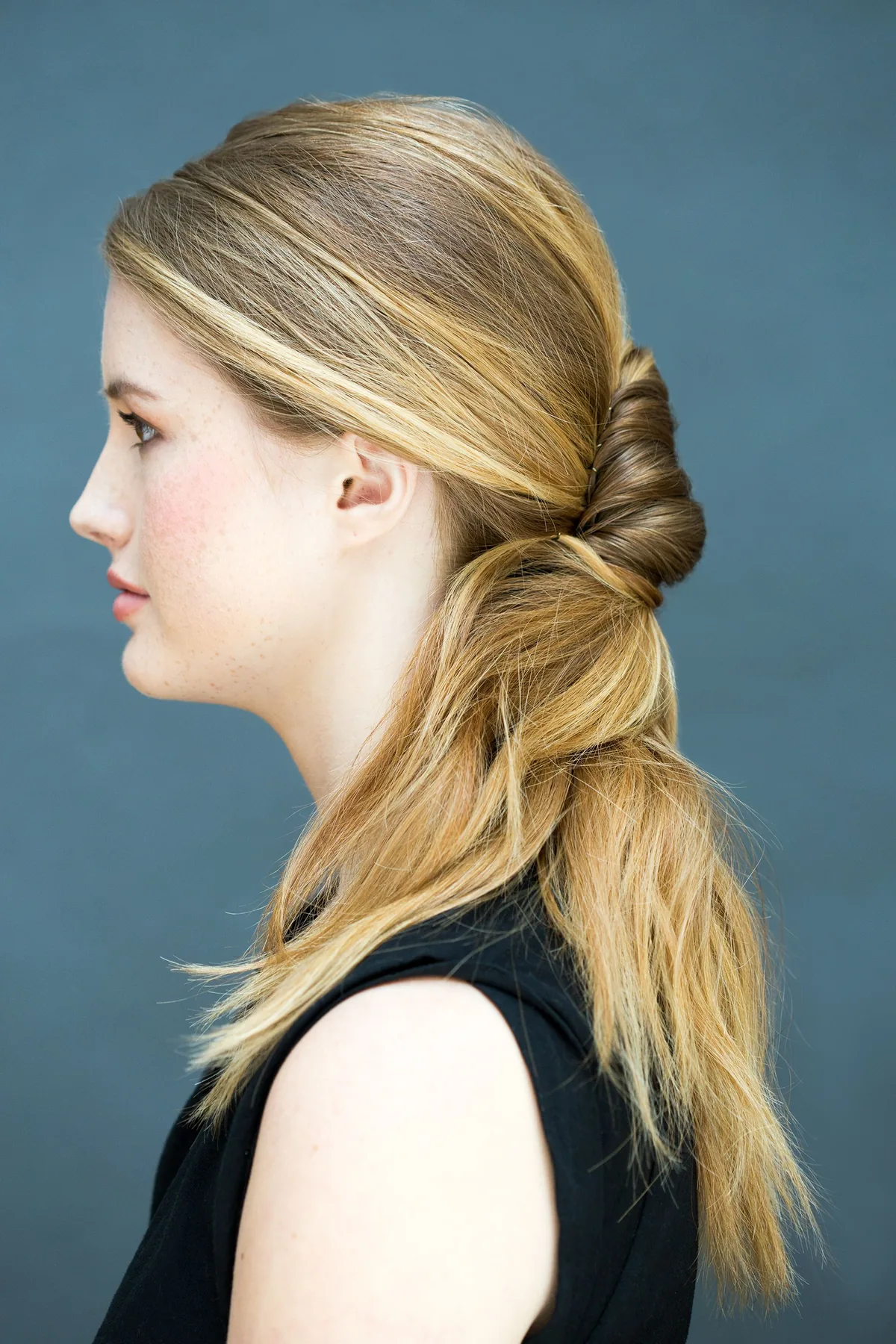
A French twist ponytail is a twist, not a braid: gather your hair, twist it upwards, and secure it into a ponytail that falls from the twist. The twist anchors the style at the back of the head, so the ponytail cannot sag, and the whole thing looks elegant without being formal.
Pros: elegant, secure at the base, and comfortable. Cons: it takes practice, and it needs several pins to hold the twist.
Maintenance — how it holds up on rides: pin the twist at three points before you tie the ponytail, and use a strong tie for the tail. After a coaster, check the twist rather than the tail — that is where it loosens.
Who should avoid it: very fine hair can slip out of a twist, so add texture spray first.
26. The Rope Braid Ponytail
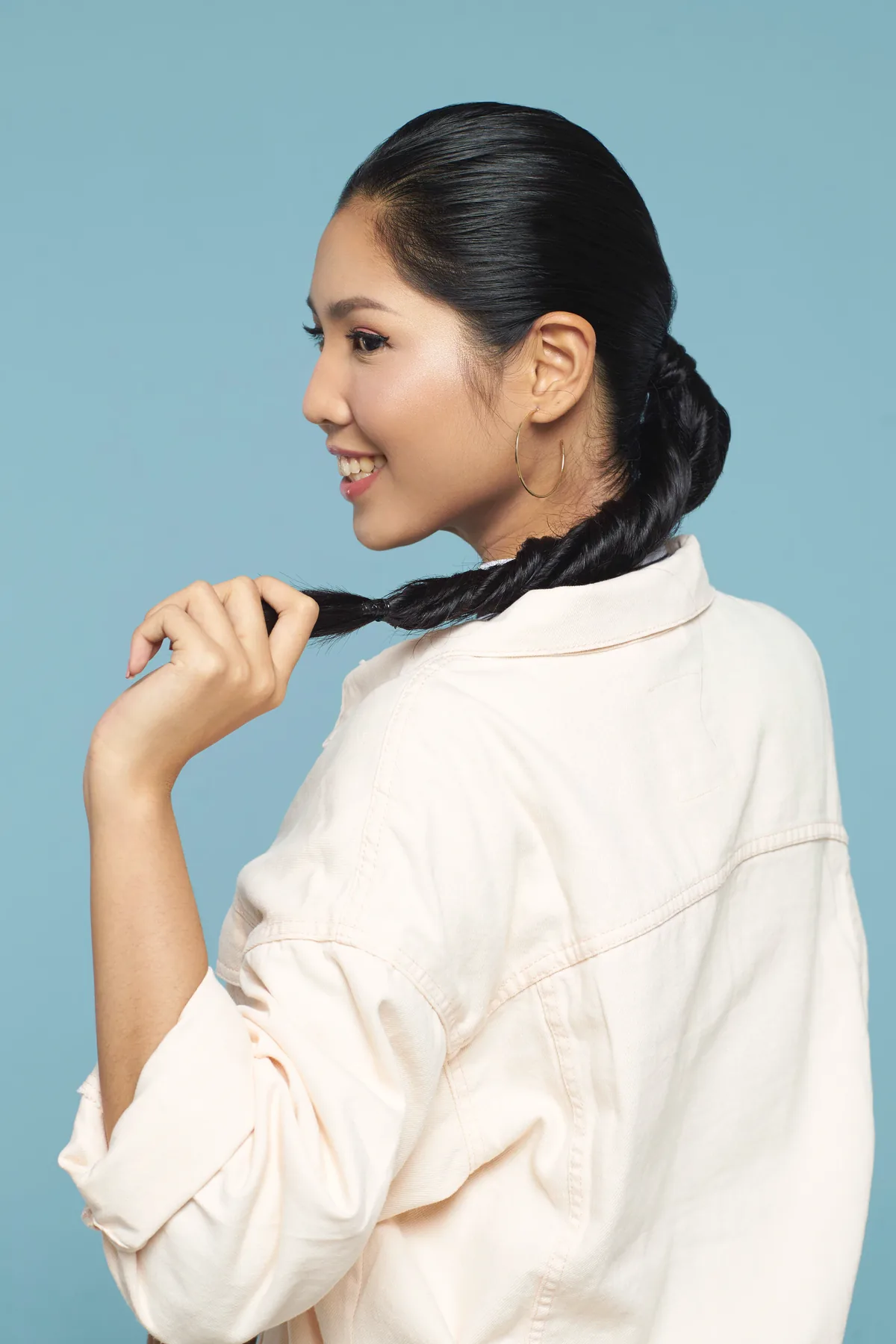
A rope braid ponytail is made by twisting two sections of hair around each other, and it is one of the most secure ponytails you can wear to a theme park. The twisting locks the hair together, so the tail cannot unravel, and it looks like a thick rope — neat, strong and a little bit different.
Pros: very secure, fast to do, and looks distinctive. Cons: it can untwist at the end if the elastic is weak, and it works best on longer hair.
Maintenance — how it holds up on rides: twist both sections in the same direction, then wrap them around each other in the opposite direction — that is what locks the rope. Use a strong elastic at the end.
Who should avoid it: short hair cannot make a rope braid, and very layered hair will poke out of the twist.
27. The Pull-Through Braid
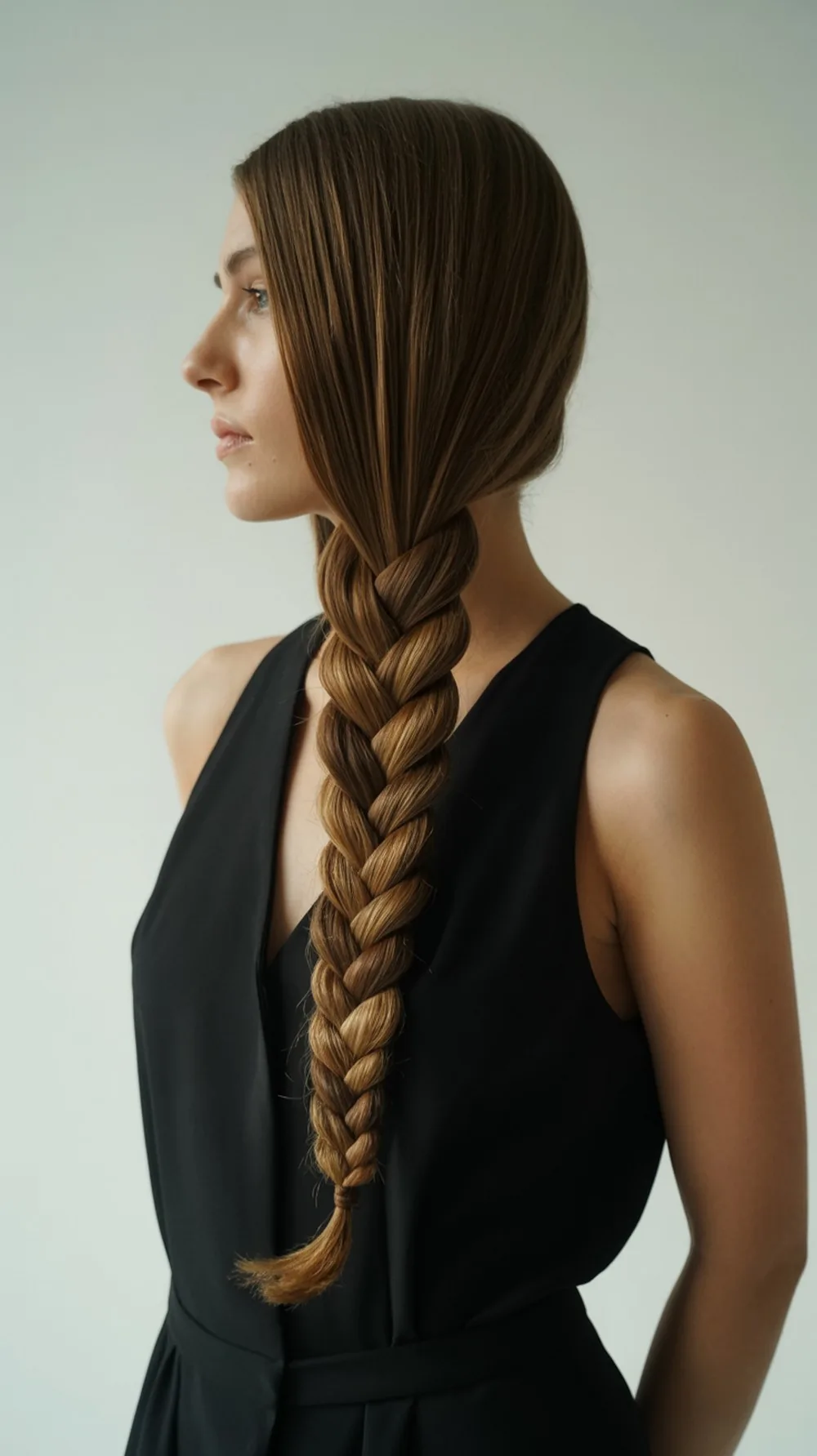
A pull-through braid looks like a thick, dramatic braid but it is made from a series of ponytails looped through each other — which makes it the most secure braid in this guide, because every section is tied. It is perfect for a theme park: it cannot unravel, it looks full and impressive in photos, and it works beautifully on fine hair that slips out of a normal braid.
Pros: extremely secure, looks thick even on fine hair, and cannot unravel. Cons: it uses many small elastics and takes ten minutes to build.
Maintenance — how it holds up on rides: each ponytail is an anchor, so the braid holds through any coaster. After a water ride, squeeze it gently and re-puff the sections if they have flattened.
Who should avoid it: if you dislike the feeling of many elastics, choose a French braid instead.
28. The Braided Low Ponytail
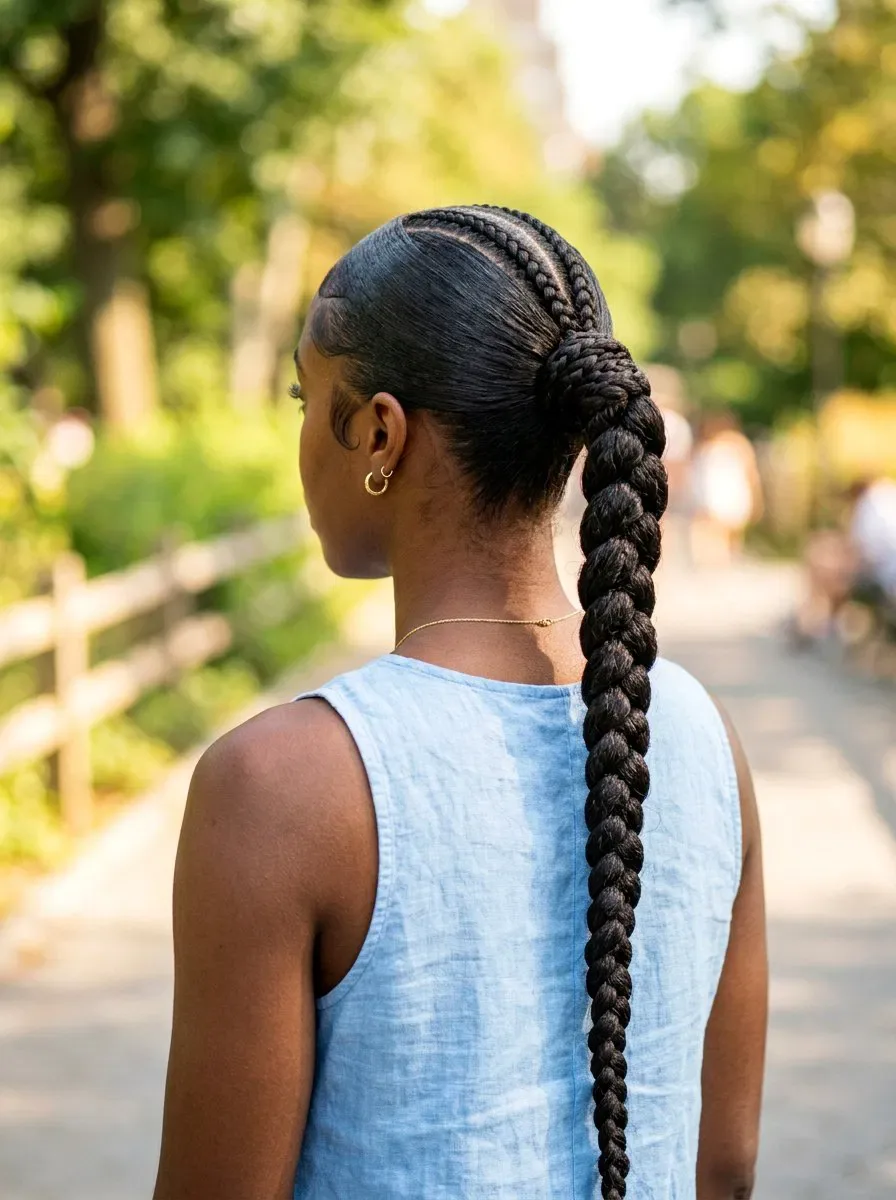
A braided low ponytail is the calm, comfortable cousin of the braided high ponytail. Tie your hair low at the nape, braid the tail, and secure the end. It sits below the headrest, so it is comfortable on every ride, and the braid stops the tail from tangling in the wind.
Pros: comfortable, tangle-free, and easy. Cons: it does not keep hair off a sweaty neck as well as a high style, and it can swing forward on a drop.
Maintenance — how it holds up on rides: the braid does the work, so maintenance is minimal. Check the end elastic after water rides, and if the braid loosens at the nape, re-tie it slightly tighter.
Who should avoid it: if you run hot, a high ponytail or a bun will keep you cooler.
29. The Wrapped High Bun with a Headband
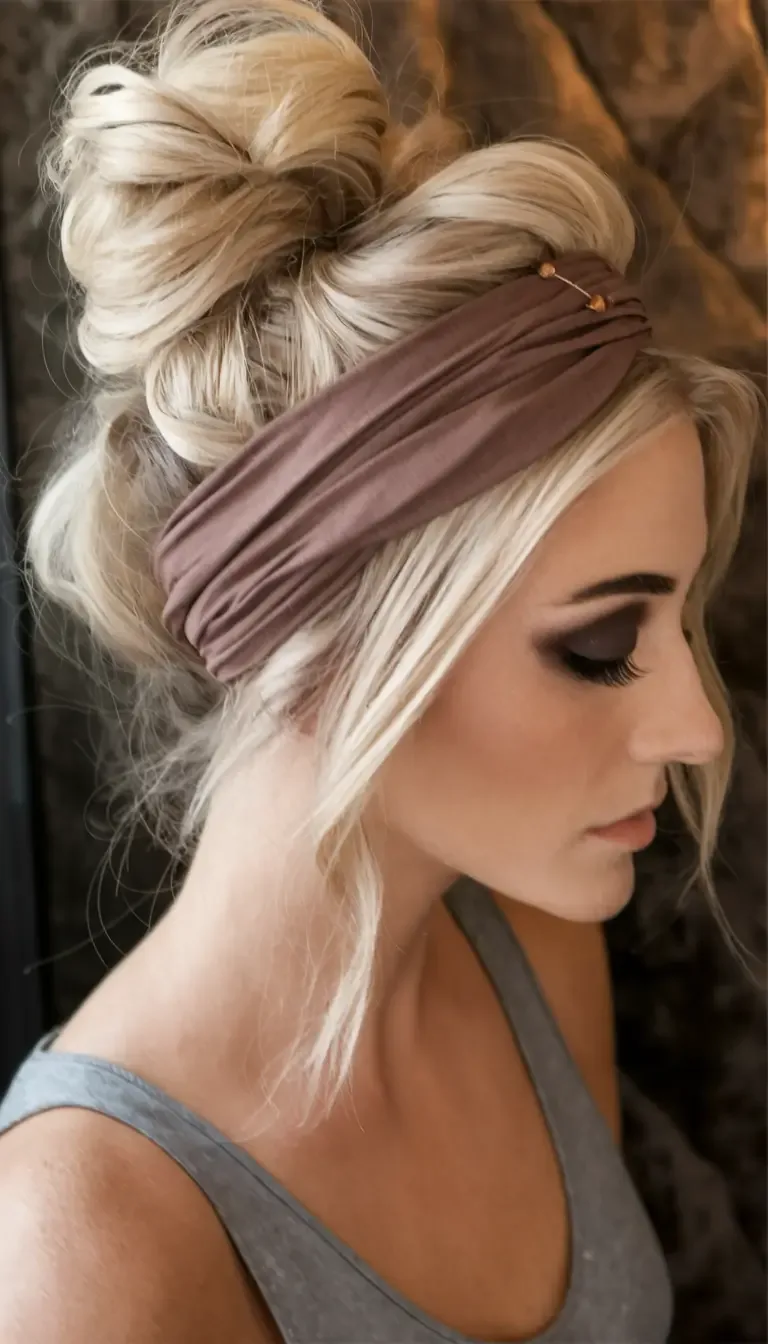
A wrapped high bun with a headband is a theme park double-lock: the bun contains the hair, and the headband contains the front. Wrap a small strand around the base of the bun to hide the tie, add a wide fabric headband to catch sweat and hold back baby hairs, and you have a style that will survive the tallest coaster and still look neat in the evening fireworks photos.
Pros: two layers of security, very neat, and photogenic. Cons: it needs both pins and a headband, and the headband must have grip or it will slide.
Maintenance — how it holds up on rides: pin the bun at four points and choose a headband with a silicone strip. After a big coaster, re-seat the headband — it is the part most likely to move.
Who should avoid it: if you dislike headbands or get headaches from them, skip the band and use a braided headband instead.
30. The Halo Crown Braid
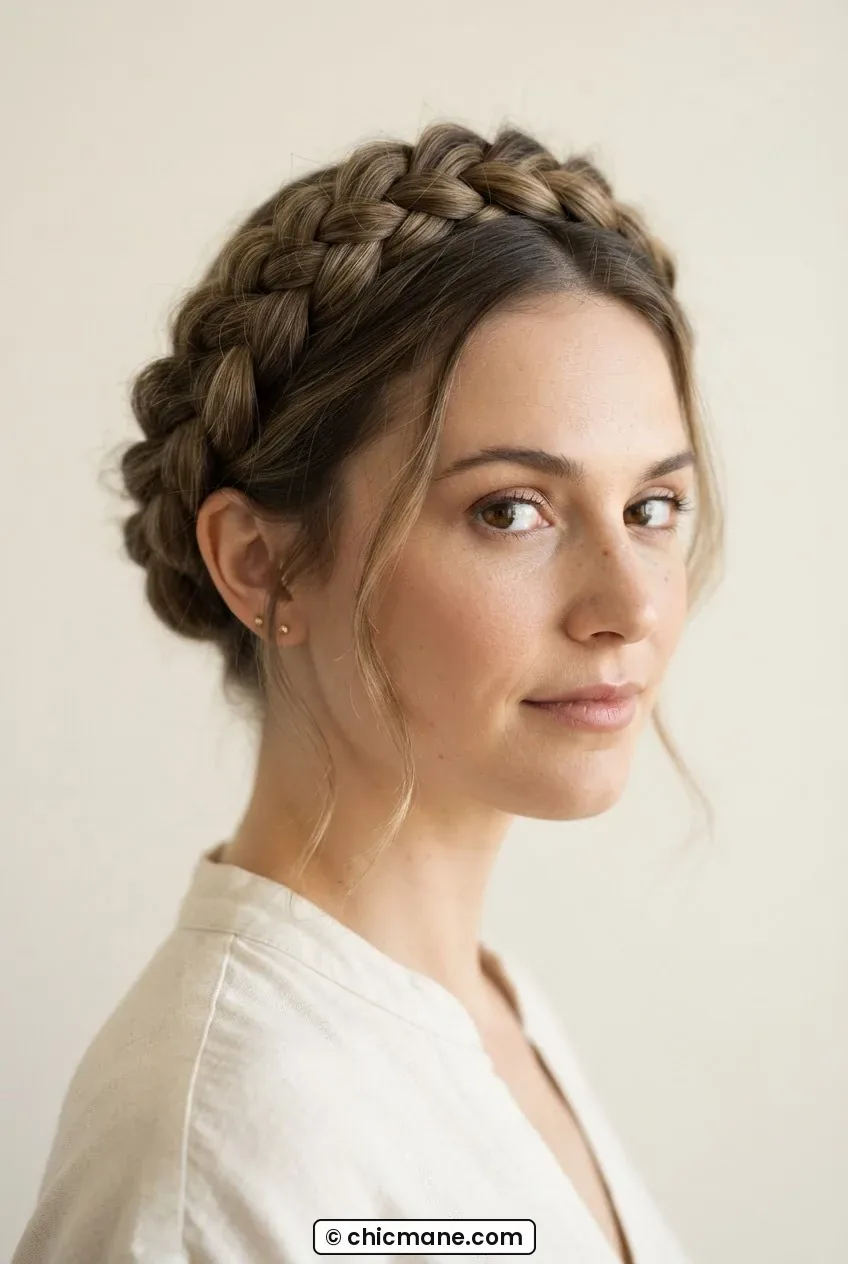
A halo braid circles the whole head like a crown, pinning every strand flat and keeping it there. It is one of the most secure styles you can wear to a theme park, because there is no loose tail at all — nothing to whip, tangle or get wet on a water ride. It also looks romantic and a little bit magical, which suits a castle photo perfectly.
Pros: nothing loose at all, very secure, and beautiful in photos. Cons: it takes fifteen minutes and some skill, and it is hard to do on yourself.
Maintenance — how it holds up on rides: pin the braid at intervals all the way around, and tuck the end under the start. Once it is in, it needs no maintenance — just check the pins after the biggest coaster.
Who should avoid it: if you cannot braid around your own head, ask a friend or choose a simpler crown — two side braids pinned up give a similar effect.
31. Milkmaid Braids
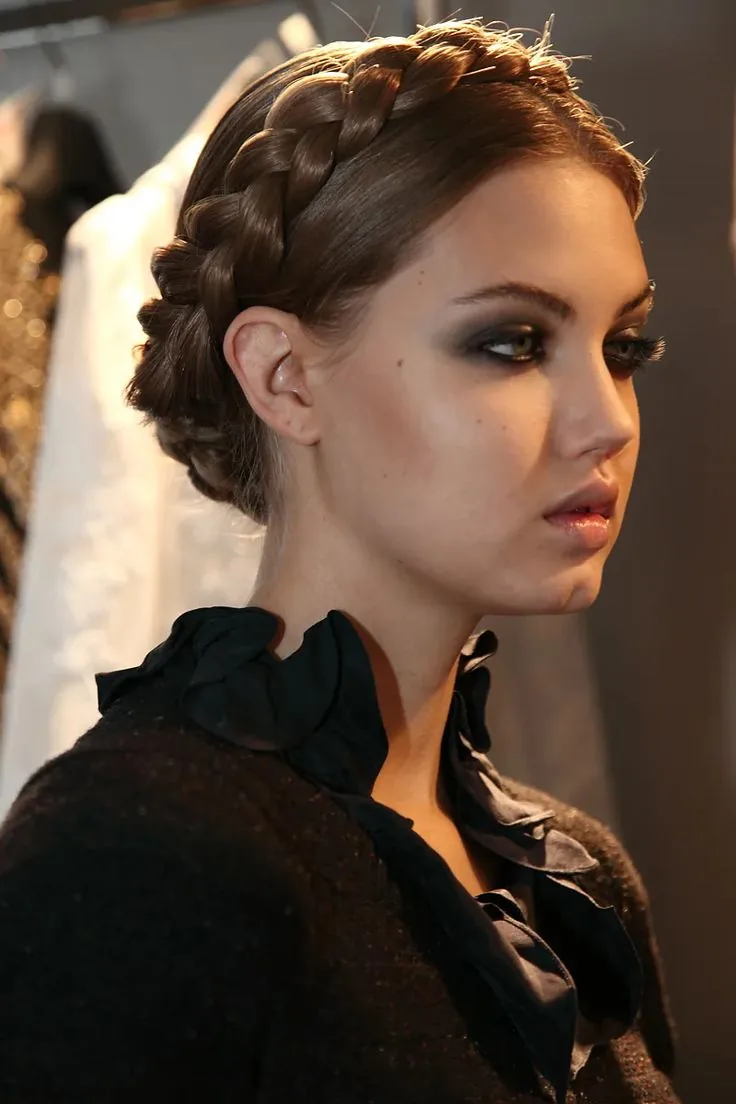
Milkmaid braids are two braids pinned up across the top of the head, and they are a charming, practical theme park style. All the hair is contained, nothing hangs down to get wet or tangled, and the pinned-up braids sit clear of every headrest.
Pros: fully contained, cool on hot days, and very cute. Cons: they need a lot of pins, and making both braids even takes time.
Maintenance — how it holds up on rides: pin each braid at three points, crossing the pins so they grip. If a braid starts to slip, add a pin rather than redoing it.
Who should avoid it: very short hair will not make braids long enough to pin across the head.
32. Dutch Braid Pigtails
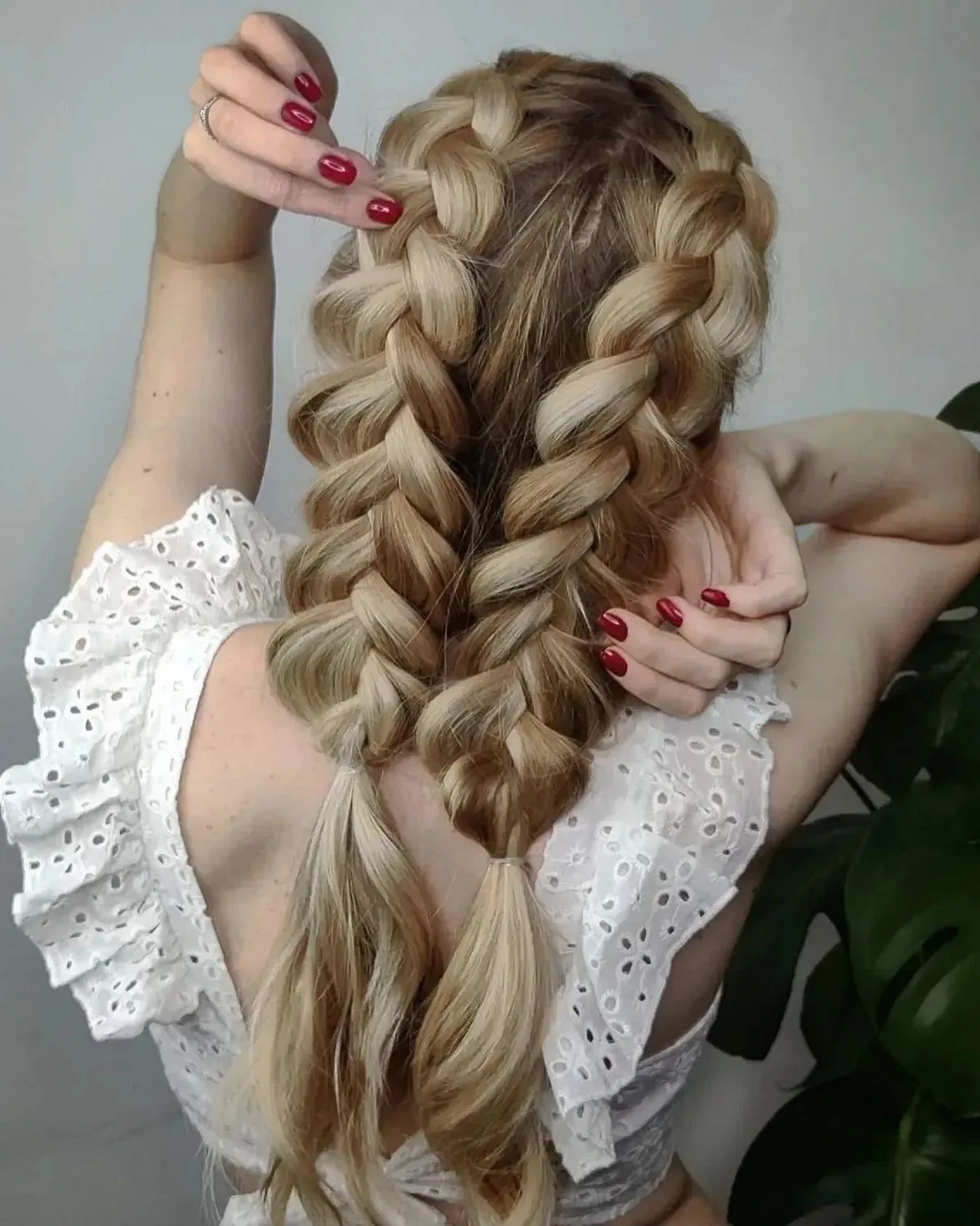
Dutch braid pigtails are boxer braids with a playful twist: the braids sit on top of the hair, so they stand out in photos, and the two tails keep the weight balanced. They are secure, they are fun, and they keep hair completely out of your face on a coaster.
Pros: secure, balanced, and very photogenic. Cons: they take time to do well, and they pull tightly at the hairline.
Maintenance — how it holds up on rides: start the braids high and keep them snug, and secure the ends with strong elastics. If the hairline feels tight by midday, loosen the first few crosses slightly — the braids will still hold.
Who should avoid it: anyone with a sensitive hairline should skip the ultra-tight version.
33. The Scarf-Wrapped Low Bun
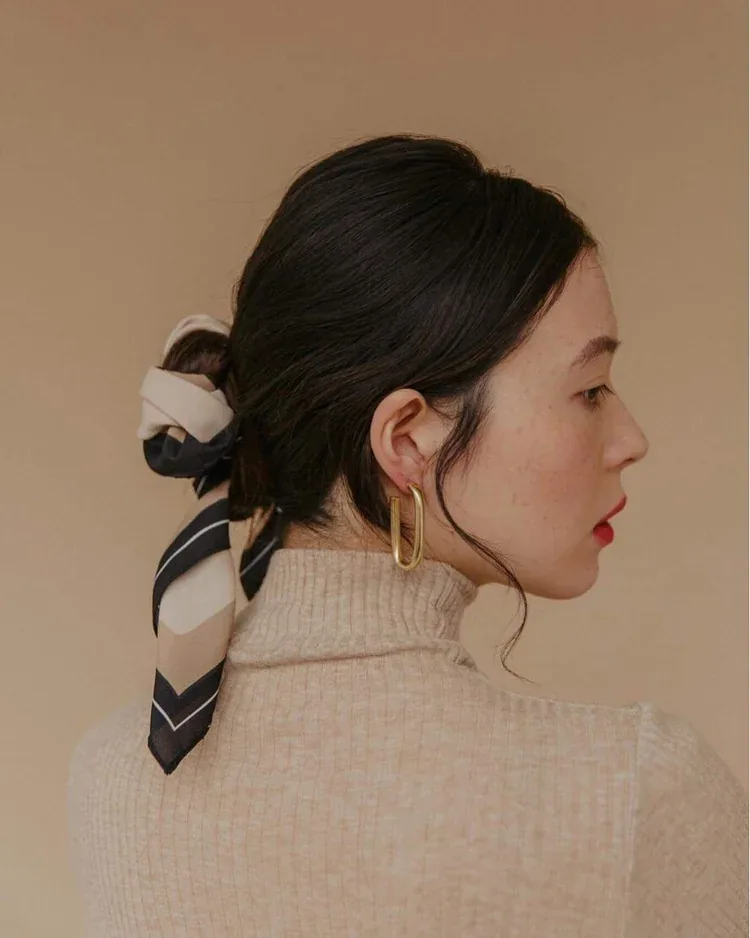
A scarf-wrapped low bun is style and security in one: a silk or cotton scarf wrapped around a low bun holds it in place, hides the pins, and adds a pop of colour to your park outfit. The scarf also protects the bun from wind and sun, and it looks intentional in every photo.
Pros: pretty, practical, and the scarf adds grip. Cons: a silk scarf can slide if it is not tied well, and a heavy scarf can feel warm.
Maintenance — how it holds up on rides: tie the scarf in a firm knot at the base of the bun, and tuck the ends in. On the biggest coasters, the scarf is the part to check — if it has loosened, re-tie it between rides.
Who should avoid it: if you dislike accessories, a plain braided bun is simpler.
34. The Low Chignon with Pins
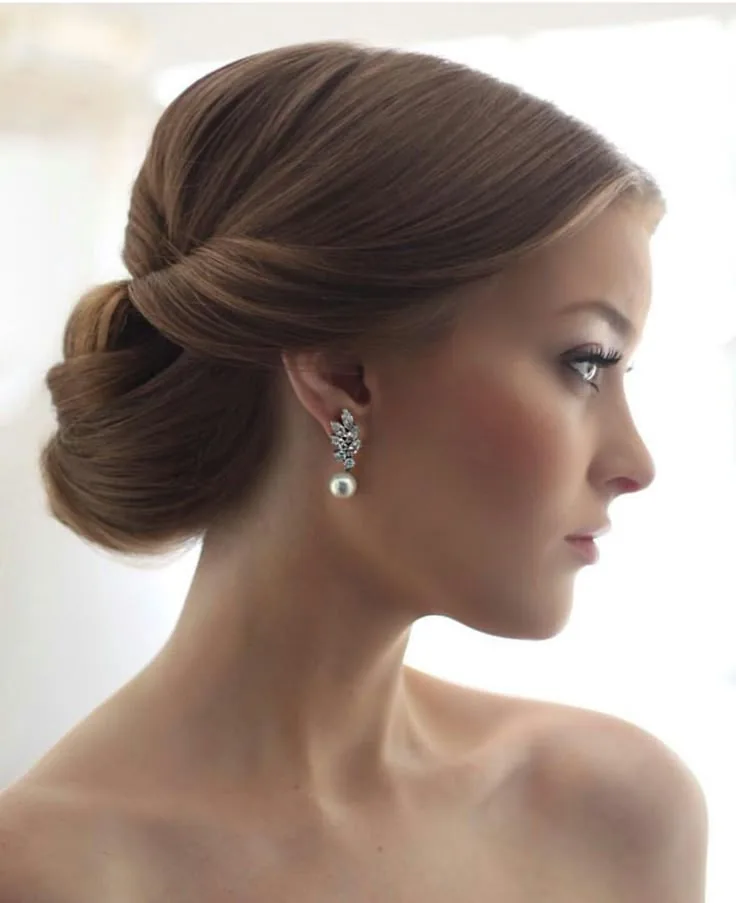
A low chignon is a smooth, rolled bun at the nape, and it is the most elegant ride-proof style you can wear. The hair is gathered low, twisted and rolled, and pinned flat against the head, so nothing sticks out for the wind to catch and nothing presses against a headrest.
Pros: elegant, flat against the head, and comfortable. Cons: it needs several pins and a smooth finish, which takes a few minutes.
Maintenance — how it holds up on rides: pin the roll at four points with U-shaped pins, and use a little styling cream to smooth the surface. After a coaster, check the pins rather than the roll — the roll itself will not move.
Who should avoid it: very thick hair makes a heavy chignon that can pull, so a braided bun may be lighter.
35. The Side-Swept Braided Ponytail
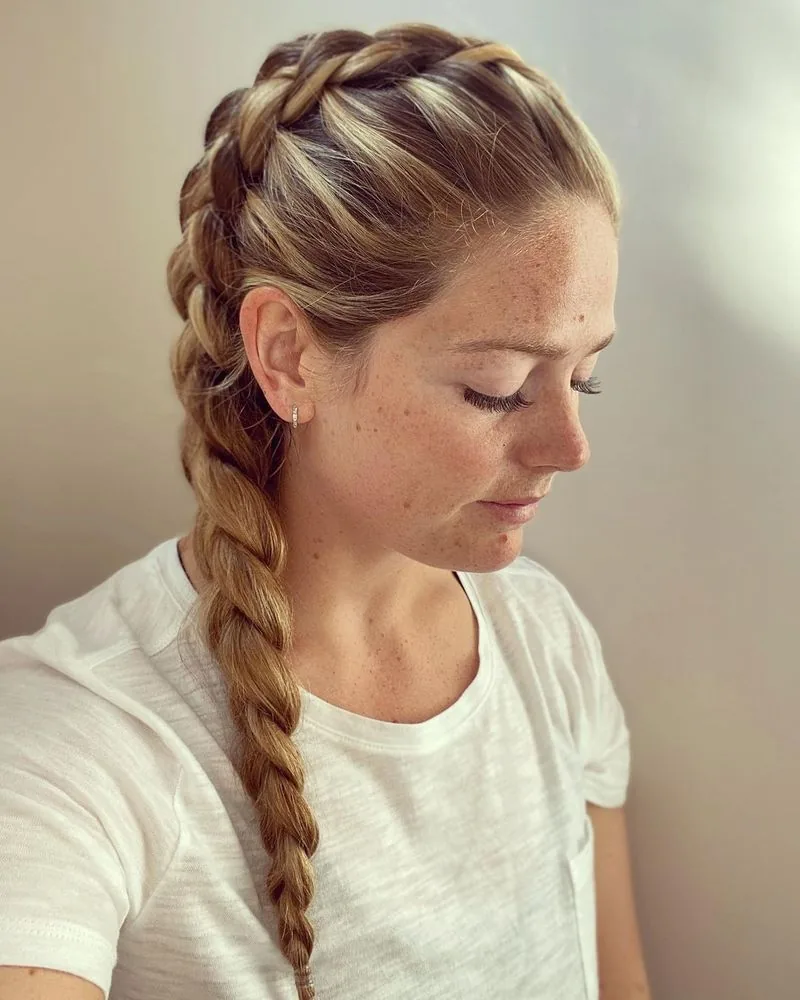
A side-swept braided ponytail combines the security of a braid with the softness of a side part. Sweep your hair to one side, braid it loosely, and let it fall over your shoulder. It frames your face in photos, it keeps hair out of your eyes, and the braid stops the tail from tangling.
Pros: flattering, secure, and easy to check. Cons: it can swing forward on a drop, and it leaves one side of your neck bare to the sun.
Maintenance — how it holds up on rides: braid it snugly at the top and looser at the ends for a soft finish. Use a strong elastic and carry a spare.
Who should avoid it: if you ride a lot of spinning rides, a braid down your back is safer than one over your shoulder.
36. Double Bubble Braids
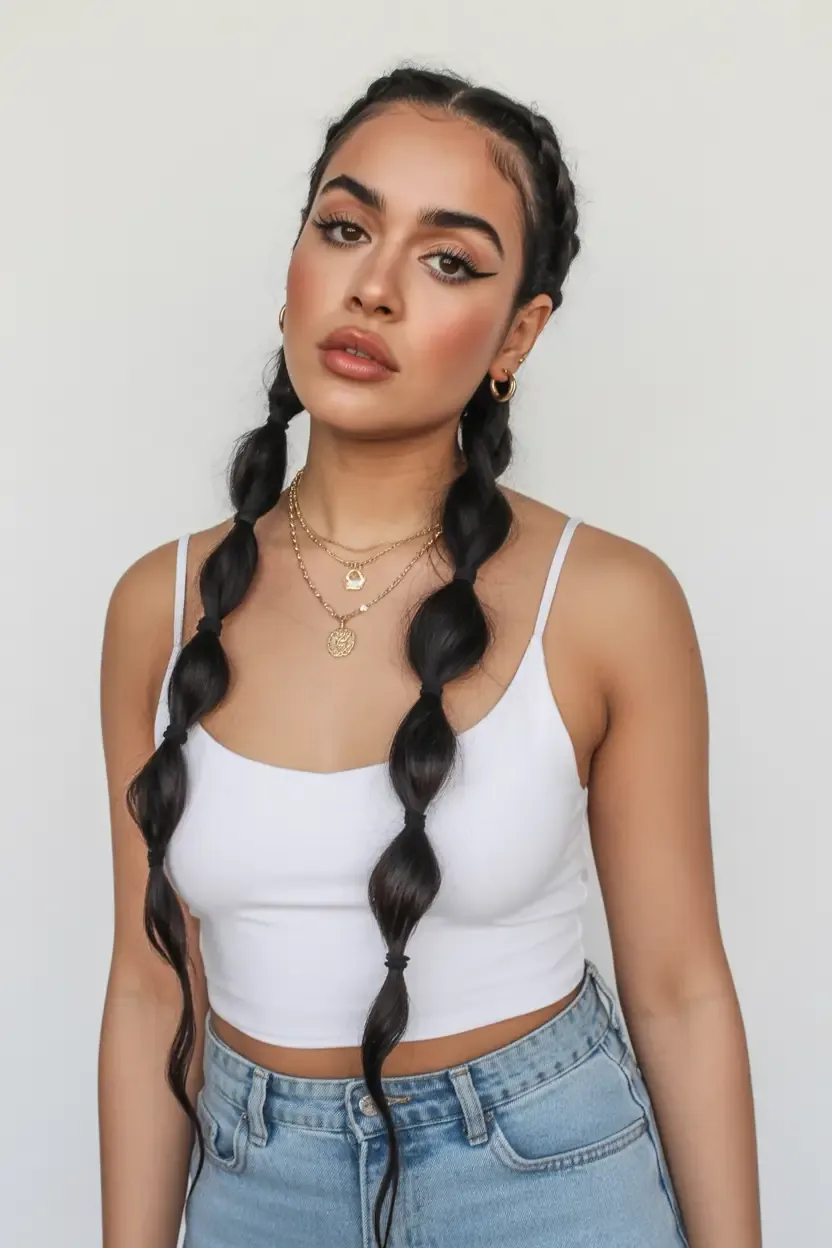
Double bubble braids are two bubble ponytails, one on each side, and they are pure theme park fun. Each side is divided into puffy bubbles with small elastics, so the style is secure, balanced and very photogenic.
Pros: fun, balanced, and very secure. Cons: they use a lot of elastics, and making both sides even takes practice.
Maintenance — how it holds up on rides: puff each bubble after tying, and the style will hold through coasters because every section is anchored. After a water ride, squeeze the bubbles dry and re-puff the top ones.
Who should avoid it: very short hair cannot make more than one bubble per side.
37. The Ribbon-Tied Low Ponytail
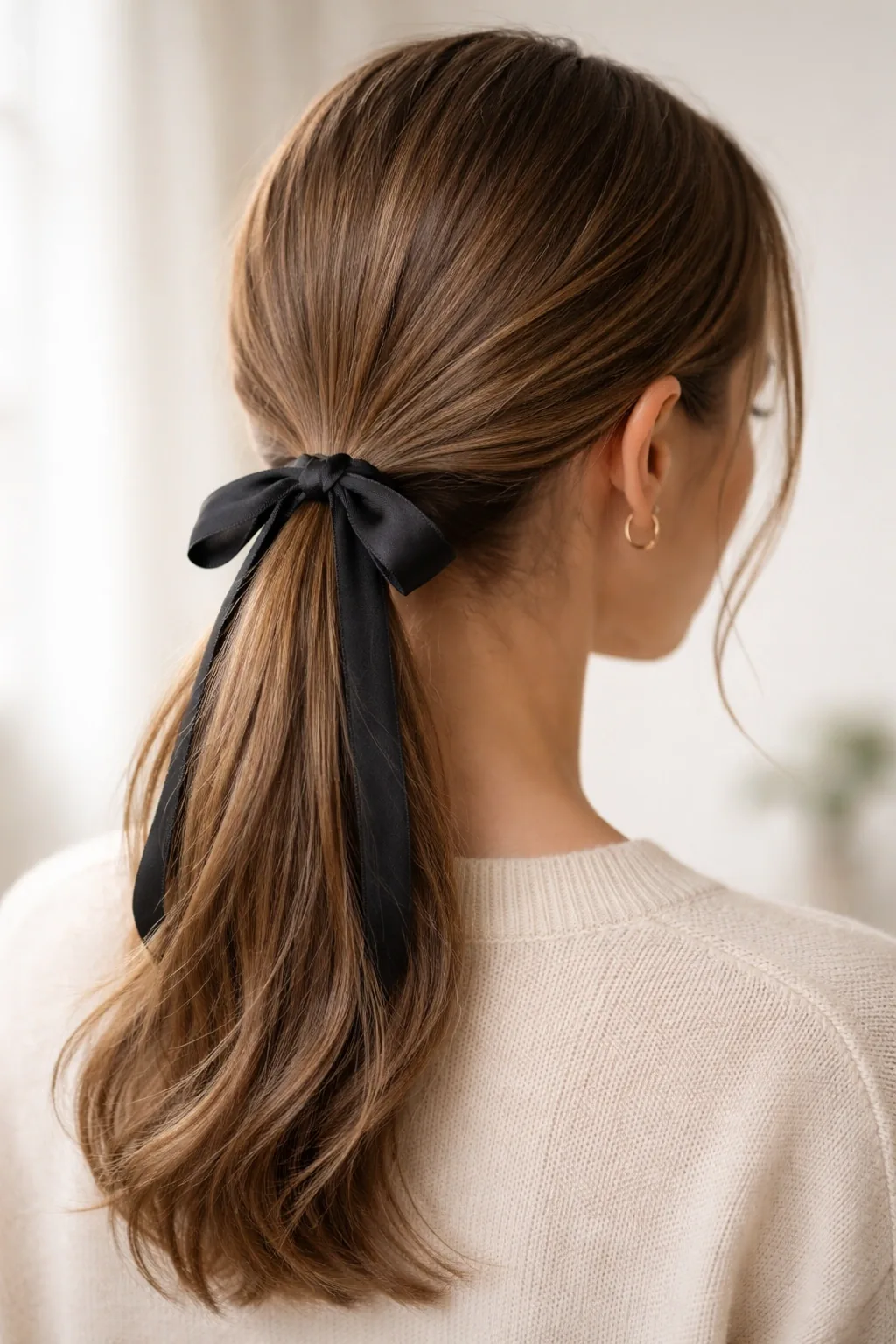
A ribbon-tied low ponytail is a simple style with a pretty finish: a low ponytail secured with a strong tie, then a ribbon tied over it in a bow. The ribbon looks lovely in photos and it matches a themed outfit beautifully.
Pros: pretty, quick, and easy to match to an outfit. Cons: the ribbon can come undone, and it is not a secure style on its own.
Maintenance — how it holds up on rides: tie the ponytail with a strong elastic first, then add the ribbon. Use a short ribbon rather than long tails, which can whip around on a coaster.
Who should avoid it: if you are riding the biggest coasters all day, a braid or a bun is more secure.
38. The Top Knot with a Braided Base
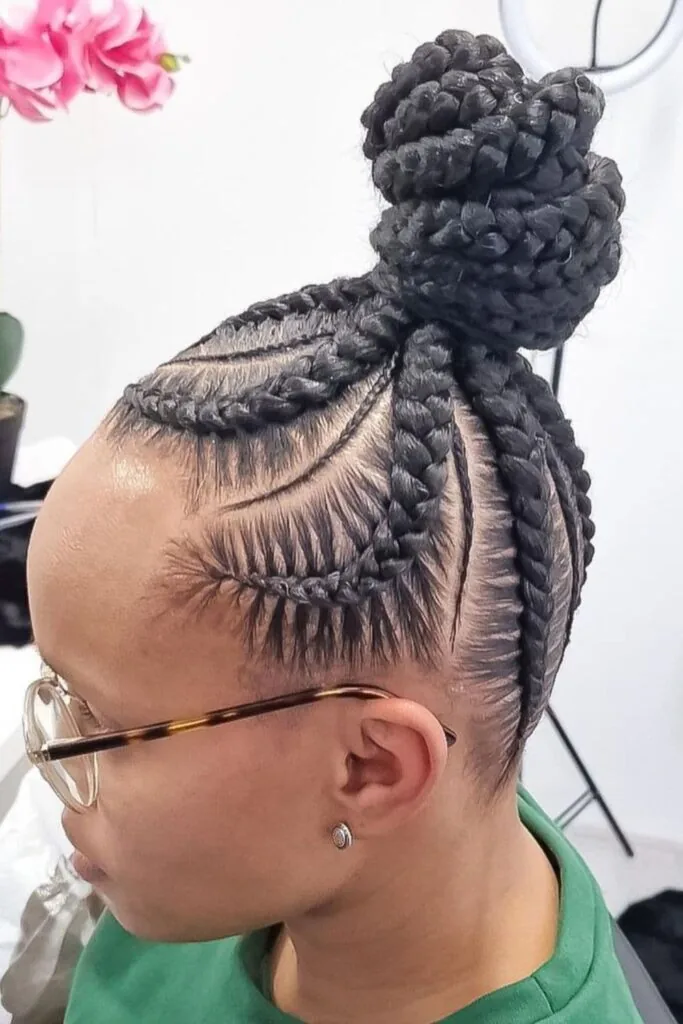
A top knot with a braided base is the most secure top knot you can wear. Braid a section of hair around the base first, then twist the rest into a knot on top of it. The braid acts like a belt, holding the knot in place through drops, loops and inversions, and it looks beautiful — a detail that shows in photos.
Pros: extremely secure, beautiful detail, and keeps hair off the neck. Cons: it takes ten minutes and some braiding skill.
Maintenance — how it holds up on rides: the braided base does the work, so the knot needs little attention. Check the pins after the biggest coaster, and if the knot has loosened, twist it tighter and re-pin.
Who should avoid it: if you cannot braid, a plain top knot with extra pins is easier.
39. The Waterfall Braid Half-Up
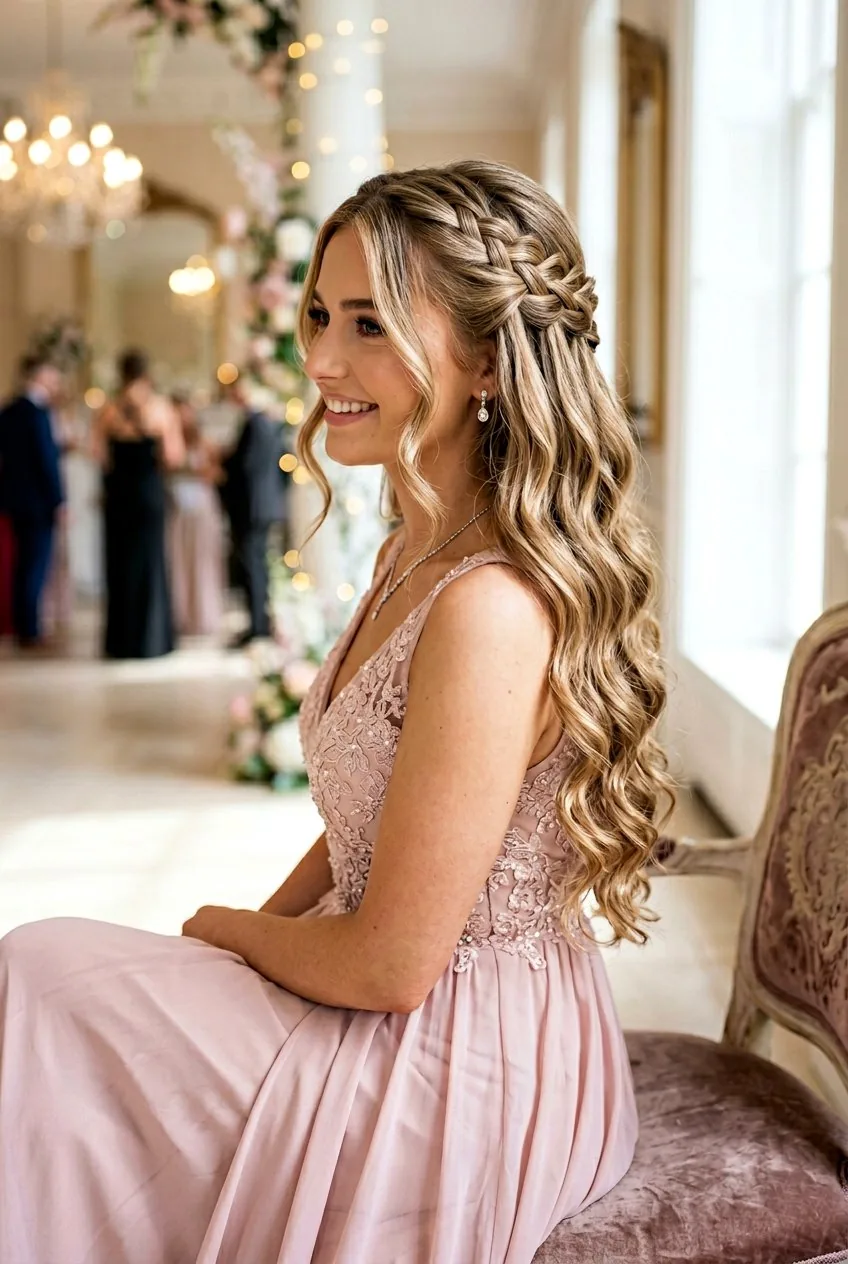
A waterfall braid half-up is the prettiest style in this guide — and the one that needs the most honest warning. The braid runs across the back of the head, dropping strands through it like a waterfall, while the rest of the hair falls loose. It is gorgeous in photos, especially in front of a castle, but the loose half will tangle in coaster wind.
Pros: beautiful, romantic, and very photogenic. Cons: the loose hair tangles badly on fast rides, and the braid can loosen.
Maintenance — how it holds up on rides: pin the braid at both ends and carry a small brush for the loose half. Before a big coaster, gather the loose hair into a quick low ponytail — you can let it down again afterwards.
Who should avoid it: anyone who wants one style for the whole day should skip this and choose a fully braided style.
40. The Curly Half-Up Pineapple
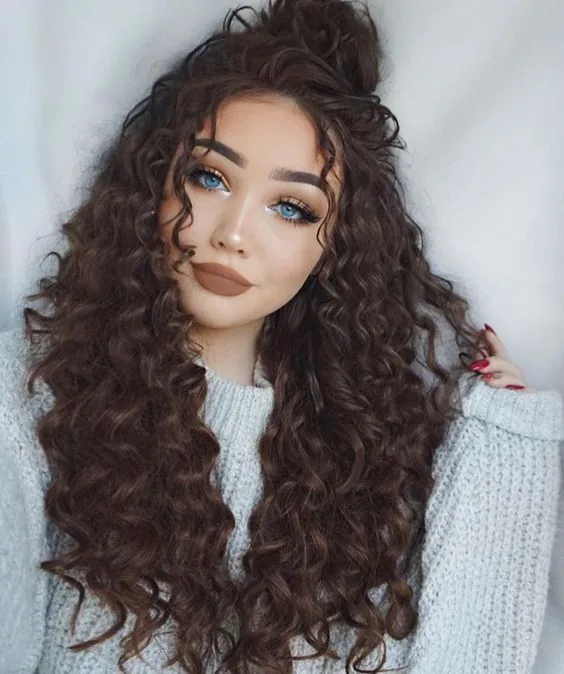
A curly half-up pineapple gathers the top half of your curls into a high puff while the rest falls loose. It keeps curls out of your face on rides, it shows off your curl pattern in photos, and it is quick to do.
Pros: shows off curls, keeps the front secure, and takes two minutes. Cons: the loose curls tangle in wind and get wet on water rides.
Maintenance — how it holds up on rides: secure the top puff with a satin scrunchie, doubled for security. Before a big coaster, gather the loose curls into a low ponytail and let them down after.
Who should avoid it: if you are riding coasters all day, a full pineapple puff or cornrows will protect your curls better.
41. The Textured Low Ponytail with a Claw Clip
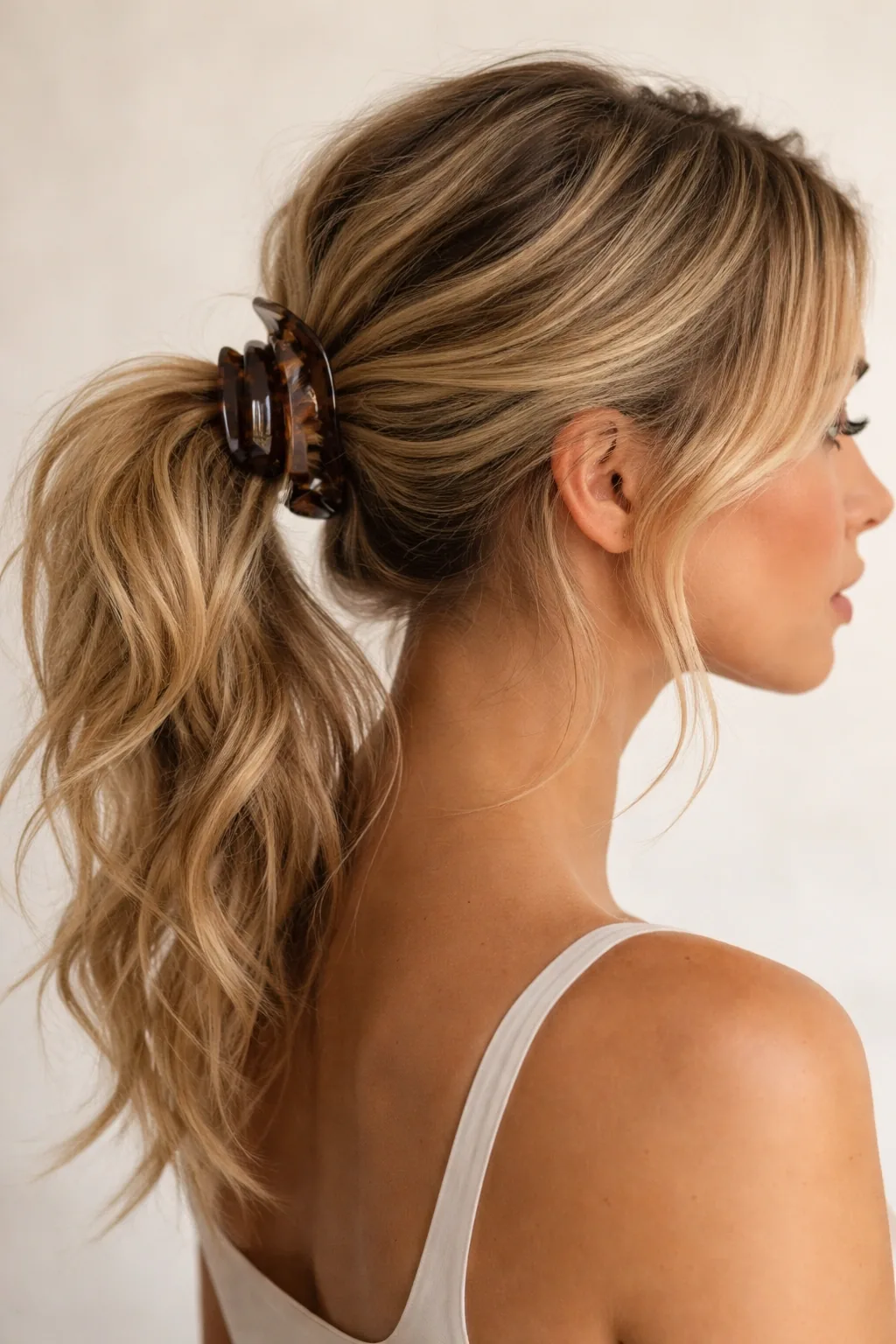
A textured low ponytail with a claw clip is a quick, pretty style — with one important theme park warning. The clip holds the ponytail in a soft, twisted shape that looks effortless, but a claw clip can pop open on a coaster or press uncomfortably against a headrest.
Pros: fast, pretty, and the texture hides flyaways. Cons: a claw clip can pop open on a fast ride, and it can press against a headrest.
Maintenance — how it holds up on rides: always use a hair tie under the clip — the clip is decoration, the tie is security. Choose a flat clip and position it so it does not touch the headrest.
Who should avoid it: anyone riding the biggest coasters should skip the clip entirely and use a tie.
42. The Slicked-Back Low Ponytail
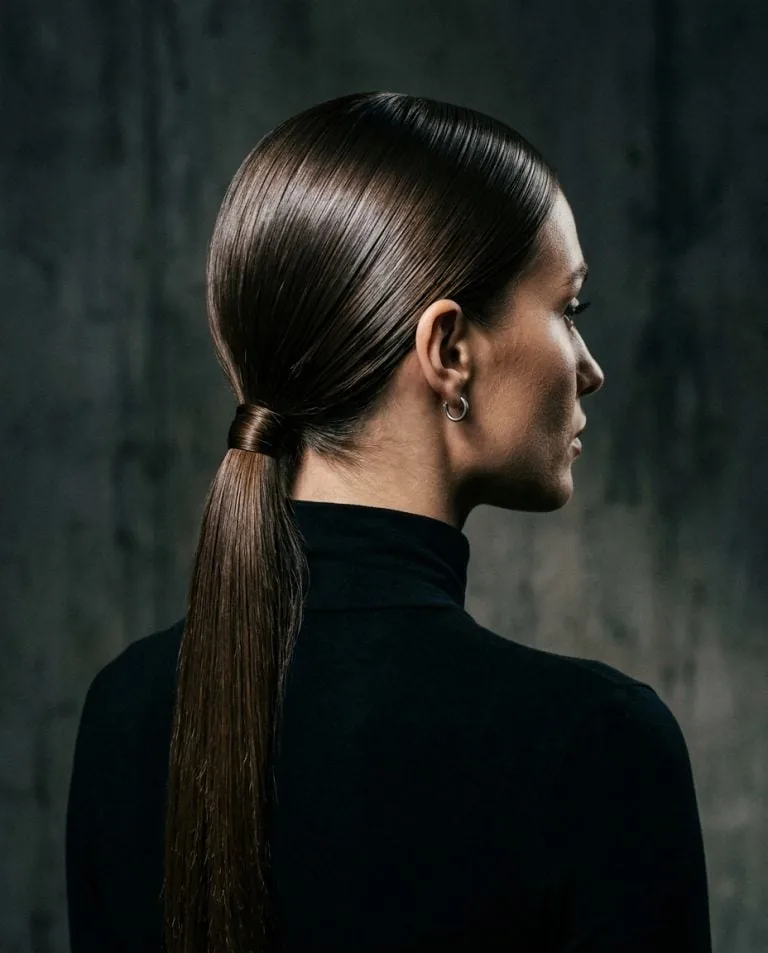
A slicked-back low ponytail is sleek, simple and completely ride-proof. Smooth the front back with gel or cream, tie the hair low at the nape, and you have a style that cannot blow into your face, cannot tangle, and looks polished in every photo. It is the low version of the wet-look ponytail, and it is comfortable against every headrest.
Pros: very secure, elegant, and easy to maintain. Cons: it needs product, and the scraped-back look is not for everyone.
Maintenance — how it holds up on rides: use a strong-hold gel and a brush to smooth the front before tying. After a water ride, the style will look almost the same — smooth the front and add a dab of gel if needed.
Who should avoid it: if you dislike product or a tight, pulled-back feeling, choose a low braided ponytail instead.
43. Braided Space Buns
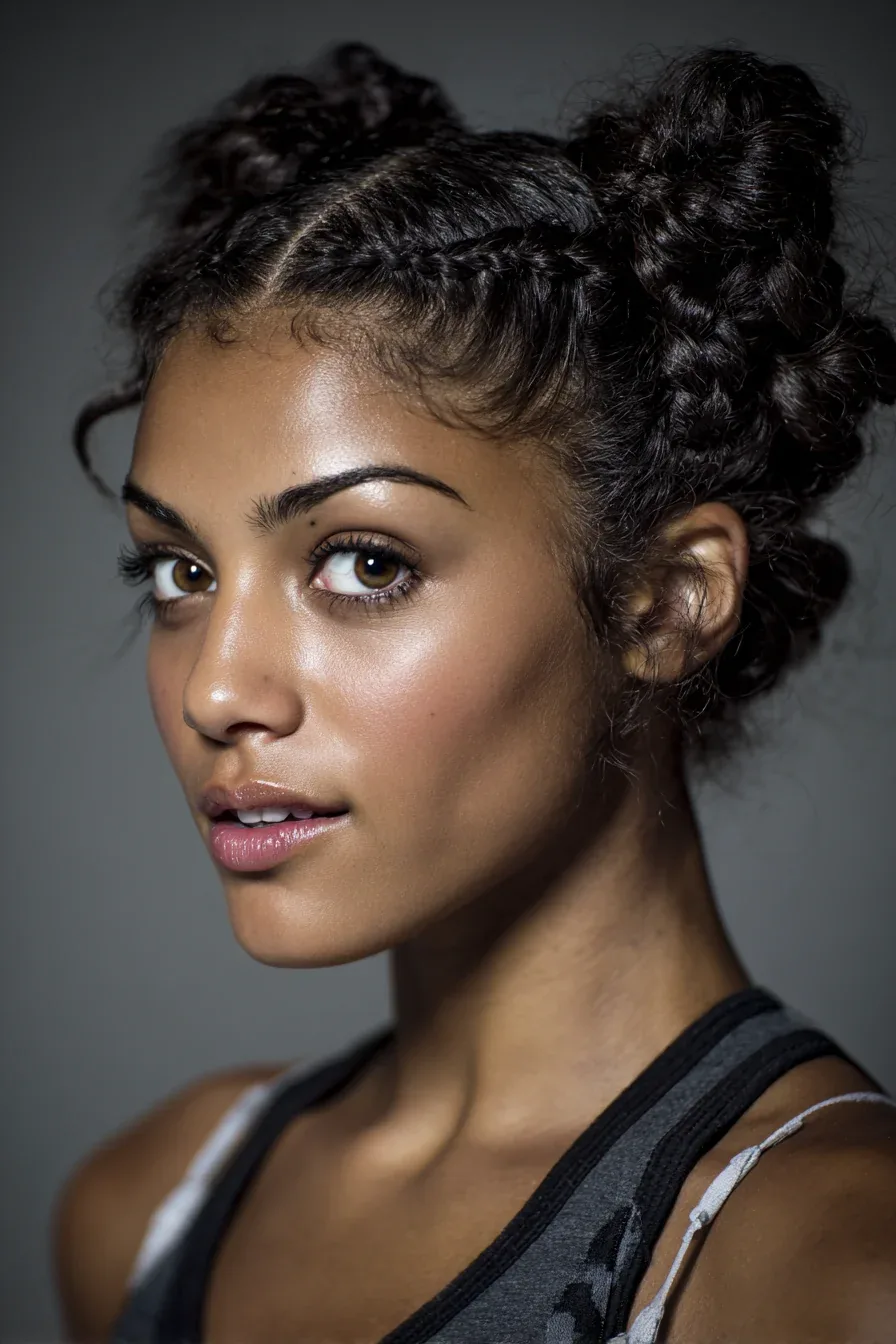
Braided space buns are space buns with a braid built in: braid each side first, then coil the braids into two buns. The braids lock the buns in place, so they cannot unravel, and they look fantastic — playful, detailed and very photogenic.
Pros: extremely secure, playful, and photogenic. Cons: they take time and braiding skill, and they are a bold look.
Maintenance — how it holds up on rides: pin each bun at three points, and the braids will do the rest. After a big coaster, check the pins — the buns themselves will not move.
Who should avoid it: if you cannot braid, plain space buns are easier.
44. The Short Curly Puff with a Headband
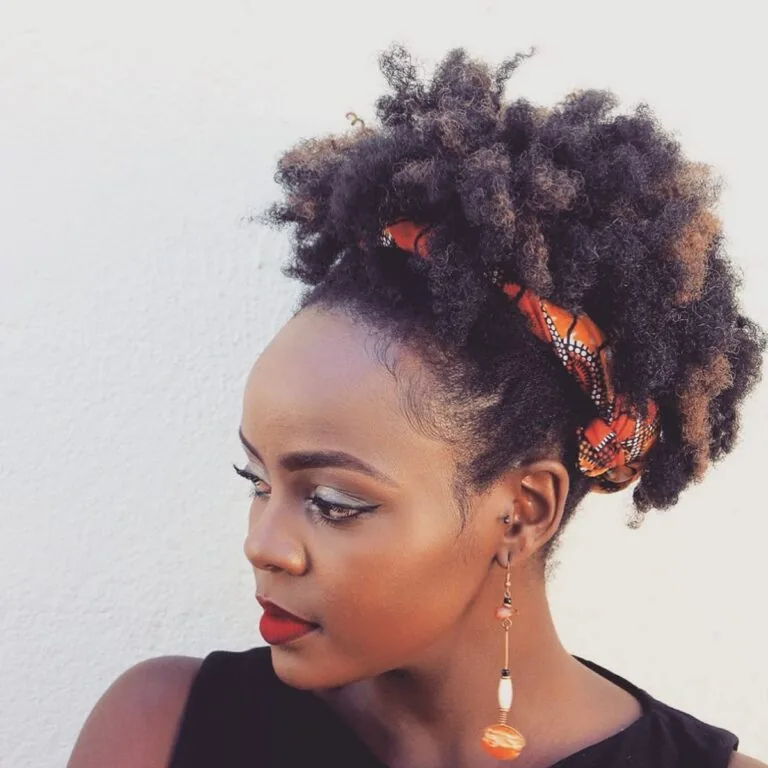
A short curly puff with a headband is a joyful, practical style for short curly hair at a theme park. The puff gathers the curls up and out of your face, the headband keeps the front neat, and nothing can tangle because there is so little length to catch the wind.
Pros: quick, comfortable, and perfect for short curls. Cons: the headband can slide, and a very small puff may need a little help to stay gathered.
Maintenance — how it holds up on rides: use a wide fabric headband with a grip strip, and a thick tie for the puff. After a water ride, scrunch the curls with your hands and re-seat the headband.
Who should avoid it: if headbands bother you, two small clips at the front will do the same job.
What is the best hairstyle for a roller coaster?
A tight braid — a French braid, Dutch braids or cornrows — is the best hairstyle for a roller coaster. Braids lock every strand flat against the head, so wind and G-force have nothing to grab, and they cannot tangle or whip across your face. A high bun secured with pins is the next best option.
How do I keep my hair from tangling on rides?
Braid your hair before the fast rides, and tie any ponytail in two places so it cannot whip around. A little leave-in conditioner in the morning reduces friction between strands, and after the rides, finger-comb the ends rather than brushing, which creates more tangles. If your hair is long, a braid is far better than a ponytail for tangle control.
Can I wear my hair down at a theme park?
You can, but it will not stay neat. Loose hair tangles in coaster wind, gets wet on water rides, and sticks to sunscreen and sweat. If you love your hair down, wear it down for the morning photos and gentle rides, then braid it or bun it before the big coasters. A half-up style is a good compromise for part of the day.
What hairstyle survives a water ride?
Braids, buns and slicked-back ponytails survive water rides best, because they dry in their shape. A braid will dry into soft waves, a bun will dry into a neat coil, and a slicked-back style looks deliberate when wet. Loose hair is the worst choice for a water ride — it comes off plastered and tangled.
Should I wear a hat or a headband on a roller coaster?
A headband with a silicone grip strip is safe on a coaster, but a hat is not unless it has a chin strap or a very snug fit. Loose hats fly off on fast rides, so take your hat off and hold it, or store it, before the biggest coasters. Wear hats and themed ears for photos and parades instead.
How do I stop my ponytail from sagging on rides?
Tie your ponytail in two stages: gather the top half and secure it, then gather the rest and join it to the first tie. The double anchor stops the ponytail from dropping under G-force. Use a thick no-slip tie rather than a thin elastic, and re-tighten it after the biggest coaster by splitting the tail and pulling the halves apart.
What should I pack in a theme park hair kit?
Pack two spare hair ties, four bobby pins, two small elastics, a wide fabric headband, travel-size dry shampoo, a small tube of styling cream, a pocket comb, and a small towel or blotting papers for sweat. The whole kit fits in a sandwich bag and will save your style at least twice during the day.
How do I protect my hair from sun at a theme park?
Use a UV-protective hair spray in the morning, wear a hat or a headscarf when you can, and put sunscreen along your parting and the tops of your ears, where the scalp burns first. Coloured hair fades fastest in the sun, so a leave-in with UV protection is worth packing, and a braid or bun protects more of your hair than wearing it loose.
What is the best hairstyle for curly hair at a theme park?
A high puff, cornrows or braids are the best choices for curly hair at a theme park. A high puff keeps curls off your neck without crushing the curl pattern, while cornrows and braids protect the hair completely from wind and water. Use fabric ties rather than thin elastics, and never brush curly hair dry mid-day — finger-comb it instead.
Can I wear a claw clip at a theme park?
You can wear a claw clip for gentle rides and walking around, but not on fast roller coasters. A claw clip can pop open under G-force and press uncomfortably against a headrest. Always use a hair tie underneath the clip as a backup, and swap the clip for a tie before the biggest coasters.
Conclusion
A theme park day asks more of your hair than almost any other day out — wind, speed, water, sun and twelve hours on your feet, all in one. The styles in this guide work because they were chosen for that reality, not for a photoshoot: braids that lock hair flat, buns that sit clear of headrests, ponytails tied in two places, and puffs that protect curls instead of crushing them. The best hairstyles for a theme park are the ones you forget about, because they are still holding when you reach the fireworks.
Pick one style the night before, pack your little hair kit, and do the shake test before you leave. Then go and ride everything. Your hair will take care of itself — and the ride photos will prove it.