Look Polished on Camera: Hairstyles for a TV Interview That Stay Sleek Under Studio Lights
Walking into a television studio is different from walking into any other room. The lights are brighter, the camera is closer than you expect, and every strand of hair is suddenly part of the story — so the right hairstyle matters more than most guests realise.
These hairstyles for a tv interview were chosen for exactly that moment: styles that look polished on screen, survive hot studio lights, keep flyaways under control, and let you forget about your hair and focus on your answers. Whether you are on the news, a talk show or a remote video call, there is a look here that will hold up from the first question to the last.
Read the guides first, pick the style that suits your hair and your format, and do a full trial in front of a phone camera before the day. If it looks clean on your phone, it will look clean on television.
Camera-Ready Basics: What the Camera Actually Sees
A television camera is far less forgiving than a mirror. It flattens depth, sharpens contrast and picks up every stray hair, shiny patch and uneven edge, so a style that looks fine in your bedroom can look messy on screen. The goal is not a dramatic makeover; it is clean lines, controlled volume and a shape that reads clearly from the front and the side.

What it is: a checklist for how hair behaves on camera, not just in real life. Pros and cons: thinking in camera terms stops last-minute surprises; the only cost is a short trial in front of a phone camera. Common mistakes: checking your hair only in a mirror, or only from the front. Maintenance: photograph yourself from the front, side and back under bright light, then fix what the camera shows. Quick verdict: if it reads cleanly on a phone video, it will read cleanly on television.
Studio Lights and Shine: Keeping Hair Glossy, Not Greasy
Studio lights are hot, bright and directly overhead, which means shine is both your friend and your enemy. A little gloss makes hair look healthy and expensive on screen, but too much product turns into a greasy glare that the camera cannot ignore. The trick is shine in the right places — the lengths and ends — with a matte, controlled finish at the roots.
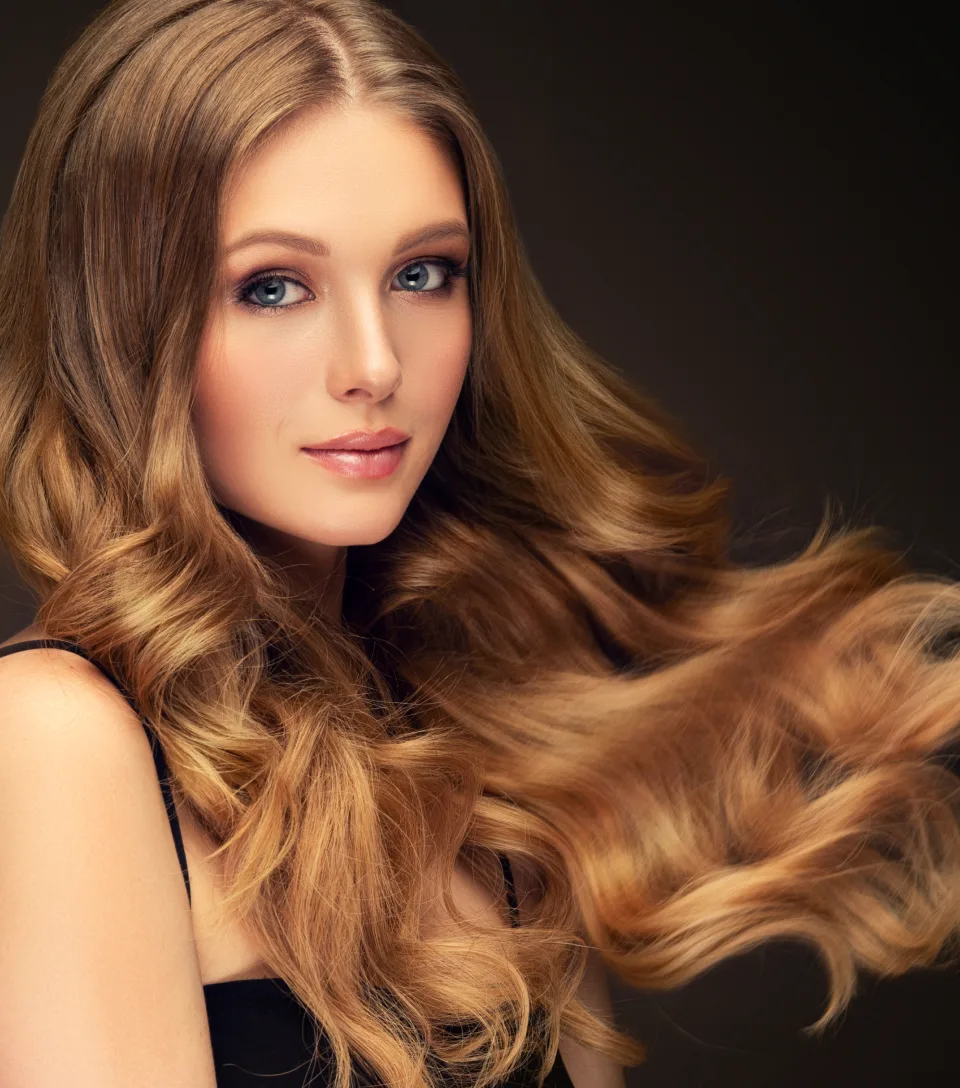
What it is: managing shine so lights flatter your hair instead of exposing it. Pros and cons: controlled gloss looks polished and healthy; overdoing product creates glare and flat, heavy roots. Common mistakes: applying shine spray all over, including the roots, or adding oil just before airtime. Maintenance: use a light shine mist on the mid-lengths and ends only, and blot the roots with dry shampoo. Quick verdict: gloss on the ends, control at the roots, and your hair will glow instead of glare.
Flyaways and Frizz: Taming Hair Under Hot Lights
Heat, nerves and studio lights are a perfect recipe for flyaways. The camera loves a clean silhouette, and a halo of stray hairs around your head is one of the first things viewers notice, even if they cannot name it. A smooth finish starts in the shower, not five minutes before airtime, with a smoothing cream worked through damp hair and a cool shot from the dryer to seal the cuticle.
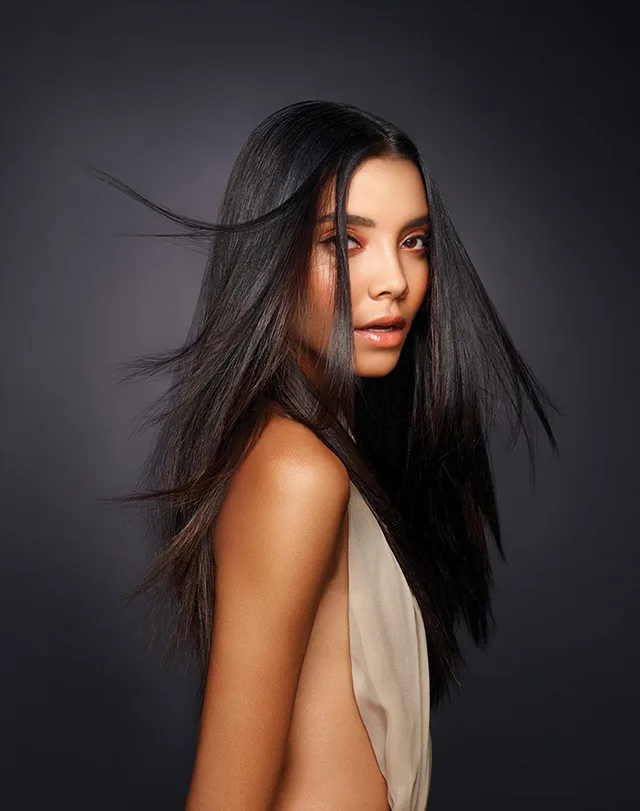
What it is: a smoothing routine built for heat, nerves and long takes. Pros and cons: a sealed, smooth finish stays put for hours; skipping the cool shot lets frizz return within minutes. Common mistakes: brushing dry hair just before going on, which lifts flyaways instead of settling them. Maintenance: smooth cream on damp hair, cool air to finish, and a clean mascara spoolie with a drop of serum for strays. Quick verdict: tame the halo and the whole style looks twice as expensive on screen.
Matching the Format: News, Talk Shows and Remote Video Interviews
Not every television interview is the same, and your hair should match the room you are walking into. A news segment rewards neat, conservative styles that never move; a talk show allows softer, more personal hair; a remote video interview needs extra care around the frame, because the camera is closer and the lighting is usually worse. The best hairstyles for a tv interview always start with that format decision, so decide the format first, then choose the style.
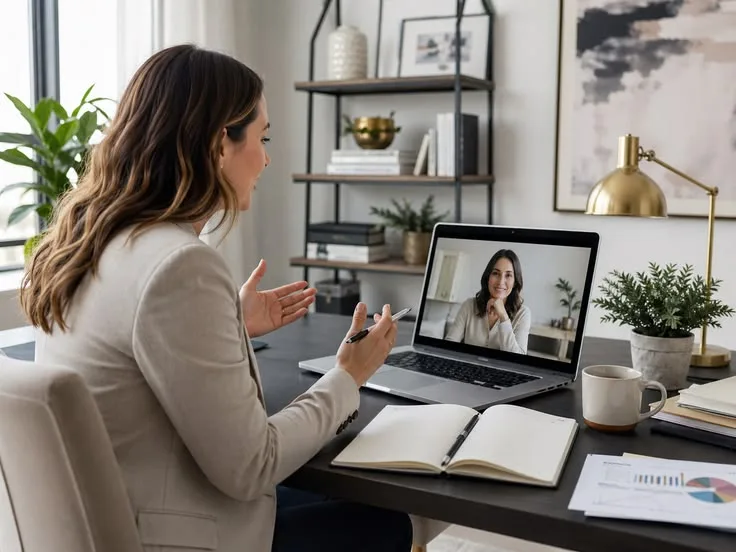
What it is: choosing hair to suit the interview format rather than one look for every screen. Pros and cons: a format-matched style always looks appropriate; a party style on a news desk looks out of place. Common mistakes: wearing a loose, moving style for a serious news segment, or a severe style for a friendly chat show. Maintenance: ask the producer about the set, the shot width and whether you will sit or stand, then style to that frame. Quick verdict: match the format and you will look like you belong in that chair.
Length, Framing and Your Face on Screen
On camera, your face is the story, and your hair is the frame around it. Hair that falls across your eyes, covers your cheekbones or hides your mouth will distract viewers and make you look less confident, however beautiful the style is. Face-framing layers, a clear part and pieces tucked or pinned away from the eyes keep the focus where it belongs: on what you are saying.
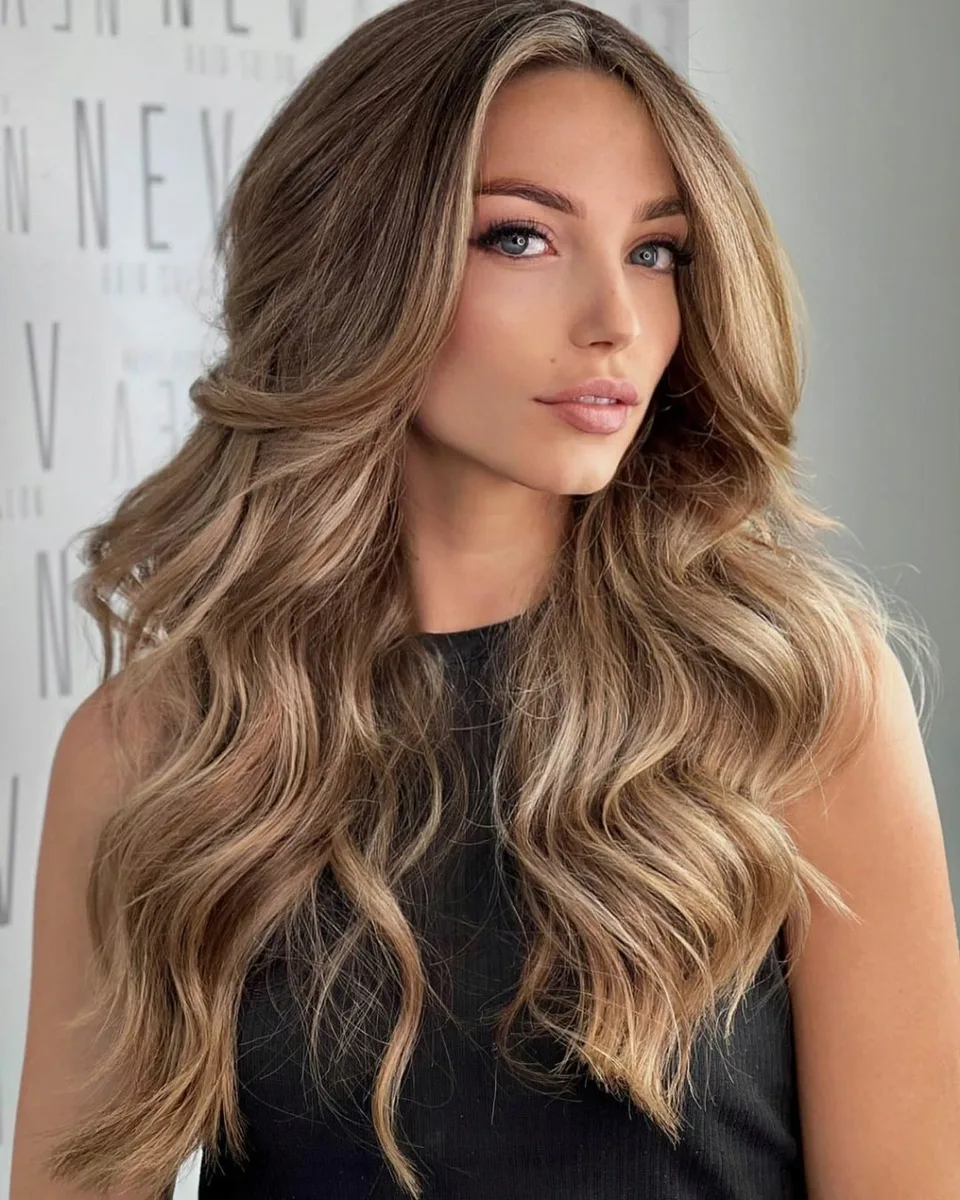
What it is: using length and layers to frame the face instead of hiding it. Pros and cons: a clear frame makes you look open and confident; hair across the face reads as nervous, even when it is not. Common mistakes: letting long front pieces fall over the eyes, or parting hair so it covers one side of the face. Maintenance: keep the eyes, brows and mouth fully visible from the front, and pin back anything that drifts. Quick verdict: if viewers can see your whole face, they will hear your whole answer.
Colour and Contrast: Hair That Reads Well on Camera
Television loves contrast, and hair colour is part of that picture. Very dark hair can disappear against a dark background, very pale hair can wash out under bright lights, and a fresh colour that has not settled can look patchy on screen. The safest choice is your best, most familiar colour, freshly glossed and healthy, with enough contrast against your outfit and the set to keep your silhouette clear.
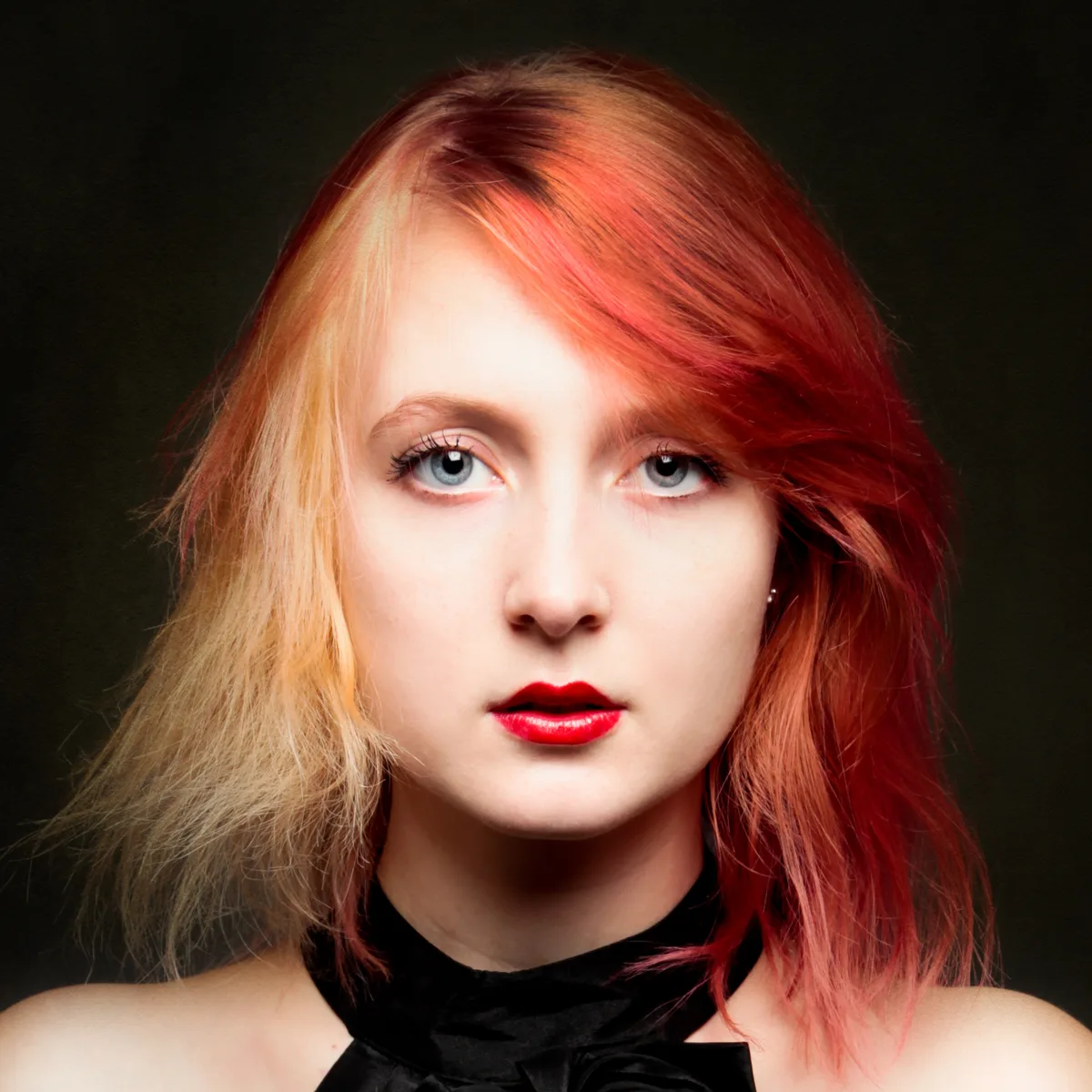
What it is: picking colour and contrast that keep your hair visible and natural on screen. Pros and cons: good contrast keeps your shape clear on any set; a colour that matches the background makes you vanish. Common mistakes: trying a new colour the week of the interview, or wearing a top the same shade as your hair. Maintenance: wear a top that contrasts with your hair, add a gloss a week before, and check yourself against a dark background. Quick verdict: familiar colour, fresh gloss, clear contrast — that is the whole formula.
Microphones, Earpieces and Hair: The Practical Side
Television hair is not only about looks; it has to work with the equipment. A lavalier microphone clipped near your collar will pick up every brush of hair against it, an earpiece needs a clear path to your ear, and a headset can flatten one side of your style. Plan your style around the kit: keep hair off the mic, leave the earpiece ear clear, and test the setup before the red light comes on.
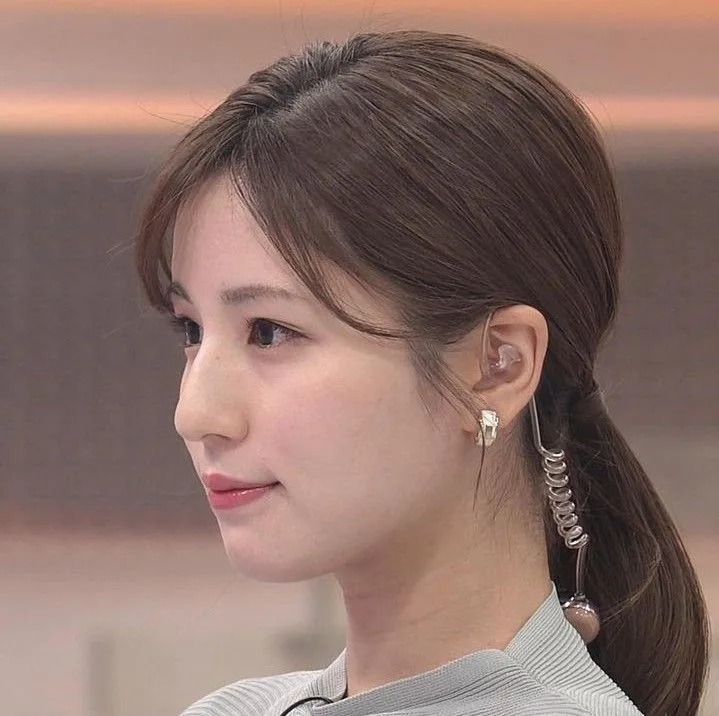
What it is: styling hair so it works with mics and earpieces instead of fighting them. Pros and cons: a kit-friendly style means clean sound and no mid-interview fiddling; ignoring the mic guarantees rustling on air. Common mistakes: letting long hair rest on the lavalier mic, or covering the earpiece ear with a heavy sweep. Maintenance: keep the mic side clear, tuck hair behind the earpiece ear, and do a sound check while turning your head. Quick verdict: hair that stays away from the mic lets your words do the talking.
The Last-Minute Kit: Touch-Ups in the Green Room
Every television guest needs a small green-room kit, because studio lights, nerves and a long wait will undo even the best style. Pack a travel brush, a few bobby pins in your hair colour, a mini hairspray, blotting paper, a spoolie and a small mirror. Arrive with your hair done, then use the last ten minutes for a calm check, not a rebuild — and never try a new product in the green room.
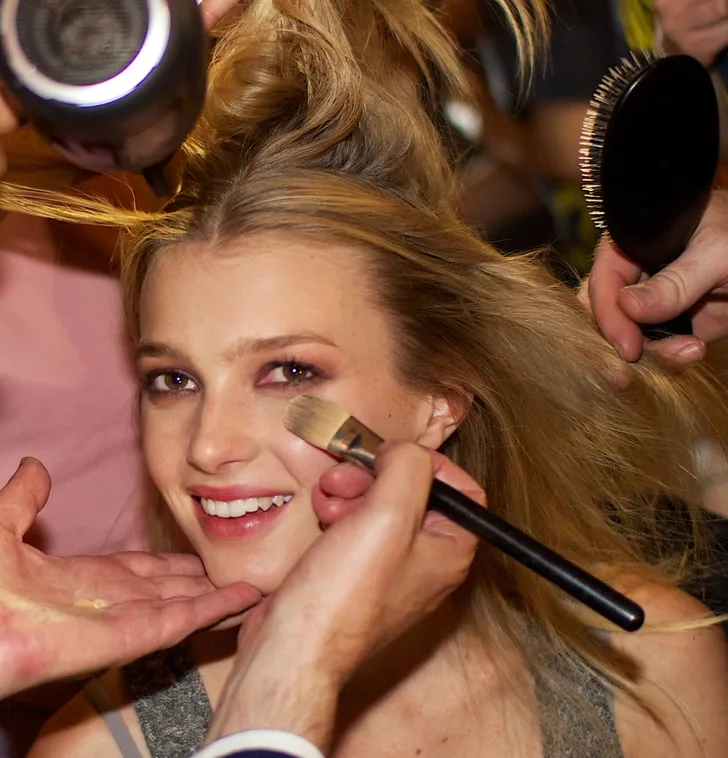
What it is: a small, rehearsed touch-up kit for the minutes before airtime. Pros and cons: a calm final check fixes everything the lights will expose; a rebuild in the green room creates new problems. Common mistakes: trying a new product minutes before airtime, or re-wetting hair that was already set. Maintenance: arrive styled, check the front, sides and back in a mirror, and fix only what has actually moved. Quick verdict: pack the kit, trust the trial, and walk in calm.
1. The Polished Low Bun
The polished low bun is the safest style in television, and for good reason: it keeps every strand off your face, holds its shape under hot lights, and looks neat from every camera angle. Gathered low at the nape, smoothed at the crown and pinned securely, it reads as calm, credible and completely in control.

What it is: a smooth, low bun at the nape with a clean part and no loose pieces. Pros and cons: it never falls in your face, never rustles a mic, and suits every interview format; the only trade-off is that it is more serious than playful. Common mistakes: leaving the crown puffy or the part uneven, which the camera magnifies. Maintenance: smooth with a brush and a little gel, pin in an X shape, and mist lightly from a distance. Quick verdict: the most reliable camera-ready style there is — choose it when the interview matters most.
2. The Sleek Straight Blowout
A sleek straight blowout gives you movement without mess: hair that swings when you turn your head but never falls across your face. The key is a smooth, straight finish with the ends turned slightly under, so the silhouette stays clean even after an hour under the lights.
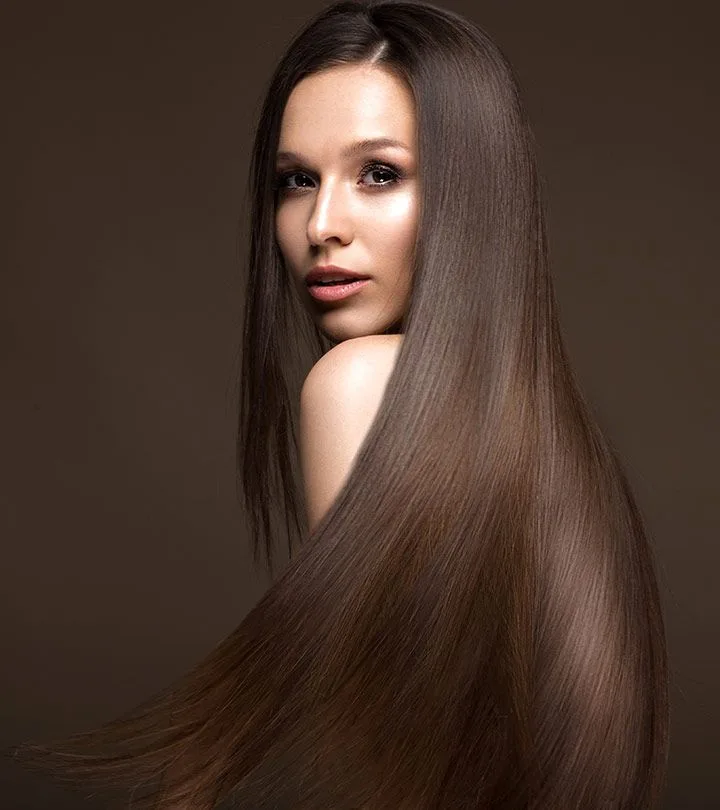
What it is: a smooth, straight blowout with ends tucked under for a clean edge. Pros and cons: it looks expensive, healthy and effortless on camera; humidity or touching can bring back wave and frizz. Common mistakes: flat-ironing without heat protectant, or leaving the ends flicking outwards. Maintenance: blow-dry in sections with a round brush, seal with a cool shot, and keep a small brush nearby for the green room. Quick verdict: sleek, shiny and still — a classic for a reason.
3. Soft Hollywood Waves
Soft Hollywood waves bring glamour to the screen without stealing focus. Brushed-out, uniform waves catch the studio light beautifully and frame the face, while the shape stays controlled enough for a serious conversation. This is the style for a talk show, a book launch or any interview where warmth matters as much as authority.
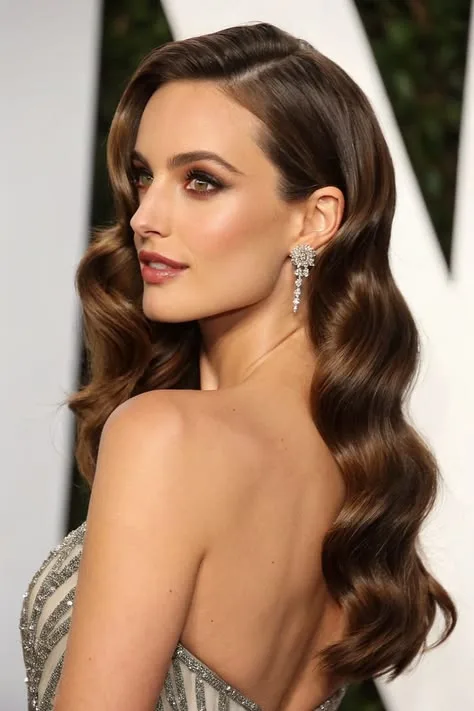
What it is: brushed-out, uniform waves with a deep part and a polished finish. Pros and cons: waves catch the light and soften the face; they can drop under hot lights if they are not set properly. Common mistakes: leaving curls too tight and unbrushed, which reads as a party look on a news set. Maintenance: curl away from the face, let the curls cool pinned, then brush through and set lightly. Quick verdict: glamorous but grown-up — perfect when the interview is a conversation, not an interrogation.
4. The Classic Chignon
The chignon is the low bun’s more elegant sister: hair rolled and pinned low, with a smooth crown and a sculpted shape that photographs beautifully from the side. It is formal without being stiff, and it stays exactly where you put it, which is exactly what you want when the camera is on you for twenty minutes.
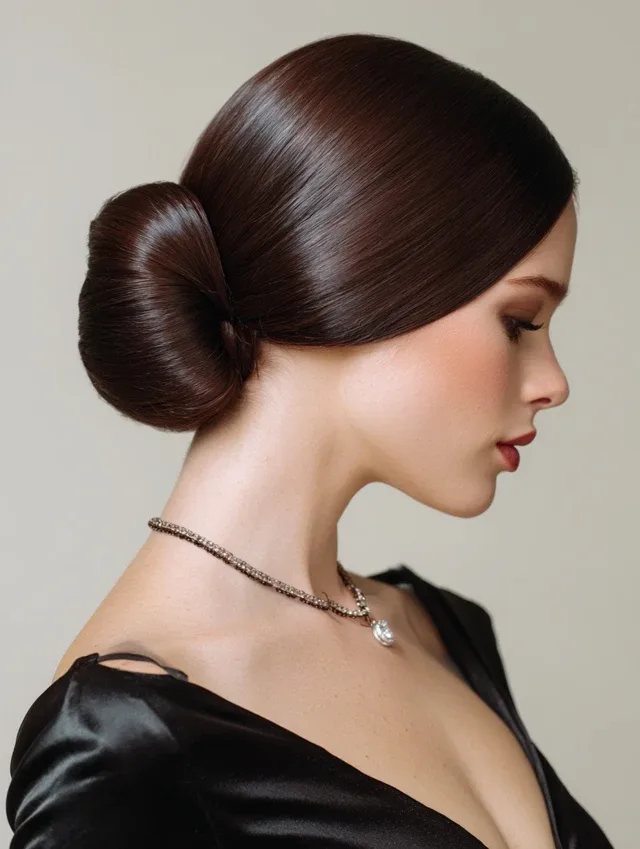
What it is: hair rolled into a low, sculpted shape at the nape. Pros and cons: it is elegant, secure and photogenic from every angle; it takes longer to build than a simple bun. Common mistakes: rolling it too high, where it competes with the jawline on a close-up. Maintenance: build it on slightly textured hair, pin from underneath, and smooth the crown last. Quick verdict: quiet elegance that never distracts from your answers.
5. The Side-Part Lob
A side-part lob — a long bob with a deep side part — is one of the most camera-friendly cuts you can wear. The part creates instant volume and asymmetry, the length frames the face without hiding it, and the ends sit neatly on the shoulders, clear of any microphone. It works for news, talk shows and remote interviews alike.
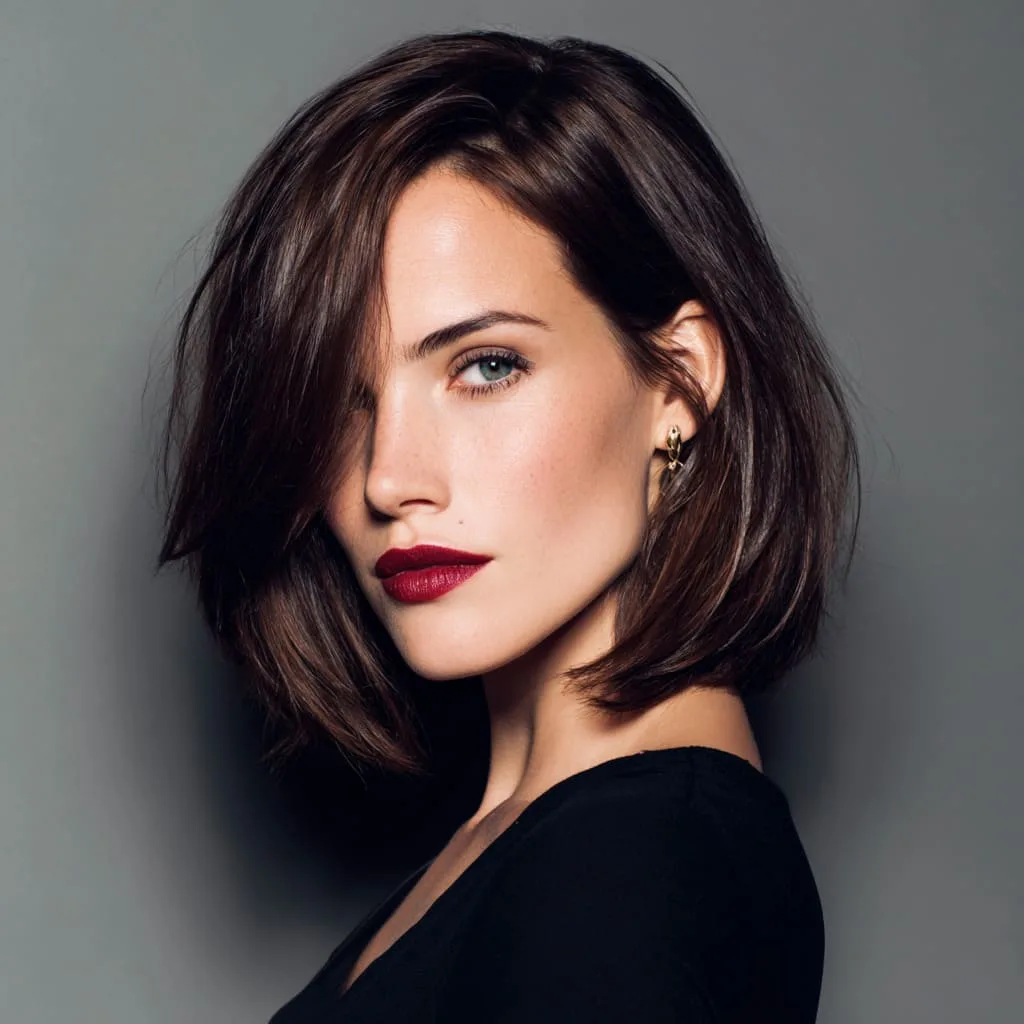
What it is: a shoulder-length bob with a deep side part and smooth ends. Pros and cons: the part adds volume and polish with almost no effort; the shorter side can drift forward if it is not pinned. Common mistakes: parting it in the middle on camera, which can flatten the whole style. Maintenance: blow-dry the part in place, tuck the shorter side behind the ear, and add a light hold spray. Quick verdict: modern, tidy and endlessly watchable.
6. The Voluminous Blowout
A voluminous blowout says confidence the moment you sit down. Big, bouncy hair with root lift and curved ends fills the frame beautifully and looks wonderful under studio lights — as long as the volume is controlled and the shape is even on both sides. That controlled volume is why it ranks among the most flattering hairstyles for a tv interview.
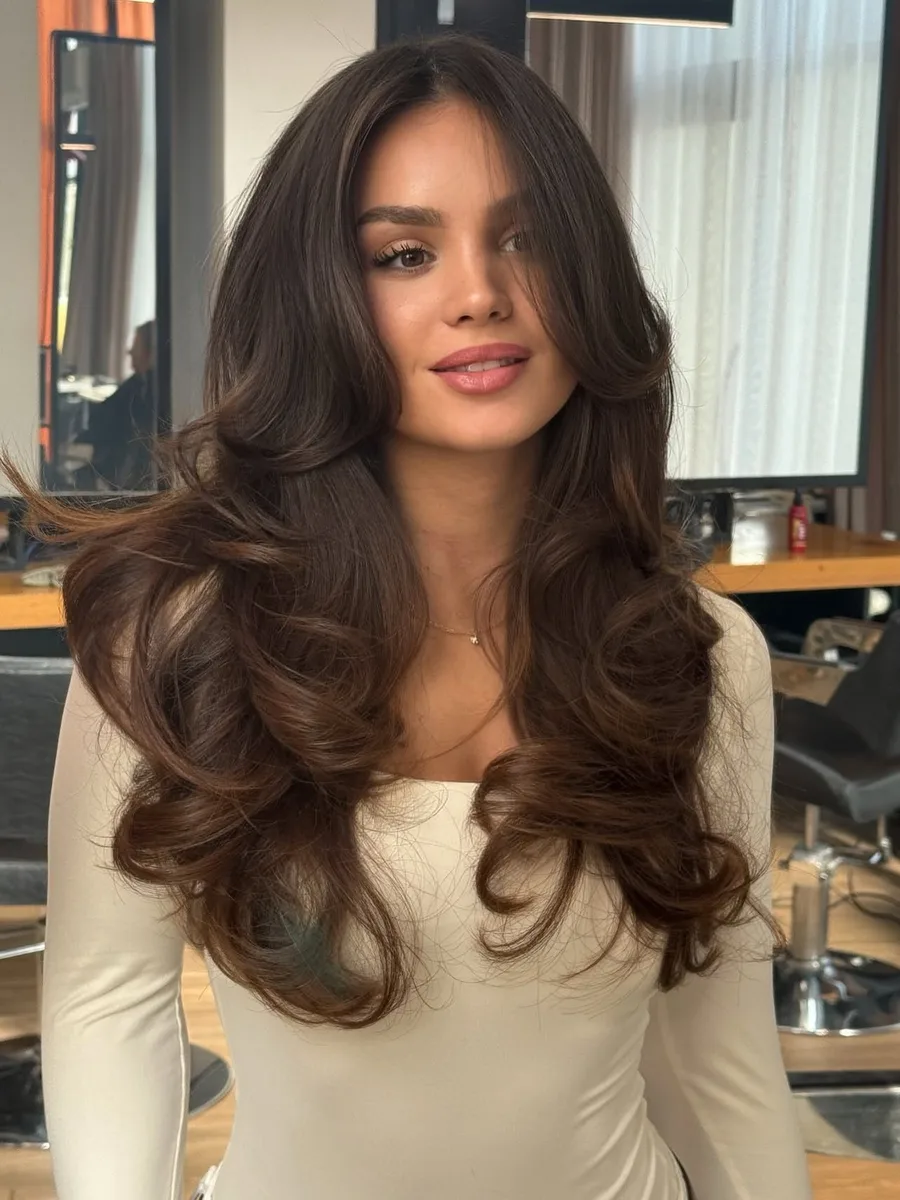
What it is: a big, bouncy blowout with lift at the roots and curved ends. Pros and cons: volume reads as energy and confidence on screen; uneven volume looks lopsided on a two-shot. Common mistakes: backcombing aggressively, which creates a halo the camera will not forgive. Maintenance: lift the roots with a round brush, check both sides in a mirror, and set with a flexible spray. Quick verdict: big hair, even shape, steady camera — a winning combination.
7. The Low Ponytail With a Hair Wrap
A low ponytail looks far more polished when the elastic is hidden under a wrap of your own hair. The result is sleek, simple and completely secure, with no band to catch the light and no loose pieces to fuss with. It is a brilliant choice for a remote interview, where the camera sits close and every detail shows.
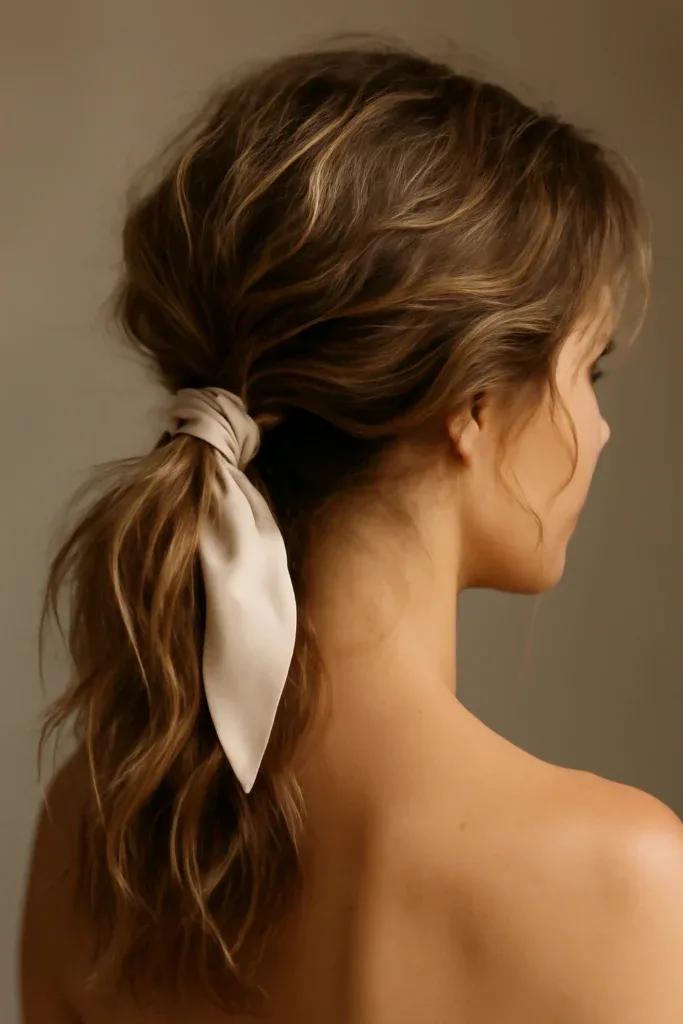
What it is: a low ponytail with the elastic wrapped in a strand of hair. Pros and cons: it is neat, secure and takes five minutes; a high ponytail would swing and distract on camera. Common mistakes: wrapping the hair too loosely, so the wrap slides down mid-interview. Maintenance: smooth the hair back, wrap tightly, pin underneath, and finish with a light mist. Quick verdict: simple, sleek and secretly clever.
8. The French Twist
The French twist is television royalty: hair swept up and tucked into a vertical roll that looks sculpted from every angle. It keeps the neckline clean, the face open and the silhouette sharp, and it simply does not move, however long the interview runs.
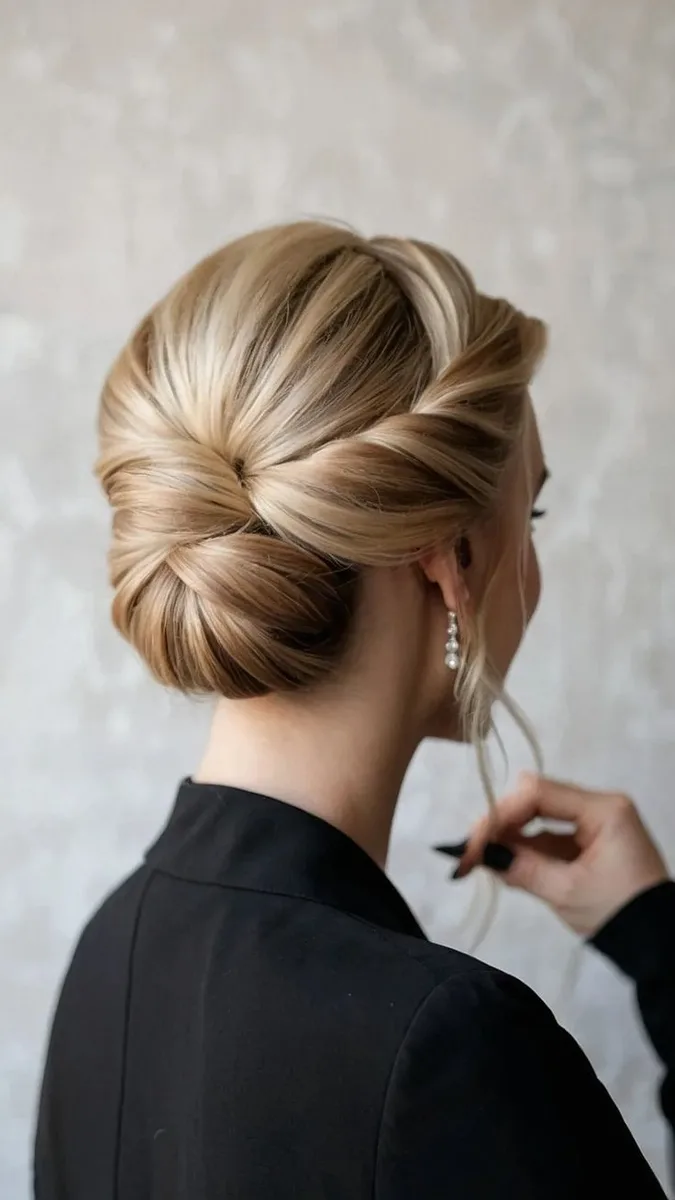
What it is: hair swept up into a vertical tucked roll at the back of the head. Pros and cons: it is the most secure elegant style there is; it needs practice, so never attempt it for the first time on interview day. Common mistakes: building it on freshly washed, slippery hair, which will not hold the roll. Maintenance: work on day-old hair with a little texture spray, pin from the inside, and smooth the surface last. Quick verdict: old-school polish that still wins on screen.
9. The Smooth Bob
A smooth bob is a gift to any camera: a clean, graphic shape that frames the face, ends in a sharp line, and needs no fussing once you are seated. It suits straight and slightly wavy hair, and it looks just as good on a close-up as it does on a wide shot.
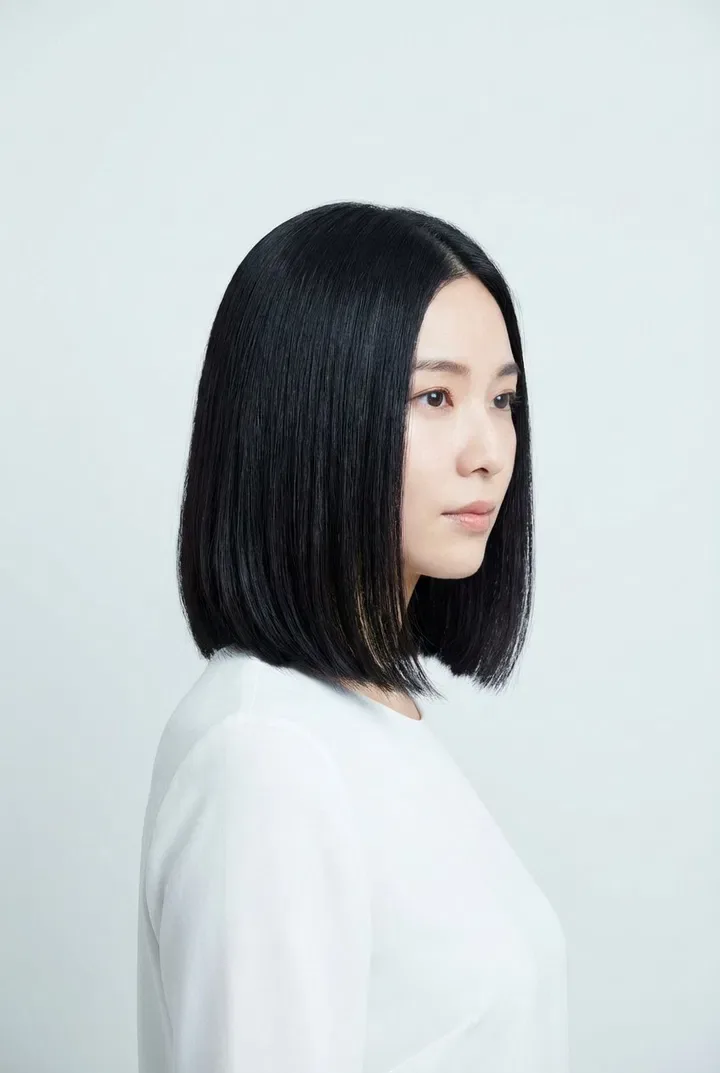
What it is: a chin- or jaw-length bob with a smooth, straight finish. Pros and cons: the shape is clean, the face is fully visible, and it holds all day; very thick hair can puff out at the ends. Common mistakes: leaving the ends flicking out, which breaks the clean line the camera loves. Maintenance: flat-iron the ends under, use a pea-sized amount of serum, and check the back in a mirror. Quick verdict: sharp, simple and impossible to get wrong on air.
10. The Half-Up Twist
The half-up twist gives you the best of both worlds: the front is pulled back and secure, while the length stays down and soft. Two twisted sections meet at the back, keeping hair off your face and away from the microphone, while the rest of your hair moves naturally.
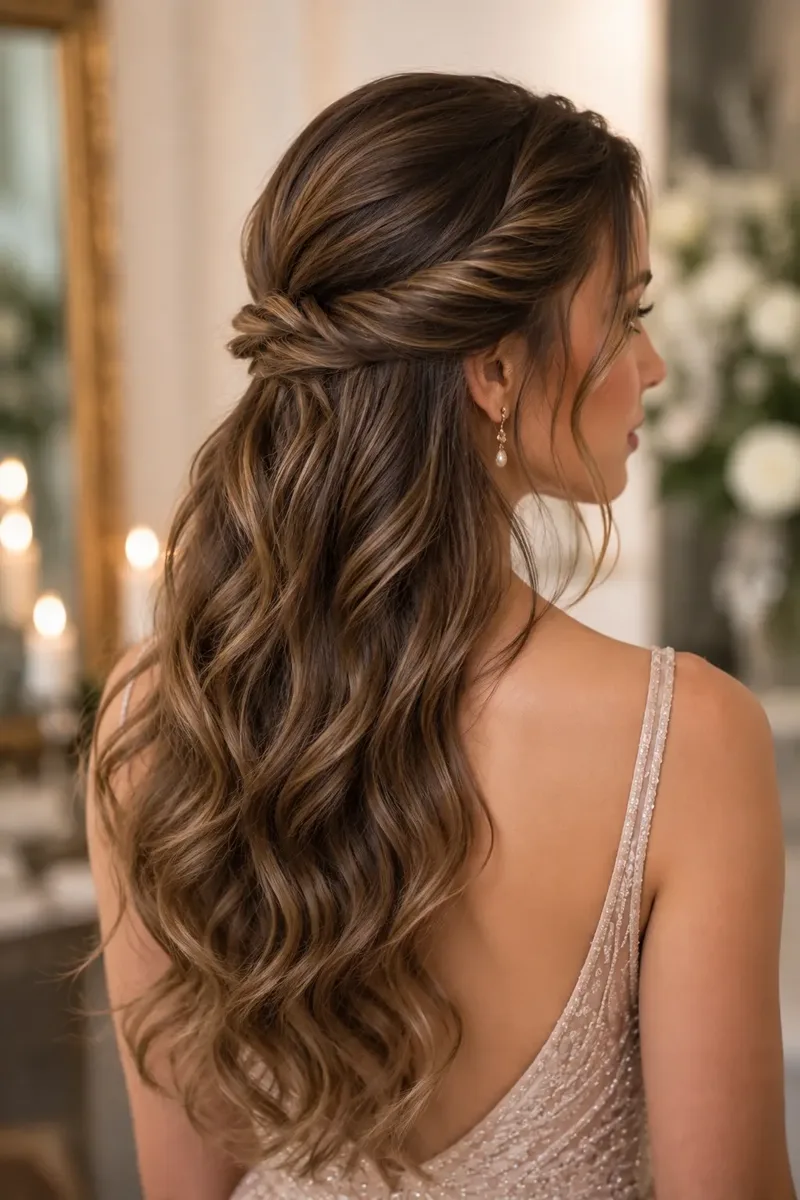
What it is: the front sections twisted back and pinned, with the rest worn down. Pros and cons: the face stays clear while the hair keeps its softness; the twists can loosen if they are not pinned well. Common mistakes: taking too much hair into the twist, which pulls the style flat at the crown. Maintenance: twist small sections, pin them in an X, and leave the crown softly lifted. Quick verdict: polished at the front, relaxed at the back — a lovely balance.
11. Curtain Bangs With a Blowout
Curtain bangs frame the face like a soft curtain, and with a blowout they look deliberate and camera-ready rather than accidental. The bangs open in the middle, keeping the eyes clear, while the rest of the hair falls in smooth, curved layers that catch the light.
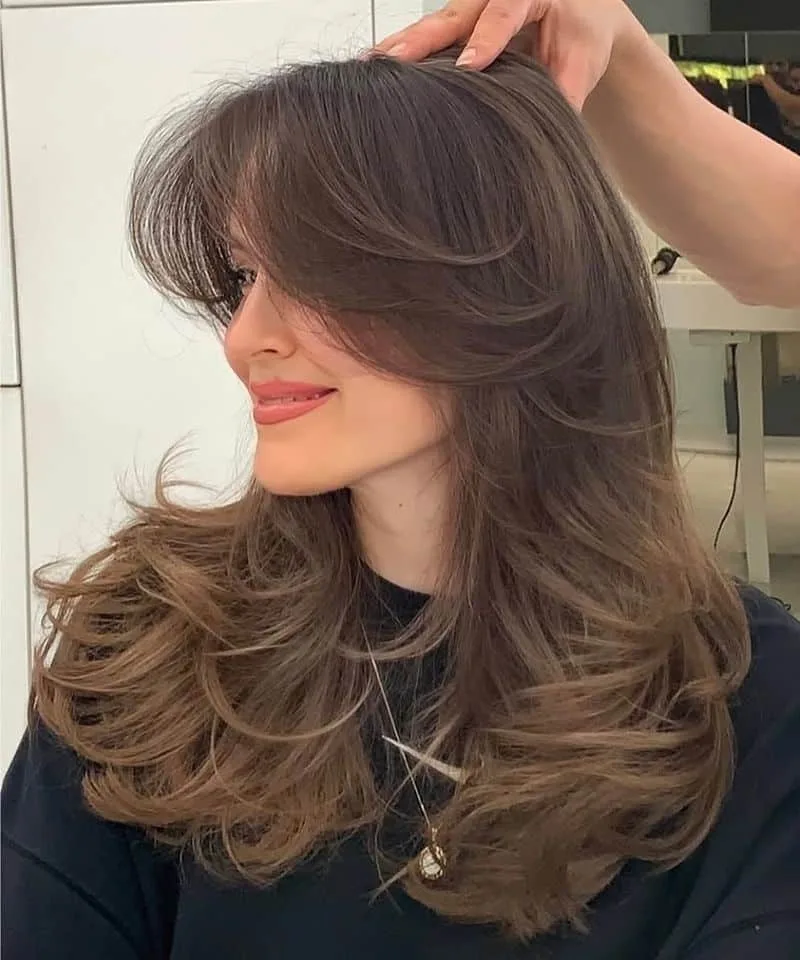
What it is: centre-parted curtain bangs with a smooth, curved blowout. Pros and cons: bangs add softness and frame the eyes beautifully; if they are too long they will drift into your eyeline. Common mistakes: blow-drying the bangs flat across the forehead, which hides the brows on camera. Maintenance: dry the bangs away from the face with a round brush, and keep a spoolie handy for strays. Quick verdict: soft, open and very photogenic.
12. Deep Side-Part Waves
A deep side part with soft waves is a classic newsreader look: one side sweeps across the forehead in a smooth curve, the other tucks neatly behind the ear, and the whole shape stays put. It adds instant polish to medium and long hair and photographs beautifully from the front.
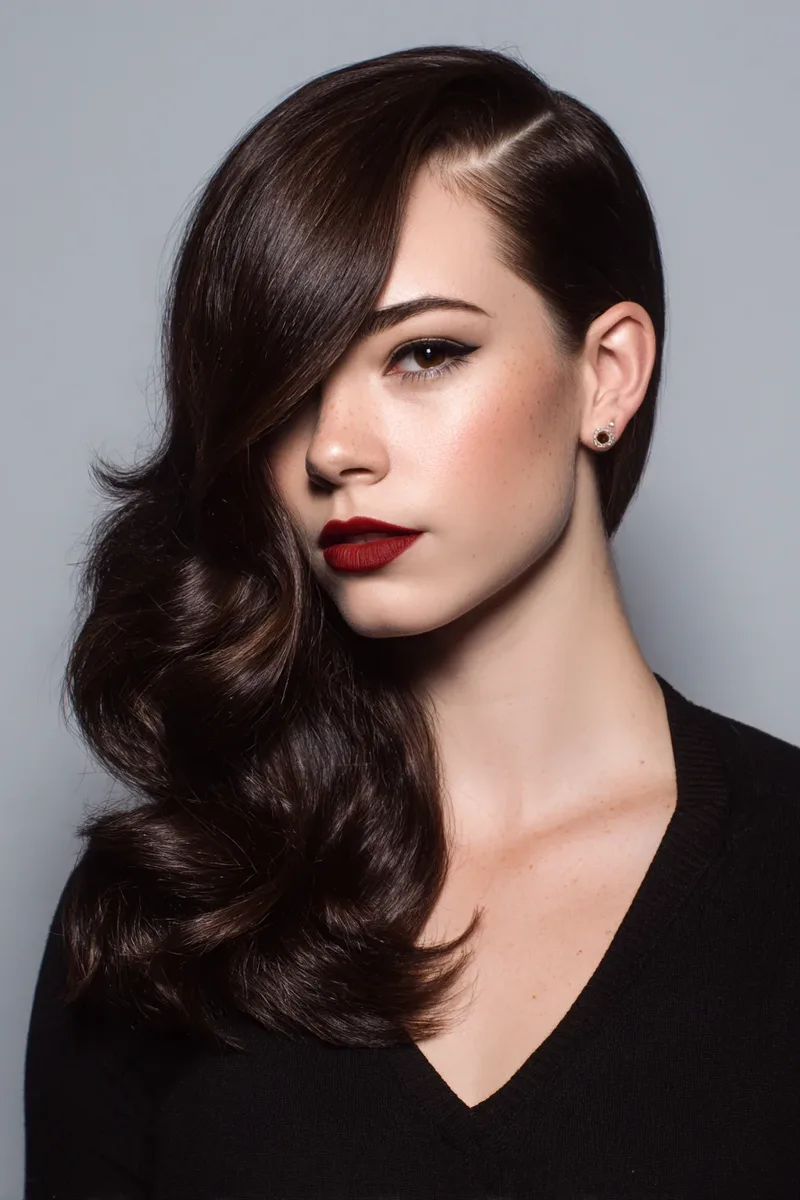
What it is: soft waves with a deep side part and one side tucked back. Pros and cons: the sweep adds drama and volume; the heavy side can fall forward if it is not set. Common mistakes: parting too close to the ear, which makes the style look lopsided on screen. Maintenance: set the part with a little gel, pin the tucked side, and mist the sweep lightly. Quick verdict: a newsroom classic for a reason.
13. The Textured Lob
A textured lob adds movement to a shoulder-length cut without adding mess. Soft, piecey ends and gentle layers give the hair life on camera, while the overall shape stays neat and the face stays visible. It is a great choice if your hair is fine and a sleek style falls flat.
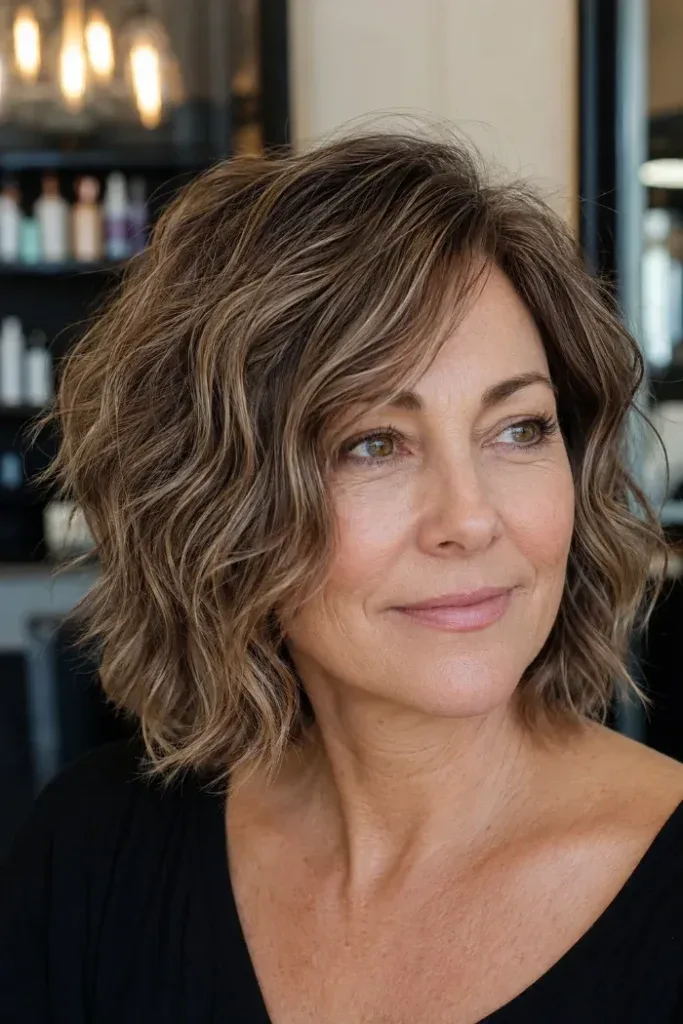
What it is: a shoulder-length bob with soft texture and piecey ends. Pros and cons: texture stops fine hair looking flat on camera; too much texture can read as frizz under bright lights. Common mistakes: over-texturising with sea salt spray, which dries the hair and creates a halo. Maintenance: use a light texturising cream on the ends only, and smooth the crown with a brush. Quick verdict: movement with manners — textured, never messy.
14. The Polished Top Knot
A polished top knot is not a gym bun: it is smooth, high, tightly wrapped and deliberately neat, with every strand in place. It opens up the face completely, keeps hair far from the microphone, and looks sharp and modern on a talk-show set.
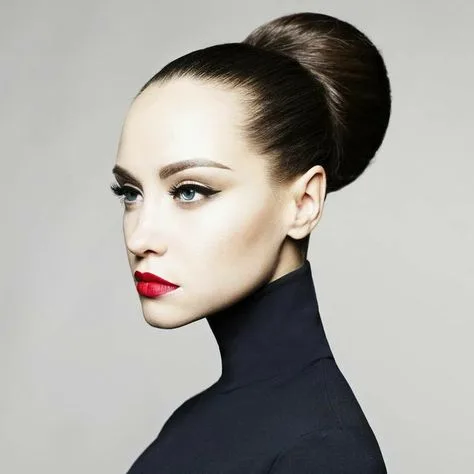
What it is: a smooth, high knot with a clean hairline and no loose pieces. Pros and cons: the face is completely open and the style cannot fall apart; it is a bold look that suits confident, modern interviews. Common mistakes: leaving flyaways around the hairline, which the camera picks up instantly. Maintenance: brush the hair up smoothly, secure tightly, wrap the ends, and smooth the hairline with a spoolie. Quick verdict: bold, clean and completely in control.
15. The Loose Low Chignon
A loose low chignon softens the classic updo with a little air: gentle volume at the crown, a few soft pieces at the sides, and a relaxed roll at the nape. It looks warm and approachable on camera, which makes it ideal for a friendly talk show or a personal-story interview.
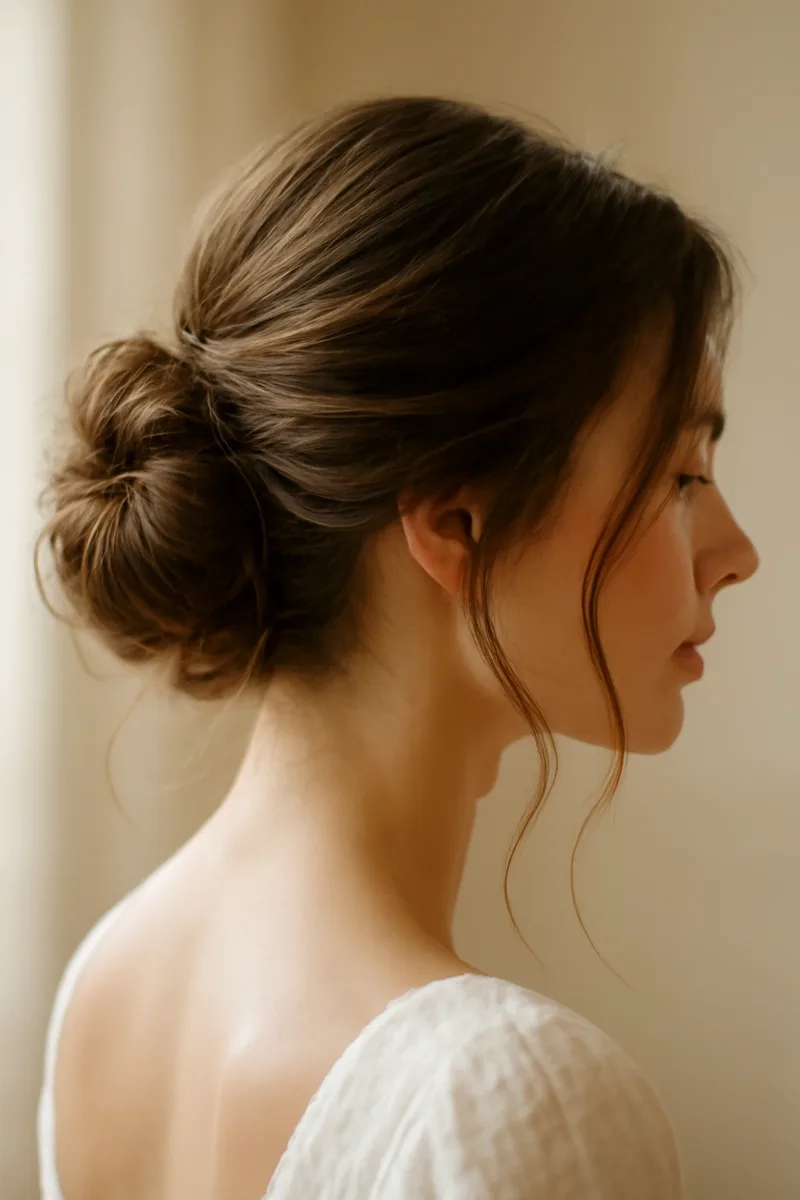
What it is: a relaxed low chignon with soft volume and gentle face-framing pieces. Pros and cons: it looks warm and human rather than severe; the soft pieces need pinning, or they will drift. Common mistakes: pulling the soft pieces too far forward, where they cover the cheekbones. Maintenance: pin the side pieces loosely, keep the eyes clear, and mist lightly. Quick verdict: soft, warm and still completely professional.
16. Glass Hair, Straight and Shiny
Glass hair — hair so smooth and shiny it reflects light like glass — looks extraordinary on television, where the lights do half the work for you. The finish must be flawless, though: every uneven strand shows, so this style rewards good preparation and a careful flat-iron pass.
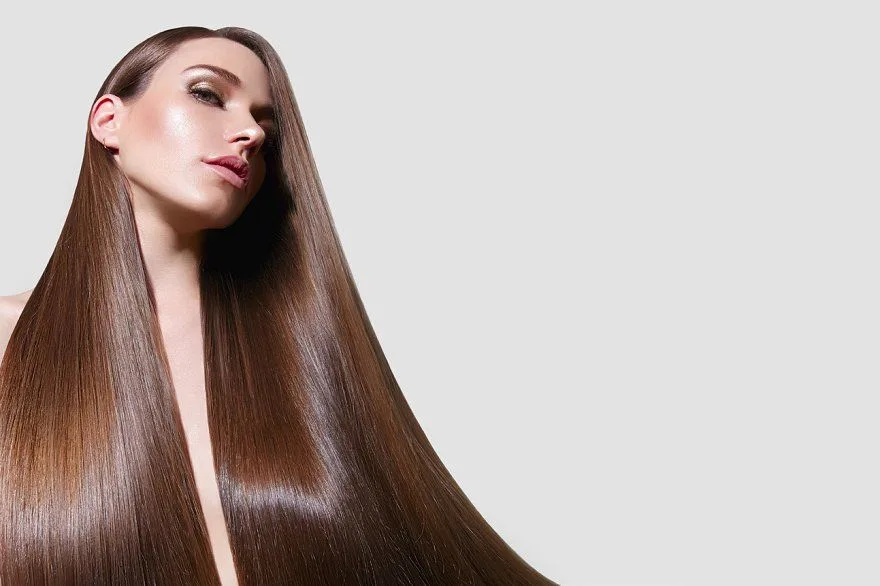
What it is: ultra-smooth, ultra-shiny straight hair with a mirror finish. Pros and cons: the shine is spectacular under studio lights; any frizz or unevenness is equally visible. Common mistakes: using too much oil, which turns shine into glare on camera. Maintenance: flat-iron in small sections, add a drop of serum to the ends only, and finish with a shine mist from a distance. Quick verdict: when it is perfect, nothing else on screen looks as polished.
17. Defined Bouncy Curls
Defined bouncy curls bring energy and personality to the screen, and they photograph beautifully when each curl is separate and shiny. The secret is definition without stiffness: curls that move when you turn your head, but never frizz into a halo under the lights.
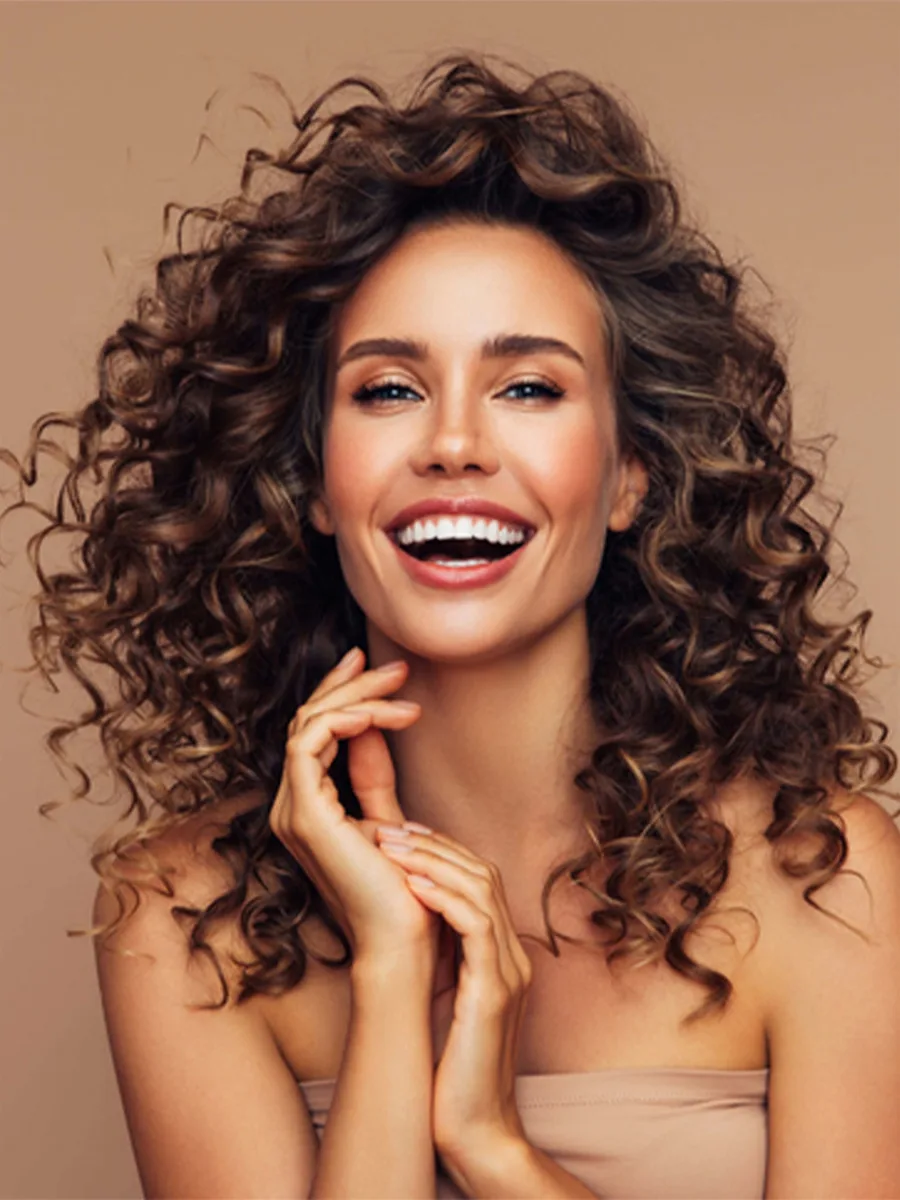
What it is: separate, shiny curls with volume and a defined shape. Pros and cons: curls add life and warmth to any interview; undefined curls can look messy on a close-up. Common mistakes: brushing curls out dry, which turns definition into frizz. Maintenance: define with curl cream on damp hair, diffuse on low heat, and do not touch until fully set. Quick verdict: curls with confidence — defined, bouncy and camera-ready.
18. The Side-Swept Blowout
A side-swept blowout sweeps all the volume to one side, creating a glamorous, asymmetrical shape that looks wonderful on a three-quarter camera angle. The sweep frames one side of the face while the other side stays neat and tucked, giving the camera a beautiful silhouette.
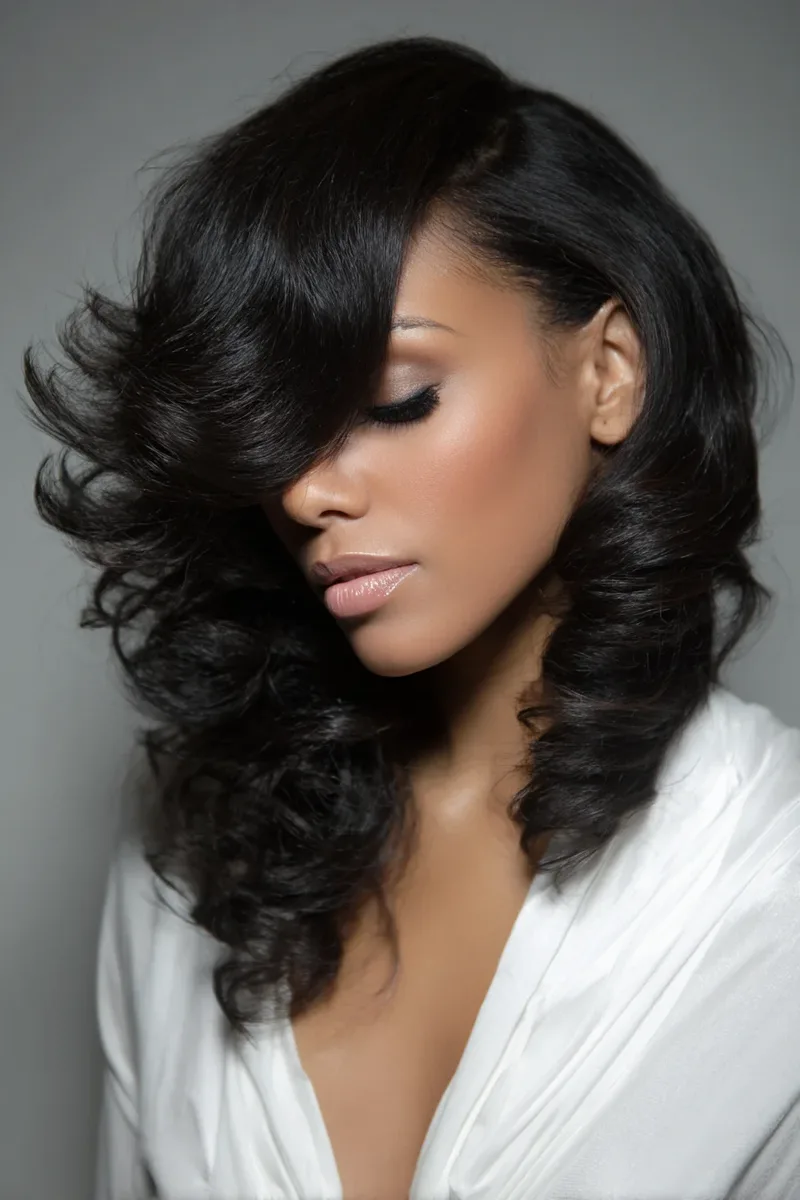
What it is: a blowout swept dramatically to one side with volume at the roots. Pros and cons: the asymmetry is glamorous and photogenic; the sweep can fall across the face if it is not set. Common mistakes: sweeping the hair so far that it covers an eye on a straight-on shot. Maintenance: set the sweep with a large round brush, pin it discreetly at the back, and check the straight-on view. Quick verdict: glamour with a plan — sweep it, set it, check it.
19. The Braided Low Bun
A braided low bun adds texture and interest to the safest updo in television. A simple braid wrapped into a low bun gives the camera something to look at from the side and back, while the front stays smooth, open and completely professional.
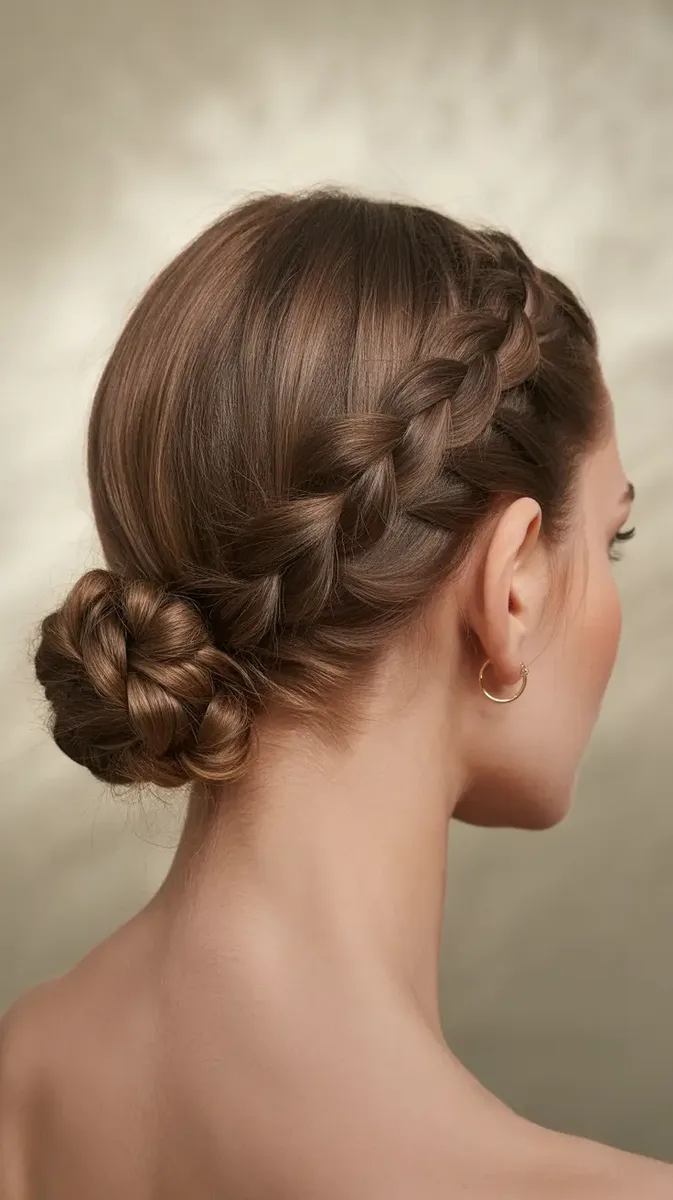
What it is: a low bun built from a braid, wrapped and pinned at the nape. Pros and cons: the braid adds detail without adding risk; a loose braid can look untidy on a close-up. Common mistakes: braiding too loosely, so the bun sags before the interview ends. Maintenance: braid firmly, wrap tightly, pin from underneath, and smooth the crown. Quick verdict: detail where the camera can enjoy it, polish where it matters.
20. The Sleek High Ponytail
A sleek high ponytail can work on television — if it is truly sleek. Pulled high, smoothed flat and secured tightly, it gives you a long, clean line and a confident silhouette. The key is control: no bumps, no flyaways, and a ponytail that does not swing when you turn to the presenter.

What it is: a high, tightly smoothed ponytail with a wrapped base. Pros and cons: it looks sharp, modern and energetic; a swinging ponytail will distract viewers every time you move. Common mistakes: securing it too loosely, so it bounces and pulls at the hairline. Maintenance: brush it up smoothly, secure with two elastics, wrap the base, and mist lightly. Quick verdict: sleek and high, but only if it truly does not move.
21. The Soft Layered Cut
A soft layered cut is the quiet achiever of camera hair: layers that move, ends that curve, and a shape that looks good without any styling heroics. It flatters almost every face shape, adds gentle volume, and stays looking fresh through a long recording.
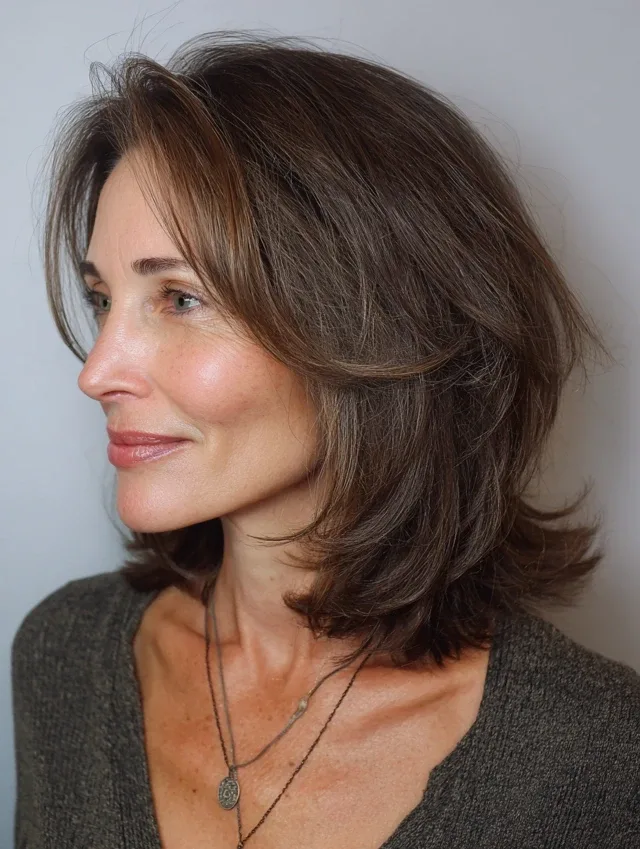
What it is: a layered cut with soft, curved ends and gentle movement. Pros and cons: layers add life without adding risk; very long layers can fall forward and hide the face. Common mistakes: cutting the front layers too short, so they spring across the eyes. Maintenance: blow-dry the front layers away from the face and keep the part clear. Quick verdict: effortless on screen, because the cut does the work.
22. Vintage-Inspired Waves
Vintage-inspired waves bring a touch of old Hollywood to the studio: structured, glossy waves with a deep side part that catch the light in a way modern, undone waves never do. They suit a formal interview, a period drama promotion, or any appearance where a little glamour is part of the story.
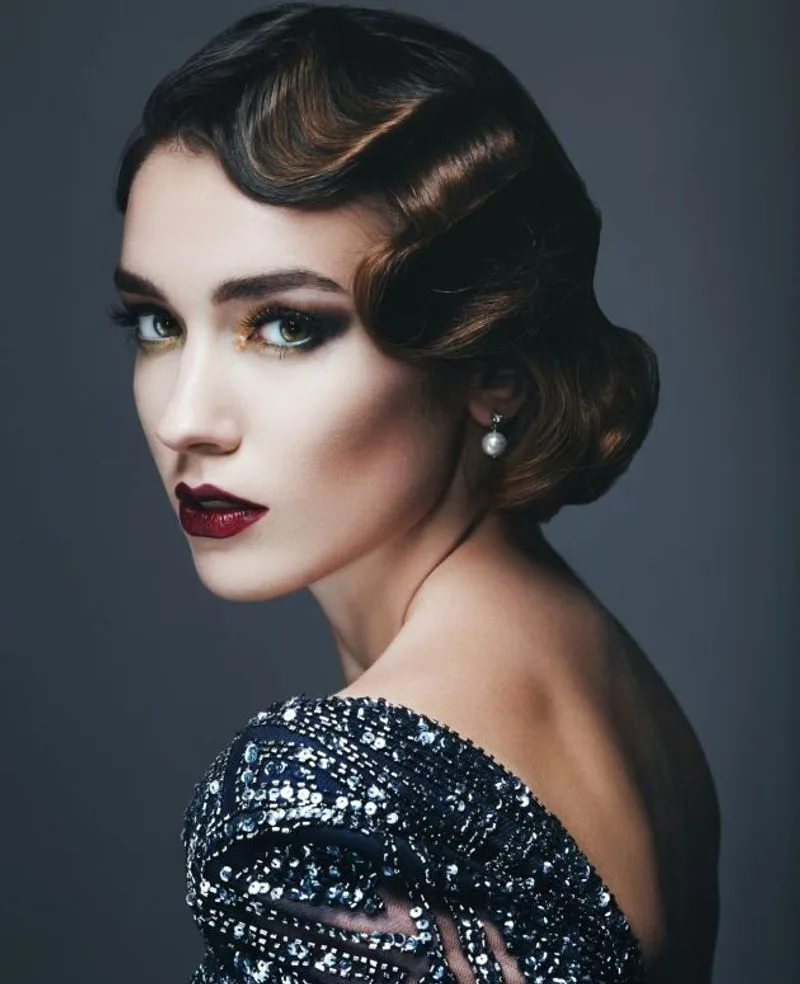
What it is: structured, glossy waves with a deep side part, in a vintage style. Pros and cons: the structure is glamorous and holds for hours; the style can look costume-like if the rest of your look is casual. Common mistakes: brushing the waves out too much, which turns structure into frizz. Maintenance: set the waves with rollers or a large iron, let them cool, then brush gently into shape. Quick verdict: old Hollywood, new interview — glamour that holds.
23. The Modern Polished Pixie
A modern polished pixie is one of the boldest and most camera-friendly short styles: short at the back and sides, longer on top, smoothed and shaped so the face is completely open. It needs no pinning, no tucking and no mid-interview fixes, which is a freedom long hair cannot offer.
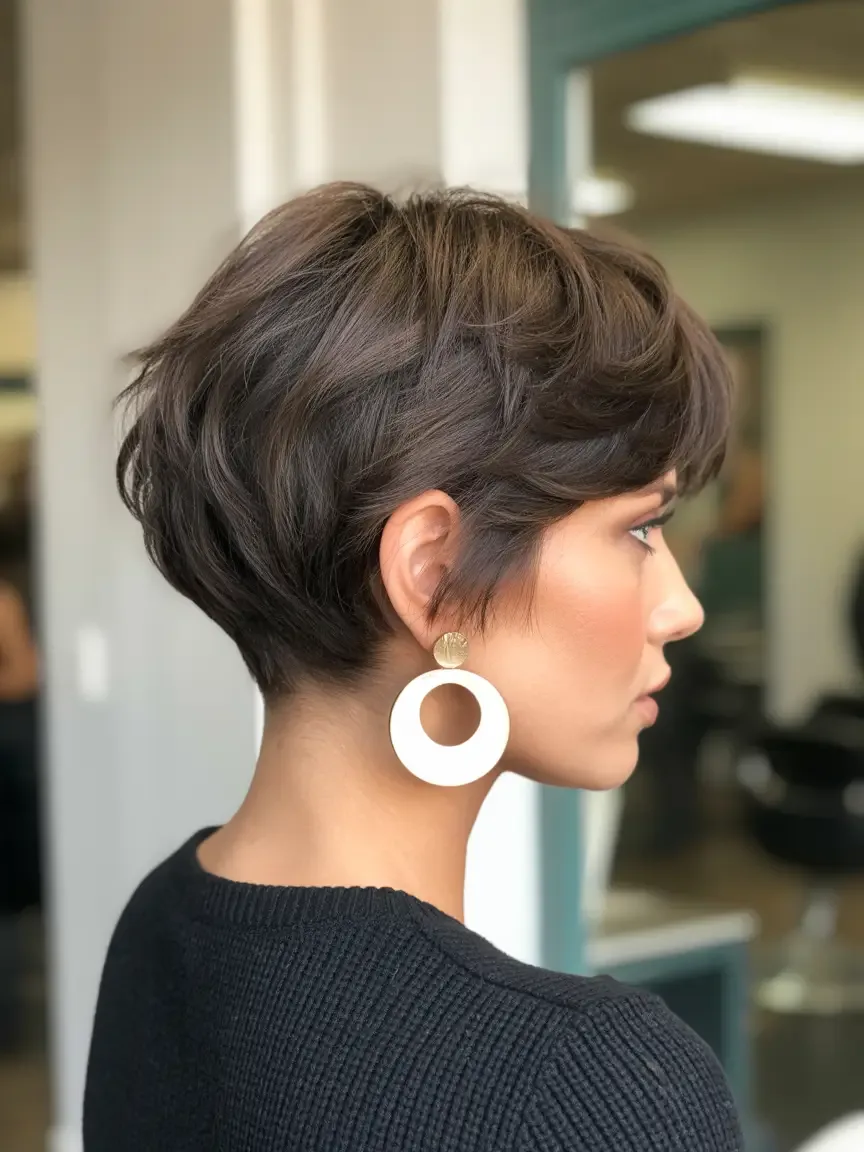
What it is: a short pixie with length on top, smoothed and shaped. Pros and cons: the face is fully visible, the style cannot fall apart, and it looks sharp on every shot; it offers no way to hide behind hair. Common mistakes: overloading it with heavy wax, which flattens the top on camera. Maintenance: use a pea-sized amount of cream, shape the top with your fingers, and add a little shine spray. Quick verdict: short, sharp and fearless on screen.
24. The Shoulder-Length Blowout With Layers
A shoulder-length blowout with layers is the workhorse of television hair: long enough to feel feminine, short enough to stay out of trouble, and layered so it moves without falling in your face. It suits news, talk shows and remote interviews, and it recovers quickly with a brush in the green room.
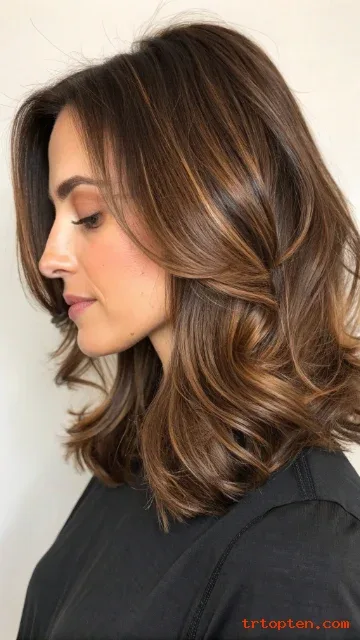
What it is: a layered blowout that ends at the shoulders with curved ends. Pros and cons: it is versatile, flattering and easy to refresh; the ends can flick outwards under hot lights. Common mistakes: drying the ends straight out instead of curving them under. Maintenance: curve the ends under with a round brush and check the back view before airtime. Quick verdict: the reliable middle ground that suits almost everyone.
25. The Romantic Low Updo
A romantic low updo gathers soft curls low at the nape, with gentle volume and a few wispy pieces that soften the face. It is warm, feminine and approachable, which makes it lovely for interviews about personal stories, books, or creative work — anywhere the tone is gentle rather than formal.
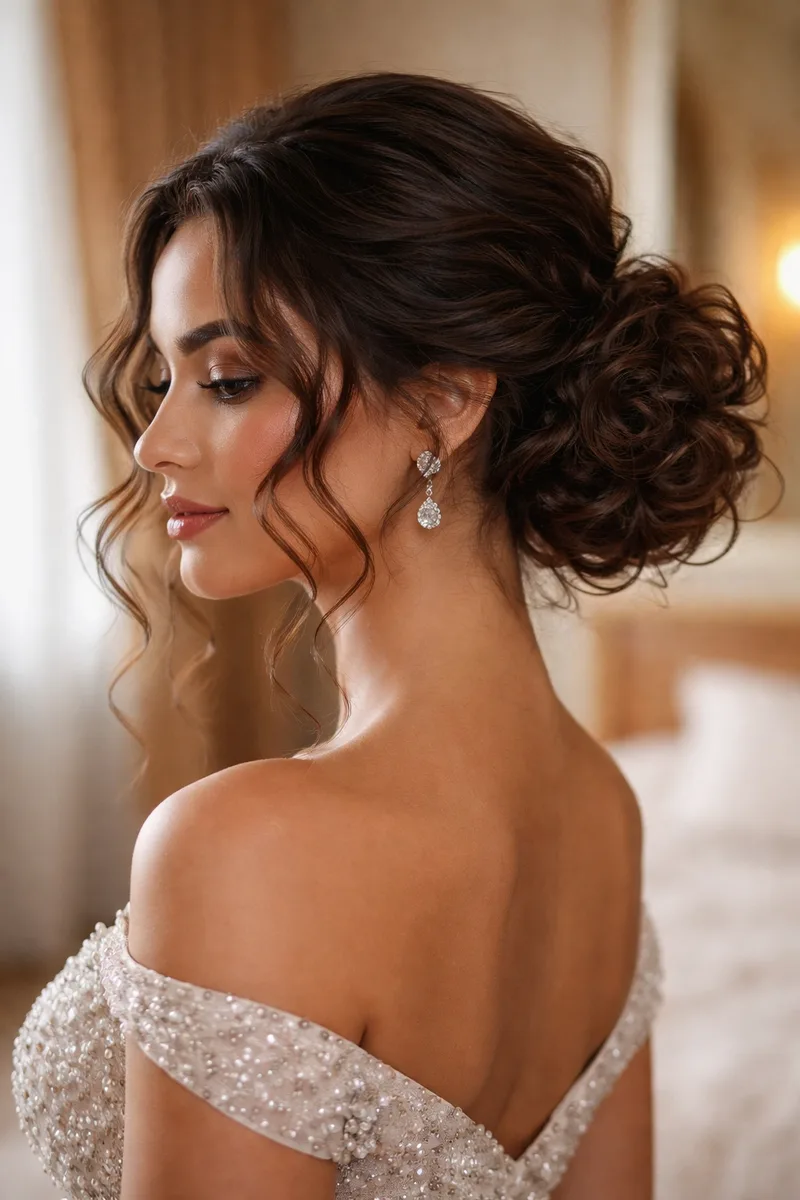
What it is: soft curls gathered low with gentle volume and wispy pieces. Pros and cons: it looks warm and inviting; the wisps need control, or they will drift across the face. Common mistakes: leaving the wisps too long and too loose. Maintenance: pin the wisps back loosely, keep the eyes clear, and set the curls while they cool. Quick verdict: romantic, but rehearsed — softness with a plan.
26. The Straight Lob Tucked Behind the Ear
A straight lob tucked behind one ear is a small trick with a big effect: it opens one side of the face completely, shows off an earring, and keeps hair away from the microphone on that side. The other side falls straight and smooth, giving the camera a clean, asymmetrical frame.
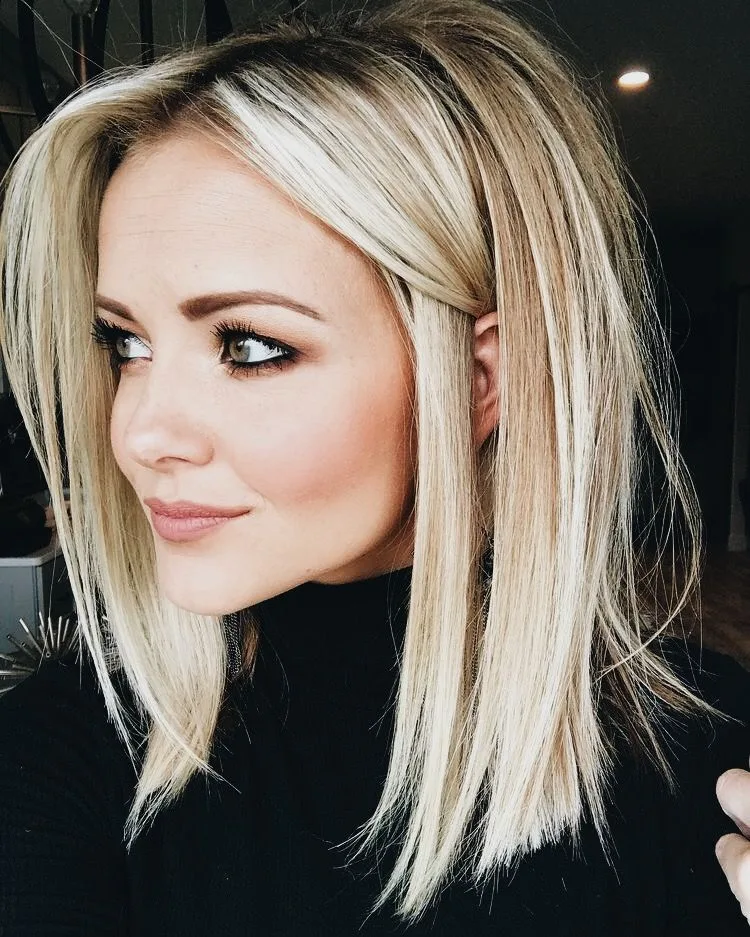
What it is: a straight long bob with one side tucked behind the ear. Pros and cons: the tuck opens the face and clears the mic side; the tucked side can slip forward during a long interview. Common mistakes: tucking without a pin, which guarantees the hair will fall forward. Maintenance: tuck and pin discreetly behind the ear, and smooth the other side with a flat iron. Quick verdict: a tiny detail that makes a big difference on camera.
27. The Curly Bob
A curly bob is joyful on camera: a rounded, defined shape that frames the face and bounces gently when you talk. The key is a good cut — layers that let the curls sit in a clear shape — and definition that survives the heat of the studio lights.
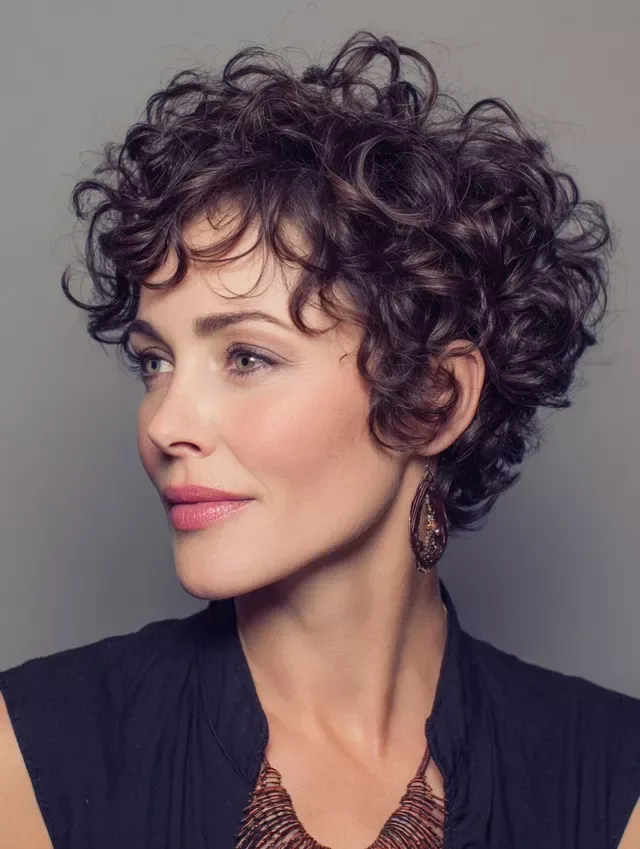
What it is: a chin-length bob worn in defined, rounded curls. Pros and cons: the shape is cheerful and photogenic; undefined curls can look shapeless on a wide shot. Common mistakes: cutting it dry without accounting for shrinkage, which leaves it too short on air. Maintenance: define curls with cream, diffuse gently, and check the shape from the front and side. Quick verdict: a happy shape that still means business.
28. Swept-Back Short Hair
Swept-back short hair is clean, modern and completely open: hair brushed back from the forehead with a little texture, so the whole face is visible and the hairline looks intentional. It suits short cuts and growing-out pixies, and it never needs a mid-interview fix.
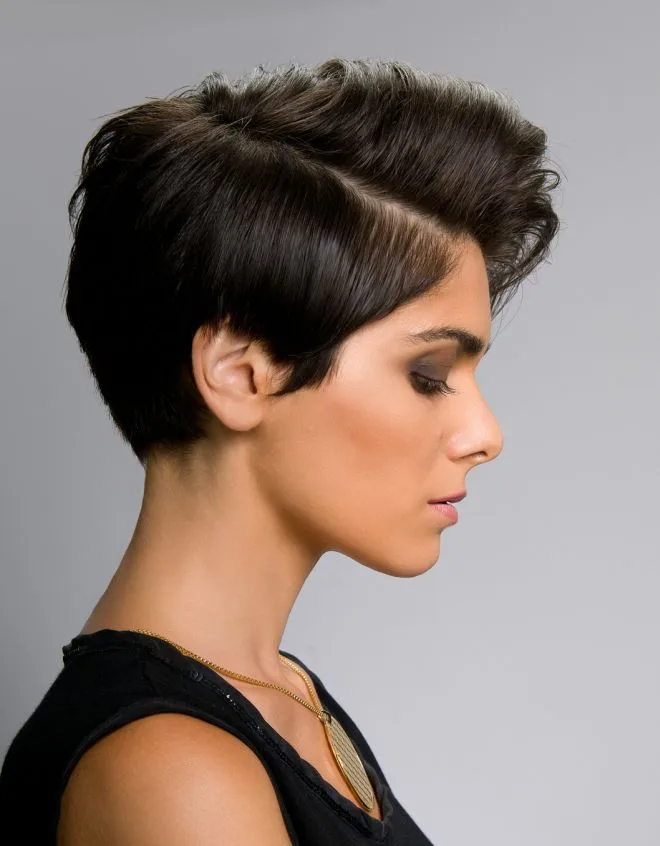
What it is: short hair brushed back from the face with light texture. Pros and cons: the face is fully open and the style is rock-solid; it can look severe if the texture is too flat. Common mistakes: sweeping it back with heavy gel, which looks wet under studio lights. Maintenance: use a light matte cream, sweep back with a brush, and add a touch of volume at the front. Quick verdict: clean, confident and camera-proof.
29. Long Layers With Face-Framing Pieces
Long layers with face-framing pieces give long hair a clear shape on camera: the layers add movement, the front pieces frame the cheekbones, and the length falls neatly over the shoulders instead of hiding the outfit. It is a classic talk-show look for a reason.
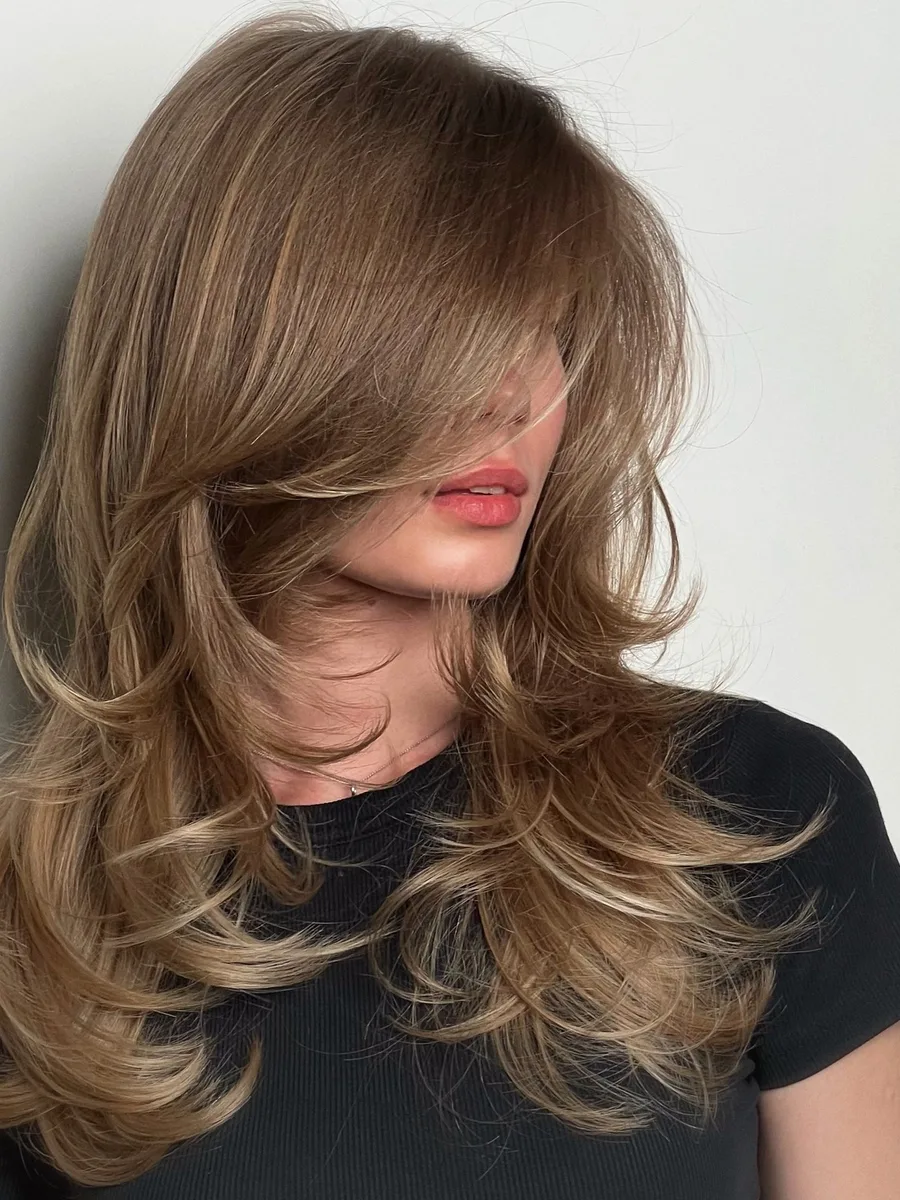
What it is: long layered hair with shorter pieces framing the face. Pros and cons: the frame flatters the face and the length adds softness; the front pieces can fall across the eyes. Common mistakes: cutting the face-framing pieces too short, so they spring forward. Maintenance: blow-dry the front pieces away from the face and pin one side if needed. Quick verdict: long hair, given a job to do — frame, don’t hide.
30. The Twisted Low Ponytail
A twisted low ponytail takes the simplest style and makes it look considered: two sections twisted together before they join the ponytail, adding texture at the back while the front stays smooth. It is secure, elegant and interesting from every camera angle.
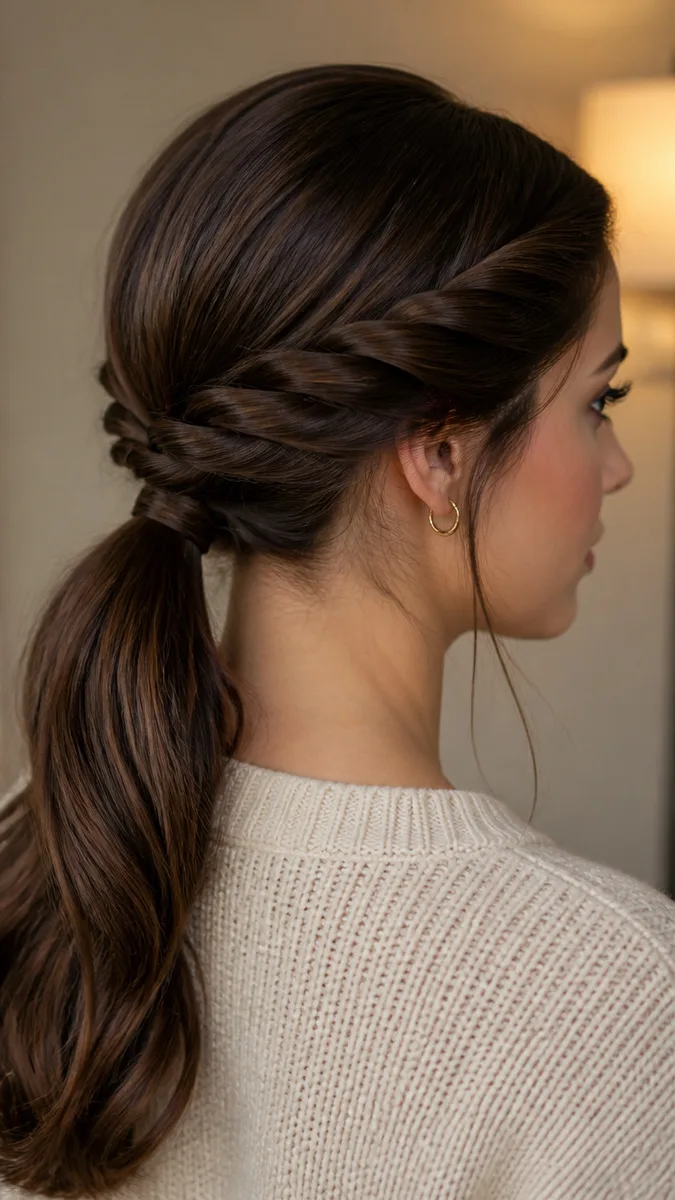
What it is: a low ponytail with twisted sections feeding into it. Pros and cons: the twist adds detail without adding risk; uneven twists look messy from the side. Common mistakes: twisting one side tighter than the other. Maintenance: twist evenly, secure low, wrap the base, and smooth the crown. Quick verdict: a simple style, finished like a professional did it.
31. The Slicked-Back Low Bun
A slicked-back low bun is the most editorial look in this guide: hair brushed straight back, perfectly smooth, gathered low and pinned tight. It is dramatic, modern and completely secure — ideal for a fashion, beauty or entertainment interview where the look is part of the story.
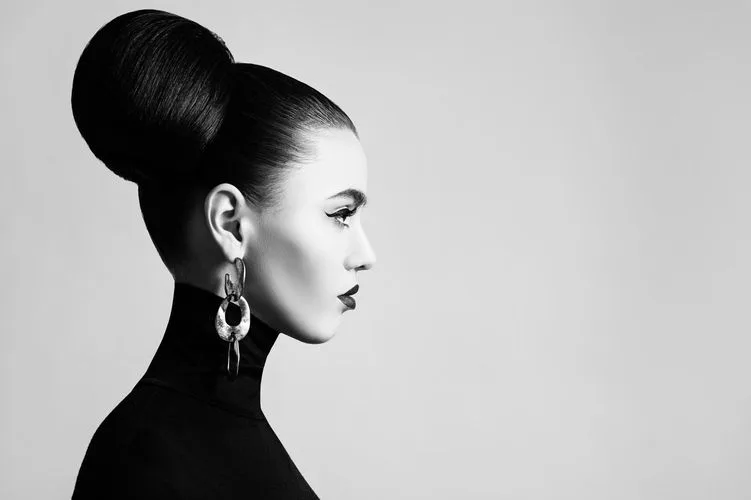
What it is: hair brushed straight back into a smooth, low bun. Pros and cons: the silhouette is striking and the style cannot move; it exposes the whole face, so it suits confident wearers. Common mistakes: using too much gel, which looks wet and shiny under the lights. Maintenance: smooth with a brush and a light gel, seal with a cool shot, and mist from a distance. Quick verdict: editorial polish for a confident on-screen moment.
32. The Wavy Bob
A wavy bob is relaxed polish: a chin-length cut with soft, natural waves that look effortless but are actually carefully set. It frames the face, moves gently when you talk, and suits almost every interview format, from morning television to a late-night chat show.
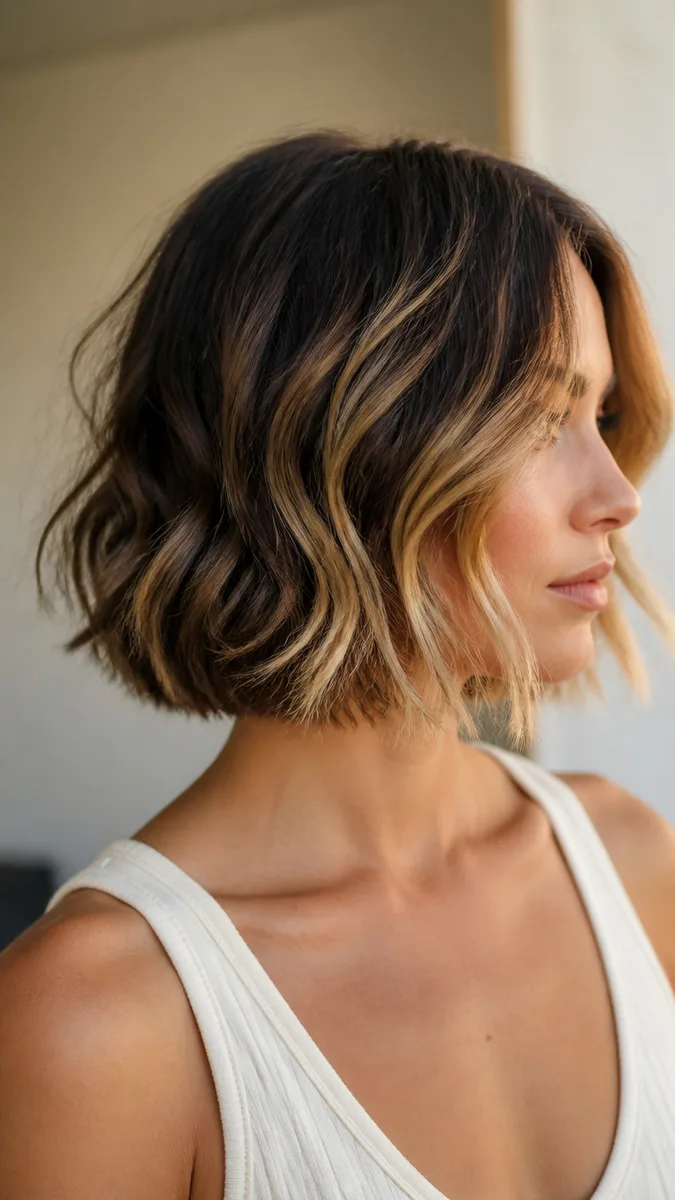
What it is: a chin-length bob with soft, set waves. Pros and cons: waves add warmth and movement; unset waves can drop into straight, uneven lengths under the lights. Common mistakes: leaving the waves to air-dry, which gives an uneven finish on camera. Maintenance: set the waves with a large iron, let them cool, then brush through lightly. Quick verdict: relaxed, but rehearsed — the camera can tell the difference.
33. The Low Side Fishtail Braid
A low side fishtail braid drapes over one shoulder, giving the camera a beautiful detail without ever crossing your face. It is secure, textured and photogenic, and it keeps long hair completely under control for the whole interview.
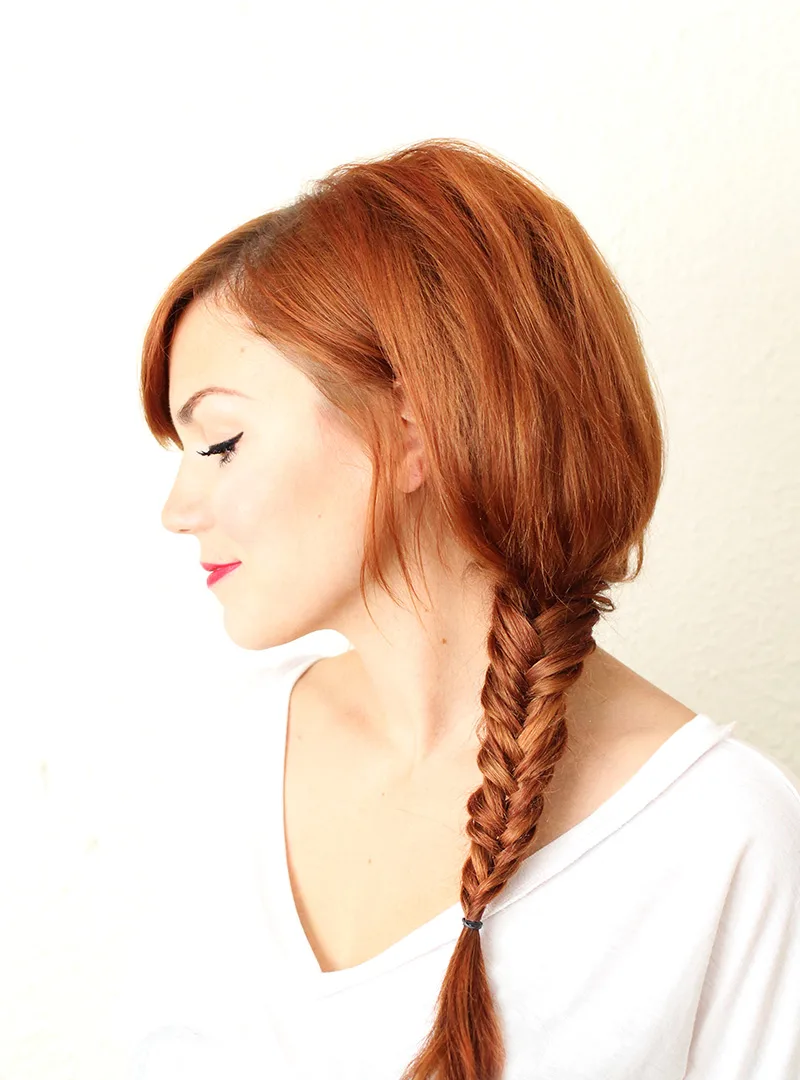
What it is: a fishtail braid worn low over one shoulder. Pros and cons: the braid is secure and photogenic; a braid worn across the chest can catch on a lavalier mic. Common mistakes: braiding it too tightly at the top, which pulls the hairline. Maintenance: braid loosely at the ends, keep it clear of the mic, and pin the front pieces back. Quick verdict: texture you can see, control you can trust.
34. The Soft Updo With Tendrils
A soft updo with tendrils is the gentlest style in this guide: hair gathered up loosely, with a few fine tendrils left to frame the face. On camera it looks warm and romantic, but the tendrils must be short, light and pinned — never long enough to drift across the eyes or the microphone.
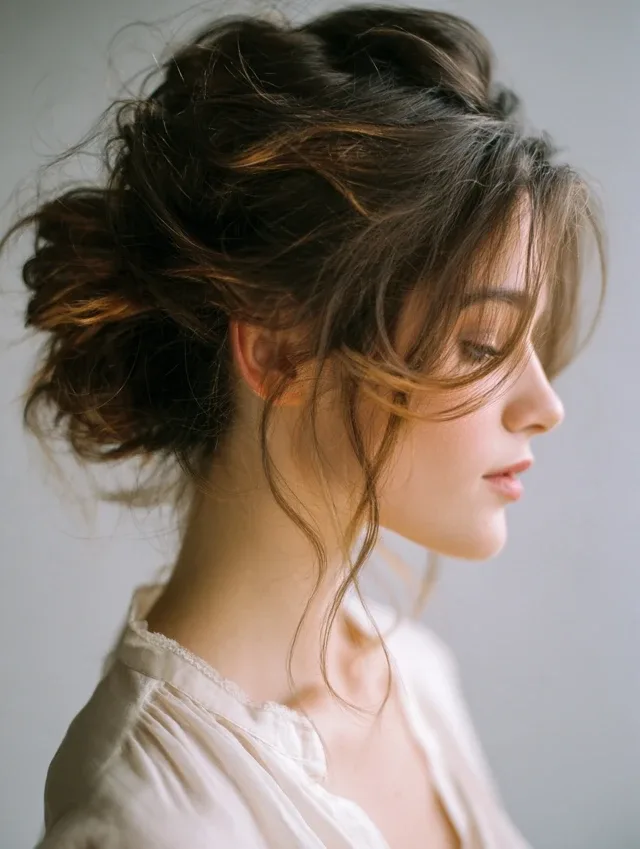
What it is: a loose updo with short, controlled face-framing tendrils. Pros and cons: it looks soft and approachable; long tendrils will move, frizz and distract on air. Common mistakes: leaving the tendrils long and unpinned. Maintenance: keep tendrils short, curl them lightly, and pin one side back. Quick verdict: softness, with the reins firmly held.
35. The Blunt Bob, Camera-Ready
A blunt bob is a bold, graphic shape: one clean line, no layers, hair that ends in a sharp edge at the jaw. On camera that line reads as confidence and precision, and the style needs almost no maintenance once you are seated — just a quick check that both sides are even.
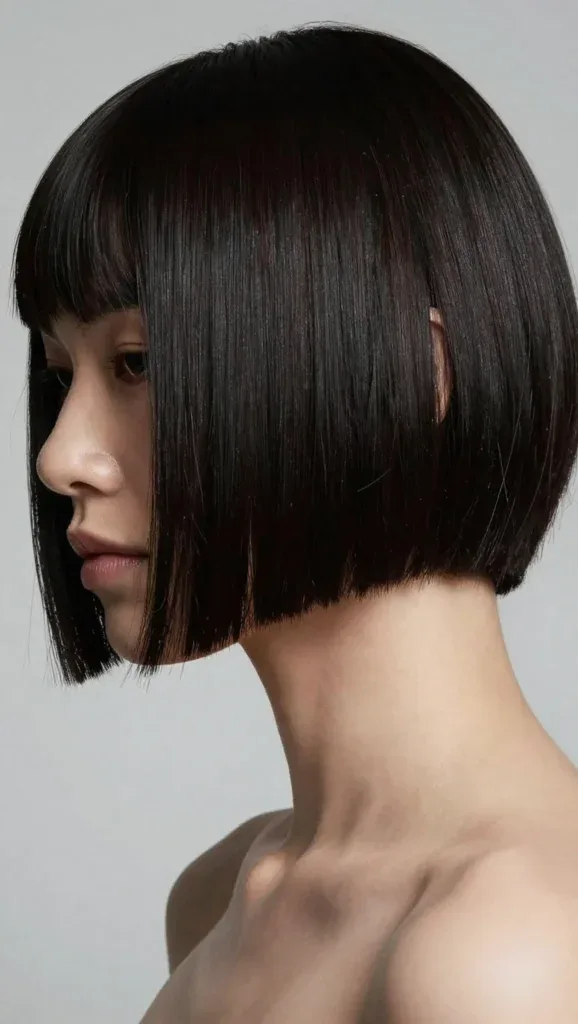
What it is: a jaw-length bob with a single sharp, blunt edge. Pros and cons: the line is striking and the style holds all day; thick hair can make the ends kick outwards. Common mistakes: leaving the ends un-ironed, which breaks the clean line. Maintenance: flat-iron the ends under in small sections and check both sides in a mirror. Quick verdict: one line, zero fuss — a statement that stays still.
36. Defined Natural Curls, Camera-Ready
Defined natural curls are stunning on television when they are shaped, shiny and controlled: a clear silhouette, curls that move together, and no frizz halo around the head. The camera loves volume with definition, and this style delivers both — as long as the shape is checked from every angle before airtime.
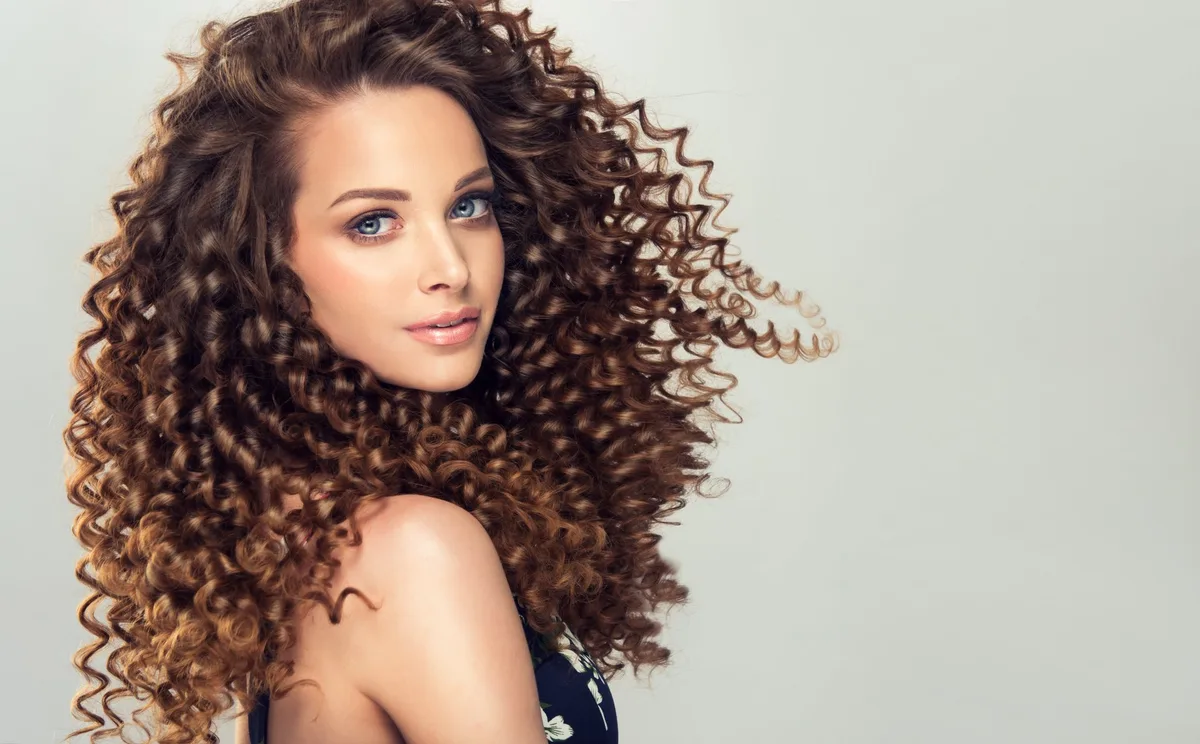
What it is: natural curls worn defined, shaped and glossy. Pros and cons: the volume and shine are spectacular on screen; undefined curls can look shapeless under bright lights. Common mistakes: touching the curls after they are set, which breaks the definition and creates frizz. Maintenance: define with cream on soaking-wet hair, diffuse on low heat, and do not touch until fully dry. Quick verdict: your natural texture, at its most camera-ready.
What is the best hairstyle for a TV interview?
A polished low bun or a sleek blowout is the safest choice, because both keep hair off your face, hold under studio lights and look neat from every camera angle. Choose the one that suits your hair type and the tone of the interview.
Should I wear my hair up or down for a TV interview?
Either can work, but up is safer for news and formal interviews, while down works well for talk shows if the style is smooth and the face stays clear. The rule is simple: if hair keeps falling into your face, wear it up.
How do I stop flyaways on camera?
Use a smoothing cream on damp hair, finish with a cool shot from the dryer, and smooth strays with a clean spoolie and a drop of serum. Avoid brushing dry hair just before airtime, which lifts flyaways.
Can I wear curls for a TV interview?
Yes, if the curls are defined, shiny and controlled. Undefined or frizzy curls can look messy on a close-up, so define them with curl cream, diffuse on low heat and do not touch them once they are set.
What hairstyle should I avoid for a TV interview?
Avoid styles that cover your face, swing when you move, or need constant fixing — very loose waves, high swinging ponytails and heavy fringes across the eyes all distract viewers and the camera.
Should I get my hair cut before a TV interview?
Only if it is a cut you already know suits you, and at least a week before the interview. Never try a brand-new cut or colour in the days before airtime; a gloss or a trim of split ends is the safe refresh.
How do I keep my hair away from the microphone?
Keep hair off the side where the lavalier mic is clipped, tuck it behind the ear on that side, and do a sound check while turning your head. A low bun or a tucked style solves the problem completely.
What should I do about shine under studio lights?
Add shine only to the mid-lengths and ends, never the roots, and blot the roots with dry shampoo or blotting paper. Too much oil or shine spray turns into glare on camera.
Is a remote video interview different for hair?
Yes — the camera is closer and the lighting is usually worse, so choose a style with a clean silhouette and check it on your own webcam first. Avoid busy patterns near your face and keep the background simple.
How early should I style my hair before a TV interview?
Arrive with your hair fully styled, and allow ten calm minutes in the green room for a final check only. Do a full trial a few days before, so interview day is a repeat, not an experiment.
Conclusion
Great television hair is not about the most dramatic style — it is about the style that disappears. When your hair is smooth, secure and out of your face, viewers stop noticing it and start listening to you, which is exactly the point of the interview.
These hairstyles for a tv interview all share that quality: they hold under hot lights, they keep flyaways and shine under control, and they work with microphones, earpieces and long takes. Pick the one that suits your hair, your face and your format, trial it on camera, pack your little green-room kit, and walk in calm. Your answers deserve the spotlight — let your hair simply hold it steady.