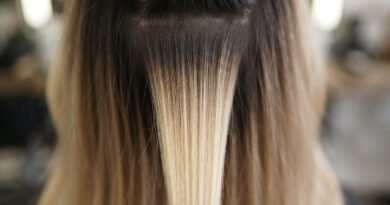
How to Grow Longer Hair Faster While Preventing Split Ends Naturally at Home
Let’s be real—growing your hair out takes patience. And just when you see progress, split ends sneak in and ruin the whole look. I’ve been there. You either cut it all off or keep fighting the frizz and breakage.
But what if I told you the secret isn’t a miracle shampoo? It’s a mix of smart habits, natural fixes, and knowing exactly what your hair needs to thrive. In this post, I’m sharing everything I’ve learned about growing longer hair faster while keeping split ends away—all from home. No expensive salon visits. No crazy routines. Just simple, natural steps that actually work.
You’ll learn the best oils, the right brushing techniques, and even which 2026 hairstyles can protect your length while it grows. Grab your hair tie, and let’s get started!
Why Your Hair Stops Growing (and How to Fix It)

Your hair can only grow so fast, but breakage is what steals your length. If your ends keep snapping off, you’ll never see real progress. Stress, tight hairstyles, heat, and poor nutrition all slow growth and weaken strands.
The fix isn’t one magic product. It’s a daily routine that protects your hair from the moment you wake up to the moment you sleep. Start with small changes. Swap harsh elastics for soft scrunchies. Drink more water. Eat enough protein. And remember, your ends are the oldest part of your hair. They need extra care. Think of this post as your complete guide to growing longer, stronger hair at home.
Yes, You Still Need Trims (Here’s Why)
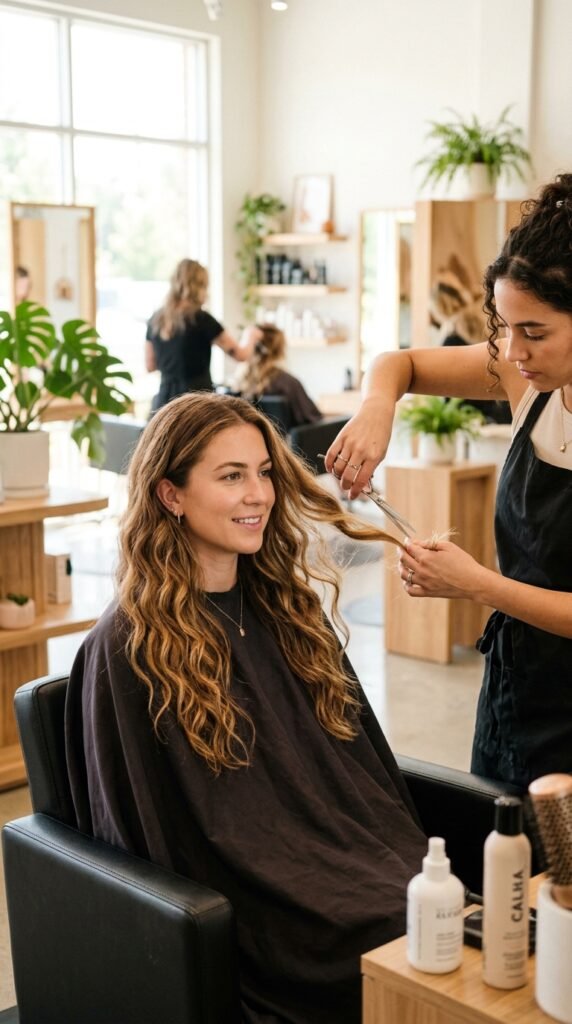
I know the struggle. You want length, so you avoid the scissors. But skipping trims actually makes hair shorter. Split ends travel up the strand and cause more breakage. A small trim removes the damage and helps your hair hold its length.
The trick is to only cut what’s needed. A quarter inch every eight to twelve weeks is enough for most people. If your hair is very damaged, trim more often. If it’s healthy, stretch it longer. Trust me, regular trims are the reason some people can grow hair past their waist. They cut less, but more consistently.
The Search-and-Destroy Method for Split Ends at Home

You don’t need a salon for every split end. The search-and-destroy method is simple. Take small sections of dry hair and look for white or frayed dots at the ends. Carefully snip just above the split.
Use sharp haircutting scissors, not craft scissors. Dull blades will crush your hair. Work on one small section at a time. Do this every few weeks between trims. It sounds tedious, but once you get in the rhythm, it takes about fifteen minutes while watching TV. This little habit keeps split ends from traveling up your strands and ruining your progress.
Best Oils to Grow Hair Faster and Stop Split Ends

Oils can do amazing things for hair growth and split end prevention. Rosemary oil boosts circulation to the scalp. Coconut oil strengthens the hair shaft. Jojoba oil mimics your scalp’s natural sebum. And argan oil seals the ends to stop splitting. Here’s how to use them:
- Massage a few drops of rosemary oil diluted with a carrier oil into your scalp.
- Warm a small amount of coconut oil between your palms.
- Apply to your ends after washing.
- Do this once or twice a week.
Don’t overdo it. Too much oil can weigh hair down and clog follicles. A little goes a long way.
Scalp Massage: The Five-Minute Trick That Works

Your scalp is the soil where your hair grows. If the soil isn’t healthy, the plant won’t thrive. Scalp massage increases blood flow and helps nutrients reach the follicles. It also reduces stress, which is a sneaky cause of hair loss. Try this every night:
- Place your fingertips on your scalp.
- Move them in small circles with gentle pressure.
- Spend two minutes on the crown, two on the sides, and one on the nape.
You can do this dry or with a few drops of oil. It’s relaxing, free, and takes almost no effort. Five minutes a day can genuinely improve your hair growth over months.
How to Brush Your Hair Without Breaking It
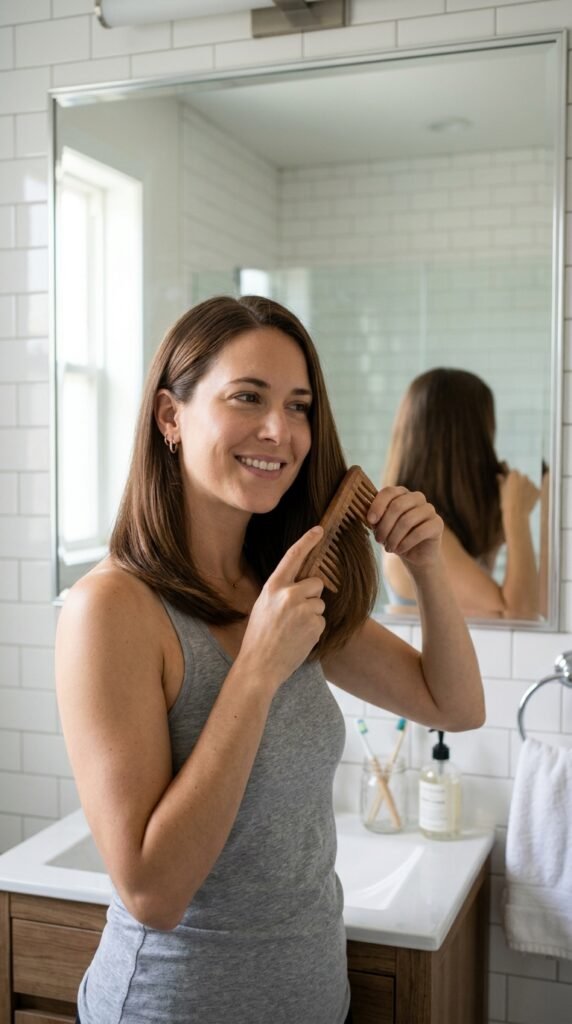
Brushing your hair wrong is one of the fastest ways to snap off length. The old myth about 100 brush strokes does more harm than good. Follow this simple method instead:
- Always start at the bottom and work your way up.
- Use a wide-tooth comb on wet hair.
- Use a soft boar bristle brush on dry hair to distribute natural oils.
- Never rip through knots. Hold the hair above the tangle and gently work it out.
And never brush soaking wet hair. It’s weakest when wet. Let it air dry a bit first, or use a detangling spray. The right brush and the right technique make a huge difference.
The Best Way to Wash Your Hair for Faster Growth

Shampooing your hair a few times a week is usually enough. Overwashing strips your natural oils, leading to dry, brittle strands. Try this routine:
- Brush your hair before washing to prevent tangles.
- Use lukewarm water. Hot water damages hair.
- Massage shampoo only into your scalp.
- Let conditioner sit on your lengths and ends for a few minutes.
- Rinse with cool water to seal the cuticle.
Cool water closes the hair cuticle, making strands smoother and less likely to split. This tiny change adds polish really fast.
Heat Styling Mistakes That Create Split Ends
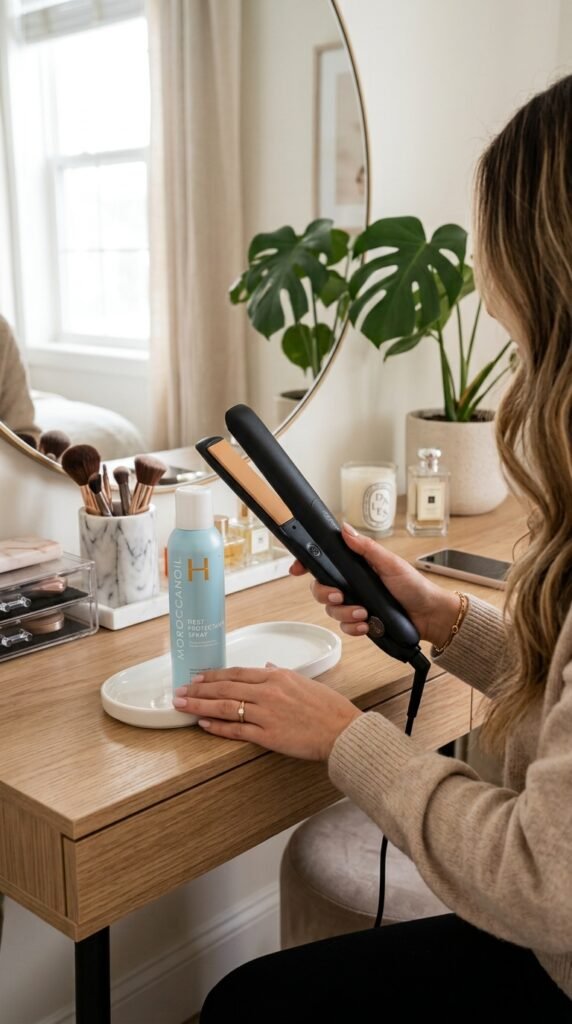
Heat is the number one killer of long hair. High temperatures boil the moisture right out of your strands, leaving them dry and ready to split. If you must use heat:
- Always use a heat protectant spray.
- Keep the temperature below 350 degrees Fahrenheit.
- Don’t go over the same section more than once.
- Let your hair fully dry before using any hot tool.
And remember, styles like glitchy glam hair embrace texture without heat. You can also try air-drying into waves with a salt spray. Your ends will thank you.
The Silk Pillowcase Swap That Changes Everything

Cotton pillowcases absorb moisture from your hair. They also create friction while you toss and turn. That friction leads to breakage, tangles, and split ends. Silk and satin pillowcases are much gentler. They let your hair slide across the surface instead of catching.
The result? Less frizz, fewer tangles, and more length retained. You can also use a silk scarf or bonnet. This is one of the easiest swaps you’ll ever make. It takes zero effort and works while you sleep. If you’re serious about growing longer hair, this one change alone can make a visible difference within a couple of months.
Protective Hairstyles That Help You Keep Length

What you do with your hair all day matters as much as what you put on it. Protective styles tuck your ends away so they don’t rub against your clothes and split. Good options include:
- Low loose braids
- Gentle buns
- Twist styles
- Half-up styles with soft scrunchies
The key is to keep them loose. Tight styles pull at the roots and cause traction breakage. And don’t keep your hair in the same style every day. Give your scalp a chance to breathe. A simple low braid at night can prevent most of the damage that happens while you sleep.
Foods That Help Your Hair Grow Faster
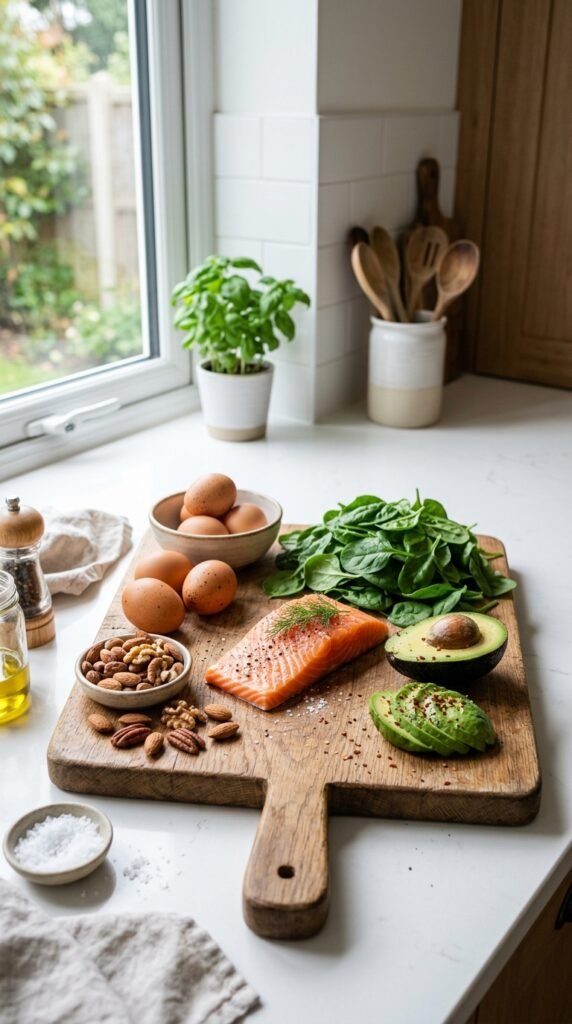
Hair growth starts on your plate. Your strands are made of protein, so you need enough of it every day. Foods like eggs, salmon, and Greek yogurt are amazing. Iron and zinc also matter. Think spinach, lentils, and pumpkin seeds.
And don’t forget healthy fats like avocado and walnuts. They support a healthy scalp and shiny hair. Try to aim for a balanced plate at every meal. Missing key nutrients can slow growth and increase shedding. Drink plenty of water too. Your hair is about eighty percent water when hydrated, it behaves better. Hydrated hair is stronger and less likely to split.
The Rice Water Rinse: Does It Actually Work?
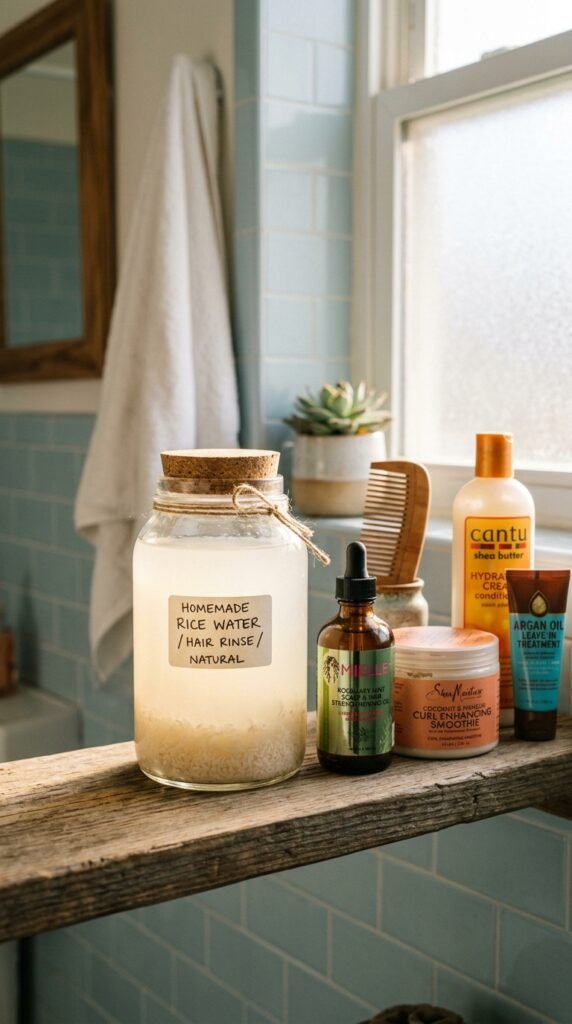
Rice water has been used for centuries in East Asia for long, strong hair. It contains amino acids and vitamins that strengthen the hair shaft. Here’s how to make it:
- Rinse half a cup of rice.
- Soak it in two cups of water for 30 minutes.
- Strain and keep the water.
- After shampooing, pour it over your hair.
- Leave it for five minutes, then rinse with cool water.
Rice water adds strength and shine. But don’t use it too often. Once a week is plenty. Too much can make hair stiff and brittle. Listen to your hair and adjust.
How Often Should You Actually Trim Your Hair?
This answer depends on your hair’s health, not a calendar. Here’s a simple guide:
- Healthy hair: every 10 to 12 weeks.
- Slightly damaged hair: every 8 weeks.
- Very split or heat-damaged hair: every 4 to 6 weeks until it recovers.
Ask your stylist or a friend to cut a small amount. Even a quarter inch removes old damage and helps the rest grow better. A trim doesn’t undo months of growth. It protects the growth you already have. If you’re also caring for your hair with masks and oils, you’ll notice fewer split ends between trims over time.
DIY Hair Masks to Prevent Split Ends Naturally

You probably have DIY hair mask ingredients in your kitchen right now. Avocado is rich in fats that soften dry strands. Honey attracts moisture. And eggs add protein to strengthen hair. Try this simple mask:
- Mash half an avocado.
- Mix in one tablespoon of honey.
- Add one egg yolk.
- Apply from the middle to the ends.
- Leave it for 20 minutes, then rinse with cool water.
Use it once a week. It’s a cost-effective, natural way to smooth the cuticle and stop splits from forming on fragile ends.
Supplements That Support Longer Hair

Supplements can fill in the gaps in your diet. Biotin is popular for hair, skin, and nails. Collagen supports hair structure and elasticity. Vitamin D and iron are also essential. Low iron can actually cause shedding. Here’s what to know:
- Check your levels before buying anything.
- Talk to your doctor first.
- Give supplements at least three months.
- Don’t rely on them alone. Food comes first.
Supplements help best when you already eat well. They’re the extras, not the main meal. If you’re consistent, they can give your hair the support it needs to grow longer and resist breakage.
The Best 2026 Hairstyles for Growing Out Your Hair

Growing out your hair doesn’t mean boring styles. The 2026 hairstyles are actually perfect for length retention. Trends like old money hair focus on healthy, shiny strands. Romantic goth hairstyles use soft waves and dark tones that hide split ends.
Glitchy glam hair plays with unconventional texture and color placement that makes grow-out look intentional. And the asymmetrical lob is a stylish way to clean up damage without losing all your progress. The best part? Most of these styles work with your natural texture and minimal heat. You can stay on trend while your hair gets longer underneath.
Old Money Hair: The Secret to Expensive-Looking Length

Old money hair is everywhere in 2026, and it’s actually the ultimate long-hair goal. It’s about healthy, glossy, well-maintained strands. Not complicated styling. The look is simple: clean lines, soft movement, and a shine that screams good health.
Your shortcut to this aesthetic is weekly deep conditioning, cool water rinses, and regular small trims. Brushing daily distributes your natural oils from root to tip. That gives you the glass-like finish without any product. Old money hair isn’t about being born rich. It’s about treating your hair like it’s already your best accessory. And the best part? It works for every length.
Quiet Luxury Bob vs. Long Hair: Which 2026 Style Is Better?

The quiet luxury bob is a major 2026 hairstyle trend. It’s elegant, low-maintenance, and instantly makes hair look healthier because the ends are fresh. But if your goal is long hair, you don’t have to choose. Here’s the deal:
- Getting a bob can reset damage and start fresh.
- Long hair in the quiet luxury aesthetic means polished and neat.
- If your ends are very damaged, the bob is a smart reset.
- If your hair is healthy, keep the length and maintain the ends.
Both styles scream quiet luxury when the hair looks nourished. The real secret is the care routine, not the cut.
Romantic Goth Hairstyles That Protect Your Length

Romantic goth hairstyles are another big 2026 trend, and they’re surprisingly great for growing hair. Think soft, dark, textured waves with a hint of edge. This style works so well because it doesn’t require heavy heat.
You can create loose waves with braids left in overnight. The dark tones and layered texture also hide split ends between trims. It’s a moody, stylish, and practical way to let your hair rest while still looking intentional. Add a middle part, some face-framing pieces, and you’ve got the look. It’s the perfect aesthetic for anyone growing out damage.
Glitchy Glam Hair and the Asymmetrical Lob: Modern Ways to Grow

If you love change but refuse to give up length, glitchy glam hair and the asymmetrical lob are your best friends. Glitchy glam hair mixes unexpected highlights, sharp lines, and futuristic shimmer. It makes grow-out look creative, not messy.
The asymmetrical lob is a smart way to cut away damage while keeping most of your length on one side. It also adds instant shape to flat or thin hair. Both styles work with your natural texture and don’t need much daily heat. You can step out of the salon with a new look and a healthier head of hair at the same time.
The Vampire Haircut: Does It Actually Help Hair Growth?

The vampire haircut is one of the coolest 2026 hairstyles. It involves long, face-framing layers and a soft point-cut finish. The style is designed to create movement and volume without sacrificing length.
This cut helps your hair grow because it removes weight and pressure from the ends. The layers mean your hair doesn’t split as easily at the bottom. It also works with natural waves and curls. If you want a dramatic but wearable style that hides damage and supports growth, the vampire haircut is a fun option. It feels fresh, a little mysterious, and very now.
The Hime Cut: Blunt Ends That Keep Length Healthy

The hime cut is a Japanese-inspired hairstyle with straight, blunt ends and short face-framing pieces. Blunt ends are wonderful for preventing split ends because there’s less surface area for damage to start. The cut keeps your length intact while removing thinner, weaker ends. Here’s how to grow with a hime cut:
- Keep the ends blunt and healthy.
- Trim only the face-framing pieces regularly.
- Focus conditioner on the hemline.
This is a bold, sharp style that still feels soft and feminine. It’s a great pick if you want long hair and an on-trend look at the same time.
Your Nighttime Routine for Longer Hair

Your nighttime habits can make or break your hair growth. Here’s a simple routine:
- Brush gently to remove tangles.
- Apply a few drops of oil to your ends.
- Loosely braid your hair with a silk scrunchie.
- Sleep on a silk pillowcase.
This protects your hair from friction and pulling while you sleep. It also traps moisture on the ends, which keeps them flexible and less likely to split. In the morning, you’ll wake up to less frizz and fewer tangles. It takes less than five minutes. Your length will grow faster because your hair won’t break as much overnight.
Everyday Habits That Break Your Hair Without Warning

Some of your normal habits might be causing split ends without you realizing it. Let’s fix them:
- Rubbing hair with a towel creates friction and breakage. Gently squeeze instead.
- Using a regular elastic is rough on strands. Upgrade to silk or spiral scrunchies.
- Wearing the same tight ponytail daily can thin the hairline.
- Playing with your ends while you work pulls and snaps the strands.
- Brushing wet hair aggressively is a big risk. Use a detangling spray.
Swap these habits for gentler options and your hair will hold onto its length much better. It doesn’t take extra time, just extra awareness.
How to Tell If Your Hair Is Actually Growing
You can’t always see growth in the mirror because your hair grows from the roots. So how do you know it’s working? Try these checks:
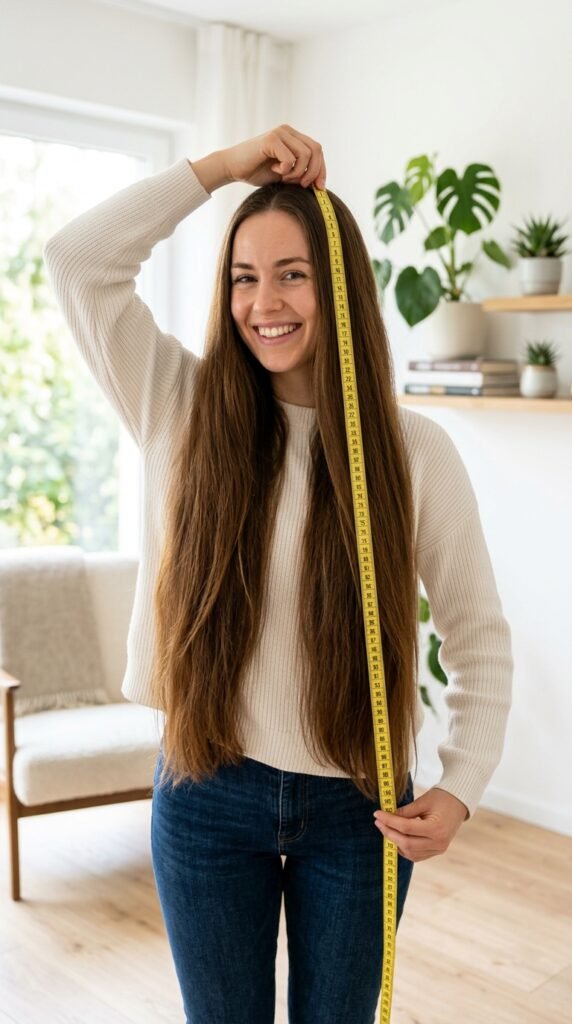
- Measure from your scalp to your ends once a month.
- Look for baby hairs around your hairline.
- Notice fewer strands falling out in the drain.
- Feel for smoother ends when you slide your fingers along the length.
Split ends are the main reason hair stops looking longer. When they reduce, your hair will look thicker and fuller even before it reaches your goal. Patience is going to be your best friend here. The inches will come.
Growing longer hair is honestly a marathon, not a sprint. But I promise, with the right habits in place, you’ll look up one day and wonder where all the length came from. It doesn’t happen overnight. It happens through small choices every single day. A little patience, a lot of gentle care, and your ends will thank you.
Save this post to Pinterest so you have it ready whenever you need a reminder or a little hair motivation. And if you try one of these tips, tell me in the comments! I’d love to know which trick works best for you. Here’s to your longest, healthiest hair yet.