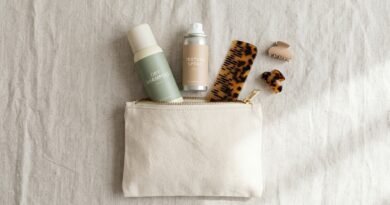
How to Protect Colored Hair From Fading in Chlorine Pools
There’s honestly nothing worse than walking out of a pool and realizing your fresh color looks … less fresh. Whether you’re rocking a quiet luxury bob or leaning into romantic goth vibes with violet hair, chlorine doesn’t care about your expensive dye job. It will strip it, dry it out, and dull it fast.
The good news? It’s totally preventable. You don’t need to sit poolside wrapped in a towel, missing out on all the fun. A few tiny habits before and after your swim can keep your color looking just dyed all season long.
This post walks you through simple, realistic ways to protect colored hair from chlorine fading, plus a few of the best product and trend tips I’ve picked up. You’ll leave with a game plan that actually works.
Why Does Chlorine Make Your Color Fade So Fast?
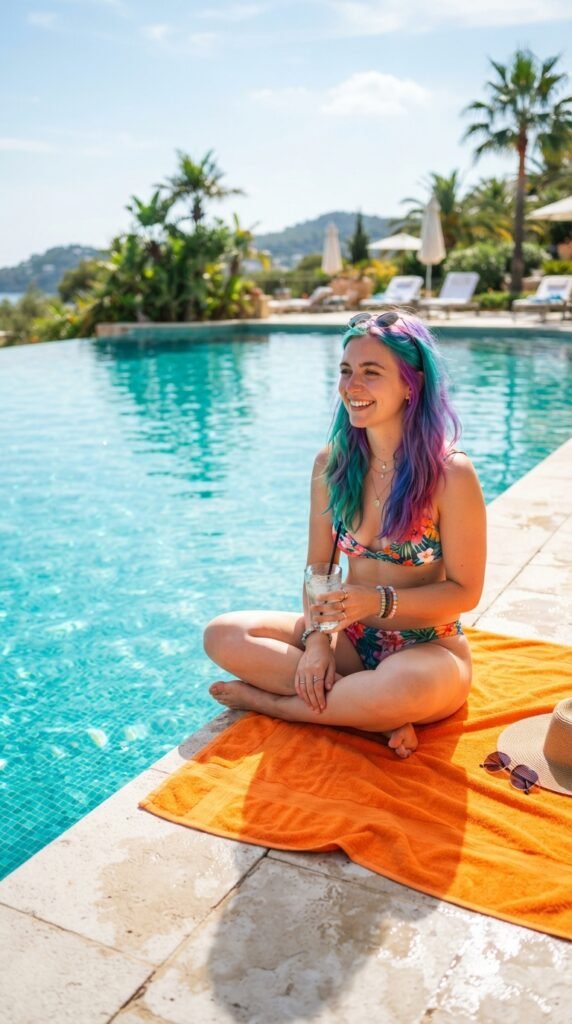
Chlorine is basically a color stripper. It opens up the outside layer of your hair and pulls out both moisture and dye molecules. That’s why colored strands feel rough, dry, and lifeless after a single pool session.
Here’s what’s happening under the surface:
- Chlorine breaks down the artificial pigment in dyed hair.
- Lifted cuticles let more color wash away every time you rinse.
- Copper and pool chemicals can create green or brassy tones.
The fix isn’t complicated. Once you understand why the pool messes with your color, you can create a simple routine that blocks the damage before it starts.
Should You Rinse Your Hair Before the Pool?
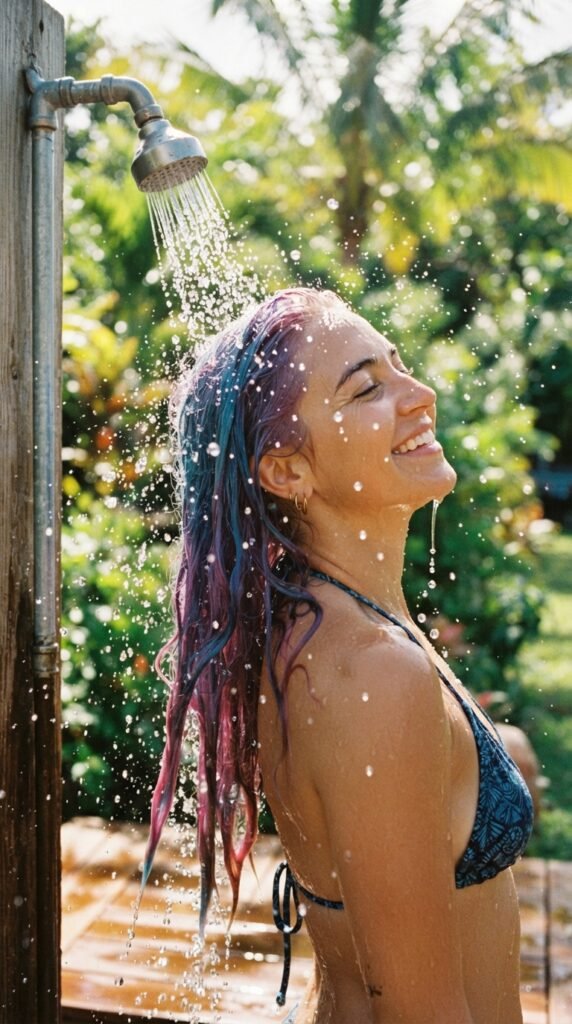
Yes, and do it every single time. Rinsing with fresh water before you get in is the easiest, cheapest thing you can do for colored hair.
Your hair acts like a sponge:
- If it’s already soaked with fresh water, it can’t soak up as much chlorine.
- Fully saturate from root to tip, not just the top layer.
- Add a lightweight leave-in conditioner while your hair is wet.
This tiny step takes two minutes and keeps your strands from drinking up chemically treated pool water. I do this even on quick dips because future me always appreciates it.
What Should You Put on Your Hair Before Swimming?
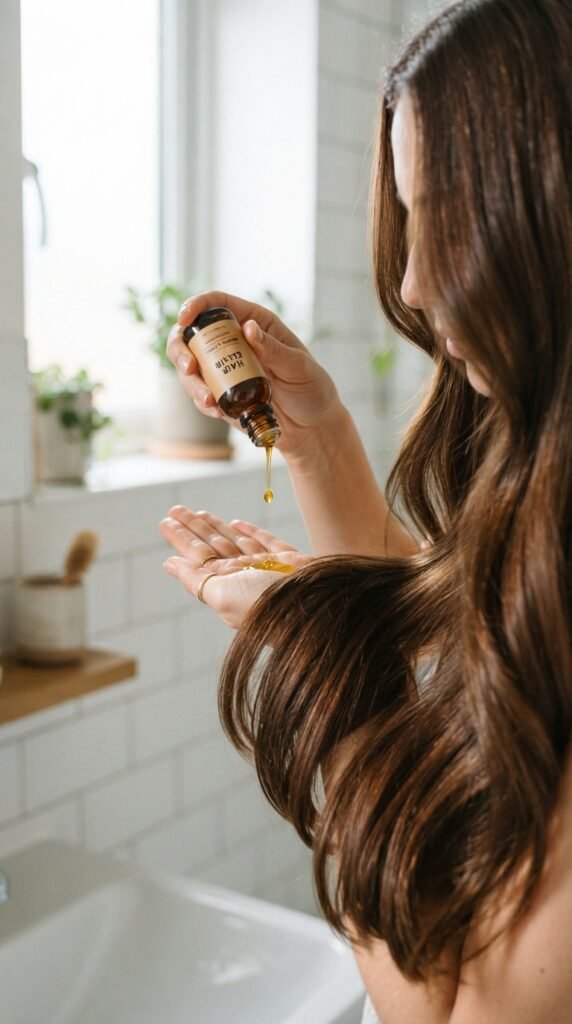
Use a barrier product on top of that fresh rinse. Conditioner, hair oil, or a dedicated pre-swim treatment all create a layer that protects the strand and makes it harder for chlorine to get inside.
Options that work:
- Coconut oil, jojoba oil, or argan oil.
- Leave-in conditioners with a smooth, silicone-rich feel.
- Pre-swim sprays made specifically for chlorine exposure.
Apply a light, even coat from your mid-lengths to ends. Your hair should feel slippery and soft, not greasy. When you wash it later, the chlorine will slide right off instead of stripping your color.
Do Swim Caps Actually Protect Colored Hair?
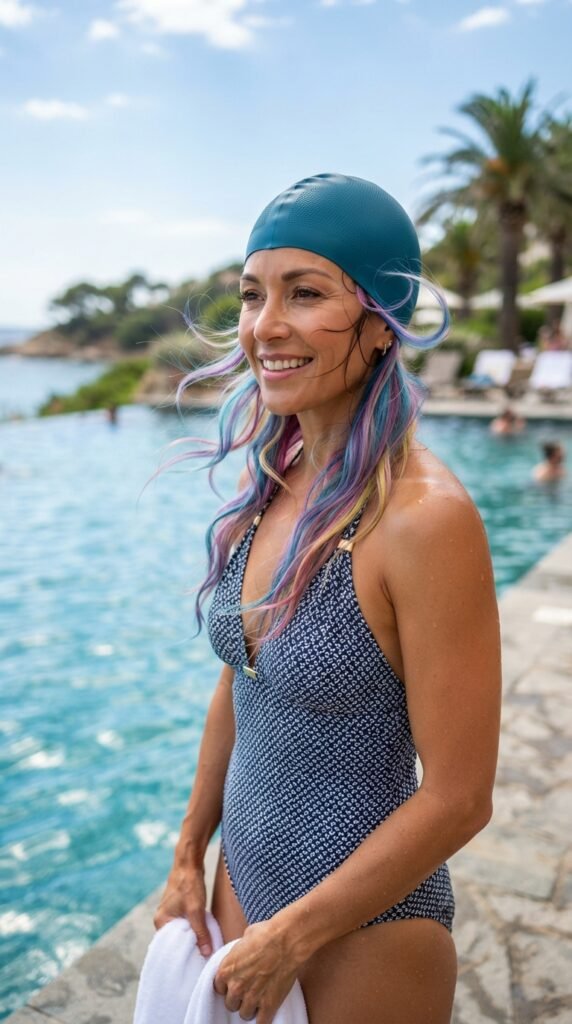
Yes, they can, and they’ve come a long way. A silicone swim cap creates a physical barrier between your hair and the water, so chlorine never gets a chance to fade your tone.
Find a cap that doesn’t fight you:
- Choose a larger cap for long or thick hair.
- Rinse hair first so the cap glides on smoothly.
- Tuck in all loose strands, especially around your ears.
If you’re mostly lounging or just dipping in, it’s not a must. But for lap swimmers and anyone with vivid or expensive color, it is the smartest protective move you can make.
What Are the Best Chlorine-Protection Products?
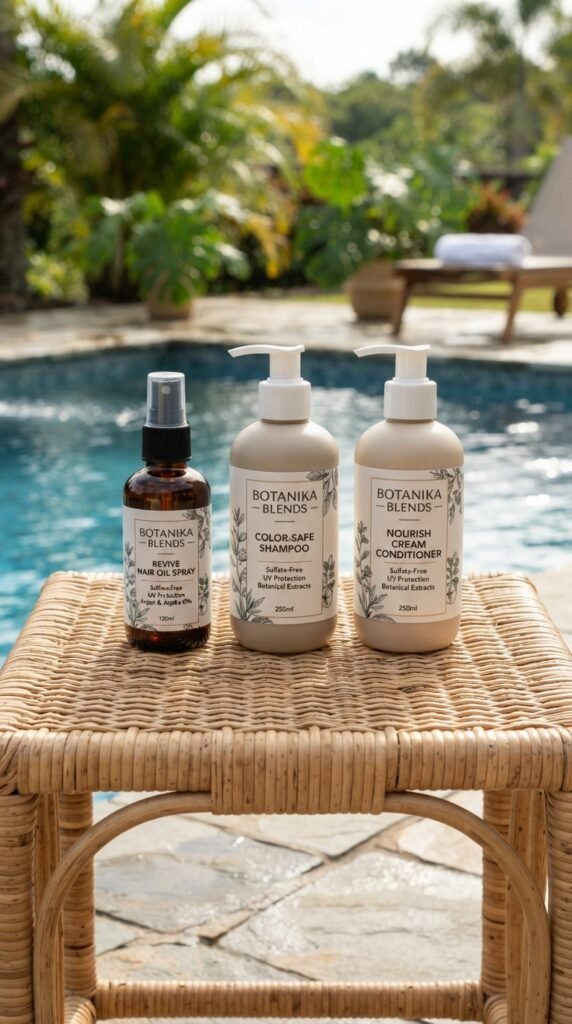
Not every product that claims to protect color actually does. Look for words like “pool defense,” “chelating,” or “UV protection.” These formulas are designed to stop chlorine and copper from binding to your hair.
My favorites:
- Chlorine-specific pre-swim sprays.
- Sulfate-free, color-safe shampoo and conditioner bundles.
- Hydrating hair masks with provitamin B5 or keratin.
You don’t need to own every product on the shelf. Pick one pre-swim spray and one great color-safe shampoo — you’ll be covered for most pool days. I personally keep a travel spray in my pool bag at all times. It’s saved my caramel balayage more times than I can count.
Do You Need to Rinse Again Right After the Pool?
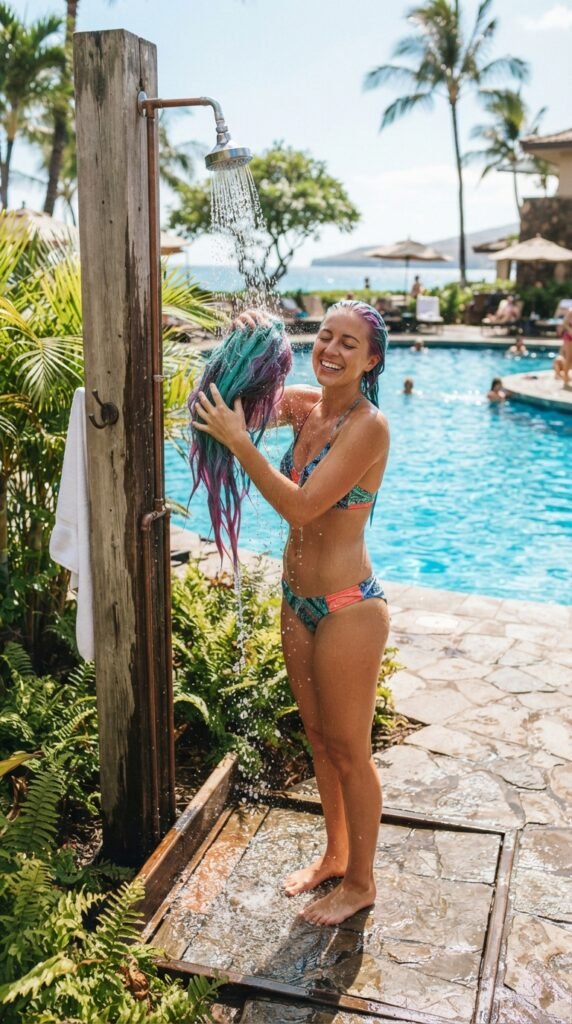
Yes. The second you get out of the pool, rinse your hair with fresh water. Every extra minute that chlorine sits on your strands gives it more time to cause damage.
Your exit plan:
- Head to the shower as soon as possible, not after lunch.
- Rinse with cool or lukewarm water for at least one minute.
- Follow with your gentle color-safe shampoo if you have access.
No shower around? Keep a spray bottle filled with water in your pool bag. Spray your hair down, blot gently with a towel, and you’ve dramatically reduced the chlorine damage already.
How Do You Wash Colored Hair After Swimming?
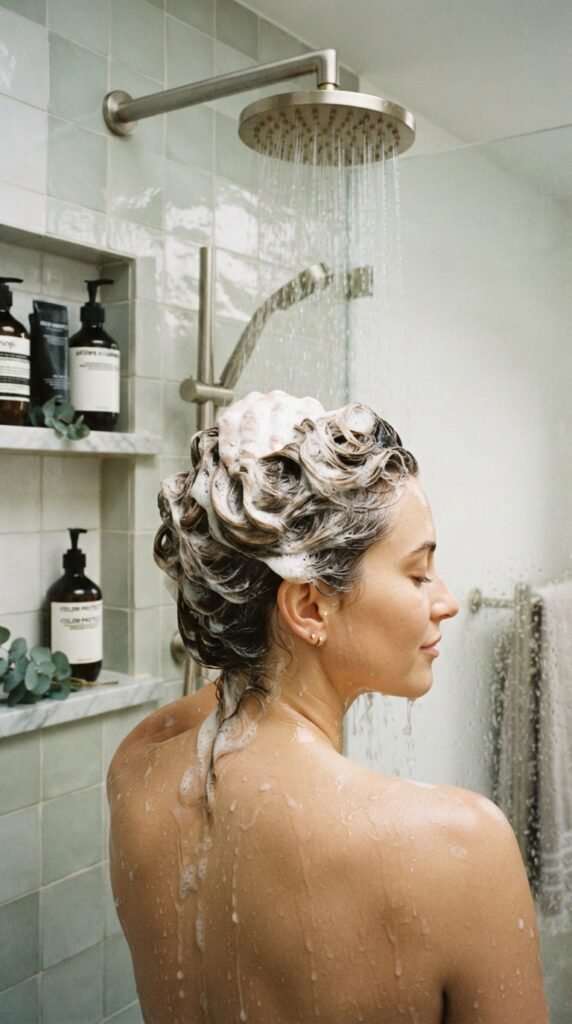
You need to remove chlorine without stripping the dye. That means washing smarter, not harder.
This is my after-swim wash routine:
- Rinse hair thoroughly for a full minute before shampoo.
- Work shampoo only into your scalp, then let suds travel down.
- Finish with a cool water rinse to seal the cuticle.
Use lukewarm water, not hot. And skip vigorous scrubbing — your color is fragile right after a swim. If you can skip a second wash or wait until the next day to restyle, even better. Your goal is to get the chlorine out, not to strip everything else with it.
Is Sulfate-Free Shampoo Really Non-Negotiable?
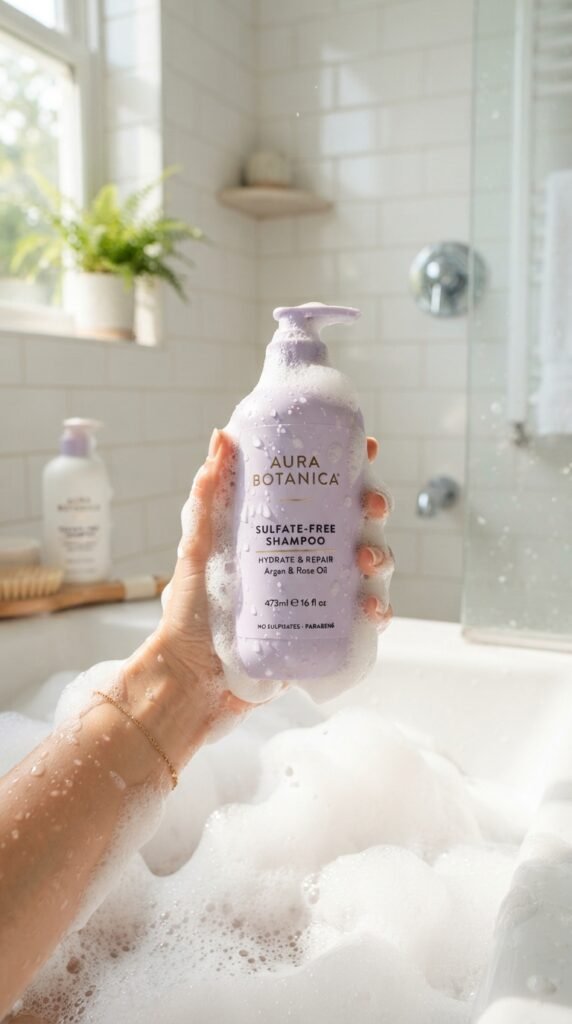
Honestly? If you have colored hair, yes. Sulfates are strong detergents that strip oil, moisture, and dye. When you mix them with chlorine, you’re basically doubling the fade effect.
Sulfate-free shampoos are gentler and made to preserve color:
- Look for sodium lauryl sulfate and sodium laureth sulfate on labels — avoid both.
- Choose formulas labeled “for color-treated hair.”
- Expect less foam. That’s normal and actually good for your hair.
If you like a deeper clean, use a gentle clarifying shampoo every two weeks, but not on the same day you swim. That gives your color a chance to recover before the next pool date.
How Do You Condition After a Chlorine Swim?
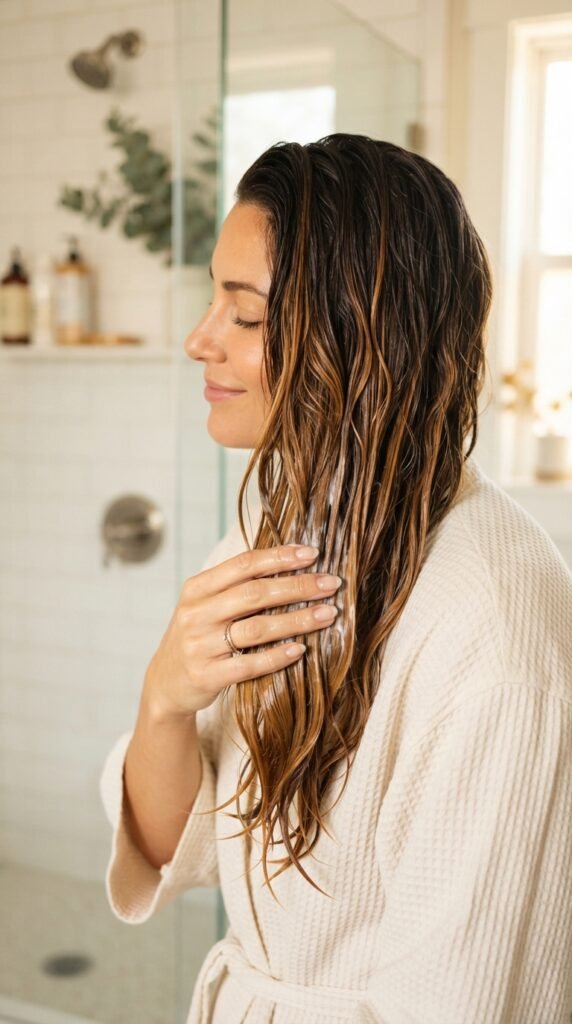
Your color needs hydration after chlorine. A rich conditioner brings back moisture and helps smooth the cuticle so your tone bounces light again.
Conditioning moves that work:
- Apply conditioner from mid-length to ends, not the scalp.
- Leave it on for three to five minutes in the shower.
- Use your fingers to detangle, then rinse with cool water.
Pick a conditioner with shea butter, argan oil, or aloe. It doesn’t need to be fancy or expensive — it just needs to be hydrating and color-safe. Remind yourself that your ends are older and more porous, so they need the most attention.
Does a Cold Water Rinse Help Your Color Last?

It does more than you think. Cold water helps close the outer layer of your hair, which keeps dye molecules inside. Hot water opens that layer up and lets color escape.
You don’t need to suffer through a freezing shower:
- Finish your shower with 30 seconds of cool water.
- Keep the temp “cool” rather than ice-cold.
- Let it flow over your lengths and ends, where fading shows first.
Make this the last step of every swim-day wash, and you will see a difference in shine and richness within a week. Even two or three times a week helps a ton.
Should You Skip Heat Styling During Pool Season?
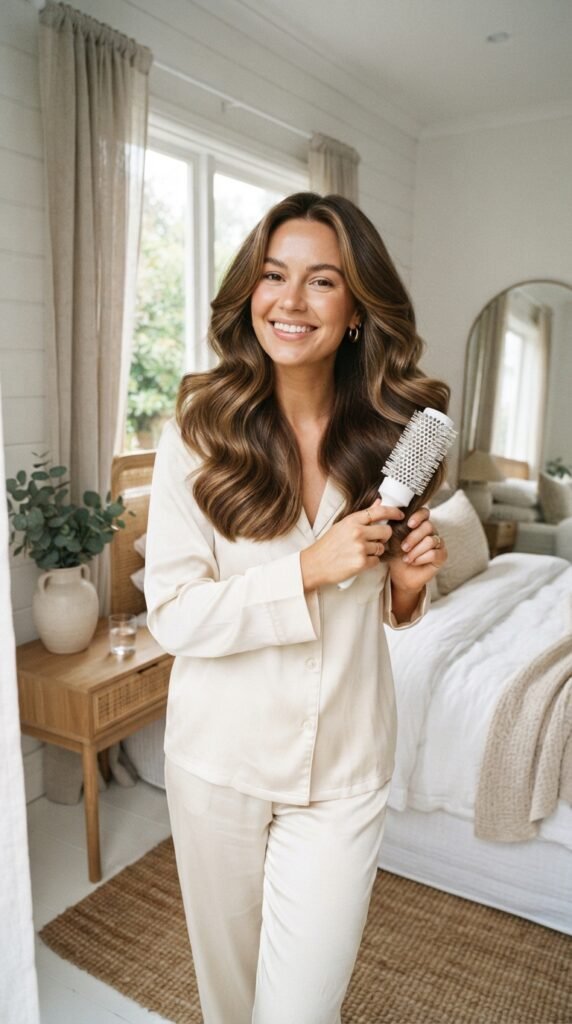
I would say scale way back. Heat styling on top of chlorine damage makes fading faster and frizz stronger. If you can air-dry on swim days, that’s the best move.
When you do use heat, obey these rules:
- Use the lowest setting that still works for your hair type.
- Spray a heat protectant onto damp hair first.
- Finish with a cool shot from your blow dryer to lock the style.
Less heat equals more color, fuller strands, and shinier ends. Try a sleek slicked-back look or loose braid and let your color be the star instead of your flat iron.
Why Is Deep Conditioning So Important for Color?
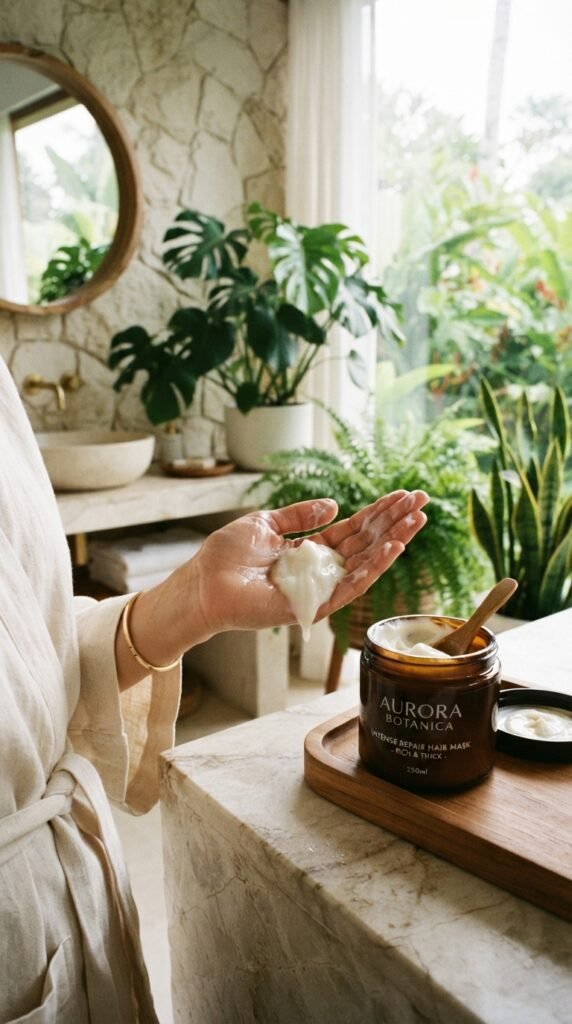
Because chlorine leaves color-treated hair thirsty. A deep conditioning mask refills moisture and keeps your dye from looking flat or washed out.
Schedule one weekly:
- Apply to clean, damp hair.
- Cover with a shower cap or warm towel for 15 minutes.
- Rinse with cool water and gently towel blot.
This is the simplest way to buy back softness and brightness between salon appointments. Apply a little extra to the ends, which are the oldest, most porous part of your hair. If your hair feels straw-like after a pool day, leave the mask on for an extra five minutes.
Can Over-Washing and Over-Brushing Make Fading Worse?
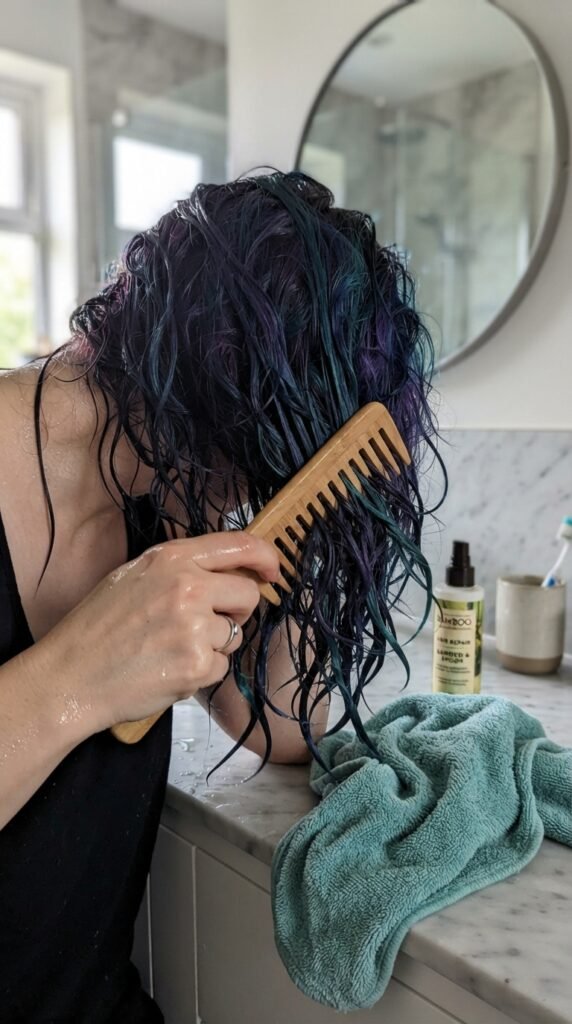
Yes. Friction is the enemy of color. Every time you scrub your scalp, rub with a towel, or yank a brush through knots, you’re loosening dye molecules.
Be gentler with these habits:
- Wash only when you need to, ideally every two to three days.
- Comb wet hair with a wide-tooth comb, starting at the ends.
- Swap rough towels for a soft microfiber cloth.
Less physical stress on your hair means your color sticks around longer. Skip tight ponytails while hair is damp, and avoid sleeping on wet strands because that friction adds up fast. The goal is to handle your strands like silk, not cotton.
How Does Sunlight Plus Chlorine Affect Your Color?

It’s a double dose of fading. Chlorine weakens your hair while UV rays bleach the color. Together, they can age a fresh dye job in record time.
Protect your hair on sunny pool days:
- Wear a wide-brimmed hat while lounging.
- Spray a UV protectant over your hair before going outside.
- Reapply after you swim, since water washes it off.
Think of your hair the way you think of your skin. Sunscreen for sun, rinsing for chlorine, and extra moisture for the whole experience. A cute cover-up isn’t just fashion — it’s color protection in disguise.
Are Color-Depositing Masks Worth It?
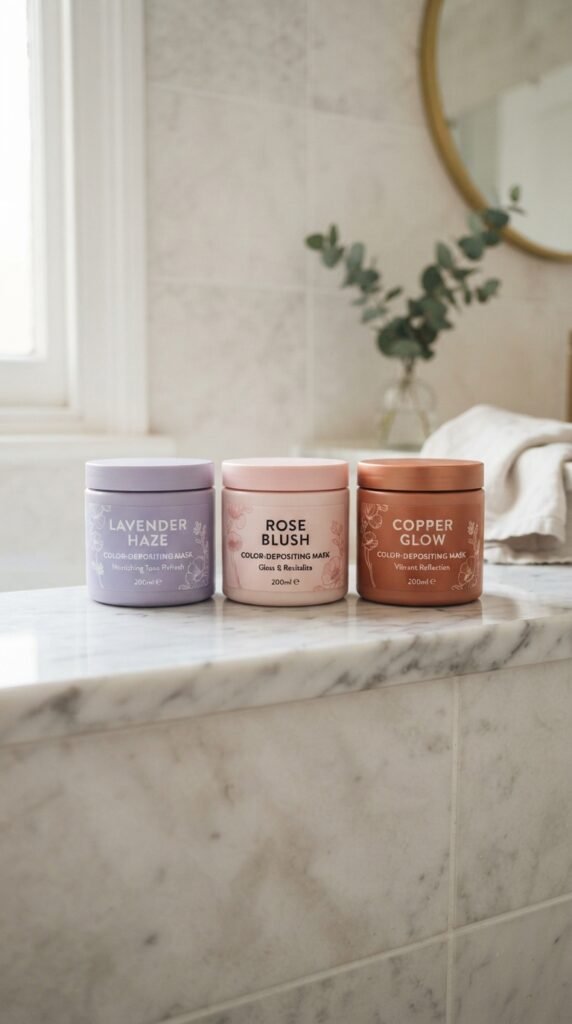
Absolutely. A color-depositing mask refreshes tone while hydrating hair, so you can stretch out salon visits and fix faded sections at home.
Choose the right tone:
- Blondes: purple or blue masks neutralize brassiness.
- Reds and coppers: red masks restore warmth.
- Brunettes and dark colors: brown or tinted masks revive depth.
Use one once a week to keep your color looking freshly toned. Apply it after shampooing and leave it on for the time specified on the label. If your shade is very light or very bright, start with five minutes so you don’t oversaturate your strands.
How to Keep 2026 Hairstyles and Old Money Hair Looking Expensive

The old money hair trend is all about glossy, rich color and understated elegance. For 2026 hairstyles, think soft waves, clean lines, and healthy shine over loud tones.
If pool days are on your calendar:
- Keep your color close to your natural base so roots are less obvious.
- Request face-framing money pieces that brighten without overprocessing.
- Skip heavy, chunky highlights that fade into muddy patches.
Think sleek blowouts, low ponytails, and natural movement. True old money hair lives or dies by its shine. Chlorine will dull that instantly, so always pair pool days with your post-swim rinse.
How Do You Protect a Quiet Luxury Bob or Asymmetrical Lob?

The quiet luxury bob and asymmetrical lob are big for 2026. Their sharp lines and minimal styling make them perfect for warm weather, but chlorine fading shows quickly on that much exposed hair.
Keep your cut looking intentional:
- Deep condition the ends at least twice a week.
- Blot with a microfiber towel, don’t rub.
- Use a lightweight serum to keep the shape smooth after drying.
Add a trim every six to eight weeks to keep the silhouette crisp, and your color will look polished even between salon visits. Sleek cuts look best when the surface is smooth, so keeping strands hydrated is the whole game.
How Do You Care for Romantic Goth Hairstyles and Vampire Cuts?

Romantic goth hairstyles often come in deep plum, burgundy, or black cherry shades. The vampire haircut takes that moody energy further with lots of layers and face-framing pieces. All that heavy color deserves extra care.
Tips for dark, moody tones:
- Rinse in cool water to keep dark shades rich and icy.
- Use a color-depositing conditioner in a matching tone to revive depth.
- Wear a swim cap if your color is especially dark or vivid.
Chlorine can pull red and violet tones out of dark dye jobs quickly, leaving behind muddy brown. Protect the drama and your color stays captivating.
How Do You Keep a Hime Cut or Glitchy Glam Look Fresh?

The hime cut’s straight-across bangs and the glitchy glam hair trend with metallic color melts both need high-level color care. Fading around your face or ends ruins the whole futuristic effect.
My best advice:
- Apply a leave-in barrier spray to your bangs and edges before swimming.
- Keep a travel-size color-safe shampoo in your bag for post-swim touch-ups.
- Wash with cool water, warm isn’t ideal.
If you’re swimming regularly and you have a silver, chrome, or pastel look, consider a swim cap. Edgy colors are a commitment, and the payoff is major.
Is Saltwater Better for Color Than Chlorine?
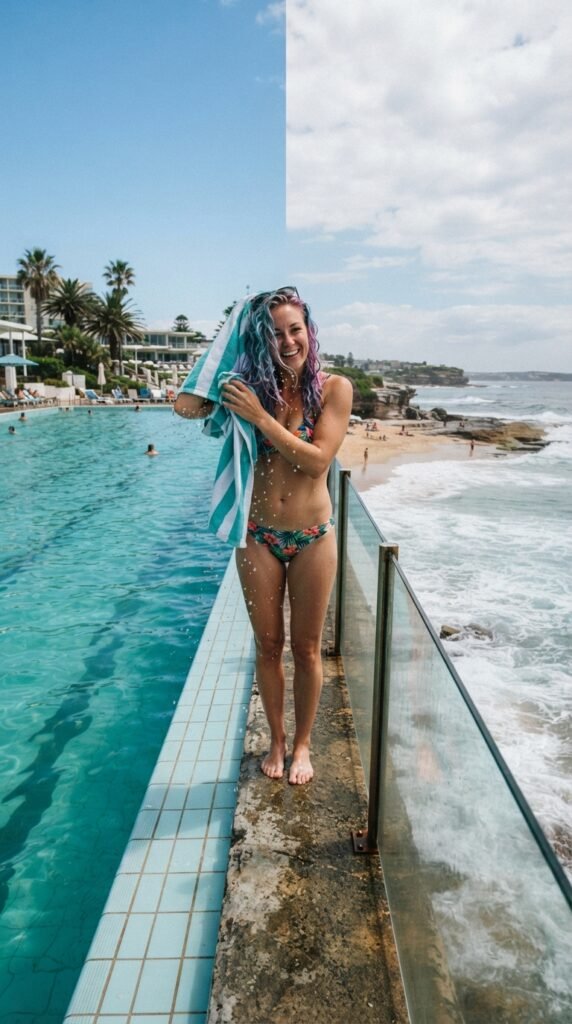
Saltwater is less chemically harsh, but it still dries out your hair. And dry hair makes color look dull and brittle fast. So neither is great, but saltwater is easier on color than heavy chlorine.
Adjust your plan:
- Chlorine pools: rinse before, rinse after, and use a chelating shampoo weekly.
- Ocean swims: rinse right away and load up on hydration.
- Both: add a product with UV protection before heading out.
Lap swimmers sometimes deal with more chlorine, so they need that pre-rinse step the most. Whichever one you’re swimming in, your best friend is always fresh water and a color-safe conditioner.
Can You Make a Home Post-Pool Mask for Colored Hair?
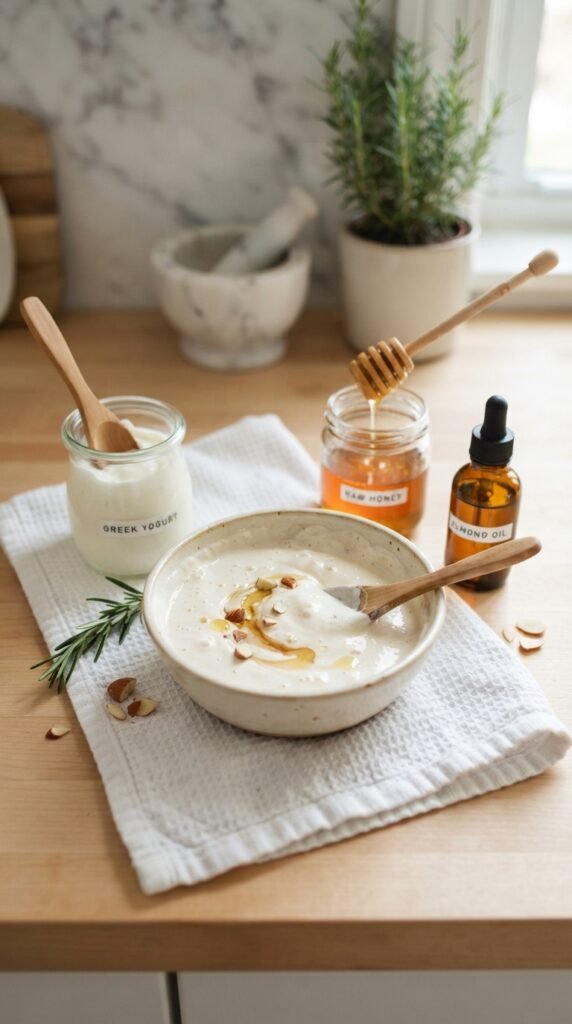
Yes, you probably have everything in your kitchen right now. A simple hydrating mask can reverse some of the dryness chlorine leaves behind.
My go-to recipe:
- 1 tablespoon of plain yogurt or honey for moisture.
- A few drops of jojoba, olive, or coconut oil.
- A squeeze of leave-in conditioner if you want an easier rinse.
Mix it, apply to damp washed hair, and leave it on for about ten minutes. Rinse with cool water and your color will feel smoother and look glossier in one sitting. Yogurt adds a little soothing protein, while honey pulls in moisture. Both are gentle on color-treated strands.
When Should You Touch Up Faded Color vs. Waiting?
You don’t need to rush to the salon the second your color dims. Sometimes a toning mask or root touch-up kit buys you another few weeks. Other times, only a professional can fix patchiness.
Here’s how I decide:
- Roots bugging you? A home root touch-up can help if the shade matches your ends.
- Patchy or muddy area? Call the salon — don’t try to fix it alone.
- Color mostly even but dull? Use a color-depositing mask first.
If you do a home touch-up, use a shade slightly lighter than your roots to blend gently. Then protect your refreshed color before the next pool visit.
And that’s really it, friends. Once you get into the habit, protecting your color around the pool takes almost no extra thought. A quick rinse here, a lightweight oil there, and you can enjoy summer without watching your hair color wash down the drain.
Your hair is an investment of time, money, and care. Protect it like the good thing it is, and your color will keep shining long after the last pool day.
Save this post to Pinterest so you have the refresher before every swim. And let me know in the comments — what hair color are you rocking right now, and what’s your go-to trick before jumping in? I read every single one and would love to hear your story.