How to Reduce Hair Shedding Naturally With Better Daily Scalp Care Habits
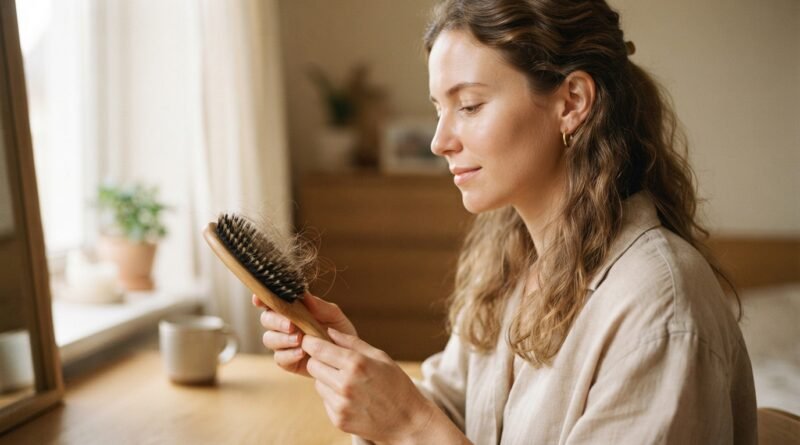
We all know that little moment of panic when you run a brush through your hair and see way too much come out. I’ve been there, and honestly? It’s unsettling. But here’s the good news: shedding doesn’t have to be your new normal. With a few simple, natural daily scalp care habits, you can help reduce excess hair fall and feel more confident in your strands.
I’m not talking about pricey treatments or complicated routines. Just small, practical tweaks that fit into your morning or evening. After a few weeks of these changes, I noticed my hair felt thicker and my scalp felt healthier.
If you’re ready to tackle shedding at the root, this post is for you. Let’s walk through it together—one easy habit at a time.
Why Your Scalp Deserves a Little Extra Love
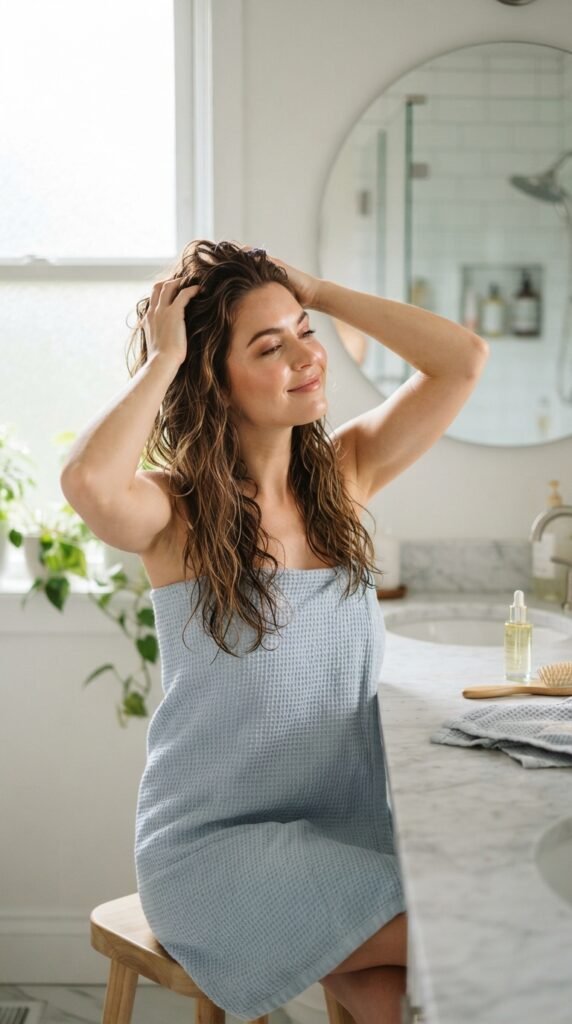
Your scalp is living skin, just like your face. It deserves the same gentle care. When your scalp is happy, your hair follicles get the support they need to hold onto strands longer.
Neglecting your scalp can lead to dryness, buildup, and yes—more shedding. Think of it like a garden. Healthy soil grows strong plants. The same goes for your hair.
Every hairstyle you love—from the quiet luxury bob to romantic goth hairstyles—looks better when your scalp is thriving. It’s the foundation for everything, including your favorite 2026 hairstyles. Start treating it like the VIP it is.
The Real Reason You’re Shedding More Than Usual
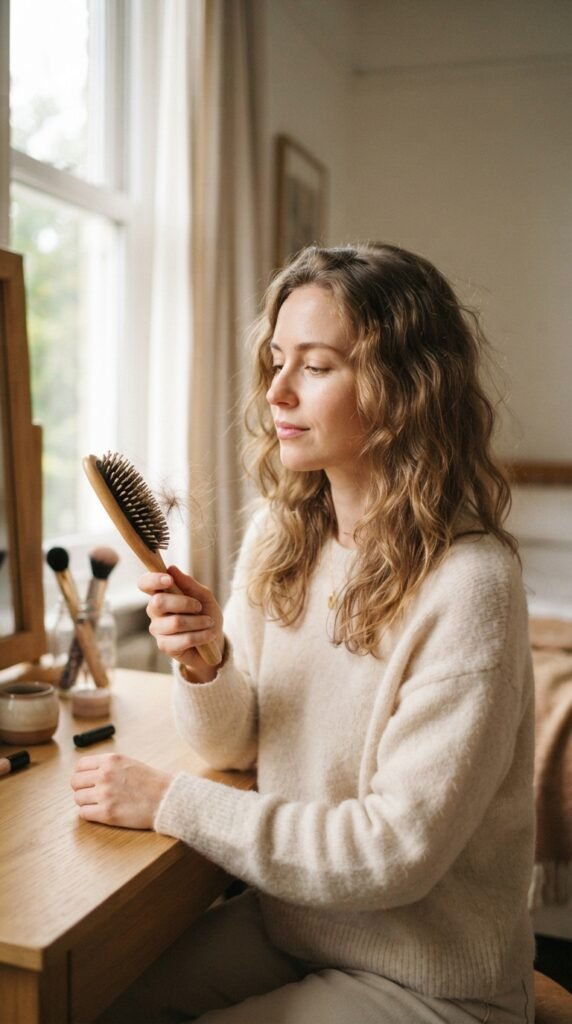
Shedding is completely normal. We all lose about 50–100 hairs a day. But when you start noticing more everywhere—on your pillow, in the shower, on your desk—it can feel scary.
Often, the cause isn’t some big health crisis. It’s everyday stress, lack of sleep, scalp buildup, or even how you handle your hair. Changing your scalp care habits can make a real difference.
The key is catching it early. Because when you support your scalp now, you’re also protecting future growth. That means your hair stays fuller for the styles you love, like the asymmetrical lob or the vampire haircut.
Start With a Gentle Scalp Massage Every Evening
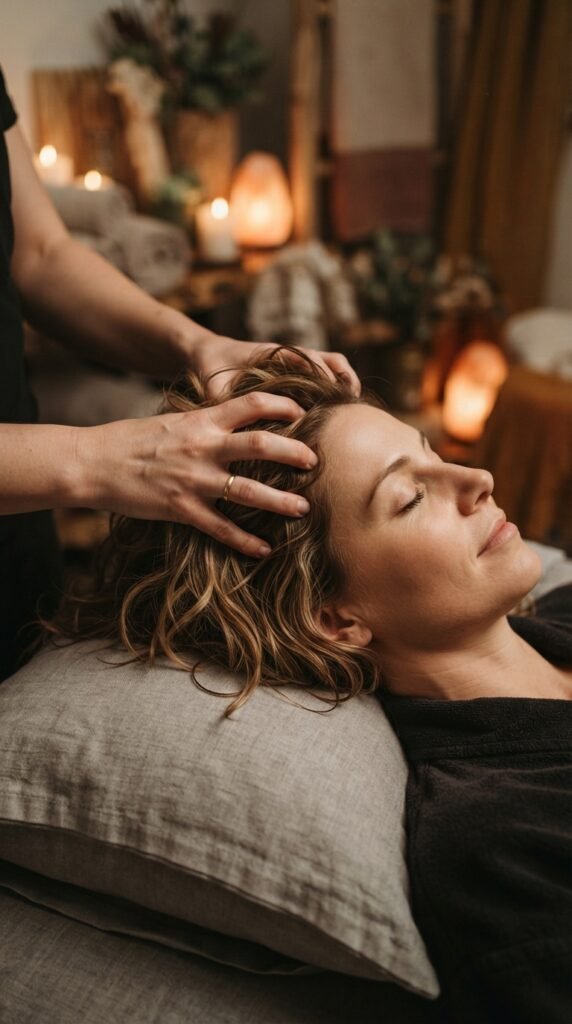
A two-minute scalp massage before bed is one of the easiest ways to improve circulation. Better blood flow means more oxygen and nutrients reaching your hair follicles.
You don’t need fancy tools. Just use your fingertips and apply light pressure in small circles. Move across your whole scalp, not just the top.
- Helps break up tension
- Encourages relaxation
- Can reduce stress-related shedding
Try doing it nightly for a week. You might notice less hair around your brush—and you’ll definitely feel more relaxed before sleep.
The Right Way to Brush (Yes, There Is a Method)
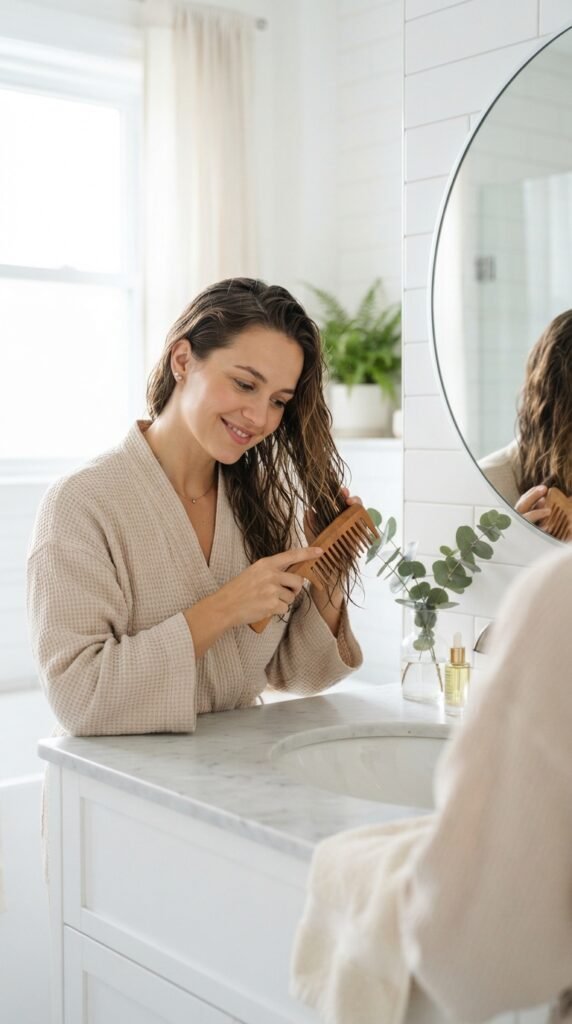
Brushing your hair too hard or too often can pull out strands that weren’t ready to fall. The secret is to be patient and use the right tool.
Start from the bottom and work your way up. Never yank through knots. Use a wide-tooth comb for wet hair and a boar-bristle brush for dry hair to distribute natural oils.
- Always detangle gently
- Brush your scalp in small strokes
- Stop if you feel pulling
Pair this with a looser style like an asymmetrical lob, and you’ll keep shedding low without sacrificing your look.
Stop Washing Your Hair Like It’s a Dish
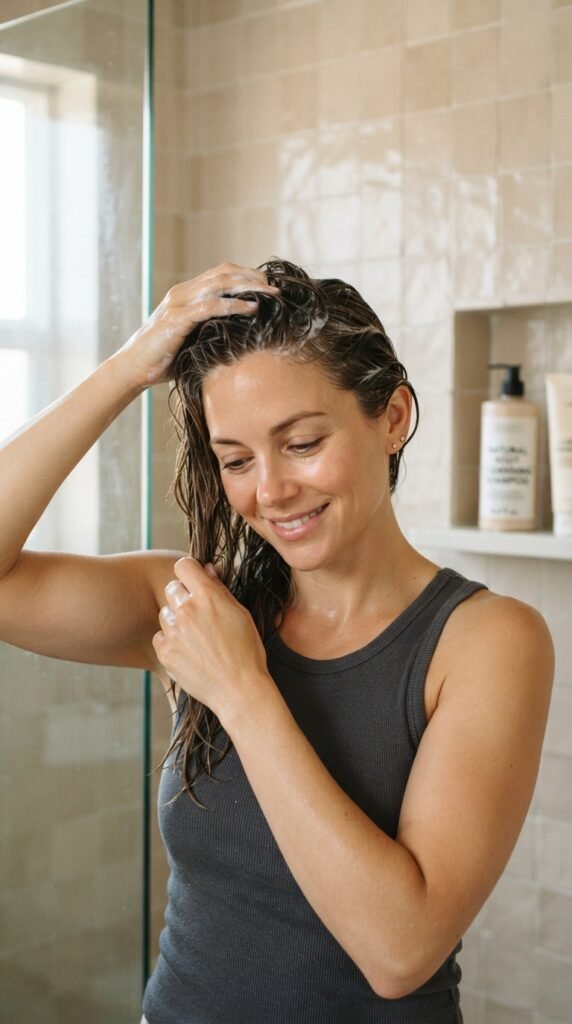
Scrubbing your scalp aggressively with nails might feel satisfying, but it can damage your follicles and cause extra shedding. Be gentle, just like you would with your face.
Use the pads of your fingers, not your nails. Massage shampoo into your scalp in slow circles. Let the suds wash down the lengths instead of scrubbing them directly.
Think of it as cleansing, not heavy scrubbing. Gentle washing also helps protect the hair you already have—whether you’re going for old money hair or a sleek quiet luxury bob.
The Magic of Pre-Shampoo Oiling

Adding a little oil to your hair before shampooing can be a game-changer. Oils like coconut, jojoba, or argan help protect your strands from damage during washing.
They also keep your scalp from getting too dry. A dry scalp can lead to itchiness, flaking, and weaker hair overall.
- Warm the oil slightly
- Massage it into your scalp and ends
- Leave on for 20–30 minutes
- Shampoo gently and rinse thoroughly
This little habit gives your hair a protective barrier, which means less breakage and fewer shed strands. Perfect for keeping your hime cut or glitchy glam hair looking sharp.
Cool Water Rinses Are a Game Changer

Hot water strips away your scalp’s natural oils. That leaves hair brittle and more likely to fall out. A cool rinse at the end of your shower can help seal your hair cuticle.
Sealed cuticles mean smoother strands and less tangling. And when your hair is easier to manage, you’re less likely to pull or tug while styling.
Try this: after washing, turn the water slightly cool and let it run over your hair for a few seconds. It’s not a freezing cold plunge—just comfortable and refreshing. Your hair will thank you.
Your Scalp Cares About Exfoliation Too
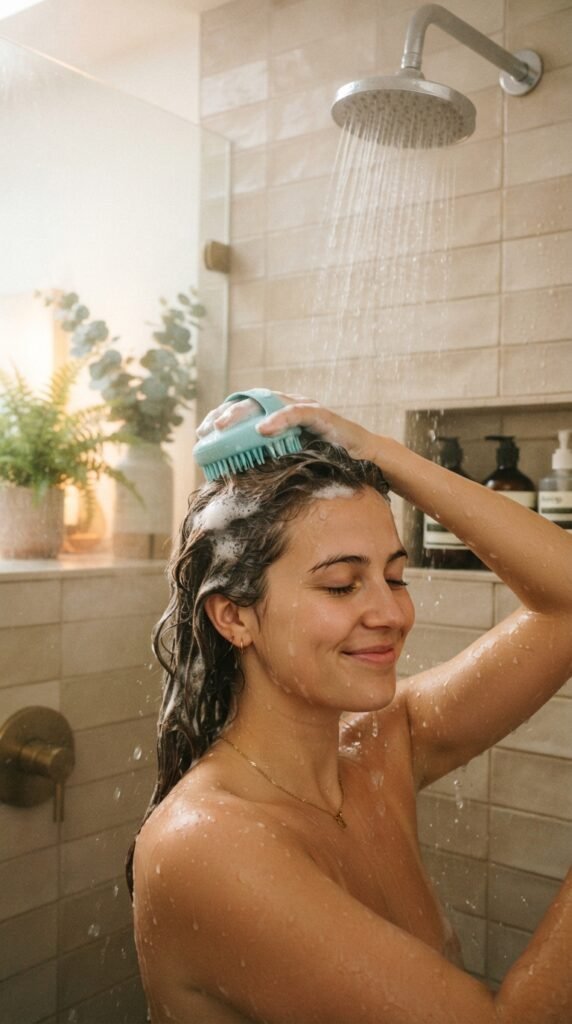
Just like your face, your scalp builds up dead skin cells, product residue, and excess oil. Exfoliating once a week can unclog hair follicles and encourage healthier growth.
You can buy a gentle scalp scrub or make one with brown sugar and aloe vera. Rub it in with your fingertips, then rinse well.
- Removes buildup
- Improves product absorption
- Keeps hair roots fresh
A clean scalp is a happy scalp. It also helps your roots feel lighter, which makes any style—from romantic goth hairstyles to a classic hime cut—look bouncier and fuller.
The Best Natural Ingredients for a Happy Scalp

Nature has some incredible tools for scalp health. Tea tree oil is famous for soothing and balancing. Aloe vera calms irritation. Jojoba oil mimics your skin’s natural sebum.
Look for shampoos or serums that include these. Or make your own simple treatment at home.
- Tea tree oil for refreshment
- Aloe vera for hydration
- Rosemary oil for circulation
- Peppermint oil for a cool tingle
These ingredients are gentle but effective. They support your scalp without harsh chemicals, which means less irritation and fewer reasons for your hair to shed.
How Often Should You Actually Shampoo?

Washing too often strips your scalp, but not washing enough leads to buildup. Finding the right balance depends on your hair type and lifestyle.
For most people, 2–3 times a week is ideal. If you’re active and sweat a lot, you might need more. If your hair is dry or textured, less might be better.
Pay attention to how your scalp feels. If it’s itchy or oily quickly, adjust from there. A consistent routine helps your hair stay strong, so you can enjoy all the 2026 hairstyles without extra shedding worry.
Stress and Shedding Are Closer Than You Think

Stress is one of the biggest hidden causes of hair shedding. When you’re tense, your body focuses on survival, not hair growth. That means more hairs can shift into the shedding phase.
It’s not just big life events. Daily little stresses add up. That’s why calming habits matter.
- Take 5-minute breathing breaks
- Go for a short walk
- Try journaling before bed
- Give yourself more grace
Lowering your stress helps your scalp be calm, and a calm scalp holds onto hair longer. It’s one of the most natural and powerful fixes out there.
Sleep Your Way to Stronger Hair (Seriously)

Your body repairs itself while you sleep, and your hair is part of that. Poor sleep can increase cortisol, which can lead to shedding.
Aim for 7–9 hours of quality rest. Also, consider a satin pillowcase. It reduces friction, so your strands don’t get pulled or broken while you toss.
- Fewer tangles in the morning
- Less friction on your hair cuticle
- Helps keep hairstyles like the vampire haircut intact
Better sleep feeds your scalp with the balance it needs. And waking up with smoother hair is a lovely bonus.
Don’t Skip the Post-Shower Detangle

Wet hair is more fragile. Detangling after a shower can be a disaster if you rush. But doing it gently can actually prevent a lot of shedding.
Apply a leave-in conditioner or a drop of hair oil first. Then divide your hair into sections.
- Start from the bottom
- Hold the section firmly to avoid scalp pulling
- Work upward slowly
This keeps strands intact and reduces breakage. It’s especially important if you love sleek styles like the asymmetrical lob or old money hair.
The Truth About Hair Masks and Excessive Shedding

Hair masks aren’t just for ends. When you apply them to your scalp and roots, they can feed your follicles with extra moisture and nutrients.
But be careful. Some masks are heavy and can clog your scalp if left too long. Always read the directions and rinse thoroughly.
- Choose masks with natural oils
- Use once a week
- Don’t let them sit overnight unless instructed
A good mask can help your scalp stay hydrated and reduce breakage. That means your romantic goth hairstyles and glitchy glam hair look fuller and healthier.
Tight Hairstyles Are a Silent Shedding Trigger

We all love a slick bun or a tight braid. But pulling your hair too tightly stresses the follicle and can lead to something called traction alopecia.
That’s when hair falls out because of constant tension. It’s reversible if you catch it early.
- Loosen your ponytails
- Avoid tight buns every day
- Let your hair down when you’re home
- Alternate between styles
The same rule applies to trendy looks like the vampire haircut. Style it confidently, but don’t let tight elastics become your everyday habit.
How to Choose a Scalp-Friendly Hairbrush
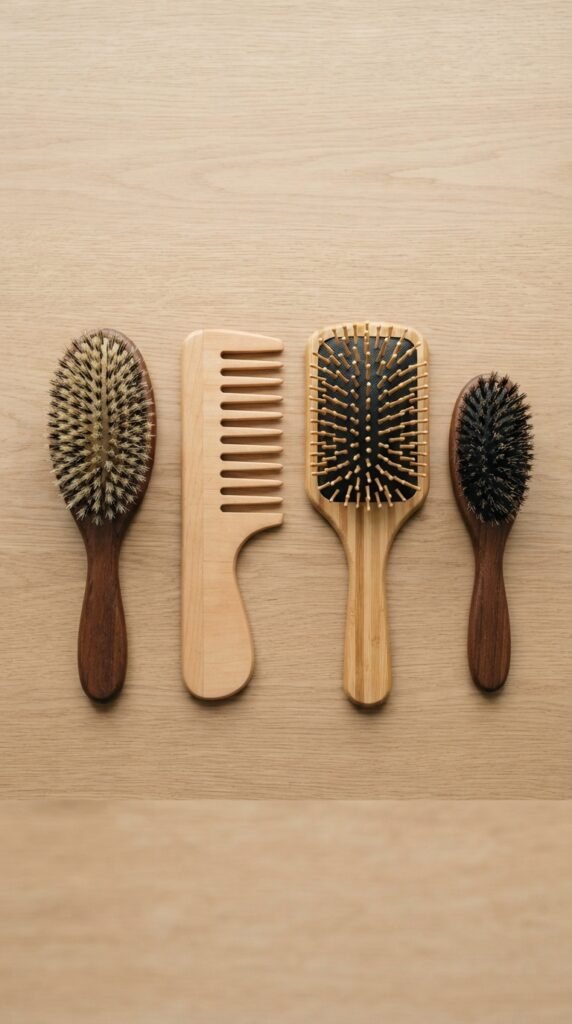
Your brush touches your scalp every single day. The wrong one can tug, scratch, and cause more shedding. The right one can make brushing feel like a mini massage.
Boar bristle brushes distribute your scalp’s natural oils down the hair shaft. Wide-tooth combs are perfect for wet hair. Avoid brushes with sharp plastic ball tips that can scratch.
- Choose soft, rounded bristles
- Use a wide-tooth comb for detangling
- Clean your brush weekly
A good brush keeps your scalp calm and your hair smooth. It’s a small swap that pairs perfectly with old money hair vibes or a quiet luxury bob.
Seasonal Shedding Is Real (Here’s the Deal)

Have you noticed more shedding in spring or fall? That’s totally normal. Seasonal changes can affect your hair growth cycle.
When the weather shifts, your body adjusts. Sometimes that means more hairs fall out than usual. But it’s usually temporary.
- Keep your scalp care consistent
- Stay hydrated
- Protect hair from wind and sun
Understanding this can ease your worry. Your 2026 hairstyles will hold up fine. Just give your body a little extra kindness during these transitions.
Can Your Diet Really Help With Shedding?

Your hair grows from the inside. If your body is low on iron, protein, or certain vitamins, your scalp isn’t getting what it needs. That can lead to extra shedding.
You don’t need a strict diet. Just add more nutrient-rich foods to your plate.
- Eggs for protein and biotin
- Spinach for iron
- Salmon for omega-3s
- Berries for vitamin C
Small changes here can make a noticeable difference. Plus, healthy internal habits help keep that glitchy glam hair shine alive nicely.
Dandruff and Shedding: The Hidden Connection

If your scalp is flaky, it might be cause for more than just embarrassment. Dandruff can inflame your scalp and weaken hair roots over time.
When your scalp is irritated, your hair’s lifecycle gets disrupted. That means more hairs can shed before they should.
- Use a gentle anti-dandruff shampoo
- Wash regularly to control oil
- Avoid scratching your scalp
Treating flakiness helps your scalp settle down. And a calm, healthy scalp means your hair can fully support styles like the hime cut or asymmetrical lob with confidence.
When to See a Professional About Hair Shedding

Sometimes, shedding isn’t just about your daily habits. If you notice sudden bald patches, severe hair loss, or shedding that doesn’t slow down after a few weeks, it’s time to ask an expert.
A dermatologist can check for underlying issues like hormonal imbalances or vitamin deficiencies. Don’t wait until you’re more stressed about it.
- Sudden handfuls of hair
- Scalp pain or redness
- No improvement after routine changes
Seeking help is a form of self-care. It also gives you peace of mind so you can keep enjoying beautiful hair moments, from romantic goth hairstyles to old money hair.
A Simple Weekly Scalp Routine You’ll Actually Keep

Want a routine that doesn’t feel like a chore? Here’s a simple weekly plan that fits into real life.
Once a week, treat your scalp gently with oiling and exfoliating. Every evening, do a two-minute massage. On wash days, use cool water at the end.
- Monday: scalp massage before bed
- Wednesday: pre-shampoo oiling
- Saturday: gentle exfoliation
- Daily: brush gently and don’t sleep with wet hair
That’s it. Small, consistent steps that protect your hair without dominating your time. Your 2026 hairstyles will thank you.
Old Money Hair Starts With a Healthy Scalp
Trendy hairstyles come and go, but healthy hair never goes out of style. Whether you’re into the quiet luxury bob or romantic goth hairstyles, it all starts with your scalp.
Those soft, expensive-looking waves? They’re easier to achieve when your hair isn’t thinning. And a consistent scalp routine builds the base for everything you love.
- Prioritize scalp health
- Keep stress low
- Be gentle with your strands
- Stay consistent
So as we move through 2026 and beyond, remember: the best version of any hairstyle grows from a well-cared-for scalp. That’s the old money secret.
So here we are, at the end of our little chat about shedding and scalp care. I hope you’re feeling a bit more hopeful and way less alone. Because honestly, most of us have been there. The good news is that small daily habits really can make a big difference—no drastic changes needed.
Take one idea from this list and try it tonight. Maybe it’s a two-minute massage or switching to a gentler shampoo. Just pick one and start. Your scalp will notice, and your hair will too.
If this post helped you, save it to Pinterest so you can find these tips anytime. And if you have your own scalp care trick that works wonders, I’d love to hear all about it in the comments. Tell me below—what habit are you going to start with?