How to Style Short Hair When You’re Growing It Out
You took the plunge and got that chic, short haircut. It was fabulous, empowering, and oh-so-easy. But now, you’ve decided to grow it out. Welcome to the awkward stage—that frustrating in-between length where your hair seems to have a mind of its own. It’s too short to tie back neatly, yet too long to fall into its old style. You might find yourself staring in the mirror, wondering if a beanie is acceptable year-round attire.
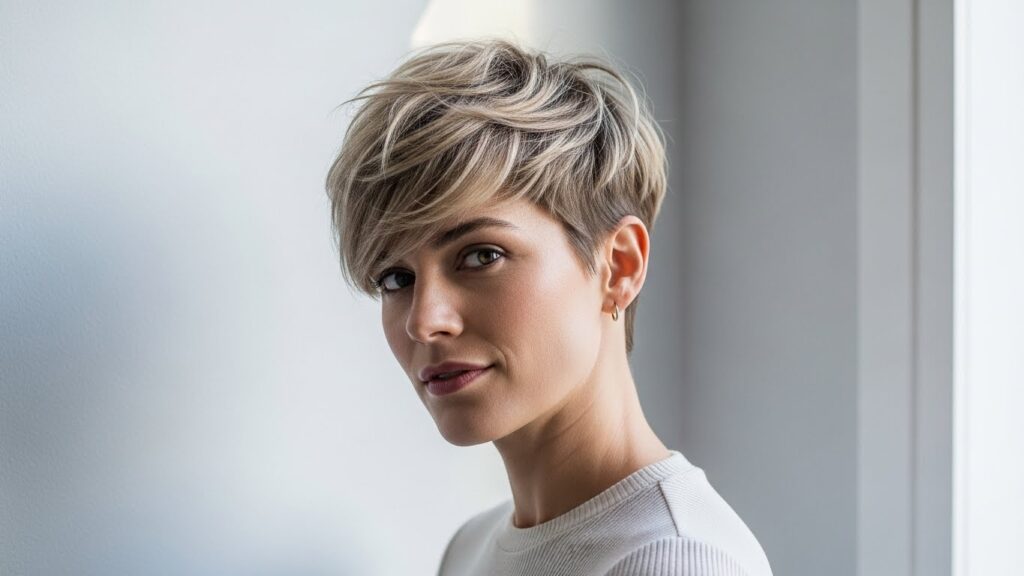
Embrace the Mindset: Growth is a Journey, Not a Race
Before we dive into styling, let’s address the mental game. The desire to just “get it over with” can make the process feel endless. Instead, try to view each new length as a unique style opportunity. What you might see as “shaggy” can be reframed as “effortlessly textured.” The key is to work with your hair’s natural movement and texture, not against it. Patience, combined with strategic styling, will be your greatest allies.
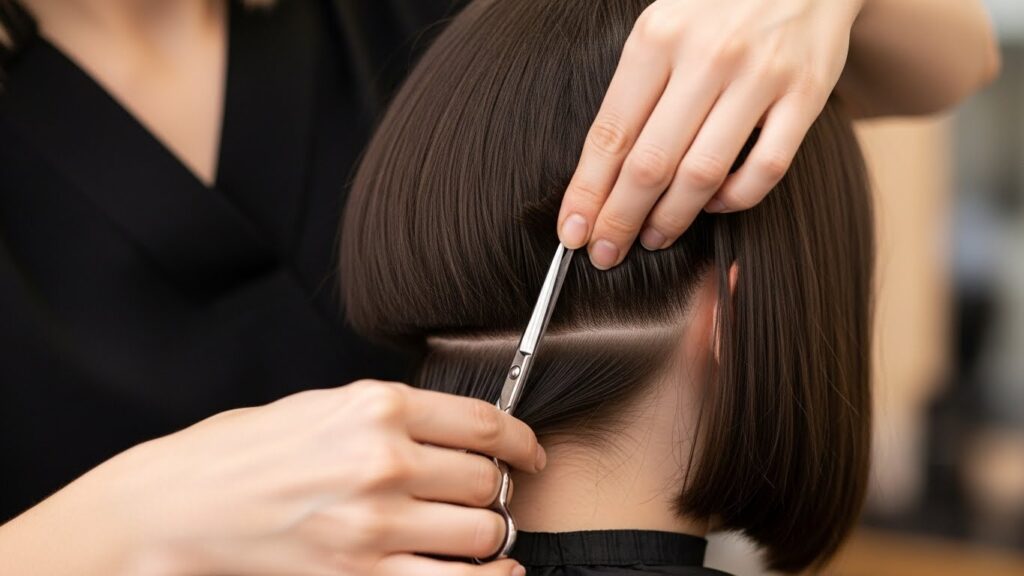
Remember, regular trims are not the enemy of growth. Scheduling micro-trims or shape-ups every 8-12 weeks to clean up the neckline, remove thin ends, and maintain a general shape will actually make the growing-out process look more polished and intentional, preventing the dreaded “triangle head.”
Master the Tools of the Trade
Having the right products and tools is half the battle when styling transitional lengths. Your old routine might not cut it anymore.
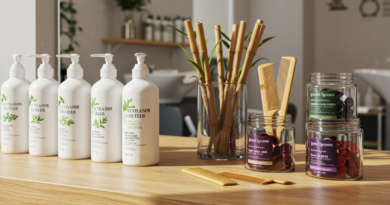
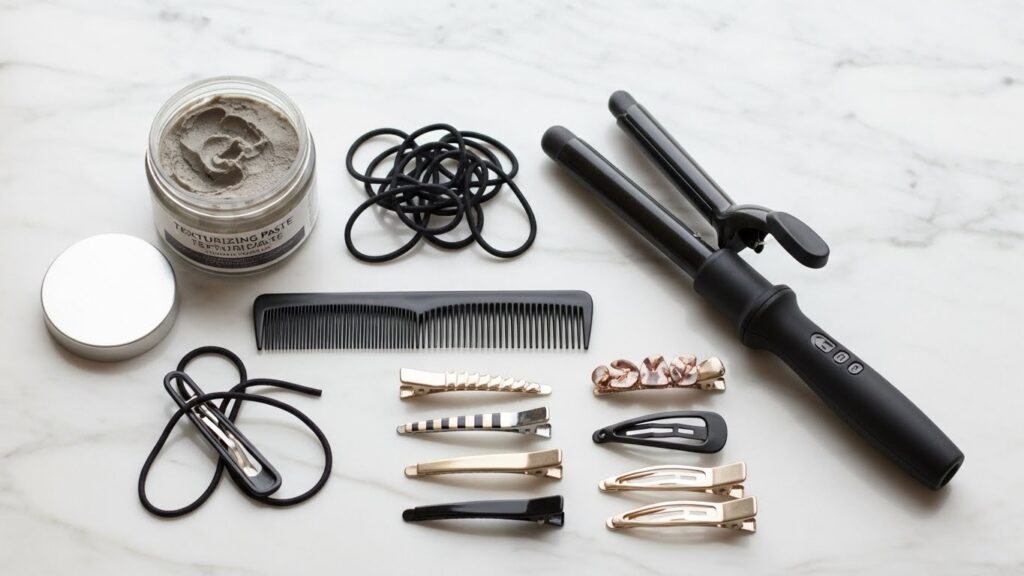
Essential Products: Invest in a good texturizing spray or paste to add grip and separation. A strong-hold yet flexible hairspray is crucial for keeping wisps in place. Sea salt spray can enhance natural wave and create piece-y texture, while a light-hold mousse can provide volume at the roots without weighing fine hair down.
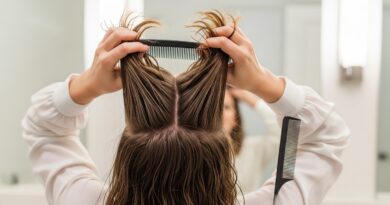
Key Tools: A fine-tooth comb for precise parting and smoothing. Small, quality hair elastics (coiled or fabric-covered) that won’t snag or break shorter pieces. A versatile 1-inch curling iron or wand can create waves for blending lengths. And perhaps most importantly, a collection of statement hair accessories.
Styling Strategies for Every Phase
Now, let’s break it down by approximate length. These styles will help you look put-together at every step.
The Pixie Grow-Out Phase
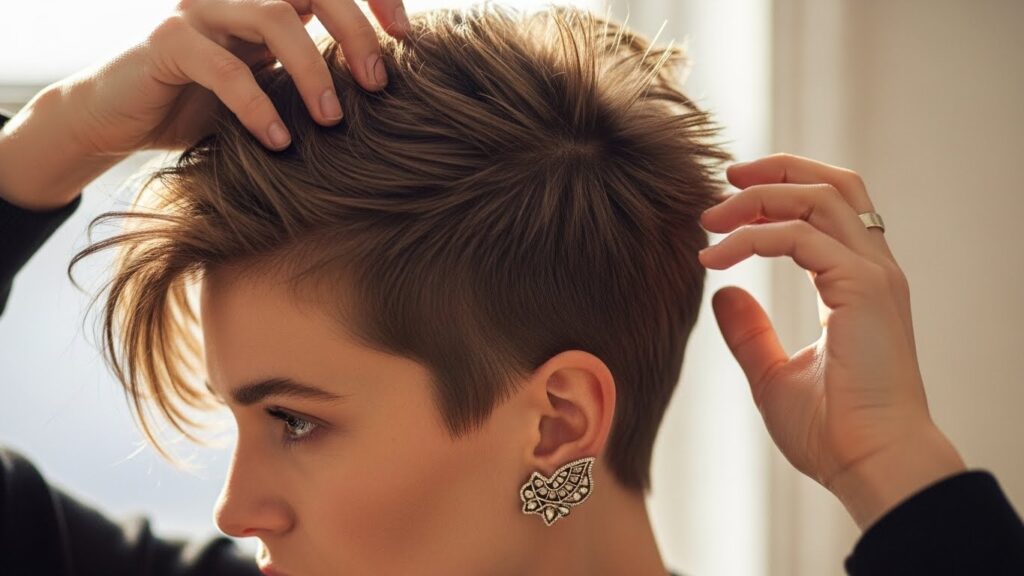
When your super-short cut starts to gain volume on top but the sides and back are still short, play with direction. Use a paste to sweep front pieces to the side for a sleek, side-swept look. Alternatively, create texture and volume on top for a modern, piece-y style. Don’t be afraid to use a tiny bit of product to keep the shorter sides tucked behind your ears. This is also the perfect time for bold earrings to draw attention.
The Awkward “Shag” Phase
This is the most challenging stage: hair is hitting the ears, neck, and cheeks. The goal is to create shape and blend the different lengths. Use a curling iron to add loose, random waves throughout. This disrupts the straight, blunt lines and helps everything mesh together seamlessly. A deep side part can instantly add asymmetry and style. You can also start experimenting with half-up styles, using a small clip to pull back just the front section.
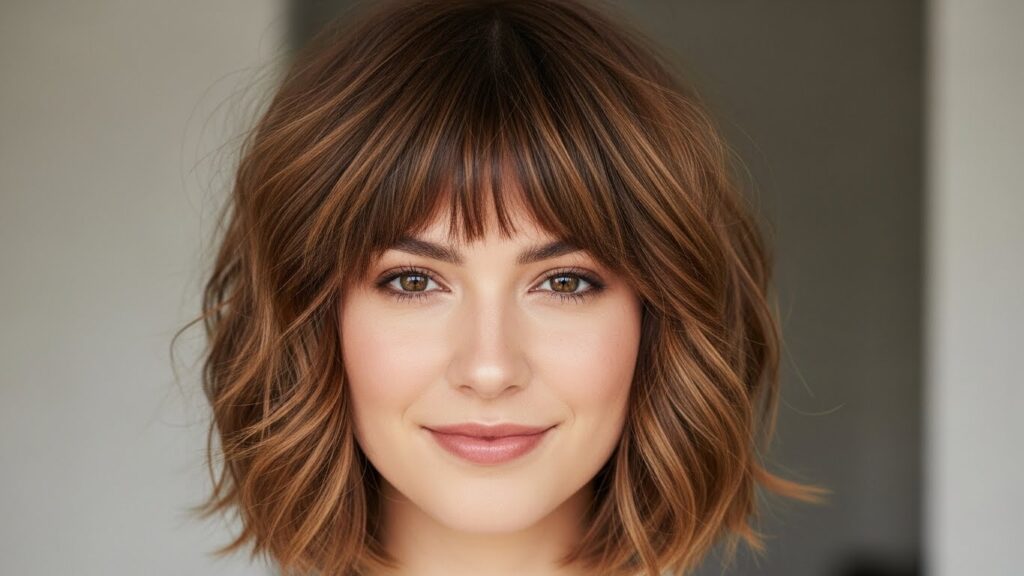
The Bob-Length & Beyond Phase
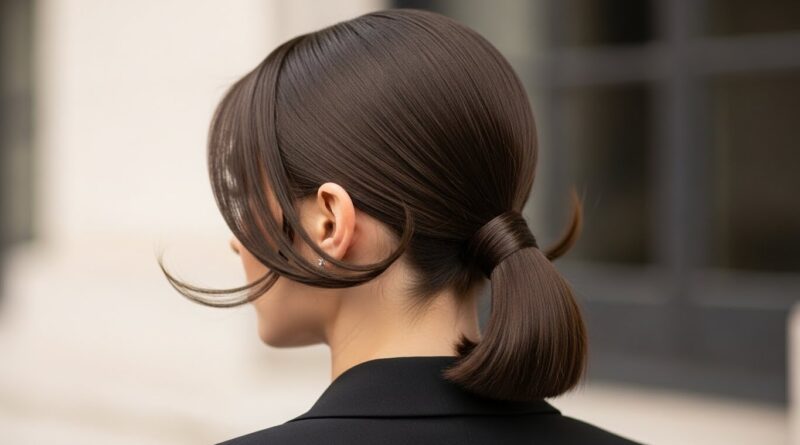
Congratulations! You’ve reached a recognizable length. Now you can play with more classic styles. Create a smooth, sleek bob with a flat iron and shine serum. Or, go for voluminous curls for a retro vibe. A low, loose ponytail (allowing face-framing pieces to fall out) becomes possible. This is also where braids start to enter the picture—try a small French braid along the hairline to keep hair off your face.
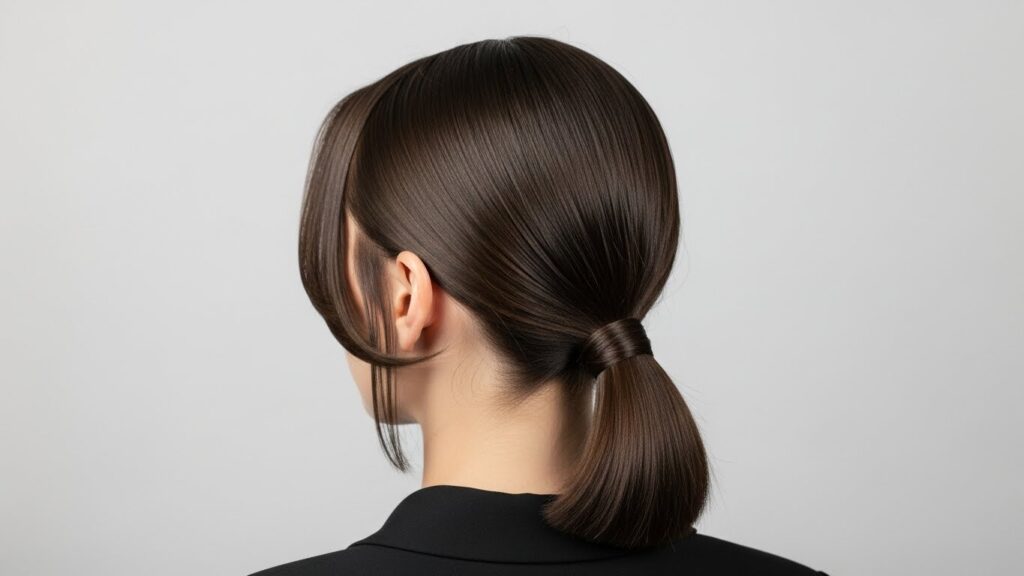
Accessorize Like a Pro
Accessories are the secret weapon for growing out hair. They instantly elevate a simple style and manage unruly pieces.
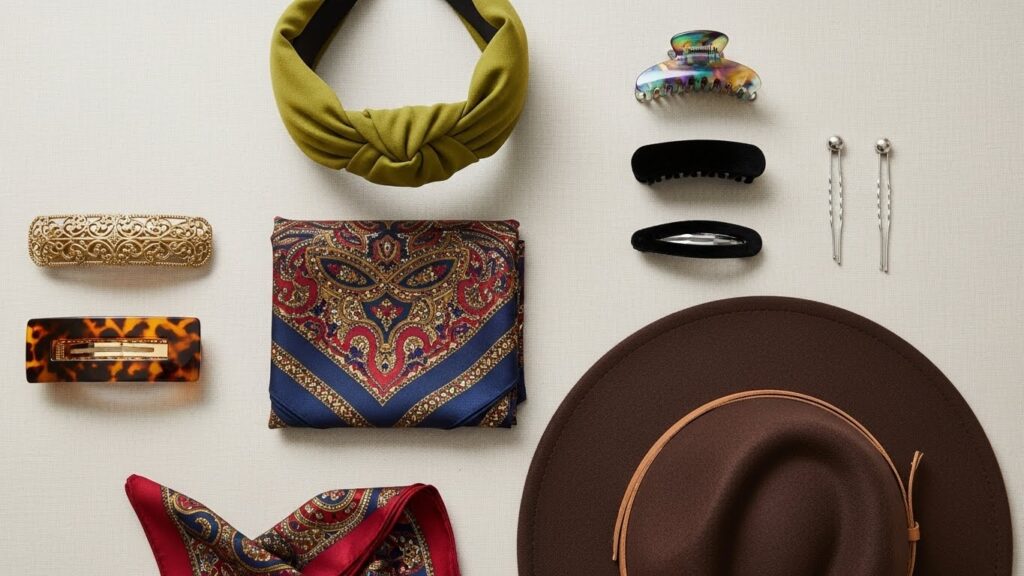
Headbands & Bandanas: Wide headbands can tame a fuzzy hairline. Thin, delicate headbands or silk scarves tied as headbands add a feminine touch and hold back growing-out bangs.
Clips & Barrettes: Don’t just clip hair back—make it a feature. Use multiple small clips in a symmetrical or asymmetrical pattern. A statement barrette gathering a small section at the crown adds instant polish.
Hats & Beanies: On bad hair days, a stylish hat is your best friend. A structured fedora or a sleek baseball cap can look incredibly chic while giving you a break from styling.
Embrace Your Natural Texture
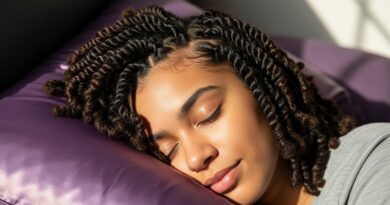
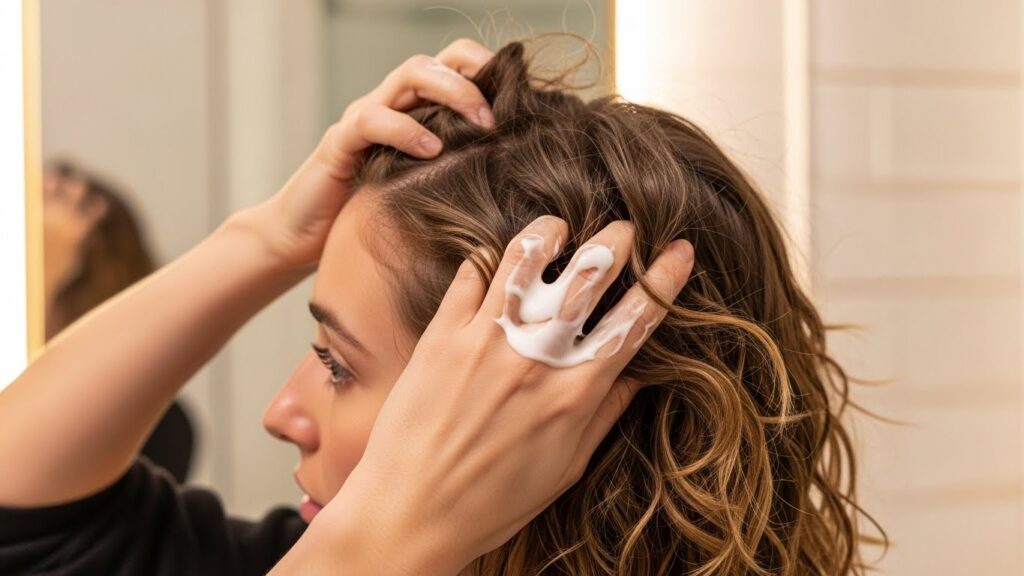
Fighting your hair’s natural texture during the grow-out phase is exhausting. If you have waves or curls, now is the time to learn to enhance them. Use curl-defining creams and diffusers to encourage your natural pattern. The varied lengths will actually create beautiful, layered shape within your curls. For straight hair, focus on sleekness and sharp, angled lines that look intentional.
When in Doubt, Fake It ‘Til You Make It
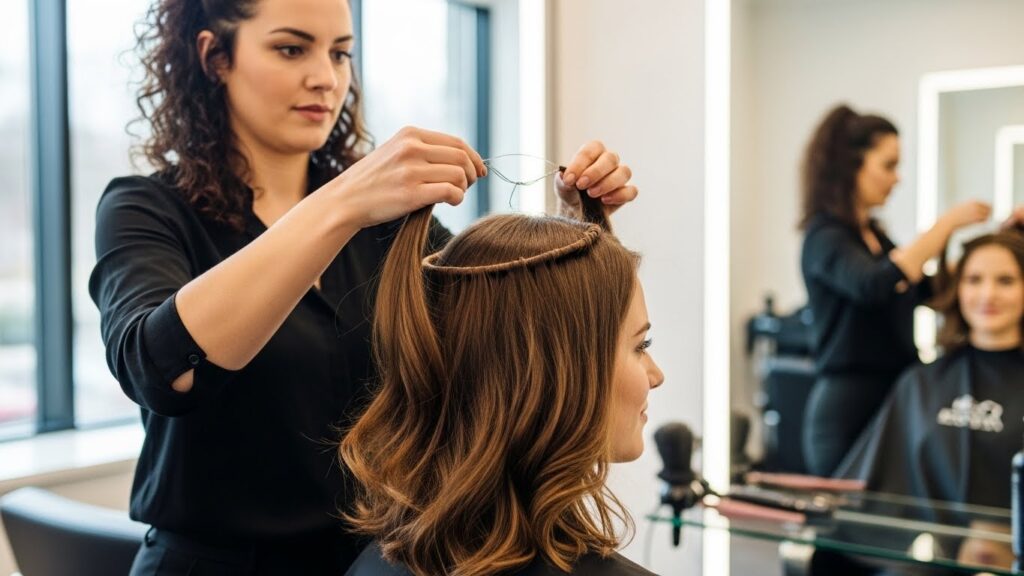
There are clever tricks to create the illusion of longer hair or a more finished style. Hair extensions specifically designed for short hair (like halo extensions or tape-ins placed strategically) can blend seamlessly for special occasions. Strategic coloring, like subtle balayage, can also distract the eye from the length and add dimension that makes styling easier.
Final Words of Encouragement
Growing out your short hair is a test of patience, but it’s also a unique chance to experiment with styles you might never have tried otherwise. Each awkward stage is temporary, and with the tips in this guide, you can navigate each one with confidence. Celebrate the milestones—the first time you can tuck it behind your ear, the day you secure a full ponytail, the moment it brushes your shoulders.
Keep your hair healthy with regular trims and good conditioning, arm yourself with texturizing spray and some cute clips, and remember: every great hairstyle you see on someone with long hair went through this very process. You’re not just growing your hair; you’re cultivating style resilience. Now go rock that in-between length like the trendsetter you are.