How to Transition From Dyed Hair Back to Your Natural Color Beautifully
Let’s be real for a second: deciding to grow out your dyed hair and go back to your natural color is a big deal. It feels like staring at a root-to-tip map of every hair choice you’ve ever made. But here’s the good news—you don’t have to live in the awkward in-between phase. With the right plan, a few smart cuts, and a little patience, you can make this transition look intentional, expensive, and honestly, kind of iconic.
This guide is your best friend for the next few months. We’re going to cover the exact steps to blend, cut, and style your way back to your natural shade without losing your love for having fun with your hair. Think of this as a reset, not a punishment. Let’s get you feeling like the most polished version of yourself, starting with the hair on your head and the confidence in your step.
No panic, no drastic chops (unless you want them). Just a simple, pretty roadmap back to you.
Why the Transition Feels Big (and Why You’re Ready)
Going back to natural is almost a trend now. It’s the ultimate flex in a world full of bleached ends. The “old money” aesthetic is all about quiet confidence, and nothing says that louder than healthy, shiny, untouched-looking hair.
Right now, you might be terrified of the “tortoise shell” look where your dark roots meet your old blonde ends. I promise you, it’s fixable. You just need to shift your focus from the color to the health and shape of your overall look. We are going to make this feel like a luxury makeover, not a chore.
What Exactly Is Your Natural Color Right Now?
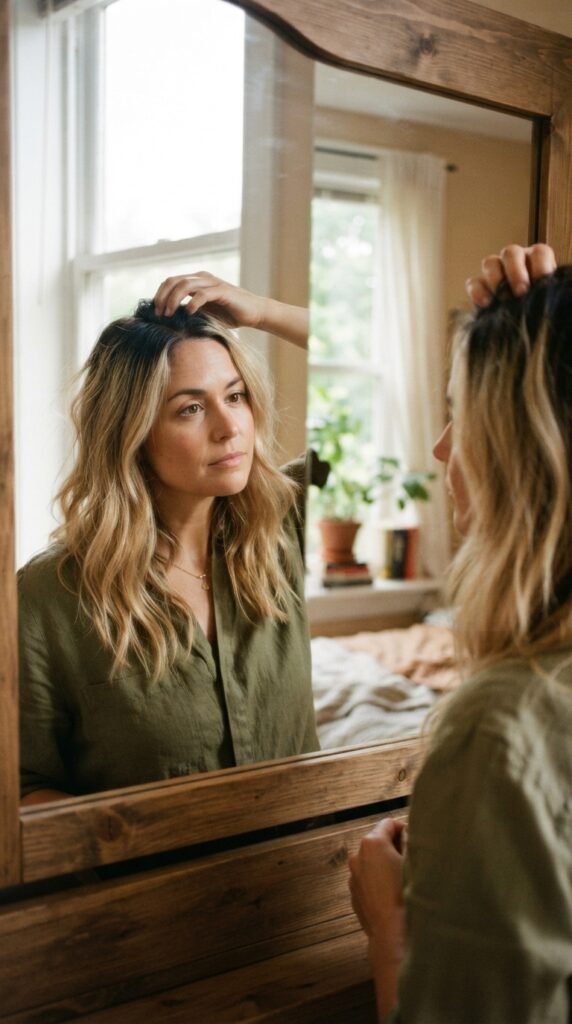
Before you do anything, you have to figure out what you are working with. Take a look at the hair at your nape, near your ears, and in your eyebrows. That is your baseline. It might be darker or lighter than you remember.
This step is all about strategy. If your natural color is close to your dyed color, you are already winning. If it’s a huge jump, don’t worry. We just need to build a bridge between the two shades. Grab a hair tie and let’s assess your “virgin” hair before you book any appointments.
The Mindset Shift: It’s a Glow-Up, Not a Give-Up
I need you to stop saying “I’m letting it grow out” like it’s a punishment. You are choosing a new look. You are moving toward a cleaner, sleeker version of yourself. That is a glow-up.
Think about the “quiet luxury” vibes for 2026. It isn’t about flashy dye jobs anymore. It’s about shine, movement, and the health of your hair. When you walk into a room, people should notice your hair’s vitality, not the specific color formula. Let’s stop mourning your old dye job and start celebrating the fact that your hair is about to be the healthiest it’s been in years.

Your Emergency Color-Correction Kit
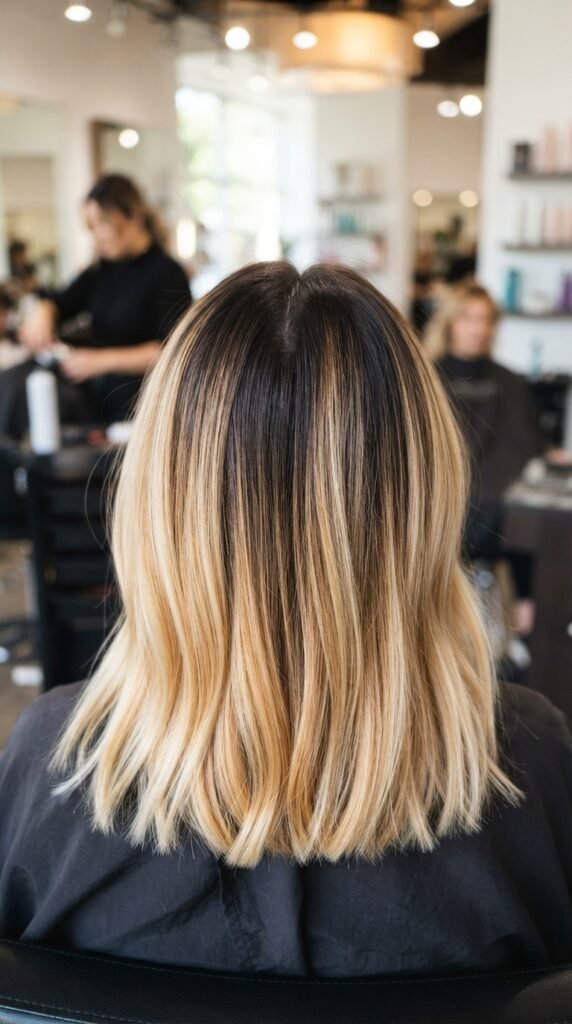
Okay, first things first. You need to manage the line of demarcation. That harsh line where the dyed hair meets the natural hair is your enemy. The fix is a gloss or a semi-permanent color treatment that matches your natural root color.
This doesn’t lift or damage your hair. It just coats the blonde and the regrowth with a sheer tint. It won’t be a perfect match, but it will blur that hard line instantly. This is the fastest way to make your hair look intentionally two-toned. You don’t need a full box of dye; just ask your stylist for a “shadow root” gloss.
The Root Melt: The Dreamy In-Between
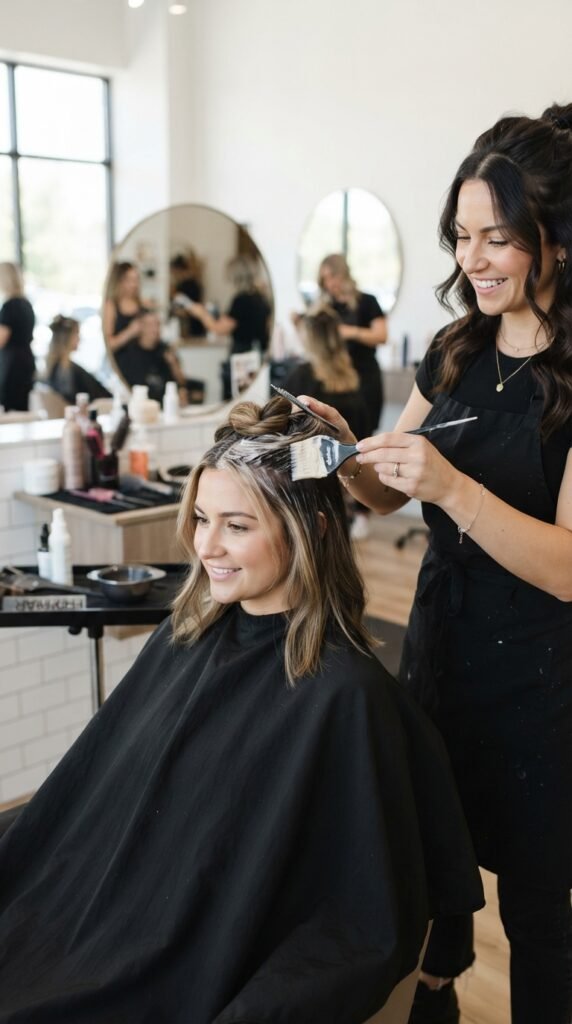
If jumping straight to your natural color is too scary, get a root melt. This is a technique where your stylist blends your natural root color down into the lighter ends. It’s a soft gradient that looks stunning on absolutely everyone.
This gives you that “expensive” grow-out look. It’s perfect if you aren’t ready to chop off all the length yet. The melt will buy you six months of grow-out time without the harsh contrast. It feels like a stylish haircut on its own, even though it’s just a color service.

Growing It Out with Strategic Lowlights
Lowlights are your secret weapon. Instead of adding more lightener, you are threading in shades darker than your current base. This immediately makes the hair look more multi-dimensional and blends the regrowth.
Ask for chunky pieces of your natural color woven through the dyed parts. It creates depth and tricks the eye. This is a classic tactic used by models who have to switch from wigs back to their real hair. It keeps the transition looking fresh, not messy.
The “Old Money Hair” Strategy That Saves This Whole Process
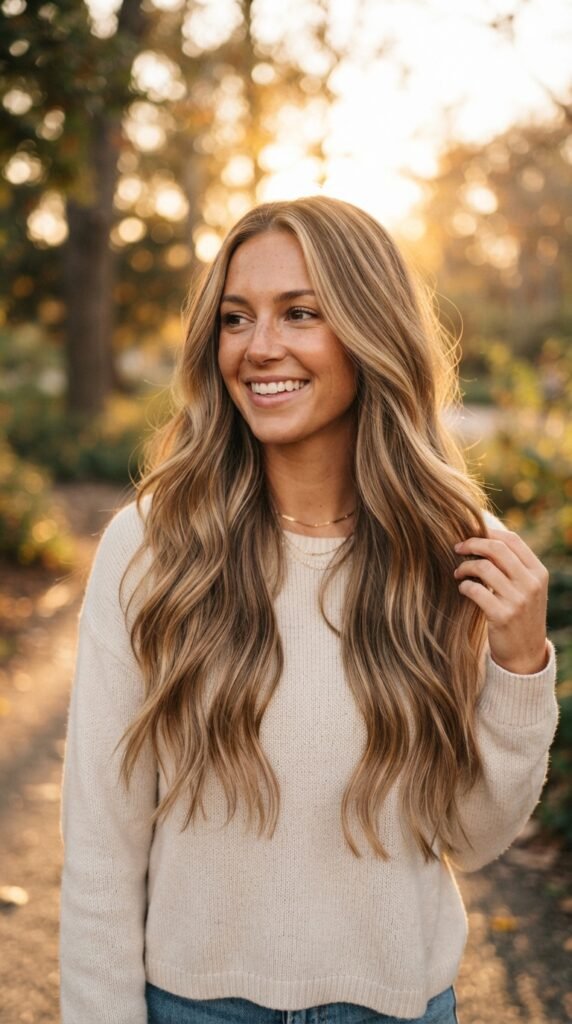
If you want to embrace the 2026 vibe, you need to focus on shine. “Old money hair” isn’t thick, bouncy curls. It’s sleek, glossy, and on the longer side. When your hair is in transition, shine becomes your makeup.
Invest in a good hair oil and a boar bristle brush. Brushing your hair daily distributes that natural oil from your scalp down to the dry ends. It makes the old dyed parts look healthier and the new roots look intentional. Shine takes the focus off the color and puts it on the quality of your hair.

The Quiet Luxury Bob: The Ultimate Reset Button
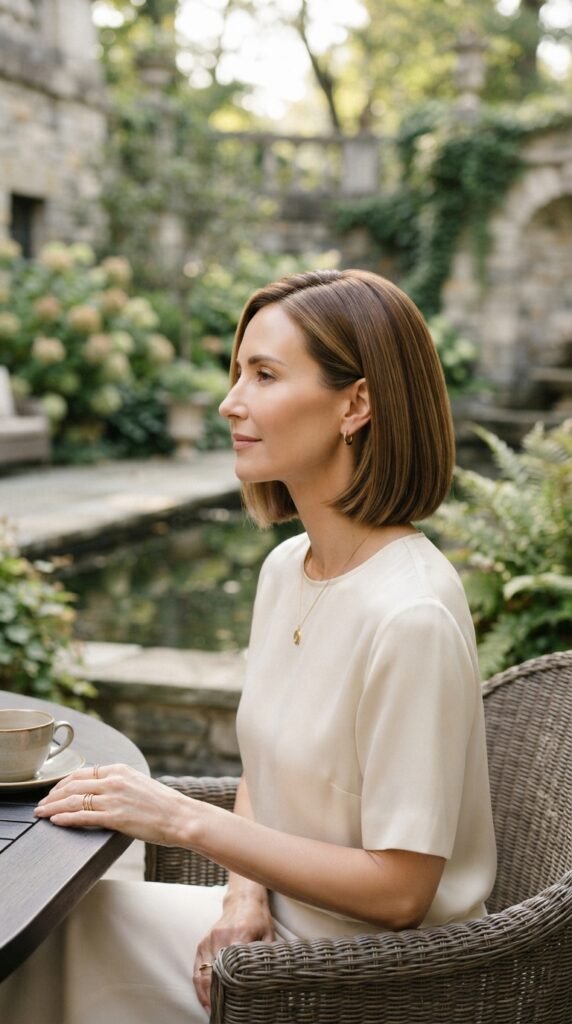
Sometimes, the fastest way to beautiful is to take a little bit off. If your dyed ends are looking tired, the “quiet luxury bob” is your best friend. It’s that rounded, jaw-length cut that screams elegance without trying too hard.
Cutting off a few inches gets rid of the dead, over-processed ends and instantly makes your natural regrowth the star of the show. It feels lighter, and it looks chic with a simple black turtleneck. If you want to rush the process of getting to virgin hair, this cut is the fastest way to feel like a new person.
The Asymmetrical Lob: A Chic Transitional Cut
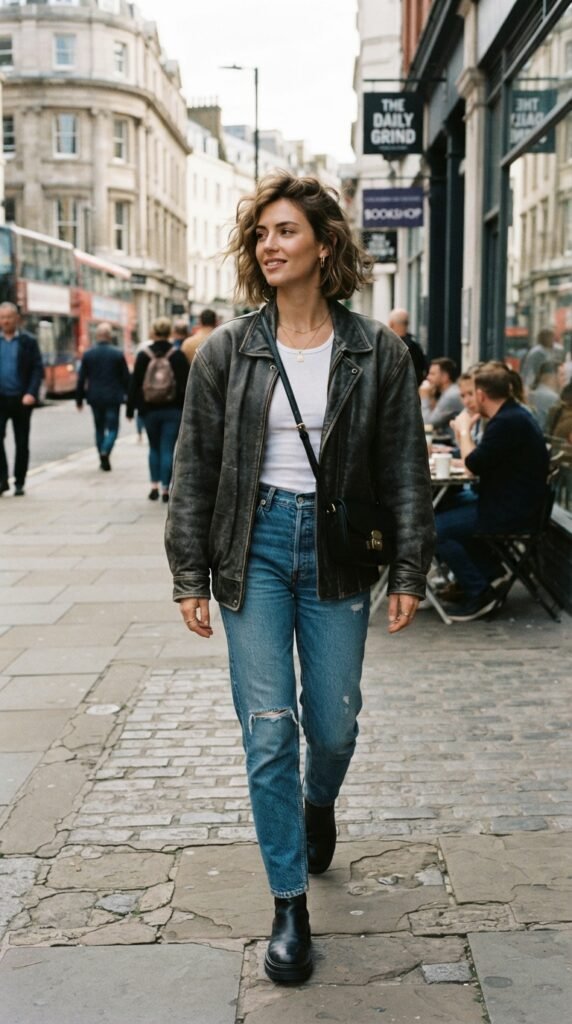
Not ready to go short? Try an asymmetrical lob. This cut is slightly longer in the front and shorter in the back. It’s a modern, edgy style that gives your hair a lot of movement, which is key for distracting the eye from harsh growth lines.
This cut works wonders because it lightens the weight of the hair. When hair is weighted down, the difference in texture between natural and dyed hair is more obvious. The lob encourages a natural wave, which blends everything together beautifully. It feels like you got a huge makeover, even though you just evened up the ends.
Add Low-Maintenance Face-Framing Highlights
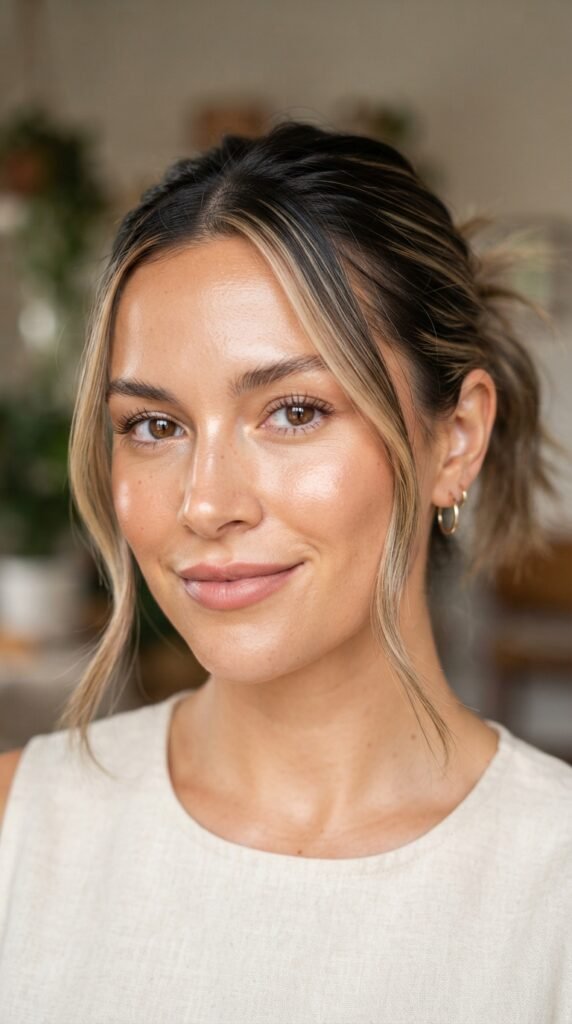
Another trick to ease the grow-out is to bring some brightness up to the front. Instead of keeping all the color on the ends, ask for subtle, thin face-framing highlights around your hairline. This mimics the look of sun-kissed hair and softens the contrast.
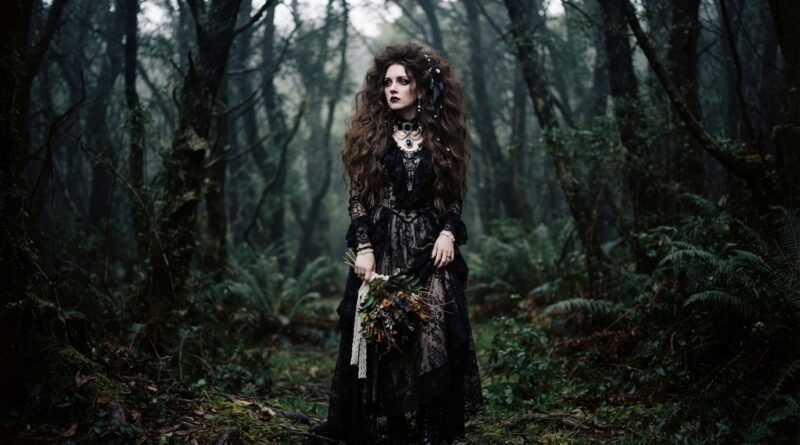
This is a move straight out of the “romantic goth” playbook—it adds a softness that feels almost ethereal. These highlights brighten your face and make you look wide awake. They blend seamlessly with your natural root color as it grows in, meaning you won’t have to rush back to the salon.
When to Try the Hime Cut as a Bold Pivot
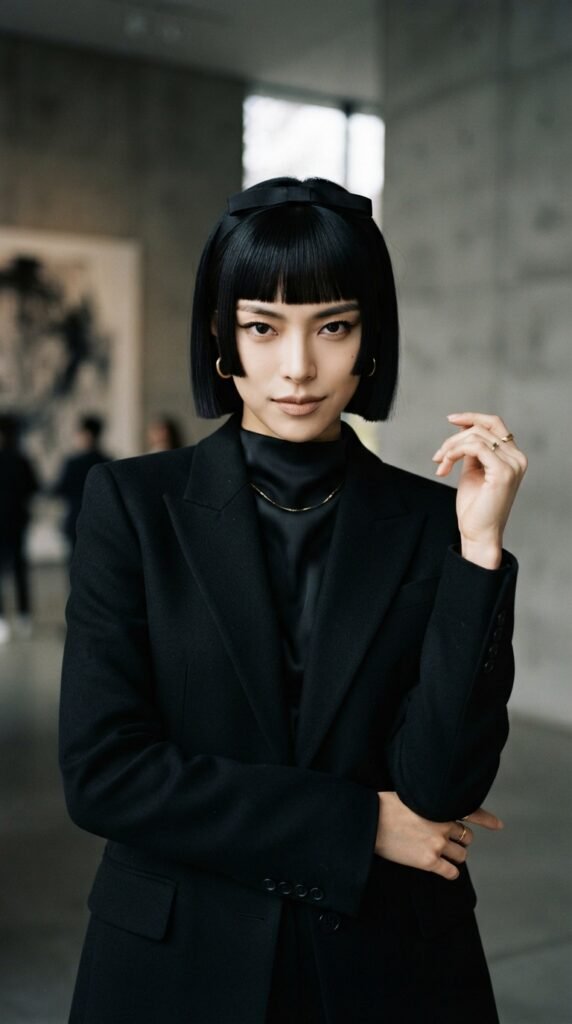
If you have straight hair and you are feeling a little wild, look at the Hime cut. It features blunt bangs and short, curved layers framing the cheeks. It’s a statement style that instantly changes your entire look.
The magic here is that the cut is so sharp and intentional that nobody cares about your root shadow. It’s a 2026 hairstyle that turns your head into a sculpture. If your natural color is dark, the Hime cut looks striking. It’s a way to embrace the contrast rather than hide it.
The Vampire Haircut Is Surprisingly Perfect for This
Let’s talk about the viral “vampire haircut.” Despite the scary name, it’s actually just a shape that hugs the face with lots of framing layers. It’s perfect for growing out color because the layers remove bulk and increase movement.
This style separates the face from the hair color. You focus on the shape of the haircut, not the pigment of the strands. It gives you a mystical, cool-girl aura. If you love the “romantic goth” aesthetic with dark, flowing hair, this cut bridges the gap between your old highlights and new growth flawlessly.

Romantic Goth Hairstyles Help You Embrace the Shadows
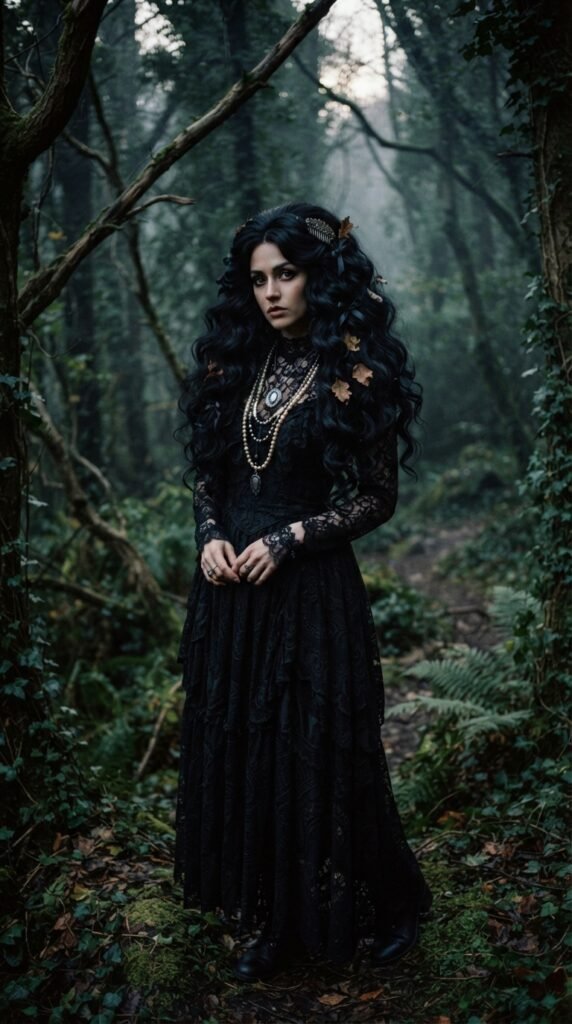
If your natural color is pulling cool and dark, lean into the “romantic goth” vibe. This trend relies on deep, rich tones with a touch of pink or red undertones. It’s all about texture and volume.
Instead of trying to warm up your hair to match a blonde you used to have, you can make it look intentionally moody. Use a texture spray to create soft, undone waves. It’s the “I woke up like this” aesthetic, but on purpose. It’s proof that your natural hair can be just as exciting as any bleach job.
Glitchy Glam Hair: For When You Want a Fun Distraction
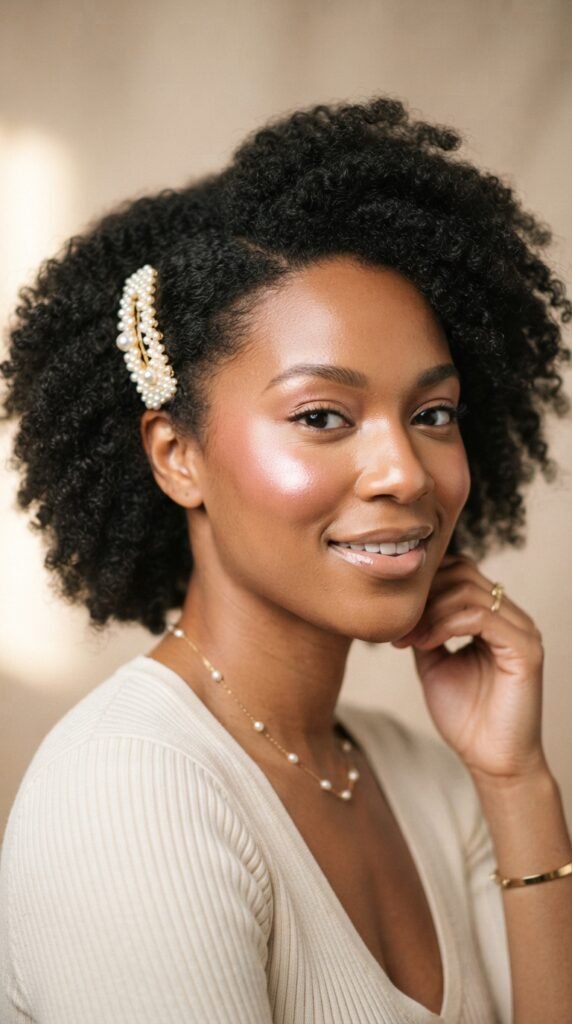
You don’t have to be boring while you grow out your color. The “glitchy glam” trend involves subtle, iridescent shimmer or glass-like hair accessories. These reflect light and create dimension without dye.
When you wear a glittering hair clasp or a sheer scarf, people look at that. It gives you a fun styling option while you are waiting for moisture to return to your ends. It’s the perfect way to maintain your personal style while your natural color takes center stage.
Don’t Forget 2026 Hairstyles Are All About Texture
In 2026, we are moving away from pancake-flat hair. Texture is everything. To make a transition work, you need to introduce a wave or a curl into your routine. A curling iron is your best friend during this phase.
Adding waves hides any harsh lines between your natural and processed hair. It creates a softness that makes a missed appointment look intentional. Air-dry creams and mousses are essential here. I promise, a messy wave can make two different colors look like a high-fashion choice.

Weekly Masks Are Non-Negotiable (Here’s the Routine)
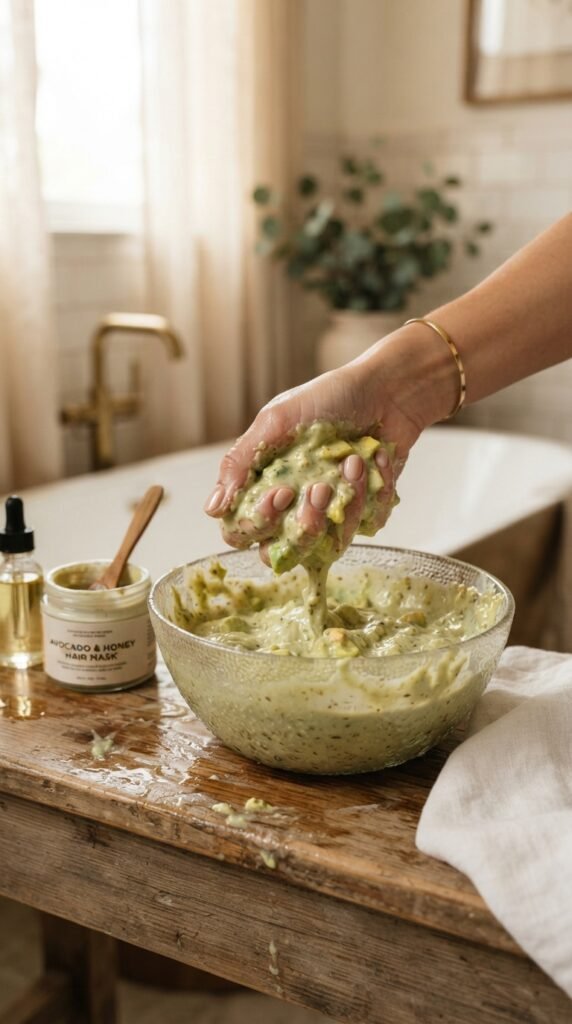
The biggest issue with dyed hair is that it’s porous. The ends might be acting like a sponge and drinking up all the moisture, leaving them feeling like straw. You have to repair this from the inside out.
Once a week, apply a deep conditioning mask to damp hair. Focus on the mids to ends. Here is the routine: Wash your hair, squeeze out the water, apply the mask, clip your hair up, and put on a shower cap for 20 minutes. Rinse with cold water. Your hair will feel bouncy, and the color will look richer immediately. This is the key to making your natural hair shine just as bright as your dyed hair.
The Shower Ritual: Purple Shampoo, Cold Rinses, and Patience
If you have blonde remnants, purple shampoo is still your friend for a little while. Use it twice a month to keep the old blonde from going brassy while they get trimmed off. It will keep the ends looking cool and fresh while the dark grows in.
Also, start ending your showers with a cold rinse. It seals the cuticles, locking in shine and moisture. This makes a huge difference in how light reflects off the old and new hair. It’s a simple habit that pays off in softness dividends.

Make Peace with the Ponytail, Bun, and Slicked-Back Look
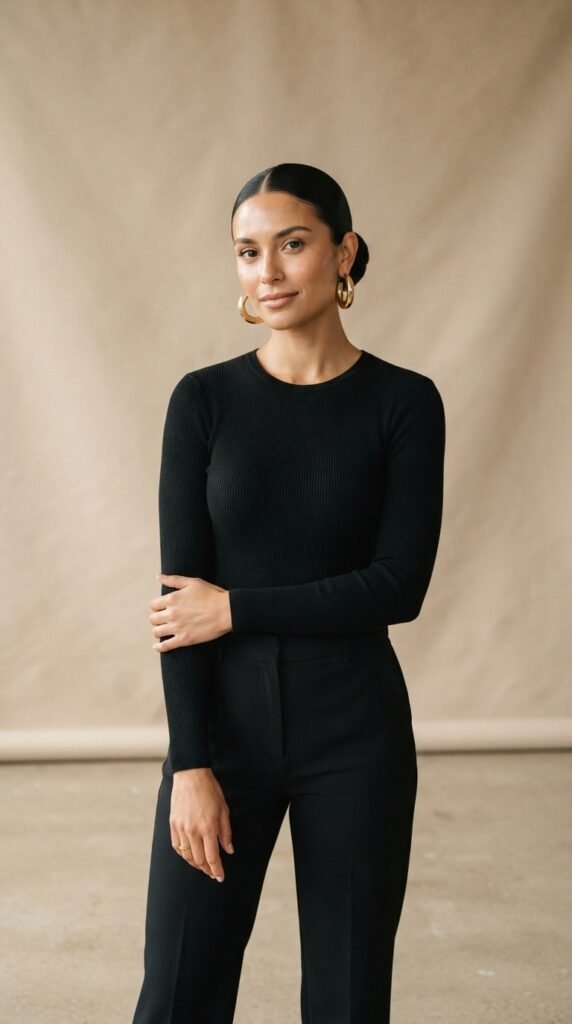
There will be days when the contrast is annoying you. That’s fine. That is the day you put your hair in a slick, tight bun or a low ponytail. This is a massive trend right now for a reason—it looks expensive.
The slicked-back style completely hides the in-between phase. It looks like you are doing it on purpose. To achieve it, smooth your hair back with a gel or a mousse and tie it tightly. Finish with a spritz of hairspray so the flyaways stay down. You will look like you are heading to a fashion week show, not hiding from anyone.
The Final Snip: Celebrating Your Virgin Hair
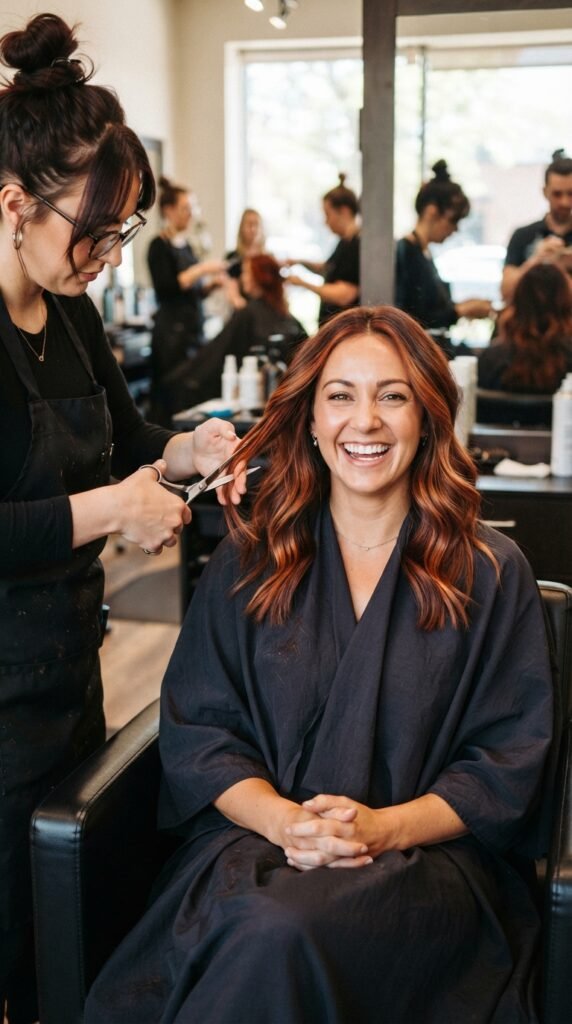
The finish line is closer than you think. You will reach a point where the dyed ends are so far down that you could almost cut them with scissors at home. Don’t. Book that salon appointment.
When you finally trim off the last bit of old dye, it is a cause for celebration. You have officially returned to your “virgin” hair. This is the perfect moment to get a “vampire haircut” or a “quiet luxury bob” as a reward. It’s the end of the road and the start of a healthier, cheaper hair routine.
A Quick Note on Products That Actually Help
You don’t need to buy 20 new products, but there are a few heroes you should invest in. A great heat protectant is non-negotiable since you will be using heat to style the awkward phases. Look for a bond-building treatment—think of it as a skincare serum for your strands.
Also, switch your hair ties from tight elastic to silk scrunchies. They prevent breakage and save your edges. These small swaps make a huge difference in the health of your hair. You will find that your hair grows faster when you aren’t dealing with breakage—it’s all about retention.
—
So there you have it. The journey back to your natural hair isn’t a march of shame—it’s a walk of pride. You are taking back control of your hair’s health, and that is something to be excited about. Remember to use the cuts, the melts, and the texture tricks we talked about to make every stage look intentional and stunning.
I really hope this guide gave you the confidence to give your roots a chance. There is so much beauty in authentic hair, and I know you are going to love it once you get there.
**Save this post to Pinterest** so you can come back to these tips on the days you feel like giving up. And in the comments, tell me: what is your natural hair color, and are you excited to see it again? Let’s hype each other up!