I Ditched Sulfate Shampoo and My Colored Hair Stopped Fading So Fast
I used to watch my color fade after just two or three washes. Every shower, a little more of that pretty pink slipped down the drain. I honestly thought it was just how colored hair worked.
Then I made one switch. I stopped using sulfate shampoo.
It turns out sulfates are the sneaky culprits behind fast-fading color. They’re harsh detergents that strip way more than just your scalp. Within a few weeks, my color looked fresher, my hair felt softer, and I wasn’t crying over my salon bills.
Here’s the thing: I’m not a scientist or a hair guru. I’m just a girl with expensive color who found a practical fix. If you want your color to last, keep reading. This is everything I learned.
Why My Colored Hair Was Fading So Fast
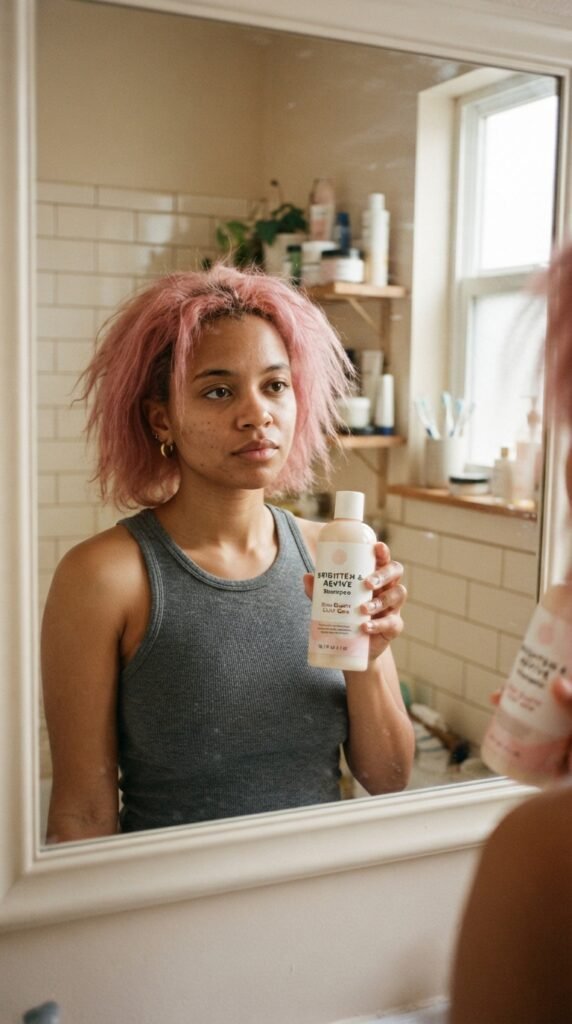
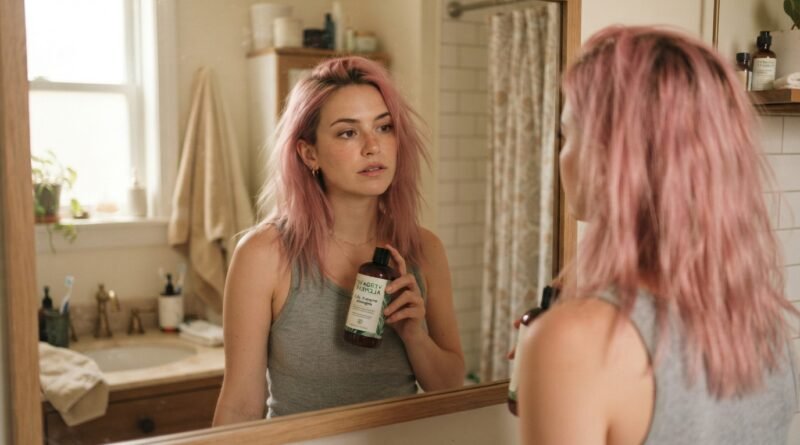
Every time I washed my hair, it felt like I was watching my money disappear. The water would turn pink, and I would die a little inside. My stylist would say, “Your color looks good!” and I knew it wouldn’t last the week.
I tried cold water. I tried dry shampoo. I even tried washing less often. But the real problem was hiding in my shampoo bottle.
Sulfates are the foam-making ingredients in most shampoos. They create that satisfying lather, but they’re aggressive. They open up the hair cuticle and literally lift color right out. My color was clinging for dear life, and I had no idea I was sabotaging it every single wash.
What Sulfates Actually Do to Color-Treated Hair
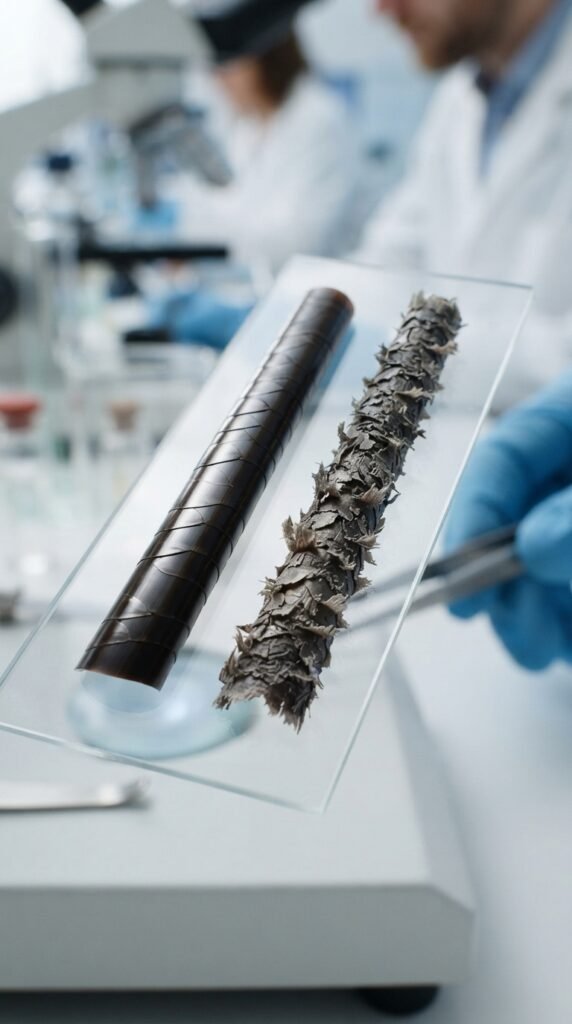
There are two types of ingredients you need to know: sulfates and surfactants. Sodium lauryl sulfate (SLS) and sodium laureth sulfate (SLES) are the most common ones. They’re great at removing oil and product buildup, but they don’t discriminate. They strip everything.
For colored hair, this is bad news. Your cuticle is already lifted during the coloring process. Harsh sulfates open it further, letting the color molecules escape. Think of it like washing a painted wall with bleach.
That’s why switching to sulfate-free wasn’t a luxury for me. It was a necessity.
The Moment I Decided to Ditch Sulfates
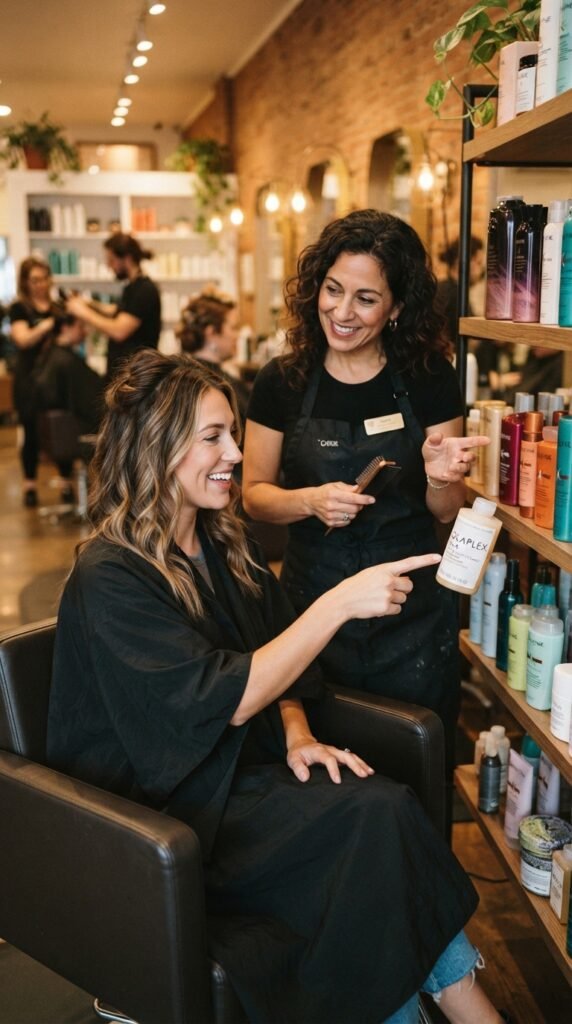
I will never forget the exact moment. I was sitting in the salon chair, staring at my grown-out roots and faded ends. My stylist asked, “What shampoo are you using?”
I listed my usual routine. She just shook her head and said, “Honey, that’s your problem.” She explained that sulfates were undoing all her work. I felt so dumb, but also so relieved.
That night, I went home and checked every bottle I owned. Three had sulfates near the top of the ingredient list. I tossed them all. This was the beginning of my color-saving journey.
How I Found the Right Sulfate-Free Shampoo
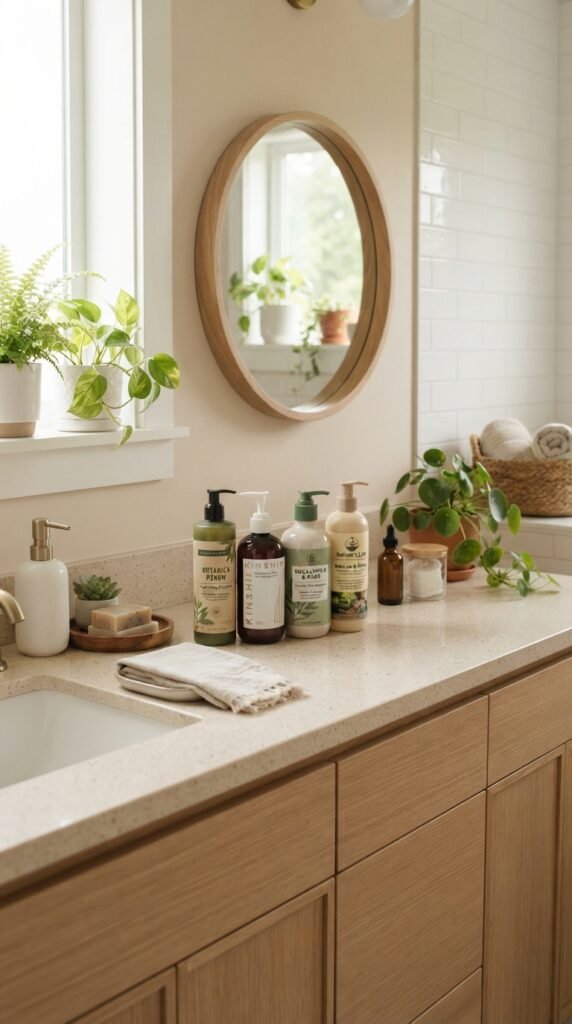
I know how overwhelming it feels to stand in the hair care aisle. Every bottle claims to be “gentle” or “safe for color.” So I made a simple checklist for myself:
- Look for shampoos labeled “sulfate-free” on the front.
- Check for gentle cleansers like sodium cocoyl isethionate or cocamidopropyl betaine.
- Avoid anything with SLS or SLES in the first five ingredients.
My first pick was a drugstore brand that I loved. It didn’t foam as much, but my hair felt clean. Give yourself time to find your perfect match because it’s a very personal thing.
The First Week Without Sulfates
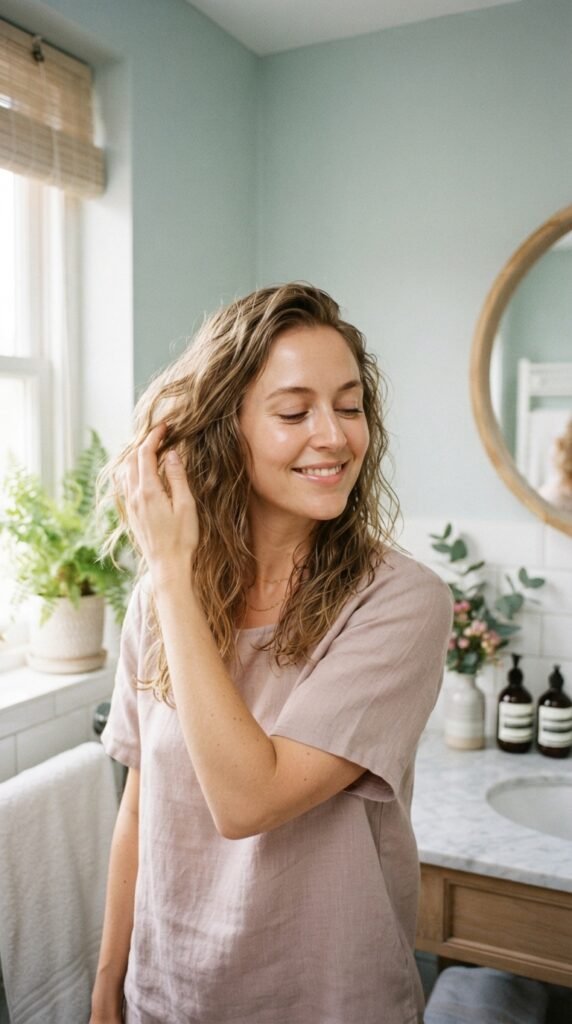
I’m not going to lie, the first week was a little weird. My hair felt different, almost squeaky in a new way. I noticed my scalp didn’t dry out as quickly, and I needed way less conditioner than before.
Here’s what surprised me the most: my hair didn’t get greasier. I expected an oil slick, but my scalp was adjusting quickly. I also washed less often because my hair stayed fresh longer.
If you’re in that first week, hang in there. Your hair is detoxing from years of harsh cleansing. It just takes a minute for your scalp to rebalance.
Week Two and Three: What Changed
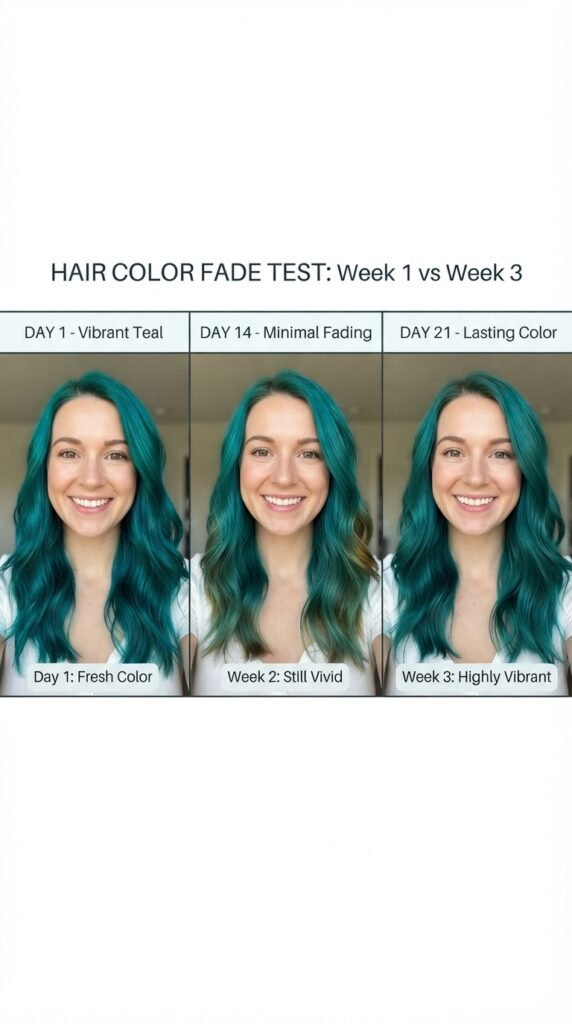
The real changes started in week two. My hair felt softer, but more importantly, my color stopped running. The water was clearer after each wash. My blonde highlights looked brighter, and my pink pieces stayed pink.
By week three, I noticed my hair had more movement. It wasn’t weighed down, and my natural wave came out easier. Friends started asking if I had gotten a fresh gloss.
I love honesty, so I will say this: sulfate-free won’t work magic overnight. But within a month, I saw a noticeable difference. That’s what kept me going.
Does Sulfate-Free Shampoo Still Clean Your Hair?
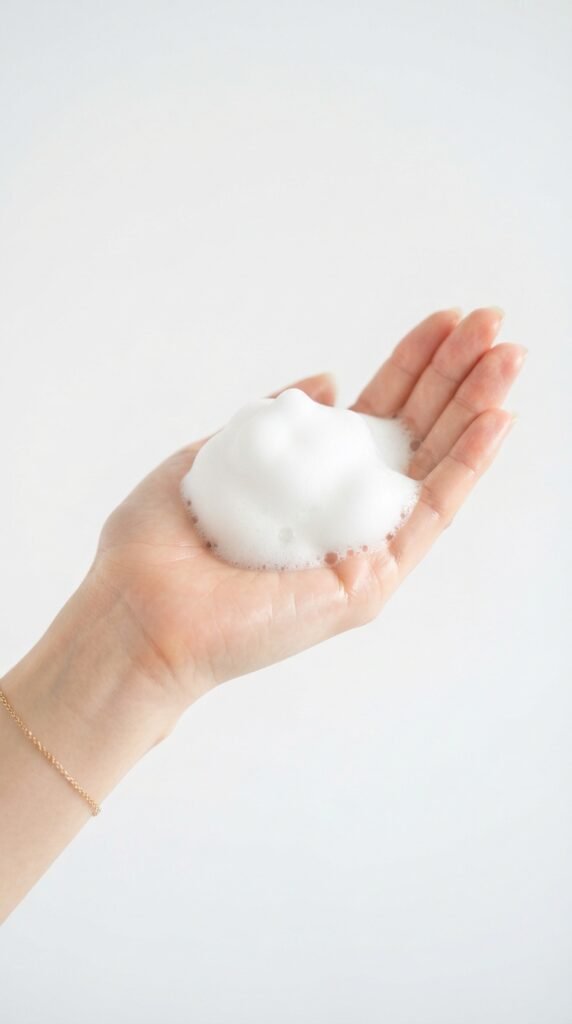
This is the question I get all the time. People worry that sulfate-free means not clean. It took me a while to trust it, but yes, it still cleans your hair.
Sulfate-free shampoos use gentler surfactants to remove dirt, sweat, and oil. They just do it without stripping your natural moisture. Your hair doesn’t need to feel squeaky clean to be clean.
The biggest change is in your scalp. When I stopped stripping my scalp, my oil production balanced out. I actually go longer between washes now, and my hair feels healthier.
My Current Wash Day Routine
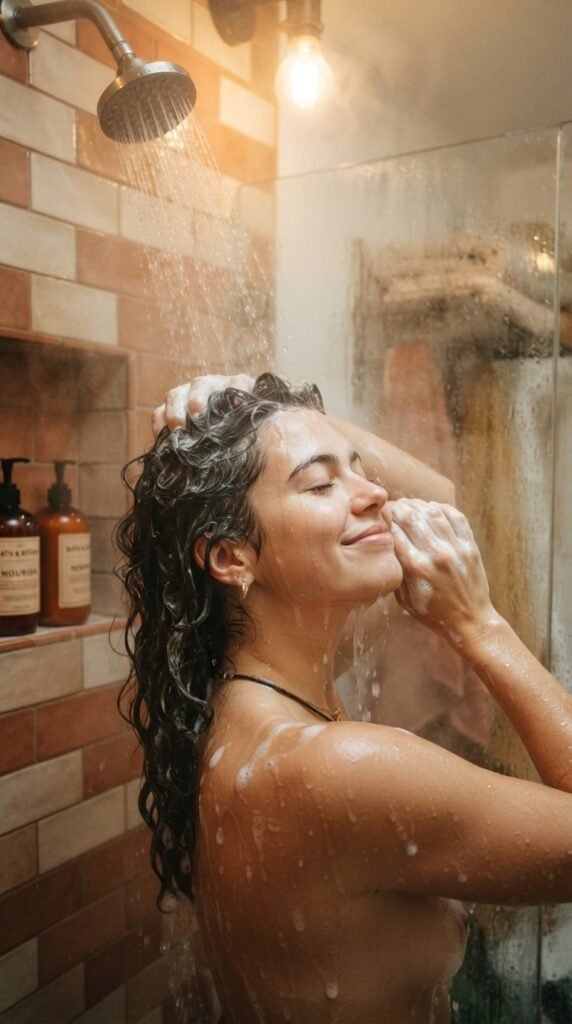
I keep my routine simple because I’m not a dermatologist. I wash my hair every three to four days. I focus the shampoo on my scalp and let it run through my ends.
Then I use a color-safe conditioner, mostly on the mid-lengths to ends. I never skip a heat protectant, and I try to let my hair air dry when possible. A couple times a month, I use a bond repair treatment.
Here’s my golden rule: less product, better product. You don’t need a ten-step routine for healthy hair. You just need the right basics.
How This Helped My Color Last Longer
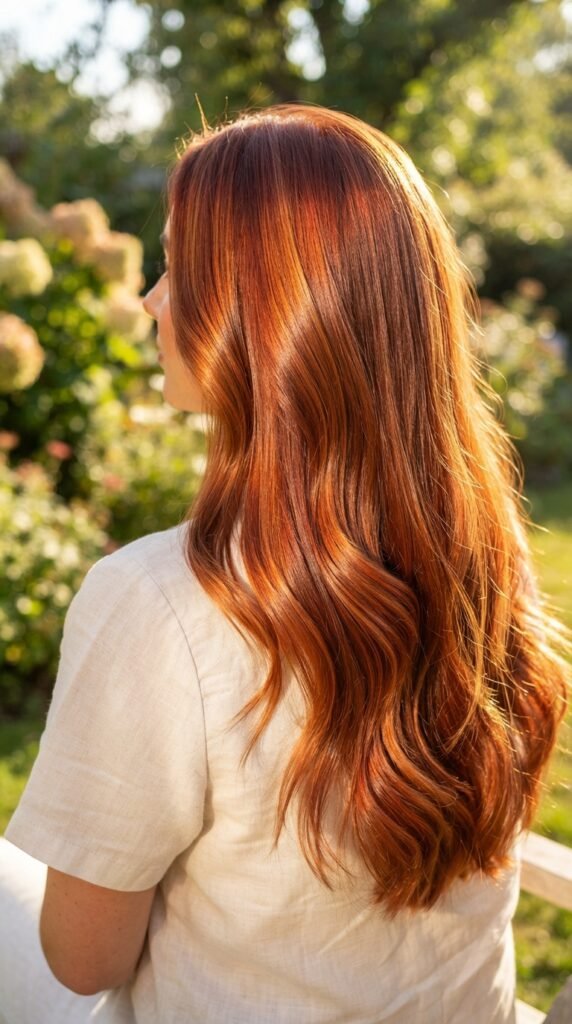
This is the part you came here for. Before going sulfate-free, my color faded noticeably in about two weeks. After, I went almost five weeks before my next salon visit. I even got compliments on how fresh my color looked right before a touch-up.
My stylist confirmed that my hair was less porous and holding dye better. She said she could tell I changed something at home.
Honestly, I felt like I hacked the system. The only real change, ditching sulfates, saved me both money and stress. If you have colored hair, you deserve to try this.
The “Old Money” Hair Glow-Up
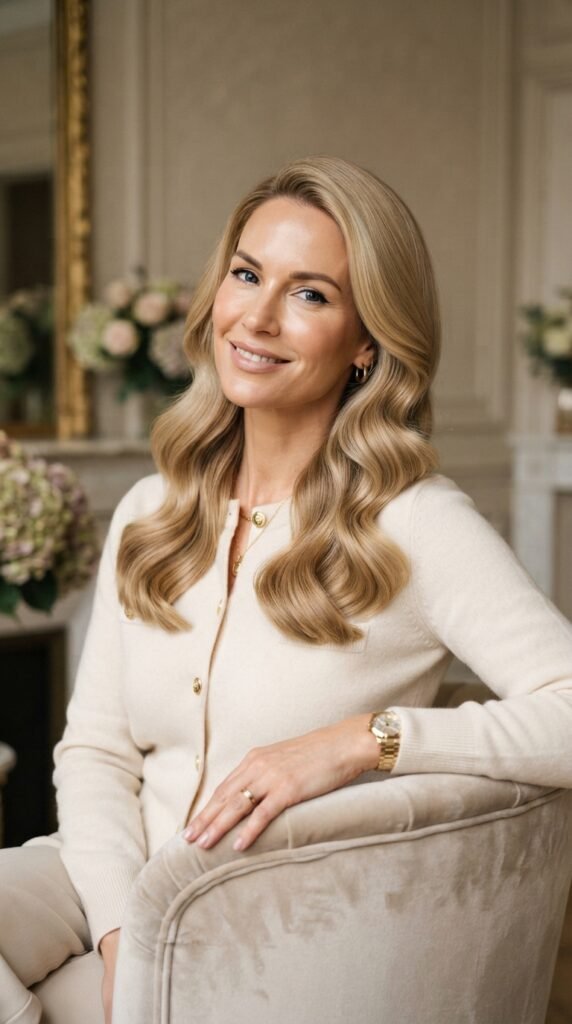
Everyone is talking about old money hair, and I am here for it. It’s that polished, expensive-looking shine that says you wake up like that. But here’s the secret: old money hair starts with healthy hair.
Colored hair that’s been stripped by sulfates looks dry and dull. That’s the opposite of the aesthetic. When I switched to sulfate-free care, my hair finally had that quiet glow. It looked expensive because it was actually healthy underneath.
If you’re chasing the 2026 hairstyles trends, this matters. Nobody can pull off old money hair if their color is fading into a weird warm orange. Health is the foundation.
Why the Quiet Luxury Bob Needs Sulfate-Free Care

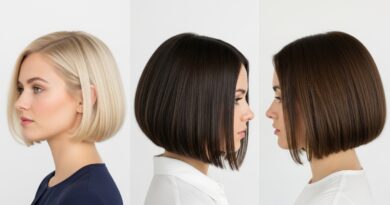
I am obsessed with the quiet luxury bob. It’s everywhere in 2026, and it looks so effortless. But a bob is a statement silhouette, and faded, damaged color ruins the whole effect.
When your color is fresh and your hair is healthy, a blunt bob looks razor sharp. Sulfate-free shampoo helps keep your color on point, so the haircut does the talking. You don’t need loud color when your hair is glossy and precise.
If you’re thinking about getting the quiet luxury bob, start your sulfate-free routine first. It makes the transition smoother, especially if you’re going lighter or blonder.
My Favorite Sulfate-Free Products Right Now
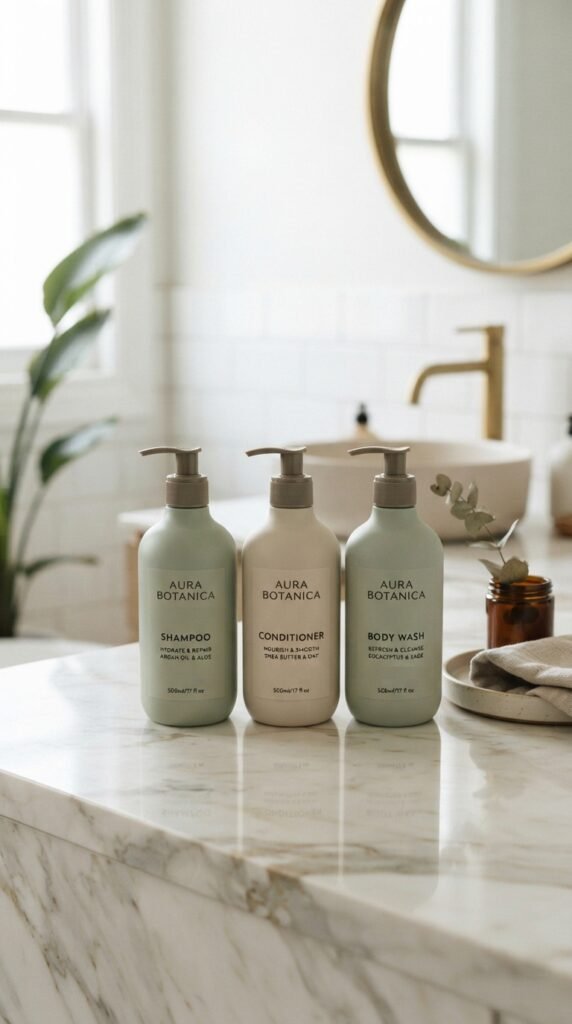
I can’t give you a laundry list of every brand, but I’ll share what’s working for me. I’ve tried a handful, and here’s what I keep coming back to:
- A drugstore curly-hair shampoo that’s budget-friendly and gentle.
- A hydrating salon brand that smells amazing.
- A clarifying sulfate-free option for when I have product buildup.
Here’s my quick tip: rotate between two shampoos. One for everyday and one for deeper cleansing. That way your hair gets variety without going back to harsh sulfates.
What About the Transition Period?
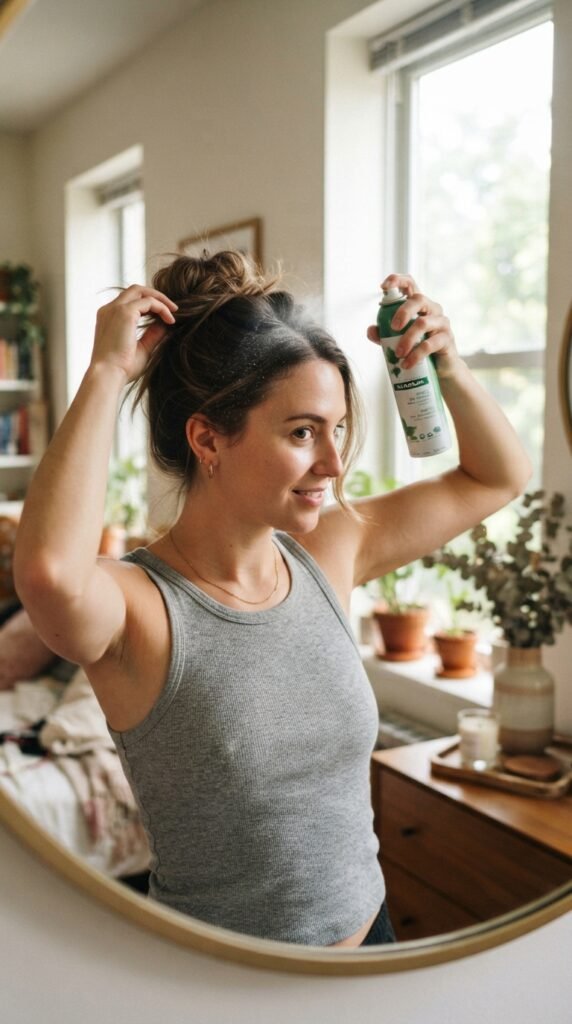
Your hair will not hate you forever. I promise. When you stop using sulfates, your scalp might overproduce oil for a week or two. This is normal, so do not panic.
During this time, you can use dry shampoo, cornstarch, or even a quick water-only rinse to stretch out wash days. Don’t switch back too early. Your scalp is reprogramming and needs time to adjust.
By day ten, things usually level out. My hair started feeling normal, and now I genuinely can’t go back. Trust the process. The transition is short, but the payoff is worth it.
Tips for Fine Hair (My Biggest Concern)
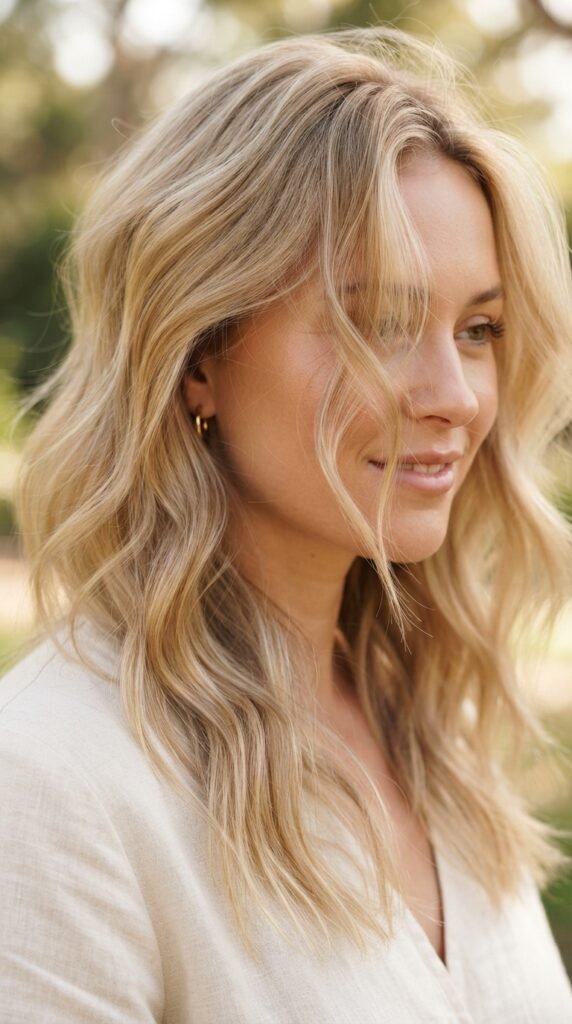
I have fine hair, so I worried sulfate-free shampoo would weigh it down. If you have fine hair too, hear me out.
Choose a lightweight sulfate-free shampoo with a watery texture. Apply only to your scalp and skip the ends. Then condition very lightly, with little product on the roots. This keeps your hair voluminous and fresh.
I use a technique called double shampooing on my scalp only. It isn’t harsh, but it cleans deeply. My fine hair actually looked puffier and more alive than with regular shampoo.
How to Make Sulfate-Free Shampoo Last Longer
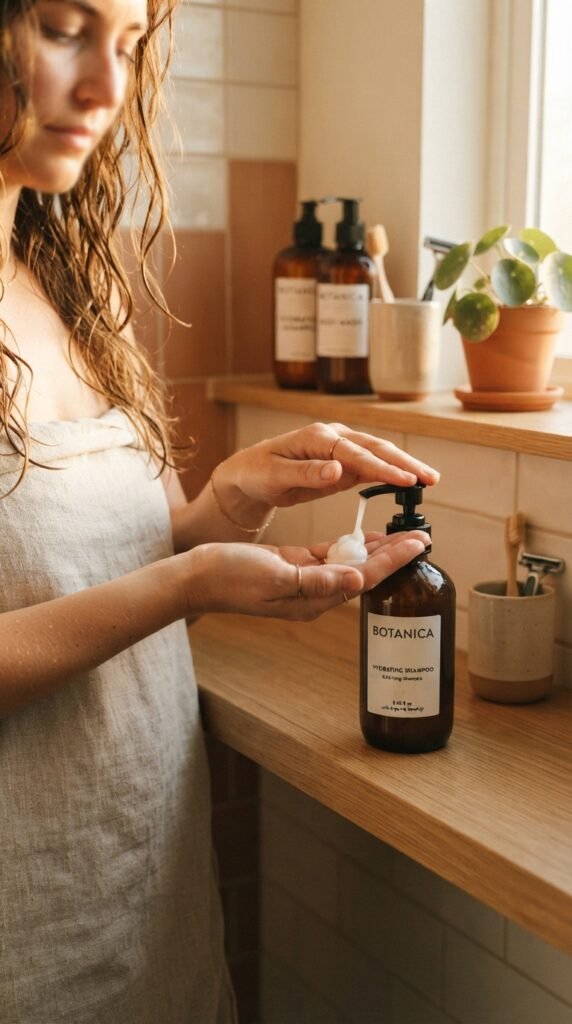
Sulfate-free shampoos can run out fast because they feel thinner. You don’t need a huge amount, though. Here are a few tips that saved me money:
- Emulsify the product in your hands with a little water first.
- Focus on your roots, not all your hair.
- Shampoo twice only if you really need it.
You don’t need to buy the most expensive bottle. Just learn to use it the right way. A good, thick pump bottle also lasts longer than a giant squeeze one.
The Best Way to Wash Colored Hair
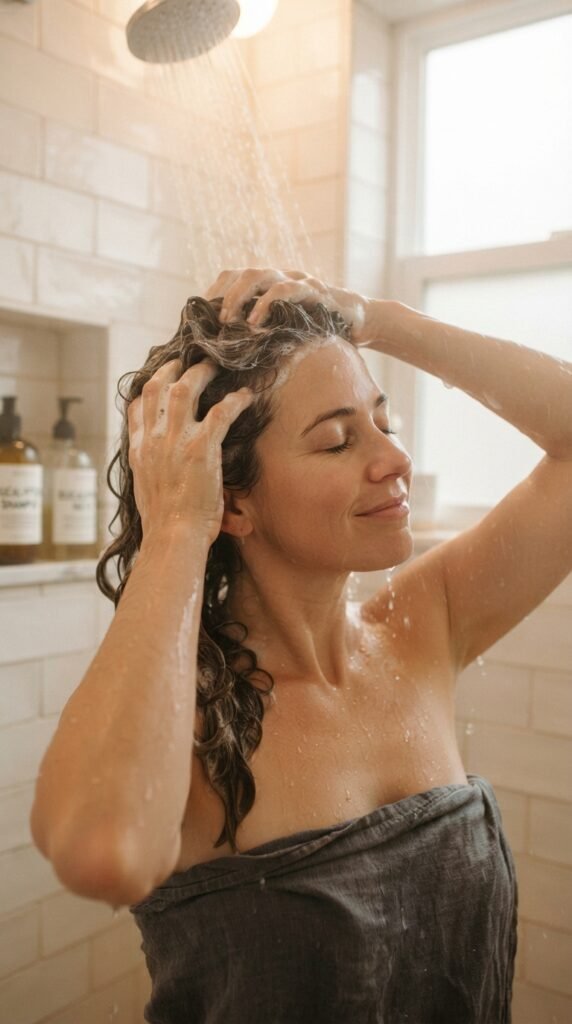
Washing colored hair is a little different from washing virgin hair. I learned the hard way to always use lukewarm or cool water. Hot water opens the cuticle and pushes color out.
You also want to be gentle with your scalp. Use your fingertips, not your nails, to massage in the shampoo. Let the suds fall through your lengths gently and avoid scrubbing your ends.
Pat your hair dry with a microfiber towel. Rubbing causes friction and fades color faster. You’ll notice your color stays put much longer with these simple tweaks.
Does This Work for Every Hair Type?

Colored hair is colored hair. Whether you have curly, straight, coily, or wavy strands, sulfates are the enemy of color. So yes, this works for every hair type with a little customization.
Curly and coily hair might need a creamier sulfate-free cleanser to avoid dryness. Fine hair wants a lightweight formula. Someone with a sensitive scalp will appreciate the gentle nature of sulfate-free entirely.
The key is picking the right formula for your texture. Don’t just grab the first sulfate-free bottle on the shelf. Read the labels and match it to your exact need.
The Connection Between Hair Trends and Hair Health

Trends come and go, and in recent years we’ve seen romantic goth hairstyles, vampire haircuts, hime cuts, and the asymmetrical lob. They’re all beautiful, but they have one thing in common: they look best on healthy hair.
You can get any cut, but if your color is compromised, it won’t hit the same. I’ve seen a romantic goth hairstyle completely flop because the color was uneven and washed out. The cut was gorgeous, but the fade ruined the vibe.
If you’re hopping on a 2026 hairstyle trend, do it from a foundation of health. Sulfate-free care gives you that clean canvas.
Glitchy Glam Hair and Color Longevity

Now, glitchy glam hair is another story. That look is all about sharp color placement, often with bold metallic blends. The last thing you want is that color bleeding into itself.
Since glitchy glam requires precise, saturated tones, you need your hair to cling to the color. Healthy, low-porosity hair holds dye much better. Sulfate-free shampoo keeps your cuticle smooth and closed, which keeps bold colors fresh and defined.
I tried a glitchy glam inspired look last summer, and switching to sulfate-free care afterward made a huge difference. The color stayed more precise and didn’t muddy up between washes.
My Exact 3-Step Color-Saving Routine
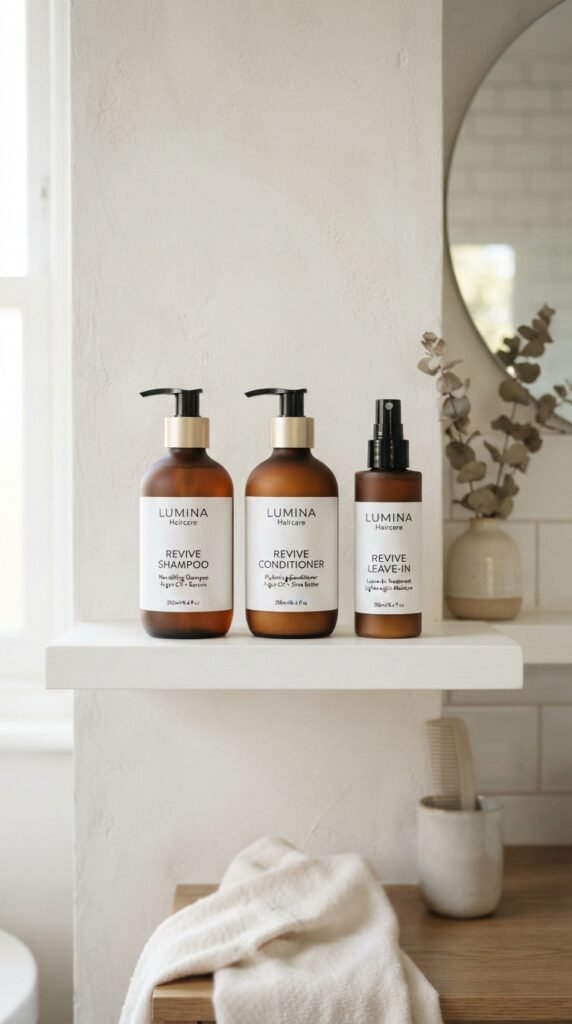
For anyone who wants a simple summary, here is my current routine:
- Wash with a sulfate-free shampoo on the scalp only.
- Condition the mid-lengths to ends with a color-safe formula.
- Apply a leave-in treatment with heat protectant and let hair dry naturally.
That’s honestly it. I keep it this simple because it’s easier to stick to. I do a weekly hair mask if I remember, but the core three steps are non-negotiable. It sounds boring, but it changed everything for me.
What About Clarifying Shampoos?
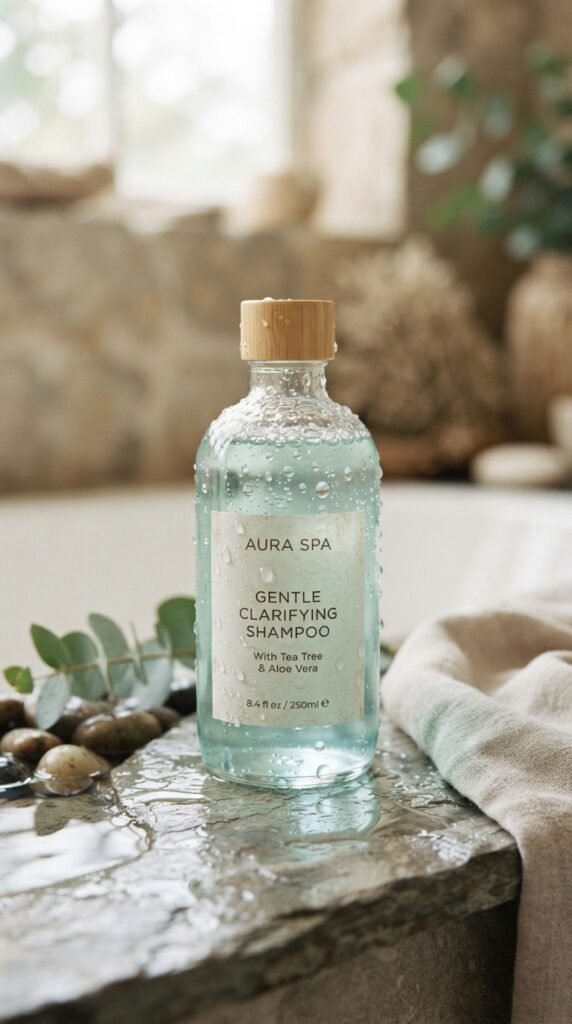
Okay, real talk. Once you go sulfate-free, you might miss a deep, clarifying cleanse. That’s okay. You can still use a gentle clarifying shampoo, but read the ingredients carefully.
Look for one that uses lactic acid or apple cider vinegar instead of sulfates. These break down product buildup without pulling out your color. Use it once or twice a month, no more.
Your hair doesn’t need a harsh reset. A good, smart cleanse is enough. I used to clarify every week, and now I only do it every few weeks. My color has never looked better.
When I’d Never Go Back to Sulfates
Even with all the info in the world, I had to feel the difference myself. Now I honestly can’t imagine going back. My color lasts longer, my hair feels stronger, and my scalp is calmer.
I know this won’t be everyone’s cup of tea. Maybe you love the squeaky clean feeling. But if you have colored hair and you’re tired of paying for touch-ups, this one change is worth at least a try.
A single bottle of sulfate-free shampoo is cheaper than a salon visit. Try it for one month and see what you think. I’m totally on your side, and I bet you’ll notice the difference too.
My color journey honestly changed the way I see my whole hair routine. I used to think fading was just part of having colored hair. Now I know better, and it feels good to finally understand my hair instead of fighting it.
I hope this post helps you make the switch, or at least makes you more curious about what’s in your shampoo bottle. Your color, your wallet, and your hair will all thank you.
Save this post to Pinterest so you can find it later. And tell me in the comments, have you ever tried a sulfate-free shampoo? I’d love to hear what worked for you.