
I Tried Going Platinum And Learned Some Very Expensive Lessons About Hair Health
I’ve always been the friend who says “yeah, let’s do it” without thinking twice. So when I saw a platinum hair tutorial, I booked the earliest appointment. Spoiler: I learned more about hair damage in three months than in my entire adult life. This post is your friendly warning, your budgeting guide, and your hair-saving playbook. You’ll get real lessons, practical fixes, and a bunch of gorgeous alternatives that won’t leave your strands crying. Trust me, you want to read this before you pick up the bleach.
The Moment I Decided to Go Platinum
I was scrolling through Pinterest at midnight, dreaming of that icy blonde glow. I ignored every warning sign and convinced myself my hair could handle it. The next morning I called my stylist and said, “Let’s do it.”
Big mistake, but we all need to learn somehow. Here’s the quick reality check: platinum isn’t just a color, it’s a lifestyle. And it requires a lot of care.

My First Bleach Appointment: Total Chaos
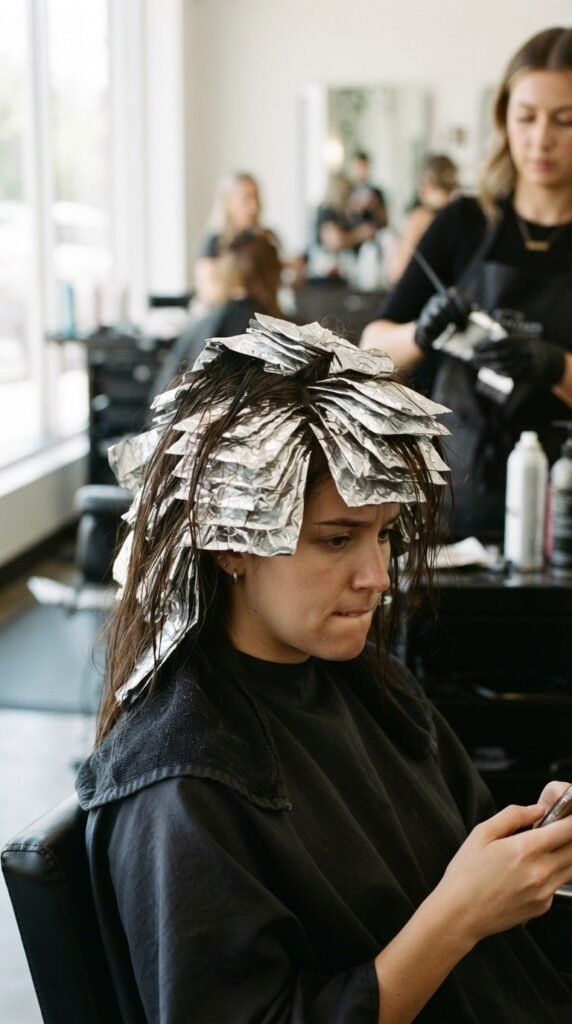
I sat in the chair for four hours, thinking it would be relaxing. But between the burning scalp and the foils, I knew something wasn’t right. My stylist kept saying “almost there,” but my hair felt like straw.
If you plan to go platinum, please do a patch test first. And also ask about lower-volume bleach. My poor hair went through two rounds of heavy lifting.
- Ask about the exact developer volume
- Request extra bond protectors during the service
- Don’t wash your hair for 48 hours before
Lesson One: Your Hair Health Matters More Than Color
After the first wash, I noticed my ends were splitting like crazy. I thought platinum would look high-end, but it just looked broken. The color can be beautiful, but not on fried strands.
Hair health is the foundation of every good style. Without it, even the trendiest cut falls flat. I wish someone had told me that before I paid for destruction.

The Science of Bleach: A Quick Reality Check
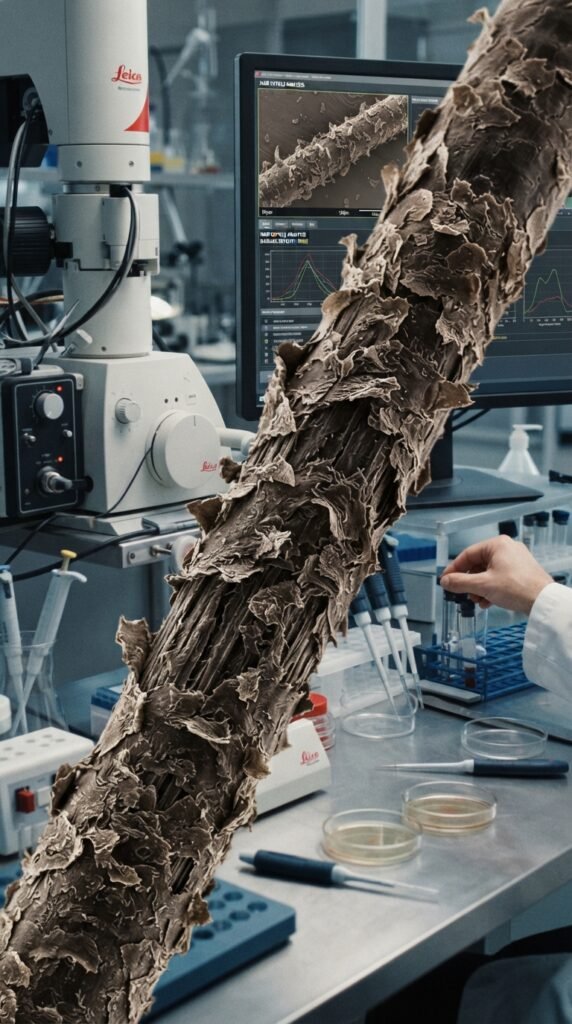
Bleach literally opens the hair cuticle to remove pigment. Once that’s done, it can’t fully close again. That means your hair becomes porous, thirsty, and very fragile.
You can rebuild some strength with protein treatments, but you can’t reverse the damage. Knowing this helps you decide if platinum is actually worth it.
- Bleach lifts cuticle scales
- Natural moisture escapes
- Bonds between protein fibers break
- Repair takes months, not days
Why I Should Have Started With a Gloss
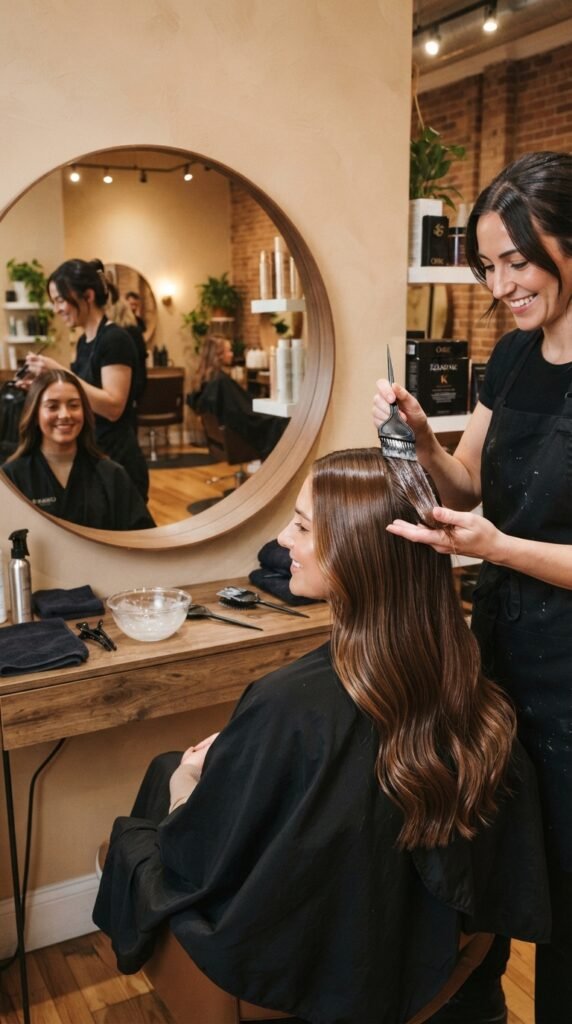
If I could turn back time, I’d book a glossing service instead. A clear gloss or toned gloss adds shine and a subtle tint without lifting your base color. It’s cheap, quick, and zero damage.
Honestly, a deep brunette gloss could have given me that rich “old money” vibe I actually wanted. But no, I chose the nuclear option.
The Quiet Luxury Bob Saved My Sanity
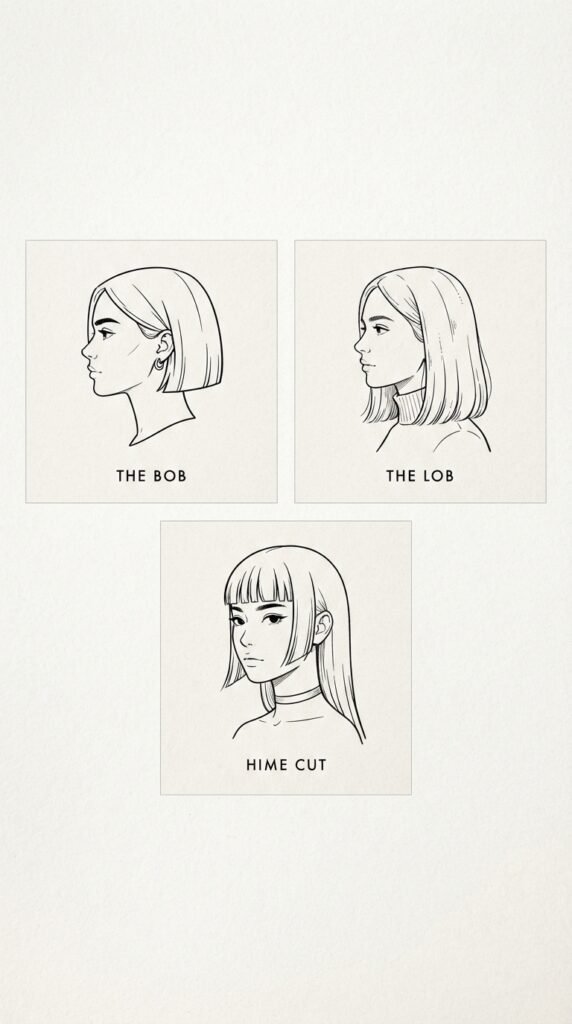
Three weeks after platinum, my hair started breaking off. I had to cut a bob just to feel human again. And guess what? The bob looked annoying chic.
I’m talking a quiet luxury bob, the kind you see in fashion magazines. It’s low-maintenance, naturally smooth, and hides damage pretty well. I actually felt more confident with it than with the platinum.

Old Money Hair: The Look I Wished I’d Tried First
Old money hair is all about healthy, shiny, slightly undone waves. It doesn’t scream for attention, it just looks rich and effortless. My platinum hair did the opposite, it screamed “I made a mistake.”
If you want that timeless sophistication, skip heavy bleach. Instead, focus on regular trims and a great conditioning mask. Your future self will thank you.

Discovering the Asymmetrical Lob as a Safer Option
The asymmetrical lob is basically the bob’s edgy cousin. It’s modern, flattering, and doesn’t require aggressive lightening. You can keep your natural color and still look super young.
I tried this after my hair started growing back, and it gave me instant confidence. Plus, the angled length adds movement, which makes thin, damaged hair look fuller.
- Longer in front for face-framing
- Shorter in back for interest
- Works with straight or wavy texture

The Hime Cut: A Surprisingly Gentle Alternative
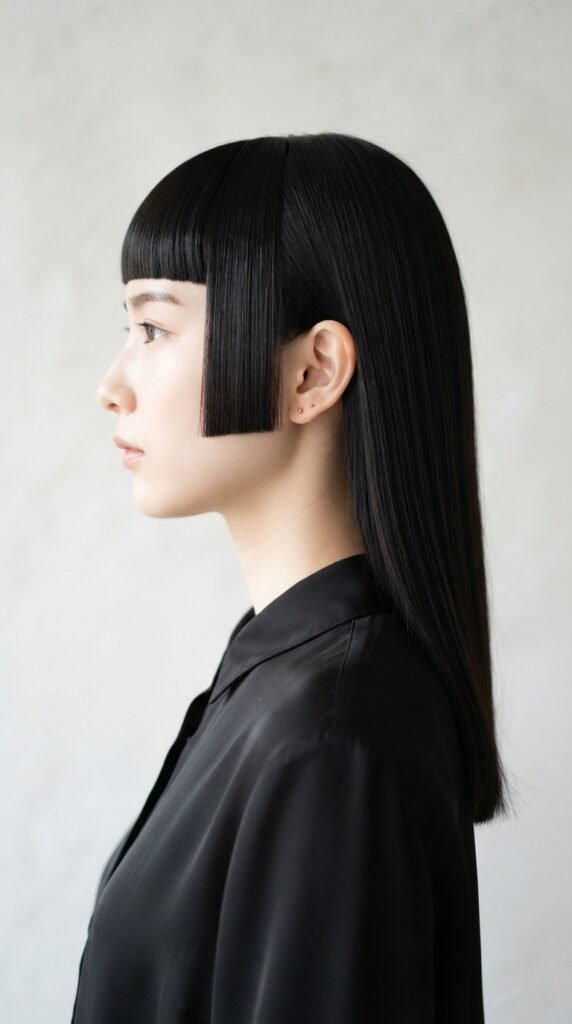
You know those straight-across bangs and cheek-length sides? That’s the hime cut, and it’s everywhere right now. The best part is that it doesn’t require any chemical processing.
I loved how it gave me a dramatic frame without lifting color. If you want a bold change, this is a safe but stylish route. No bleach, no tears.
Romantic Goth Hairstyles That Don’t Destroy Hair
Dark, wavy, slightly messy hair gives off the romantic goth aura. It’s dramatic, but you can achieve it with temporary color sprays or root smudging. Much less aggressive on your strands.
I’m thinking dark berry tones, soft black waves, or even a subtle burgundy tint. These colors usually deposit without lifting, so your hair stays stronger.

Glitchy Glam Hair: Fun Without the Damage
Glitchy glam hair is that cool, digital-looking chrome effect. It usually uses temporary hair paint or colored wax. I tried it on my bob and honestly, it was a blast.
Because it’s temporary, you can wash it out quickly. No commitment, no damage, just pure fun. And it’s perfect for a night out or a festival.

The Vampire Haircut: Edgy but Healthier?
The vampire haircut is all about point-cut ends and chunky layers. It gives you that sharp, mysterious look without relying on lightener. My stylist did this after my platinum crisis, and it framed my face beautifully.
If you want edge without sacrifice, this is your go-to. Ask for textured ends and face-framing pieces. It makes thin hair instantly cooler and fuller.

What a Professional Hair Coach Told Me
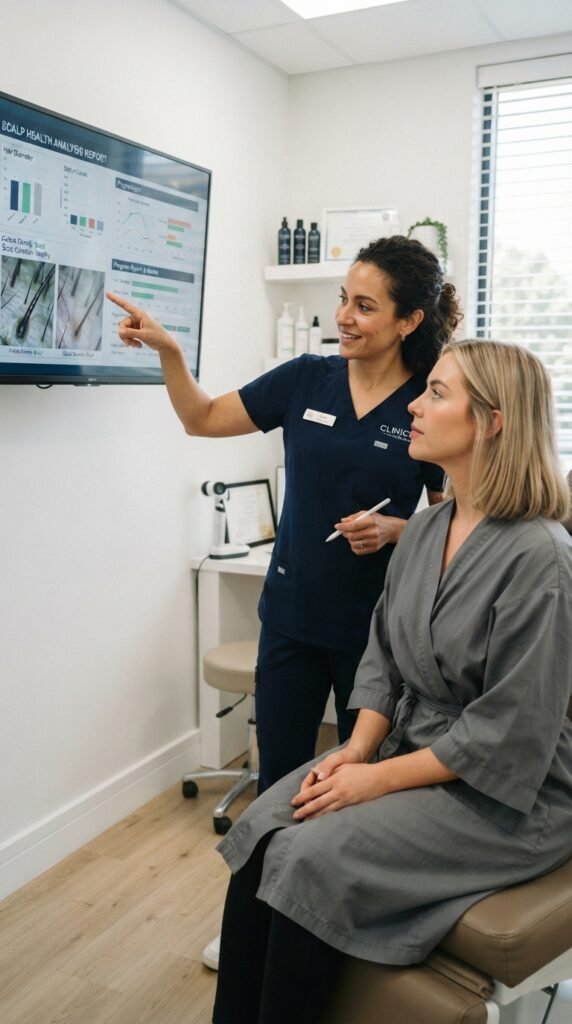
I finally hired a hair health coach because I was desperate. She said something that stuck: “Treat your scalp like skin, not fabric.” Imagine us caring for our hair that way.
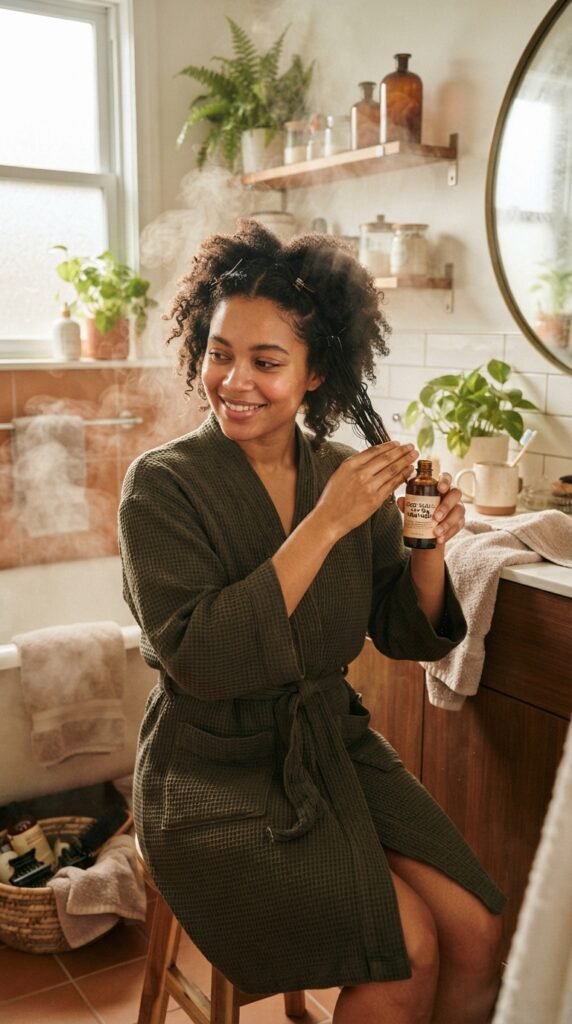
She recommended scalp scrubs, hydrating serums, and weekly protein masks. Honestly, that advice changed my entire routine. Your hair starts with your scalp.
Building a Hair Health Routine on a Budget
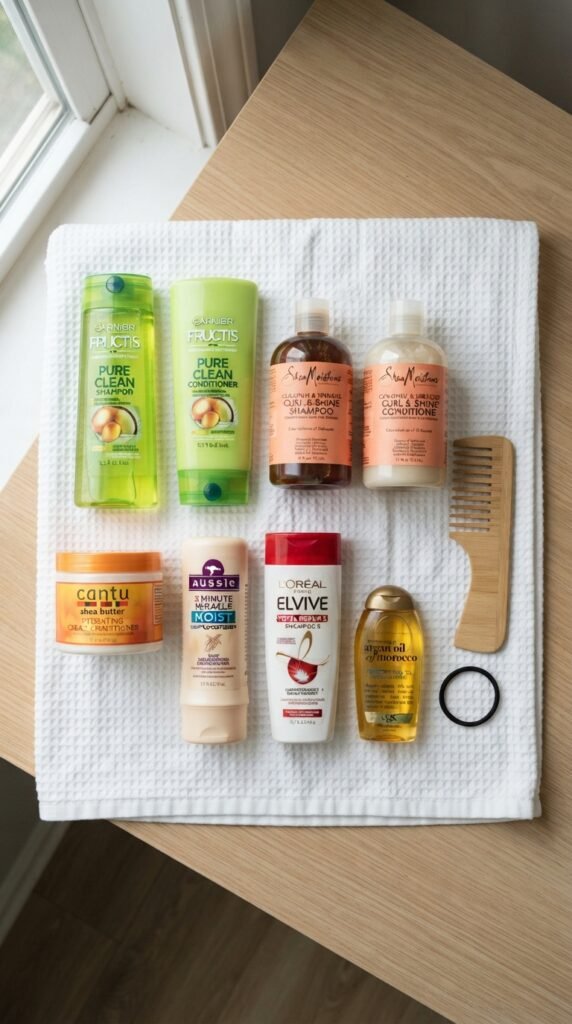
You don’t need expensive products to fix damaged hair. I use a grocery store deep conditioner, cold water rinses, and a satin bonnet. All under twenty bucks.
Here’s my exact no-drama routine:
- Wash hair every 3–4 days
- Always use a hydrating leave-in
- Sleep on a satin pillowcase
- Trim every eight weeks
The Power of Bond Builders (And What They Actually Do)
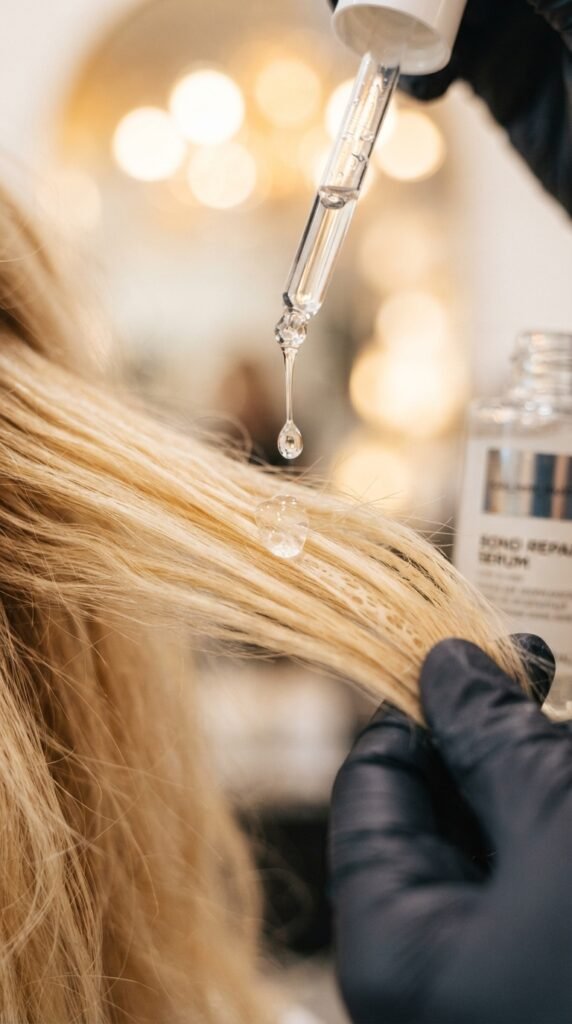
Bond builders are like glue for broken hair bonds. They don’t erase damage, but they dramatically improve the surface. I started using one right after my second bleach.
My hair stopped snapping and actually looked shiny again. Use it as a treatment once a week, not just a regular conditioner.
- Apply to damp, towel-dried hair
- Leave in 10–15 minutes
- Rinse and style as usual
Heat Styling? Not Anymore. Here’s What Works.
Going platinum meant saying goodbye to curling irons and hot tools. The heat would make my fried ends turn to dust. So I learned air-drying tricks that actually look nice.
I use mousse, a microfiber towel, and a little sea salt spray. Helps me get messy waves without any heat. It’s been a game changer.

Results After Six Months: The Real Damage Report
Six months later, I’ve lost some hair, but it’s growing back. My natural color returned, and deep down I realized the platinum was never for me. My hair feels strong again but thinner and dry.
The damage was a costly lesson. I now see why people choose healthy-looking hair over trendy colors. It’s not worth the long-term cost.
My Platinum Hair Color Regret (Yes, Regret)
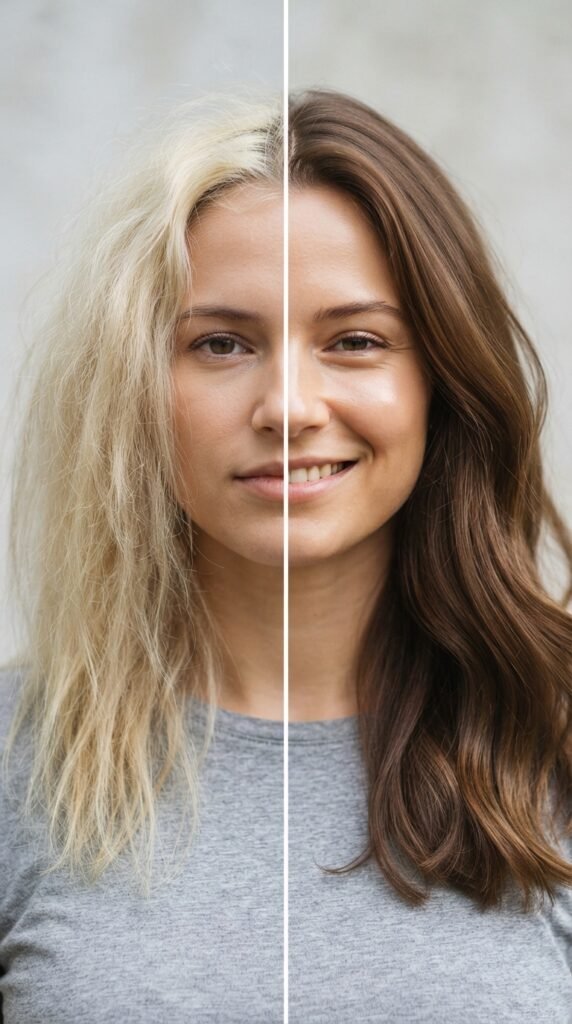
I hate admitting this, but I regret going platinum. It’s a beautiful color on other people, but it wasn’t me. Plus, the damage affected my self-esteem for months.
If you’re feeling unsure, listen to that voice. Go for a temporary tint or a wig first. Save your time, money, and strands.
How to Repair Over-Processed Hair Fast
If you’re already in platinum limbo, here’s my emergency plan. It’s not magic, but it helps you get through it.
- Cut off the most damaged ends
- Do a hot oil treatment twice a week
- Avoid heat until hair feels less brittle
- Switch to a sulfate-free shampoo
Your hair will improve faster than you think, but you have to be patient.
The Emotional Toll of Bad Hair Decisions
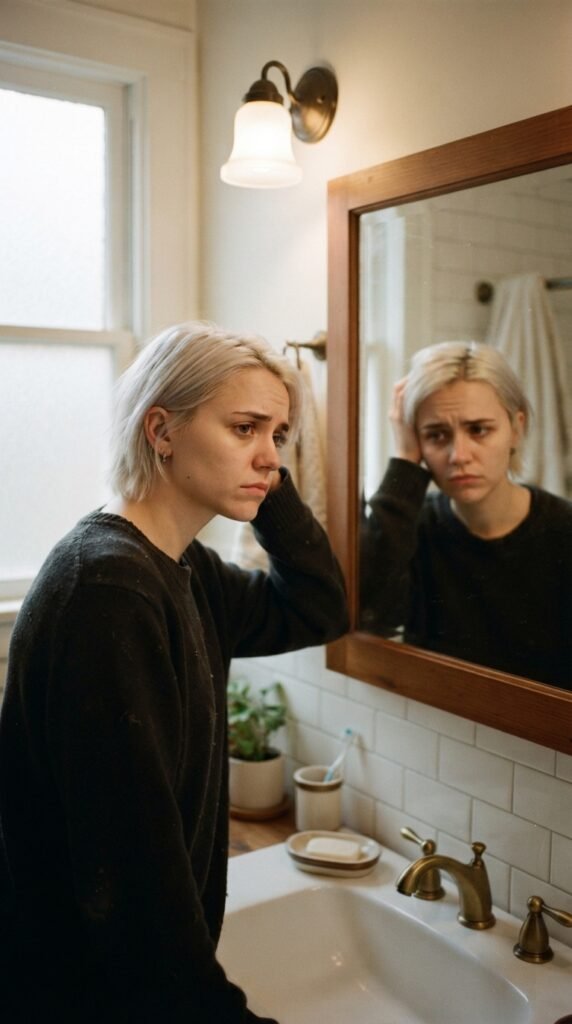
It sounds silly, but bad hair can really mess with your mood. I felt less pretty, more awkward, and honestly, annoyed at myself for spending so much money. You’re not alone if you’ve felt this way.
It’s okay to feel sad about your hair. But also remember, it grows back. And now you know better.

Are 2026 Hairstyles More Hair-Health Friendly?
Good question, and honestly, yes. The 2026 hairstyles trend is moving toward natural texture and maintenance. I see more of the quiet luxury bob, asymmetrical lob, and hime cut, all of which work great on unprocessed hair.
Even romantic goth hairstyles and glitchy glam hair can be done without permanent damage. The future of hair is smarter, and I’m here for it.
Final Pro Tips for Anyone Considering Platinum
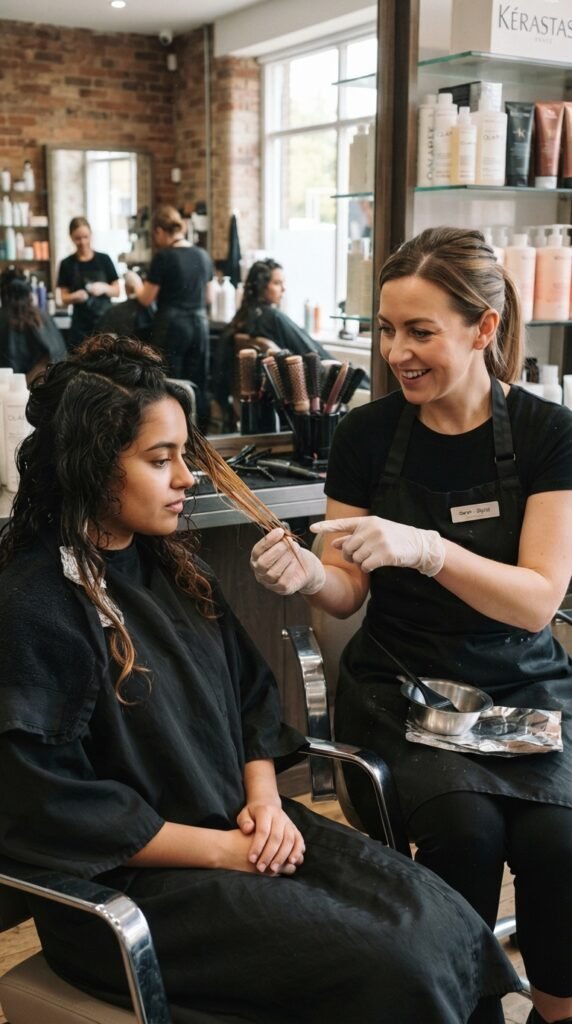
If you’re still set on platinum, please learn from my mistakes. Start with a consultation, ask about damage prevention, and set a budget for aftercare. Also mentally prepare for shorter hair if things go wrong.
And remember, a good stylist will tell you if your hair isn’t a good candidate. Listen to them.
- Do a strand test first
- Wait at least six weeks between sessions
- Always use bond builder treatments
Let’s Wrap This Up
Going platinum taught me patience, humility, and the true cost of beauty. I’m now obsessed with hair health, and honestly, my natural hair never looked more “old money.” I hope my expensive lessons help you make smarter choices.
You don’t have to sacrifice your hair for a look. There are so many gorgeous styles that work with your natural texture. Trust me, healthy hair is always in style.
Save this post to Pinterest so you don’t lose these tips before your next salon visit. And tell me in the comments: have you ever gone blonde and regretted it? Or are you thinking of trying it soon? Let’s chat, friend.