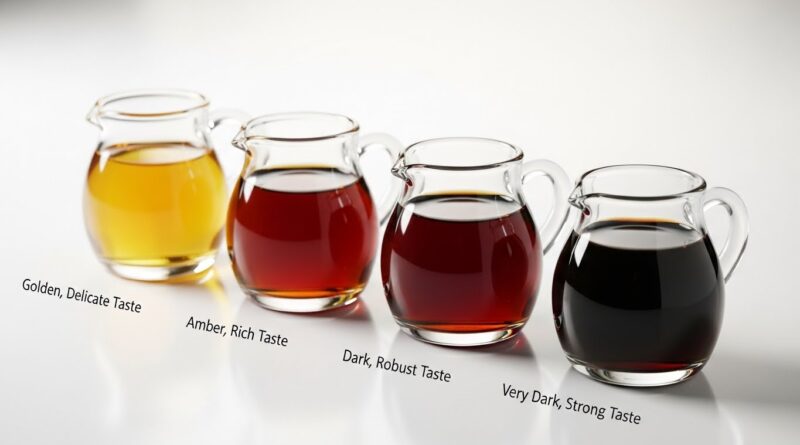
Maple Highlights: Rich Reddish-Brown Sweetness
There is a particular magic in a bottle of pure maple syrup. Held to the light, it glows with a warm, inviting hue—a spectrum of amber, copper, and deep reddish-brown that promises an experience far beyond mere sweetness. This is not just a pancake topping; it is liquid sunlight, captured tree sap, and centuries of tradition distilled into one exquisite flavor. That distinctive reddish-brown color is your first clue to a deeper story, one of caramelization, mineral content, and the very soul of the maple tree. In this exploration, we will follow the trail of this rich hue from the snowy forest to your kitchen, uncovering why maple syrup’s reddish-brown sweetness is a highlight of the natural culinary world.
The Alchemy in the Sugar Shack: Where Color is Born
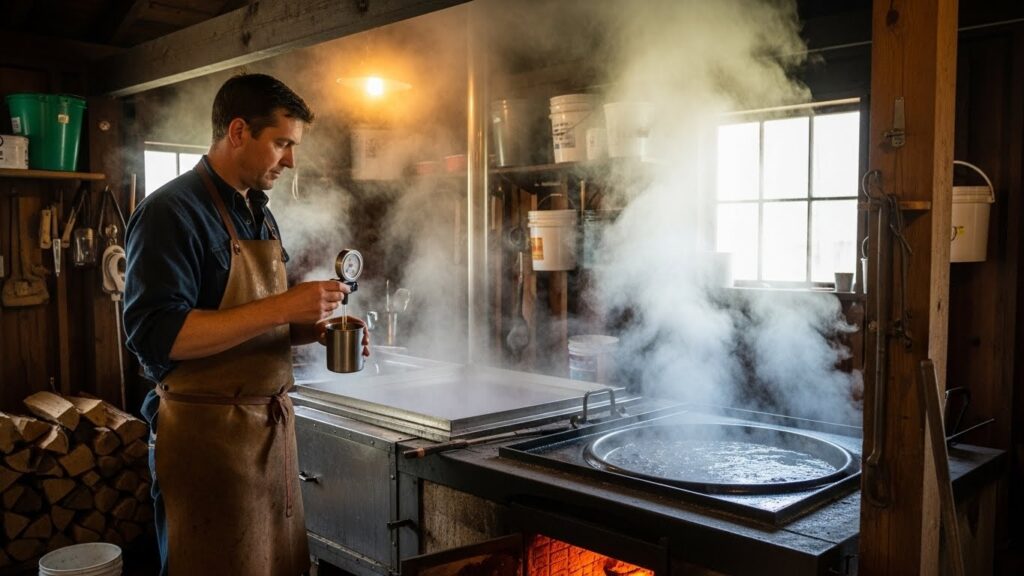
The journey to that perfect reddish-brown begins with a clear, nearly tasteless sap. For roughly 40 gallons of sap to become a single gallon of syrup, an incredible transformation must occur through prolonged boiling. This is where the alchemy happens. As the water evaporates in the steamy sugar shack, the sugars in the sap concentrate. More importantly, they begin to caramelize and react with amino acids in a process known as the Maillard reaction—the same complex chemical dance that gives seared steak and toasted bread their deep, savory flavors.
The longer the boil and the more concentrated the sugars become, the more pronounced these reactions are. This is the primary driver behind the color and flavor evolution. Early season syrup, produced when the nights are still very cold, tends to be lighter and more delicate. As the season progresses and temperatures fluctuate, the sap’s composition changes subtly, leading to a darker, more robust boil. The shift from a golden translucence to a rich, reddish-brown opacity is a direct map of this thermal journey, a visual testament to the heat and time invested.
More Than Just Sugar: The Mineral Foundation of Flavor
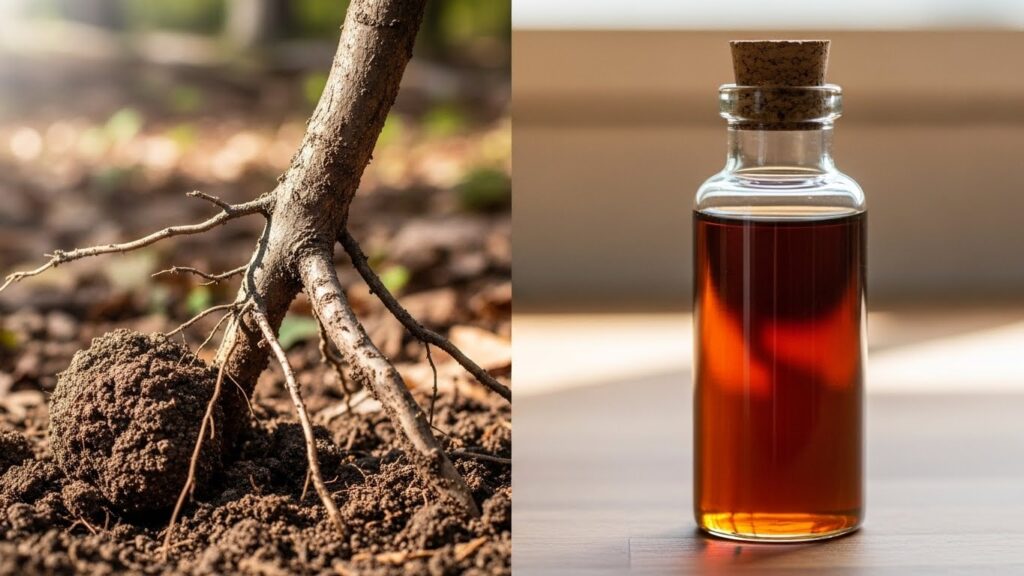
While caramelization is the star, the supporting cast is crucial. Maple sap is not just sugar water; it contains a delicate balance of minerals like calcium, potassium, magnesium, and manganese, absorbed from the soil through the tree’s vast root system. These minerals influence the syrup’s flavor profile and its color development during boiling. They can catalyze reactions and add subtle earthy, almost nutty undertones that balance the pure sweetness.
This mineral content is also why pure maple syrup offers more than just empty calories. It provides a small but valuable array of nutrients and antioxidants, with some studies suggesting that darker, more robust syrups have higher levels of beneficial compounds. The reddish-brown hue, therefore, becomes a rough indicator of this complex mineral and antioxidant content—a natural badge of depth and character you simply won’t find in imitation syrups, which are merely flavored corn syrup.
Decoding the Grades: A Spectrum of Reddish-Brown
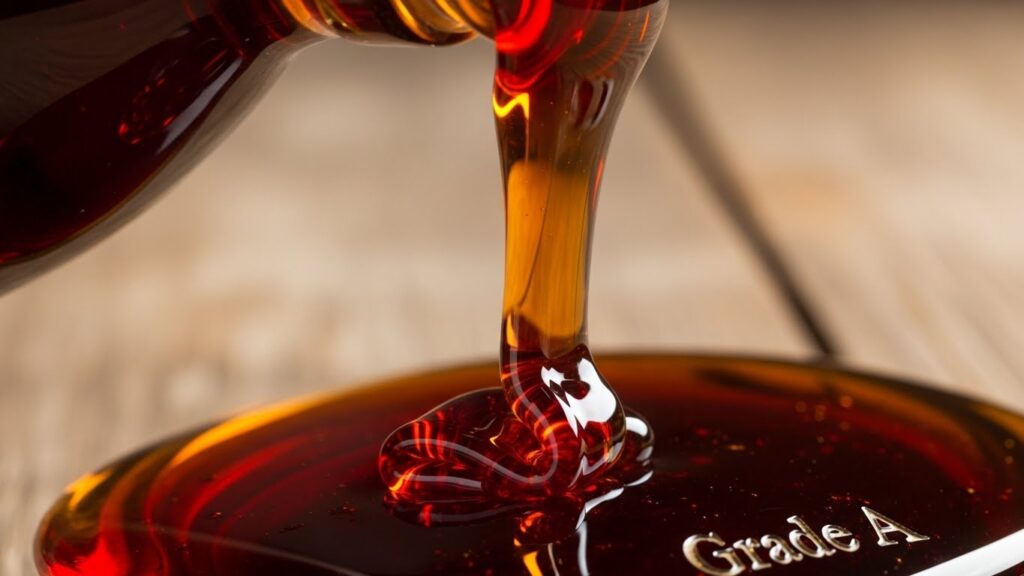
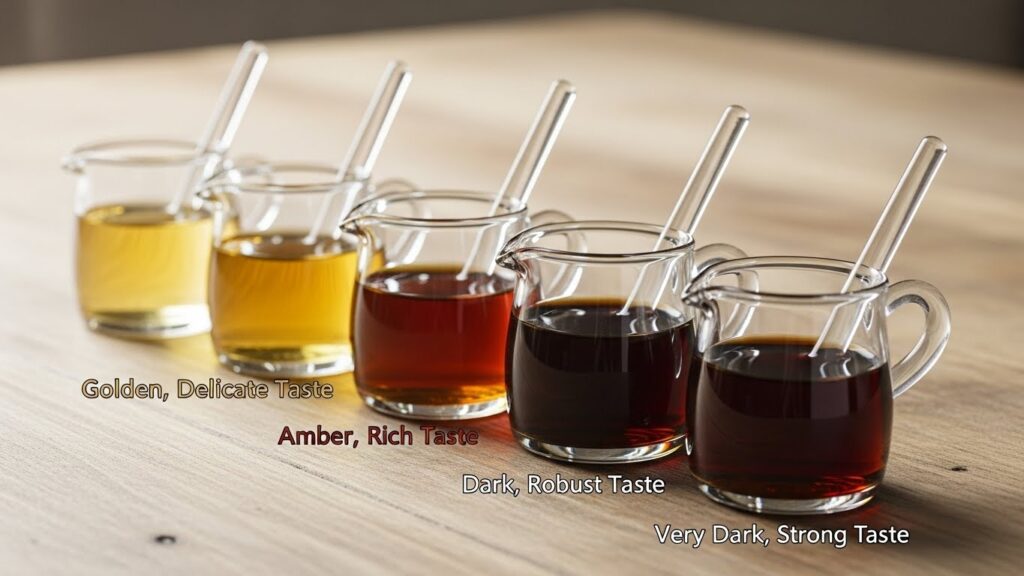
For many years, the grading system for maple syrup could be confusing, often associating darker color with lower quality. Today, modern grading—primarily Grade A with four classes—celebrates the entire spectrum. The reddish-brown sweetness we’re focusing on is most famously found in the latter two classes.
Grade A Amber Rich is a full-bodied syrup with a deeper tan to light brown color. It offers a more pronounced maple flavor, perfect for all-purpose use. But to truly experience the rich reddish-brown sweetness, you enter the realm of Grade A Dark Robust and Grade A Very Dark Strong. These syrups boast the deepest, most intense colors, from a hearty reddish-brown to a near-opaque mahogany. Their flavor is powerfully maple, with pronounced caramel and even a pleasant, woodsy edge. This is the syrup for recipes where maple is meant to be the star, not a whisper.
Culinary Spotlight: How to Use Rich Maple Syrup
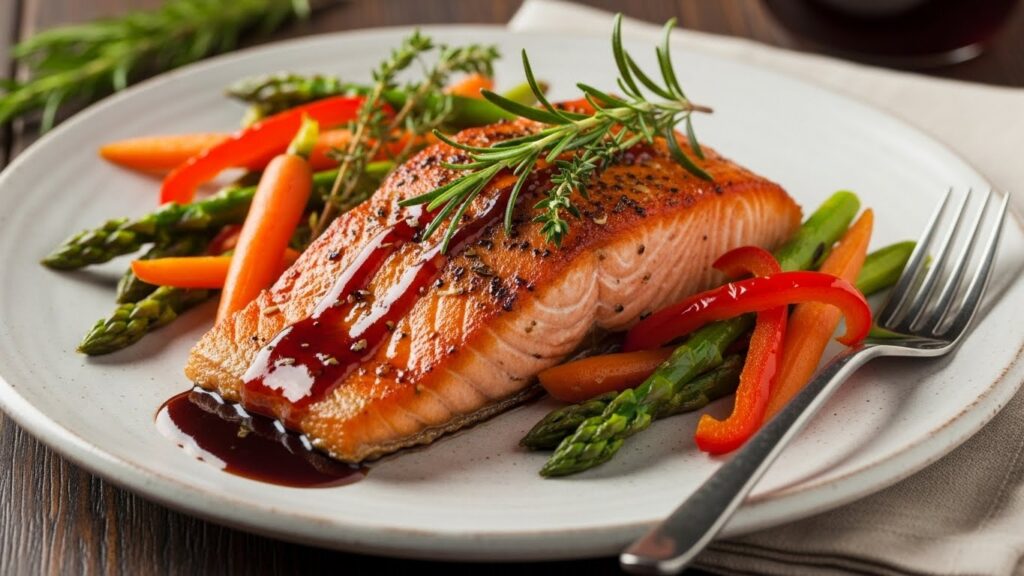
That deep, reddish-brown syrup is a versatile powerhouse in the kitchen. Its complex flavor stands up to heat and bold ingredients, making it far more than a breakfast condiment. Use it to glaze roasted vegetables like carrots, sweet potatoes, or Brussels sprouts—the syrup caramelizes into a stunning, glossy coat. It’s exceptional in barbecue sauces and marinades for pork or chicken, adding a sweetness that balances smoke and spice.
In baking, it imparts a moistness and deep flavor that white sugar cannot match. Think about using it in gingerbread, spice cakes, brownies, or even your morning oatmeal. A drizzle over vanilla ice cream or plain yogurt creates an instant, sophisticated dessert. The key is to match the intensity of the syrup with the dish. Its bold character can elevate simple ingredients and stand shoulder-to-shoulder with other strong flavors like bourbon, coffee, or smoked salts.
The Terroir of Tree Sap: How Forest Becomes Flavor
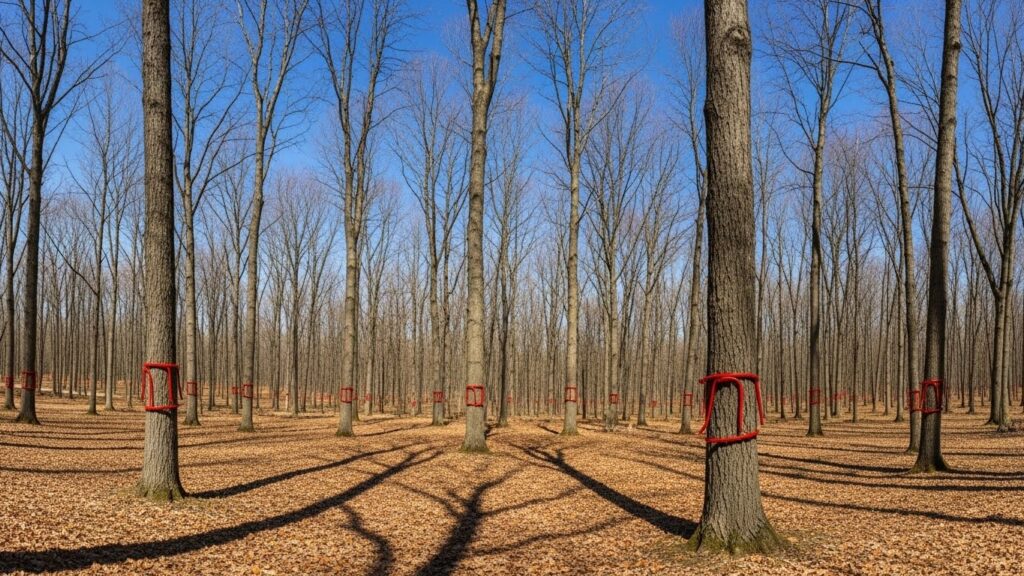
Much like wine grapes, maple syrup possesses a concept of terroir—the idea that the environment imparts a unique character to the product. The specific soil composition, the climate of the region, the tree varieties (primarily Sugar Maples), and even the weather patterns of a given season all leave their mark on the final syrup’s color and taste profile.
A syrup from the rocky soils of Quebec may have a different mineral nuance than one from the forests of Vermont or Wisconsin. This natural variation means that each bottle, especially from small-scale producers, is a unique snapshot of a specific place and time. The reddish-brown in your bottle tells a story of that particular spring, in that particular grove of trees. Seeking out single-origin or small-batch maple syrups allows you to taste this fascinating geographical diversity.
A Sweet Investment: Choosing and Storing Your Syrup
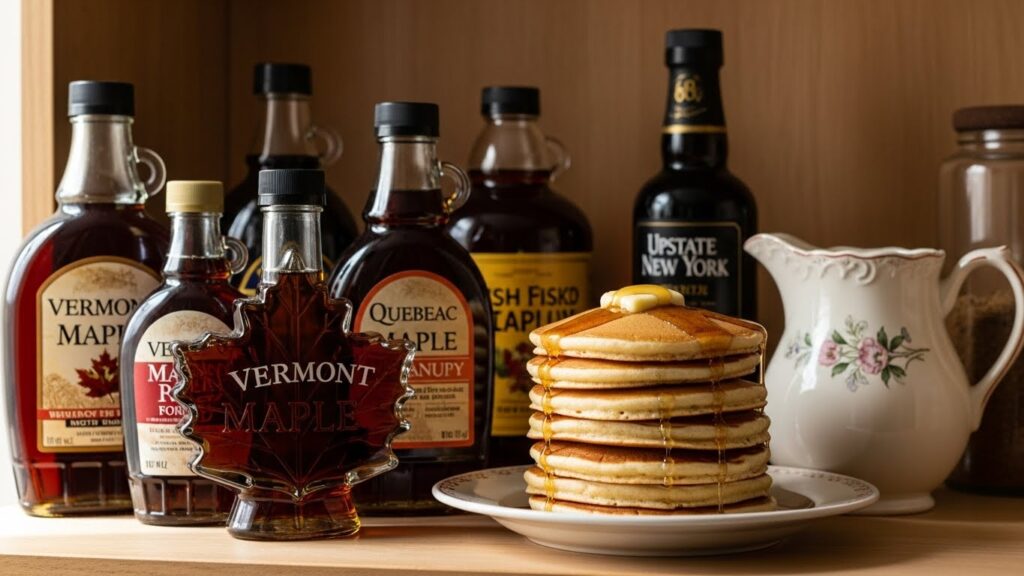
To fully appreciate the rich reddish-brown sweetness, you must start with 100% pure maple syrup. Always check the label. Once you have your prize, proper storage is key. An unopened container can be stored in a cool, dark pantry. Once opened, refrigeration is strongly recommended to preserve its peak flavor and prevent spoilage or fermentation. Don’t be alarmed if you see a slight sugar sand (natural mineral crystals) at the bottom of a very dark syrup; it’s harmless and can be gently warmed to re-dissolve.
Consider exploring different producers and regions. The world of maple is vast and artisanal. By choosing pure syrup, you’re not only getting a superior product but also supporting sustainable forestry practices and the preservation of maple sugaring traditions for generations to come.
Conclusion: More Than a Color, a Legacy of Flavor
The rich reddish-brown hue of maple syrup is so much more than a color. It is a visual story of transformation, a marker of chemical complexity, and a promise of profound flavor. It speaks of late-season sap, long hours of careful boiling, and the unique mineral gift of the forest floor. From its humble beginnings as clear sap to its final form as a luxurious, dense syrup, this journey results in a natural sweetener that is unmatched in its depth and versatility.
So, the next time you hold a bottle up to the light, take a moment to appreciate that beautiful, deep color. See it for what it is: a highlight of nature’s patience and a sugarmaker’s craft. Then, pour it generously, cook with it confidently, and savor every note of its rich, reddish-brown sweetness.