Now 18 Digital Thermostat Irons Precise Temps Protecting Always
Let’s be real for a second: we’ve all been burned by a straightener. Not just the literal kind—but the kind that sizzles your ends, leaves you with a frizzy mess, or somehow manages to be both too hot and not hot enough. That one perfect temperature where your hair stays shiny and healthy? It’s a myth until you have the right tool. I’ve been testing the new wave of digital thermostat irons, and they are a total game-changer. No more guessing. No more frying. Just precise, consistent heat that actually protects your hair. Today, I’m breaking down exactly why these 18 temp-controlled irons are worth every penny—and how they make getting salon-smooth hair at home stupidly easy.
Why Precise Temperature Control Actually Matters for Your Hair
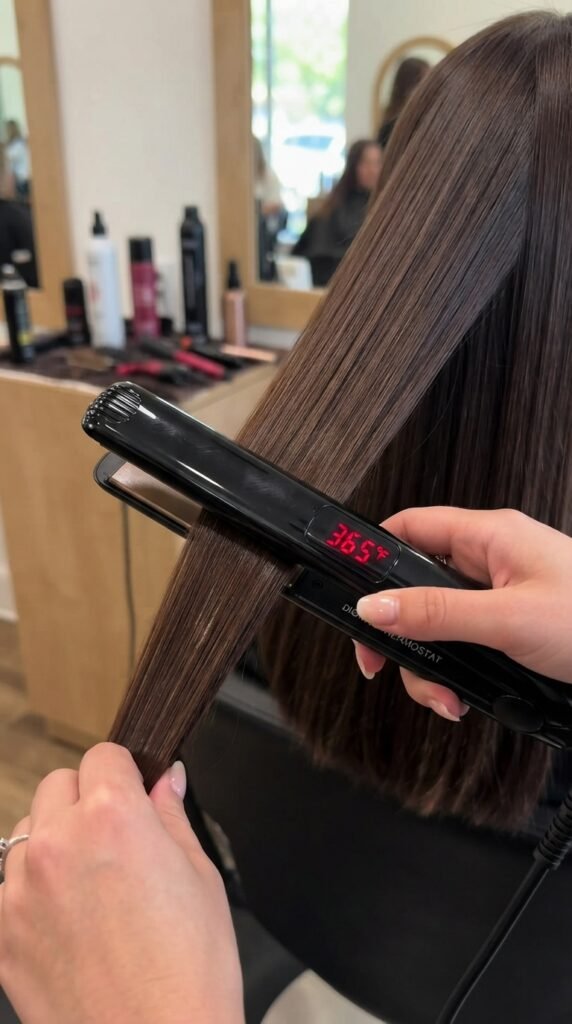
Your hair isn’t one-size-fits-all, and neither should your heat be. Fine hair needs lower temps (around 300-330°F), while thick, coarse hair can handle higher settings (up to 410°F). Without precise control, you’re either under-styling and getting no hold, or over-heating and causing irreversible damage. These 18 new digital irons let you dial in the exact degree. That means less breakage, more shine, and styles that actually last. Plus, the built-in thermostat keeps the temperature steady, so you don’t get hot spots that cook your ends.
The “Old Money Hair” Look Made Simple

I’ve been obsessed with the quiet luxury bob trend for 2026. It’s that effortlessly polished, “I just woke up rich” vibe. The key? A super precise, medium heat that doesn’t create harsh kinks. With a digital iron set to 350°F, you can glide through sections without stopping. The result is a smooth, blended finish that looks expensive, not fried. Pro tip: Section your hair into four parts, and clamp the iron at the root, turning the barrel outward for a soft, flipped end. No need for a salon—this is the ultimate at-home confidence boost.
Romantic Goth Hairstyles: Dark and Damage-Free
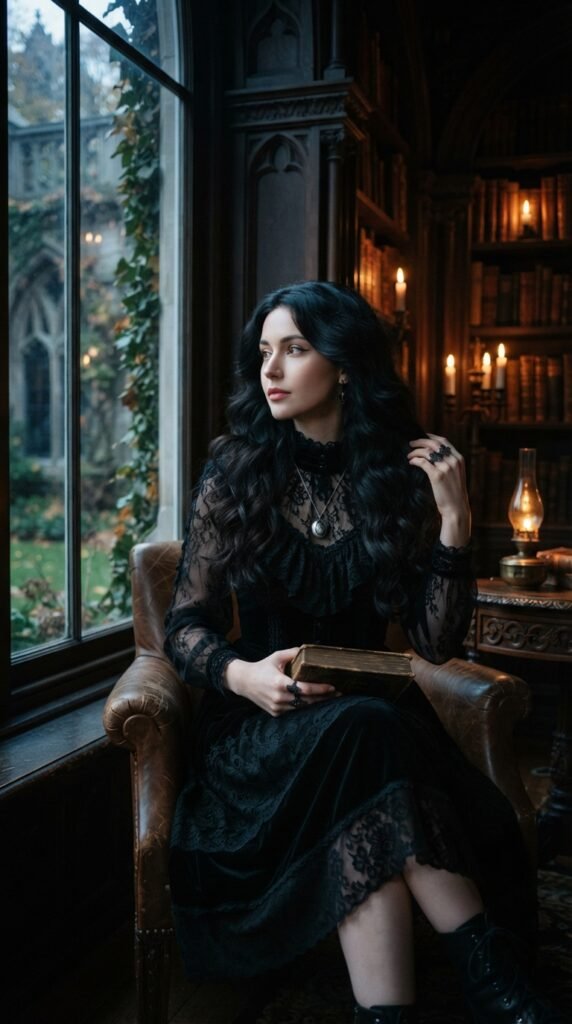
Romantic goth hairstyles are having a major moment in 2026. Think dark, dramatic waves with a soft, almost Victorian feel. To get that texture without frying your color-treated black or deep burgundy hair, you need precision. Set your digital iron to 330°F. Take one-inch sections, wrap the hair around the barrel (away from your face), and hold for 5 seconds. The even heat distribution gives you soft, billowy waves that last all night. Your color stays vibrant, and your ends don’t get that crispy feeling. Trust me, your goth queen era deserves better than a burnt strand.
Glitchy Glam Hair: The Edgy Trend That Needs Steady Heat
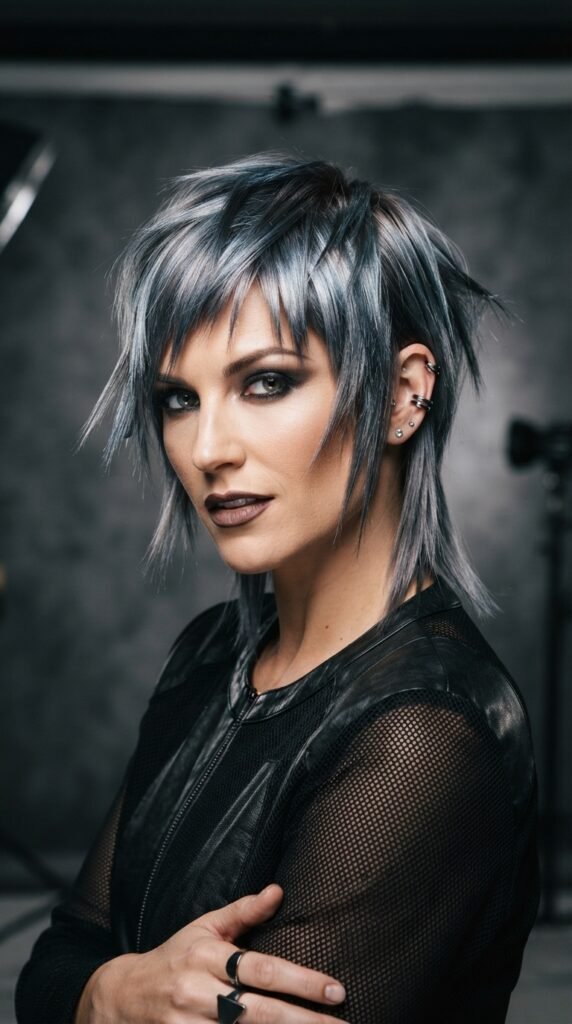
Glitchy glam hair is all about intentional texture—think sharp bends, zig-zag parts, and glossy, almost digital-looking sections. This trend from the 2026 runway requires a tool that doesn’t spike in temp. A regular iron can leave you with uneven kinks. But with an 18-setting digital thermostat iron, you can set it to 370°F and create crisp, clean bends. Use the iron to pinch small sections, holding for a second to create a “glitch” crimp. Because the heat is consistent, each section matches the last. It’s fun, futuristic, and your hair stays hydrated.
The “Vampire Haircut” Styling Secret
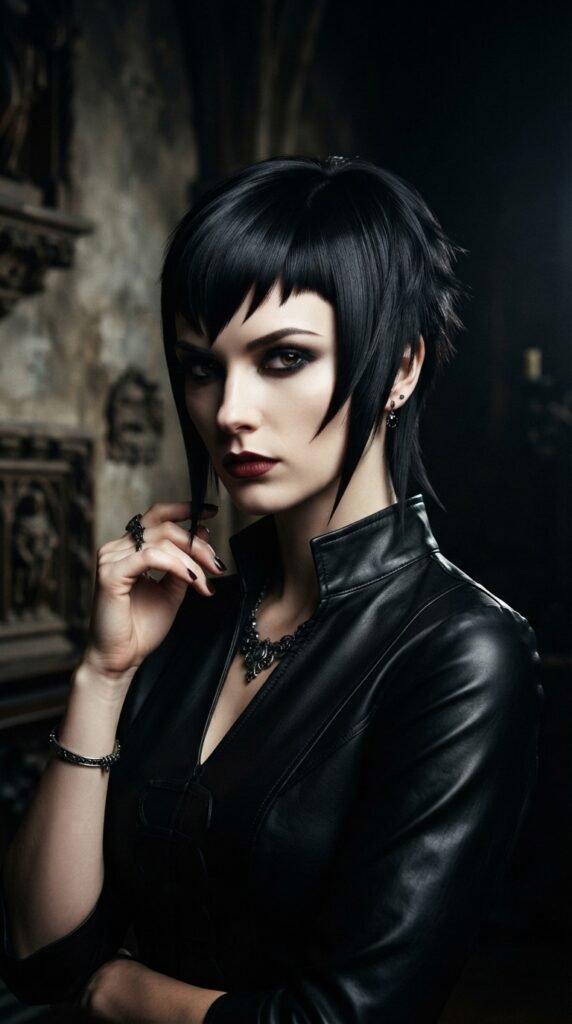
The vampire haircut—with its ultra-sharp layers and dramatic face-framing pieces—is everywhere right now. But those layers only look good if they fall perfectly. A precise iron helps you smooth each layer individually without pulling or stretching the hair. Set your iron to 340°F for most hair types. Glide it down each section, letting the iron’s weight do the work. The digital thermostat keeps the plate temp locked, so you don’t accidentally blast your delicate face-framing pieces with too much heat. It’s the difference between a haircut that looks “okay” and one that stops traffic.
Asymmetrical Lob: Quick Styling with Zero Guesswork

An asymmetrical lob is chic, but it can be tricky to style because the lengths are different. You need to treat the longer side and the shorter side like separate sections. With a precise digital iron, you can dial down the heat for the shorter, more delicate pieces, and bump it up for the heavier longer side. I set mine to 330°F for the short side and 360°F for the long side. The result is a consistent, smooth finish that doesn’t look lopsided. This is a pro-level move that your hair will thank you for.
Hime Cut Perfection: No Frizz, Just Precision
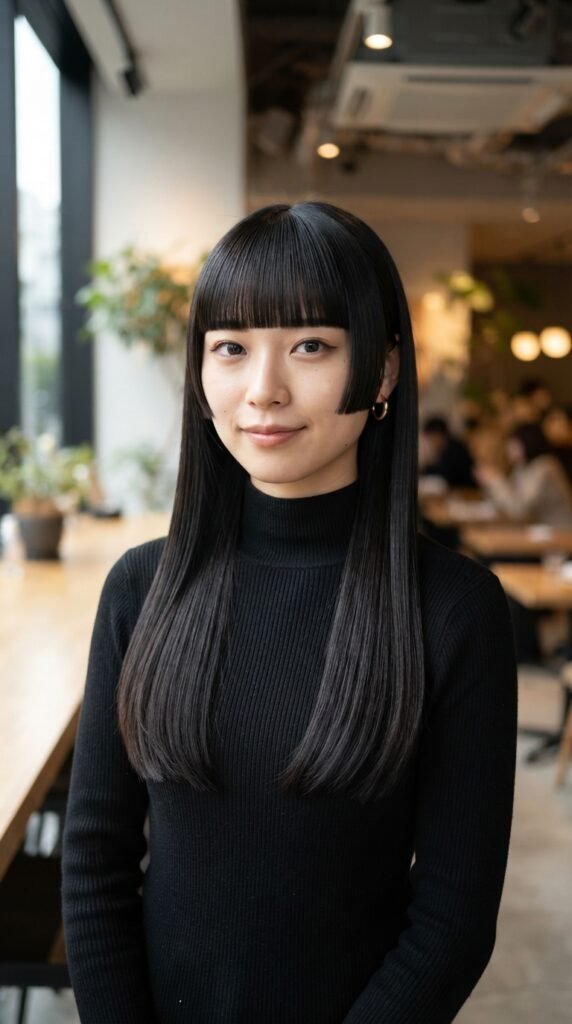
The hime cut demands razor-sharp precision at the ends. Any frizz or wave ruins the effect. To get that glass-smooth finish without using a flat iron that’s too hot, use a 320°F setting. Clamp the iron at the roots of your bangs and drag it slowly down. The digital thermostat ensures the heat doesn’t fluctuate, so you get a perfectly straight line every time. Your hime cut will look like you just stepped out of an anime frame—sleek, shiny, and utterly controlled. No flyaways, no burn smell, just clean lines.
How Digital Thermostats Beat Traditional Heat Settings
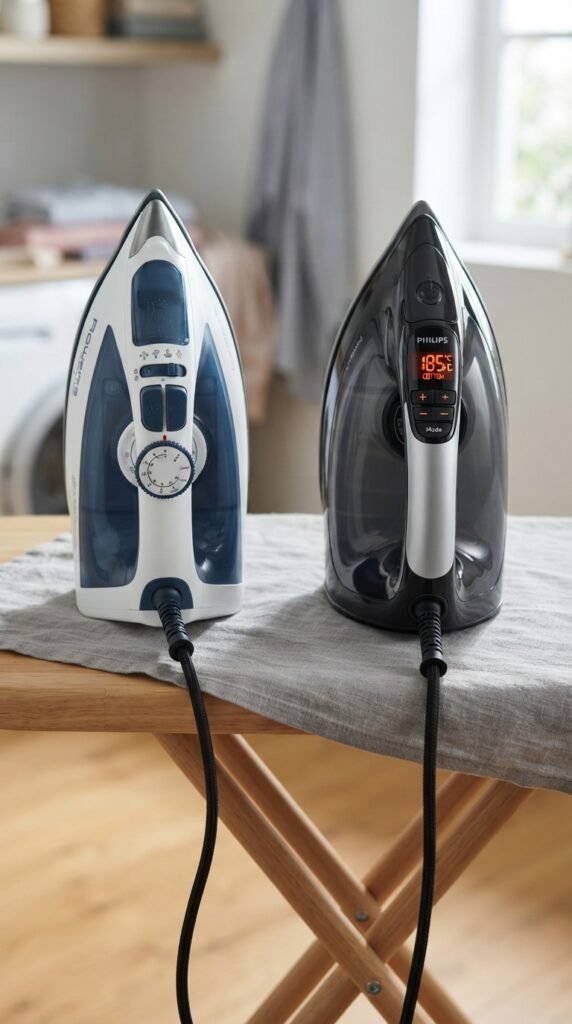
Most traditional irons have a dial with numbers 1 through 10. That’s useless. You have no idea if a “5” means 300°F or 400°F. Digital thermostats show you the exact number. The real magic is that they maintain that temp even during long styling sessions. No dropping heat when you clamp down, no sudden spikes. This steady heat means you only need to pass the iron once, which cuts styling time and heat exposure in half. It’s the simplest upgrade you can make for healthier hair.
Protecting Color-Treated Hair with Precision Heat
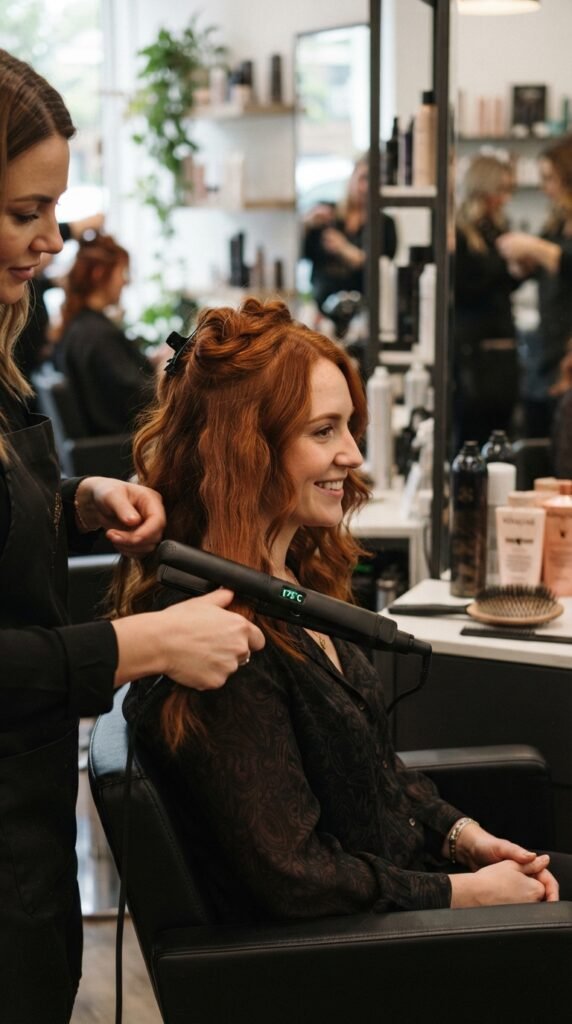
If you’ve spent money on color, you don’t want to wash it down the drain with bad heat styling. Color-treated hair is more porous and burns faster. The 18-setting digital irons let you stay in the safe zone—typically under 350°F for color-treated hair. This lower, controlled heat keeps your pigment locked in and prevents that dull, brassy look. Your hair stays vibrant longer, and you don’t get that weird fried-smell on your ends. It’s a no-brainer for anyone who invests in their hair color.
Fine Hair? Low Heat is Your Best Friend

Fine hair is delicate. It doesn’t need high heat to flatten—it needs consistent, low heat. Use a digital iron set between 280°F and 320°F. Because the thermostat keeps it steady, you won’t accidentally scorch your strands. The result is smooth hair without the limp, flat look that comes from over-styling. You actually get volume and smoothness at the same time. Plus, fine hair tends to bend easier, so you don’t need high temps to create a sleek ponytail or soft waves. It’s a win for your hair’s long-term health.
Thick and Coarse Hair: High Heat, Safe Use
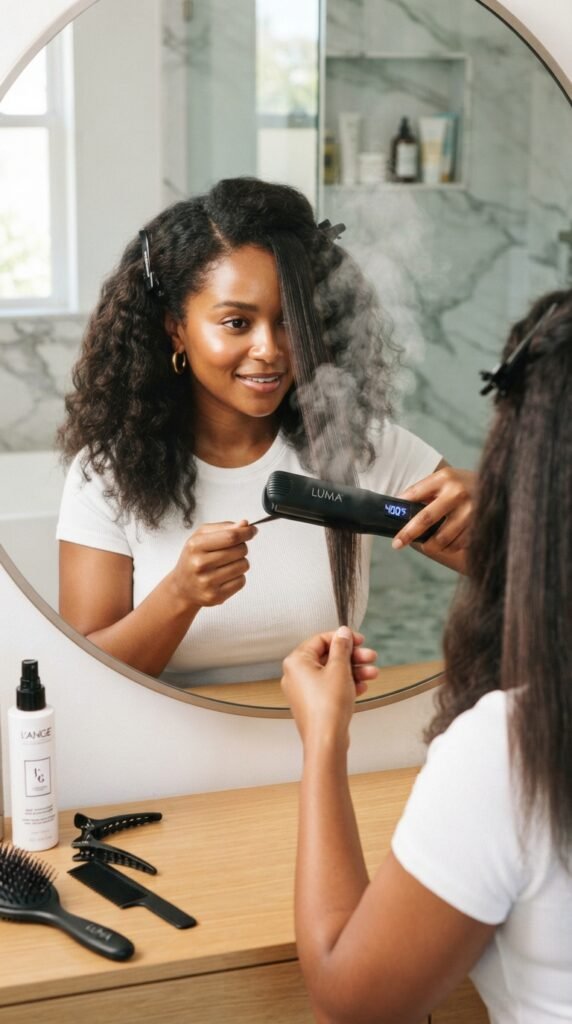
Thick hair loves higher heat, but it’s easy to overdo it. With a digital thermostat iron, you can confidently go to 400°F or 410°F and know it won’t spike. This is crucial for thick, coarse strands that resist styling. The steady high heat penetrates the cuticle without the need to go over the same section multiple times. One pass, done. Your hair stays smoother longer, and you don’t have that fuzzy halo of breakage after a few weeks. It’s the tool that actually respects your texture.
How to Choose the Right Temperature for Your Hair Type
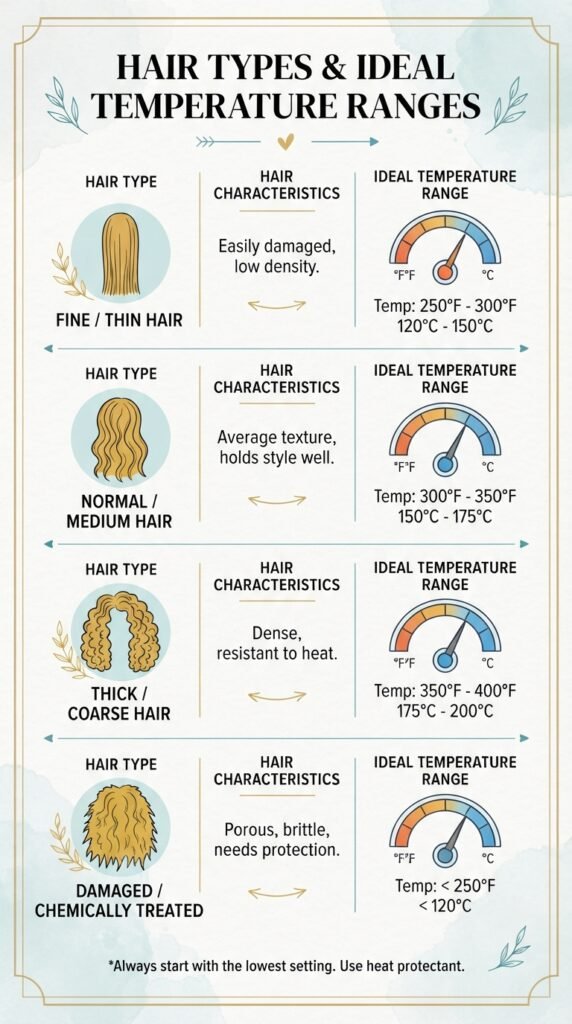
Here’s a quick cheat sheet I use for my own blog clients:
- Fine, damaged, or bleached hair: 280°F – 320°F
- Normal, healthy hair: 320°F – 360°F
- Thick, coarse, or curly hair: 360°F – 410°F
- Color-treated hair: max 350°F
The beauty of a digital iron is you can adjust per section. Your baby hairs? Lower temp. Your stubborn crown? Higher temp. It’s not about one number—it’s about having the control to treat your hair like the unique texture it is. No guessing, no regrets.
The Quiet Luxury Bob Needs a Smooth Finish

The quiet luxury bob is all about understated shine. You don’t want it to look ironed within an inch of its life. With a precise digital iron at 330°F, you can gently curve the ends inward using a slow, steady motion. The even heat prevents that stiff, helmet-like look. Instead, you get a soft, polished curve that moves naturally. It’s the difference between “I styled my hair” and “my hair just looks like this.” And honestly? That effortless vibe is the whole point of the trend.
Romantic Goth Waves That Last All Night
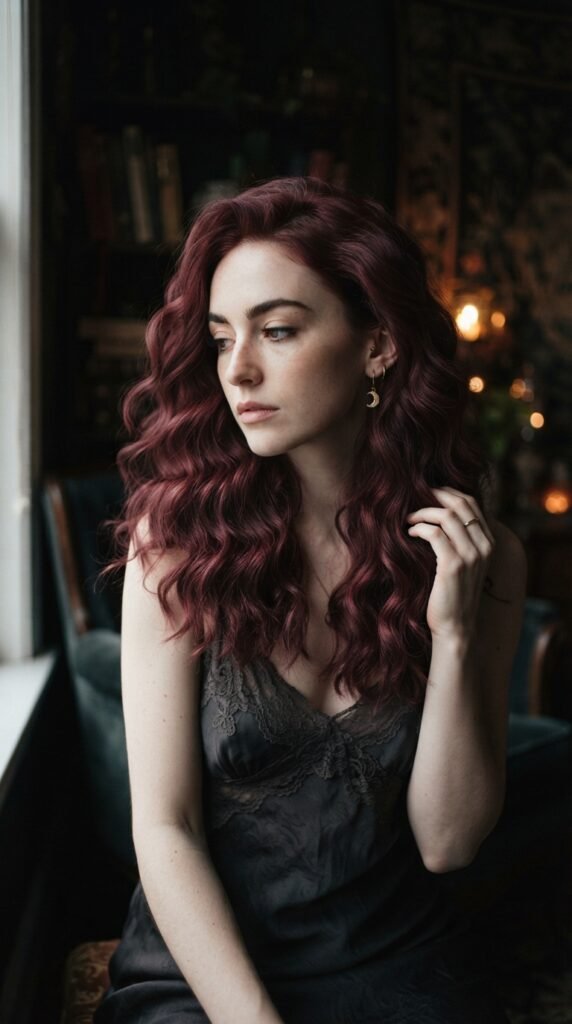
For romantic goth hairstyles that stay put, you need heat that doesn’t fade as you work. Digital thermostats keep the temp locked, so your last wave is as tight and defined as your first one. Set your iron to 340°F, wrap sections around the barrel, and hold for 8-10 seconds. The consistent heat helps the wave set and hold without needing extra product. You get soft, dramatic curls that last through a concert or a date night, and your hair still feels soft the next day. No crunchy, dry texture—just dark romance.
Glitchy Glam Hair: How to Get the Sharp Bends
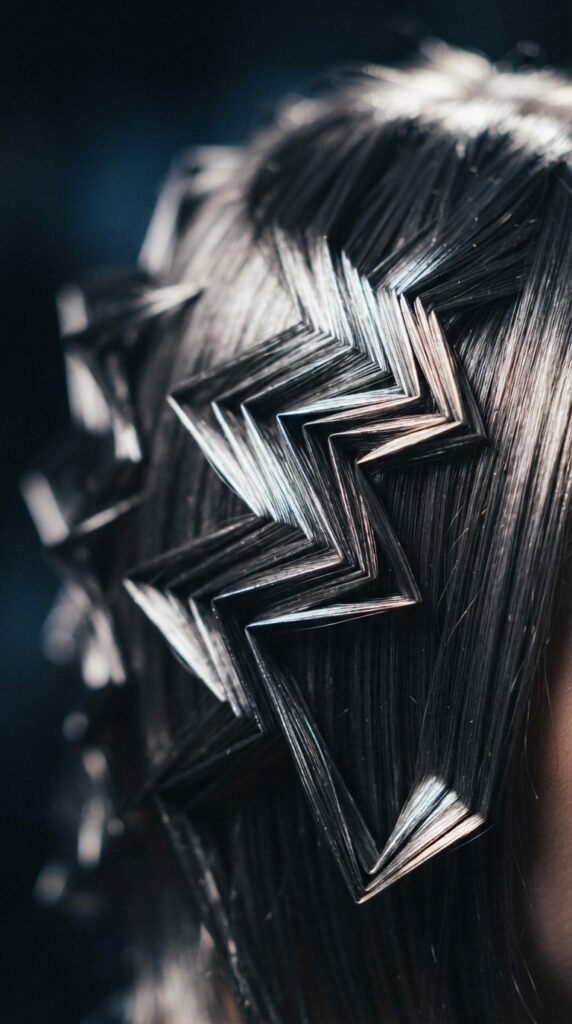
To get those glitchy glam bends, you need heat that’s both precise and quick. Set your digital iron to 370°F. Take a small ½-inch section, clamp the iron near the root, and then create a sharp fold by bending the iron. Hold for 2 seconds. Release, and move down 1 inch, create another fold, alternating directions. Because the heat is consistent, each fold keeps its shape without frizzing. The result is a sharp, digital-looking pattern that feels very 2026. It’s futuristic, but your hair stays healthy because you’re not over-processing any single spot.
Protecting Your Ends: The Biggest Win
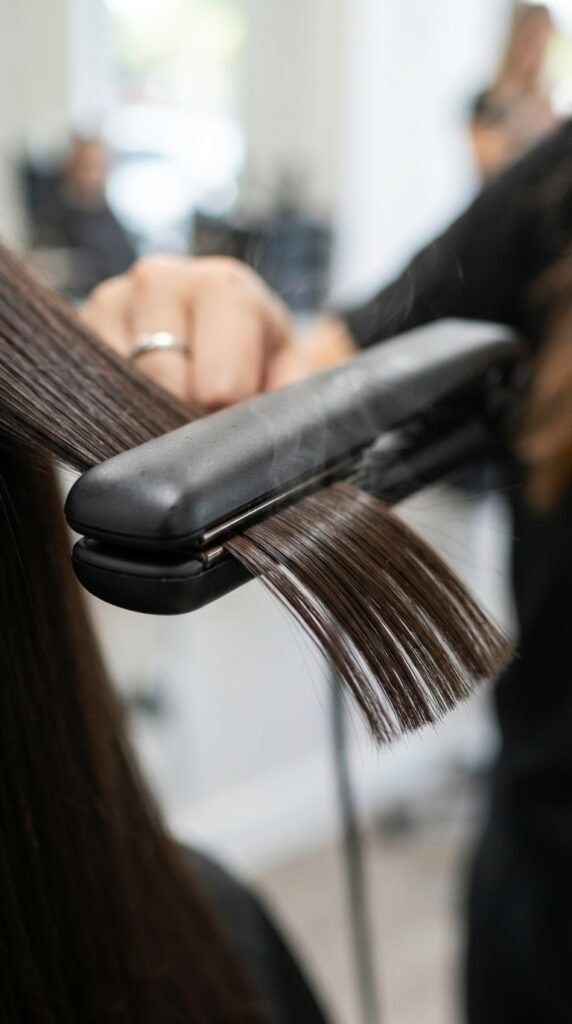
Ends are the oldest part of your hair, so they’re the most fragile. Overheating them with an inconsistent iron is what causes split ends. With a digital thermostat, you can actually reduce the temperature for the last few inches of your hair. Run the iron at 300°F for your mid-lengths, then drop it to 280°F for the ends. This small tweak, done consistently, can extend the time between trims by weeks. Your ends stay smooth, strong, and healthy—which means your style looks better from root to tip.
Hime Cut Bangs: Perfectly Straight Every Time
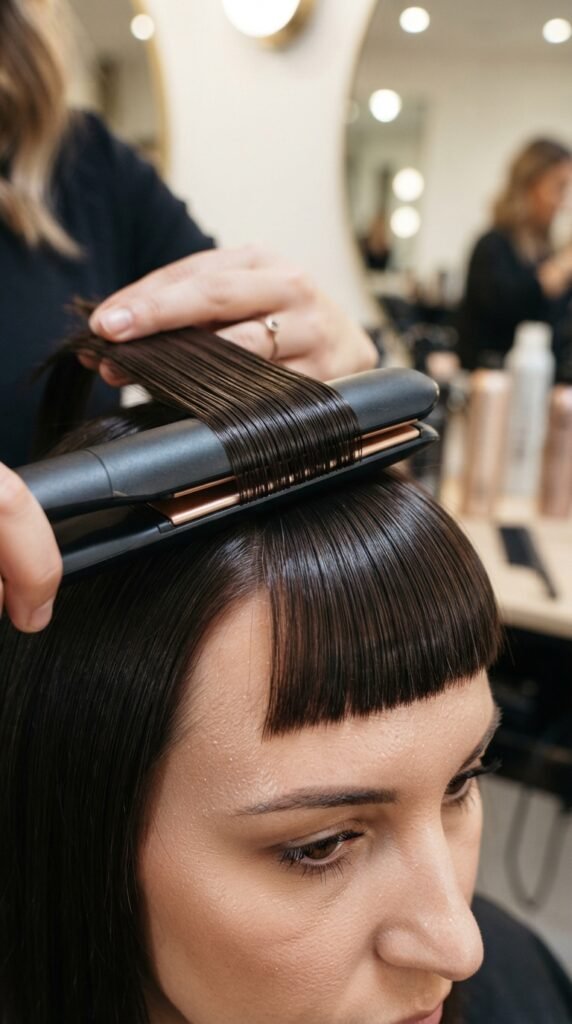
Hime cut bangs are unforgiving. Any waviness or bump shows immediately. To get them perfectly straight, use a digital iron set to 310°F. Work with small sections, clamping at the roots and pulling straight down with even pressure. The consistent heat eliminates the need to go over the same section twice, which is what causes that fried, frizzy look. Your bangs will lay flat, smooth, and blunt. It’s the only way to honor the precision that a hime cut deserves.
The Asymmetrical Lob Needs Variable Heat
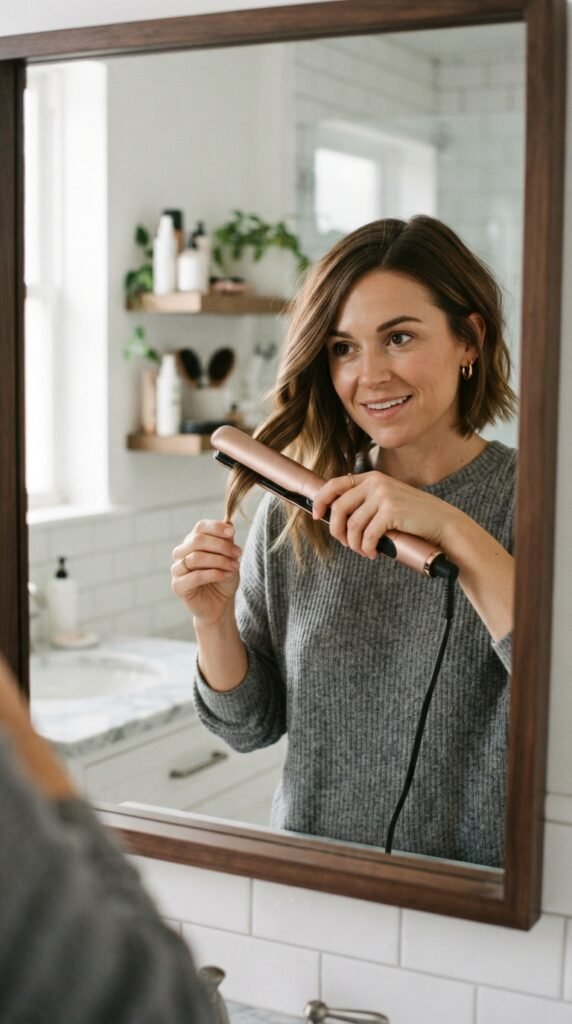
An asymmetrical lob has two distinct lengths, and your heat settings should respect that. The shorter side (usually at the nape) is more delicate and prone to flipping out. Use a lower setting, around 320°F, to smooth it downward with a slight inward curve. The longer front piece can handle 350°F for a softer wave. A digital iron lets you switch between these settings instantly. This level of detail is what gives an asymmetrical lob that polished, intentional look. It’s not hard—it just takes the right tool.
2026 Hairstyles: Why This Tool is the Foundation
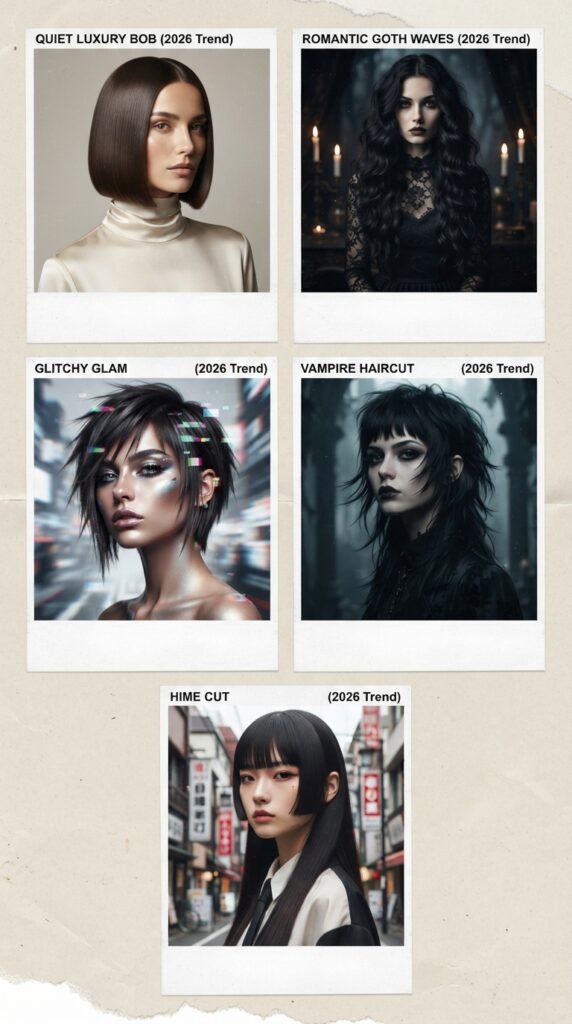
Almost every major 2026 hairstyle—from the quiet luxury bob to the vampire haircut to glitchy glam—relies on one thing: controlled, consistent heat. The trends this year are about texture and precision, not just shiny hair. A digital thermostat iron gives you the ability to create sharp bends, soft curves, or glassy smoothness without compromise. It’s the one tool that can keep up with all the trends without wrecking your hair. If you’re investing in a haircut this year, invest in the tool that makes it look its absolute best.
How to Avoid Heat Damage Like a Pro

Even with the best iron, you need a buffer. Always use a heat protectant spray formulated for your hair type. Then, with a digital thermostat iron, you know exactly how much heat you’re applying. Pair that with working in small sections and never pausing on a single spot. The steady heat means you don’t have to hover. Your hair will stay shiny, bouncy, and resilient over time. It’s the difference between using a tool and using it well. And honestly, your future self (and your ends) will be grateful.
Quick Routine for a Perfect Quiet Luxury Bob
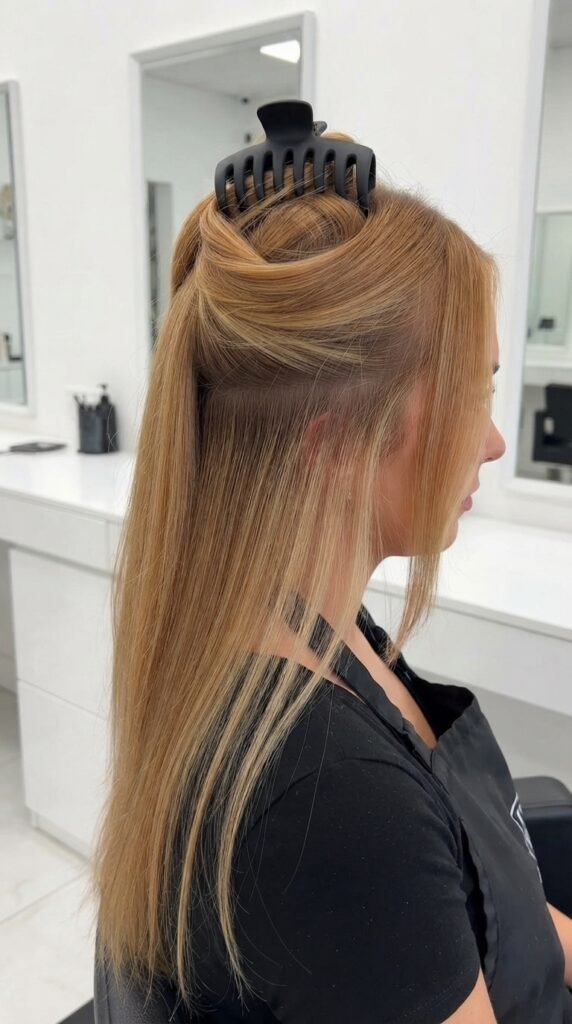
Want the quiet luxury bob in 10 minutes? Here’s my go-to routine:
- Set iron to 330°F for normal hair.
- Section hair into 4 parts: top, back, left, right.
- Starting at the nape, clamp iron at roots, glide down to ends, and curve inward gently.
- Work your way up each section, focusing on smoothness.
- Finish with a light oil on the ends for shine.
That’s it. The consistent heat means no re-dos. Your bob looks expensive, polished, and healthy. You’re done before your coffee gets cold.
The Vampire Cut with Soft Texture

The vampire haircut isn’t just about the blunt layers—it’s also about how you wear them. For a softer take, use your digital iron set to 340°F. Take random one-inch sections and wrap them around the barrel loosely. The result is a tousled, lived-in texture that shows off the layers without looking overly done. Because the heat is even, the waves are uniform without being stiff. It’s a killer look that says “I woke up like this,” but we know the truth: it’s all in the tool.
Why 18 Settings Are Better Than 5
More settings mean more fine-tuning. With 18 digital temperature options, you can match the exact needs of your hair on any given day. Humid day? Lower the temp slightly. Freshly washed? You might need a bit more heat for volume. The ability to make micro-adjustments is a game-changer for anyone who deals with changing hair behavior. It’s not about having every number—it’s about having the right number for right now. That’s real control, and that’s what protects your hair long-term.
I’ll be honest—I used to think any flat iron was fine. Then I started testing these digital thermostat models, and I can’t go back. My hair feels softer, looks shinier, and my styles last longer. If you’re ready to stop guessing and start protecting, an 18-setting digital iron is the smartest purchase you’ll make this year. Your hair works hard for you—it deserves a tool that works just as hard in return.
Save this post to Pinterest so you don’t lose these temp tips. And seriously, tell me in the comments—what’s your go-to hairstyle for 2026? I’d love to know which trend you’re trying first.