Pineapple 13 Loose Root Preserving Ponytails for Curly Overnight
Let’s be real for a second: if you have curly hair, you know the struggle of waking up to a flattened, tangled mess when you actually took time to lay those curls perfectly the night before. I’ve been there more times than I can count, and it’s frustrating. That’s why I started testing different overnight styles, and honestly, the “pineapple” method is a game-changer. But not just any pineapple—I’m talking about the Pineapple 13 Loose Root Preserving Ponytail.
This technique keeps your roots from getting smashed while you sleep, so your curls stay bouncy and defined without that dreaded “day two” halo of frizz. It’s simple, takes maybe two minutes, and saves you from a total wash-and-style routine in the morning. I’m sharing everything I’ve learned, including how to tweak it for your specific curl type and length. By the end, you’ll have a solid overnight routine that actually works.
Why the Pineapple 13 Method Works for Overnight Curls
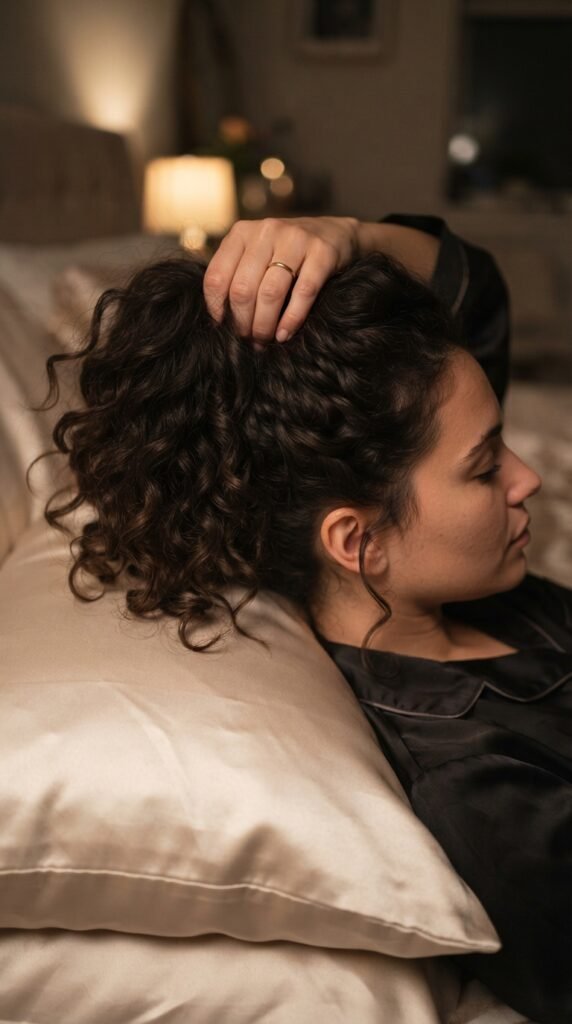
The standard pineapple uses one ponytail, but the “13” version spreads the tension across multiple sections. This keeps your roots from getting pulled flat and lets each curl clump stay separate. You get volume without the crunch.
Here’s why it’s so good for overnight:
– Prevents root flattening from sleeping on your back or side.
– Reduces friction on your ends, which means less breakage.
– Helps maintain definition so you can refresh with just water in the morning.
What You Need for the Perfect Pineapple 13 Setup
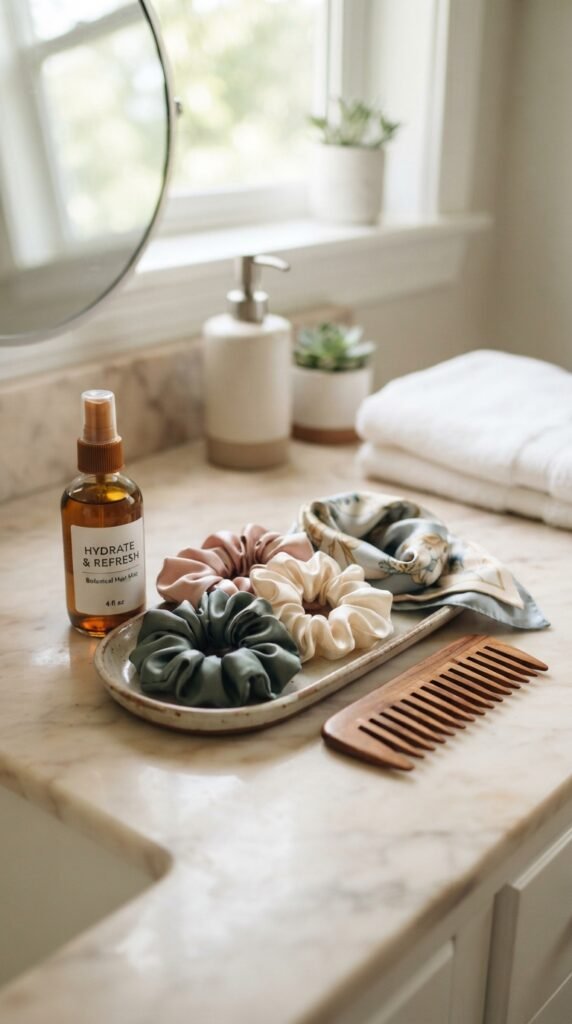
You don’t need fancy tools. Grab a few satin or silk scrunchies (cotton will snag your curls), a silk scarf or bonnet, and a spray bottle with water or a lightweight leave-in. That’s it.
Key items:
– 13 soft hair ties (no metal parts)
– One large silk scarf or a loose-textured bonnet
– A tiny bit of curl refresher or water in a spray bottle
Step 1: Start With Slightly Damp or Refreshed Curls
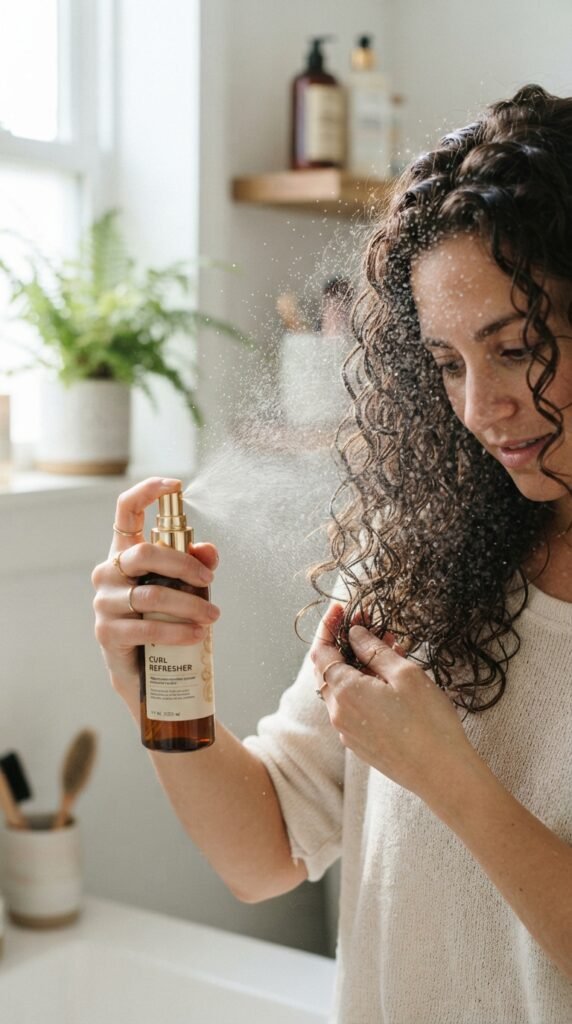
Don’t start with bone-dry hair. It won’t stay in place. Lightly mist your curls with water or a lightweight curl refresher until they’re just barely damp. This reactivates the product and makes the curls more pliable.
Pro tip: If your hair is super thick, section it into four parts first. This makes the next steps way easier and more even.
Step 2: Divide Your Hair Into 13 Sections
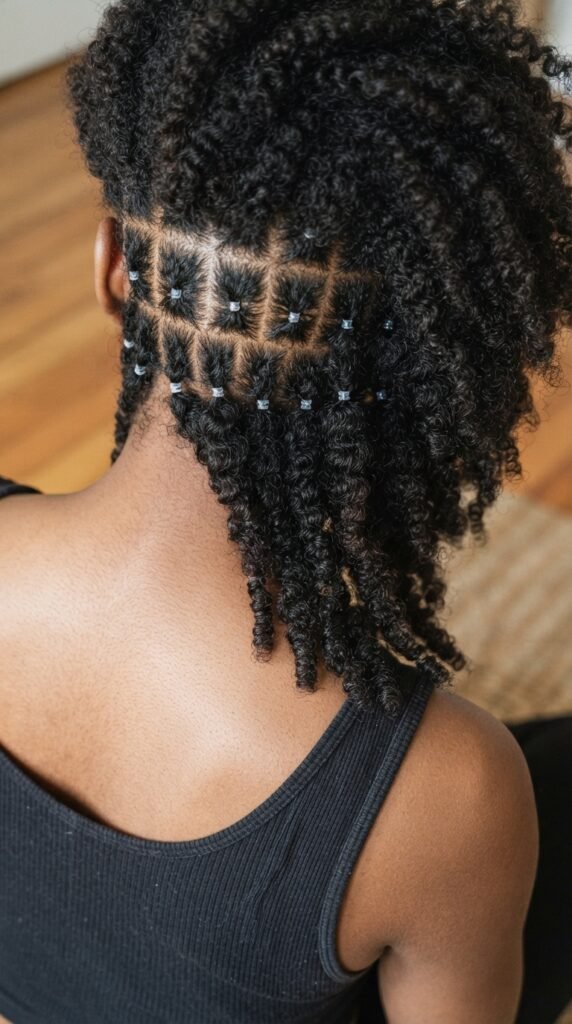
This sounds like a lot, but it’s actually fast. Use your fingers to gently part your hair into 13 loose sections. Don’t worry about perfect symmetry—just aim for roughly equal-sized chunks. Each section should be small enough to wrap into a tiny ponytail without pulling.
Numbered steps:
1. Start at the nape and work upward.
2. Use your fingers, not a brush, to keep curl clumps intact.
3. If you lose track, just aim for 13—close enough is fine.
Step 3: Secure Each Section With a Very Loose Ponytail
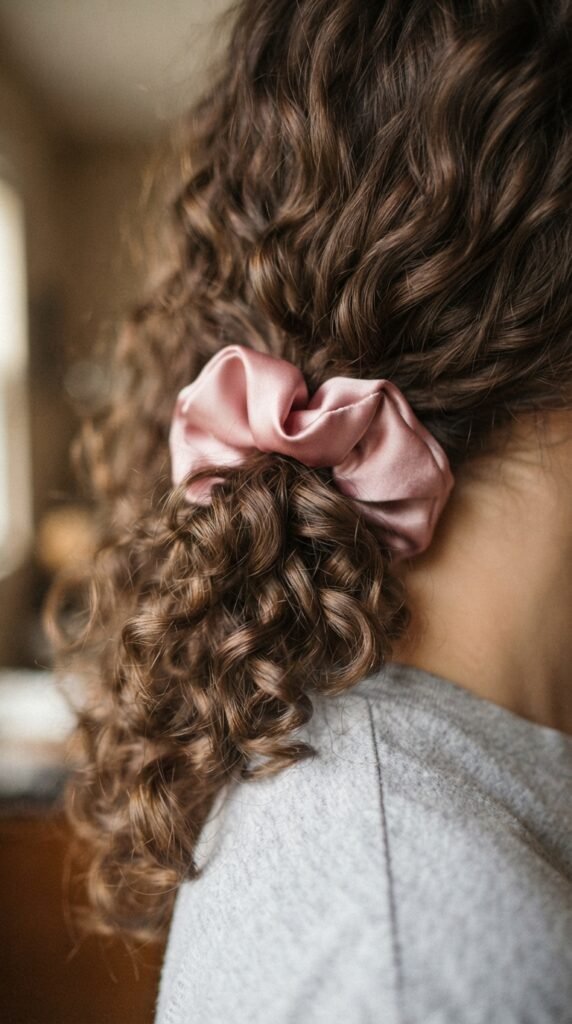
This is the “loose root” part. You want the scrunchie to sit near the ends of your hair, not tight against your scalp. Think of it like a very relaxed loop that just keeps the curls from tangling with each other.
What to avoid:
– Never pull the hair tight—this creates dents and flat spots.
– Don’t use rubber bands or elastic without fabric covering.
– Leave about an inch of slack between the scrunchie and your scalp.
Step 4: Gently Lift Each Ponytail Toward the Crown
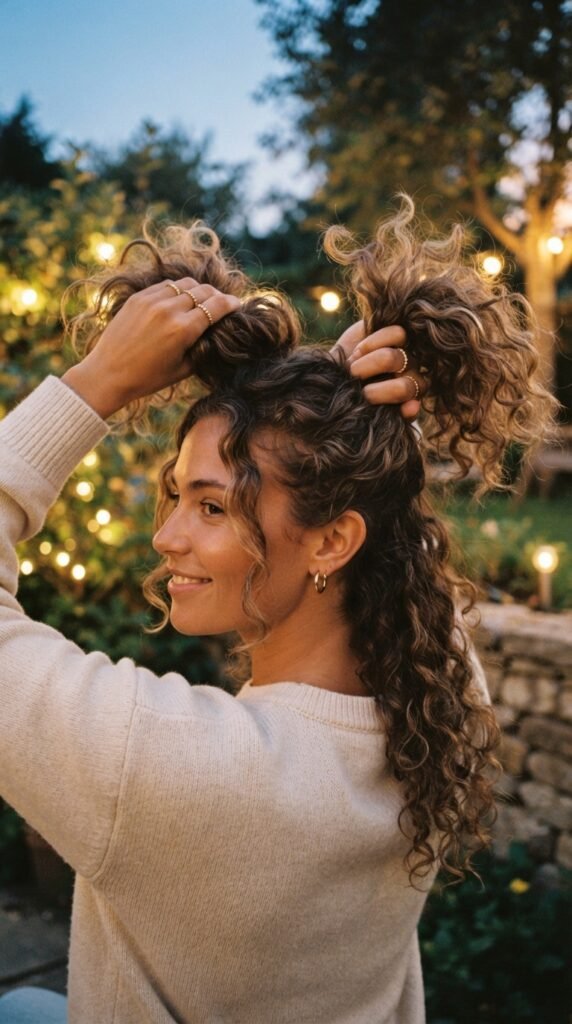
Now, take each of those loose ponytails and lift them so the ends point toward the top of your head. This creates a “pineapple” effect that keeps your curls from being crushed by your pillow. It also encourages volume at the roots.
Key tip: Don’t pull them all in the same direction. Let them lay naturally toward the center of your head so they don’t strain any one spot.
Step 5: Wrap Everything in a Silk Scarf or Bonnet
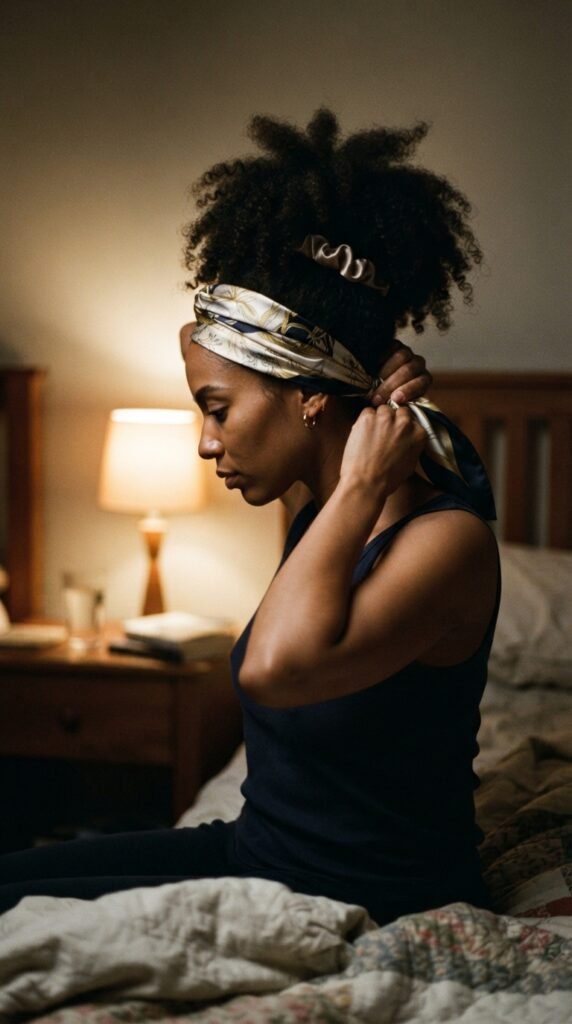
Once all 13 sections are lifted and secure, wrap your head with a large silk scarf or a loose bonnet. The goal is to keep everything contained without crushing the shape. A bonnet is easier if you toss and turn, but a scarf works beautifully for low-movement sleepers.
How to wrap:
– Start from the front and tie at the back.
– Leave enough room for the ponytails to move slightly.
– Avoid tight knots that press into your hairline.
How This Prevents That “Flat Root” Disaster
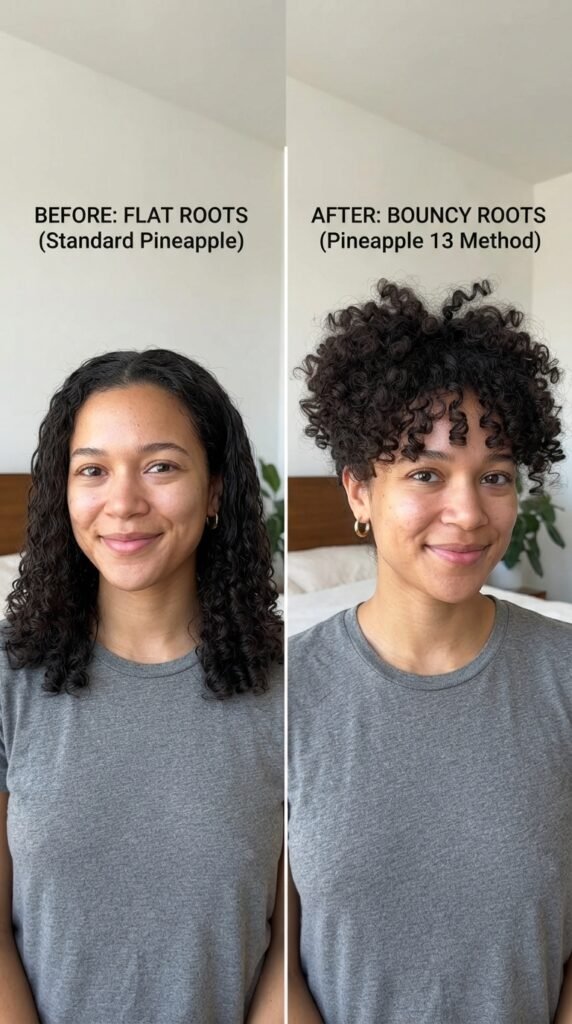
When you sleep with your hair loose, the weight of your head flattens the roots against the pillow. The pineapple 13 method distributes that pressure across multiple small sections, so no single area gets smashed. Your roots stay lifted because the hair is suspended away from the pillow surface.
Other benefits:
– Less friction means less frizz and breakage.
– You preserve the curl pattern without re-wetting everything in the morning.
– Saves you at least 15 minutes of styling time.
Best Curls for the Pineapple 13 Technique

This method works best for type 3 and type 4 curls, especially if you have medium to high density. If you have looser waves (type 2), you might only need 8-10 sections, but 13 gives you more control. Tight coils love this because it helps stretch them just a bit without losing definition.
What to adjust:
– Fine curls: use smaller sections to avoid tension.
– Very long hair: add a few extra sections for even distribution.
– Short hair: adjust to 8-10 sections, but keep the same loose principle.
How to Refresh in the Morning Without Washing
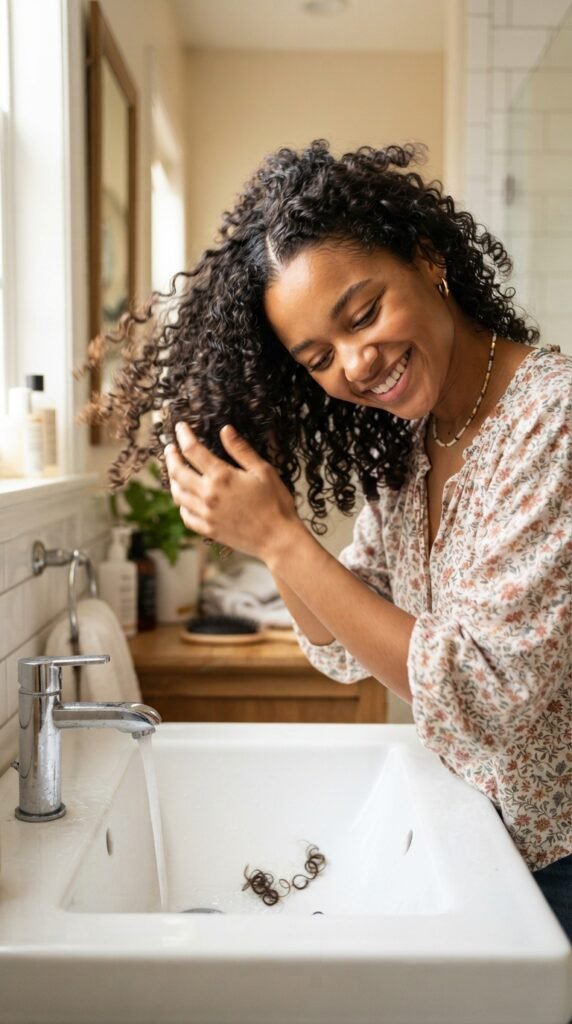
When you wake up, gently untie each ponytail from the bottom up. Don’t pull—shake them loose with your fingers. If your curls look a little flat, mist them lightly with water and scrunch upward. That’s often all you need.
Quick refresh routine:
1. Spray with water or a light curl refresher.
2. Scrunch from ends to roots.
3. Let air dry for 5 minutes while you do the rest of your routine.
Why This Style Works With the “Old Money Hair” Vibe

That effortless, unfussy look you see in “old money hair” or the quiet luxury bob comes from healthy, well-maintained curls. The pineapple 13 method protects your hair’s integrity, so you wake up with shiny, smooth curls that look expensive without trying too hard.
It’s not about complicated routines—it’s about smart preservation. This technique lets you wake up looking polished, even if you’re just heading to brunch or a coffee shop.
How This Connects to Romantic Goth Hairstyles

For those leaning into romantic goth hairstyles, the same root-preserving idea applies. Dark, dramatic curls need volume and definition to look intentional. Sleeping with this method keeps those curls from turning into a flat, messy shadow of themselves.
Pair it with:
– A dark satin scarf for the goth aesthetic.
– A few small silver clips to hold sections if you want extra shape.
– Minimal product in the morning for that slightly undone vibe.
Experimenting With Glitchy Glam Hair Inspiration

If you love the 2026 hairstyles trend of “glitchy glam,” which plays with texture and irregular shine, this method is perfect. Because the roots stay lifted and the curls are relaxed, you get that slightly chaotic but controlled texture that defines the trend.
Tips for the glitchy glam finish:
– Leave a few sections slightly looser on purpose.
– Use a tiny bit of hair oil on the ends for uneven shine.
– Shake out the ponytails asymmetrically.
Adapting for the Asymmetrical Lob or Vampire Haircut

Shorter cuts like the asymmetrical lob or the vampire haircut (layered and textured) also benefit from root preservation. With less length, the curls are even more prone to flattening. The pineapple 13 method keeps each layer visible and bouncy.
Adjustments for short curly cuts:
– Use fewer sections (8-10) to avoid tangling.
– Let the ends hang out of the scarf slightly for shape.
– Focus on the crown area for maximum root lift.
How to Get That Hime Cut Curl Volume
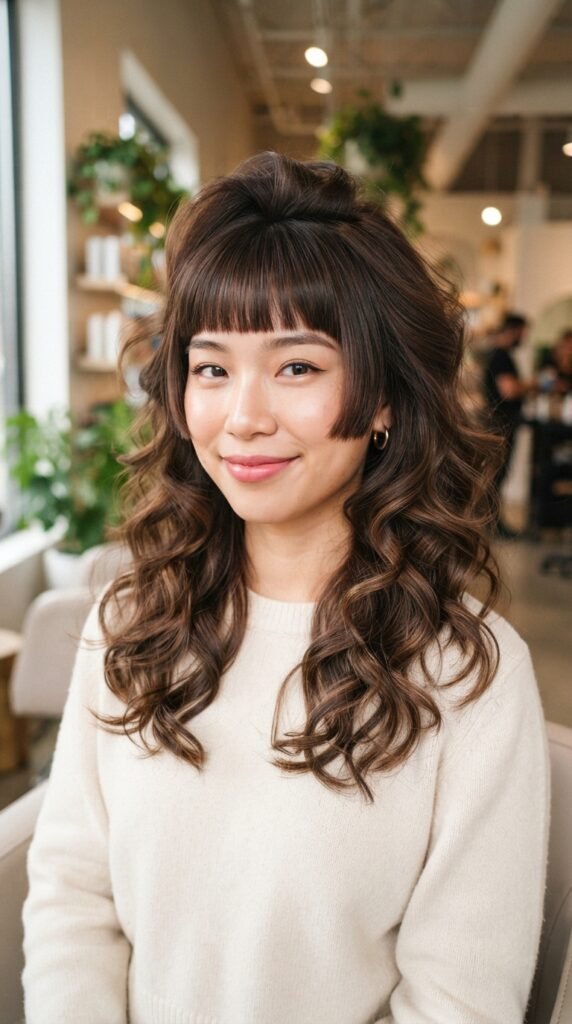
The hime cut relies on sharp framing and volume at the crown. Overnight, the pineapple method preserves that volume so you don’t lose the shape. Just make sure the sections near your face are very loose so they don’t pull the fringe flat.
What to watch:
– Keep your face-framing pieces in their own small ponytail.
– Don’t tuck them under other sections.
– In the morning, gently separate them with your fingers.
Common Mistakes and How to Fix Them
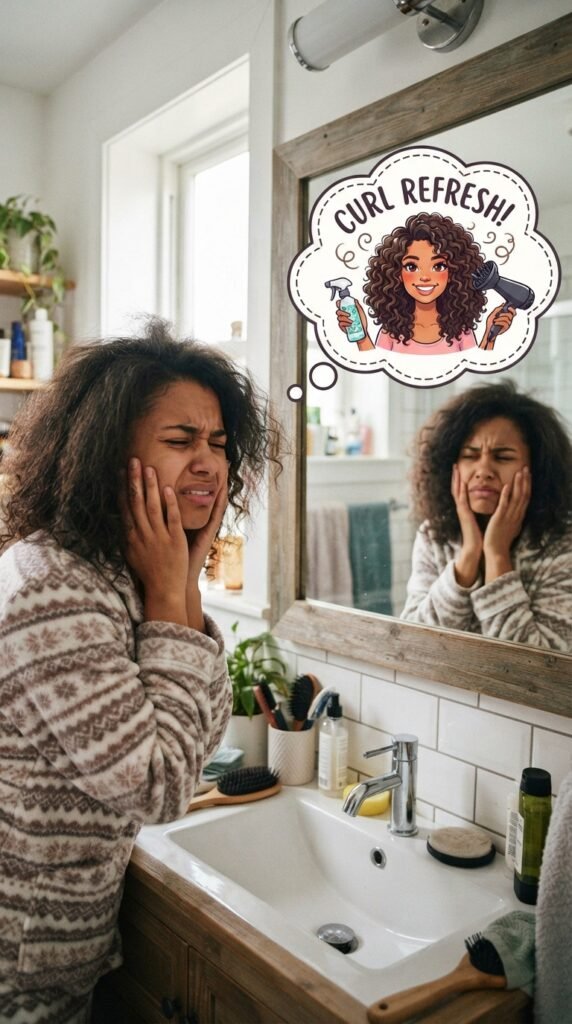
Even with good intentions, things can go wrong. If you wake up with a dent from a too-tight scrunchie, just wet that spot and scrunch it back. If your roots are still flat, you might have used too few sections or wrapped the scarf too tightly.
Quick fixes:
– Flat roots: re-wet and scrunch upward.
– Frizzy ends: add a drop of oil.
– Tangled sections: spray with water and separate gently with fingers.
When to Wash vs. When to Refresh
This method lets you go longer between washes. If your hair feels okay but looks a little tired, just refresh. If it’s greasy at the roots or has product buildup, it’s time for a wash. Listen to your hair—don’t force it to stretch too far.
Signs to wash:
– Sticky or oily roots.
– Hair feels heavy or flat despite refreshing.
– It’s been 4-5 days.
Product Pairings That Make a Difference
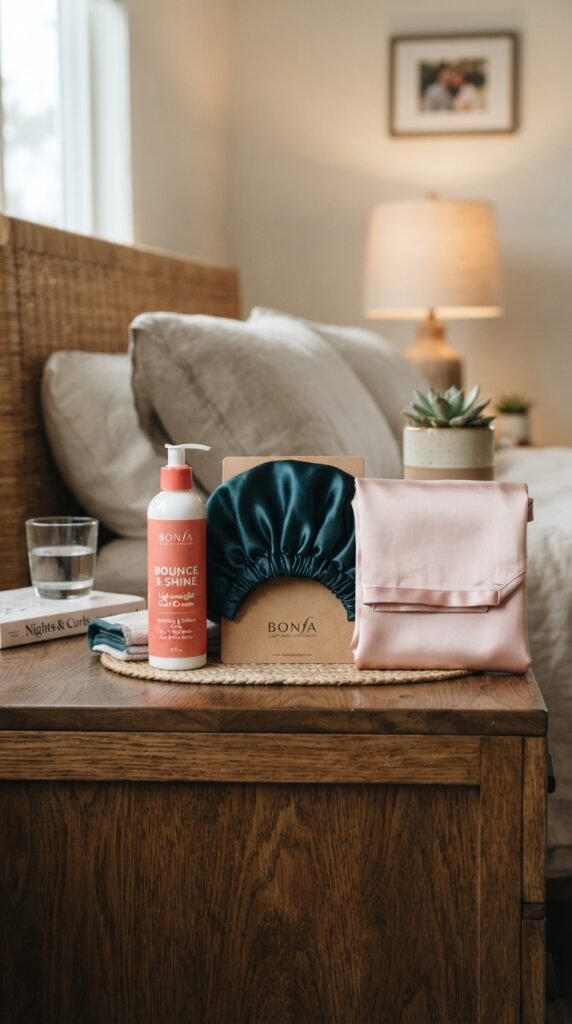
Pair the pineapple method with the right products for best results. A light hold gel or cream applied before sleeping helps the curls keep their shape overnight. Avoid heavy butters that can weigh down the roots.
Ideal product combo:
– A leave-in or curl refresher for moisture.
– A light gel or mousse for hold.
– Satin or silk accessories only.
How to Adapt for Different Sleep Positions
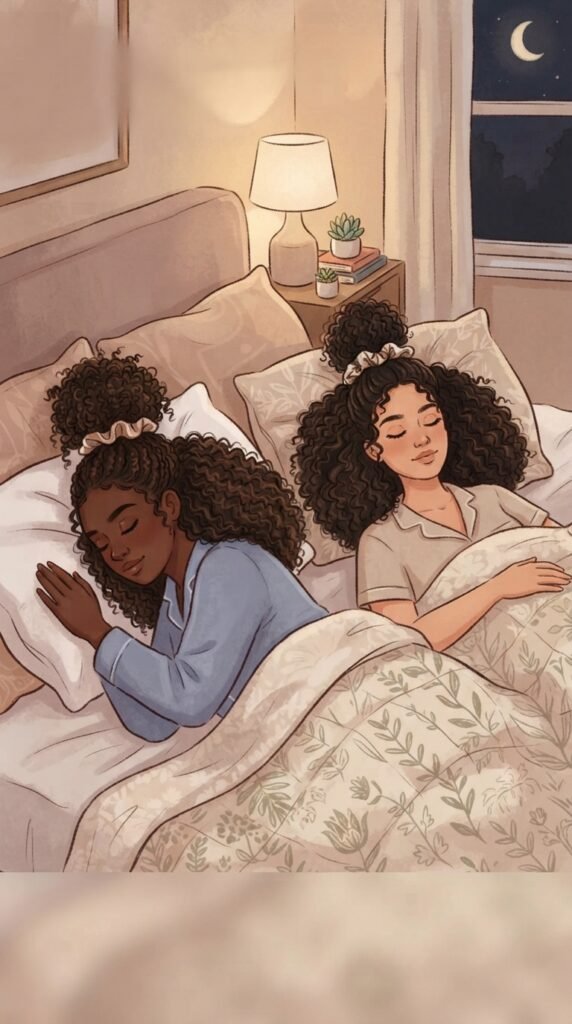
If you sleep on your back, the pineapple 13 method works perfectly as is. Side sleepers might need to add a silk pillowcase under their bonnet for extra slip. Stomach sleepers should use a looser scarf and fewer sections to avoid pressure.
Quick adjustments:
– Side sleeper: layer a silk pillowcase under your bonnet.
– Stomach sleeper: use a larger scarf and keep sections very loose.
– Back sleeper: standard method works great.
Adding This Routine to Your 2026 Hairstyles Rotation

This routine fits right into the 2026 hairstyles trends because it focuses on health and low-maintenance luxury. Whether you’re rocking a quiet luxury bob, romantic goth curls, or a trendy asymmetrical lob, the pineapple 13 method is your behind-the-scenes secret.
It’s not about spending more time—it’s about spending your time smarter. And your curls will thank you with better volume, less frizz, and more defined texture every single day.
Final Thoughts on Making Mornings Easier
I’ve been using this method for months now, and it honestly changed how I feel about my hair on non-wash days. It’s not perfect every single time, but it’s always better than waking up to a bird’s nest. And that’s the whole point—it gives you a fighting chance.
Try it tonight. You don’t need to be perfect, just consistent. Even three times a week will make a noticeable difference in your curl health and your morning routine. Your future self will be so glad.
Save this post to Pinterest so you can come back to it the next time you need an overnight refresh. And tell me below: what’s your biggest struggle with sleeping on curly hair? I read every comment and I’d love to help you tweak this for your exact curls.