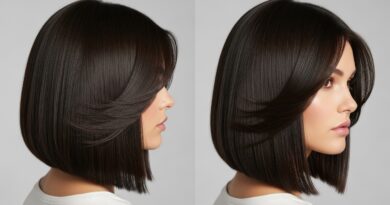
Scalp Recovery Routines Combating Seasonal Dryness And Flaky Winter Irritation
Hey friend, if your scalp feels tight, itchy, or snowing flakes right now, you are not alone. Winter air, indoor heat, and hot showers team up to strip your scalp’s natural moisture. It is annoying and sometimes embarrassing, but it is also fixable.
I have spent many winters testing routines that actually calm the chaos. No complicated steps, no expensive 12-part systems. Just simple habits that bring your scalp back to happy.
And here is the bonus: a calm scalp makes every hairstyle look better. Whether you are eyeing a quiet luxury bob, an asymmetrical lob, or even romantic goth hairstyles, healthy roots are the real secret.
Let us walk through my favorite scalp recovery routines for seasonal dryness and flaky winter irritation. You can start today.
Why Winter Wrecks Your Scalp (And What to Do First)

Winter is brutal on your scalp. Cold outdoor air holds little moisture. Indoor heating pulls whatever is left right out of your skin. Then you take a hot shower, and your scalp’s natural oils disappear.
The result? Tightness, itching, flakes that look like snow. It is not just you. Almost everyone deals with this from November to March.
Your first move: stop the damage. Lower your shower temperature. Skip harsh sulfates. And give your scalp a little extra love every wash day. Here is the exact routine I follow.
Quick start steps:
- Turn down the shower heat to lukewarm.
- Wash every 2-3 days, not daily.
- Massage your scalp for 60 seconds before rinsing.
The 5-Minute Pre-Wash Scalp Massage

This is my favorite free fix. A pre-wash scalp massage boosts blood flow, loosens flakes, and spreads your natural oils. It takes five minutes, max.
Do it dry, before you get in the shower. Use your fingertips, not your nails. Press gently and move in small circles from your hairline to your crown.
How to do it:
- Start at your temples. Circle for one minute.
- Move to the top of your head. Another minute.
- Finish at the nape of your neck. Two minutes.
That is it. Your scalp will feel tingly and alive. Then wash as usual. You can also use a silicone scalp brush if your fingers get tired.
Switch to a Gentle, Sulfate-Free Shampoo
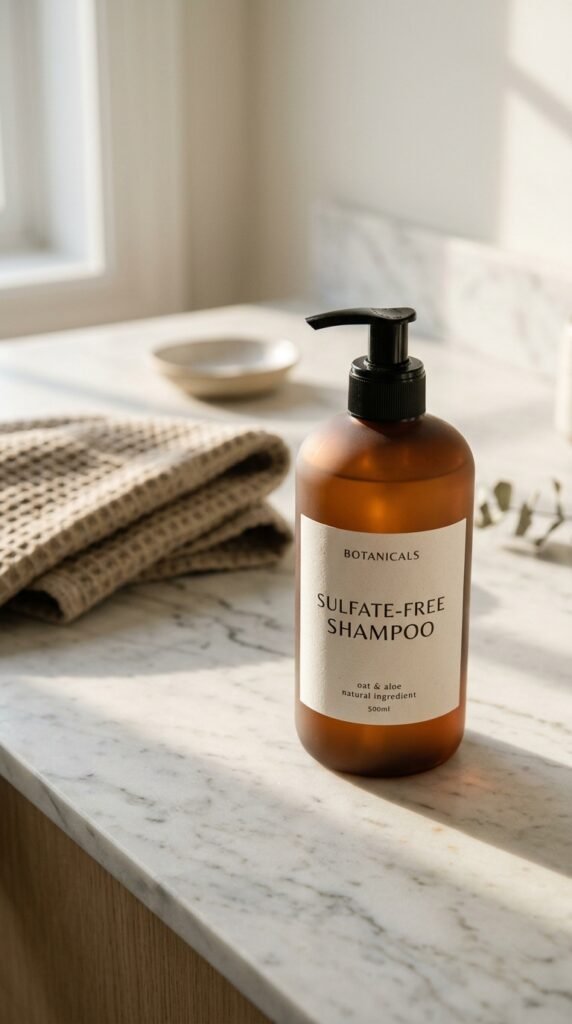
Sulfates are the foaming agents in many shampoos. They clean well, but they also strip your scalp’s moisture barrier. In winter, that is the last thing you need.
Look for labels that say “sulfate-free” or “gentle for sensitive scalp.” You want ingredients like coco-glucoside or decyl glucoside. They clean without the squeaky, tight feeling.
My rules for winter shampoo:
- Use a dime-sized amount. More foam does not mean cleaner.
- Focus on the scalp, not the ends. Ends get clean from the rinse.
- Rinse with lukewarm water for a full 30 seconds.
Your scalp will thank you by not flaking as much.
The Apple Cider Vinegar Rinse for Flaky Scalps
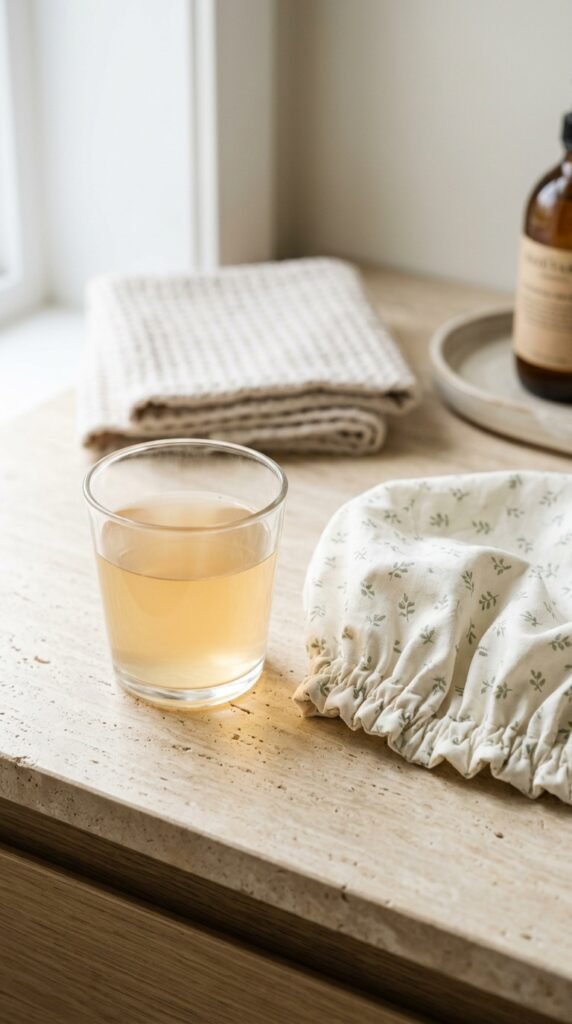
Apple cider vinegar (ACV) is a classic for a reason. It helps balance your scalp’s pH, which can reduce flakes and itch. It also removes product buildup that traps dryness.
Do not use it straight. Dilute one part ACV with four parts water. After shampooing, pour it over your scalp. Let it sit for two minutes, then rinse.
Important tips:
- Use once a week, not every wash.
- Skip if you have open sores or very sensitive skin.
- Follow with a moisturizing conditioner on your ends.
It smells strong but fades as your hair dries. And your scalp feels so clean. This is a game-changer for winter itch.
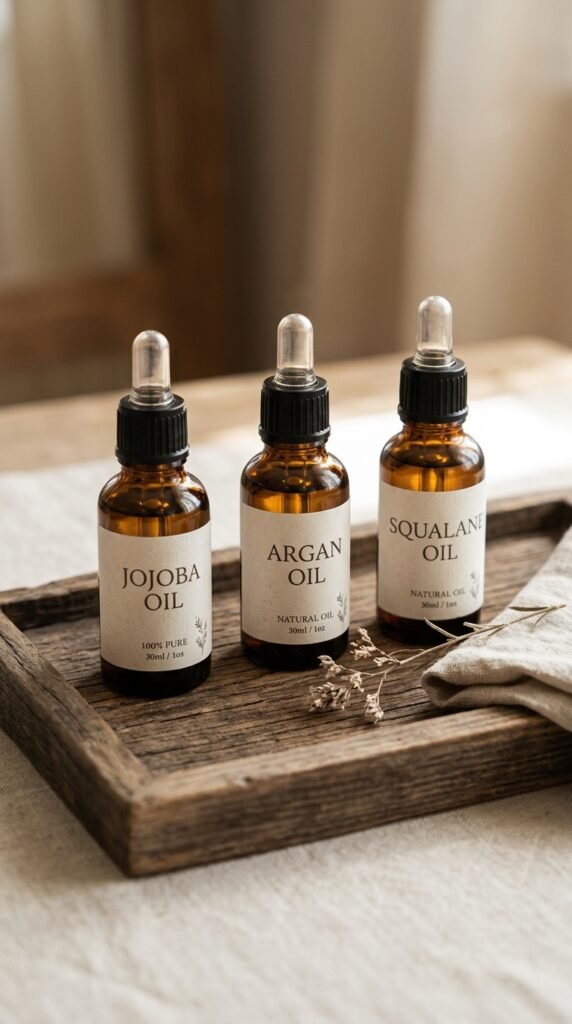
Hydrating Oils: Jojoba, Argan, and Squalane
Oils are not just for your ends. A few drops on your scalp can replace the moisture that winter steals. Jojoba mimics your natural sebum. Argan is light and soothing. Squalane is non-comedogenic and absorbs fast.
Apply one or two drops to your fingertips. Massage into your scalp before bed. Wash it out the next morning. Or add a drop to your conditioner.
Which oil for what:
- Jojoba: best for flaky, dry patches.
- Argan: great for itchy, irritated scalps.
- Squalane: perfect if you have fine hair and fear grease.
Start with one oil. Do not mix five. Simple wins.
How to Exfoliate Without Irritating Your Scalp
Exfoliation removes dead skin and product buildup. But scrubs can be too rough, especially in winter. The goal is to lift flakes, not scrape your scalp raw.
Choose a chemical exfoliant like salicylic acid or a gentle sugar scrub. Use it once a week. Apply to a wet scalp, massage for 30 seconds, then rinse thoroughly.
Do not do this:
- Never scrub with your fingernails.
- Avoid salt scrubs if your scalp is cracked.
- Do not exfoliate more than once every seven days.
After exfoliating, follow with a hydrating mask. Your scalp will feel brand new.
The Overnight Scalp Mask That Actually Works
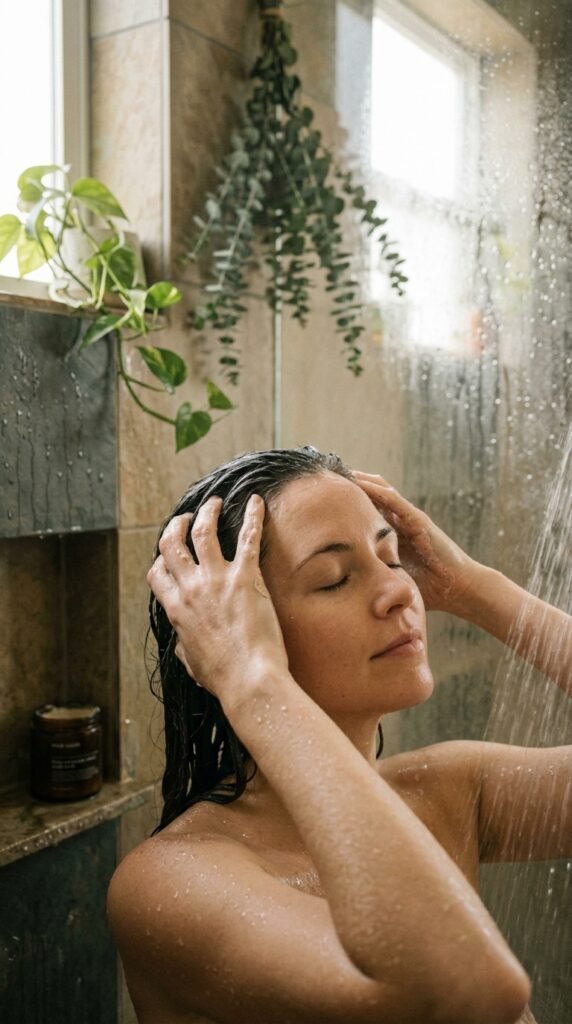
Overnight masks are my secret weapon for stubborn dryness. You apply them before bed, sleep, and wash out in the morning. The best ones use hyaluronic acid, aloe, or ceramides.
You do not need an expensive brand. Look for a gel or cream mask labeled for sensitive scalp. Apply a thin layer directly to your scalp, not your hair.
My overnight routine:
- Massage the mask into your scalp for two minutes.
- Cover with a silk bonnet or shower cap.
- Sleep. Wash out with gentle shampoo in the morning.
Do this once a week. Wake up with a calm, happy scalp.
Avoid Hot Water: Lukewarm Is Your Friend

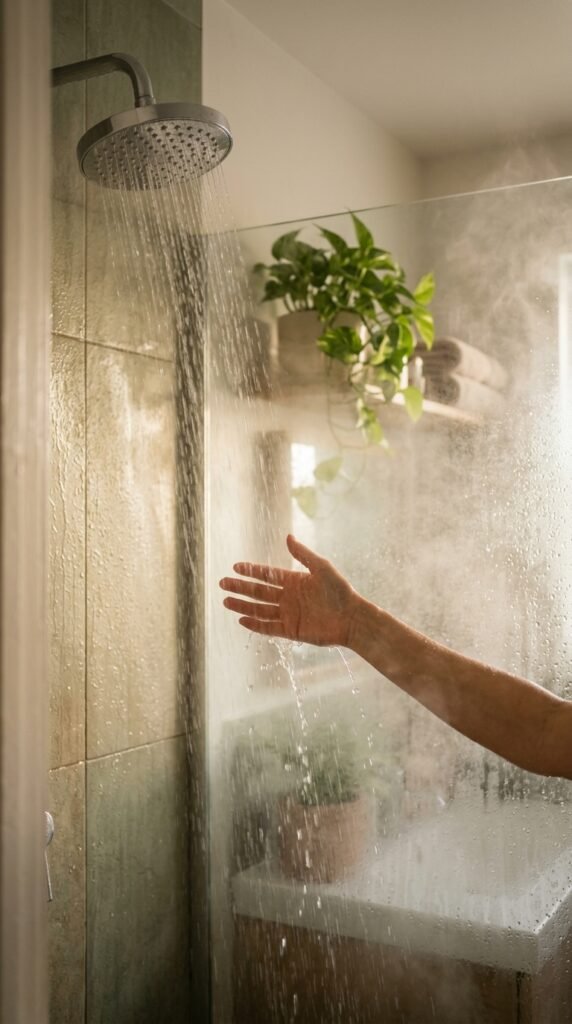
I know. Hot showers feel amazing in winter. But hot water strips your scalp’s oils faster than anything else. It also increases inflammation, which makes flakes worse.
Turn the dial to lukewarm. It should feel comfortable, not steaming. Finish your shower with a cool rinse if you can handle it. That seals the cuticle and calms irritation.
Quick temperature guide:
- Hot: never on your scalp. Save it for your body if you must.
- Warm: okay for a quick rinse, but not ideal.
- Lukewarm: your scalp’s best friend.
- Cool: a 10-second finishing blast for shine.
Your scalp will stop screaming. Trust me.
When to Wash (And When to Skip) in Winter
Daily washing is a no for most scalps in winter. It strips moisture and triggers more oil production. But skipping too many days lets flakes and buildup pile up.
Every two to three days works for most people. If your scalp is very dry, stretch to four days. If you are very oily, wash every other day. Listen to your scalp, not a rule.
Signs you should wash now:
- Your scalp feels itchy or tight.
- You see visible flakes or buildup.
- Your roots look greasy, not just shiny.
And always use lukewarm water. No exceptions. A dry shampoo can help on skip days, but do not overdo it.
Dry Shampoo: Friend or Foe for Flaky Scalps?

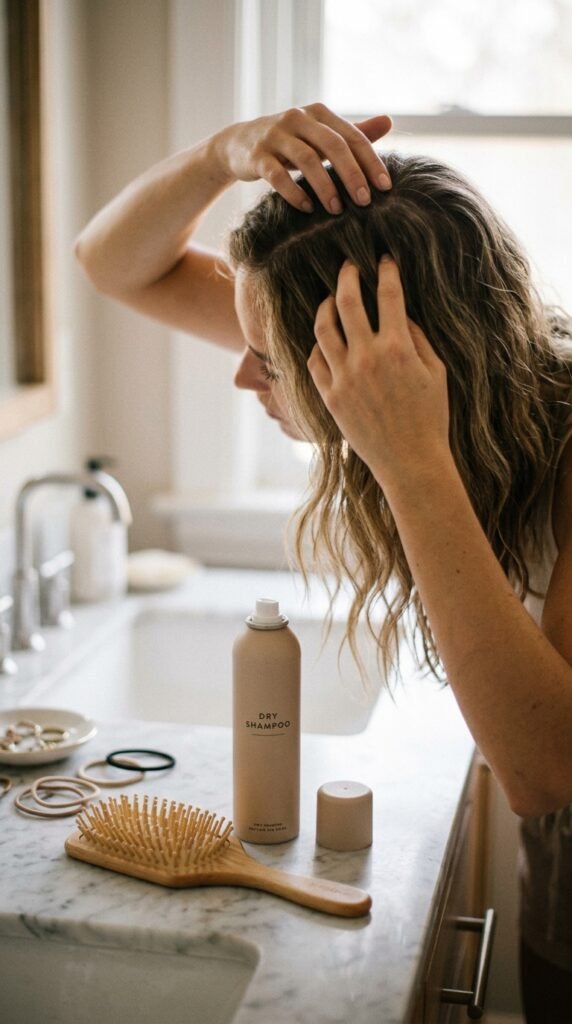
Dry shampoo is convenient. But it can also dry out your scalp and cause buildup. If you already have flakes, it might make them worse. The key is moderation.
Use dry shampoo only on your roots, never on your scalp skin. Spray from 6 inches away. Brush it through. And never use it two days in a row.
Better alternatives for winter:
- Rinse with plain water and massage.
- Use a boar bristle brush to distribute oils.
- Try a tiny bit of cornstarch on your roots.
Save dry shampoo for emergencies. If you must use it, choose a formula without alcohol. Your scalp will be happier.
The Right Way to Brush for Scalp Health
Brushing is not just for detangling. It stimulates your scalp, removes dead skin, and spreads natural oils. But the wrong brush or technique can scratch and irritate.
Use a brush with soft, flexible bristles. A wooden paddle brush or a boar bristle brush works well. Brush from your scalp down to your ends. Never yank through tangles.
Brush rules for winter:
- Brush before washing to loosen flakes.
- Clean your brush weekly with warm soapy water.
- Do not brush wet hair aggressively. Use a wide-tooth comb.
Thirty seconds of gentle brushing morning and night. That is all.
Protect Your Scalp from Cold Winds and Indoor Heat

Winter attacks from both sides. Outside, cold wind chaps your scalp. Inside, dry heat pulls moisture out. You need a two-part defense.
Outside, wear a hat that covers your scalp. Line it with silk or satin to avoid friction. Inside, use a humidifier in your bedroom. Aim for 40 to 50 percent humidity.
Quick protect tips:
- Never go outside with wet hair in freezing temps.
- Keep a humidifier running while you sleep.
- Use a silk pillowcase to reduce friction.
Your scalp will stay calm all season. A scarf over your hair also helps.
Scalp-Friendly Hairstyles for 2026

You can still rock the trends while your scalp heals. In fact, a healthy scalp makes every style look better. For 2026 hairstyles, think low-tension and gentle on roots.
The quiet luxury bob is perfect because it is short and does not pull. An asymmetrical lob keeps weight off your scalp. And the hime cut looks elegant without tight ponytails.
Scalp-friendly style ideas:
- Loose braids instead of tight buns.
- Claw clips instead of elastic bands.
- Silk scrunchies if you must tie it up.
Your scalp will thank you, and you will still look expensive. Avoid tight cornrows or high ponytails until flakes clear.
The Role of Diet and Hydration in Scalp Recovery

You can apply all the oils in the world, but your scalp also needs nutrition from within. Dry, flaky scalp is often a sign of dehydration or missing healthy fats.
Drink more water. Aim for eight glasses a day. Eat omega-3s like salmon, walnuts, and flaxseed. Zinc and vitamin B7 (biotin) also support scalp health.
Top foods for a happy scalp:
- Avocados for healthy fats.
- Eggs for biotin and protein.
- Spinach for iron and vitamins.
- Sweet potatoes for vitamin A.
You are what you eat. Your scalp knows. Cut back on alcohol and caffeine, which dehydrate you.
Stress and Your Scalp: The Cortisol Connection

Stress does not just live in your head. It shows up on your scalp. High cortisol levels can trigger inflammation, itching, and flaking. Winter stress plus dry air is a double whammy.
You cannot eliminate stress, but you can manage it. Deep breathing, short walks, and good sleep all lower cortisol. Even five minutes of quiet helps.
Simple stress reducers:
- Try a 4-7-8 breathing exercise before bed.
- Take a 10-minute walk outside, even in cold.
- Put your phone away 30 minutes before sleep.
Your scalp will feel the difference. Calm body, calm scalp. Do not underestimate the power of rest.
When to See a Dermatologist (Red Flags)

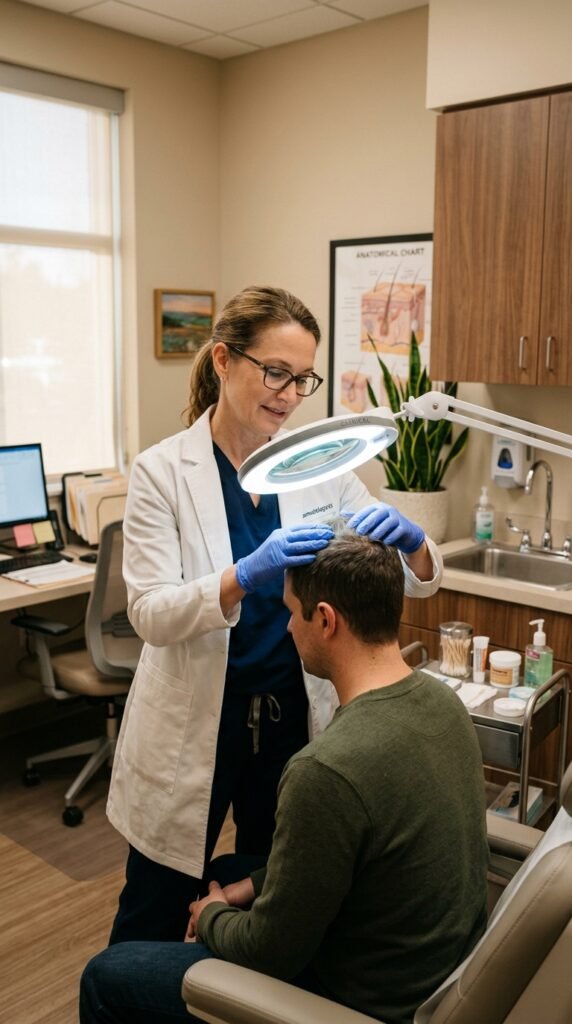
Most winter flakes are just dryness. But sometimes it is something more. Seborrheic dermatitis, psoriasis, or fungal infections need medical care. Do not guess.
See a dermatologist if you have thick scales, redness, bleeding, or pain. Also if over-the-counter shampoos do not help after two weeks. You deserve relief.
Red flags to watch:
- Yellow or greasy flakes, not just white.
- Intense itching that wakes you up.
- Hair loss or bald patches.
- Open sores or oozing.
There is no shame in asking for help. Your scalp is skin. A prescription shampoo or cream can change everything.
Building Your Winter Scalp Recovery Kit
You do not need a hundred products. A simple kit covers everything. Keep it in your bathroom so you actually use it. Here is what I have in mine.
Start with a gentle shampoo, a hydrating oil, an exfoliating scrub, and an overnight mask. Add a silk bonnet and a humidifier for your bedroom. That is it.
Your starter kit:
- Sulfate-free shampoo.
- Jojoba or squalane oil.
- Salicylic acid scalp scrub.
- Overnight hydrating mask.
- Silk pillowcase or bonnet.
Total cost can be under $50 if you shop smart. Your scalp is worth it. Do not buy everything at once. Start with shampoo and oil.
How to Style Hair Without Flaking (Avoid Heavy Products)

Heavy gels, waxes, and pomades can trap flakes and irritate your scalp. In winter, less is more. You want lightweight products that let your scalp breathe.
Choose water-based stylers. Avoid alcohol-heavy sprays. And never apply product directly to your scalp unless it is a treatment. Keep it on mid-lengths and ends.
Flake-free styling tips:
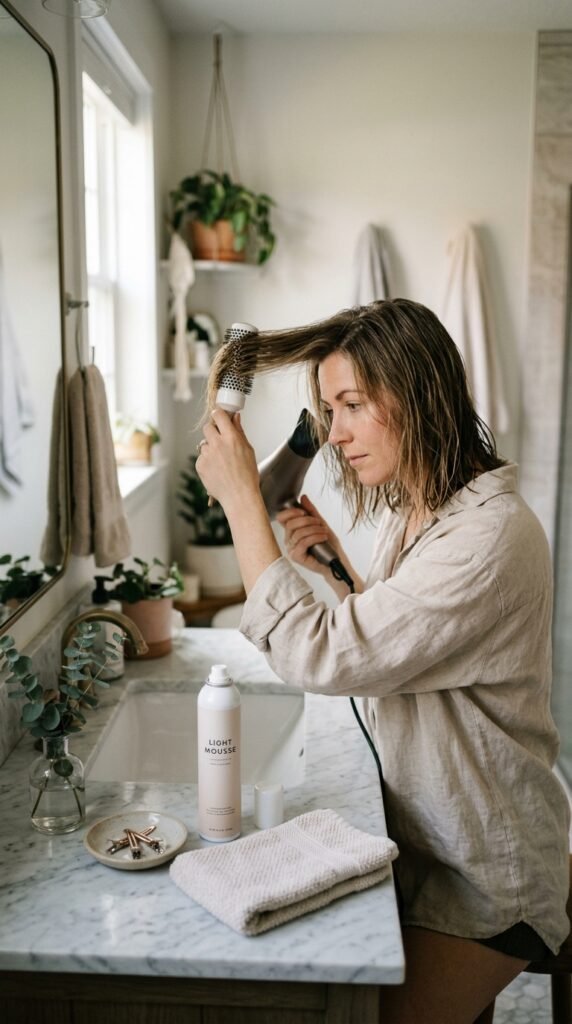
- Use a light mousse for volume, not gel.
- Spray hairspray from 10 inches away.
- Wash your styling tools weekly.
If you love old money hair, that clean, polished look actually relies on a healthy scalp. No flakes allowed.
Old Money Hair, Quiet Luxury Bob, and a Healthy Scalp
Old money hair is all about quiet, understated health. The quiet luxury bob, a sleek asymmetrical lob, or a classic blowout all look best when your scalp is calm. Flakes and itch ruin the vibe.
So think of your scalp recovery as part of your style routine. A gentle wash, a weekly mask, and a silk pillowcase keep your hair looking expensive. It is not about products. It is about consistency.
How to get that old money look:
- Keep your scalp flake-free with regular gentle washing.
- Use a boar bristle brush for shine.
- Sleep on silk to prevent friction and frizz.
Healthy scalp, luxurious hair. That is the real secret.
Romantic Goth Hairstyles, Vampire Haircut, and Hime Cut Without Itch

You can absolutely rock romantic goth hairstyles, a vampire haircut, or a hime cut while healing your scalp. The trick is to avoid tight tension and heavy dark dyes that irritate flakes.
Go for loose, face-framing layers. Use temporary color instead of bleach. And keep your scalp moisturized with a weekly oil treatment. Goth can be gentle.
Scalp-safe goth tips:
- Skip tight braids and high ponytails.
- Use sulfate-free shampoo to preserve color and calm scalp.
- Do not scratch flakes with your nails. Massage with oil instead.
Dark and dramatic does not have to mean dry and itchy. You can have both.
Glitchy Glam Hair? Keep Your Scalp Calm First

Glitchy glam hair is fun, edgy, and full of texture. But those messy buns, glitter sprays, and sharp accessories can irritate a dry scalp. Prioritize recovery before you go full glam.
Start with a calm scalp. Then add your glitchy accessories. Use soft elastics, avoid glitter directly on your roots, and wash out styling products the same day.
Glitchy glam without the itch:
- Use clip-in extensions instead of tight braids.
- Choose glitter hairspray for ends only.
- Do a scalp mask the night before a big style.
You can be edgy and kind to your scalp. Balance is everything.
A Weekly Scalp Recovery Schedule
Consistency beats intensity. Here is a simple weekly schedule you can actually stick to. It takes less than 20 minutes total across the week.
Monday: gentle wash and ACV rinse. Wednesday: oil massage before bed. Friday: exfoliate and overnight mask. Sunday: rest and hydrate. That is it.
Your week at a glance:
- Monday: Wash with sulfate-free shampoo, ACV rinse.
- Wednesday: Apply jojoba oil, massage, sleep.
- Friday: Scalp scrub, then overnight mask.
- Sunday: No washing. Just brush and hydrate.
Adjust as needed. Your scalp will tell you what it likes.
There you have it, friend. Scalp recovery does not have to be complicated. A few small changes — lukewarm water, gentle shampoo, a weekly mask — can turn winter from miserable to manageable.
Remember, your scalp is the foundation for every style you love. Whether you are dreaming of a quiet luxury bob, a bold vampire haircut, or glitchy glam hair, healthy roots make it all better. Be patient. Flakes do not disappear overnight, but they will fade.
And if you try one thing from this list, start with the pre-wash massage. It is free, fast, and feels amazing.
Save this post to Pinterest so you can come back to these routines all winter. And tell me in the comments: what is your biggest winter scalp struggle? I read every single one.