Scalp Scrub Treatments Removing Buildup For Faster Healthy Hair Growth
If your hair feels flat, greasy at the roots, or just will not grow past a certain length, your scalp might be the missing piece. I am Hailey, and I have tested more scalp scrub treatments than I can count. The truth is simple: a clean, happy scalp creates the best foundation for faster, healthier hair growth.
Buildup from shampoo, dry shampoo, oil, and hard water can sit on your scalp and clog follicles. That can slow growth, cause flakes, and make every 2026 hairstyle fall flat. But a simple scrub can change everything.
In this post, I will show you how scalp scrub treatments remove buildup, how often to use them, and how to pair them with looks like old money hair and a quiet luxury bob. You will get steps, tips, and zero fluff. Let us get your scalp breathing again.
What Is a Scalp Scrub, Anyway?
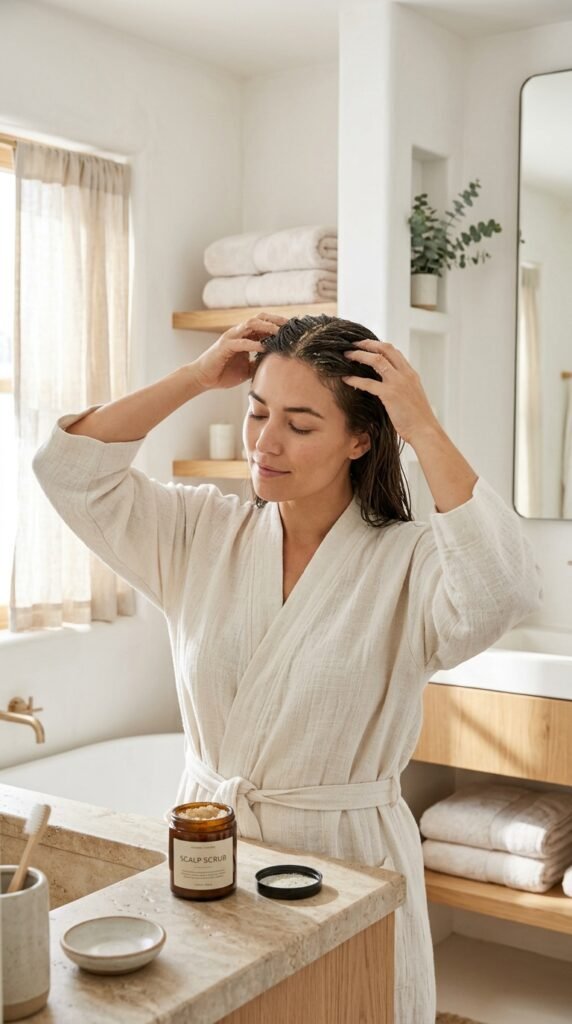
A scalp scrub is exactly what it sounds like: a gentle exfoliating treatment for the skin on your head. It comes as a paste, gel, or scrub with tiny particles or chemical exfoliants like salicylic acid.
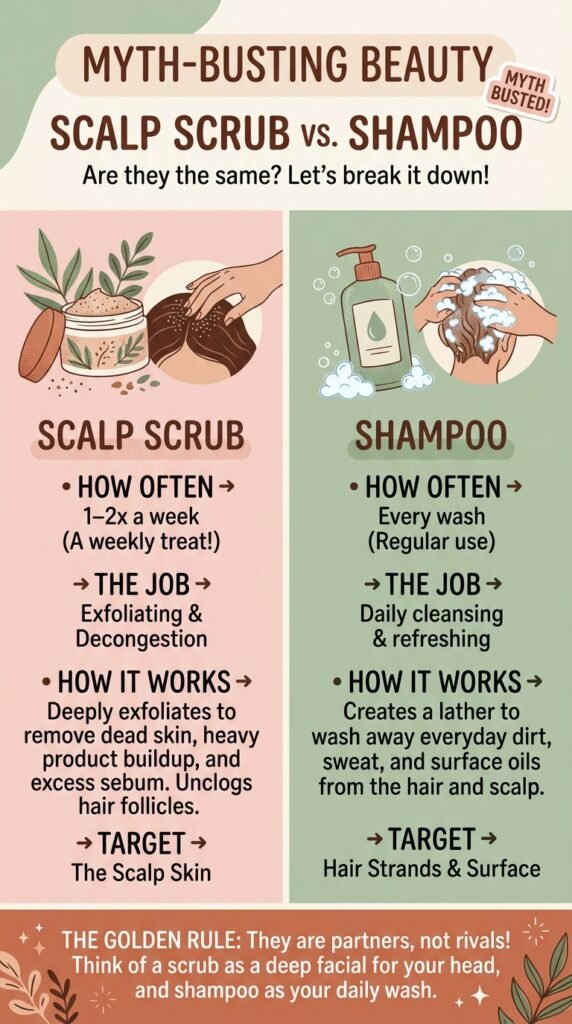
Unlike shampoo, it lifts dead skin, product buildup, and excess oil. Think of it as a facial for your scalp. You massage it in, rinse, and follow with conditioner.
It is not the same as a hair mask. Masks soften strands. Scalp scrubs focus on the root area and follicles. That difference matters for growth.
Why Buildup Blocks Healthy Hair Growth
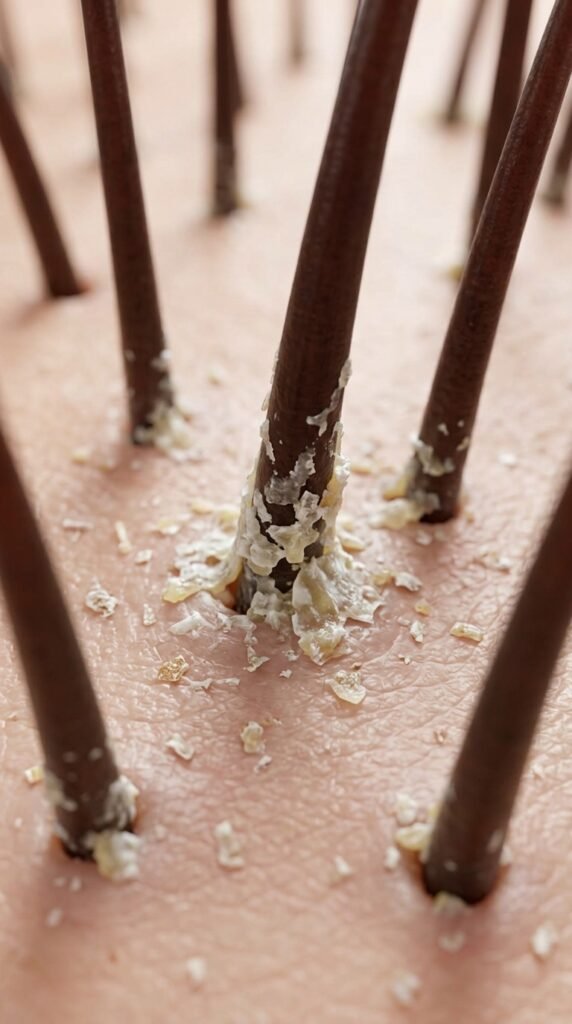
Your follicles are tiny openings. When sebum, dead skin, and styling products pile up, they can block the follicle opening. That does not always stop hair from growing, but it can weaken the strand and slow progress.
Buildup also causes inflammation and itching. If you scratch, you can irritate the scalp more. Over time, that unhappy environment is not ideal for strong growth.
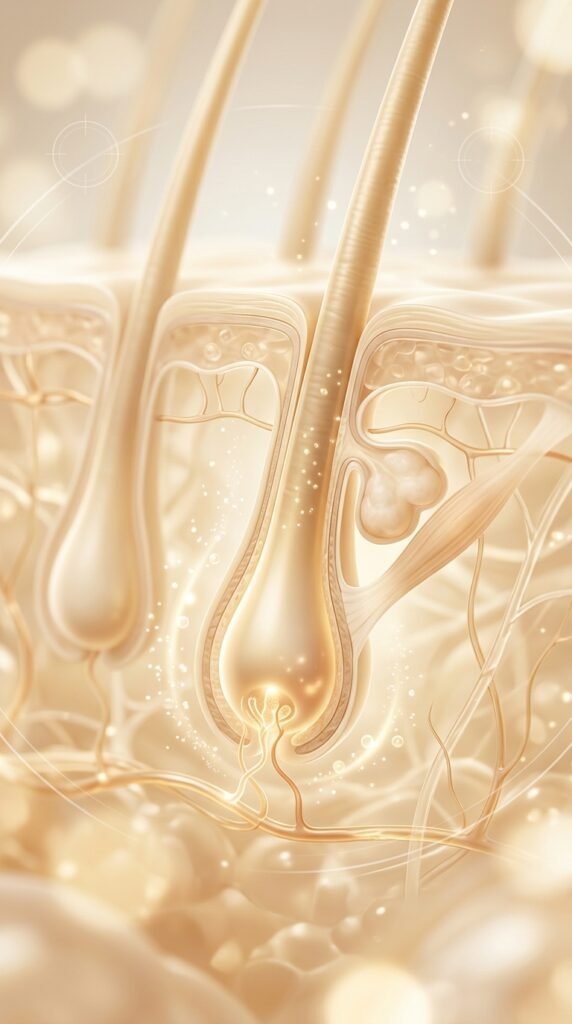
Scalp scrub treatments remove buildup so follicles can function better. Clean scalp, better airflow, healthier hair. Simple as that.
Signs Your Scalp Needs a Scrub
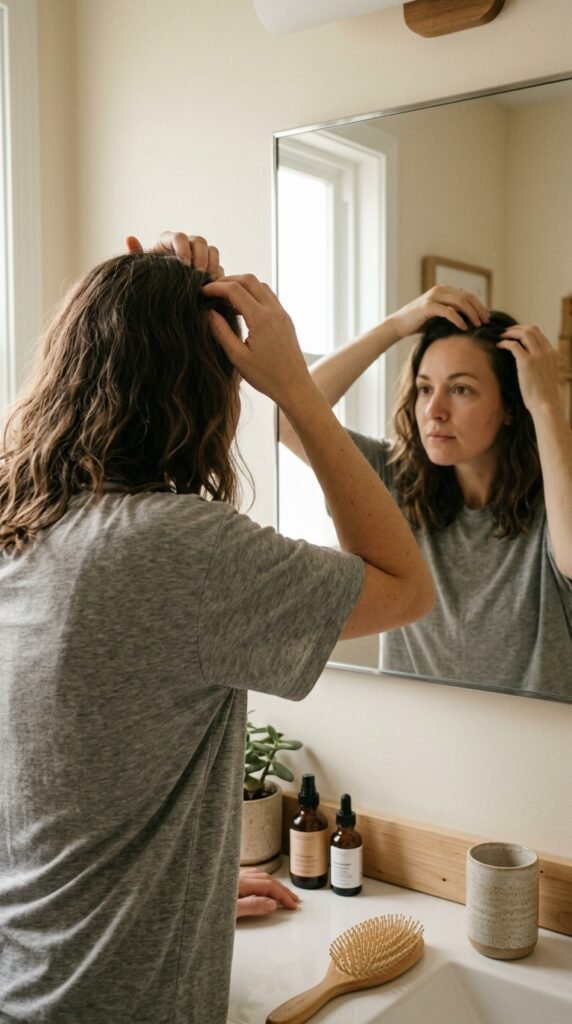
Not sure if you need one? Here are common signs:
- Hair feels greasy just hours after washing
- Flakes or itchiness that shampoo does not fix
- Roots look dull or flat
- Products stop working like they used to
- You use dry shampoo most days
If you checked two or more, a scalp scrub could help. It is not just for oily scalps. Dry, flaky scalps can benefit too when the formula is gentle.
Pay attention to pain, redness, or sores. Those need a doctor, not a scrub.
How Scalp Scrubs Boost Faster Growth
Scalp scrubs do not magically create new hair. But they support the conditions for growth. When you remove buildup, you reduce clogged follicles and irritation.
Massaging the scrub also increases blood flow to the scalp. Better circulation can deliver more oxygen and nutrients to the follicle. That is a win for healthy hair.
Plus, a clean scalp means your growth serums and oils can actually absorb. No barrier, no wasted product. That is why so many people see faster, healthier growth after adding a scrub.
The 2026 Hairstyle Connection

Healthy roots make every trend look better. In 2026, hairstyles are all about intention: old money hair, a quiet luxury bob, glitchy glam hair, and soft romantic goth hairstyles.
None of those looks work if your scalp is flaky or your roots are weighed down. A scalp scrub gives you that clean, lifted base. Hair falls better. Shine reads richer.
Think of your scalp routine as the backstage pass to every hairstyle you want to try. It is not glamorous, but it makes glamour possible.
Best Scalp Scrub Ingredients to Look For
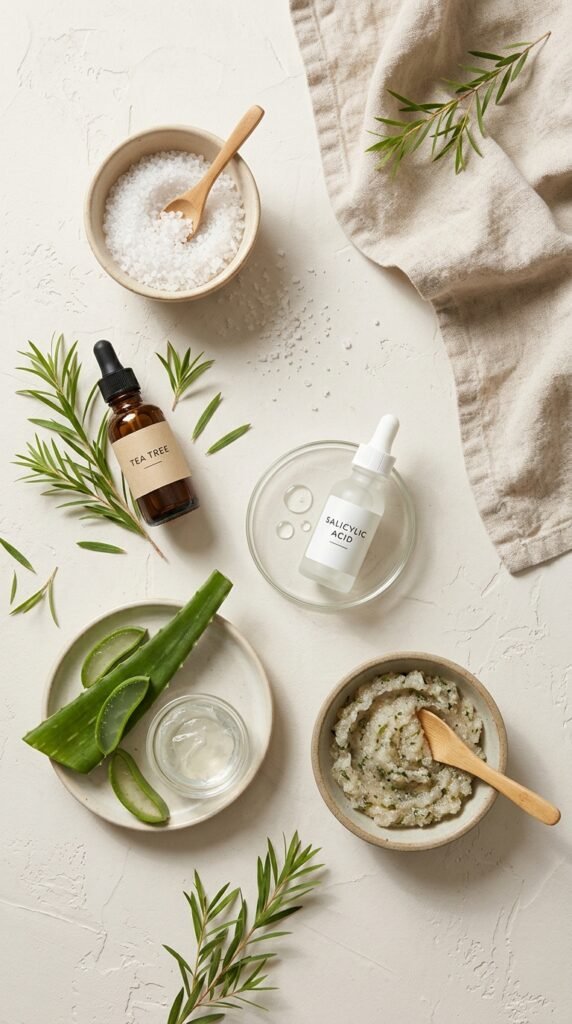
Look for ingredients that exfoliate without stripping. Gentle is the goal.
- Salicylic acid: dissolves oil and dead skin
- Tea tree oil: antibacterial and soothing
- Sea salt or sugar: physical exfoliants, use softly
- Aloe vera: calms irritation
- Peppermint or menthol: cooling, but can sting
For growth support, niacinamide and caffeine are nice bonuses. Always patch test if your scalp is sensitive. Fragrance-free formulas are safest for reactive skin.
Ingredients to Avoid If You Have Sensitive Skin
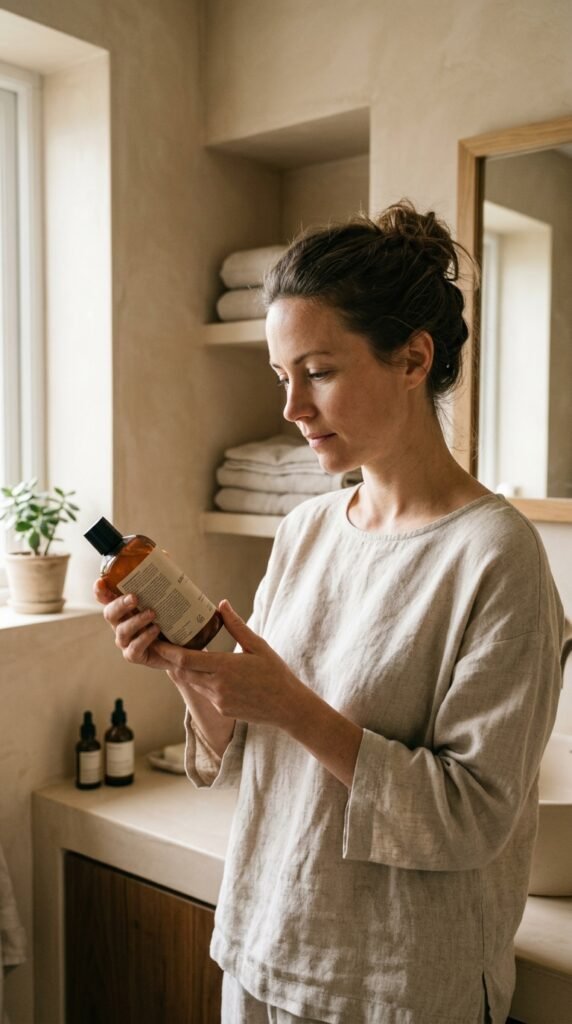
Sensitive scalp? Skip harsh sulfates, strong fragrance, and large sharp particles. Walnut shells and coarse salt can cause micro-tears.
Also avoid alcohol-heavy formulas that leave your scalp tight. That tight feeling is not clean. It is irritation waiting to happen.
- No synthetic dyes
- No heavy essential oil blends
- No menthol if you have eczema or psoriasis
Choose creamy, fine-grain scrubs instead. Your scalp will thank you. When in doubt, ask a dermatologist before exfoliating a flaring scalp.
How Often Should You Scrub?
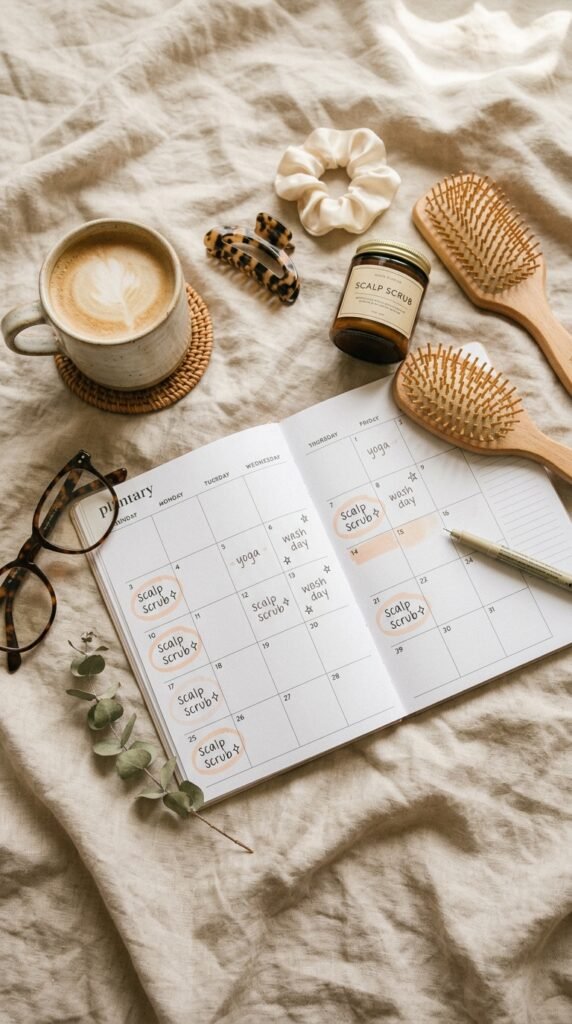
Once a week is the sweet spot for most people. If your scalp is very oily or you use lots of product, twice a week can work.
If your scalp is dry or sensitive, start with every other week. You can always build up. Over-scrubbing can strip your scalp and make oil worse.
Listen to your hair. If it feels squeaky, tight, or irritated, pull back. Consistency beats intensity. For growth goals, steady weekly care is better than a random aggressive scrub.
Step-by-Step: How to Use a Scalp Scrub
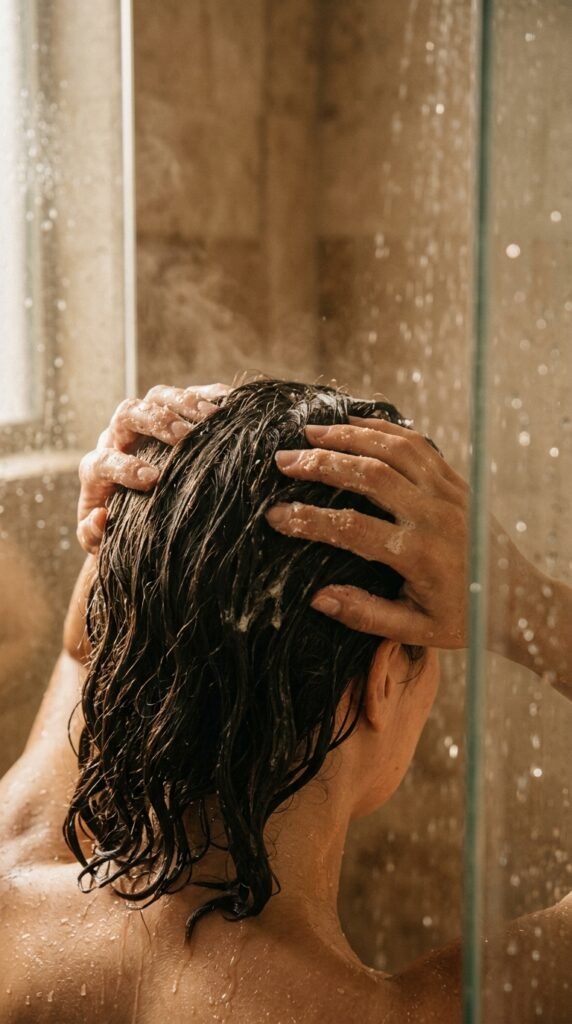
Here is my simple routine:
- Brush hair to remove tangles.
- Wet scalp thoroughly with warm water.
- Part hair in sections and apply scrub directly to scalp.
- Massage with fingertips or a silicone brush for 2 to 3 minutes.
- Rinse well, then shampoo and condition as usual.
Do not scrub your ends. They do not need exfoliation. Focus on the roots and scalp only. That is where buildup actually lives.
Should You Scrub Before or After Shampoo?
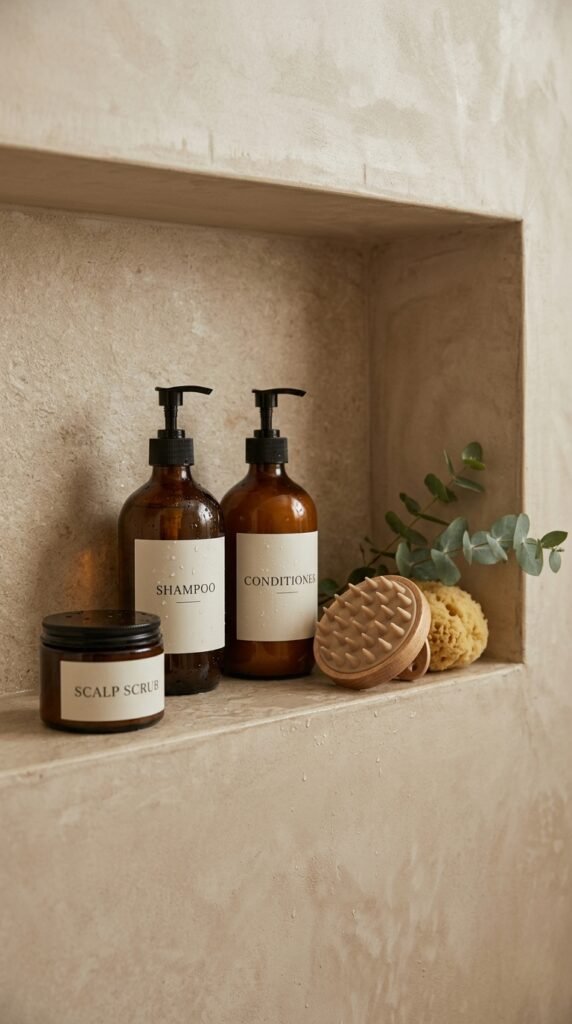
Before shampoo is best. The scrub lifts buildup, then shampoo rinses it away. If you shampoo first, the scrub may not spread as well.
Some people like to scrub after shampoo if their formula is oil-based. That works too, but you may need a light rinse. Just read the directions on your product.
The key is to rinse thoroughly. Leftover grit can irritate your scalp or make hair feel weird. When in doubt, follow the brand’s instructions.
Scalp Scrubs for Oily Hair
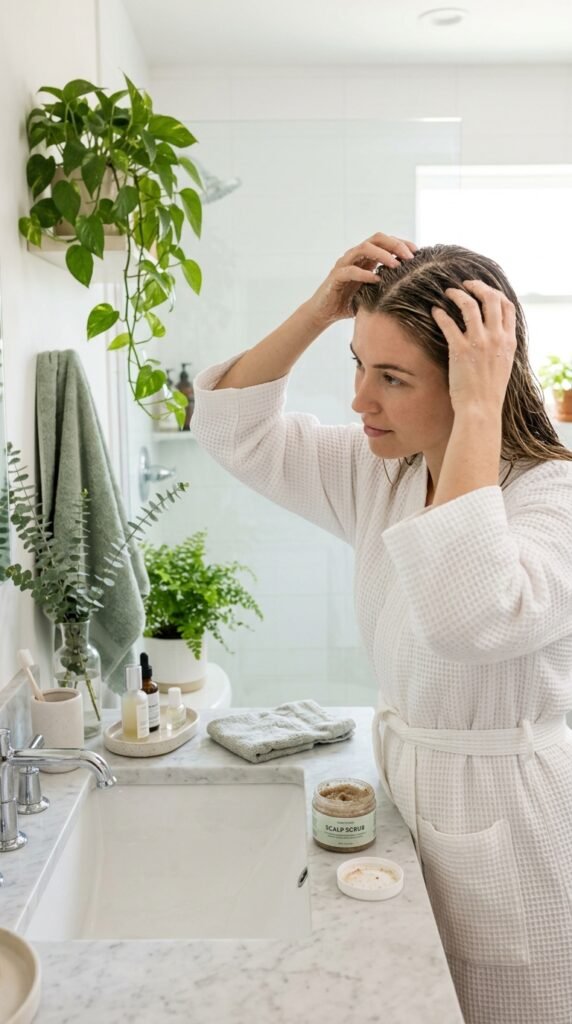
Oily scalp? You will love a scrub with salicylic acid or clay. It breaks down excess oil without over-drying.
Use once or twice a week. Follow with a lightweight conditioner only on your ends. Heavy conditioners can undo the clean feeling.
Styling tip: this is the secret to making an asymmetrical lob look fresh instead of flat. Clean roots equal bounce. If your roots are oily, even the best cut falls flat.
Scalp Scrubs for Dry, Flaky Scalps
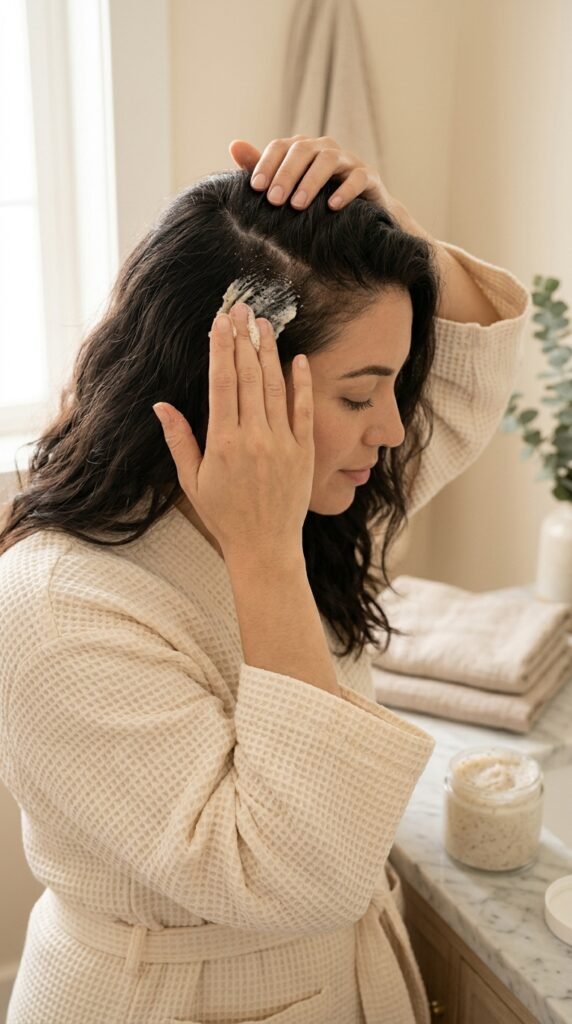
Dry scalp needs gentle exfoliation, not harsh scrubbing. Choose a creamy scrub with aloe, oatmeal, or honey.
Massage slowly. Do not scratch. Rinse with lukewarm water, never hot. Hot water strips moisture and makes flakes worse.
Follow with a hydrating scalp serum. If flakes are thick or yellowish, see a doctor. That may be seborrheic dermatitis, not simple dryness. A scrub is not a cure for everything.
Scalp Scrubs for Curly and Coily Hair

Curly and coily hair needs scalp care without disrupting the curl pattern. Use a scrub that dissolves cleanly and does not leave grit.
Apply in sections. Massage with your fingertips or a soft silicone brush. Detangle gently after rinsing.
Do not scrub too often. Every two weeks is plenty for most curls. Follow with a deep conditioner on your strands. This keeps your scalp healthy without turning wash day into a nightmare.
Scalp Scrubs for Fine, Thinning Hair
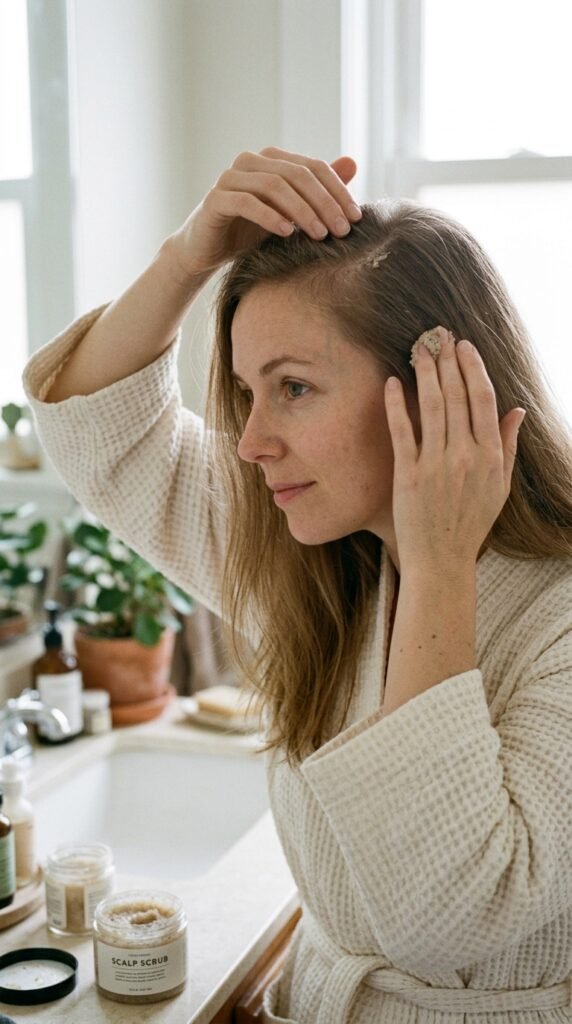
Fine hair shows buildup fast. A gentle scrub can make thin hair look fuller because roots are not weighed down.
Choose a lightweight formula with caffeine or niacinamide. Avoid heavy oils and thick butters near the roots.
Use once a week. Massage for two minutes to boost circulation. Then style with volume at the crown. It makes a huge difference. If you are experiencing sudden hair loss, talk to a doctor first.
DIY Scalp Scrub Recipe That Works
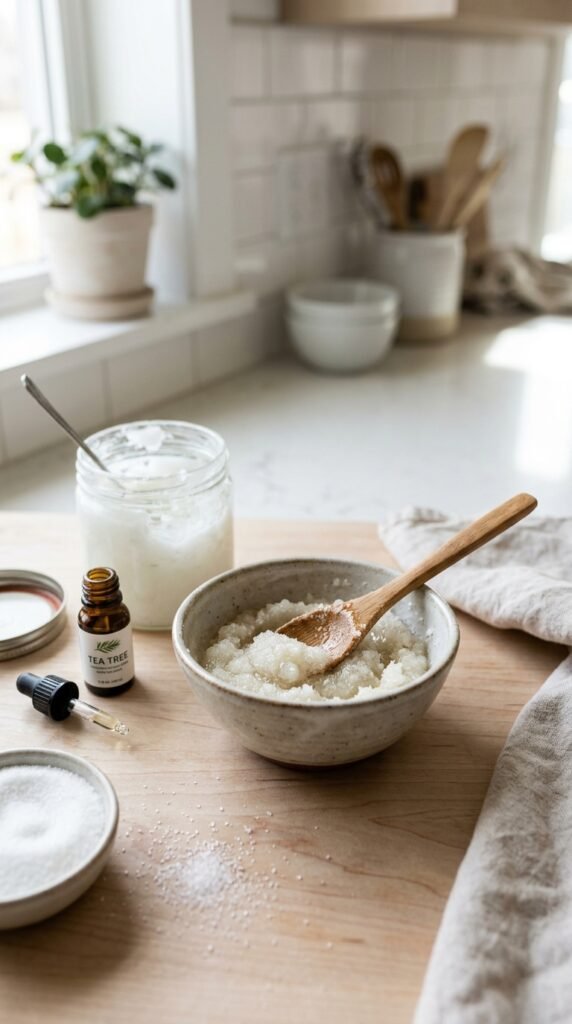
Want to try a simple DIY? Mix:
- 2 tablespoons fine sugar or brown sugar
- 1 tablespoon coconut oil or jojoba oil
- 2 drops tea tree oil (optional)
Massage into a wet scalp, then rinse very well. Use it once a week. Keep it in the fridge for up to one week.
Do not use coarse salt or lemon juice. They can irritate your scalp. Gentle wins every time.
DIY Mistakes That Irritate Your Scalp
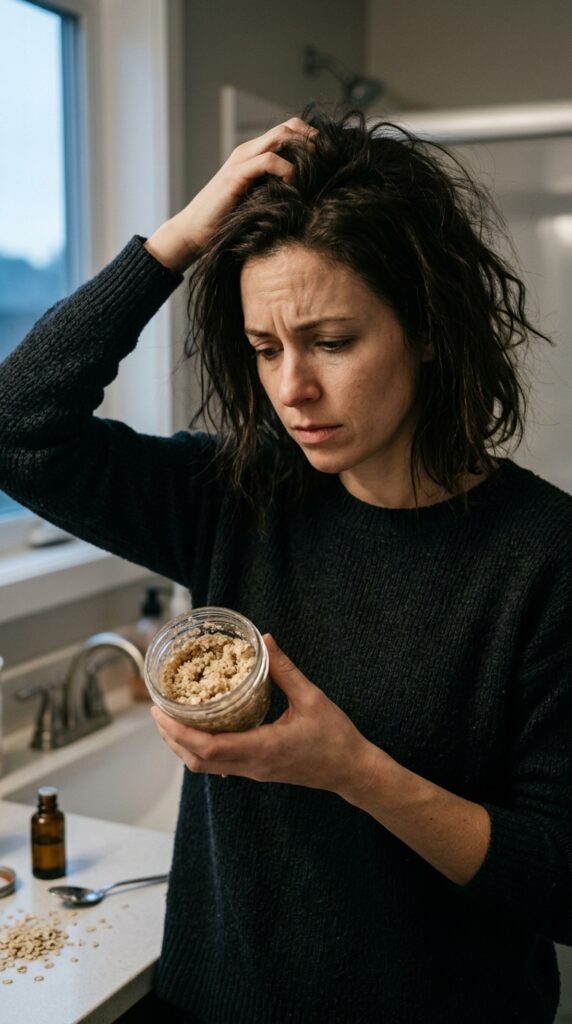
DIY scrubs can go wrong fast. The biggest mistake is scrubbing too hard. You want to massage, not scrape.
Other mistakes:
- Using essential oils without diluting them
- Leaving the scrub on for too long
- Not rinsing thoroughly
- Using it on broken or irritated skin
Stop if you feel burning, stinging, or pain. Natural does not always mean safe. Your scalp is skin. Treat it like your face.
Pairing Scalp Scrubs With Old Money Hair

Old money hair is polished, healthy, and never greasy. It looks effortless because the foundation is clean.
A weekly scalp scrub keeps roots lifted and shiny. That means your blowout, silk press, or soft waves look expensive for longer.
Pair it with a nourishing hair oil on your ends only. Your scalp stays clear, your lengths stay glossy. That is the old money hair formula.
Scalp Care for Quiet Luxury Bob and Asymmetrical Lob

Short cuts show everything. A quiet luxury bob and an asymmetrical lob need clean roots and smooth shine.
Scalp scrubs remove buildup that makes short hair look flat. They also help your blowout last a day or two longer.
Use a scrub once a week. Then style with a round brush or flat iron. Focus on movement, not stiffness. That is quiet luxury. Clean scalp, chic cut, done.
Scalp Care for Romantic Goth Hairstyles and Vampire Haircut

Romantic goth hairstyles and a vampire haircut need volume at the roots and deep, rich color. Buildup can dull dark hair fast.
Scrub your scalp weekly to keep flakes away. Use a color-safe scrub if you dye your hair. Then follow with a hydrating mask on your ends.
This helps your vampire haircut look sharp and your romantic goth hairstyles feel fresh, not heavy. Dark hair shows everything, so keep that scalp clean.
Scalp Care for Hime Cut and Glitchy Glam Hair

The hime cut is precise: blunt bangs, side locks, long back. It looks best with a clean, smooth scalp and zero flakes.
Glitchy glam hair is playful and textured. It can handle volume, but not buildup. A scalp scrub keeps your canvas ready.
Scrub once a week. Then use a light serum for shine. Your hime cut stays sharp, and your glitchy glam hair stays fun. Both need a healthy base more than they need more products.
Products I Actually Recommend
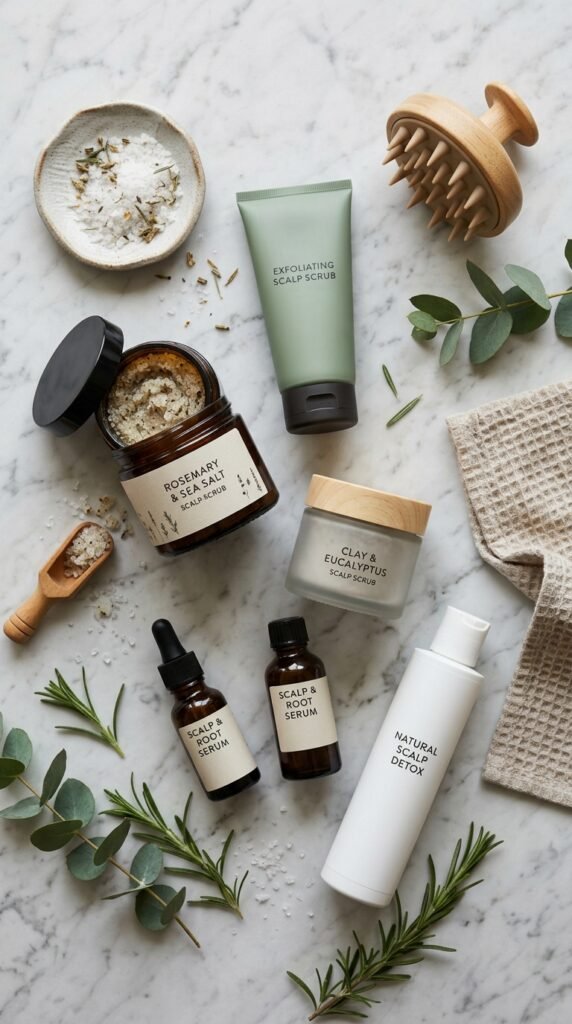
I do not gatekeep. Look for these types:
- Salicylic acid scrub for oily scalps
- Creamy sugar scrub for dry scalps
- Tea tree scrub for flaky scalps
- Scalp brush with soft silicone bristles
You do not need a luxury price tag. Drugstore options work. Just check the ingredients and patch test.
If you want a spa moment, use a metal scalp massager after scrubbing. It feels amazing.
How Long Until You See Growth?

Hair grows about half an inch per month on average. A scalp scrub will not change that overnight.
But you may notice less flaking and itching within one to two weeks. Your roots may look cleaner and feel lighter right away.
For actual growth changes, give it three to six months of consistent scalp care. Take progress photos. Patience is part of the process. Healthy hair is a marathon, not a sprint.
Common Scalp Scrub Myths
Myth: Scalp scrubs make hair fall out. Truth: gentle massage may loosen hairs already ready to shed. That is normal.
Myth: You need to scrub daily. Truth: once a week is plenty for most people.
Myth: Scrubs replace shampoo. Truth: they are an add-on, not a swap.
Myth: More tingling means it is working. Truth: tingling can mean irritation. Go gentle.
Your Simple Weekly Scalp Routine
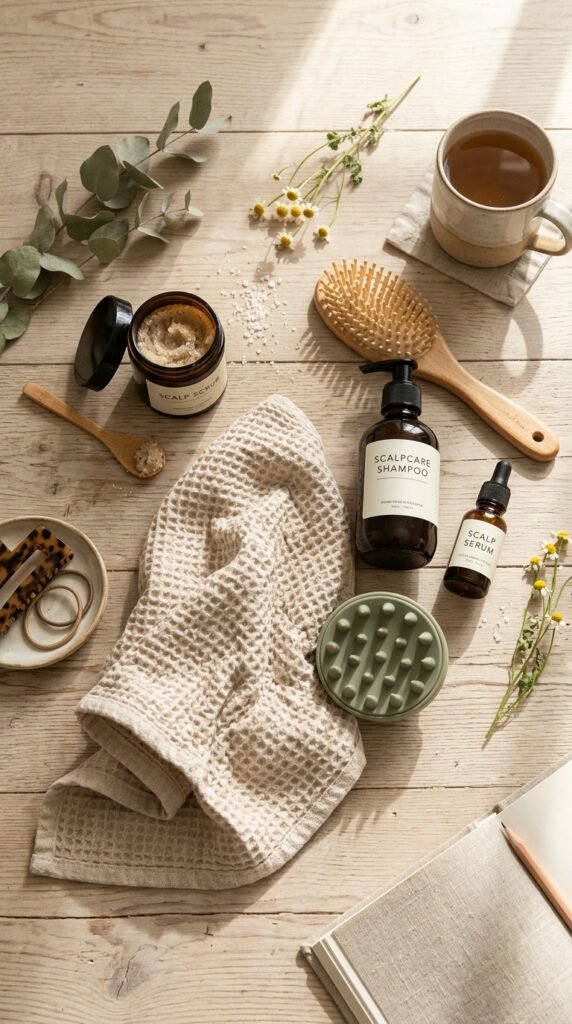
Here is a routine you can actually keep up with:
- Sunday: scalp scrub and deep condition.
- Monday: lightweight leave-in at ends.
- Wednesday: dry shampoo only if needed.
- Friday: wash and scalp massage.
- Daily: drink water and take your vitamins.
Simple beats complicated. Your hair will thank you. Adjust based on your hair type and activity level.
A Warm Wrap-Up for Your Scalp
Your scalp is the soil for every hairstyle you dream about. When you remove buildup, you give your hair a real chance to grow healthy and strong.
Start with one scrub a week. Be gentle. Be consistent. Then watch your old money hair, quiet luxury bob, hime cut, or romantic goth hairstyles look even better.
Save this post to Pinterest so you can come back to your scalp routine. And tell me in the comments: what is your biggest scalp struggle? I read every one.