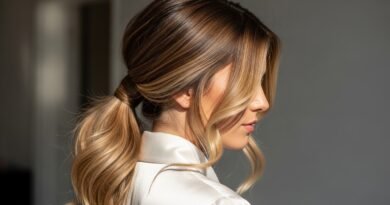
Side-Swept Bangs: The Easiest Fringe to Style
Let’s talk about a hair transformation that delivers maximum impact with minimal daily drama. In the world of fringe benefits, few styles are as universally flattering, adaptable, and downright easy as the side-swept bang. Unlike their blunt or micro-fringe cousins that demand precision and daily commitment, side-swept bangs are the forgiving, chic, and low-maintenance hero of the hairstyle world. Whether you’re a styling novice or a time-pressed professional, this fringe offers a soft frame for your face, a touch of glamour, and an exit strategy from bad hair days. This guide will show you exactly why side-swept bangs are the easiest fringe to master and how to make them work flawlessly for you.
Why Side-Swept Bangs Win the Low-Maintenance Crown
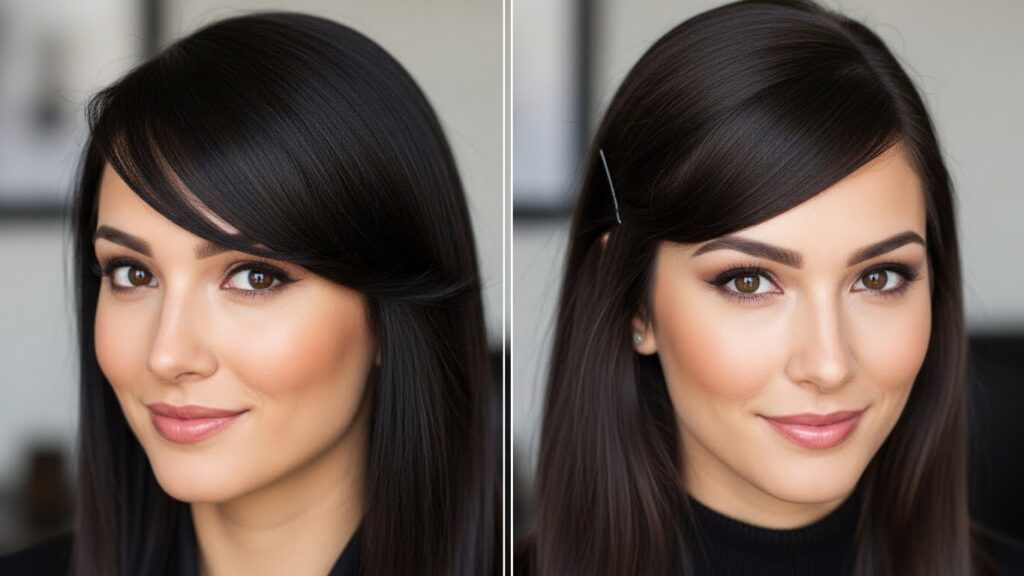
What makes this style so uniquely manageable? The secret lies in its geometry and integration with the rest of your hair. A blunt bang cuts straight across, creating a hard line that grows out noticeably and often requires frequent trims. A side-swept fringe, however, is cut on a deep diagonal. This means the hair is longer on one side, gradually blending into the rest of your locks. This gradient is your styling safety net. On days you want definition, a quick brush and a dab of product does the trick. On days you’d rather go incognito, you can simply blend them back into your hairstyle or pin them away. They grow out more gracefully, allowing for longer intervals between salon visits. In essence, they offer all the style of a fringe with a built-in escape route.
The Cut: The Foundation of Easy Styling
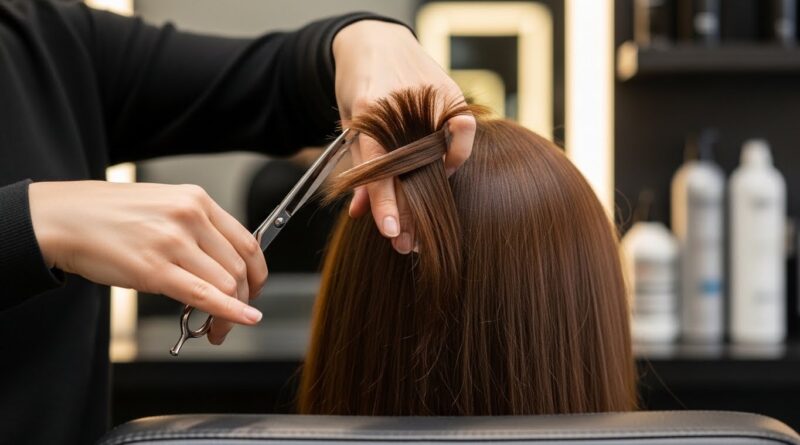
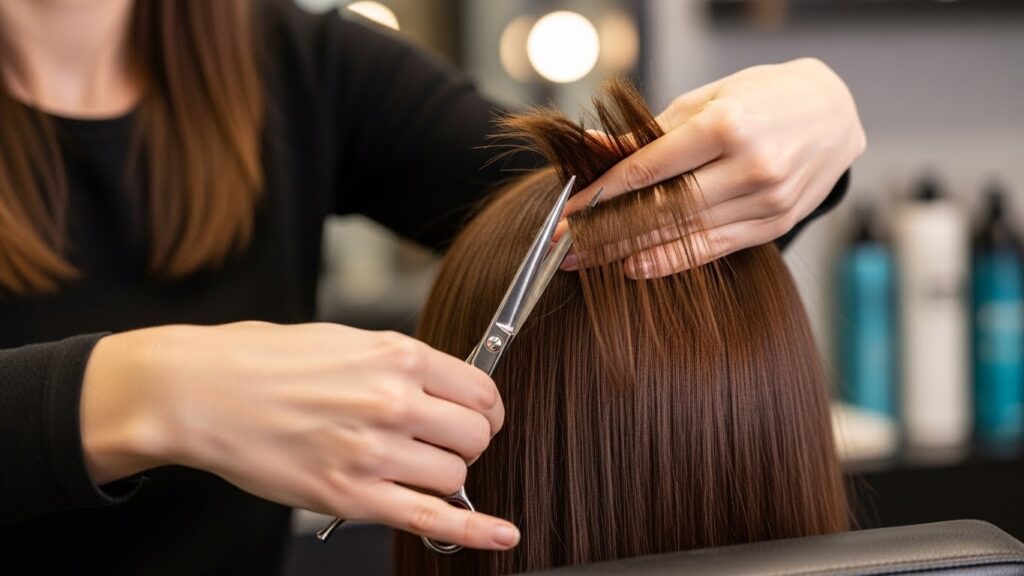
Great styling starts with a great cut. To ensure your side-swept bangs are as effortless as promised, communication with your stylist is key. The goal is a seamless transition. The bangs should be cut while your hair is styled as you normally wear it—straight, wavy, or curly. The length typically starts at the cheekbone or jawline on the longer side, tapering up towards the opposite temple. This length provides enough weight for them to fall smoothly but is also long enough to tuck behind an ear. Crucially, the ends should be point-cut or lightly textured to avoid a heavy, chunky line. This feathered edge is what allows them to blend and move naturally, reducing any “helmet-head” effect and making them obedient to your styling tools.
Your Daily Styling Routine: 5 Minutes or Less
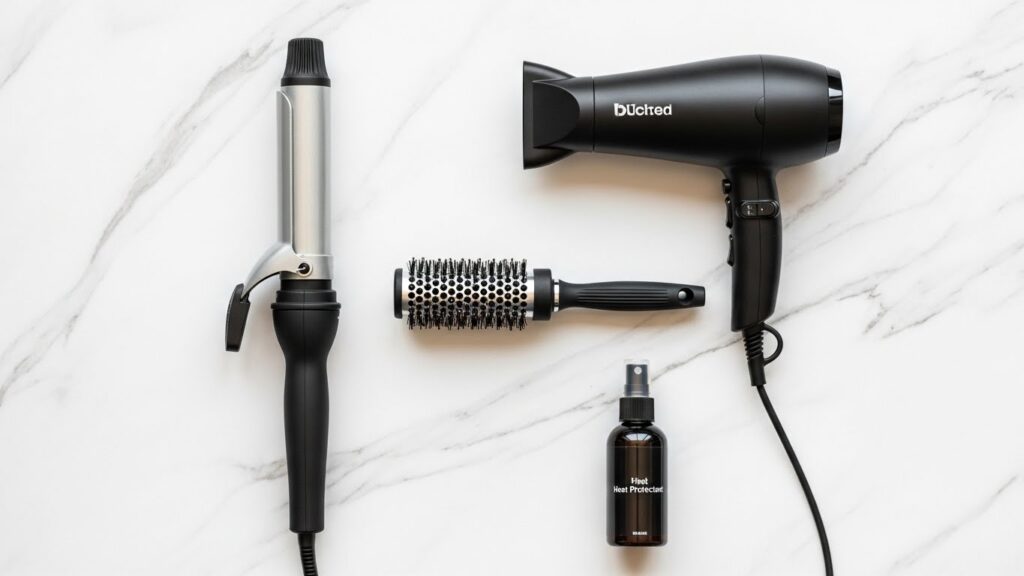
This is where the magic happens. Your morning routine is refreshingly simple. For straight hair, a quick blow-dry using a round brush is often all you need. Direct the airflow from the roots to the ends in the direction of the sweep. For added volume, blow-dry the roots at the crown slightly upward first. If you have waves or curls, you can embrace your natural texture. Apply a light styling cream or mousse to damp bangs, then either diffuse or let them air-dry, using your fingers to guide them to the side. The real game-changer? A large-barrel curling iron or a flat iron. A few gentle curls away from the face, or a slight bend with a flat iron, creates that iconic, red-carpet sweep and holds the shape all day. No intricate techniques required.
Product Partners for Perfect Bangs
You don’t need an arsenal of products, but a few key players will elevate your fringe game. Start with a heat protectant—non-negotiable for daily styling. A light-hold hairspray or a texturizing spray is perfect for setting the shape without stiffness. For those with fine hair, a dry shampoo at the roots adds grip and volume, helping the bangs stay put. If frizz is your foe, a tiny amount of smoothing serum or hair oil applied only to the mid-lengths and ends will add shine and control. Remember, less is more. You’re aiming for touchable, soft movement, not a crispy, shellacked look.

Adapting Side-Swept Bangs for Your Hair Type
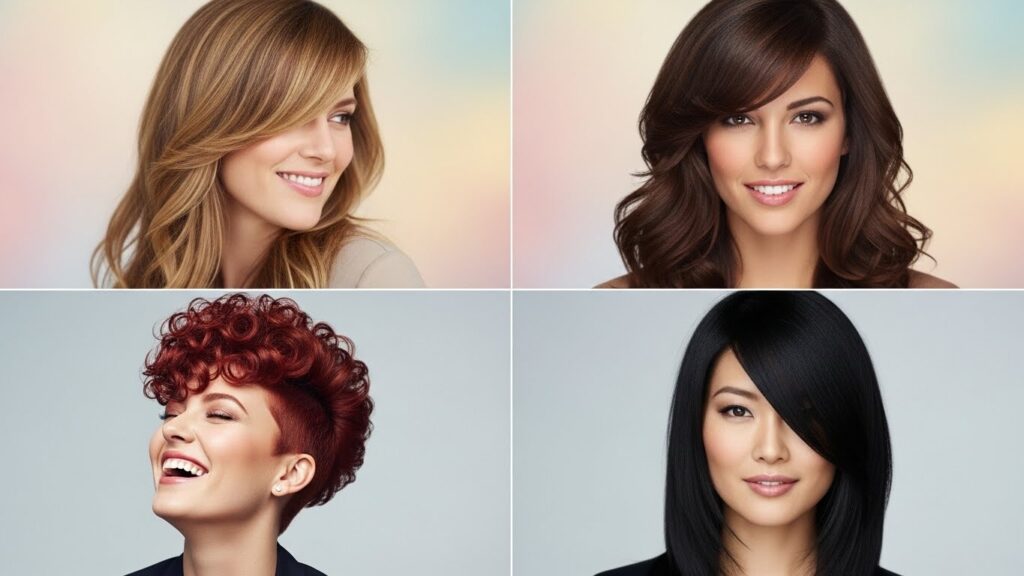
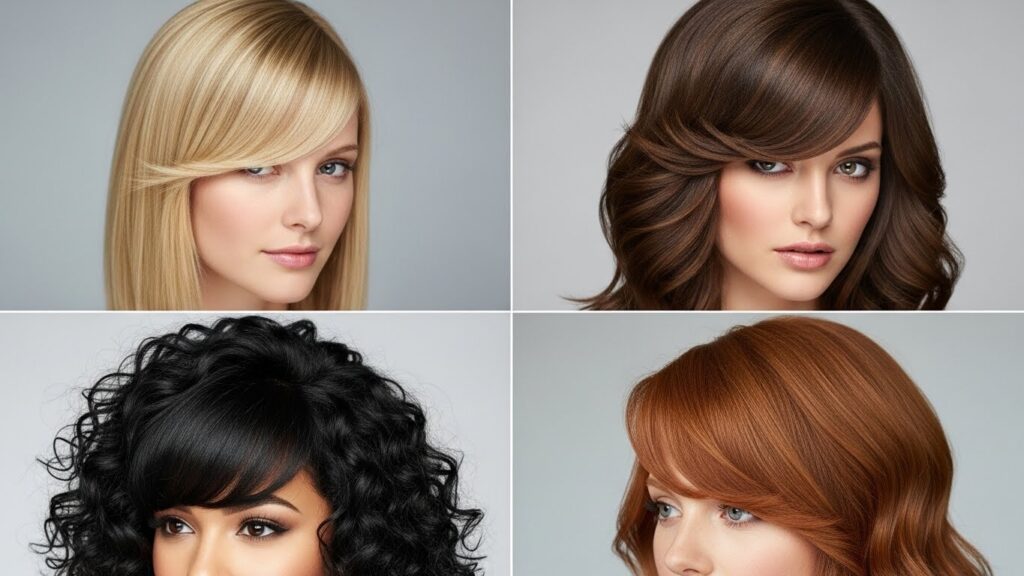
The beauty of this fringe is its adaptability. For fine hair: keep the layers light and use volumizing products to prevent bangs from looking stringy. A side part can create the illusion of more fullness. For thick hair: ensure your stylist thins out the ends sufficiently to avoid a bulky, triangular shape. A strong side part helps manage the volume. For curly hair: embrace the curl! Cut the bangs while dry to accurately follow the curl pattern. Style them by scrunching with a curl-defining cream and letting them dry naturally for a romantic, soft look. For wavy hair: you have the most flexibility—you can smooth them out for a sleek look or enhance the waves for a boho vibe.
The Grow-Out Grace Period: No Awkward Phase Here
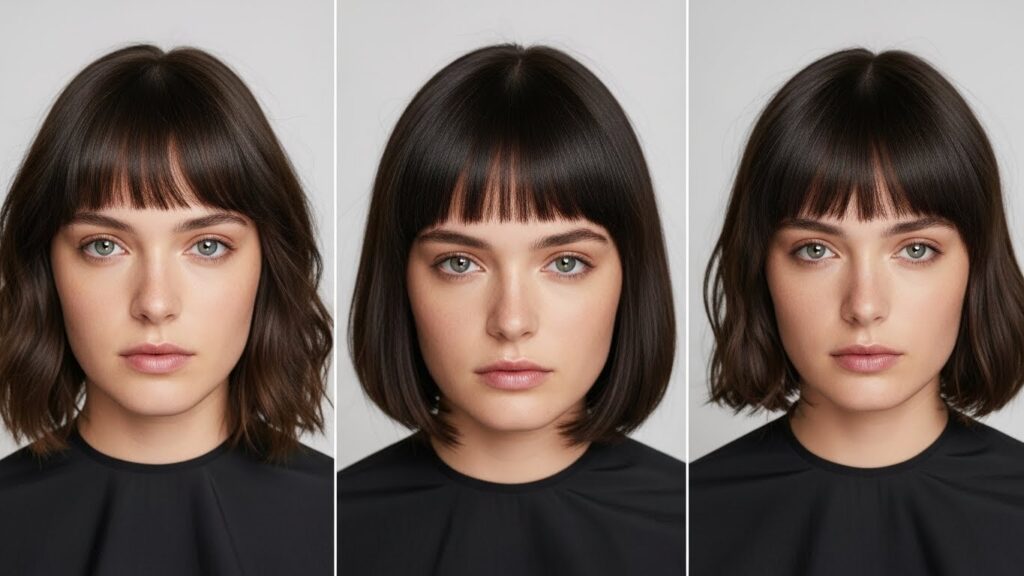
Perhaps the most compelling argument for side-swept bangs is their elegant exit strategy. As they grow, they naturally morph into face-framing layers. You can continue to sweep them to the side, or start blending them with the rest of your hair by incorporating them into braids, twists, or half-up styles. Use decorative pins, clips, or headbands to manage the in-between length stylishly. This seamless transition means you’re never stuck with an awkward, in-your-eyes stage. You can grow them out entirely or simply get them trimmed back into shape—the choice is always yours.
Final Verdict: The Ultimate Beginner-Friendly Fringe
If you’ve ever considered bangs but were intimidated by the upkeep, side-swept bangs are your perfect introduction. They offer a sophisticated, face-softening effect without the high-maintenance reputation. They work with your hair’s natural texture, forgive minor styling errors, and grow out with intention. They are, without a doubt, the easiest fringe to style. So, take the plunge. Bring that inspiration photo to your stylist, arm yourself with a round brush and a touch of hairspray, and get ready to enjoy a look that feels both polished and perfectly effortless every single day.