Soft Hairlines and Natural Movement Explained
In the world of hair restoration and high-end wig design, there exists a pinnacle of artistry that separates the good from the truly exceptional: the soft hairline and natural movement. Gone are the days of stark, helmet-like hairlines and stiff, unnatural hair placement. Today, the goal is replication—mimicking the effortless way hair grows from the scalp and moves with the wearer. This isn’t just a technical procedure; it’s a philosophy that prioritizes authenticity over density, subtlety over shock. Let’s delve into what makes this approach revolutionary and why it’s the secret behind hair that looks and feels genuinely yours.
What Exactly is a “Soft Hairline”?
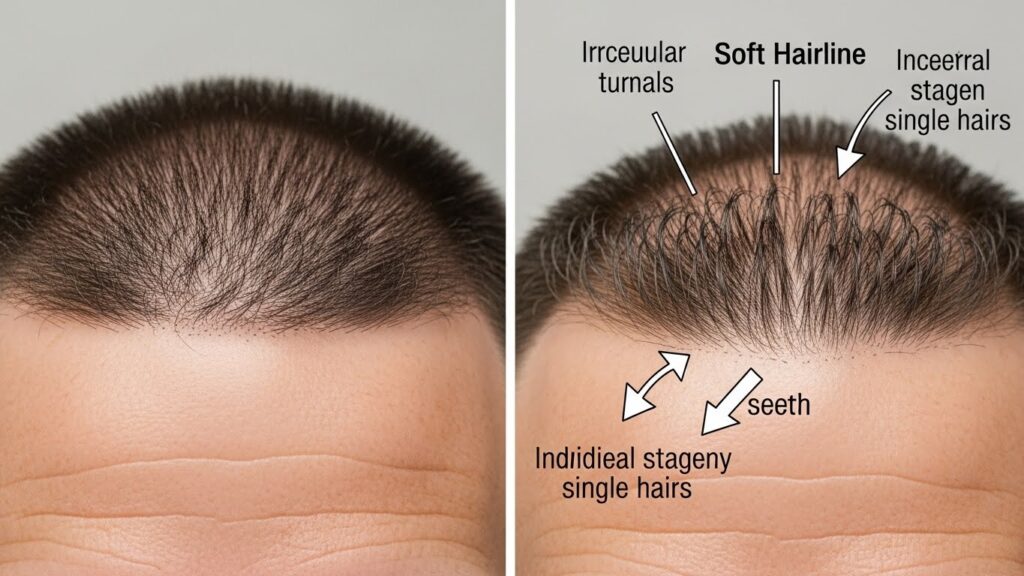
Imagine the hairline of a young child or someone who has never experienced hair loss. It isn’t a sharp, defined line drawn with a ruler. Instead, it’s a transitional zone—a delicate, irregular, and slightly see-through area where skin gradually gives way to hair. This is the essence of a soft hairline. It’s characterized by a few key features:
Irregularity: Nature is imperfect. A soft hairline has a subtle, uneven pattern with minor asymmetries, varying hair densities, and a gentle, undulating shape. It avoids the harsh, perfectly rounded or squared-off look of older techniques.
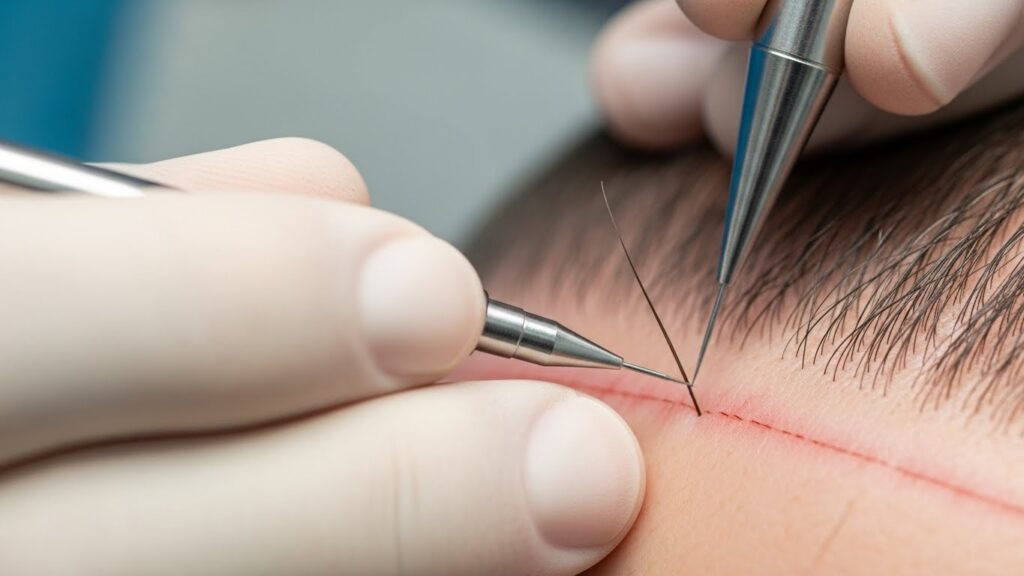
Gradual Density: This is perhaps the most critical aspect. Hair doesn’t erupt at full density at the very front. A soft hairline employs single-hair grafts (or strands) placed sporadically at the very front, often with strategic spacing. Behind this “breaking wave” of singles, the density slowly increases. This creates a feathered, translucent effect that allows glimpses of the scalp, mimicking natural growth.
Micro-Angulation: Every hair follicle on your head grows at a specific, natural angle and direction. In the front, these angles are typically very acute, lying almost flat against the scalp before sweeping back. Artistically replicating these precise angles is non-negotiable for a soft, believable hairline.
The Magic of Natural Movement
While a soft hairline provides the perfect static foundation, natural movement is what brings hair to life. It’s the difference between hair that looks planted and hair that flows, sways, and reacts to its environment. Natural movement encompasses several factors:
Directional Flow: Hair doesn’t all grow in the same direction. On the scalp, there are natural whorls (cowlicks) and transitions where hair direction changes. A skilled artist will map and replicate this flow, ensuring hair from the temples sweeps back, hair from the crown spirals, and the top hair flows forward or back as intended.
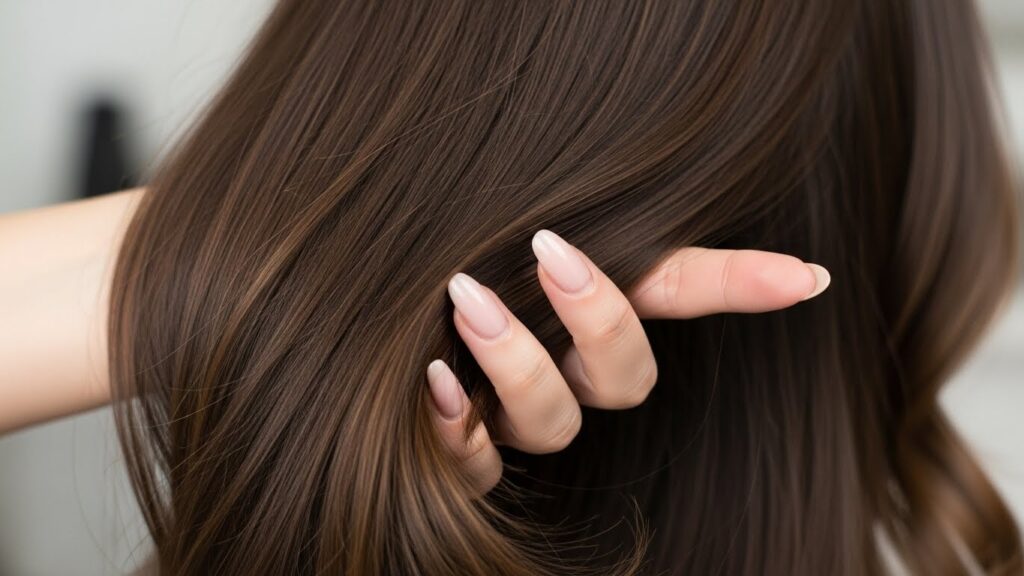
Root Definition and Lift: Natural hair has weight and memory. When you run your fingers through it, the roots lift slightly from the scalp. In wigs and hairpieces, this is achieved through specialized base materials and ventilation techniques that allow the hair to be styled away from the scalp, avoiding a “painted-on” look.
Texture Variation: Not every hair on your head is identical. There are slight variations in thickness, wave, and color. Incorporating this subtle mix prevents a uniform, monochromatic appearance that can look artificial.
Why This Approach Matters: Beyond Aesthetics
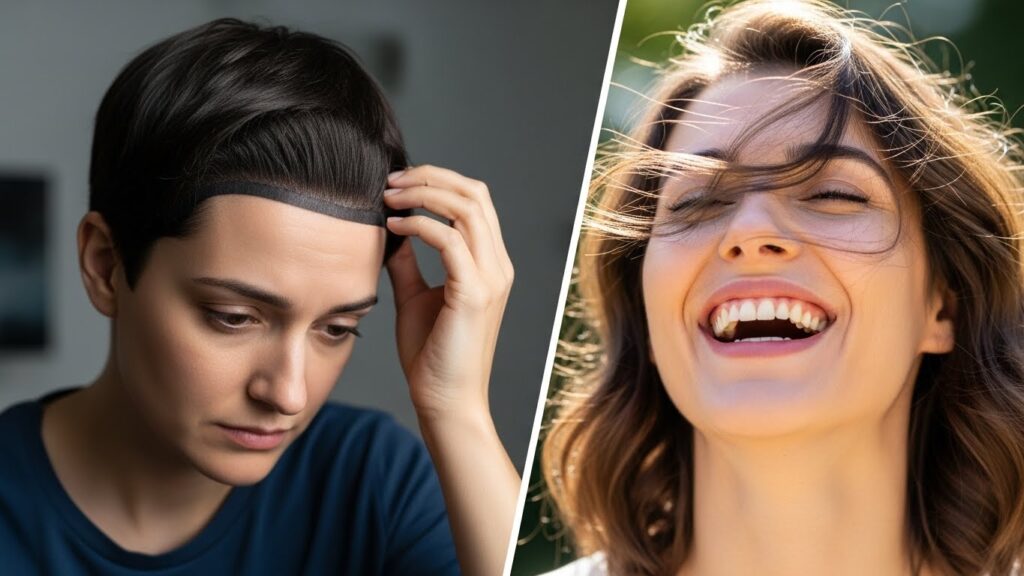
Pursuing soft hairlines and natural movement isn’t just about vanity; it’s about psychological comfort and long-term satisfaction. A harsh, pluggy hairline or a wig with stiff movement is instantly detectable, often leading to self-consciousness and a fear of close scrutiny. The “tell” is obvious.
In contrast, a soft, moving hairline defies detection. It allows the wearer to forget about their hair and engage in life without constant adjustment or worry. It looks credible in wind, under bright lights, and during intimate moments. For hair transplant patients, it also ensures a result that will age gracefully. A densely packed, straight hairline on a 50-year-old will look increasingly odd as they age, while a soft, feathered one maintains its natural character.
The Art and Science Behind the Craft
Achieving this level of realism is where the technician becomes an artist and the procedure becomes a craft.
In Hair Transplants (FUE/FUT): It starts with meticulous pre-operative planning. The surgeon must design a hairline that suits the patient’s facial structure, age, and future hair loss. During the procedure, they must dissect and place thousands of single-hair grafts with surgical precision at the front, respecting natural angles. The donor hair quality is also paramount—fine, single-hair grafts from the back of the neck are often reserved for this critical frontal zone.
In Wigs and Hair Systems: The craft is in the ventilation. Hand-tying individual strands onto a sheer, breathable base (like Swiss lace or monofilament) allows for complete control over angle, direction, and density. The base construction itself—with graduated density and realistic scalp simulation—lays the groundwork for movement. Each knot is secured so the hair can move freely at the root.
What to Look For and Ask For
Whether you’re considering a transplant or a custom hairpiece, knowing what to seek is your first step toward a natural result.
For Transplants: Scrutinize the surgeon’s before-and-after gallery. Zoom in on the hairlines. Do you see irregularity and softness? Is there a see-through effect? Ask: “What percentage of my grafts will be single hairs for the frontal hairline?” and “How do you plan for and create natural angulation and direction?”
For Wigs/Hairpieces: Feel the base material. Can you style the hair away from the part? Examine the hairline—are there staggered, single hairs? Ask: “Is the density graduated at the front?” and “Is the hair hand-tied to allow for natural movement?” Request to see examples of their work in motion, not just static photos.
Embracing the Imperfectly Perfect
The journey to overcoming hair loss or embracing alternative hair is deeply personal. The ultimate goal should never be just to “have hair,” but to have hair that feels like a seamless, confident extension of yourself. The principles of soft hairlines and natural movement are the guiding lights to that goal.
It requires patience, investment, and a skilled artisan, but the result—hair that behaves, looks, and feels so natural that you and others forget it was ever a concern—is truly priceless. It’s the art of creating not just hair, but trust in your own appearance. By understanding and seeking these qualities, you empower yourself to make choices that lead to undetectable, authentic, and truly liberating results.