Sombre: Subtle Ombre Coloring
In the ever-evolving world of hair color, trends come and go with the seasons. But some innovations are so perfectly conceived they feel less like a fleeting trend and more like a permanent upgrade to our beauty lexicon. Enter Sombre—a portmanteau of ‘subtle’ and ‘ombre’. If you’ve ever admired the sun-kissed, graduated effect of ombre but feared the stark contrast or high maintenance, sombre is your answer. This sophisticated technique offers a whisper of color variation, a soft shadow of depth, and an utterly seamless grow-out. It’s the hair color equivalent of “I woke up like this”—only more luminous, dimensional, and intriguing.
What Exactly is Sombre Hair?
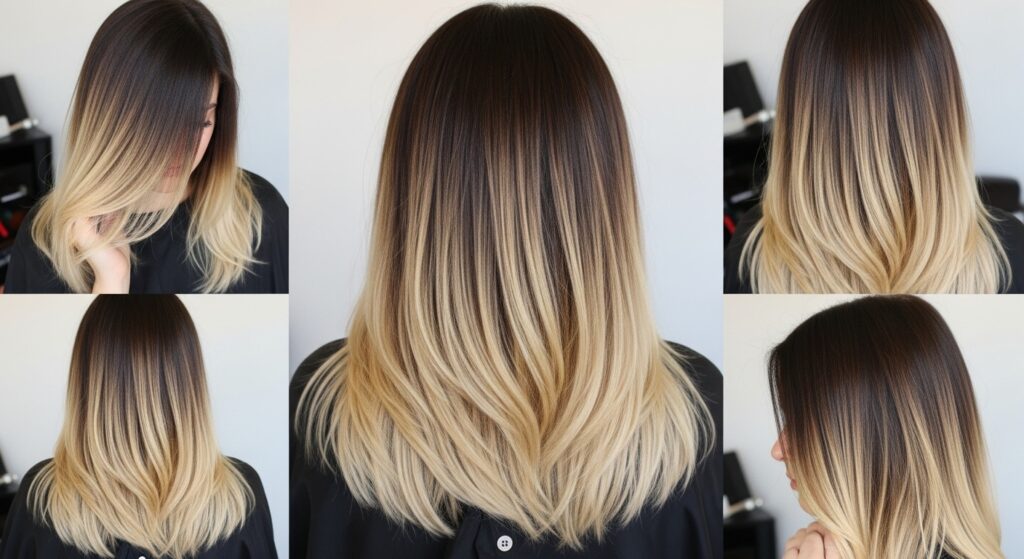
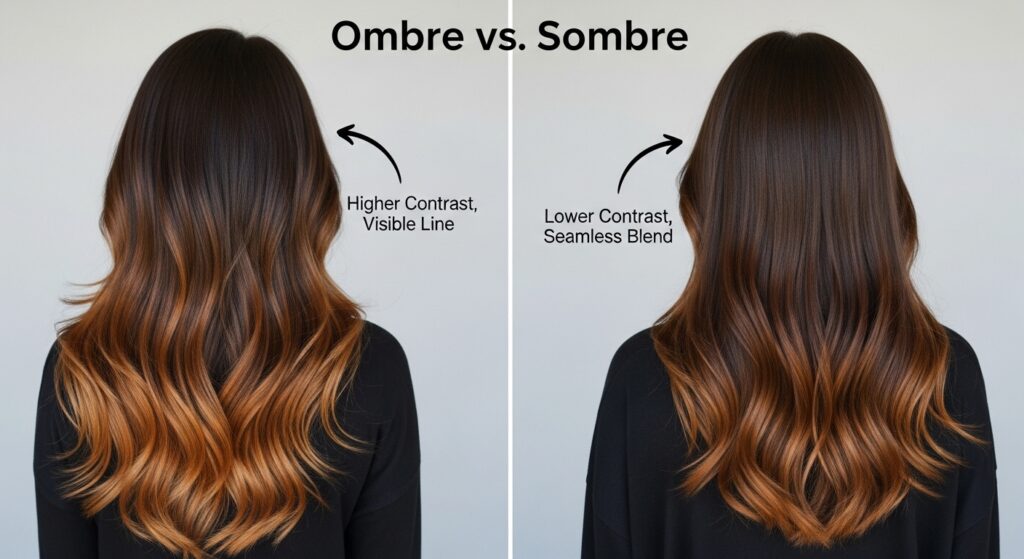
At its core, sombre is a softened, subdued version of the classic ombre. Traditional ombre, which means “shaded” in French, typically features a more dramatic, noticeable transition from a darker root to a significantly lighter end. The line of demarcation, while blended, is often a clear statement. Sombre, on the other hand, dials down the contrast dramatically.
Think of it as a gradient filter applied to your hair. The color shift is so gentle and nuanced that it’s sometimes hard to pinpoint where the darker shade ends and the lighter one begins. The goal is not a stark “two-tone” look, but rather an illusion of depth and movement, as if your hair has been naturally lightened by many summers of sunshine, with the most delicate fade imaginable. The ends are typically only a few shades lighter than the mid-lengths and roots, creating a cohesive, organic flow.
Sombre vs. Balayage: Decoding the Differences
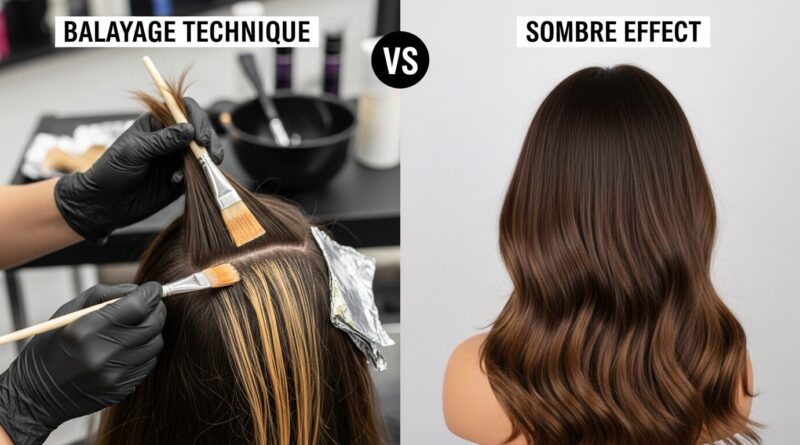
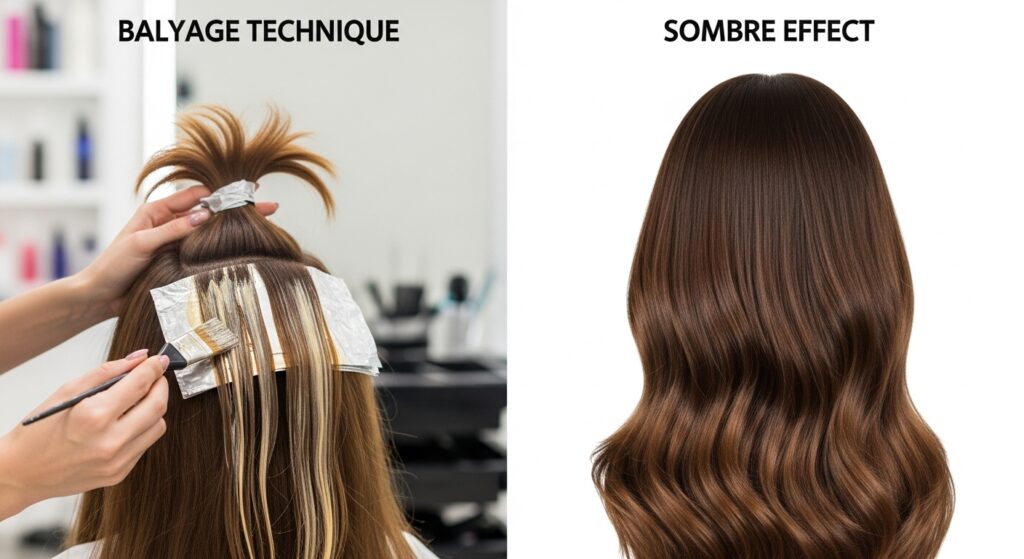
This is where confusion often arises, as both sombre and balayage aim for a natural, hand-painted effect. Let’s clarify. Balayage is a technique—a French word meaning “to sweep,” where color is freehand-painted onto the hair’s surface to create soft, natural-looking highlights. Sombre is a specific style or effect characterized by its subtle, horizontal gradient.
You can think of it this way: a sombre is often achieved using the balayage technique. However, while balayage can create everything from face-framing highlights to a bold, beachy look, sombre strictly refers to that soft, overall gradient from top to bottom. The focus is on the low contrast and seamless blend rather than distinct, painted-on light pieces. If balayage is an artist’s broad strokes, sombre is the careful, airbrushed finish.
Why Choose Sombre? The Undeniable Benefits
Why has sombre captured the hearts of so many? The benefits are as compelling as the look itself.
Ultra-Low Maintenance: This is the crown jewel of sombre’s appeal. Because the transition is so subtle and begins lower on the hair shaft, regrowth is virtually invisible. You can go months between salon visits without a stark root line, making it a dream for busy individuals or those looking to extend their color budget.
Universal Flattery: The subtlety of sombre makes it incredibly versatile. It can be customized to suit any base color—from deepest brunette to lightest blonde, and even vibrant reds or cool blacks. The soft enhancement works with your natural coloring to add warmth and light without overwhelming your features.
Hair Health Focus: Since the lightening is minimal and often focused away from the delicate roots and scalp, sombre is generally less damaging than a full highlight or a dramatic single-process lightening. It allows you to play with dimension while prioritizing the integrity and strength of your hair.
Timeless Elegance: Unlike some trend-driven colors, sombre is understated and chic. It avoids the “dated” look that more obvious ombre can sometimes fall into, ensuring your style feels fresh and modern for years to come.
Consultation is Key: How to Ask Your Stylist for Sombre
Walking into the salon with the right vocabulary and visual aids is crucial. Simply saying “I want ombre” might get you a more contrasted result. Here’s your script:
1. Use the Word: Start by saying, “I’m interested in a sombre—a very soft, subtle ombre.”
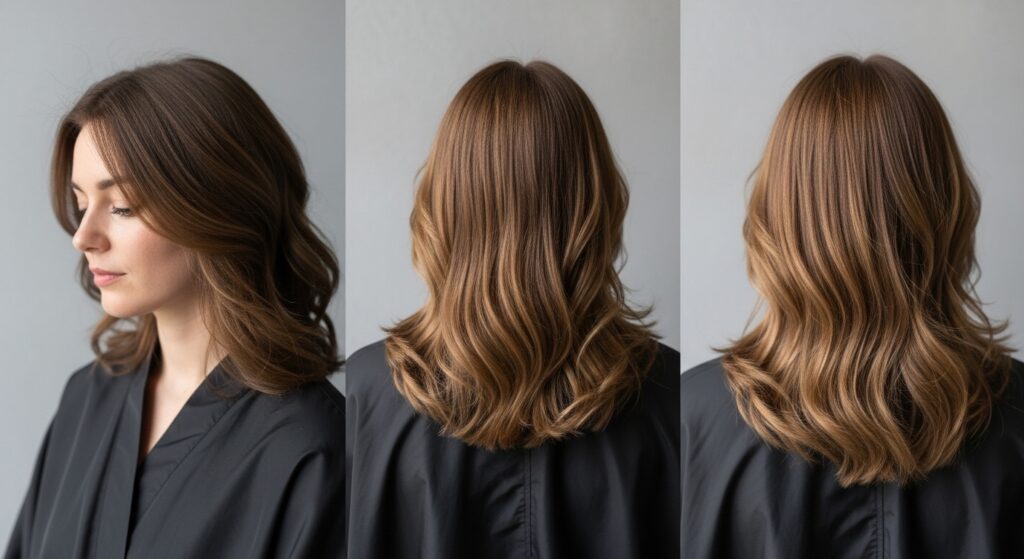
2. Describe the Effect: Explain that you want a low-contrast transition, with ends only 2-3 shades lighter than your natural color. Emphasize that you want it to look “lived-in” and “natural,” not striped or blocky.
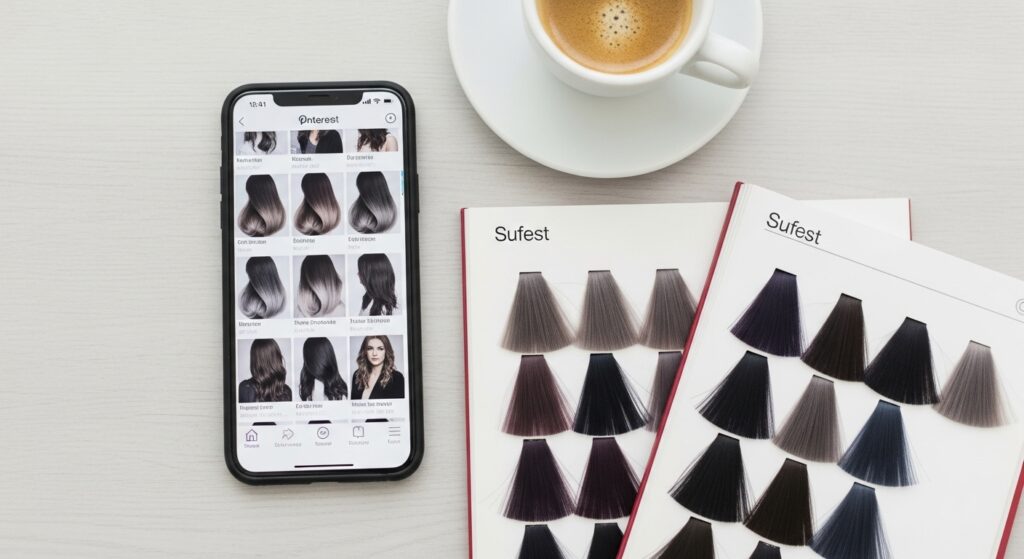
3. Bring Pictures: A picture is worth a thousand words. Find 2-3 inspiration photos that clearly show the subtle gradient you desire. Point out what you like about them (e.g., “I love how soft the blend is here”).
4. Discuss Placement: Talk about where you want the lightening to begin. A true sombre often starts at or below the chin, but this can be adjusted based on your face shape and preference.
Maintaining Your Sombre: Care Tips for Lasting Beauty
To keep your sombre looking its silky, seamless best, a tailored hair care routine is essential.
Purple or Blue Shampoo: If your sombre incorporates cool blonde or silver tones, a purple shampoo once a week will neutralize brassy yellow hues. For darker sombres with caramel or brunette tones, a blue shampoo can combat orange brassiness.
Hydration is Everything: Lightened hair is more porous. Invest in a good leave-in conditioner and a weekly deep conditioning mask to maintain moisture, shine, and prevent the ends from looking dry or frayed, which can break the illusion of a seamless gradient.
Heat Protection is Non-Negotiable: Always apply a heat protectant spray before using hot tools. This preserves your color’s vibrancy and prevents further damage to the lightened sections.
Regular Trims: Keeping your ends healthy and fresh with regular trims (every 10-12 weeks) ensures your sombre gradient ends on a smooth, healthy note, not on split ends.

Sombre Inspiration: Color Ideas for Every Base
Sombre is a canvas for endless creativity. Here are some stunning ways to interpret it:
Chocolate to Caramel Sombre: A rich, dark brown base melts into warm, honeyed caramel ends. This is a classic for brunettes, adding incredible warmth and dimension without going blonde.
Black to Espresso/Cinnamon Sombre: For those with black hair, lightening to a deep espresso or a hint of cinnamon adds a subtle, sophisticated glow that catches the light beautifully.
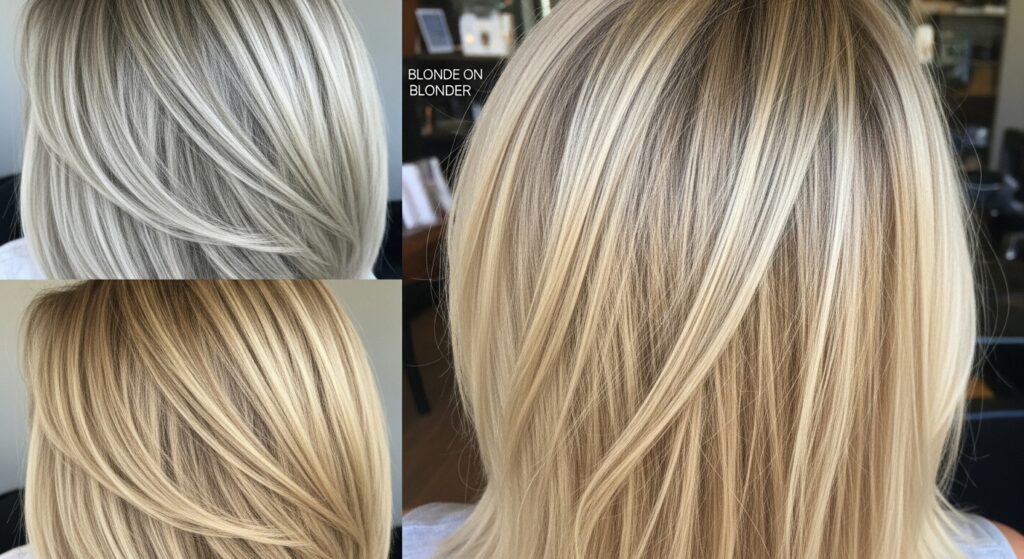
Blonde on Blonde Sombre: Also known as “blombre,” this features a darker, rooty blonde (like a dirty or sandy blonde) blending into a brighter, icier or buttery blonde. It creates incredible depth and texture within the blonde spectrum.
Sombre with a Pop: The subtle base makes it perfect for experimenting with colored ends. Think a deep burgundy base fading into a soft rose gold, or a cool brown melting into a pastel lilac. The sombre technique makes even fantasy colors look wearable and elegant.
Is Sombre Right For You?
If you crave dimension, light, and a change that feels both fresh and inherently you, sombre is a phenomenal choice. It’s particularly ideal for first-time color clients, those growing out their natural color, anyone seeking a lower-maintenance routine, or simply the individual who appreciates nuance and sophistication over overt statement.
In a world of ever-more-extreme beauty trends, sombre stands out for its quiet confidence. It doesn’t shout; it whispers. It doesn’t overwhelm your features; it enhances them. It’s the art of subtle transformation, proving that sometimes, the most powerful statement is made with the lightest touch.
Ready to embrace the subtle art of sombre? Book a consultation with a skilled colorist who understands the nuance of this technique. Bring your inspiration, articulate your desire for softness, and get ready to fall in love with a color that grows out as beautifully as it wears in.