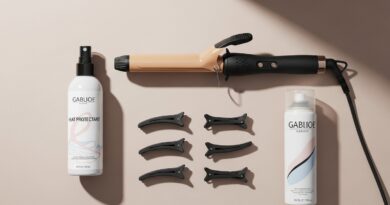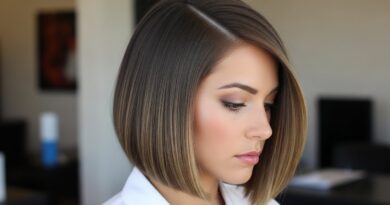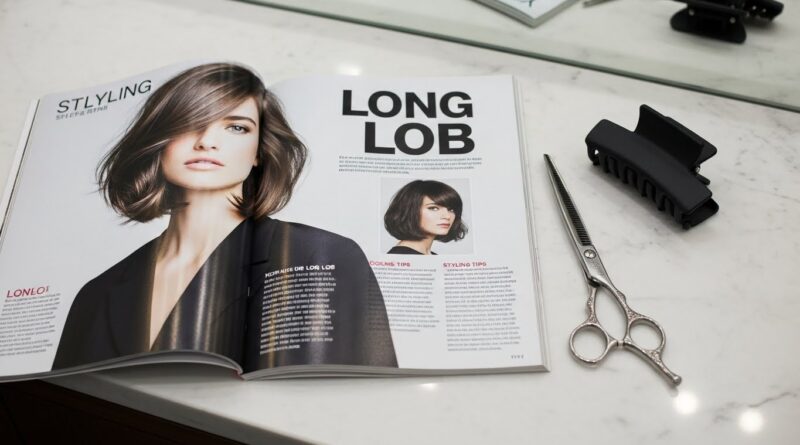
Textured Lob: How to Add Movement Without Going Too Short
Have you ever stood in front of the mirror, longing for a change—more volume, more life, more movement—but felt a pang of anxiety at the thought of losing your precious length? You’re not alone. The desire for a dynamic, stylish look often seems locked behind the door of a dramatic chop. But what if there was a way to have it all? Enter the textured lob, the haircut that has mastered the art of adding undeniable movement and body while gracefully skirting the territory of “too short.”
What Exactly Is a Textured Lob?
Let’s break down the name. “Lob” stands for long bob, typically falling anywhere from just above the shoulders to the collarbone. This length is key—it’s short enough to feel fresh and modern, yet long enough to pull back into a ponytail or bun, offering the versatility many crave. The magic, however, is in the word “textured.”
Texture here doesn’t refer to your hair’s natural curl pattern (though it works with all of them). Instead, it describes the cutting techniques used to create variation within the hair’s shape. A stylist will use methods like point cutting, slicing, or notching with shears or a razor to strategically remove bulk, create soft ends, and establish layers that are seamlessly blended. The result? A haircut that has built-in volume, separation, and a lived-in, effortless vibe from day one. Unlike a blunt, one-length bob, a textured lob is all about dimensional movement.
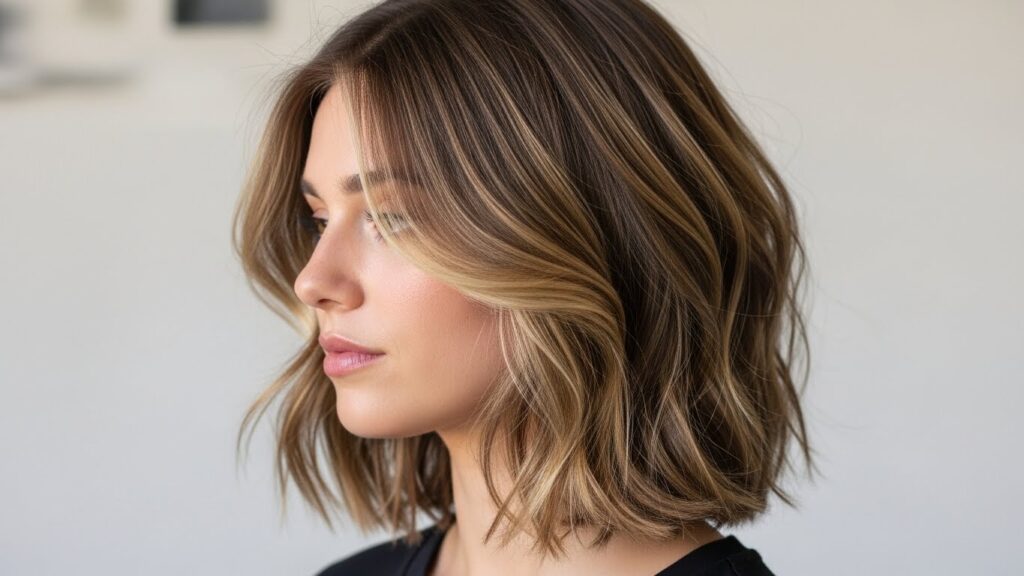
Why the Textured Lob is a Game-Changer for Movement
So, how does this cut create such noticeable movement without a major length sacrifice? The science is in the weight distribution. Longer hair, especially when cut bluntly, carries its weight at the bottom. This can pull hair flat against the scalp, particularly for those with fine or straight hair. By introducing texture and layers, a skilled stylist removes weight from the interior and ends of the hair.
This weight removal allows the hair to “lift” from the root and creates natural bend and swing through the lengths. Each piece moves independently, catching light and creating the illusion of more volume and body. It’s the difference between a solid curtain of hair and a cascade of soft, moving layers. For wavy or curly hair, texture cutting helps define the natural pattern and reduce bulk, enhancing the hair’s inherent movement rather than fighting against it.
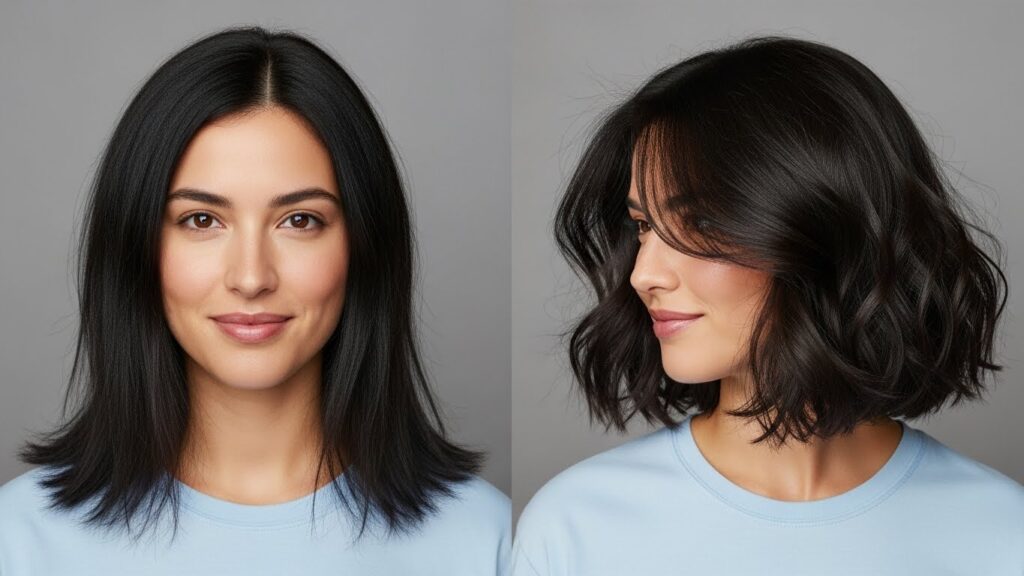
Finding Your Perfect Textured Lob: A Consultation Guide
Walking into the salon and simply asking for a “textured lob” can yield varied results. To get your dream cut, communication with your stylist is crucial. Come prepared with photos, but more importantly, be ready to discuss these key points:
1. The Length Sweet Spot: Use your body as a guide. Do you want it to graze the collarbone, sit just above the shoulders, or brush the top of your shoulder blades? Discuss what “not too short” means to you specifically.
2. Face-Framing Priorities: This is where personalization shines. Do you want dramatic, curtain-bang-like layers around the face, or something more subtle and blended? Mention if you want layers that can be tucked behind the ears or that specifically work with your bone structure.
3. Your Hair Texture & Density: This is the most important conversation. A textured lob on fine, straight hair will use different techniques than on thick, wavy hair. Be honest about your hair’s behavior—its thickness, curl, and any challenges like cowlicks or flatness at the crown.
Pro Tip: Use phrases like “I want to keep as much length as possible but add airiness and bounce,” or “I’d like soft, blended layers that remove weight but don’t look choppy.” This gives your stylist clear artistic direction.
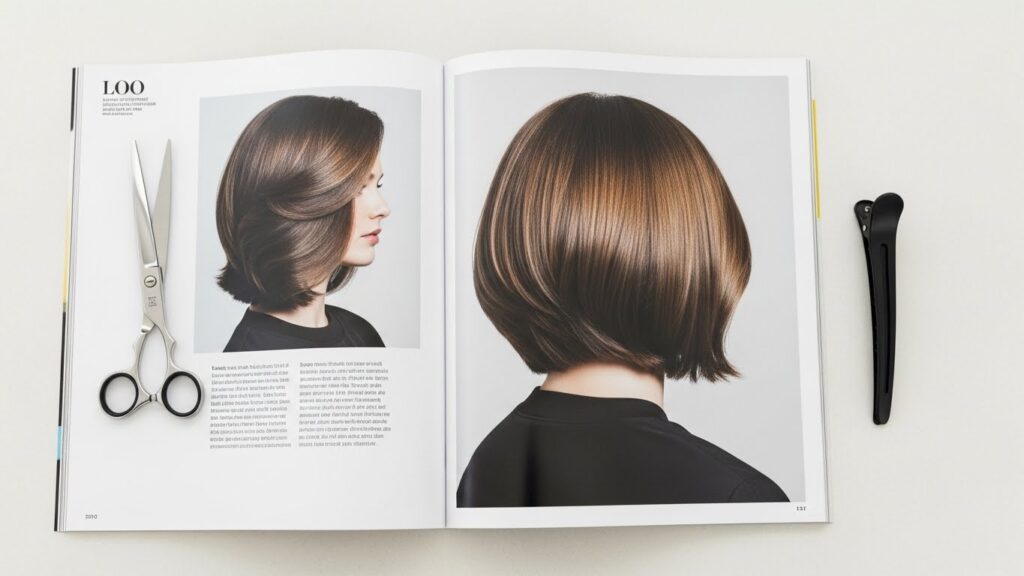
Styling Your Textured Lob for Maximum Impact
The beauty of a textured lob is its low-maintenance ethos, but a few simple styling tricks can elevate its movement from good to breathtaking.
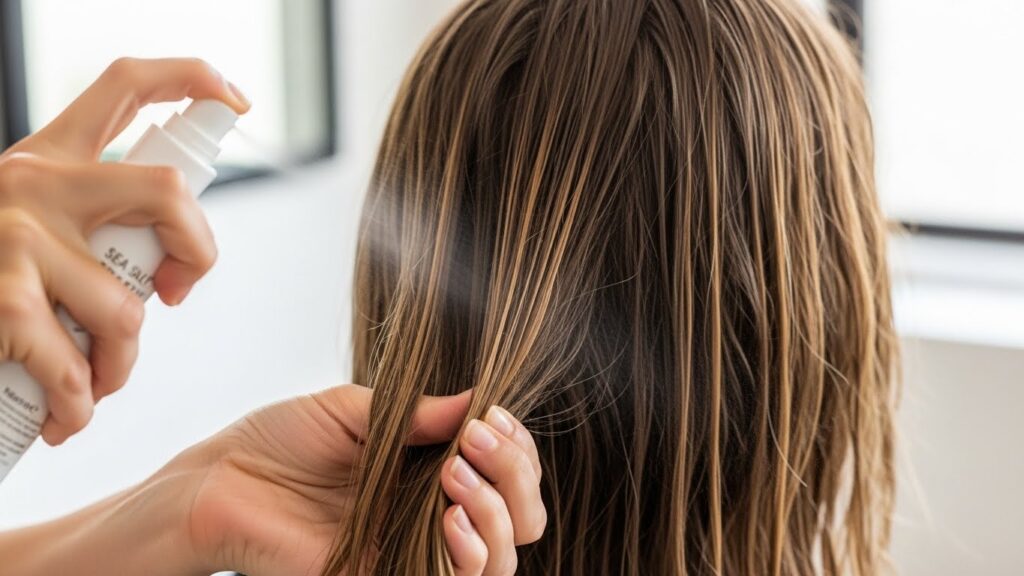
Embrace Texture Products: Ditch the heavy, smoothing serums. Reach for sea salt sprays, texturizing mousses, or dry texture sprays. Apply to damp or dry hair, focusing on mid-lengths to ends, to enhance separation and that coveted piecey effect.
Volumize at the Root: Movement starts at the root. Use a volumizing spray or mousse at the crown before blow-drying. Flip your head upside down while drying the roots for an instant lift. A round brush can also be used to create bend and body as you dry.
The Power of the Wave: Loose waves are a textured lob’s best friend. Use a curling wand (1-1.5 inch barrel) to create alternating, non-uniform waves. Don’t curl all the way to the ends, and always break up the curls with your fingers for a soft, undone finish.
Strategic Air-Drying: For a truly effortless look, apply a texturizing cream to damp hair, scrunch gently, and let it dry naturally. The cut’s internal layers will encourage your hair to fall into perfectly imperfect, movable shapes.
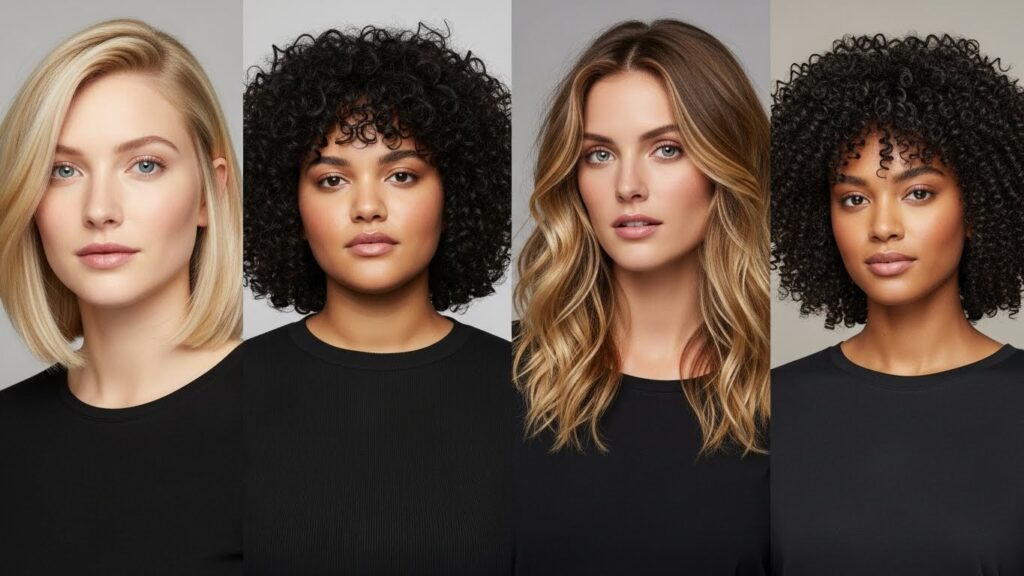
Who Does the Textured Lob Suit Best? (Spoiler: Almost Everyone)
One of the most compelling arguments for the textured lob is its incredible versatility. It’s a shape that can be adapted to suit a wide range of features and hair types.
For Fine, Straight Hair: This is often the biggest beneficiary. The texturizing removes the weight that causes flatness, instantly creating the illusion of thicker, fuller hair with much-needed body.
For Thick, Wavy/Curly Hair: The cut manages bulk and can help define natural patterns without adding triangular shape. It provides structure and reduces frizz by distributing curl volume more evenly.
For Face Shapes: A good stylist will tailor the layering to flatter your face. Longer, face-framing layers can soften square jawlines, while volume at the crown can balance a heart-shaped face. The lob’s length is universally flattering, often highlighting the neck and collarbones.
In short, if your goal is to add movement, volume, and a modern edge while maintaining a manageable, feminine length, the textured lob is a contender worth serious consideration.
Maintaining Your Masterpiece: Trims & At-Home Care
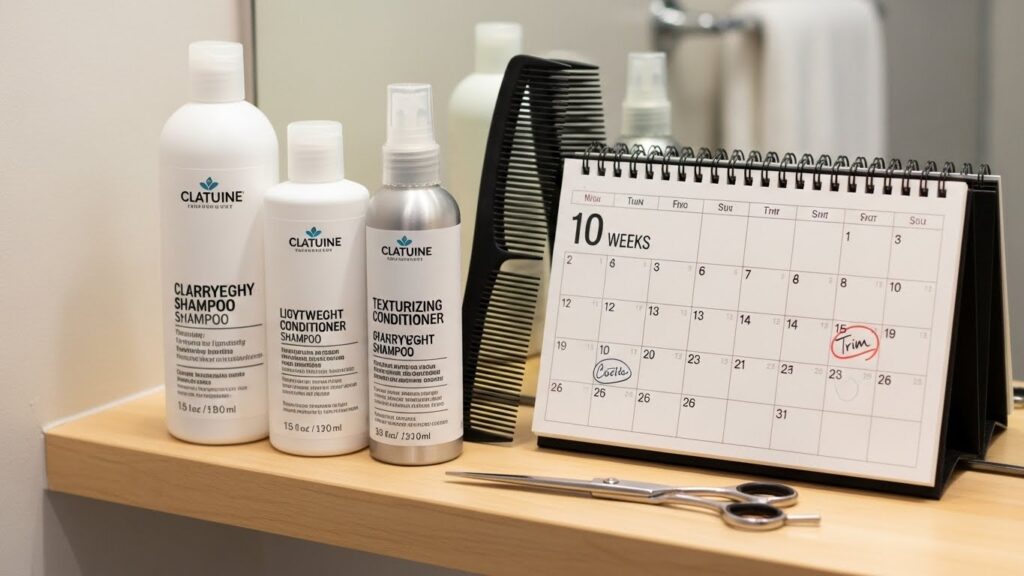
To keep your textured lob looking its best, maintenance is straightforward but non-negotiable. Regular trims every 10-12 weeks are essential. Texture cuts grow out beautifully, but to maintain the shape’s precision and prevent the layers from losing their definition, staying on schedule is key.
At home, invest in a good clarifying shampoo to use once a week, as texture products can build up. Follow with nourishing conditioners, but keep them focused on the mid-lengths and ends to avoid weighing down the roots. A wide-tooth comb is your best friend for detangling without breaking up your natural texture. Remember, the goal is to preserve the cut’s architecture, so avoid heavy, oil-based products that can collapse your hard-earned volume.
Embrace the Movement
The textured lob is more than a haircut; it’s a strategic style choice for the modern individual who values both aesthetics and practicality. It solves the classic dilemma of wanting change without compromise, offering a brilliant solution for those who seek volume, swing, and a dose of cool-girl effortlessness—all while keeping a comfortable, versatile length. It’s a cut that works with your hair, not against it, unlocking its natural potential for movement.
So, if you’ve been scrolling through inspiration photos, yearning for a change that feels both bold and safe, the textured lob might just be your answer. Book that consultation, use the tips in this guide, and get ready to experience the joy of hair that moves as dynamically as you do.